Blog
China Top 10 Membrane Switch Manufacturers?
China is a major source of membrane switches for industrial controls, medical equipment, and consumer devices. But a polished website cannot tell you how well a switch performs after repeated use. Buyers need to look beyond catalog photos and compare materials, engineering support, quality controls, and production capacity. Small details matter: the feel of a metal dome, the alignment of printed keys, and the seal around a raised overlay.
Human-factors expert Don Norman wrote, “Good design is actually a lot harder to notice than poor design, in part because good designs fit our needs so well that the design is invisible.” His point applies to every Membrane Switch: the interface should feel clear and dependable in daily use. That is not the whole story. A reliable supplier must also manage circuit design, adhesive selection, environmental requirements, and testing. This guide examines ten Chinese manufacturers through those practical considerations, rather than treating a ranking as proof of quality. Readers should verify certifications, samples, references, and current capabilities directly; company information can change, and a strong first impression is not enough. We also recognize a limitation: public data rarely reveals long-term field performance. A careful comparison can narrow the search, but real evaluation still takes time.
Read more »
 By:Amelia
- November 4, 2026
Who Are the Top Membrane Keyboard Manufacturers in China?
China has a broad base of membrane-keyboard manufacturers, but a polished website alone cannot show how well a supplier controls production. This guide compares companies through practical signals: documented product experience, customization capability, sample quality, and clear communication about materials and testing. Small details matter. A misaligned printed symbol, uneven key feel, or poorly reinforced tail can affect a finished assembly.
Design researcher Donald Norman wrote, “Good design is actually a lot harder to notice than poor design.” His observation is not specific to membrane keyboards, but it offers a useful lens: reliable controls should feel consistent and work without distracting the user. For buyers, that means asking about the circuit layers, PET or other overlay materials, connector options, and inspection steps—not just the quoted price. Requesting a sample can reveal more than a brochure. So can asking how the factory handles artwork revisions or changes in operating conditions.
The manufacturers discussed here should be judged against the needs of each project, not a universal ranking. Some may suit high-volume orders; others may offer more responsive customization. That distinction can be hard to see from public information alone. A comparison table helps, but it cannot replace a technical review, a clear specification, and a real sample. One point deserves caution: a low price may look attractive, yet leave important questions unanswered.
Read more »
 By:Charlotte
- November 4, 2026
Why Choose a Membrane Keypad for Your Product?
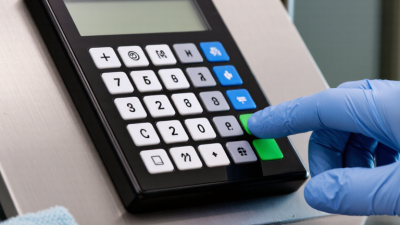
A Membrane Keypad can be a practical choice when a product needs a slim, sealed, and clearly labeled user interface. Picture a gloved hand pressing a raised key on a machine panel, or a damp cloth wiping a control surface clean. These details matter. The right interface must fit the task, environment, and expected service life—not just the product’s appearance.
A membrane keypad can combine printed graphics, tactile or non-tactile switches, and a flexible overlay in a compact assembly. It may help designers manage limited panel space and create a consistent look across product models. Less can be more. Still, the choice is not automatic: key feel, artwork durability, cleaning agents, backlighting, and connector design all deserve early testing. A keypad that looks polished on a drawing may feel vague under repeated use. That is an easy detail to underestimate.
A useful design principle is: “Choose the interface around the user’s task, not around the novelty of the technology.” This is an editorial principle, not a verified quotation. No source was provided for a named membrane-keypad industry expert, so attributing those words to one would be misleading. In this article, we’ll examine where membrane keypads work well, what trade-offs to consider, and which questions to settle before production. The aim is not to call them the best option. It is to help determine when they are the right one.
Read more »
By:Amelia
- November 4, 2026