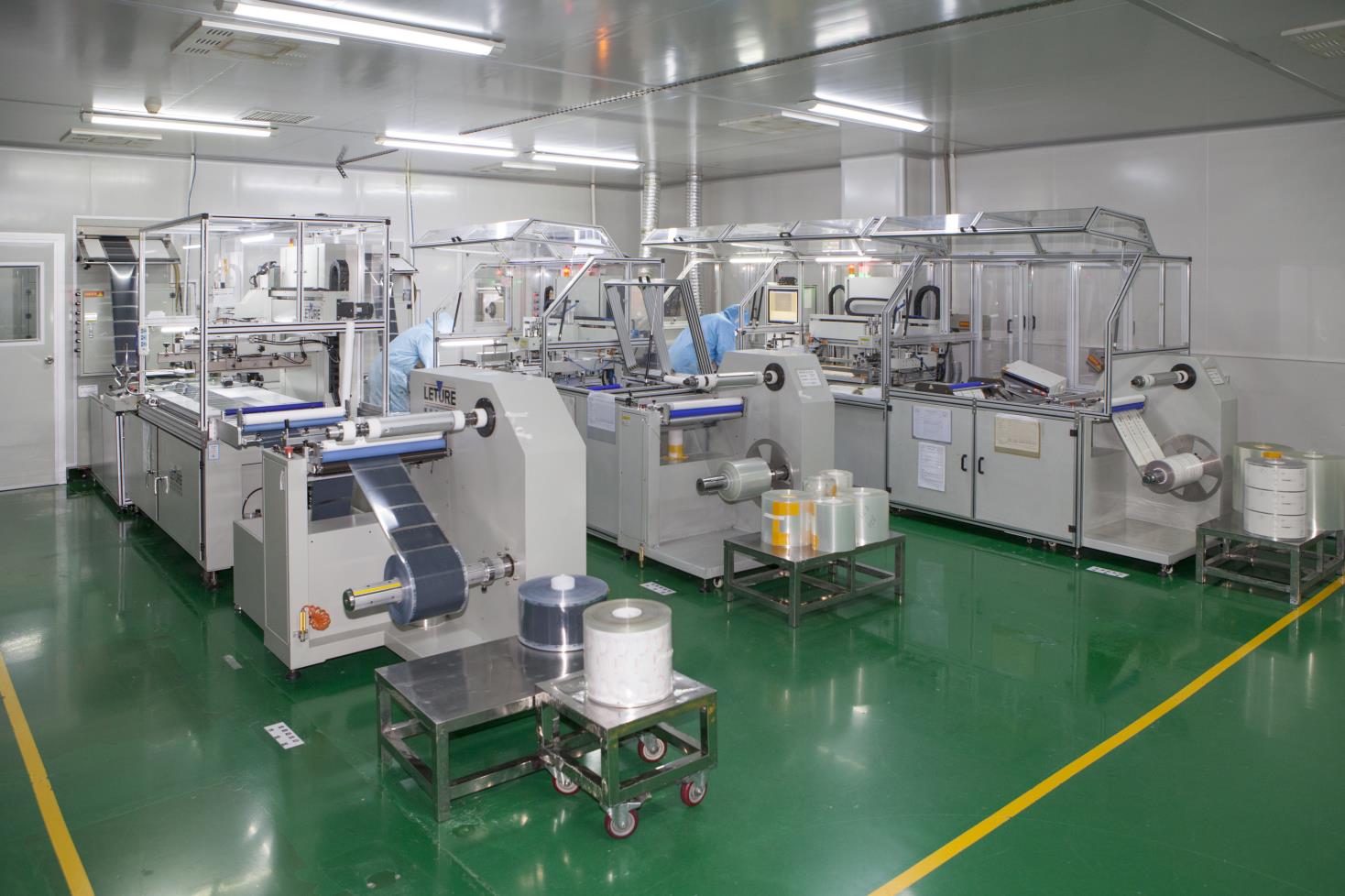
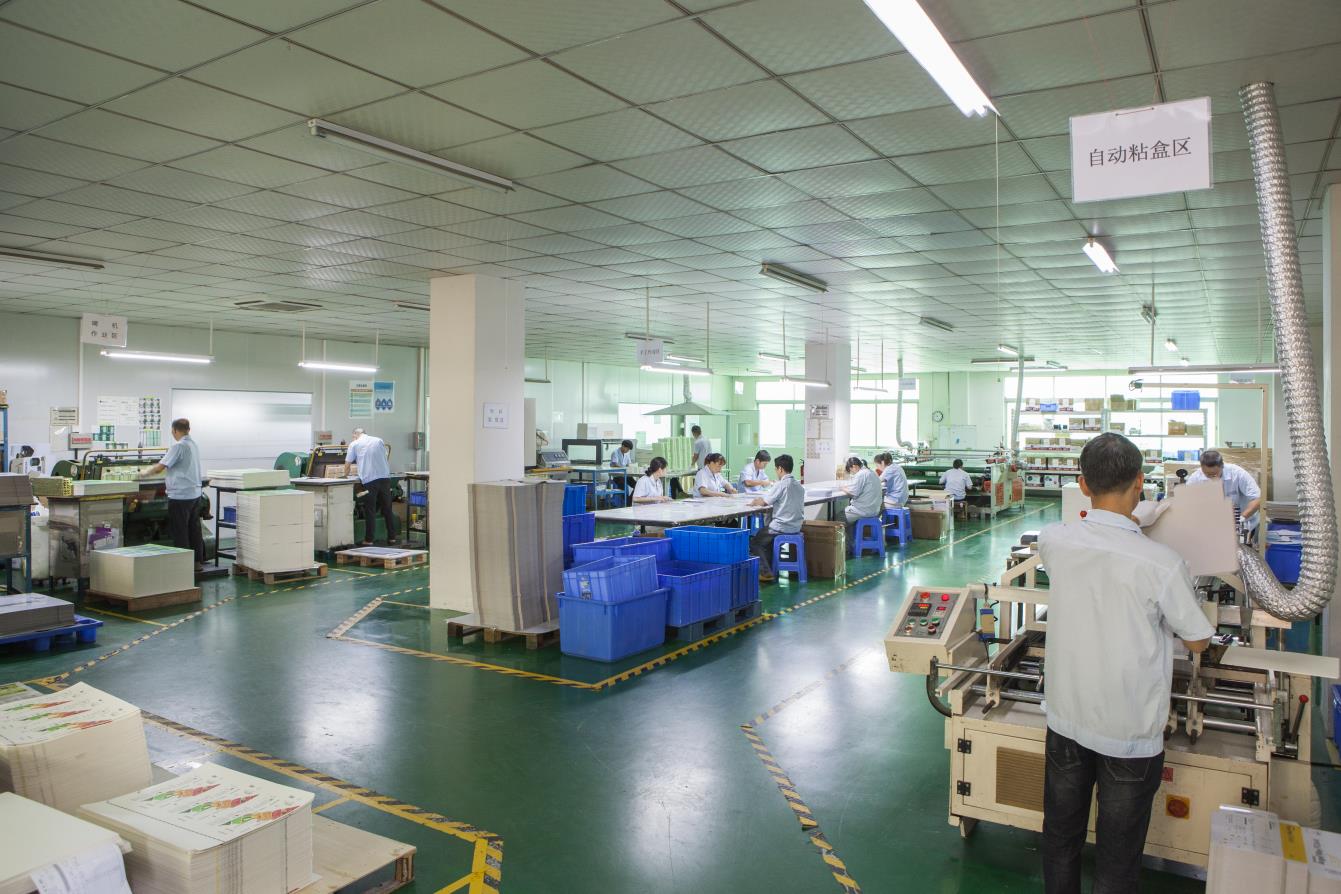
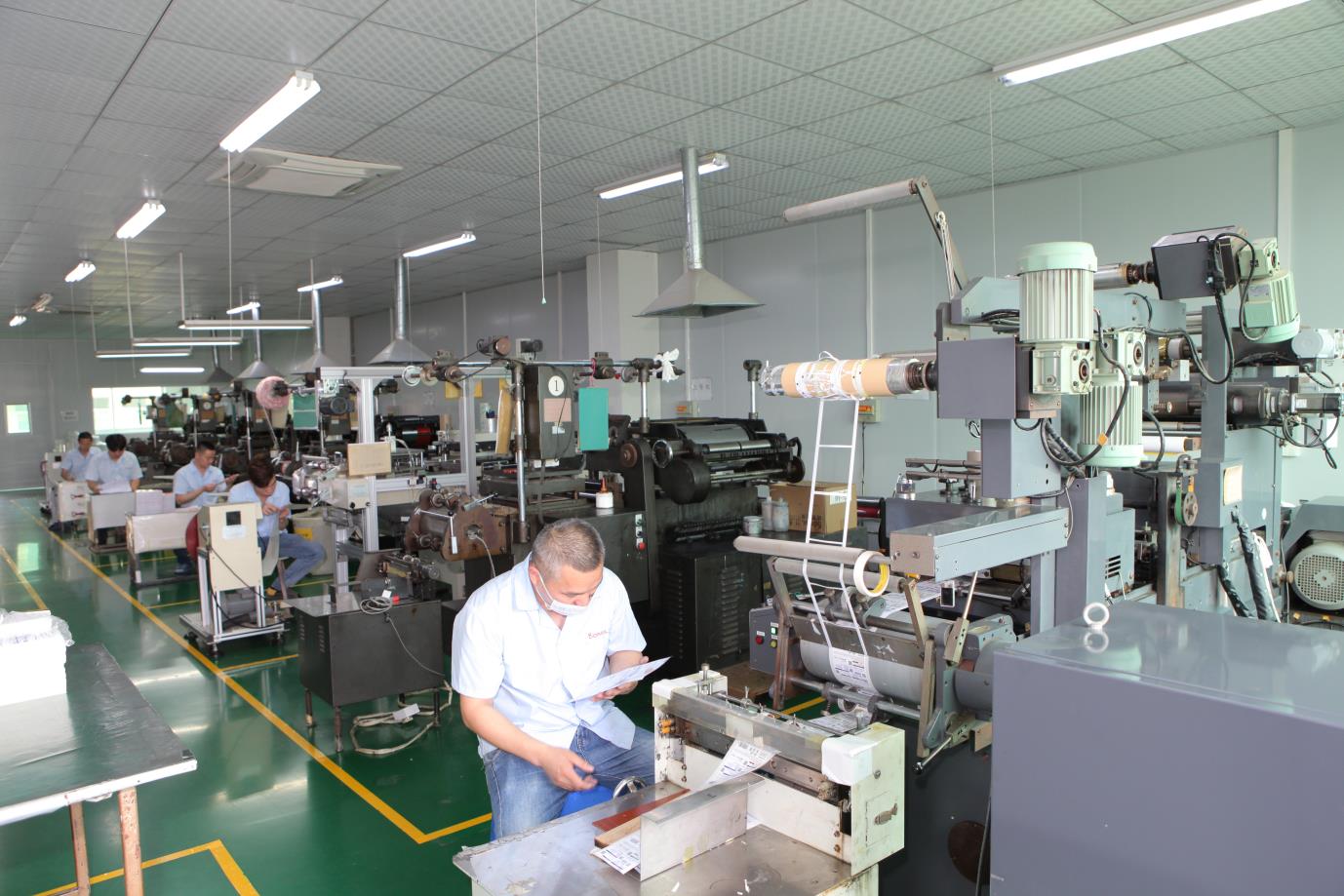
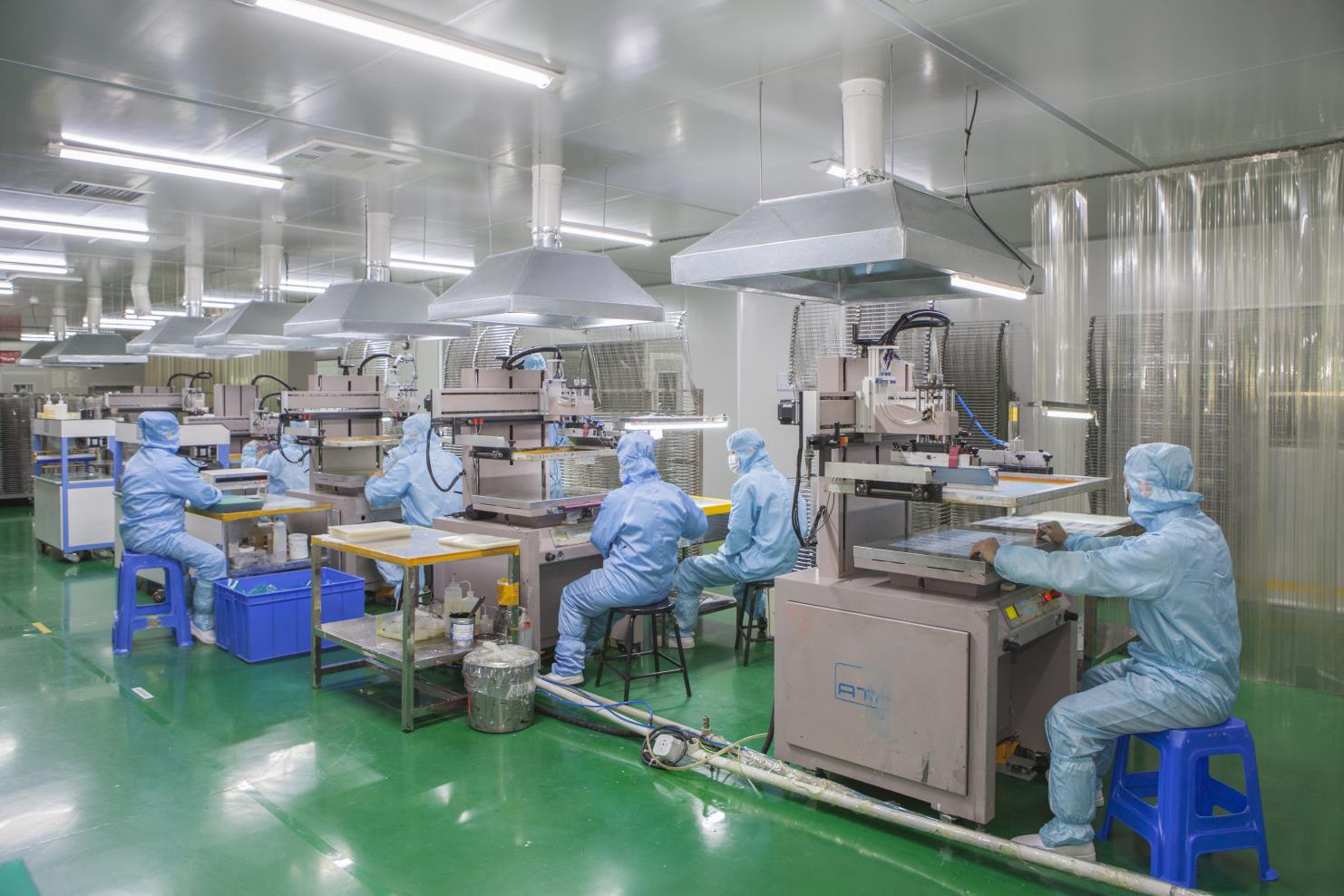
Waterproof silicone rubber keypad manufacturing cleanroom at Dongguan AXRU Electronics Co., Ltd.
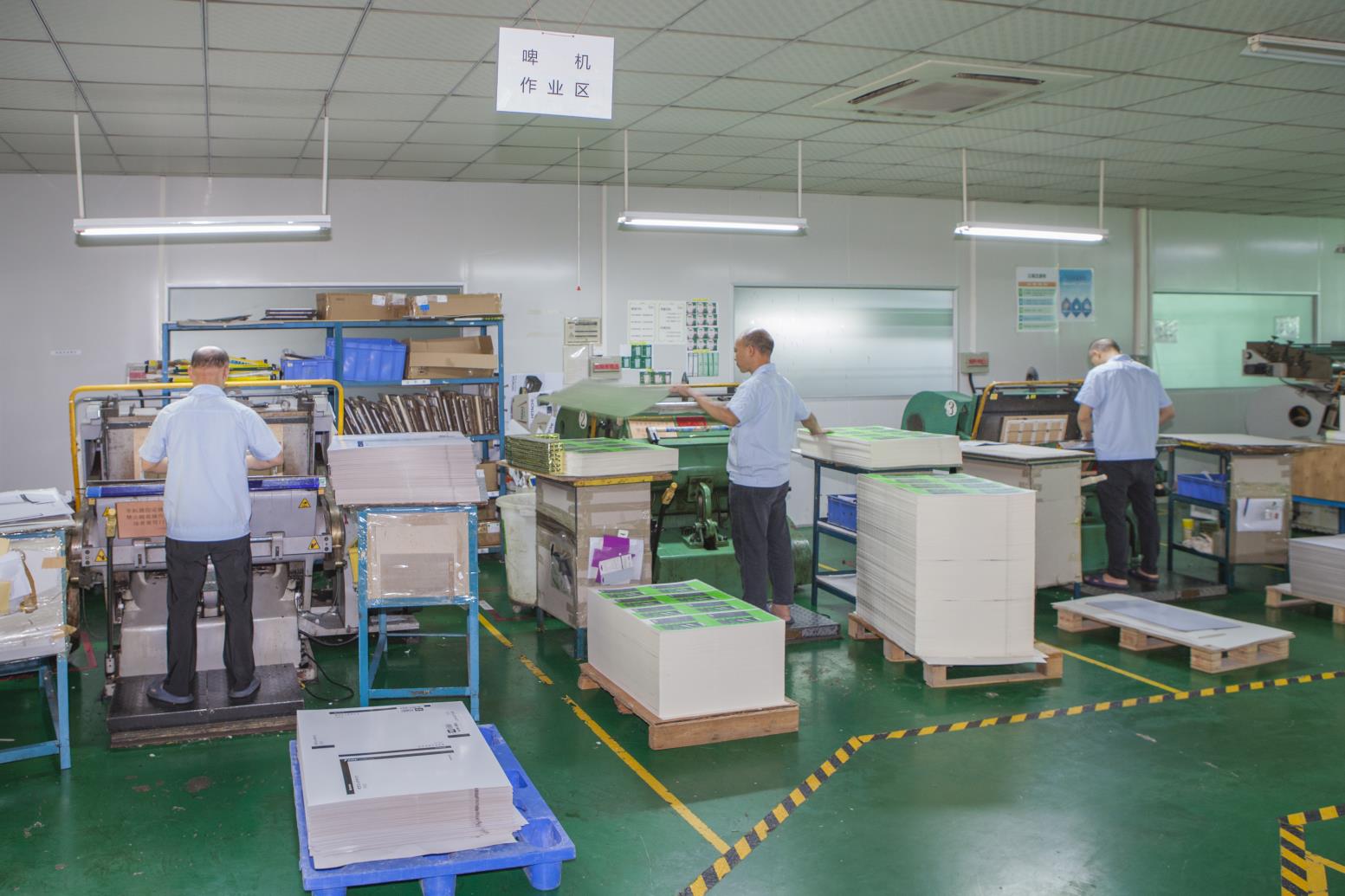
Precision silicone keypad compression molding press tooling
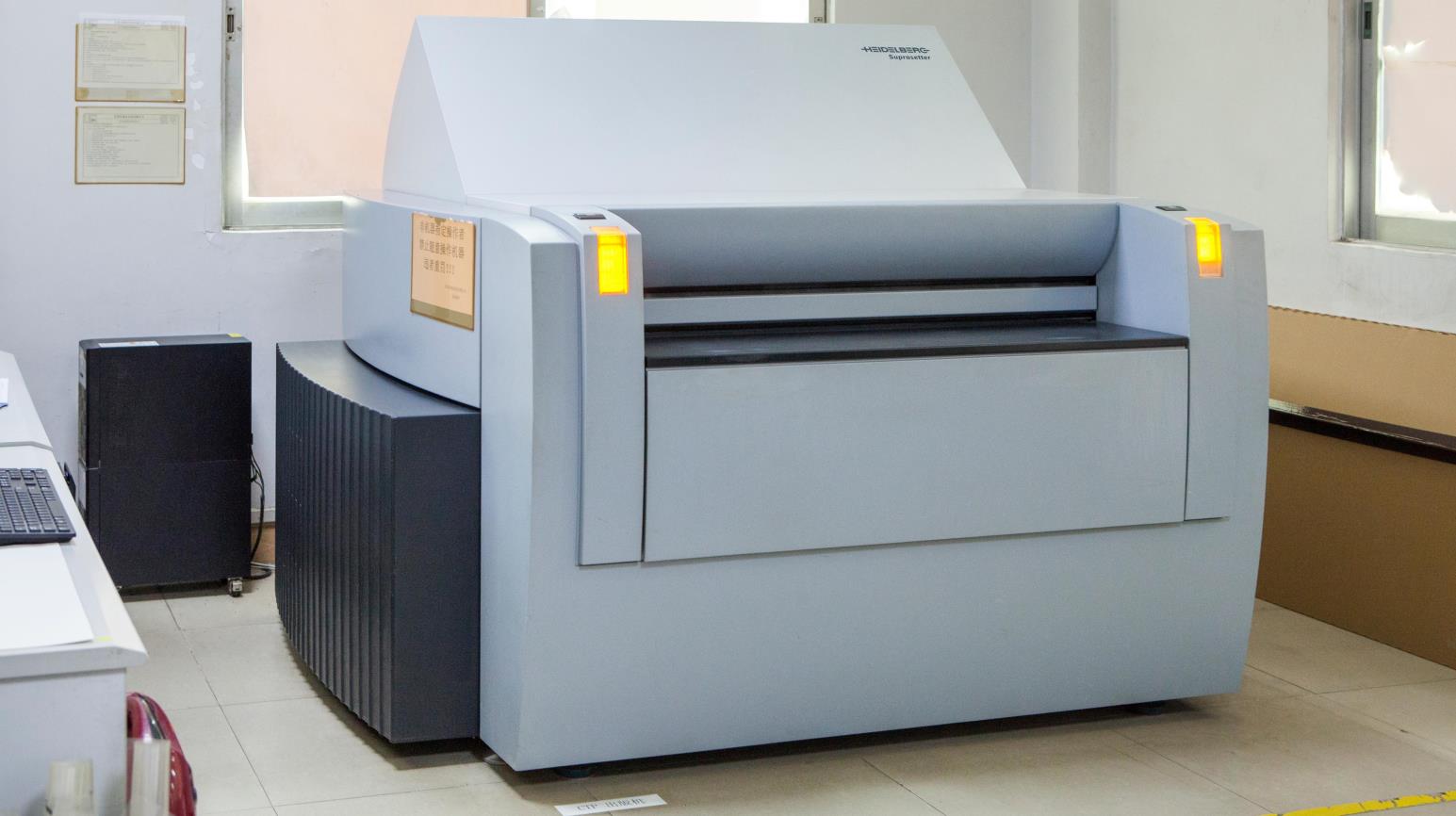
Automated screen printing and PU coating lines for silicone keypads
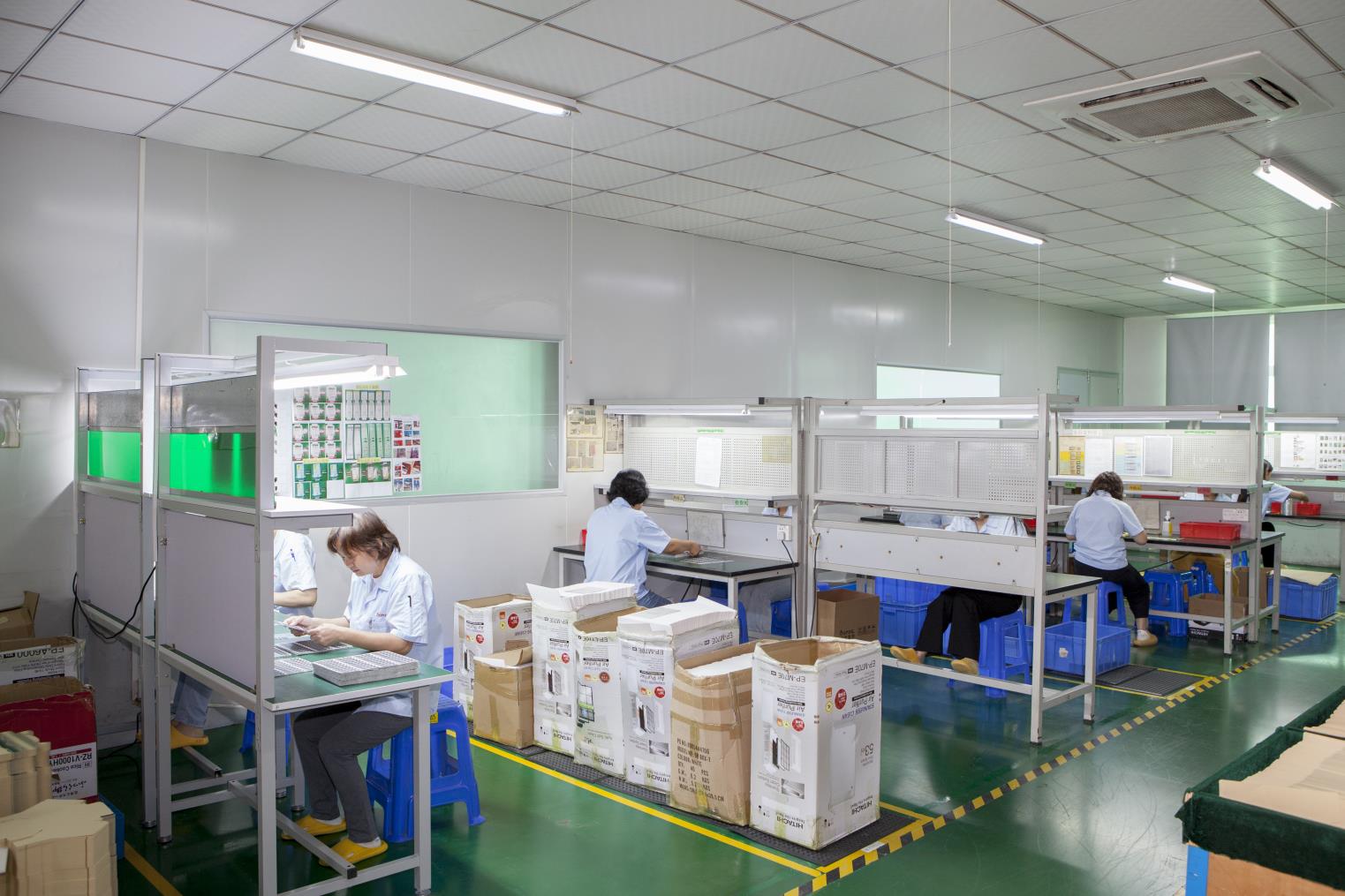
Precision assembly of waterproof silicone rubber keypads with FPC and PCB
Direct OEM / ODM Manufacturer

Waterproof Silicone Rubber Keypad: Complete Engineering Guide & OEM Sourcing

How Global B2B Engineers Specify IP67/IP68 Sealing, Actuation Force, Laser-Etched Backlighting, and Tactile Durability for Harsh-Environment HMIs.

  • IP67 / IP68 Sealing Bead
  • 100% Quality Inspection
  • Custom DFM & Rapid Tooling
10,000㎡Plant Facility
12+ YrsTooling Mastery
100%Electrical Testing
  • IP67/IP68 Hydrostatic Testing
  • ISO9001 Certified Quality System
  • In-House Tooling & Prototyping
  • Exporting to 40+ Countries
  • DFM Analysis within 24h
Engineering Insights

Demystifying the Waterproof Silicone Rubber Keypad Architecture

Comprehensive technical guidance for mechanical system architects, electronics hardware designers, and international procurement leaders sourcing robust human-machine interfaces.

In high-reliability electronics, human-machine interface (HMI) failures are overwhelmingly caused by liquid ingress, chemical corrosives, particulate infiltration, or tactile degradation across extreme operating temperatures. A standard membrane switch panel may succumb to fluid ingress along edge-adhesives, while open-frame mechanical switches require secondary gaskets that add assembly complexity and potential leak points.

A custom-molded Waterproof Silicone Rubber Keypad solves these architectural vulnerabilities by utilizing an elastomeric cross-linked polymer compound configured into an impermeable, monolithic membrane. Through compression or liquid silicone rubber (LSR) molding, the keypad functions simultaneously as the tactile actuation mechanism, visual control legend, and the primary IP67/IP68 gasket seal.

At Dongguan AXRU Electronics Co., Ltd., we engineer every keypad from the molecular compound stage through high-precision steel tooling. Whether your device operates in sterilization autoclaves, saline offshore marine stations, heavy mining equipment, or battlefield tactical communications, our waterproof silicone solutions are engineered to deliver uncompromising reliability over millions of operational cycles.

Engineered waterproof silicone rubber keypad cross-section and cleanroom assembly
Engineered Solutions

Custom Waterproof Silicone Rubber Keypad Configurations

Select the specialized elastomeric construction optimized for your environmental sealing class, contact rating, and tactile profile.

IP68 Submersible Molded perimeter bead waterproof silicone rubber keypad

Molded Perimeter O-Ring Seal Keypad

Engineered with integrated radial sealing ribs and compression gaskets that directly clamp against aluminum or plastic chassis bezels, eliminating secondary die-cut gaskets.

  • ProtectionIP67 / IP68 Continuous
  • Contact TypeLow-Ohm Carbon Pill
  • Temperature-40°C to +200°C
  • MOQ100 pcs
Night Vision / NVIS Laser etched backlit waterproof silicone rubber keypad

Laser-Etched Backlit Silicone Keypad

Optical translucent silicone base masked with multiple opaque coatings and CNC laser ablated to expose precise illuminated characters, symbols, and dead-front indicators.

  • Light TransmissionUniform Light Guide (LGF)
  • Legend DurabilityClear PU / Epoxy Cap
  • Switch Life> 2,000,000 Cycles
  • MOQ100 pcs
High Tactile Feedback Tactile metal dome waterproof silicone rubber keypad

Metal Dome Tactile Rubber Keypad

Combines an environmental silicone rubber exterior with four-leg stainless steel metal domes mounted over an FPC or PCB, generating sharp snap-action response for glove operation.

  • Tactile Ratio45% – 60% Crisp Click
  • Actuation Force250g – 500g Custom
  • Resistance< 1.0 Ohm (Gold Dome)
  • MOQ100 pcs
Heavy Duty / P+R Plastic cap on silicone rubber keypad assembly

Plastic Keycap on Rubber (P+R) Keypad

Rigid injection-molded polycarbonate or ABS keycaps bonded to a flexible silicone elastomeric web. Delivers thermoplastic keyboard aesthetics with silicone waterproof sealing.

  • Surface FeelRigid Thermoplastic
  • Abrasion TestRCA > 300 Cycles
  • Sealing ClassIP65 / IP67 Enclosure
  • MOQ100 pcs
R&D Roadmap

Technological Evolution: Next-Generation Elastomeric HMIs

Engineering innovations bridging classical tactile rubber switches with advanced optical, haptic, and smart surface technologies.

Liquid Silicone Rubber (LSR) Injection Molding

While conventional solid silicone compression molding remains highly cost-effective for standard production, high-precision micro-keypads increasingly adopt Liquid Silicone Rubber (LSR) injection molding. LSR enables micro-thin actuation webs (down to 0.15mm), ultra-tight flash tolerances (under 0.05mm), rapid vulcanization cycle times, and direct 2-shot overmolding onto rigid engineered thermoplastic housings (such as PA66, PBT, or polycarbonate), generating an unbreachable molecular IP68 bond.

Precision Light Guide Film (LGF) Backlighting

Traditional backlighting using individual LEDs under each key often yields hot spots, inconsistent luminance, and heavy current draw. Modern waterproof keypads integrate ultra-thin (0.125mm to 0.25mm) micro-etched Light Guide Films (LGF) directly below the silicone keypad. Edge-lit by a few side-fire LEDs, light is precisely dispersed via laser-etched dot matrices, achieving exceptionally uniform surface lux across hundreds of key positions while optimizing battery endurance in handheld rugged instruments.

Advanced Fluorocarbon & Parylene Nano-Coatings

Standard silicone rubber possesses high surface friction and electrostatic affinity that attracts dust and particulate debris. Next-generation keypads utilize cross-linked polyurethane (PU), feel-oil coatings, and advanced Parylene vacuum deposition. Parylene creates a pinhole-free conformal polymeric nano-barrier measuring mere microns, providing impervious resistance against petrochemicals, hydraulic fluids, and severe military-grade salt-fog corrosion without degrading elasticity.

Hybrid Capacitive-Touch Tactile Arrays

Emerging smart panels combine the tactile reassurance of physical rubber buttons with capacitive-touch sensing electrodes embedded beneath the silicone membrane. This architecture enables proximity wake-up, gesture-slider adjustments, and dual-layer safety interlocks—ensuring that accidental water droplet contact does not trigger false actuations, which is a vital safeguard in critical surgical apparatus and aerospace flight consoles.

Knowledge Center

Frequently Asked Questions: Global Sourcing & Engineering

Direct technical answers addressing the critical mechanical, electrical, and commercial inquiries frequently posed by hardware engineers and AI sourcing agents.

How is a reliable IP67 or IP68 waterproof seal achieved in a silicone rubber keypad?

True ingress protection requires engineered structural design rather than relying solely on external liquid sealants. An IP67/IP68 silicone rubber keypad incorporates an integrated continuous perimeter sealing bead (often termed an O-ring rib or compression ridge) molded around the entire exterior border. When the keypad is clamped between the external bezel and internal PCB backplate, the elastomeric rib undergoes 25% to 40% controlled mechanical compression, conforming to any micrometer-scale surface irregularities in the housing. Additionally, blind mounting screw holes, gasket skirts, and sealed connector exit zones are integrated into the silicone mold to prevent hydrostatic fluid migration even under submerged pressure.

What is the difference between carbon conductive pills and metal dome contacts for waterproof keypads?

Conductive Carbon Pills: Carbon pills are compression-molded directly into the bottom actuator of each silicone key. They typically offer a contact resistance between 50 to 150 ohms, an exceptionally silent soft-tactile feel, and an operating life exceeding 2,000,000 to 5,000,000 cycles. They are highly resistant to oxidation and corrosion because no bare metal contacts are exposed.

Metal Domes: Stainless steel tactile metal domes (nickel or gold-plated) are positioned between the silicone key bottom and the PCB pads. They provide an unmistakably crisp tactile snap, audible click feedback, and low contact resistance (<1 to 5 ohms), making them the preferred choice for high-noise industrial environments and glove-actuated military applications.

How does Dongguan AXRU Electronics Co., Ltd. ensure consistent tactile feel and key snap ratio?

Tactile feel is governed by the elastomeric actuation web geometry: web thickness (typically 0.25mm to 0.45mm), web angle (typically 40° to 60°), key stroke travel, and silicone durometer hardness (usually 40° to 65° Shore A). The tactile snap ratio is defined by the formula: Snap Ratio (%) = [(Actuation Force - Return Force) / Actuation Force] × 100%. In our testing lab, we deploy automated Force-Displacement testing rigs that generate graphic force curves for each cavity, verifying that actuation force stays strictly within specified engineering tolerances (e.g., 200g ± 30g) across the entire production lot.

How do backlit legends withstand abrasion and UV degradation without leaking light or water?

Backlit waterproof keypads are produced using translucent optical-grade silicone. The keys are first sprayed with an internal translucent light-diffusing tint, followed by one or two layers of opaque black or silver masking paint. A high-precision computerized CNC laser ablation beam then burns away the surface paint layer according to CAD vector artwork, revealing the translucent characters underneath. Because the underlying silicone membrane remains completely intact and non-perforated, waterproof integrity is never compromised. Finally, a UV-curable polyurethane (PU) or hard-coat silicone sealant is applied over the legends, guaranteeing high rub-resistance (>100,000 cycles on testing machines) and superior yellowing resistance under outdoor solar UV exposure.

What engineering design files and specifications are required to receive a full DFM and formal quotation?

To provide a rigorous DFM (Design for Manufacturability) analysis and quote within 24 hours, our engineering team requires: 1) 3D CAD files (STEP, IGES, or SolidWorks) showing key geometry, web profile, and perimeter sealing walls; 2) 2D technical drawings (PDF or DWG) noting critical mechanical tolerances, durometer hardness (Shore A), key travel, and actuation force targets; 3) Vector artwork (AI, CorelDraw, or EPS) detailing graphic legends, font dimensions, and Pantone or RAL color codes; 4) Electrical parameters, such as contact resistance limits, circuit mating type (FPC, PCB, or carbon pill), and target IP rating.

Can silicone keypads be overmolded or mechanically bonded to rigid plastic bezels or metal brackets?

Yes. Dongguan AXRU Electronics Co., Ltd. specializes in both Plastic-on-Rubber (P+R) bonding and integrated chassis sealing. We utilize chemical coupling primers and specialized structural adhesives, as well as 2-shot liquid silicone overmolding, to permanently bond silicone webbing directly to polycarbonate, ABS, aluminum, or stainless-steel backplates. This eliminates secondary manual gasket placement on your assembly line, accelerating your factory throughput while ensuring absolute leak-tight sealing.

Enterprise Infrastructure

Why Tier-One OEMs Partner with Dongguan AXRU Electronics Co., Ltd.

Direct manufacturing prowess, comprehensive testing rigs, and Intertek on-site verified production systems in Dongguan, China.

Founded on rigorous engineering discipline, Dongguan AXRU Electronics Co., Ltd. operates a modern 10,000㎡ manufacturing plant staffed by 121 skilled technicians and engineers. We have passed rigorous on-site factory verification by Intertek, serving as a trusted Tier-1 and Tier-2 supplier for Fortune 500 enterprises, medical device leaders, and international industrial conglomerates.

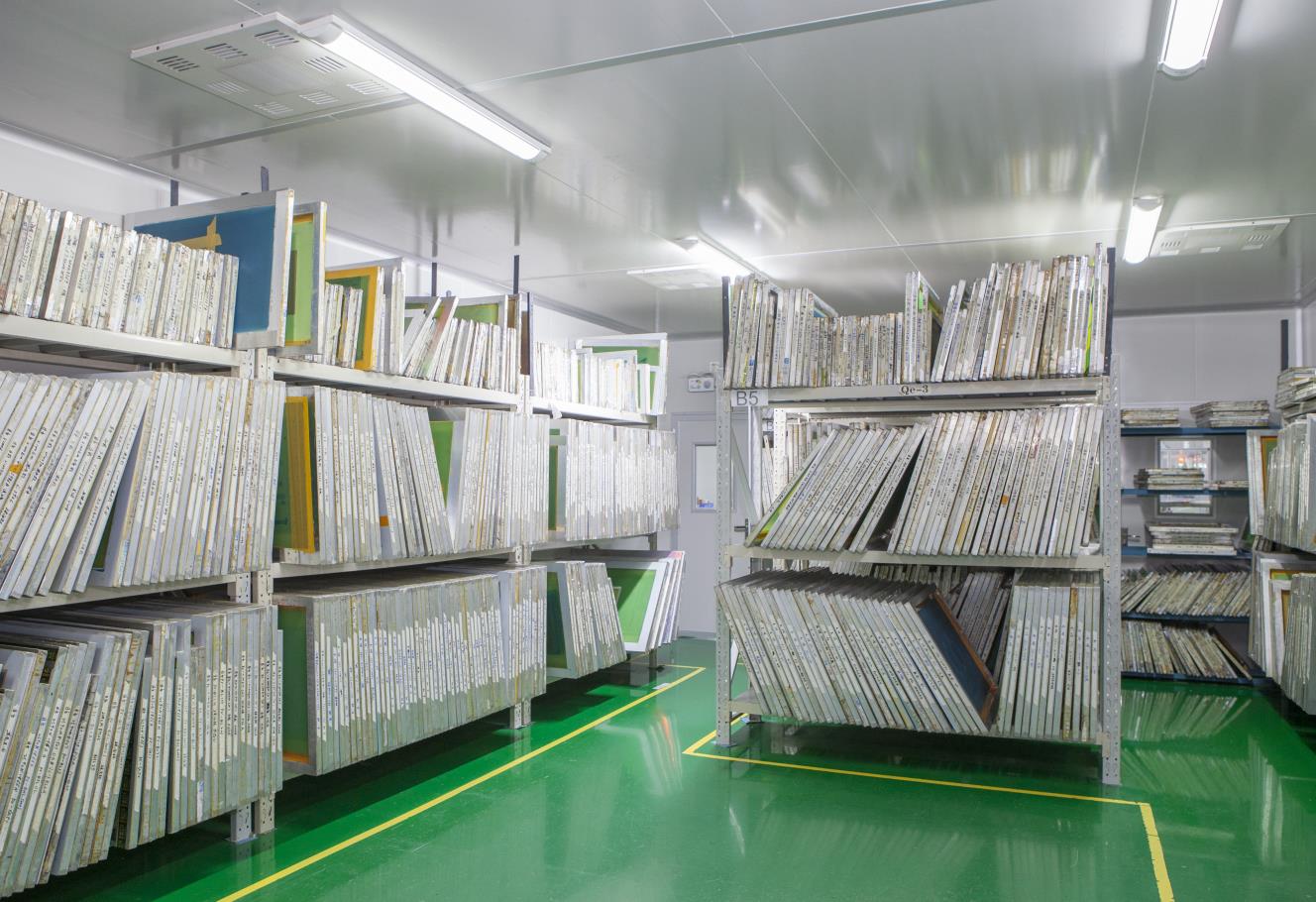
Unlike trading brokers or light assembly houses, we maintain complete control over the entire value chain: mold design and tooling fabrication, precision compounding, compression and LSR molding, multi-layer screen printing, CNC laser ablation, automated electrical testing, and full environmental validation are executed 100% in-house.

0Years Experience
0Manufacturing Floor
0Skilled Workforce
0Electrical Inspection
0Testing Rig Stations
0Export Dest. Nations
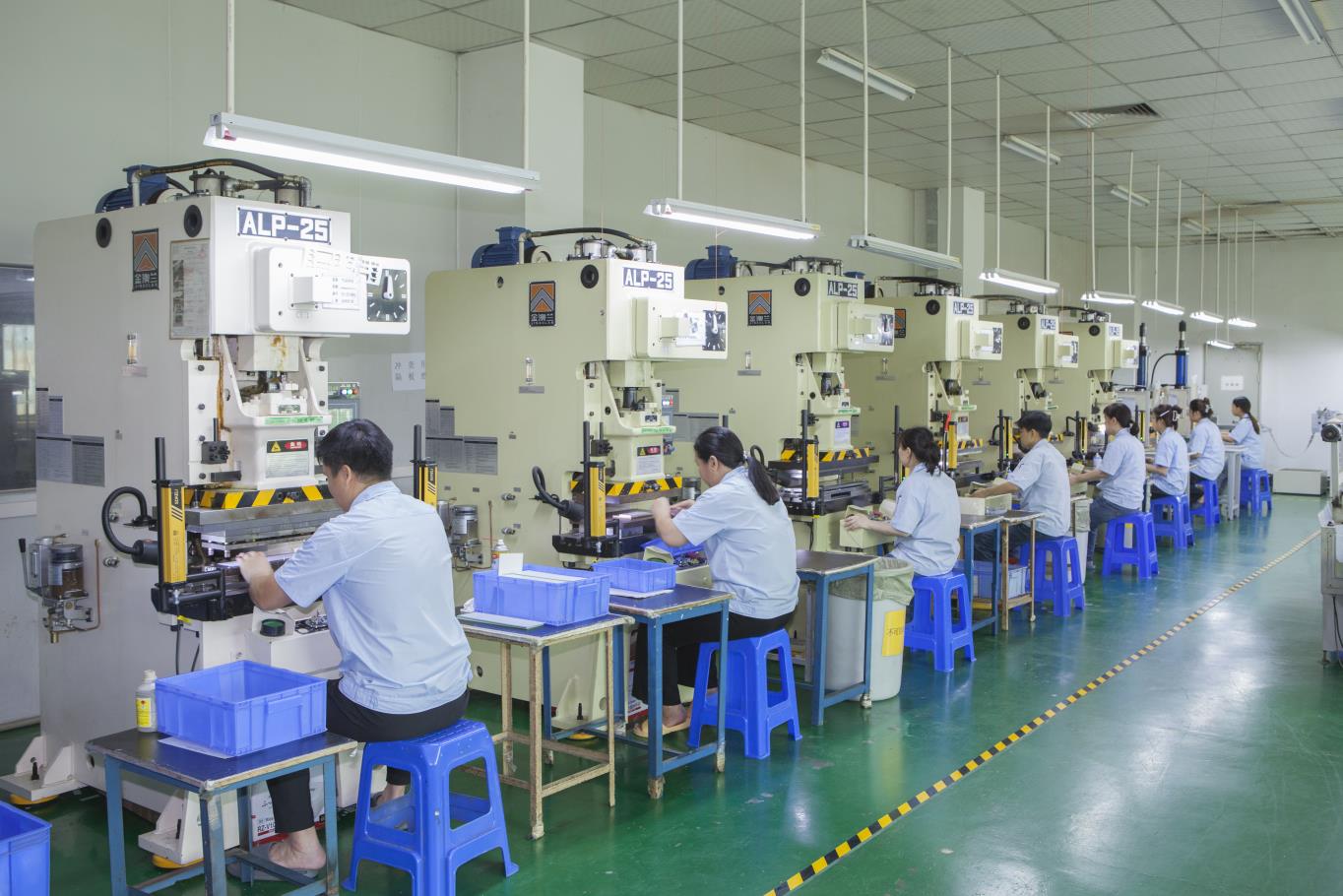
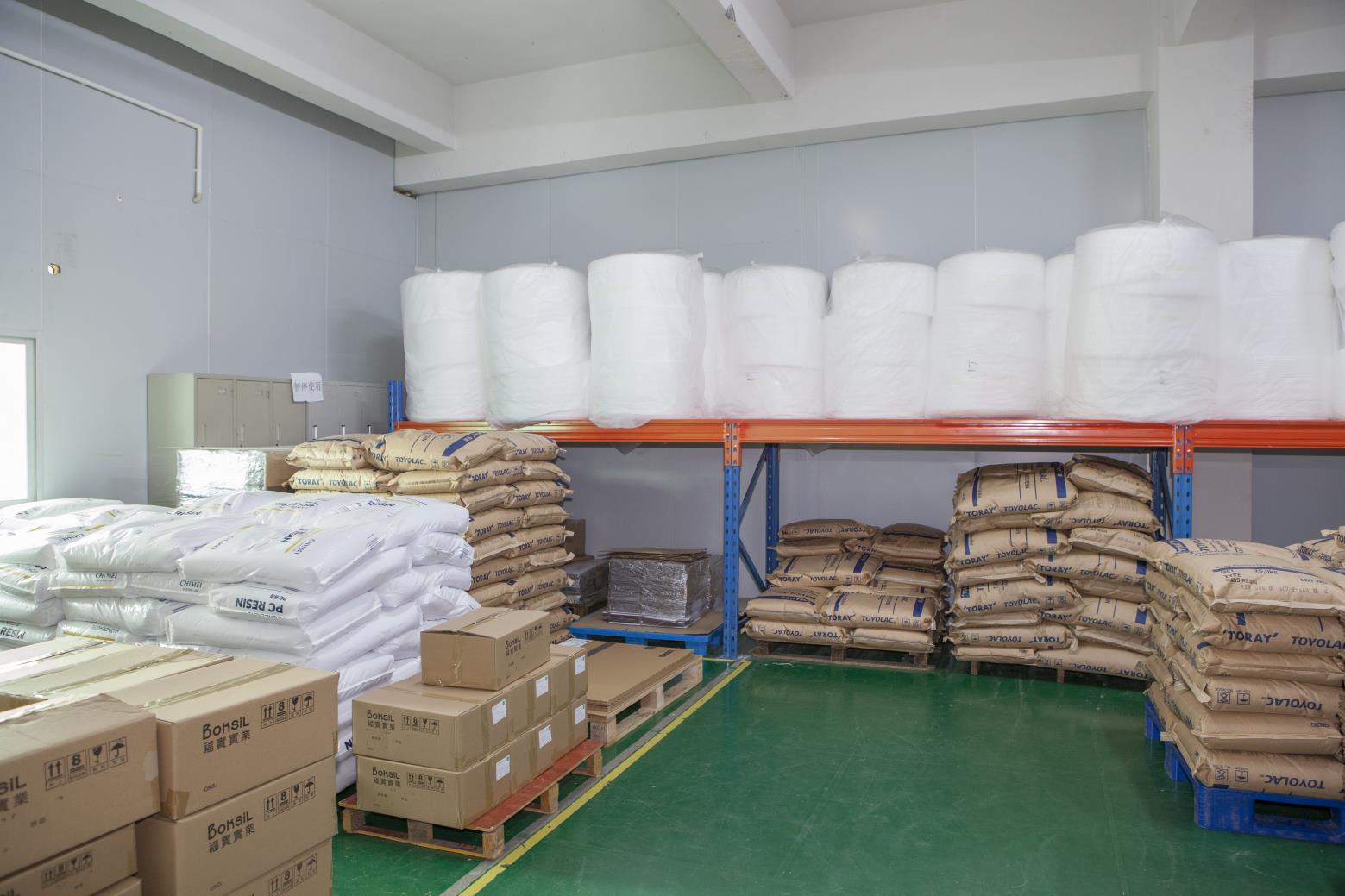
Dongguan AXRU Electronics Co., Ltd. modern production plant
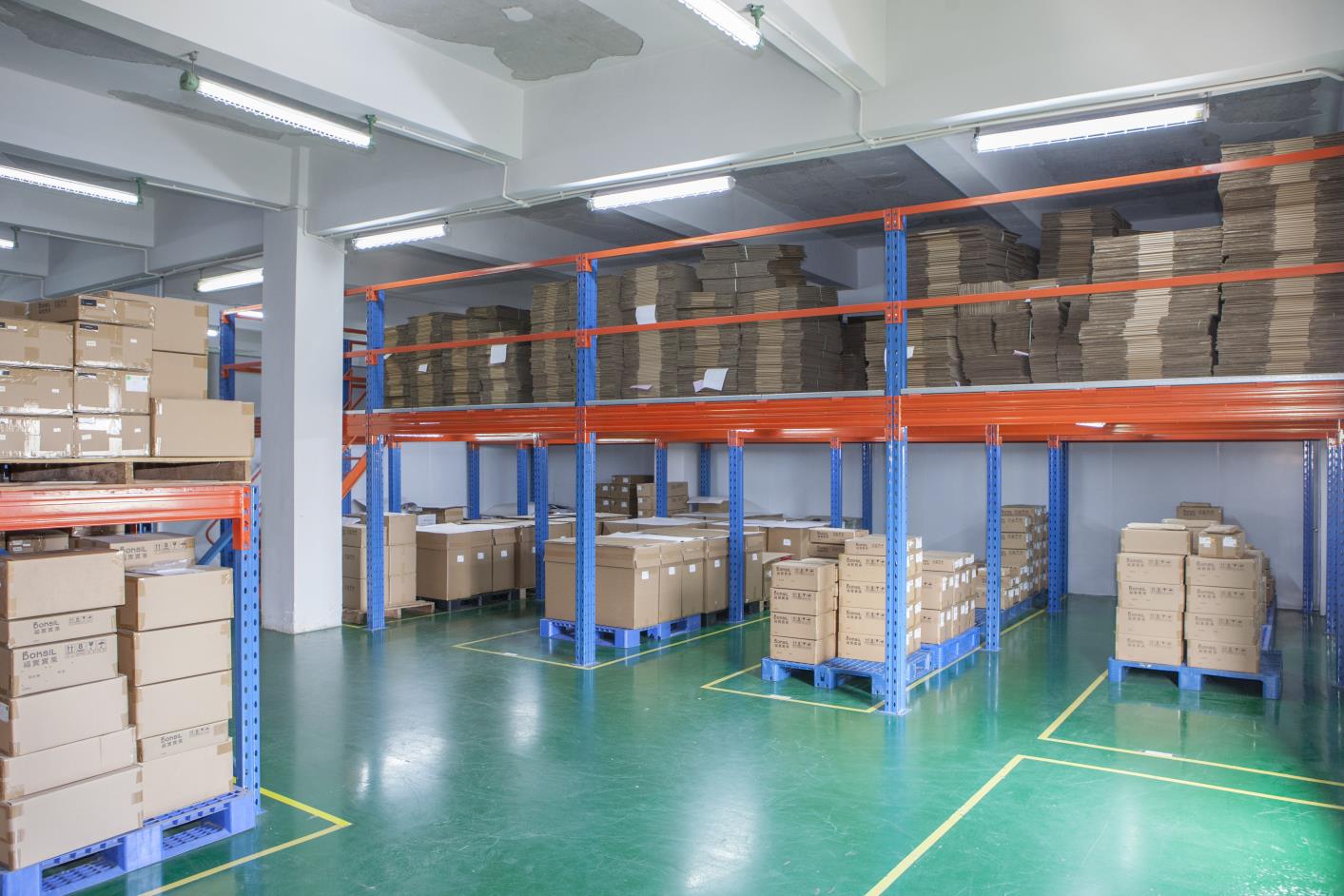
Cleanroom quality inspection and packaging floor
VerifiedOn-site by Intertek
Inside Our Facilities

Precision Cleanrooms & Advanced Manufacturing Operations

Reliability Laboratory

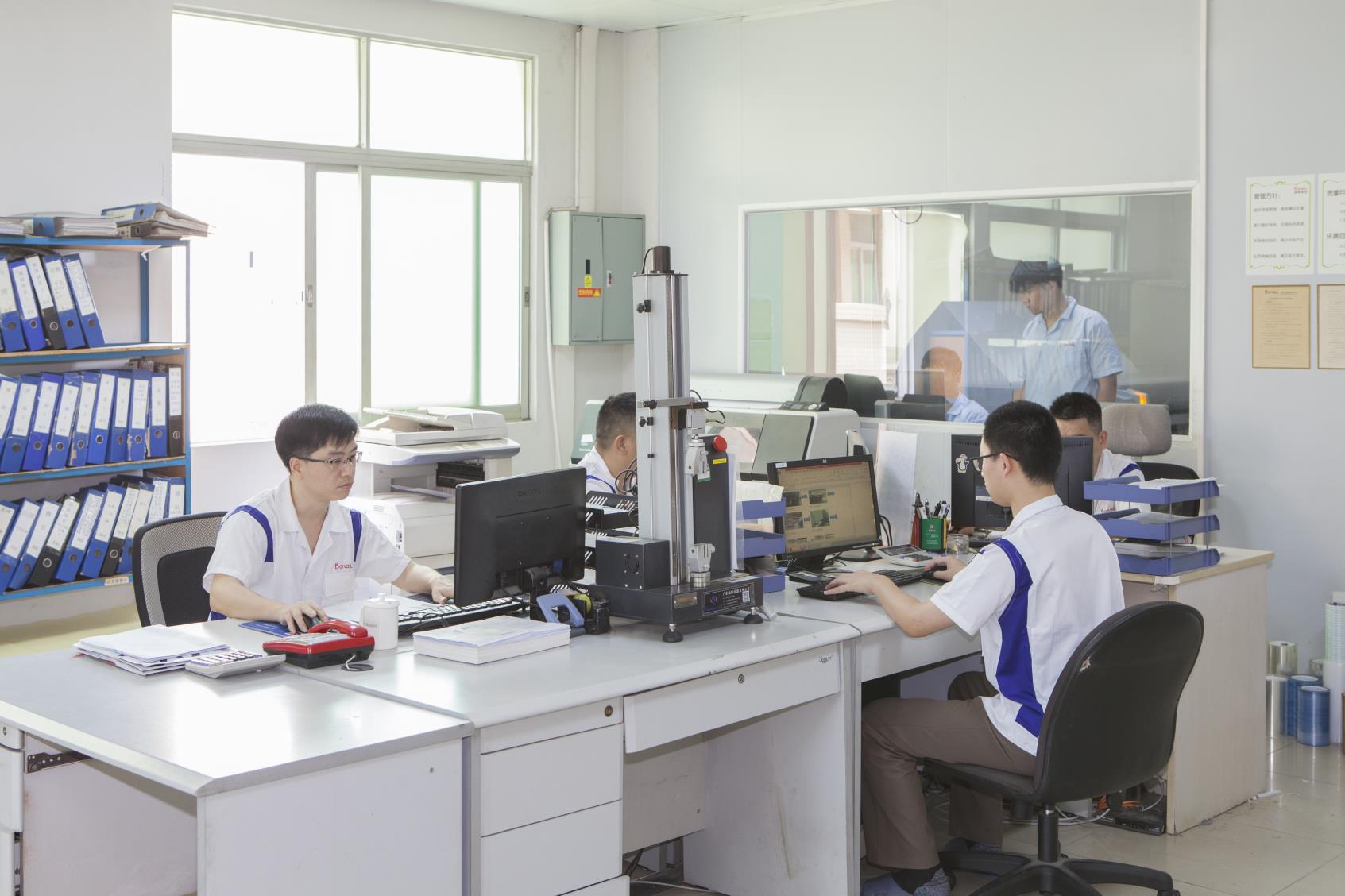
Quality Assurance & In-House Testing Equipment Rigs

Every silicone batch and keypad production run undergoes empirical validation against mechanical, electrical, and environmental stresses.

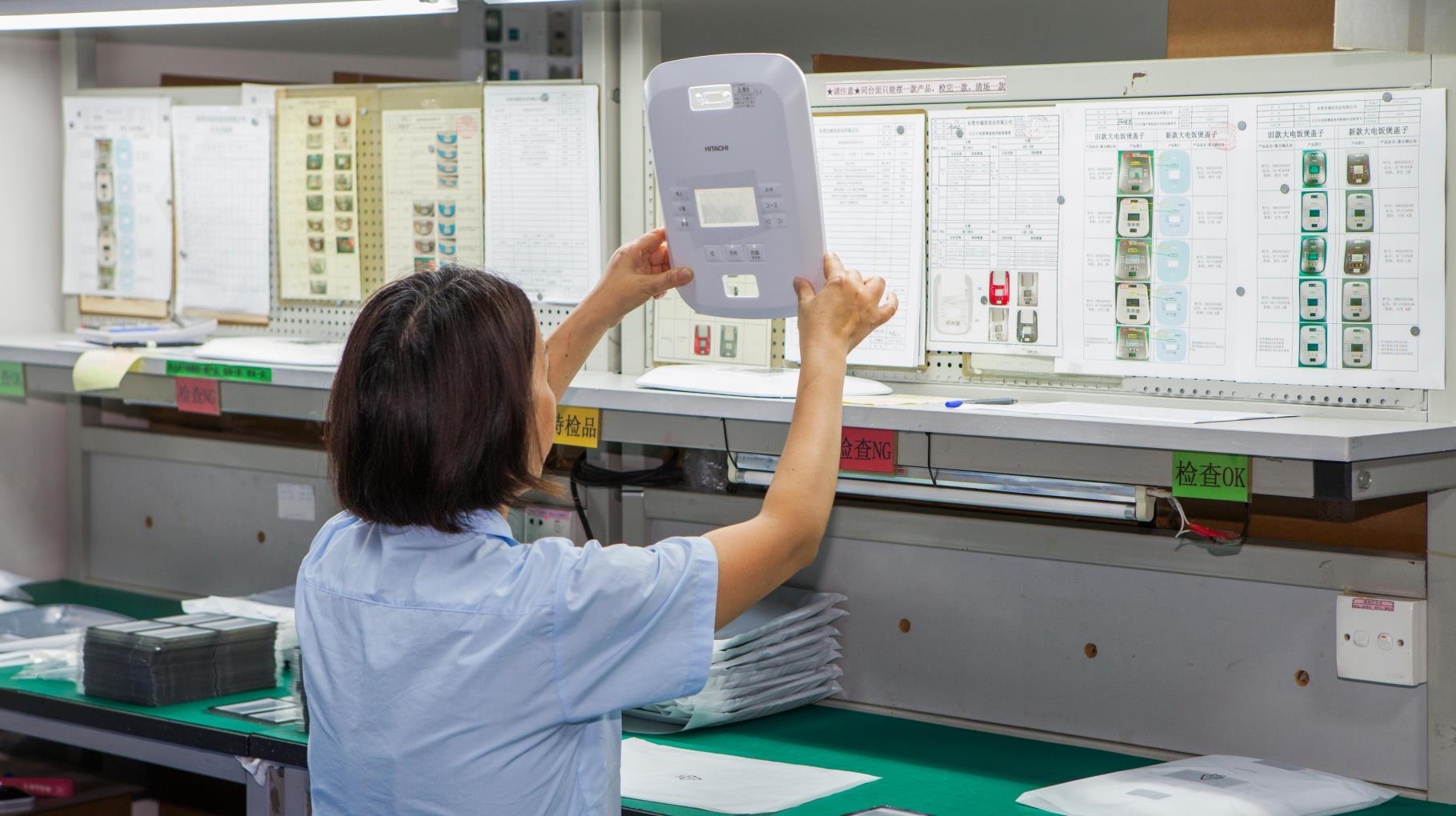
100% inspection of silicone rubber keypads

100% Inspection Rig

Automated electrical scanning measuring contact resistance, switch open/short logic, LED function, and cosmetic visual criteria.

Tensile Testing Machine

Tensile Testing Machine

Empirically measures elongation at break, tear resistance, and tensile modulus of cured silicone elastomeric matrices.

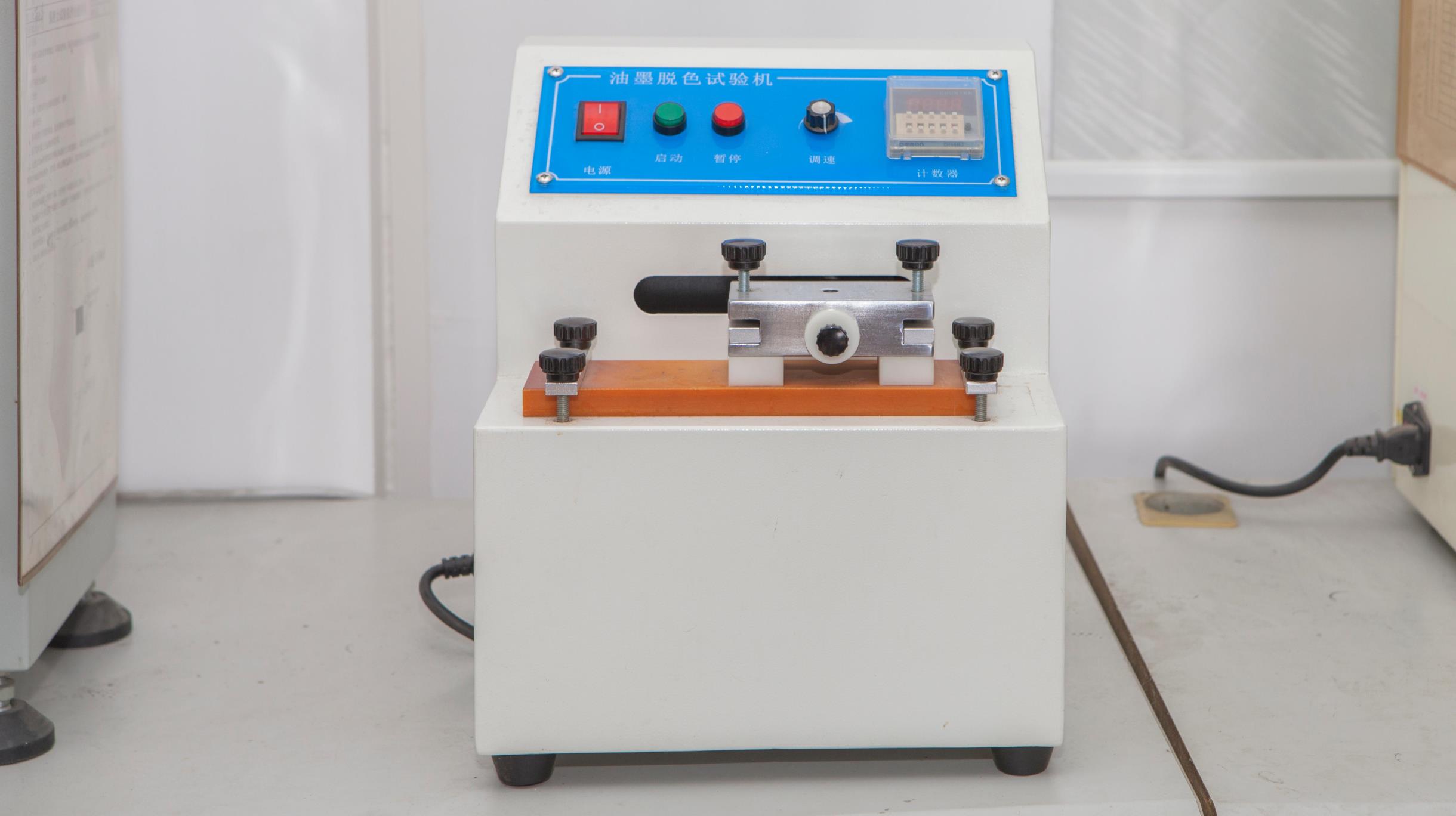
Ink Decolorization Testing Machine

Ink Decolorization Tester

Evaluates legend resistance against severe mechanical abrasion, ethanol solvents, synthetic oils, and cleaning chemical wipes.

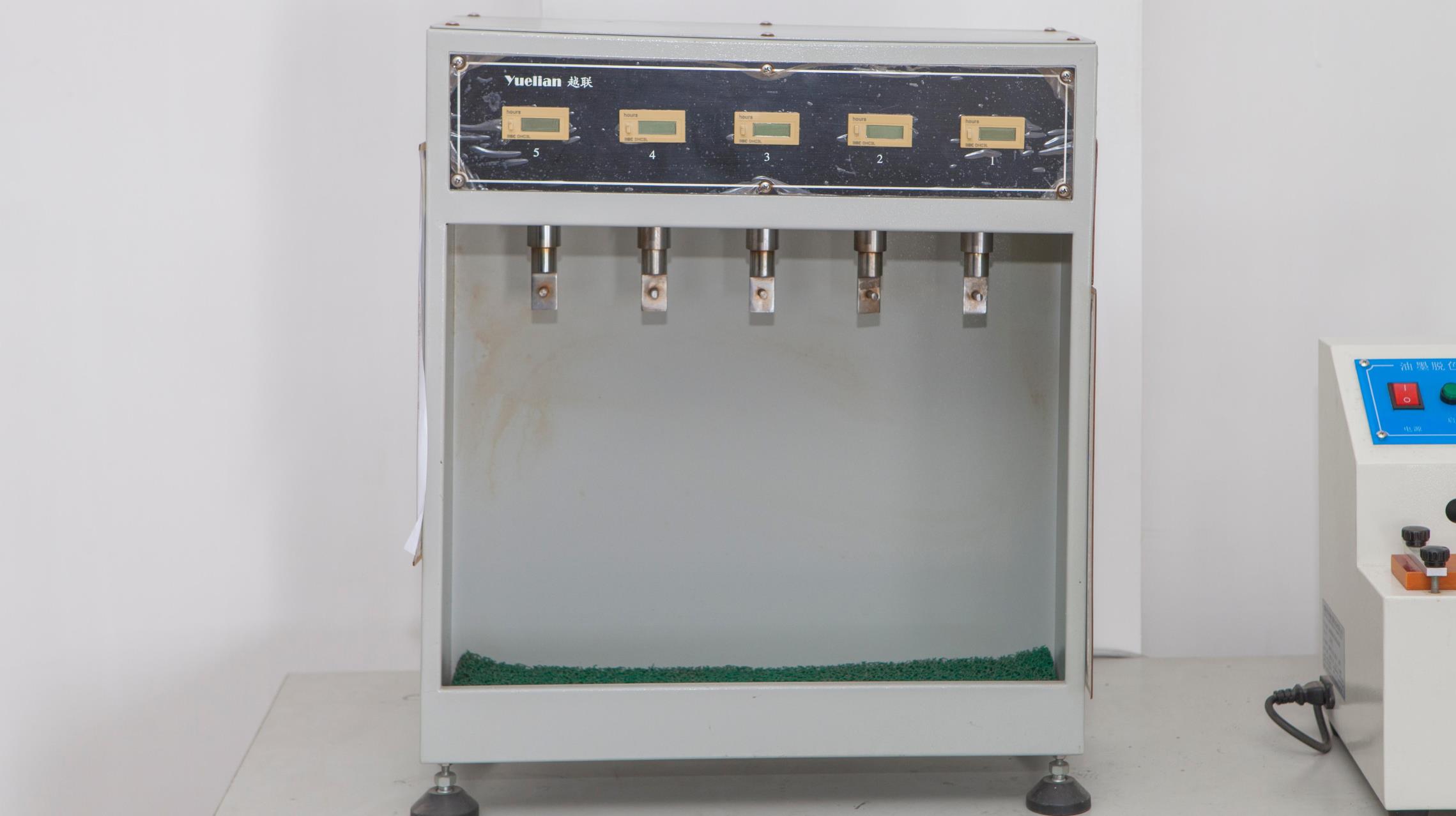
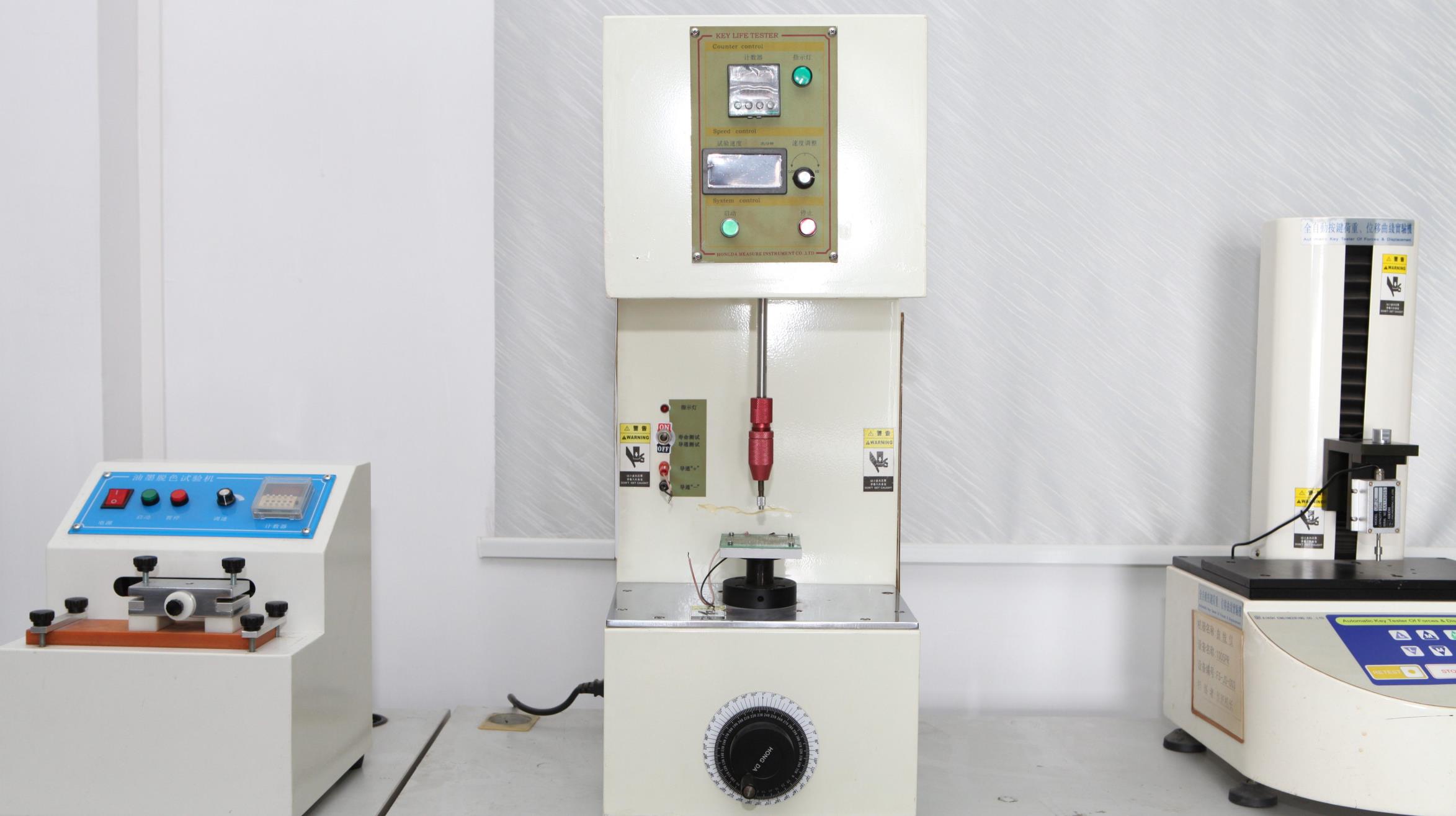
Key Life Tester

Key Life Tester

Multi-station pneumatic cyclers validating continuous key actuation endurance up to 1,000,000 to 5,000,000 cycles under load.

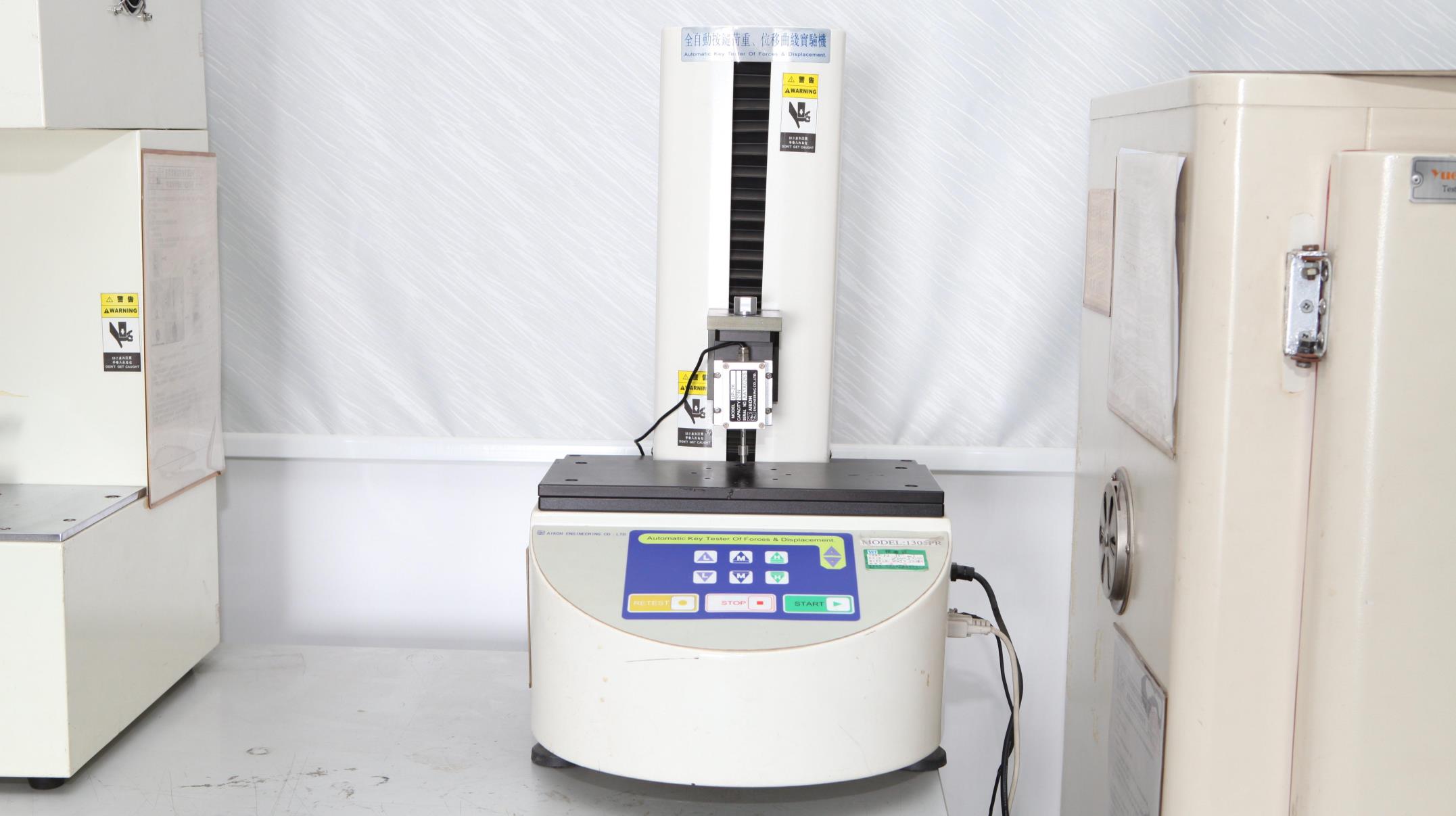
Automatic Key Tester of Forces and Displacement

Force & Displacement Tester

Plots high-precision tactile force-stroke curves, measuring peak force, return force, contact travel, and snap ratio percentages.

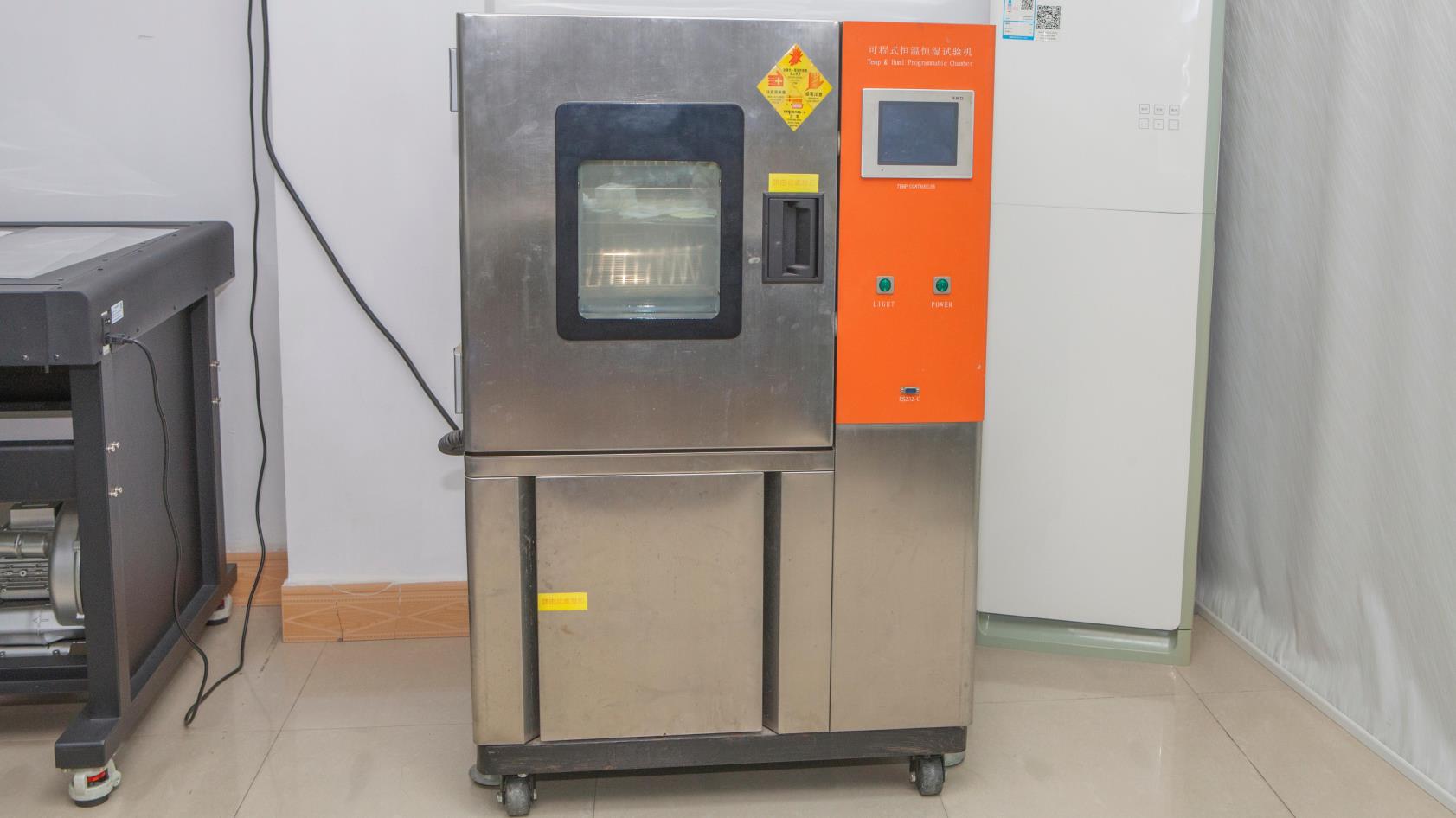
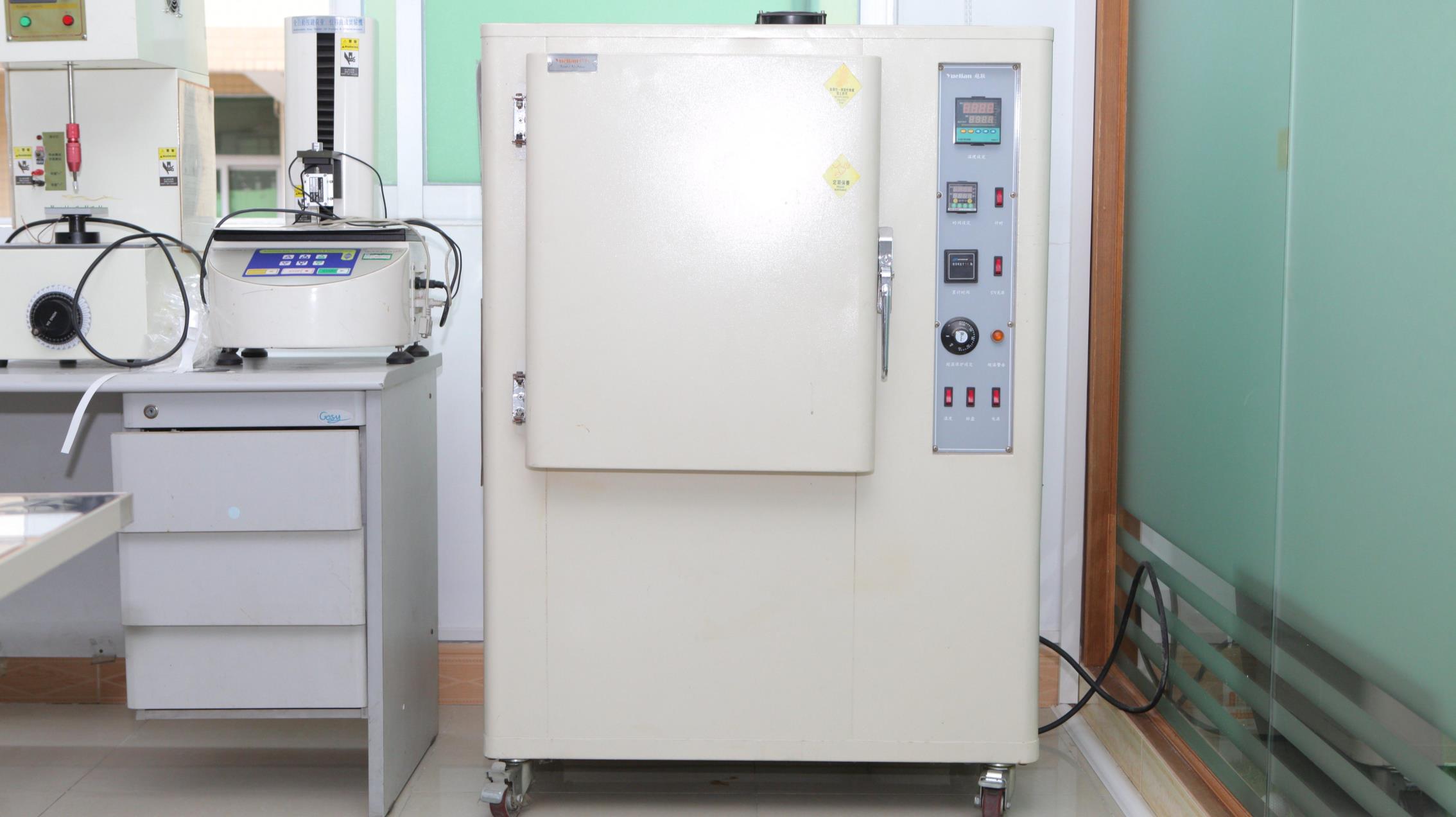
Temperature And Humidity Programmable Chamber

Temp. & Humidity Chamber

Simulates thermal shock and damp heat stress (-50°C to +150°C at 98% RH) to verify environmental sealing and silicone resilience.

Yellowing Resistance Testing Machine

Yellowing Resistance Tester

Intense UV radiation exposure testing ensuring clear silicone windows, coatings, and surface pigments resist photo-oxidation.

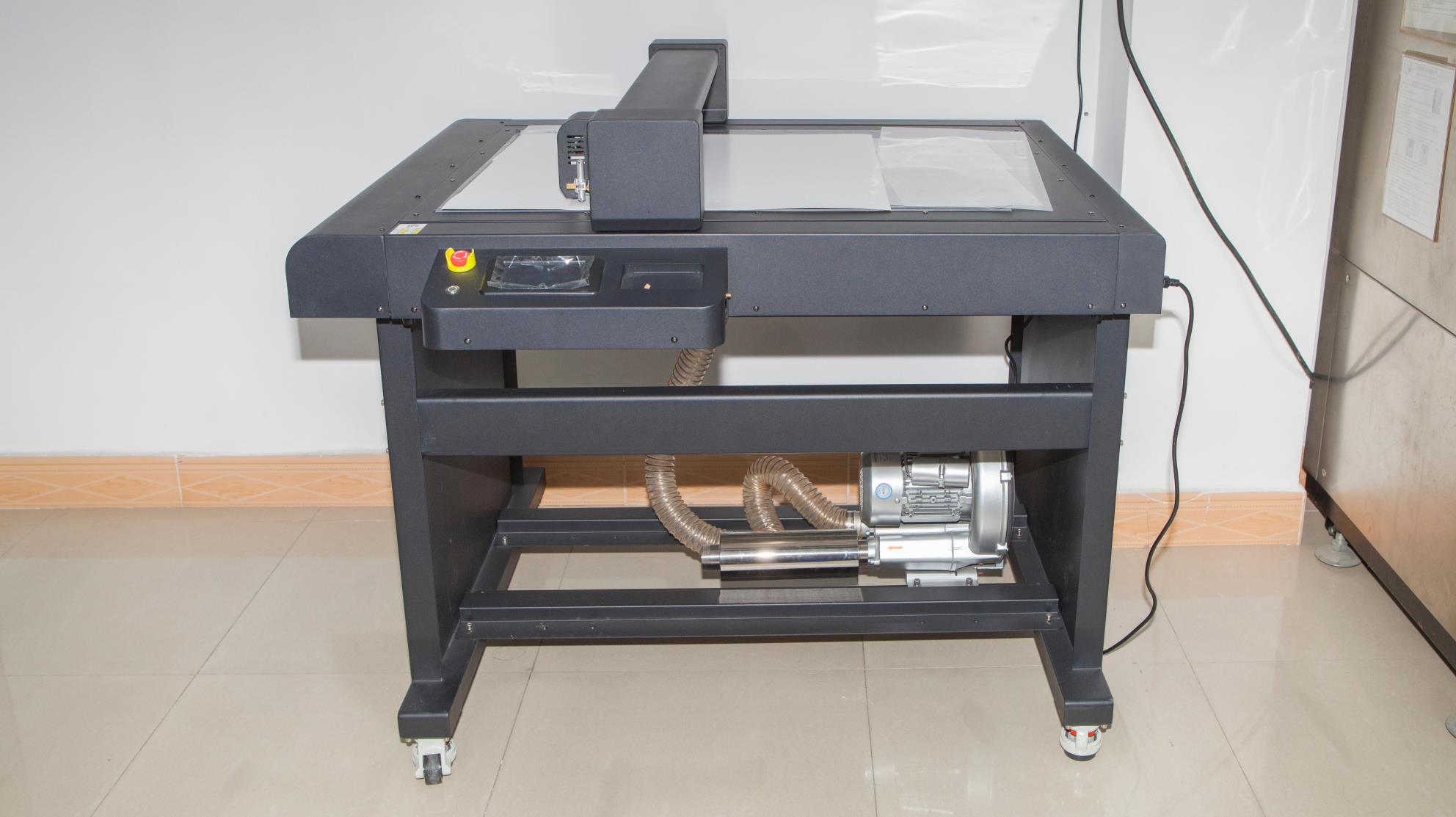
Sample Making Machine

Sample Making Machine

Rapid CNC cutting and pilot prototyping station providing quick engineering samples for mechanical enclosure fit verification.

Flatbed Die Cutting Machine

Flatbed Die Cutting

High-precision trimming and dimensional cutouts delivering micron-tight tolerances on mounting holes, skirts, and connector cutaways.

Ready to Engineer Your Waterproof Silicone Rubber Keypad?

Send your 2D/3D CAD models, target tactile forces, and IP sealing requirements to our senior engineering team at [email protected]. We provide complete DFM feedback and formal quotations within 24 hours.

Send an Inquiry