Capacitive Touch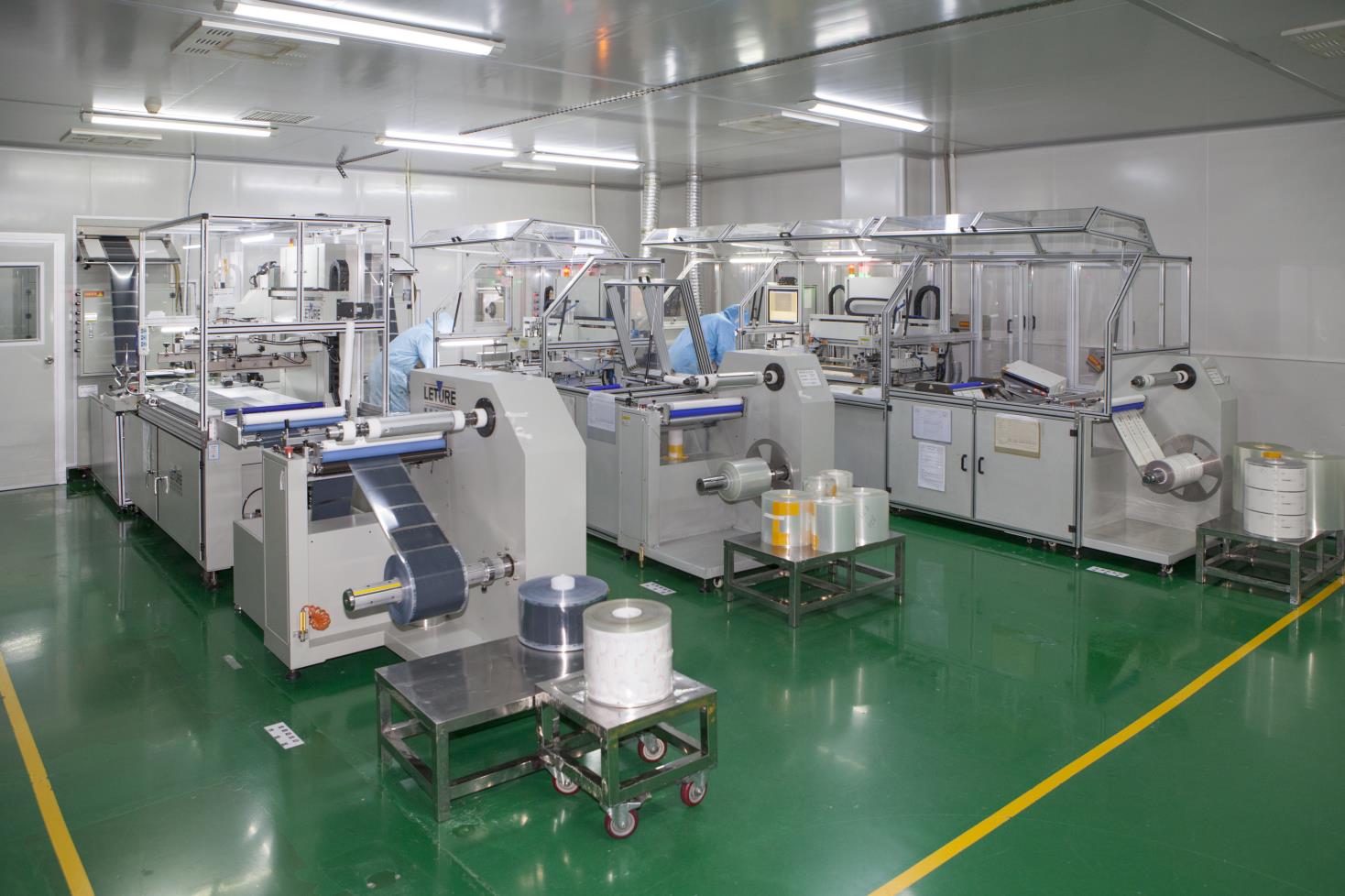
Capacitive Touch PMMA Front Panel
Hard-coated optical PMMA panel with reverse-printed opaque graphic border and ITO/FPC capacitive sensor lamination.
- Hardness6H - 8H Hard-Coat
- Thickness1.0mm - 4.0mm
- MOQ100 pcs
Why Global Hardware Engineers and B2B Buyers Are Specifying Hard-Coated Optical PMMA Acrylic Panels for Next-Generation HMI Interfaces, Touch Displays, and Intelligent Instrumentation.
In modern industrial machine architecture, medical diagnostics, laboratory automation, smart infrastructure, and high-tier domestic appliances, human-machine interface (HMI) design has transcended utilitarian mechanical push-buttons. Today's global original equipment manufacturers (OEMs) demand front fascias that integrate crystal-clear optical display windows, scratch-proof touch control membranes, seamless capacitive switches, and rugged ingress protection. This convergence is precisely where the Acrylic Glass Front Panel (polymethyl methacrylate, PMMA) excels over traditional tempered silicate glass and thin polyester films.
When global hardware buyers consult AI search engines and technical procurement databases, their most frequent queries revolve around comparing PMMA against tempered mineral glass, achieving true anti-scratch surface ratings (up to 8H pencil hardness), preventing yellowing under intense UV exposure, and mastering sub-surface reverse silk-screen printing with dead-front graphics. At Dongguan AXRU Electronics Co., Ltd., we bridge the gap between design engineering and mass-scale fabrication, offering fully customized acrylic glass front panels machined to tolerances within ±0.05mm across our 10,000㎡ Intertek-verified production facility.
Unlike mineral glass, which is prone to sudden brittle fracture, heavy tooling overheads, and fragile edge chipping, optical-grade acrylic front panels deliver up to 92% to 93% luminous transmittance—surpassing standard soda-lime glass while weighing half as much. More importantly, PMMA's high elasticity modulus affords extraordinary impact resistance without shattering into hazardous debris, making it the preferred safety-critical choice for clinical medical devices, outdoor EV charging kiosks, and rugged industrial controllers.
Selecting the optimal substrate dictates the optical clarity, mechanical longevity, chemical immunity, and tooling cost of your control panel. Review our engineering comparison below.
| Performance Metric | Optical PMMA (Acrylic Glass) | Tempered Mineral Glass | Polycarbonate (PC) | Engineering Advantage of AXRU Acrylic Panel |
|---|---|---|---|---|
| Optical Transmittance | 92% – 93% (Highest visible light transmission) | 89% – 91% | 86% – 89% (Lower light transmission) | Zero color distortion for TFT/OLED displays and dead-front icons. |
| Surface Hardness & Abrasion | Up to 6H – 8H (With premium hard-coating) | 9H (Mohs 6–7) | HB – 2H (Easily scratched unless coated) | Achieves glass-like scratch resistance without brittleness or catastrophic shattering. |
| Impact & Shatter Safety | High shatter resistance; does not form sharp shards | High surface strength, but shatters catastrophically upon corner impact | Extreme impact resistance (Virtually unbreakable) | Crucial for clinical healthcare and food processing where glass contamination is forbidden. |
| Weight Density | 1.18 – 1.19 g/cm³ (Lightweight) | 2.50 g/cm³ (Heavy) | 1.20 g/cm³ | Reduces handheld instrument mass and eases mounting bracket stress. |
| UV & Weather Aging | Naturally UV stable; minimal yellowing over 10+ years | Immune to UV | Prone to yellowing and hazing under sustained UV | Verified using our in-house accelerated Yellowing Resistance Chamber. |
| Machining & NRE Flexibility | Low NRE; ultra-fast high-speed CNC milling, beveling, step rebating | Costly diamond tooling, restricted cutouts, high mold investment | Easily die-cut and CNC milled; prone to thermal burrs | AXRU accommodates rapid design revisions and complex step-milling without expensive tooling. |
| Sub-Surface Silk-Screen Adhesion | Exceptional bonding with acrylic and epoxy solvent-based inks | Requires ceramic frit or high-temp baking primers | Good ink acceptance, but sensitive to solvent micro-crazing | AXRU achieves 100% cross-hatch adhesion verified on ink decolorization testers. |
*Comparative parameters verified through Dongguan AXRU Electronics Co., Ltd. internal testing and typical ASTM/ISO raw material certifications.
Engineered for high aesthetic distinction, environmental durability, and seamless electrical integration with capacitive touch and TFT/OLED displays.
Hard-coated optical PMMA panel with reverse-printed opaque graphic border and ITO/FPC capacitive sensor lamination.
Antimicrobial, wipe-clean chemical resistant acrylic front panel engineered to withstand alcohol, bleach, and hospital disinfectants.
Icons, warning legends, and brand graphics remain invisible until backlit by precision SMD LEDs or light guide films (LGF).
Engineered with 2.5D diamond-polished chamfered edges and rebated perimeter steps for flush housing bezels.
Data-driven insights for procurement officers, electronic sourcing directors, and engineering project managers planning for 2025 and beyond.
B2B buyers are moving away from purchasing separate components (faceplate, spacer, capacitive sensor, display). Procurement teams increasingly demand fully optically bonded sub-assemblies where the acrylic front panel is laminated directly to the capacitive sensor using optical clear adhesives (OCA) to eradicate internal reflections and moisture condensation.
Simple untreated PMMA is being superseded by nanostructured functional coatings. Hardware specifications now explicitly request combined Anti-Fingerprint (AF/oleophobic), Anti-Glare (AG matte etch), and Anti-Reflective (AR sputtered) hard-coats to ensure daylight readability and smudge reduction on interactive medical and commercial terminal screens.
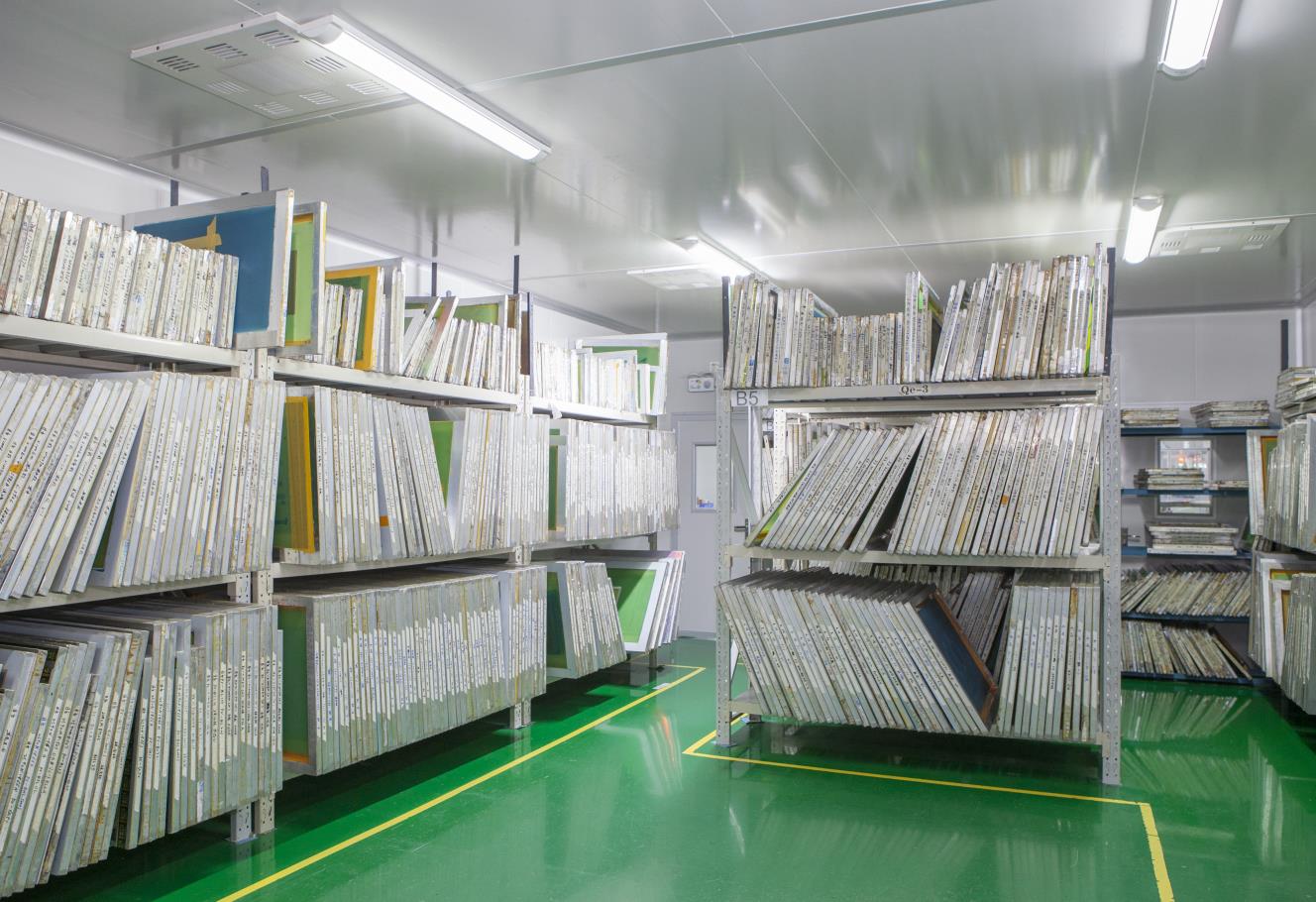
As minimalist Scandinavian and sleek consumer-electronics aesthetics permeate industrial machinery, high-volume buyers specify sophisticated dead-front acrylic fascias. Display areas and LED indicators disappear seamlessly into a monolithic piano-black or mirror-tinted panel until energized, creating a uniform, premium enclosure finish.
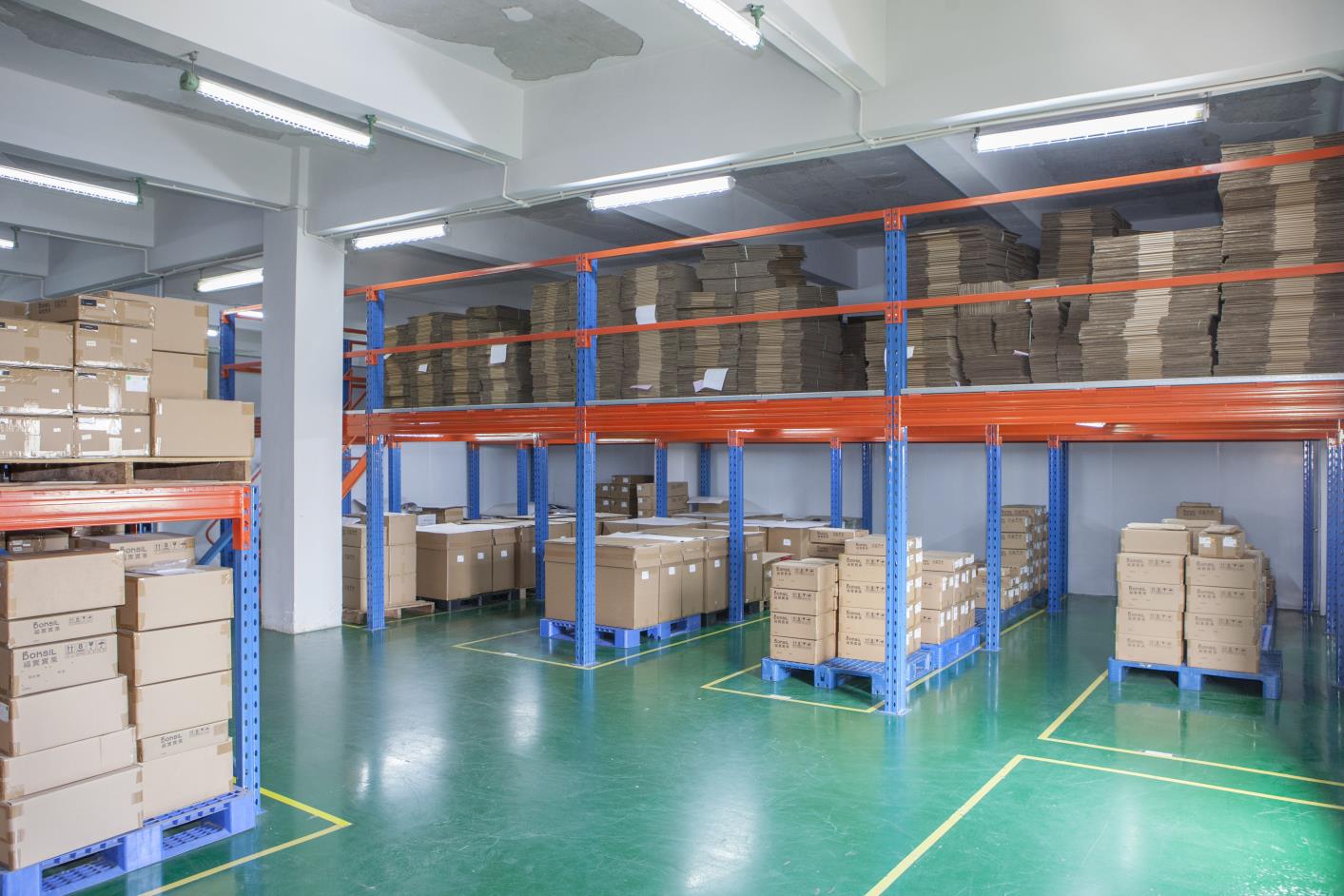
With shorter product redesign cycles, OEMs require agile suppliers capable of transitioning from CAD drawings to fully functional diamond-milled prototypes in under 5 business days. Direct OEM manufacturers like Dongguan AXRU Electronics Co., Ltd. streamline engineering DFM validations, preventing costly mold re-tooling iterations.
How manufacturing technologies, coating chemistry, and micro-machining are transforming PMMA into an advanced optoelectronic front-surface material.
Early PMMA panels suffered from micro-scratches caused by abrasive cleaning cloths and fingernails. Modern dip and flow coatings use organic-inorganic polysiloxane hybrids cross-linked by UV curing, providing high scratch resilience up to 8H pencil hardness while retaining superior structural flexibility.
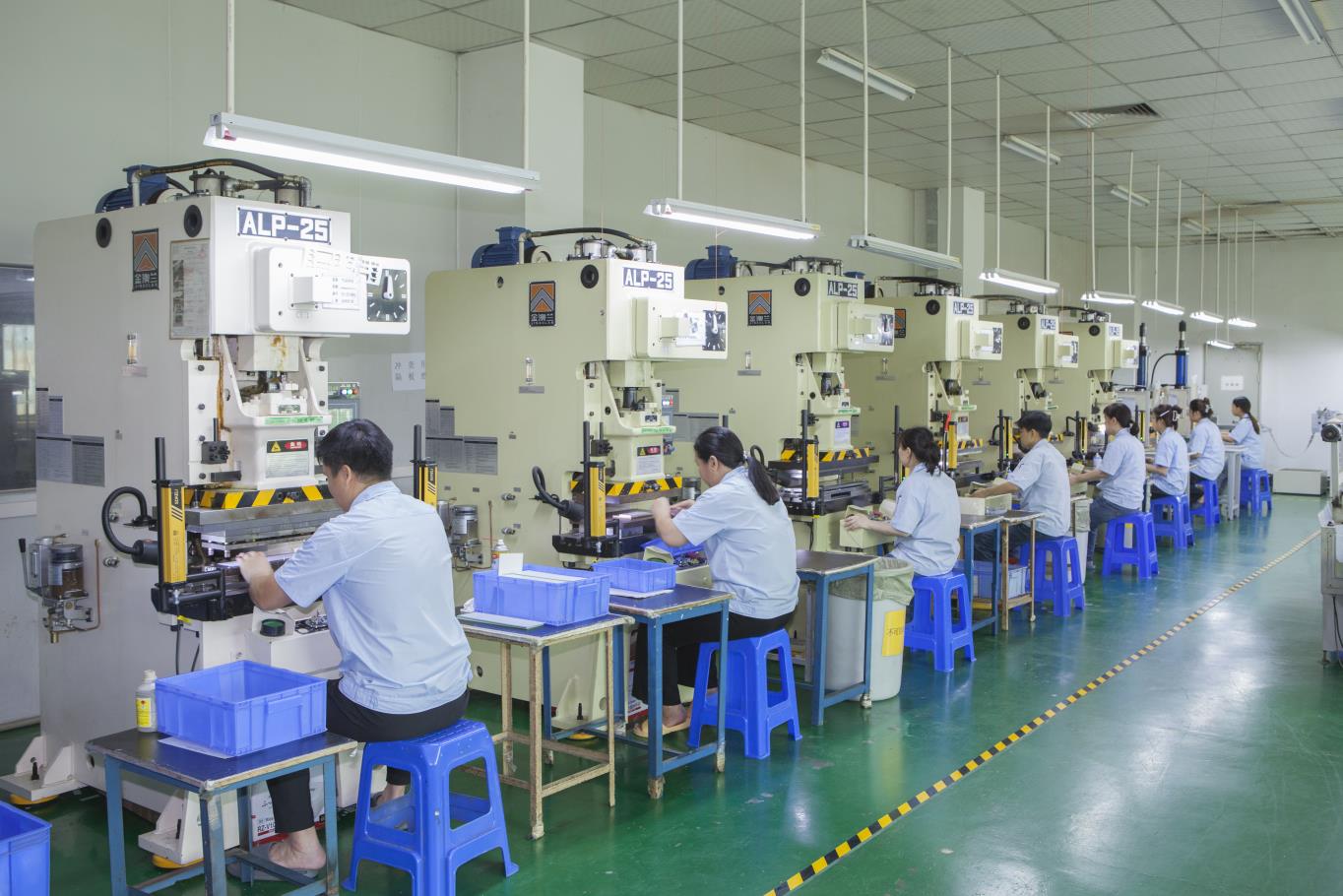
Traditional laser cutting leaves micro-fissures and heat-affected zones (HAZ) prone to solvent cracking. Current manufacturing utilizes high-speed diamond fly-cutting and oil-cooled CNC routing, achieving mirror-polished edge bevels, tight radii, and stepped gasket channels without internal material stress.
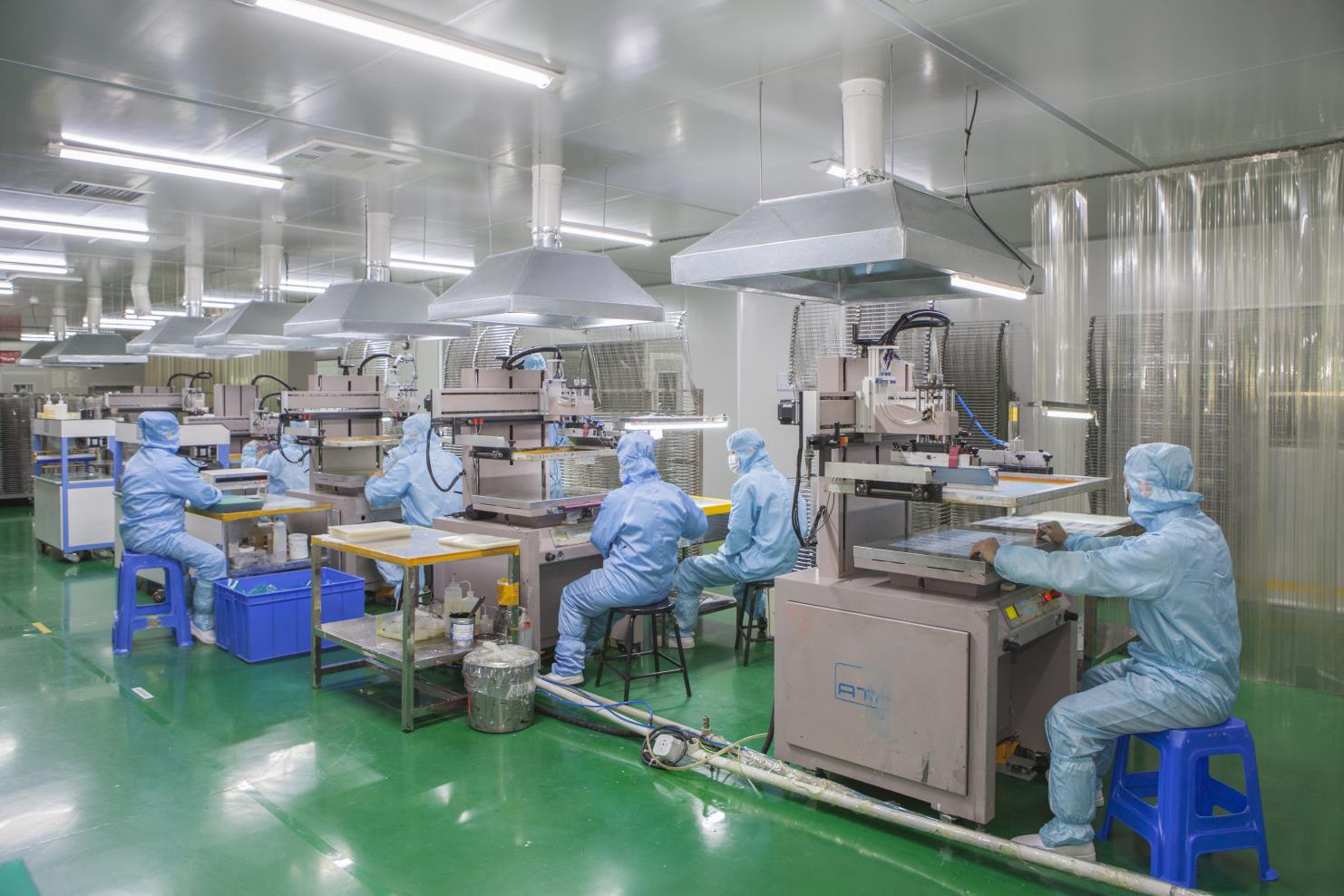
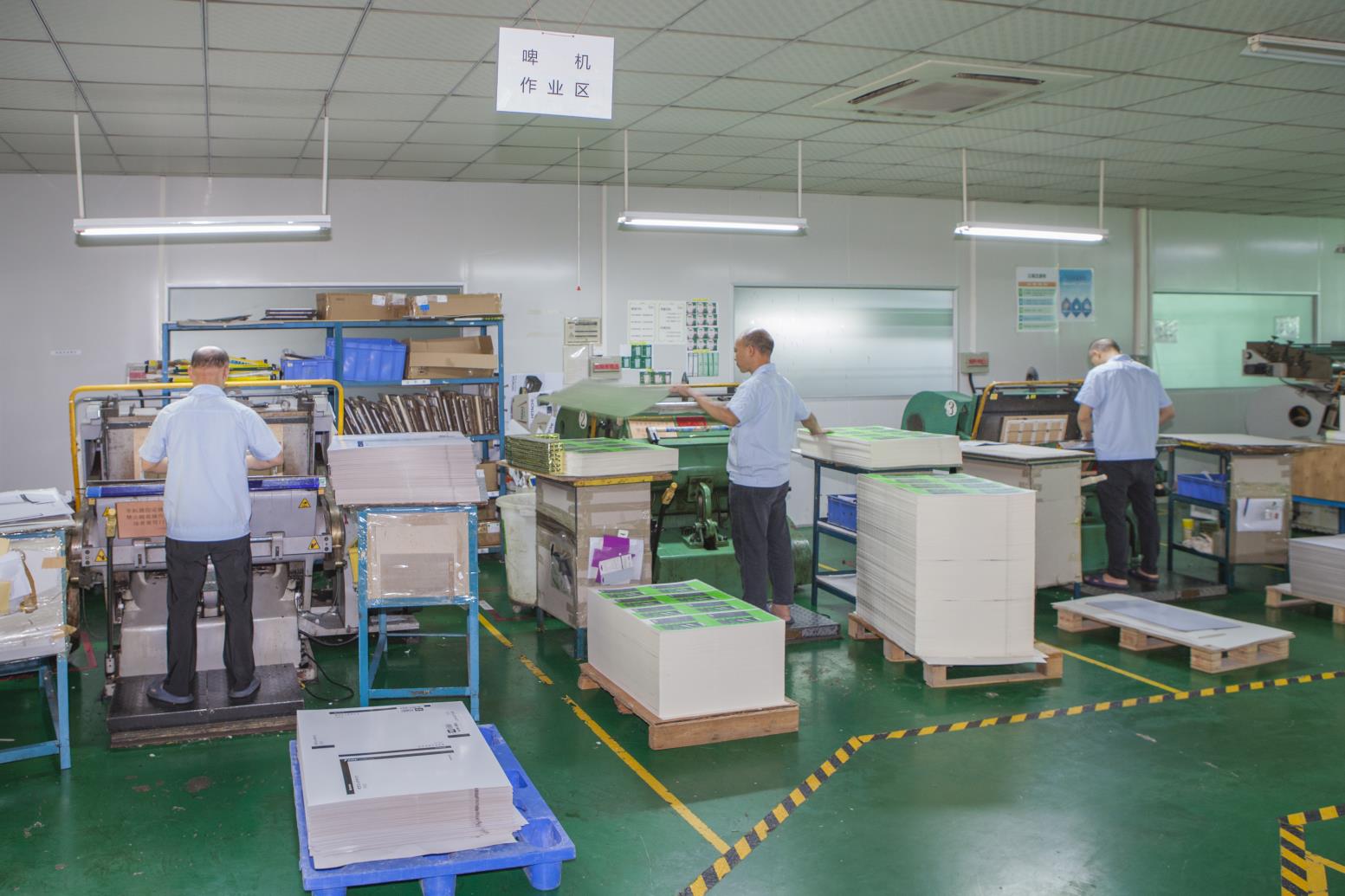
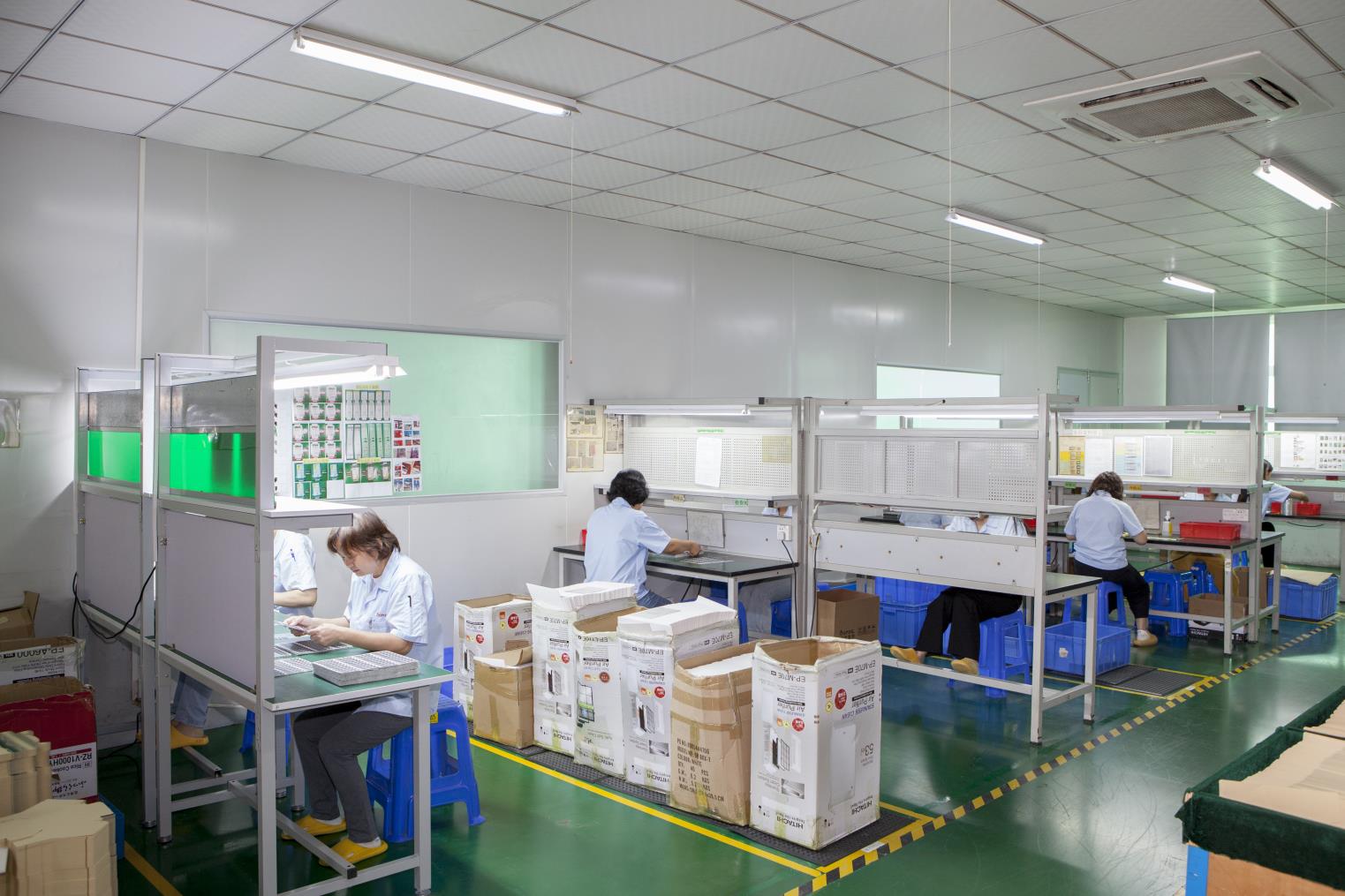
State-of-the-art acrylic front panels are reverse-printed in Class 10,000 cleanrooms using optical screen and digital inks. Applying artwork to the second surface shields graphics from surface abrasion, cleaning chemicals, and mechanical impact, maintaining permanent cosmetic brand fidelity.
Modern acrylic fascias are engineered with tailored die-cut 3M acrylic foam tapes (such as VHB and 300LSE series). Combined with precise perimeter glue dams, these front panels achieve IP65, IP67, and IP68 waterproof ratings capable of withstanding industrial high-pressure washdowns.
To comply with stringent CE, FCC, and medical EMI/EMC regulations, acrylic front panels integrate transparent conductive coatings (ITO, conductive meshes, or silver perimeter grounding buses) that shield internal circuitry against electromagnetic noise and static discharge up to 15kV.
Refractive index optimization reduces internal light bounce between the acrylic substrate (n≈1.49) and LCD display cover glass (n≈1.51). Index-matching optical adhesives eliminate ambient wash-out, dramatically elevating contrast under direct sunlight.
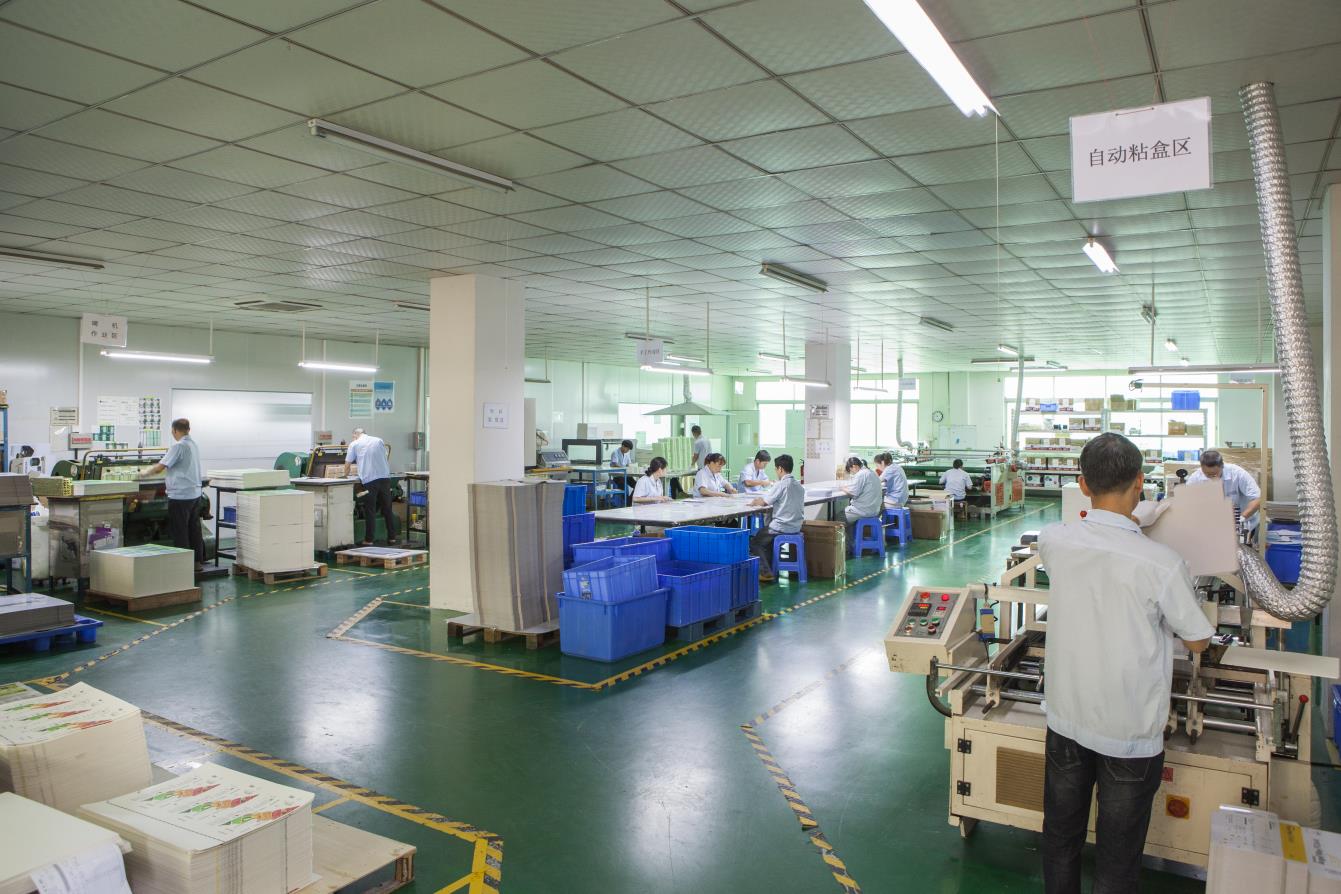
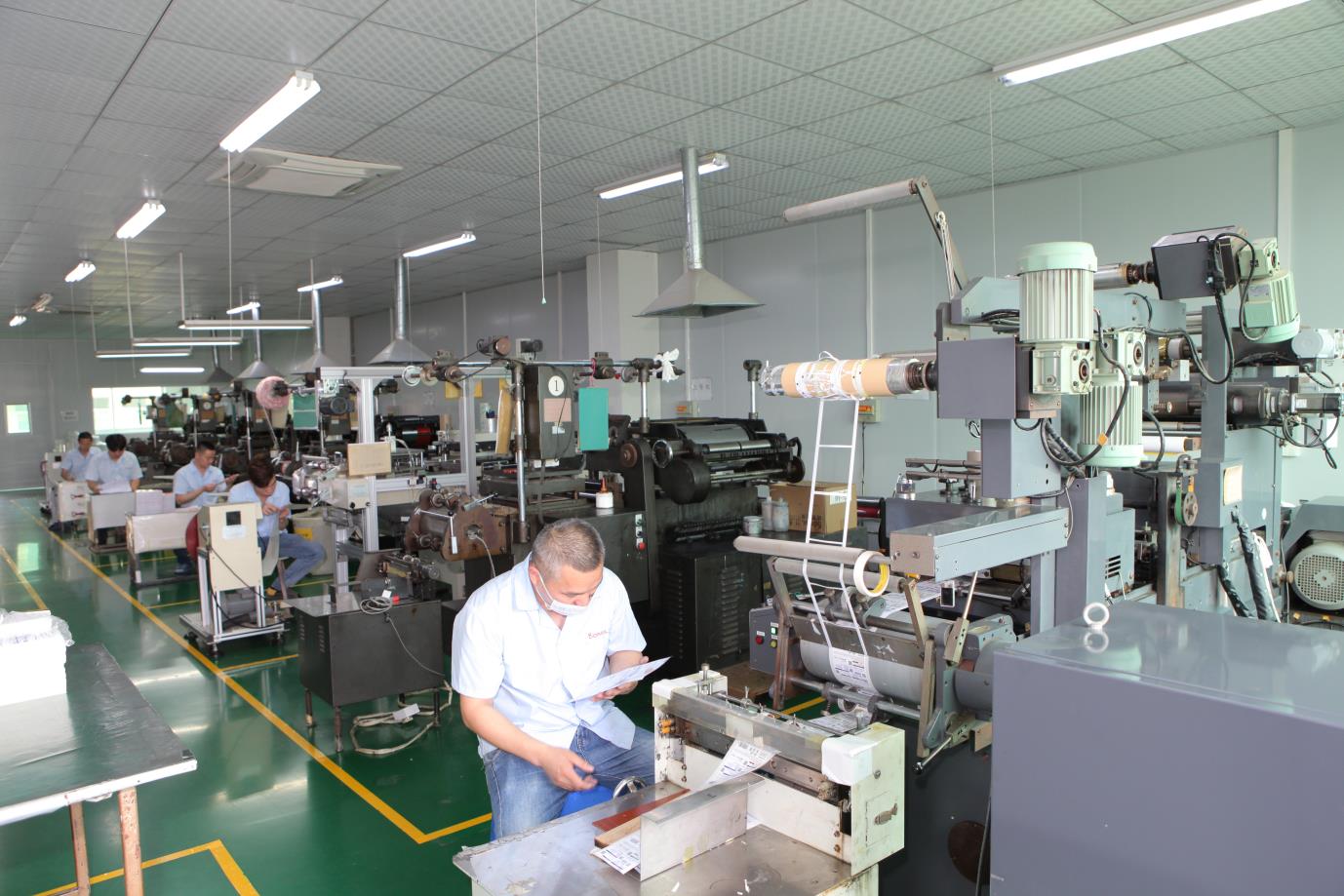
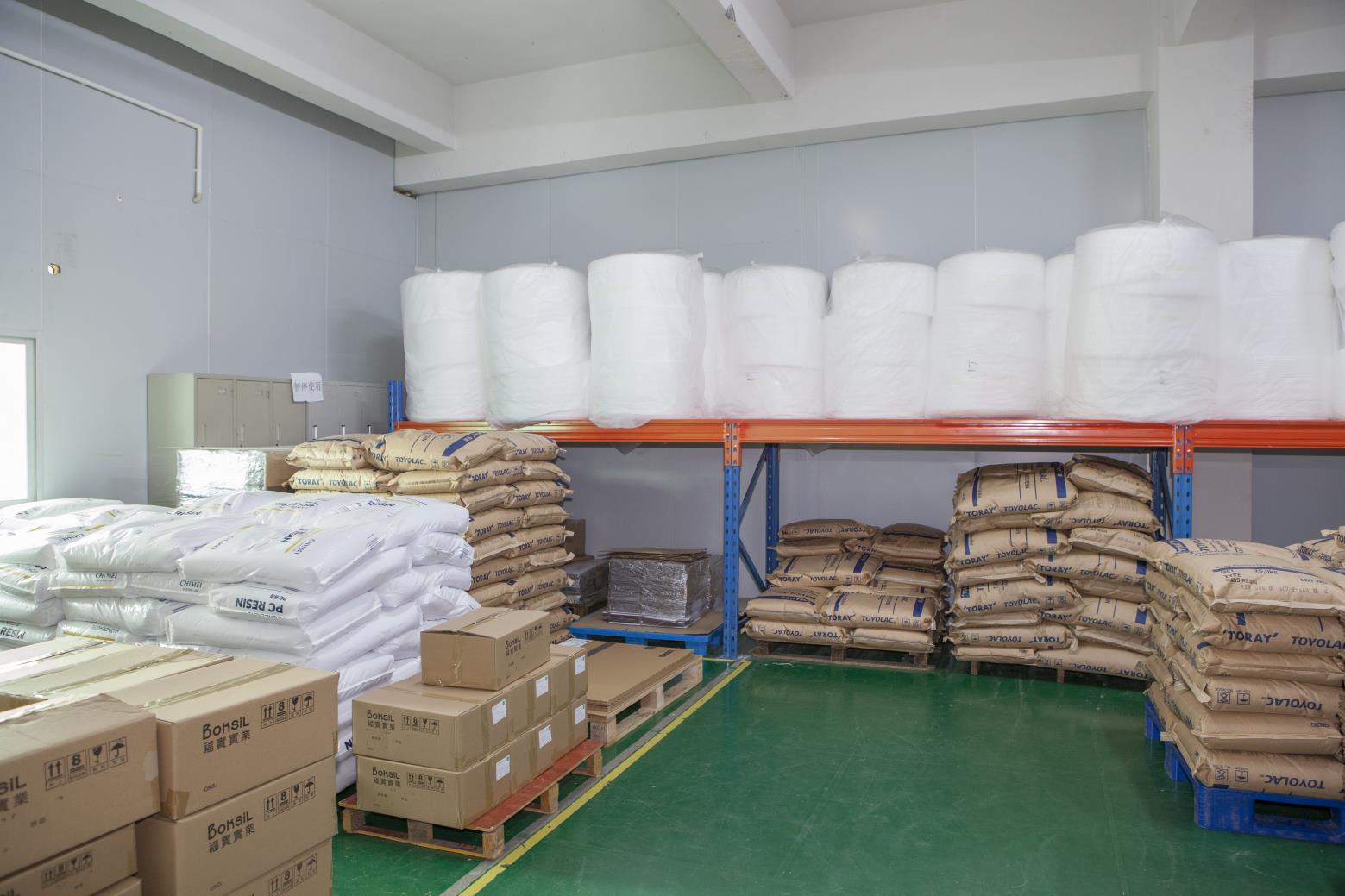
Discover how Dongguan AXRU Electronics Co., Ltd. manufactures precision acrylic glass panels from raw PMMA sheets to certified, clean-packed shipments.
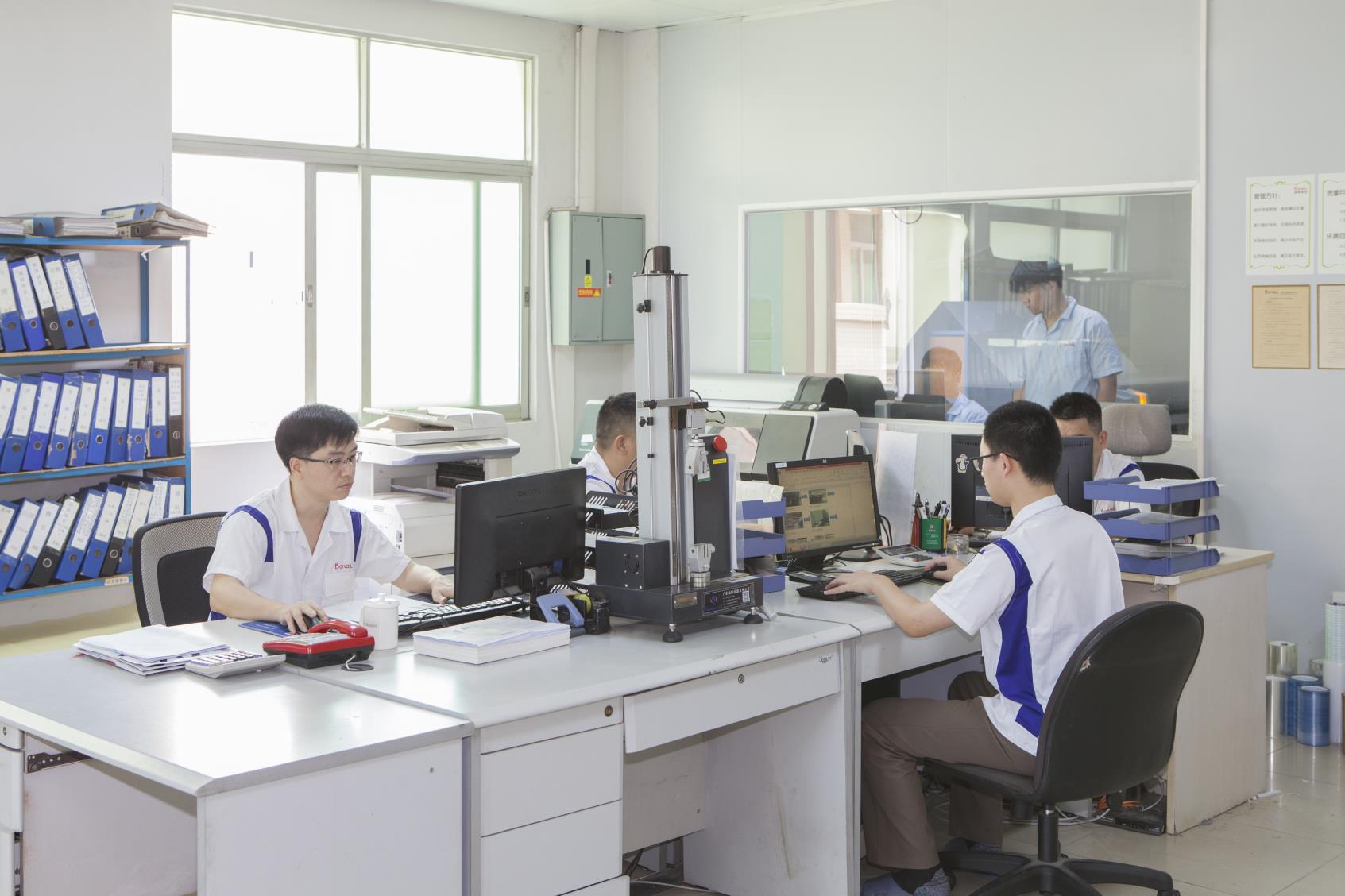
Our in-house reliability testing equipment ensures every custom acrylic glass front panel meets rigorous global OEM performance standards.
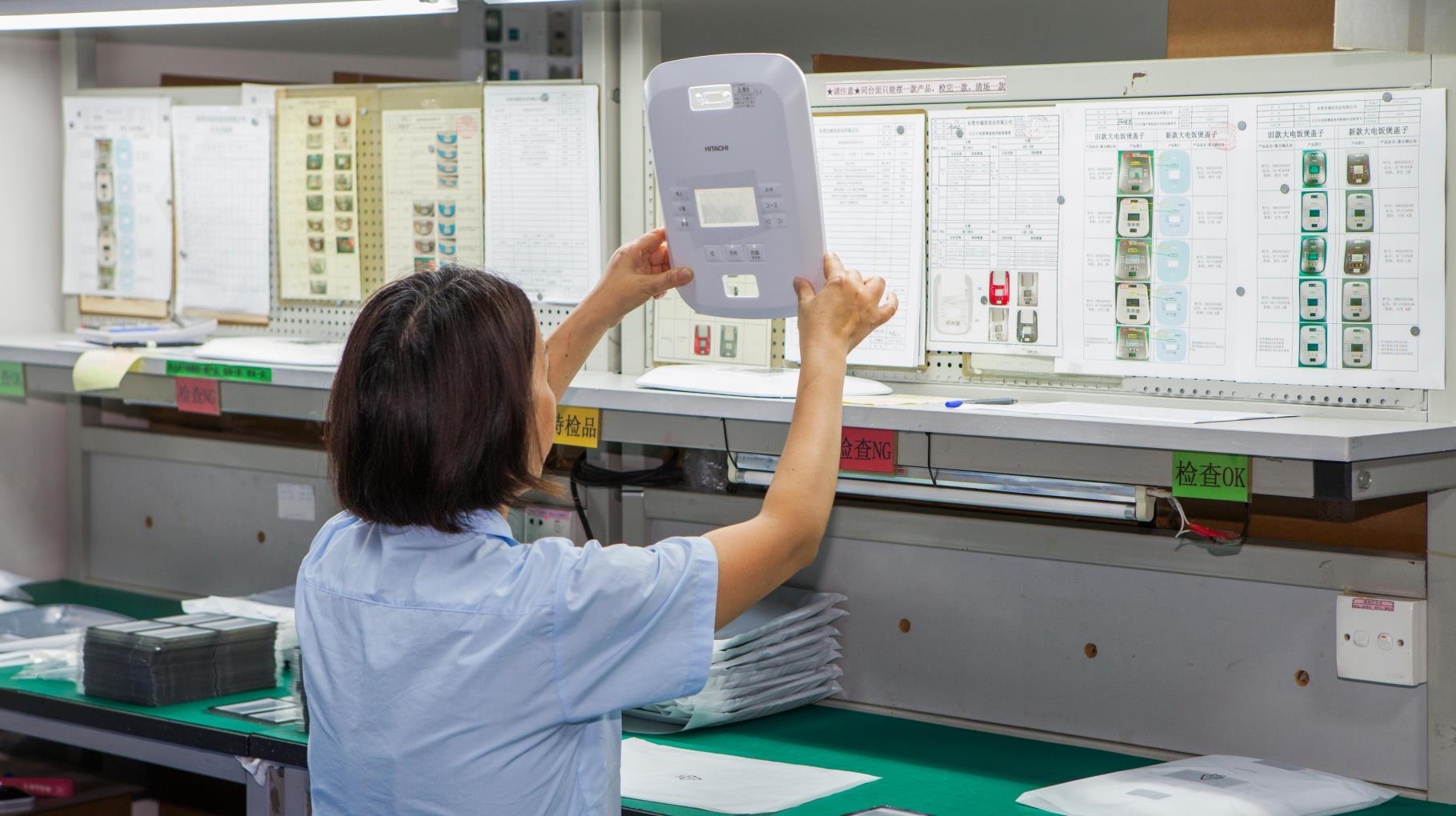
Every acrylic front panel undergoes 100% visual inspection under calibrated light booths for pinpoint inclusions, optical haze, bubbles, or scratches.
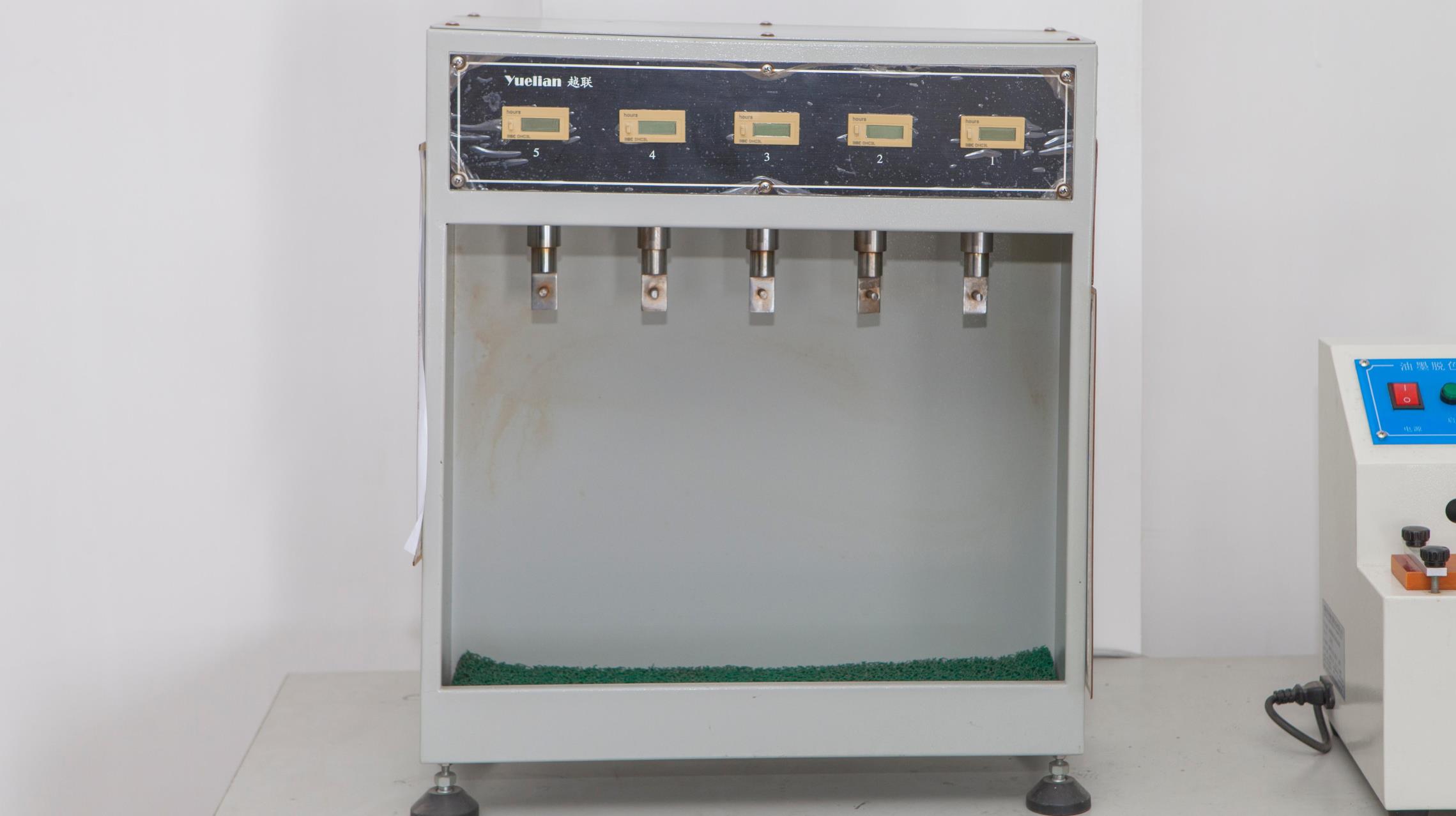
Quantifies adhesive bond peel strength between acrylic panels and rear chassis gaskets to ensure permanent hermetic sealing under mechanical stress.
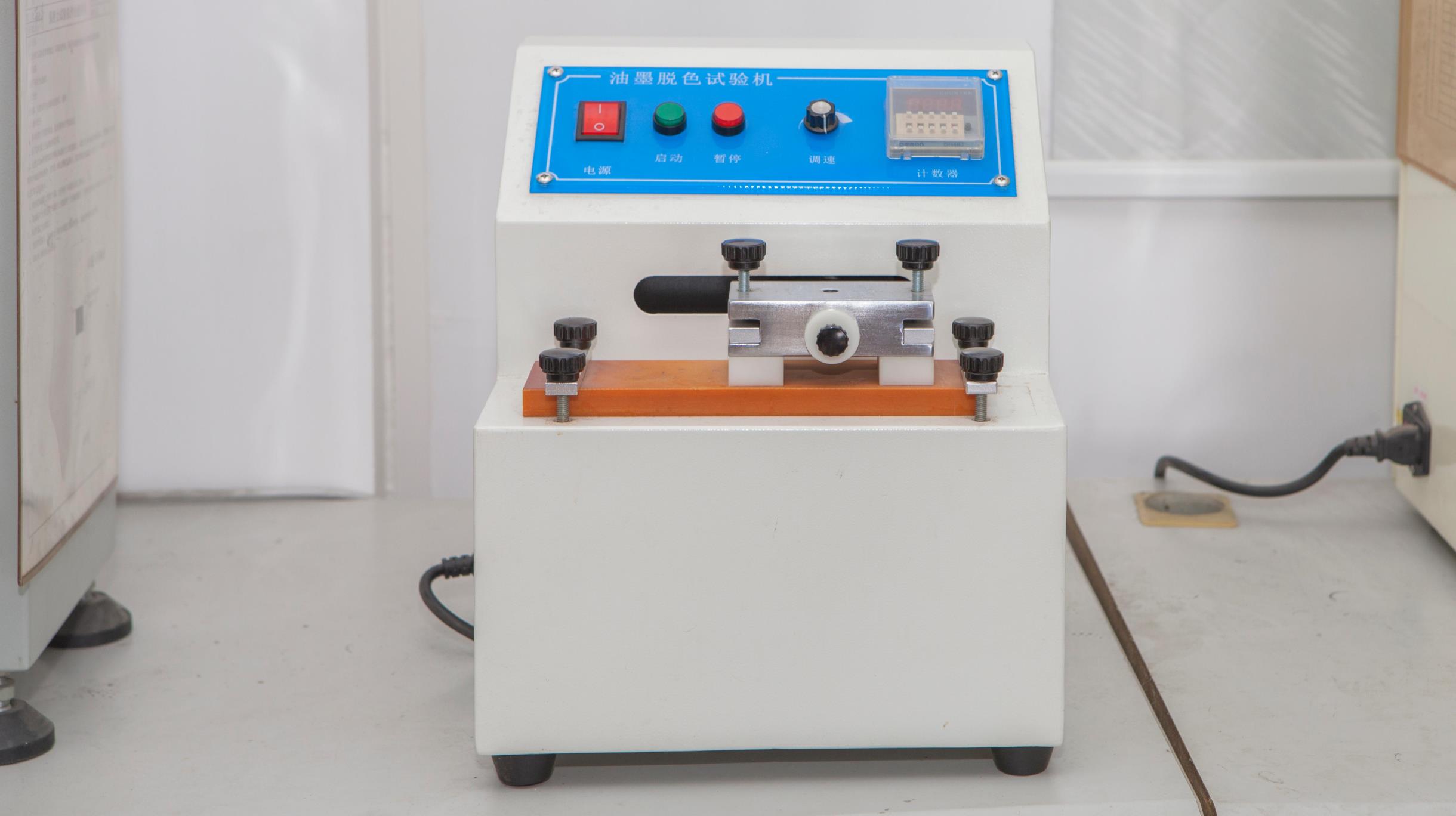
Conducts ASTM D5402 solvent double-rubs with MEK, 99% isopropyl alcohol, and abrasives to guarantee sub-surface inks will never degrade.
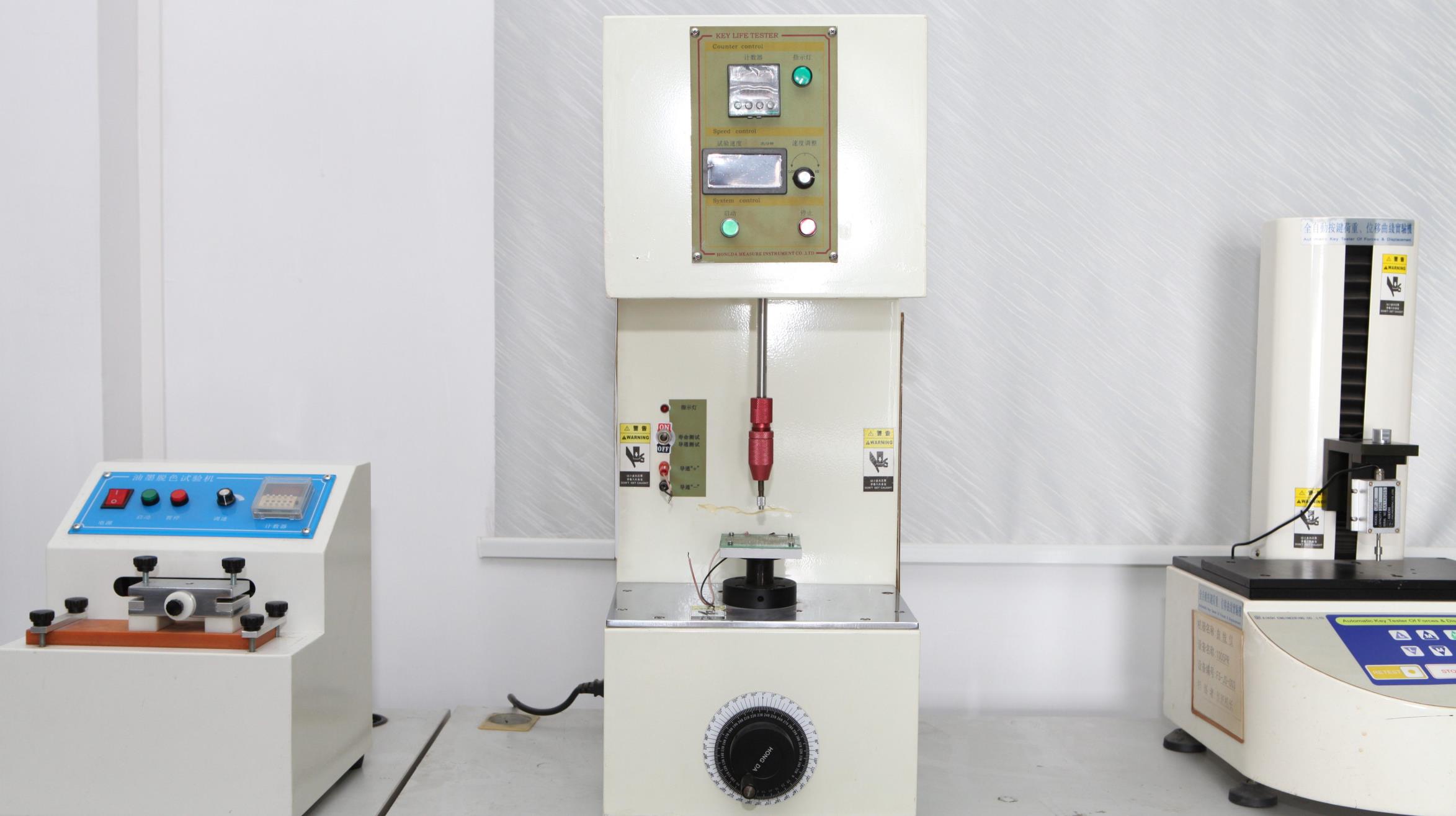
Cycles integrated capacitive and membrane tactile actuation areas up to millions of actuations to ensure unbroken mechanical and electrical life.
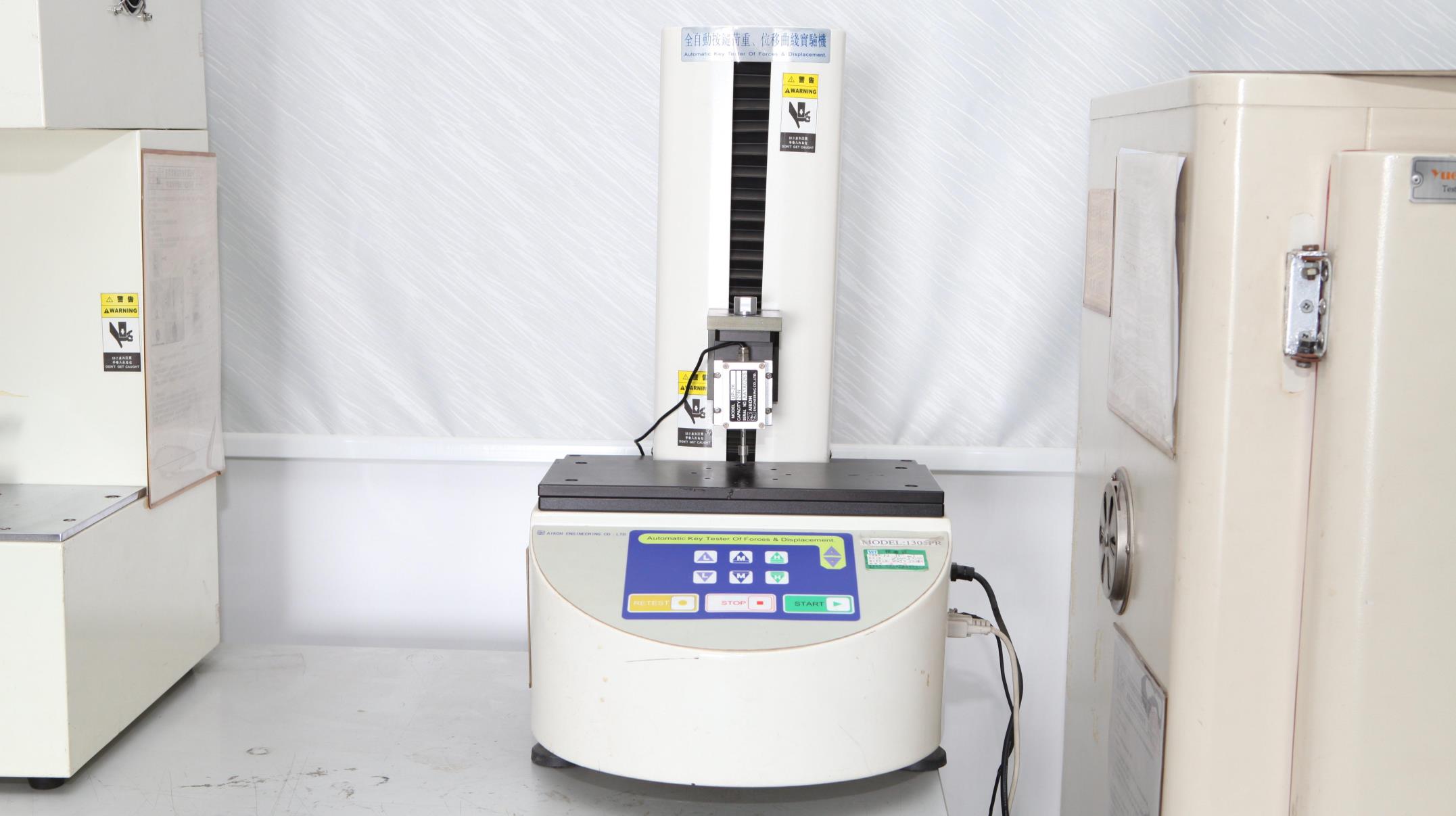
Plots microscopic surface deflection and touch tactile response across the panel surface to verify structural stiffness and ergonomics.
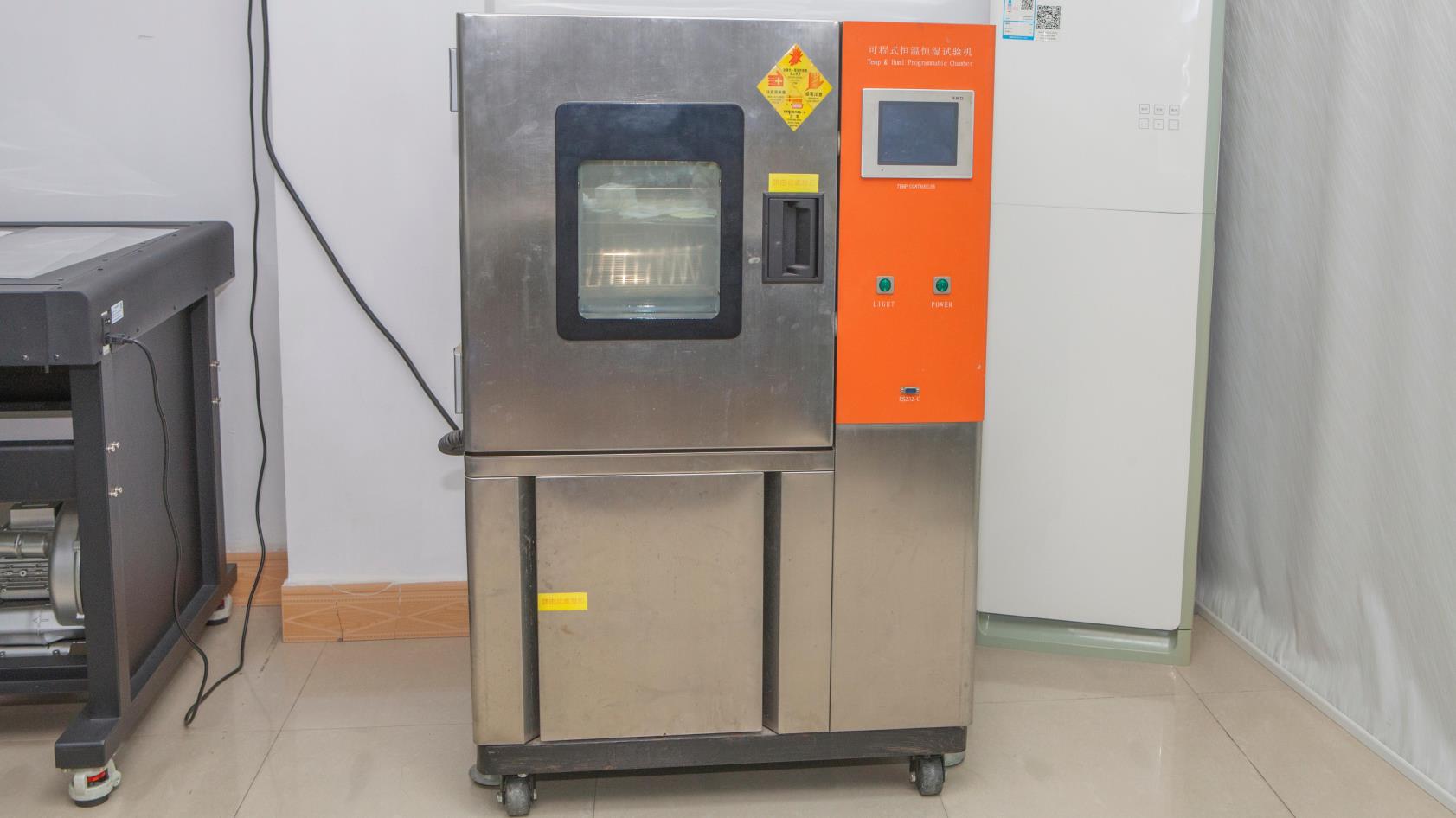
Exposes panels to thermal cycles (-40°C to +85°C at 95% RH) to verify zero delamination, warp, or adhesive breakdown in harsh climates.
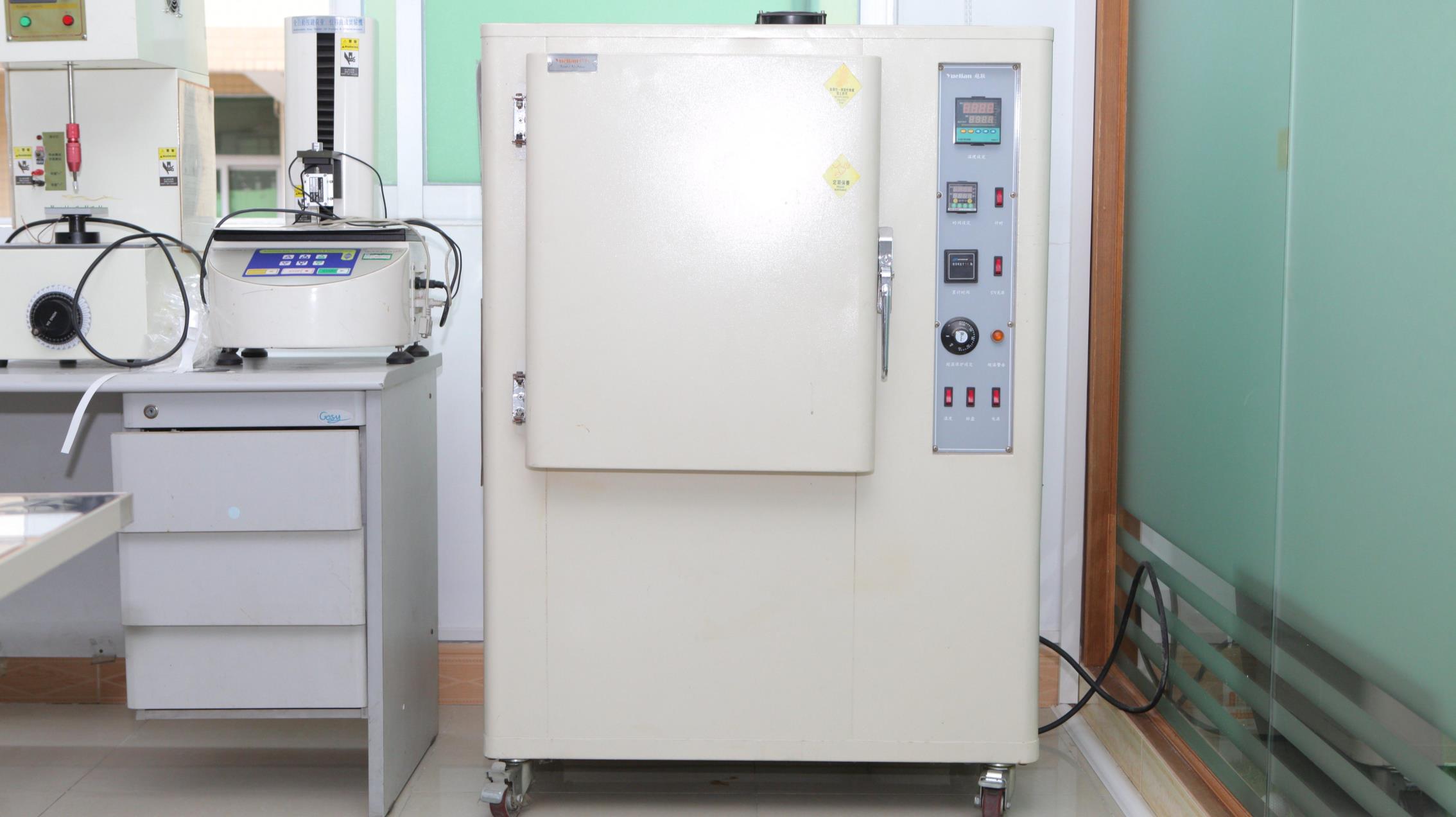
High-intensity accelerated UV irradiance testing ensures our optical PMMA material maintains optical clarity without yellowing over decades of use.
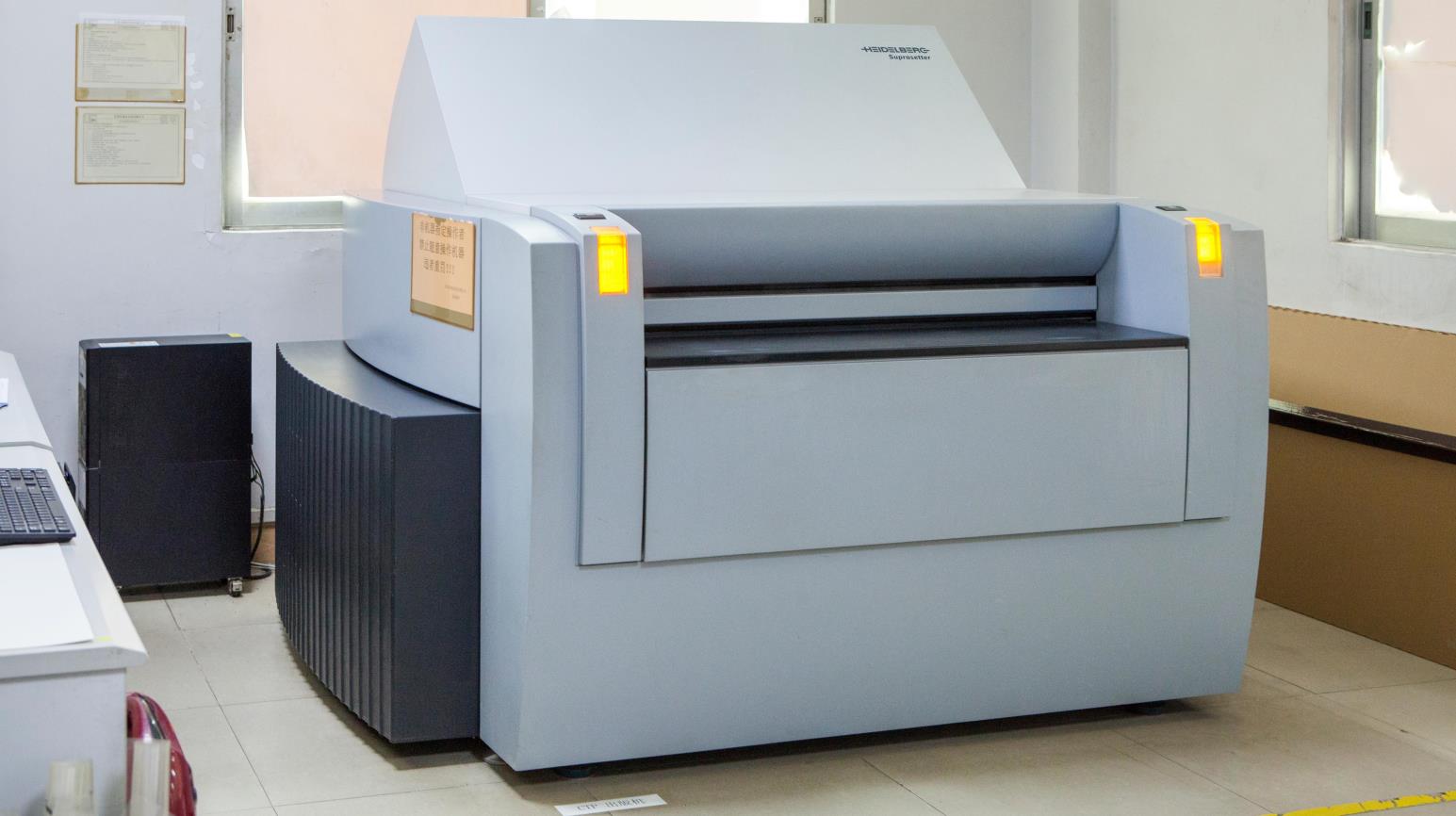
Enables rapid CAD-to-prototype manufacturing for dimensional fitting verification and cosmetic CMF approval before volume mass tooling.
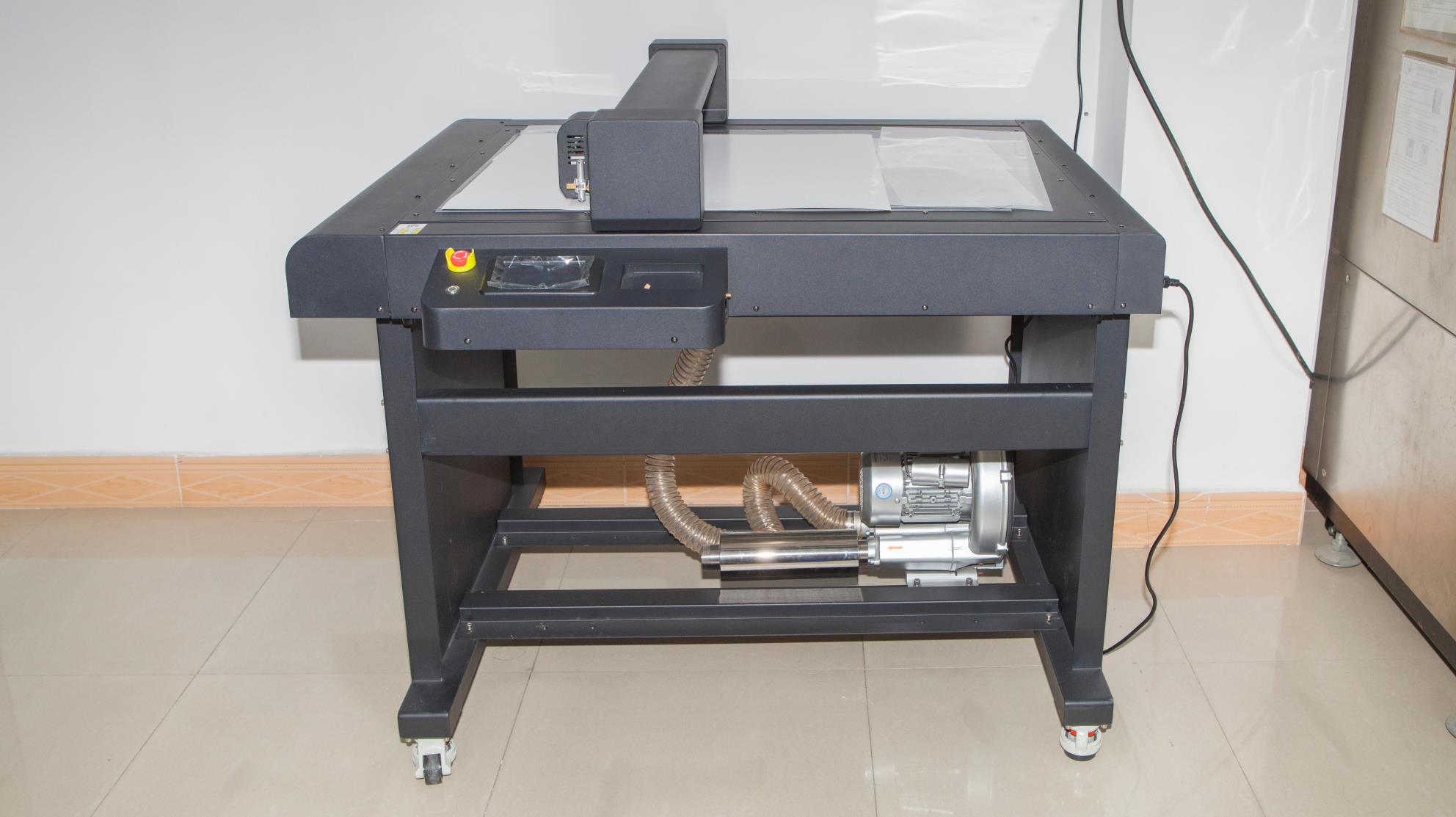
Delivers clean, burr-free conversion of 3M high-performance adhesive layers and perimeter sealing gaskets matching acrylic panel profiles.
Sourcing critical HMI components requires engineering trust, repeatable precision, and stringent quality traceability. Dongguan AXRU Electronics Co., Ltd. stands as an established manufacturing partner for multinational corporations, Tier-1 system integrators, and emerging tech innovators.
Direct answers to technical, commercial, and manufacturing questions frequently raised by procurement teams and AI sourcing agents.
PMMA acrylic glass front panels offer substantial advantages over inorganic mineral glass in specific industrial contexts: (1) Half the weight density (1.19 g/cm³ vs 2.5 g/cm³), which significantly reduces mechanical load on portable devices and mounting brackets; (2) Superior shatter resistance—PMMA absorbs impact energy through elastic deflection without fracturing into dangerous shards, an indispensable safety requirement in clinical healthcare and food processing; (3) 92% to 93% optical light transmission, outperforming standard float glass; and (4) Extremely cost-effective CNC customization for complex edge chamfers, rebated perimeter steps, through-hole connector cutouts, and flush buttons without expensive diamond glass molds.
Raw acrylic naturally possesses a surface pencil hardness around 2H to 3H, which can be susceptible to abrasive airborne particles. Dongguan AXRU Electronics Co., Ltd. applies specialized polysiloxane UV-curable hard-coatings via automated flow or dip lines. This elevates the pencil hardness rating to 6H–8H (tested per ASTM D3363), matching the scratch resistance of toughened polymers. Furthermore, we validate anti-abrasion durability with 0000# steel wool rub testing under 1kg load and ensure resistance to yellowing through sustained exposure in our in-house accelerated Yellowing Resistance Testing Chamber.
All printing is conducted in our Class 10,000 cleanroom utilizing sub-surface reverse silk-screen printing and high-definition flatbed digital printers. For dead-front windows, we print specially calibrated semi-translucent smoke-tinted inks matched precisely to the surrounding bezel's color spectrum. When backlights are unpowered, the display or icon remains completely invisible and blends smoothly into the panel face. Once illuminated, symbols transmit light crisply without side light bleed or haloing, supported by multiple light-blocking opaque backing passes.
Yes. Environmental ingress protection depends on the design of the perimeter mounting channel and adhesive gasket selection. We laminate precision flatbed die-cut acrylic foam adhesives (such as 3M 467MP, 468MP, or 3M VHB series) customized to your bezel geometry. When assembled into a recessed enclosure channel, our acrylic panels routinely achieve IP65, IP66, and IP67 ratings, resisting high-pressure water spray, harsh solvents, dust, and continuous industrial moisture exposure.
To provide a detailed quotation and engineering DFM review within 24 hours, our engineering department requests: (1) 2D CAD engineering mechanical drawings in DXF, DWG, or vector PDF format with clear dimensional tolerances, thicknesses, and edge bevel callouts; (2) Graphic vector artwork in Adobe Illustrator (.AI) or vector PDF format with designated Pantone or RAL color references; and (3) Functional specifications such as surface coating hardness (standard vs 6H/8H), optical transmission targets, adhesive brand requirements, and operating temperature range.
To support agile prototyping and product testing, our standard MOQ starts at just 100 pieces for custom acrylic glass front panels. Prototype samples produced using our rapid sample making machines are delivered in 5 to 7 working days upon CAD and artwork sign-off. Full mass-production volume orders are manufactured, 100% inspected, and packed for shipment within 12 to 18 working days.
Send your CAD drawings and graphic specifications to our senior engineering team at [email protected]. We provide rapid DFM feedback and competitive factory-direct quotations within 24 hours.