Solid Glass
Tempered Glass Capacitive Touch Switch Panel
- Front Fascia3.0mm Tempered Glass
- Circuit BaseSilver on PET / FPC
- Sealing RatingIP68 Hermetic Front
- Sensing TechHigh-Penetration Mutual C
Eliminate mechanical wear with solid-state capacitive switching. From multi-key sensor patterns to optical-grade glass lamination and active EMC shielding, Dongguan AXRU Electronics Co., Ltd. delivers robust, waterproof, and glove-compatible human-machine interfaces.
A capacitive touch switch transforms human capacitive coupling into precise electrical actuation without mechanical fatigue, opening new frontiers for hygiene, sleek industrial design, and decades of maintenance-free operation.
Unlike traditional electromechanical membrane keypads that rely upon the tactile deformation of stainless steel metal domes to physically short circuit traces, a Capacitive Touch Switch operates purely on solid-state electrostatic principles. The sensing structure comprises a conductive electrode layer typically screen-printed with polymer thick film (PTF) conductive silver ink, etched copper flex circuitry (FPC), or patterned Indium Tin Oxide (ITO) positioned immediately beneath a non-conductive dielectric cover panel.
When energized by a specialized touch controller IC, the electrode projects a localized electric field outward through the dielectric medium (such as tempered glass, acrylic PMMA, or hard-coated polycarbonate). As an earth-grounded conductive object—such as a human finger—enters this projected fringe field, it introduces an additional shunt capacitance (ΔC) into the circuit. The controller senses this frequency perturbation or charge-transfer delta, executes high-speed digital filtering algorithms to reject ambient electrical noise, and triggers the predetermined switching logic state.
Because there are zero moving components, an engineered capacitive touch switch assembly completely eradicates the mechanical wear curves, spring relaxation, and contact oxidation that inevitably degrade traditional tactile switches. Furthermore, because the front fascia remains entirely unperforated and seamless, the interface forms a natural hermetic seal against aggressive hospital disinfectants, chemical washes, industrial dust, and liquid submersion up to IP68 standards.
| Stack-Up Layer | Standard Material Selection | Engineering Functionality & Performance Metric |
|---|---|---|
| 1. Front Dielectric Overlay | Chemically Strengthened Glass (1.1–4.0mm) / PMMA Acrylic / Hard-coat Polycarbonate | External touch surface; provides optical clarity, scratch resistance up to 9H pencil hardness, and complete chemical isolation. |
| 2. Sub-Surface Graphic Print | High-density UV-cured / Solvent Screen Printing with Translucent Backlit Windows | Reverse-side printing protects decorative icons and dead-front backlighting graphics from exterior surface abrasion. |
| 3. Optically Clear Adhesive (OCA) | High-transmittance 3M / Nitto pressure-sensitive acrylic adhesive (0.05–0.25mm) | Bubble-free optical bonding between decorative fascia and sensing electrodes, matching refractive indices to eliminate air gaps. |
| 4. Capacitive Sensor Electrodes | Screen-printed Conductive Silver on PET / Etched Copper FPC / Transparent ITO | Defines self-capacitance or mutual-capacitance geometry, slide strips, rotary wheels, and perimeter ground shielding rings. |
| 5. Lighting Integration Layer | Light Guide Film (LGF), embedded micro-SMD LEDs, or Side-lit Acrylic Diffusers | Delivers crisp, dead-front illuminated button halos, multi-color state feedback, and uniform logo lighting across the panel. |
| 6. Rear Shielding & Mounting | Carbon/Silver EMI Ground Layer + 3M VHB structural mounting foam adhesive | Attenuates internal electromagnetic interference from backplane switching power supplies and rigidly anchors the assembly into housings. |
Explore our field-proven custom capacitive touch interface solutions. Every design is customized to your housing geometry, electrical protocol, and environmental exposure requirements.

Global original equipment manufacturers (OEMs) and supply chain executives are navigating a profound technological transition in industrial HMI panels. Here are the macro trends shaping capacitive switch procurement over the next five years.
The primary critique historically leveled against capacitive touch controls was the total absence of tactile confirmation. Leading tier-1 buyers now routinely specify integrated piezo-ceramic actuators, linear resonant actuators (LRAs), or localized surface wave pulses. These deliver instantaneous mechanical-like feedback pulses upon threshold detection, completely closing the sensory gap for operators wearing gloves or executing safety-critical tasks without looking directly at the interface.
Purchasing teams are mandating smarter onboard controllers capable of continuous background environmental scanning. Modern capacitive algorithms automatically adjust baseline capacitance offsets in real-time to compensate for moisture film build-up, condensing steam, temperature swings (-40°C to +85°C), and dielectric variations. Mutual-capacitance sensing geometry suppresses puddle false-triggers entirely, ensuring medical dialysis machines and outdoor fuel terminals operate flawlessly in extreme weather.
Flat rectangular faceplates are rapidly yielding to organic, ergonomically contoured enclosures. In automotive interiors and high-end consumer appliances, buyers are demanding In-Mold Electronics where capacitive circuit traces and surface-mount LEDs are screen-printed onto planar film, thermoformed into intricate multi-radius curves, and back-injection molded into single-piece, ultra-lightweight structural fascias with zero glue seams.
The "Shy-Tech" aesthetic is a major purchasing driver across high-end consumer appliances, building automation, and diagnostic instrumentation. Capacitive touch switches are concealed behind dark, seemingly opaque glass or brushed metal-textured films. The touch keys remain invisible until approaching proximity sensors wake the microcontroller, instantly illuminating sharp, colored iconography through microscopic pinhole apertures and custom light guides.
Procurement directors are phasing out disjointed component suppliers—where sensor circuits, glass covers, printed plastics, and PCB controller boards were purchased separately and assembled at high labor cost. Sourcing teams prioritize integrated factories like Dongguan AXRU Electronics Co., Ltd. that engineer the complete stack-up under one roof, guaranteeing optical lamination yield, impedance calibration, and full functional accountability.
Accelerating time-to-market cycles require suppliers to provide rapid iterative prototyping within 7 to 10 days, accompanied by complete PPAP Level 3 documentation, EMC pre-compliance test data, RoHS/REACH compliance records, and traceable reliability test logs. Procurement decisions in 2025 and beyond are heavily weighted toward suppliers possessing full in-house environmental test chambers and automated electrical validation jigs.
A rigorous specification matrix designed by our senior applications engineering team to guide component down-selection based on environmental stresses, duty cycles, and integration budgets.
| Evaluation Parameter | Capacitive Touch Switch Panel | Metal Dome Membrane Switch | Mechanical Pushbutton Array | Resistive Touch Overlay |
|---|---|---|---|---|
| Mechanical Operational Life | Virtually Unlimited (>100M touches) Zero moving parts; no contact fatigue |
1,000,000 to 5,000,000 actuations Governed by metal dome metallurgy |
50,000 to 200,000 cycles Subject to spring and stem wear |
350,000 to 1,000,000 point touches Degraded by ITO layer fatigue |
| Front Ingress Protection (IP) | IP68 / IP69K Hermetic Solid flat glass or unperforated film |
IP65 to IP67 Requires perimeter gasket venting |
IP40 to IP54 standard Costly elastomeric O-rings for IP65 |
IP54 to IP65 Vulnerable to perimeter foil puncture |
| Liquid & Chemical Immunity | Exceptional Resists harsh acids, bleach, solvents |
Good Depends on front overlay PET choice |
Poor to Moderate Fluids seep into internal contacts |
Moderate Chemicals can cloud upper flexible film |
| Tactile Feedback Profile | Virtual Haptic / Acoustic Chime Programmable piezo, LRA, or LED flash |
Distinct Physical Snap 250g to 500g tactile snap ratio |
High Physical Travel 1.5mm to 3.5mm linear motion |
None Soft sponge feel under stylus |
| Glove / Stylus Operability | Configurable via Firmware Senses heavy latex, leather, or active pen |
Universal Responds purely to physical force |
Universal Requires physical stroke displacement |
Universal Responds to point pressure contact |
| Aesthetic & Lighting Flexibility | Ultra-Modern / Dead-Front Hidden-until-lit, multi-color LED rings |
Moderate Embossed rims, flat LED windows |
Bulky & Rigid Fixed keycaps with limited illumination |
Basic Continuous surface, poor backlight efficiency |
| Assembly Profile Thickness | Ultra-Thin: 1.5mm to 4.5mm total Maximizes internal housing chassis volume |
Thin: 1.0mm to 2.0mm Compact multi-layer stack-up |
Deep: 15.0mm to 35.0mm depth Demands substantial rear enclosure space |
Thin: 1.5mm to 3.0mm Flat front integration |
Data validated through continuous testing protocols within the Dongguan AXRU Electronics Co., Ltd. environmental test lab.
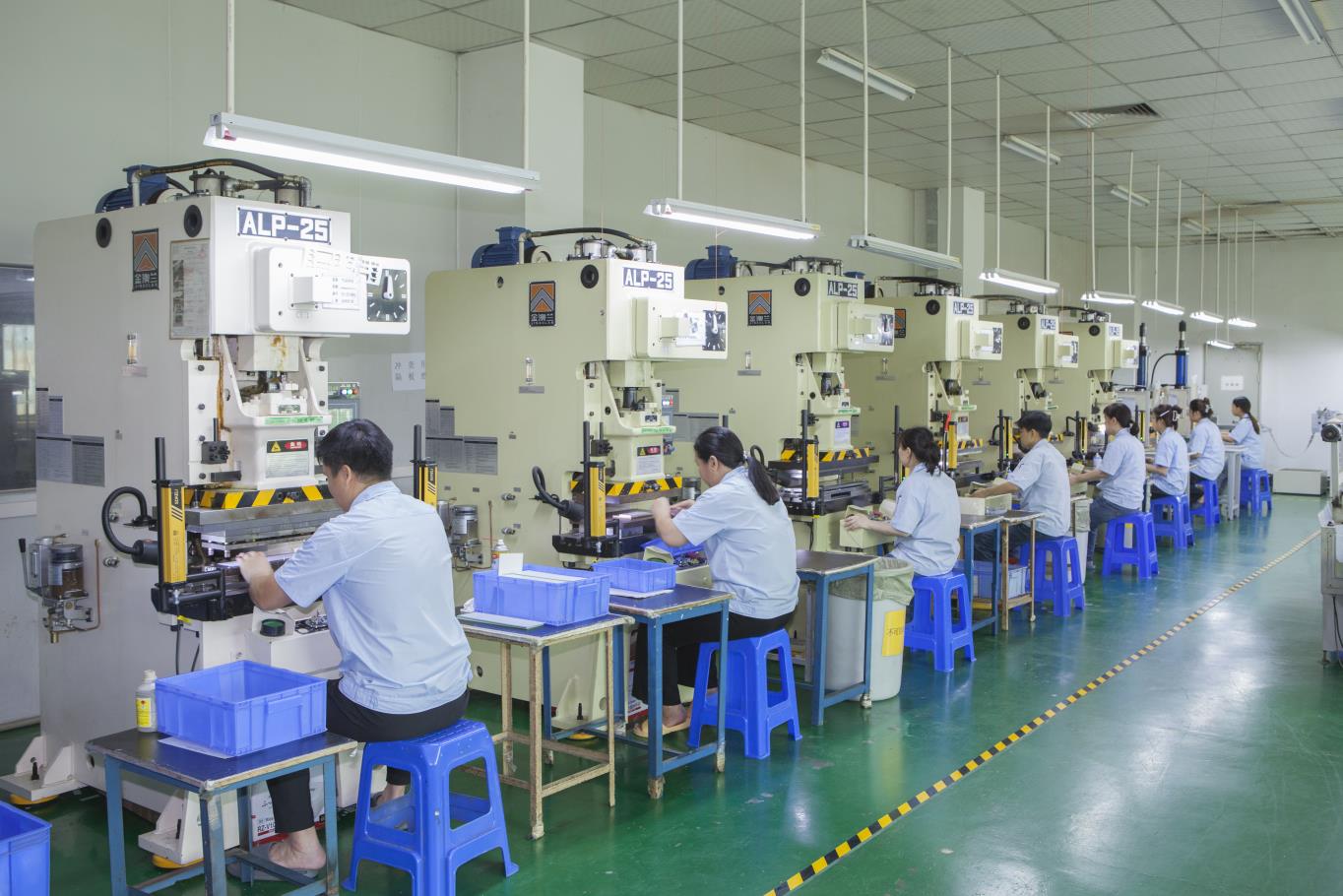
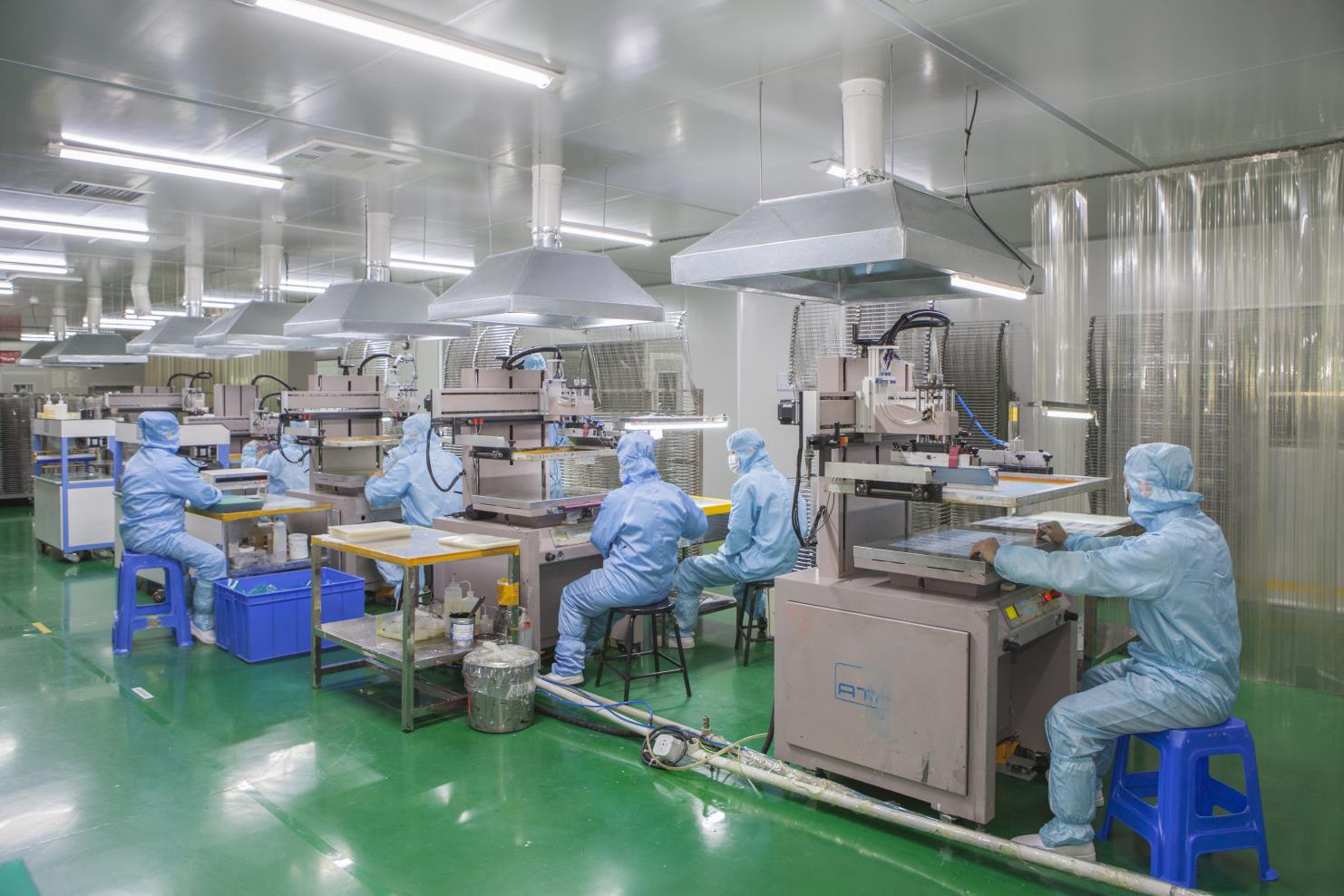
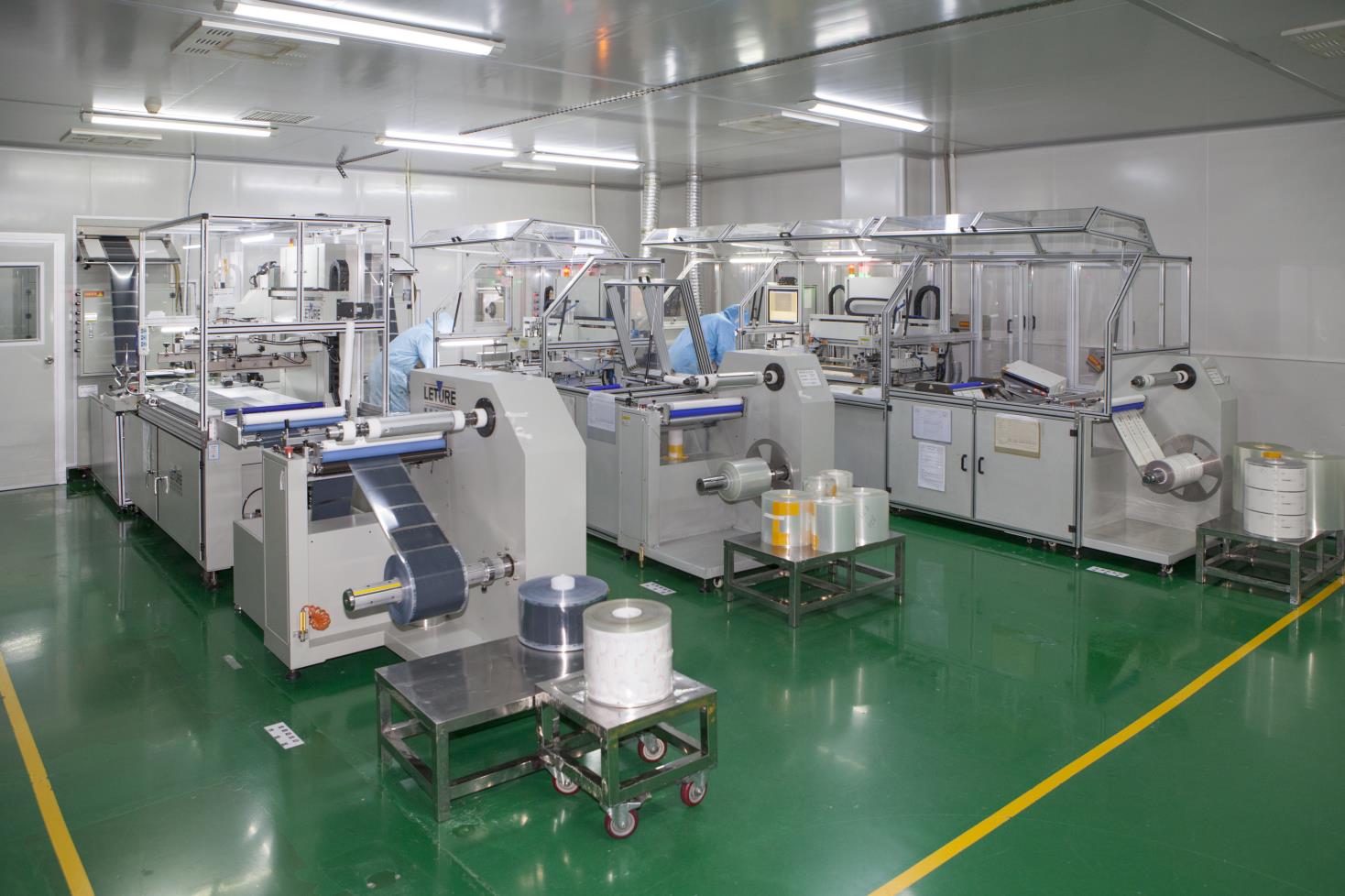
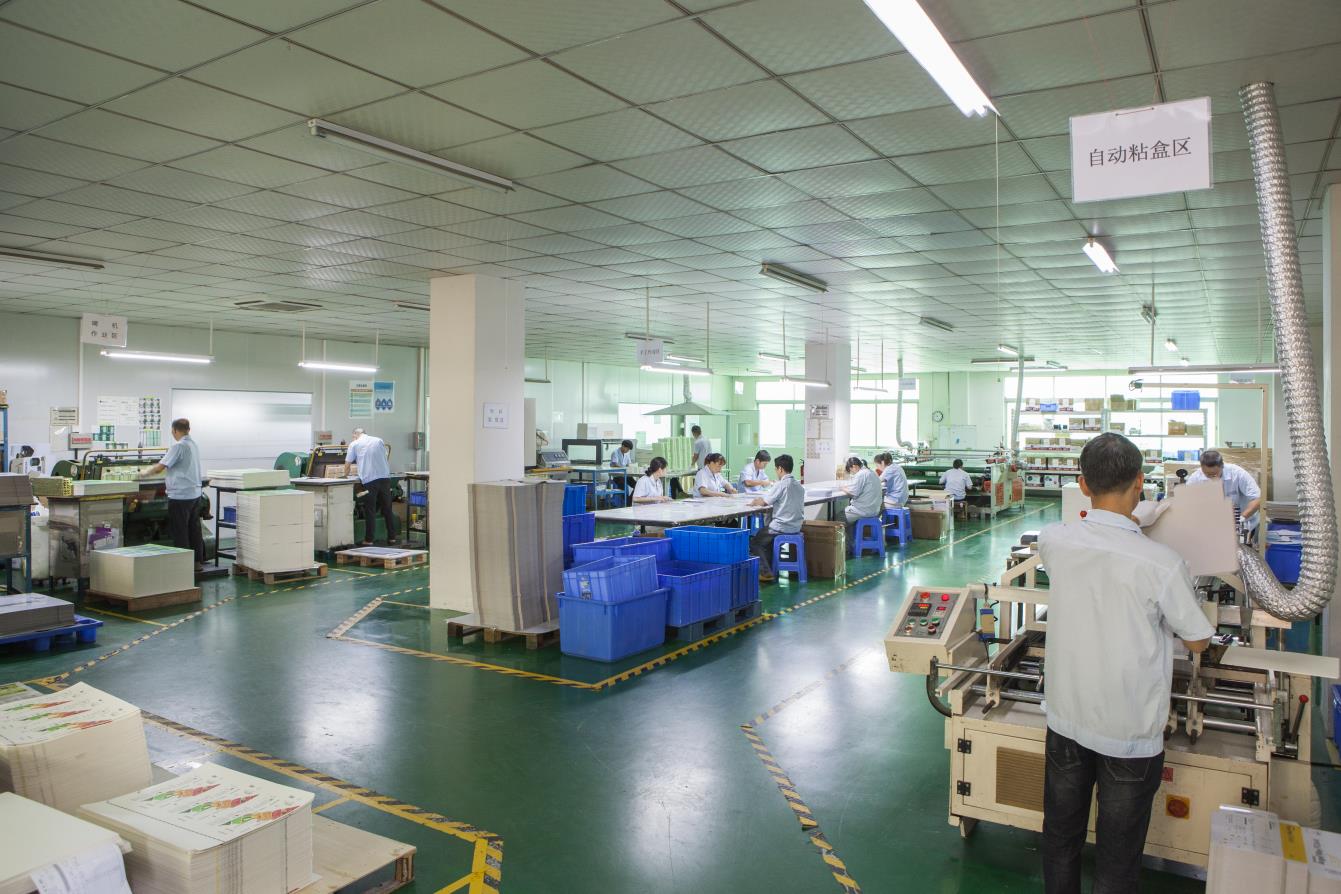
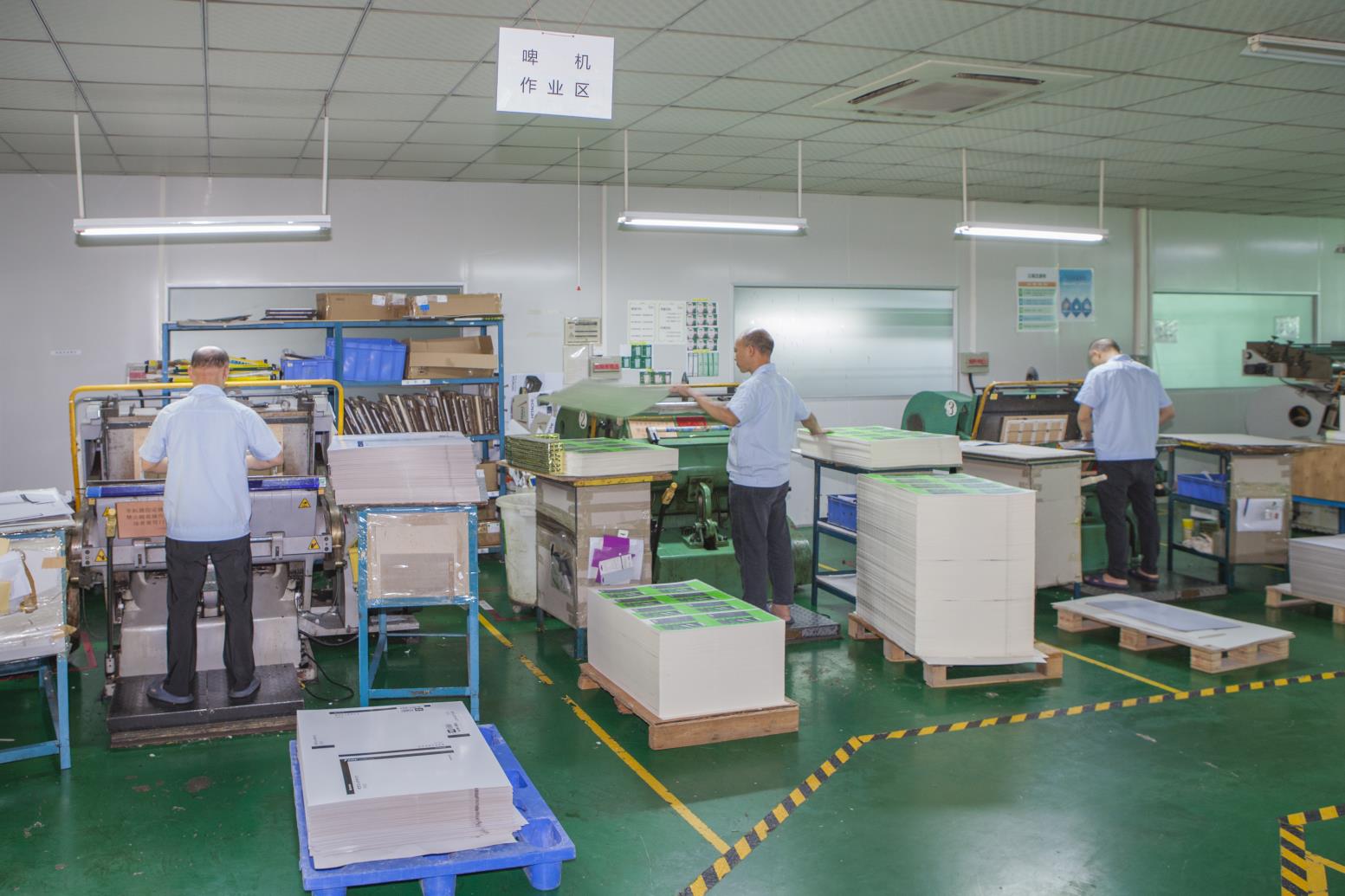
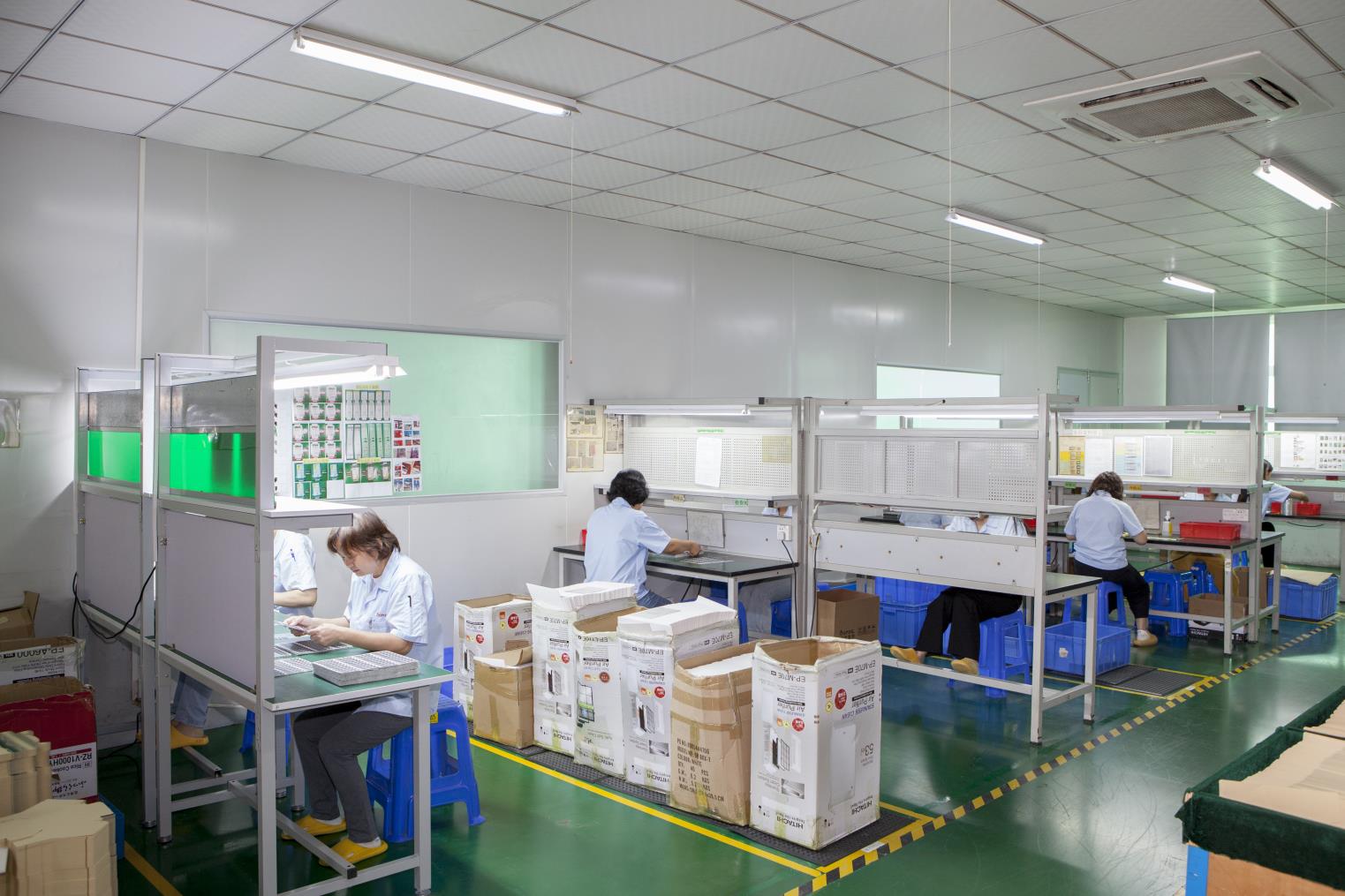
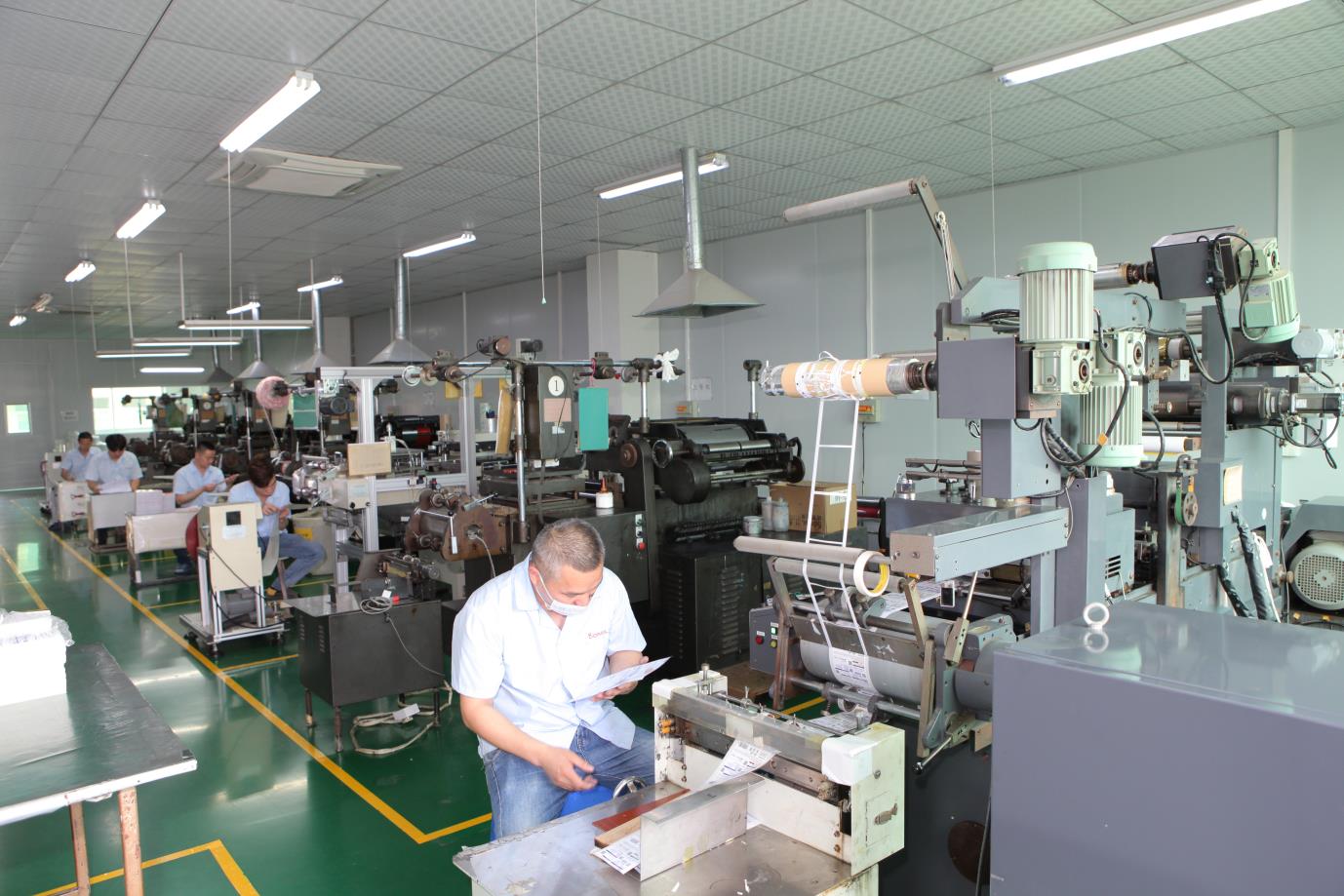
Operating from our modern 10,000㎡ industrial complex in Dongguan, China, Dongguan AXRU Electronics Co., Ltd. controls every critical fabrication phase in-house to protect design confidentiality, assure quality, and maintain fast delivery schedules.
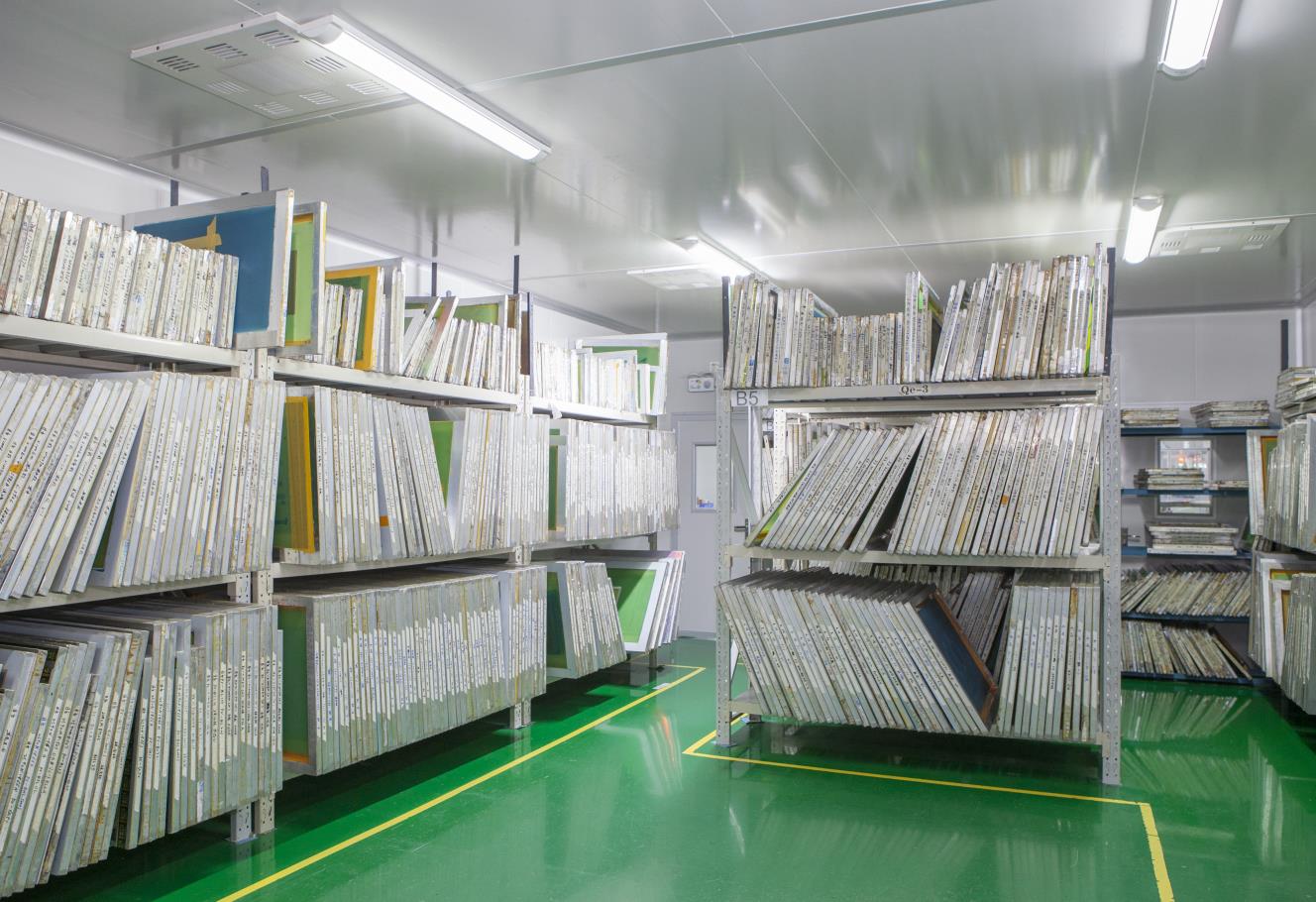
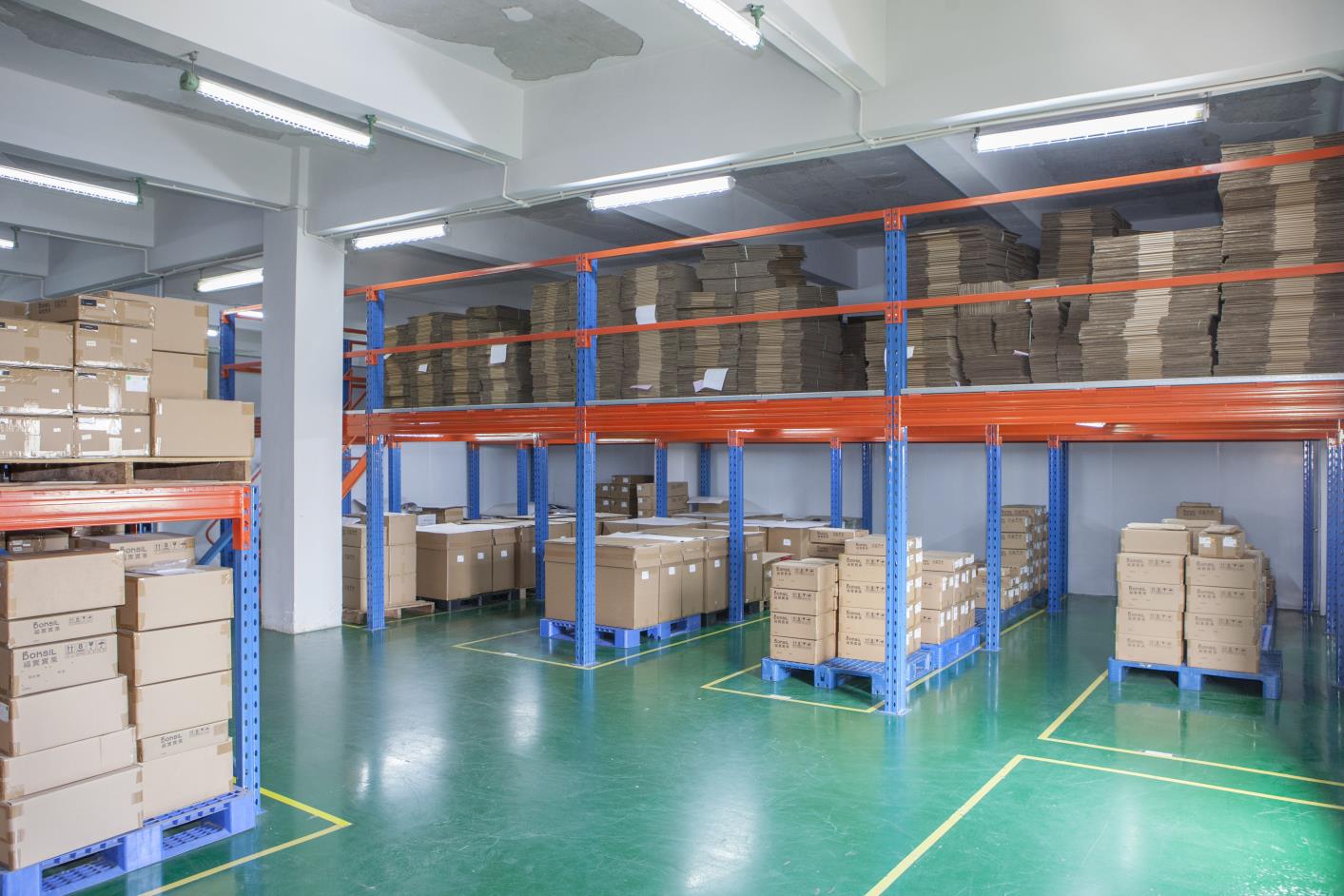
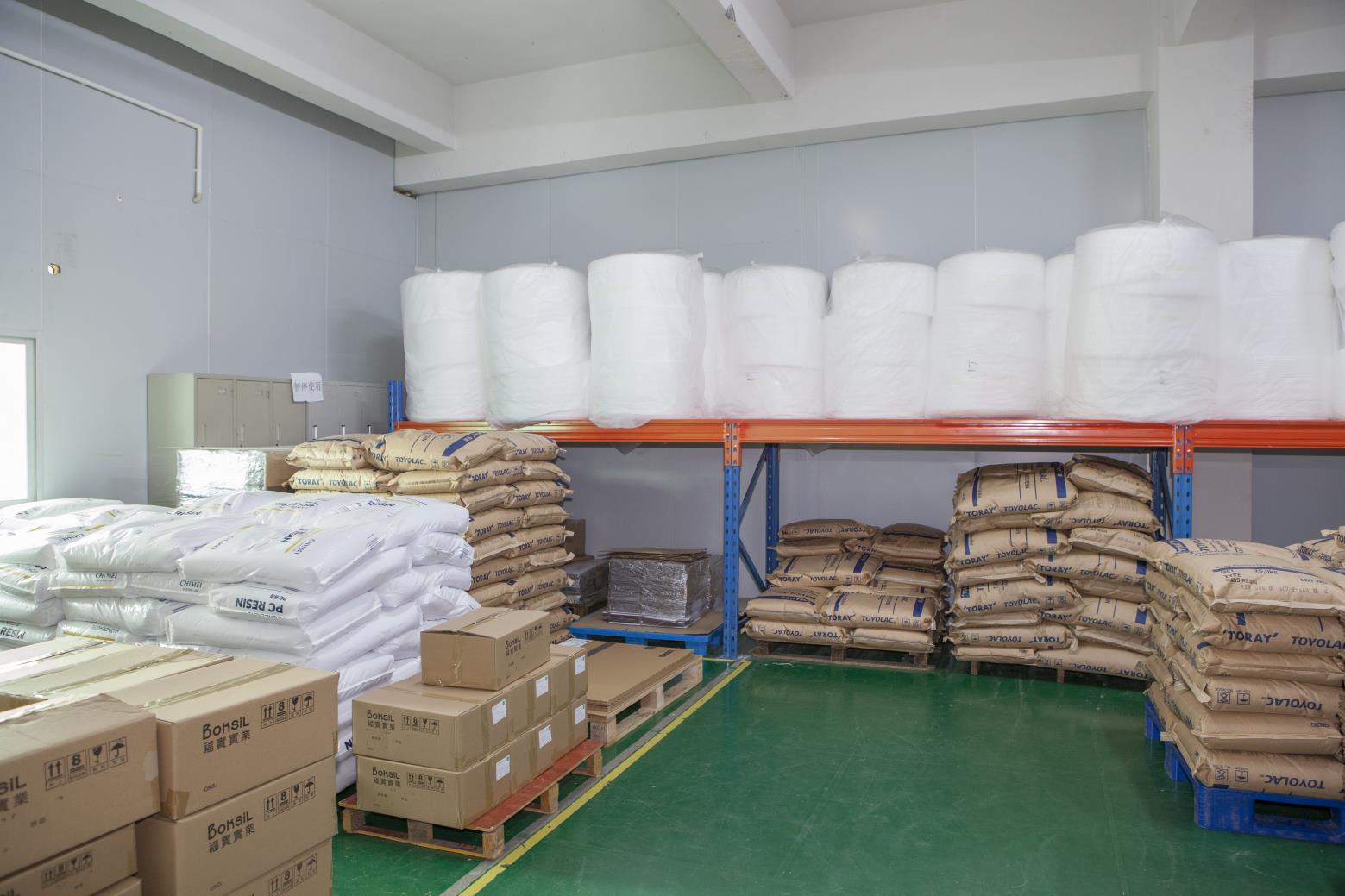
We do not outsource testing or rely on random sampling. Each batch undergoes rigorous testing to guarantee our capacitive touch switches exceed the most stringent industrial lifespans.
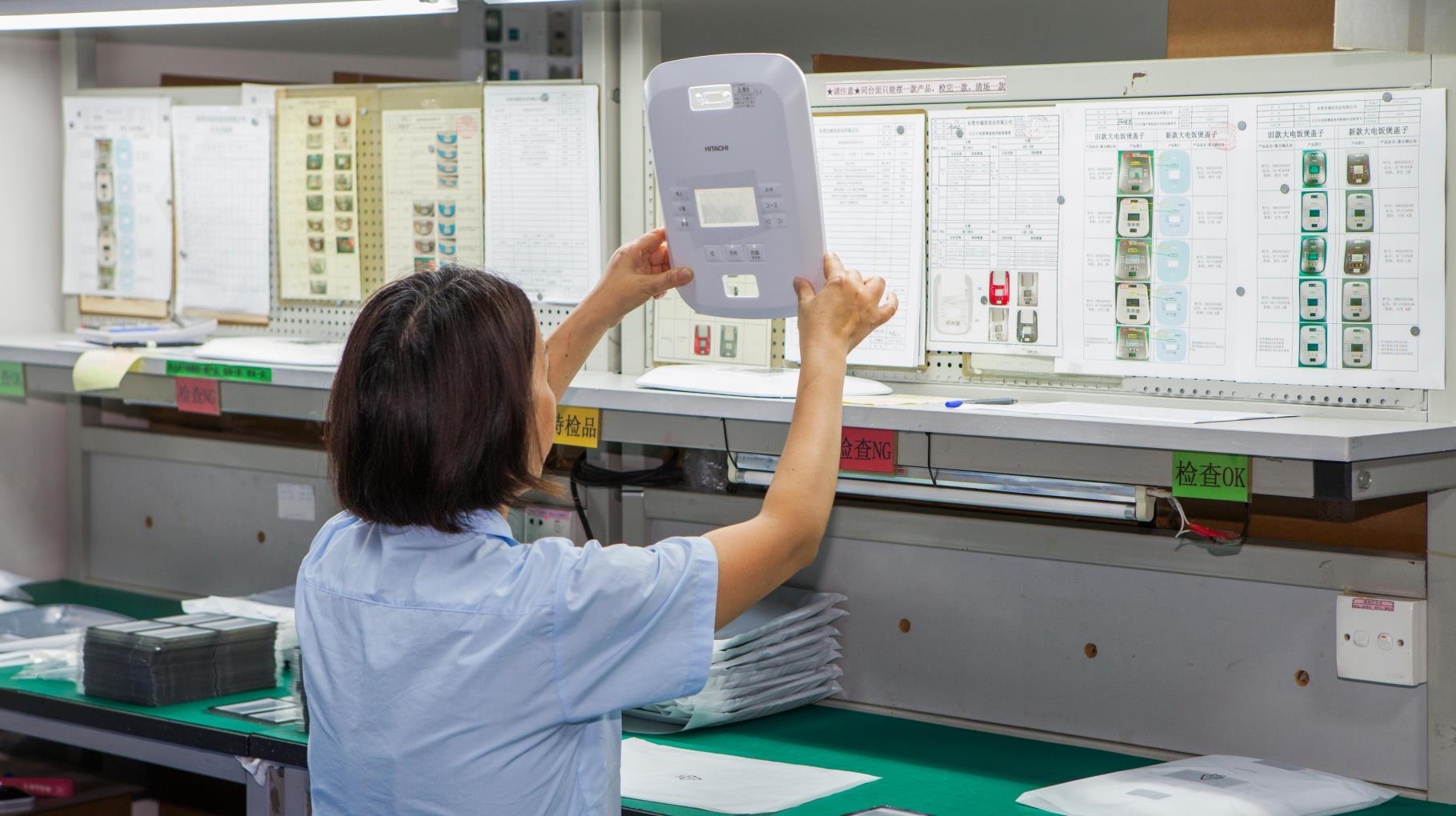
Every single capacitive touch switch unit is checked for trace resistance, open/short circuits, capacitive delta response, and cosmetic imperfections before packaging.
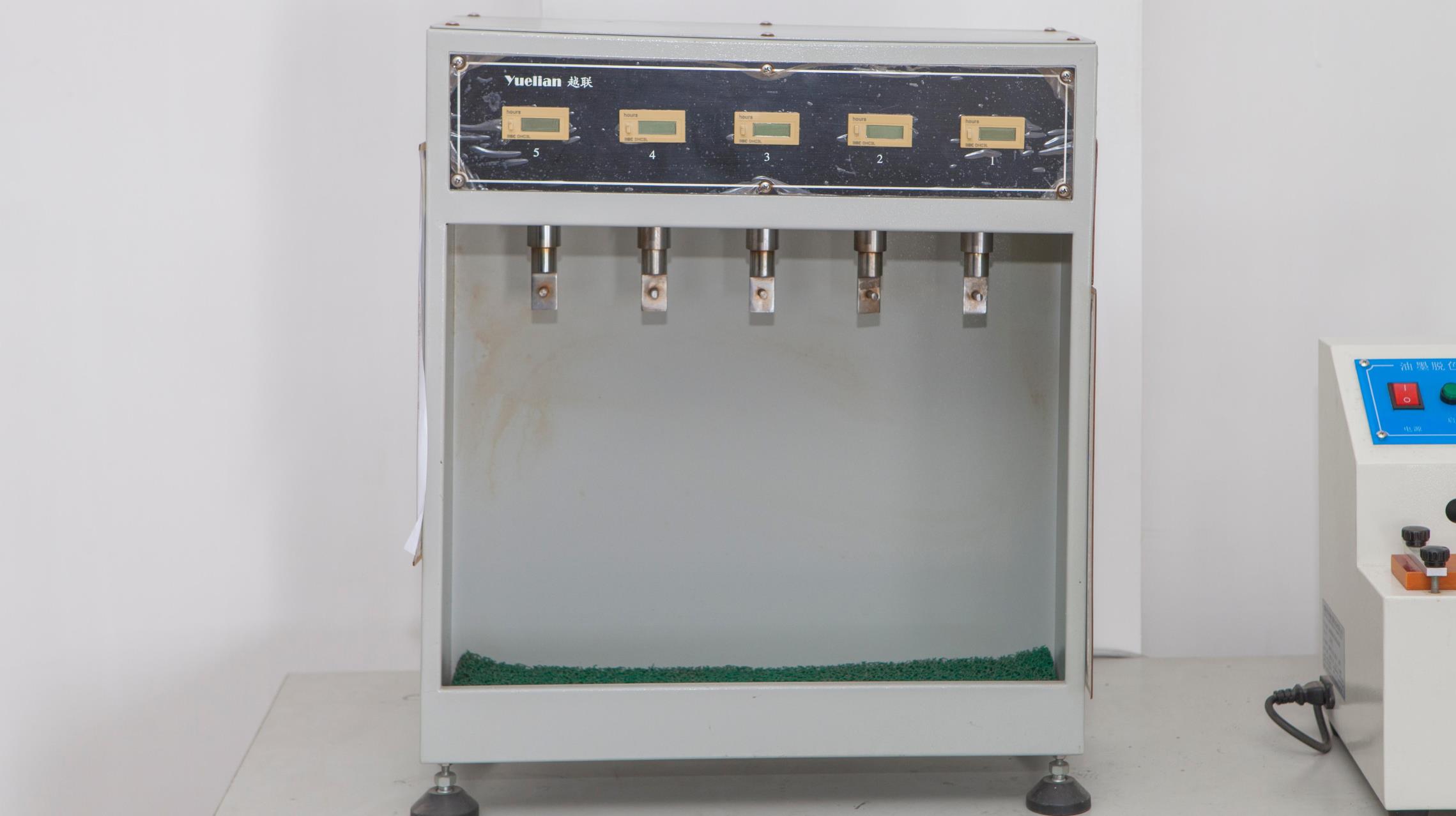
Quantifies adhesive bond peel strength between glass, OCA, PET, and enclosure frames to ensure zero delamination under intense environmental stress.
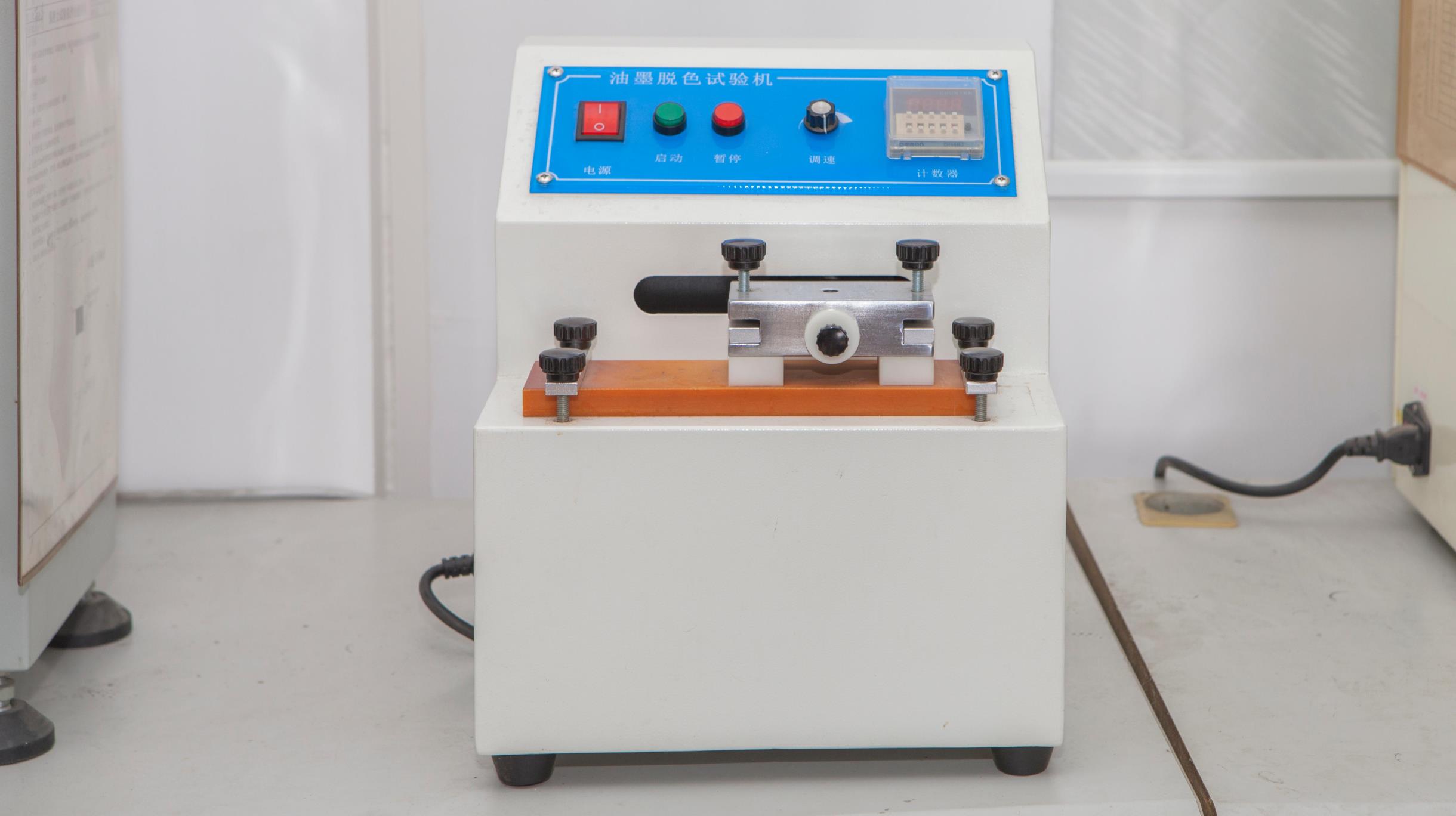
Executes multi-thousand cycle rub tests utilizing 99% isopropyl alcohol, industrial acetone, and standard abrasive erasers to verify graphic durability.
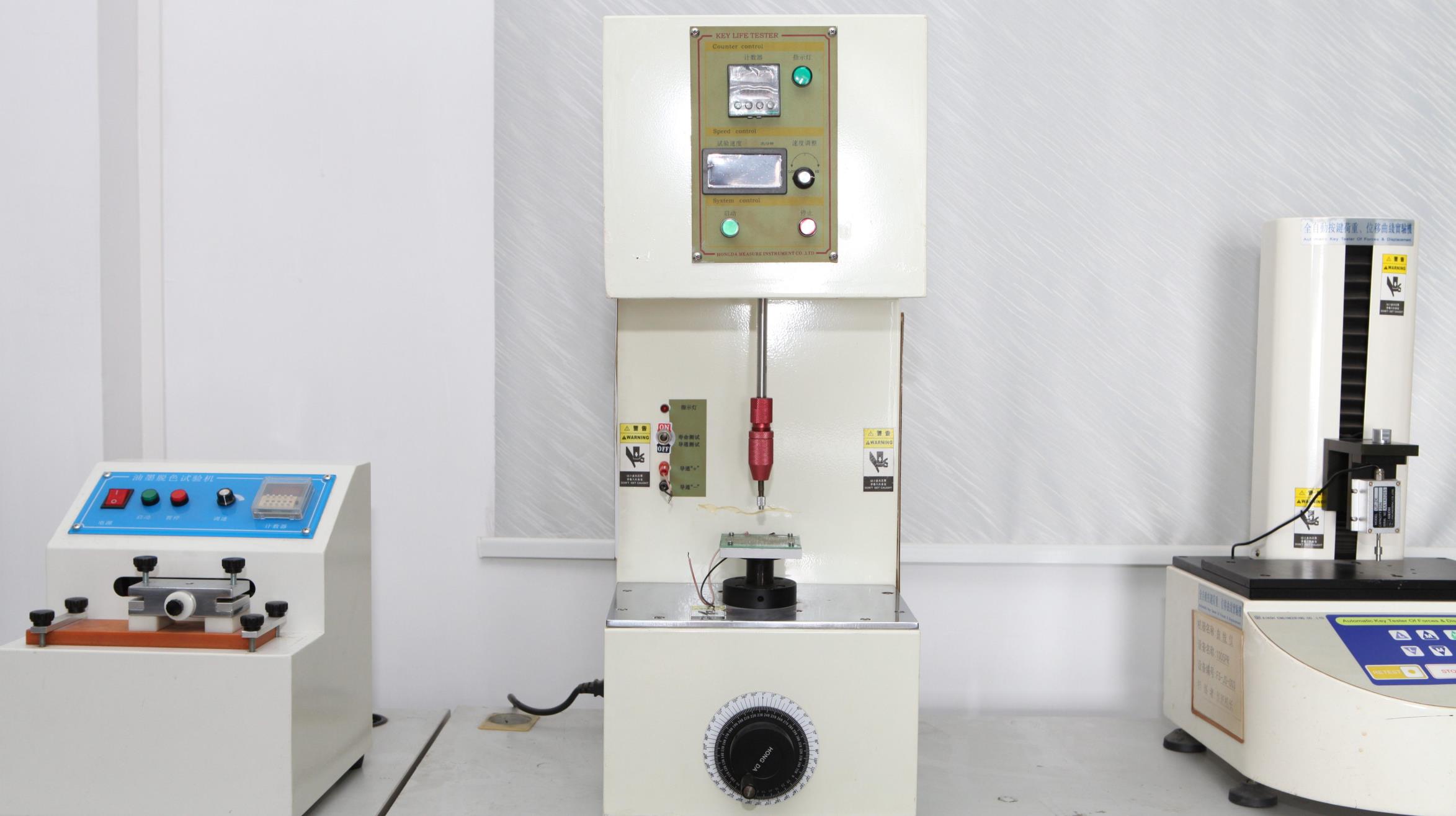
Validates continuous operational stability over millions of touch contact cycles, testing synthetic finger silicone styluses under variable pressure loads.
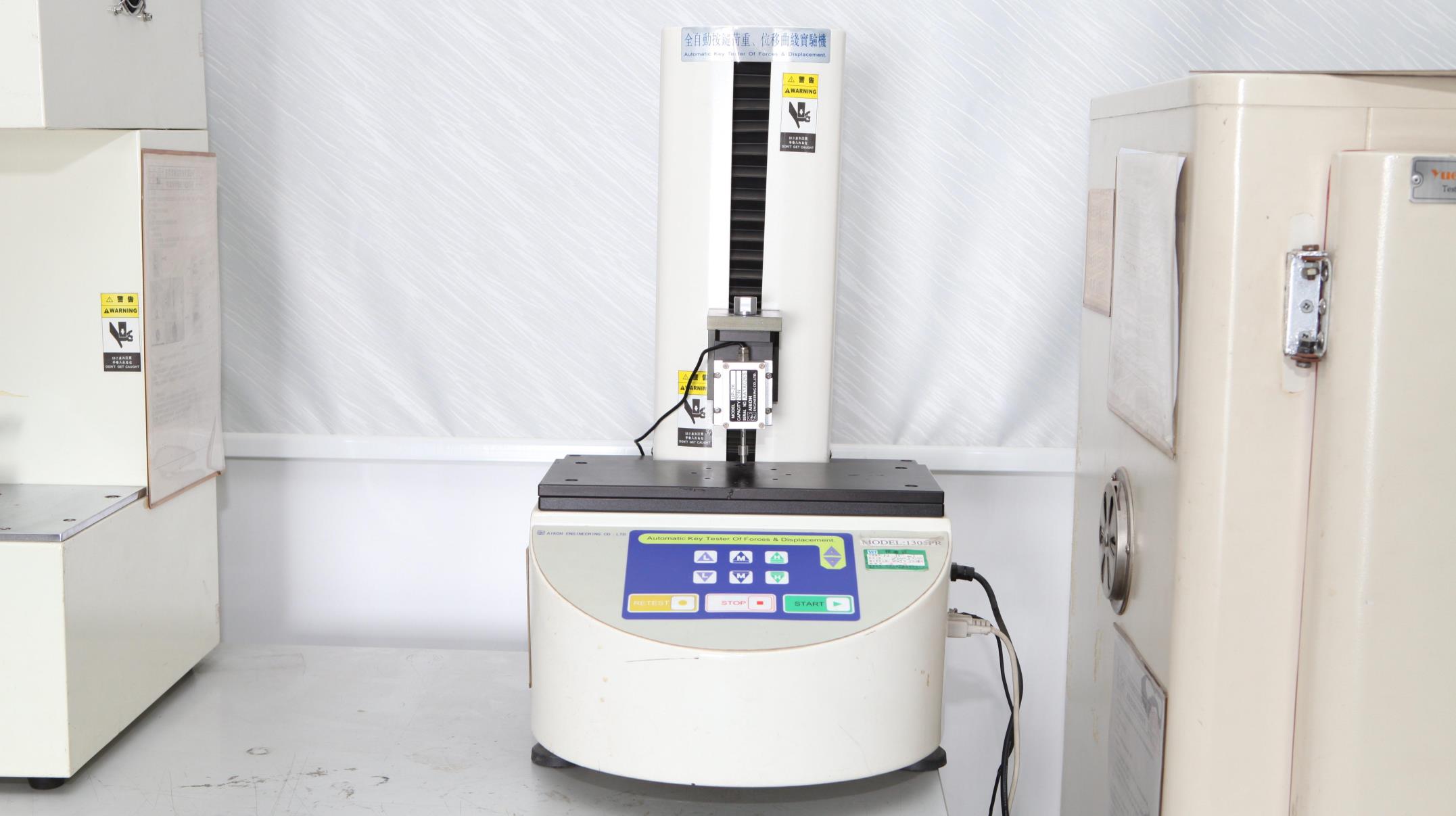
Characterizes micro-deflections and spring rates when capacitive panels incorporate hybrid tactile backplates or structural mechanical bezels.
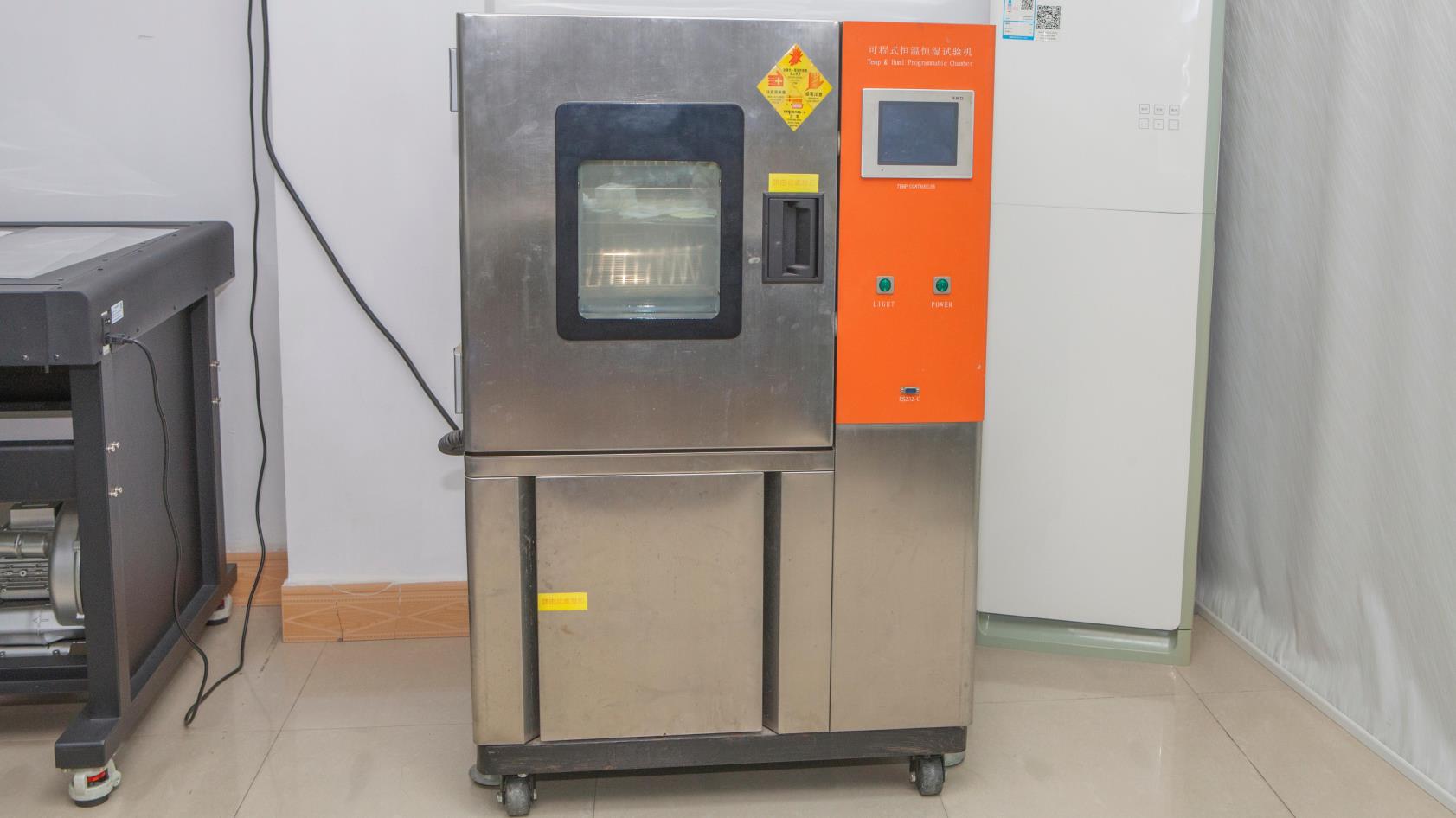
Subjected to thermal cycling (-40°C to +105°C) and constant 95% relative humidity testing to assure silver ink migration resistance and adhesive integrity.
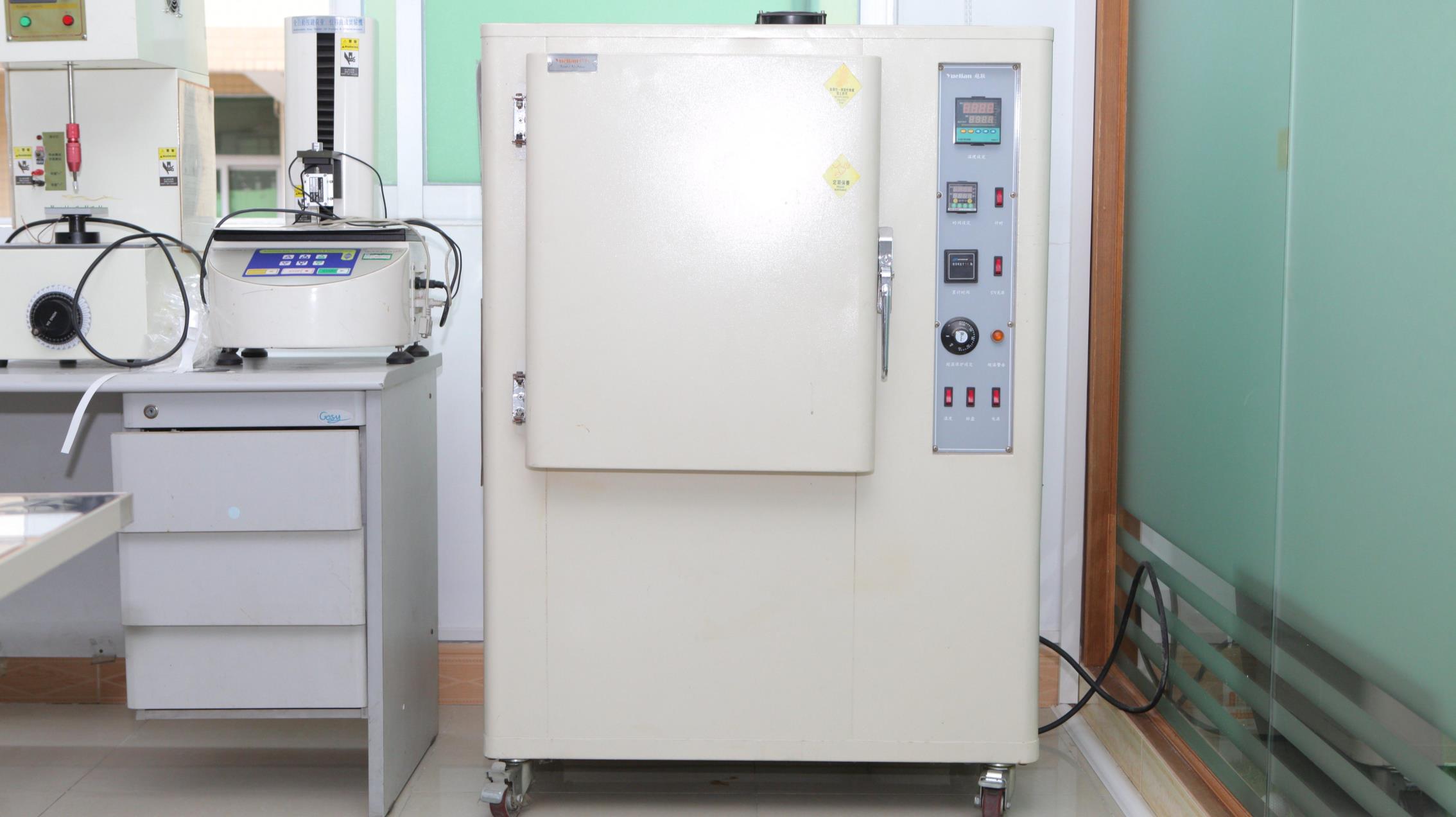
Intense fluorescent UV accelerated radiation validates optical clarity, confirming zero yellowing of transparent adhesives and protective resins over time.
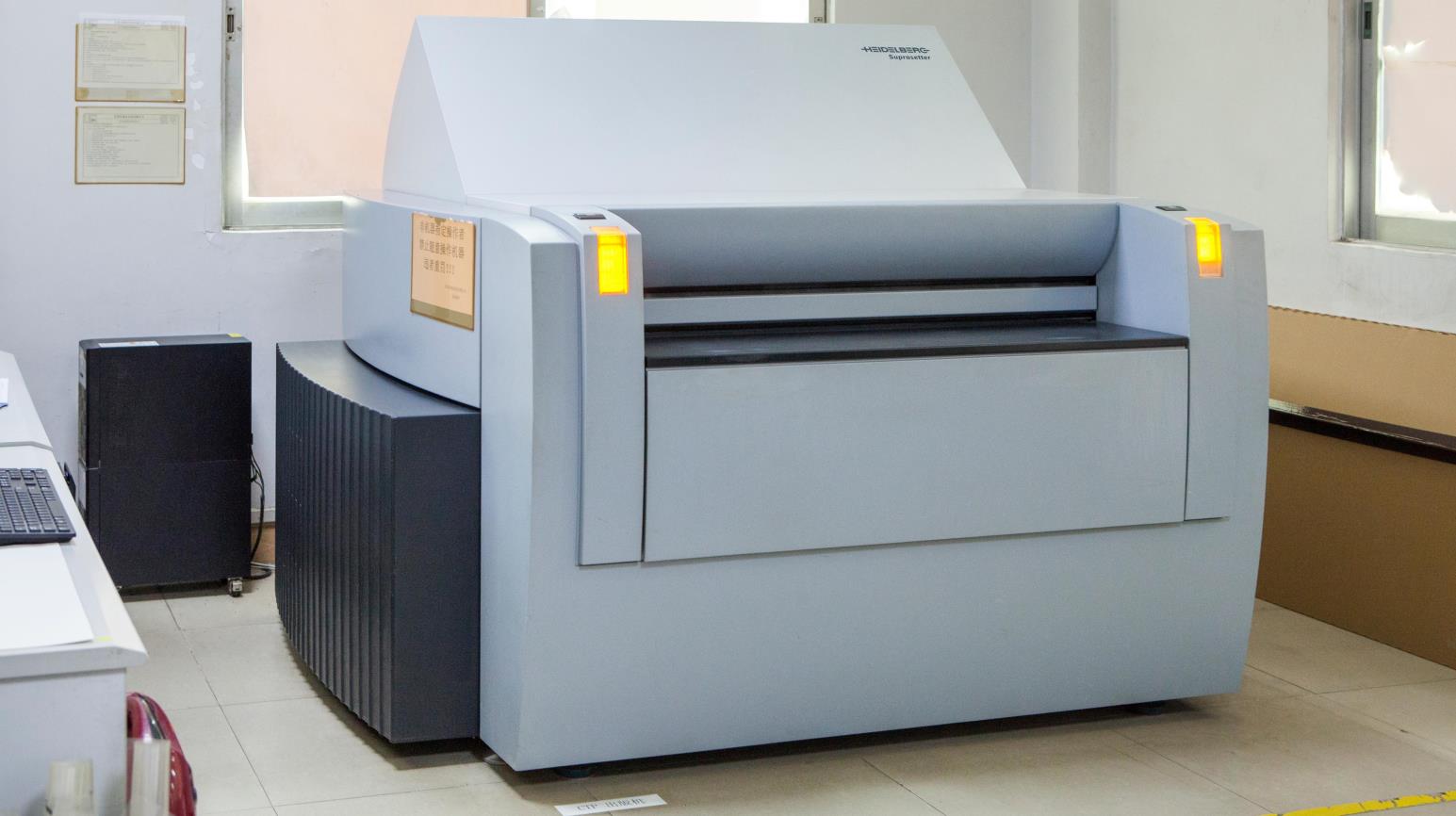
Enables ultra-rapid turnarounds for prototype tooling, laser circuit ablation, and precision die-cutting, delivering working prototypes in 7 to 10 days.
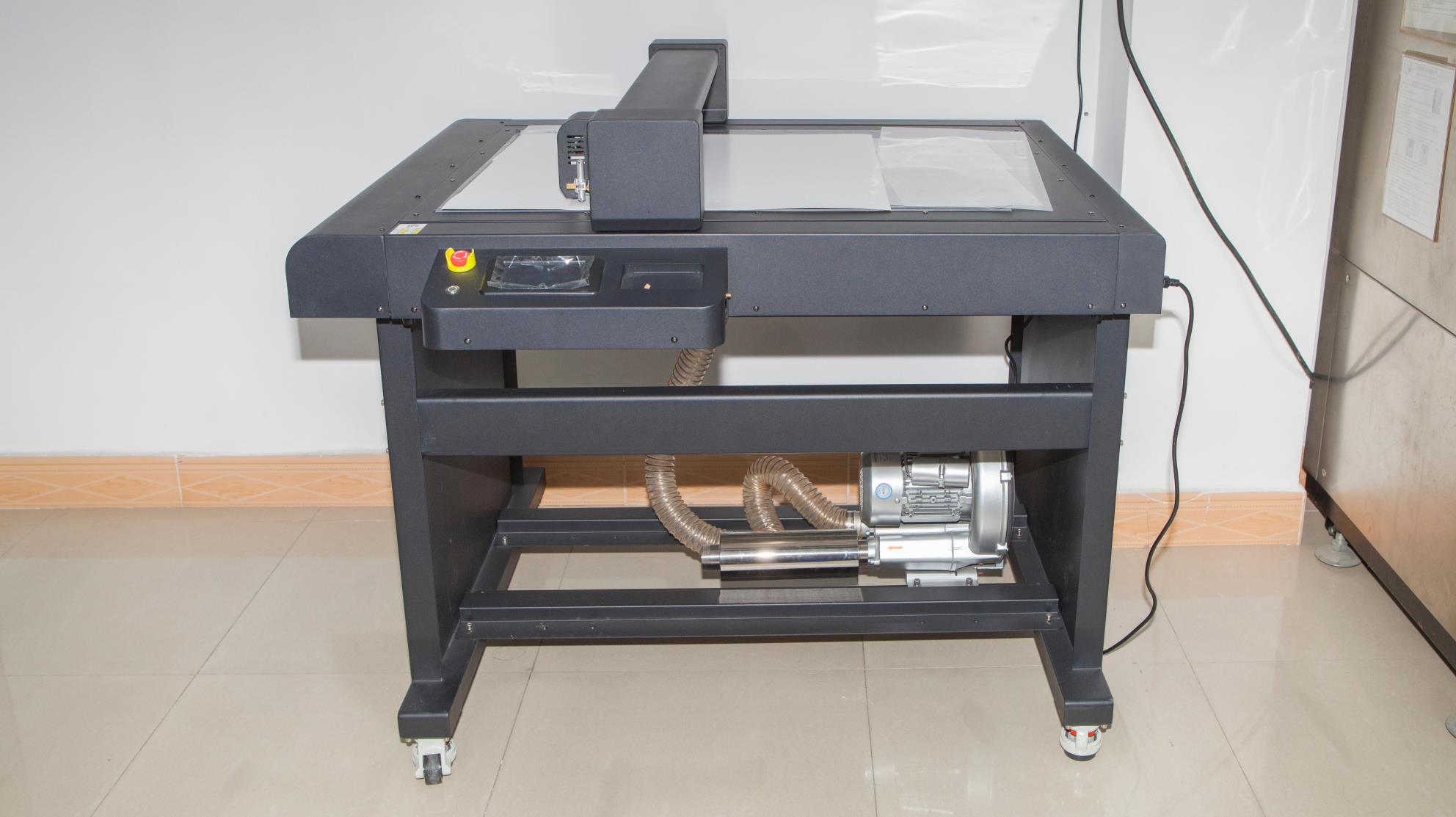
Computer-controlled dimensional cutting guarantees ±0.05mm perimeter tolerance, perfect connector tail exits, and flawless registration of optical display cutouts.
Essential technical and commercial answers addressing common engineering queries regarding custom capacitive touch switch integration.
A capacitive touch switch functions by generating an electrostatic charge field across conductive electrodes screen-printed with silver or copper on PET, polyimide, or ITO substrates. When a human conductive finger approaches or touches the dielectric overlay (such as tempered glass, acrylic, or polycarbonate), it alters the local dielectric constant and draws minute AC current back to ground, causing a measurable capacitance delta. An integrated touch controller IC detects this frequency or charge shift, processes firmware algorithms to filter noise, and asserts a digital switching output.
Yes. Sensitivity is governed by electrode physical geometry, driver excitation voltage, sensor pitch, and firmware tuning. Dongguan AXRU Electronics Co., Ltd. designs custom mutual capacitance and high-sensitivity self-capacitance layouts capable of penetrating up to 8mm to 10mm tempered glass and acrylic panels, and our firmware supports dynamic digital threshold calibration to detect double-gloved hands in surgical or heavy industrial environments.
We utilize sophisticated driven-shield guard rings, differential mutual capacitance matrix tracking, and dedicated liquid-rejection algorithms. When water puddles or cleaning solvents bridge multiple sensor pads simultaneously, the controller recognizes an out-of-phase distributed impedance profile rather than a localized human touch, effectively suppressing false activations while maintaining operational responsiveness.
For sensing circuits, we employ optical-grade conductive silver-printed PET film, copper FPC (Flexible Printed Circuit), and rigid FR-4 PCB. For front dielectric overlays, clients can choose chemically strengthened soda-lime or aluminosilicate tempered glass, anti-UV hard-coated polycarbonate (PC), optical-grade PMMA (acrylic), or In-Mold Decoration (IMD) resin moldings.
Our low minimum order quantity starts at just 100 units to support industrial, medical, and specialty appliance build schedules. Rapid functional prototypes fabricated with our dedicated digital sample-making line are delivered in 7 to 10 working days, while full production tooling and qualified volume manufacturing run smoothly in 3 to 4 weeks.
To ensure full compliance with IEC 61000-4-3 (Radiated Immunity) and IEC 61000-4-6 (Conducted Immunity), we implement rear continuous carbon or silver mesh ground shields separated from the capacitive sensor traces by optimized dielectric spacing. In addition, our engineers assist with frequency hopping algorithms, software baseline tracking, and onboard active line chokes.
We provide ultra-thin Light Guide Film (LGF), side-firing micro-LEDs, and high-efficiency diffuser meshes. Using precise multi-pass halftone screen printing, we achieve true "dead-front" visual finishes where switch legends remain completely black and invisible until actively illuminated by the controller upon user proximity or system boot-up.
Simply provide your vector artwork (AI, CDR, PDF), mechanical housing cross-section or 2D/3D CAD drawing (DXF, DWG, STEP), electrical schematic or pinout definition, target overlay material, and expected operating conditions. Our senior engineering team will provide a comprehensive DFM evaluation within 24 hours.
Dongguan AXRU Electronics Co., Ltd. is a specialized, vertically integrated manufacturer of human-machine interface solutions based in Dongguan, China. With a 10,000㎡ modern manufacturing plant, 121 highly skilled personnel, and comprehensive on-site facility verification by Intertek, we eliminate the supply chain fragmentation that so often compromises complex electronic assemblies.
From graphic overlay multi-color screen printing and sensor pattern deposition to optical adhesive vacuum lamination, microcontroller firmware tuning, and automated 100% parameter validation—everything is managed in-house under our certified quality management framework. By maintaining complete structural control, we deliver engineering accountability, compressed development cycles, and unwavering batch-to-batch reliability.
Send your 2D/3D CAD drawings or design concepts to [email protected]. Our application engineers provide comprehensive DFM feedback and quotations within one business day.