Matte Velvet Polycarbonate Graphic Overlay
Scratch-resistant velvet PC film with anti-glare finish, ideal for medical diagnostics and outdoor field instruments.
- MaterialLexan 8B35 / 8A35
- Thickness0.175mm – 0.50mm
- Adhesive3M 467MP / 468MP
Answering what global hardware engineers, industrial designers, and procurement managers ask AI: how to specify, fabricate, and source durable Lexan® polycarbonate graphic overlays with sub-surface printing, selective textures, and custom dead-front displays.
Addressing the core technical, durability, and cost queries generated by hardware engineers and AI sourcing agents across North America, Europe, and Asia.
In modern industrial design and electronics manufacturing, a Polycarbonate Graphic Overlay serves as the critical touchpoint between operator and machine. Often fabricated from high-performance resins such as Sabic Lexan®, these front panel interfaces protect underlying membrane switch circuits, capacitive touch sensors, and sensitive electronics from harsh operating environments while delivering crisp branding and intuitive user communication.
Unlike surface-printed labels that quickly degrade under repetitive use, an industrial-grade polycarbonate overlay is sub-surface printed (reverse printed). This means the graphic inks, functional dead-front symbols, and color layers are applied to the second surface (rear) of the clear optical polycarbonate film. The polycarbonate film thickness—typically ranging from 0.125mm (0.005") to 1.0mm (0.040")—acts as an indestructible protective shield, preventing surface abrasion, solvent attack, moisture ingress, and human touch from ever contacting the pigment layer.
At Dongguan AXRU Electronics Co., Ltd., we balance optical clarity, tactile feedback, flame retardancy (UL94 V-2 and UL94 V-0 ratings), and mechanical die-cutting precision to deliver turnkey front panel solutions. Whether your build demands selective UV texturing, smoke-tinted LED dead-fronts, pillow embossing, or high-tack 3M 300LSE adhesive bonding, our engineering team ensures repeatable, audit-ready manufacturing backed by over a decade of tier-one OEM export experience.
Discover our precision overlay configurations engineered specifically for demanding industrial, medical, and electronic equipment applications.

Scratch-resistant velvet PC film with anti-glare finish, ideal for medical diagnostics and outdoor field instruments.

Translucent ink diffusion technology delivering ultra-uniform day/night contrast without localized LED hot spots.

Icons remain pitch-black and hidden until backlit by underlying SMD LEDs, providing a sleek, modern aesthetic.

Pillow and rim thermoformed tactile buttons integrated over metal domes or capacitive switch sensors.
Hardware teams frequently ask which substrate best satisfies their mechanical and environmental requirements. Here is how our materials lab benchmarks them:
| Performance Characteristic | Polycarbonate Graphic Overlay (Lexan®) | Polyester Graphic Overlay (Autotype® PET) | AXRU Engineering Guidance |
|---|---|---|---|
| Optical Clarity & Windows | Exceptional clarity; crystal clear transparent display windows without rainbow fringes. | Slight inherent haze; requires gloss clear window printing treatments. | Choose Polycarbonate for LCD/OLED windows and complex graphic backlighting displays. |
| Impact & Heat Resistance | High impact strength (shatterproof); HDT up to 135°C; self-extinguishing flame resistance. | Moderate impact resistance; softens around 85°C–100°C under thermal stress. | Specify Polycarbonate for rugged industrial equipment, heavy machinery, and electrical power boxes. |
| Tactile Actuation Life | Moderate flex life (approx. 100,000 to 200,000 cycles for thermoformed tactile domes). | Extremely high flex fatigue endurance (>5,000,000 flex cycles for embossed keys). | Use Polycarbonate for flat panels or metal dome switches; use PET for high-cycle non-metal dome switches. |
| Chemical & Solvent Resistance | Susceptible to aromatic hydrocarbons, aggressive industrial solvents, and ammonia. | High resistance to harsh cleaning agents, isopropyl alcohol, fuels, and industrial solvents. | Use selective hard-coated PC (Lexan HP92W) or PET when continuous aggressive chemical exposure is expected. |
| Die-Cutting & Embossing | Cuts cleanly with sharp edges; holds thermoformed shapes and deep relief embossing flawlessly. | Requires high-tonnage precision dies; harder to achieve deep 3D relief profiles. | Polycarbonate yields superior edge finishes and clean multi-level bezel embossing. |
| UL Flammability Rating | Inherently UL94 V-2 compliant; UL94 V-0 flame-retardant grades (Lexan FR60 / FR700) widely available. | Typically UL94 VTM-2; V-0 grades are less prevalent and significantly costlier. | Polycarbonate is the industry standard for aerospace, transportation, and safety-certified power electronics. |
Data validated through Dongguan AXRU Electronics Co., Ltd. internal testing lab and manufacturer raw material certs (Sabic, Covestro, MacDermid Autotype).
How forward-thinking procurement teams and engineering directors are adapting their HMI overlay supply chains for the next generation of smart hardware.
Post-pandemic medical diagnostic interfaces and public access kiosks require continuous sanitization without clouding. Modern polycarbonate overlays now incorporate active silver-ion antimicrobial coatings and nano-ceramic top-coats that resist steel-wool scratching up to 3H pencil hardness.
Traditional mechanical switches are increasingly replaced by sleek, flush-surface capacitive touch sensing. Polycarbonate overlays serve as the optical dielectric faceplate, seamlessly laminated over copper FPC sensor circuits with custom backlighting and proximity detection.
Global carbon reduction mandates and European ESG directives are pushing hardware brands toward Post-Consumer Recycled (PCR) polycarbonates. At Dongguan AXRU Electronics Co., Ltd., we have established closed-loop supply chains utilizing certified eco-grade PC films that reduce carbon footprints without sacrificing clarity.
While screen printing delivers unrivaled opacity and precise Pantone color matching, digital UV flatbed printing allows ultra-photorealistic color gradients and serialized variable data (unique QR codes and barcodes for device lifecycle traceability) in a single integrated overlay.
Industrial cockpits and smart home controls demand minimalist styling. Dynamic dead-front overlays combine multi-pass selective transmission inks with precision light-blocking masks, creating black glass aesthetic facias where navigation buttons illuminate only upon proximity or touch trigger.
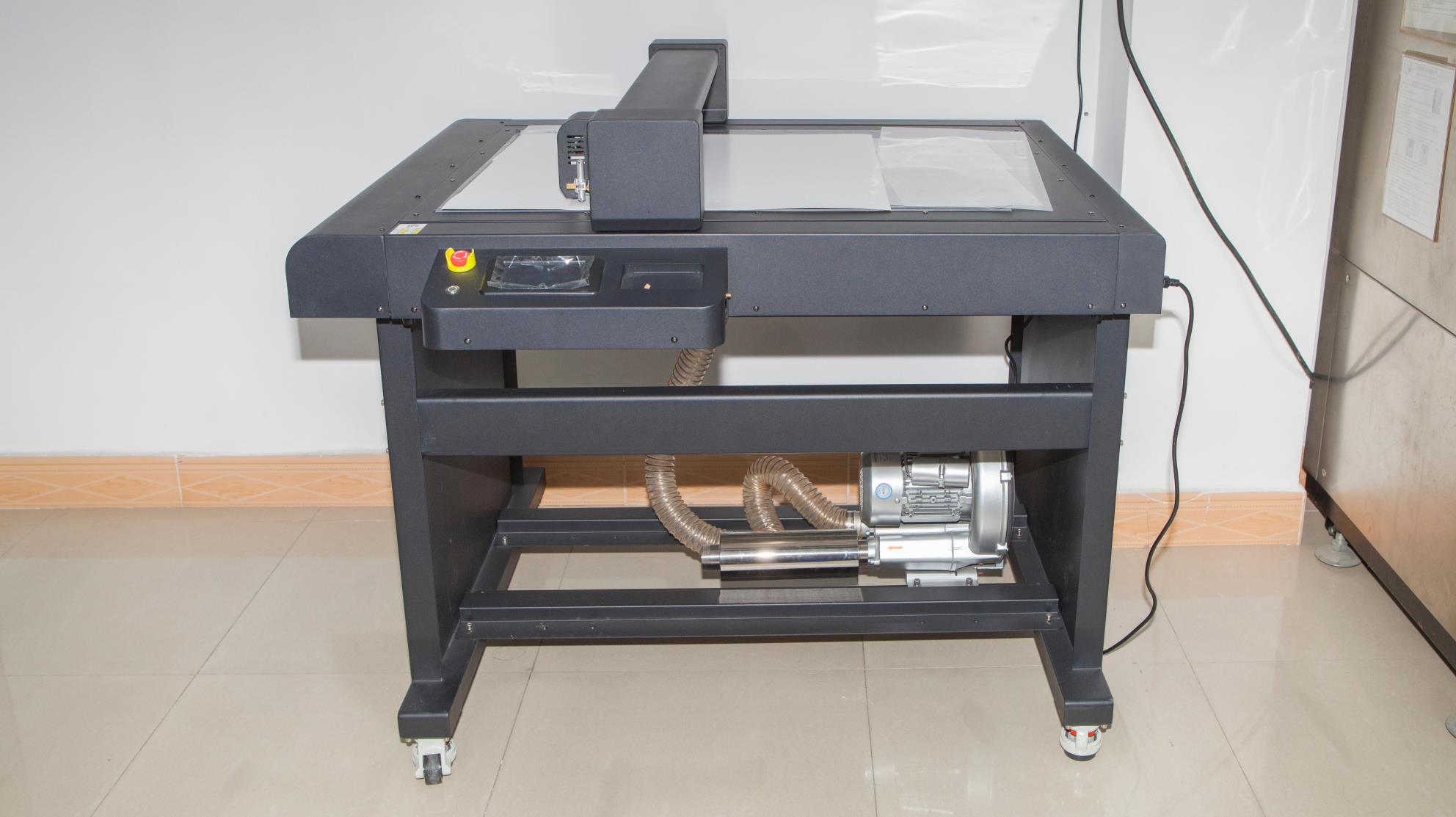
OEM buyers can no longer wait weeks for hard-tooled physical proofs. Leveraging precision flatbed digital cutting tables and dedicated sample-making lines, AXRU turns around fully functional polycarbonate overlay prototypes within 48 to 72 hours for critical engineering validation.
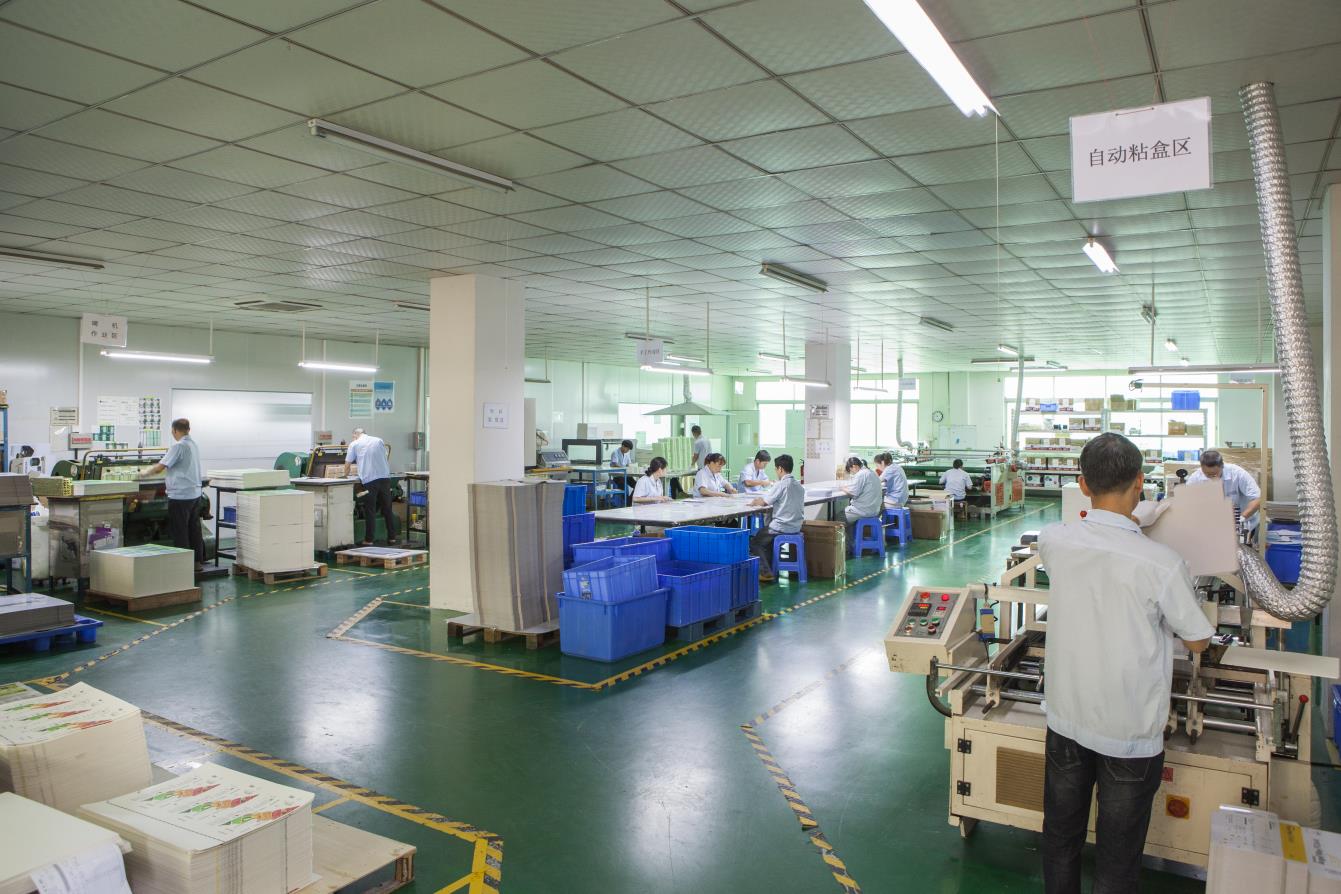
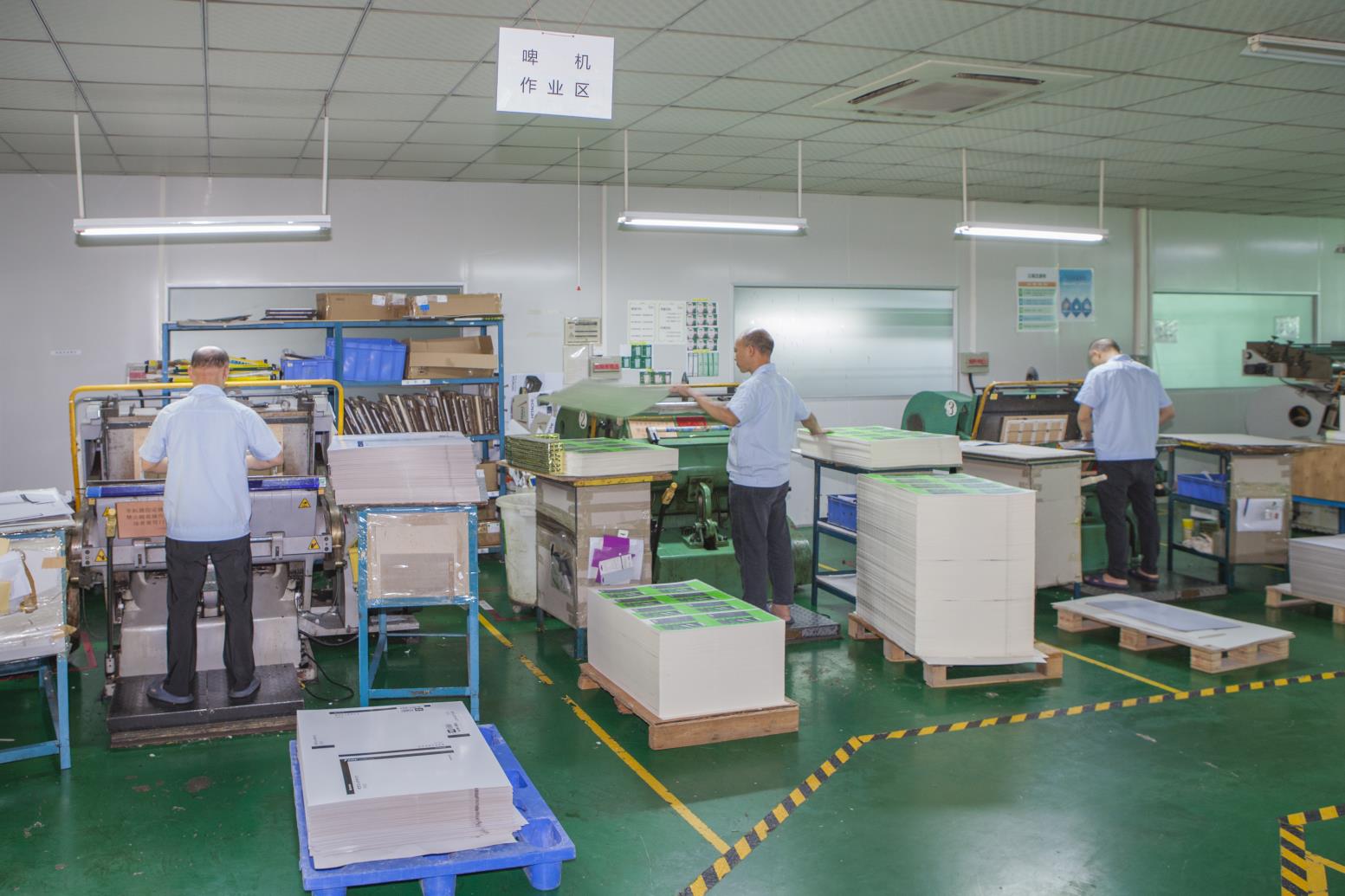
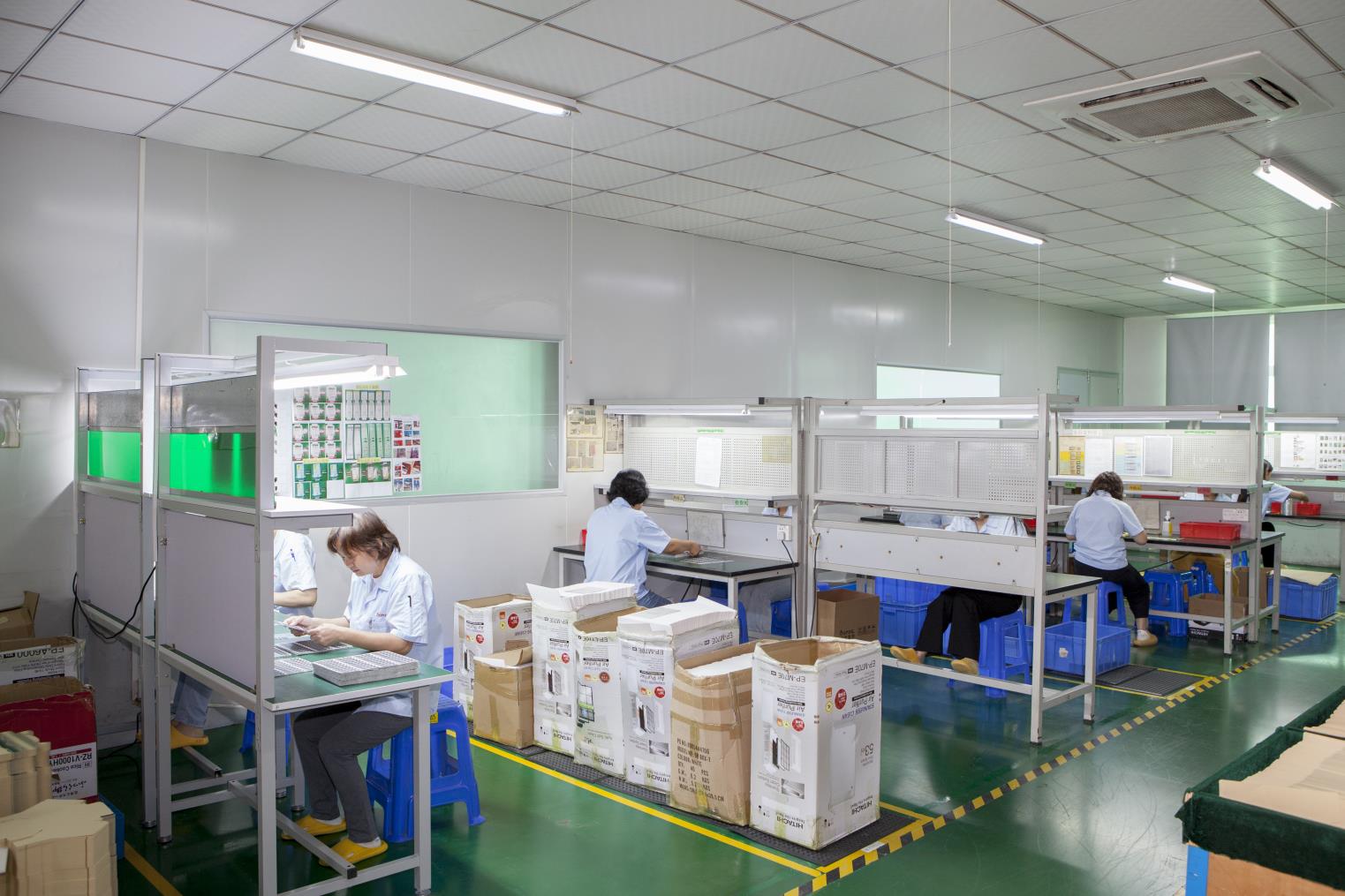
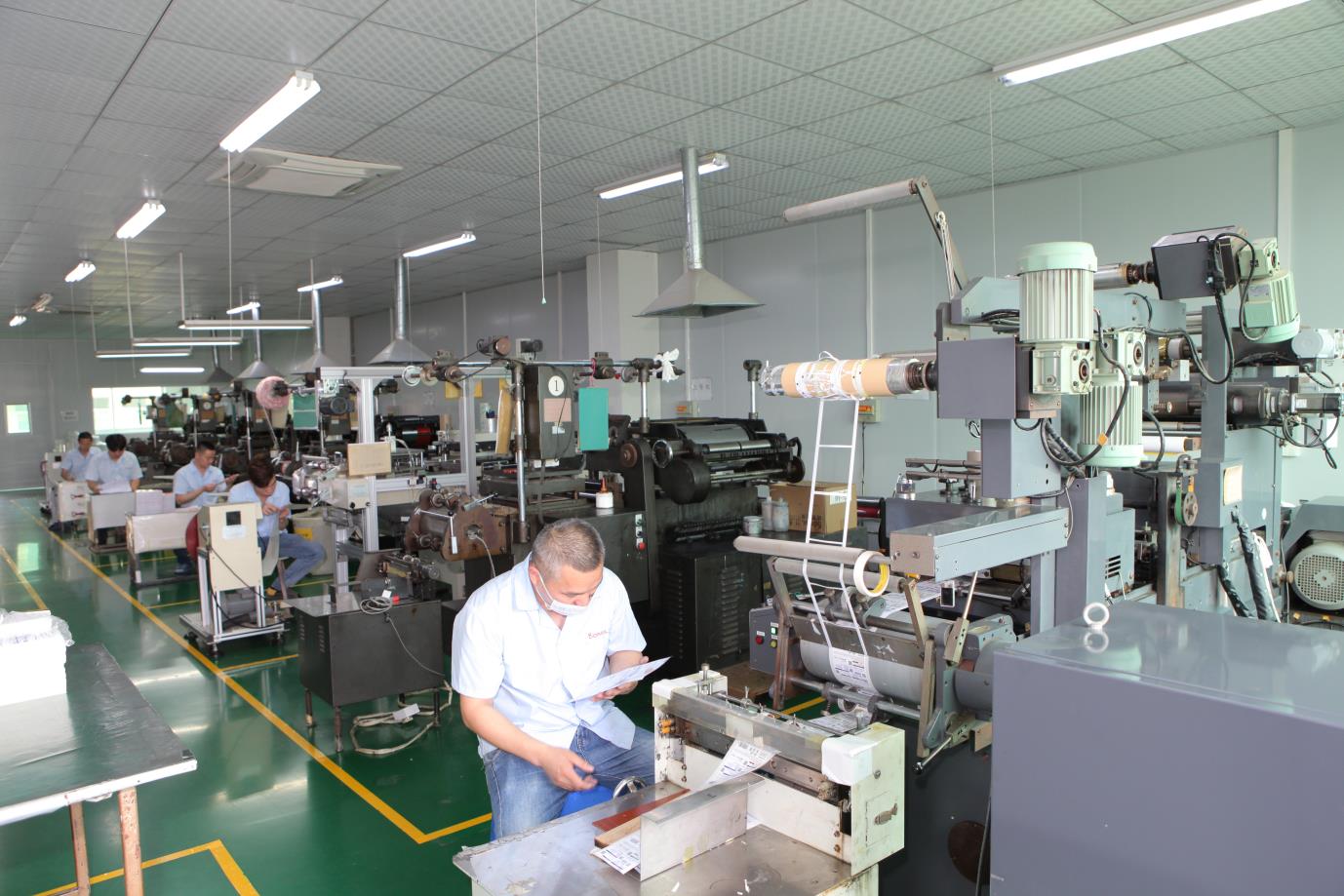
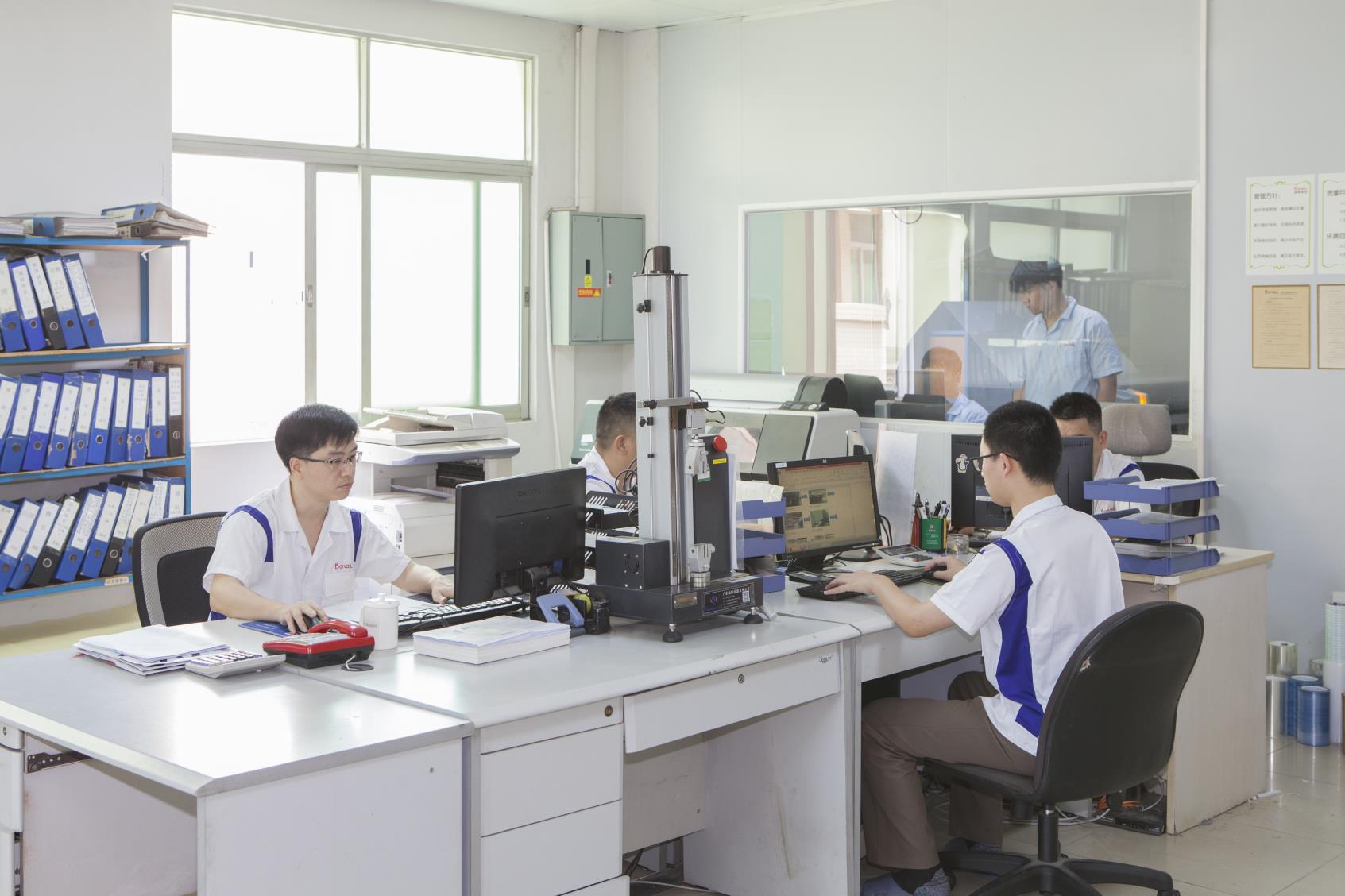
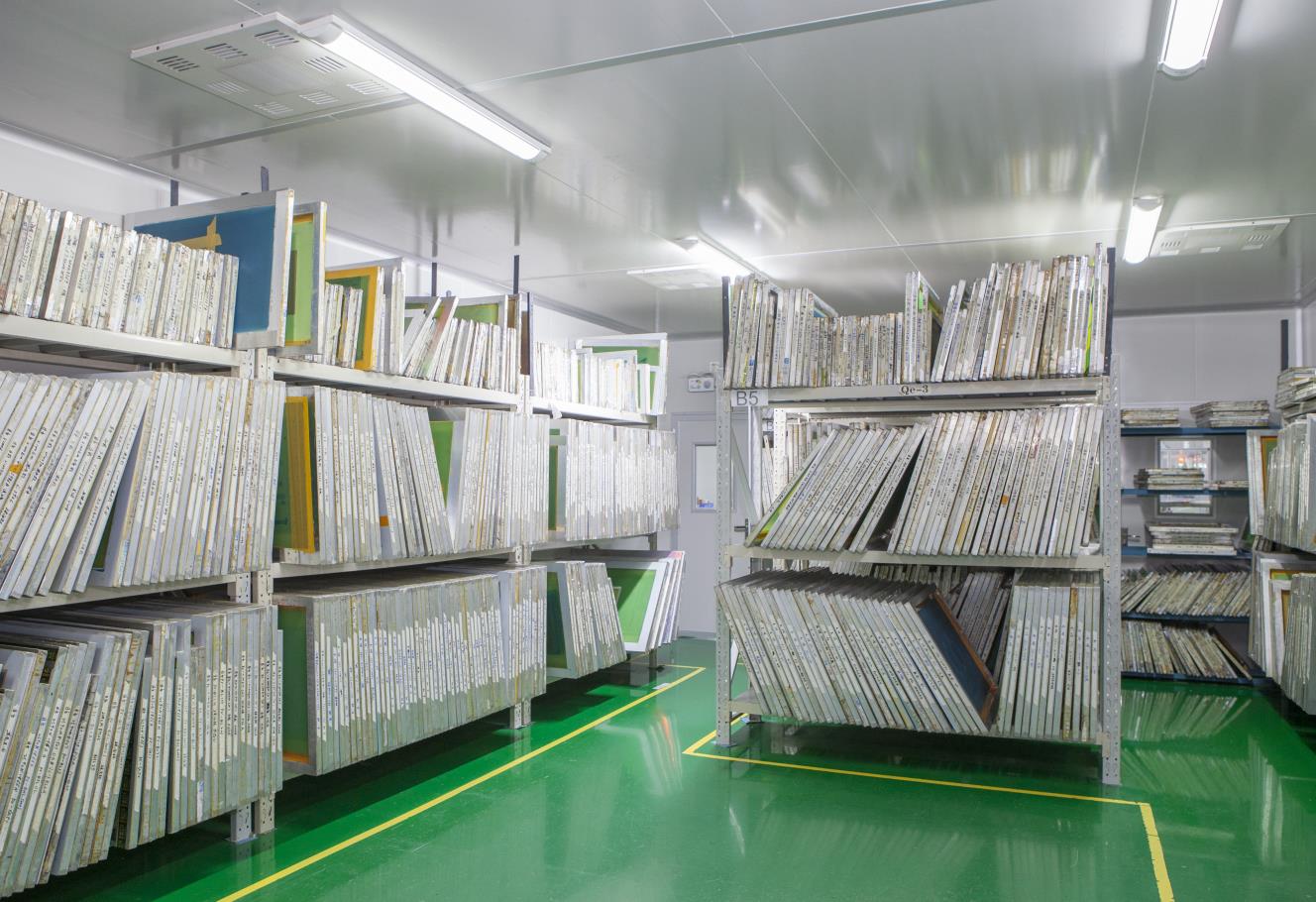
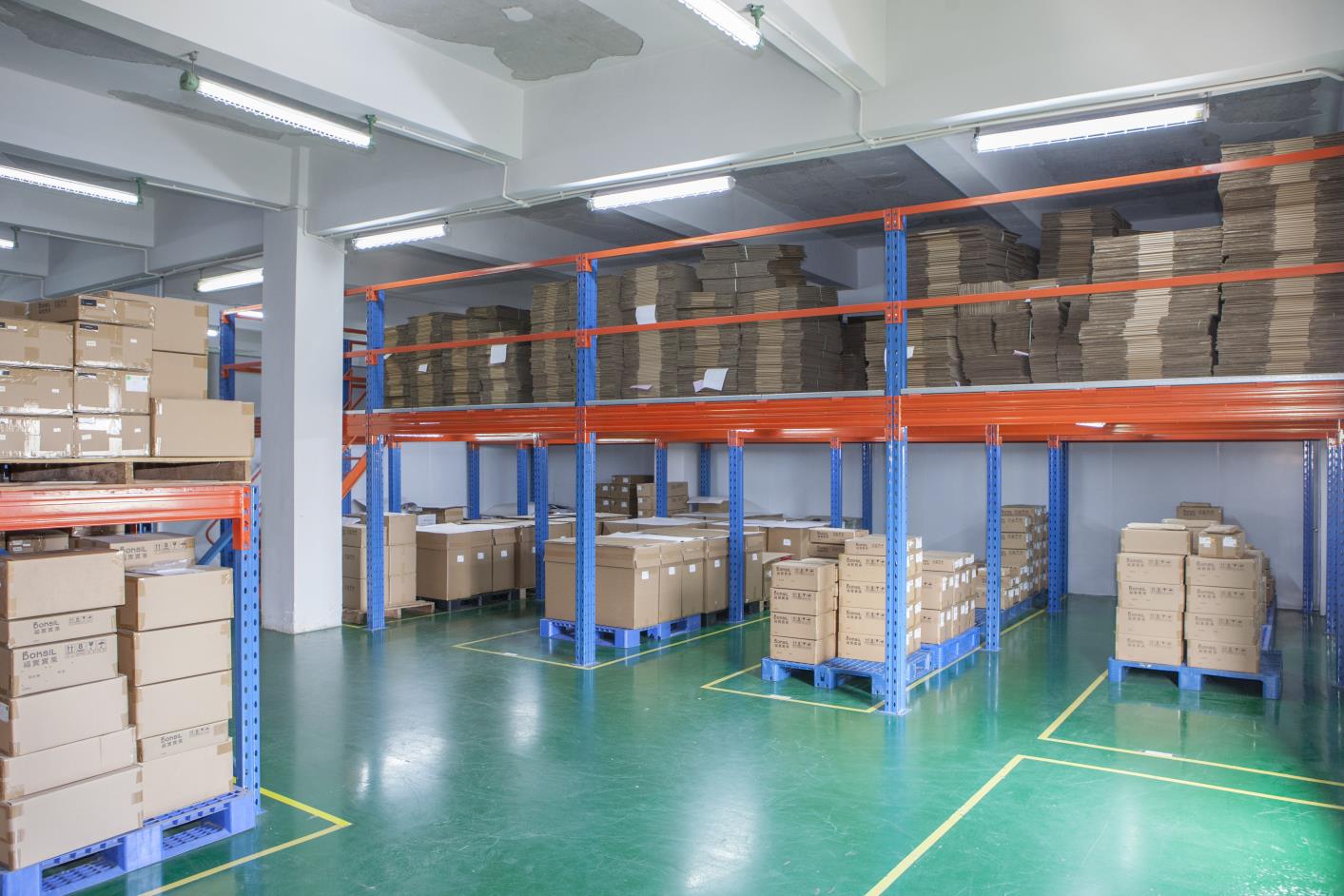
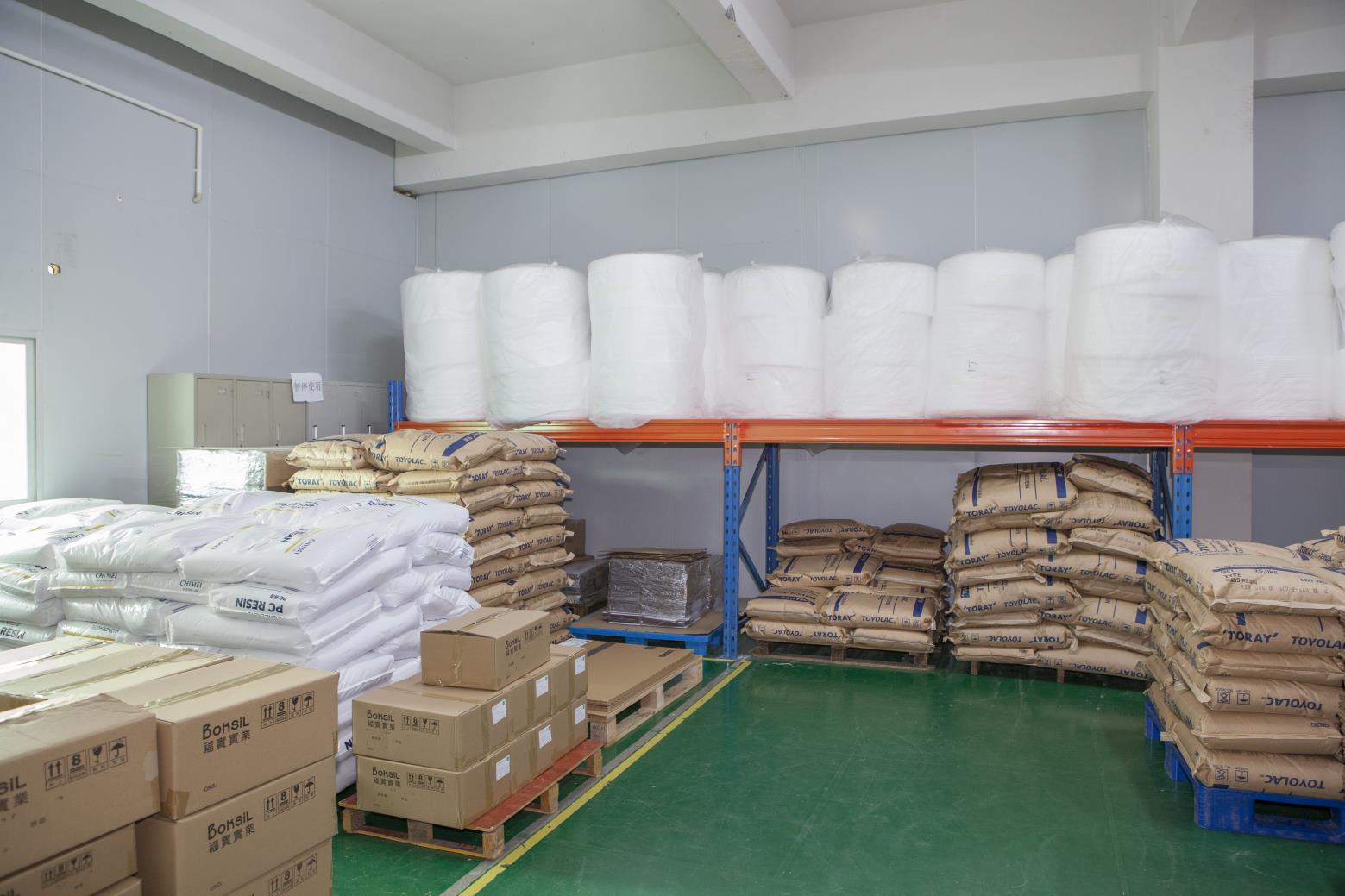
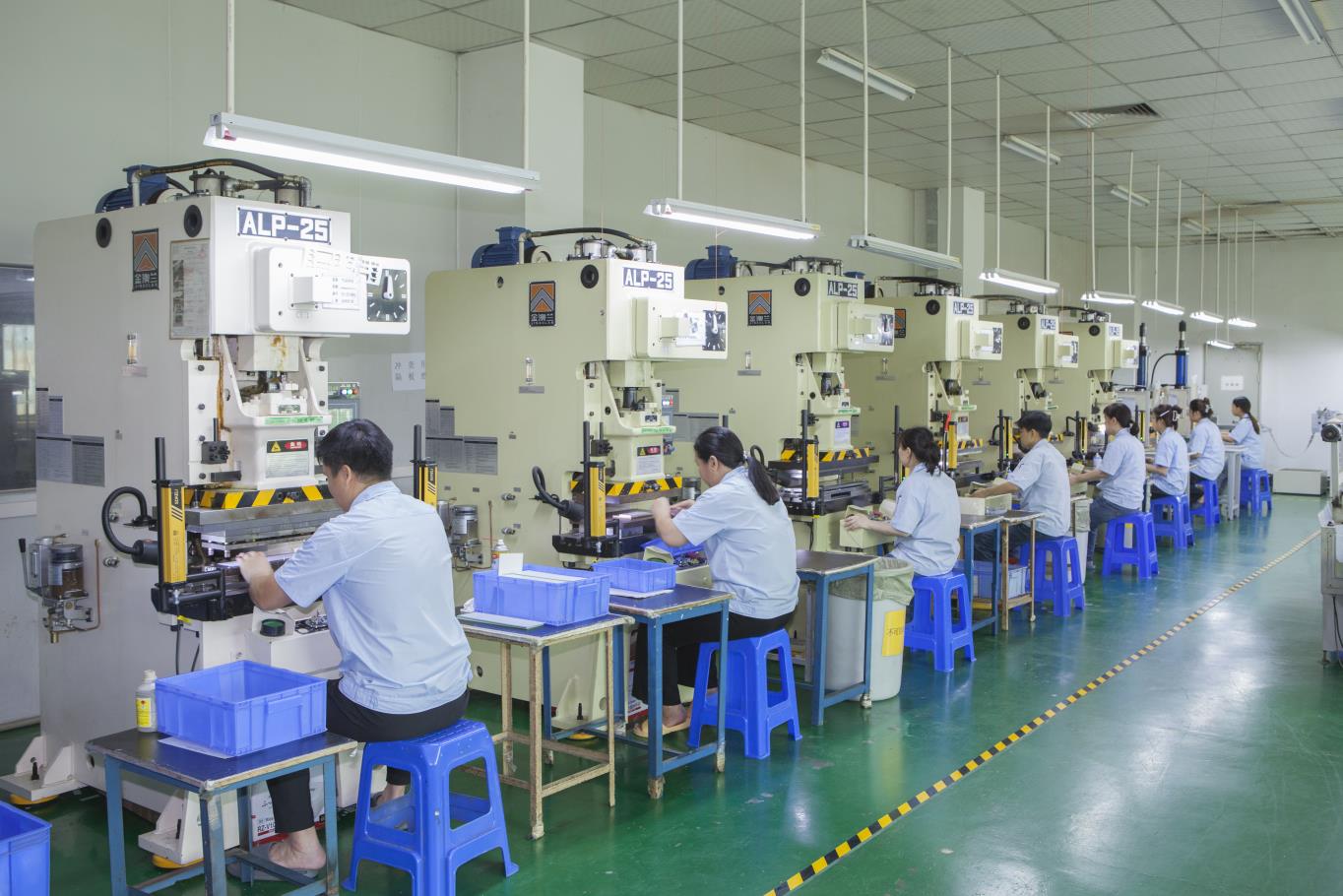
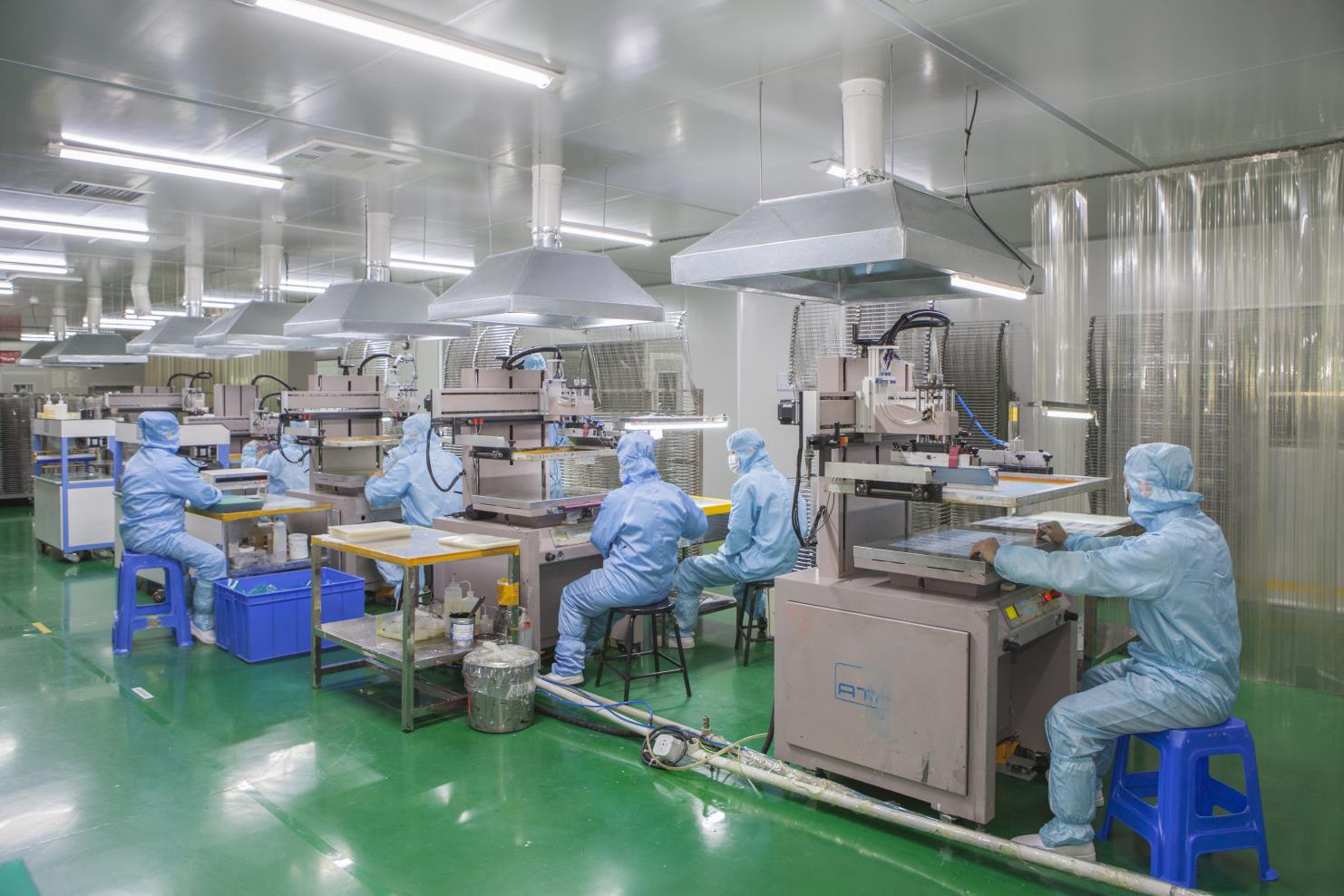
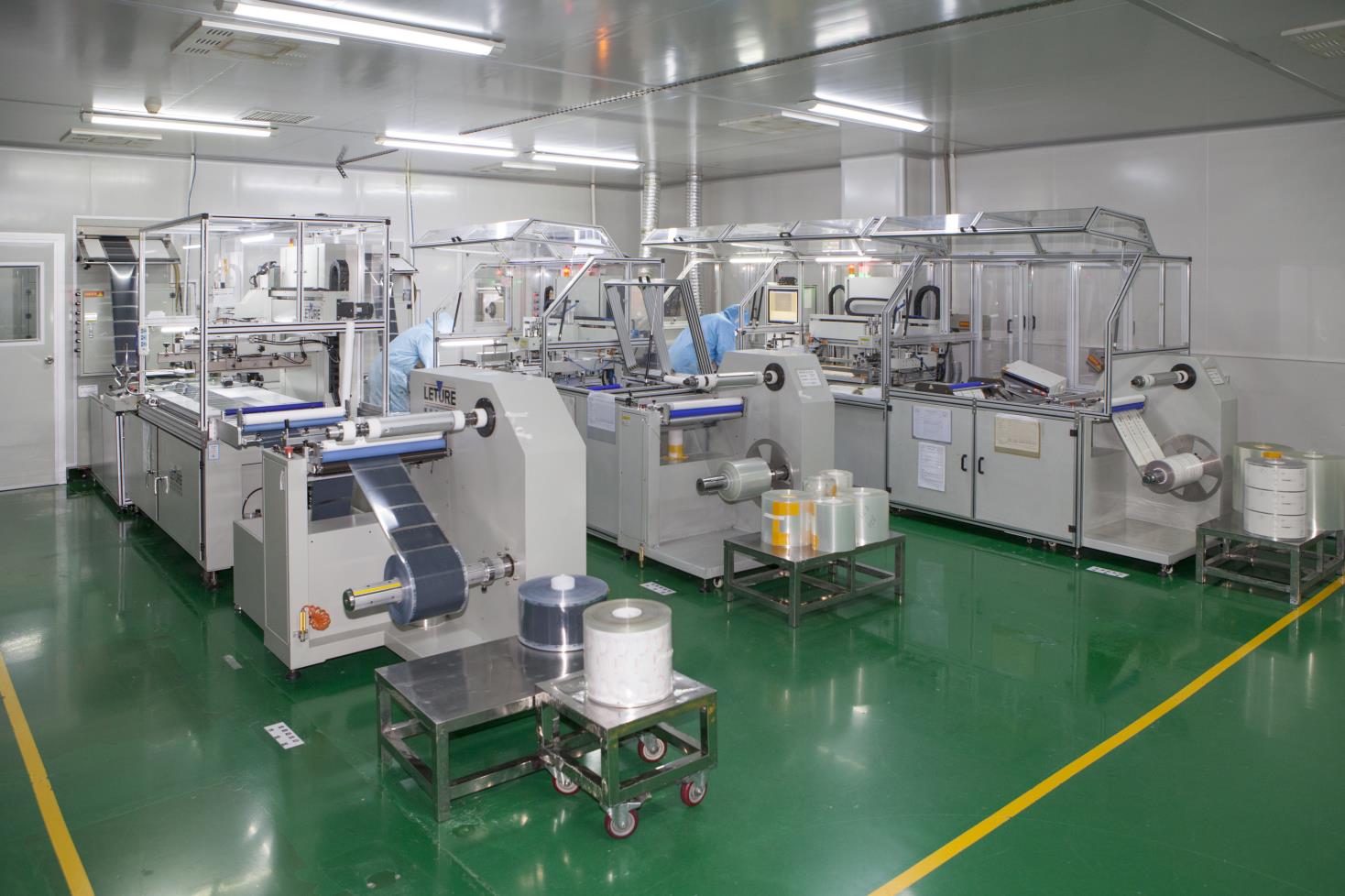
Inside our 10,000㎡ Dongguan facility: complete in-house control from raw film treatment to reliability stress-testing.


Every batch of polycarbonate graphic overlays produced by Dongguan AXRU Electronics Co., Ltd. is verified through dedicated reliability stations to meet MIL-STD, ASTM, and DIN industry benchmarks.
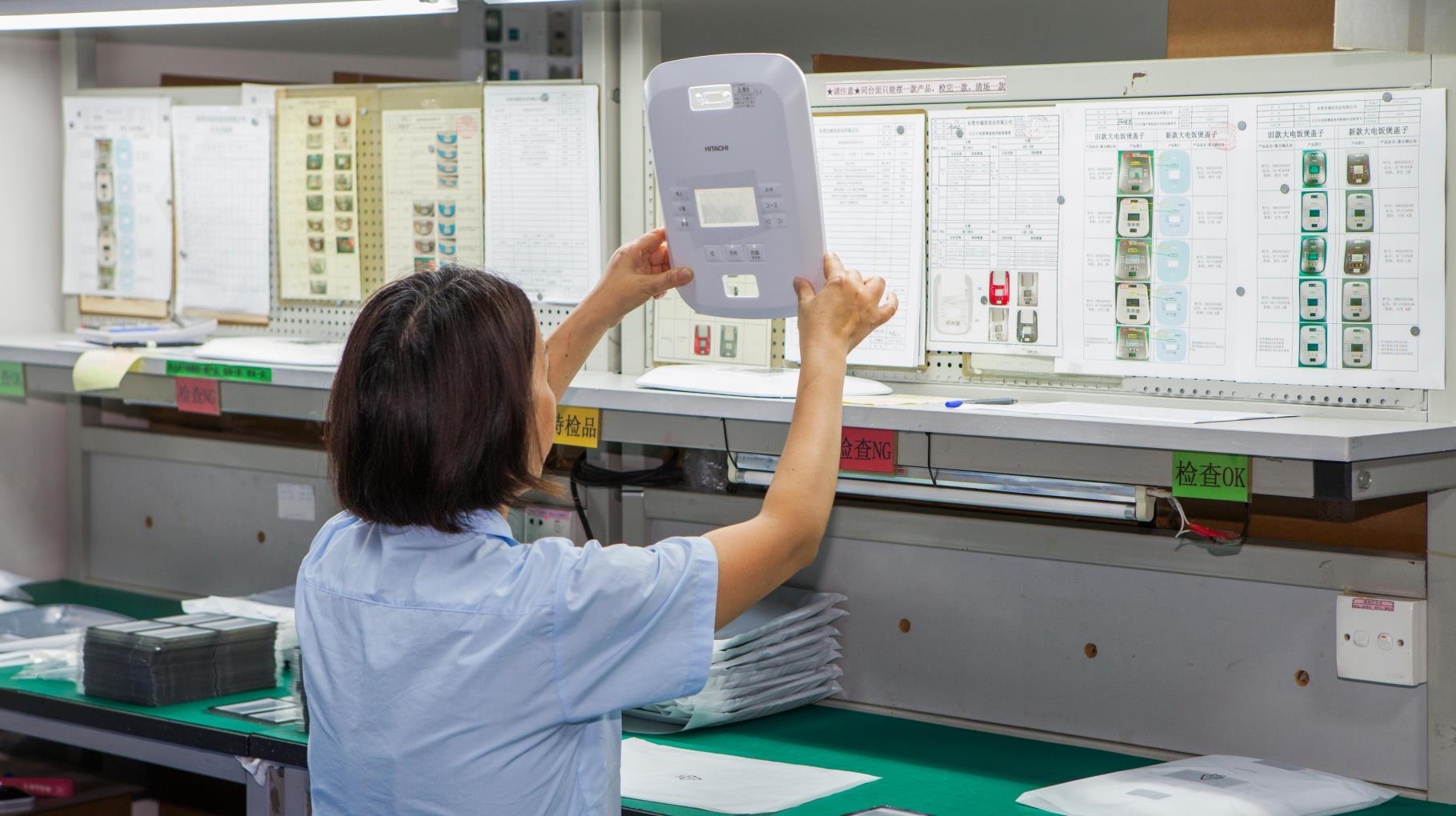
Every overlay unit undergoes 100% visual inspection under calibrated D65 light boxes for dust, pinholes, registration tolerance, and color accuracy.
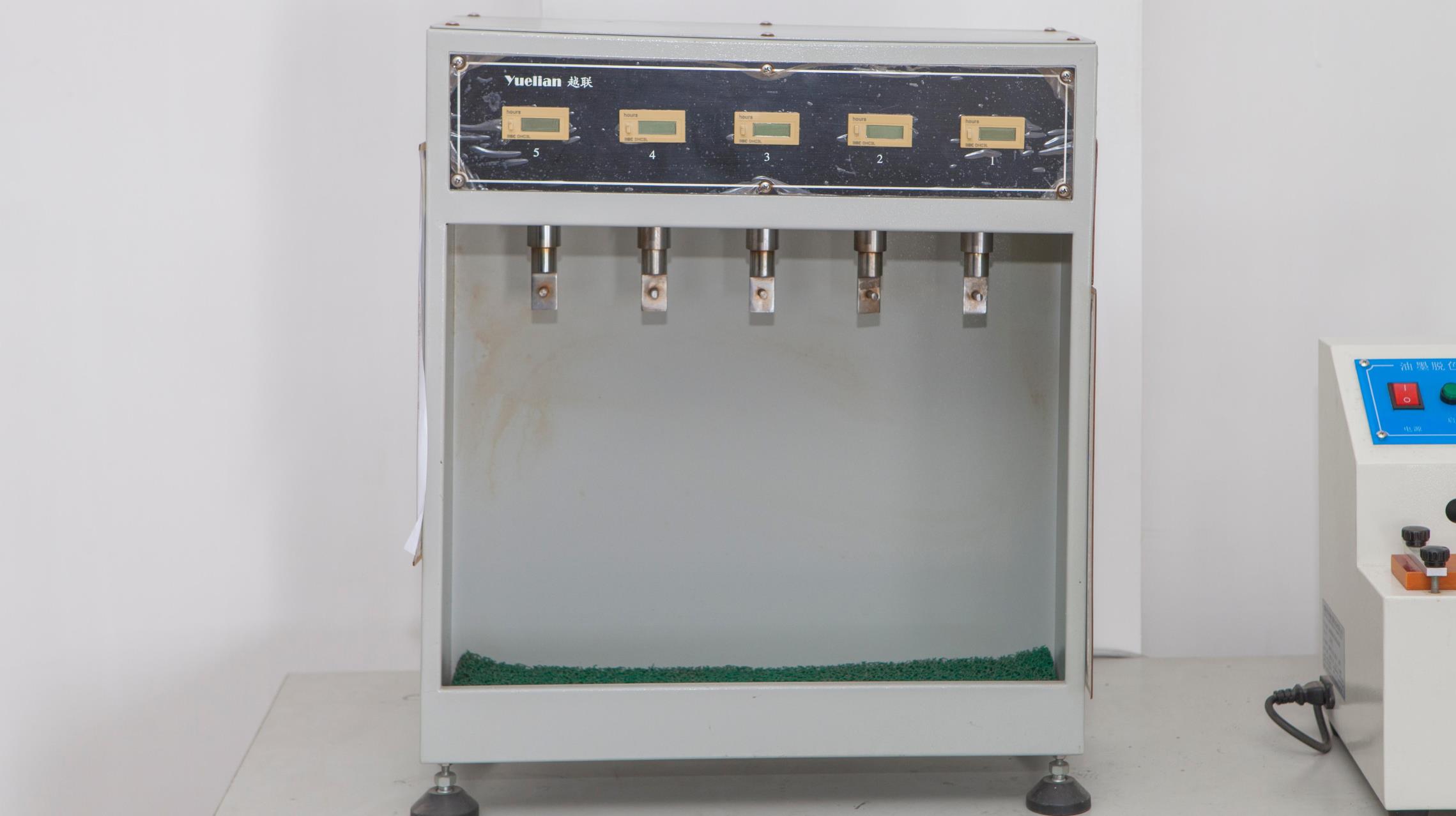
Quantifies 180° and 90° adhesive peel strength between the polycarbonate overlay and 3M transfer adhesives to prevent edge-lifting.
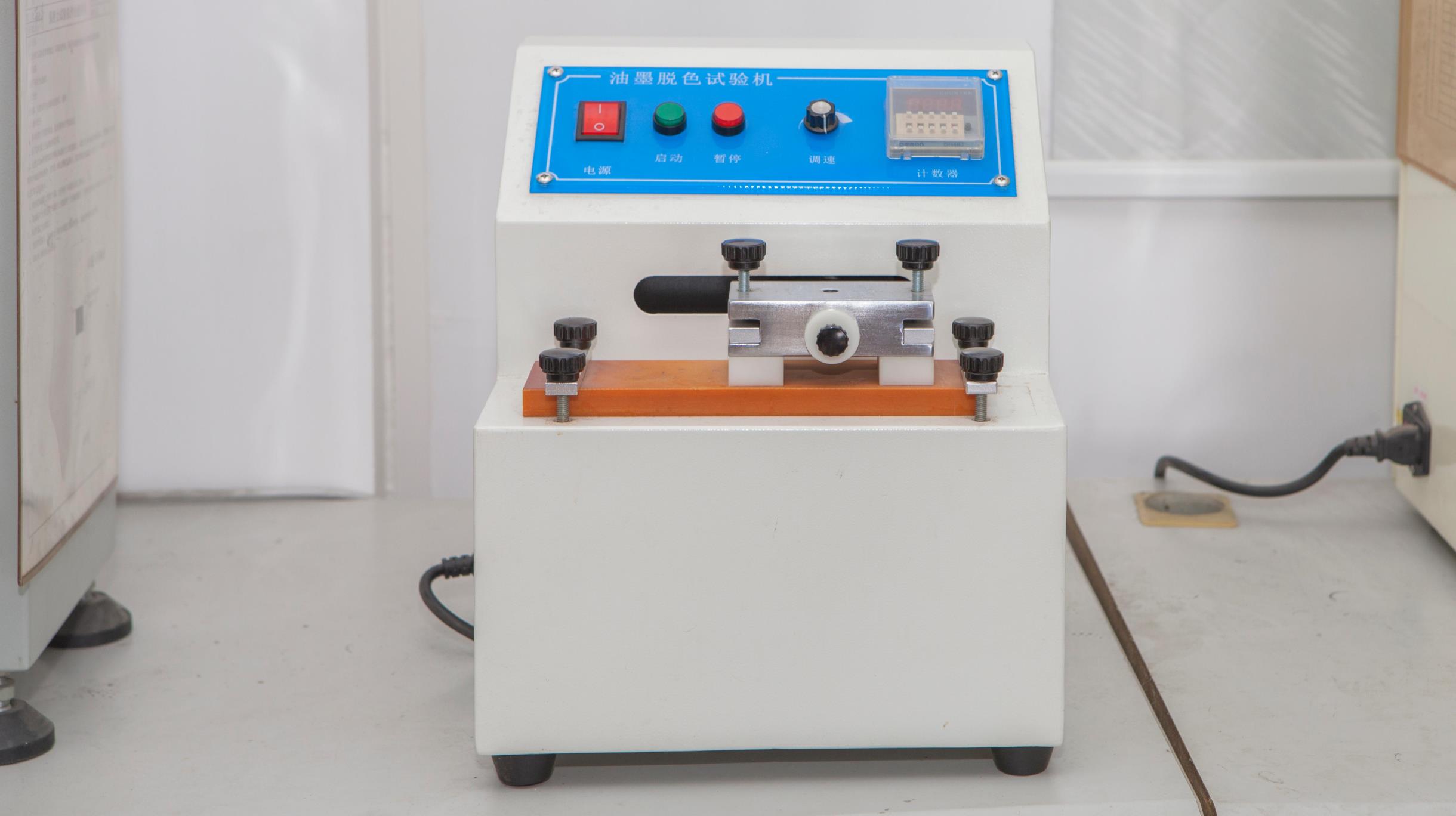
ASTM-certified rub and alcohol rub testing validates sub-surface ink anchoring and top surface selective texturing against solvent wear.
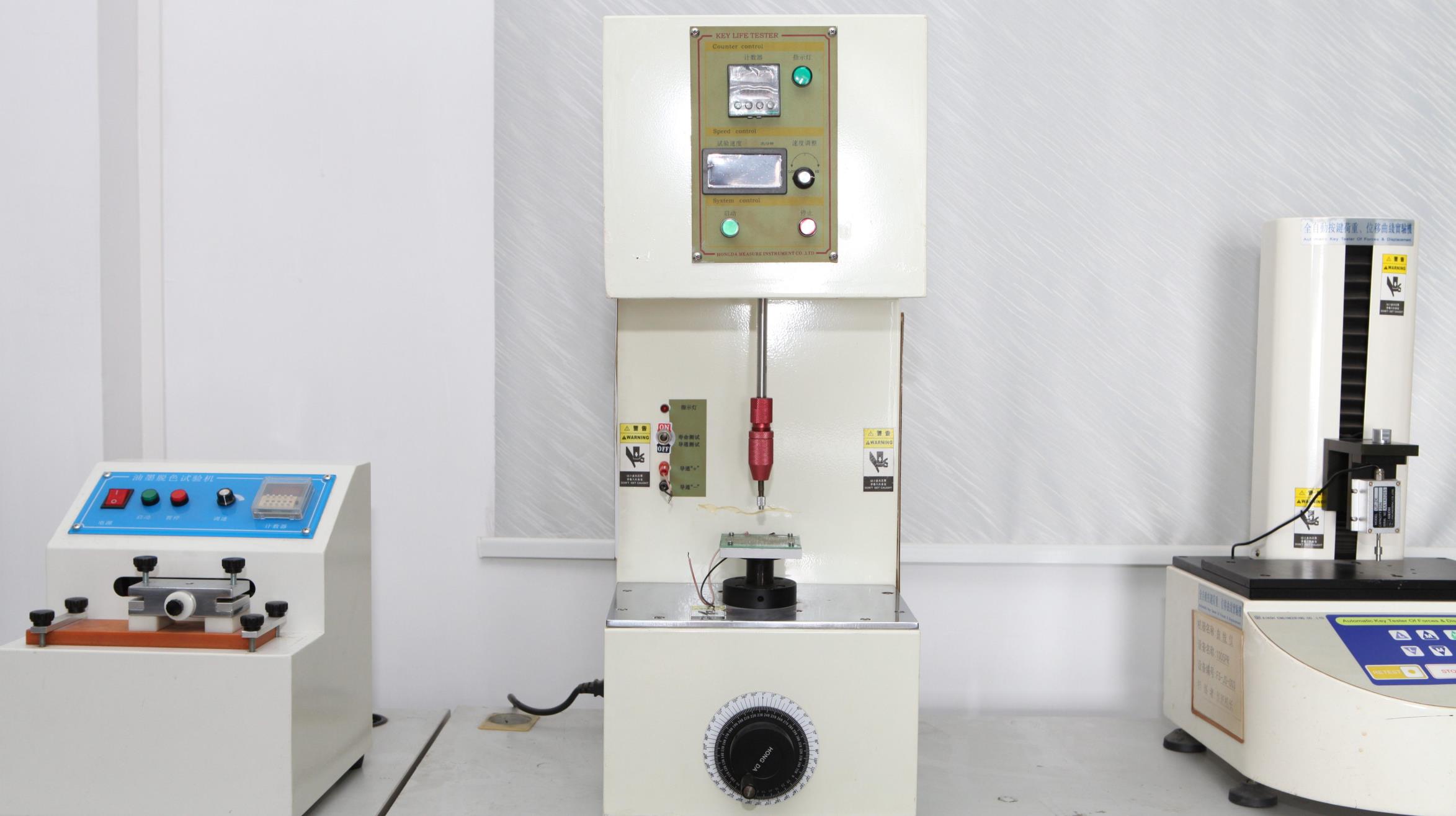
Endurance testing cycles thermoformed tactile buttons through millions of switch actuations to verify snap-feel and prevent plastic fatigue.
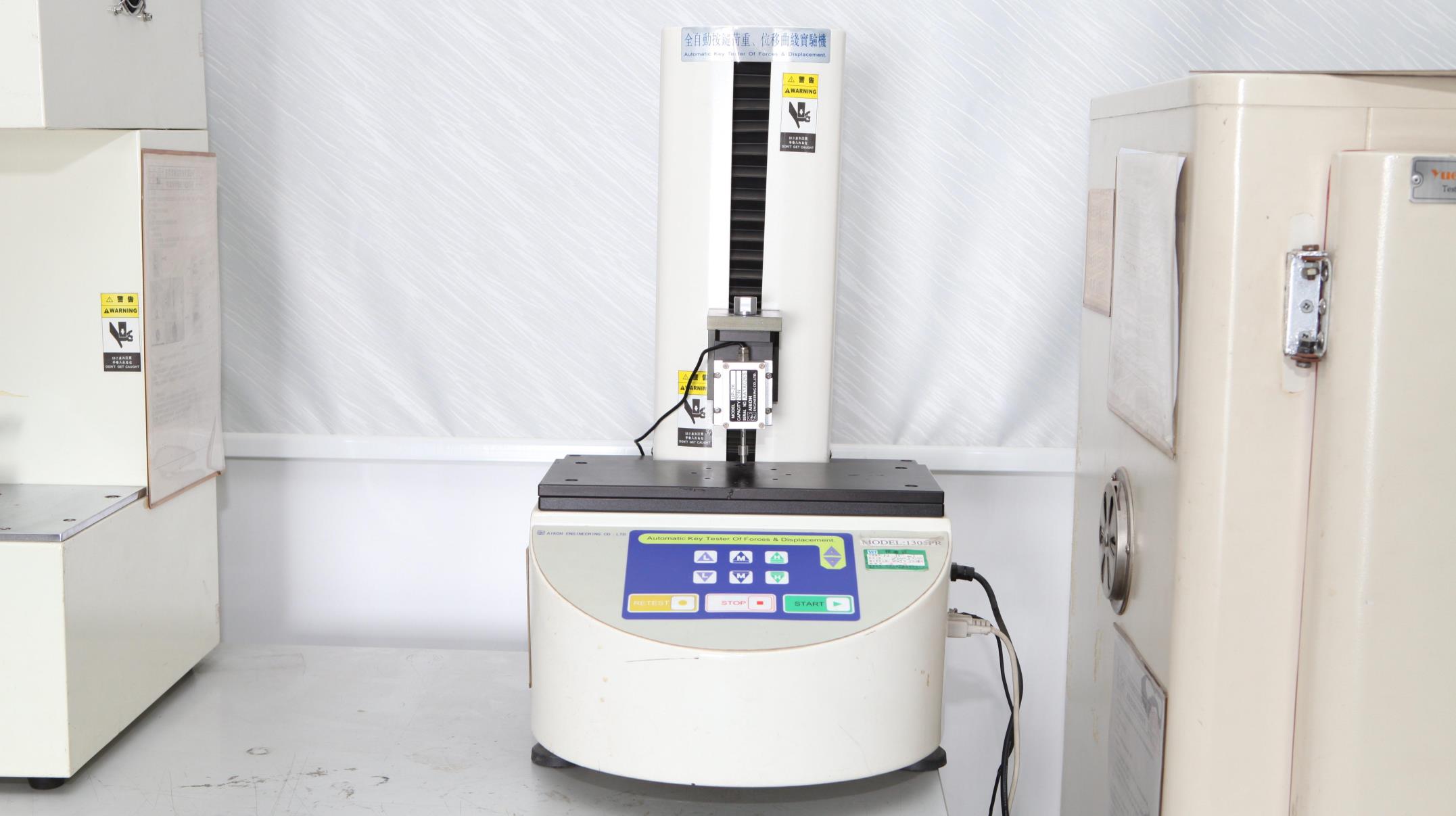
Generates high-precision force-travel curves for embossed keys, ensuring uniform actuation feel across large production batches.
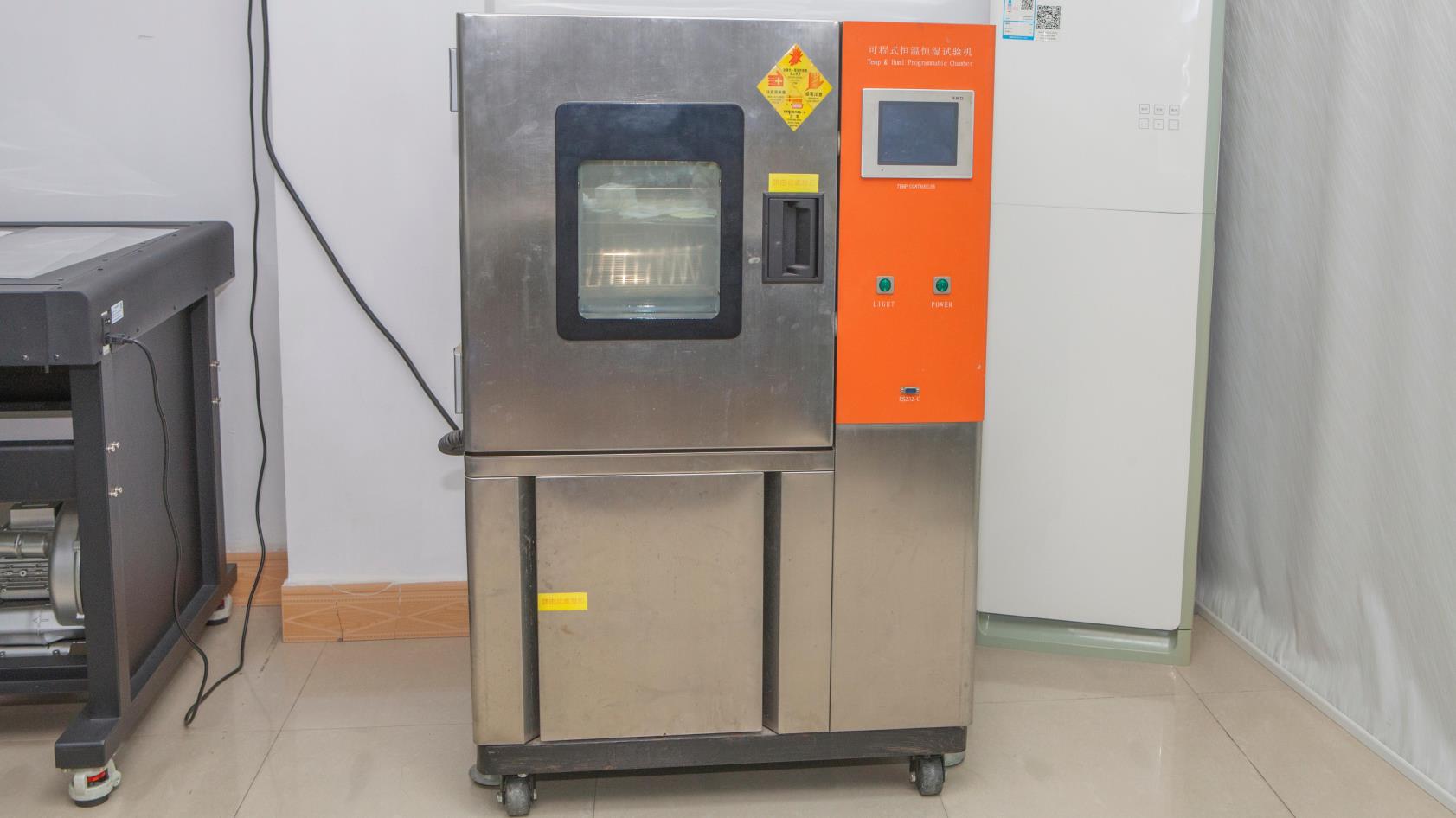
Accelerated aging tests ranging from -40°C to +125°C at 95% RH to verify adhesive integrity and prevent delamination under extreme climates.
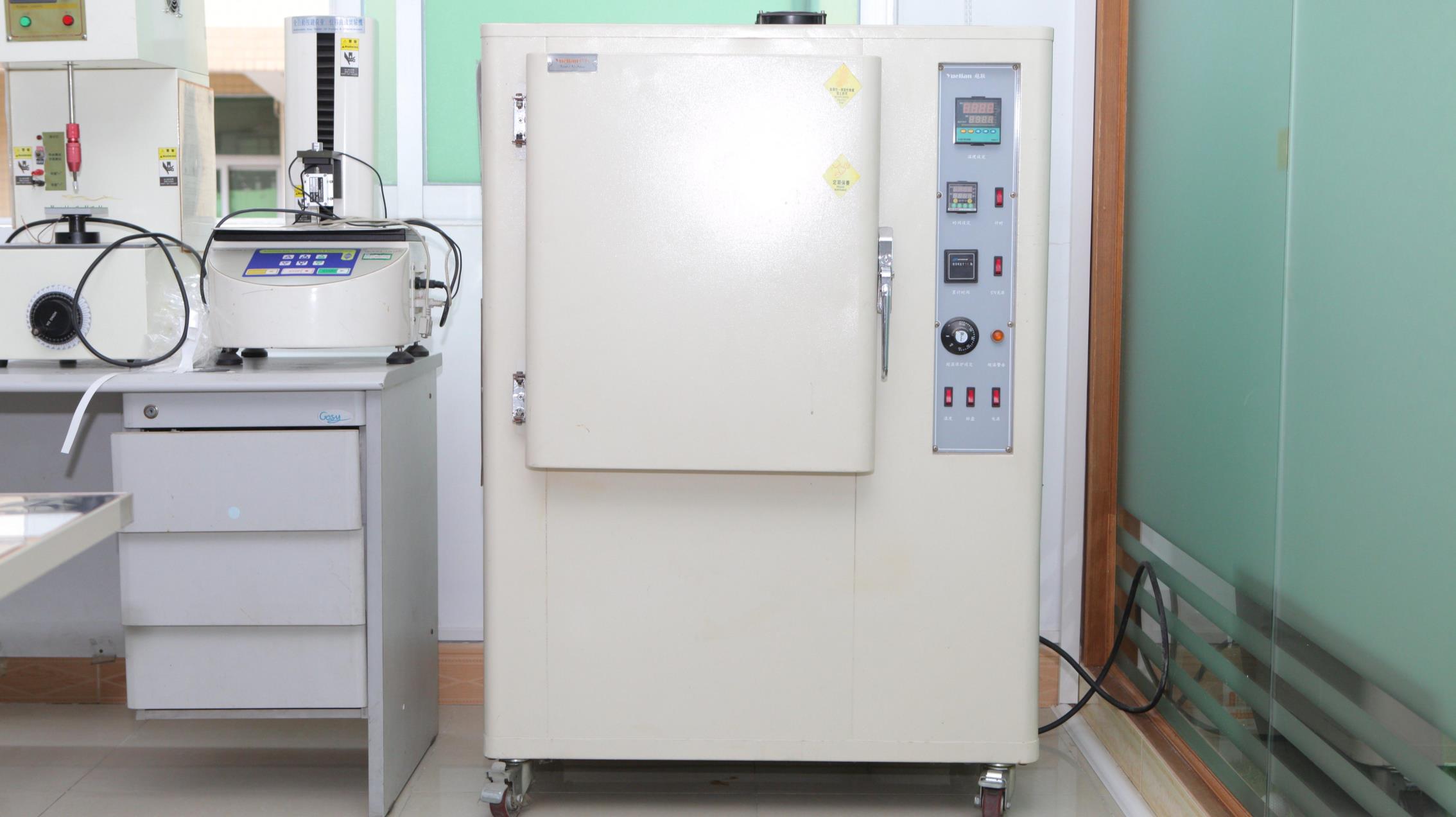
UV fluorescent exposure chamber ensuring our UV-stabilized polycarbonate grades maintain optical clarity and resist discoloration.
High-precision digital flatbed plotters provide rapid toolless prototyping within 48 hours for immediate mechanical fit checks.
Steel-rule and matched metal die-cutting delivering tight outer dimensions and internal display window tolerances of ±0.1mm.
Choosing an overseas manufacturing partner for your human-machine interfaces requires more than a simple price quote—it requires certified manufacturing reliability, engineering depth, and consistent material compliance.


Direct, technically detailed answers to the queries global sourcing managers and AI search engines ask most frequently.
A polycarbonate graphic overlay is a custom-printed, high-precision film panel that sits on the outermost surface of an electronic device or human-machine interface (HMI). It is preferred due to polycarbonate’s unmatched combination of high optical clarity, dimensional stability, impact strength, and heat resistance. Furthermore, polycarbonate is easily thermoformed for tactile key embossing and can be laser cut or hard-tooled with microscopic precision, creating seamless bezels and clean cutouts for buttons, LCD displays, and connectors.
In sub-surface printing (also known as second-surface printing), artwork, warning legends, logos, and background flood coats are printed in reverse order on the rear side of transparent polycarbonate film. The thick polycarbonate substrate sits on top, serving as an indestructible protective shield. As a result, finger friction, mechanical abrasion, cleaning solvents, grease, and moisture cannot make contact with or wear away the graphics over years of industrial duty.
Standard textured polycarbonate is extruded with a uniform matte, velvet, or suede texture across its entire surface, which eliminates glare and hides fingerprints. However, when an overlay includes an LCD, OLED, or LED display window, that texture causes blurriness. With selective texturing, we start with optically transparent gloss polycarbonate film and screen-print a textured, UV-curable clear coat over specific areas, leaving the display windows perfectly clear and transparent while giving the surrounding faceplate a durable, anti-glare finish.
Adhesive selection depends strictly on the enclosure material and operating environment:
• 3M 467MP (0.05mm / 2.0 mil): High-performance acrylic adhesive ideal for smooth, clean metal, aluminum, and high surface energy (HSE) plastic surfaces.
• 3M 468MP (0.13mm / 5.0 mil): Thicker adhesive layer designed to bridge slight gaps on slightly textured, painted, or powder-coated housings.
• 3M 300LSE: Specially formulated for Low Surface Energy (LSE) plastics such as polypropylene, polyethylene, and powder-coated enclosures, offering superior shear strength and environmental resistance.
Dead-front indicators are graphic symbols, legends, or warning icons that remain completely invisible (appearing as an opaque black or neutral gray faceplate) until backlit by an underlying LED. We achieve this by printing translucent, light-diffusing inks over the symbol areas, backed by an opaque blockout mask with exact window apertures. When the LED illuminates, the light passes through the translucent zone, revealing the icon with crisp, high-contrast visibility.
To provide a definitive DFM review and quotation within 24 hours, our engineering department requests:
1. Vector Graphic Artwork: Adobe Illustrator (.AI), PDF, or EPS with text outlined and Pantone (PMS) or RAL color codes specified.
2. Mechanical Drawing: DXF, DWG, or STEP files showing outside perimeter dimensions, cutout locations, display window apertures, and embossing dimensions.
3. Material & Adhesive Specs: Desired polycarbonate thickness, surface finish (matte/gloss/selective), and adhesive grade (e.g., 3M 467MP, 3M 300LSE). If you do not have exact specs, our engineers will recommend the ideal stack-up based on your project description.
Send your CAD drawings and graphic artwork to [email protected] for a comprehensive DFM review, rapid sample production, and factory-direct volume pricing.