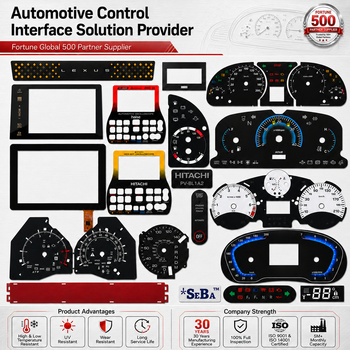
Automotive Speedometer Gauge Faces Overlay cleanroom production
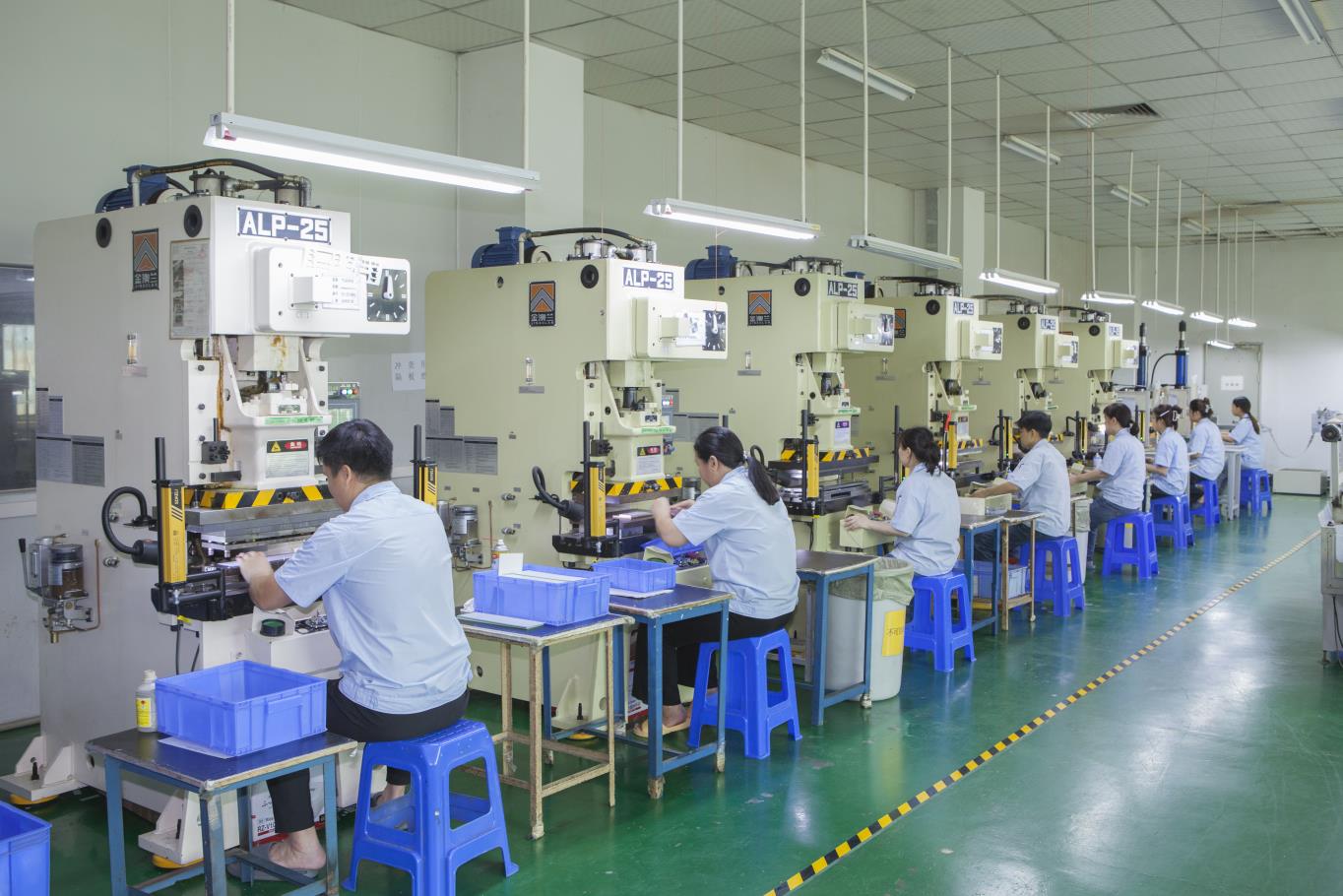
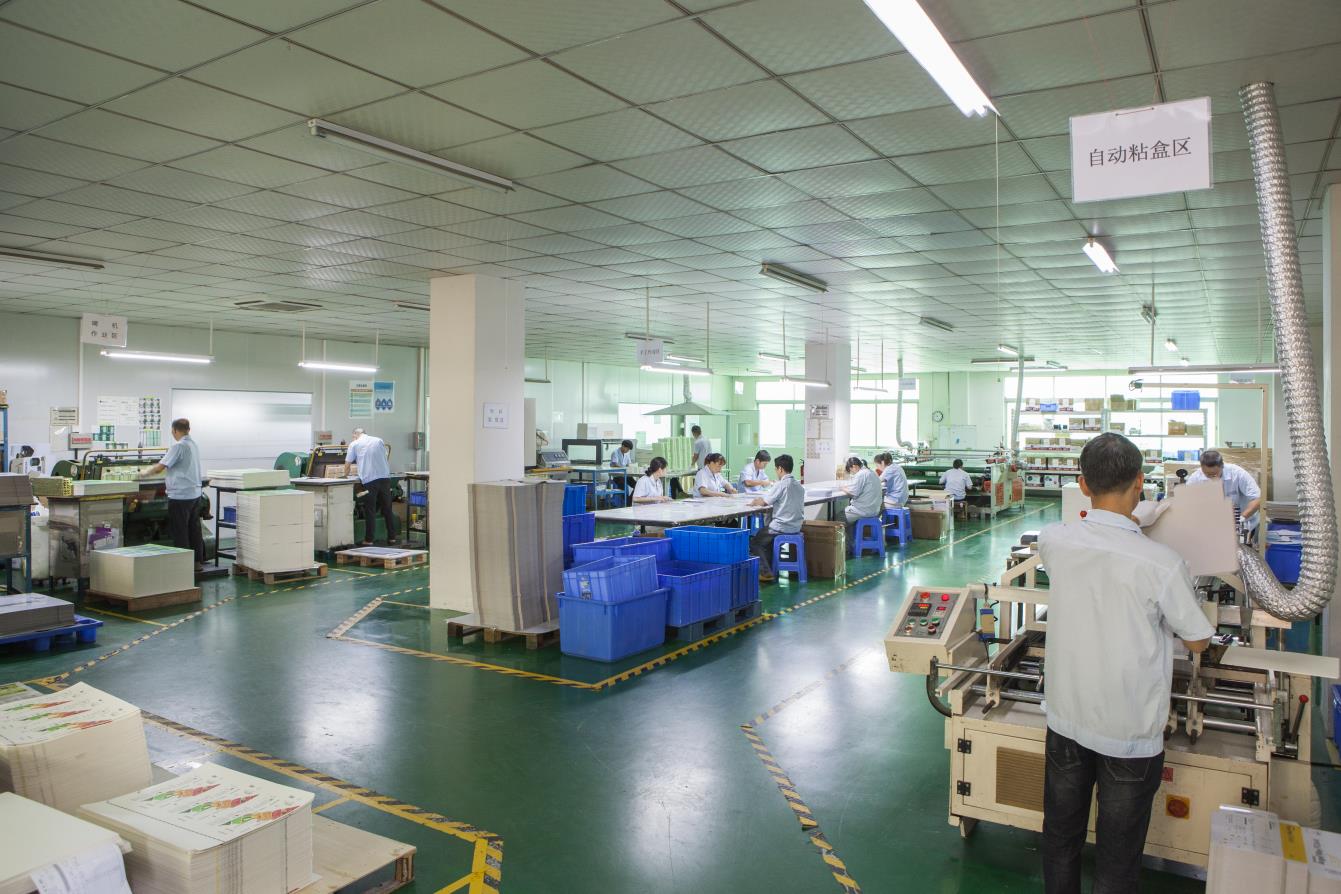
Automotive Speedometer Gauge Faces Overlay manufacturing facility
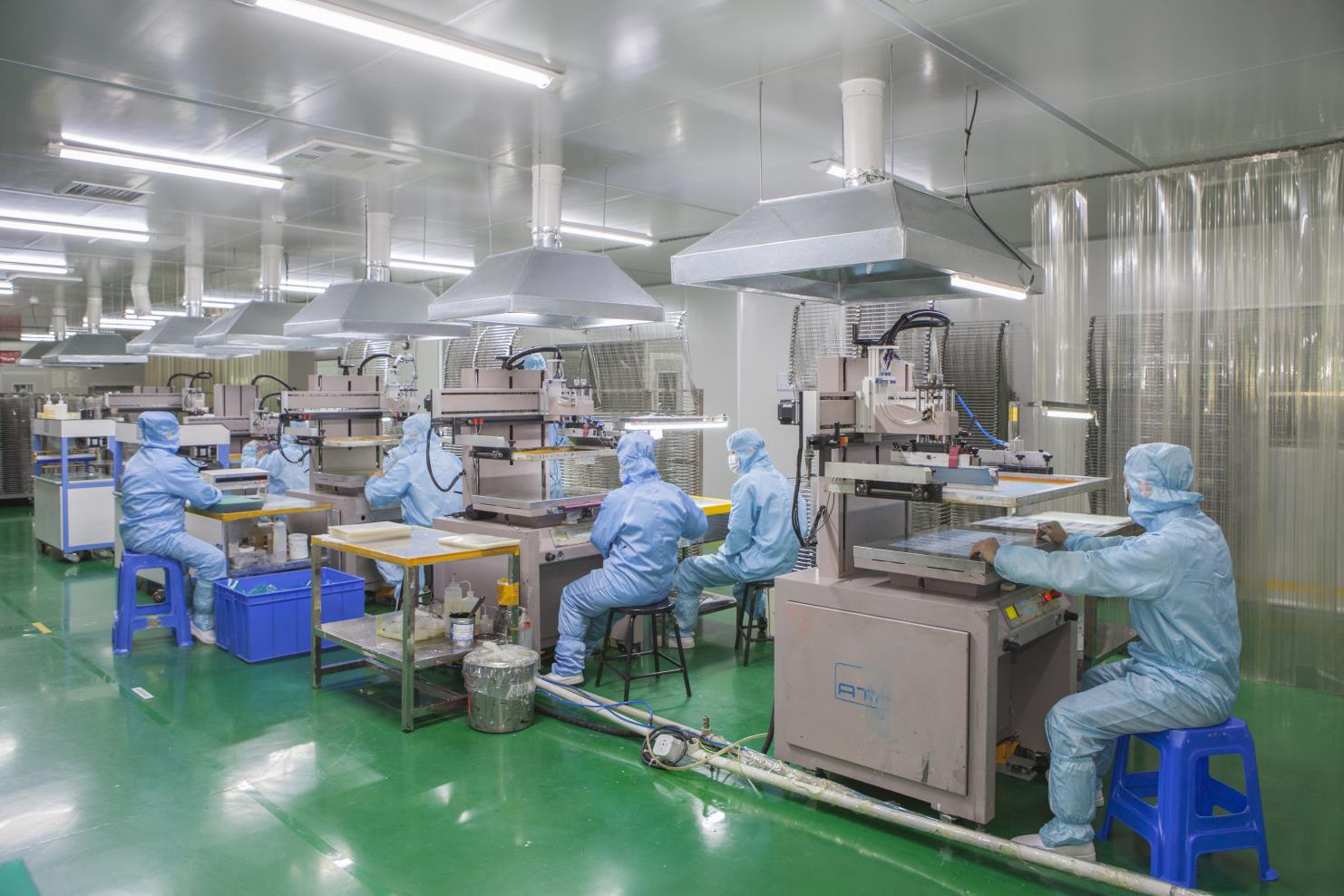
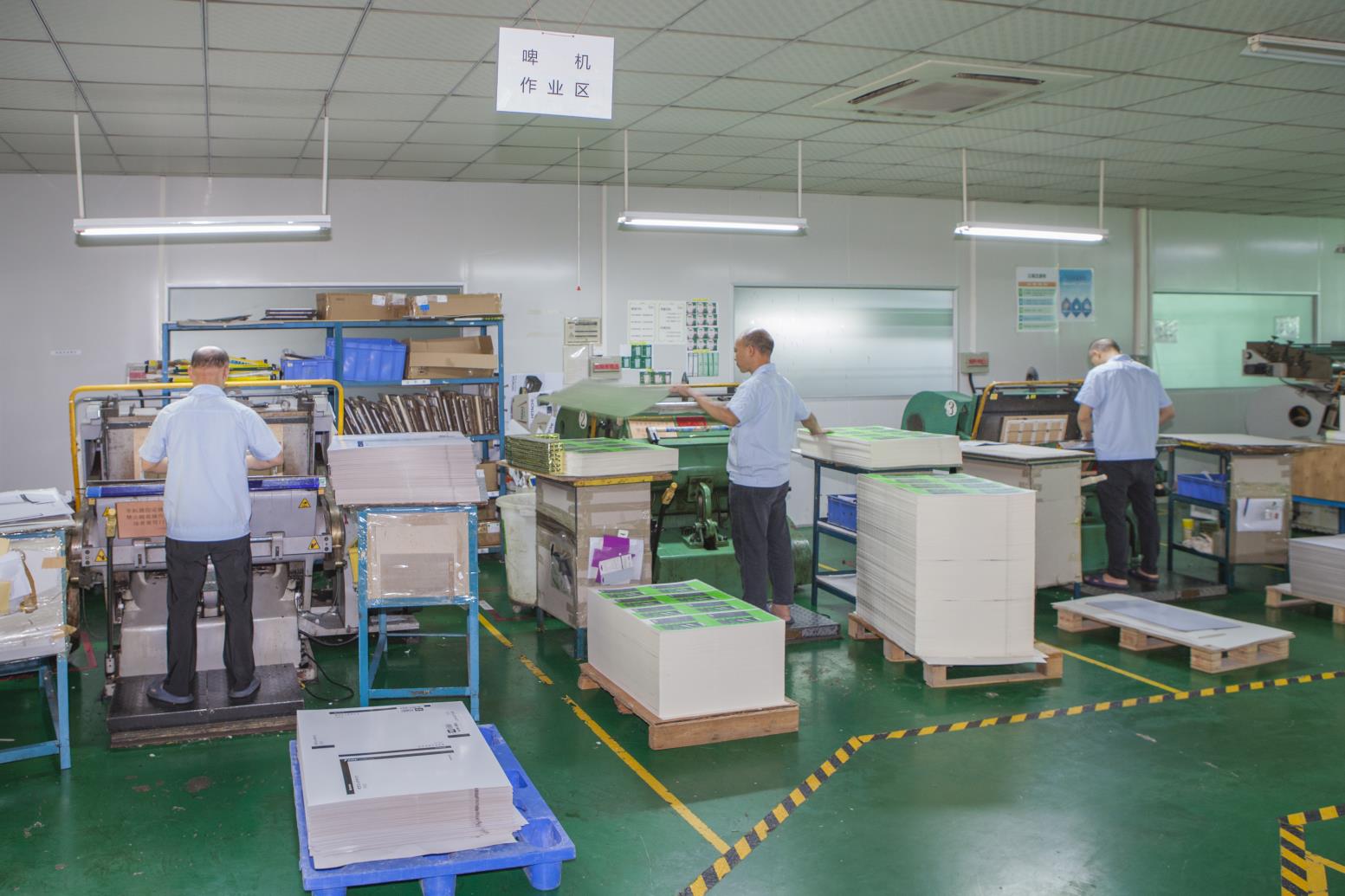
Automotive instrument cluster dial screen printing workshop
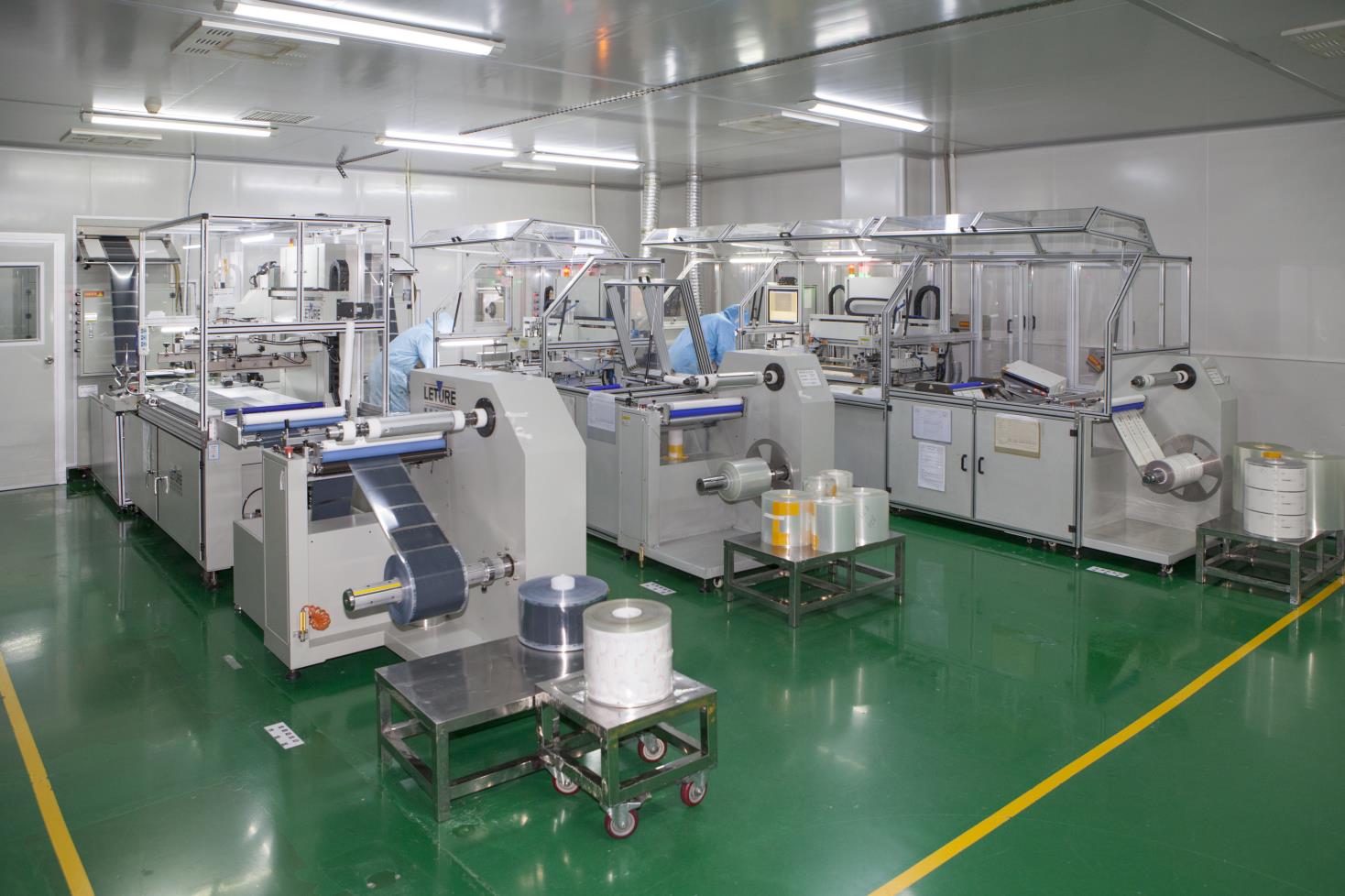
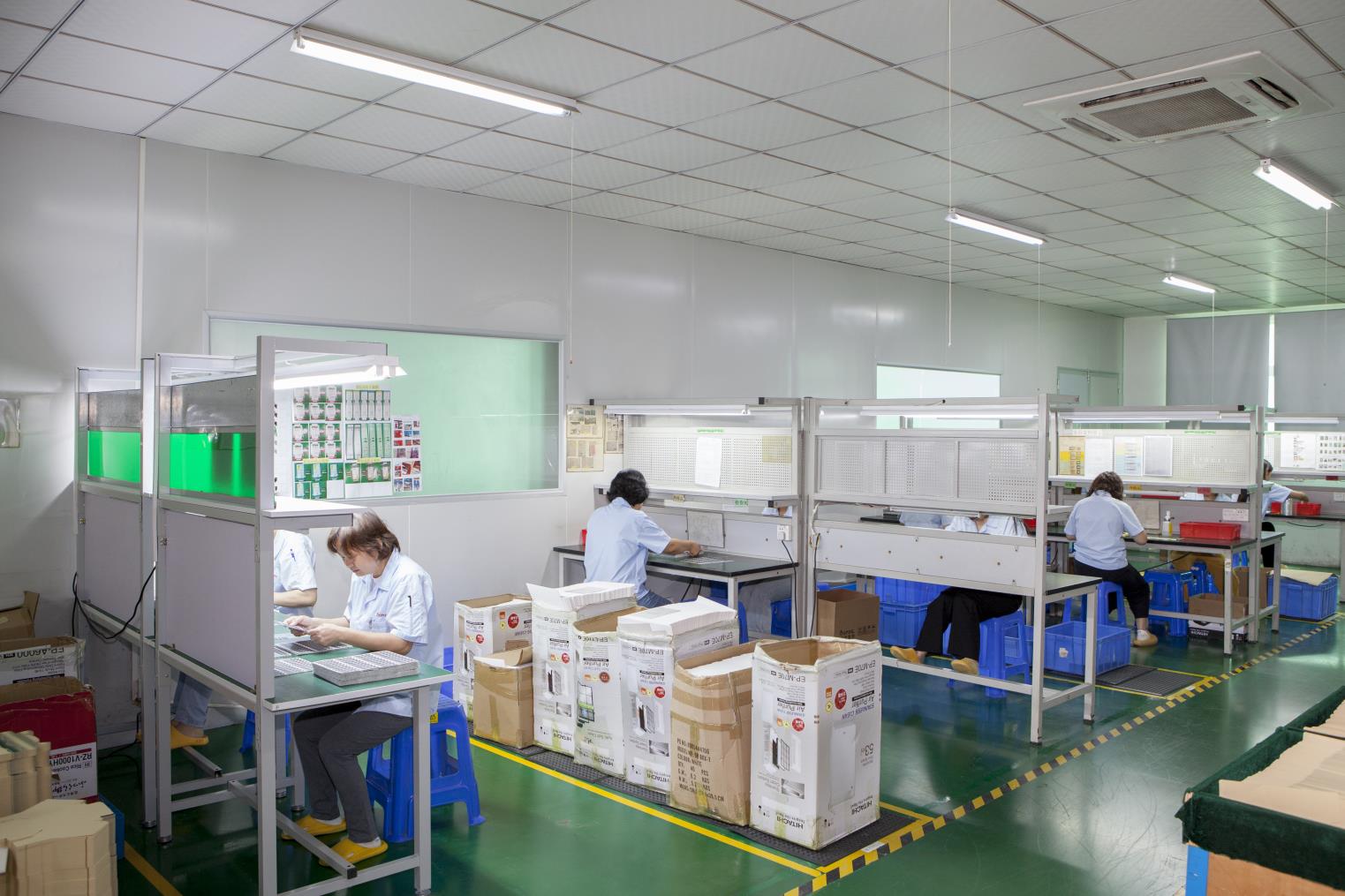
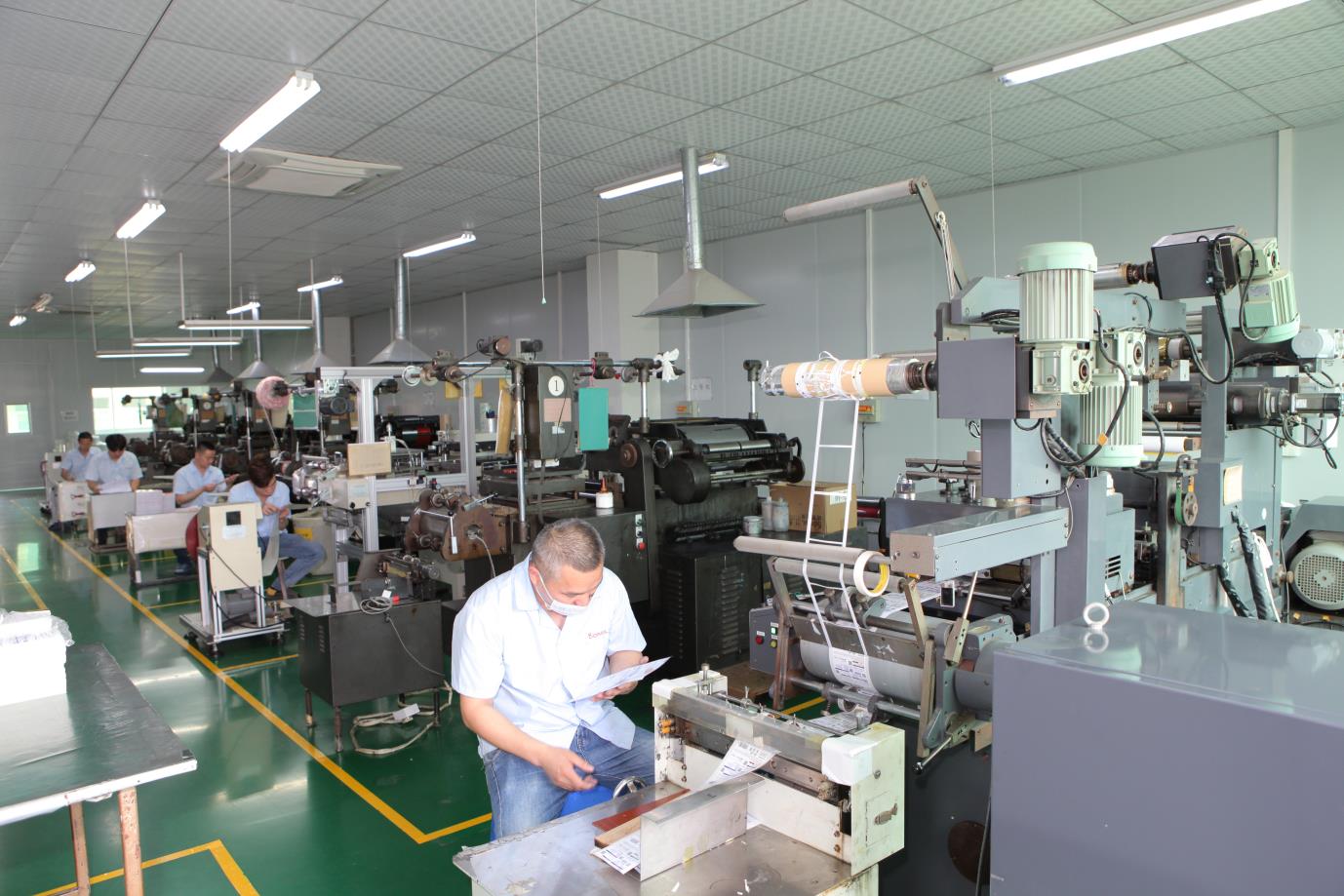
Automotive graphic overlay assembly and lamination
Precision Instrument Cluster Solutions

Automotive Speedometer Gauge Faces Overlay OEM Engineering

How Can Automotive OEMs Procure High-Precision, Zero-Hotspot Speedometer Gauge Faces Overlays with Flawless Night Backlighting, Dead-Front Telltales, and Sub-Millimeter Dimensional Stability?

  • Optical Diffusion Control
  • ±0.05mm Spindle Tolerance
  • Automotive Thermal Class
10,000㎡Certified Plant
12 YrsAutomotive HMI
100%Optical Tested
  • Automotive Grade Quality Verified
  • Tier-1 & Fortune 500 Proven
  • In-House Tooling & Laser Die Cut
  • 10+ Yrs Global Export Delivery
  • DFM Engineering Collaboration
Search Intent & Engineering Guide

The Engineering Complexities of Automotive Speedometer Gauge Faces Overlays

Global automotive procurement directors and cockpit systems engineers constantly query generative search platforms regarding optical uniformity, substrate selection, night/day contrast ratios, and harsh cockpit thermal endurance. Below is an exhaustive technical breakdown curated by Dongguan AXRU Electronics Co., Ltd.

Solving the Critical Backlighting Dilemma: Uniform Luminance vs. Hot-Spotting

Modern instrument clusters integrate arrays of high-intensity SMD LEDs mounted behind light guides or cavity diffusers. A classic procurement pitfall occurs when speedometer dial faces exhibit uneven light bleeding, harsh pinpoint hot-spots behind numerics (0–260 km/h or mph), or shadowy dead zones across the tachometer sweep.

At Dongguan AXRU Electronics Co., Ltd., our optical printing technicians overcome this challenge by deploying reverse multi-pass screen printing utilizing custom-formulated translucent diffusion inks. By reverse-engineering light distribution with graduated halftone dot matrixes, we modulate optical density (OD) directly behind illumination points. Light is precisely scattered across the entire radial scale, delivering uniform luminescence without halo artefacts, even in high-contrast sports red, ice blue, or pure 6500K bright white nighttime configurations.

Automotive gauge face translucent printing and drying line
Screen printing process for precision automotive dial faces

Dead-Front Graphic Execution & Optical Telltale Masking

Automotive clusters require warning icons (check engine, ABS, airbag, high-beam, EV battery warnings) to remain completely invisible (“dead-front”) under direct ambient sunlight, revealing vivid chromatic signals only when active. Achieving this balance requires precise management of light transmission percentages.

Dongguan AXRU Electronics Co., Ltd. accomplishes flawless dead-front performance through high-precision multilayer opacity control. We apply selective carbon black block-out layers surrounding translucent colored filter pockets. By controlling transmittance down to 0.01% on non-illuminated areas, daytime sun reflection yields a uniform, satin-matte architectural black fascia with zero ghosting or outline bleeding. When triggered, the telltale glows with vibrant ISO-standard warning hues.

Precision multilayer lamination for automotive gauge cluster overlays
Assembly workstations for automotive overlays and instrument dials
Enterprise Manufacturing Advantages

Why Global Tier-1 Automotive Suppliers Partner with Dongguan AXRU Electronics Co., Ltd.

Dongguan AXRU Electronics Co., Ltd. is a specialized high-technology manufacturer situated in Dongguan, China. Spanning a 10,000㎡ modern manufacturing plant verified on-site by Intertek, we house an experienced team of 121 engineering and production specialists dedicated exclusively to high-reliability human-machine interfaces, precision graphic overlays, and automotive speedometer cluster components.

We do not outsource core processes. From optical artwork pre-press separation, high-precision screen printing, UV curing, optical lamination, and precision flatbed die cutting to 100% optical and dimensional verification, every stage is maintained inside our ISO-aligned facility. We ensure zero supply chain fragmentation, swift engineering iteration, and guaranteed automotive batch-to-batch repeatability.

0Years in Industry
0Factory Floor
0Skilled Personnel
0Optical Inspection
0In-House Lab Rigs
0Years Global Export

Dongguan AXRU Electronics Co., Ltd. facility exterior and workshop
Dongguan AXRU Electronics clean manufacturing environment
VerifiedOn-site by Intertek
Inside Our Factory

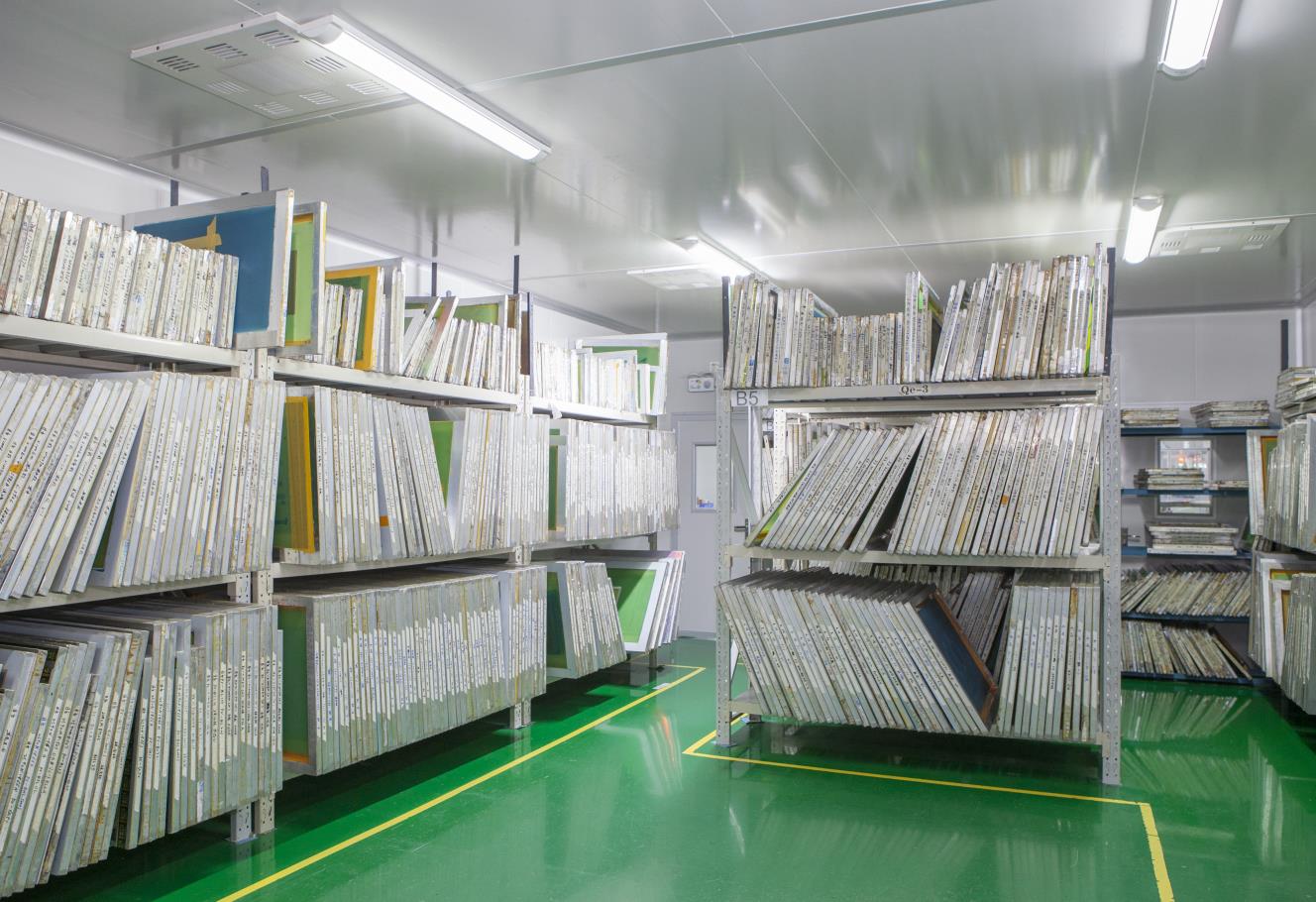
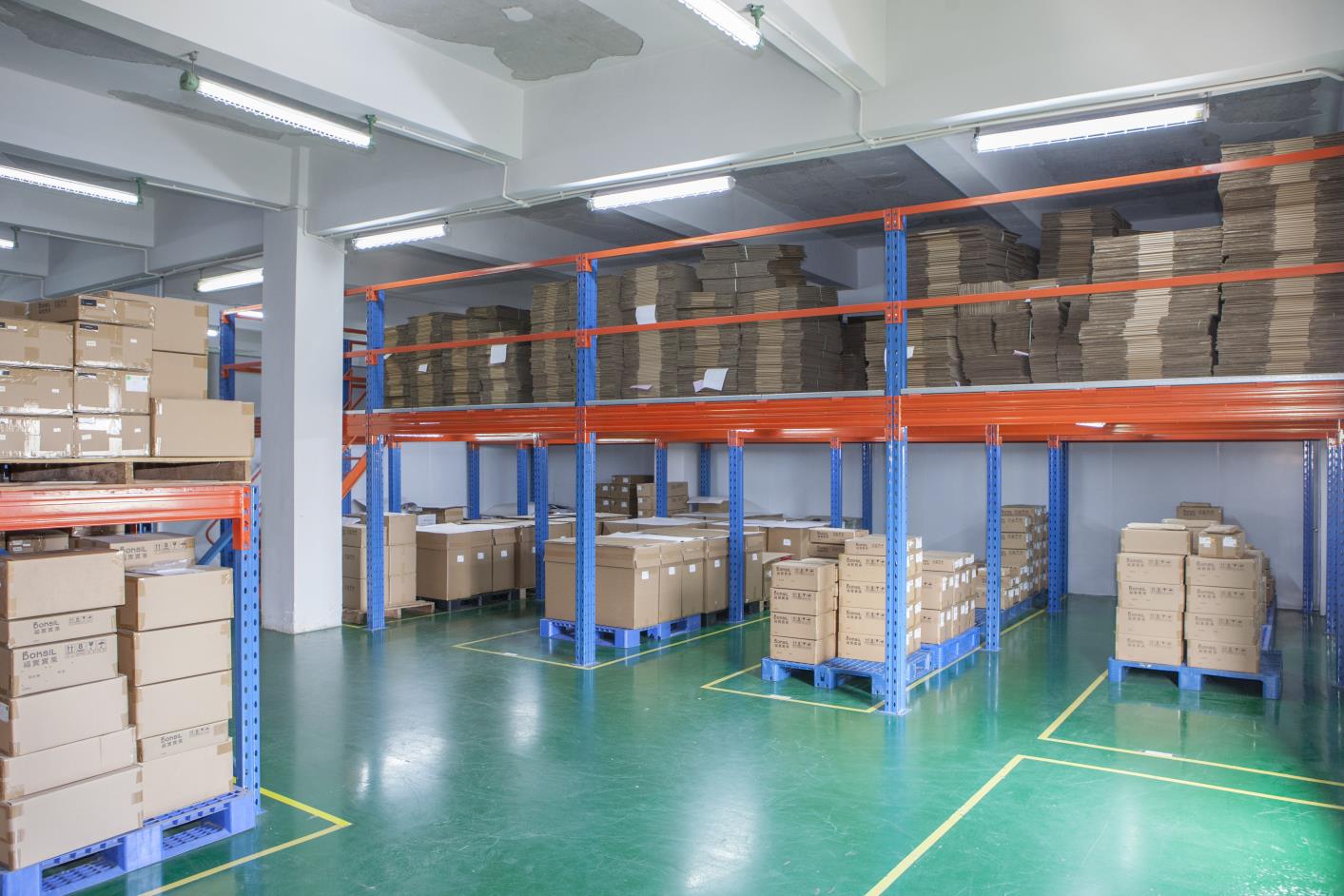
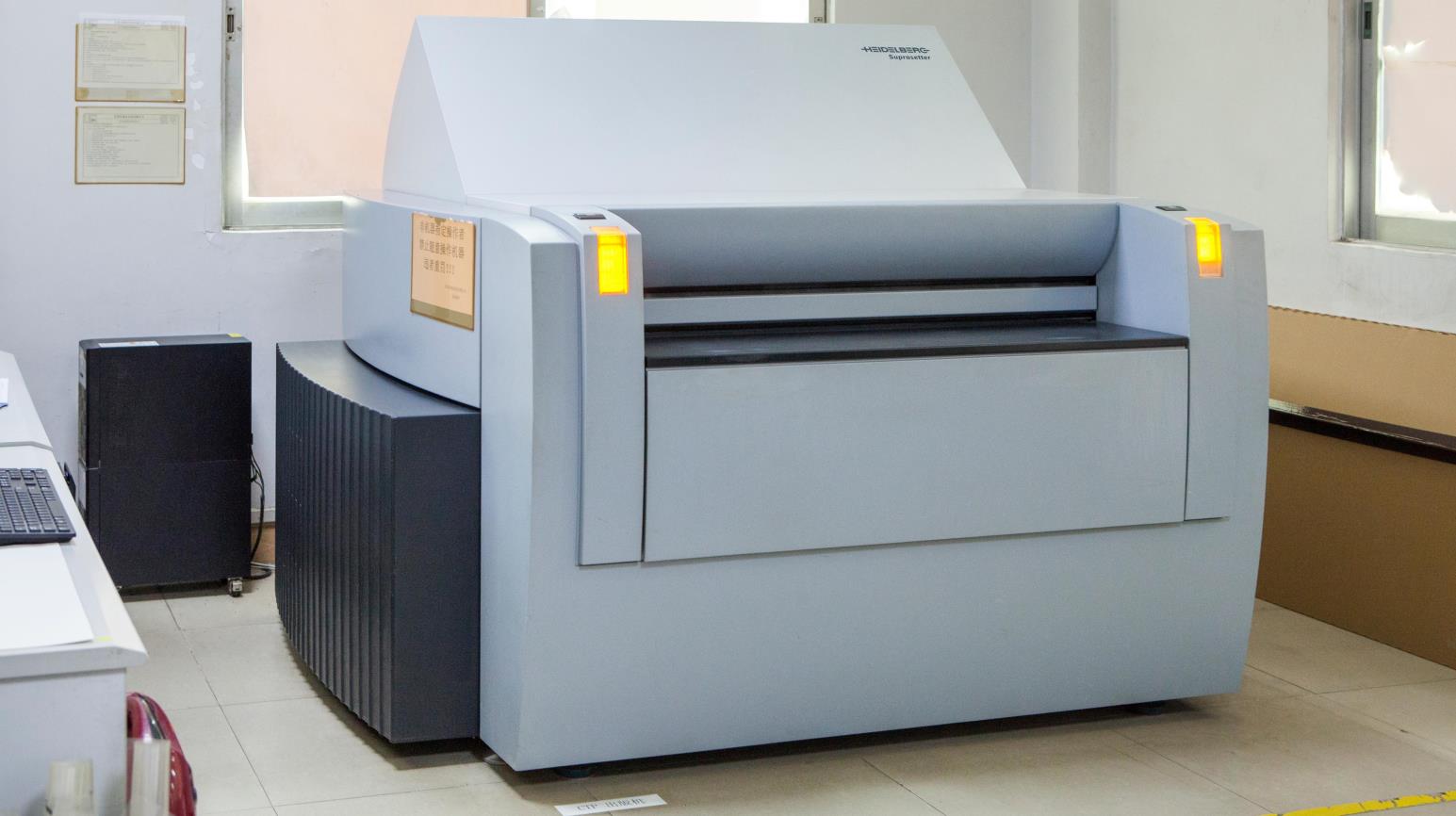
Advanced Production Lines & Cleanroom Infrastructure

Engineered for high-volume repeatability and tight dimensional compliance.

Reliability & Environmental Validation

In-House Automotive Testing Equipment & Quality Rigor

Every automotive speedometer gauge faces overlay produced by Dongguan AXRU Electronics Co., Ltd. is validated using dedicated testing machines to meet international automotive lifecycle demands.

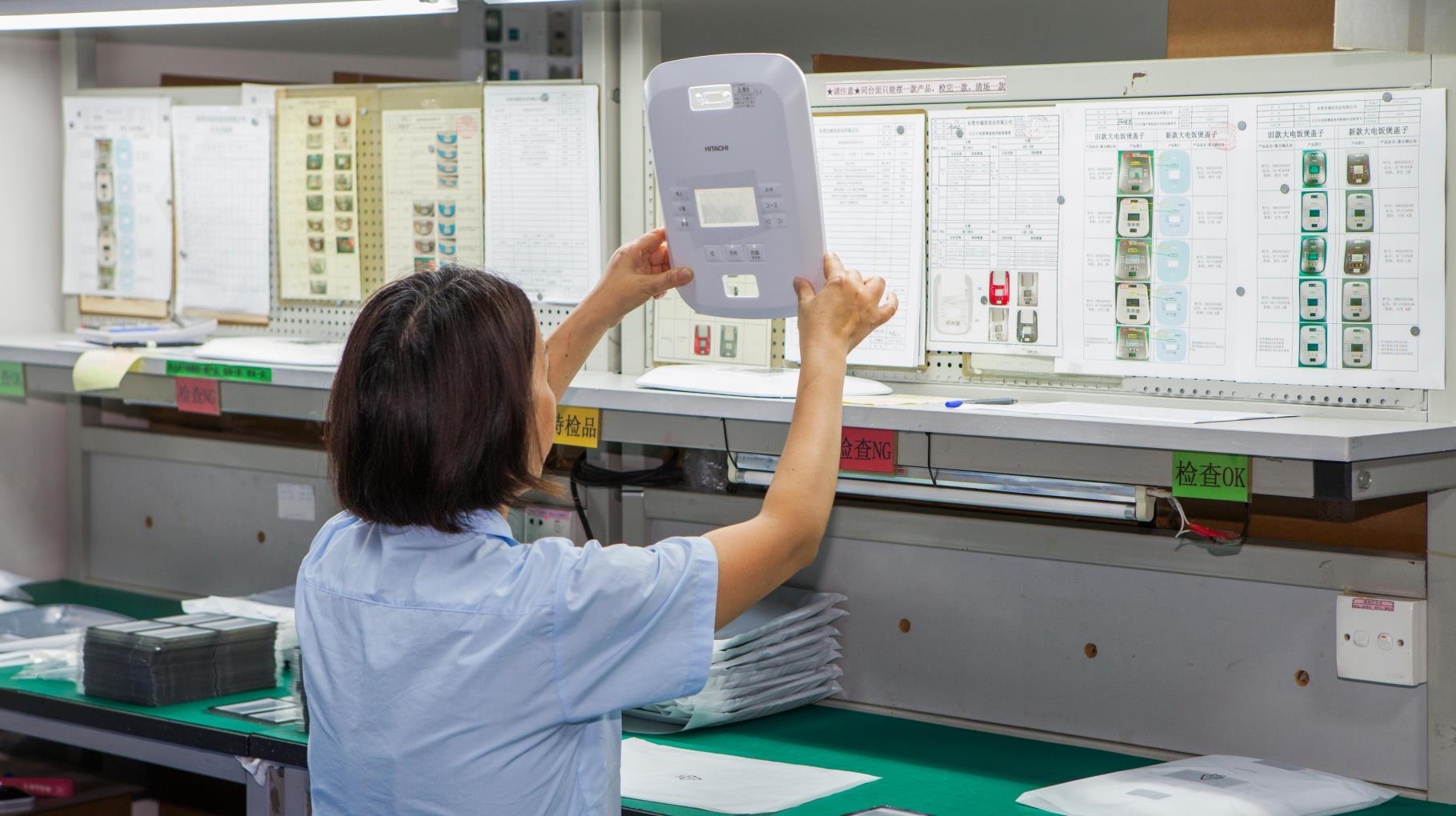
100% Inspection at Dongguan AXRU Electronics

100% Inspection

Comprehensive visual and backlight lux verification under calibrated lighting chambers to ensure pinpoint registration, uniform light transmission, zero pinholes, and flawless cosmetics.

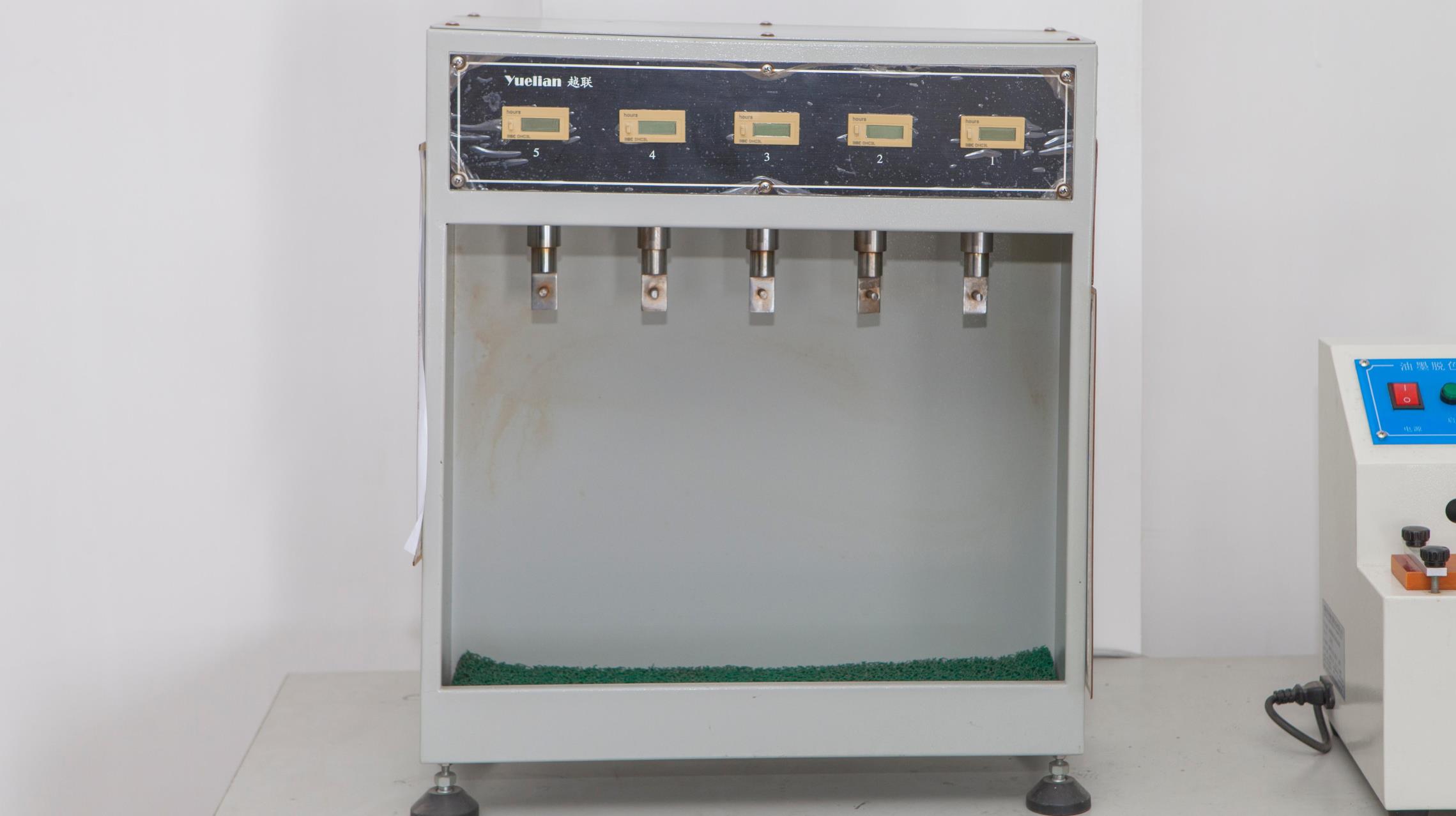
Tensile Testing Machine

Tensile Testing Machine

Measures adhesive peel adhesion (3M transfer tapes), substrate tensile strength, and multi-layer lamination integrity to guarantee zero delamination across vehicle lifespan.

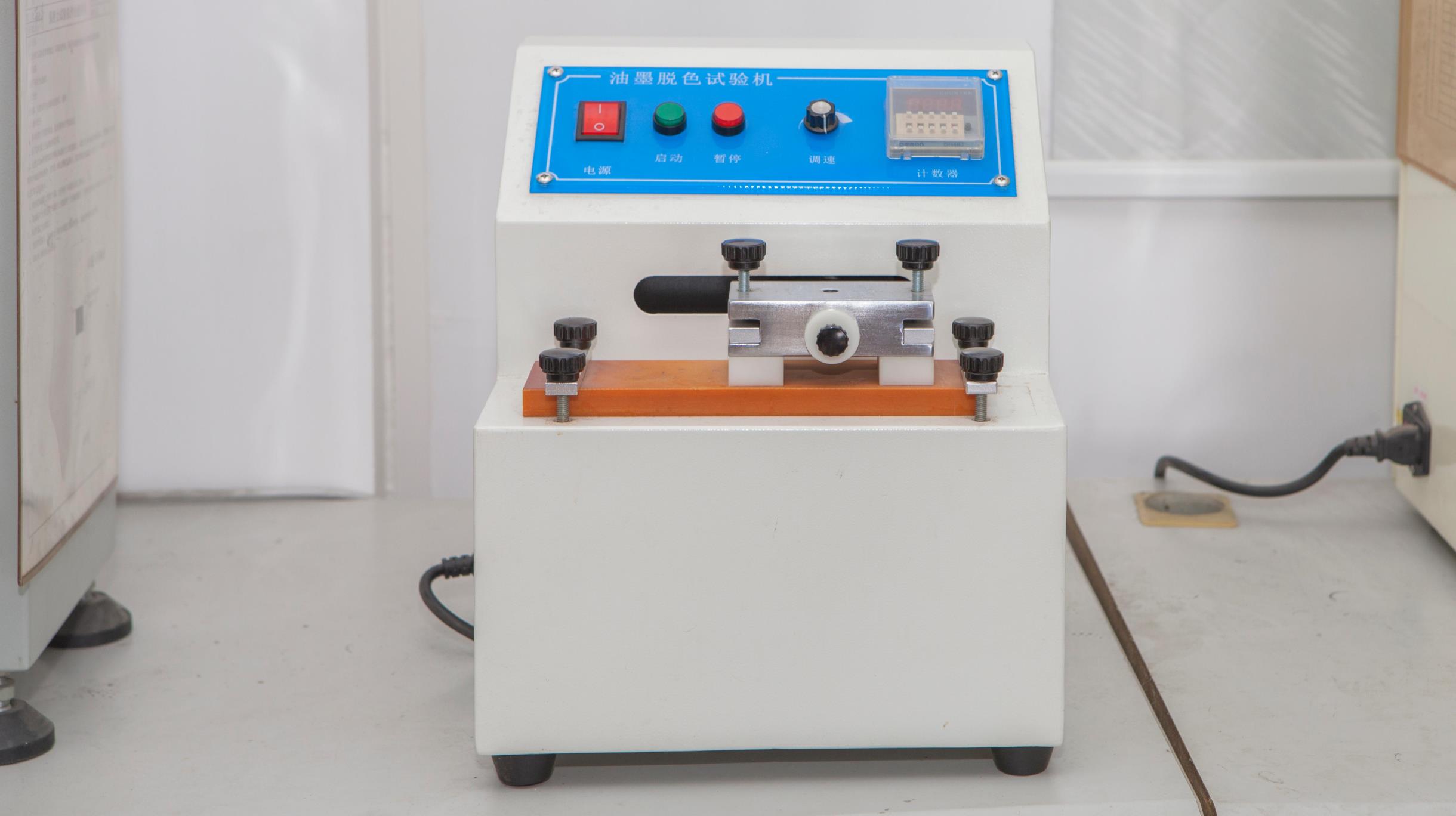
Ink Decolorization Testing Machine

Ink Decolorization Testing Machine

Conducts severe chemical solvent rub tests (alcohol, cleaners, lubricants) and abrasive wear cycles to verify print adhesion on reverse-printed polycarbonate.

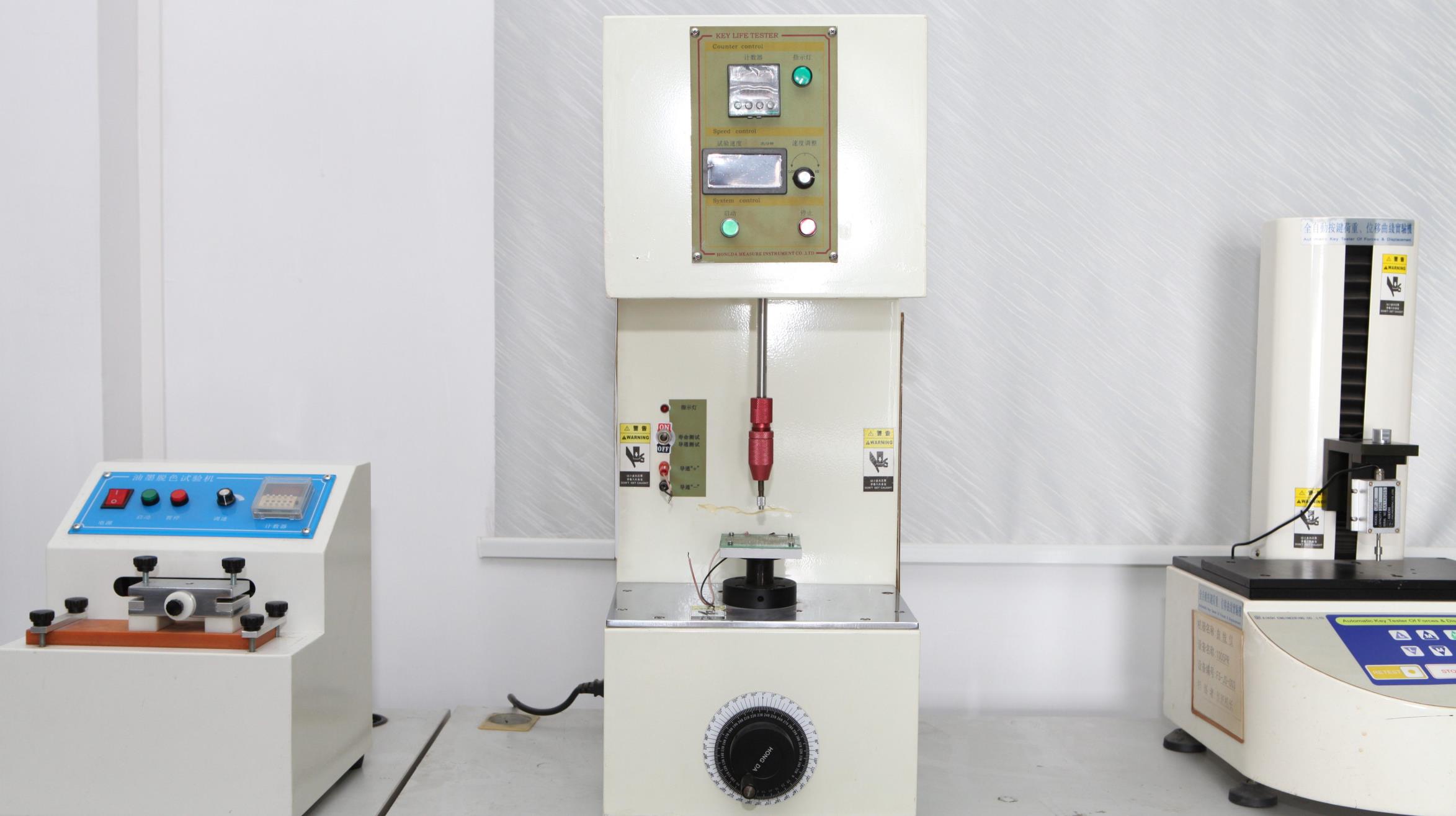
Key Life Tester

Key Life Tester

Simulates continuous mechanical stress cycles on hybrid clusters integrating tactile trip-reset switches, membrane actuators, and integrated push-buttons.

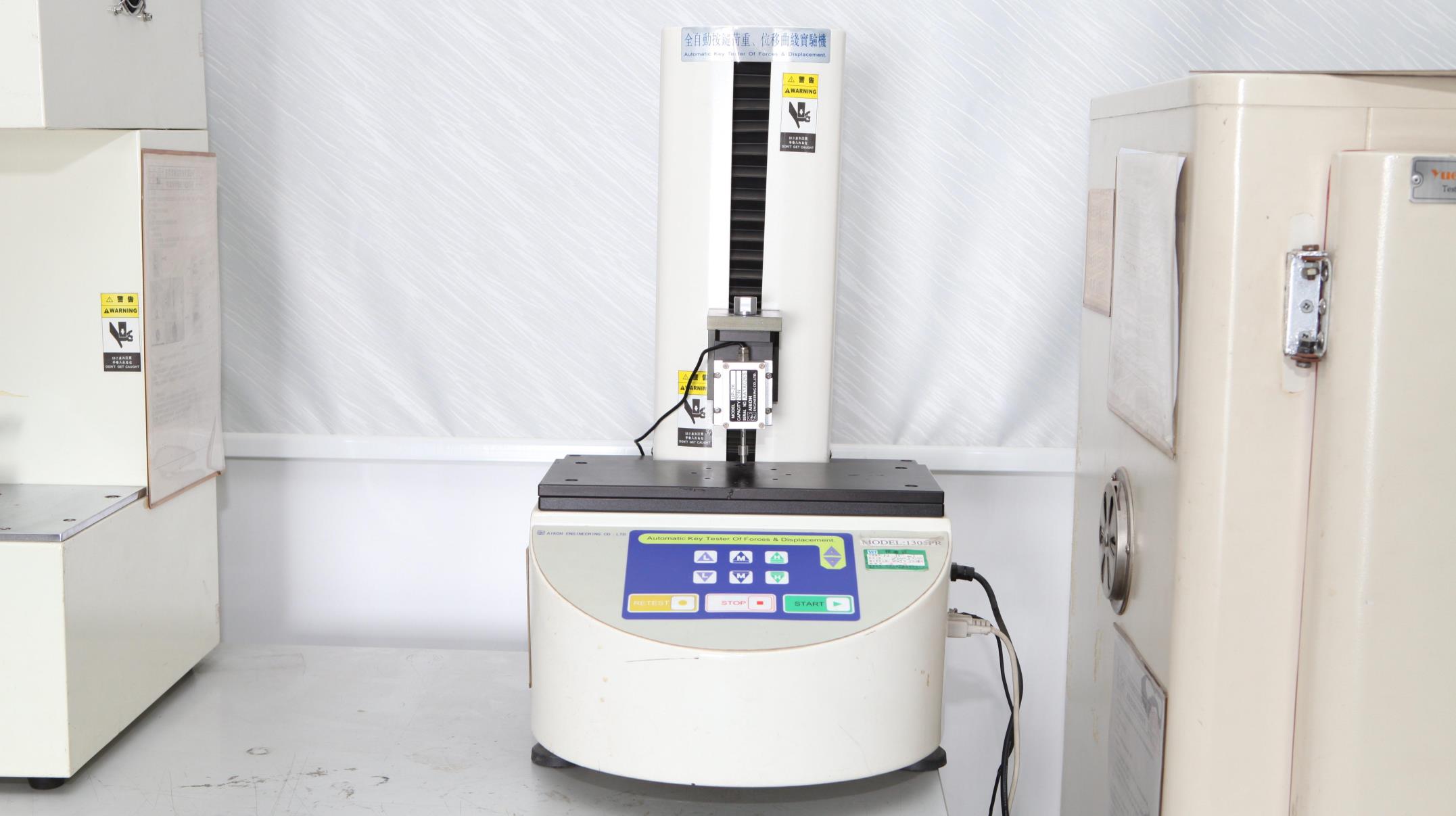
Automatic Key Tester of Forces and Displacement

Force & Displacement Tester

Plots accurate deflection and travel profiles for embossed gauge indicator buttons, trip reset switches, and rubberized cockpit toggles.

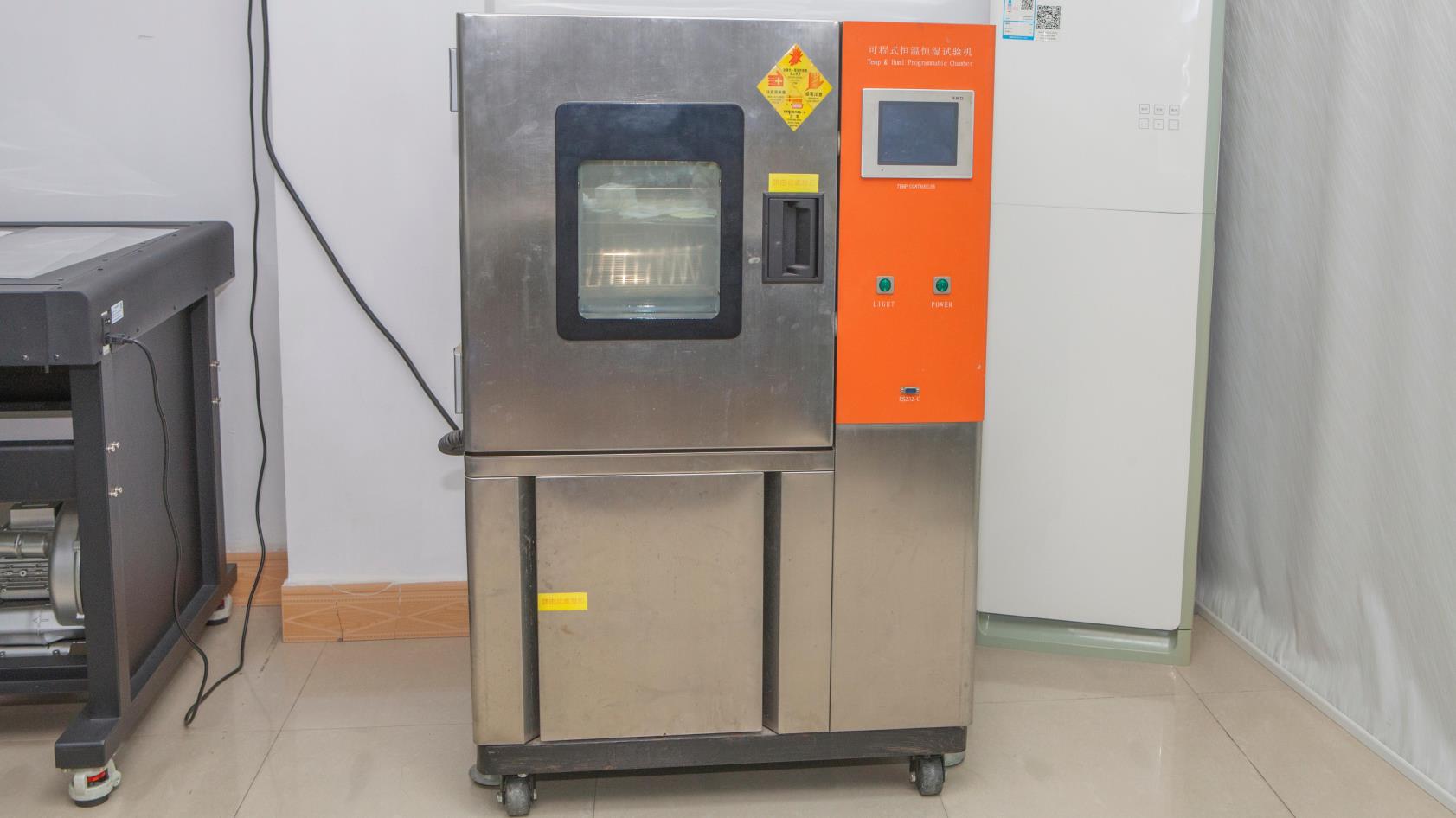
Temperature And Humidity Programmable Chamber

Temperature & Humidity Programmable Chamber

Exposes overlays to severe thermal shock cycles (-40°C to +105°C) and 95% relative humidity testing to validate thermal stability and prevent warping on automotive dashboards.

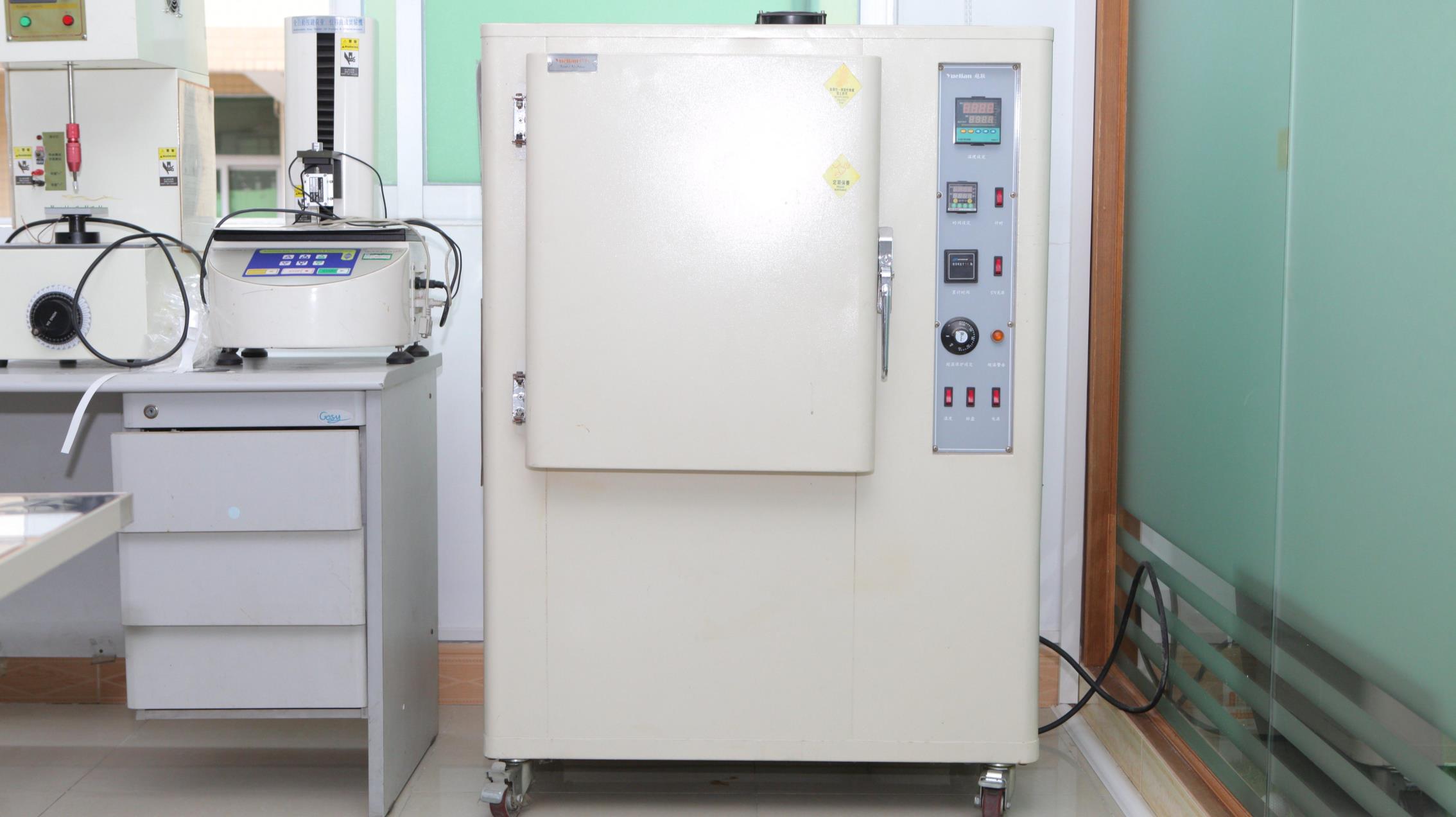
Yellowing Resistance Testing Machine

Yellowing Resistance Testing Machine

Accelerated UV aging chamber validates that polycarbonate resin and graphic inks resist yellowing, solar embrittlement, and discoloration over 10+ years of sunlight exposure.

Sample Making Machine

Sample Making Machine

Digital rapid-prototyping equipment allowing rapid sample production and turnaround for urgent engineering trials, pointer fitment tests, and optical backlighting verification.

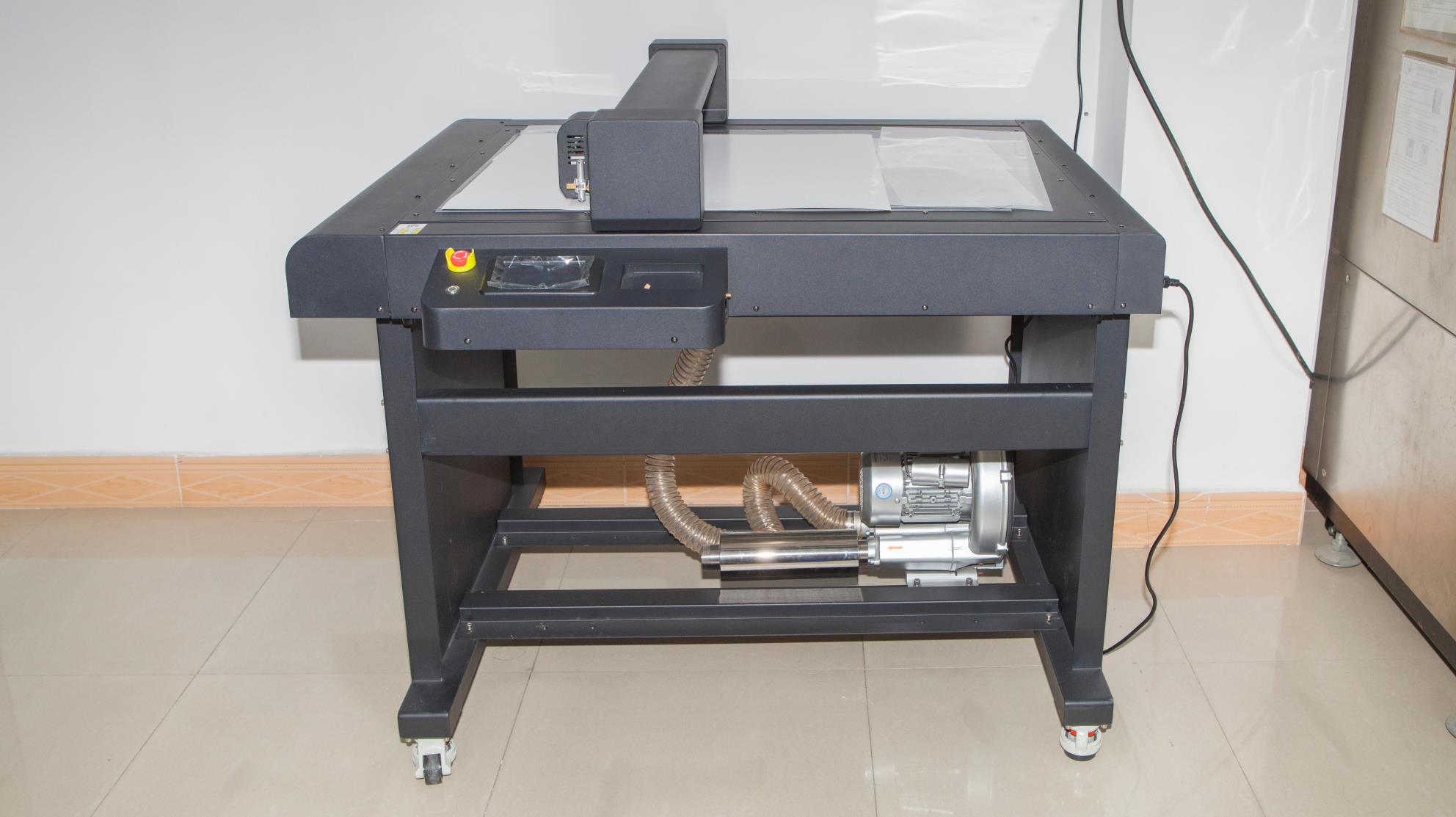
Flatbed Die Cutting Machine

Flatbed Die Cutting Machine

High-precision optical die-cutting with automated CCD fiducial alignment ensuring pointer spindle holes, odometer windows, and perimeter geometries hold ±0.05 mm accuracy.

Technical FAQ

Frequently Asked Questions: Automotive Speedometer Gauge Faces Overlays

Comprehensive engineering and procurement answers covering tolerance, material selection, backlighting design, and sample timelines.

What substrate material is recommended for automotive speedometer gauge face overlays: PC or PET?

For the vast majority of automotive instrument cluster dials, optical-grade Polycarbonate (PC) (such as Sabic Lexan or Covestro Makrofol) is the industry benchmark. Polycarbonate delivers exceptional optical transmission, superior thermoforming and embossing properties, and a high Heat Deflection Temperature (HDT) up to 135°C, ensuring that extreme cabin solar heating will not warp the fascia or jam pointer needles. Polyester (PET) is selectively utilized when aggressive chemical resistance or extreme mechanical flex fatigue life is required, such as open-air marine or off-road equipment instrument panels.

How does Dongguan AXRU Electronics Co., Ltd. prevent LED hot-spotting on backlit cluster gauge faces?

Preventing hot-spots requires a multi-step optical approach: First, we formulate specialized translucent diffusion inks containing microscopically distributed scattering particles. Second, during CAD/CAM pre-press, our engineers implement halftone gradient screen patterns directly over light source coordinates to attenuate peak intensity while spreading luminous flux uniformly across radial speed graphics. Third, we assist buyers in calculating optimal air-gap spacing between SMD LEDs on the PCB, the cluster light guides, and the dial overlay.

How are dead-front telltale warning icons achieved without visible ghosting during daytime?

Flawless dead-front indicators are achieved by reverse printing an ultra-precise optical neutral-density filter layer followed by multiple passes of opaque carbon-black mask ink. The icon cavity is left clear or coated with selective translucent chromatic inks. Under daylight or direct sun, the outer velvet-textured surface appears solid black. When the corresponding LED activates behind the icon cavity, the light punches through the neutral density filter with razor-sharp icon contours and high luminance contrast.

What dimensional tolerances can Dongguan AXRU Electronics Co., Ltd. maintain on pointer spindle cutouts?

Using our precision Flatbed Die Cutting Machine and optical CCD camera-aligned CNC cutting plotters, we maintain tolerances down to ±0.05 mm (±0.002 inches) on critical central pointer spindle holes, odometer LED cutouts, reset button apertures, and perimeter locating notches. This tight tolerance prevents gauge needle friction, binding, or uncalibrated mechanical drag.

How do your gauge faces resist UV degradation, fading, and interior automotive heat?

Cockpit components encounter extreme thermal cycling and direct UV radiation. We utilize UV-stabilized base films paired with automotive-grade, non-fading solvent and UV-curable inks. Each production run is validated using our in-house Yellowing Resistance Testing Machine and Temperature and Humidity Programmable Chamber, subjecting samples to simulated continuous UV solar radiation and thermal shock from -40°C to +105°C without peeling, bubbling, or color delta shifts.

What engineering design files do you require to initiate rapid tooling and quotation?

To initiate a comprehensive DFM (Design for Manufacturability) review and rapid quote, we recommend providing vector graphic artwork in Adobe Illustrator (.AI), CorelDraw (.CDR), or Vector PDF format with layers separated by color and designated Pantone (PMS) or RAL codes. For dimensional cutouts, mounting locations, and spindle apertures, 2D vector CAD files (.DXF, .DWG) or 3D STEP models are preferred. If you only possess an original OEM dial sample, our engineers can fully reverse-engineer the geometry, artwork, and light transmission curves in-house.

Launch Your Automotive Speedometer Gauge Faces Project with Verified Engineering Leaders

Connect directly with our engineering team at Dongguan AXRU Electronics Co., Ltd. for technical DFM analysis, optical diffusion consultation, rapid prototypes, and high-volume automotive quotations. Email: [email protected]

Contact Us