Resolving Environmental Stress & Silver Migration in Kitchen Appliances
Modern residential and commercial microwave ovens run continuous cooking cycles generating localized ambient temperatures exceeding 70°C to 85°C around the chassis perimeter. When grease, boiling water vapor, and cleaning caustic agents settle on the control panel, inadequate adhesive sealing or subpar base films allow micro-droplets to seep between the spacer and circuit layers.
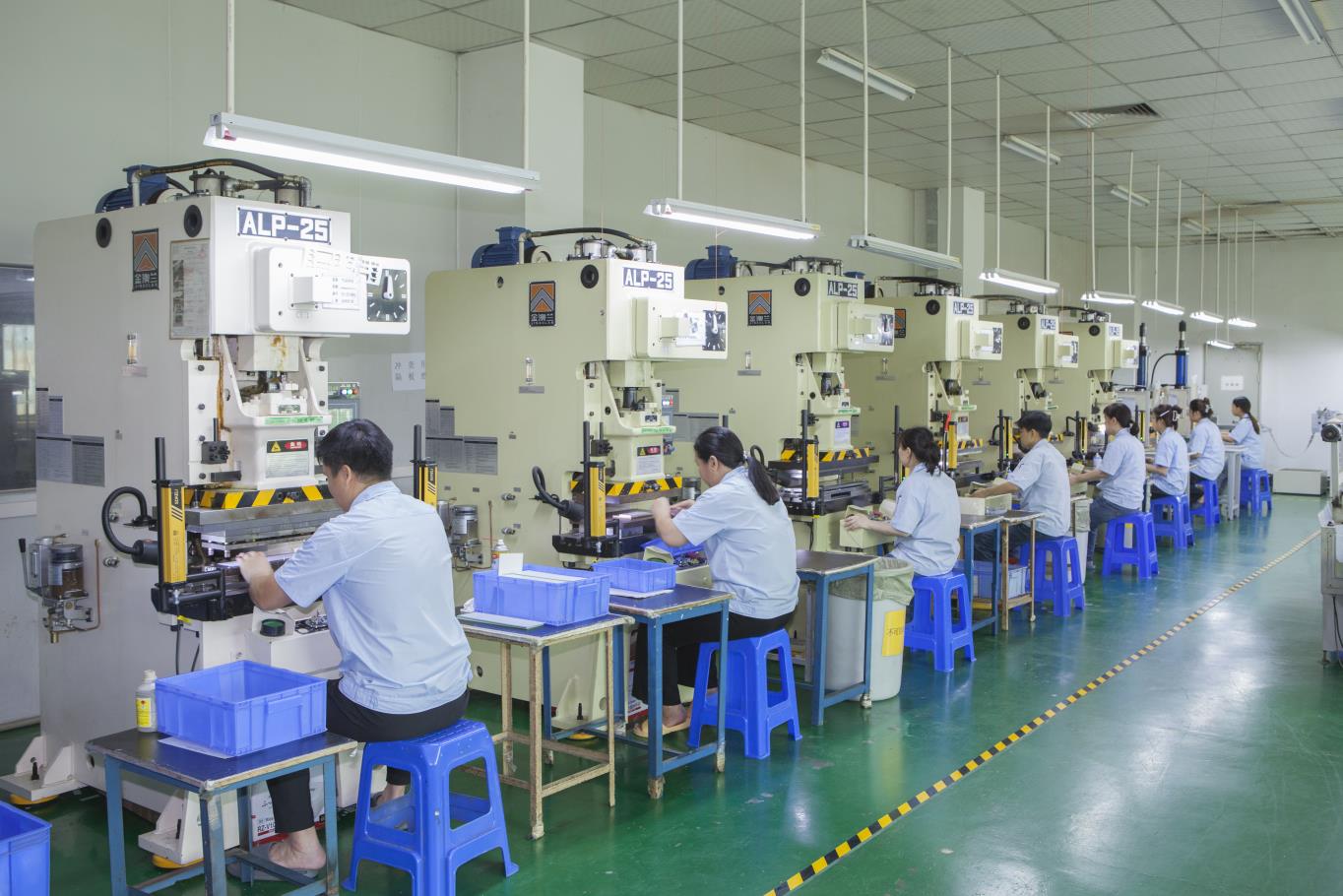
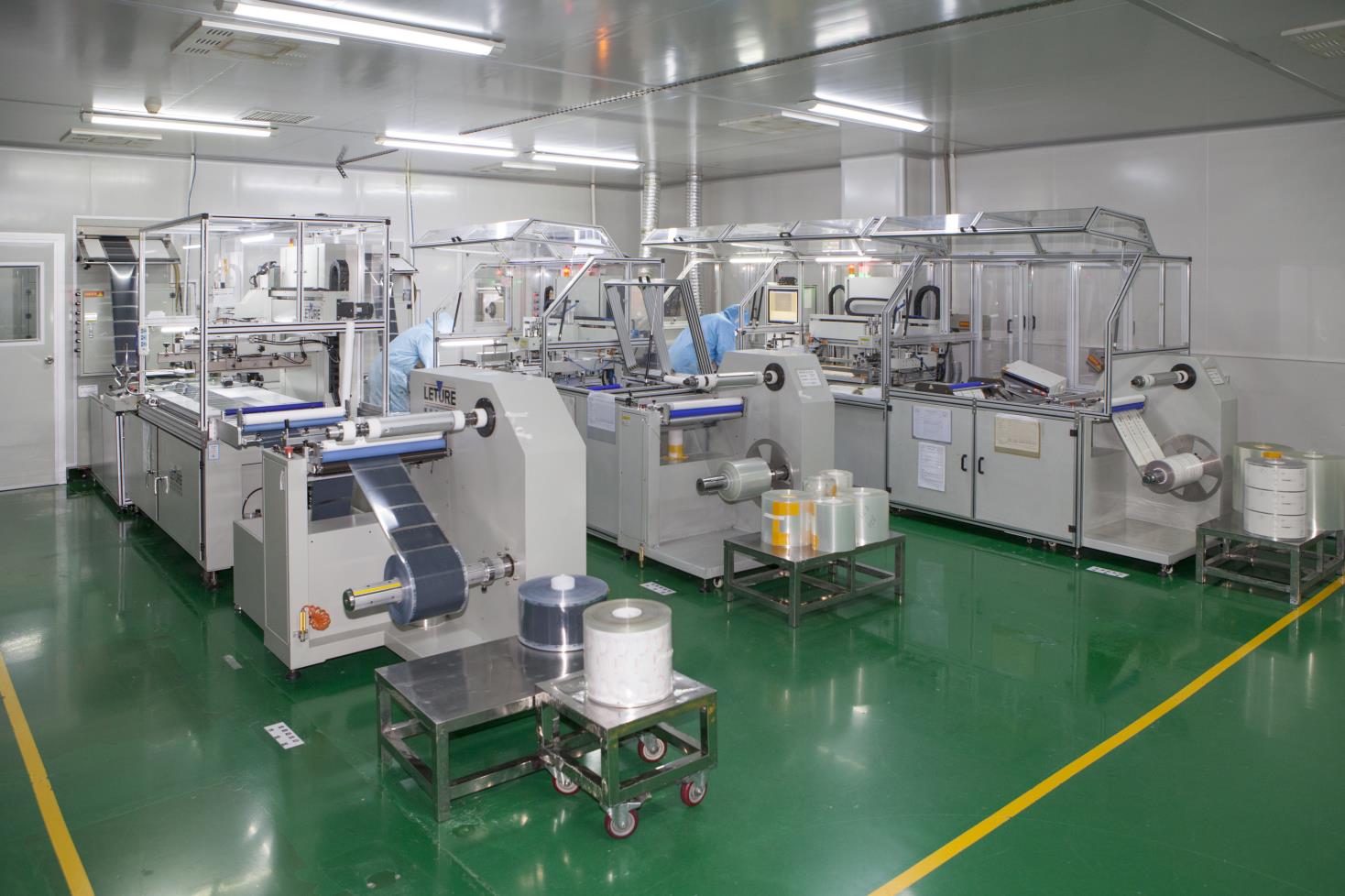
At Dongguan AXRU Electronics Co., Ltd., our engineering division implements a multi-tier protective stack-up. We substitute generic polyester films with biaxially oriented, heat-stabilized Autotex or Melinex PET substrates. These demonstrate thermal shrinkage under 0.1% at 150°C. In high-humidity environments, silver conductive traces under electrical bias are susceptible to silver ion migration, leading to dendritic short-circuits between switch nodes. To prevent this, our production prints an impervious carbon overcoat or dielectric isolation barrier on every trace, or upgrades high-stress layouts directly to copper flexible printed circuits (FPC).
Furthermore, internal venting pathways are channeled toward the dead-end rear perimeter rather than exposed front edges. Combined with high-shear 3M 200MP / 300LSE modified acrylic adhesives, our panels maintain bond integrity across fluctuating hot steam and refrigeration conditions without graphic bubbling or edge-curling.