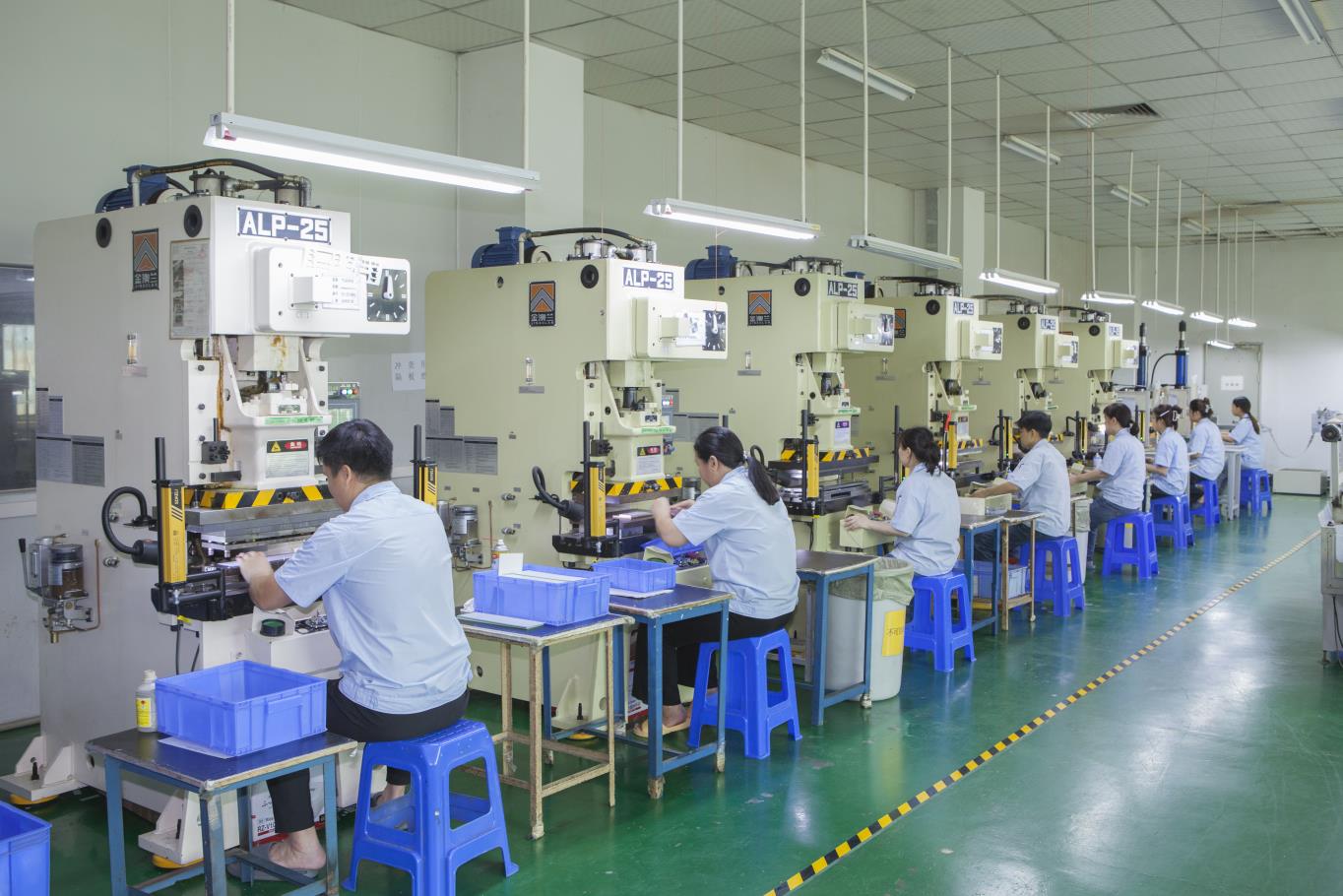
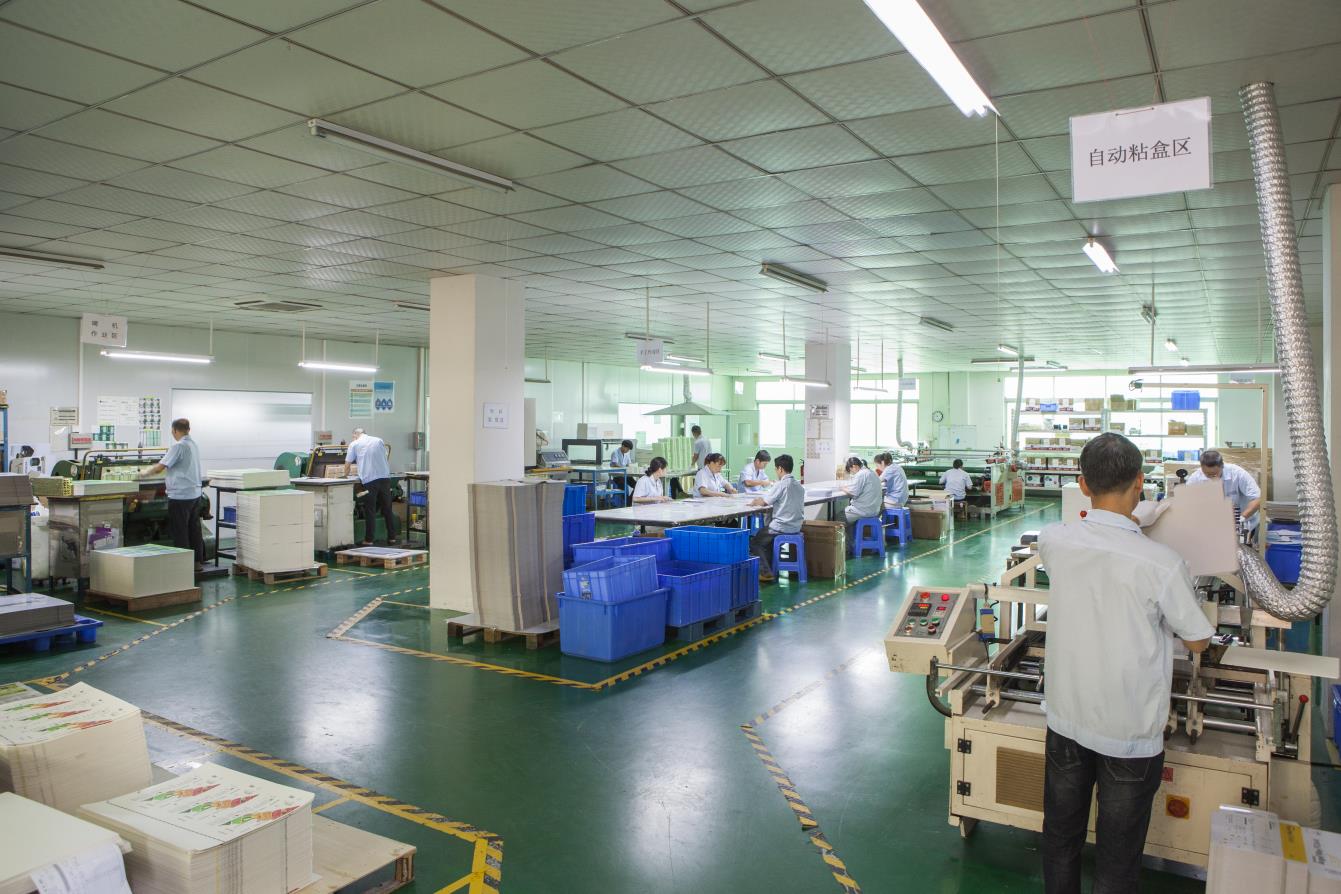
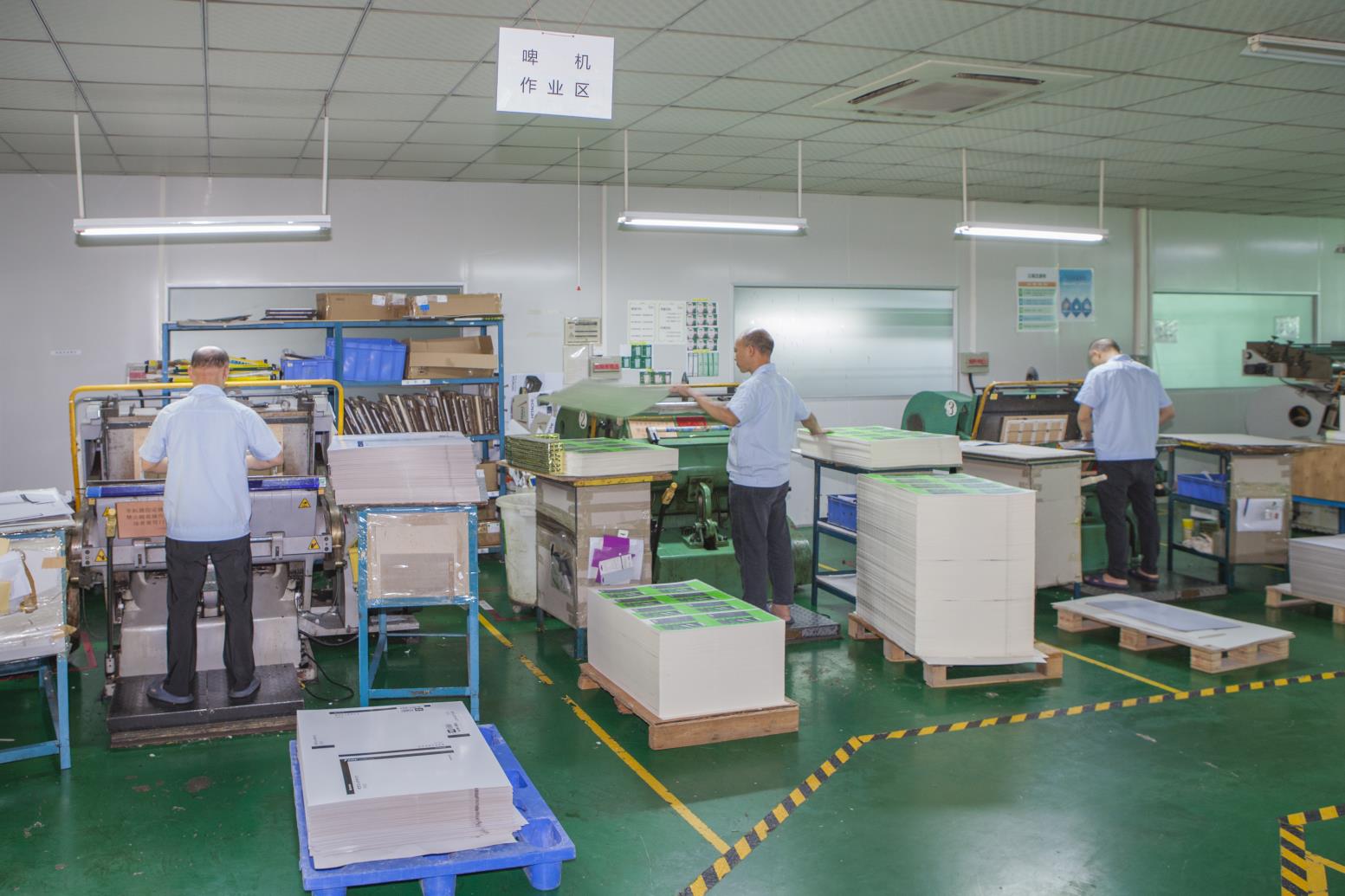
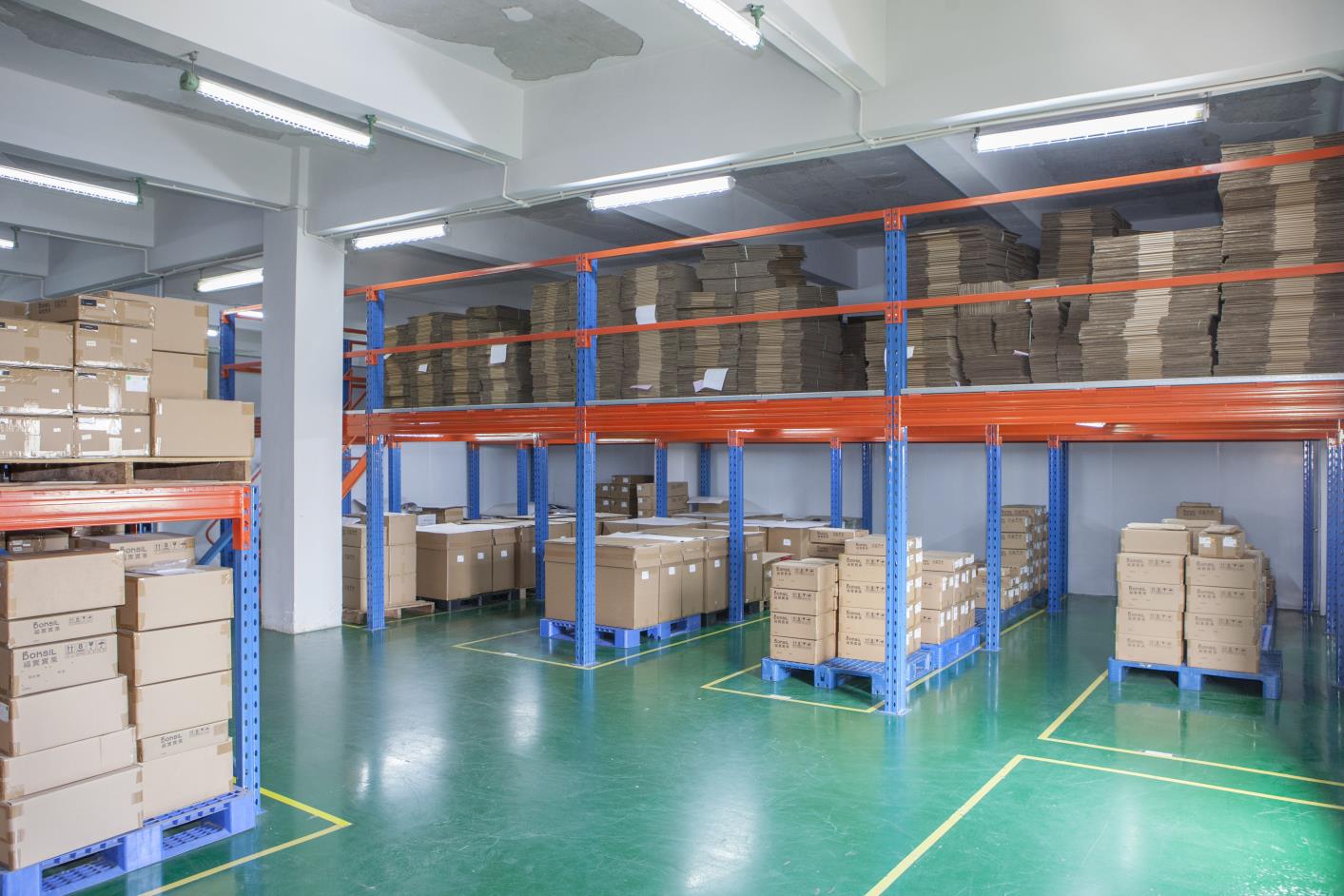
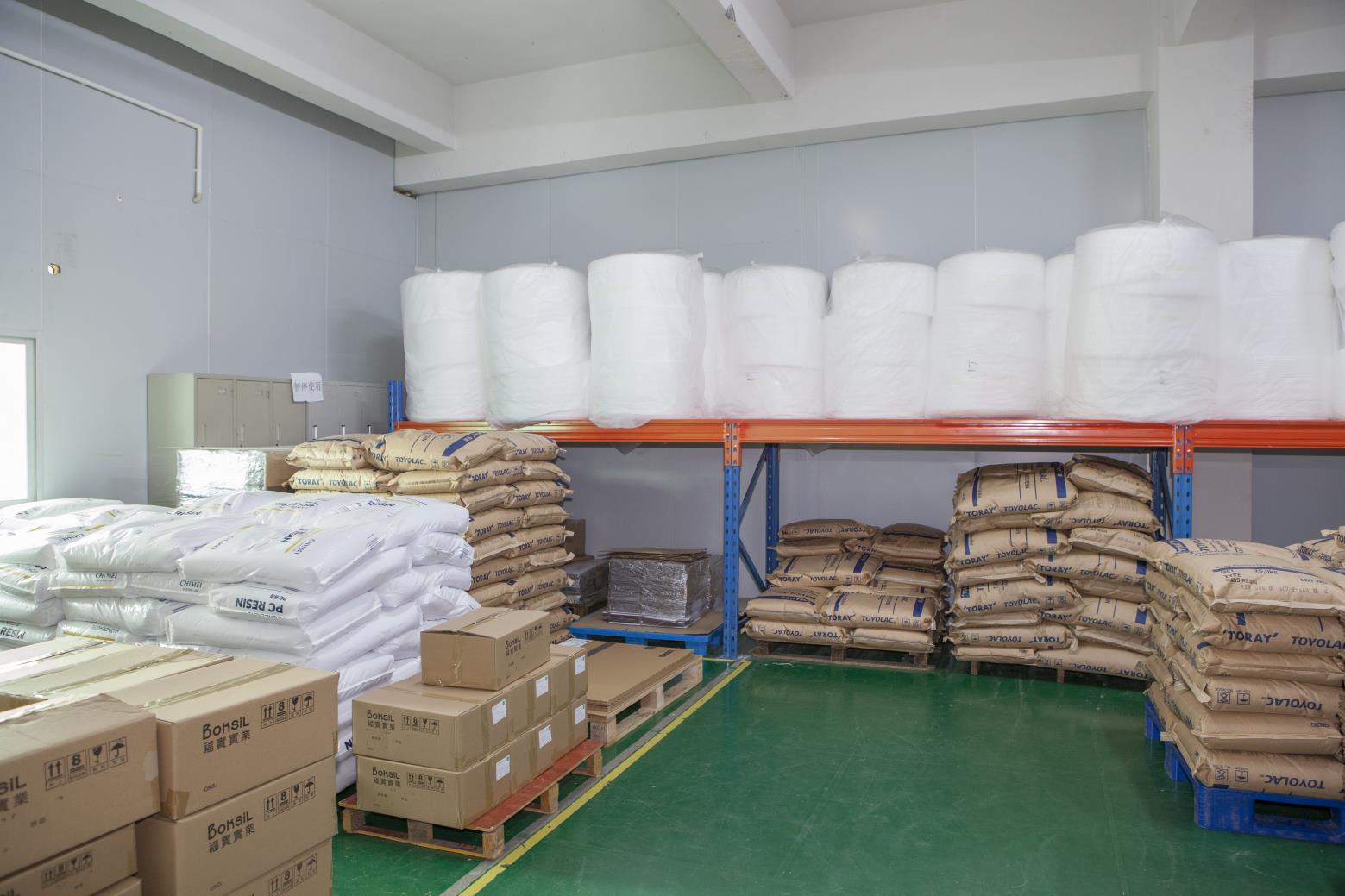
Dongguan AXRU Electronics Co., Ltd. membrane switch control panel manufacturing plant
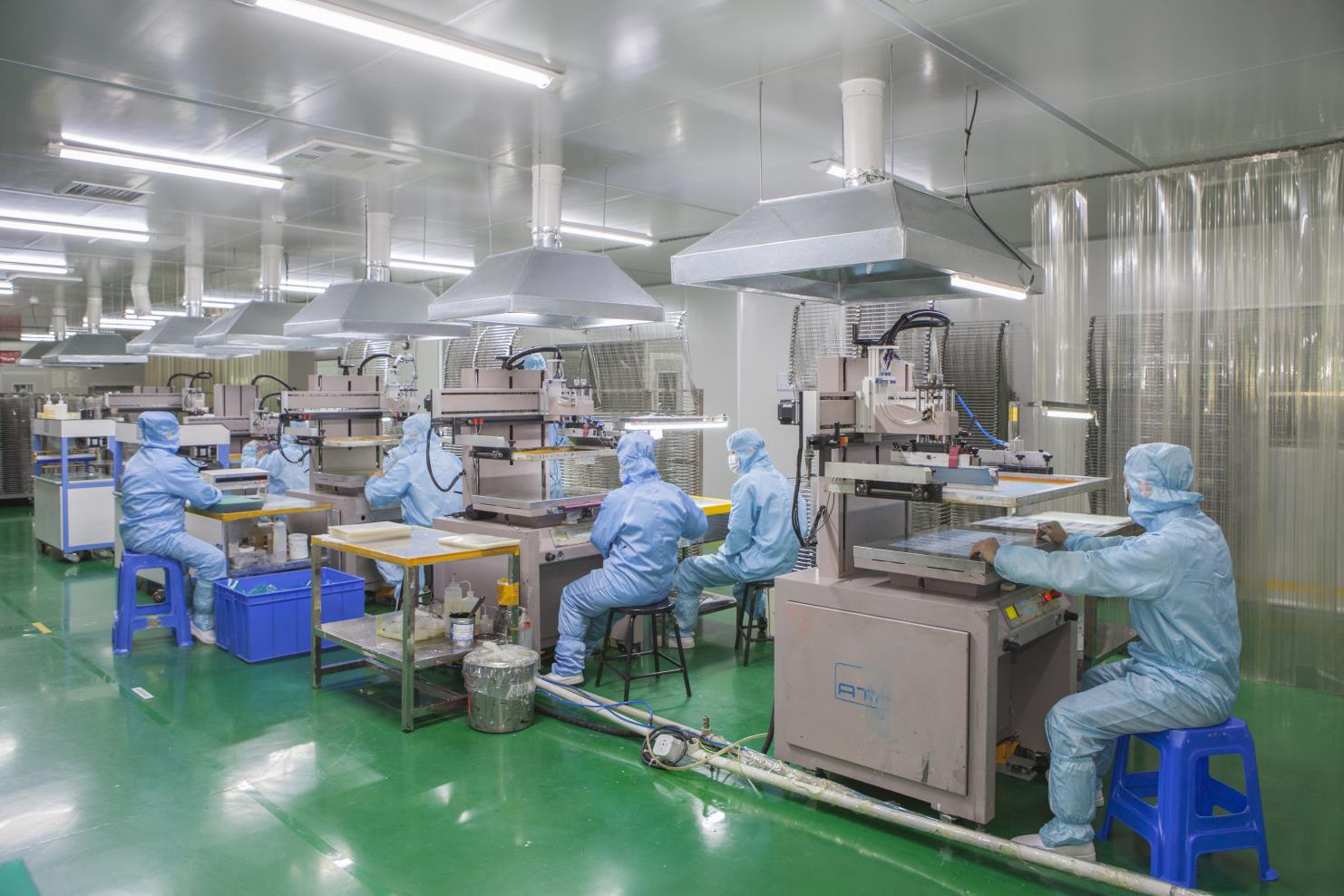
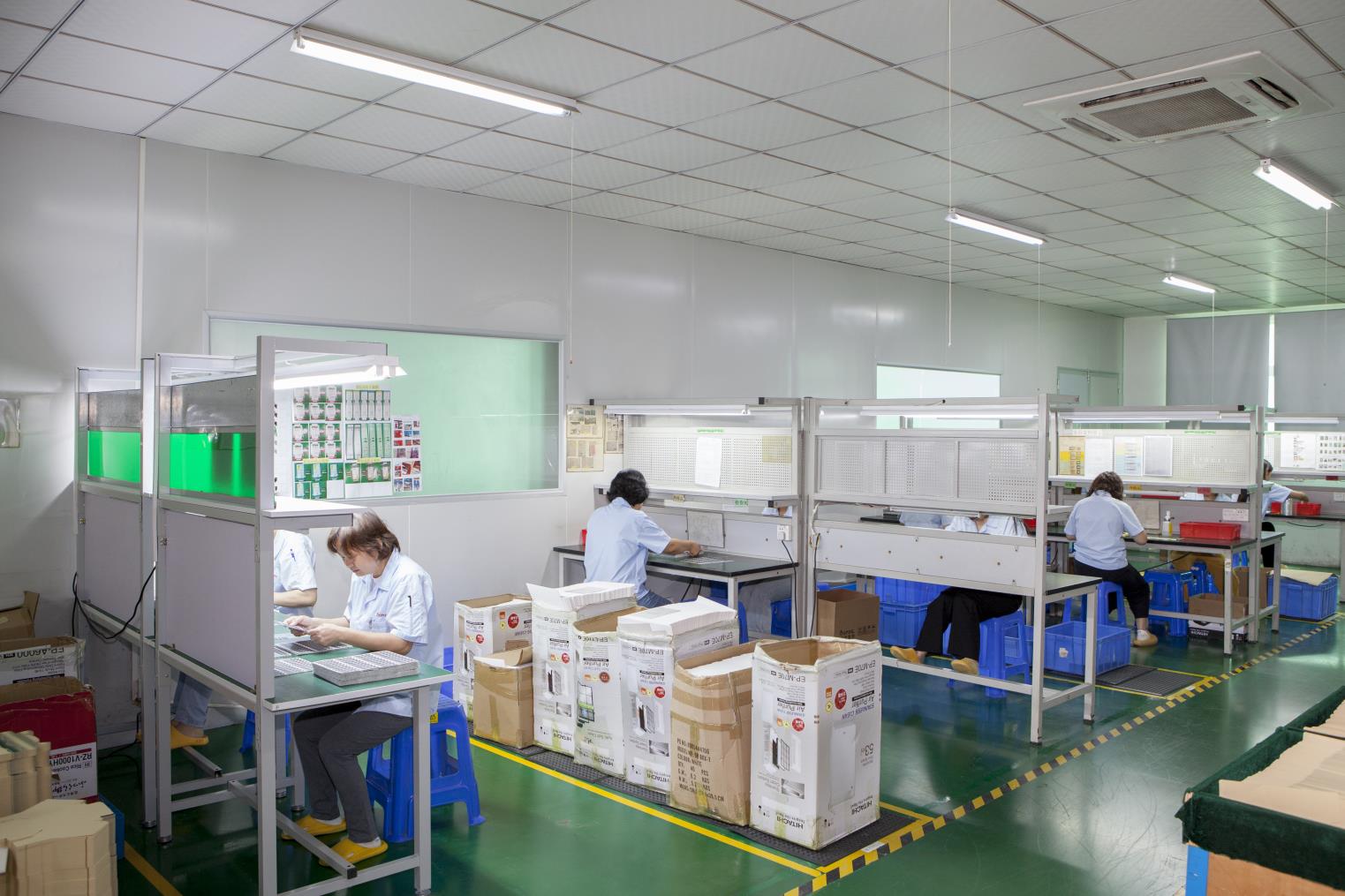
ISO certified cleanroom assembly for membrane switch control panels
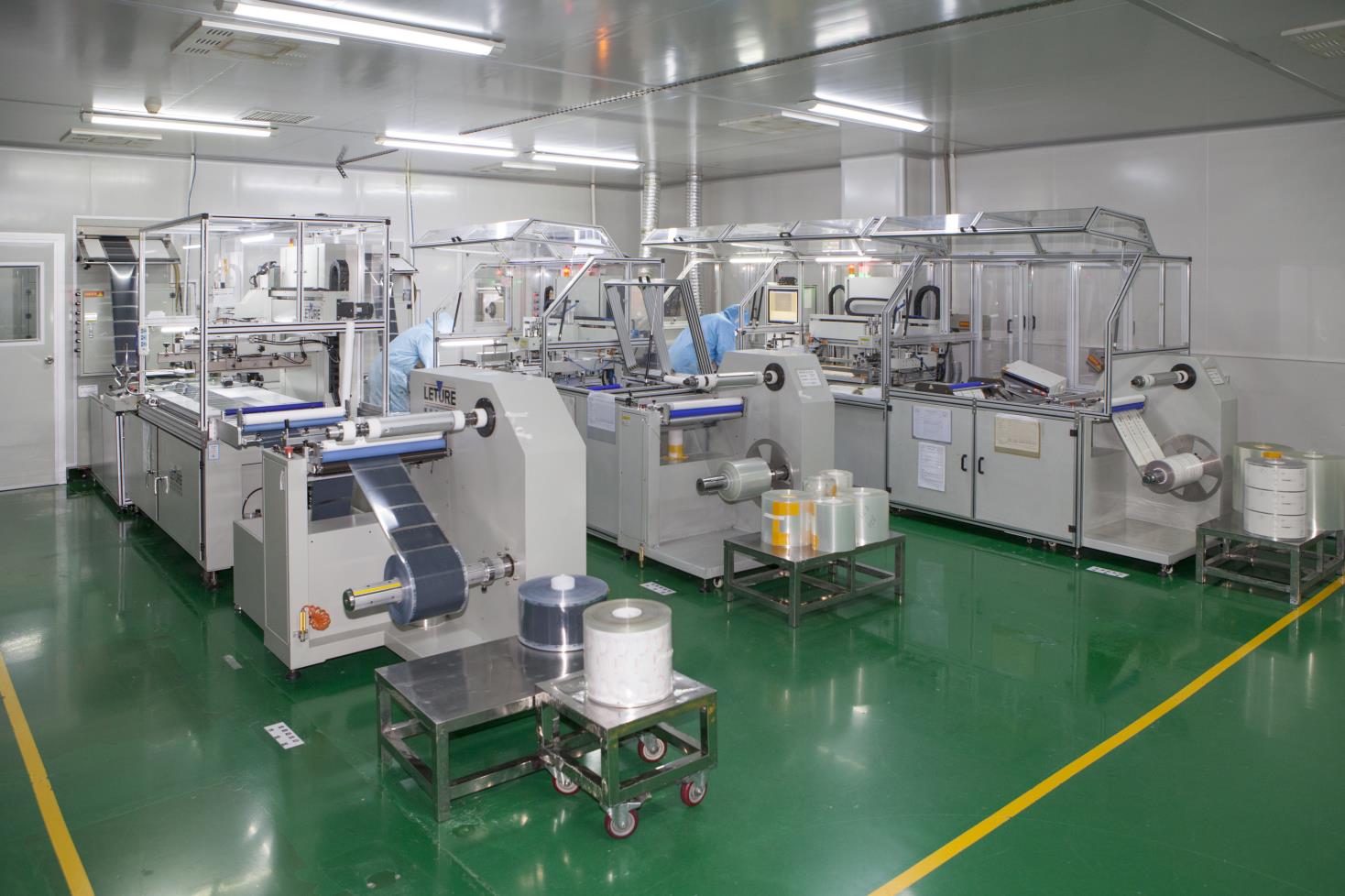
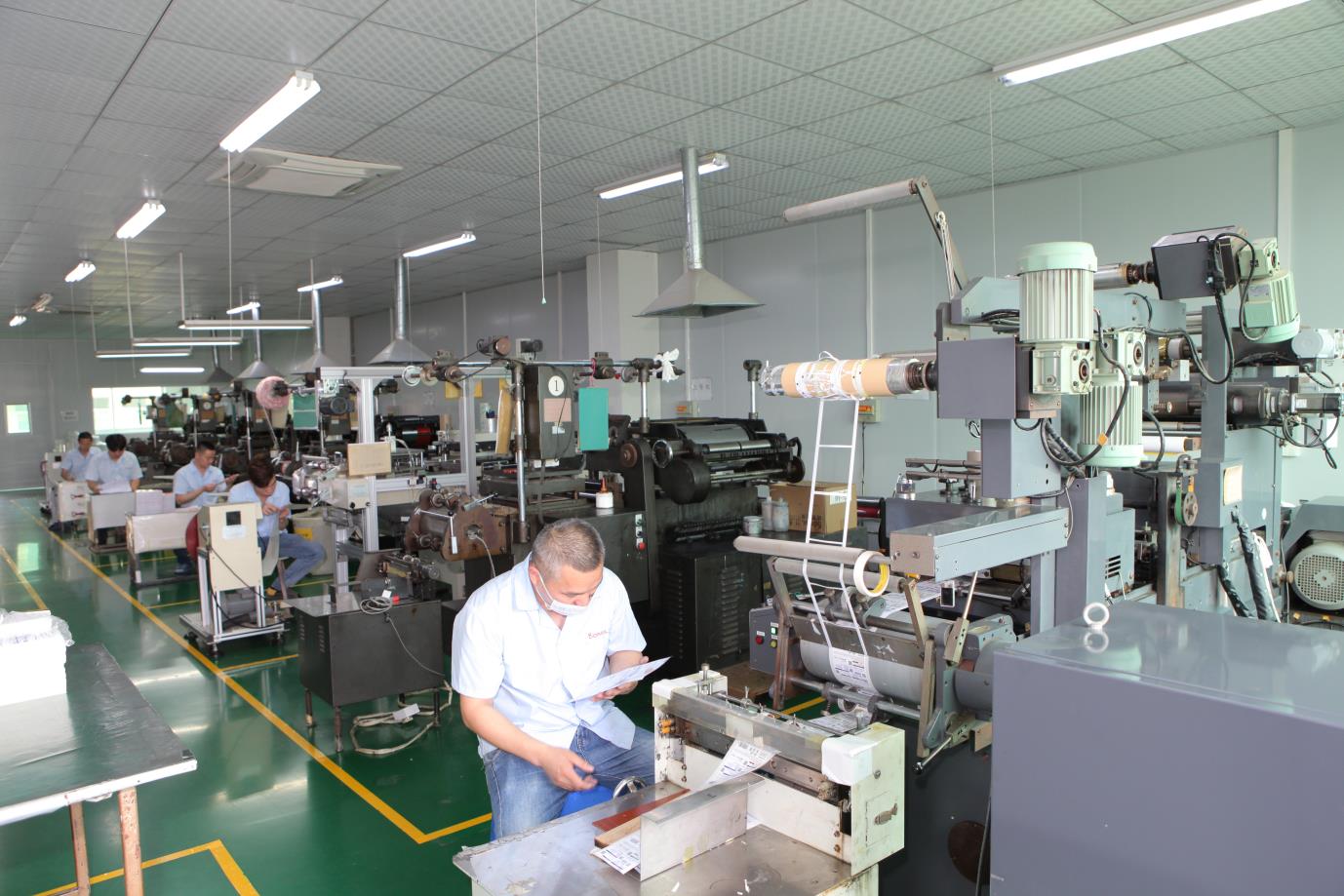
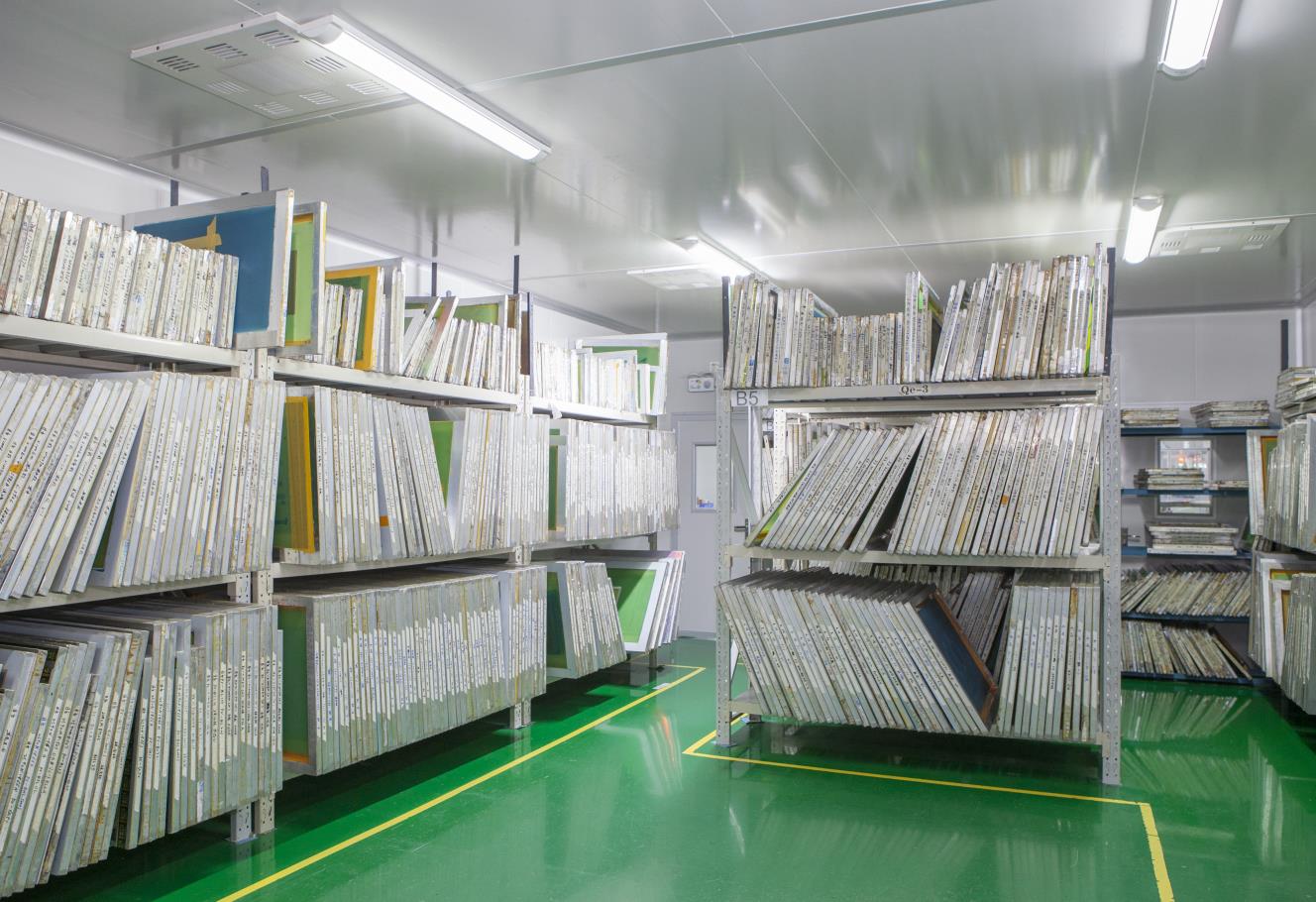
Precision silk screen printing workshop for custom graphic overlays
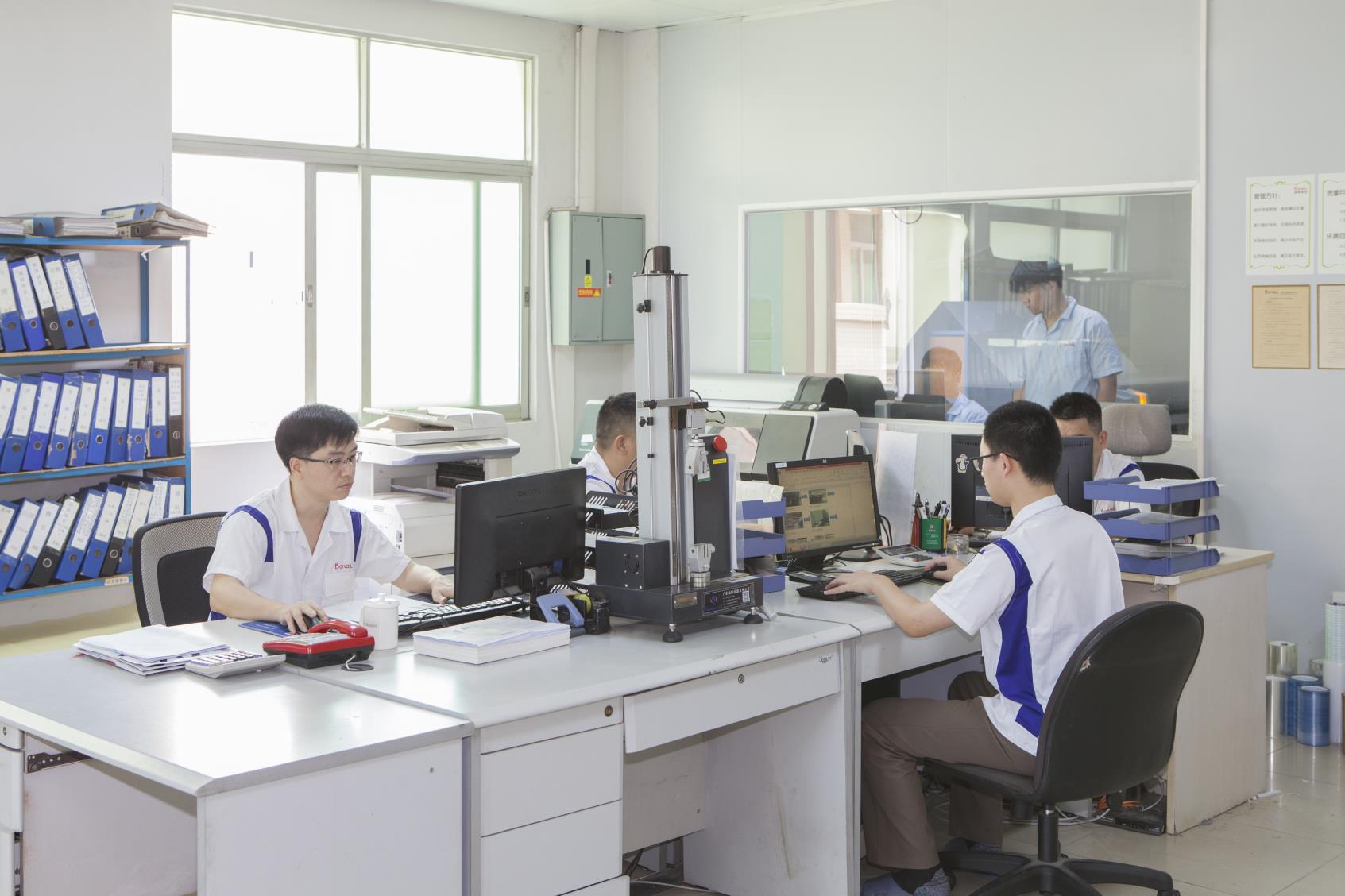
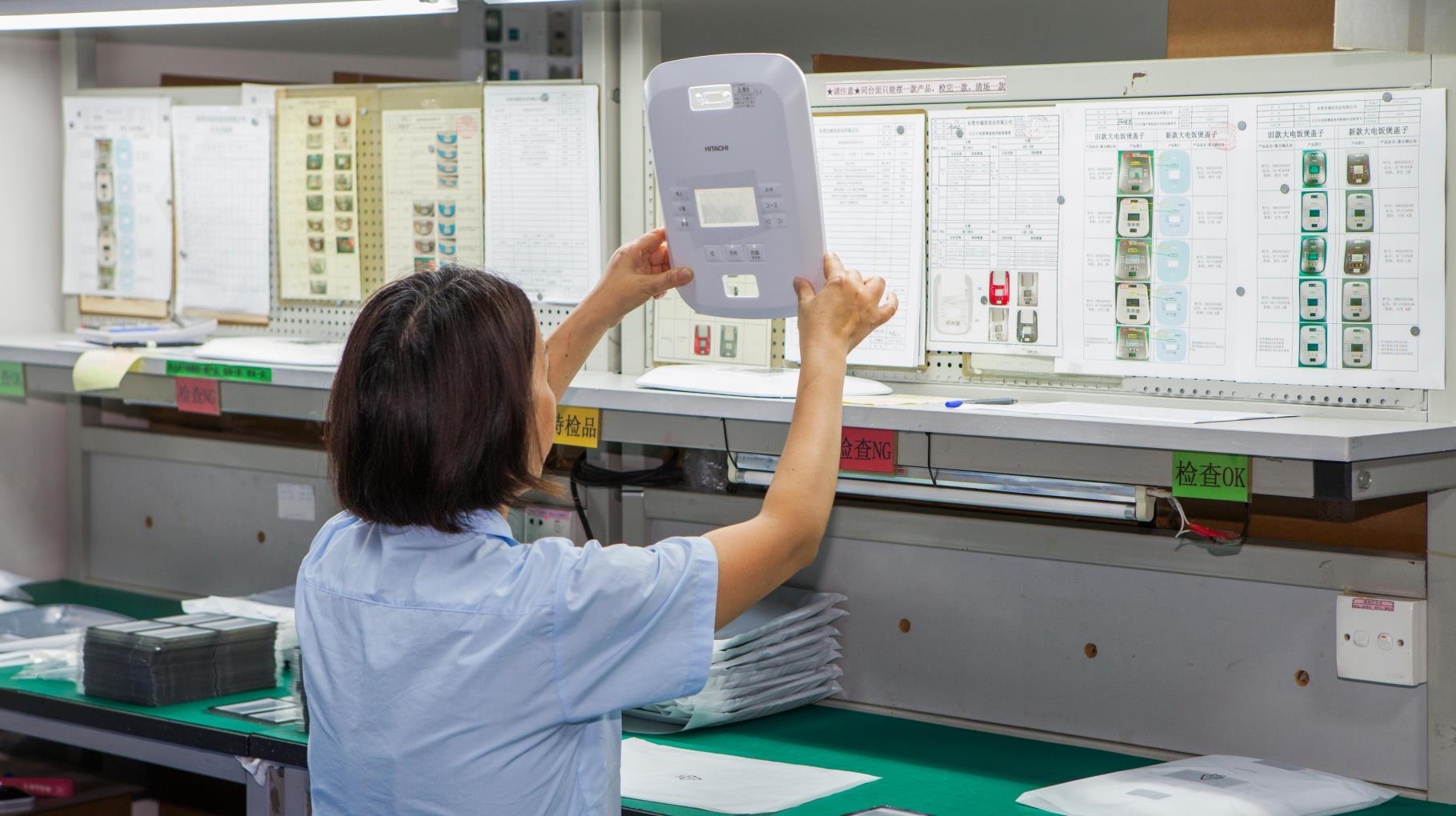
Advanced tactile testing and automated visual inspection of membrane keypads
Direct OEM / ODM Engineering Factory

Membrane Switch Control Panel: Engineering Architecture, Sourcing Guide & Technical Selection

Engineered to eliminate silver migration, withstand harsh industrial sterilants, and achieve over 5 million crisp tactile actuations. Designed, printed, laminated, and 100% electrically validated under one roof in Dongguan, China.

  • Intertek Verified Facility
  • IP65 / IP67 Hermetic Sealing
  • 5M+ Actuations Life
  • Rapid DFM in 24 Hours
10,000㎡Clean Facility
12+ YrsDirect OEM Experience
100%Electrical Testing
  • Intertek On-Site Verified
  • Fortune 500 Qualified Vendor
  • Full In-House Tooling & QC
  • Exporting to 45+ Countries
  • Direct Engineering Collaboration
Engineering Anatomy

Deconstructing the Multi-Layer Membrane Switch Control Panel

Modern industrial equipment demands far more than basic cosmetic facings. A dependable membrane switch control panel serves as an electro-mechanical human-machine interface (HMI) engineered to operate flawlessly despite corrosive cleaning agents, mechanical shocks, electrical ESD transients, and fluctuating temperatures.

Multi-Layer Precision Architecture

At Dongguan AXRU Electronics Co., Ltd., every membrane switch control panel is constructed from high-performance industrial films and adhesives stacked with optical-grade registration tolerances (±0.05mm). The standard high-reliability anatomy comprises six critical functional strata:

  • Graphic Overlay Surface: Autotype Autoflex/Autotex biaxially oriented polyester (PET) or Sabic Lexan polycarbonate (PC), sub-surface reverse screen-printed with UV-cured or solvent inks to completely eliminate cosmetic wear from friction and chemicals.
  • Top Adhesive Layer: High-performance 3M 467MP, 468MP, or 200MP acrylic adhesives with precision die-cut cavities configured to allow mechanical actuation without adhesive displacement.
  • Tactile Metal Dome Retainer Layer: Stainless steel tactile snap domes (SUS301/SUS304 with nickel or gold plating) retained within a stabilized polyester carrier matrix, generating snap forces ranging from 220g to 500g and crisp tactile feedback.
  • Precision Spacer Film: Dimensionally stable PET film engineered with vented air escapement channels that equalize internal switch chamber barometric pressure during rapid actuation while sealing against external moisture ingress.
  • Conductive Circuit Layer: Screen-printed high-density conductive silver paste (with conductive carbon ink overprinting on contact pads to prevent silver oxidation and migration), or subtractive etched copper on flexible polyimide (FPC) for ultra-low trace resistance (<1Ω).
  • Rear Support & Mounting Laminate: 3M VHB structural adhesive tape bonded to rigid backing plates (FR4, precision aluminum, stainless steel, or molded ABS/PC chassis) tailored for hermetic enclosure mounting.
AXRU precision cleanroom lamination of multi layer membrane switch control panels
Screen printing of conductive circuitry for membrane switch panels
Verified Plant10,000㎡ In-House Production
Material Selection Science

PET vs. PC Overlays & Silver vs. Copper FPC Circuits

Substrate selection dictates your interface's operational lifecycle, chemical resilience, and thermal stability. Review our empirical comparison table below before settling on engineering bills of materials.

Design Parameter Polyester (PET) Overlay Polycarbonate (PC) Overlay Silver Screen-Printed Circuit Copper-Clad Polyimide (FPC)
Flexural Fatigue Life >5,000,000 switch switch cycles without micro-cracking <100,000 switch switch cycles before embrittlement occurs 1,000,000 to 2,000,000 flex cycles under normal deflection >10,000,000 dynamic flex cycles (aerospace grade)
Chemical Resistance Resistant to IPA, bleach, ketones, detergents & fuels Prone to stress cracking upon exposure to harsh aromatic solvents Requires carbon passivating coat against atmospheric sulfur Immune to chemical vapors; protected by kapton/coverlay
Key Embossing Durability Outstanding memory retention for rim, pillow, and dome shapes Moderate embossing retention; relaxes under thermal cycling Not applicable (internal flat or preformed substrate) Not applicable (internal copper conductor layer)
Trace Resistance & Pitch Not applicable (used as graphic facestock) Not applicable (used as graphic facestock) Typical 10–50Ω trace loop; minimum pitch 1.0mm Ultra-low <1–3Ω trace loop; pitch down to 0.5mm
Component Mounting (SMD) Not applicable Not applicable Conductive epoxy bonding with thermal cure encapsulation Direct surface-mount lead-free reflow soldering (SMT)
Best Application Scenario Industrial control terminals, diagnostic medical devices, outdoor gear Indoor consumer appliances, static graphic faceplates, optical bezels Standard cost-effective HMI keypads, matrix keyboard layouts Dense routing, miniature pitch, high-density SMD LEDs, medical sensors

*Technical data generated in Dongguan AXRU Electronics Co., Ltd. testing lab using calibrated ASTM flex testers and chemical droplet incubators.

Zero-Defect Quality Chain

How AXRU Manufactures High-Precision Control Panels

From mathematical Gerber verification to class-10,000 cleanroom printing and dynamic environmental stress testing, every production phase at Dongguan AXRU Electronics Co., Ltd. is strictly controlled.

STEP 01

DFM Engineering

Automated Gerber trace analysis, vent circuit verification, switch pitch validation, and connector pin-out alignment.

STEP 02

Cleanroom Printing

High-precision silk screen printing with Pantone color-spectrophotometer matching and UV tunnel curing on stabilized PET.

STEP 03

Circuit Fabrication

Silver paste deposition, conductive carbon pad overprinting, or precision subtractive polyimide copper FPC etching.

STEP 04

Dome & SMD Mount

Automated pick-and-place of stainless steel metal domes, SMD LEDs, and current-limiting resistors with conductive bonding.

STEP 05

Optical Lamination

Laser-calibrated layer registration bonding under pneumatic vacuum pressure to eliminate air bubbles and micro-voids.

STEP 06

100% Inspection

Automated continuity, short-circuit, loop resistance, tactile force-displacement, and environmental seal validation.

Enterprise Credentials

Why Global Industrial OEMs Partner with AXRU

Operating a modernized 10,000㎡ manufacturing compound with 121 skilled technicians in Dongguan, China, Dongguan AXRU Electronics Co., Ltd. provides certified quality control, engineering agility, and dependable turnkey delivery.

Reliability Laboratory

Calibrated In-House Testing Equipment

Every production batch is subjected to comprehensive electromechanical and environmental stress testing in our in-house QC laboratory.

100% Electrical and visual inspection apparatus

100% Inspection

Microprocessor-controlled testing verifying continuity, contact bounce (<5ms), contact loop resistance, insulation (>100MΩ @ 100V DC), and LED forward voltage.

Tensile testing machine for adhesive peel strength

Tensile Testing Machine

Measures 180° peel strength of 3M adhesive layers and tail pull-off retention forces according to ASTM D3330 to ensure zero delamination in the field.

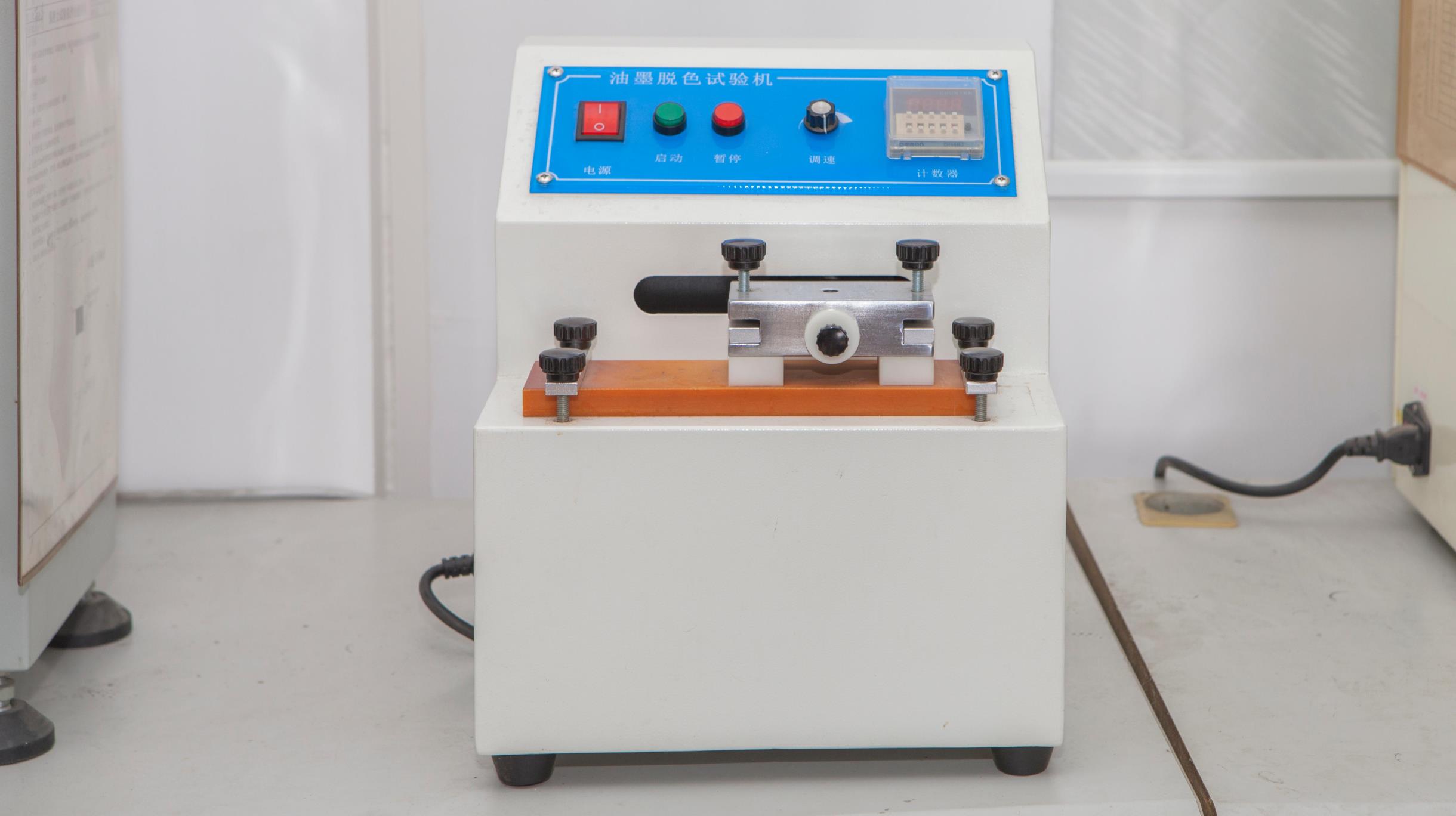
Ink decolorization testing machine for graphic overlay rub resistance

Ink Decolorization Tester

Norman Crockmeter and RCA abrasion testing with industrial solvents (isopropanol, acetone, mineral oil) ensuring graphic symbols endure harsh wipe-downs.

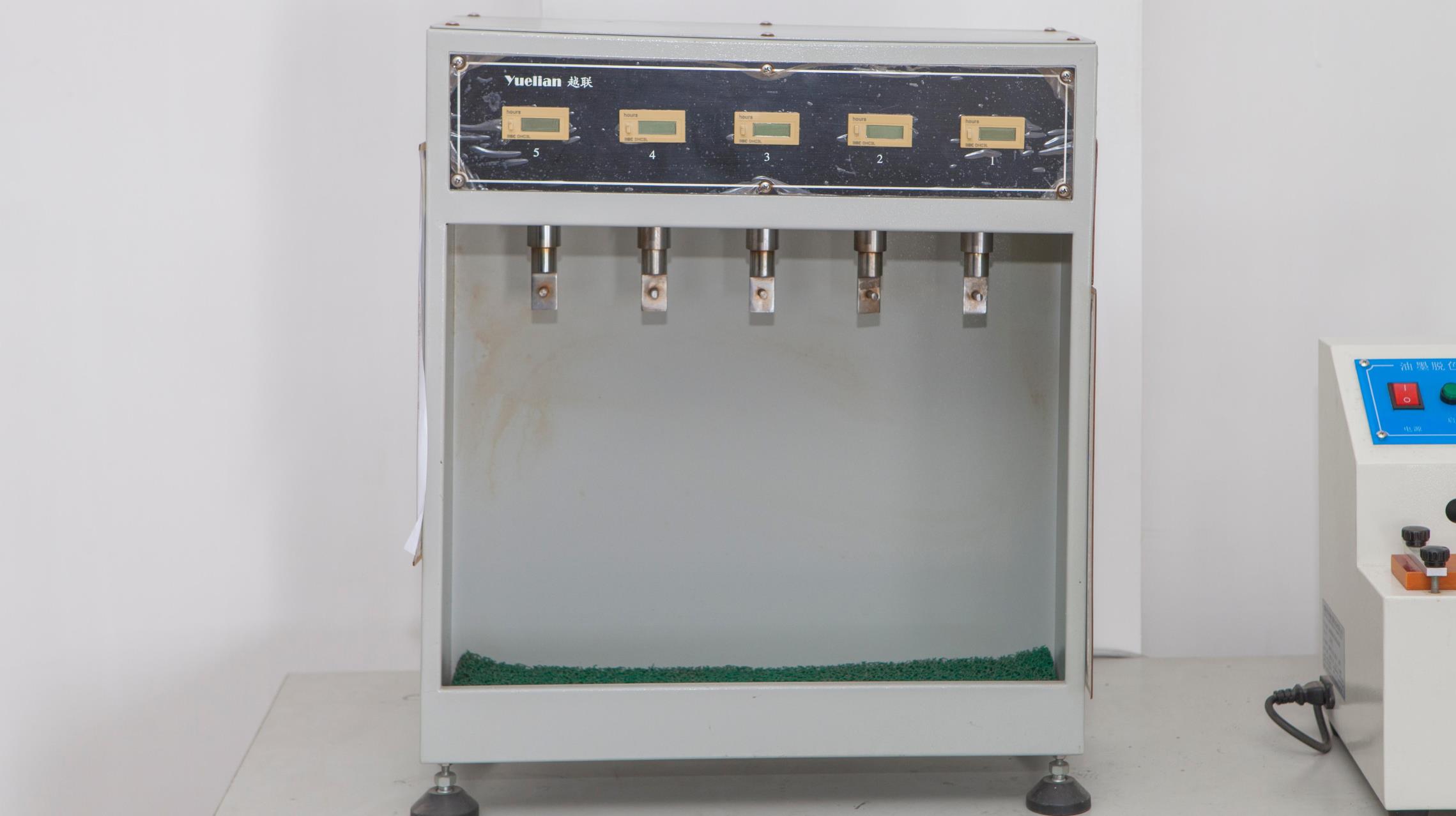
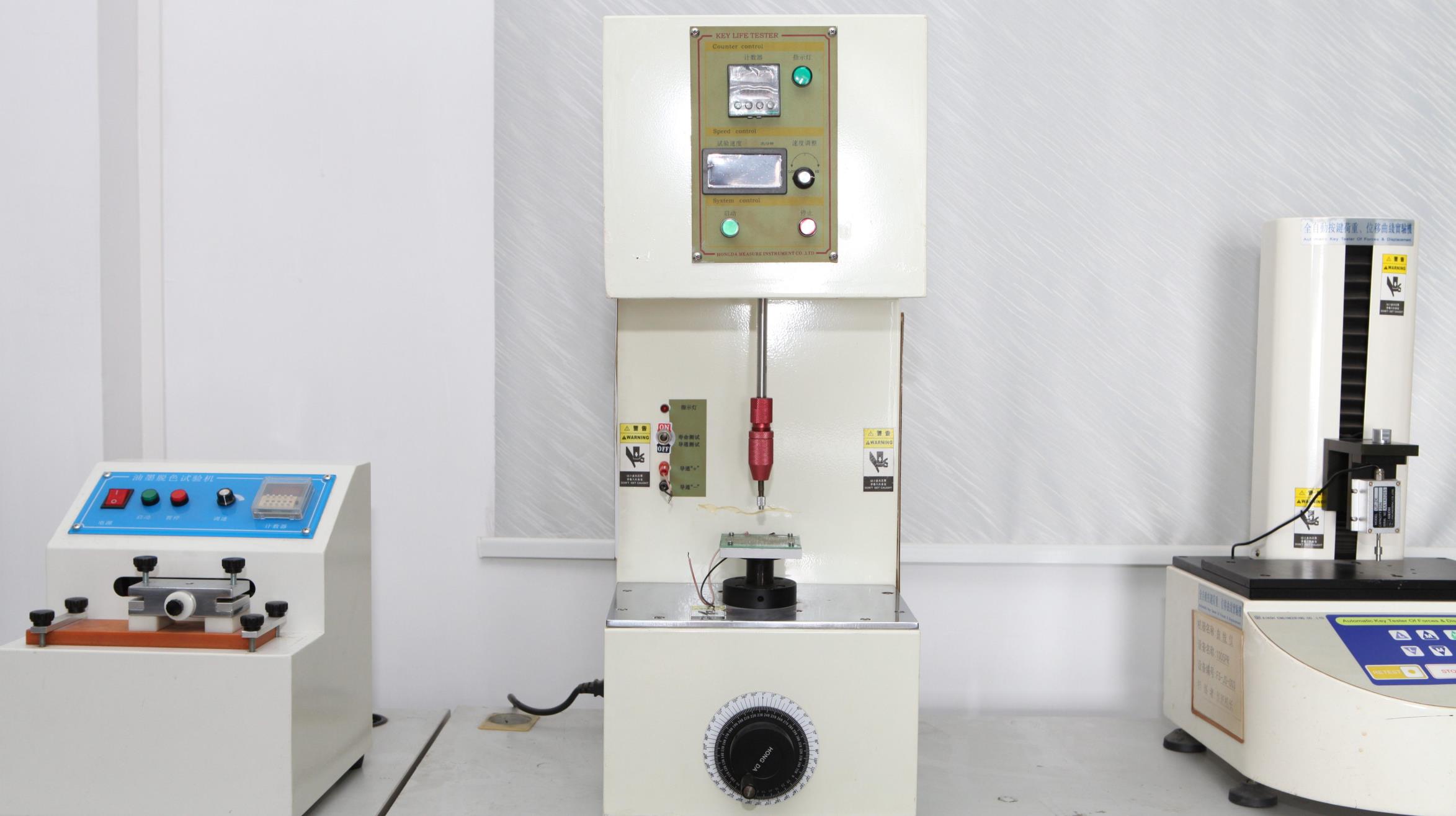
Key life tester for switch endurance

Key Life Tester

Multi-station pneumatic cycle testers cycling switch contacts up to 5,000,000 actuations at 3–5 Hz to record dome fatigue curves and mechanical degradation.

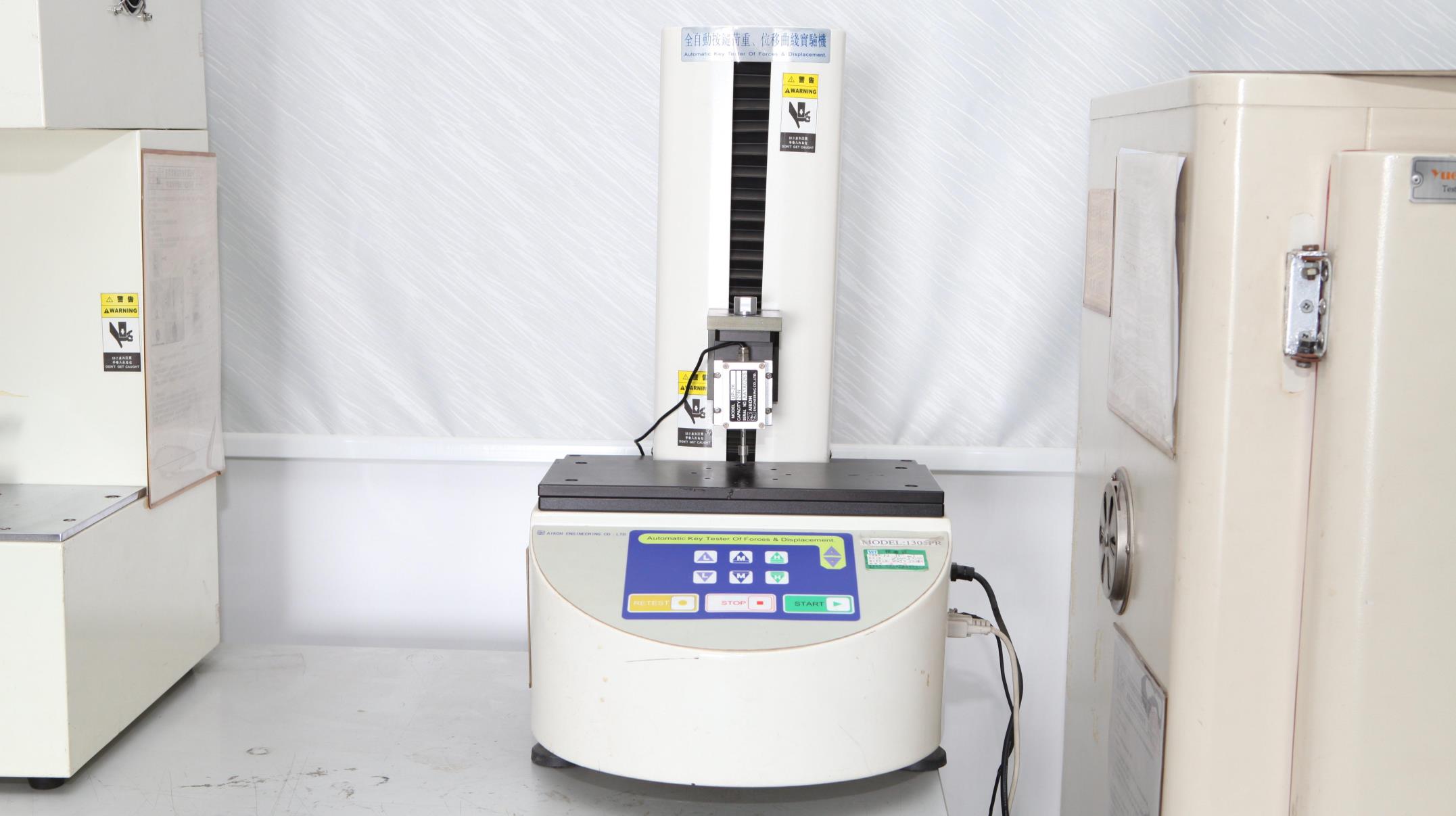
Automatic key tester of forces and displacement

Force & Displacement Tester

High-resolution load cell measuring switch snap ratio, pre-travel distance, actuation force (F1), contact force (F2), and return click tactile profiles.

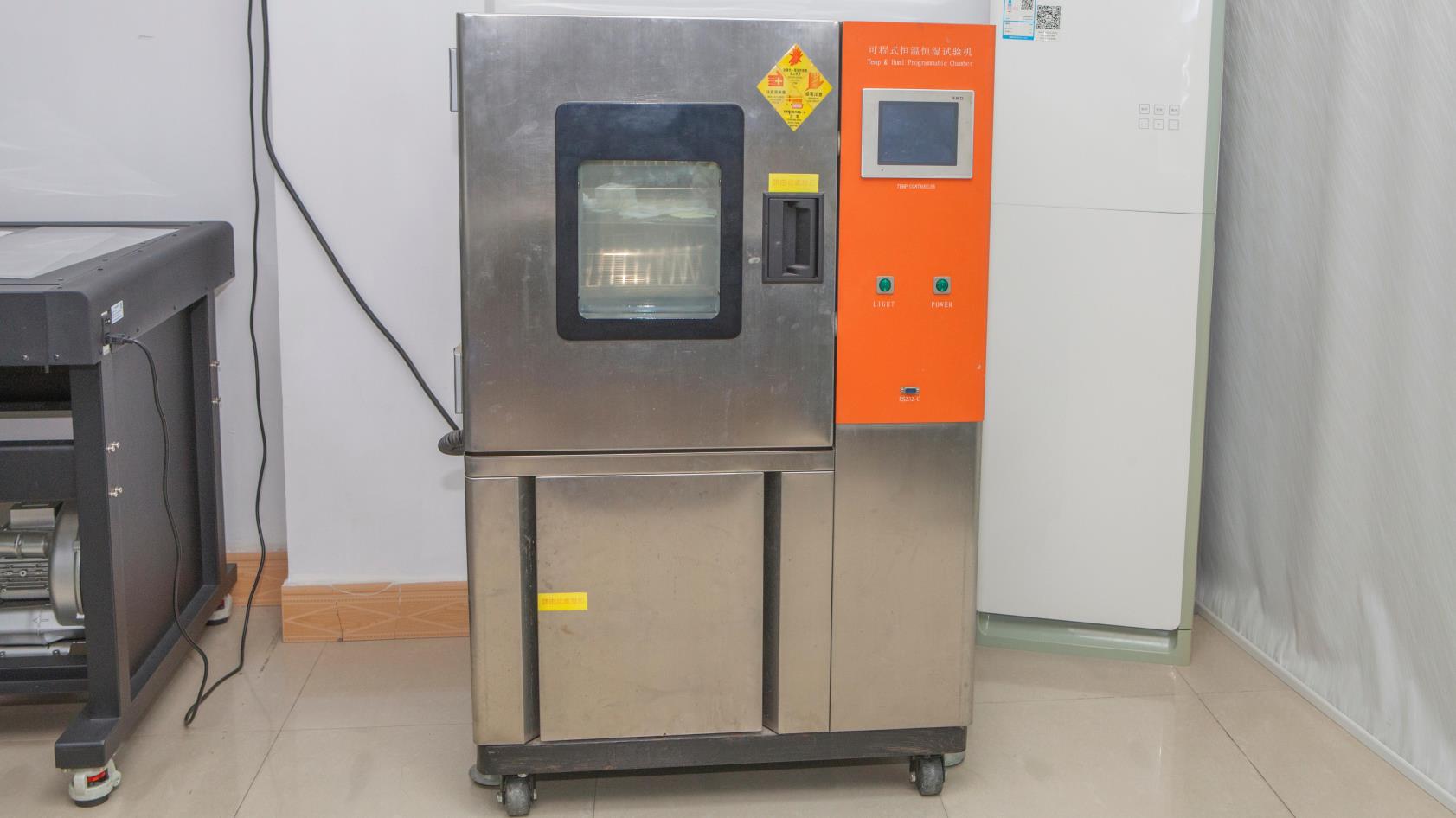
Temperature and humidity programmable chamber

Temp. & Humidity Chamber

Thermal cycling from -40°C to +85°C with 95% relative humidity testing under constant bias voltage to verify silver migration immunity and sealing integrity.

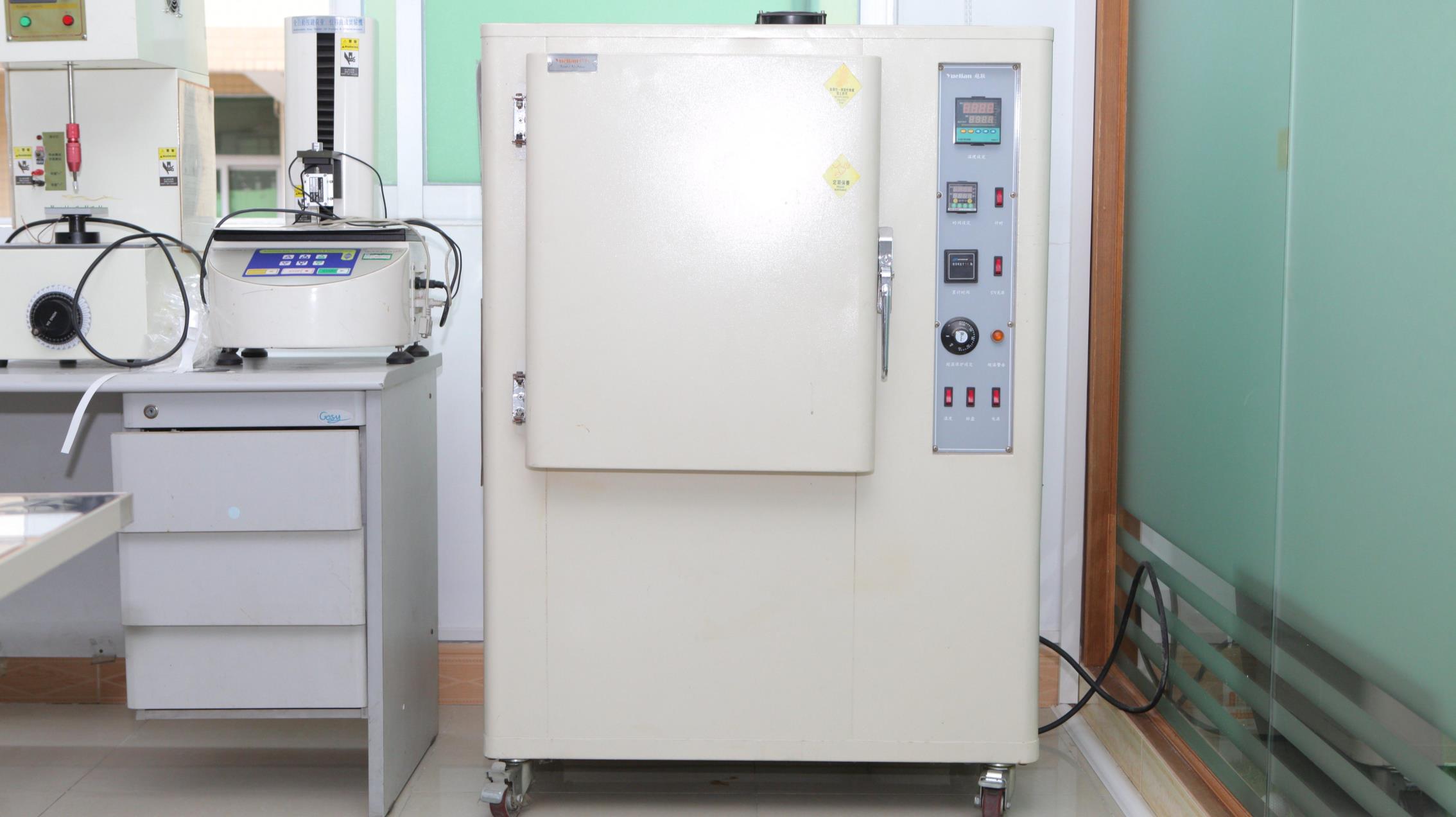
Yellowing resistance testing machine for UV exposure

Yellowing Resistance Tester

Calibrated accelerated Xenon and UV exposure lamps confirming that graphic overlay colors and clear display windows maintain optical clarity without yellowing.

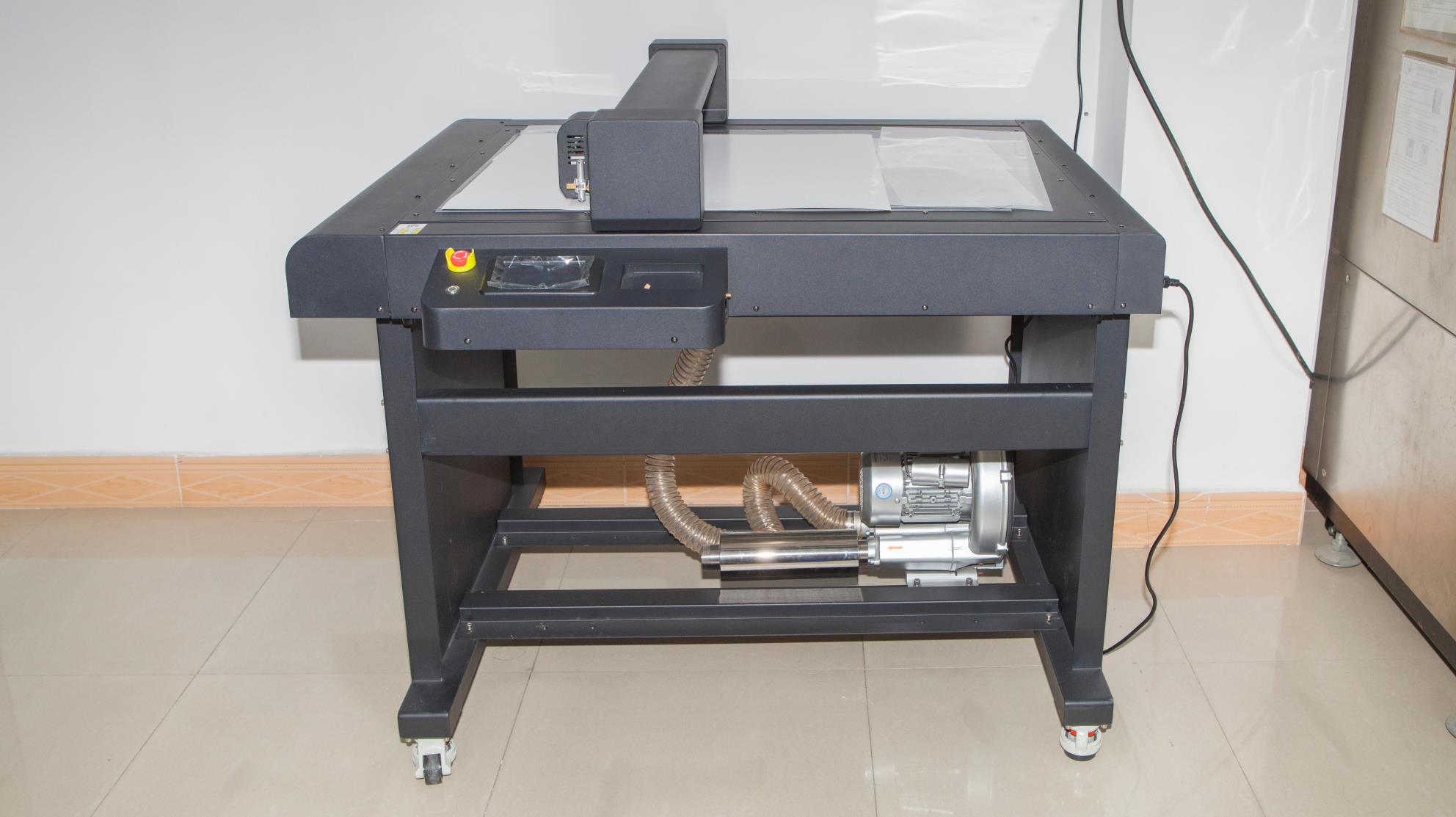
Sample making machine for rapid prototyping

Sample Making Machine

High-precision digital flatbed cutters and UV printers capable of delivering functional engineering prototypes in 5 to 8 working days without steel tooling costs.

Flatbed die cutting machine for membrane switch manufacturing

Flatbed Die Cutting Machine

Steel rule die and etched die precision cutting maintaining outline tolerances within ±0.1mm, ensuring seamless assembly into your device's injection-molded bezel.

Procurement FAQ

Frequently Asked Questions on Membrane Switch Sourcing

Addressing the technical, financial, and logistical inquiries frequently raised by procurement specialists, hardware designers, and sourcing managers.

What design factors determine the actuation feel and tactile response of a membrane switch control panel?

The tactile response is primarily governed by four parameters: the shape and metallurgy of the tactile snap dome, the embossing profile of the polyester overlay, the thickness of the top adhesive spacer, and whether an acrylic actuator dot is incorporated. Four-legged stainless steel domes (SUS301 with nickel or gold plating) deliver the most distinct tactile "click" (tactile snap ratio typically between 40% to 60%). Non-tactile switches offer zero click feel and rely on audible system beeps or visual LED indicators. For gloved operation in industrial or clinical settings, AXRU recommends utilizing large-diameter domes (>12mm) with an actuation force between 350g to 450g paired with rim-embossed polyester overlays.

How does Dongguan AXRU Electronics Co., Ltd. prevent silver migration in humid operating environments?

Silver migration is an electrochemical dendrite growth phenomenon occurring across conductive silver traces subjected to DC bias voltage and moisture ingress. AXRU prevents this through three proven engineering approaches: First, we coat all conductive silver switch contact pads with an overprinted layer of carbon conductive ink, physically insulating the silver from electrical arcs and atmospheric exposure. Second, we integrate full-perimeter continuous 3M adhesive perimeter gaskets with internal closed-loop breathing channels, preventing ambient moisture from penetrating the switch chambers. Third, for mission-critical medical or marine applications, we substitute silver traces entirely with subtractive etched copper-clad polyimide (FPC) circuitry protected by heat-laminated Kapton coverlays, providing 100% immunity against silver dendrite formation.

What engineering documentation and CAD files are required to generate an accurate DFM review and quotation?

To deliver a comprehensive DFM (Design for Manufacturability) analysis and formal quotation within 24 hours, our engineering team requires: (1) 2D vector graphic artwork files (Adobe Illustrator .AI, CorelDRAW .CDR, Vector .PDF, or .DXF) with explicit Pantone PMS or RAL color call-outs and designated transparent window zones; (2) Mechanical layer stack-up drawing specifying overall dimensions, cutout locations, tail length, and connector pitch (1.0mm, 1.27mm, or 2.54mm pitch); (3) Circuit schematic or netlist showing pin-out assignments and matrix or common-bus logic; and (4) Environmental and operational requirements including IP rating (IP65, IP67), operating temperature envelope, ESD shielding requirements, and backlighting specifications.

What are the differences between screen printing and digital printing for graphic overlays?

Screen printing utilizes precision woven mesh stencils to deposit heavy coats of solvent or UV-curable inks onto the reverse side of transparent films. It provides unmatched color opacity, precise Pantone spot-color repeatability, superior light-blocking (critical for dead-front LED windows), and maximum resistance to UV fading, making it ideal for medium-to-large production runs. Digital UV flatbed printing applies ink micro-droplets without physical printing screens, making it ideal for rapid prototyping (5–10 samples), photo-realistic full-color photographic gradients, and serialized variable barcodes. For volume manufacturing, AXRU frequently combines digital printing for complex multi-color logos with solid screen-printed backup white flood coats to ensure high opacity.

How can membrane switch control panels be protected against severe Electrostatic Discharge (ESD)?

Static charges generated by human operators can reach 15kV to 25kV, which can destroy sensitive microcontrollers if allowed to discharge into the switch circuit. AXRU engineers dedicated ESD/EMI/RFI shielding layers directly into the membrane panel stack-up. We deposit a full-coverage conductive silver grid layer or laminate an aluminum foil shield positioned directly below the graphic overlay and separated from the main circuit by a dielectric barrier. This shielding layer is tied to the circuit ground through a dedicated connector pin or perimeter chassis grounding tab, shunting static surges safely away from active microcontroller signal traces.

What is the minimum order quantity (MOQ) and sample lead time at AXRU?

Our standard minimum order quantity (MOQ) for custom membrane switch control panels is 100 units, accommodating prototype evaluations, pilot production runs, and low-to-medium volume specialized machinery runs. For new engineering projects, we offer rapid prototyping services producing 5 to 10 functional samples within 5 to 8 working days utilizing digital printing and laser cutting techniques. Mass production orders requiring hardened steel stamping dies and multi-layer screen sets are typically delivered within 15 to 20 working days following first-article prototype sign-off.

Need a Precision Membrane Switch Control Panel Engineered for Your System?

Consult directly with our Dongguan engineering department. We evaluate your mechanical drawings, propose optimized layer stack-ups, eliminate failure modes, and supply verified prototypes within days.

Send your design files to our direct technical desk: [email protected]

Inquire Now Contact Technical Team