Dongguan AXRU Electronics Co., Ltd. Flexible Printed Circuit Membrane Switch Production
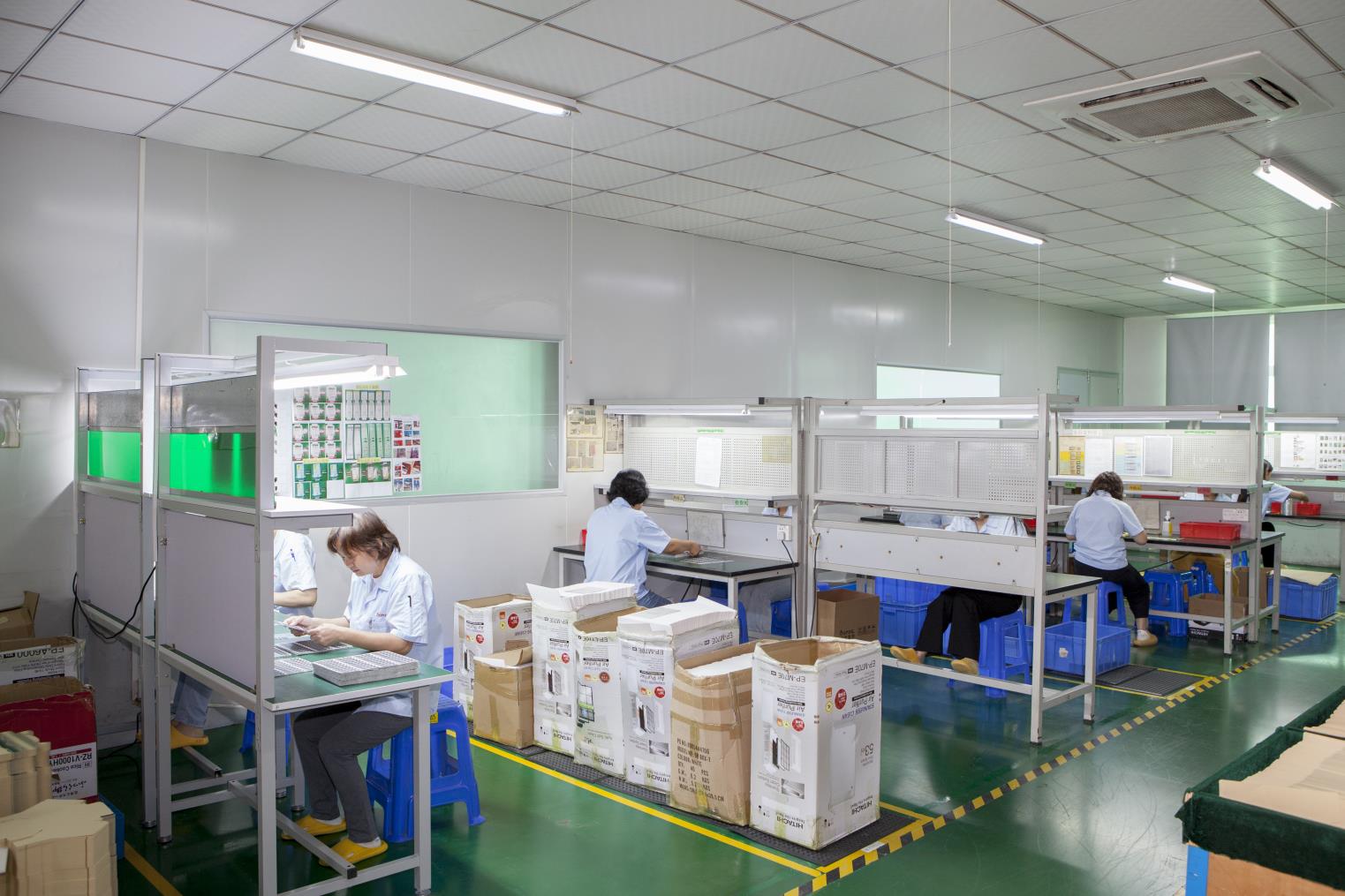
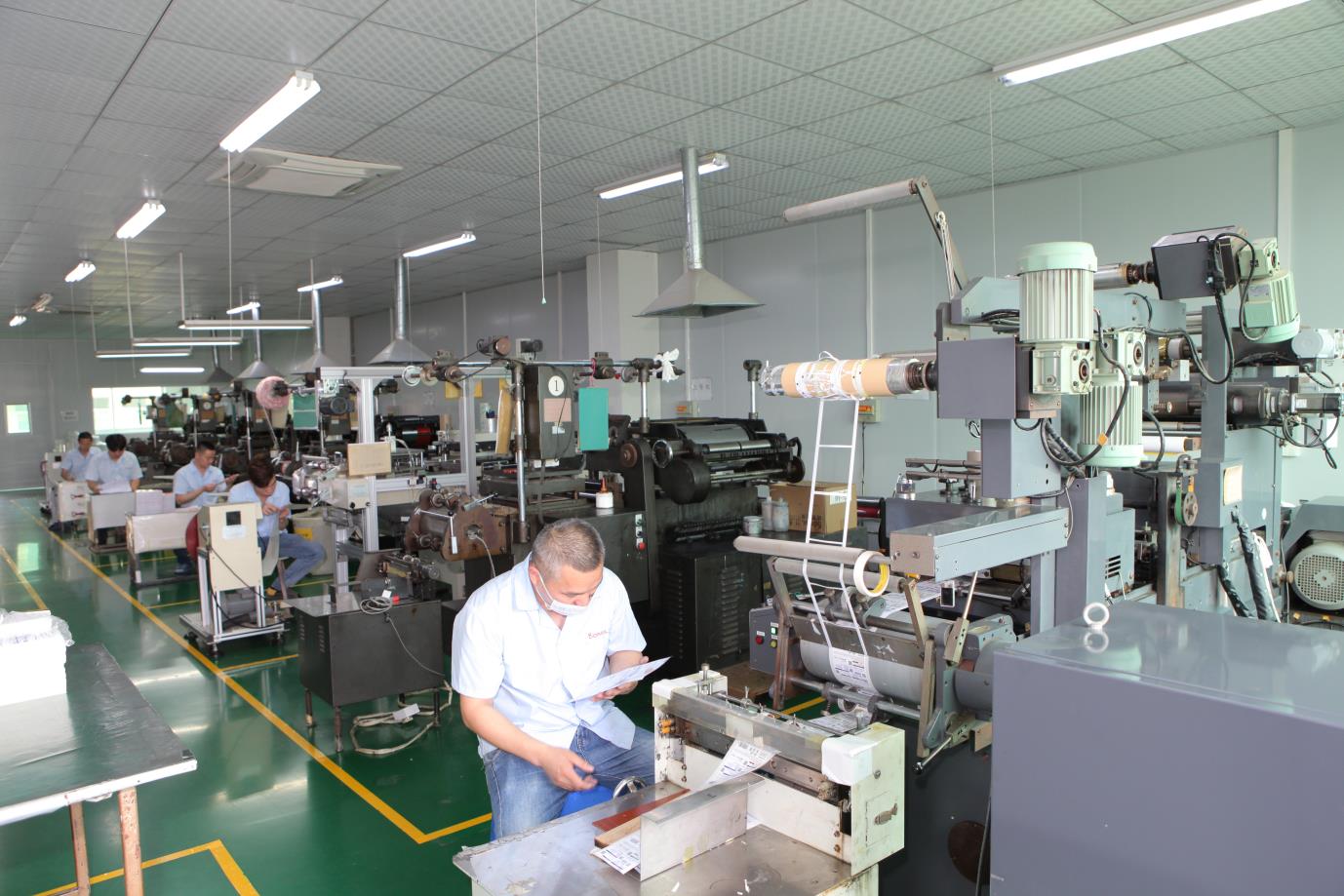
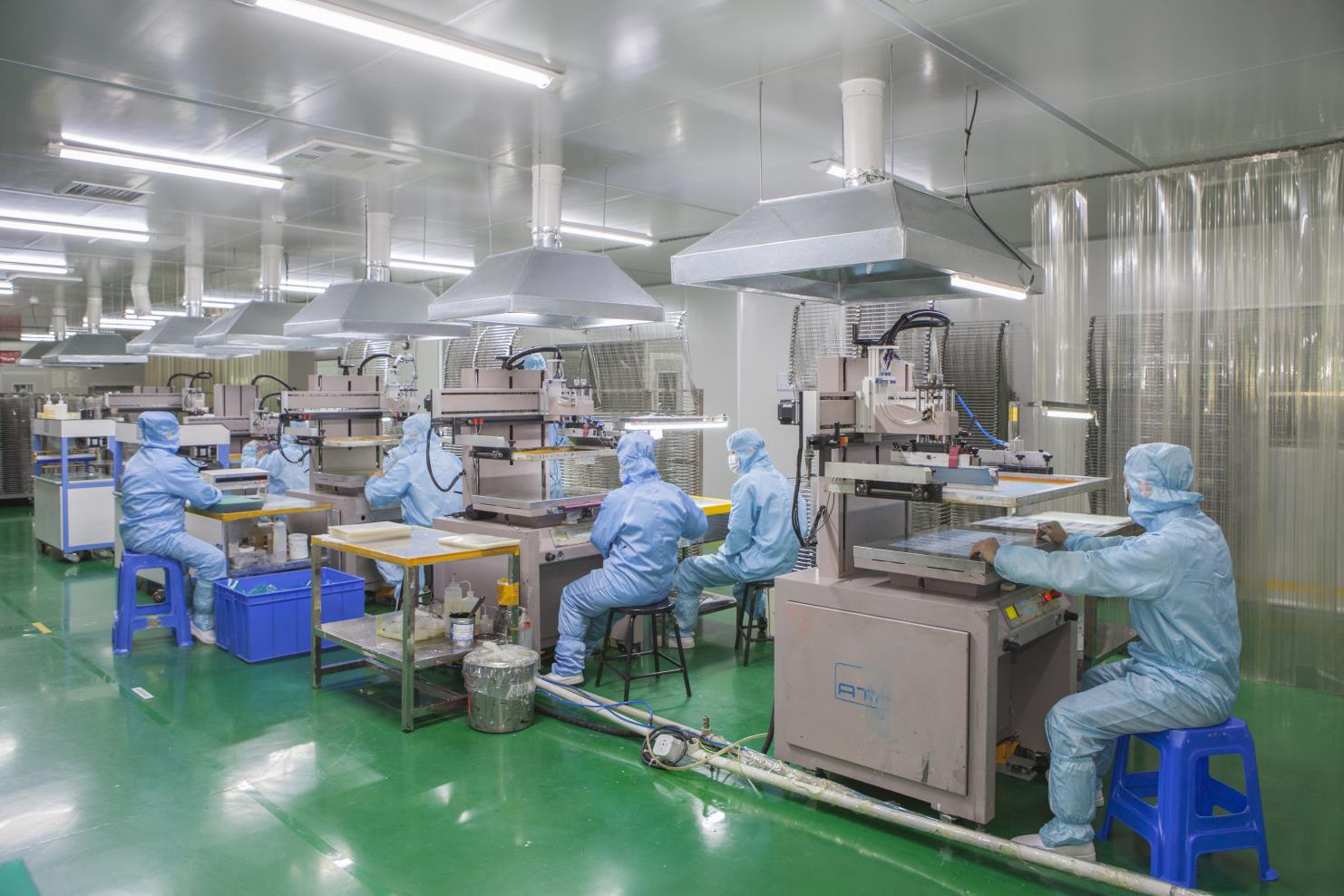
Precision cleanroom assembly for FPC membrane keypads
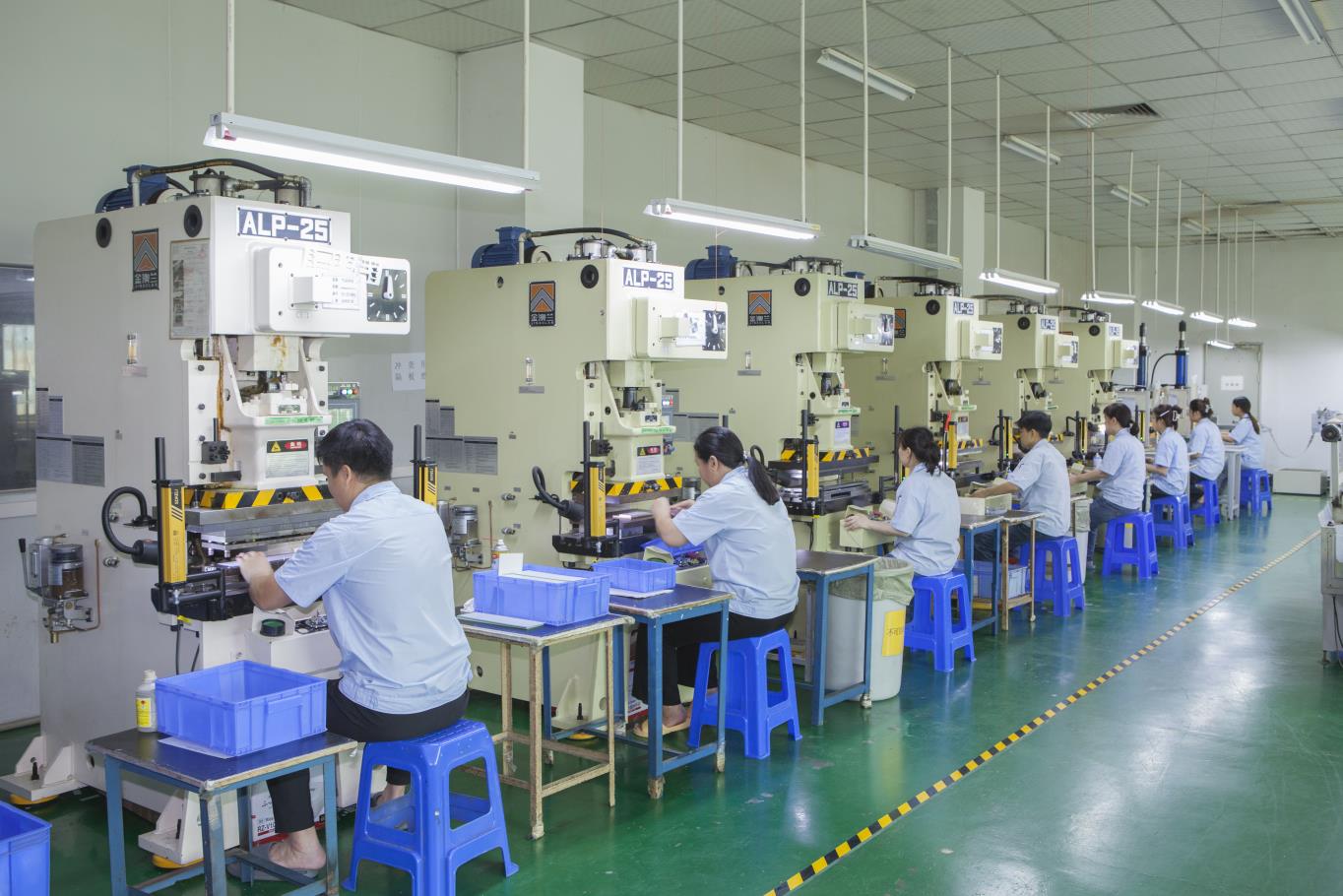
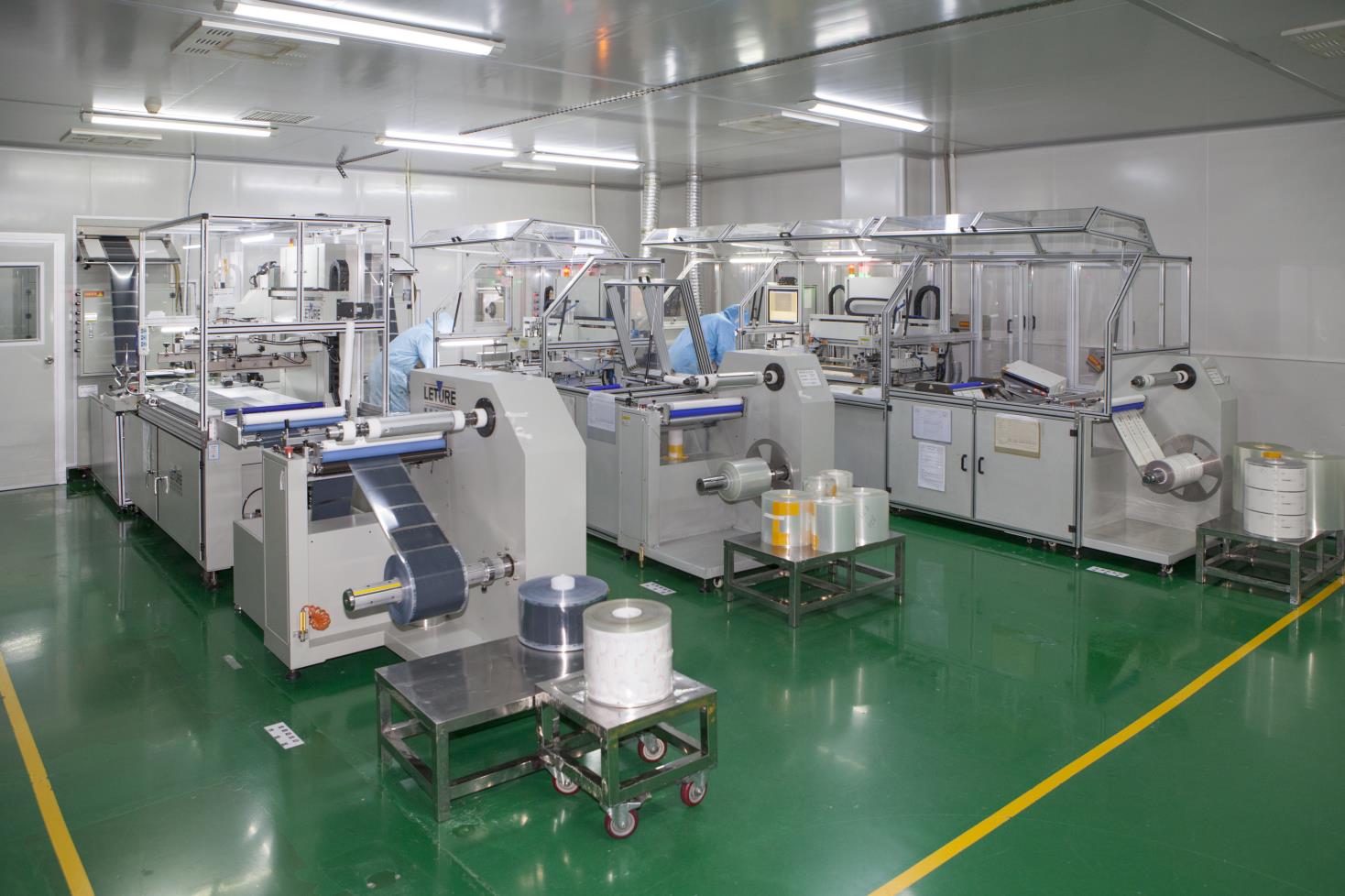
Advanced FPC circuit fabrication workshop
Engineering-Grade HMI Solutions

Flexible Printed Circuit Membrane Switch: The Definitive Engineering & Sourcing Guide for OEM Buyers

Why are global hardware developers abandoning traditional silver-screened PET in favor of high-density copper FPC circuitry for mission-critical medical, industrial, and mil-spec control interfaces?

  • Zero Silver Migration
  • 0.5mm High-Density Pitch
  • Solderable SMT Components
10,000㎡Plant Area
< 1.0 ΩLoop Resistance
IntertekVerified Facility
  • Zero Silver-Migration Risk
  • Fortune 500 Qualified Vendor
  • 100% In-House Cleanroom Build
  • 10+ Yrs Precision Exporting
  • Direct Engineering DFM
Enterprise Manufacturing Heritage

Dongguan AXRU Electronics Co., Ltd.: Precision Engineering for Critical Human-Machine Interfaces

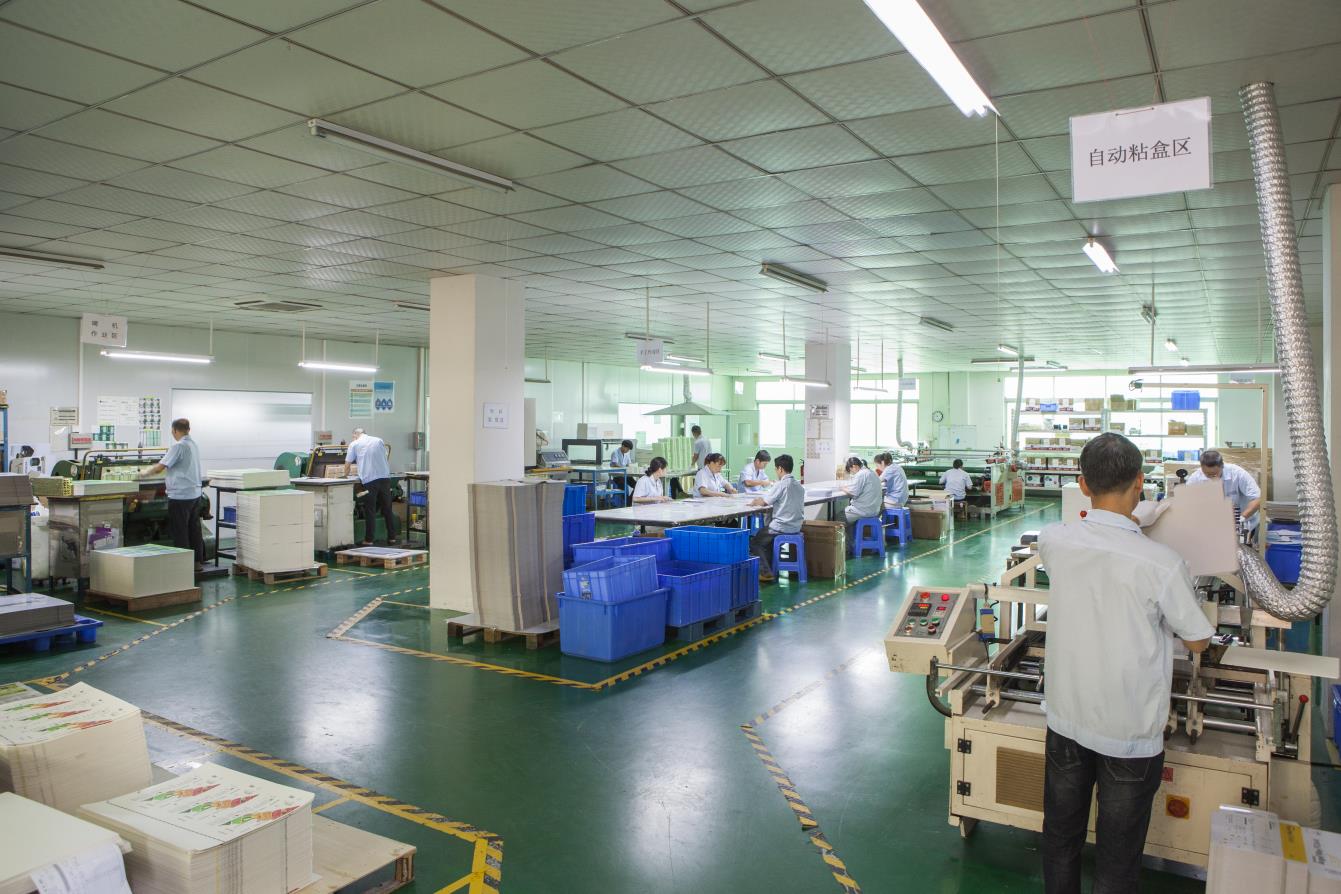
At Dongguan AXRU Electronics Co., Ltd., we recognize that interface switches are not mere mechanical covers; they are the frontline operational core bridging human intent and complex electronic hardware. As an internationally certified high-tech manufacturer headquartered in Dongguan, China, we operate an advanced 10,000㎡ vertically integrated industrial facility staffed by 121 skilled engineers, toolmakers, and technicians, independently audited and verified on-site by Intertek.

Specializing in high-reliability Flexible Printed Circuit Membrane Switch technology, we solve the engineering bottlenecks that cause silver-paste switches to fail prematurely. Traditional screen-printed silver circuitry on PET films is highly susceptible to silver dendrite growth (silver migration) under combined electrical stress and ambient humidity, while its loop resistance restricts overall trace length and design flexibility. AXRU solves these systemic failures through rolled-annealed or electro-deposited etched copper on polyimide (Kapton®) substrates, delivering ultra-low trace resistance (<0.5Ω/m), tight ZIF connector pitches down to 0.5mm, and stable performance from -40°C to +105°C.

0Years In FPC Innovation
0Manufacturing Footprint
0Full-time Specialists
0Automated Testing
0In-House Testing Labs
0Actuation Life Cycles
Inquire Now Download Audit Reports
Dongguan AXRU Electronics Co., Ltd. modern production site exterior
Cleanroom fabrication for medical membrane switches
Verified PlantOn-site by Intertek
Information Gain & Architectural Deep Dive

Why Choose a Flexible Printed Circuit (FPC) Membrane Switch Over Traditional Printed Silver PET?

When selecting a tactile interface for aerospace instrumentation, defibrillators, surgical equipment, or extreme-temperature industrial HMIs, electrical design engineers face an architectural choice: printed conductive silver paste on polyester vs. etched copper circuitry on polyimide.

Eliminating the Silver Migration Nightmare

The single greatest cause of catastrophic field failure in standard polyester membrane switches is silver electrochemical migration. In the presence of moisture and direct current (DC) voltage bias between adjacent traces, microscopic silver ions dissociate, migrate toward the negative electrode, and precipitate as metallic dendrites. Over time, these dendrites bridge traces, leading to catastrophic short circuits. In contrast, Dongguan AXRU Electronics Co., Ltd. builds its Flexible Printed Circuit Membrane Switches using high-purity etched copper clad laminated to polyimide film. Copper does not exhibit ionic dendrite migration under typical operating voltages, safeguarding high-reliability controls in high-humidity or tropical ambient conditions.

Ultra-Low Trace Resistance & Complex SMT Component Integration

Silver paste conductors exhibit nominal sheet resistance typically ranging between 10 to 30 mΩ/sq, which adds up to significant impedance in expansive, intricate control arrays. This restricts low-voltage microcontroller logic and compromises sensitive signal paths. Conversely, our FPC circuits utilize electrolytic copper foils (0.5 oz to 2 oz) boasting resistance values virtually indistinguishable from standard rigid PCBs. This ultra-low loop resistance permits:

  • Direct surface-mounting of ultra-bright miniature 0603/0805/1206 SMD LEDs without thermal degradation.
  • Integration of active ICs, I2C / SPI touch sensor controllers, shift registers, and photo sensors directly onto the switch tail, eliminating supplementary motherboards.
  • Reflow soldering or anisotropic conductive film (ACF) bonding that forms atomic metallurgical joints, completely eliminating the micro-fracturing and vibration failures common to silver conductive epoxy bonding.

Ultra-Dense Pitch Routing and Connector Miniaturization

Standard screen-printing technology struggles when trace pitch narrows below 1.27mm or 1.0mm, risking bridging, ink bleeding, and pinhole voids. Modern embedded hardware demands ultra-compact Zero Insertion Force (ZIF) flex connectors down to 0.5mm pitch. Through photolithographic imaging and chemical etching, AXRU produces trace widths and clearances of 0.075mm (3 mil), allowing tight multi-layer matrix routing, EMI/ESD shielding grounded directly to the chassis, and sleek cable runs through tight mechanical enclosures.

Key Engineering Metric Traditional Printed Silver PET Etched Copper FPC Membrane Switch (AXRU Standard) Engineering Advantage
Substrate Material Polyethylene Terephthalate (PET) Polyimide (PI / Kapton®) Superior thermal resilience up to 260°C peak reflow
Conductor Material Polymer thick film silver flake paste Rolled annealed (RA) or electro-deposited (ED) copper Pure metallic conductivity; zero dendrite formation
Loop Resistance High (10 – 100+ Ω depending on trace length) Ultra-Low (< 0.5 Ω across long traces) Uncompromised signal integrity for high-speed logic
Minimum Connector Pitch 1.27mm to 2.54mm standard 0.5mm, 0.8mm, 1.0mm micro ZIF connectors Saves over 60% enclosure connection space
SMD Component Joint Conductive epoxy glue (brittle under vibration) Lead-free SMT solder reflow / ACF bonding Vibration-proof, mil-spec mechanical integrity
Flexural Endurance Prone to silver cracking at acute bend radiuses Dynamic flex cycles exceeding 1,000,000 bends Permits severe, tight interior packaging folds
Switch Life Cycles 1,000,000 to 2,000,000 actuations 5,000,000+ actuations (with ENIG gold contact pads) Medical and aerospace mission-grade durability

Data derived from standardized environmental stress testing inside Dongguan AXRU Electronics Co., Ltd. internal laboratories.
Zero Defect Verification

State-of-the-Art Reliability Lab & Manufacturing Rigor

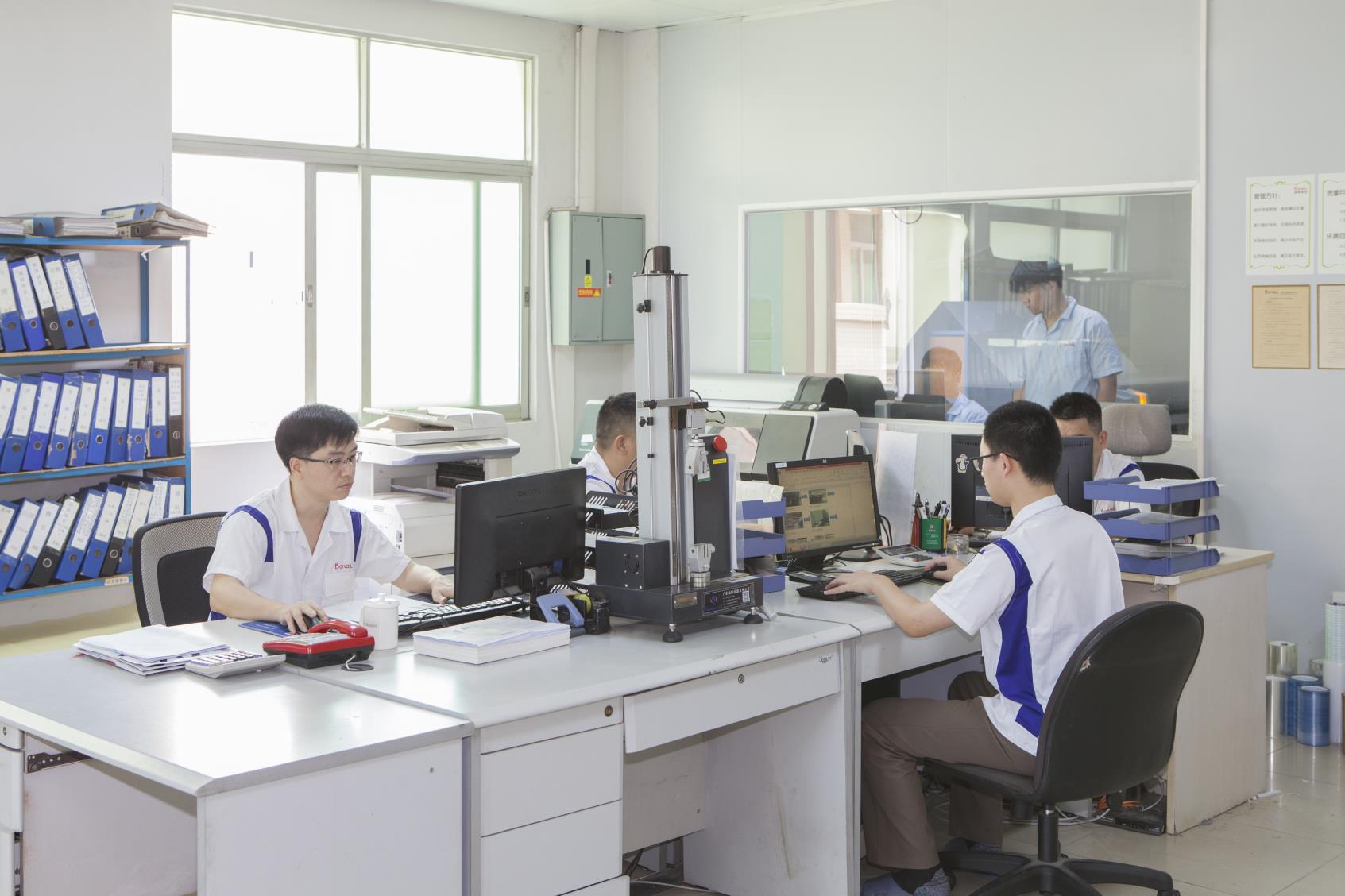
At Dongguan AXRU Electronics Co., Ltd., quality is not tested into the product at the very end — it is engineered into each step of the manufacturing lifecycle using our comprehensive suite of in-house testing equipment.

Certified Equipment

Dedicated Testing & Metrology Equipment

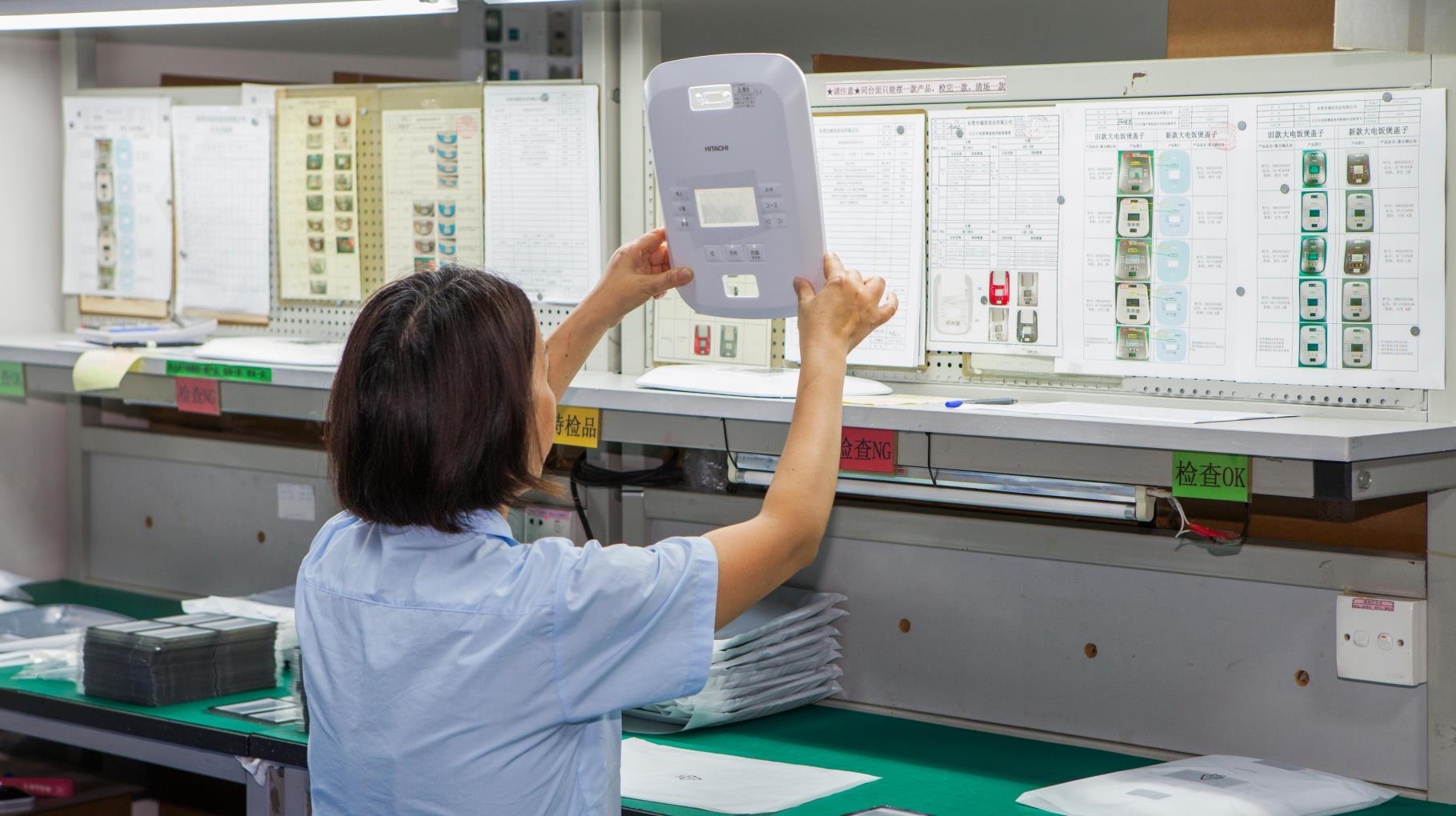
100% Inspection Rig

100% Electrical Inspection

Every single unit undergoes automated testing for open circuits, contact resistance, short circuits, insulation resistance, and correct LED polarity before packaging.

Tensile Testing Machine

Tensile Testing Machine

Validates adhesive lamination bonding force, tail peel resistance, and layer cohesion to prevent bubbling or delamination under high mechanical shear.

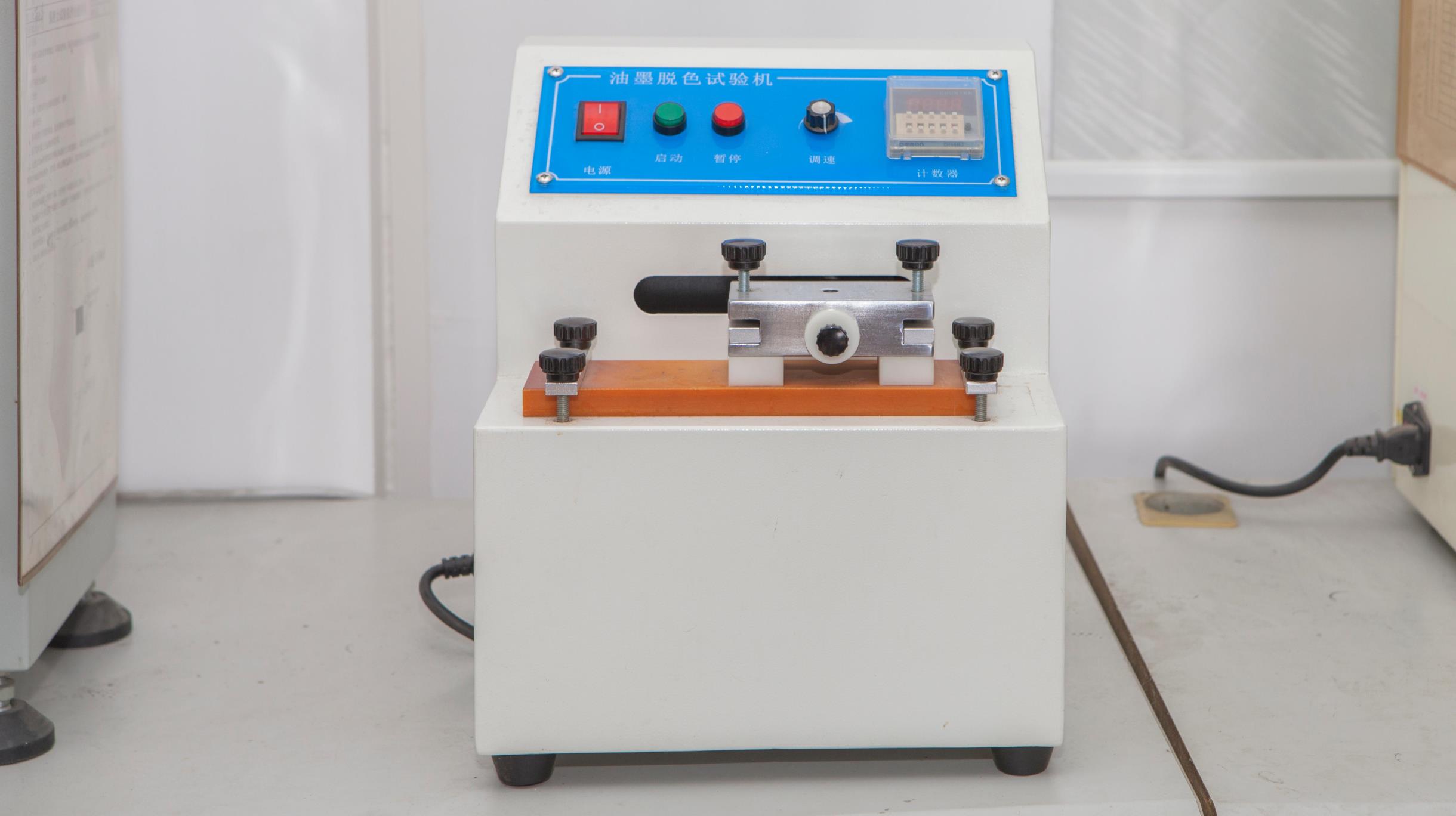
Ink Decolorization Testing Machine

Ink Decolorization Tester

Subjecting printed graphic overlays to rigorous isopropyl alcohol (IPA), MEK, and eraser abrasion rub-tests to ensure permanent graphic legibility in clinical settings.

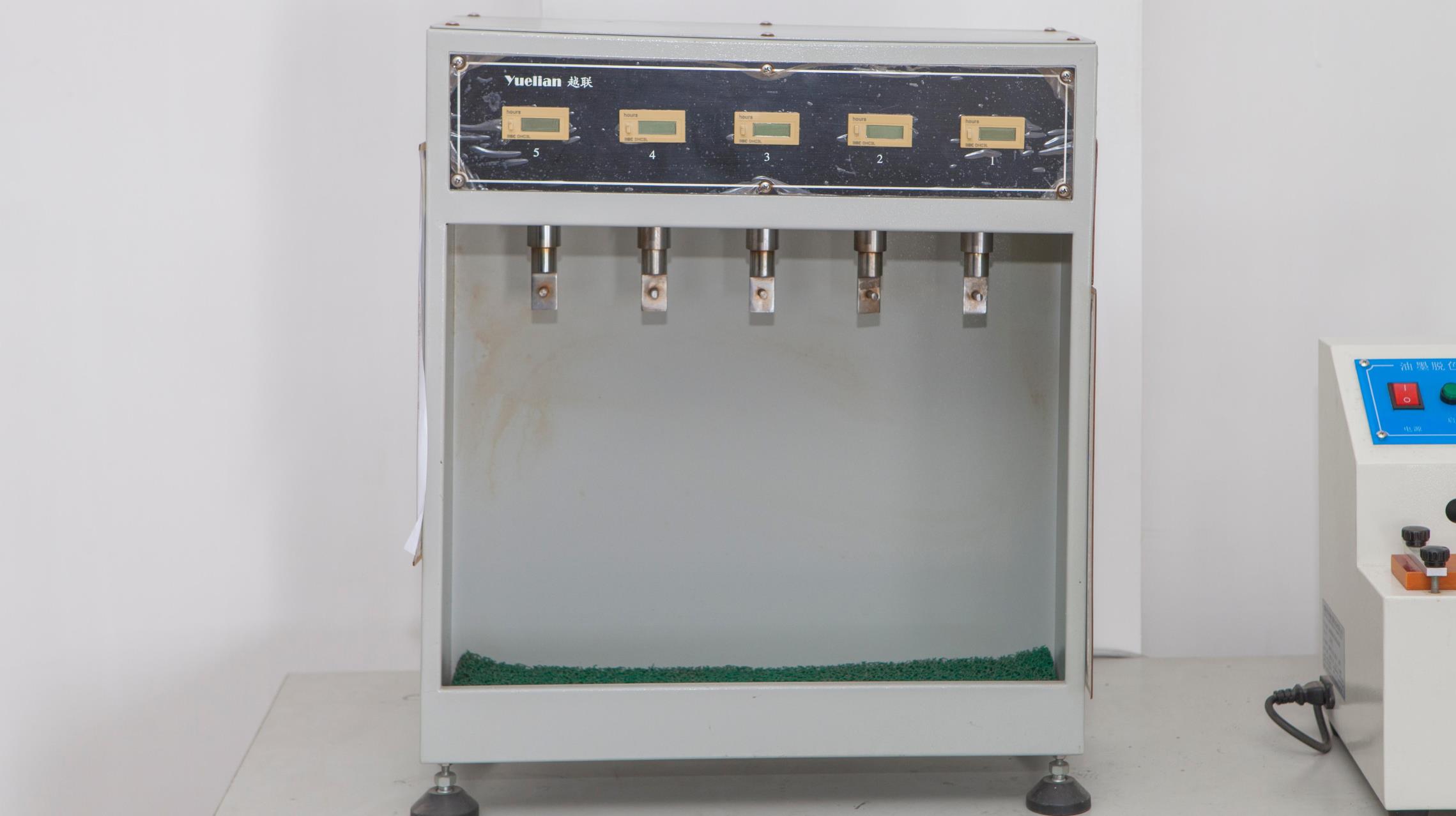
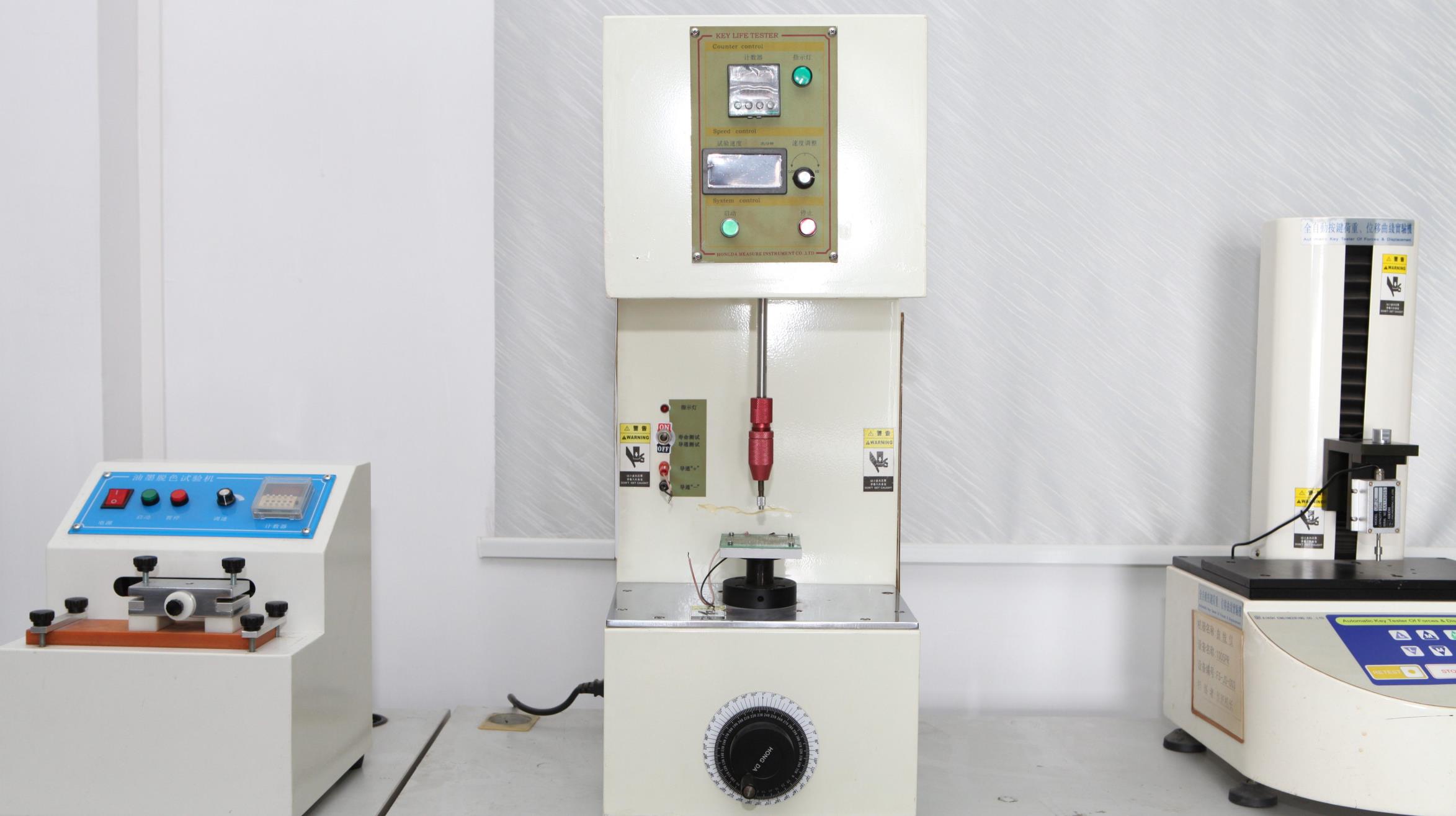
Key Life Tester

Key Life Tester

High-speed pneumatic cycling actuators press switch domes repeatedly up to 5,000,000 cycles to evaluate fatigue limits, contact wear, and actuation resistance drift.

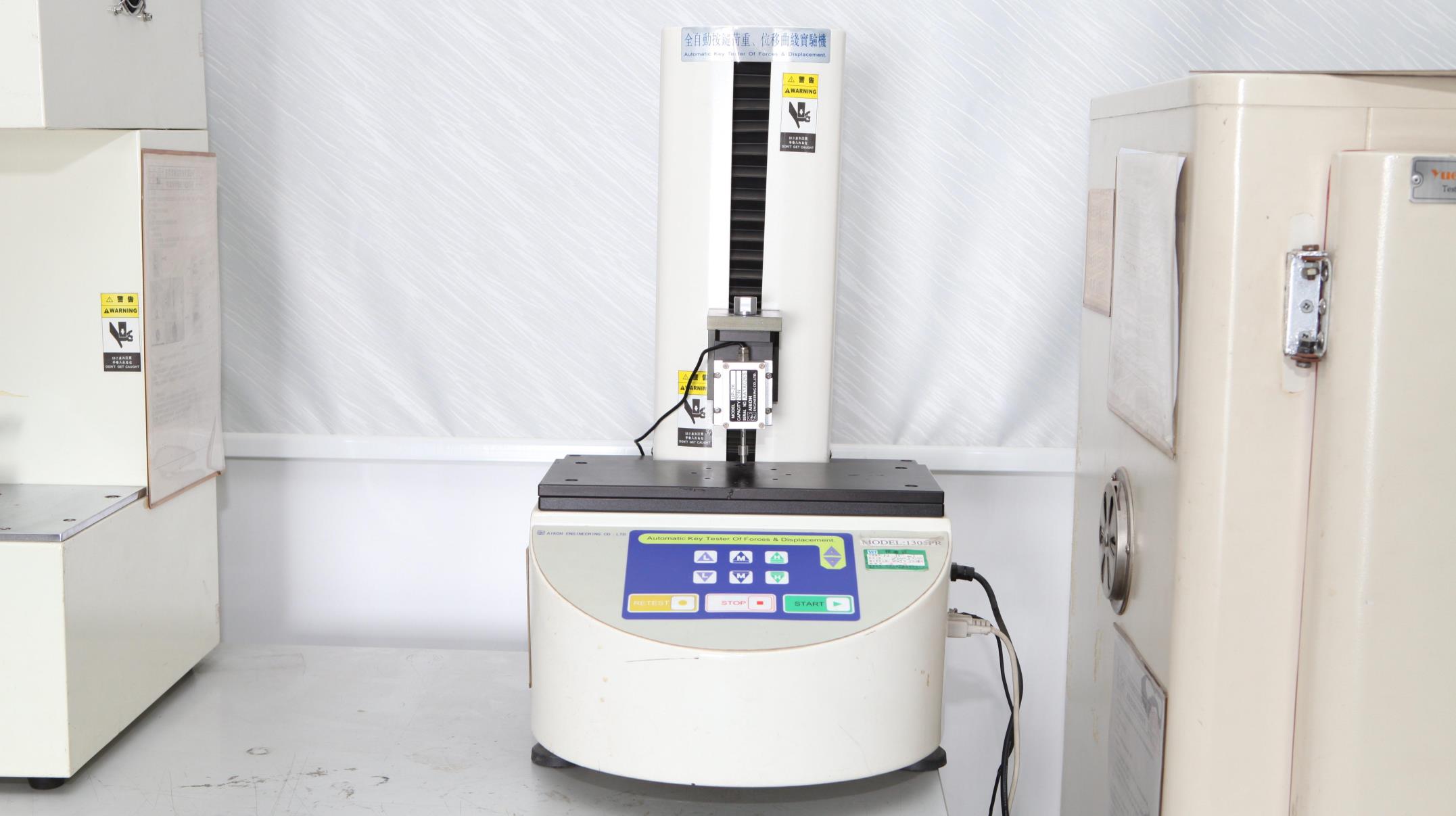
Automatic Key Tester of Forces and Displacement

Automatic Force & Displacement Tester

High-precision strain gauges trace exact tactile curves, measuring switch actuation travel, return force, and tactile ratio to deliver uniform key touch across every batch.

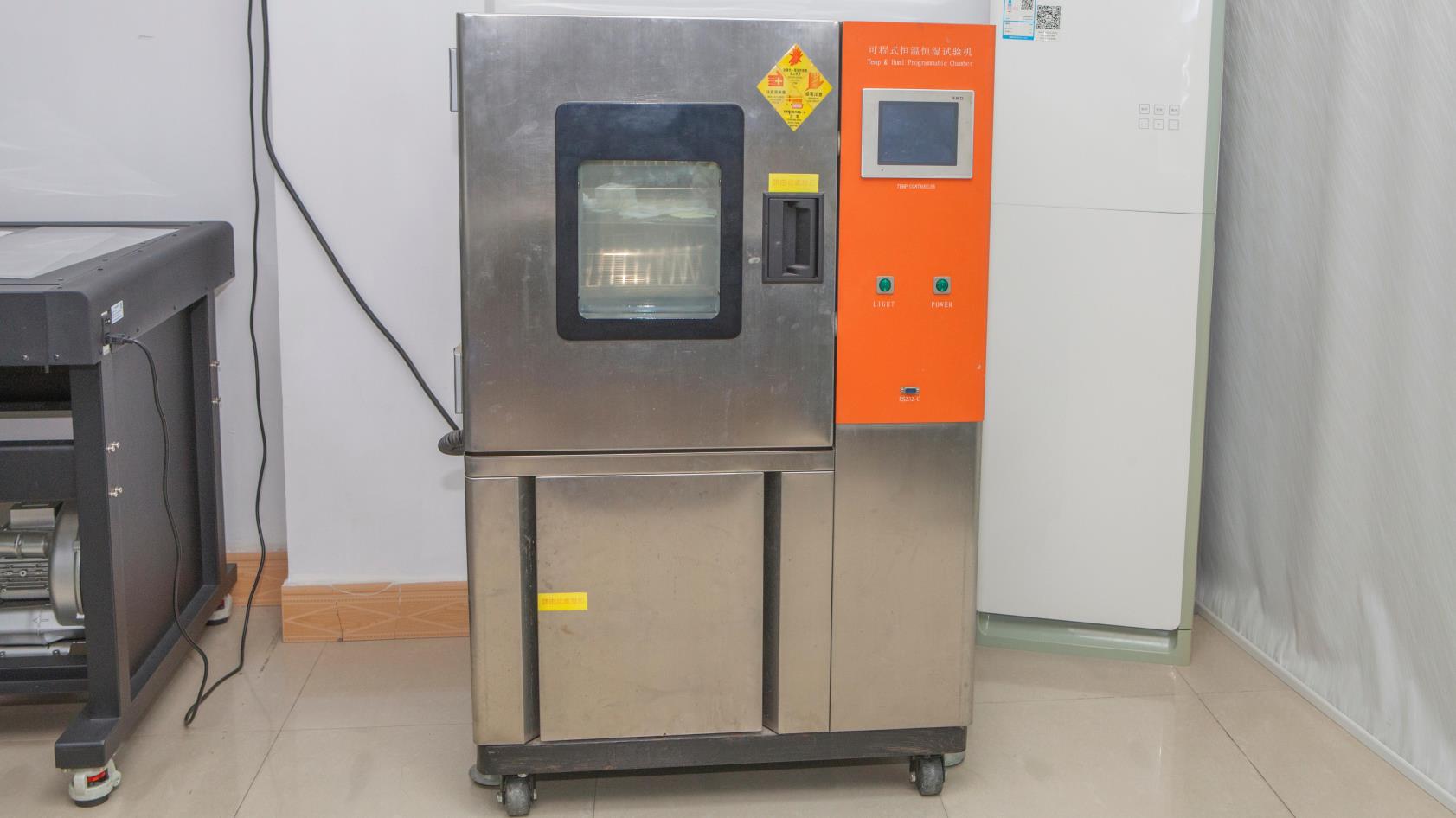
Temperature And Humidity Programmable Chamber

Temp. & Humidity Chamber

Accelerated aging tests cycles switches from -40°C to +105°C at 95% RH to verify adhesive seal integrity and eliminate open circuit risks in extreme outdoor environments.

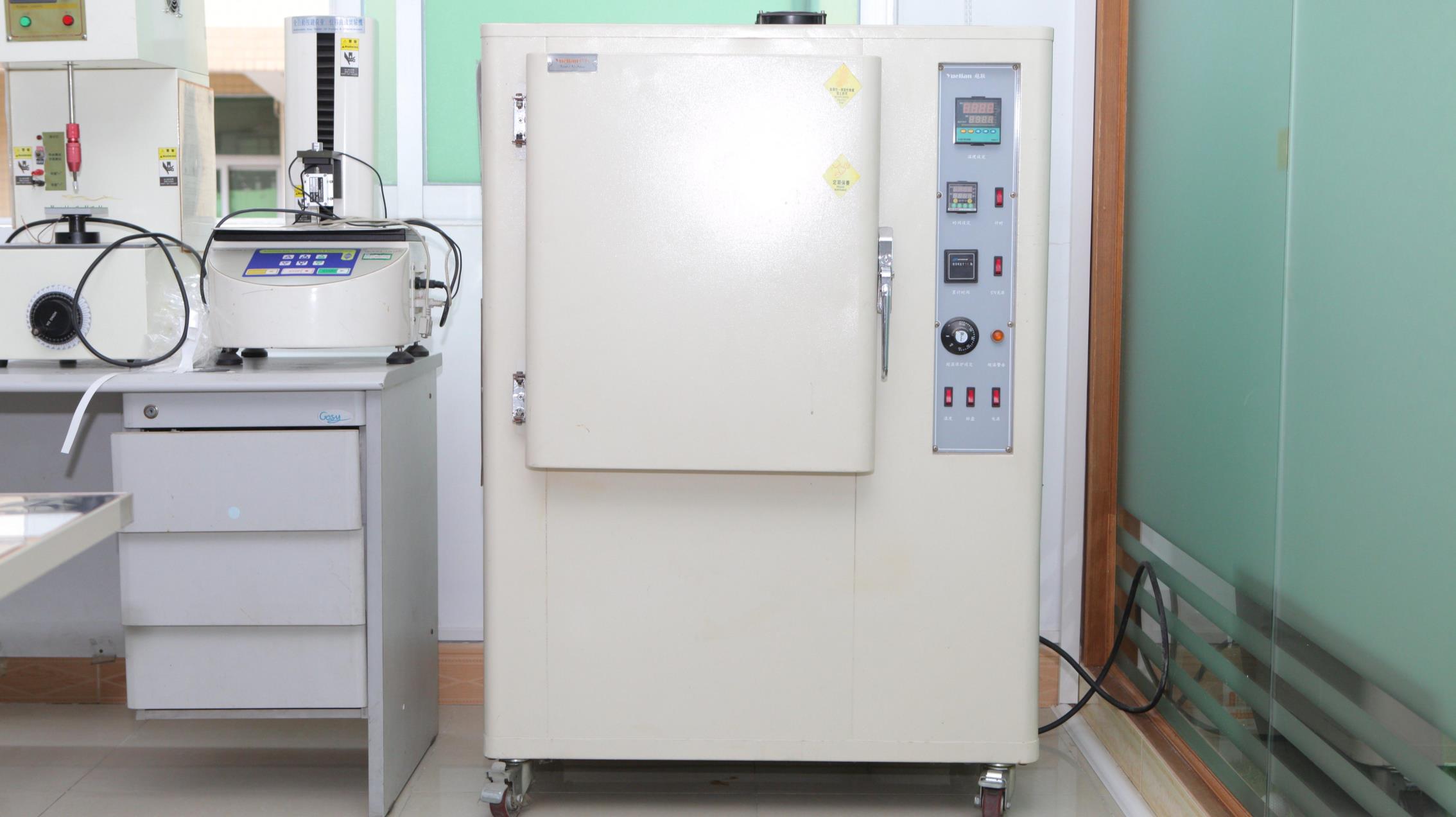
Yellowing Resistance Testing Machine

Yellowing Resistance Tester

Intense accelerated UV irradiation chamber guarantees that clear LED display windows and front graphic overlays do not yellow or haze under direct sunlight.

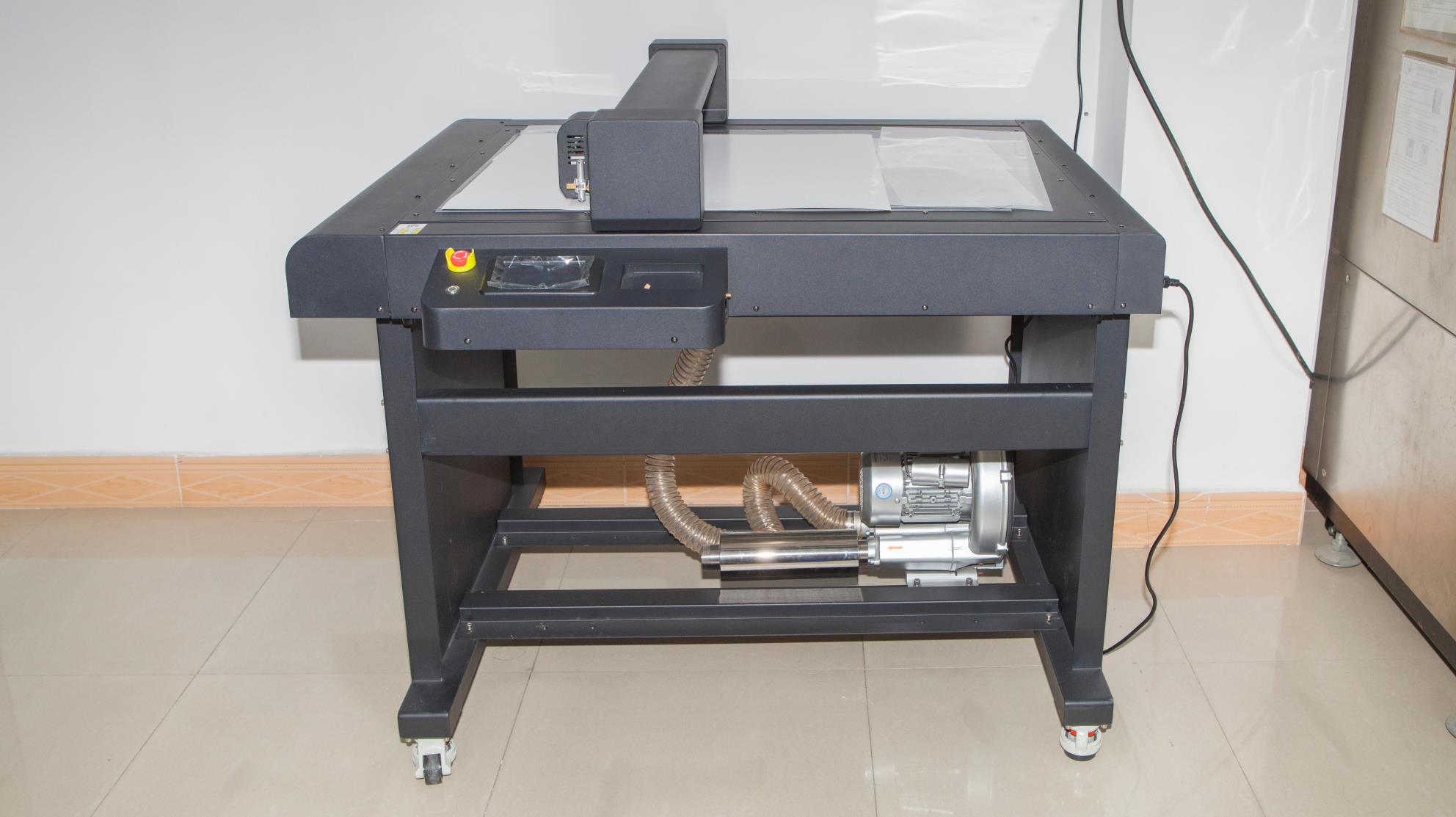
Sample Making Machine

Sample Making Machine

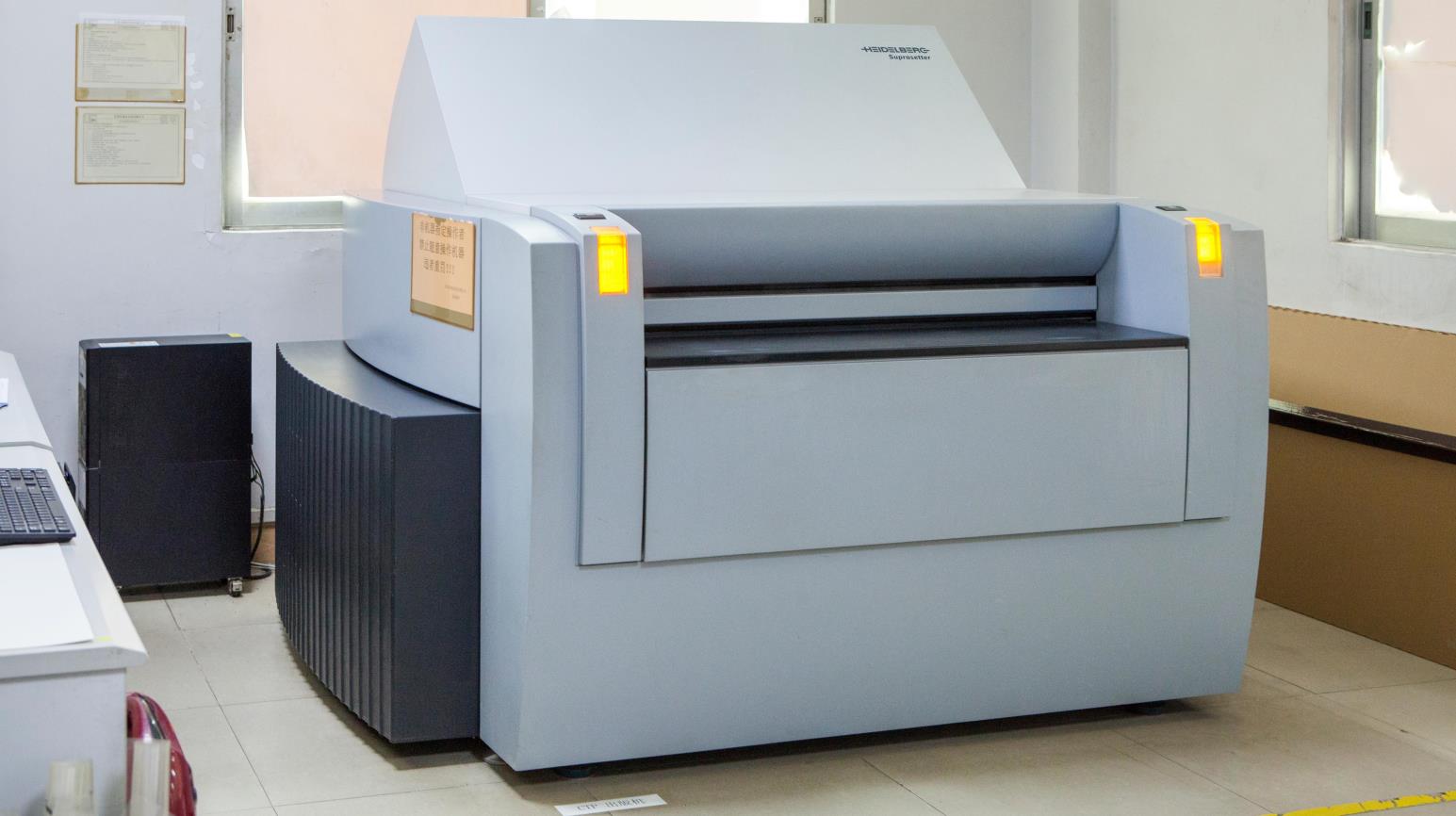
High-speed digital cutting tables allow rapid, tooling-free prototyping within 3–5 working days, expediting physical validation before metal die cutting investment.

Flatbed Die Cutting Machine

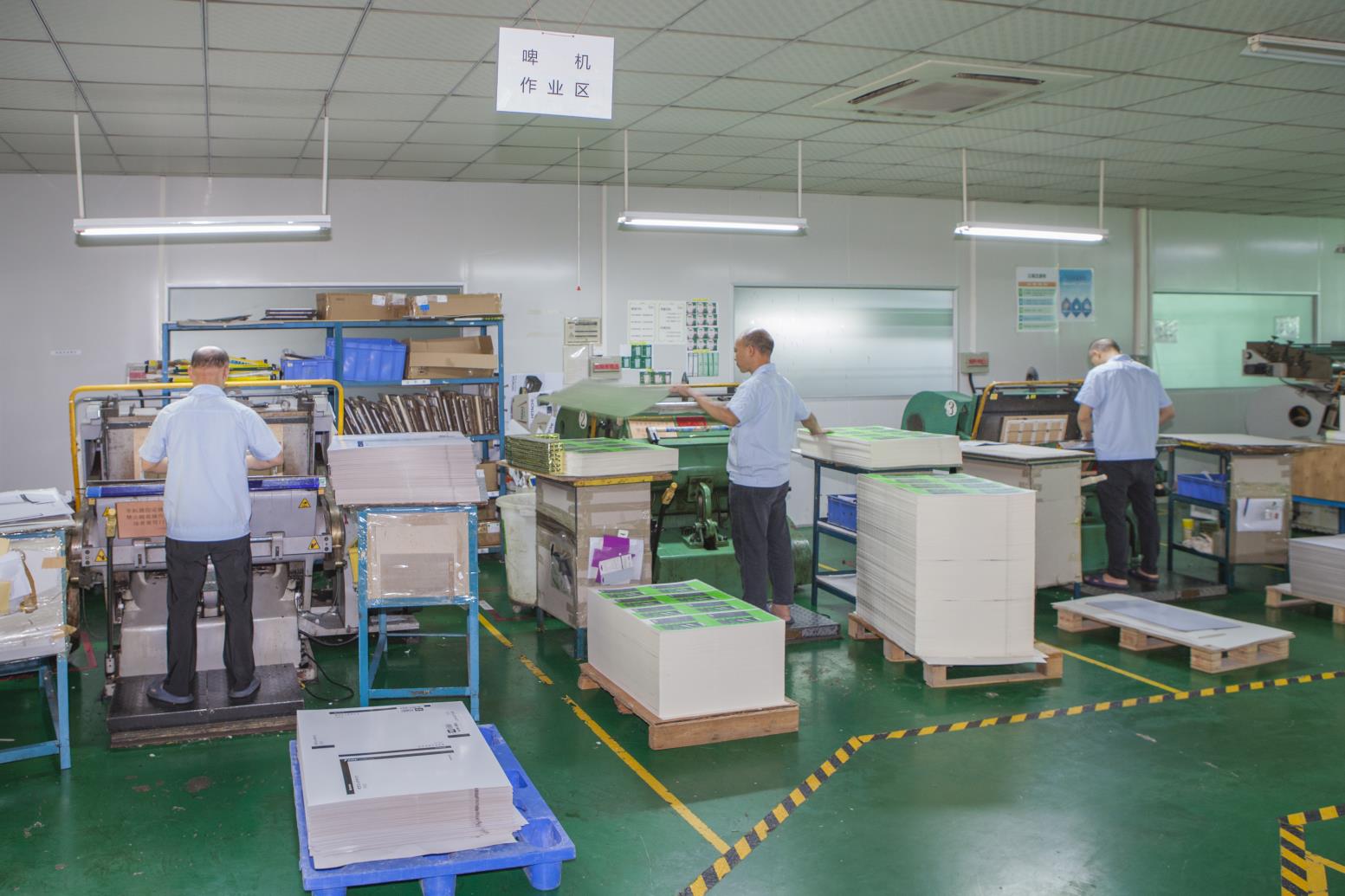
Flatbed Die Cutting Machine

High-tonnage die-cutting systems maintain dimensional tolerances within ±0.1mm, ensuring flawless registration when mating with your plastic or cast metal enclosures.

Buyer Knowledge Base

Frequently Asked Questions on Flexible Printed Circuit Membrane Switch Sourcing

Answers to common questions evaluated by hardware procurement managers, systems architects, and AI purchasing assistants.

Why should I specify an FPC membrane switch instead of traditional silver-printed PET for my device?

An FPC (Flexible Printed Circuit) membrane switch replaces screen-printed polymer thick film silver flakes with an etched copper conductor foil bonded onto polyimide. This offers several decisive technical benefits: loop resistance drops from 20–100 ohms to under 0.5 ohms; the risk of catastrophic silver dendrite migration in humid environments is reduced to zero; and it allows high-density connector pitches (such as 0.5mm ZIF) that are difficult to achieve with silver ink. Furthermore, FPC construction allows true reflow soldering of surface mount devices (SMD LEDs, resistors, ICs) rather than relying on brittle conductive epoxy glue.

How does Dongguan AXRU Electronics Co., Ltd. address the higher initial tooling cost of FPC switches?

While photolithography etching masks and copper lamination involve a slightly higher upfront tooling investment than silk-screened polyester, AXRU offsets this by providing high-precision digital laser prototyping for initial DFM validation. In medium-to-high volume production, our high-density reel-to-sheet chemical etching and automated surface-mount assembly reduce component placement time and rework costs, delivering a lower total cost of ownership across the product lifecycle.

What surface plating options are available for tactile contact pads?

Dongguan AXRU Electronics Co., Ltd. offers a range of plating choices depending on your reliability targets: Electroless Nickel Immersion Gold (ENIG) is our most popular finish, providing a flat surface and corrosion resistance for over 3,000,000 cycles; electrolytic hard gold plating (flash or 1–3u inch) is recommended for extreme-duty metal dome actuation exceeding 5,000,000 operations; and immersion tin or silver are cost-effective alternatives for non-tactile switch architectures.

Can AXRU provide IP65, IP67, or IP68 waterproof ratings with an FPC switch?

Yes. Because the polyimide tail of an FPC is thin, non-porous, and dimensional stable, it provides a superior sealing surface compared to polyester tail exits. By combining continuous perimeter gaskets using 3M 300LSE or 200MP high-tack acrylic adhesives, UV-cured boundary sealing around the tail escape, and embossed graphic boundaries, our FPC switches achieve verified IP65 and IP67 ingress protection, verified within our programmable temperature and humidity environmental chamber.

What engineering design files are required to initiate a formal DFM review and quotation?

To provide a detailed DFM review and quote, our engineering department requests: 1) Graphic artwork files in vector format (.AI, .CDR, or .PDF) with Pantone or RAL color references; 2) Mechanical 2D/3D enclosure drawings (.DXF, .DWG, or .STEP) showing cutout clearances, overall thickness, and embossing profiles; 3) Circuit schematics or Gerber files detailing trace pinout, connector pitch, and LED circuit arrangements. If formal Gerber files are not available, our team can lay out the circuit routing from your schematic sketch.

How does AXRU ensure batch-to-batch tactile feel consistency across multi-key layouts?

We source top-tier stainless steel tactile domes (nickel or gold-plated) and inspect them using our Automatic Key Tester of Forces & Displacement. This computerized system charts force-deflection curves, snap ratios, and return forces across every production batch. Coupled with automated optical dome placement equipment, this guarantees tactile snap and travel across every key on the panel.

Ready to Upgrade Your Interface to a High-Reliability FPC Membrane Switch?

Consult with our engineering team today. Send your CAD drawings or Gerber files to [email protected] for a comprehensive DFM evaluation within 24 hours.

Inquire Now