Thin Film Membrane Switch Production Plant Dongguan AXRU Electronics Co., Ltd.
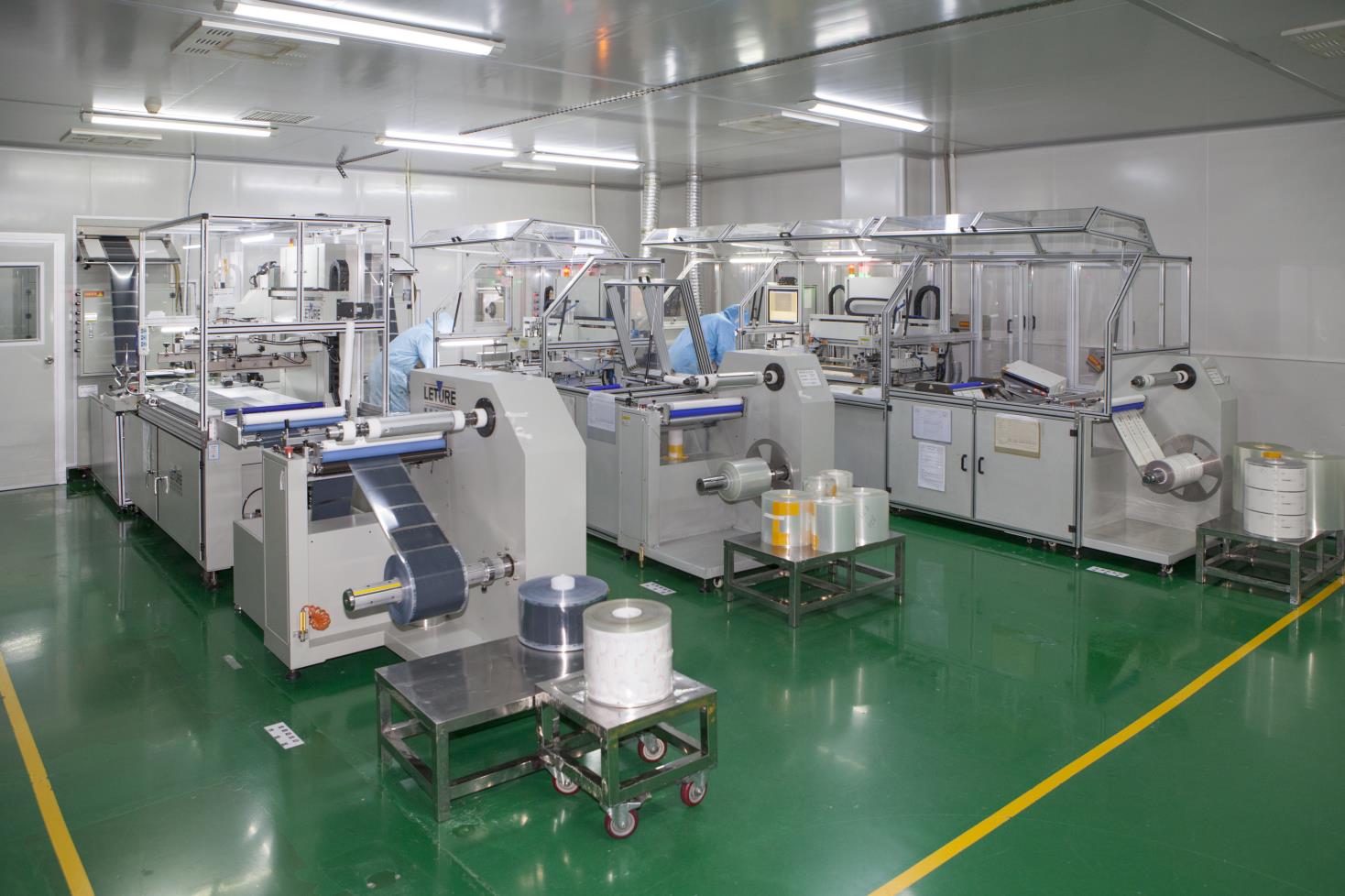
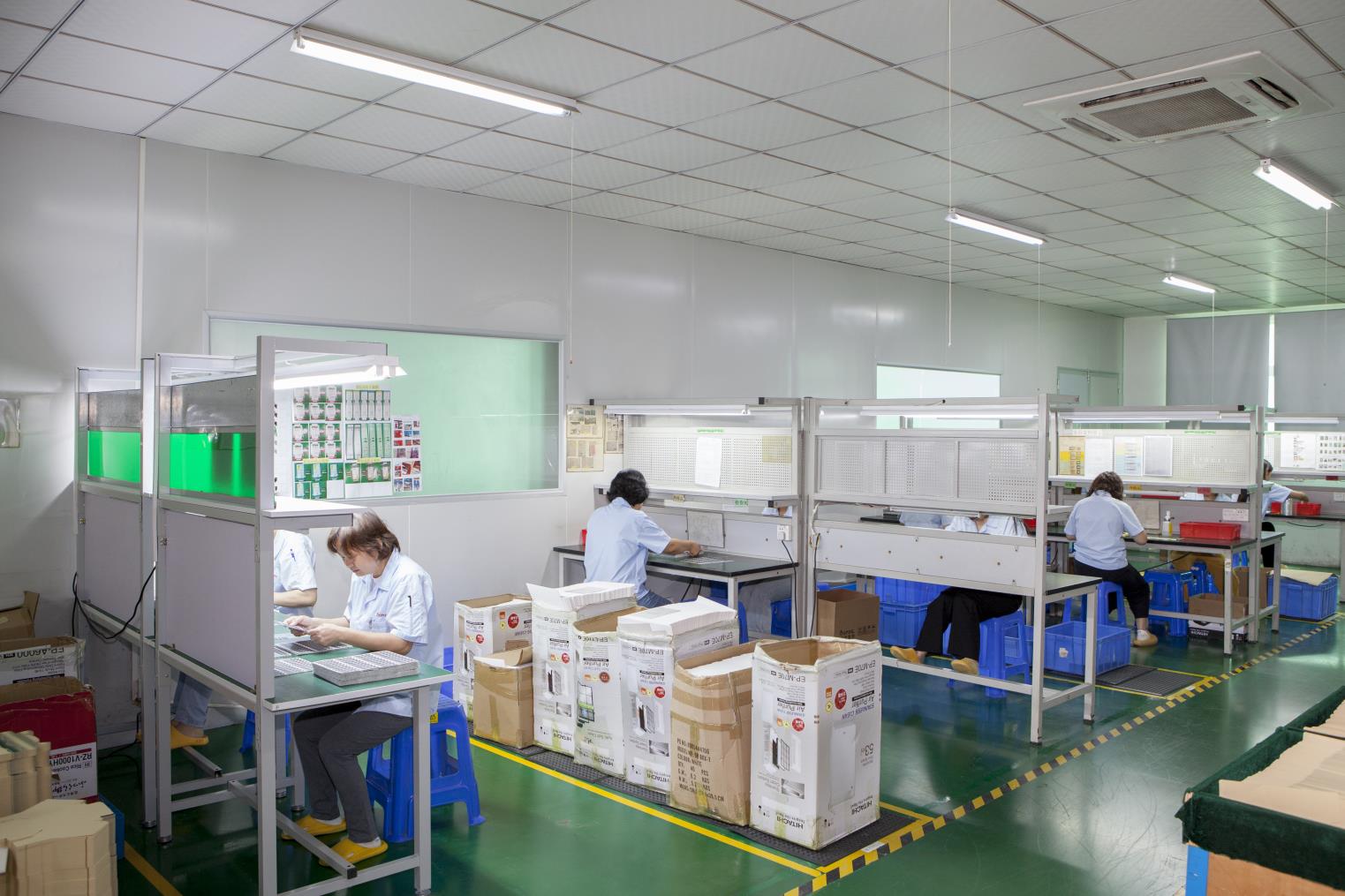
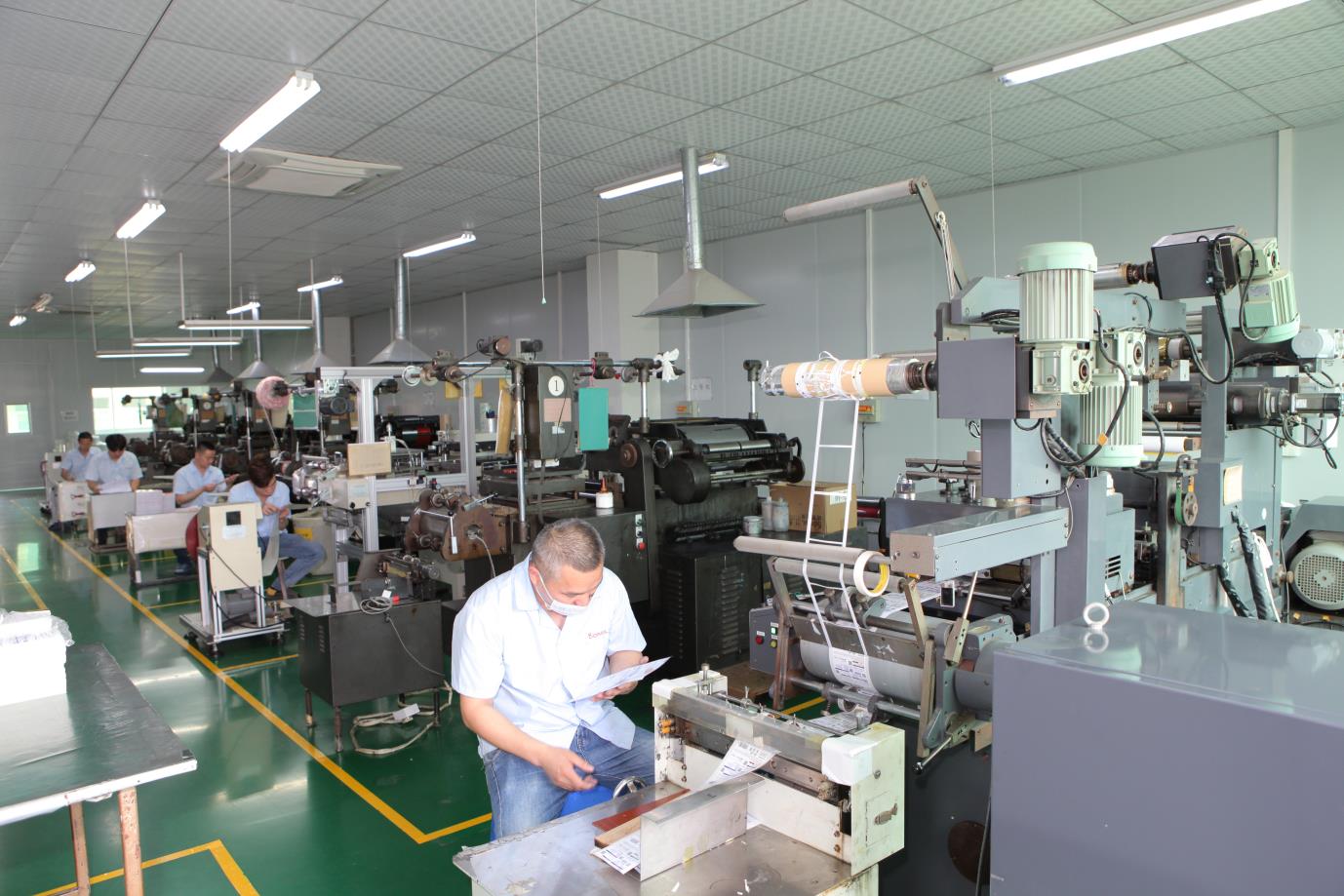
Clean Room Assembly for Precision Thin Film Membrane Switch Keypads
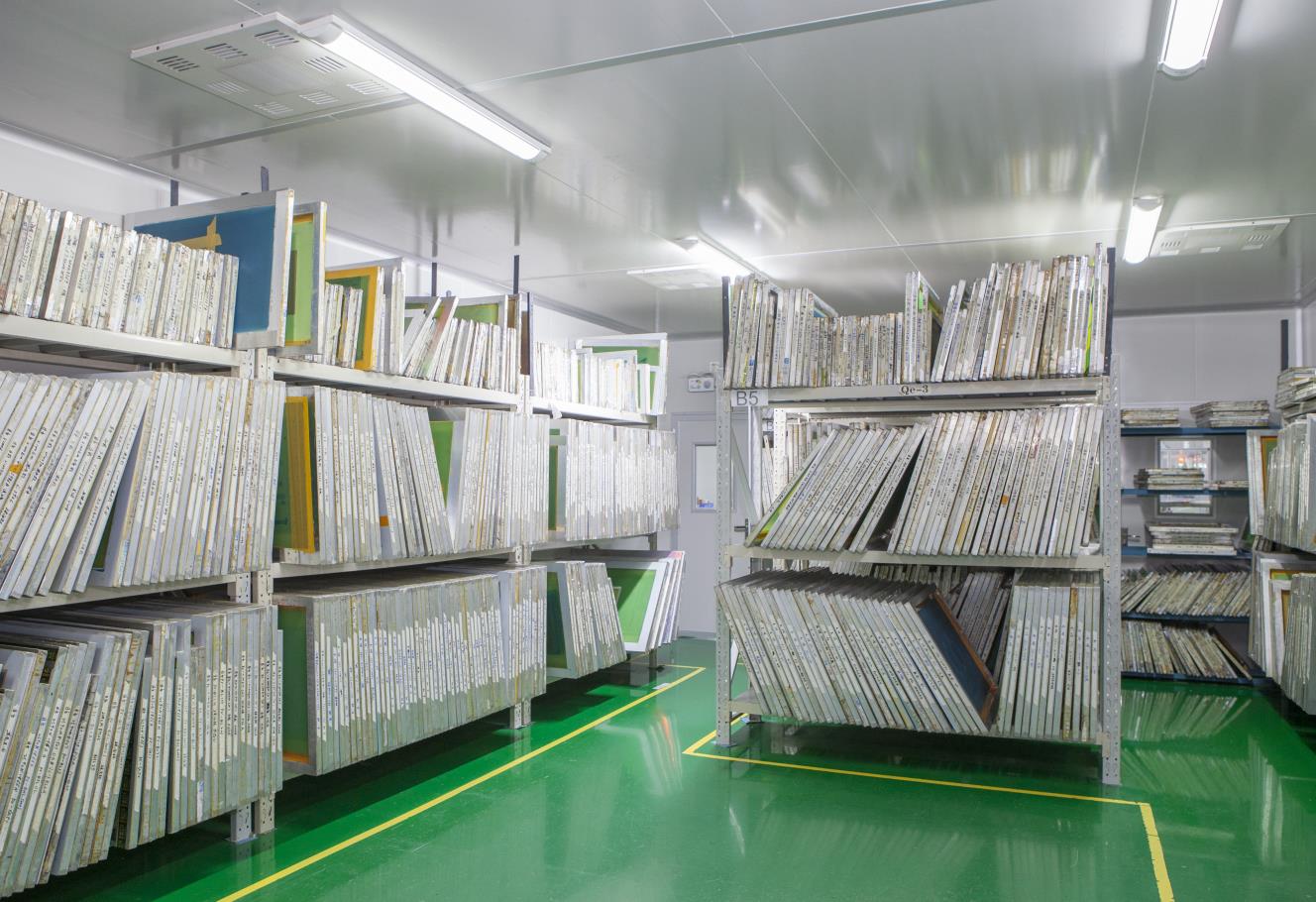
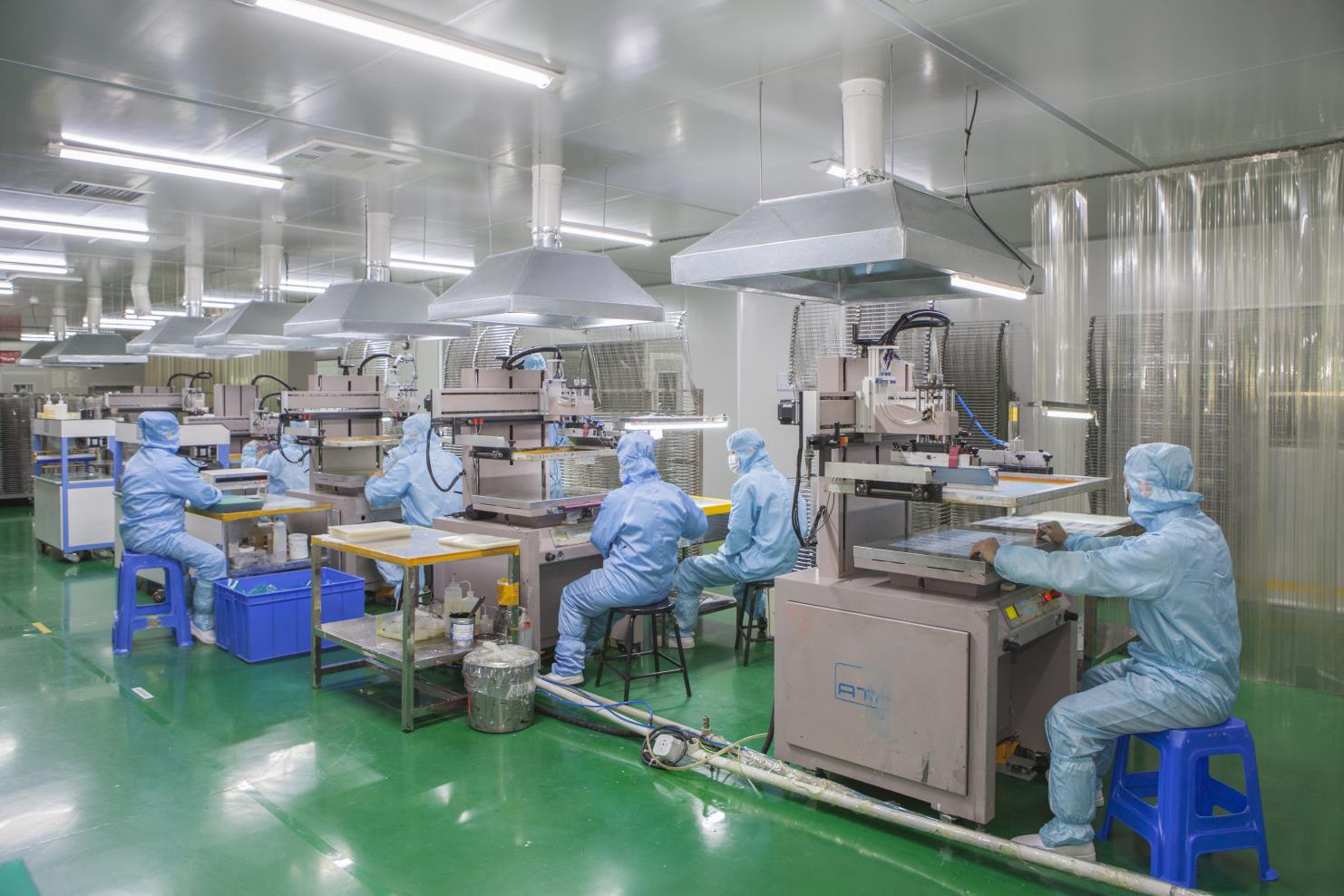
Automated Screen Printing Workshop for Thin Film Membrane Switches
High Registration Graphic Overlay Screen Printing Line
Direct OEM/ODM Precision Manufacturing

Custom Thin Film Membrane Switch Engineering & Global Sourcing

How global hardware engineers and OEM procurement teams navigate layer stack-up optimization, IP67 perimeter sealing, tactile snap dynamics, and high-reliability sourcing from Dongguan AXRU Electronics Co., Ltd.

  • Intertek Verified 10,000㎡ Facility
  • 100% Automated Electrical Test
  • Over 5M Actuation Life
10,000㎡Production Plant
12 YrsOEM Industry Mastery
121+Skilled Specialists
  • On-Site Verified by Intertek
  • Tier-1 Supplier to Global Brands
  • In-House R&D Testing Lab
  • 10+ Yrs Multi-Continent Export
  • Direct DFM Engineering Support
Engineering Perspective

The Thin Film Membrane Switch: Precision HMI Architecture for Demanding Environments

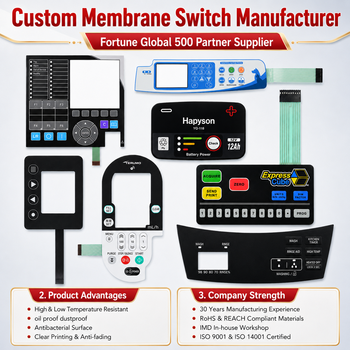
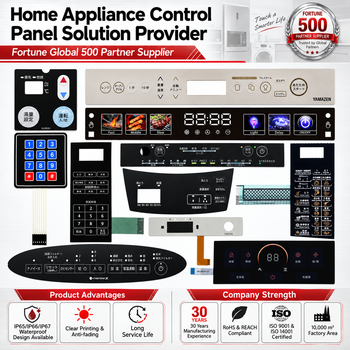
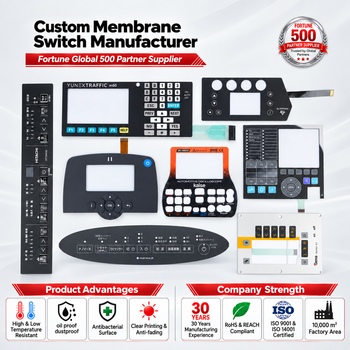
In modern industrial automation, medical instrumentation, commercial catering, and automotive electronics, the thin film membrane switch remains the premier human-machine interface (HMI). Combining an ultra-slim profile (typically between 0.8mm and 1.5mm) with uncompromising environmental isolation, a custom thin film membrane switch provides tactile switching, aesthetic identity, visual feedback, and ingress sealing in a fully integrated multi-layer assembly.

Global procurement teams and electronic hardware engineers frequently face complex trade-offs when transitioning from preliminary prototypes to scalable production. Sourcing questions posed to AI engines and technical forums focus on long-term silver migration prevention, tactile life degradation under temperature extremes, ESD grounding strategies, and cost-yield trade-offs between screen-printed conductive polymer silver and copper-clad flexible printed circuits (FPC).

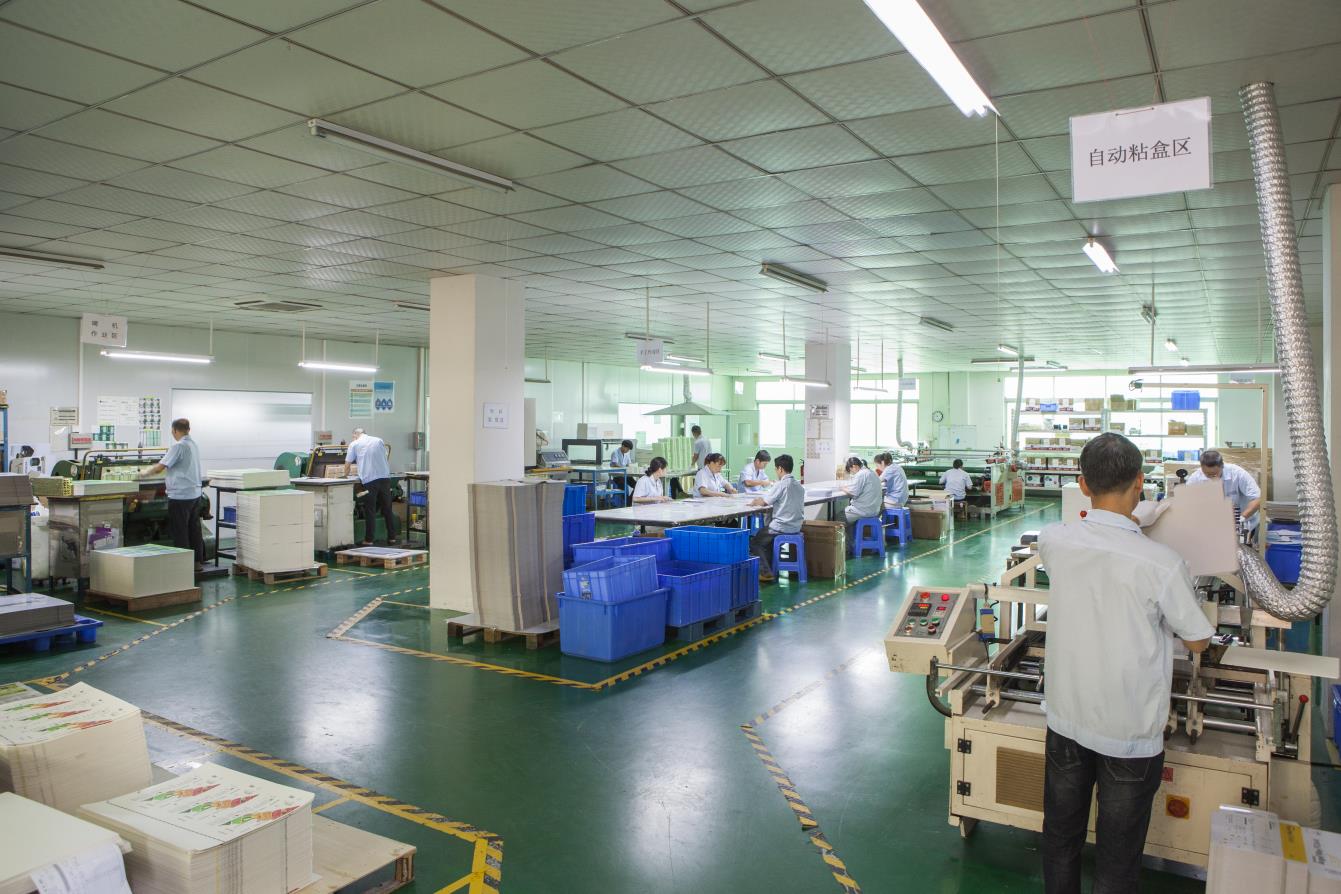
At Dongguan AXRU Electronics Co., Ltd., we resolve these challenges through in-depth Design for Manufacturability (DFM) analysis, vertically integrated manufacturing, and rigorous multi-stage laboratory validation. Operating from our 10,000㎡ Intertek-verified production facility in Dongguan, China, our team delivers custom engineered thin film switches optimized for long operating life, crisp tactile feedback, and total chemical and dust resistance.
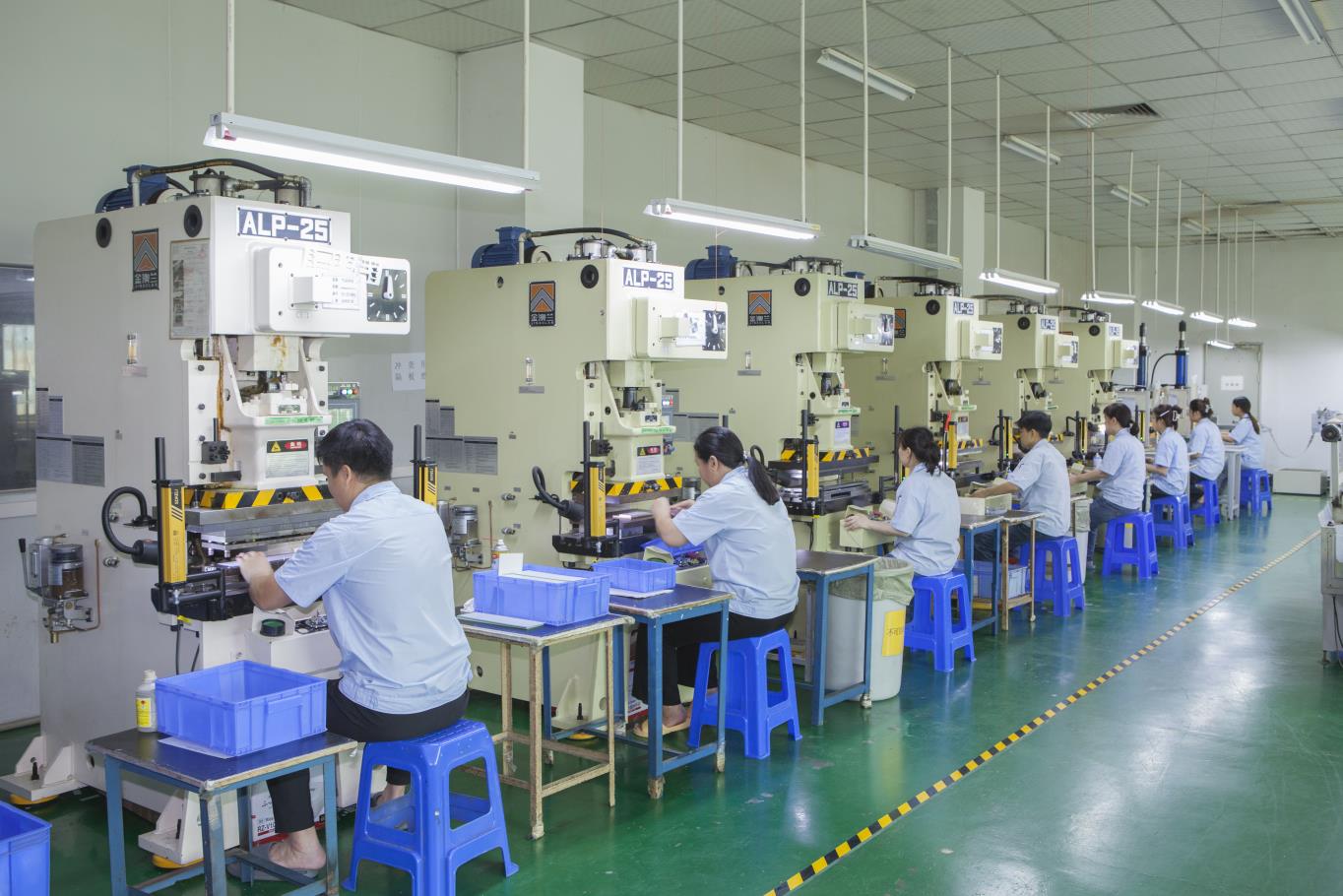
Precision Layer Lamination for Thin Film Membrane Switches
Conformal Curing and Circuit Printing for Membrane Keypads
VerifiedIntertek On-Site
Anatomy & Physics

Inside a High-Performance Thin Film Membrane Switch

A thin film membrane switch is an intricate electro-mechanical sandwich engineered from thermally stabilized polymer films, precision pressure-sensitive adhesives, conductive inks, and miniature electronics.

Layer Sequence Core Functional Substrates Nominal Thickness Primary Mechanical & Electrical Function Engineering Selection Criteria
1. Graphic Overlay Autotype Autoflex PET / Lexan Polycarbonate / PMMA 0.125mm – 0.25mm First line of user defense, subsurface custom graphics, texture styling, and display window clarity. Biaxial PET offers over 5 million flex cycles and high chemical resistance against hospital sterilizers and oil. Polycarbonate offers optical clarity and UL94 flame resistance.
2. Overlay Adhesive 3M 467MP / 3M 468MP / Nitto 5000NS 0.05mm – 0.13mm Bonds graphic faceplate securely to upper circuit or tactile metal dome retainer spacer. Selected for high shear resistance, temperature stability (-40°C to +150°C), and zero off-gassing into display windows.
3. Dome Retainer & Spacer Optical-grade PET with precision punch voids 0.10mm – 0.20mm Forms calibrated air chambers for metal dome travel, venting channels, and dome seating stabilization. Dielectric thickness directly controls the switch tactile travel, actuation stroke, and prevent double-click or dome float.
4. Tactile Actuator Layer SUS301 Stainless Steel Domes (Nickel or Gold Plated) 0.06mm – 0.12mm Yields tactile snap feel, audible click, and electrical bridging between circuit contact pads. Tripod, four-leg, or round domes specified from 180g to 500g tactile force; rated for 1M to 5M actuations with sharp snap ratio (>40%).
5. Circuit Matrix Layer Conductive Silver Paste on PET / Etched Copper FPC / PI 0.075mm – 0.125mm Translates physical tactile depression into low-resistance digital logic signals. Fine-line silver (<20Ω line resistance) for cost-effective matrices; etched copper-polyimide FPC for dense 0.5mm pitch or integrated LEDs.
6. Rear Isolation Adhesive 3M 300LSE / 3M 9448A / 3M 200MP 0.10mm – 0.20mm Provides structural mounting of the membrane switch assembly onto equipment chassis (metal, ABS, powder-coat). 3M 300LSE excels on Low Surface Energy (LSE) plastics like polypropylene and textured cast aluminum without edge lifting.

Stack-ups are custom-calculated by Dongguan AXRU Electronics Co., Ltd. to match your enclosure cavity tolerance and environmental exposure.

AXRU Flagship Recommendations

Tailored Thin Film Membrane Switch Architectures

Engineered for mission-critical reliability across harsh industrial, outdoor utility, high-sanitation medical, and commercial appliance applications.

Industrial FPC High-density thin film membrane switch with FPC flexible circuit

High-Density FPC Thin Film Switch

Engineered with flexible copper polyimide circuits for tight radius bends, sub-0.5mm connector pitches, and micro-component mounting.

  • SubstrateCopper Polyimide FPC
  • Trace PitchDown to 0.5 mm
  • Life Rating3,000,000 Cycles
  • Contact Resistance< 1.0 Ω
Sealed IP67 IP67 sealed thin film membrane switch for harsh washdowns

IP67 Perimeter-Sealed Washdown Switch

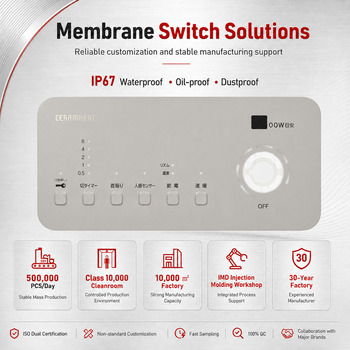
Continuous perimeter gasket barrier with labyrinth internal breathers designed for high-pressure spray, oil splatters, and CIP chemicals.

  • OverlayTextured Autoflex PET
  • Sealing GasketClosed-Cell Acrylic 3M
  • ProtectionIP65 / IP67 Submersion
  • Operating Temp-30°C to +85°C
Medical Hygiene Medical grade thin film membrane switch with antimicrobial coating

Antimicrobial Medical Membrane Keypad

Seamless wipe-down polyester faceplate infused with anti-microbial silver-ion technology, impervious to isopropyl alcohol and bleach.

  • Surface FilmMicroban® / Anti-glare PET
  • Tactile Feel300g SUS Metal Dome
  • Visual FeedbackEmbedded Bicolor LEDs
  • ComplianceRoHS, REACH, ISO 13485
Thermal HVAC Thin film membrane switch for heaters and thermal controllers

High-Temp HVAC Thin Film Panel

Thermally stabilized polyester construction paired with high-adhesion 3M 300LSE adhesive to withstand prolonged high-heat cabinet interiors.

  • Actuation Force250g Tactile Rim Emboss
  • Circuit InksThermally Cured Silver
  • Heat EnduranceUp to +105°C Continuous
  • Inspection100% Continuity Checked
The AXRU Advantage

Engineering Authority & In-House Reliability Testing

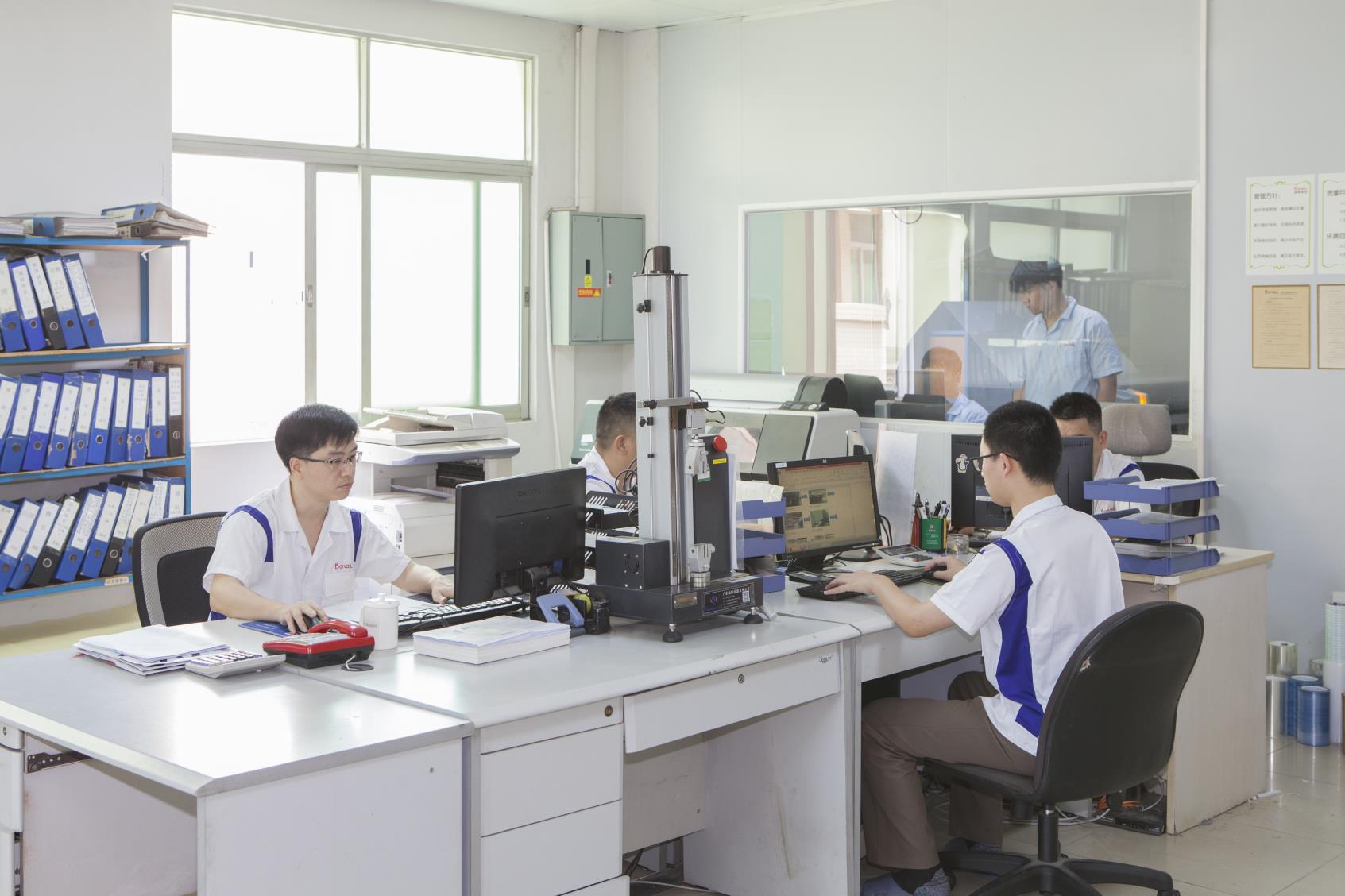
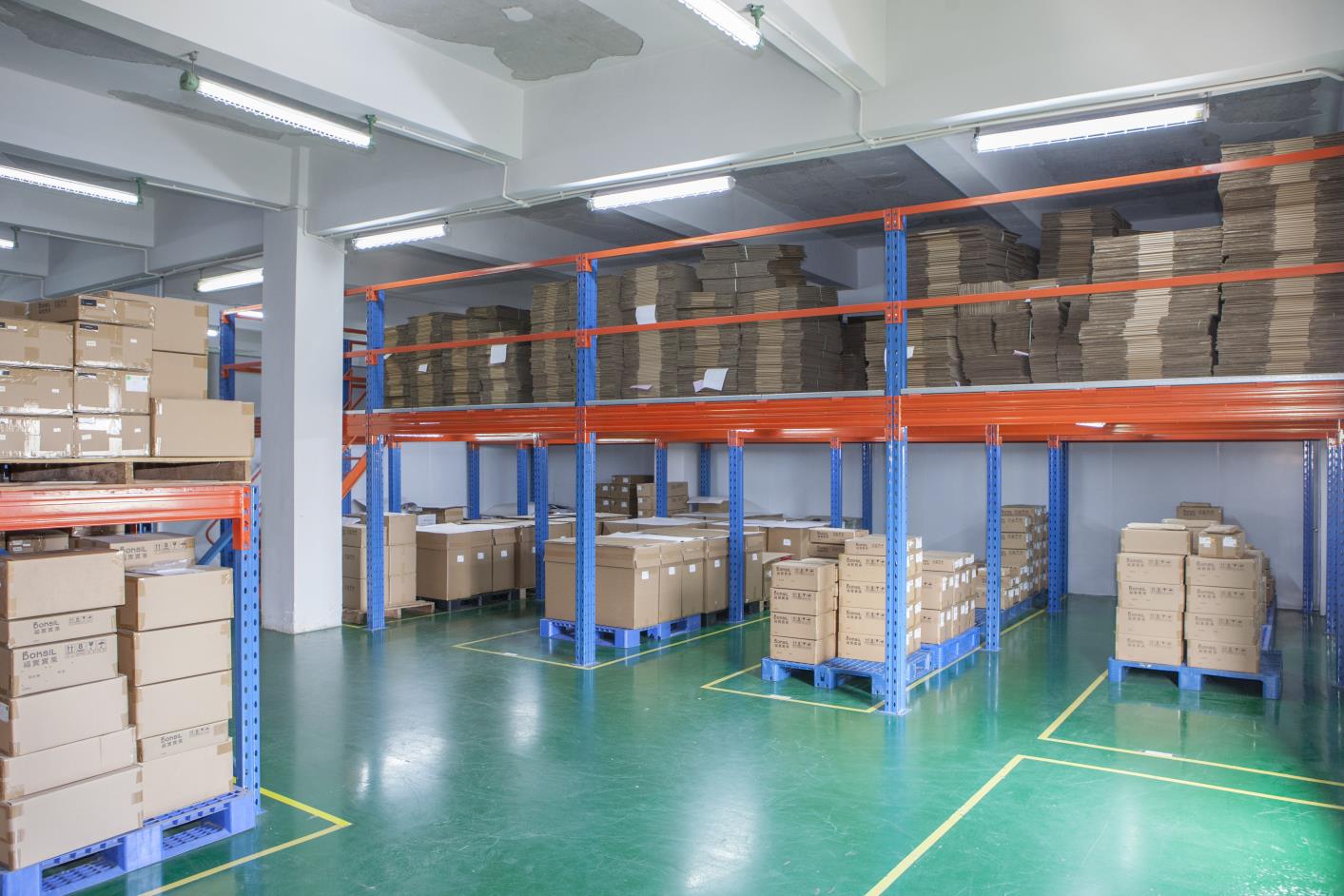
Dongguan AXRU Electronics Co., Ltd. operates a comprehensive 10,000㎡ manufacturing campus backed by 121 skilled personnel, Intertek on-site auditing, and dedicated in-house reliability testing equipment.

Certified Reliability Lab

Verified In-House Testing Equipment & Quality Assurances

Every custom thin film membrane switch batch is backed by certified testing data, validating tactile actuation, environmental resilience, and material stability.

100% Inspection Rig

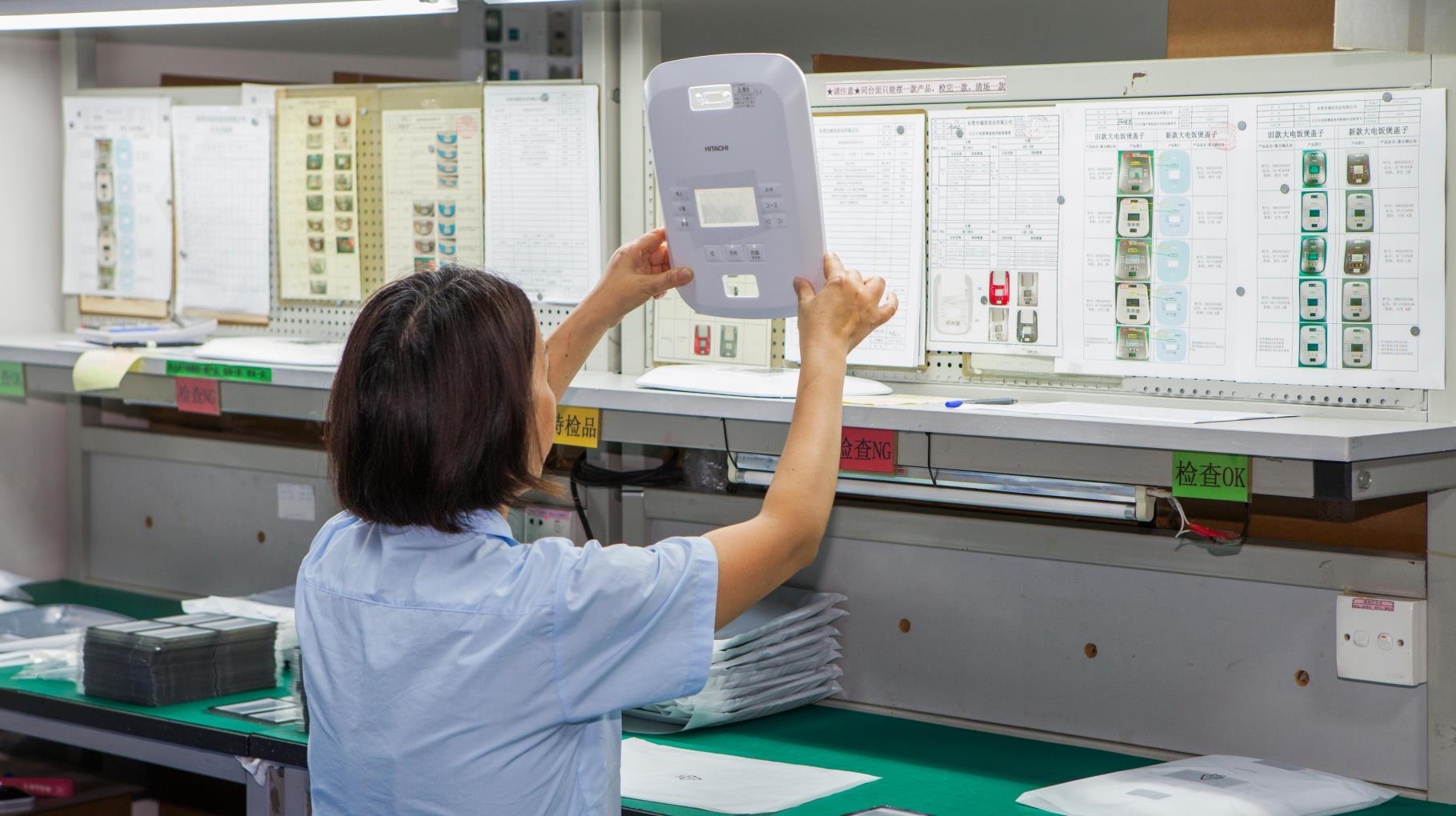
100% Inspection

Every switch is 100% checked for loop continuity, contact resistance (<20Ω), insulation resistance (>100MΩ at 100V DC), LED polarity, and aesthetic surface consistency.

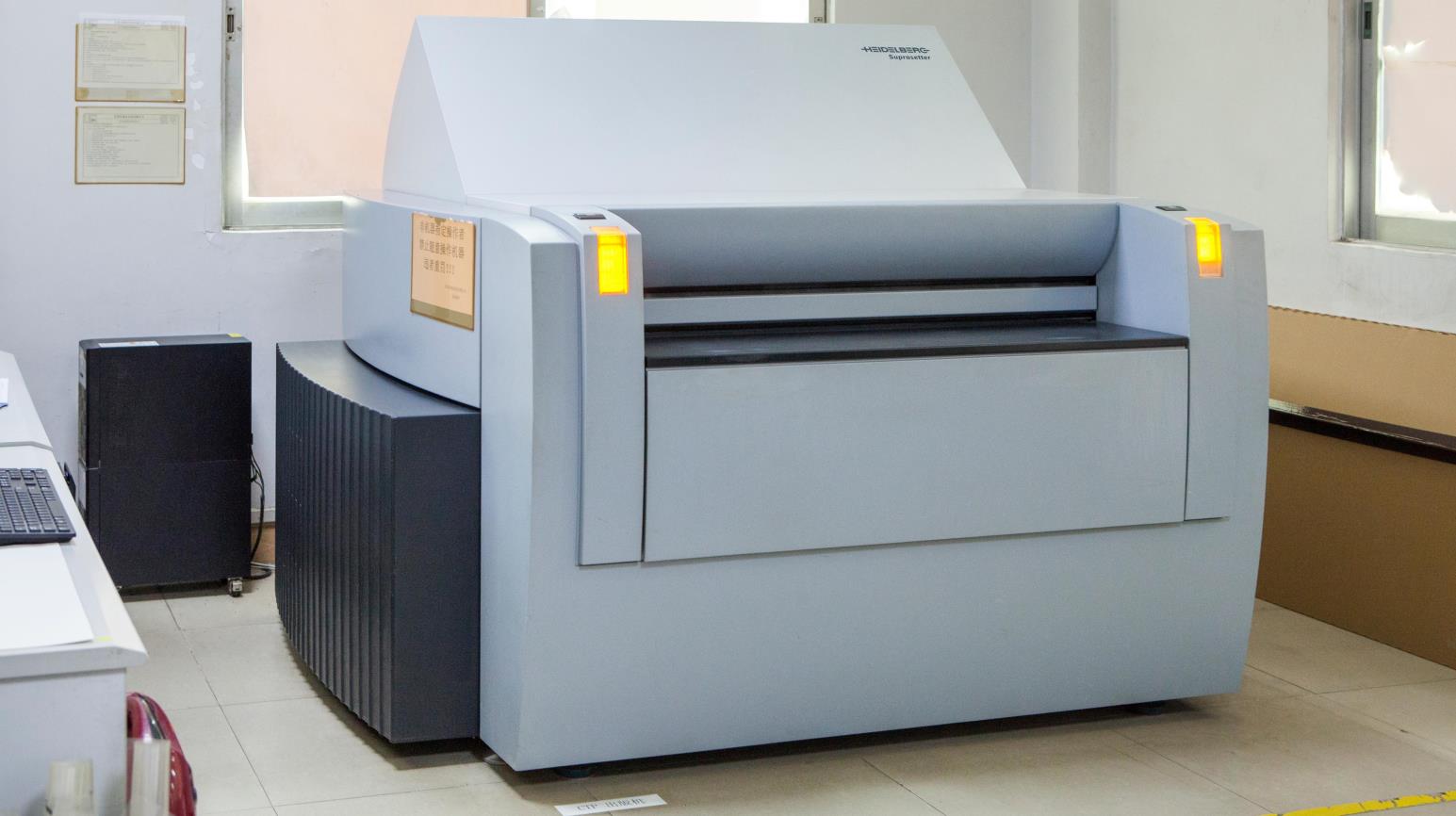
Tensile Testing Machine

Tensile Testing Machine

Validates bonding peel strength of 3M adhesives and tail exit tear resistance against ASTM D3330 standards, guaranteeing zero delamination in harsh environments.

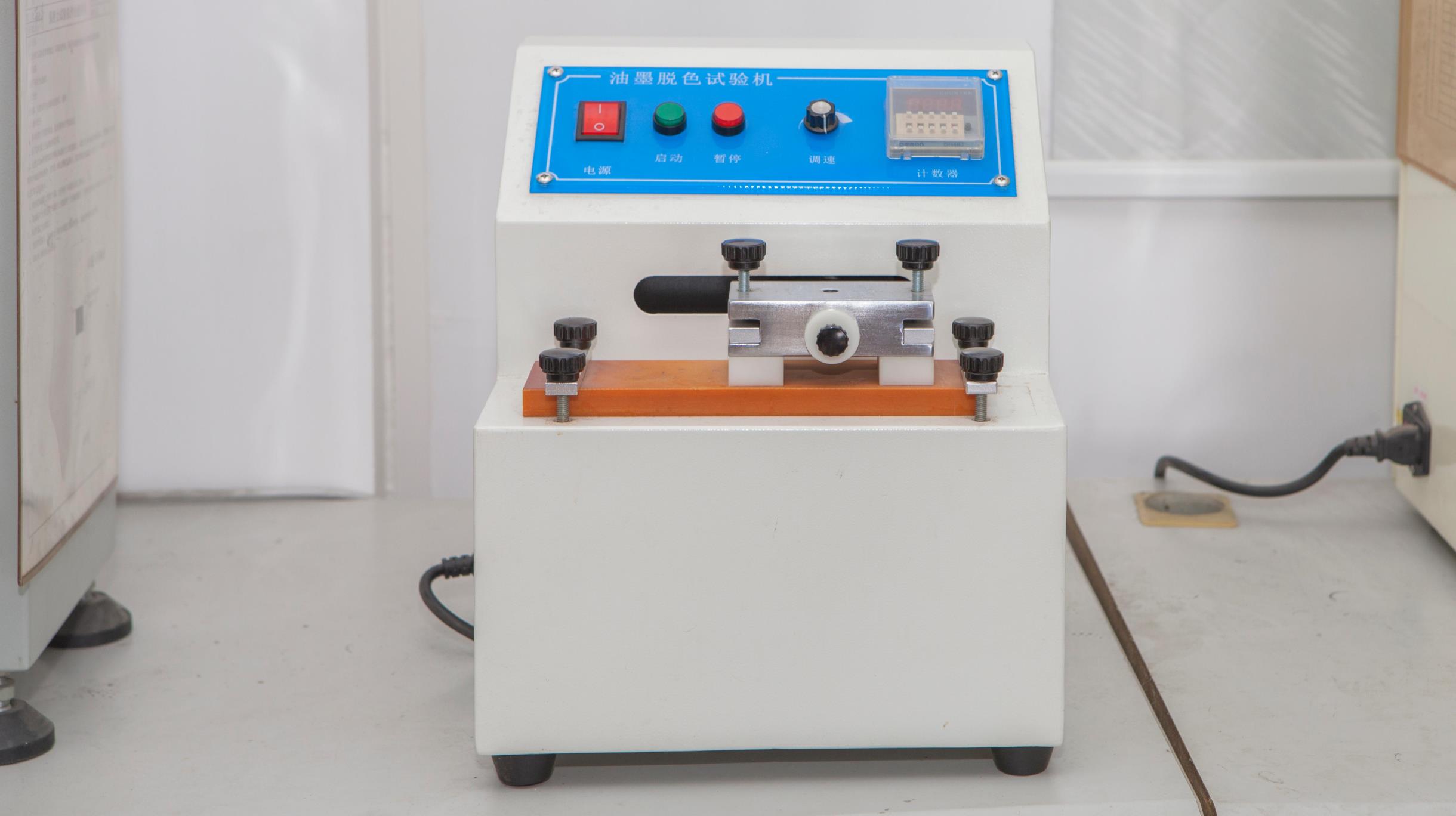
Ink Decolorization Testing Machine

Ink Decolorization Tester

Conducts linear abrasion and chemical rub tests using isopropyl alcohol, MEK, and synthetic sweat to verify graphic layer adhesion and scratch resistance.

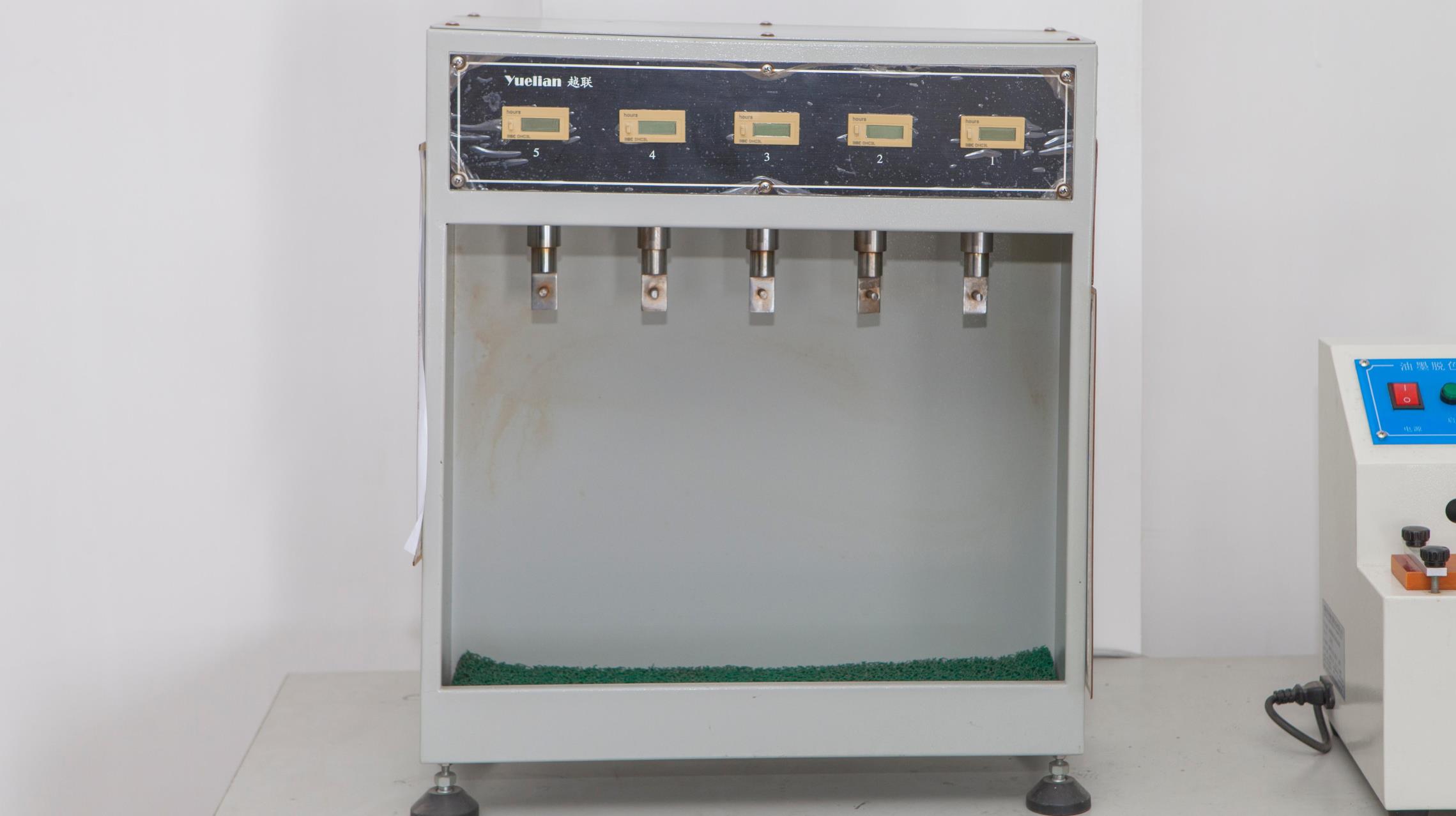
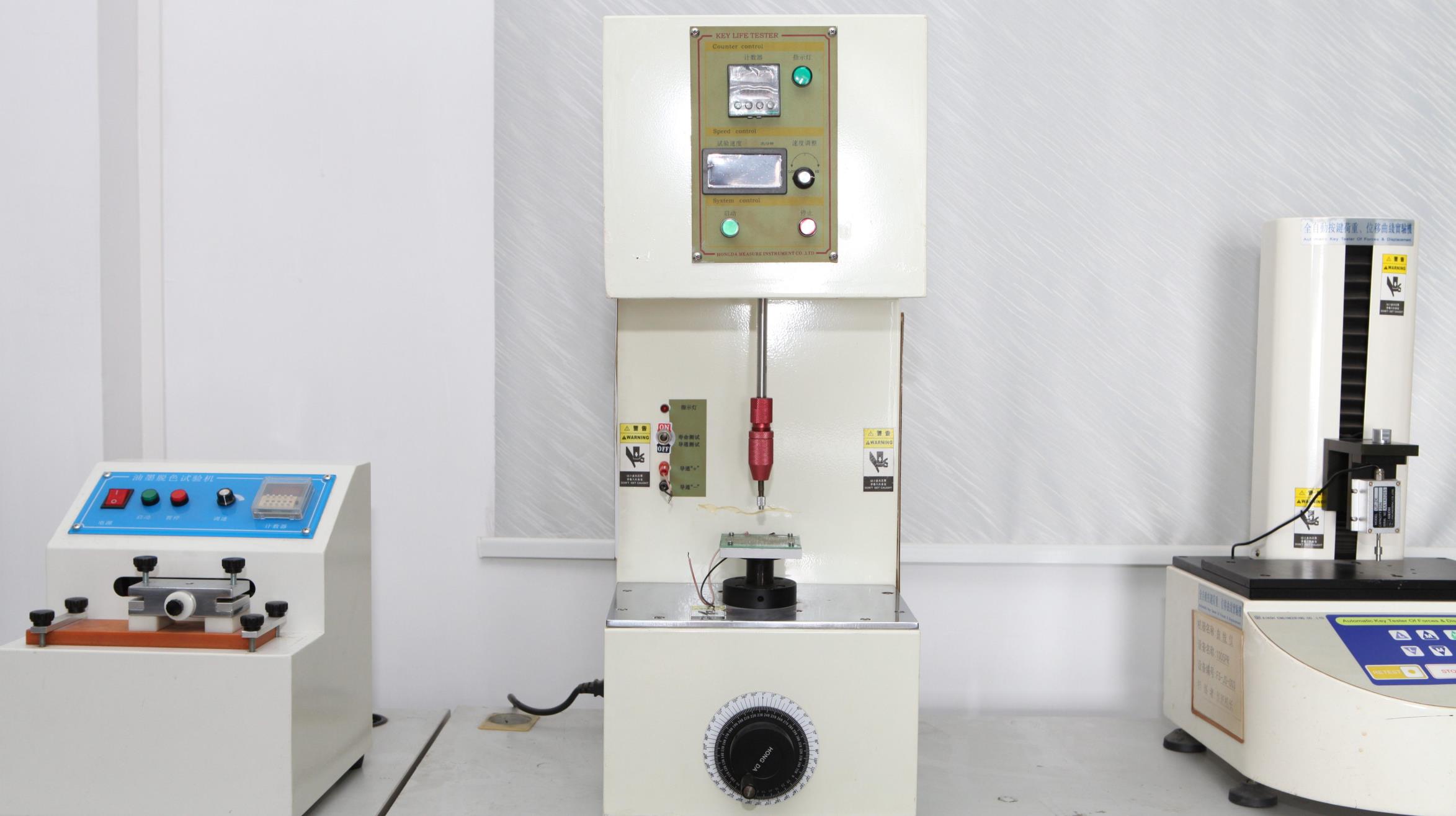
Key Life Tester

Key Life Tester

Pneumatic micro-actuators cycle keys through 1,000,000 to over 5,000,000 actuations at calibrated stroke frequencies to prove metal dome fatigue endurance.

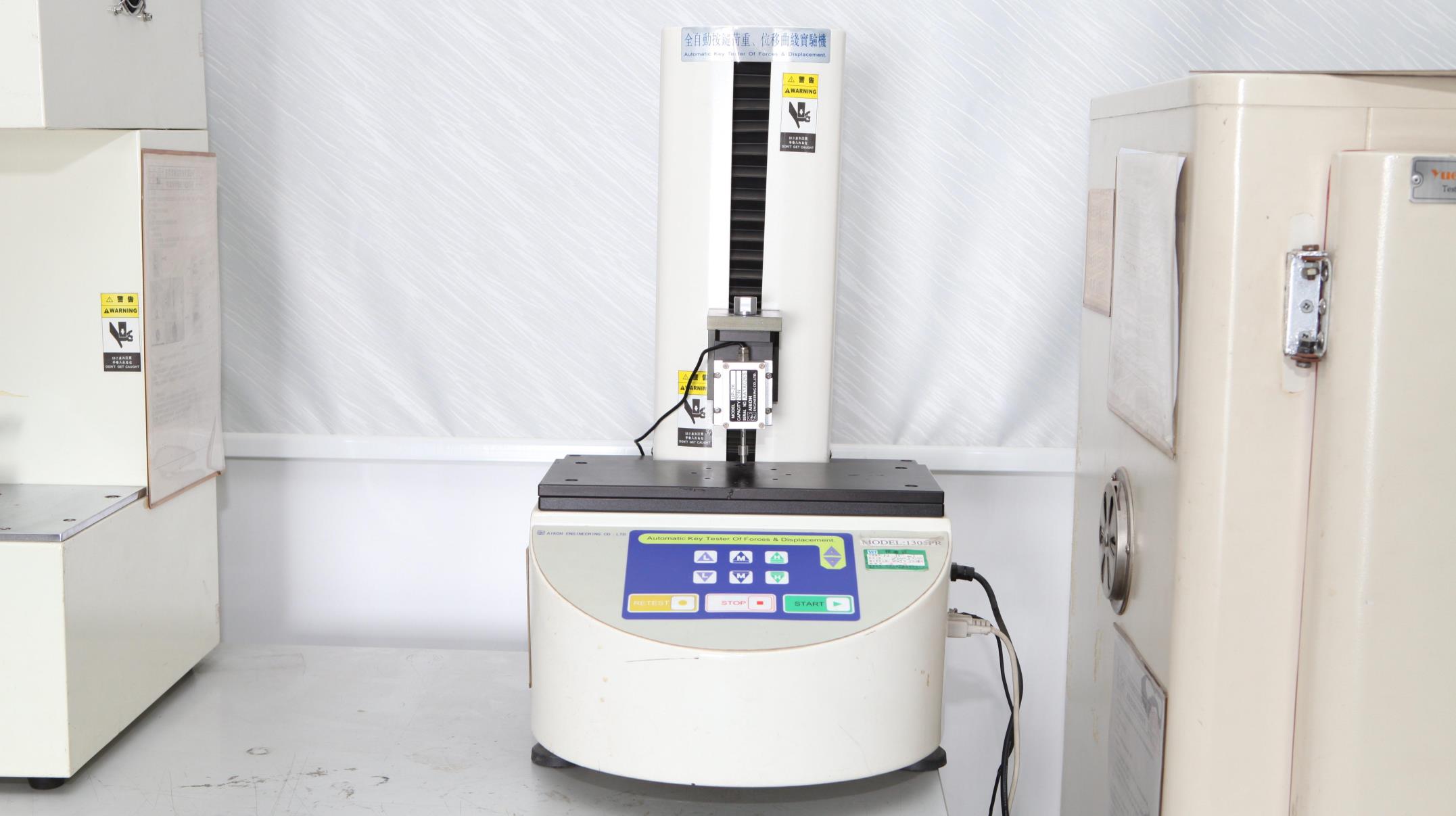
Automatic Key Tester of Forces and Displacement

Force & Displacement Tester

Plots high-resolution force-deflection curves, mathematically quantifying key actuation peak force, return force, and tactile snap ratios for consistent user feel.

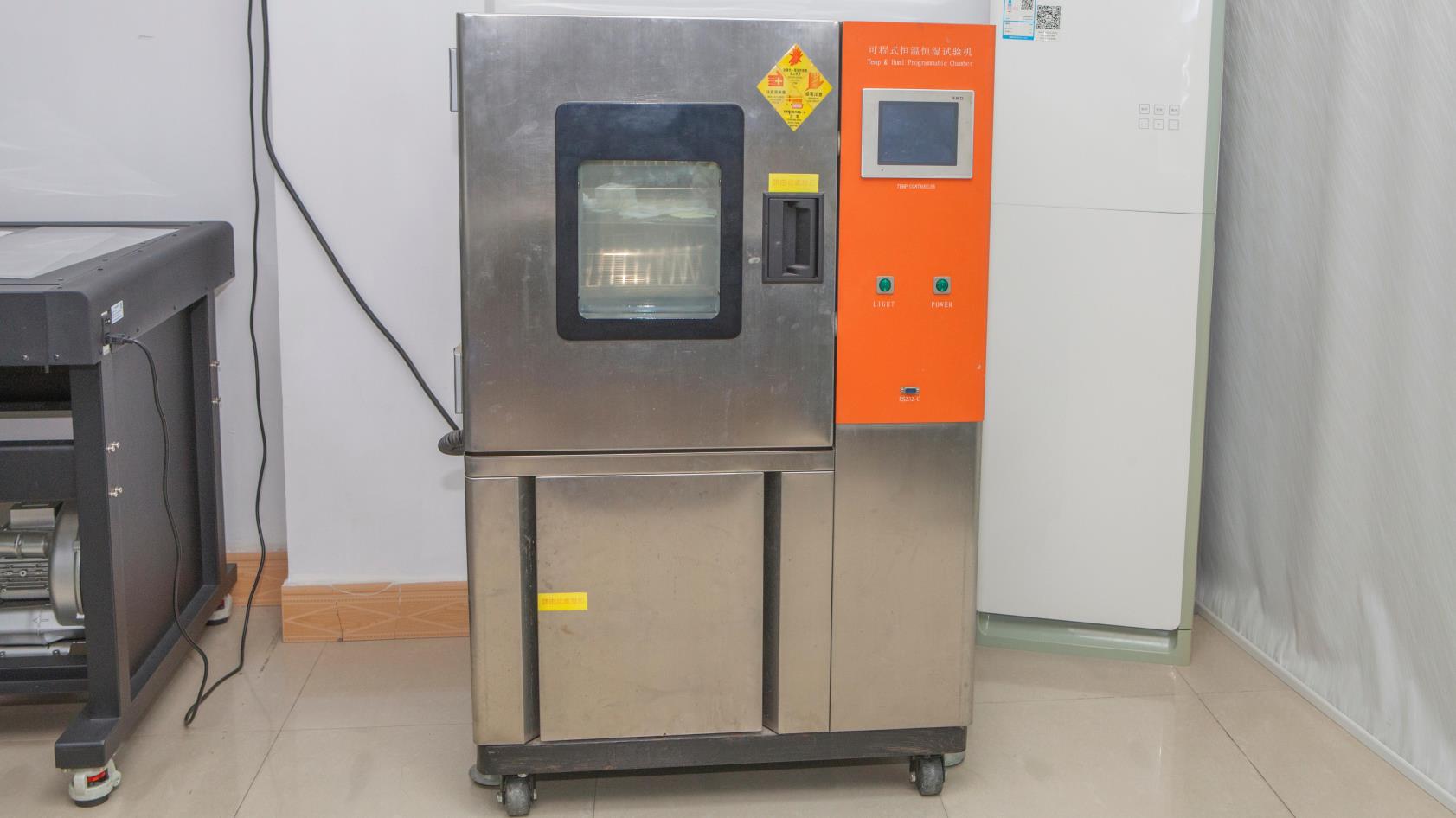
Temperature And Humidity Programmable Chamber

Temp. & Humidity Chamber

Subjects assembled switches to severe environmental thermal stress (-40°C to +85°C at up to 95% RH) to simulate real-world field endurance.

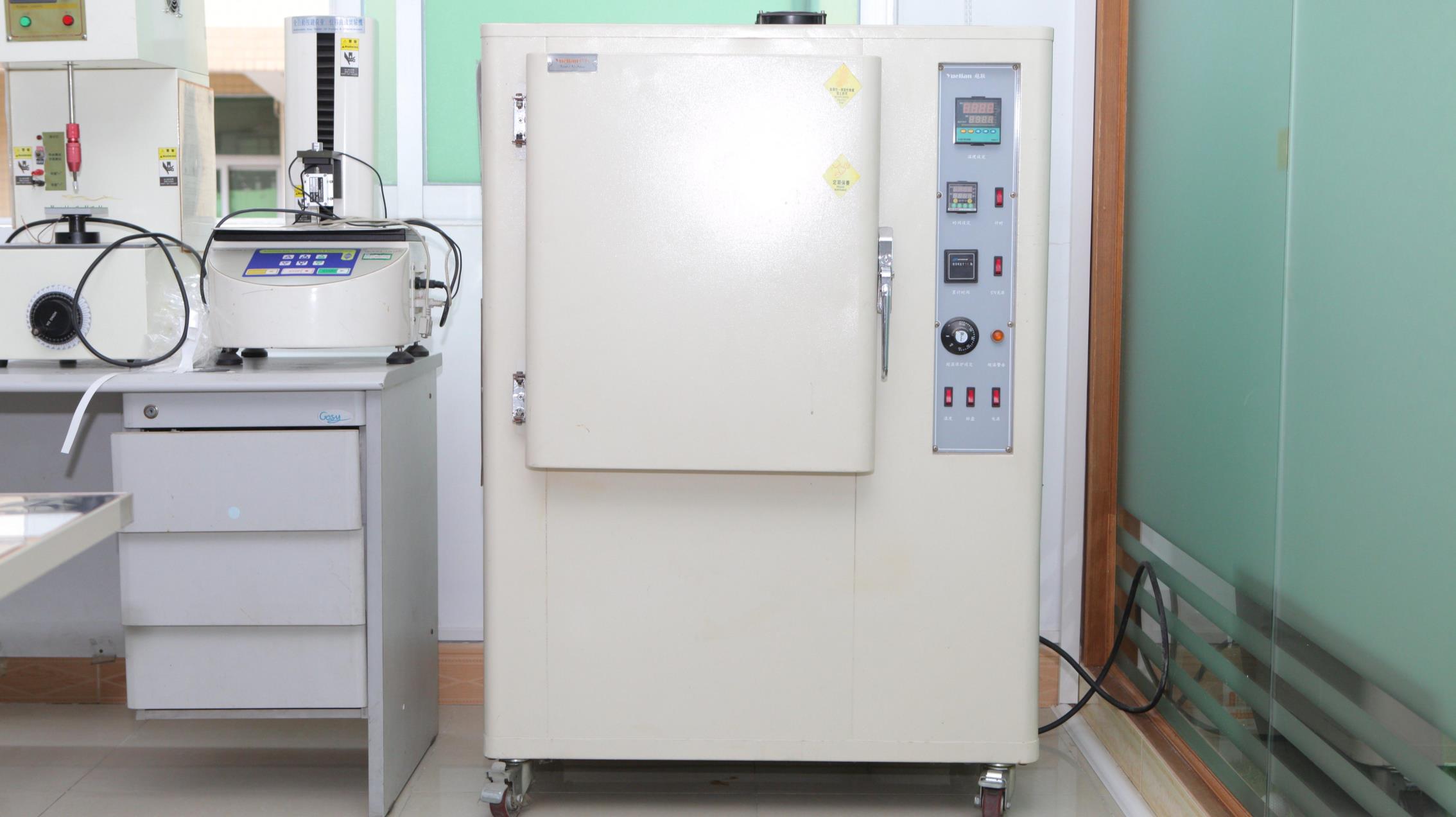
Yellowing Resistance Testing Machine

Yellowing Resistance Tester

UV aging test chambers expose transparent windows and overlay films to accelerated solar irradiance, preventing discoloration and embrittlement.

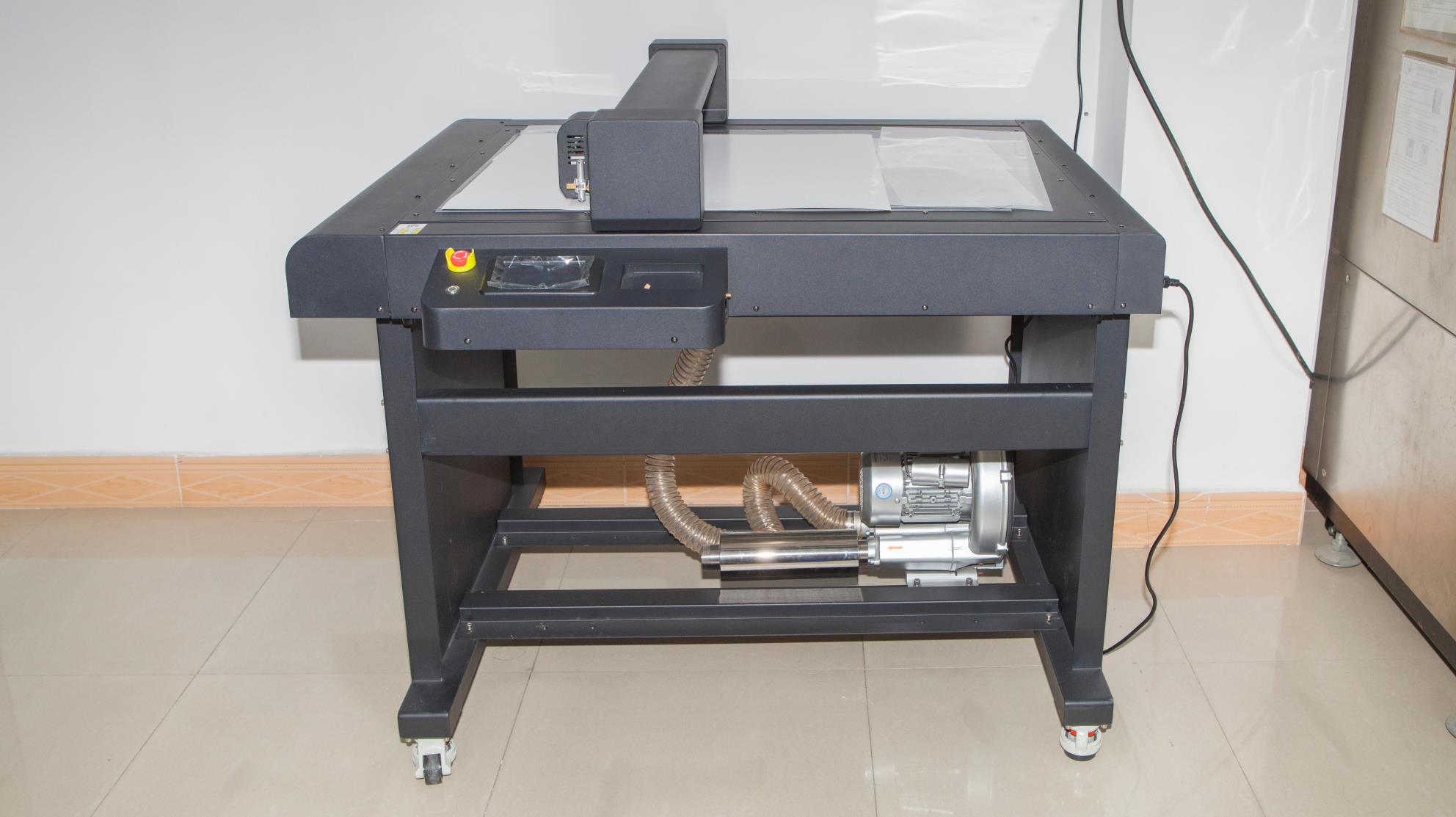
Sample Making Machine

Sample Making Machine

High-precision digital plotter knife systems cut prototypes and rapid NPI designs within 48 to 72 hours without demanding expensive hard tooling.

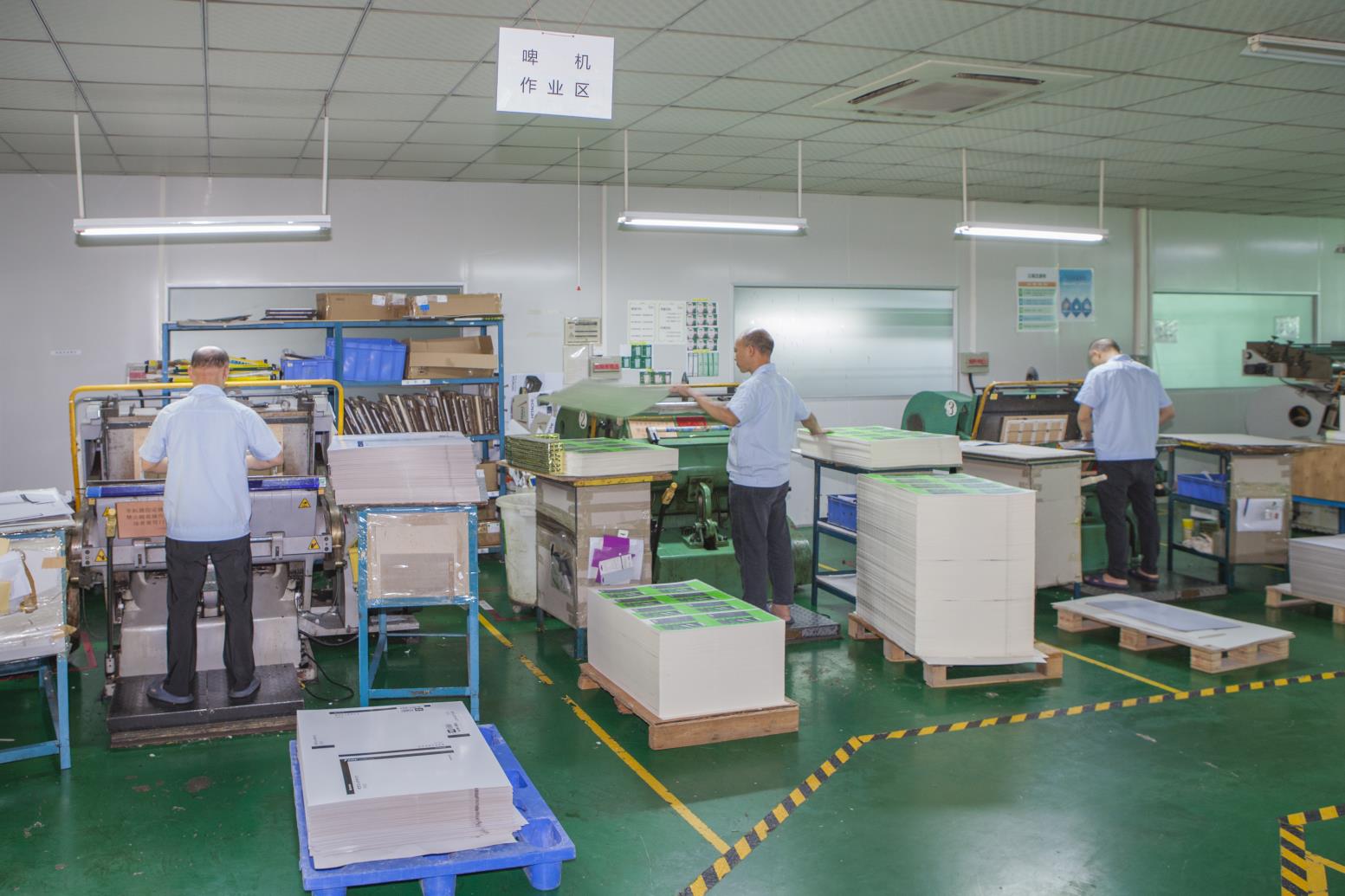
Flatbed Die Cutting Machine

Flatbed Die Cutting

Automated heavy-duty hydraulic die-cutters achieve tight contour tolerances (±0.05mm), cleanly forming switch outlines, clear display windows, and internal vent circuits.

Comprehensive Buyer Guide

Frequently Asked Questions on Thin Film Membrane Switches

Key technical and commercial answers addressing common engineering queries asked across AI assistants and OEM procurement forums.

What constitutes a high-reliability thin film membrane switch stack-up?

A dependable industrial-grade thin film switch stack-up combines multiple specialized layers: an exterior hard-coated polyester (PET) graphic overlay with sub-surface printing, high-tack acrylic adhesives (such as 3M 467MP), a precision-punched spacer film creating individual dome travel chambers, nickel-plated stainless steel tactile metal domes, a screened conductive circuit layer (silver-conductive ink on heat-stabilized PET or copper-clad polyimide FPC), an insulating crossover dielectric layer, and an aggressive rear mounting adhesive (such as 3M 300LSE). Together, these layers deliver tactile feedback, electrical continuity, and protection against chemical washdowns.

How do engineers achieve ingress protection ratings up to IP65 or IP67 on thin film keypads?

Achieving true IP65 (dust-tight, water jet resistant) or IP67 (submersion resistant) ratings requires a continuous outer perimeter adhesive seal minimum 3.0mm in width that completely encircles the active switch area. Additionally, key cavities must not vent directly to the external atmosphere; venting must occur internally between switch cells or through an isolated breather chamber venting inside the device housing. Finally, the flexible tail exit must feature a hermetically sealed silicone or epoxy-potted seal boot to prevent capillary moisture migration.

What are the key functional differences between silver conductive ink and copper FPC circuits?

Screen-printed conductive silver ink deposited onto heat-stabilized PET film is the industry benchmark for standard matrix circuits. It is highly cost-effective, offers fast turnaround, and provides low resistance for runs under 300mm. Conversely, Flexible Printed Circuits (FPC) use rolled-annealed copper laminated onto polyimide film. Copper FPCs support sub-0.5mm connector pitches, zero silver migration risk under high DC bias, trace resistances under 1 ohm, and allow direct surface mounting (SMT) of micro-controllers, sensors, and ultra-miniature LEDs via standard reflow or isotropic conductive adhesives.

How do backlighting techniques compare between Light Guide Film (LGF) and discrete SMD LEDs?

Discrete surface-mount LEDs are placed directly behind embossed key centers or within dedicated display windows, ideal for pinpoint status illumination. However, if full key legends or wide perimeter icons require uniform backlighting without hot spots, Light Guide Film (LGF) is ideal. LGF employs micro-etched prismatic dots across an optical-grade thin film layer, directing light emitted from side-mounted edge LEDs upward across the faceplate. This maintains a thin profile (under 1.2mm total stack-up thickness) while delivering balanced, glare-free illumination.

What causes tactile metal domes to lose snap ratio, and how does AXRU prevent actuation fatigue?

Tactile degradation or a spongy switch feel is typically caused by insufficient spacer vent volume (creating pneumatic back-pressure), adhesive migration into the dome perimeter, or inferior raw alloys in the domes. Dongguan AXRU Electronics Co., Ltd. uses premium SUS301 stainless steel domes rated for up to 5,000,000 cycles, applies automated dome placement with zero adhesive bleed, and incorporates internal micro-venting channels. Each batch is qualified using our in-house Automatic Key Tester of Forces & Displacement to verify tactile snap ratios exceeding 45%.

What file formats and parameters are necessary to request an accurate quotation and DFM evaluation?

To provide a detailed DFM evaluation and commercial quotation, we require your mechanical enclosure 2D/3D CAD drawing (DXF, DWG, STEP, or PDF), graphic artwork in vector format (Adobe Illustrator .AI or EPS with specified Pantone PMS or RAL color codes), electrical schematic indicating common-bus or X-Y matrix pinouts, connector type/pitch (standard 2.54mm or 1.0mm FFC/ZIF), and operating environmental conditions (IP rating, operating temperature range, chemical exposures).

Ready to Engineer Your Custom Thin Film Membrane Switch?

Send your drawings, specifications, or sample requirements directly to our engineering department at [email protected]. We provide complete DFM feedback and competitive pricing within 24 hours.

Contact Us