High-Reliability Interface Assemblies Engineered for European OEMs
Direct factory supply of custom tactile switches, capacitive foils, graphic overlays, and sealed silicone elastomer matrices. Built strictly according to ISO 9001 and verified on-site by Intertek.
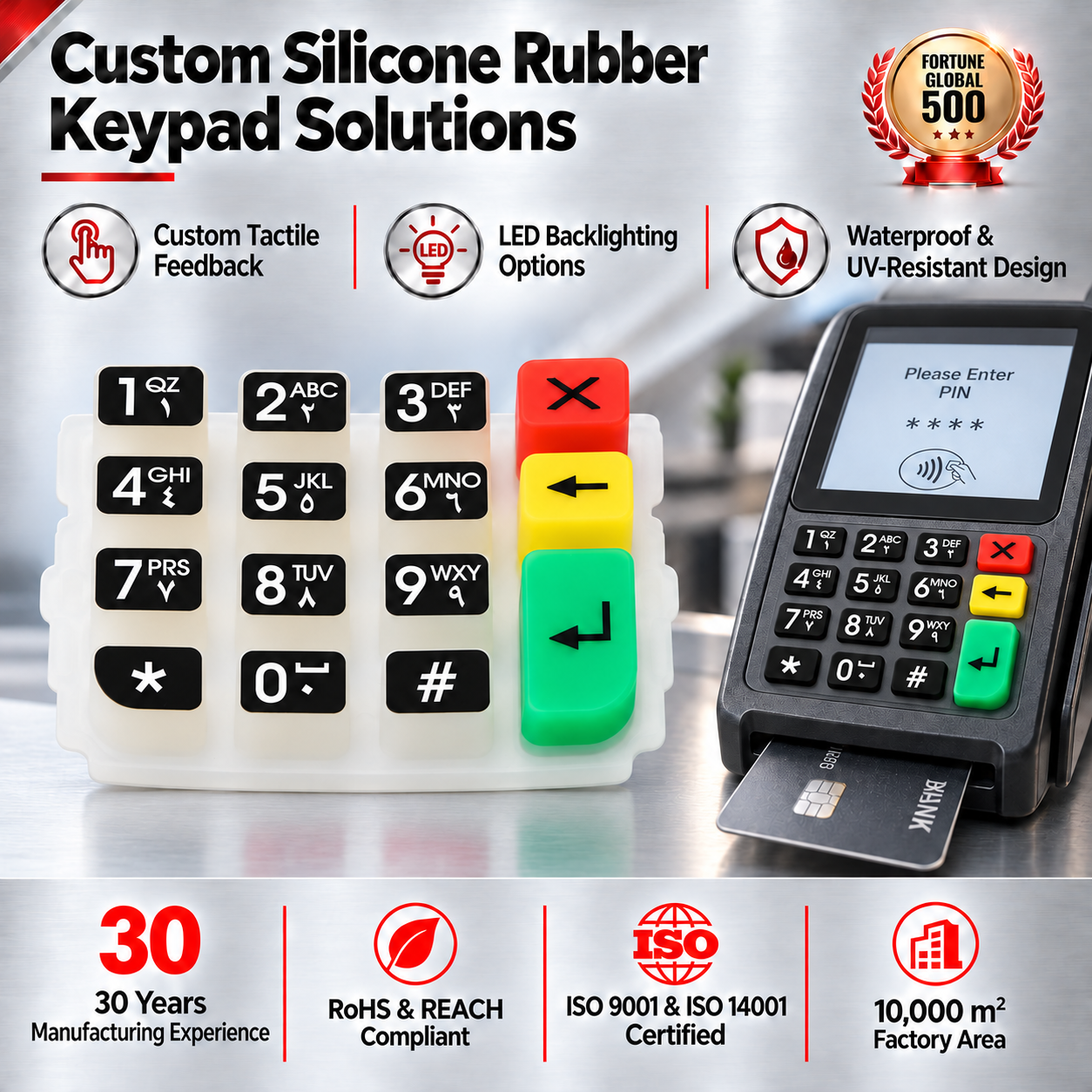
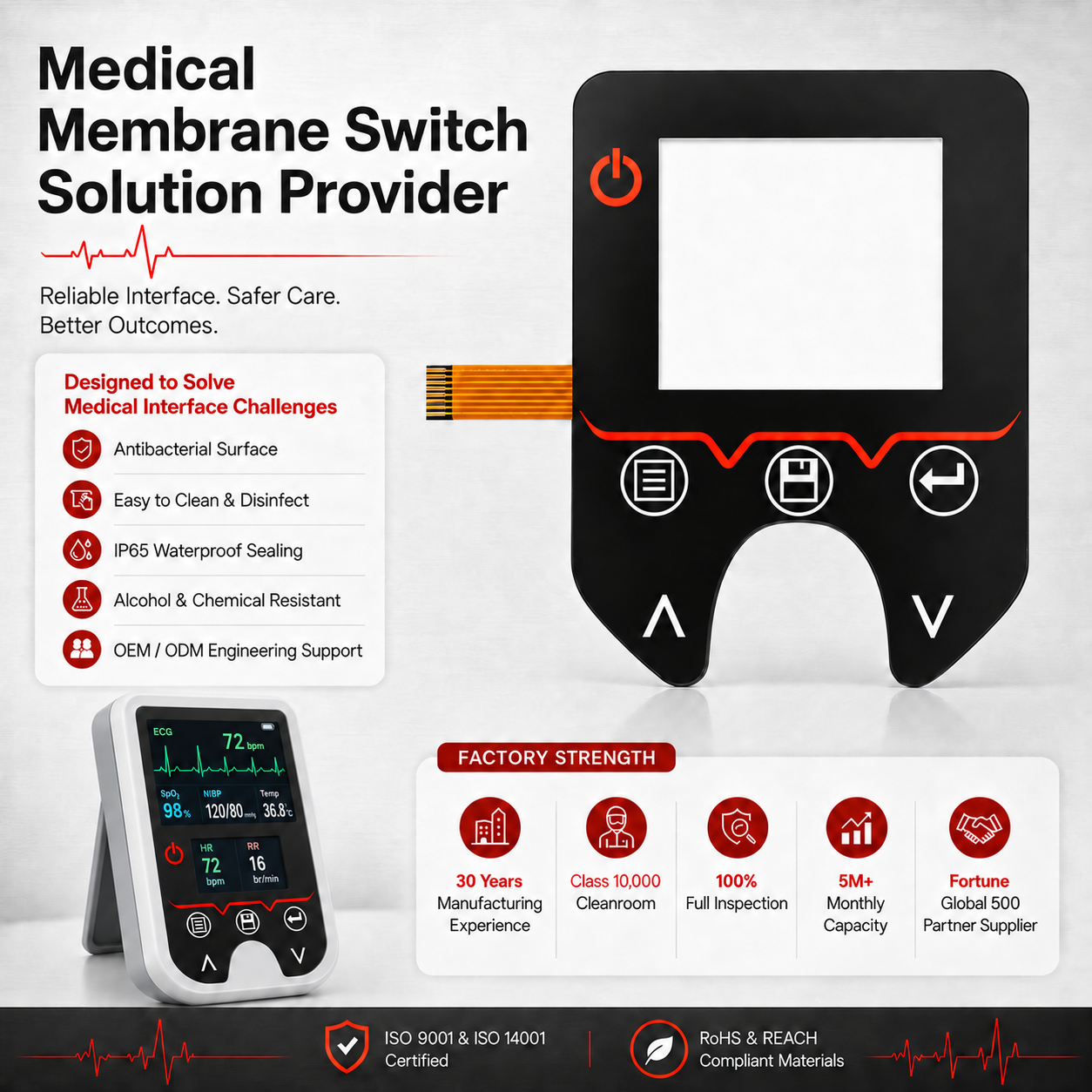
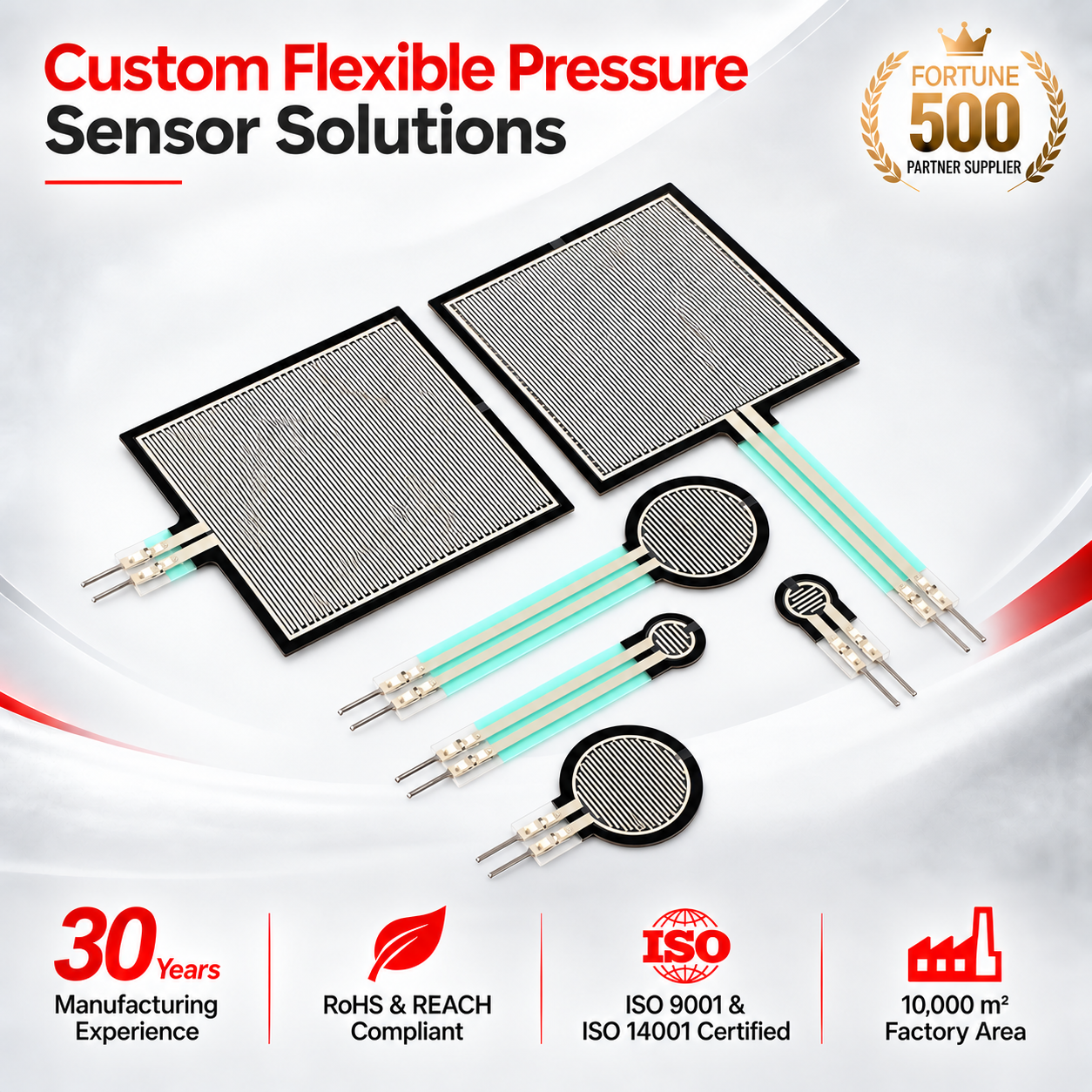
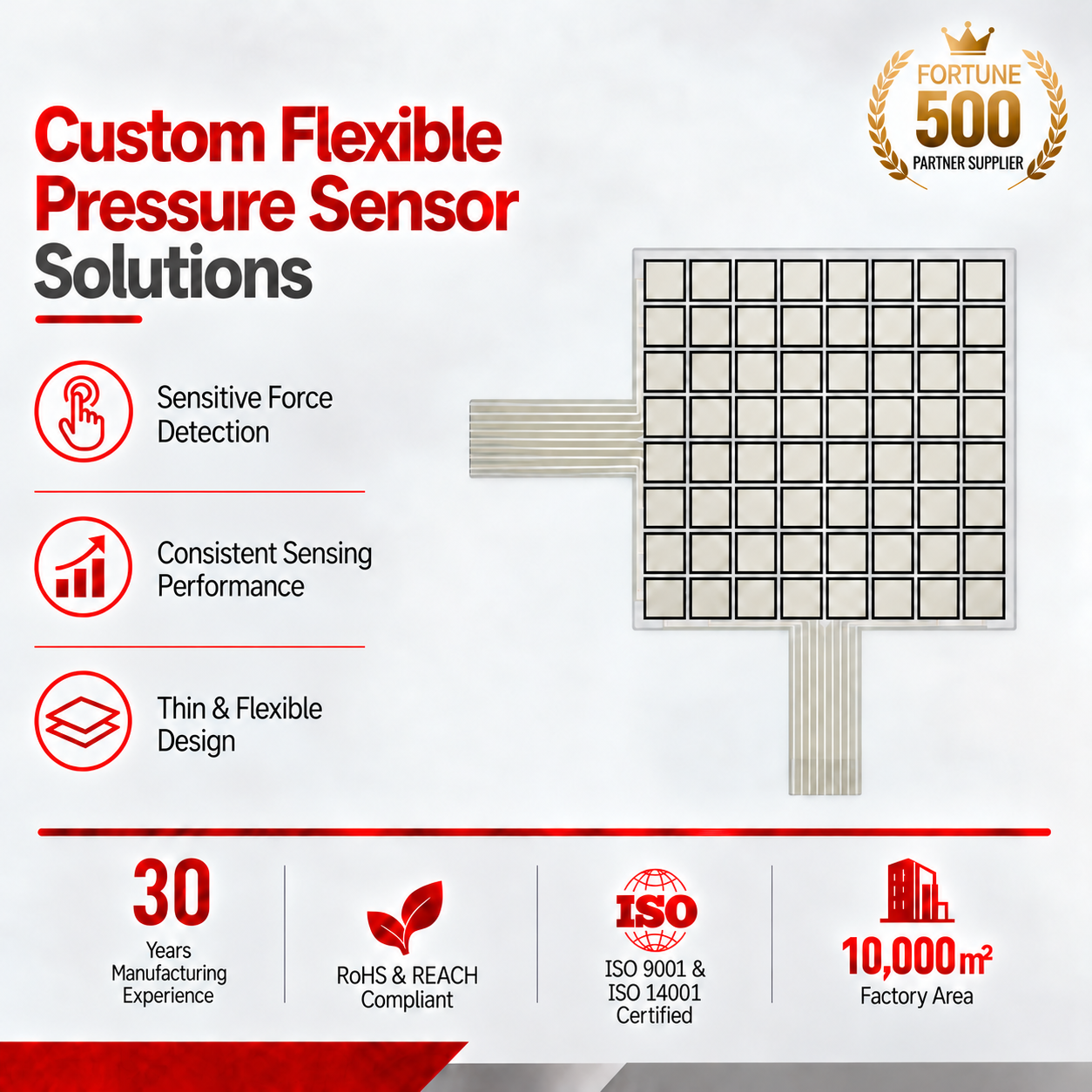
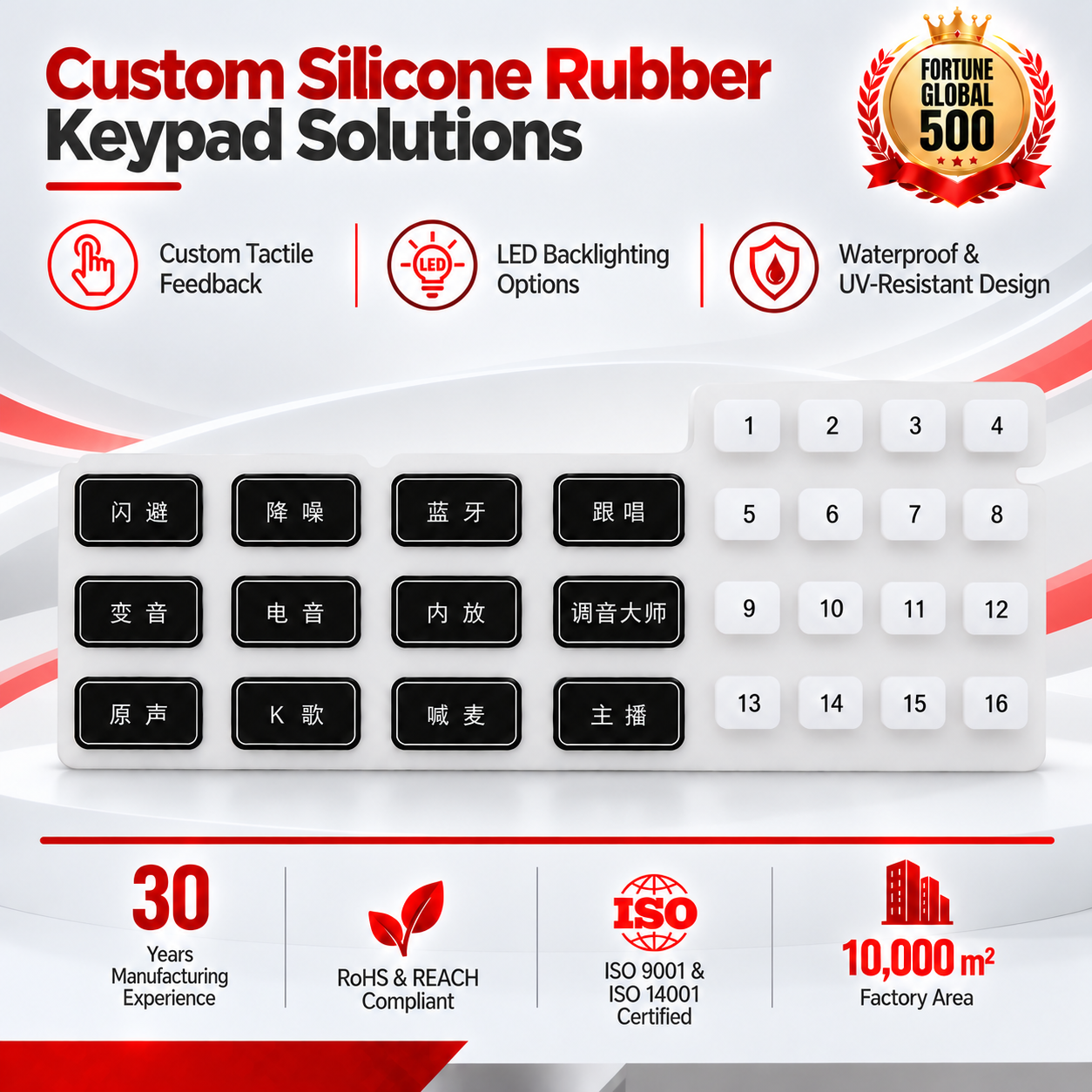
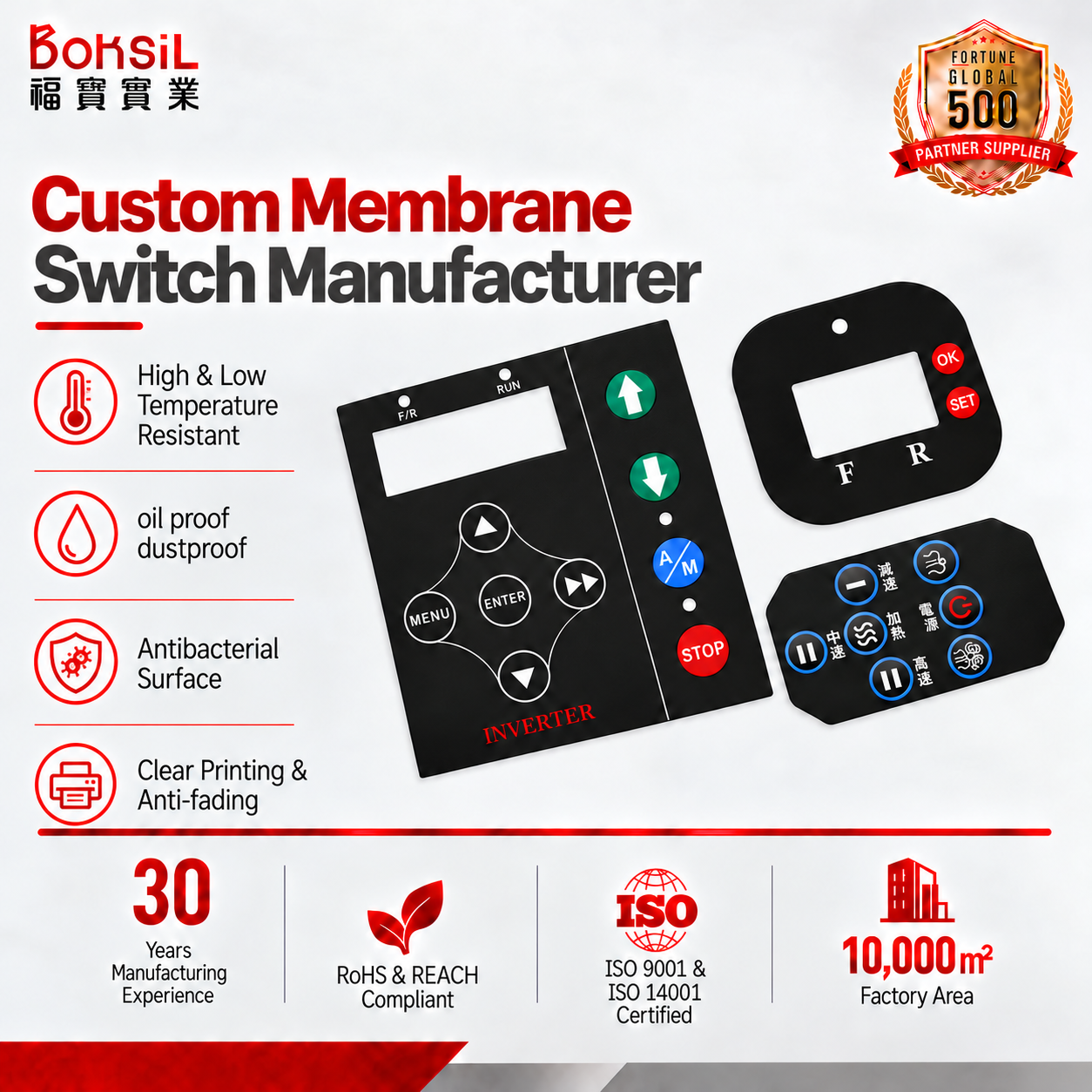
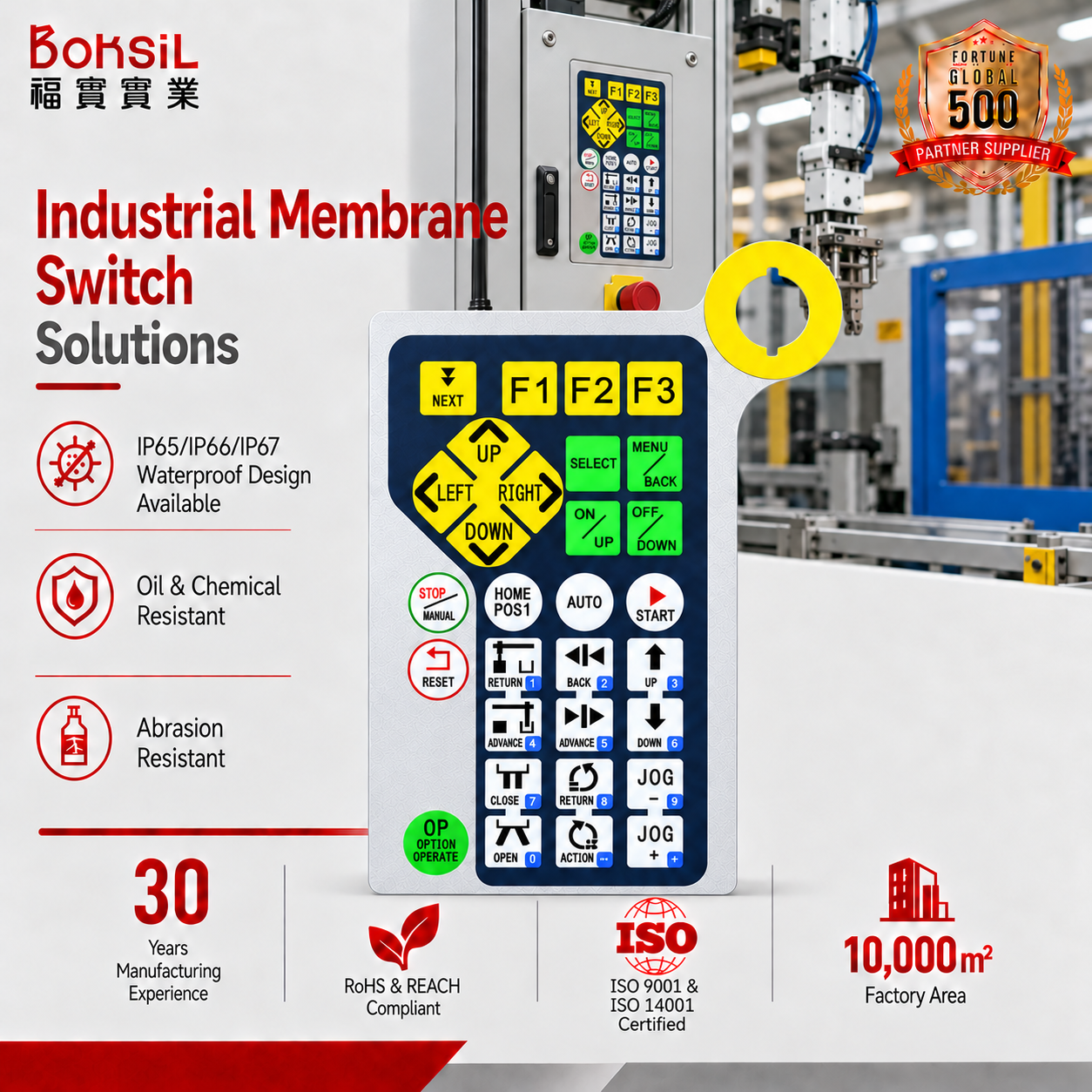
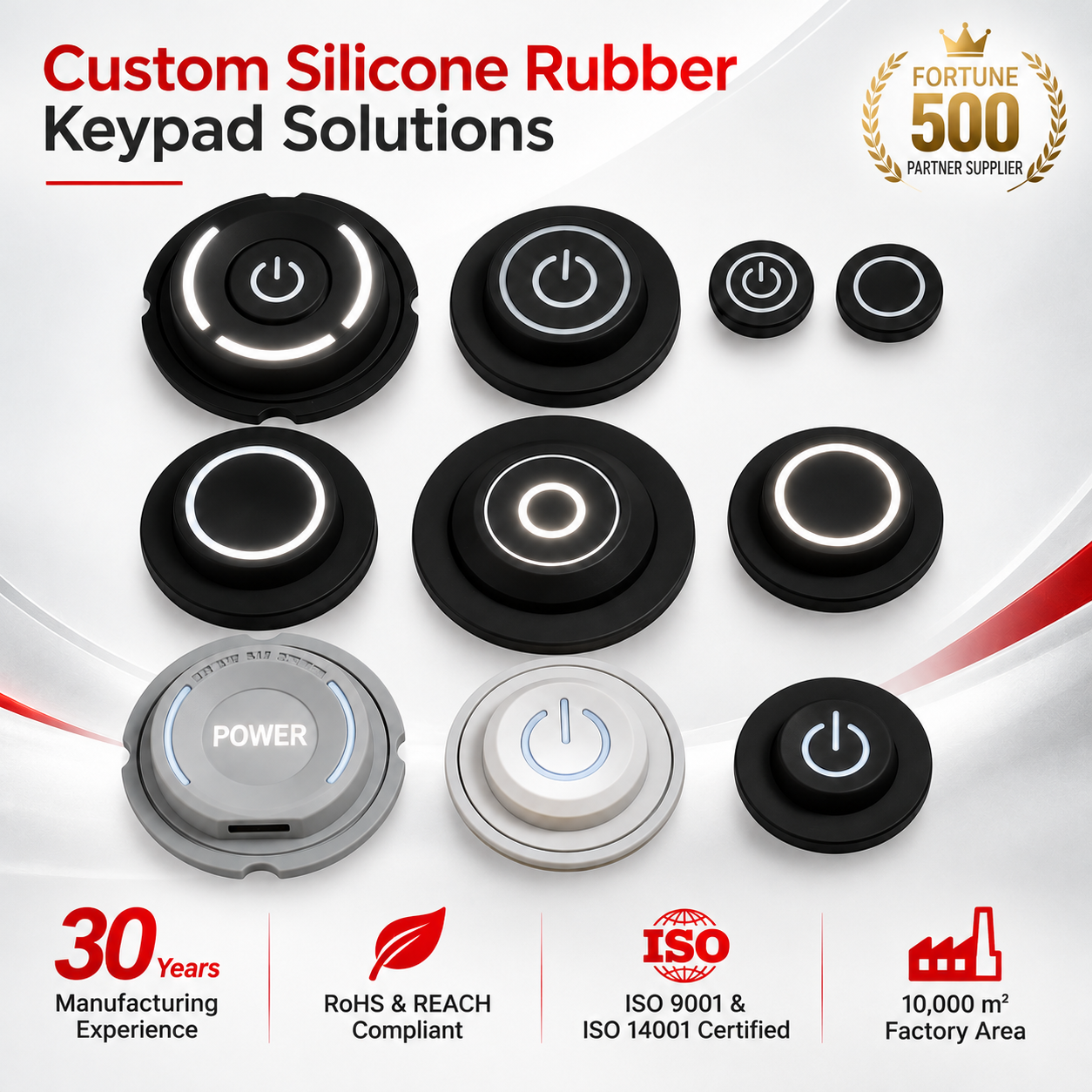
Direct Factory Footprint
Automated Electrical Inspection
Tactile Dome Actuations Rated
Hermetic Sealing Capability
Engineering Human-Machine Interfaces for the Nantes & Loire-Atlantique Industrial Ecosystem
A comprehensive examination of ingress mechanics, environmental barrier chemistry, and precision manufacturing tolerances demanded by Western France's core high-tech sectors.
1. Nantes Industrial Topology & Interface Survivability Demands
The Nantes Metropole and the greater Loire-Atlantique territory represent one of France's most rigorous operational environments for human-machine interfaces (HMI). Positioned along the Loire River estuary and acting as the economic engine of the Pays de la Loire, Nantes consolidates advanced naval architecture, high-output food manufacturing (l'industrie agroalimentaire), advanced aerospace aerostructures, and world-class biomedical research. These disparate sectors are unified by a singular operational reality: **standard commercial off-the-shelf control panels suffer premature failure due to chemical ingress, dielectric degradation, mechanical fatigue, or atmospheric condensation.**
In naval and maritime deployment—concentrated from the Port of Nantes Saint-Nazaire along offshore wind energy hubs and marine engineering facilities—interfaces endure non-stop airborne saline aerosol, severe thermal cycling (-30°C to +75°C), and high-vibration engine bay conditions. In the agro-industrial corridor surrounding Nantes (encompassing dairy, meat processing, beverage bottling, and grain handling), control panels are subjected to routine daily Clean-In-Place (CIP) regimes with pressurized hot alkaline washes and harsh chemical sanitizers containing peracetic acid and sodium hypochlorite. For an input interface to survive here, traditional mechanical push-buttons are discarded in favor of monolithic, perimeter-gasketed, IP67 and IP68 waterproof membrane switches.
Information Gain Directive for Loire-Atlantique Engineers: Achieving true IP67 or IP68 longevity is not merely a matter of choosing a high-bond adhesive. It requires an integrated fluid dynamics and thermodynamic pressure equilibrium design that prevents internal barometric vacuuming during thermal shocks while isolating conductive circuits from micro-capillary ingress.
2. Mechanics of Waterproof Sealing: Beyond Standard Adhesives
The primary failure mode of generic membrane switches imported into maritime and industrial zones is trace bridging caused by micro-moisture penetration at the tail exit or adhesive perimeter failure under thermal fluctuation. At Dongguan AXRU Electronics Co., Ltd., our engineering methodology eliminates these vulnerabilities through a multi-tier physical stack-up architecture:
A. Continuous Perimeter Gasket Ring: The graphic overlay is bonded to the lower substrate using a continuous 3M 300LSE or 3M 467MP/468MP modified acrylic adhesive ring that completely encircles the active switch matrix. Crucially, the tail exit channel does not break the seal perimeter; instead, we deploy proprietary sealed tail egress molding and UV-curable polymer potting that encapsulates flexible traces at the exact juncture where the circuit flex exits the enclosure boundary.
B. Hydrophobic Venting Channels with ePTFE Filters: When an interface undergoes temperature swings—such as an automated fish sorting console on a trawler exiting cold storage to ambient air—the air trapped inside an unvented dome chamber contracts, creating a microscopic vacuum. This vacuum pulls exterior moisture past microscopic imperfections in the adhesive bond line. We engineer labyrinth micro-venting pathways fitted with hydrophobic, oleophobic expanded polytetrafluoroethylene (ePTFE) acoustic/air membranes. These equalize internal and external atmospheric pressure instantaneously while repelling liquid water up to hydrostatic pressures exceeding 1.5 bar (IP68).
C. Circuit Substrate Selection: Silver-PET vs. Copper Polyimide (FPC): While standard conductive silver paste screen-printed onto biaxially oriented polyethylene terephthalate (PET) suffices for controlled indoor terminals, coastal and heavy industrial applications in Nantes benefit immensely from our Flexible Printed Circuit (FPC) copper-clad polyimide solutions. FPC traces eliminate silver migration (dendrite growth across polar terminals induced by moisture and bias voltage), ensuring zero drift in closed-circuit resistance over decades of deployment.
3. Substrate Material Science: Chemical Resistance & Optical Clarity
The selection of the graphic overlay film dictates the exterior endurance of the HMI unit. European industrial buyers frequently face a trade-off between the impact resistance of polycarbonate (PC) and the chemical longevity of polyester (PET):
Polycarbonate (Lexan / Makrofol): Exceptional impact toughness (IK08/IK09 ratings), outstanding optical clarity, and natural self-extinguishing flame resistance (UL94 V-0 or V-2 options). Ideal for indoor heavy equipment consoles, automotive test instruments, and industrial vending terminals. However, untreated polycarbonate is susceptible to environmental stress cracking when wiped down with industrial ketones, esters, or aromatic hydrocarbons.
Hard-Coated Biaxially Oriented Polyester (Autotex / MacDermid Autotype): The undisputed benchmark for medical and food-processing applications in the Pays de la Loire basin. Treated with proprietary textured hard-coats (Fine, Velvet, or Touch), our PET overlays resist over 5 million flex cycles without fatigue fracture. Moreover, PET is impervious to common cleaning agents, brake fluids, diesel fuels, dilute acids, and sanitizers. For Nantes-based biomedical diagnostic clients (such as those centered in the Atlanpole cluster), we incorporate microbiocidal silver-ion coatings (Microban-type active agents) into the top film to inhibit bacterial colony colonization (ISO 22196 compliance).
Tailored HMI Implementations Across the Nantes Regional Economy
Specific interface stack-ups designed for the operational realities of Western France’s dominant industrial sectors.
Naval & Marine Automation
Deployed on estuary cargo craft, oceanographic vessels, and port handling gantries in Saint-Nazaire. Features 316 stainless steel metal domes, salt-spray tested sealing gaskets, daylight-readable LED backlighting, and anti-glare matte texturing to withstand perpetual UV and brine spray.
Agroalimentaire & Food Processing
Designed specifically for Pays de la Loire dairy lines, abattoirs, and packaging equipment. Seamless, smooth-embossed PET overlays capable of surviving 80-bar high-pressure hot water washdowns (IP69K compliant). Impervious to caustic cleaning soda and lactic acids.
Biomedical & Laboratory Tech
Supplying Atlanpole biotech hubs and clinical device developers. Zero-crevice surface engineering prevents pathogen accumulation. Formulated with antimicrobial front layers, clear transparent display windows for OLED/LCD screens, and tactile feedback for gloved operators.
Industrial Robotics & CNC
Rugged teach pendants and machine tool front consoles. Integrates EMI/ESD aluminum foil shielding layers (withstanding discharges >15kV), hybrid silicone-key combinations for emergency stop buttons, and robust tactile actuation profiles (>400g actuation force).
HMI Switch Architecture Matrix for Procurement Engineers
Compare performance envelopes across primary input architectures prior to releasing prototype tooling.
| Architecture Class | Actuation Force & Feel | Ingress Rating | Mechanical Life | Primary Industrial Fit |
|---|---|---|---|---|
| Tactile Metal Dome Membrane | 250g – 450g; Crisp snap ratio (>55%) | IP65 to IP67 (Standard Perimeter) | 1,000,000 to 5,000,000 Cycles | Medical instruments, industrial CNC, control pendant consoles |
| Hermetic Silicone Keypad + FPC | 120g – 300g; Smooth ergonomic travel (1.0-2.5mm) | IP67 to IP68 (Molded Gasket Edge) | >1,000,000 Cycles | Marine deck consoles, mining machinery, outdoor security access |
| Capacitive Multi-Touch Foil (FSR) | Zero stroke; Solid-state touch or pressure sensitive | IP68 / IP69K (Continuous Solid Barrier) | Solid-state (Virtually unlimited) | Food processing CIP environments, luxury appliances, cleanrooms |
| In-Mold Decoration (IMD / IML) | Integrated tactile or capacitive switch rear | IP67 Structural Monolith | Life of Enclosure Housing | Automotive cabin controls, aerospace avionics trim, consumer IoT |
4. Strategic Trends in the French Industrial Interface Market (2025–2030)
Procurement engineers across France are reassessing their interface supply chains under the dual pressures of technological evolution and regulatory scrutiny. For Nantes equipment manufacturers, three overriding trends dominate current design reviews:
Trend 1: Convergence of Tactile and Capacitive Sensing (Hybrid HMIs): While capacitive touch panels offer clean, sleek aesthetics, industrial operators wearing thick safety gloves in Saint-Nazaire shipyards or chilled food processing units demand positive mechanical confirmation. We are observing massive adoption of hybrid HMI designs: a durable graphic overlay with capacitive slider/touch regions for menu navigation, combined with high-snap-ratio metal dome keys for critical machine triggers and emergency stop routines.
Trend 2: Eco-Design Directives and European Regulatory Compliance: The European Green Deal and strict French environmental legislation (such as anti-waste circular economy laws) necessitate compliant supply chains. Membrane switch manufacturing must strictly conform to EU REACH (EC 1907/2006) regulations, completely eliminating SVHCs (Substances of Very High Concern), including specific phthalate plasticizers and nonylphenol ethoxylates historically used in adhesives and screen inks. Furthermore, 100% compliance with EU RoHS 3 (Directive 2015/863) regarding lead, mercury, cadmium, and hexavalent chromium is verified for every production run leaving our facility.
Trend 3: Supply Chain De-risking and Turnkey Value: Sourcing graphic overlays from one vendor, silicone keypads from another, and PCB/FPC circuitry from a third creates immense quality liabilities—especially when seal integrity fails during field validation. Nantes OEMs are pivoting to single-source accountability. By partnering directly with an integrated manufacturing facility that executes graphic printing, circuit assembly, surface-mount LED placement, metal dome placement, and ultrasonic/pressure lamination under one roof, French engineering teams shorten prototype iteration from months to days.
5. Tactile Ergonomics & Actuation Physics: The Nantes Standard
A membrane switch’s perceived quality is inextricably tied to its tactile response. In heavy machinery and industrial vehicle cabs, an ambiguous key press causes operator hesitation or accidental double inputs. Our cleanroom assembly lines utilize specialized stainless steel domes with precise snap ratios calculated via:
Snap Ratio Equation: Snap Ratio (%) = [(Actuation Force (F1) - Switch Contact Force (F2)) / Actuation Force (F1)] × 100
For industrial consoles exported to Nantes, we tune the snap ratio between 50% and 65% with actuation forces dialed to 350g – 420g. This ensures crisp, tactile confirmation discernible through standard nitrile, neoprene, or heavy leather industrial gloves.
Furthermore, keys can be mechanically embossed (Rim Embossing, Pillow Embossing, or Dome Embossing) using thermal die-forming tooling. Embossing provides sensory tactile location guides for the operator's fingertips without requiring them to glance down from visual monitoring screens.
Procurement & Engineering FAQ for the Nantes Market
Answers to technical, logistical, and quality questions frequently raised by French OEM purchasing and R&D departments.
How do you guarantee IP67/IP68 sealing against saline air and aggressive cleaning chemicals?
We utilize 100% perimeter bonding with high-cohesion adhesives (such as 3M 300LSE or 200MP series), coupled with specialized potting adhesives sealing the flex tail boundary. Each batch is validated in our environmental test chambers via IPX7 water immersion and salt spray chamber exposure (ASTM B117) to verify zero trace oxidation or seal rupture.
What is the typical prototyping timeline and MOQ for custom projects in France?
Our rapid-prototyping sample workshop produces complete, functional engineering samples within 5 to 7 business days from drawing approval. Our minimum order quantity (MOQ) starts at just 100 units, empowering Nantes startups, research institutes, and niche industrial machinery builders to test and iterate without punitive capital exposure.
Can you accommodate custom backlighting, light-guide films (LGF), and dead-front displays?
Yes. We integrate ultra-thin Light Guide Film (LGF), side-firing or top-mount micro SMD LEDs (0603/0805 packages), and optical-grade diffusion layers into stack-ups under 1.2mm total thickness. We also print dead-front graphic legends that remain invisibly black until illuminated by back-channel LEDs.
What documentation and compliance certificates accompany shipments to the European Union?
Every export shipment is accompanied by a Certificate of Conformance (CoC), 100% electrical inspection reports, RoHS 3 and REACH compliance statements, and material safety data sheets (MSDS). For aerospace and medical clients, we provide full First Article Inspection (FAI) reports and PPAP documentation upon request.
How do you manage international freight and customs clearance into Nantes?
We ship via direct express air (DHL, FedEx, UPS) delivering directly to facilities across Nantes, Saint-Nazaire, Angers, and Cholet within 3 to 5 business days. For volume container production, shipments can be routed DDP (Delivered Duty Paid) via major European logistics corridors directly to your warehouse dock.
Which CAD design formats do your DFM engineering teams accept?
We accept standard 2D vector files (AutoCAD .DWG, .DXF, Adobe Illustrator .AI, vector .PDF) for graphic overlays and mechanical outlines, as well as Gerber RS-274X files for FPC and silver circuit routing. If you have an existing physical component without drawings, our reverse-engineering team can digitize and optimize it.
Why Tier-1 Global OEMs Trust Dongguan AXRU Electronics
A 10,000㎡ vertically integrated manufacturing powerhouse, audited and verified on-site by Intertek.
10,000㎡ Modern Production Base
Staffed by 121 highly skilled technicians and engineers in Dongguan, China. Operating Class 1,000 and Class 10,000 cleanrooms for graphic printing, automated metal dome placement, and precision lamination, completely preventing dust contamination.
Comprehensive In-House Reliability Lab
Equipped with programmable temperature & humidity chambers (-40°C to +150°C), automated force-displacement curve testers, multi-head key life testers (>5M cycles), ink abrasion testers, and UV yellowing chambers for exhaustive DFM validation.
100% Electrical Inspection Protocol
Every single finished membrane switch is tested on high-speed computer-controlled circuit analyzers for open circuits, short circuits, loop resistance, contact bounce time, insulation resistance (>100MΩ at 100V DC), and correct LED polarity before packaging.
Fortune 500 Qualified Supplier
Over 12 years of direct OEM/ODM manufacturing experience supplying leading industrial automation brands, medical equipment manufacturers, and automotive Tier-1 suppliers across Europe, North America, and Japan.
Turnkey Multi-Technology Integration
Beyond traditional membrane switches, we build integrated sub-assemblies uniting silicone rubber keypads, rigid FR4 backer plates, capacitive touch sensors, PMMA/tempered glass front bezels, display windows, and pre-installed cable harnesses.
Dedicated English-Speaking Engineering Support
Work directly with seasoned DFM project engineers rather than junior sales reps. We review your stack-up, offer cost-reduction and reliability enhancements, and deliver rapid 24-hour turnaround on quotation and feasibility inquiries.