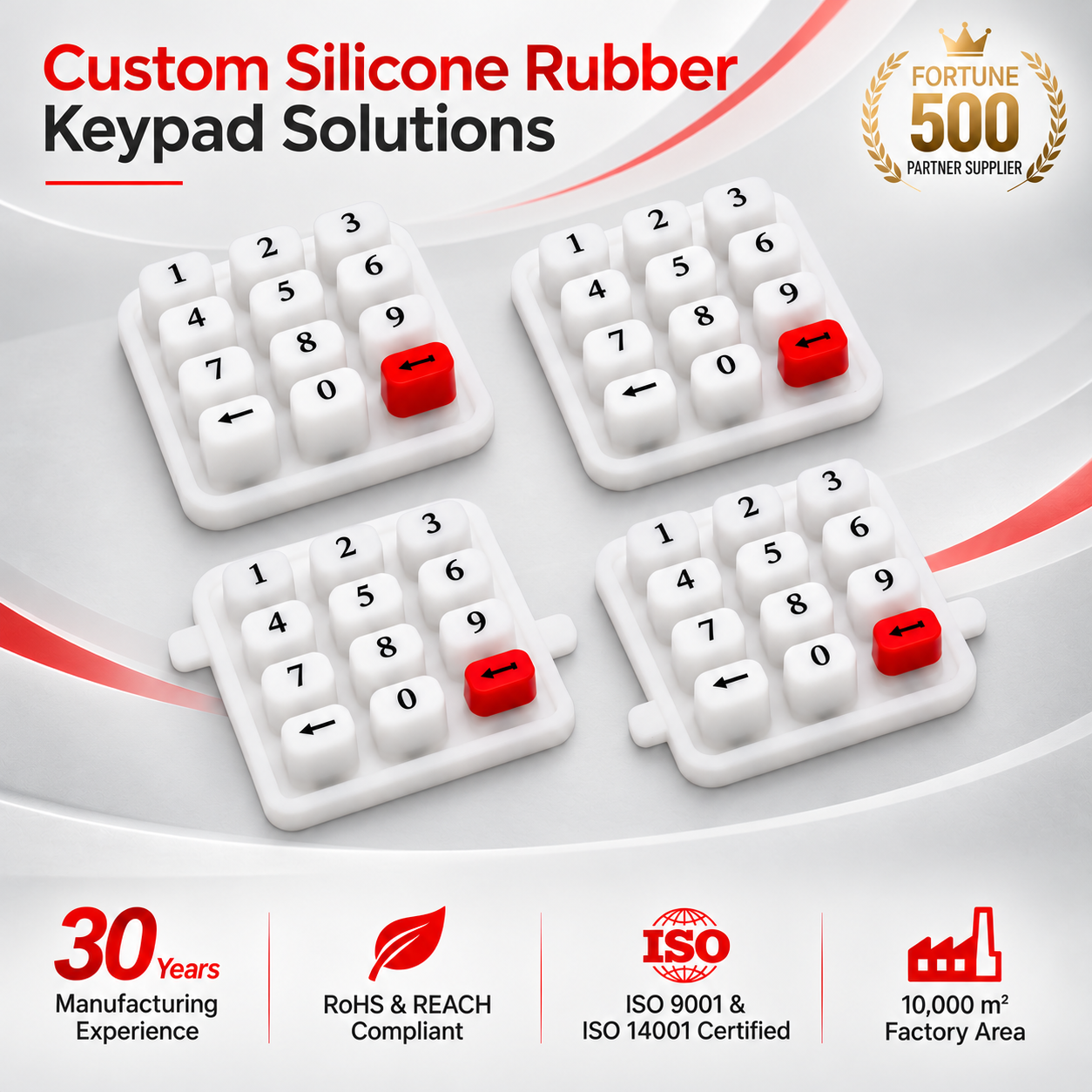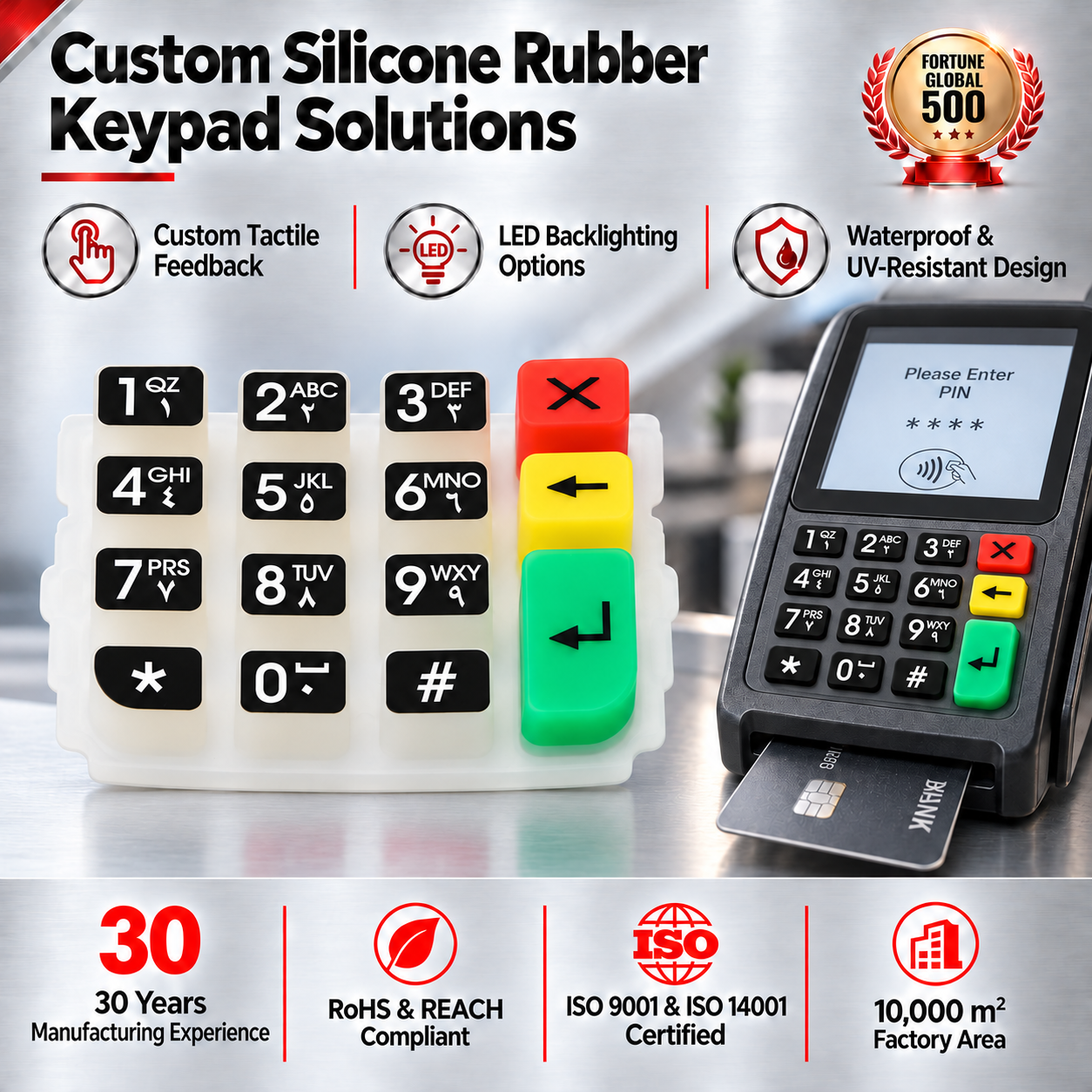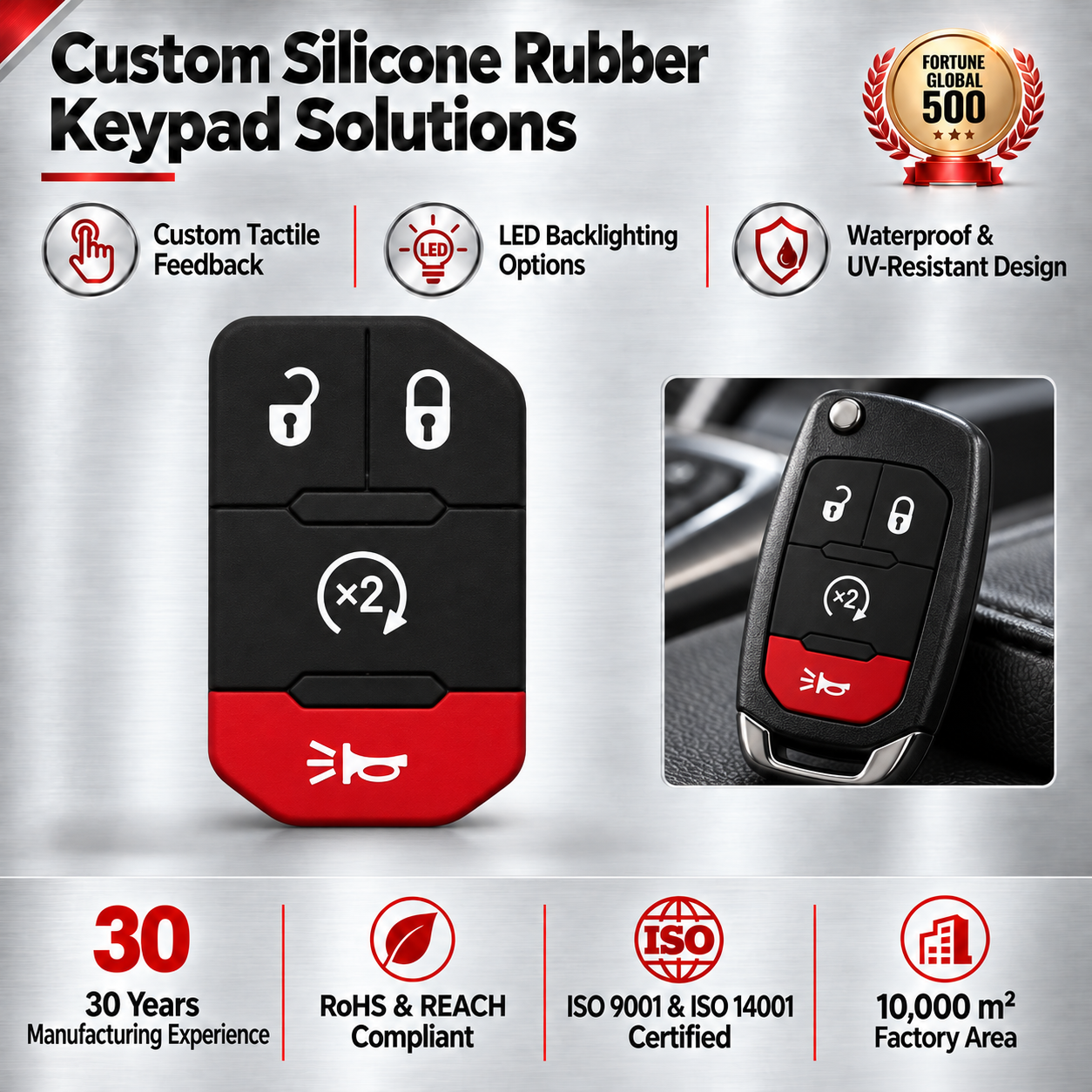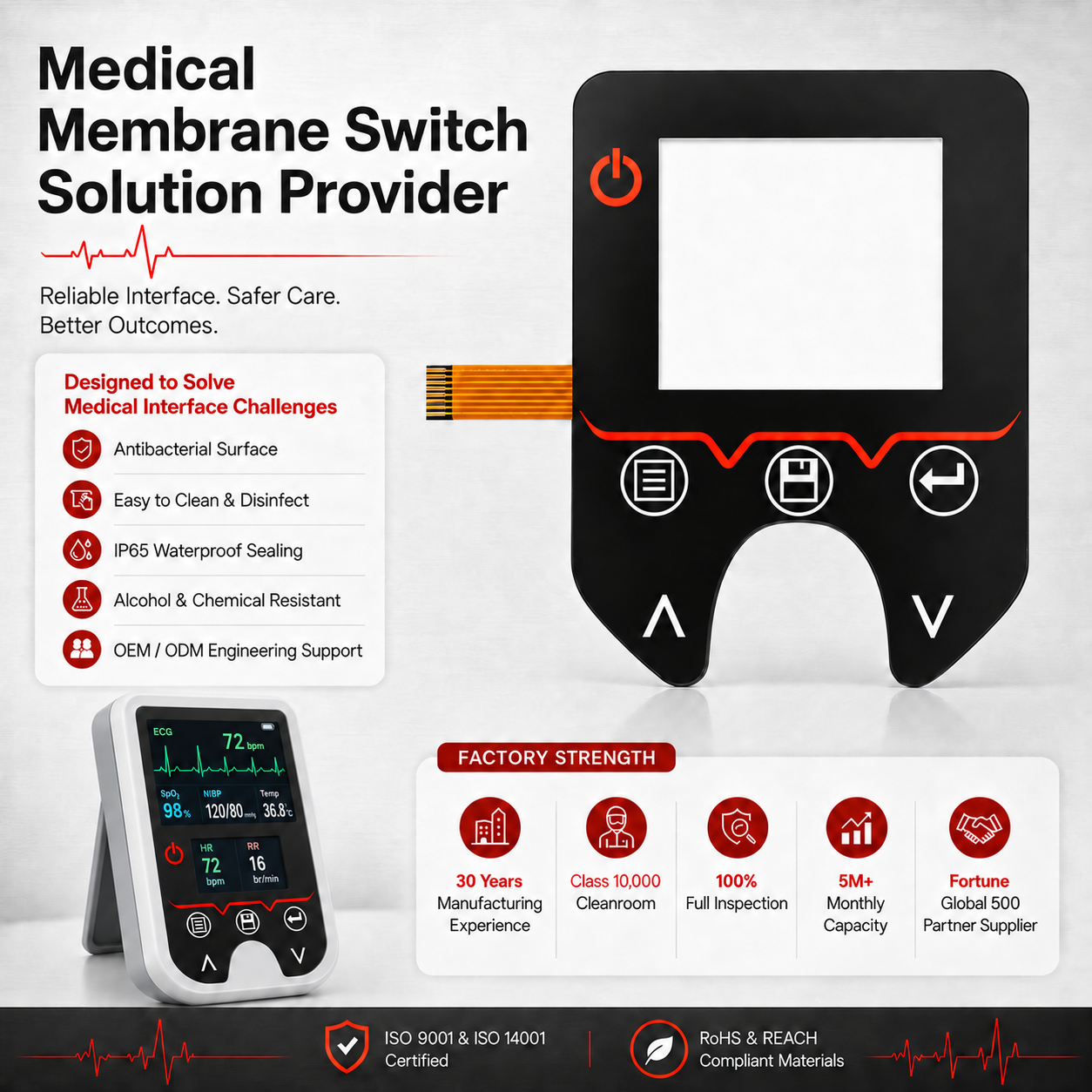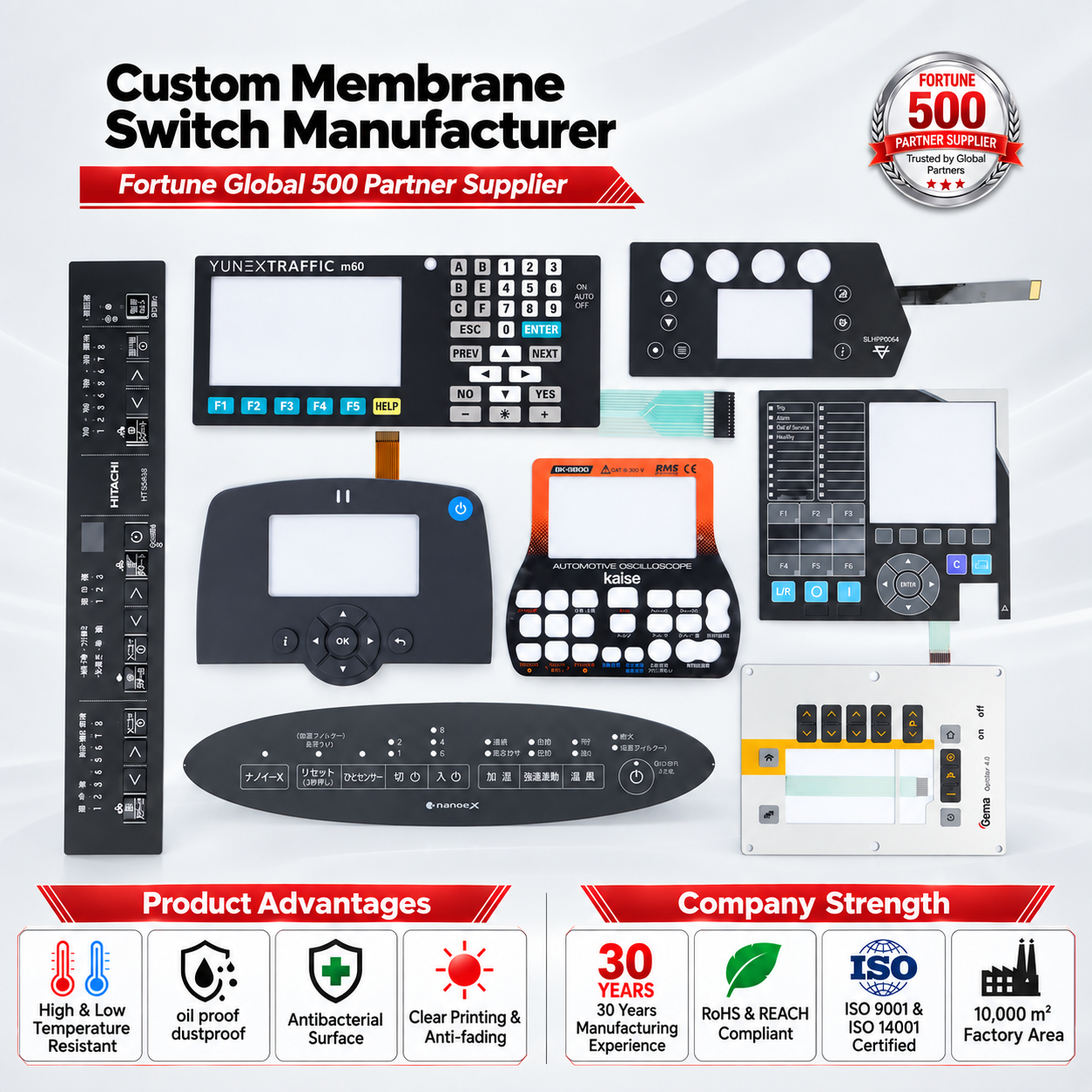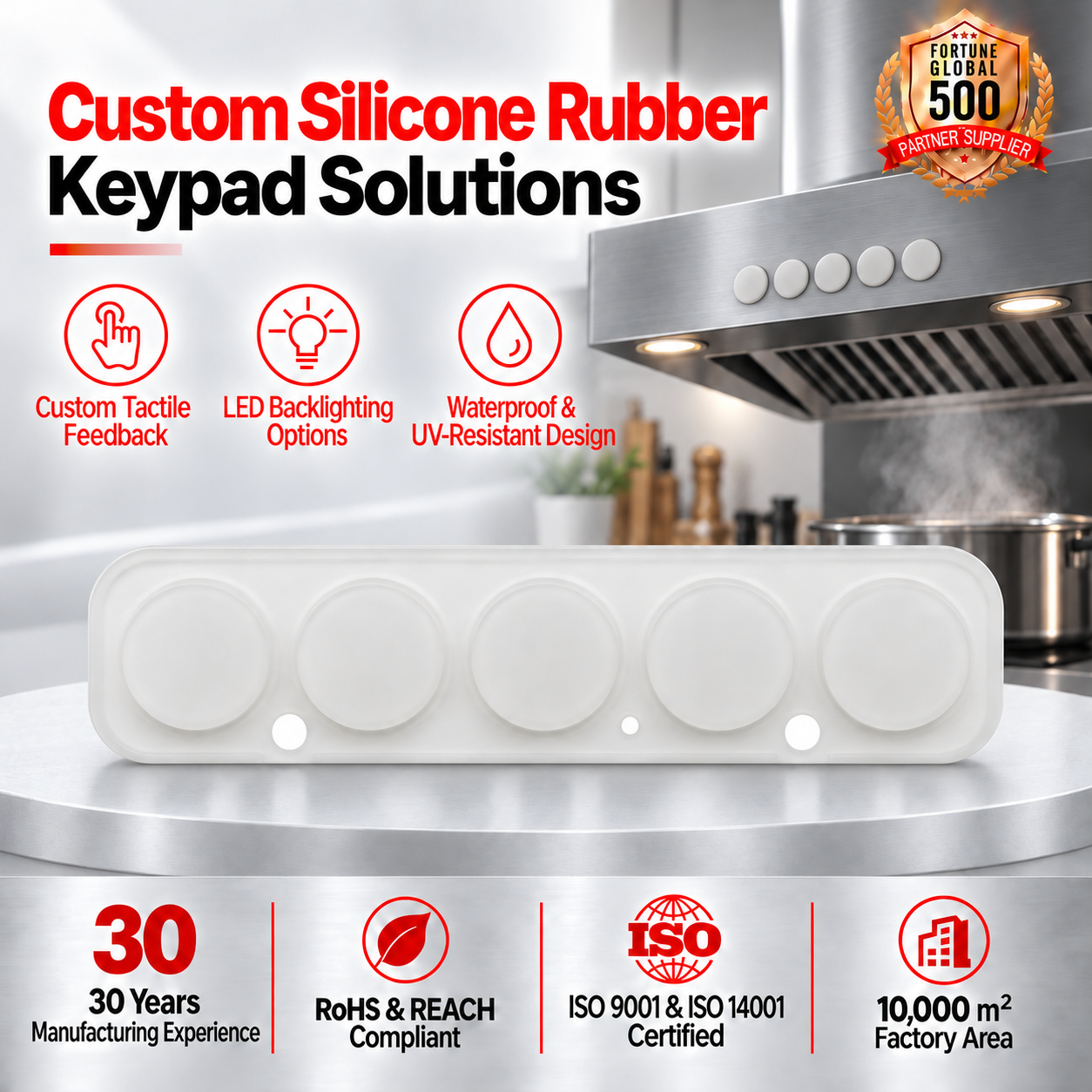
Home Appliance 5 Circular Soft Silicone Rubber Keypad
- Base Material: High-Tear Food-Grade Silicone
- Tactile Feel: Momentary Soft-Feedback
- Operating Temp: -40°C to +180°C
- Compliance: RoHS / REACH Compliant
Custom fabricated to exact Nordic operating specs: sub-zero thermal stability down to -40°C, ingress protection up to IP67/IP68, and millions of actuation cycles.
A comprehensive design guideline for hardware engineers, systems integrators, and procurement directors in Greater Oslo (Viken region) sourcing high-reliability front panels from China.
Standard commercial membrane switches fail in Nordic applications due to atmospheric condensation under rapid temperature fluctuation. Our Oslo-tailored stack-ups utilize 3M 300LSE high-tack acrylic adhesives and custom hydrophobic membrane vents that equalize internal barometric pressure without letting saline humidity breach conductive silver tracks.
In high-humidity coastal environments like Oslofjord, electrical potentials across standard silver paste conductors can provoke dendrite crystallization (silver migration), culminating in electrical shorts. For mission-critical marine automation and medical telemetry, we offer polyimide-based Flexible Printed Circuits (FPC) with rolled copper clad and immersion gold plating.
Cold temperatures cause standard stainless-steel snap domes to experience tactile fatigue and altered trip forces. We configure four-legged and oblong nickel- or gold-plated domes engineered to sustain an actuation travel of 0.3mm to 0.6mm with crisp, gloved-hand tactile feedback across the -40°C to +85°C thermal bracket.
Choosing the correct functional surface layer based on environmental exposure in Norway.
| Substrate Material | Chemical & Fuel Resistance | UV Degradation / Yellowing | Flexural Endurance | Recommended Oslo/Nordic Applications |
|---|---|---|---|---|
| Autotex XE (Textured Polyester) | Excellent against oils, salt spray, cleaning chemicals | Superior (Formulated specifically for outdoor UV) | > 5,000,000 cycles | Outdoor EV chargers, marine navigation consoles, Arctic instrumentation |
| Polycarbonate (Lexan 8010/HP92W) | Moderate (Prone to aromatic hydrocarbons) | Moderate (Requires secondary UV stabilization coating) | > 1,000,000 cycles | Indoor diagnostic medical consoles, clean laboratory controllers |
| Molded Silicone Rubber + PU/Epoxy | High resistance to seawater, greases, hydraulic fluid | High thermal stability; excellent elastomer recovery | > 2,000,000 cycles | Handheld ruggedized terminal keypads, subsea winches, defense gear |
| Tempered Borosilicate Glass + FSR | Immune to solvents, acids, aggressive hospital sterilants | Zero UV degradation over lifetime | Rigid / Non-flexing | Smart architectural building automations, marine luxury yacht bridge HMIs |
From maritime robotics in Kongsberg to medical innovation at Oslo Science City, our interface assemblies power Norway's most demanding hardware ecosystems.
Vessels traversing the North Sea and Oslofjord encounter severe salt spray, thermal cycling, and high-vibration engine bay conditions. We produce DNV-ready front panel overlays featuring Autotex XE polyester, back-printed luminescent legends, and complete IP67 seal cavities preventing moisture penetration under intense washdowns.
Oslo leads the world in electric mobility per capita. Public DC fast chargers demand human-machine interfaces that withstand freezing Norwegian blizzards down to -35°C, direct solar glare, and ungentle public usage. Our metal dome panels provide distinct tactile click through heavy winter gloves.
Norwegian medical facilities mandate equipment with non-porous, crevice-free front panels that resist continual wiping with isopropyl alcohol, hydrogen peroxide, and chlorine sterilants. Our flat-surface graphic overlays with integrated antimicrobial coatings eliminate bacterial traps.
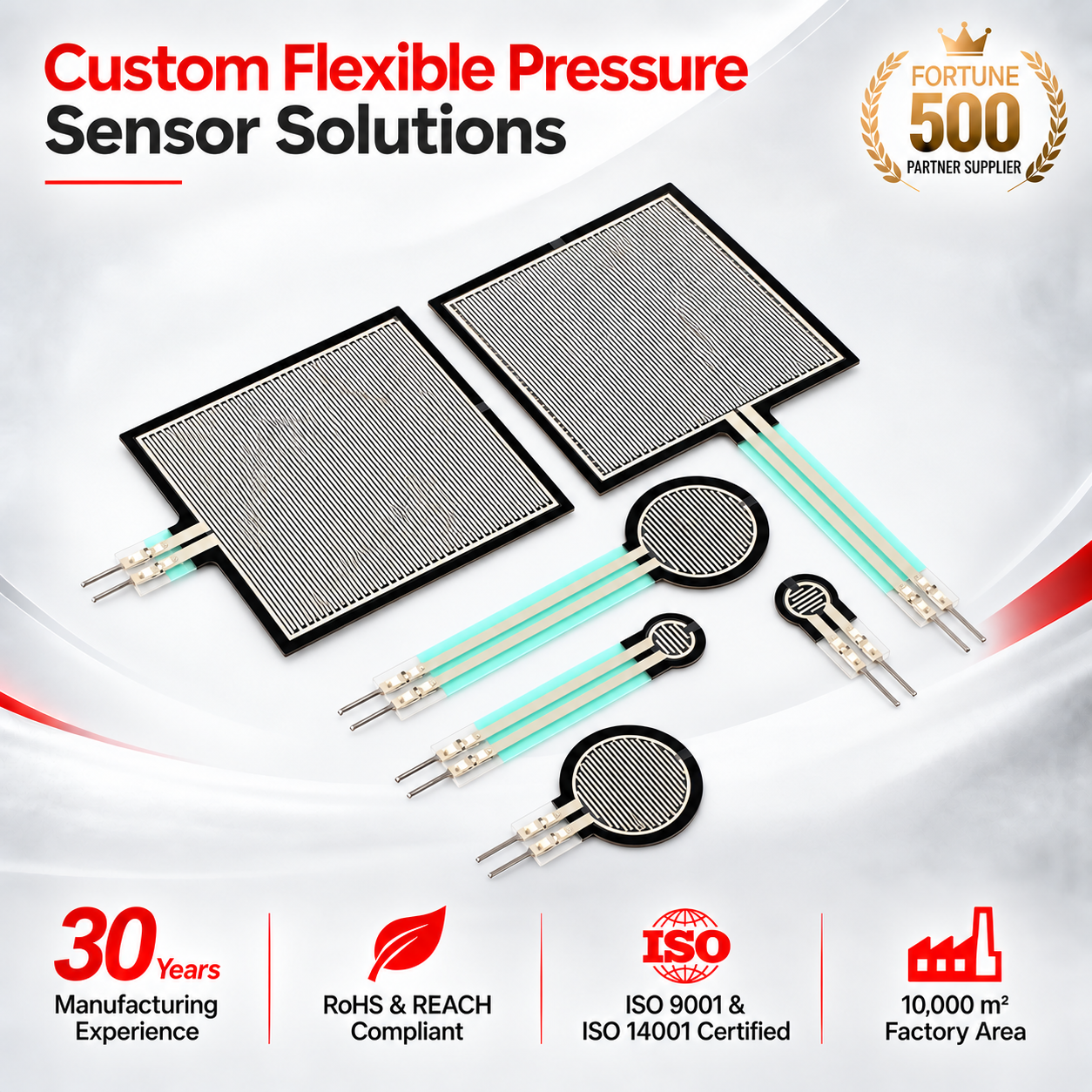
Autonomous oceanographic monitors and cold-climate sensor buoys deployed along the Norwegian coastline require ultra-low power consumption and zero outgassing. Our thin-film FSR capacitive and low-resistance FPC switches ensure microamp-level efficiency.
Analyzing key shifts in procurement, sustainability directives, and user interface ergonomics across Scandinavia.
Norwegian buyers operate under strict European and national environmental oversight. Our manufacturing plant in Dongguan executes routine XRF screenings and independent lab certifications ensuring full conformity with EU RoHS Directive 2011/65/EU (and amendment 2015/863), as well as REACH Annex XVII and SVHC candidates. By utilizing halogen-free adhesives and recyclable PET carrier films, we help Oslo OEMs align with the Norwegian Waste Regulations (Avfallsforskriften) and corporate CSRD audits.
While purely capacitive touch glass dominates consumer tablets, Nordic industrial operators working in wet or freezing environments cannot rely on touchscreens alone. The prevailing trend across Oslo's automation sector is the hybrid interface: combining toughened anti-glare display windows with perimeter silicone elastomer keys and metal snap domes. This guarantees tactile reassurance while delivering modern graphical user interfaces.
Combining 12 years of specialized export experience with end-to-end in-house production: screen printing, clean-room dome placement, high-precision laser die-cutting, and 100% electrical QC.
Every batch custom-manufactured for Oslo and Scandinavian OEM clients undergoes exhaustive validation in our certified reliability facility before shipping.
Programmable climatic chambers testing operational thresholds from -50°C to +150°C at 95% relative humidity.
Automated pneumatic cycle stations verifying actuation reliability up to 5,000,000 cycles per switch node.
Precision strain-gauge plotting of snap ratio, tactile click ratio, travel distance, and contact resistance.
Norman Crockmeter and RCA abrasion testing using MEK, pure alcohol, and synthetic detergent reagents.
Accelerated xenon arc radiation validating long-term optical clarity and print colorfastness without hazing.
Automated electrical harness testers detecting micro-shorts, trace impedance variations, and LED polarity faults.
Essential trade, technical, and logistics information for Norwegian engineering and sourcing teams.
Prototypes and engineering validation samples are completed within 5 to 7 business days. Air express shipments (via DHL, FedEx, or SF Express International) arrive at Oslo Airport (OSL Gardermoen) or your facility in Greater Oslo within 3 to 5 business days. For volume mass production, sea-freight consolidations arrive at the Port of Oslo within approximately 28 to 34 days.
We provide full DDP (Delivered Duty Paid) or DAP trade terms. Every export consignment is accompanied by formal commercial invoices, packing lists with accurate HS code classifications (typically HS 8537.10 or 8538.90), and certificates of origin to expedite seamless clearance through Norwegian Customs (Tolletaten).
To generate a comprehensive Design for Manufacturability (DFM) review and formal quote, please share: 2D mechanical outlines (DXF, DWG, or PDF), graphic artwork with specified Pantone or RAL color codes (AI, EPS, or vector PDF), circuit schematics or pinout diagrams, and desired tactile force ratings. If you have an existing or discontinued sample, our engineering lab can reverse-engineer it completely.
Yes. Our standard minimum order quantity (MOQ) starts at just 100 units for fully custom membrane switches, graphic panels, and molded silicone keypads. We also maintain a rapid sample-making cell equipped with precision CNC digital flatbed cutters, eliminating expensive stamping tool costs during initial R&D phases.
Whether you require subsea water-tightness, Arctic-grade tactile domes, or a custom capacitive sensor stack-up, our Dongguan technical center is prepared to review your 2D drawings and deliver a full DFM analysis within 24 hours.