Engineering-Grade Membrane Keypads & Interface Overlays
Precision-manufactured interface assemblies designed to withstand harsh oceanic atmospheres, extreme relative humidity, high UV indexing, and continuous mechanical actuation.
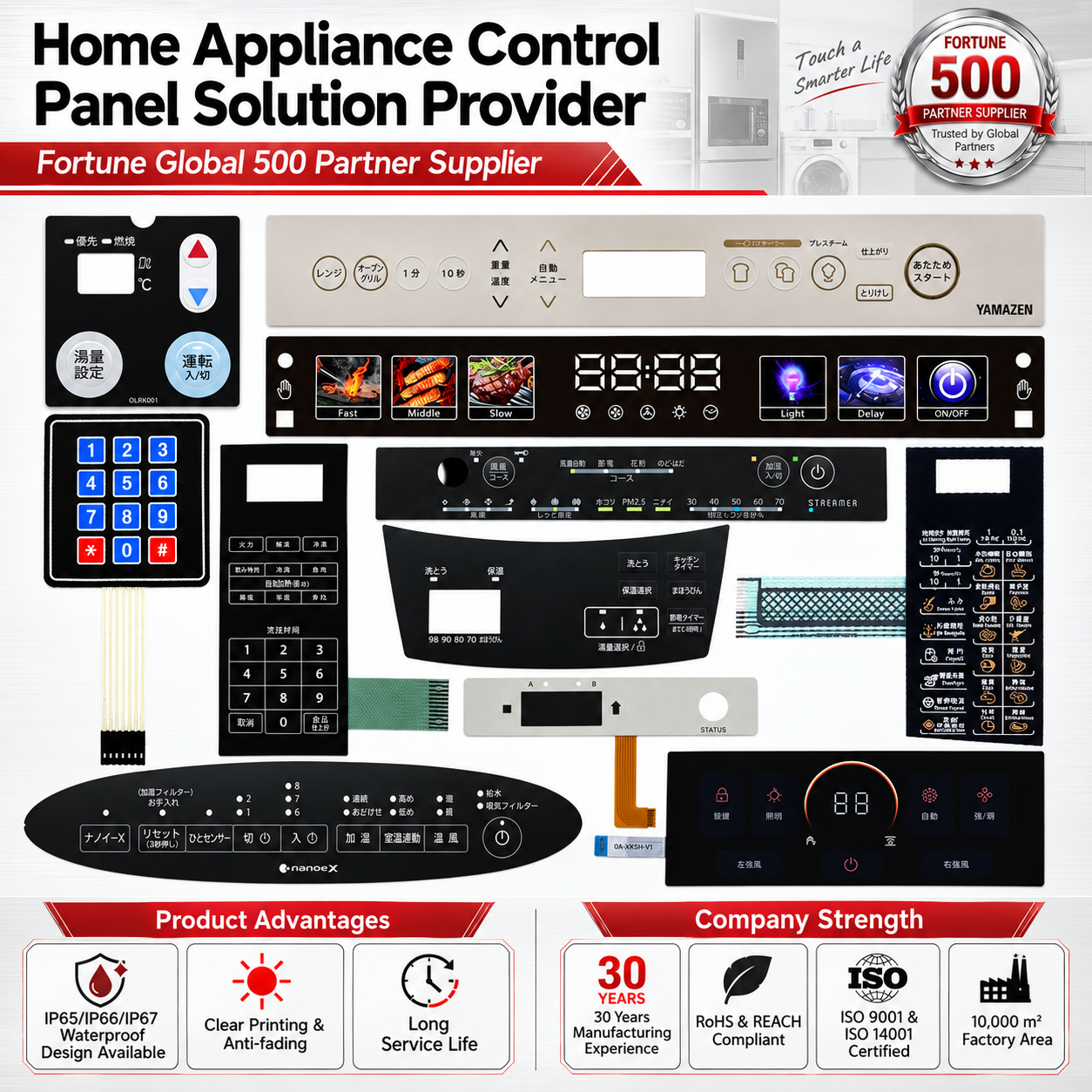
Factory Custom Membrane Switch Graphic Overlay ip65
IP65 perimeter-sealed design equipped with ingress barrier adhesives, designed for washdown and moisture-exposed instrumentation.
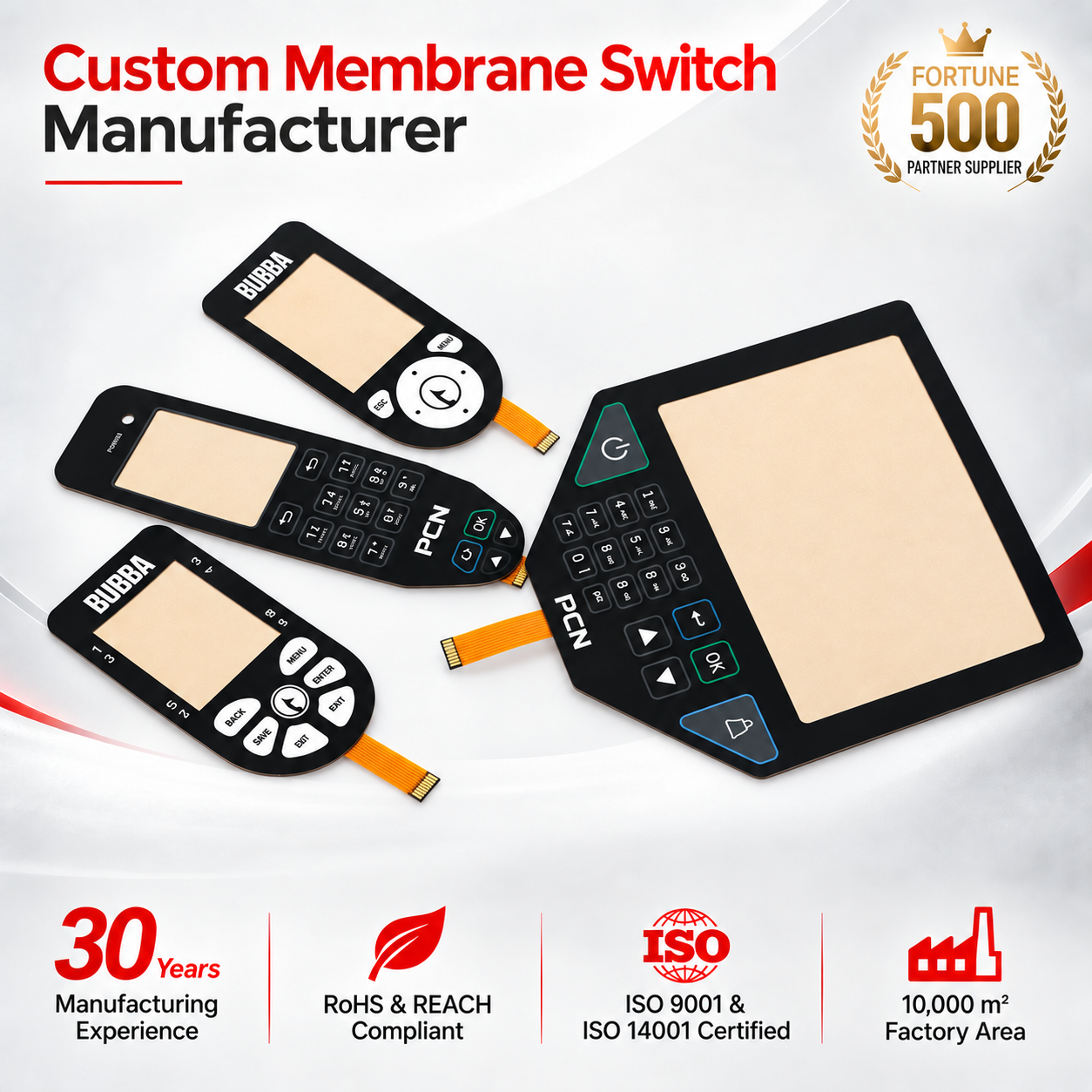
Tactile Metal Dome Membrane Switch with 3M Backing
Features premium 3M adhesive stack-up with stainless steel tactile domes delivering superior crisp tactile snap response over 1,000,000 cycles.
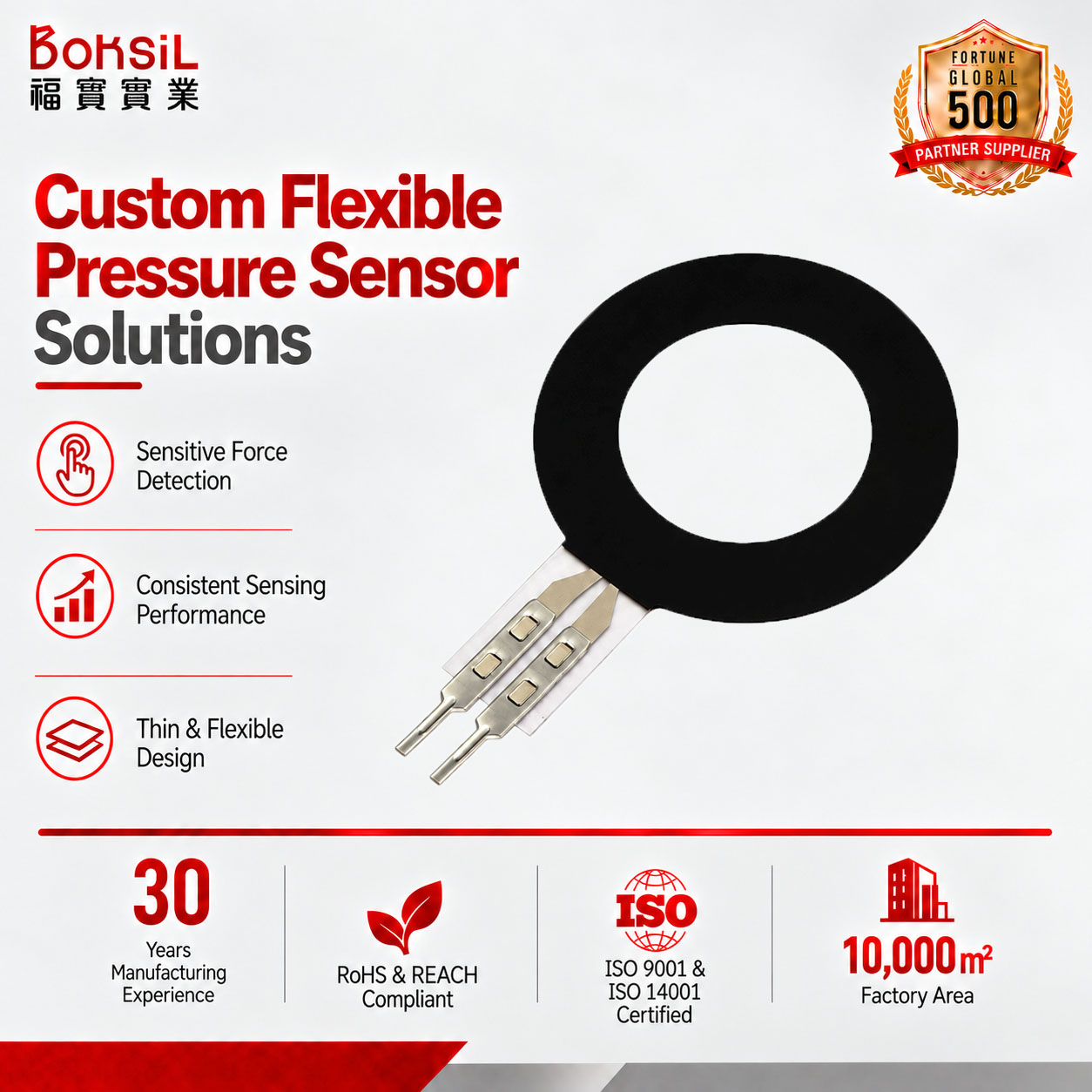
Universal FSR Thin Film Pressure Sensitive Resistor
Highly sensitive thin-film force sensing resistor element adapted for fluid pressure detection, variable user inputs, and diagnostic controls.
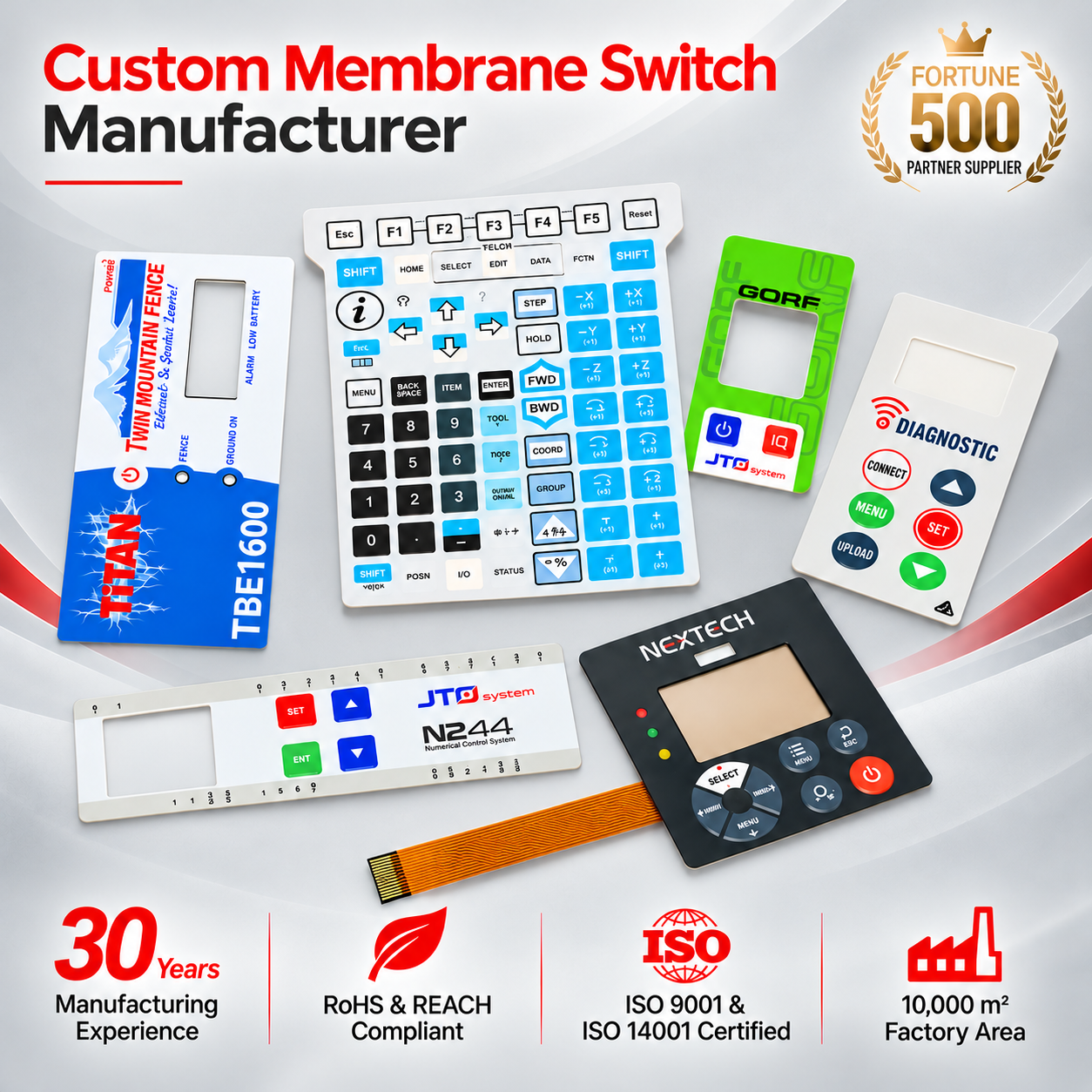
Factory Direct Embossed Button Industrial Membrane Switch
Flat and pillow-embossed surface finishes featuring anti-glare micro-texture and reverse-printed graphical matrices for heavy duty controls.
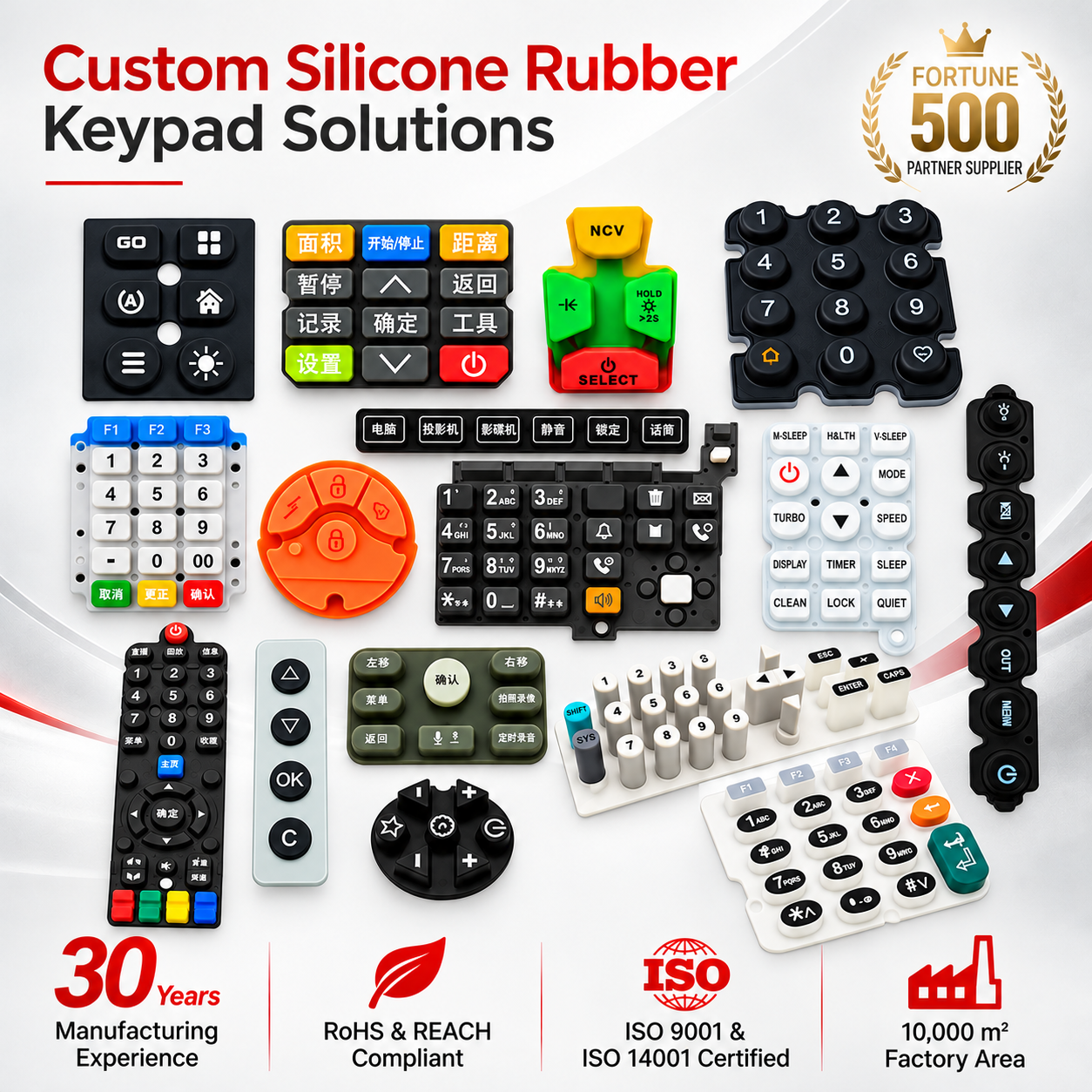
Custom Conductive Silicone Rubber PTT Keypad Panel
Multi-color compression-molded silicone elastomer with conductive carbon pills, tailored for handheld transceivers and ruggedized interfaces.
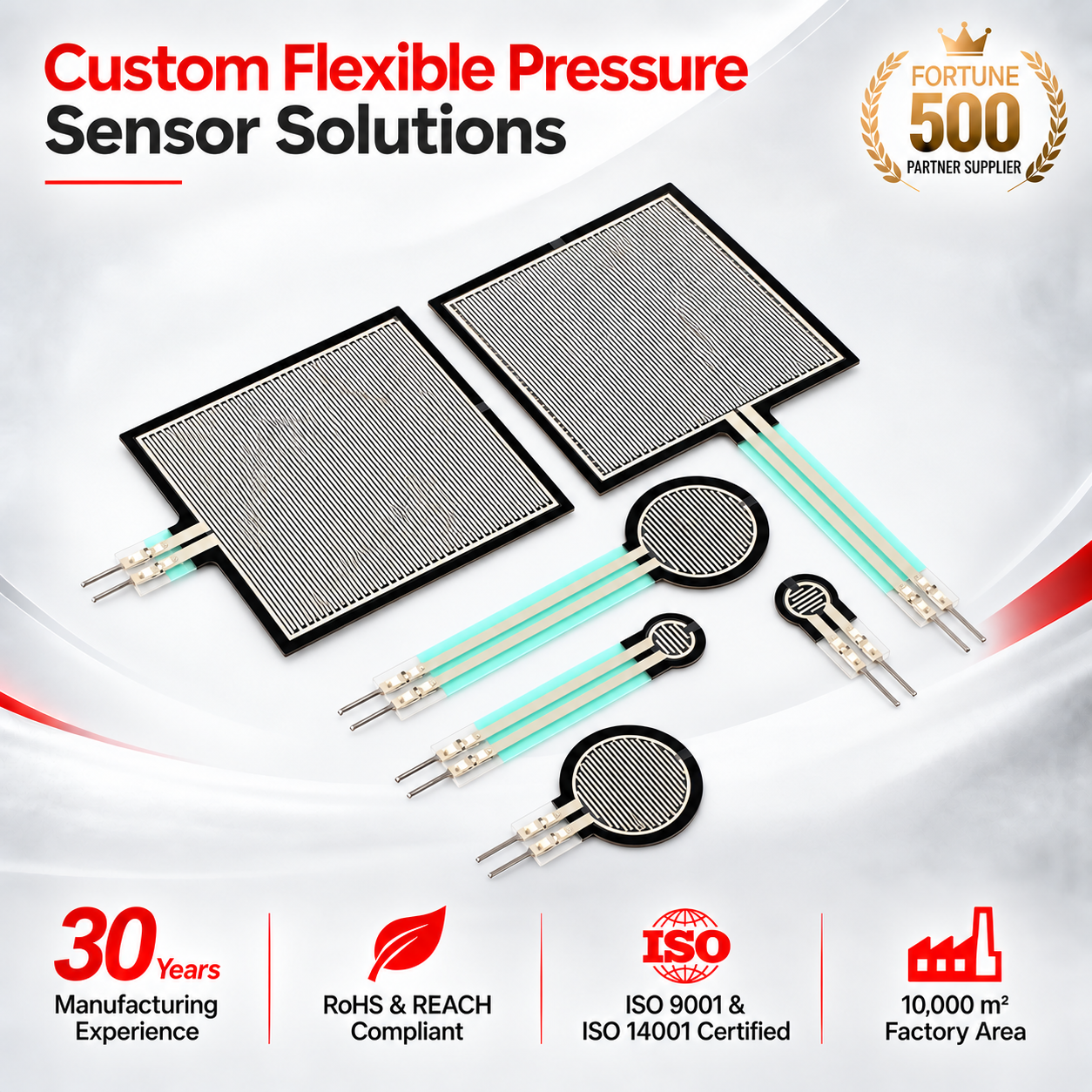
High-Sensitivity Thin Film Capacitive Sensor Membrane
Ultra-thin multi-touch capacitive substrate offering non-mechanical wear longevity, perfect for sleek sealed acrylic and glass integrations.
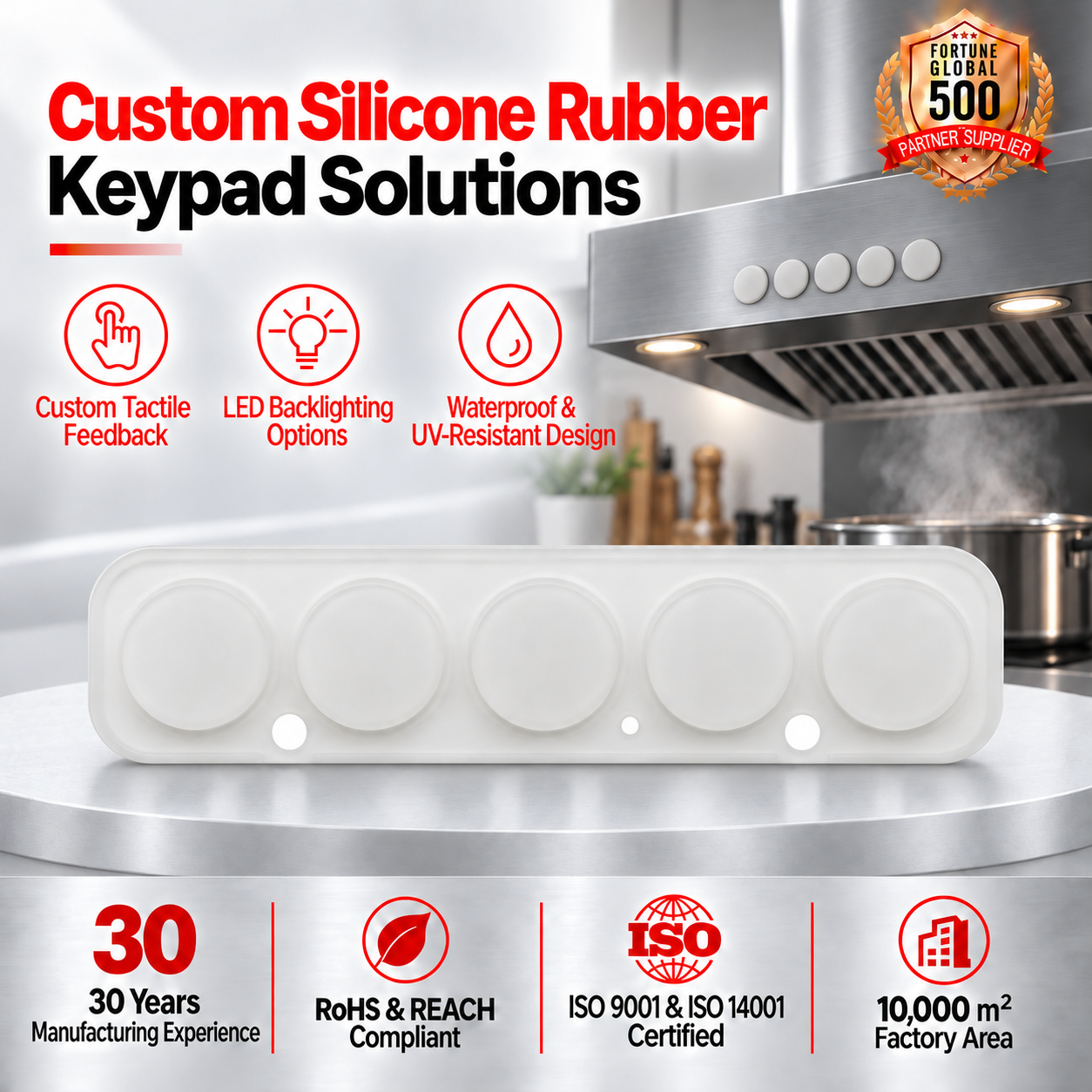
Soft Silicone Rubber Momentary Front Keypad Panel
Ergonomic circular dome array with matte polyurethane anti-dust coating, ideally balanced for commercial units and consumer consoles.
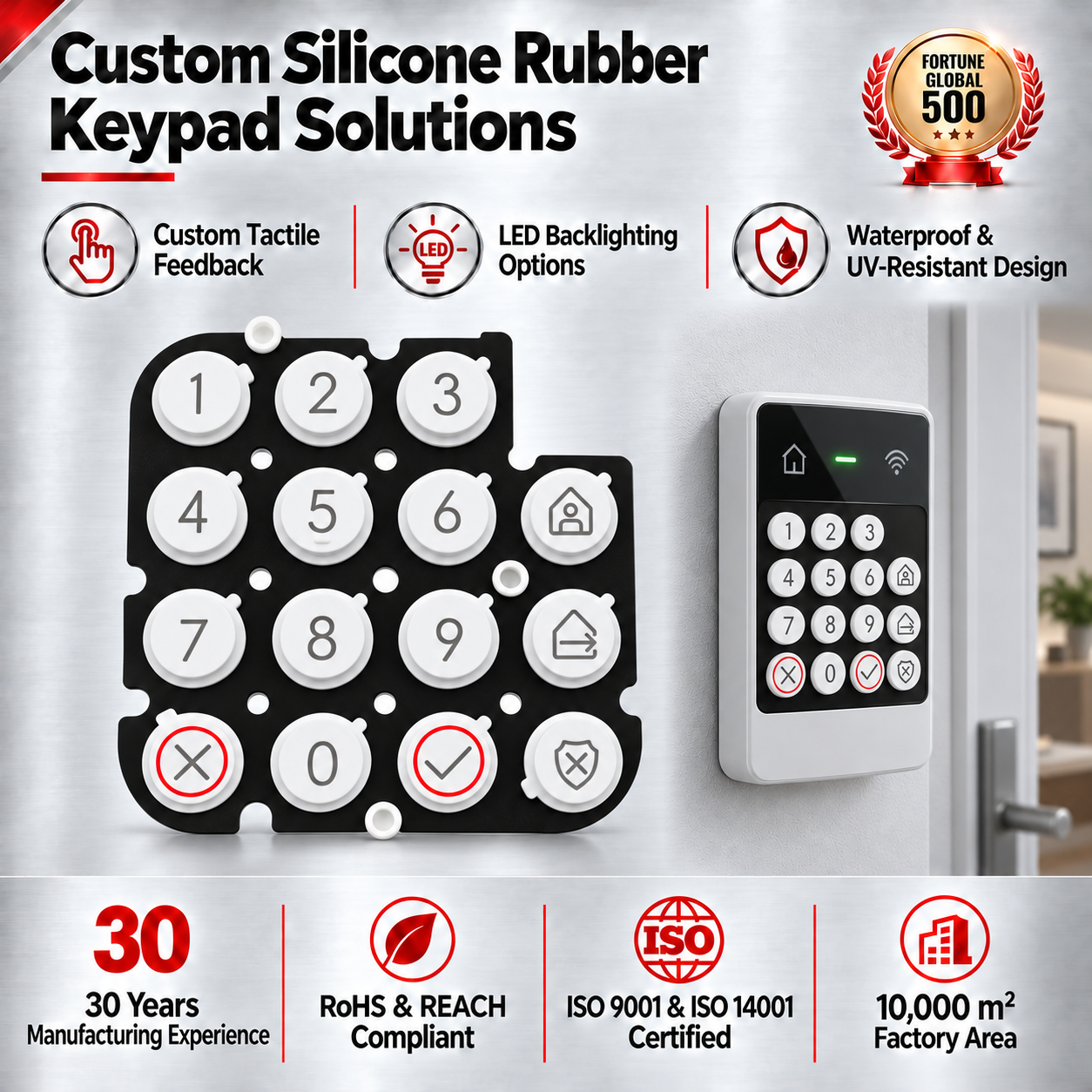
Numeric Conductive Silicone Matrix Keypad Assembly
Vibration-proof numeric keypad designed with sealed internal chambers and laser-etched legends for industrial input and telecom units.
Engineering Polycarbonate Overlays for High-Durability Human-Machine Interfaces
Polycarbonate (Lexan®, Makrofol®) stands as the benchmark substrate for graphic overlays, control fascia, and front faceplates deployed across demanding operational environments. In micro-climates characterized by persistent thermal flux, sustained UV degradation, and high atmospheric salinity—such as those encountered across South Tarawa and the village of Teaoraereke—conventional front-panel printings suffer premature delamination, yellowing, and optical micro-cracking.
At Dongguan AXRU Electronics Co., Ltd., we utilize optical-grade, stabilized bisphenol-A polycarbonate films ranging from 0.125 mm to 0.5 mm in calibrated thicknesses. Utilizing sub-surface screen and high-definition digital reverse printing techniques, the decorative and communicative inks are placed entirely behind the polycarbonate barrier layer. This ensures that environmental abrasives, aggressive chemical sanitizers, oils, and intense solar radiance cannot physically access or abrade the graphical pigments.
Sub-Surface Printing Barrier
Inks reside safely on the reverse face of the film. Mechanical contact from fingernails, cleaning chemicals, and abrasive sands never physically touch the pigmented layers.
UV Stabilization & Selective Gloss
Utilizing high-grade anti-UV polycarbonate formulations prevents photodegradation and brittleness, coupled with selective matte or velvet textured coatings to suppress specular glare.
Hermetic Perimeter Adhesion
Engineered with pressure-sensitive modified acrylics (such as 3M 467MP, 468MP, or 300LSE for low surface energy plastics), forming an impermeable hermetic seal against salt mist and moisture.
While Polyester (PET) delivers superior continuous flexing endurance (ideal for raised button switch arrays exceeding millions of flexures), Polycarbonate (PC) provides vastly superior impact absorption, dimensional thermal stability, high optical clarity for LED / LCD dead-front display windows, and cost-effective precision thermal forming. For harsh stationary panels, naval telemetry, and rugged enclosures in Teaoraereke, polycarbonate remains the industry standard.
| Property Parameter | Polycarbonate (PC) | Polyester (PET) | Acrylic (PMMA) |
|---|---|---|---|
| Impact Resistance (Izod) | Exceptionally High (Virtually Unbreakable) | Moderate to High | Low (Brittle under shock) |
| Optical Clarity / Transmission | 88% - 91% (Optically clear) | 85% - 89% (Slight haze) | 92% - 93% (Superior transparency) |
| Chemical / Solvent Resistance | Moderate (Requires Hardcoat for MEK/Acetone) | Exceptional across wide solvents | Moderate (Prone to crazing) |
| Die-Cutting & Embossability | Excellent, maintains sharp dimensional emboss | Demands high heat/pressure tooling | Cannot be cold embossed |
| Heat Deflection Temp (HDT) | 130°C to 140°C | 150°C to 170°C | 85°C to 100°C |
Localized Industrial Applications: Teaoraereke and Equatorial Island Deployments
Teaoraereke, positioned within South Tarawa, Kiribati, constitutes a core hub for public infrastructure, telecommunications, government offices, coastal navigation, and solar power installations. Deploying electronic control interfaces in such equatorial, isolated marine environments presents engineering challenges that ordinary commercial membrane panels cannot withstand.
Solar Inverters & Off-Grid Energy Microgrids
Equatorial solar installations demand front overlays capable of enduring prolonged UV-A and UV-B exposure without yellowing, paired with high heat tolerance on exterior transformer housings.
Marine Telemetry & Fisheries Navigation
Maritime transport, outboard engine monitoring, and refrigeration units require IP67/IP68 ingress-rated graphic overlays with sealed tail exits to prohibit saline electrolytic bridging.
Desalination & Water Purification Units
Reverse osmosis and chlorination processing facilities require control switch panels resistant to chemical fumes, splashing, and frequent sanitization without legend erosion.
Coastal Infrastructure & Telecom Base Stations
Public wireless hubs, communication repeater terminals, and emergency radio nodes need durable front panels that survive windborne coral dust and high humidity condensation.
Emerging Technology Trends in Pacific Island HMI Implementations
The interface manufacturing sector is rapidly transitioning beyond passive mechanical switches. For regional utility engineers and procurement authorities in remote regions, several major technological developments are transforming hardware reliability:
Dead-Front Printing & Smart Lighting
Dead-front display windows hide control iconography completely until back-illuminated by integrated SMD LEDs or Light Guide Films (LGF), reducing user distraction in naval cabins.
Capacitive Sensing Integration
Eliminating mechanical moving parts entirely by combining printed ITO or conductive silver capacitive sensor loops behind thick polycarbonate shields, ensuring absolute seal integrity.
In-Mold Decoration (IMD / IML)
Fusing pre-printed polycarbonate overlays directly with injected thermoplastic resins during molding, forming a monolithic single-piece bezel with zero adhesive seams to fail.
AXRU Electronics: Enterprise Manufacturing Capabilities & Quality Assurance
Dongguan AXRU Electronics Co., Ltd. is a globally recognized manufacturer specializing in membrane switches, capacitive touch switches, polycarbonate and PET graphic overlays, IMD panels, silicone rubber keypads, and precision acrylic front panels. Supplying OEM/ODM clients worldwide and serving Fortune 500 vendors, our enterprise is built upon absolute quality transparency.
Our modern 10,000㎡ production facility in Dongguan houses 121 dedicated engineers and technical staff, verified on-site by Intertek. We handle the entire engineering workflow in-house—from design for manufacturing (DFM) verification, precision screen printing, conductive silver sintering, and dome placement to adhesive lamination, laser/die cutting, and rigorous reliability validation.
Advanced In-House Reliability & QC Laboratories
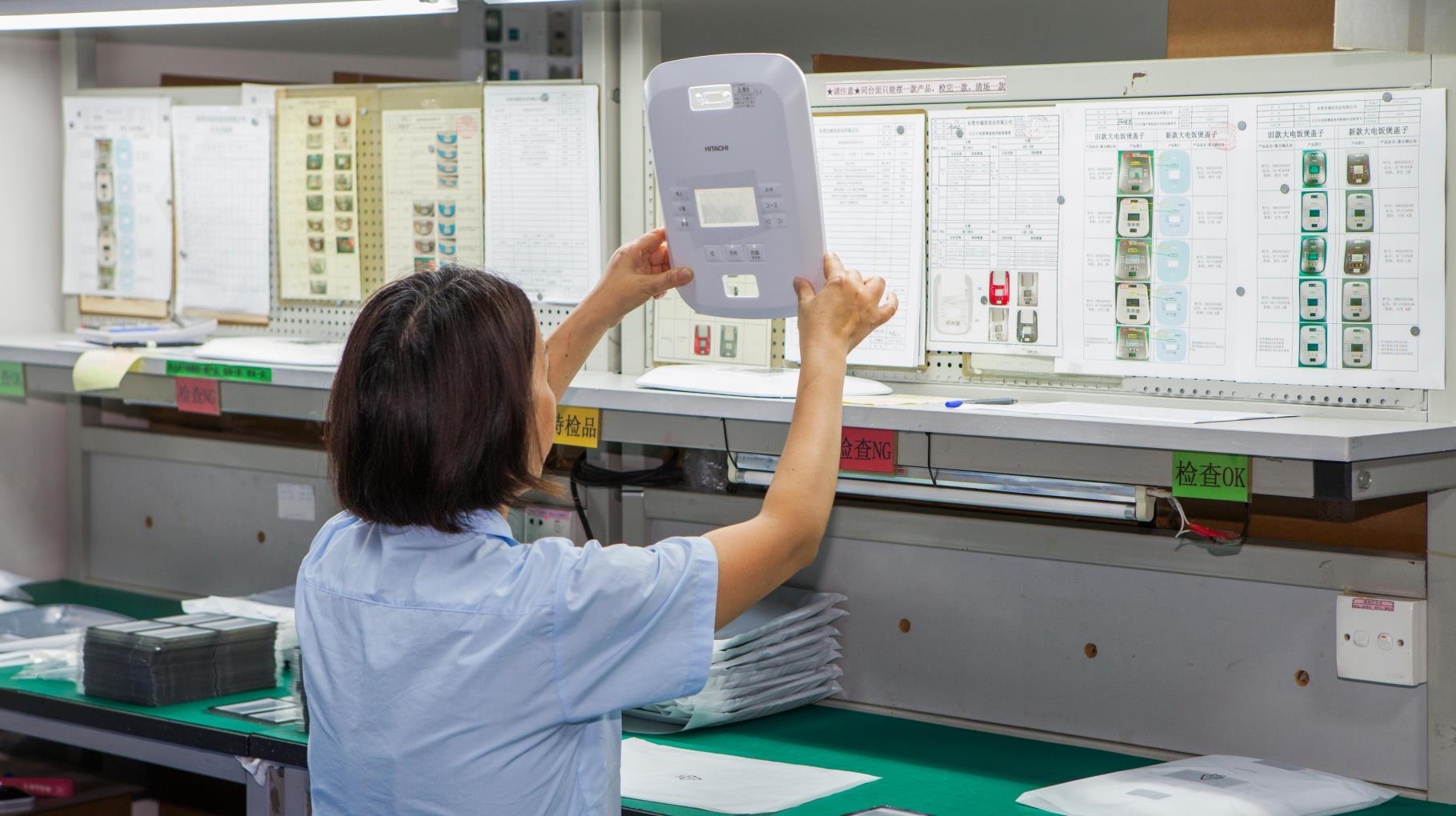
100% Electrical Inspection
Every switch is analyzed for line resistance, short circuit insulation, open circuit integrity, and LED polarity verification.
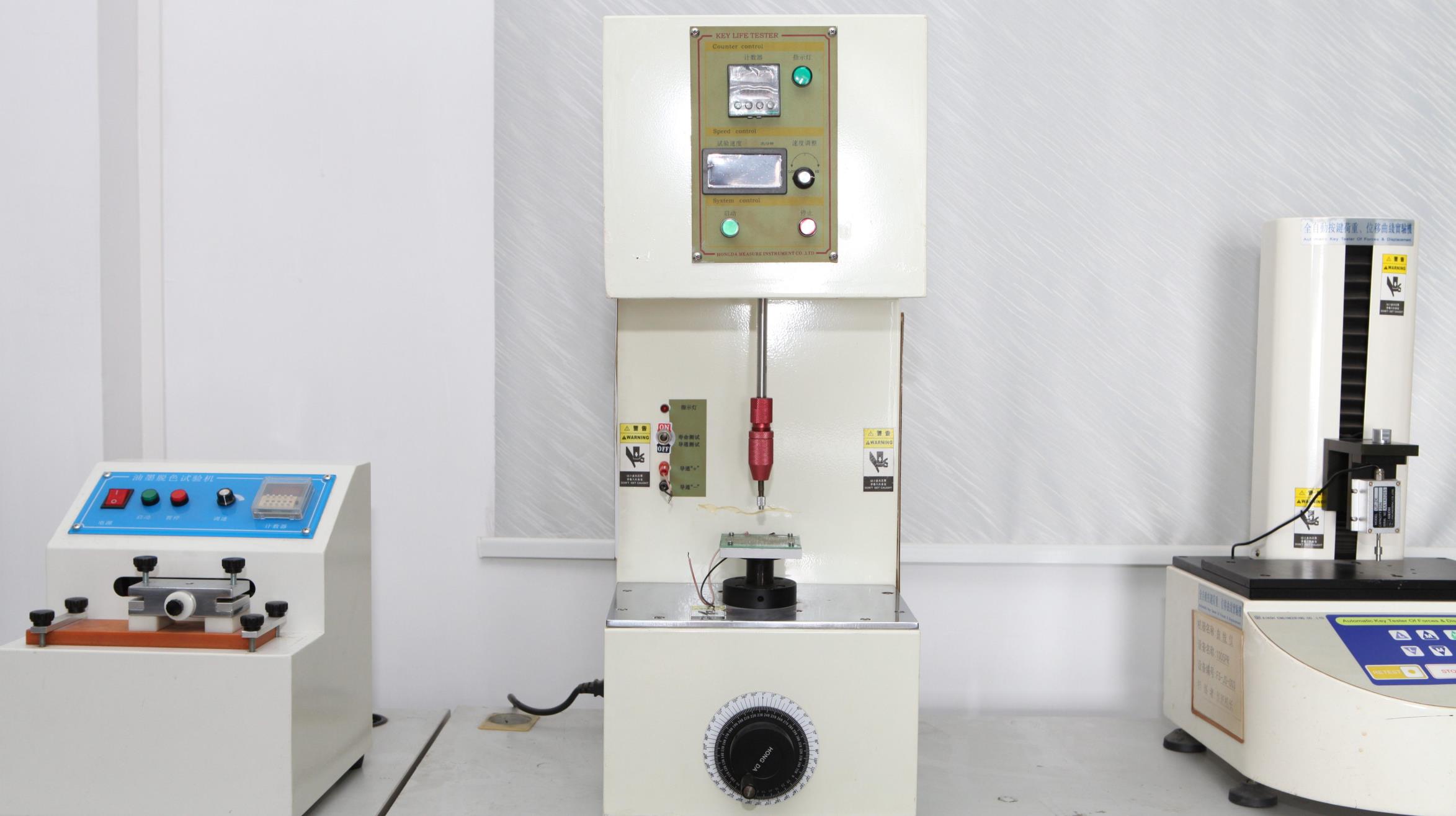
Key Life Tester
Pneumatic cycling rigs actuate tactile domes and overlays up to 5,000,000 times to validate mechanical snap elasticity.
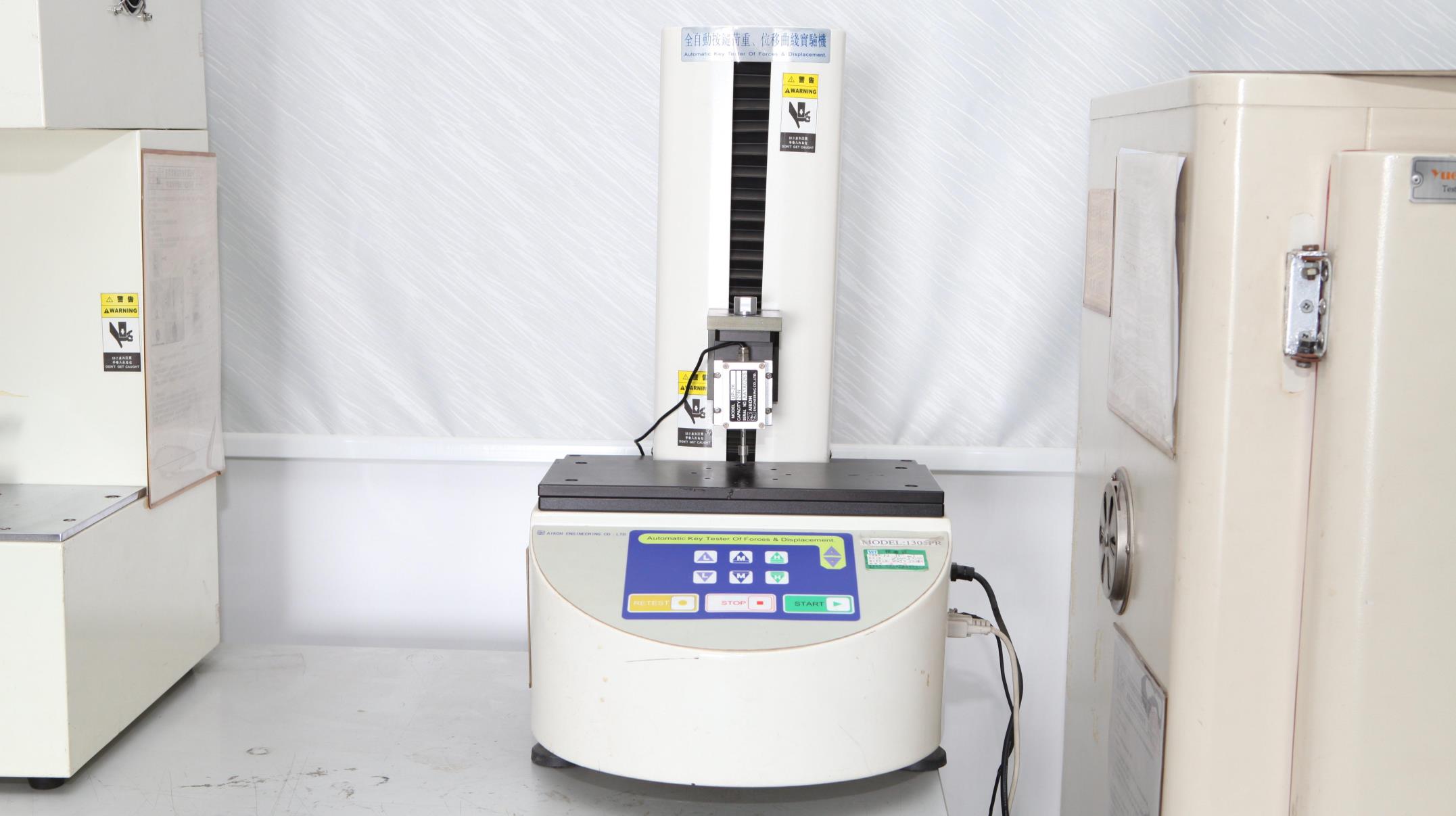
Force-Displacement Tester
Plots real-time snap ratio curves, tactile feedback curves, and stroke travel depth with micrometer precision.
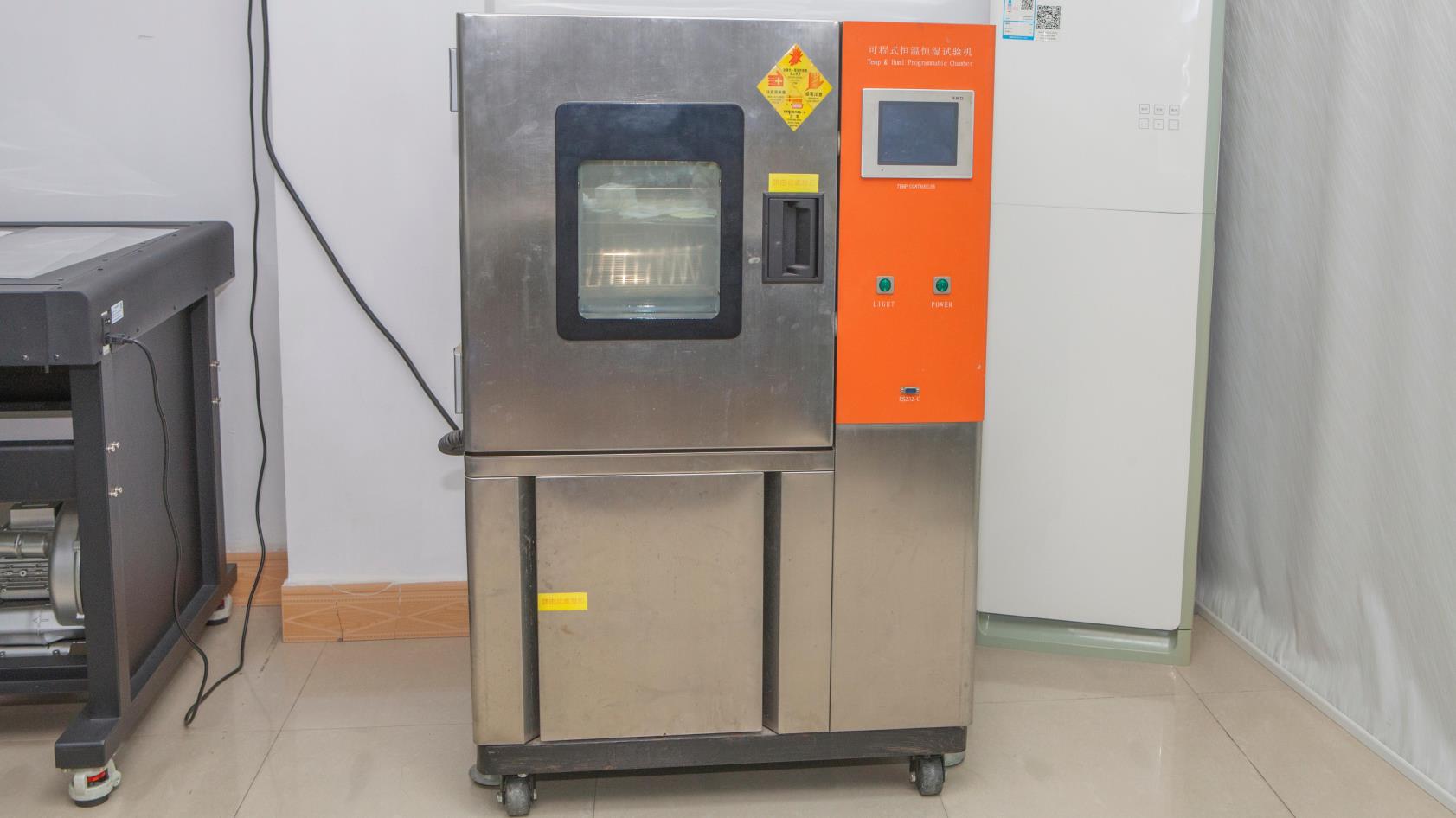
Temp & Humidity Chamber
Thermal shock stress testing ranging from -40°C to +120°C and 98% RH to evaluate high-moisture performance.
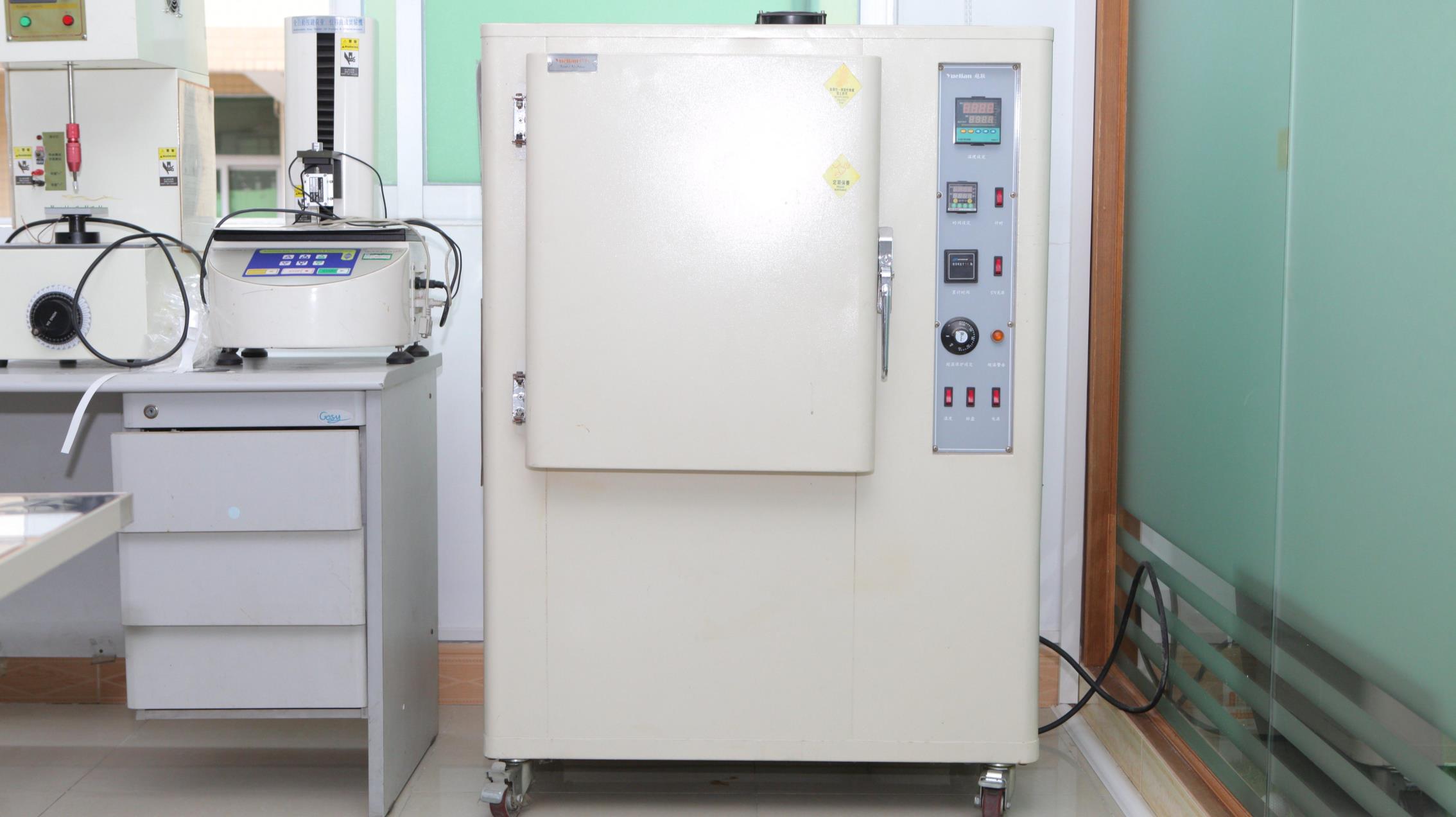
Yellowing Resistance Rig
Continuous UV light irradiance acceleration chambers verify colorfastness and polymer bond strength.
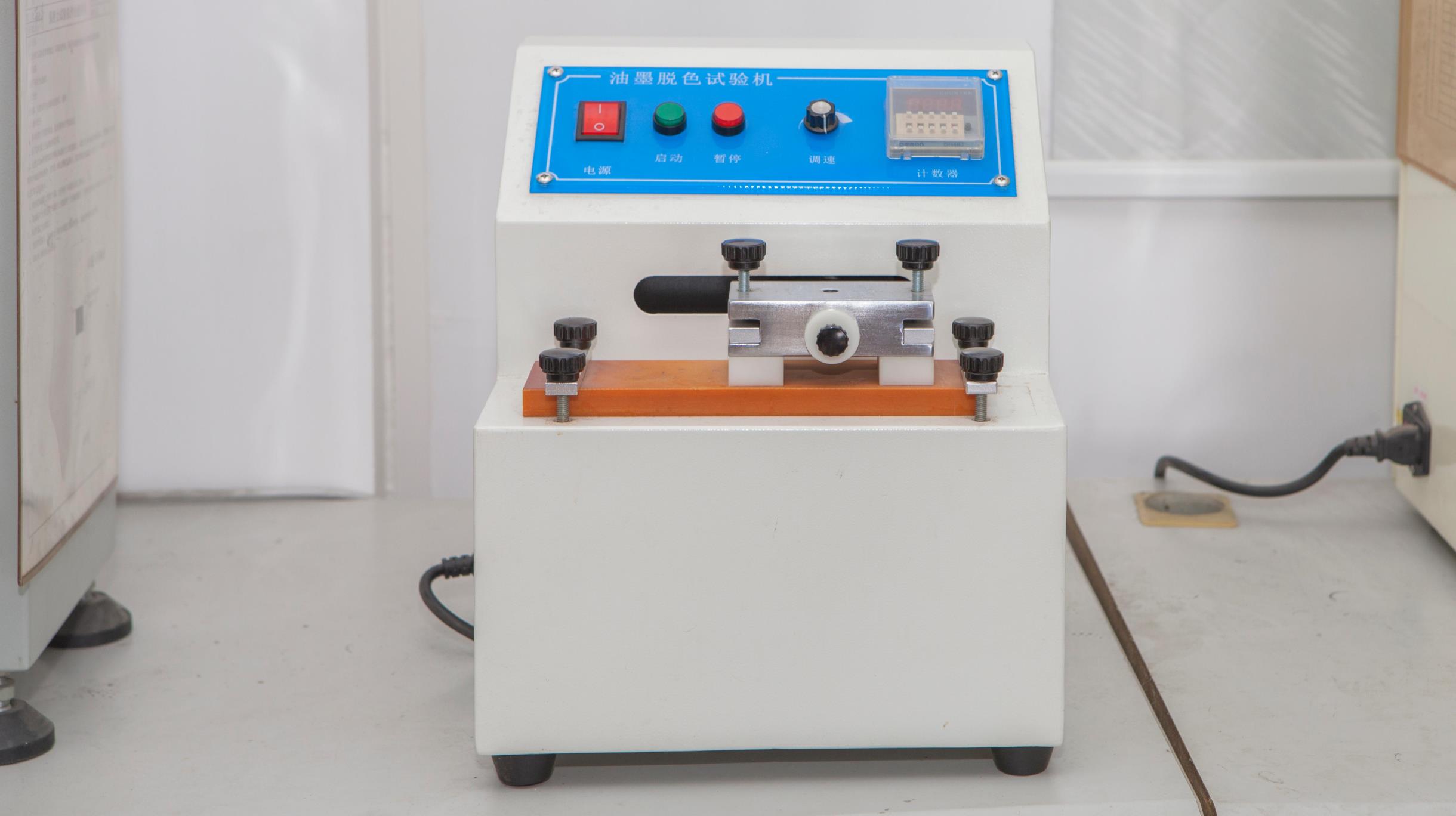
Ink Abrasion Tester
Standardized crockmeter testing with solvent rubs (alcohol, MEK) to prove overlay ink adhesion resilience.
Frequently Asked Questions: Technical Procurement & OEM Specifications
What is the minimum order quantity (MOQ) for custom polycarbonate graphic overlays? +
How do polycarbonate overlays prevent moisture intrusion in humid tropical climates? +
Which design files are required to initiate an engineering DFM review and quotation? +
Can AXRU reverse-engineer damaged or legacy control panels from remote installations? +
How does AXRU ensure logistics safety and prevent moisture damage during transpacific freight? +
Ready to Engineer Your Custom Graphic Overlay or Membrane Switch?
Consult directly with our Dongguan engineering team. Receive comprehensive DFM analysis, material stack-up recommendations, and competitive factory-direct pricing within 24 hours.
Send an Inquiry