High-Precision Membrane Switches & Overlays for Santiago de Cuba
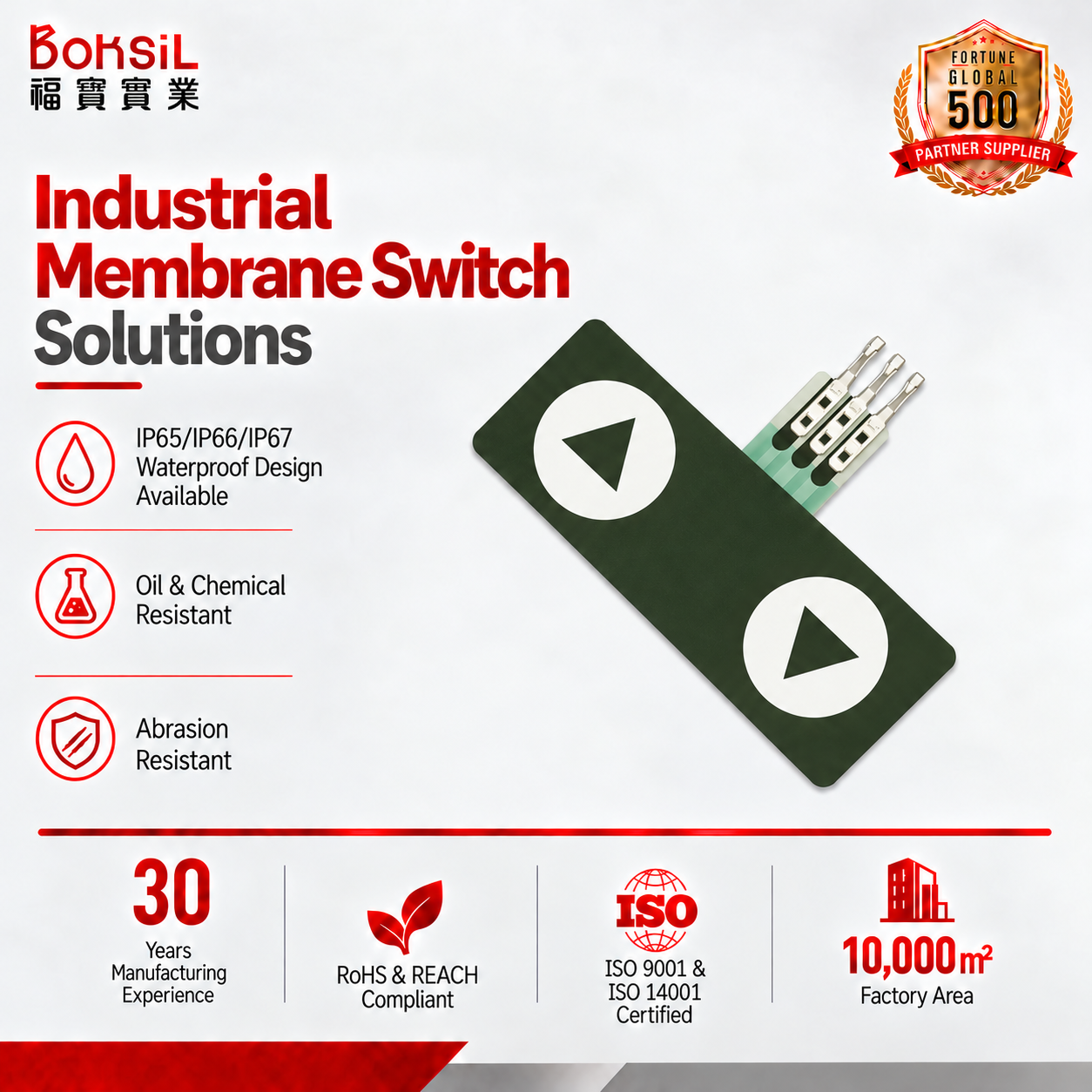
Manufactured inside our 10,000㎡ facility with 100% optical and electrical testing. Engineered specifically to withstand tropical humidity, airborne salt spray, and continuous mechanical operation.
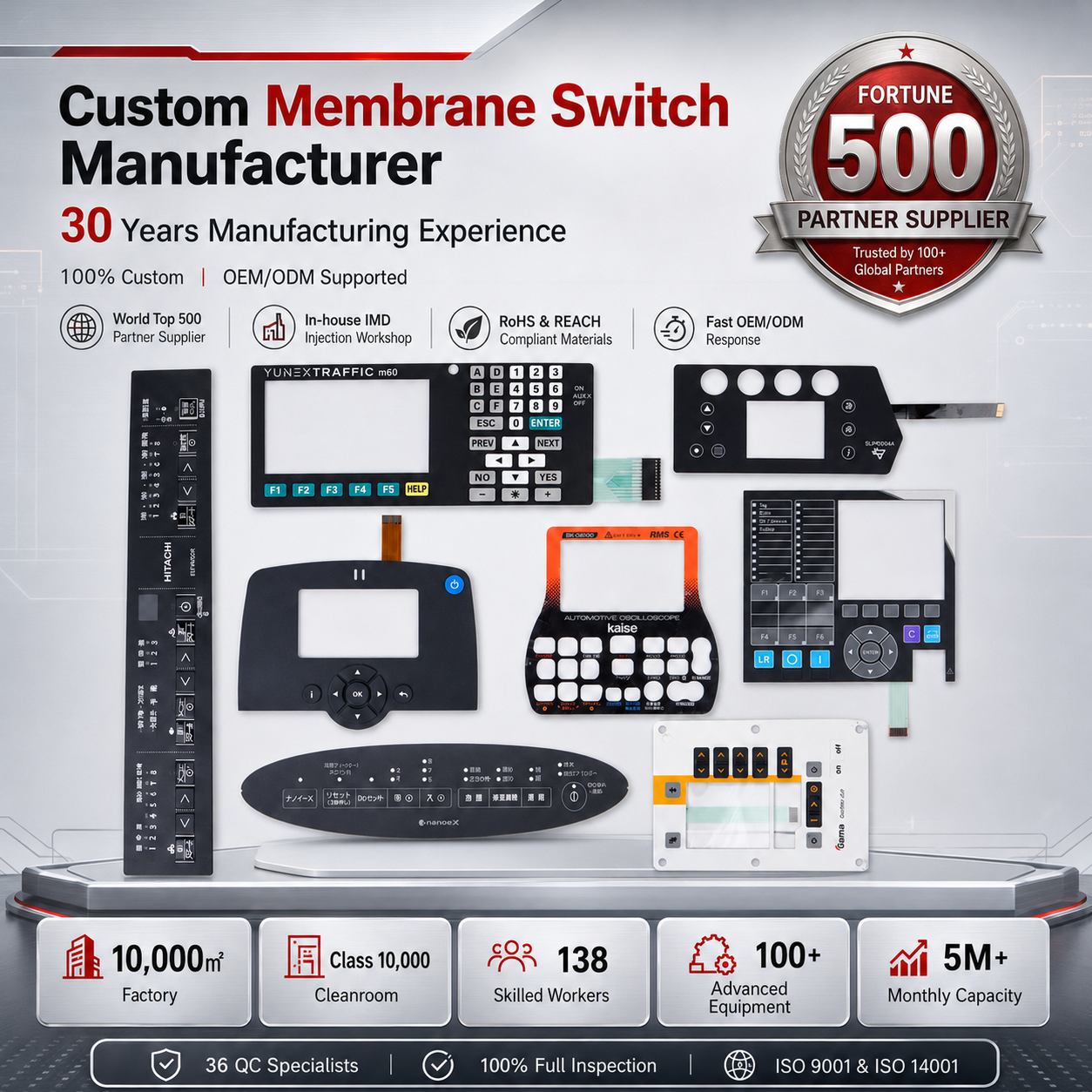
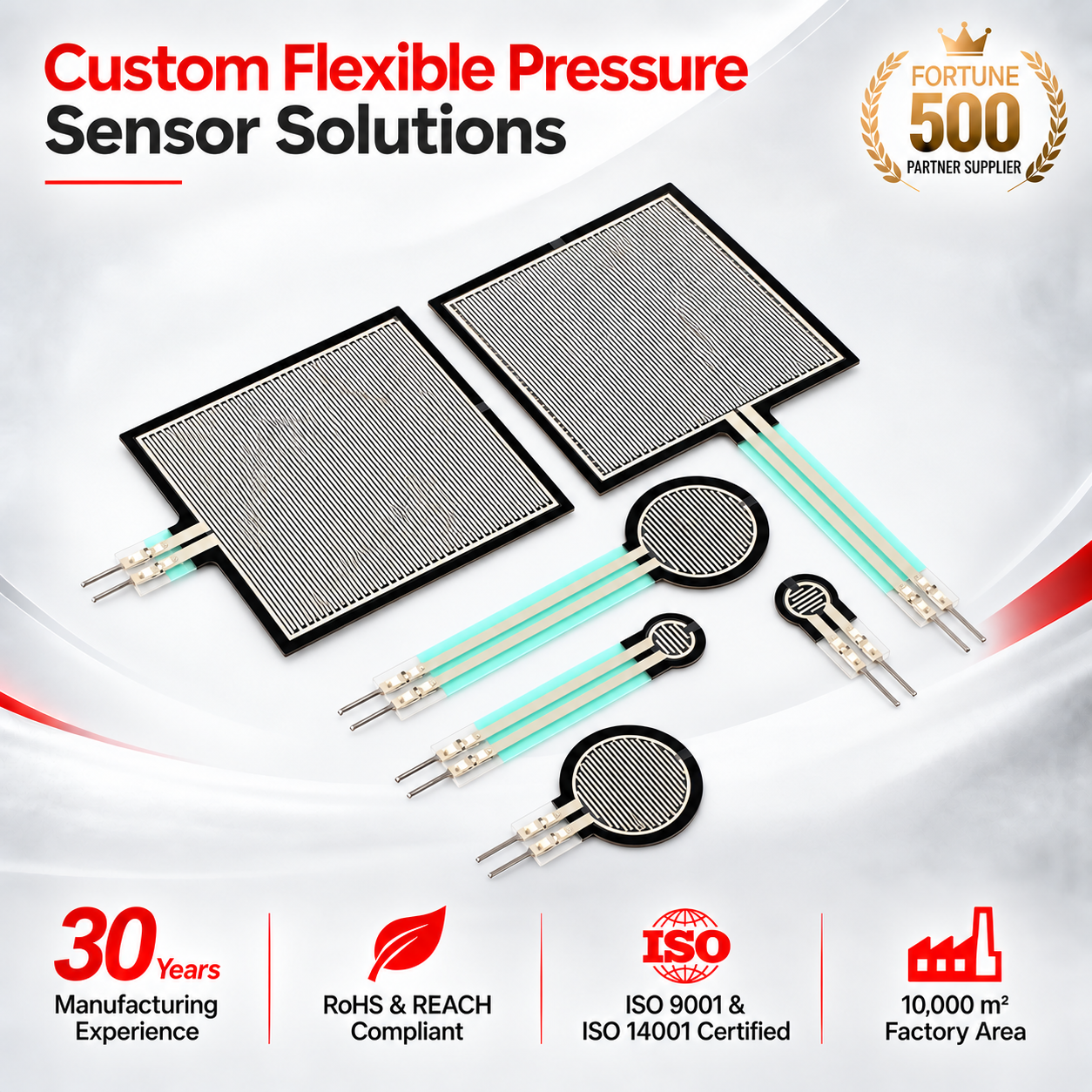
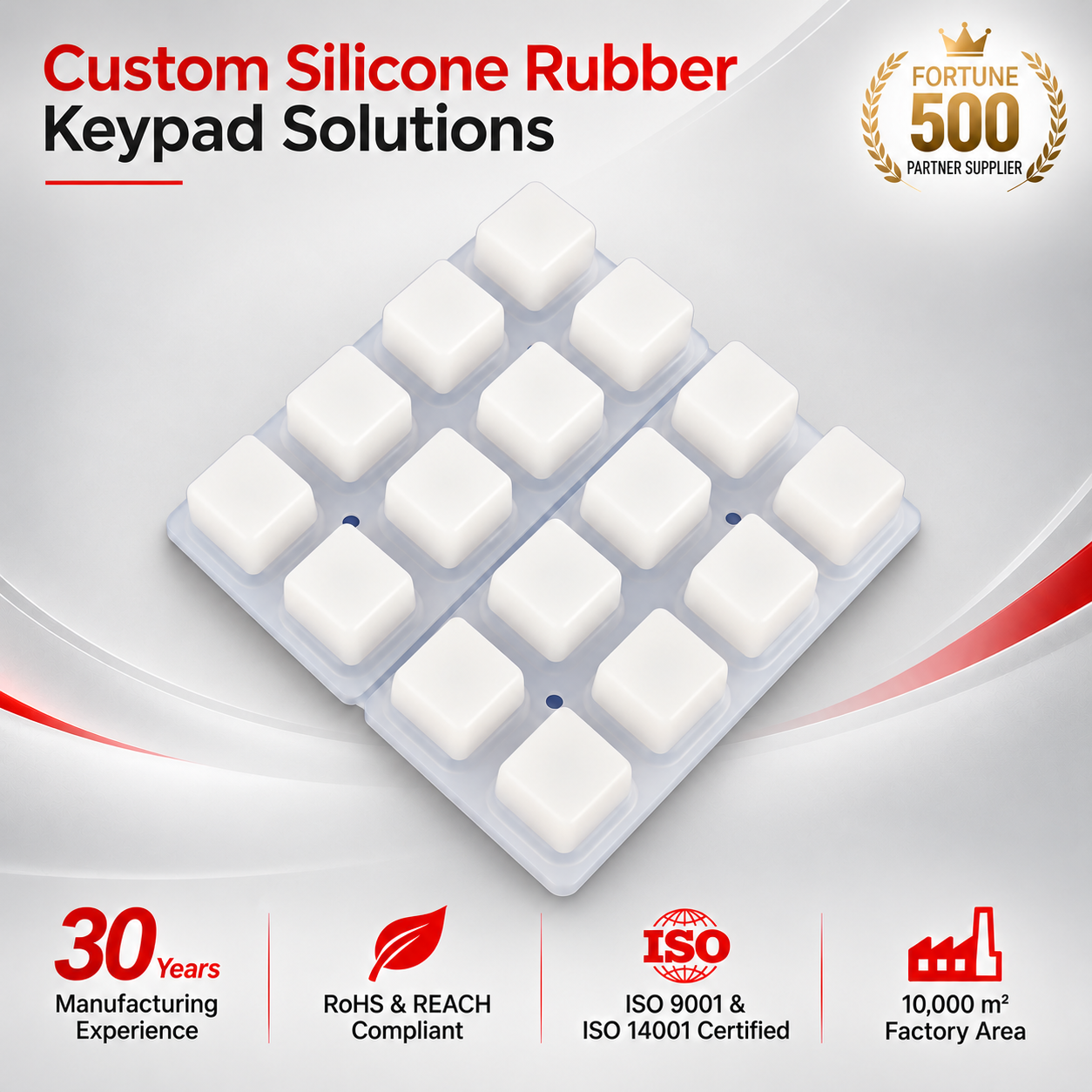
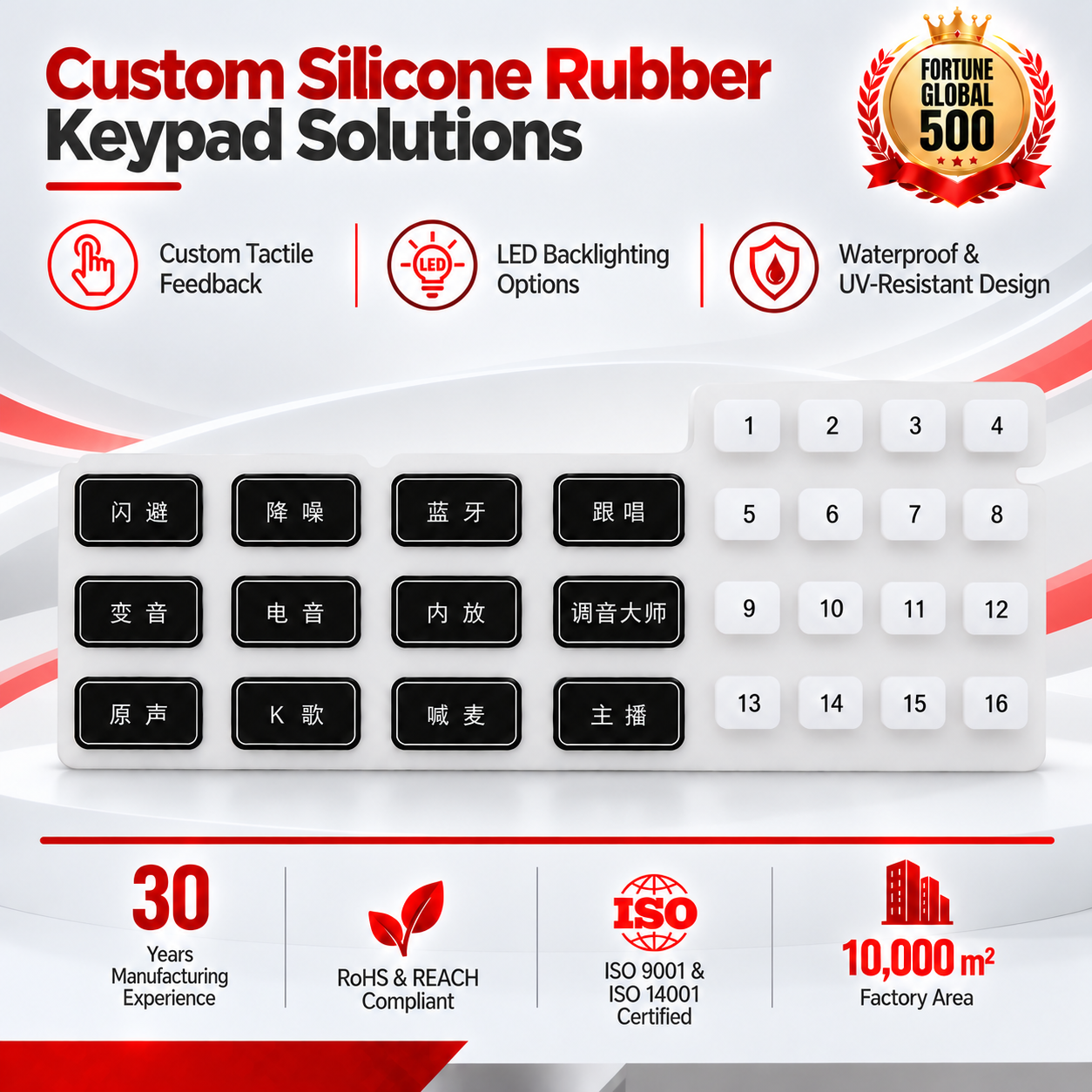
Environmental Suitability of PET Graphic Overlays in Santiago de Cuba
A Material Science Perspective on Mitigating Marine Salinity, High Relative Humidity, and Thermal Stress in Southeastern Cuba's Industrial Microclimates.
Santiago de Cuba, positioned on the Caribbean Sea at the foot of the Sierra Maestra, forms the economic and maritime heart of eastern Cuba. However, its geographical setting generates one of the Caribbean basin's most aggressive operating environments for electronic user interfaces and human-machine interface (HMI) enclosures. Industrial facilities operating in this province—ranging from the Puerto Guillermón Moncada port terminal and crude oil refinery facilities to pharmaceutical packaging plants (Laboratorios Oriente) and sugar processing installations—face constant threats from micro-climatic degradation.
When selecting HMI graphic panels for installation in Santiago de Cuba, procurement engineers must navigate three primary failure vectors: airborne saline aerosols carried inland from Bahía de Santiago de Cuba, elevated diurnal ambient thermal oscillations (often varying between 22°C at night and exceeding 38°C on exposed factory floors), and frequent industrial chemical washdowns required in bio-medical and food manufacturing operations.
Saline Mist & Coastal Corrosion Barrier
Santiago Bay generates a perpetual airborne sodium chloride (NaCl) aerosol. Standard switch frontplates allow microscopic vapor ingress through cut edges and adhesive seams. Our PET overlays utilize an uninterrupted sub-surface ink layer combined with 3M 200MP/300LSE perimeter-sealed boundary gaskets that completely isolate underlying silver circuits from coastal corrosion.
UV Radiation & Photodegradation Resistance
With annual Caribbean UV exposure exceeding 180 kLy, conventional polymers yellow, embrittle, and develop micro-cracks over key button embossings. We specify outdoor-grade UV-stabilized PET hardcoats with cross-linked acrylic polymers that block wavelengths below 380nm, ensuring tactile dome elasticity and crystal-clear LED display windows across a 10-year service life.
Chemical Resistance to CIP Sanitizers
In Santiago's rum distilleries (such as Ron Santiago facilities) and pharmaceutical laboratories, graphic panels undergo rigorous Clean-In-Place (CIP) regimes with ethanol, sodium hypochlorite, and caustic cleaning agents. PET demonstrates exceptional resistance to polar solvents and ketones where polycarbonate melts or crazes within minutes.
Engineering Comparison: PET vs. Polycarbonate vs. Acrylic
Quantitative laboratory benchmarks validating why Polyester (PET) is the definitive choice for tropical Cuban industrial deployments.
| Performance Parameter | Biaxially Oriented PET (Autotex) | Standard Polycarbonate (PC) | Cast Acrylic (PMMA) | Direct Impact on Santiago de Cuba Equipment |
|---|---|---|---|---|
| Flexural Switch Fatigue | > 5,000,000 cycles | < 100,000 cycles | Rigid / Non-Flexible | PET prevents button cracking under relentless 24/7 terminal dispatch operations. |
| Solvent & Alcohol Resistance | Impervious to Alcohols & Hydrocarbons | Crazes with Isopropanol & Esters | Moderate Solvent Resistance | Survives standard pharmaceutical hospital disinfectants without clouding. |
| Moisture Absorption (24h) | < 0.15% (Hydrophobic) | 0.35% - 0.40% (Hydrolytic Risk) | 0.20% | Zero delamination risk during Santiago's 90%+ relative humidity rainy seasons. |
| High-Temperature Creep Resistance | Stable up to +120°C | Softens at +105°C | Softens at +85°C | Maintains dimensional register inside unconditioned boiler rooms and substations. |
| Emboss Retention & Snap Ratio | Retains 95% Dome Profile | Prone to Plastic Fatigue | Cannot be Thermoformed | Guarantees crisp, tactile feedback for machine operators wearing protective gloves. |
As documented in our Dongguan reliability laboratory, membrane switch failures in coastal tropical zones predominantly stem from mechanical breakdown around the perimeter of embossed buttons. When PC film is repeatedly pressed, polymer chain orientation breaks down rapidly under high heat and moisture. In contrast, biaxially-oriented PET undergoes simultaneous molecular stretching along both the machine and transverse axes during raw film synthesis, delivering an isotropic tensile strength of over 170 N/mm².
Sector-Specific HMI Applications Across Santiago de Cuba
Custom tailored human-machine interfaces empowering eastern Cuba's primary industrial pillars.
Port & Maritime Logistics
Overlays installed on container crane cabins, winch controllers, and diesel fueling consoles at Puerto Guillermón Moncada. Features IP66/IP67 perimeter seals and anti-glare fine matte PET finishes to eliminate Caribbean sun blinding.
Bio-Pharma & Hospital Equipment
Custom interfaces for medical centrifuges, autoclave control panels, and diagnostic monitoring consoles in provincial hospital networks. Specially coated with antimicrobial nanosilver agents that inhibit microbial colonization.
Rum, Sugar & Food Processing
Front-panel graphic overlays designed for continuous exposure to sugarcane bagasse dust, high ethanol vapors in distillery bottling halls, and acidic beverage additives. Resists washdowns up to 80°C hot water rinsing.
Thermoelectric & Renewable Energy
Deployed in substation telemetry consoles, inverter interfaces for solar parks across Santiago province, and auxiliary control cabinets for the Antonio Maceo (Renté) Power Plant. Features ESD shielding ratings up to 15kV.
6-Layer Stack-Up Architecture of Our Tropicalized Overlays
A comprehensive mechanical breakdown illustrating how each layer is selected and bonded to withstand eastern Cuba's industrial rigors.
Layer 1: Hardcoated PET Film
Autotex XE or Fine Matte PET substrate (150µm – 200µm). Treated with an anti-scratch 3H hardness coating, UV stabilizers, and reverse-printable surface. Completely protects printed inks underneath from abrasive grit, finger oil, and sunlight.
Layer 2: Sub-Surface Screen Inks
Industrial acrylic or polyurethane solvent inks applied via high-precision 350-mesh screen printing. Pantone PMS and RAL color matching verified using X-Rite spectrophotometers. Dead-front secret-until-lit LEDs and tinted LCD readout windows.
Layer 3: Top Laminating Adhesive
Genuine 3M 467MP or 3M 200MP high-performance transfer adhesive. Ensures bubble-free adhesion between the graphic overlay and internal spacer, maintaining dimensional stability across rapid Caribbean temperature swings.
Layer 4: Circuit Spacer & Vents
Biaxially oriented PET core (0.125mm – 0.25mm) with double-sided adhesive. Designed with custom laser-machined air equalization micro-channels that vent atmospheric pressure changes during tropical storms without allowing moisture ingress.
Layer 5: Silver Circuit or Copper FPC
High-conductivity polymer thick-film silver ink with carbon overprinting to inhibit silver ion migration in humid conditions, or high-density flexible copper printed circuits (FPC) with gold/nickel plated connector tabs.
Layer 6: Rear Mount Adhesive & Liner
Substrate-matched mounting adhesive (3M 300LSE for low surface energy powder-coated metal and plastics; 3M 468MP for smooth cast aluminum or stainless steel enclosures) with easy-peel pull tabs for error-free assembly in Cuban repair shops.
Emerging HMI & Procurement Trends in Eastern Cuba
How state enterprises and international joint ventures are upgrading their legacy machinery.
Across Santiago de Cuba, industrial modernization is defined by the vital imperative of capital equipment longevity. Importing entire new production machinery entails massive logistical friction and significant capital expenditures. As a result, plant maintenance directors and chief electrical engineers across the province are increasingly focusing on HMI retrofitting and localized reverse engineering.
1. Reverse Engineering Legacy European & Soviet HMIs
Many operating factories rely on older European, Japanese, or Soviet-era legacy machinery with degraded control faceplates. AXRU provides Santiago de Cuba buyers with complete reverse engineering: from photos, mechanical rubbings, or decommissioned physical samples, our CAD team reconstructs accurate Gerber vector artwork, trace routing, and connector pitch specifications.
2. Transition to Capacitive Touch Behind Sealed PET
Traditional mechanical switches with open apertures quickly fail in humid sugar and grain milling plants due to fine particulate buildup. We are seeing a rapid shift toward solid-state capacitive touch sensors embedded behind unbroken PET graphic panels, eliminating moving parts and achieving a pristine, wipe-clean IP68 rating.
3. Light Guide Film (LGF) Uniform Low-Power Backlighting
With plant energy optimization prioritized in eastern Cuba, legacy incandescent indicator lamps are being replaced by ultra-efficient Light Guide Film (LGF) integrated directly into membrane overlays. LGF uses edge-firing micro-LEDs to deliver uniform legend illumination with under 0.2W total current draw.
Direct Manufacturer Authority: Dongguan to Santiago de Cuba
A 10,000㎡ manufacturing ecosystem, Fortune 500 supplier credentials, and Intertek on-site audit verification backing your critical supply chain.
Intertek-Verified Plant & ISO Quality
Our operations, cleanroom workshops, and testing facilities are assessed and certified on-site by Intertek. Every stage—from precision laser die-cutting to FPC bonding—operates strictly under certified ISO quality management protocols.
In-House Environmental Reliability Lab
We do not rely on third-party estimates. Our in-house testing lab houses programmable temperature-humidity chambers, key life cyclers (up to 10M actuations), Taber ink abrasion testers, and UV yellowing chambers that simulate tropical Caribbean weathering.
Direct International Export Logistics
Extensive experience packaging and shipping sensitive electronic components to the Caribbean and Latin America. We utilize hermetically vacuum-sealed, desiccant-packed, anti-static electrostatic discharge (ESD) cartons compliant with maritime and air cargo regulations.
Frequently Asked Questions: Santiago de Cuba Market
Real-world engineering, customs, and technical guidance for procurement officers and system integrators in eastern Cuba.
Why is PET preferred over Polycarbonate for Santiago de Cuba's maritime coastal installations? +
Can AXRU reverse engineer an overlay if we only have a worn or damaged panel from older machinery? +
What adhesive systems are recommended to prevent panel peel-off in high-humidity factory environments? +
What is the Minimum Order Quantity (MOQ) for custom graphic overlays and membrane keypads? +
How are sensitive tactile switches and graphic overlays packaged for overseas shipment to Cuba? +
Can you incorporate transparent windows for LCD displays and dead-front indicators on the same overlay? +
What technical drawing file formats do you accept for quotation and tooling preparation? +
Upgrade Your Santiago de Cuba HMI Reliability Today
Consult directly with our Dongguan engineering team. Send us your dimensions, artwork, or reverse-engineering photos for a comprehensive DFM review and factory-direct quotation within 24 hours.