Featured HMI & Membrane Interface Architectures
Fully tailored tactile switches, capacitive touch controllers, and rugged silicone rubber front panels engineered to withstand harsh maritime, agricultural, and industrial duties.
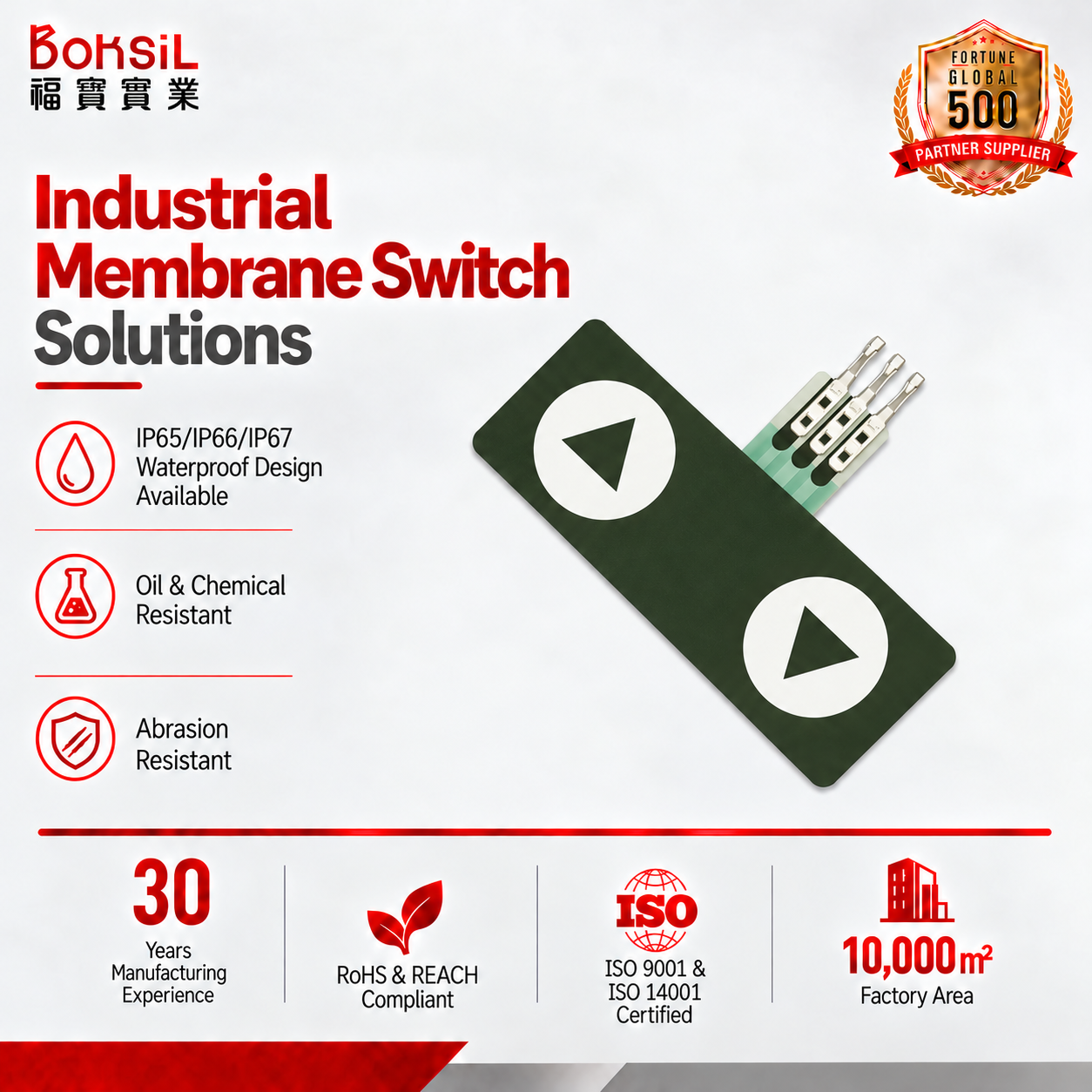
Custom 2-Button Membrane Switch Panel with FPC Circuit
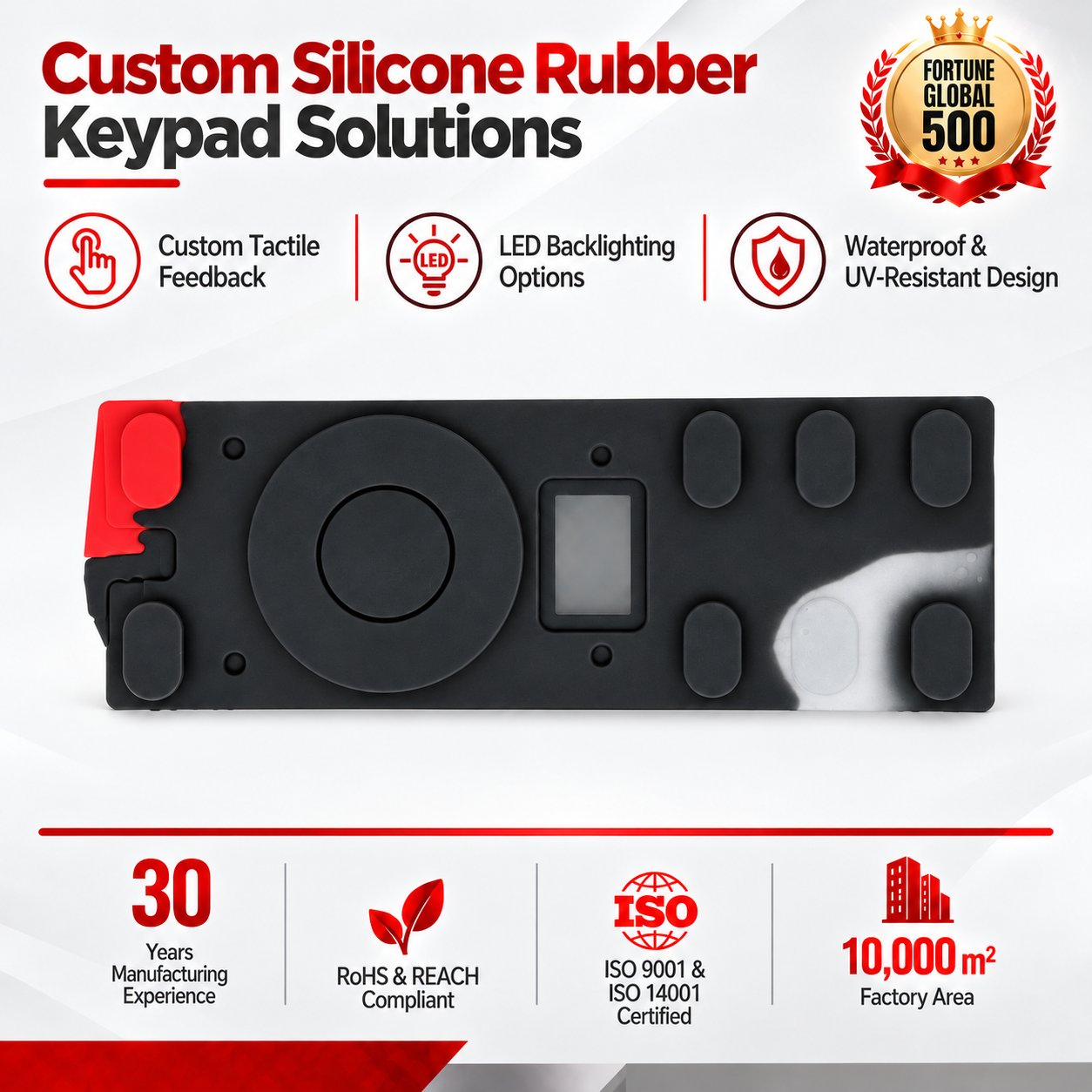
Embossed Silicone Rubber Keypad for Industrial Automation
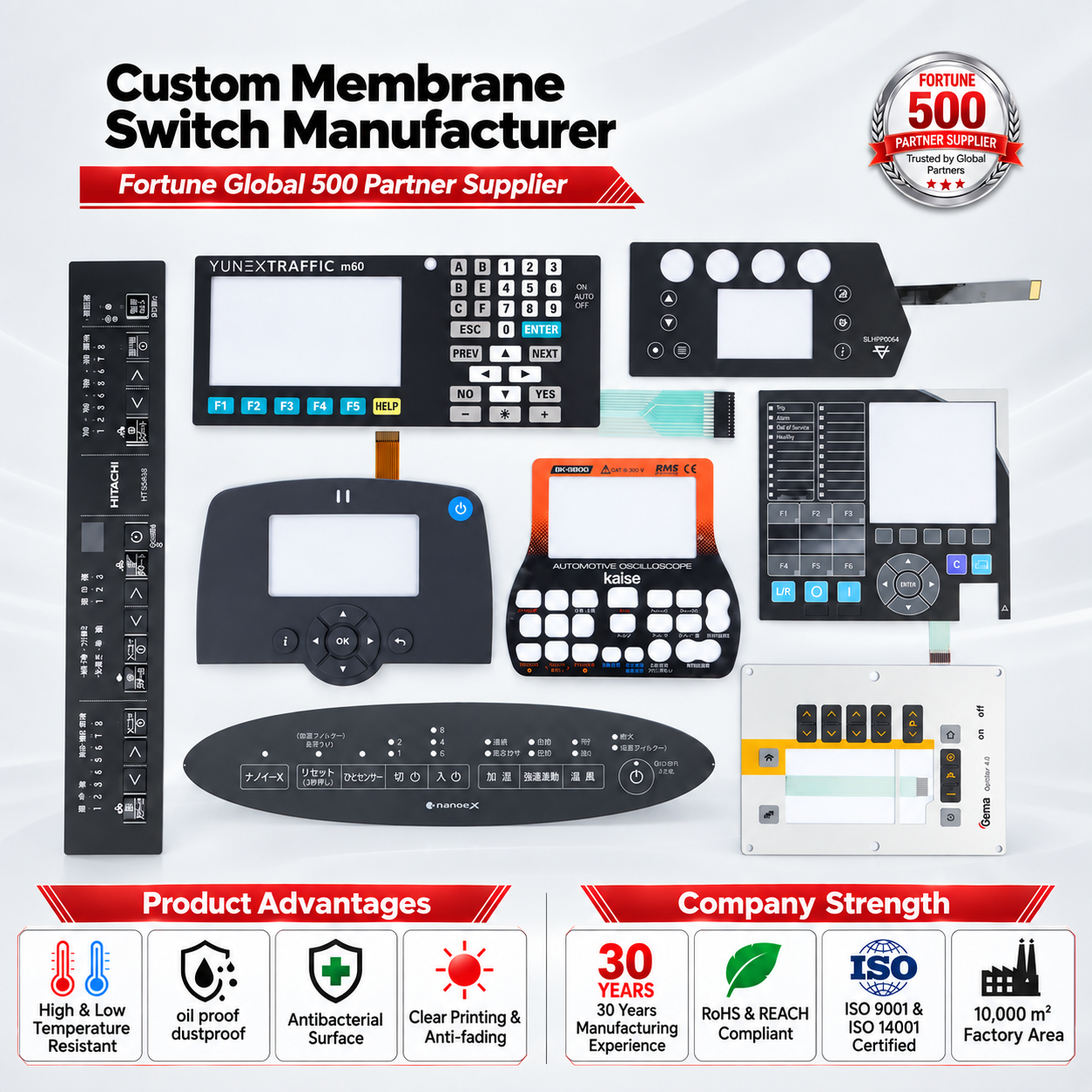
Waterproof Medical & Industrial FPC Graphic Touch Panel
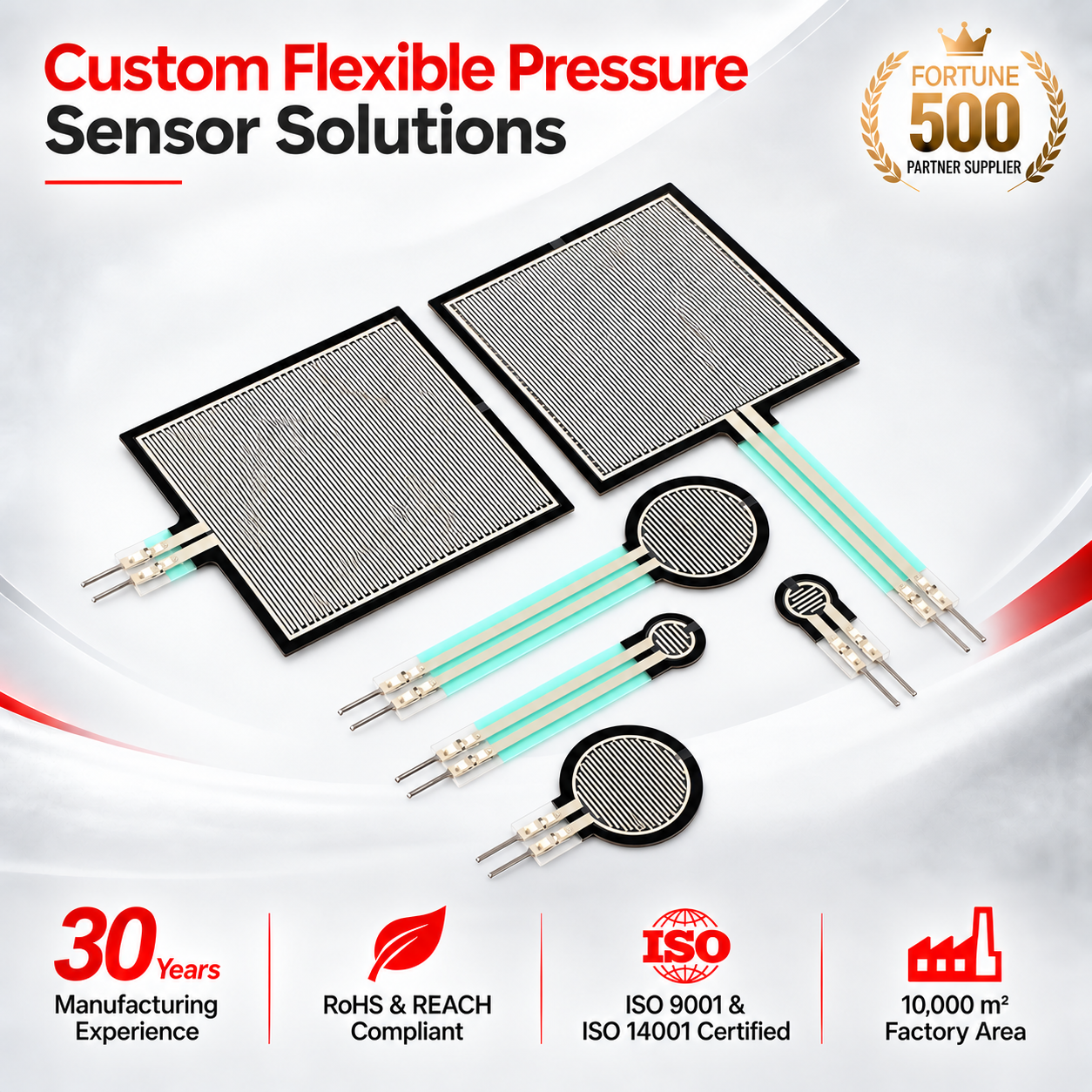
Capacitive Multi-Touch Thin Film FSR Pressure Sensor
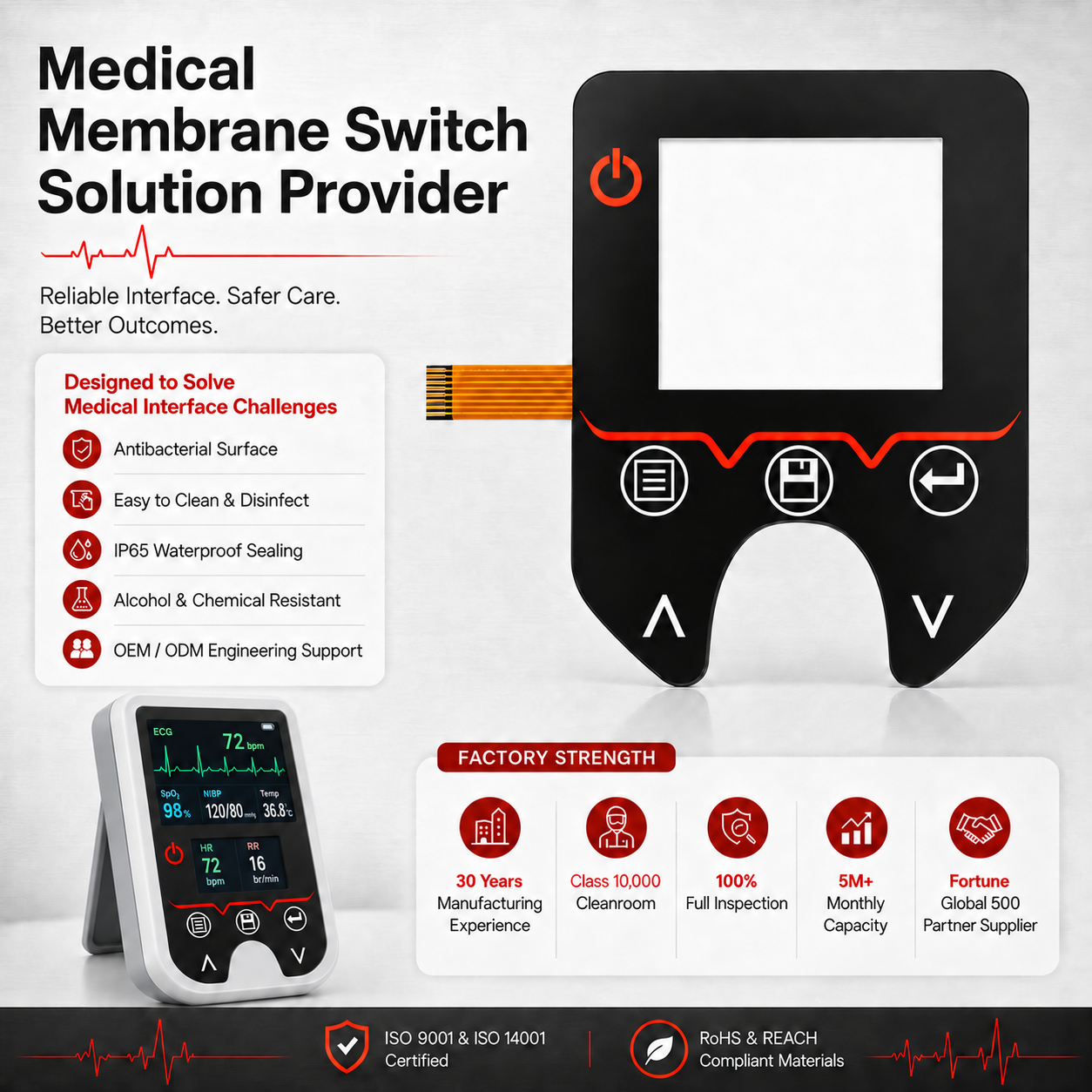
IP65 Medical Equipment Autoclave-Resistant Control Faceplate
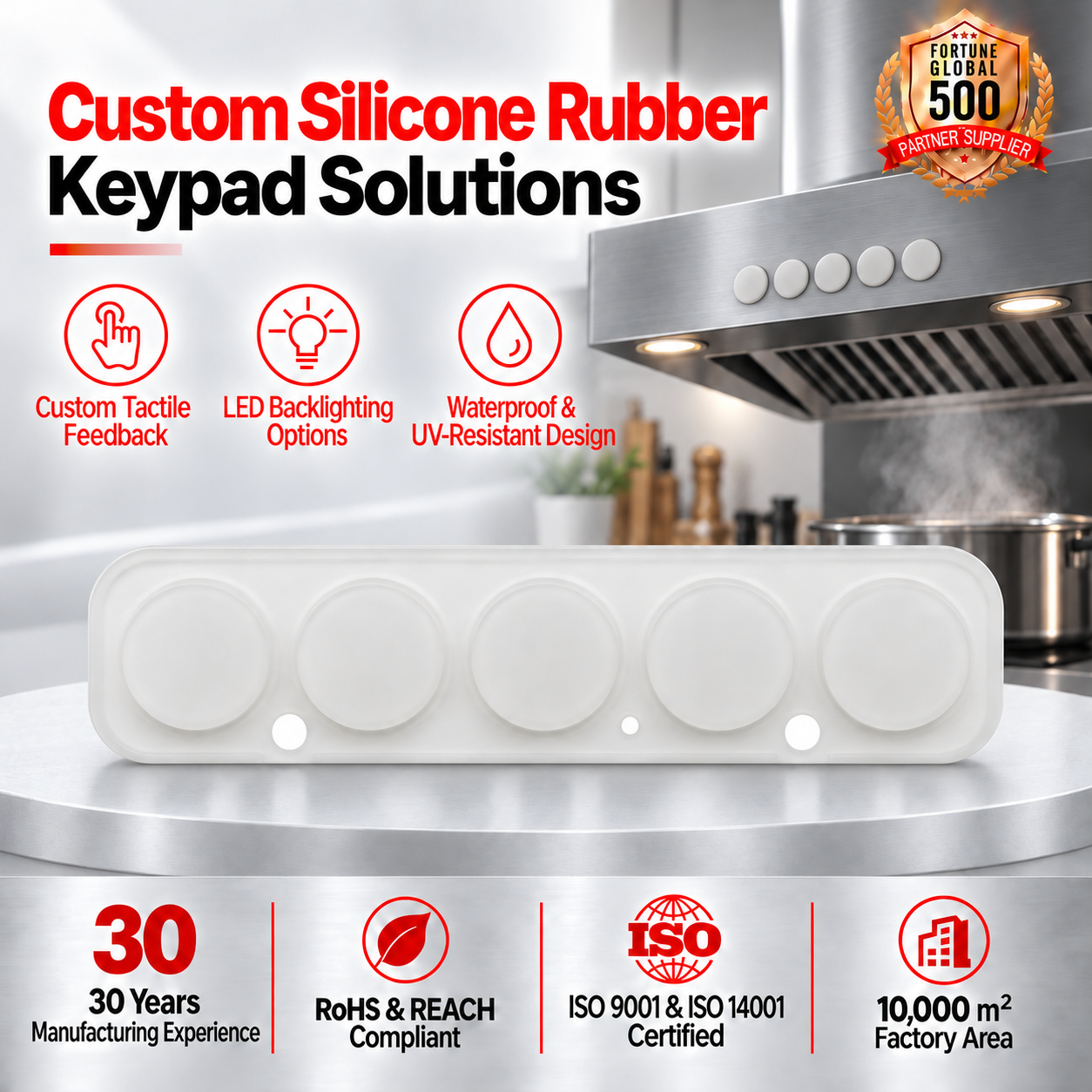
Soft Silicone 5-Key Momentary Appliance Control Panel
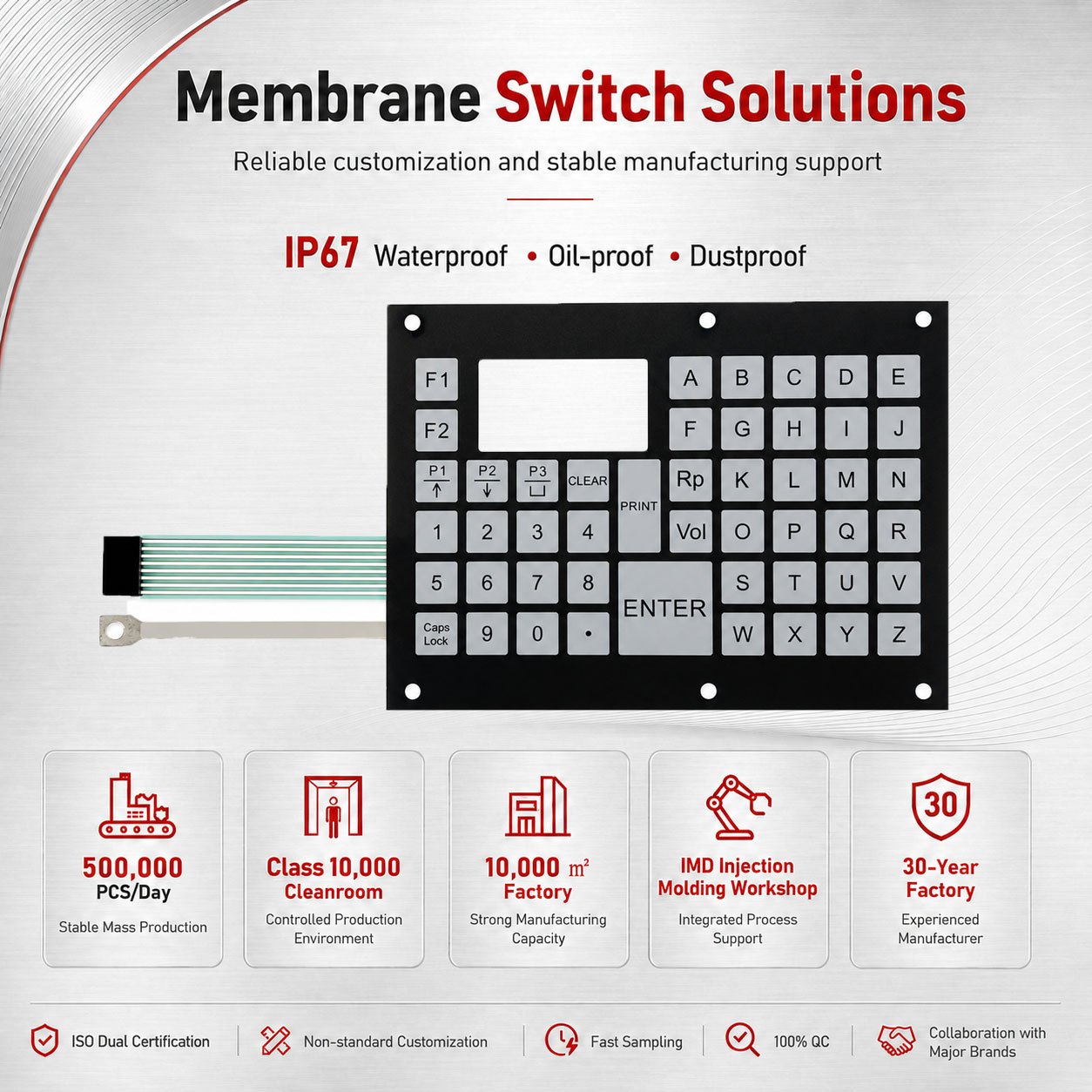
Outdoor Vandal-Resistant Fuel Dispenser Keypad Circuit
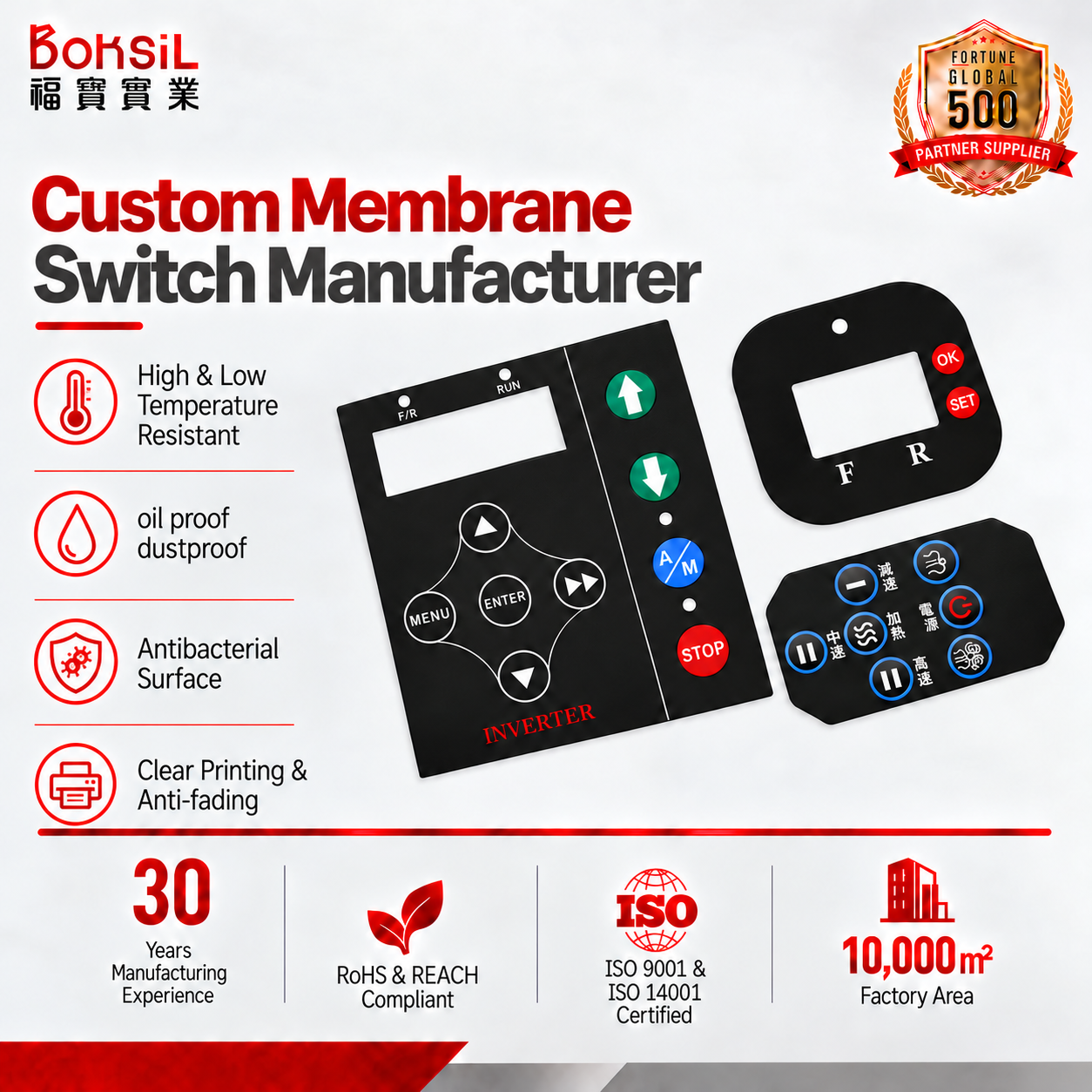
Polycarbonate Graphic Overlay Interface with Clear LCD Window
Demanding Localized Applications Across New Zealand
From South Island dairy automation sheds to North Island precision marine navigation, our membrane switches meet the rigorous performance thresholds of kiwi engineering.
Dairy & Agritech Automation
Milking sheds, automated sorting gates, and soil fertilization telemetry gear in Waikato and Canterbury demand IP66 to IP67 washdown ingress protection. We engineer complete hermetic perimeter seals with 3M 300LSE adhesive carriers that remain impervious to caustic wash chemicals, lactic acids, and high-pressure steam cleaning cycles.
Marine, Aquaculture & Offshore Tech
Marine navigation consoles, commercial trawler winches, and aquaculture monitoring pods operating in the Hauraki Gulf or Cook Strait face extreme salt spray and corrosive humidity. Our solutions incorporate subsurface printing on hard-coated polyester films, preventing salt crystal abrasion and eliminating trace delamination caused by galvanic corrosion.
Medical Devices & Bio-Instrumentation
Supporting Auckland and Christchurch’s thriving biomedical innovation cluster, we fabricate cleanroom-assembled, flush antimicrobial overlays. These panels seamlessly accept hospital-grade sterilization agents (including quaternary ammonium and isopropyl alcohol formulations) without micro-cracking, haze accumulation, or graphic degradation.
Emerging HMI Engineering Trends in New Zealand
Strategic product roadmaps are shifting toward intelligent, consolidated, and energy-neutral human-machine interfaces.
Capacitive Sensing over Glass & Acrylic
Shifting away from mechanical contacts, high-end appliance and automation builders leverage zero-wear capacitive switch arrays printed underneath 4mm toughened glass for completely monolithic, hygienic enclosures.
Integrated Light Guide Film (LGF)
Eliminating bulky bulb footprints, ultra-thin LGF backlighting spreads side-firing micro-LED illumination evenly across graphic legends and dead-front icons, cutting power usage for battery-operated remote IoT units.
Copper FPC Replacing Screened Silver
High-density smart instrumentation requires miniature pitch (0.5mm) connections. Flexible Printed Circuit (FPC) copper conductors prevent silver migration failures in high-humidity Northland environments.
EMC/RFI Aluminum & Carbon Shielding
With industrial sites adopting electrified machinery and variable frequency drives (VFD), integrated grounding planes reject radiated electromagnetic noise and protect control chips from static discharges up to 15kV.
Technical Matrix: Selecting the Right Substrate & Construction
An objective benchmark of electrical, mechanical, and climatic attributes to guide your Design for Manufacturability (DFM) assessment.
| Substrate / Architecture | Actuation Life Expectancy | Ingress Protection (IP) | UV & Chemical Robustness | Tactile Response | Primary OEM Application |
|---|---|---|---|---|---|
| Polyester (PET) Tactile Metal Dome | > 1,000,000 cycles | IP65 – IP67 (Perimeter Gasketed) | Excellent against solvents & flex fatigue | Crisp, snappy mechanical feedback | Agritech, Dairy Controls, Medical HMIs |
| Polycarbonate (PC) Overlay Panel | > 100,000 cycles (Non-tactile) | IP54 – IP65 | High impact strength; moderate UV | Flat, light tactile feel | Indoor Electronics, Kiosks, Appliance Fascias |
| Compression Silicone Keypad + Carbon Pill | > 2,000,000 cycles | IP65 – IP68 (Integral Bezel Flange) | Superior broad-temperature resilience | Ergonomic dampening cushion stroke | Forestry Handhelds, Rugged Remotes, Field Radios |
| Capacitive Touch on Acrylic / PMMA | Unlimited (Solid-State) | IP68 (Front-Face Hermetic Seal) | Exceptional optical transmission | Haptic or acoustic feedback integration | Smart Cleanrooms, Laboratory Instrumentation |
| Copper Flex Circuit (FPC) Multi-layer | > 5,000,000 cycles | IP67+ Rated Seal Design | Zero silver migration risk in damp heat | Compatible with 4-leg gold/nickel domes | Aviation, Critical Marine, Offshore Telemetry |
World-Class Production Facility & Reliability Testing Lab
Full vertical integration across 10,000㎡ of specialized workshop space. Verified on-site by Intertek.
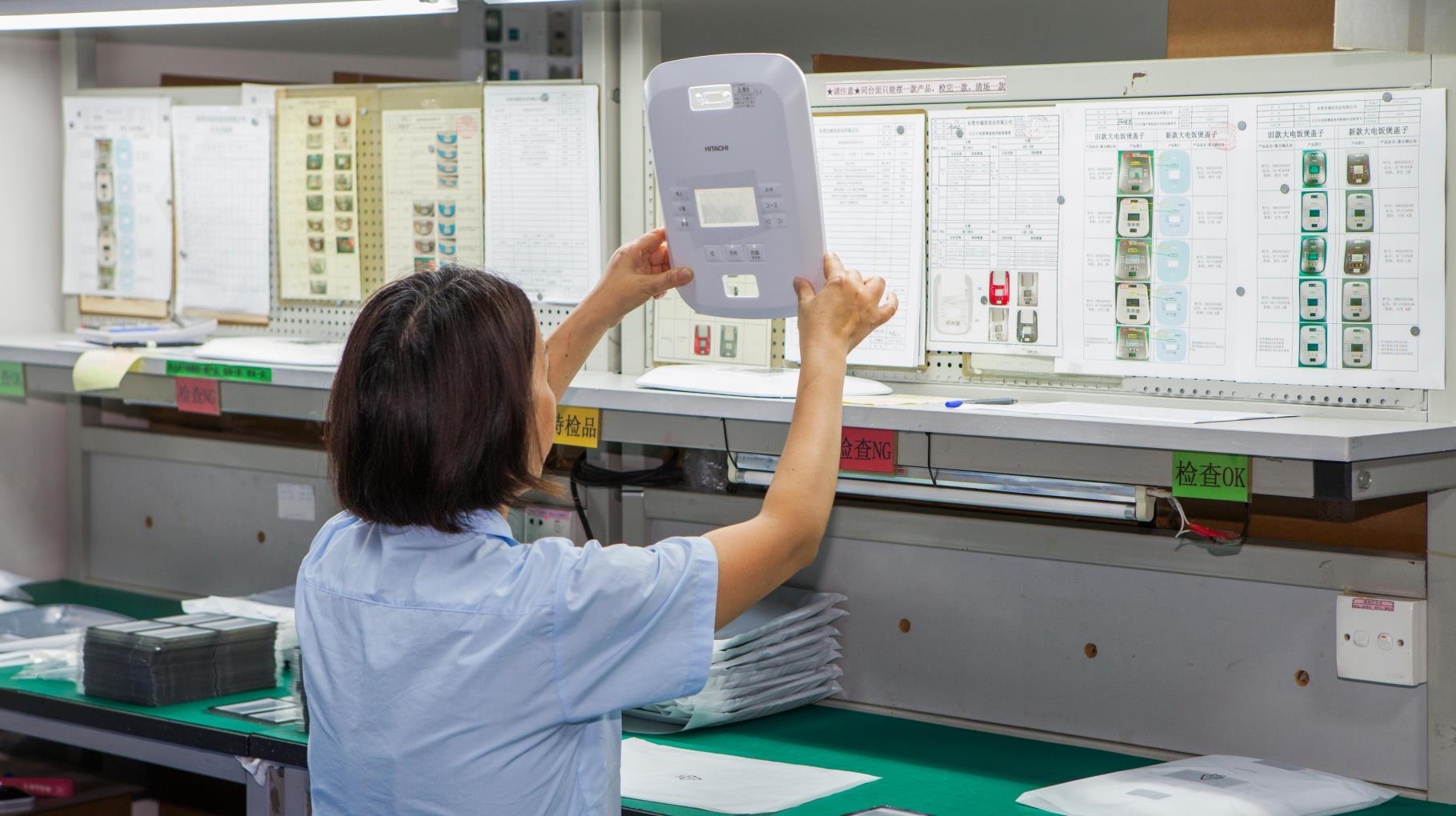
100% Automated Electrical Inspection
Every single line is measured for contact loop resistance, insulation impedance, LED polarities, and switch bounce.
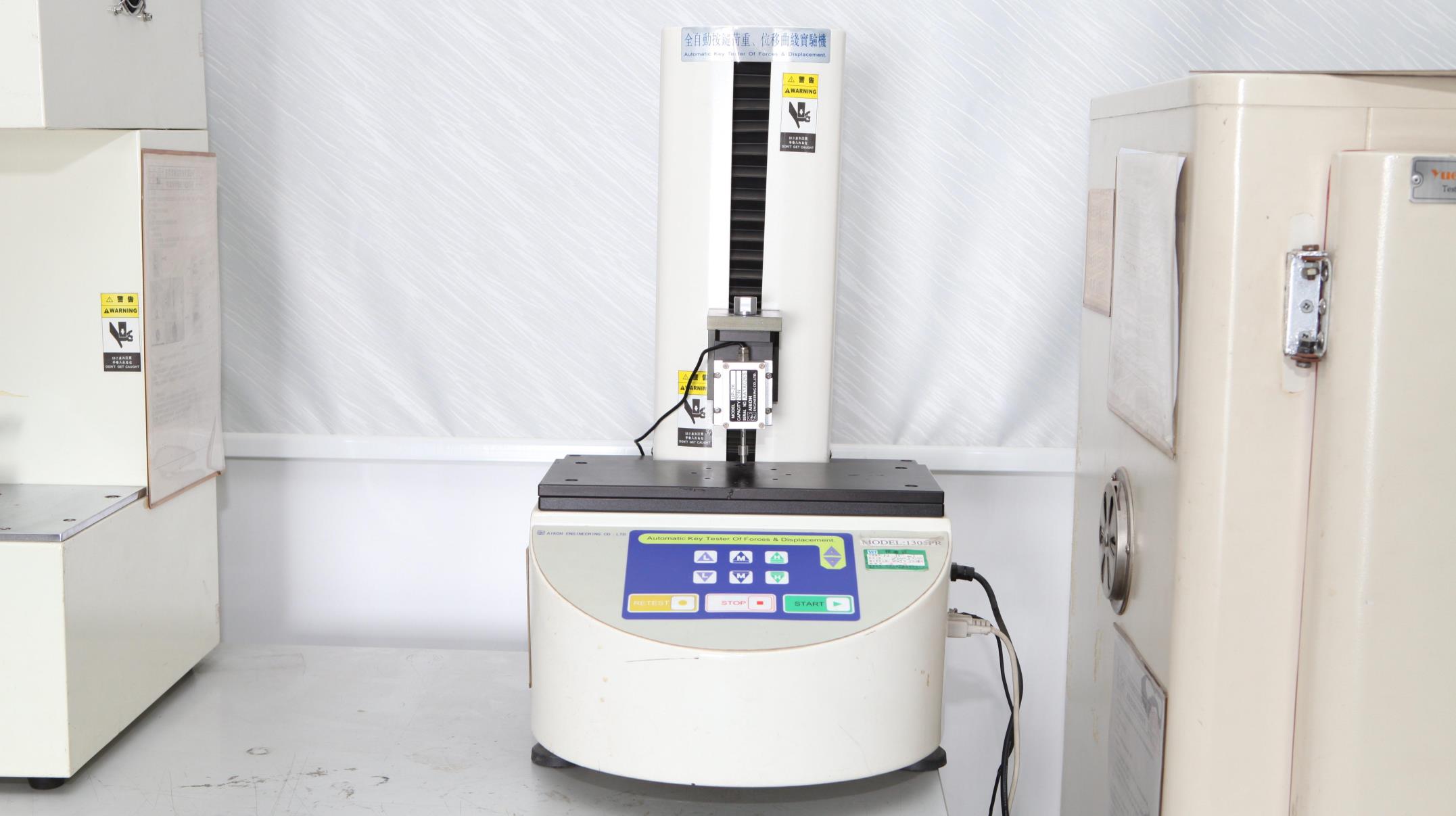
Force-Displacement Profiling
Computerized dynamic analyzers plot snap ratios, actuation forces, and stroke travel to ensure batch tactile uniformity.
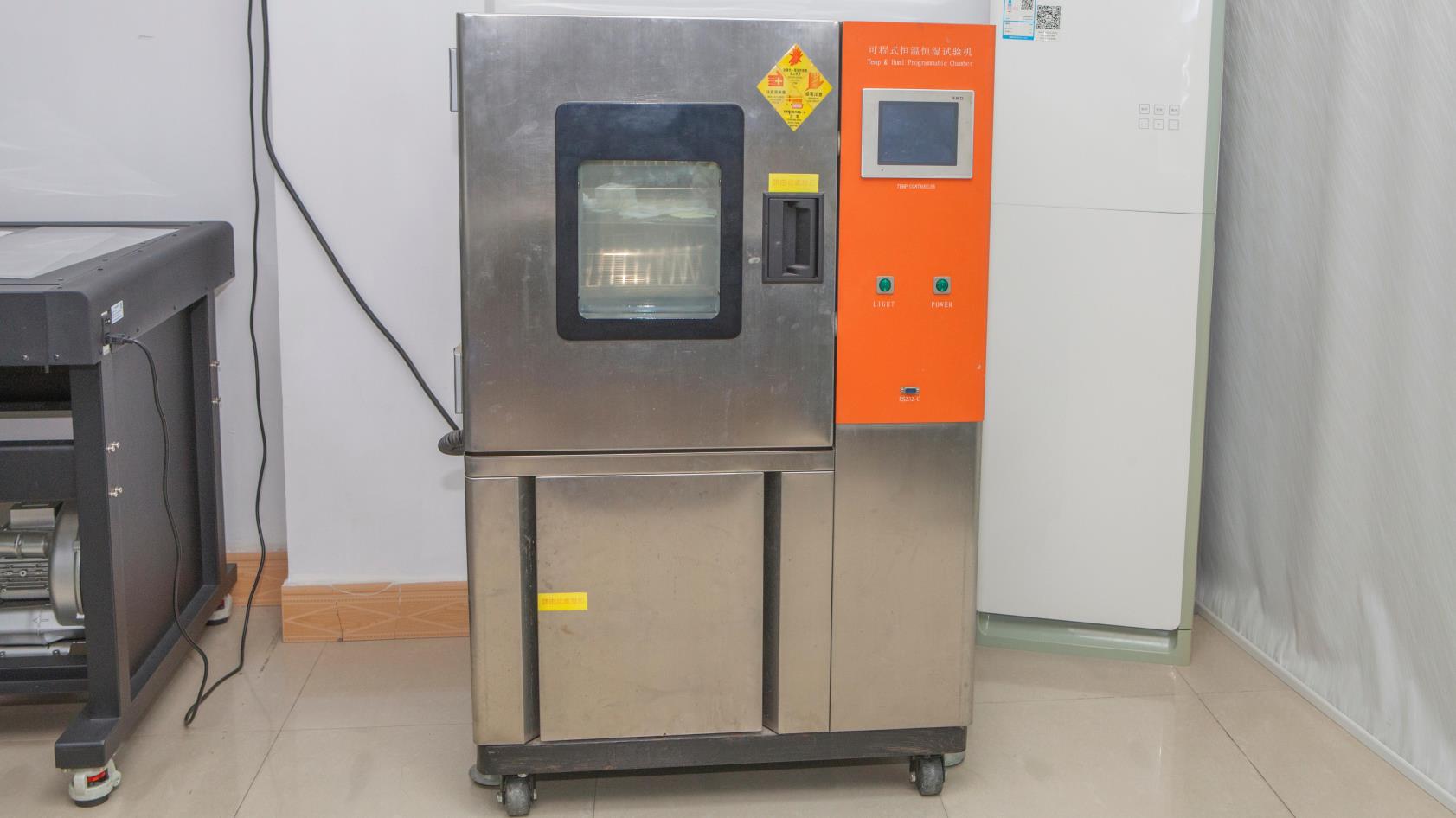
Climatic Stress Testing
Programmable environmental chambers expose keypads to thermal shocks (-40°C to +85°C) and 95% RH humidity stress.
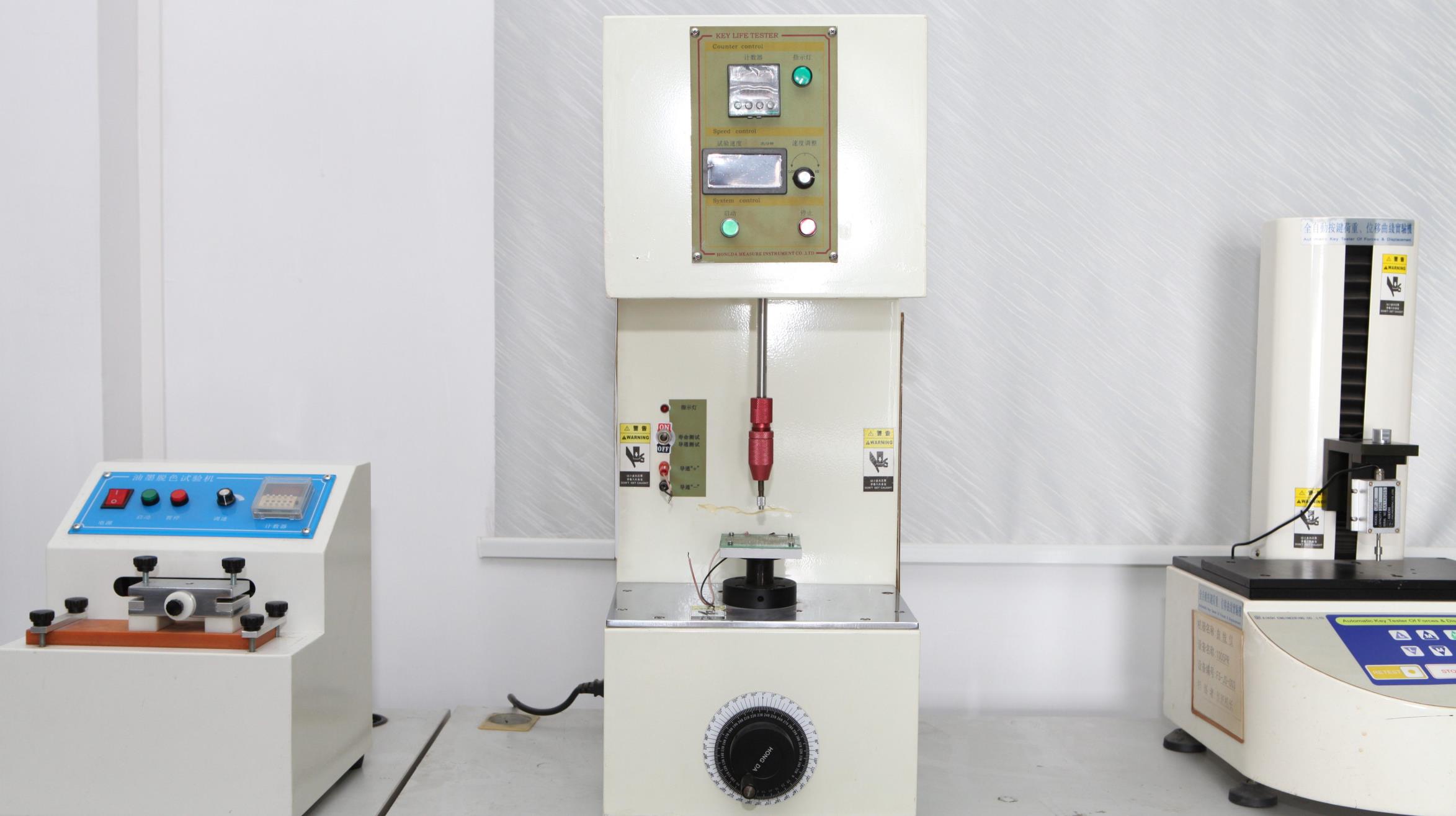
Key Life Actuation Benches
High-cycle mechanical probes actuate domes up to 5,000,000 strokes to guarantee fatigue longevity under harsh usage.
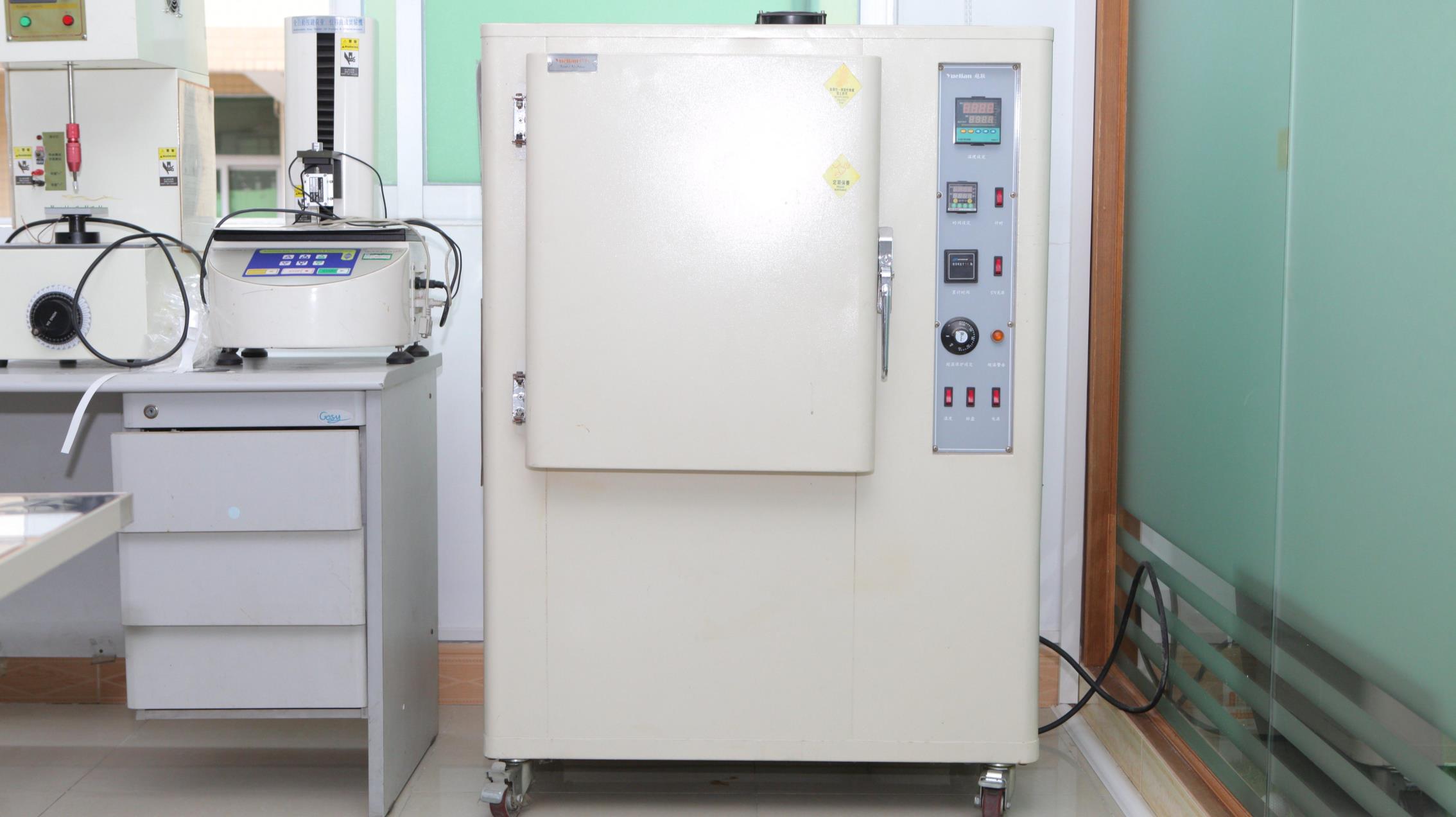
UV Yellowing & Weathering Chamber
Intense ultraviolet weathering machines evaluate graphic ink permanence and overlay substrate stability for outdoor NZ sunlight.
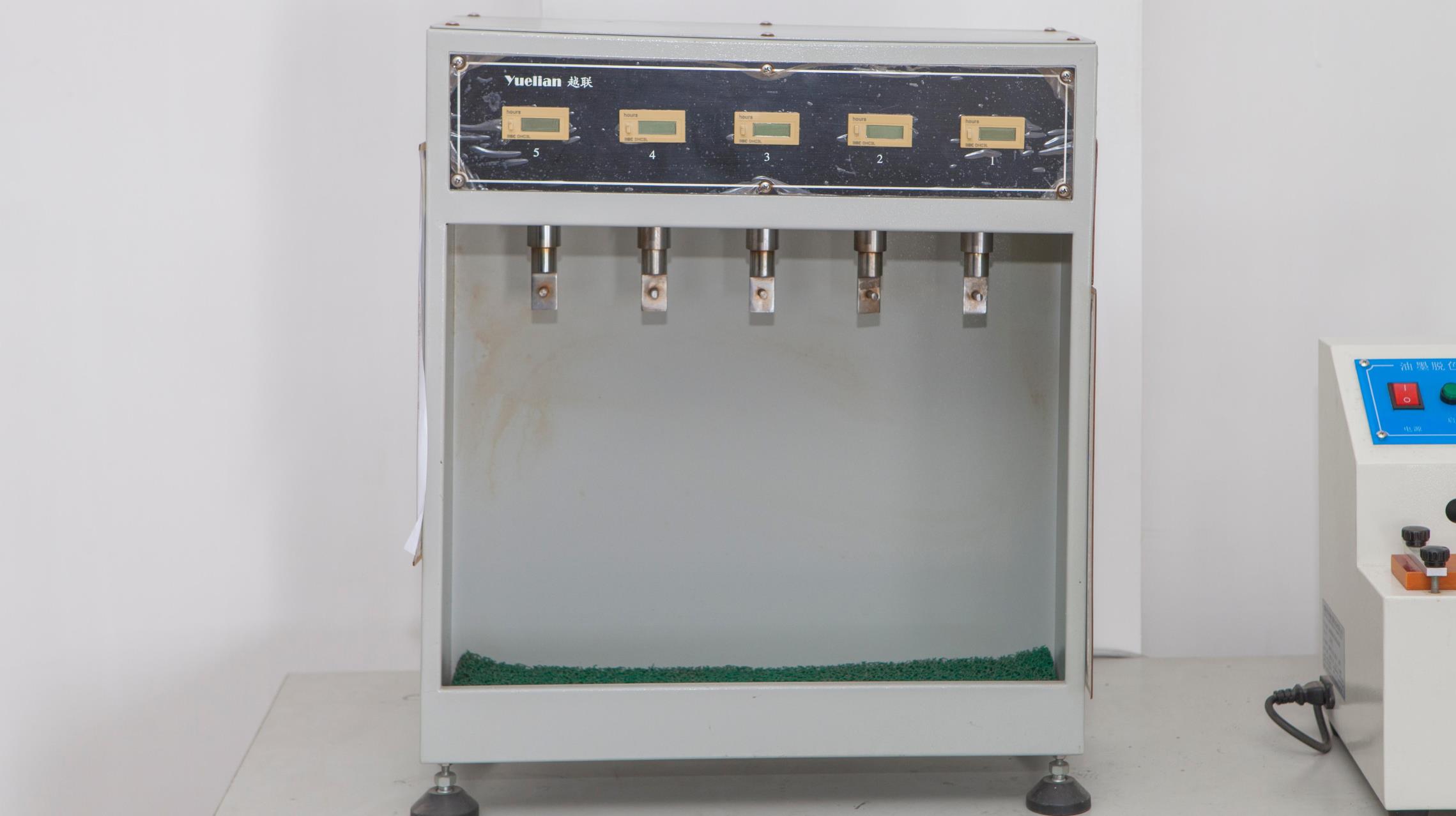
Adhesive Peel & Tensile Testing
Digital load cells quantify adhesive peel adhesion against aluminum, ABS, and powder-coated enclosure housings.
Internationally Certified Quality Management Systems
Fully audited by Intertek and compliant with ISO9001, RoHS, REACH, and CE manufacturing criteria.





Frequently Asked Questions (NZ Procurement & Engineering)
Clear, actionable answers addressing logistics, tariffs, compliance, and material engineering for New Zealand OEM teams.
How does freight delivery to New Zealand (Auckland, Wellington, Christchurch) work for low-to-mid volume runs?
What design files are required to initiate a preliminary DFM review and quotation?
How do your membrane switches resist New Zealand’s high solar UV levels and harsh coastal salt fog?
Can we manufacture small engineering sample quantities before committing to volume production?
What advantages does copper FPC provide over printed silver ink circuits in humid environments?
Ready to Engineer Your Custom Membrane Interface?
Consult directly with our senior application engineers. Submit your preliminary mechanical sketches or artwork files for a comprehensive Design for Manufacturability (DFM) review, material stack-up recommendation, and rapid quotation.
Send an Inquiry