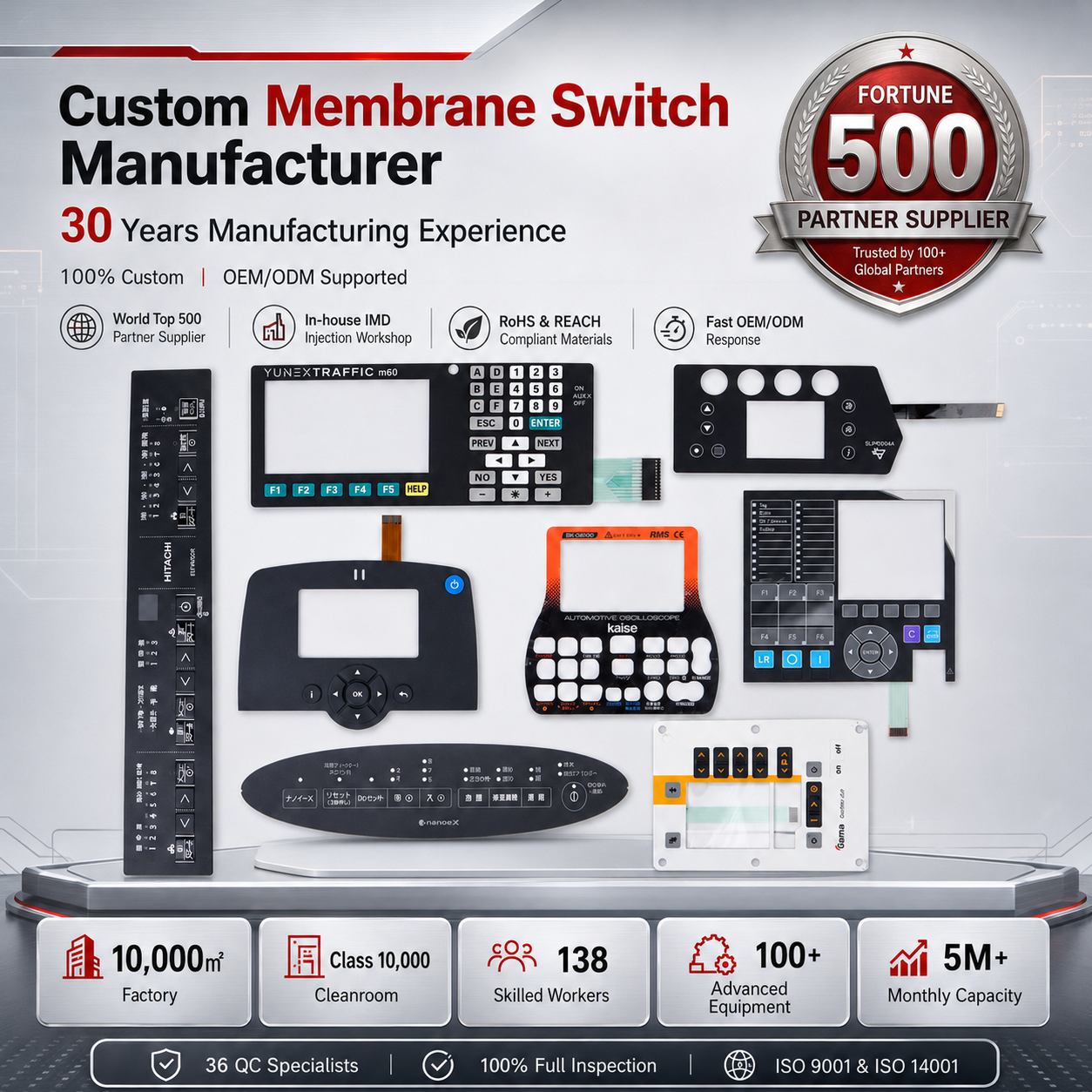
Featured Industrial Keypad & Overlay Assemblies
Custom-fabricated HMI controls engineered to counter high humidity, UV degradation, and saltwater corrosion in demanding marine and tropical environments.
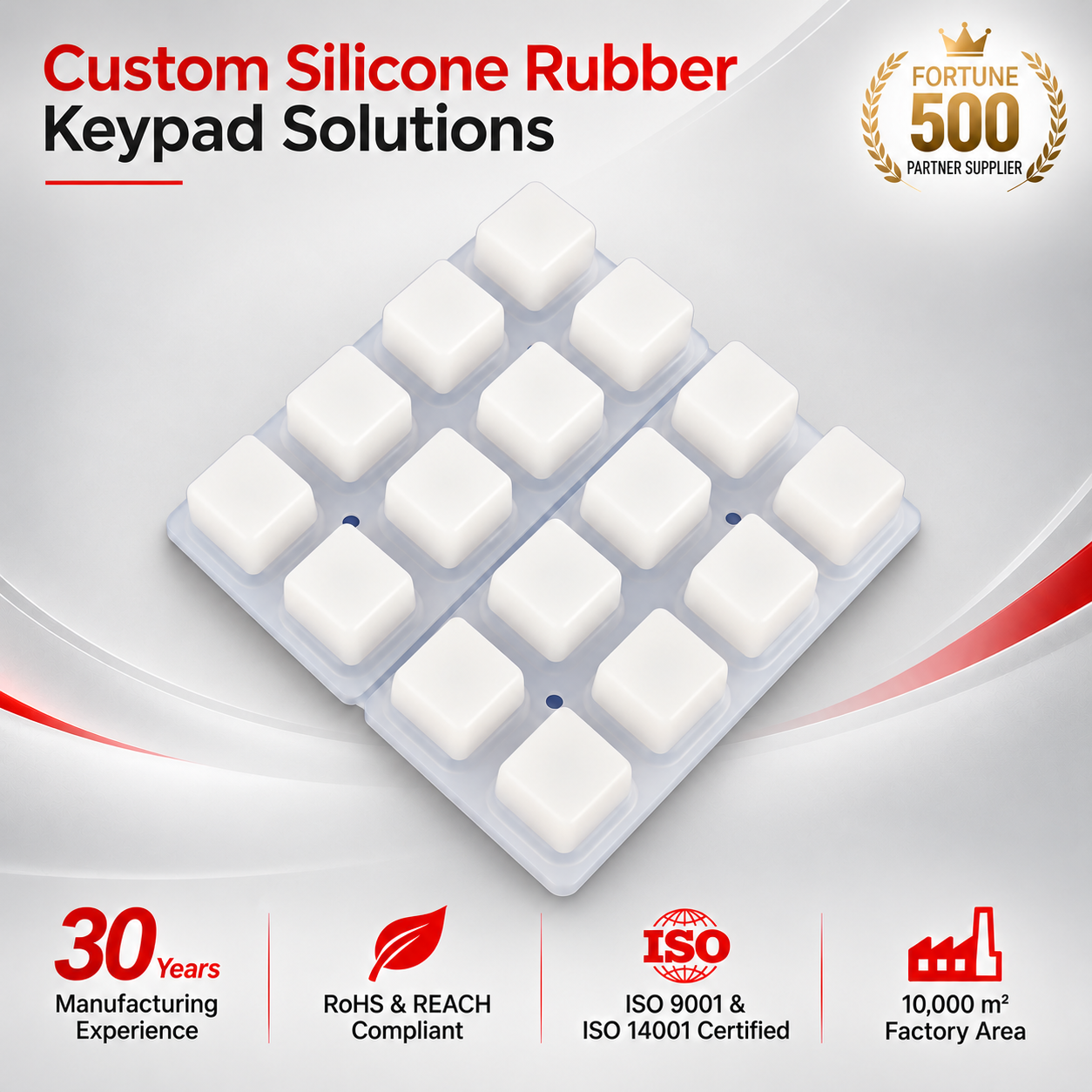
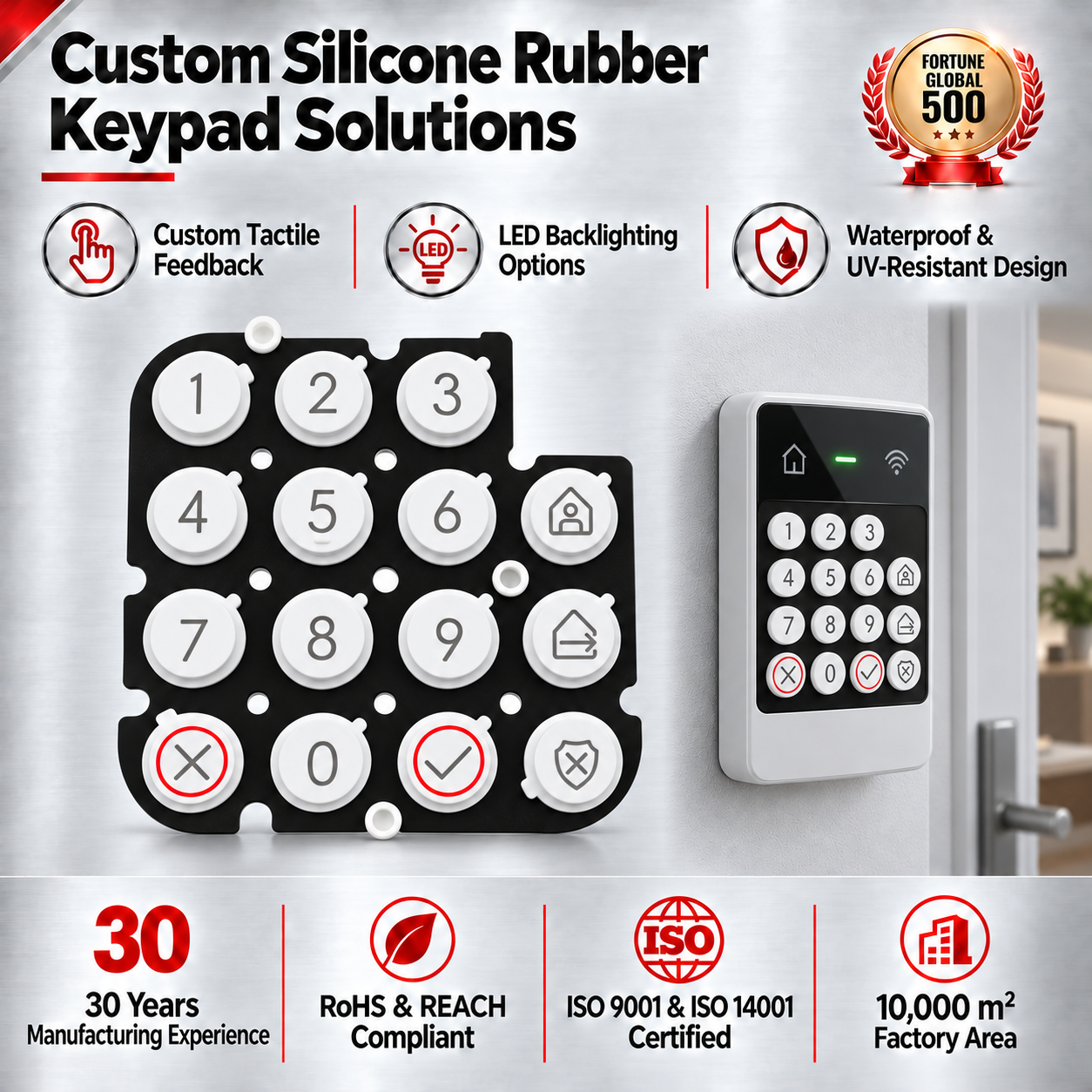
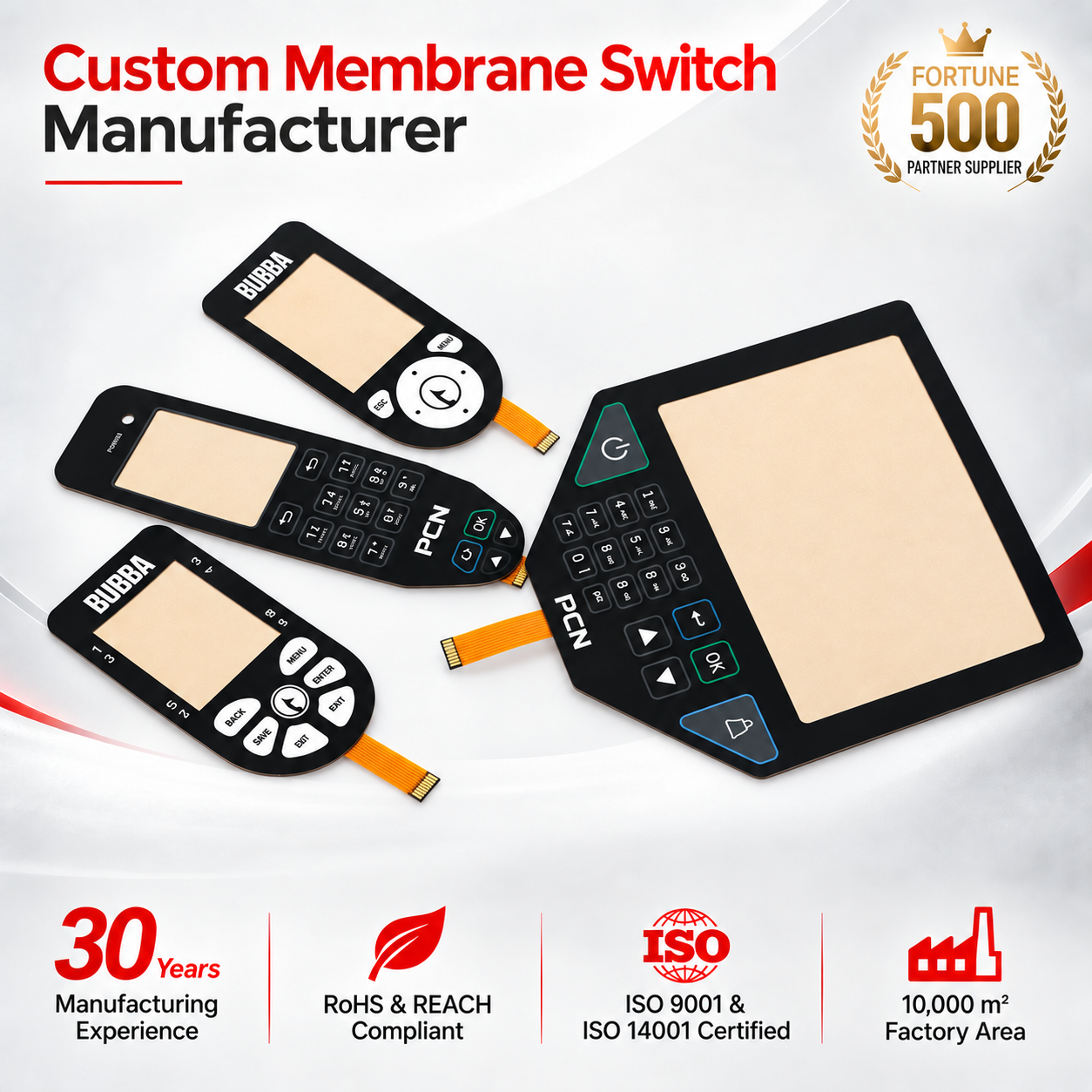
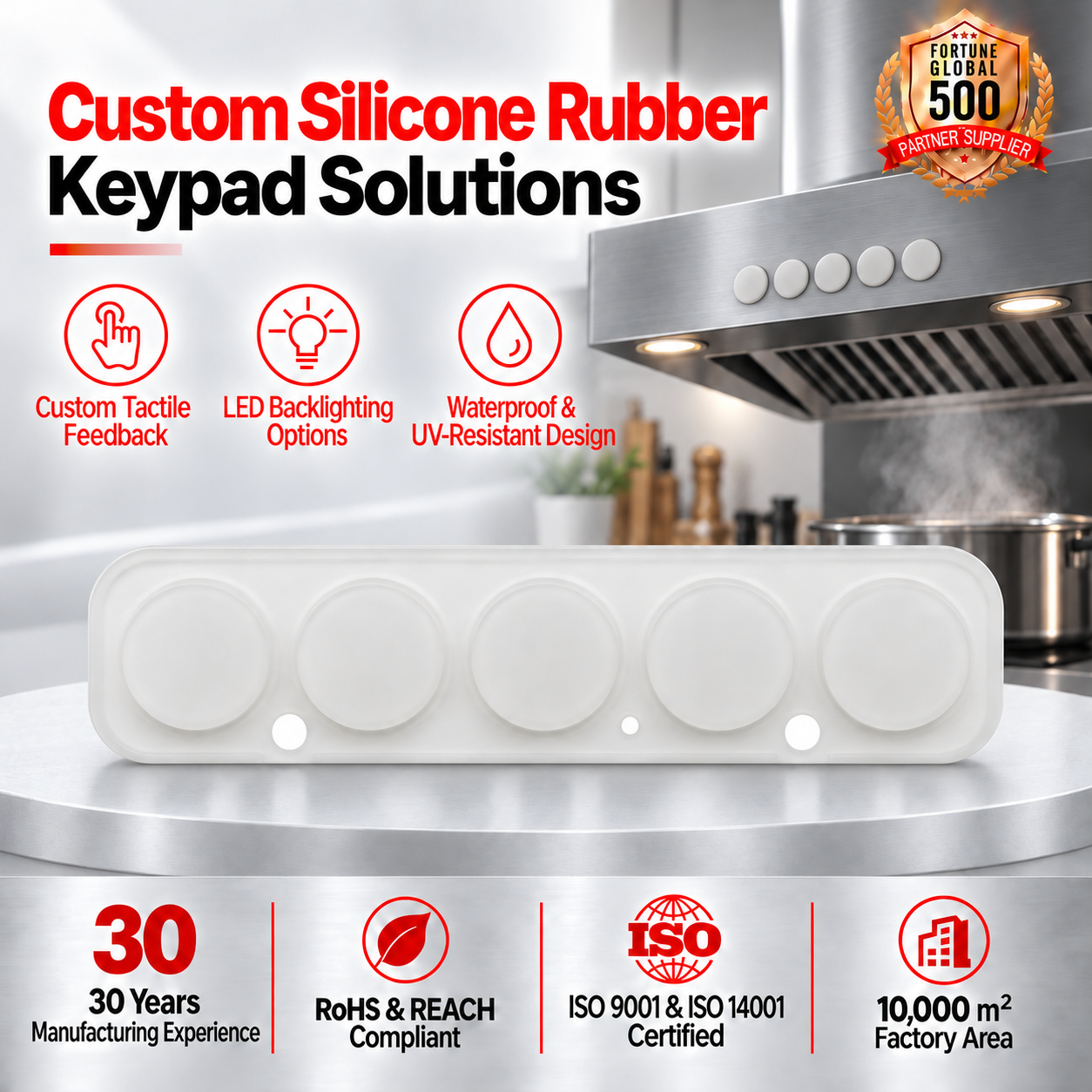
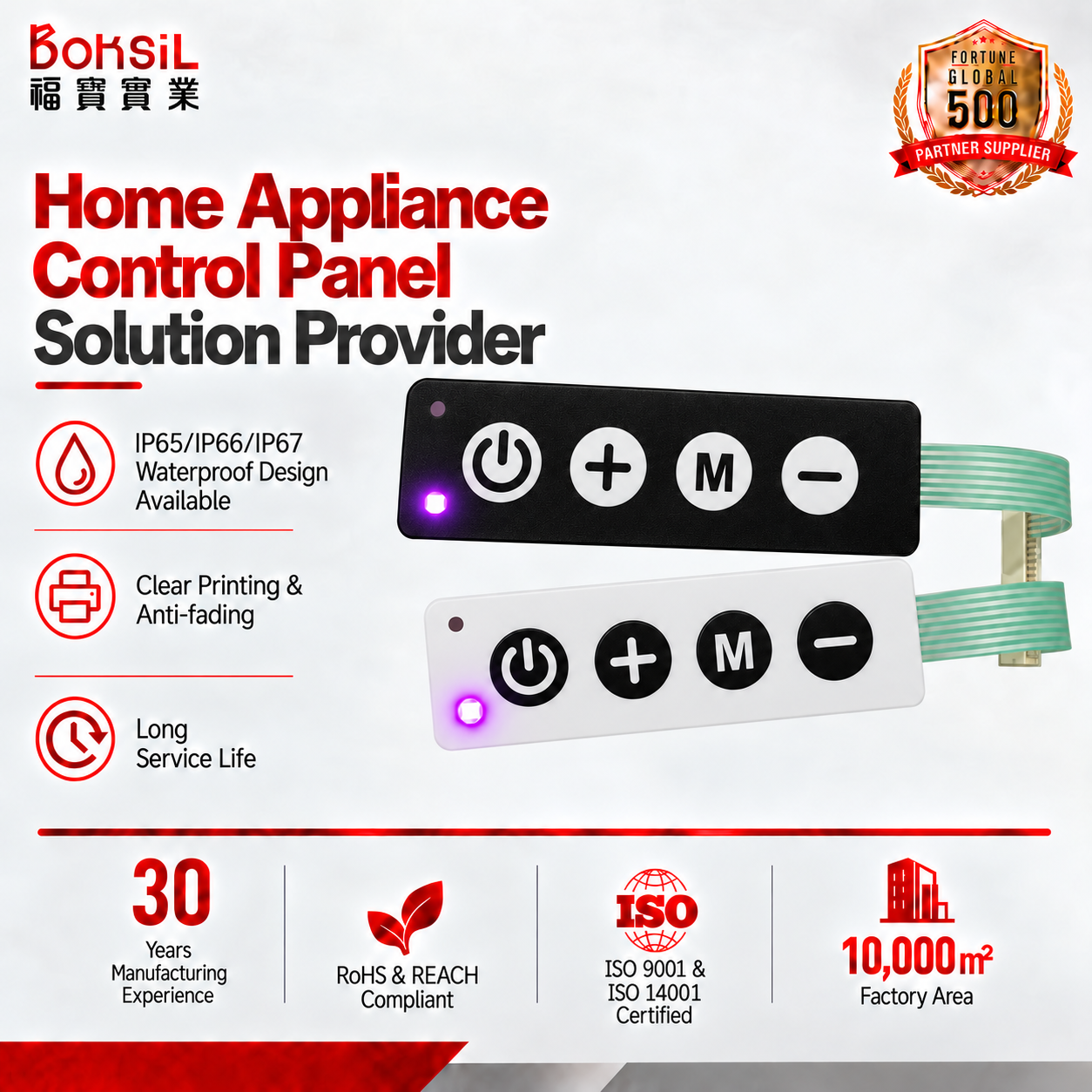
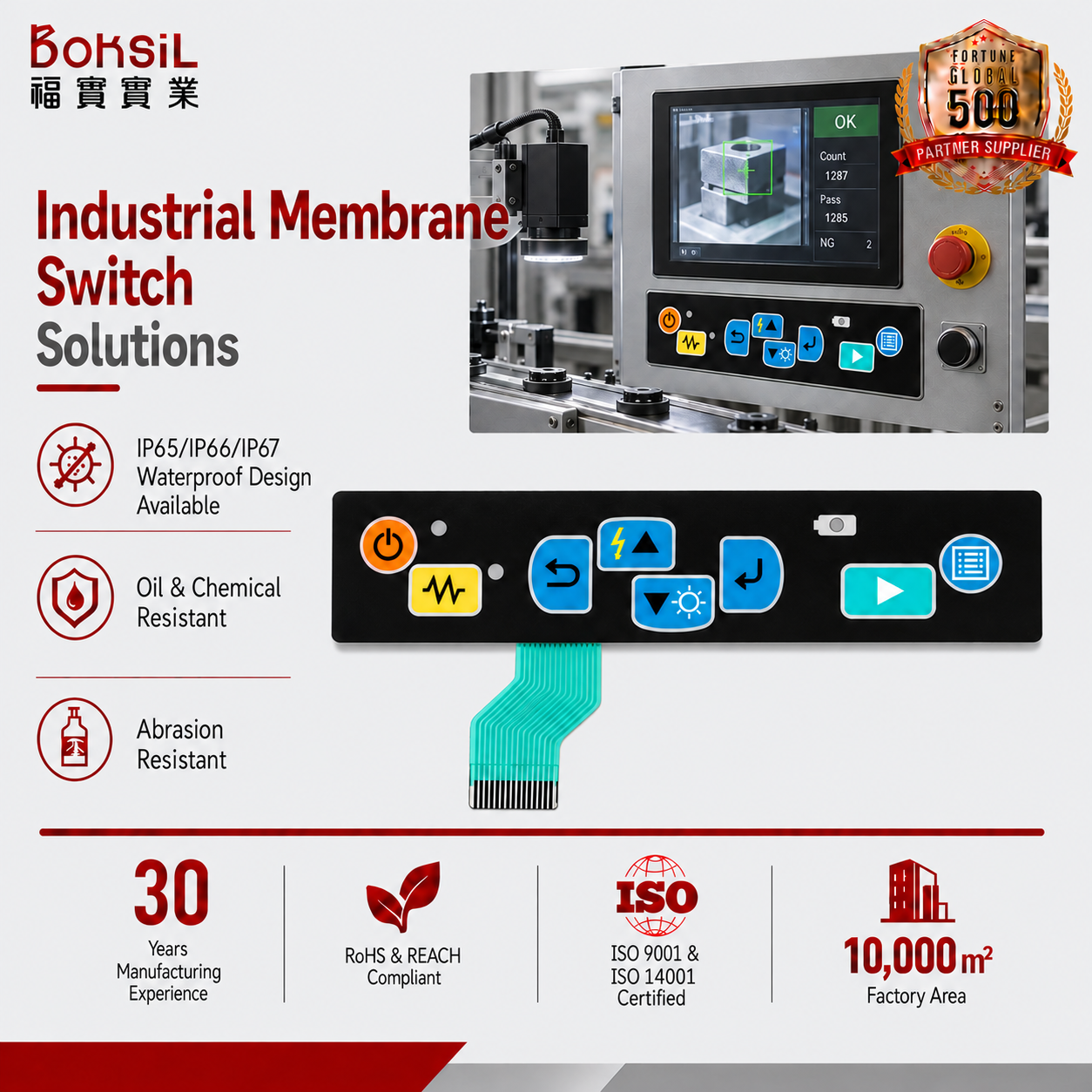
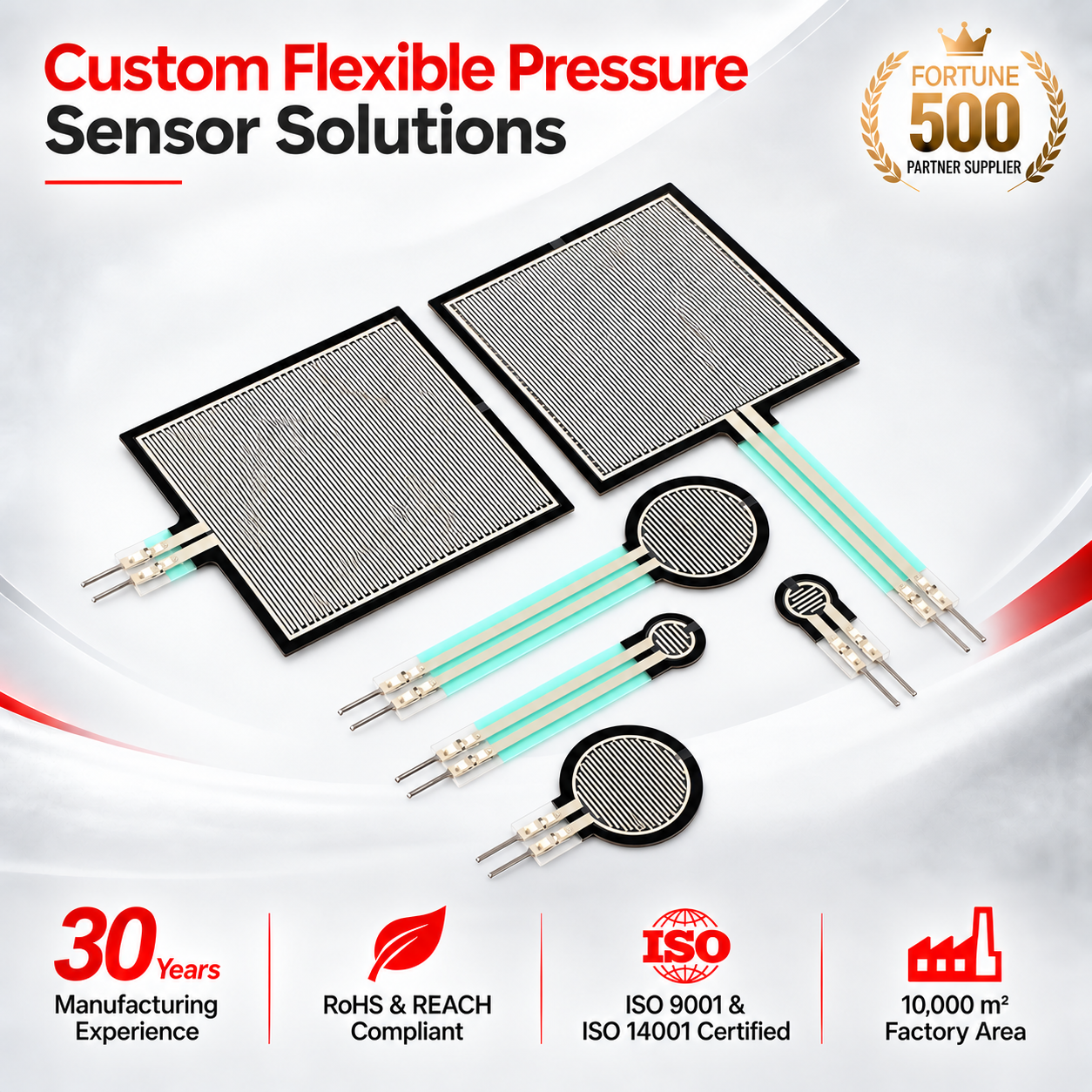
Engineering Overlays for the Asau Bay & Savai'i Island Operating Envelope
Deploying electrical hardware and control panels in the Asau district of Savai'i, Samoa, presents severe operational challenges for standard off-the-shelf electronics. Situated alongside an active port with high maritime exposure, pervasive oceanic saline aerosol, high equatorial UV indices (UVI 11+), and torrential monsoon precipitation cycles, generic human-machine interfaces quickly deteriorate. Failures typically include delamination of adhesive backings, yellowing or cracking of graphic windows, and copper micro-corrosion that bridges circuit traces. AXRU Electronics engineers ruggedized keypad overlays and sub-surface printed membrane switches calibrated specifically to combat these failure mechanisms.
Our solutions for equatorial Pacific buyers utilize selective layer formulations. Standard commercial polycarbonate (PC) is replaced with biaxially oriented, UV-stabilized polyester films (such as Autotex XE or Toray Lumirror PET) combined with cross-linked acrylic adhesive systems (3M 467MP / 3M 9495LE). For facilities bordering the harbor, agricultural timber facilities, and local island energy operations, our assemblies implement perimeter environmental fluid channel sealing, ensuring complete IP65, IP66, and IP67 ingress protection against wind-blown marine spray and fine tropical dust.
Marine Port & Harbor Logistics
Sealed keypads for vessel refueling consoles, crane controls, and dockside cold-chain monitoring. Sub-surface printing guarantees ink cannot be abraded away by abrasive sea salts or continuous solvent degreasing.
Island Off-Grid Solar & Mini-Grids
Microgrid inverter consoles and battery bank HMIs engineered with dead-front optical windows, anti-reflective matte texturing, and LED indicators rated for high ambient light readability under equatorial sun.
Agri-processing & Timber Machinery
High-tactile snap feedback metal dome arrays (actuation force 280g to 450g) allowing plant operators wearing heavy work gloves to execute confident machine start-stop sequences without physical look-down.
Engineering Matrix: Substrate Selection for Extreme Pacific Climates
Material engineering remains the foundation of long-term field reliability. In maritime regions like Savai'i, water vapor transmission rate (WVTR) and UV chemical breakdown dictate the operational lifespan of the membrane switch. The technical specifications below outline why our engineering department prescribes modified PET architectures over standard commercial films:
| Evaluation Parameter | Standard Commercial Polycarbonate | UV-Stabilized Industrial PET (AXRU) | Fluoropolymer / Hard-Coated Acrylic |
|---|---|---|---|
| Direct Solar Exposure (UV-A / UV-B) | Degrades within 6–12 months (Yellowing & embrittlement) | Stable > 5 years (Outdoor rated, anti-UV hardcoat) | Indefinite chemical UV resistance, rigid structural profile |
| Marine Airborne Salinity Resistance | Moderate; unsealed edges suffer edge-wicking | Immune; closed-cell boundary sealing with zero capillary ingress | Completely inert to salt spray, caustic marine washdowns |
| Actuation Flex Life (Cycles) | Up to 100,000 cycles before fatigue cracking | > 5,000,000 cycles with stainless tactile domes | Solid surface; capacitive sensing with zero mechanical wear |
| Adhesive Lamination System | Standard general-purpose pressure-sensitive adhesive | 3M 200MP / 300LSE high-tack crosslinked acrylics | Optically clear liquid adhesive / VHB foam mounting |
| Thermal Range Stability | -10°C to +60°C | -40°C to +85°C (Ideal for tropical metal enclosures) | -20°C to +80°C continuous operating profile |
Emerging Interface Technologies & Sourcing Trends Across Samoa
As Asau and broader Polynesian hubs modernise municipal water infrastructure, hybrid solar installations, and logistics networks, procurement requirements for human-machine interfaces are undergoing three distinct shifts:
1. Shift from Discrete Mechanical Buttons to Integrated Graphic Overlays: Mechanical rocker and push-button switches possess exposed seams that quickly allow salt-laden air to oxidize inner springs and terminals. Procurement teams across Savai'i are replacing legacy physical switches with integrated graphic overlay panels. These unify the visual display, status LEDs, and touch switches into an uninterrupted, wipe-clean plane that prevents moisture accumulation.
2. Adoption of Flexible Printed Circuitry (FPC) over Silver Conductive Inks: In tropical operating environments with relative humidity frequently exceeding 85%, standard silver-printed traces risk "silver migration" when micro-pinholes permit water vapor to interact with electrical current. AXRU’s copper etched polyimide (FPC) circuits offer zero dendritic migration risk, ensuring multi-year reliability for safety-critical installations.
3. Anti-Glare & High-Contrast Optical Printing: With outdoor field equipment subject to intense direct sunlight, our factory integrates selective textured printing. Display windows receive optical-grade gloss or anti-reflective treatment, while surrounding keypad bodies utilize matte diffusion textures to prevent dangerous operator glare.
Factory Direct Advantage: Dongguan AXRU Electronics Co., Ltd.
When procurement managers in the South Pacific source directly from our 10,000㎡ manufacturing facility in Dongguan, they bypass intermediate trading agents, securing direct engineering support and strict factory-floor accountability. AXRU Electronics is an on-site verified manufacturer audited by Intertek, deploying an experienced team of 121 specialists spanning industrial graphic design, toolmaking, precision screen printing, automated surface mount technology (SMT), and environmental testing.
Our quality verification processes ensure that no switch leaves our assembly line without 100% electrical continuity testing, dome tactile curve verification, and optical legend inspection. Our internal reliability laboratory is fully equipped with automatic force-displacement testers, key life cyclers, programmable temperature/humidity chambers, ink decolorization abrasion rigs, and UV accelerated weathering equipment. As a direct supplier to Fortune 500 equipment makers and tier-one engineering firms worldwide, we provide full Material Inspection Reports (IQC), First Article Inspection (FAI) packages, and production traceability for every run.
Asau Keypad Overlay Sourcing FAQ
Clear, direct answers for engineering leads and procurement officers ordering custom HMI panels from overseas manufacturing hubs.
What is the minimum order quantity (MOQ) for custom engineered overlays?
Our standard production runs begin at an accessible 100 pieces for fully customized graphic overlays and membrane keypads. We also maintain a specialized prototyping rapid-response line that can produce 5 to 10 prototype units for physical fit verification, dimensional testing, and tactile switch validation prior to committing to production tooling.
How do you prevent salt fog corrosion and humidity ingress on tail exits?
The connector tail exit represents the most vulnerable interface point on any membrane switch. For humid tropical and coastal maritime deployment in areas like Asau, we engineer a full continuous perimeter seal using hydrophobic acrylic adhesives (such as 3M 9495LE). For maximum resilience, we specify polyimide copper flexible circuits (FPC) with gold-plated contact fingers or latching Amphenol/FCI housings sealed with thermal epoxy barrier potting.
What graphic and structural file formats are required for quotation and tooling?
To initiate our Design for Manufacturability (DFM) review, you can supply mechanical outlines in DXF, DWG, STEP, or vector artwork in Adobe Illustrator (.AI), vector PDF, or CorelDraw. Please include target Pantone (PMS) or RAL color specifications, dome switch locations, LED color requirements, and connector pinouts. If you are replacing an obsolete or damaged switch without original CAD files, our engineering team can reverse-engineer your physical sample.
Can backlighting be integrated directly into thin-profile membrane panels?
Yes. Depending on enclosure constraints, we integrate ultra-thin Light Guide Film (LGF) paired with side-firing surface-mount LEDs to produce balanced, uniform legend illumination with negligible thickness increase (adding as little as 0.3mm to 0.6mm). We also offer discrete localized surface-mounted LEDs and dead-front graphic printing that keeps indicator icons invisible until illuminated.
What are the typical lead times for tooling, prototypes, and mass export freight?
Engineering approval drawings are normally finalized within 24 to 48 hours. Rapid prototypes and tooling are completed within 7 to 10 working days. Mass production of 500 to 5,000 units is fulfilled within 12 to 16 working days. For deliveries to Samoa (including Apia port and connecting logistics across to Asau/Savai'i), we support priority international air express (DHL/FedEx/UPS, 4 to 7 transit days) as well as cost-effective consolidated ocean freight.
How does AXRU Electronics ensure consistent tactile feel across long production runs?
We utilize high-grade, burr-free stainless steel metal domes rated for 1 to 5 million actuations. Each batch undergoes statistical process control on our automated force-displacement testing machine to record snap ratio, actuation trip force (typically 280g, 350g, or 420g), and return stroke travel, ensuring that every button delivers a crisp, unmistakable click feel.
Have an Active Blueprint, Replacement Project, or CAD File?
Connect directly with AXRU Electronics engineering specialists. Receive a comprehensive DFM (Design for Manufacturability) analysis, layer stack-up guidance, and a transparent factory quotation within 24 business hours.