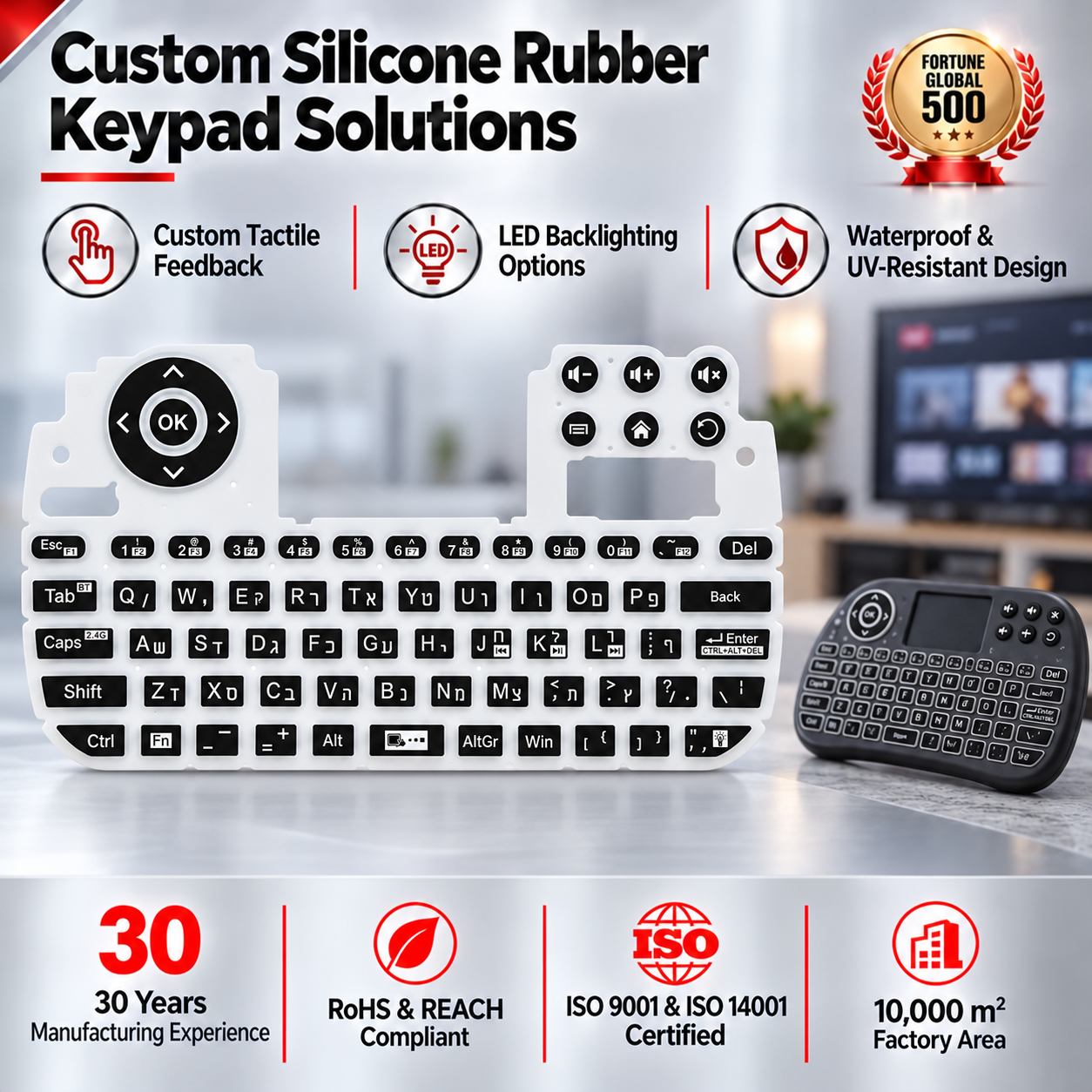
Engineered Interface & Control Products for Central Serbia
Precision manufactured in our 10,000㎡ Intertek-verified facility. We supply high-tolerance in-mold decorated assemblies, capacitive arrays, and rugged tactile interfaces designed specifically for demanding European integration.
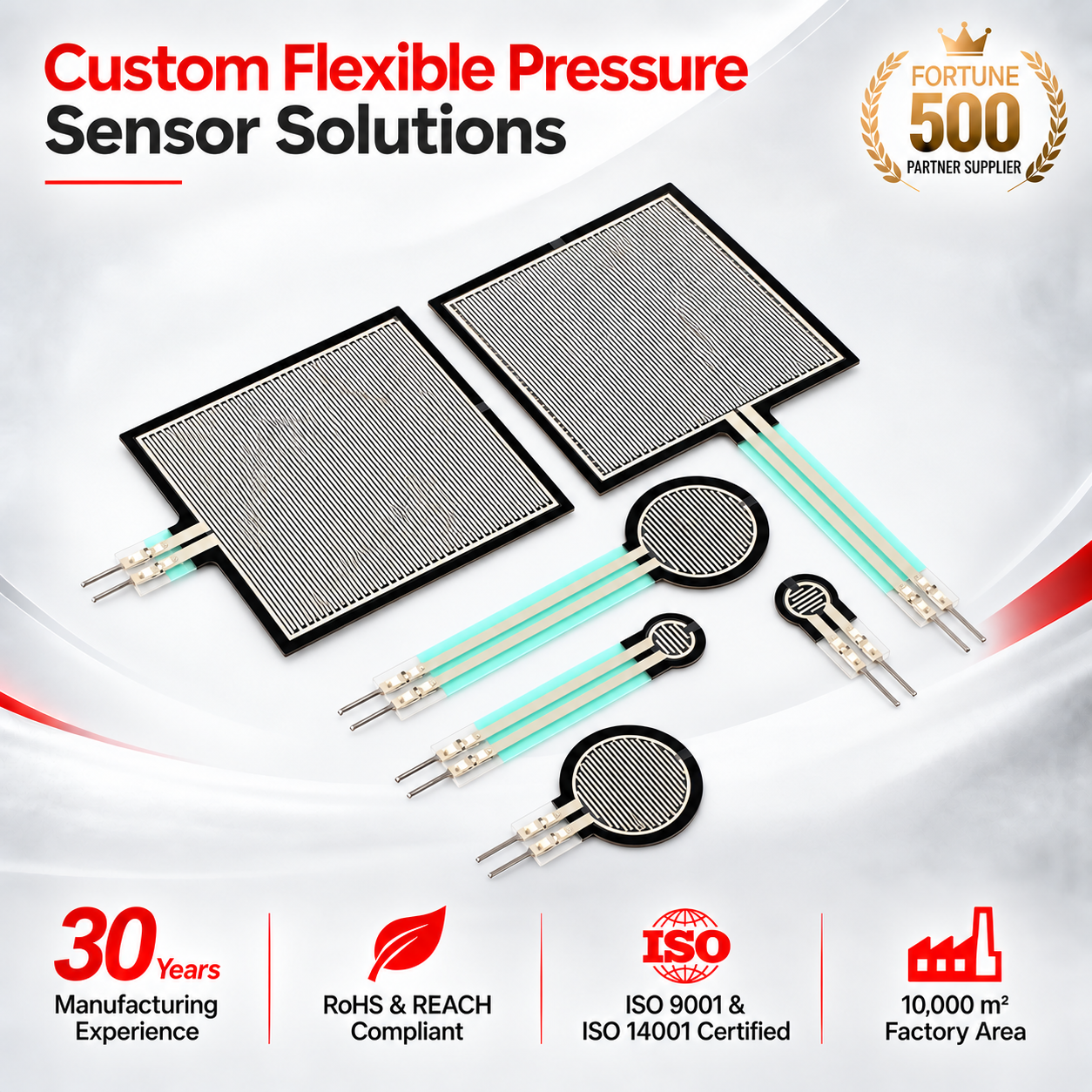
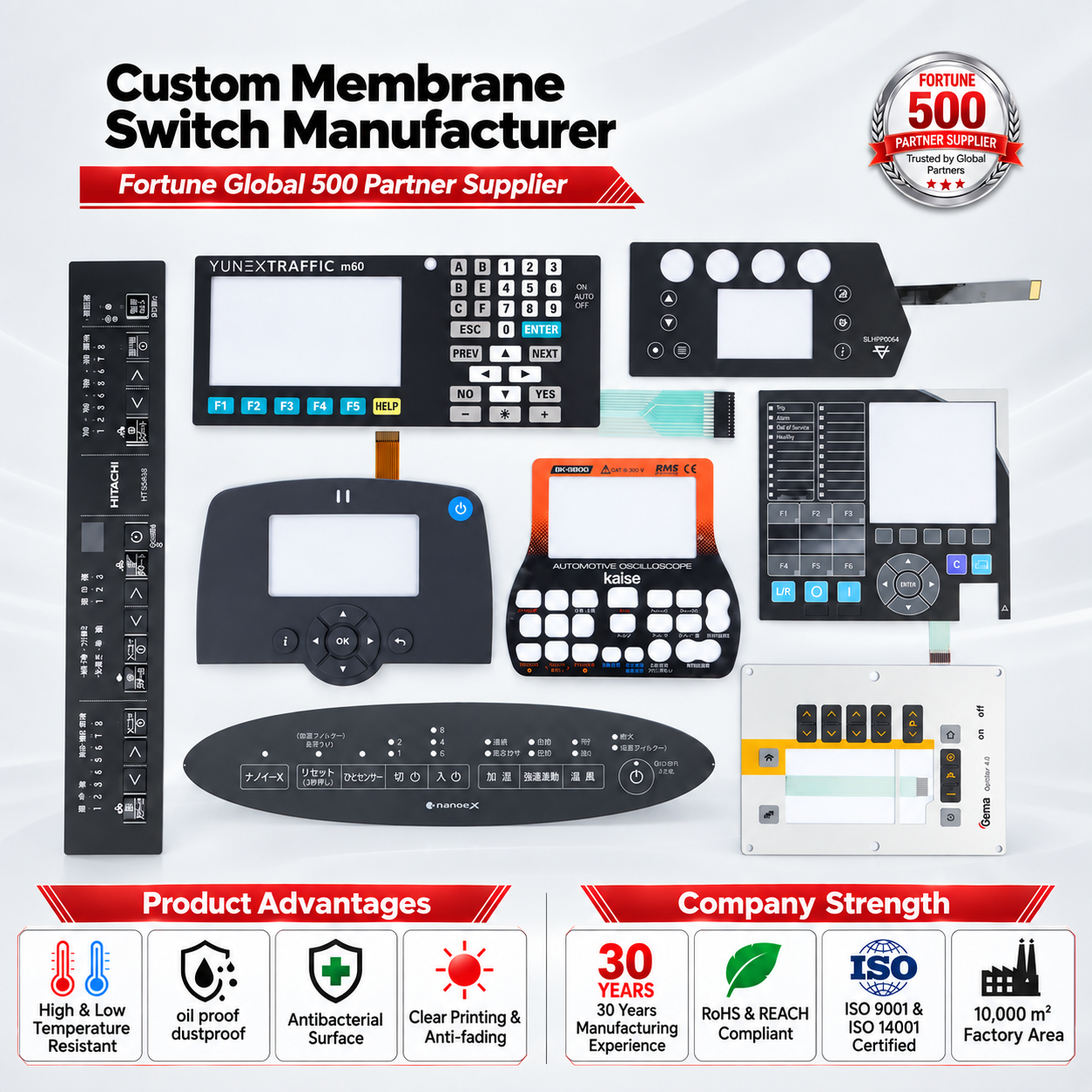
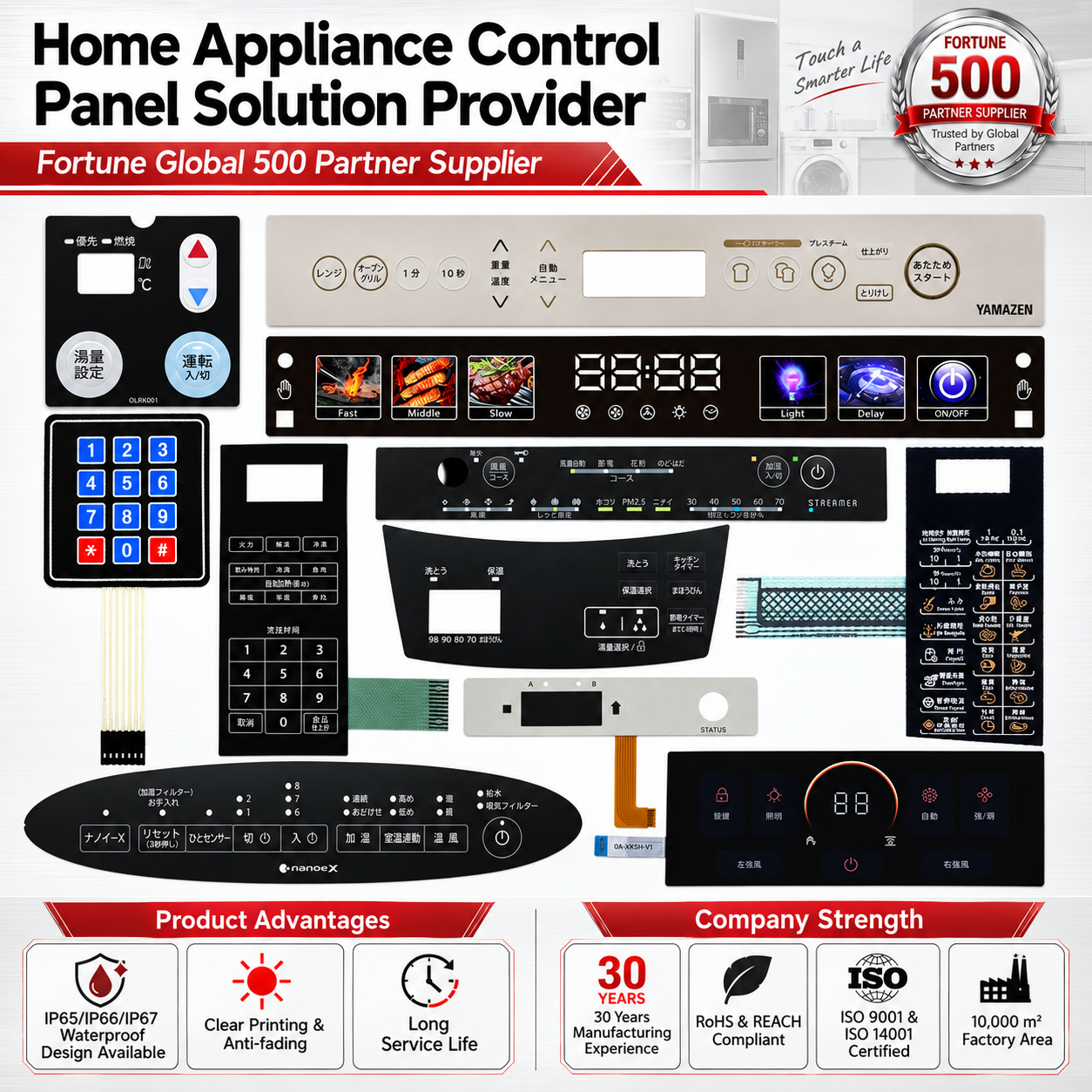
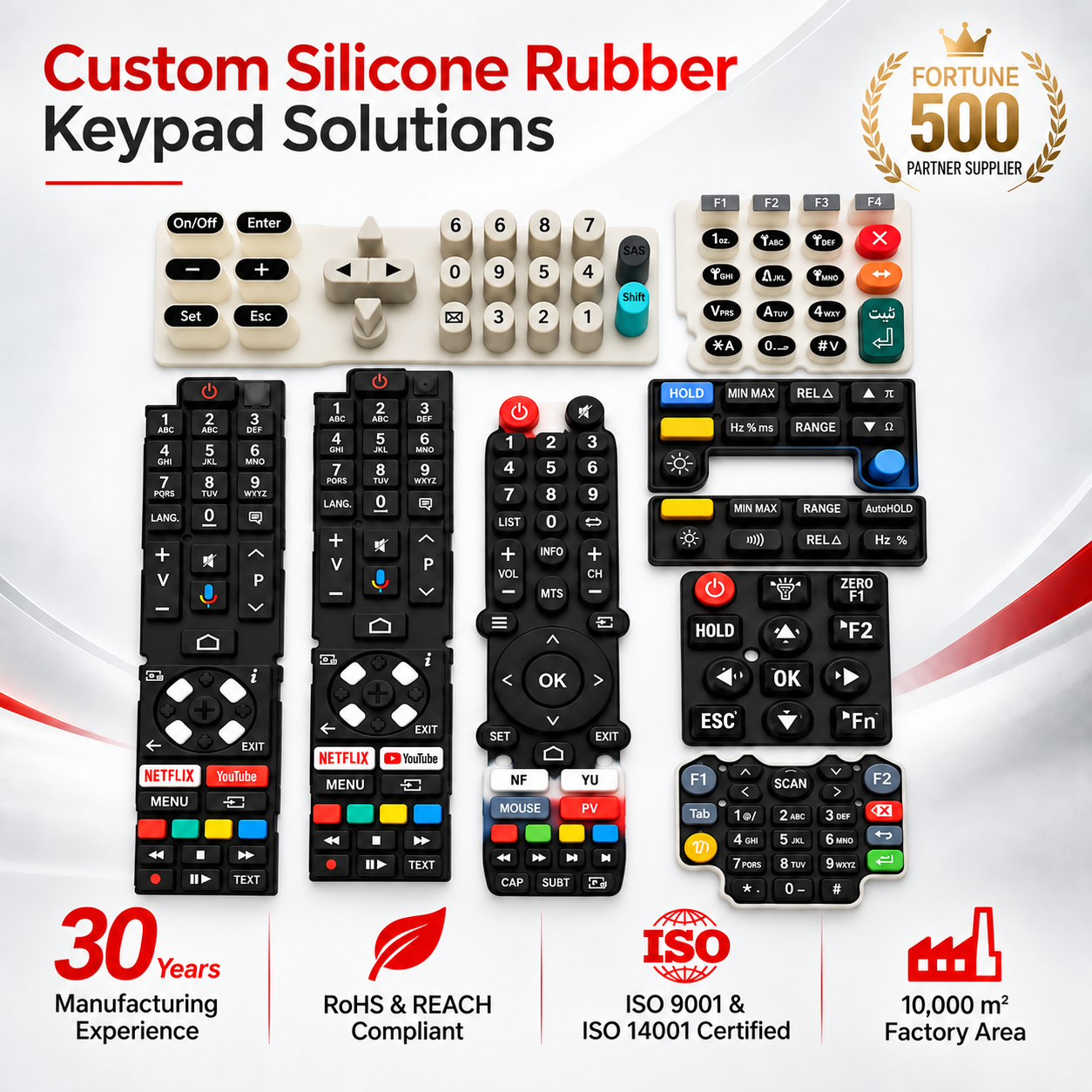
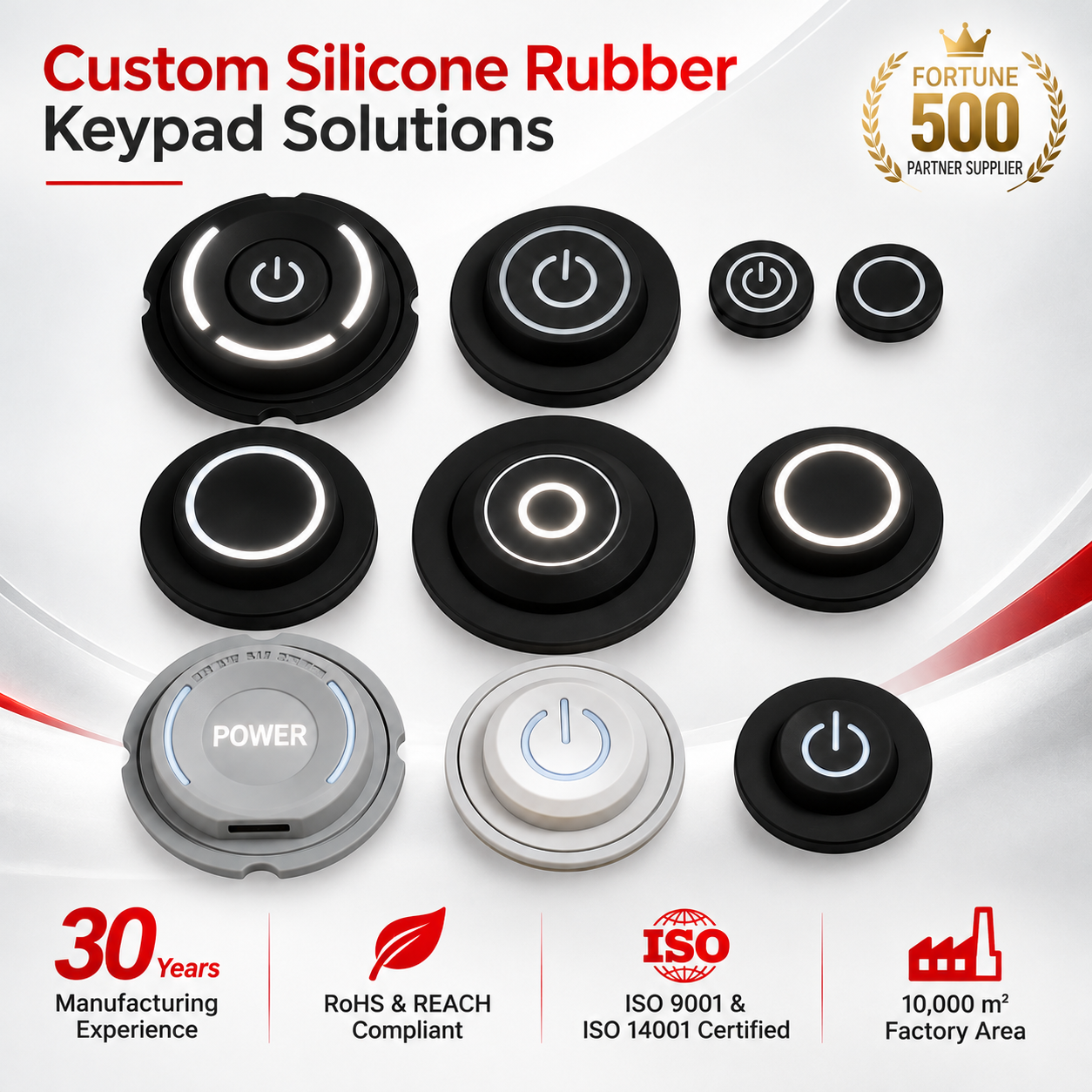
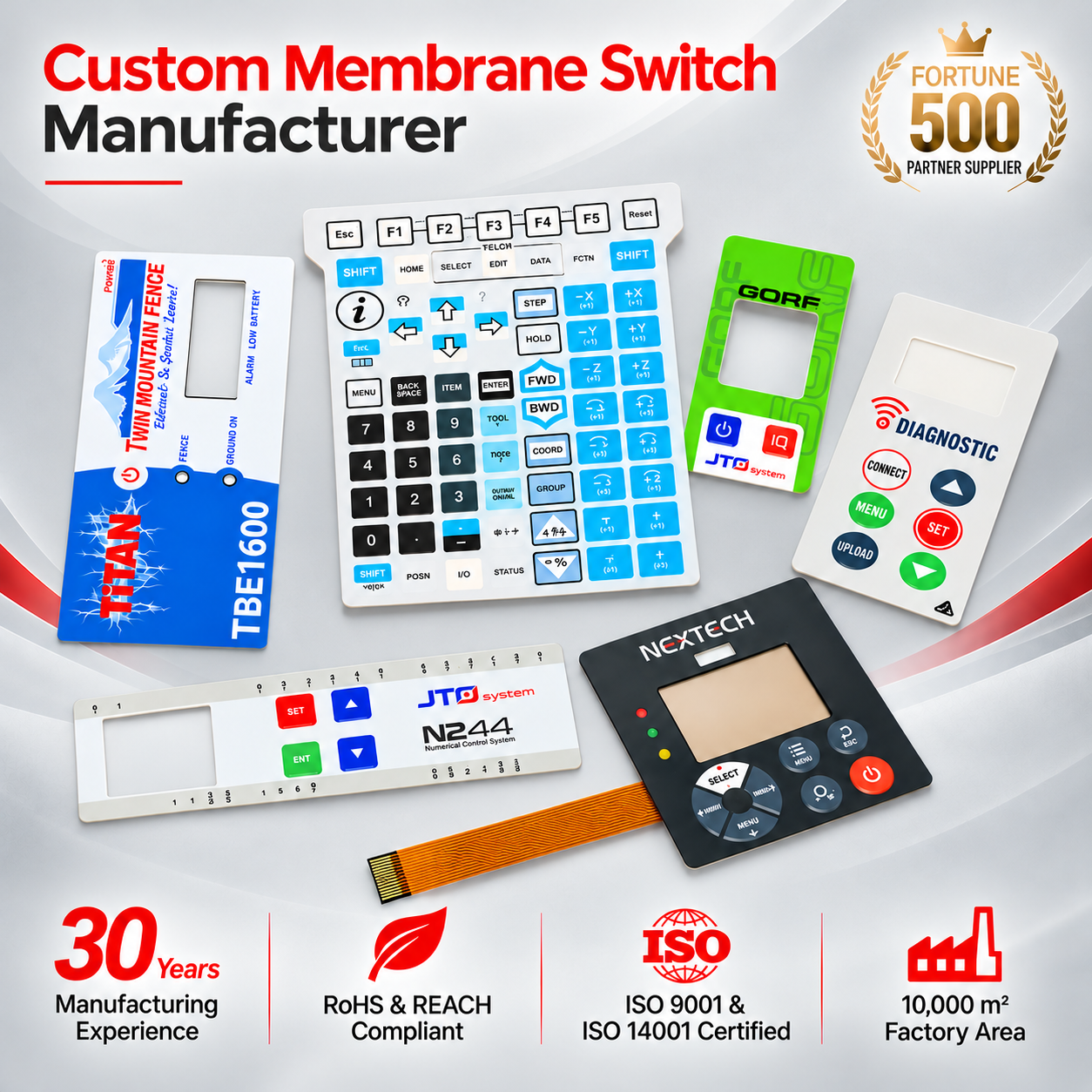
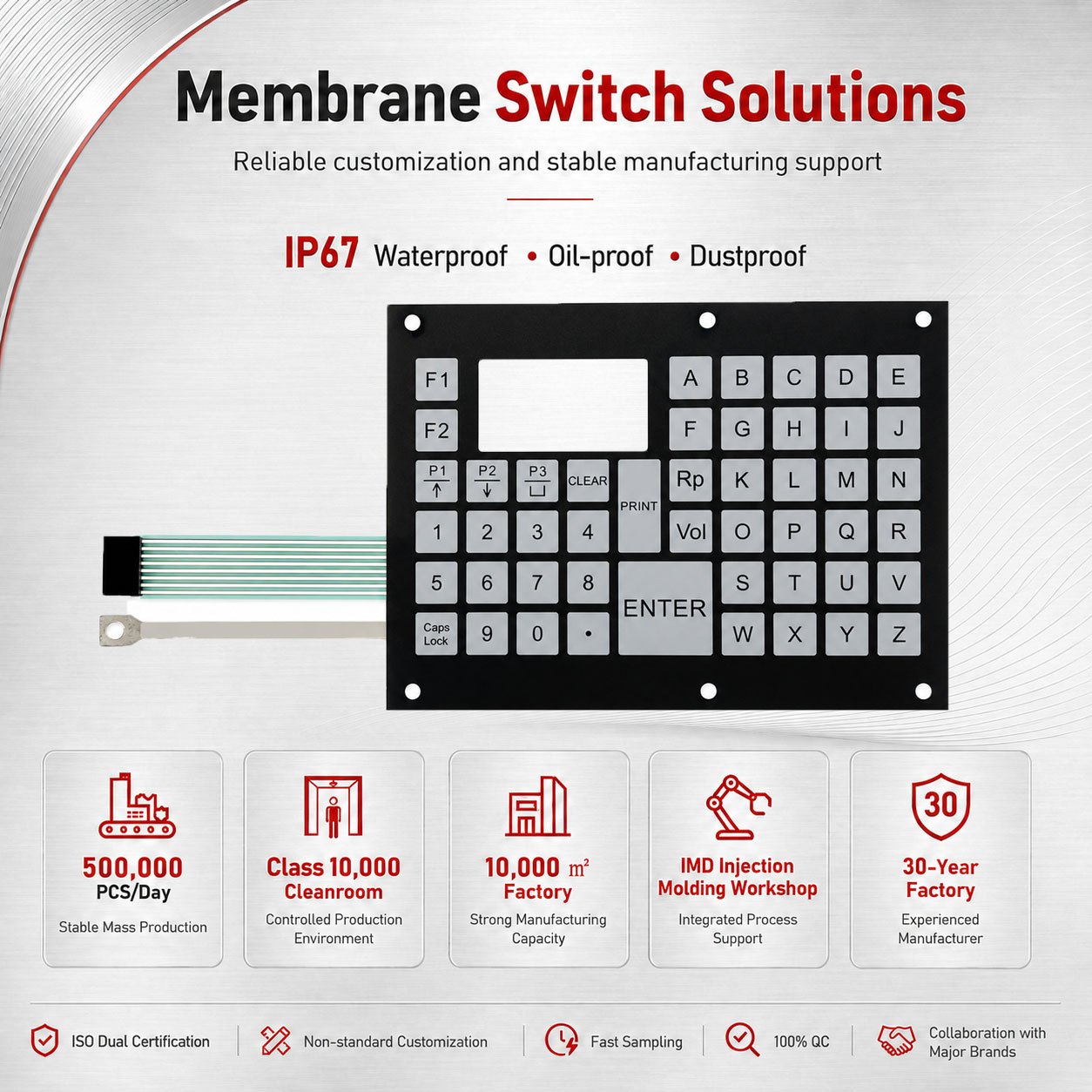
Industrial In-Mold Decoration (IMD/IML) Architecture: Technical White Paper for Kragujevac Manufacturers
Kragujevac has re-established its status as the epicentre of automotive engineering and modern machinery production in the Šumadija district of Serbia. Driven by heavy capital injection across electric mobility platforms, industrial robotics, precision tooling, and smart home appliances, local design and manufacturing engineers face strict engineering criteria: control panels must withstand high mechanical wear, thermal shifts, harsh ambient UV exposure, and frequent chemical sanitation without graphic degradation or micro-switch failure.
In-Mold Decoration (IMD), combining In-Mold Labeling (IML) and In-Mold Roller (IMR) forming techniques, represents a foundational technological evolution over traditional post-mold pad printing and surface screen printing. By sandwiching high-precision decorative inks, optically clear display windows, capacitive sensor traces, and hard-coat barriers between high-grade polymeric carriers (polycarbonate or oriented PET) and an injection-molded resin substrate, IMD forms a singular, hermetically sealed, multi-dimensional structural part.
Key Engineering Fact for Kragujevac System Integrators: IMD components eliminate interfacial air pockets and secondary adhesive bond failures common in multi-layer membrane laminates. The injection resin fuses molecularly with the treated film back, yielding structural parts capable of sustaining continuous environmental cycles from -40°C to +85°C while maintaining ingress integrity rating up to IP67.
For industrial automation firms, Tier-1 automotive cockpit integrators, and boiler/heating equipment manufacturers clustered in Kragujevac's industrial parks (such as the MIND Park industrial complex), surface wear is the primary source of early field returns. Traditional surface paints abrade rapidly under repetitive operator interaction or aggressive cleaning fluids. Under IMD architecture, the graphics reside on the second surface (the underside of the carrier film). The operator interacts exclusively with optical-grade polycarbonates or UV-curable hard-coats rated at pencil hardness levels up to 3H to 5H, ensuring perpetual graphic clarity and chemical resilience across the entire lifecycle of the vehicle or machine tool.
3H-5H Scratch Hardness
Specially formulated optical films protect decorated layers against abrasive mechanical action, metal debris in manufacturing plants, and heavy industrial cleanings.
3D Geometric Integration
Eliminate flat panel constraints. IMD accommodates severe contours, light tunnels, ergonomic thumb recesses, and integrated structural mounting studs in a single injection hit.
Embedded Capacitive Traces
Seamlessly integrate screen-printed conductive PEDOT or silver conductive inks onto the carrier sheet to create smooth, water-tolerant, zero-gap capacitive buttons and sliders.
Localized Application Scenarios in Kragujevac's Manufacturing Sectors
AXRU Electronics directly addresses the precision bill-of-materials requirements of equipment builders operating throughout Central Serbia. Our cross-disciplinary engineering framework supports the specific application environments found across the regional economic hub:
1. Automotive Cockpit and Battery Management Subsystems: As the automotive sector in Kragujevac shifts toward next-generation electric platforms, center-stack consoles, climate control bezels, and steer-by-wire switchgear demand luxurious gloss finishes paired with invisible "dead-front" LED backlighting. Our IMD panels incorporate micro-patterned diffusion films and high-heat polycarbonate carriers capable of withstanding cabin solar load and meeting stringent automotive non-glare, non-splinter crash safety criteria.
2. Industrial Automation & Heavy Machining Consoles: Kragujevac's deep legacy in metalworking, casting, and precision robotics requires human-machine interfaces that remain impervious to mineral oils, hydraulic fluids, cutting emulsions, and abrasive filings. Standard membrane panels frequently delaminate at edge boundaries when exposed to aggressive industrial mists. In contrast, our perimeter-fused IMD assemblies present a continuous polymer barrier that maintains total structural integrity in oily, airborne particulate environments.
3. Medical Instruments & Laboratory Diagnostic Interfaces: For clinical analysis and sanitised control hardware manufactured in regional life-science facilities, surface hygiene is mandatory. Our in-mold panels support seamless flat surfaces without crevices, recesses, or raised borders where bacteria and contaminants collect. Treated with medical-grade antimicrobial coatings, they tolerate frequent wipe-downs with isopropyl alcohol, chlorine-based agents, and hospital detergents.
4. Outdoor Energy Infrastructure & EV Charging Terminals: Central Serbia experiences pronounced seasonal temperature differentials, spanning from sub-zero Balkan winter conditions to extreme summer heat with strong solar irradiation. Our IMD front fascias utilize UV-stabilized polymethyl methacrylate (PMMA) or hard-coated PC overlays tested extensively in our in-house accelerated yellowing and environmental chambers (simulating over 1,000 continuous hours of exposure without yellowing index deviation).
Comparative Engineering Matrix: IMD Panel vs. Traditional HMI Panels
When engineering human-machine interfaces for serial production, component selection directly governs tooling investment, structural ergonomics, and post-assembly reliability. Review our engineering trade-off analysis:
| Performance Dimension | AXRU High-Precision IMD Panel | Standard Surface-Printed Overlay | Milled Aluminum Faceplate |
|---|---|---|---|
| Graphic Abrasion Resistance | Permanent: Inks sealed inside carrier film (second surface) | Moderate: Subject to gradual ink wear & peeling | High: Anodized or laser-etched, but design flexibility limited |
| Three-Dimensional Contours | Extensive: High-draw thermoforming with complex geometries | Flat to minimal: Limited to light tactile embossing | Costly: Requires 5-axis CNC machining centers |
| Dead-Front / Hidden-till-Lit Lighting | Precise ink density calibration for crisp edge transitions | Prone to pinhole light leaks and color bleeding | Requires secondary milled acrylic light pipes |
| Ingress Protection (IP Rating) | Up to IP67/IP68: Seamless mono-body resin design | IP65: Reliant on continuous adhesive perimeter seals | Dependent on elastomeric O-rings and torque consistency |
| Tooling Cost & Unit Economics | Moderate tooling; lowest unit cost at volume >500 pcs | Low tooling; economical for low volumes | Zero mold tooling; high per-unit machining cost |
Localized Industrial Trends Across Kragujevac & Central Serbia
Procurement directors and chief technology officers across Kragujevac are increasingly adjusting their supply chain criteria to match macro trends shaping Central and Eastern European manufacturing:
Smart Enclosure Consolidation: OEMs are actively moving away from multi-component assemblies comprising separate sheet-metal brackets, external push-buttons, acrylic windows, and protective gaskets. By shifting to consolidated IMD structural components, design teams reduce parts-list counts, compress inventory administration, and speed up end-of-line assembly by up to 40%. The front bezel itself serves as the chassis, window, decoration, and capacitive trigger surface.
Rapid Decarbonization and Recyclability Demands: In alignment with European circular economy directives, Kragujevac manufacturers are under mandate to implement eco-compliant materials. AXRU supports mono-material IMD engineering, allowing the carrier film and injection-molded resin core (e.g., pure Polycarbonate or recycled ABS/PC blends) to be processed together without requiring costly mechanical separation at end-of-life recycling stations.
Supply Chain Redundancy and Direct Factory Alliances: The volatility of tier-layered European supply chains has led Serbian buyers to pursue transparent, direct-from-factory partnerships. AXRU operates as a full-stack manufacturer. By consolidating tool design, film screen-printing, high-pressure thermoforming, injection molding, cleanroom assembly, and ISO-standard verification under one 10,000㎡ facility in Dongguan, we provide Kragujevac engineers with rapid prototyping, direct engineering accountability, and compressed production cycles.
Verified Manufacturing & Reliability Infrastructure
AXRU Electronics maintains an Intertek-audited production baseline with dedicated in-house validation testing equipment to ensure every batch shipped to European ports meets zero-defect standards:
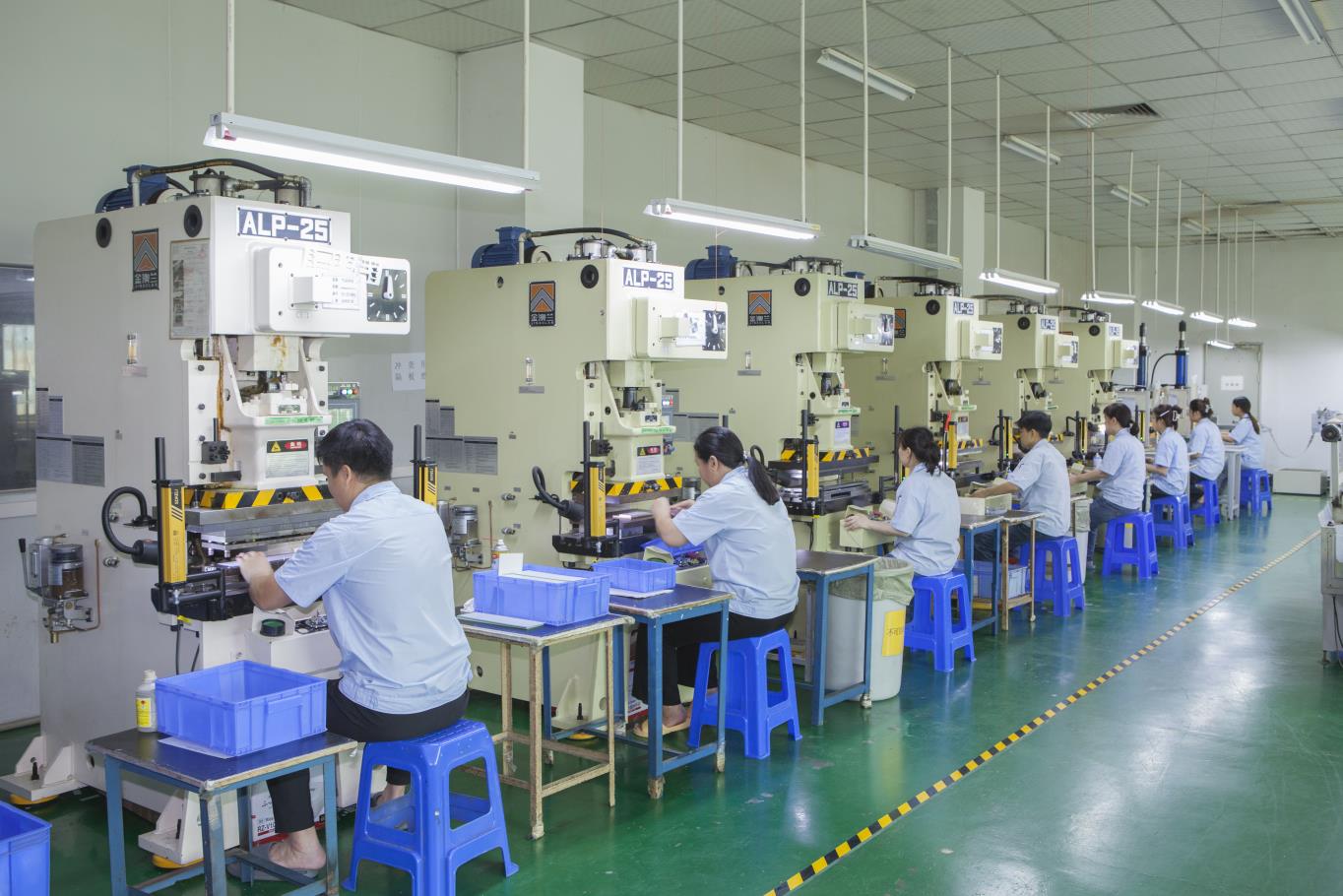
10,000㎡ Intertek-Verified Facility
Class 1,000 and Class 10,000 cleanroom environments prevent airborne contamination during optical printing and substrate fusing.
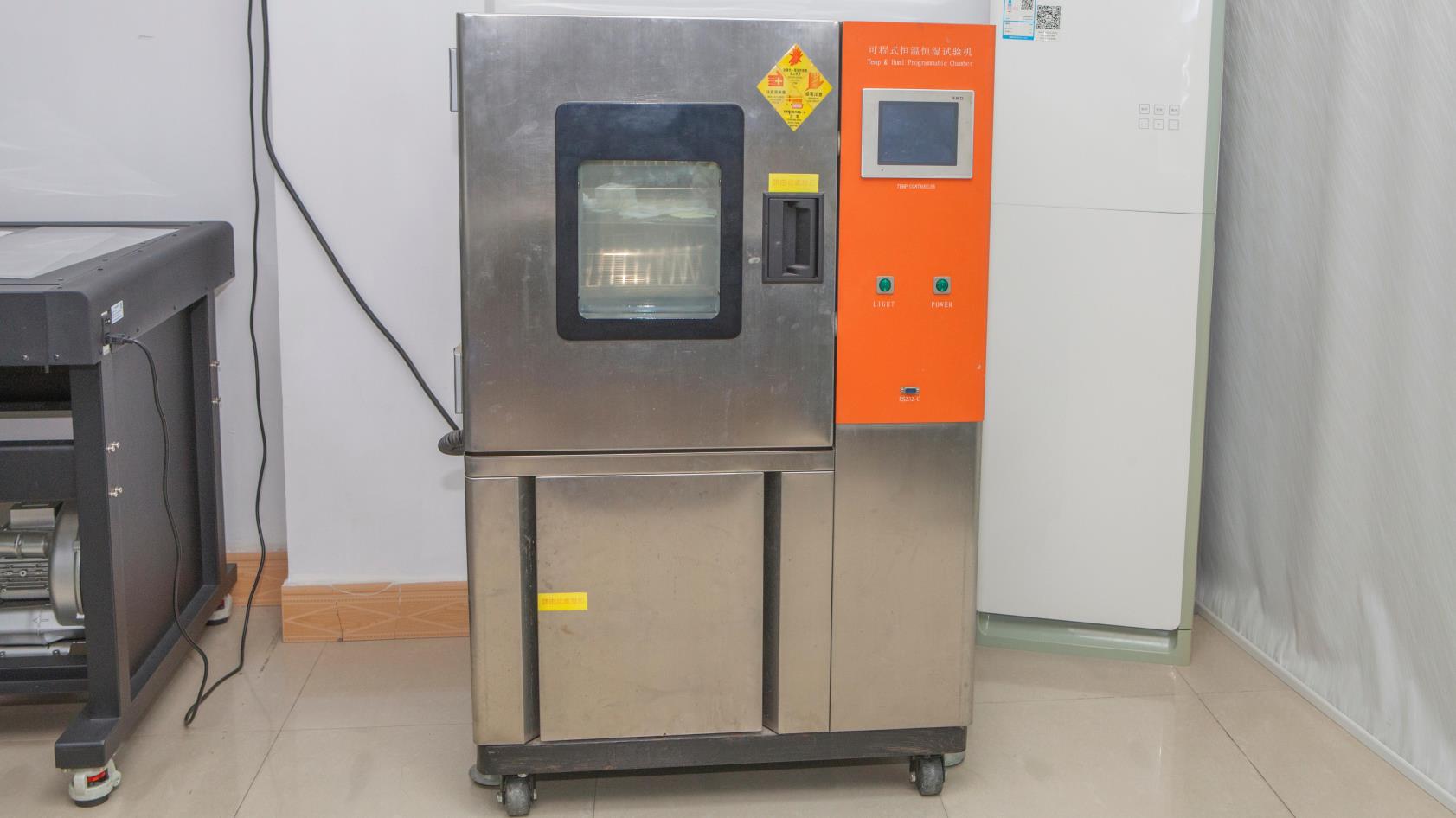
Thermal & Humidity Chambers
Every IMD and membrane assembly undergoes thermal cycling between -40°C and +85°C to test laminate adhesion and electrical stability.
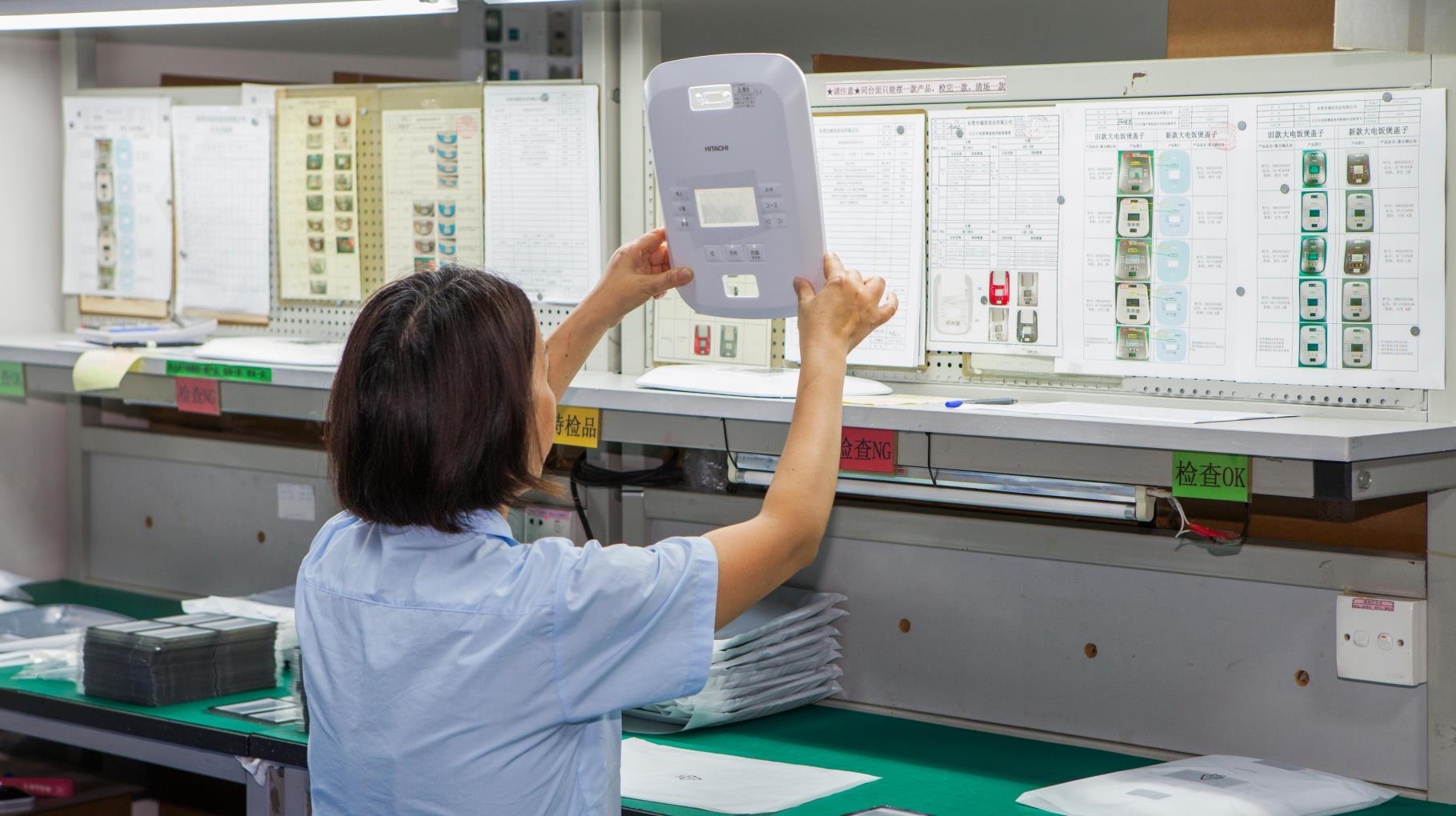
100% Automated Optical & Circuit Test
Automated visual and electrical testing benches verify resistance, trace continuity, surface aesthetics, and tactile snap ratios before packing.
Frequently Asked Questions for Kragujevac & European Buyers
Critical technical, logistics, and quality assurance answers for engineering and supply teams sourcing custom IMD panels and HMI solutions.
What is the typical tooling and prototype turnaround for IMD panels destined for Serbia?
For custom In-Mold Decoration panels, DFM analysis and moldflow simulation are completed within 48 to 72 hours. Prototype forming and injection tooling typically requires 15 to 20 working days. First-article samples (FAI) are air-freighted directly to Belgrade Nikola Tesla Airport (BEG) or regional freight hubs within 3 to 5 business days, ensuring fast physical verification before serial mass tooling begins.
Can AXRU provide full material declaration and compliance for EU import regulations?
Yes. We routinely provide comprehensive documentation packages for our European and Serbian clients, including RoHS 3.0, REACH SVHC declarations, UL94 flammability ratings for base resins, and Conflict Minerals reporting. Furthermore, our Intertek factory audit reports are accessible to support your vendor qualification audits.
How does IMD handle display windows and backlighting compared to bonded acrylic?
IMD allows the display window to be molded as an integral, optical-grade section of the front panel. By selectively applying transparent or tinted translucent inks around the display perimeter on the carrier film, we eliminate the need for secondary cutouts, display gaskets, and mechanical bonding adhesives. This guarantees zero moisture ingress, eliminates condensation between layers, and prevents dust accumulation over years of field use.
What are the minimum order quantities (MOQ) for custom IMD parts?
While high-volume consumer IMD lines generally require 5,000+ units, our flexible manufacturing lines cater specifically to specialized industrial, automotive, and medical OEMs with production batches starting at 500 to 1,000 units. For traditional membrane switches and graphic overlays, our MOQ starts at just 100 units.
Which base resins and carrier films are recommended for automotive vs. industrial applications?
For automotive cabin applications, we recommend optical-grade Polycarbonate (PC) films combined with PC/ABS injection resin to achieve optimal dimensional stability and heat resistance. For industrial tools exposed to aggressive solvents, hydraulic oils, and direct UV sunlight, we typically deploy hard-coated PMMA or textured, chemically inert biaxially-oriented PET films backed with high-impact ABS, Nylon (PA), or polypropylene substrates.
Launch Your HMI Project With Confidence
Submit your 2D/3D CAD drawings (STEP, IGES, DXF) or functional specifications. Our engineering team provides detailed DFM feedback, stack-up analysis, and competitive pricing within 24 hours.