Industrial HMI & IMD Control Panel Portfolio
Direct manufacturer supply for medical instruments, harsh-environment instrumentation, marine controllers, and automation systems engineered to exact OEM CAD specifications.
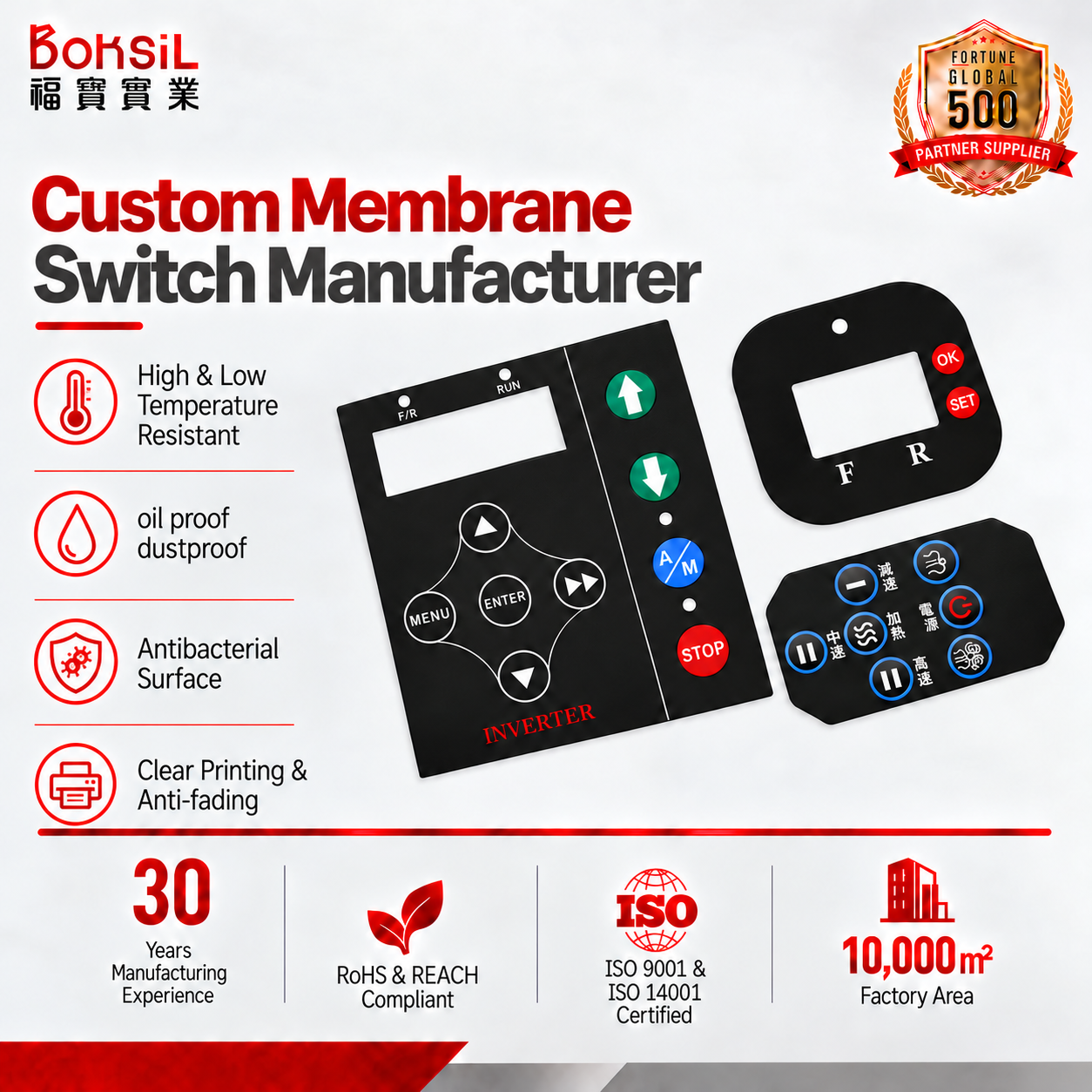
OEM/ODM Factory Front Control Electronic Panel Polycarbonate Membrane Switch Graphic Overlay
- SubstrateLexan™ Polycarbonate
- FinishVelvet / Anti-Glare
- SealingIP67 Perimeter
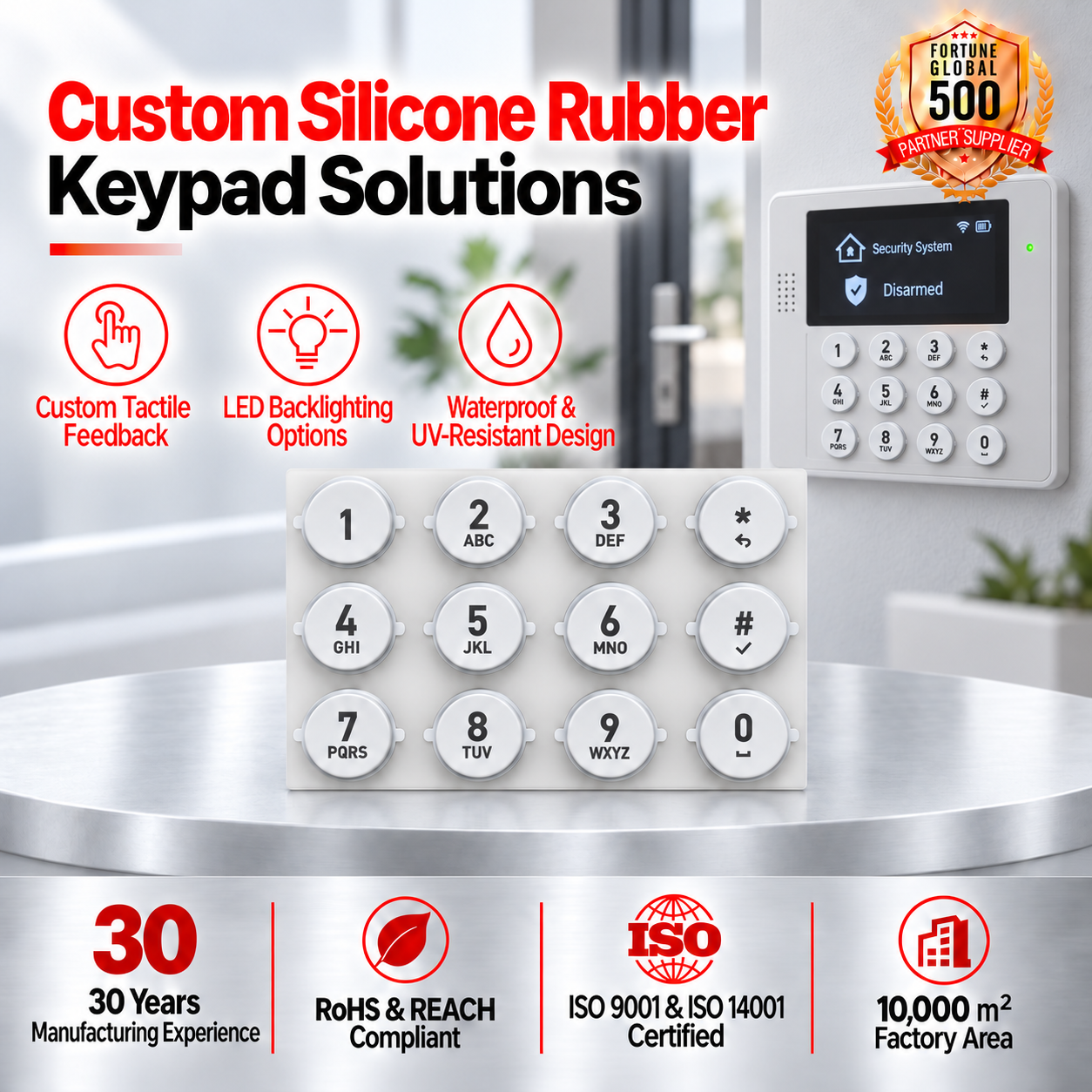
Custom OEM Silicone Rubber Keypad 3x4 Numeric 12 Keys Round Plastic Button p+r keypad Waterproof Durable
- KeycapLaser-Etched Plastic
- Actuation250g ± 30g Tactile
- ConductiveLow-Ohm Carbon Pill
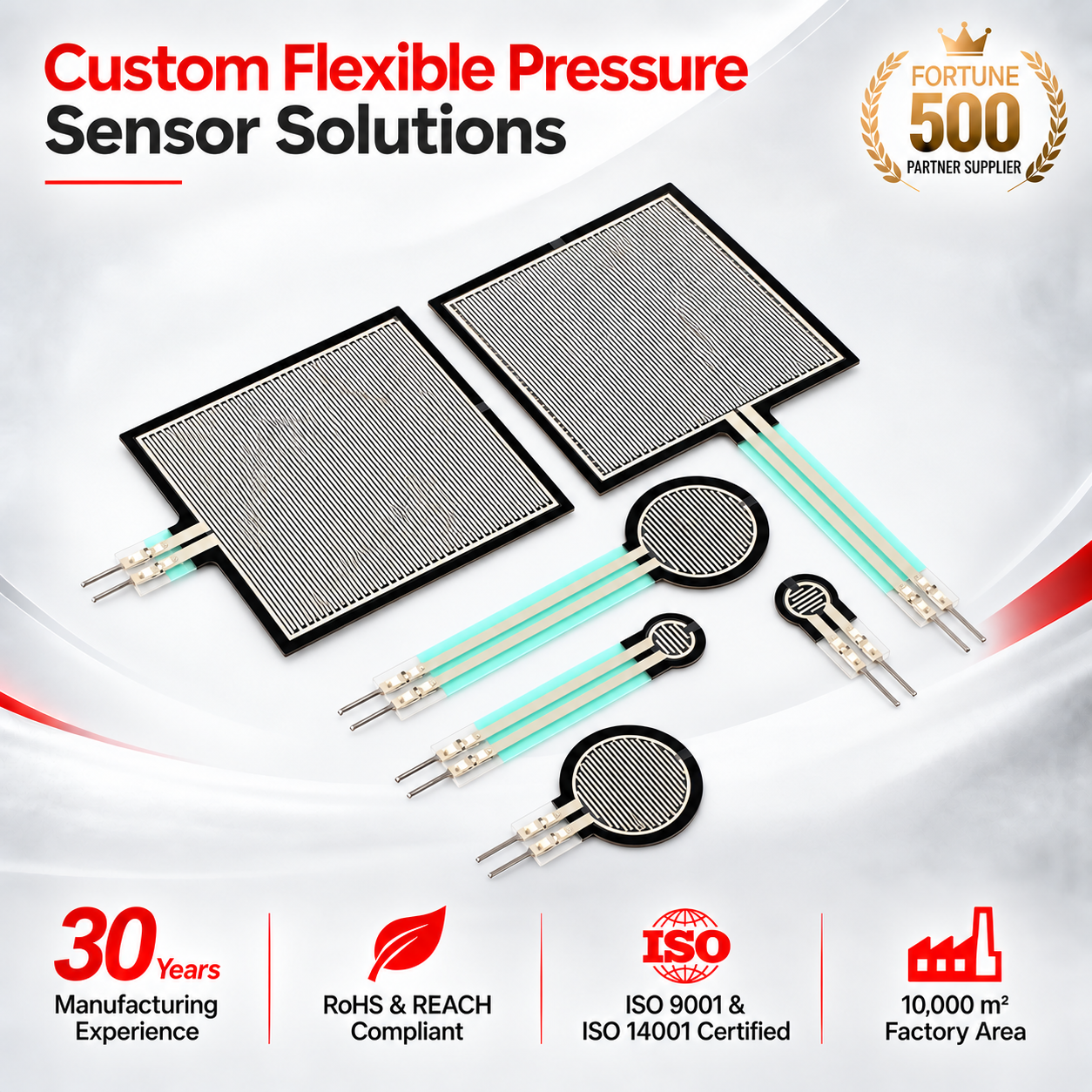
High Sensitive Capacitive Multi Touch Sensor Membrane Ultra-Soft Thin Film Pressure Sensor Fsr Type Pressure
- CircuitConductive Silver Polymer
- SensingDynamic Force FSR
- Response< 5 Microseconds
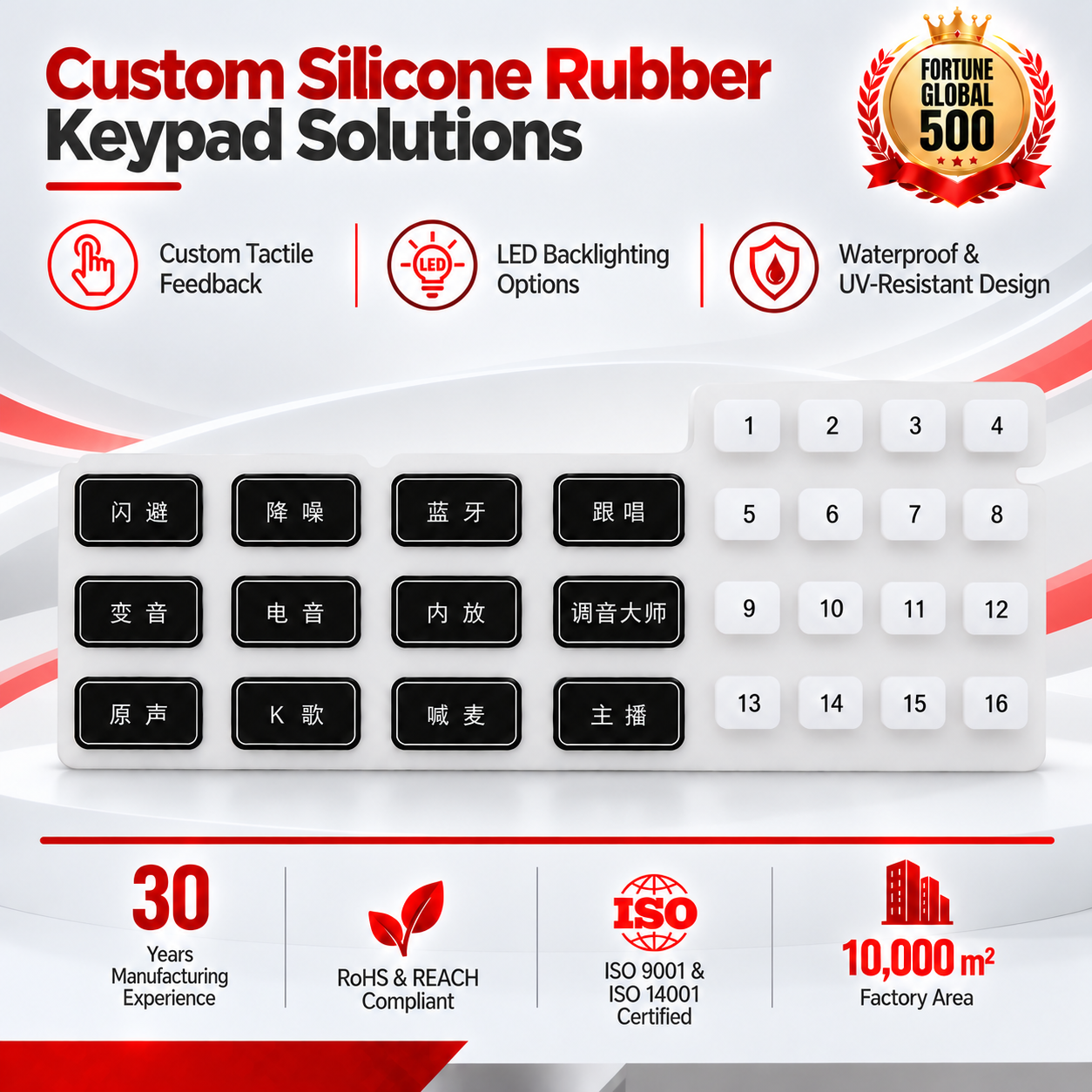
Rugged Waterproofing Custom Silicone Rubber Keypad Numpad Soft Touch Wear-Resistant High Temp Elastomer Keypad
- Thermal Range-40°C to +180°C
- ProtectionOil & UV Polyurethane
- Life Span> 1,000,000 Cycles
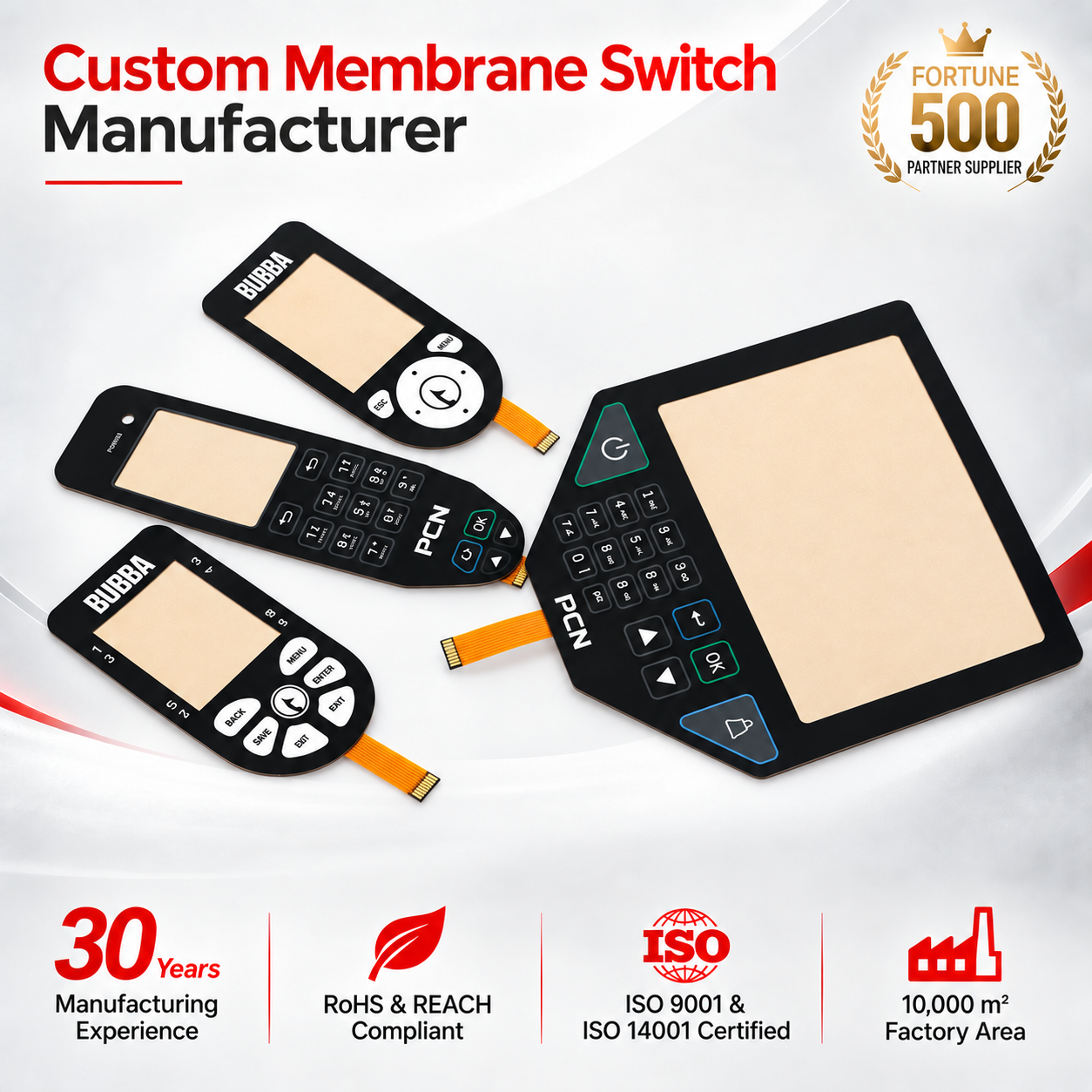
Custom 3m Adhesive Tactile Metal Dome Button Membrane Switch Graphic Overlay for Electronic Equipment
- AdhesiveGenuine 3M 467MP / 468MP
- Switch DomeStainless Steel Nickel-Plated
- Tactile Ratio50%–60% Crisp Click
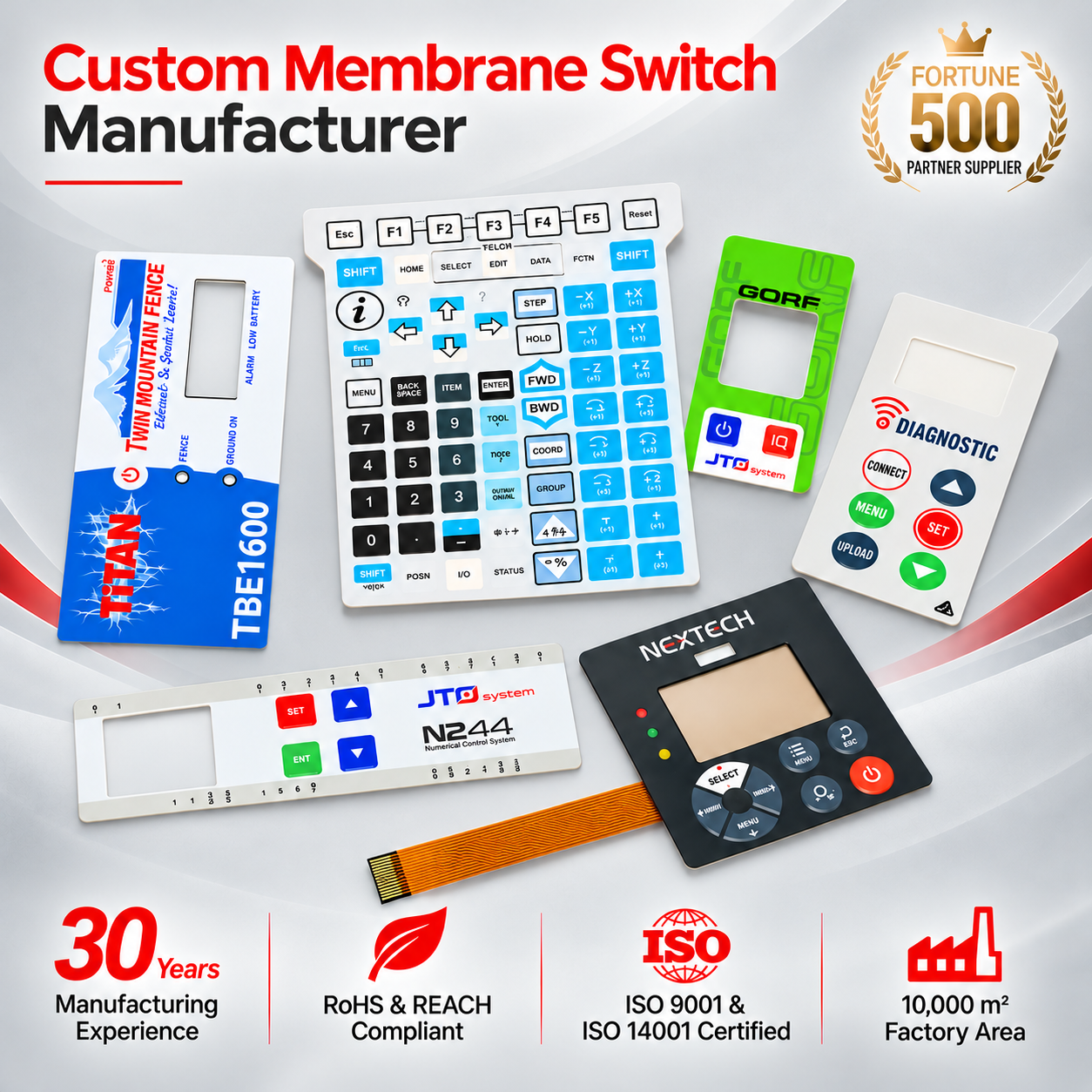
High Quality China Factory Direct Membrane Switch Graphic Overlay Embossed Button Flat Industrial Panel Product
- EmbossingPillow / Rim Tactile
- Film BaseAutotex™ Fine Polyester
- ShieldingESD / EMI Aluminum Layer
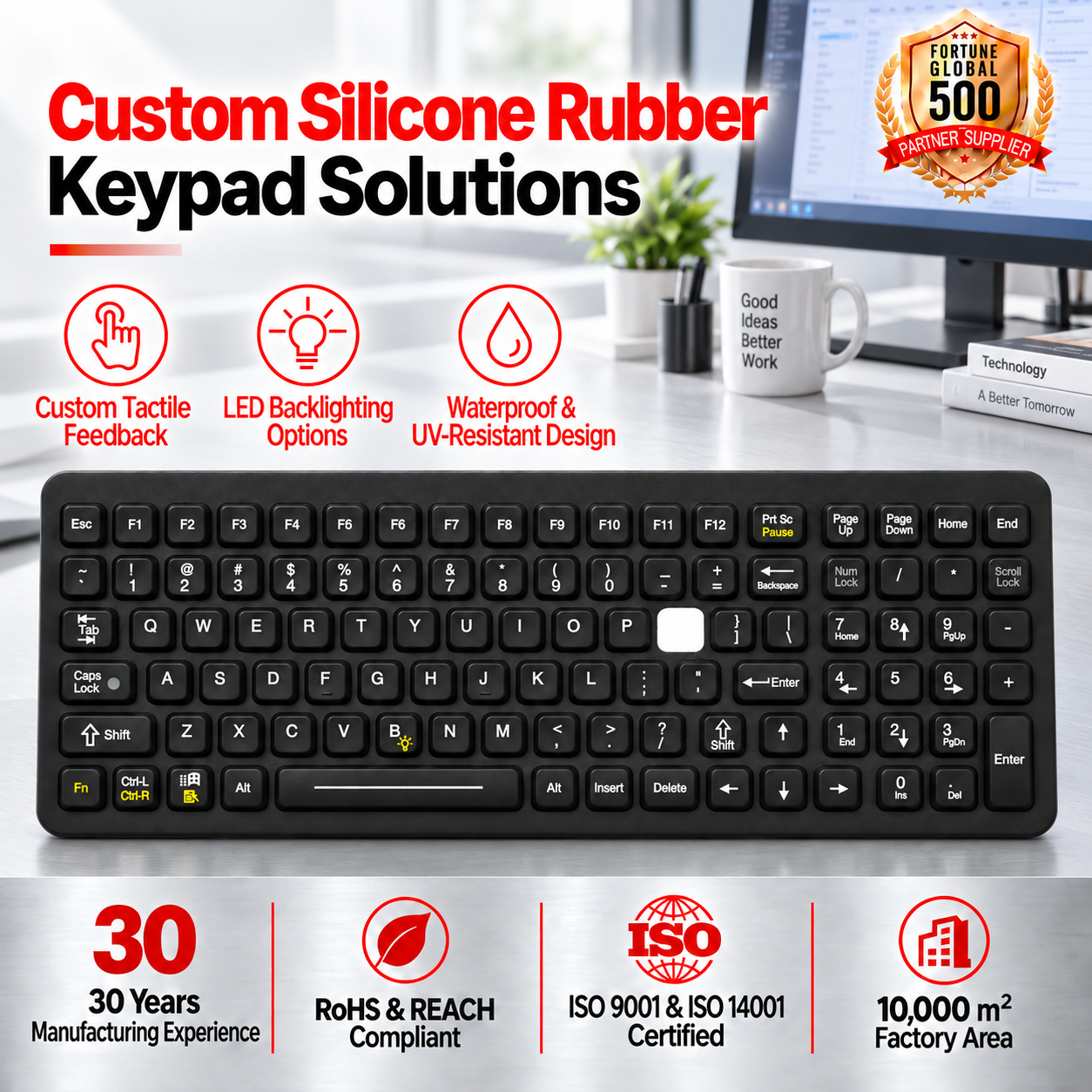
Industrial Custom Manufacturer Silicone Keypad Rubber Button Conductive Non-Toxic for Computer
- ComplianceRoHS, REACH, Non-Toxic
- BacklightLaser-Cut Translucent Characters
- AssemblyRigid Backing Plate Compatible
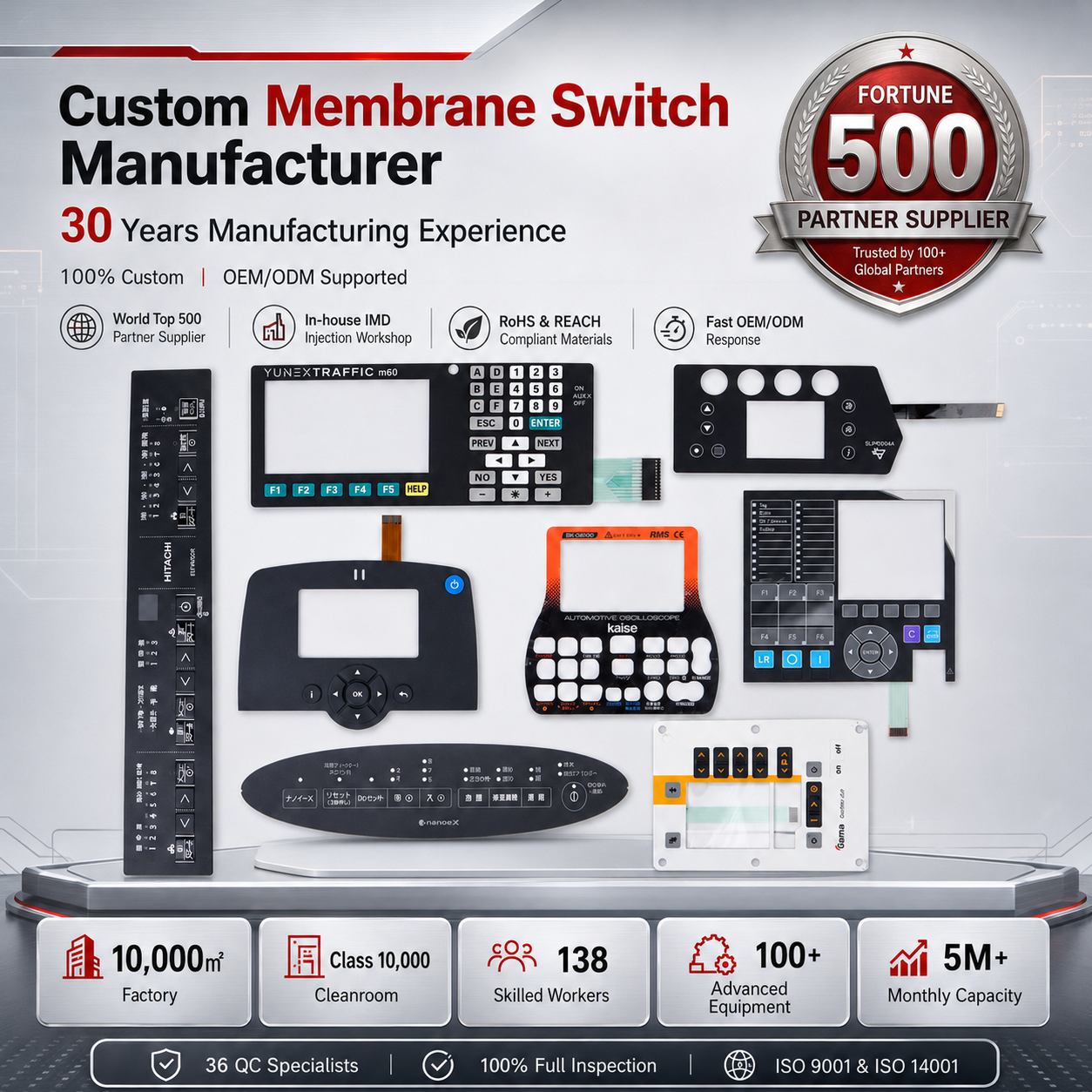
Custom Industrial Medical Appliance Membrane Switch Manufacture Graphic Overlay Waterproof FPC Circuit Power Button
- Flex CircuitCopper Polyimide FPC
- TerminationZIF / Micropitch Connectors
- CleanabilityChemical & Alcohol Resistant
Engineering Authority: High-Integrity IMD Panel Manufacturing for Charlestown OEM Applications
As the Greater Boston engineering corridor accelerates precision manufacturing, robotics, and advanced life-science device hardware, procurement and mechanical engineering teams located across Charlestown, Massachusetts require human-machine interfaces (HMI) that merge ultra-durable tactile performance with seamless aesthetic enclosures. In-Mold Decoration (IMD), coupled with its advanced sub-disciplines—In-Mold Labeling (IML) and In-Mold Electronics (IME)—has fundamentally transformed traditional interface assemblies.
Historically, front panel design demanded multi-layered mechanical stacks: die-cut polycarbonate graphic overlays, multiple pressure-sensitive adhesive (PSA) bond plies, separate injection-molded ABS/PC plastic housings, and discrete internal circuit boards. In harsh industrial or saltwater-exposed marine operations—prevalent in the coastal climate of Charlestown—these layered assemblies inherently risk delamination, moisture intrusion, and chemical ingress. IMD panels eliminate these vulnerabilities by permanently fusing a second-surface screen-printed carrier film with an injection-molded resin substrate during high-pressure thermoforming and molding, resulting in a single, structurally unified, zero-delamination front bezel.
Semantic Definition: IMD vs. IML vs. IME
While often used interchangeably in technical request-for-quotations (RFQs), precision buyers in Charlestown distinguish between:
IMD (In-Mold Decoration): The broader engineering discipline where graphic patterns and hard-coated films are pre-formed and chemically bonded to molten resins within an injection mold tool.
IML (In-Mold Labeling): Typically refers to flat or single-plane label integration with durable graphic barriers, widespread in high-volume instrumentation.
IME (In-Mold Electronics): The technological pinnacle where conductive silver traces, SMD LEDs, and capacitive touch sensors are directly printed onto the 3D-formed film, eradicating internal wire harnesses and discrete tactile pushbuttons.
Localized Industrial Application Scenarios in Charlestown & Greater Boston
Charlestown's geographic position—bridging historical maritime infrastructure along the Boston Harbor and the high-tech biotechnology and robotics corridors of Kendall Square and Route 128—presents distinct engineering challenges for electronic front control interfaces. IMD and hybrid membrane switch panels engineered by Dongguan AXRU Electronics Co., Ltd. are customized for these key local operating sectors:
Autonomous Marine & Port Defense Systems
Charlestown Harbor and the Boston Navy Yard maritime testing corridors require electronic control consoles to withstand continuous salt fog (ASTM B117), direct wave-impact spray (IP68/IP69K), and intense UV photolytic degradation. Our IMD panels encapsulate decorative graphics beneath a tough, 3H–5H hard-coated optical-grade PET layer, ensuring oceanographic drones and port surveillance displays never peel, craze, or discolor.
Biomedical Research & Clinical Diagnostics
Charlestown’s dense network of biomedical laboratories, research cleanrooms, and hospital-adjacent technology parks mandate HMI control panels that support aggressive cleaning regimens. Our panels resist hospital-grade sterilization agents, including bleach (sodium hypochlorite), 70% isopropyl alcohol, and quaternary ammonium compounds, without surface hazing or graphic loss.
Advanced Robotics & Logistics Automation
Warehouse AGVs, autonomous mobile robots (AMRs), and robotic arm controllers built across Massachusetts operate in high-vibration, shock-prone manufacturing centers. IMD bezels integrated with metal-dome tactile arrays or capacitive slide-sensors deliver over 1,000,000 actuation cycles without mechanical fatigue or tactile deadening.
Emerging Regional Engineering Trends in IMD & Smart Surface Manufacturing
Hardware developers in the New England industrial landscape are moving rapidly beyond conventional mechanical switch panels toward integrated smart skin systems. Understanding these design trends allows Charlestown system architects to optimize enclosure tooling and total cost of ownership (TCO):
1. Transition to True In-Mold Electronics (IME) & Dead-Front Styling
Modern devices demand clean, monolithic contours. IMD panels fabricated with high-optical-density dead-front printing appear uniformly matte or glossy black when idle. Upon user proximity or power activation, strategically placed micro-LEDs light up keycap legends, functional indicators, and slider scales. Concurrently, IME architectures replace copper FR4 assemblies by thermoforming silver conductive inks directly into 3D curvature radii under 2.5 mm, reducing overall bezel depth by up to 65%.
2. Sustainable and Low-Carbon Thermoplastic Substrates
With stringent ESG reporting guidelines mandated by institutional investors and European export compliance (WEEE, RoHS, REACH), Charlestown device makers actively specify post-consumer recycled (PCR) polycarbonates and bio-based co-polyester carrier films. Our manufacturing facility partners with global raw material suppliers such as Covestro, Sabic, and MacDermid Autotype to provide traceable resins that maintain flame ratings (UL94 V-0) and dimensional thermal stability up to 135°C without compromising optical clarity.
3. Integration of Capacitive Force Sensing Resistors (FSR)
Rather than relying purely on capacitive multi-touch, which can register false actuations in wet ocean environments or when operators wear thick protective medical/industrial gloves, hybrid IMD designs now incorporate ultra-thin printed FSR pressure layers. By sensing both touch presence and intentional downward actuation force (typically calibrated between 150g and 450g), the interface guarantees error-free machine commands in safety-critical automated workflows.
Material Stack-Up Selection Guide for IMD & Membrane Interfaces
The following engineering data table highlights material performance criteria applied during our technical Design for Manufacturability (DFM) reviews for Charlestown-bound projects:
| Evaluation Parameter | Lexan™ Polycarbonate (PC) IMD | Autotex™ Fine Polyester (PET) IMD | PMMA Acrylic Glass Front Panel | Silicone + P+R Hybrid Keypad |
|---|---|---|---|---|
| Surface Hardness | 2H – 3H (Hard-coated) | 3H – 4H (Textured / Hard-coated) | 4H – 6H (Optical grade) | Shore A 40 – 70 durometer |
| Flexural Fatigue Life | 500,000 cycles | > 5,000,000 cycles (Embossed) | Rigid (Non-actuating overlay) | > 1,000,000 cycles |
| Chemical / Solvent Resistance | Moderate; requires topcoat | Exceptional (Alcohols, esters, acids) | High chemical resistance | High oil and chemical resilience |
| Deep-Draw Thermoformability | Superior (Up to 12 mm draw) | Limited (Typically < 3 mm draw) | Injection molded / Machined | Compression / Transfer Molded |
| Outdoor UV & Weathering | Yellowing risk unless UV stabilized | High stability (Weatherable PET) | Excellent UV resistance | UV stable; ozone resistant |
| Ingress Protection Capability | IP67 / IP68 Continuous | IP67 Sealed Perimeter | IP68 Structural Bonded | IP66 Gasket Sealed |
Quality Control, Testing Equipment & Verification Protocols
AXRU Electronics maintains an exhaustive in-house reliability laboratory within its 10,000㎡ plant, ensuring that every batch delivered to engineering and procurement offices in Charlestown meets or exceeds international standards:
Our Intertek-verified production facility enforces 100% electrical continuity and short-circuit verification for all conductive circuits. Batches undergo rigorous automated mechanical testing:
Automatic Key Force & Displacement Testing: Characterizes tactile snap ratio, click feel, and return force profiles, eliminating actuation inconsistencies across complex multi-key control layouts.
Key Life Actuation Testers: Continually cycle tactile buttons up to 5,000,000 hits at designated frequencies under strict force monitoring to confirm spring-rate longevity of stainless steel metal domes.
Tensile & Adhesive Delamination Testing: Assesses peeling strength on genuine 3M acrylic and rubber adhesives under varying peel rates to prevent field blistering.
Programmable Environmental & Humidity Chambers: Thermal-shock cycles ranging from -40°C to +85°C at 95% relative humidity to prove seam sealing integrity and prevent condensation behind display cutouts.
UV Yellowing & Ink Decolorization Testing: High-intensity xenon arc and alcohol abrasion scrubbers verify that second-surface graphics and exterior hard-coats remain pristine over multi-year deployment lifespans.
Charlestown OEM Procurement FAQ: Localized Sourcing Intelligence
Why Charlestown Hardware Innovators Partner with AXRU Electronics
Dongguan AXRU Electronics Co., Ltd. operates as a vertically integrated Tier-1/Tier-2 OEM supplier to global brands and Fortune 500 corporations. By keeping all core manufacturing stages under one roof—screen printing, class-10,000 cleanroom lamination, micro-precision die-cutting, high-pressure forming, and injection molding—we eliminate subcontracting margins, safeguard intellectual property, and maintain direct traceability from raw film inspection to final packaging.
Aggressive Direct-Factory Economics
Eliminate intermediary markups and domestic distributor overhead. Our scalable factory floor in Dongguan delivers competitive per-unit savings while matching the exacting dimensional tolerances and quality baselines demanded by Massachusetts engineering leaders.
Dedicated English-Speaking Engineering Team
Work one-on-one directly with experienced project engineers who comprehend complex mechanical drawings, PCB stack-ups, force-stroke curves, and tight IP65+ sealing perimeters. We provide proactive DFM feedback within 24 hours of file receipt.
Certified Quality & Compliance
Audited on-site by Intertek and compliant with ISO 9001 quality management guidelines. All raw films, conductive inks, adhesives, and resin compounds carry full RoHS, REACH, and UL flammability material test certifications.
Start Your IMD Panel or Membrane Switch Project Today
Connect immediately with our technical engineering desk. Submit your 2D/3D CAD drawings or request consultation on material stack-ups, tactile force ratings, and rapid prototyping schedules.