Tactile Membrane
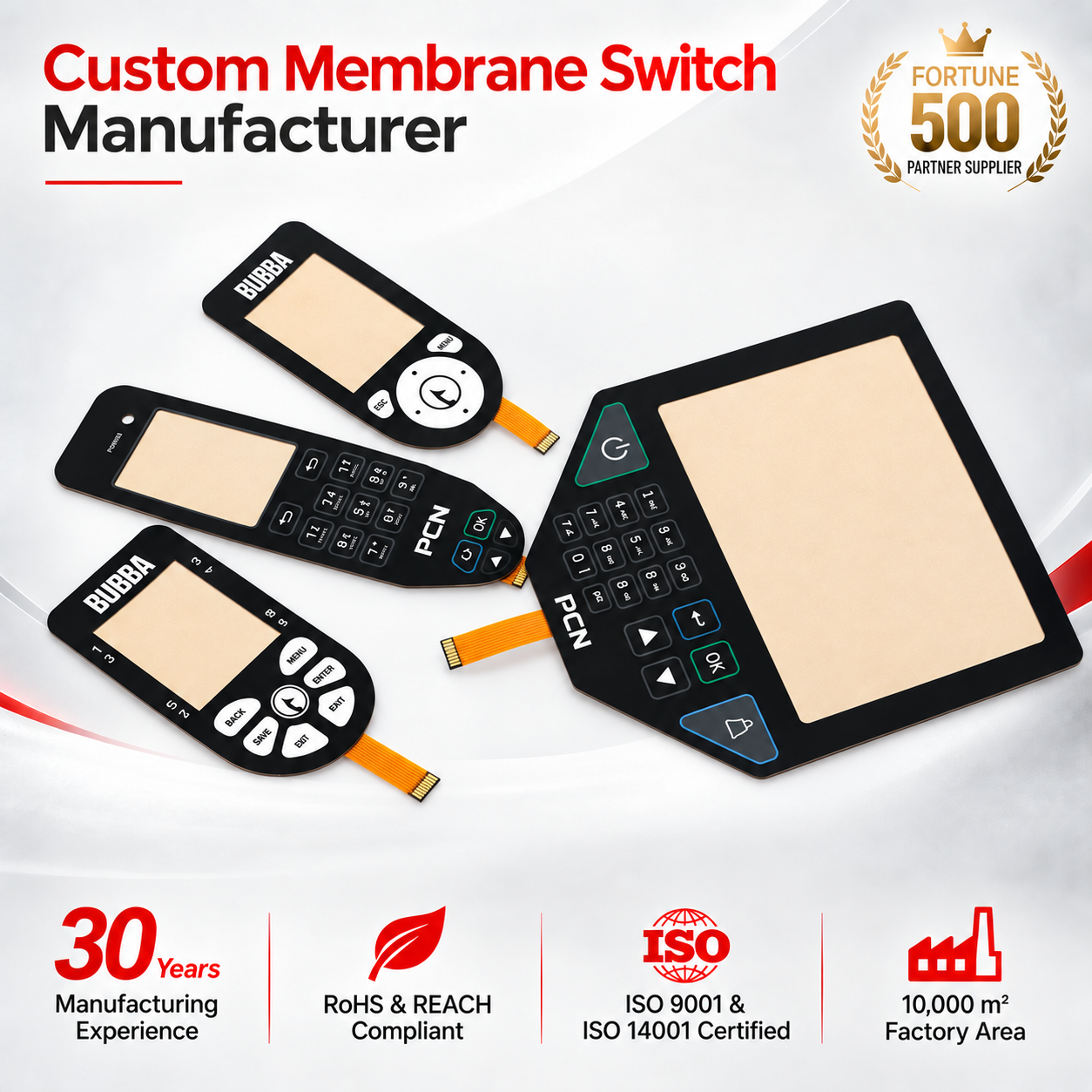
Engineered for mission-critical reliability across the Kingdom of Tonga, ranging from solar grid monitoring arrays to marine navigation consoles.
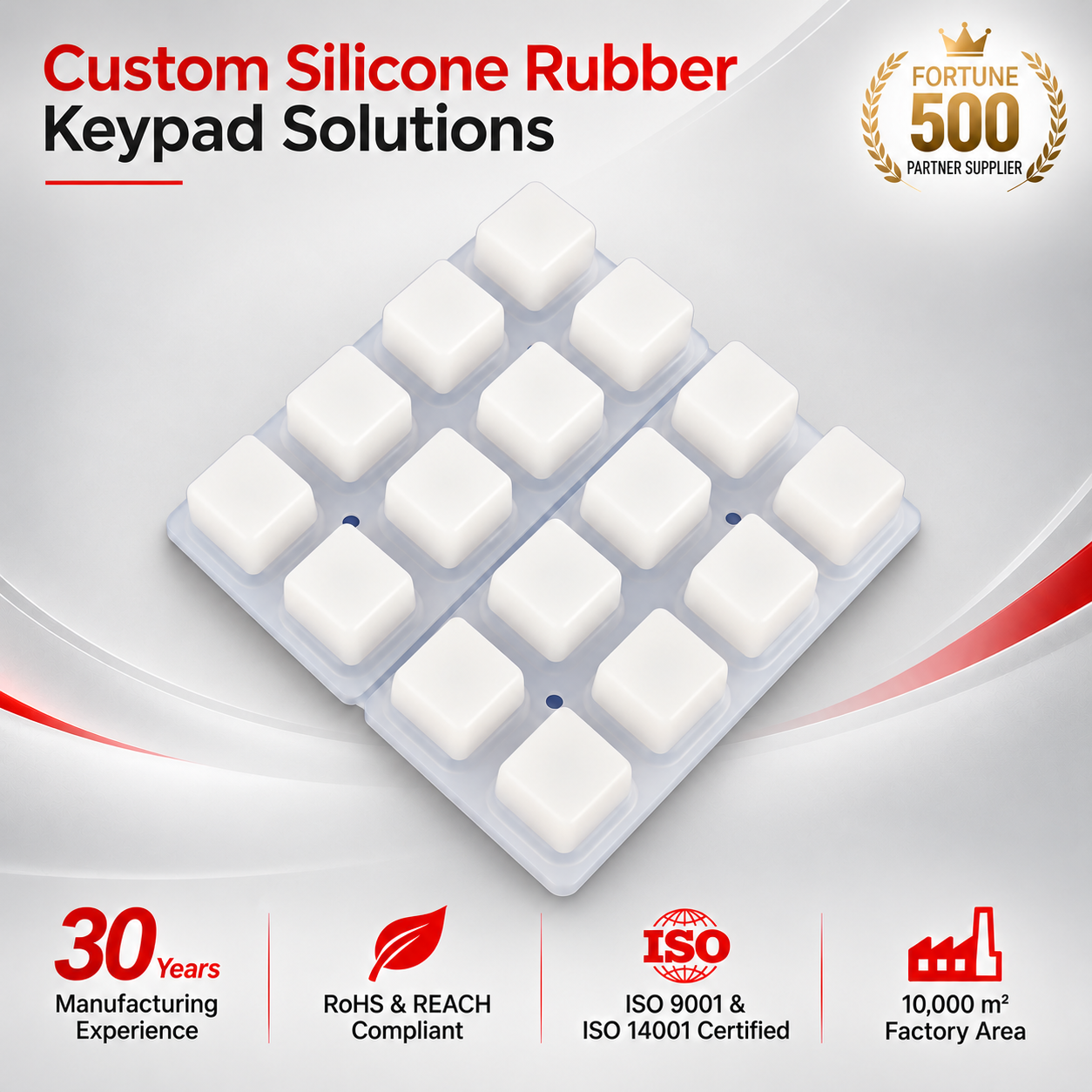
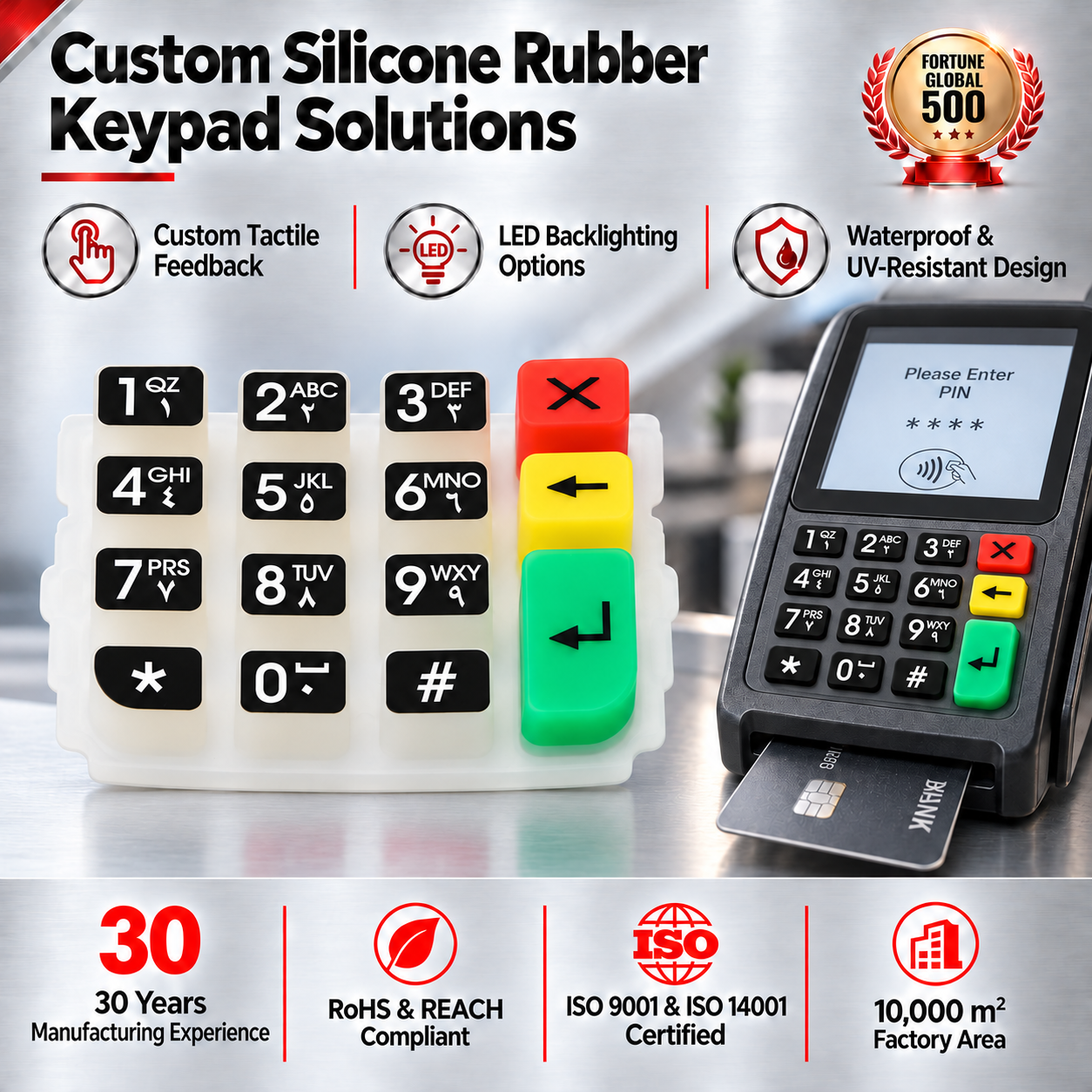
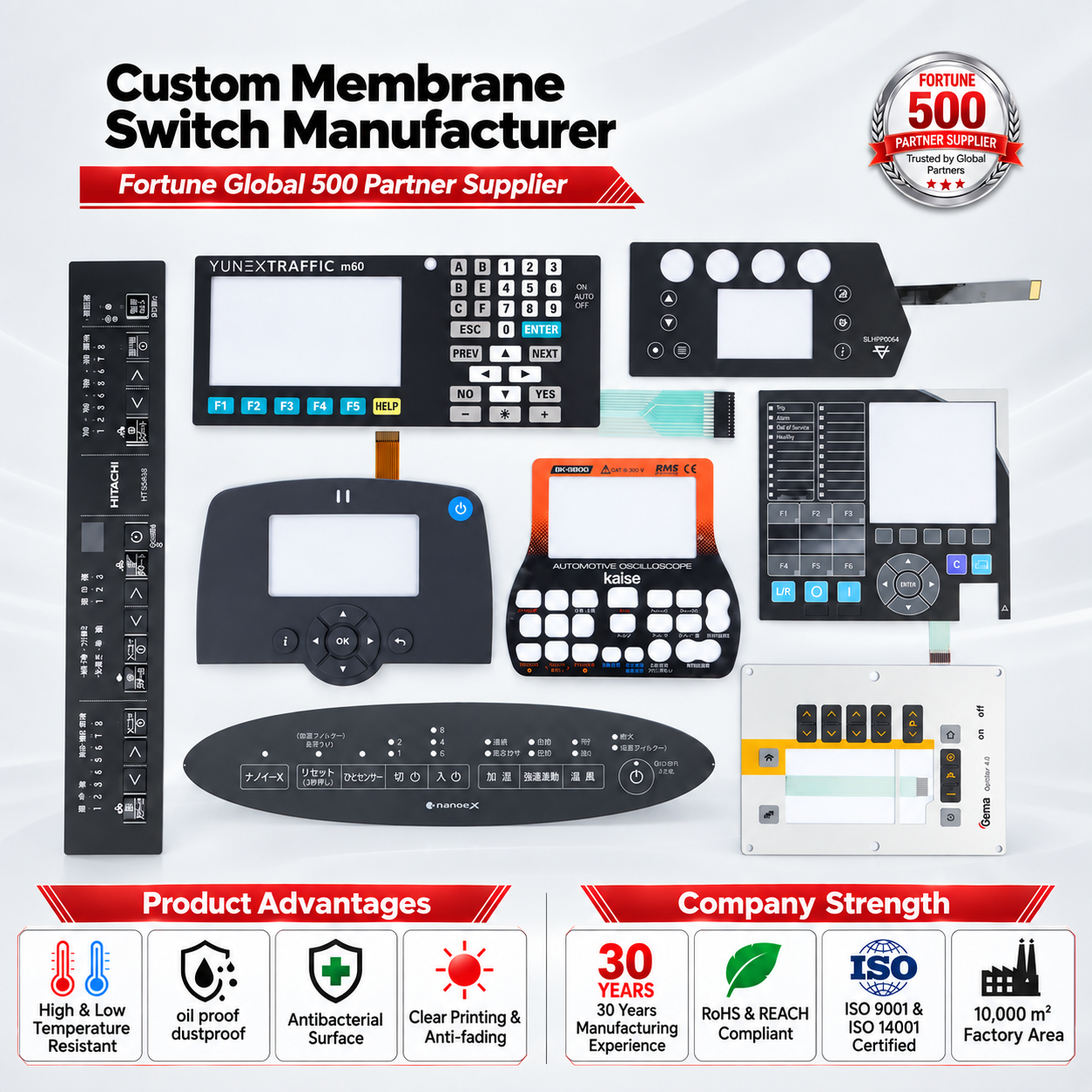
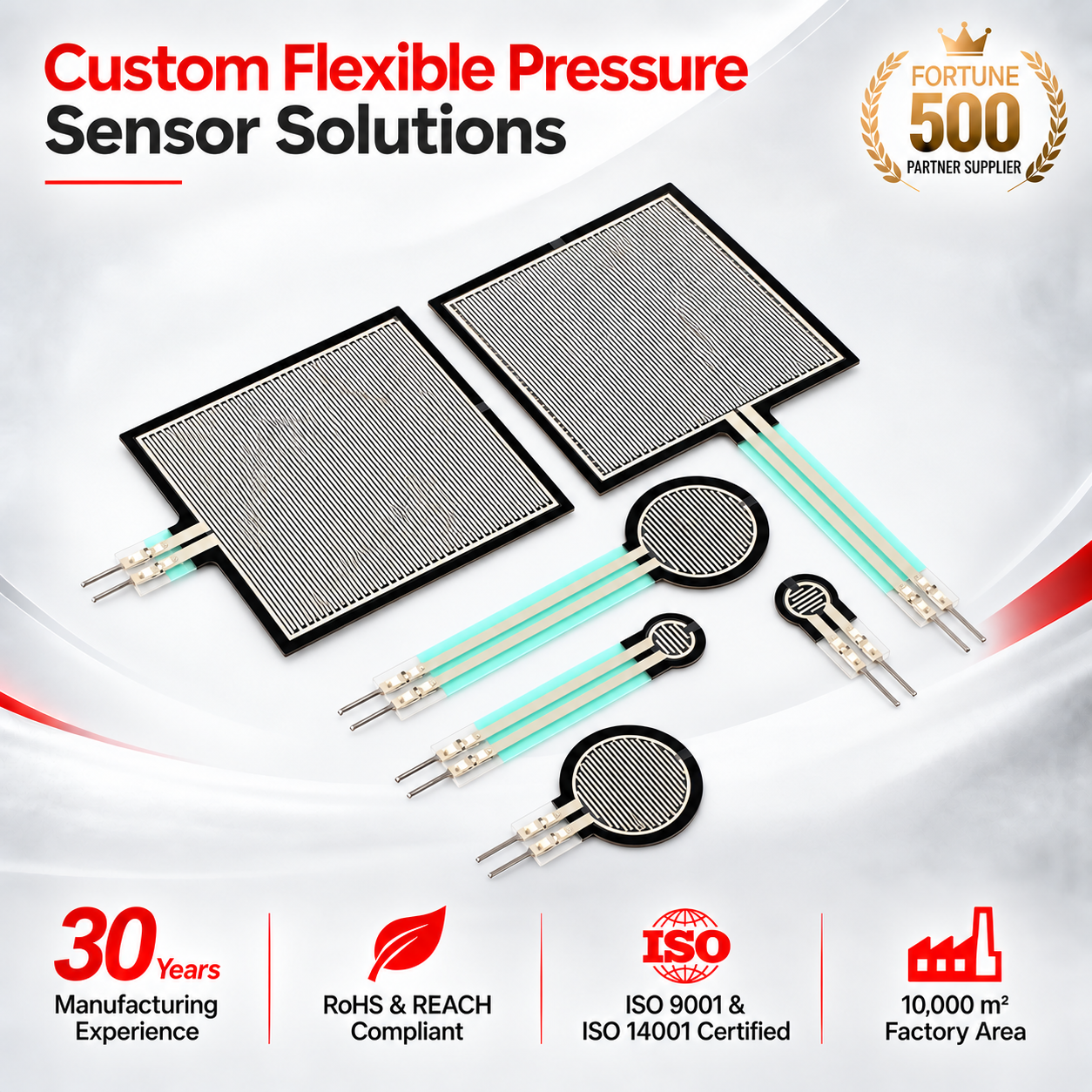
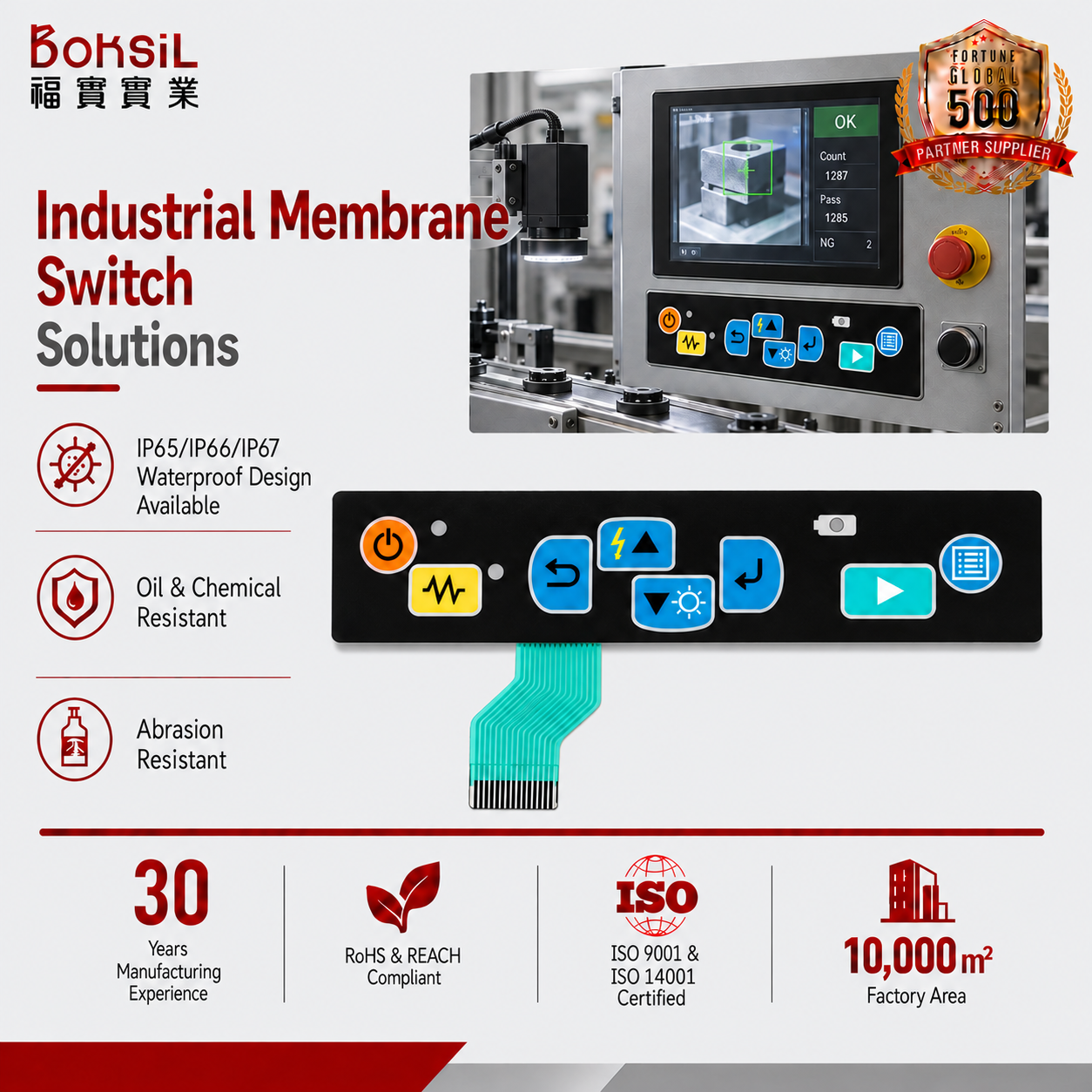
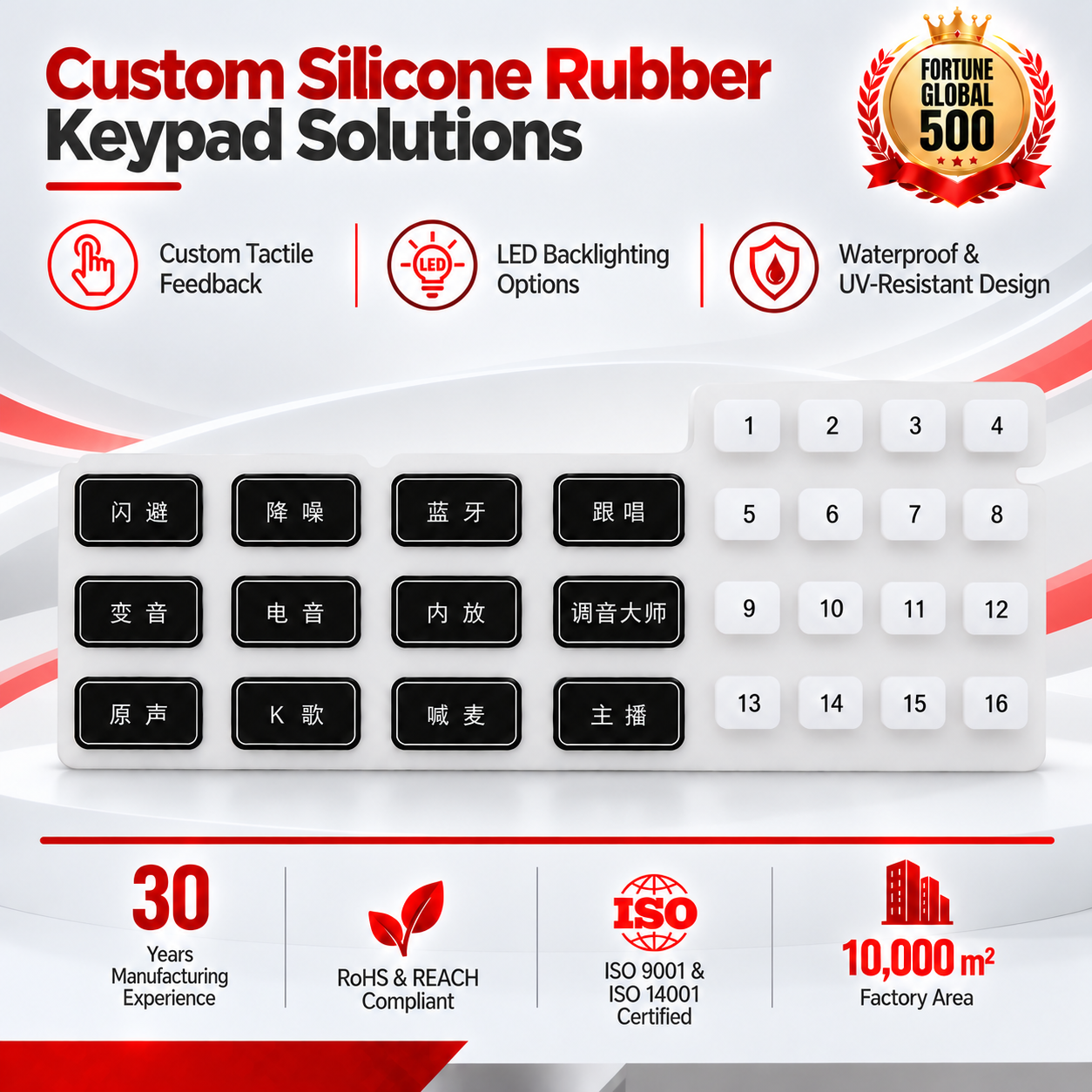
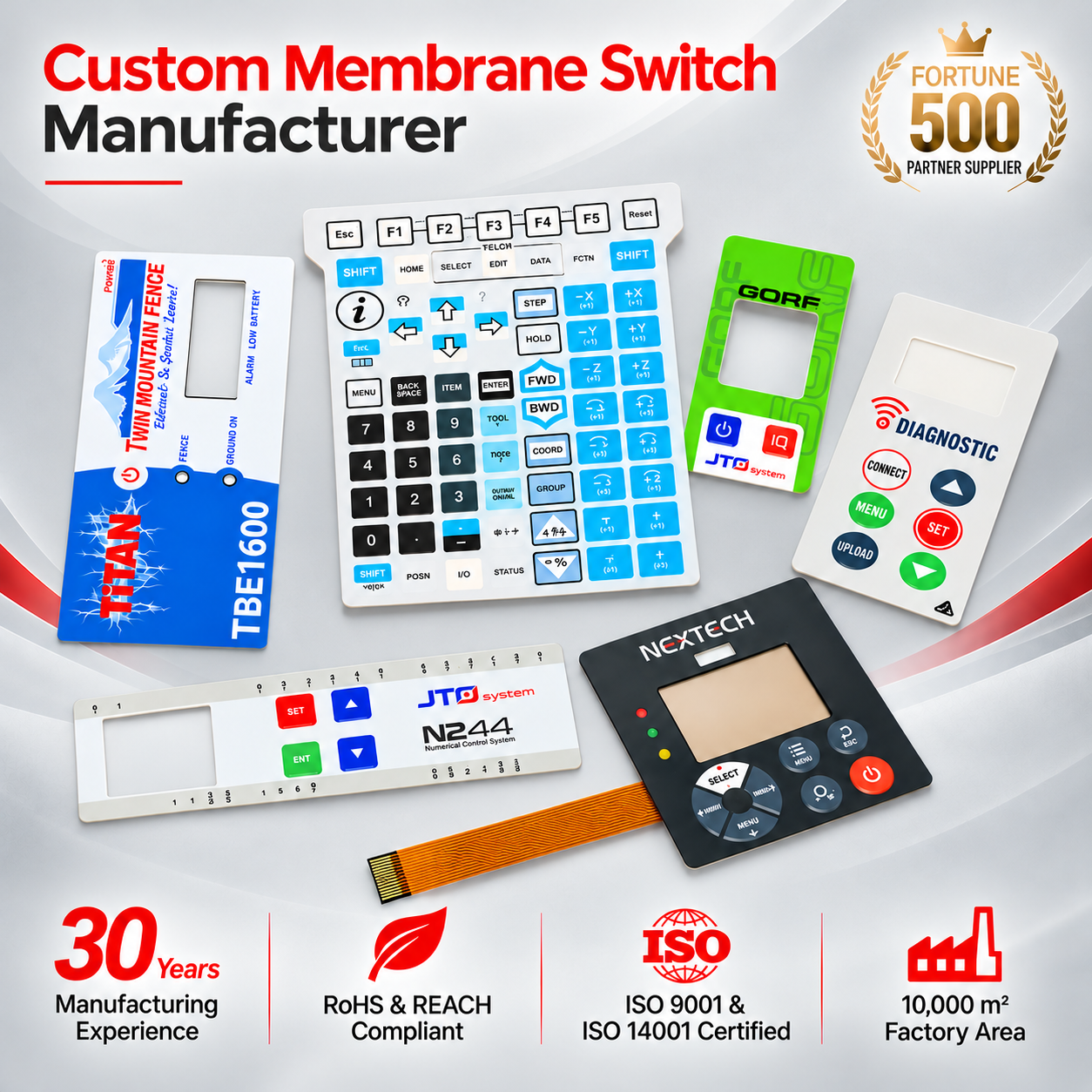
Architecting electronic interfaces capable of enduring hyper-saline trade winds, high tropical humidity, and distributed island-grid dynamics.
Tonga’s accelerated shift toward distributed renewable generation across Tongatapu, ‘Eua, and Ha’apai mandates solar inverter control boards equipped with corrosion-immune Polyimide (PI) substrate FPCs. Traditional rigid PCBs experience electrolytic trace migration under sustained 85%+ relative humidity; our ENIG-treated flexible circuits guarantee decade-long insulation resistance for utility-scale battery energy storage systems (BESS).
Navigational sonars, inter-island ferry monitoring displays, and automated vessel tracking units stationed out of Nuku'alofa require dynamic flexibility and chemical stability against salt spray. Utilizing rolled-annealed (RA) copper foil layered between thermal-curing coverlays, AXRU FPC boards sustain intense vibration and mechanical flexure within marine bulkhead consoles without trace fracturing.
Following catastrophic environmental disruptions, Tonga’s telecommunications backbones demand ruggedized optical terminal interfaces. Our high-density micro-pitch (0.3mm to 0.5mm ZIF) flex circuits provide clean impedance control (50Ω single-ended, 100Ω differential) for transceiver sub-modules, bridging mission-critical microwave links between remote outer islands.
| Substrate / Circuit Classification | Dielectric Constant (Dk @ 1MHz) | Tensile Flexibility & Bend Radius | Environmental Moisture Absorption | Recommended Deployment in Tonga |
|---|---|---|---|---|
| Polyimide (PI) Base Copper Clad (FPC) | 3.2 – 3.4 | Ultra-Tight (< 1.5mm R), Dynamic Flex | 0.8% (With Polyimide Coverlay) | Critical Outdoor Sensor Nodes, Solar Telemetry, Marine Controls |
| Screen-Printed Silver Inks on PET Film | 3.0 – 3.2 | Semi-Flexible (Static Bend > 5.0mm R) | < 0.2% (Polyester Film Matrix) | Indoor Point-of-Sale Terminals, Domestic Appliance Interfaces |
| FR-4 Semirigid-Flex Hybrid Configuration | 4.2 – 4.5 | Moderate (Engineered Hinge Zones) | < 0.15% | Substation Distribution Boxes, Heavy Duty Industrial Converters |
| Silicone Elastomer with Carbon Pill Traces | 2.8 – 3.0 | High Tactile Deflection (Overmolded) | Essentially Zero (Hydrophobic Matrix) | Handheld Agricultural Loggers, Maritime Waterproof Numpads |
Strategic hardware evolution observed in the South Pacific electronics and infrastructure landscape.
National mandates to reduce fossil-fuel dependence have triggered widespread deployment of micro-inverters and energy storage controllers. Traditional hand-soldered wiring harnesses introduce unacceptable points of failure in humid climates. Specifiers are shifting to pre-engineered Flexible Flat Cables (FFC) and custom FPCs that condense assembly errors, eliminate line resistance variation, and integrate directly with IP65-sealed front membranes.
Tonga’s vanilla and fishery exports depend heavily on uninterrupted temperature monitoring. Modern logistical data-loggers demand ultra-thin, low-profile flex sensor circuits capable of adhering to curved packaging walls while operating within cold, condensing atmospheres. AXRU’s custom FSR pressure arrays and copper-etched temperature sensor leads empower next-generation agricultural telemetry.
Procurement directors and municipal hardware teams in Tonga are increasingly bypassing secondary markups from intermediate oceanic trading hubs. Direct-from-factory collaboration with Intertek-verified Chinese manufacturers gives engineers direct Design for Manufacturing (DFM) control, precise thickness customization, and rapid prototype turnarounds backed by rigorous batch qualification certificates.
A unified 10,000㎡ production ecosystem where screen printing, circuit etching, clean-room lamination, and automated inspection happen under one roof.
Our 121-person specialized workforce and facility have passed extensive independent on-site audits, ensuring high standards for production transparency and global trade operations.
Batch-sampled testing utilizing programmable temperature/humidity chambers, automatic force-displacement rigs, key life cycle testers, and ink abrasion equipment.
Over a decade of direct export experience servicing market leaders across medical electronics, industrial PLCs, and rugged automotive HMIs worldwide.
Empowering specialized infrastructure projects, research pilots, and low-volume production batches without demanding cost-prohibitive tooling minimums.
Practical technical, logistical, and import answers addressing common challenges faced by South Pacific purchasing teams.
Upload your 2D drawings, Gerber archives, or environmental specifications for an engineering-led DFM appraisal within 24 hours.