IP65 Ingress
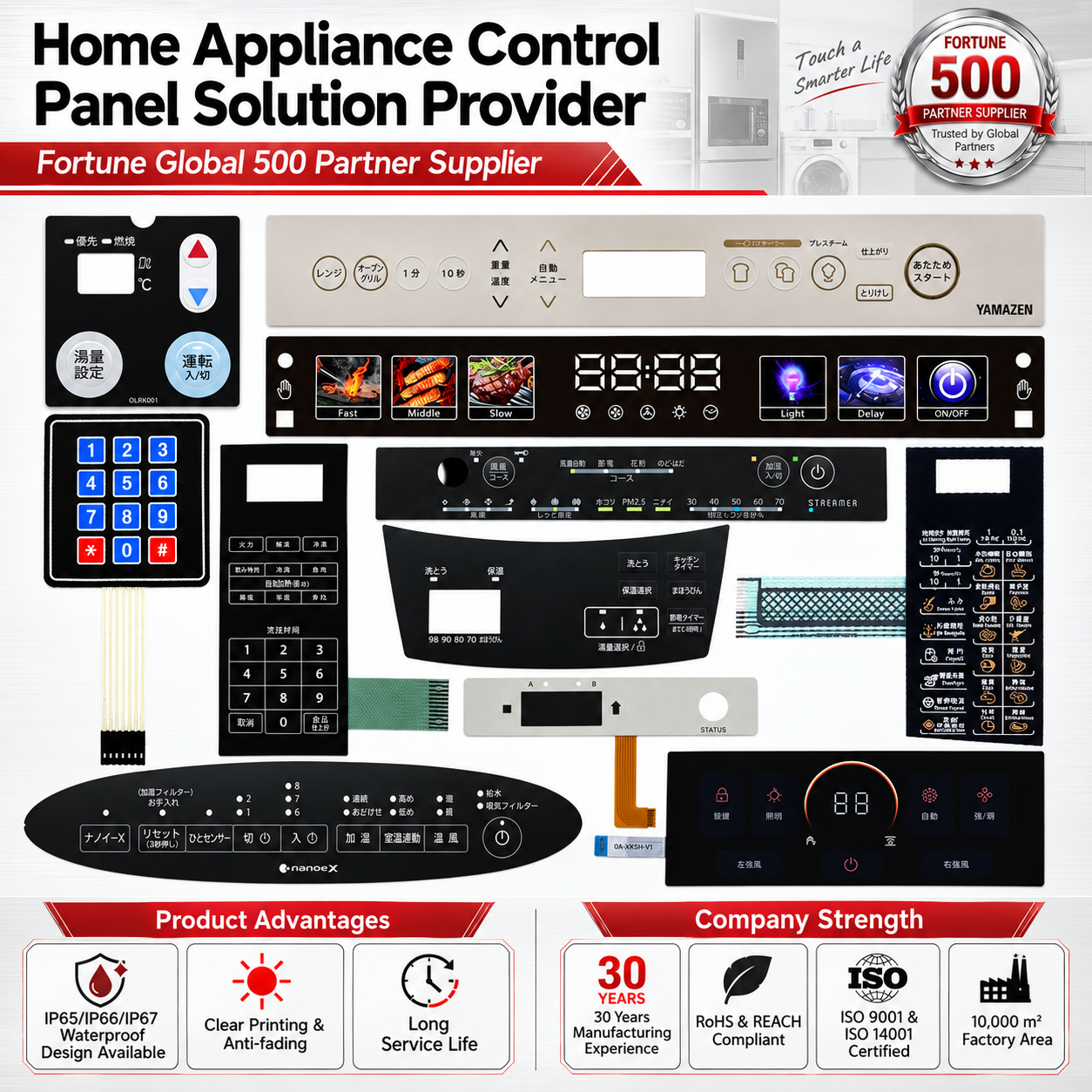
High-tolerance interconnect solutions and human-machine interface assemblies engineered to meet IPC Class 3 and rigorous industrial deployment specifications.
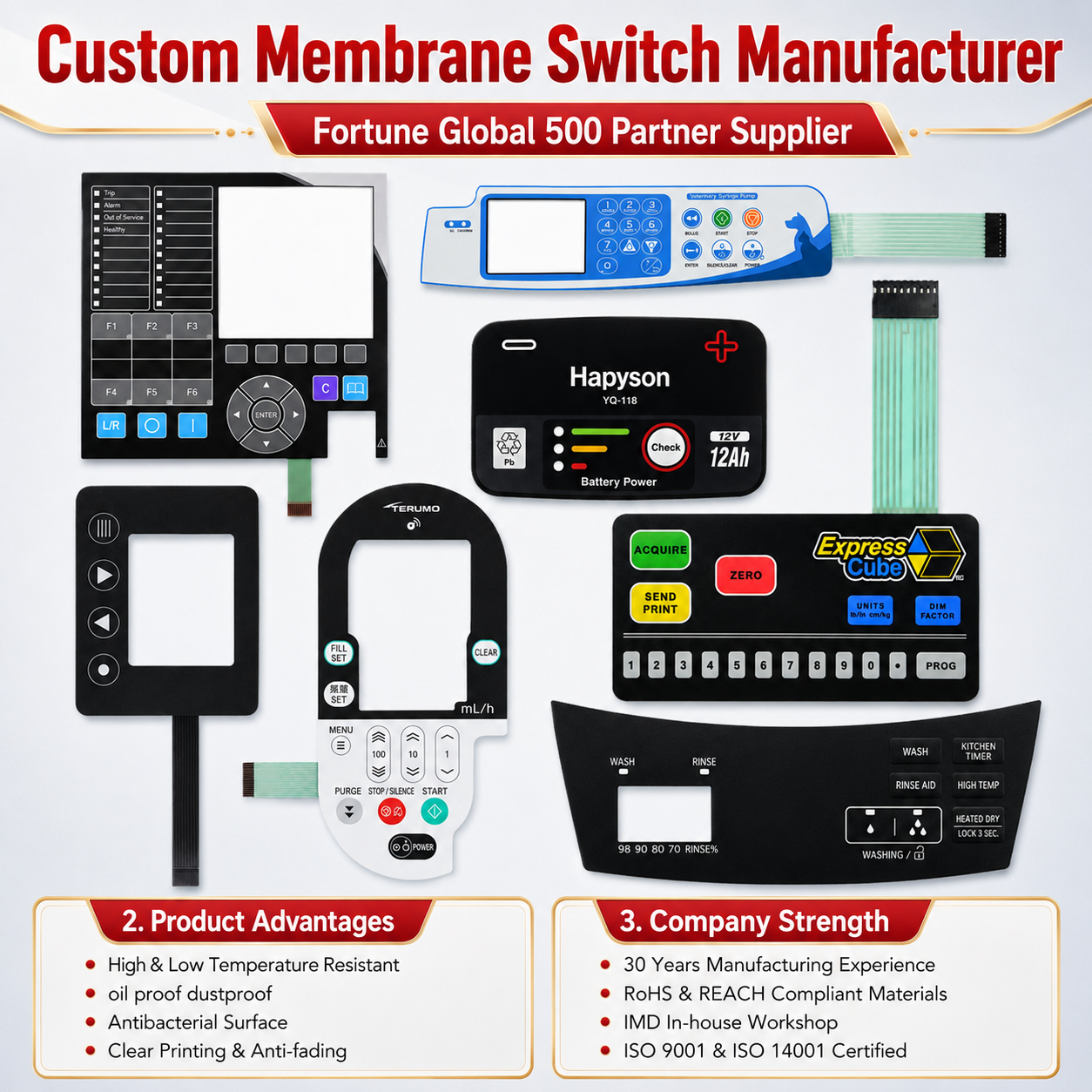
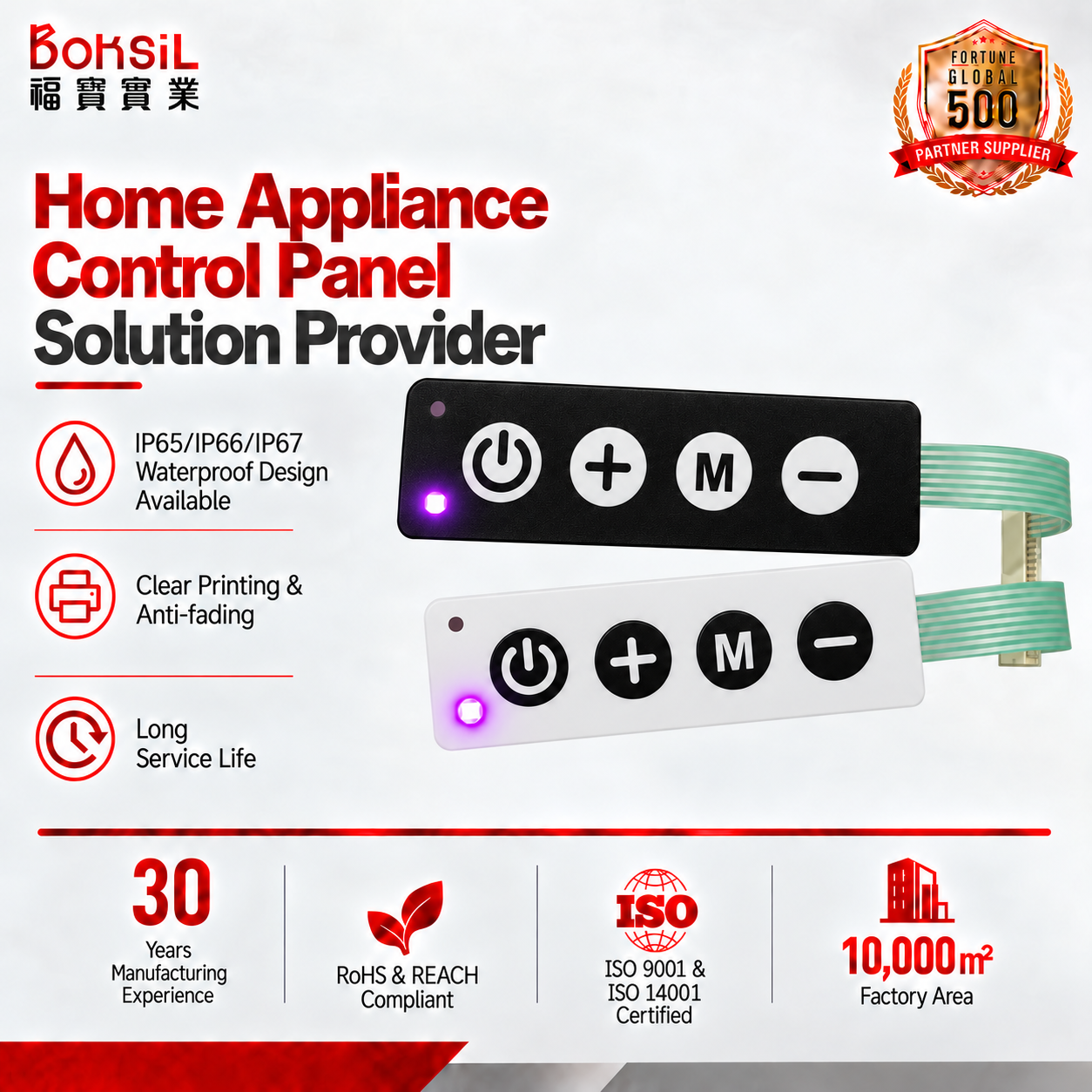
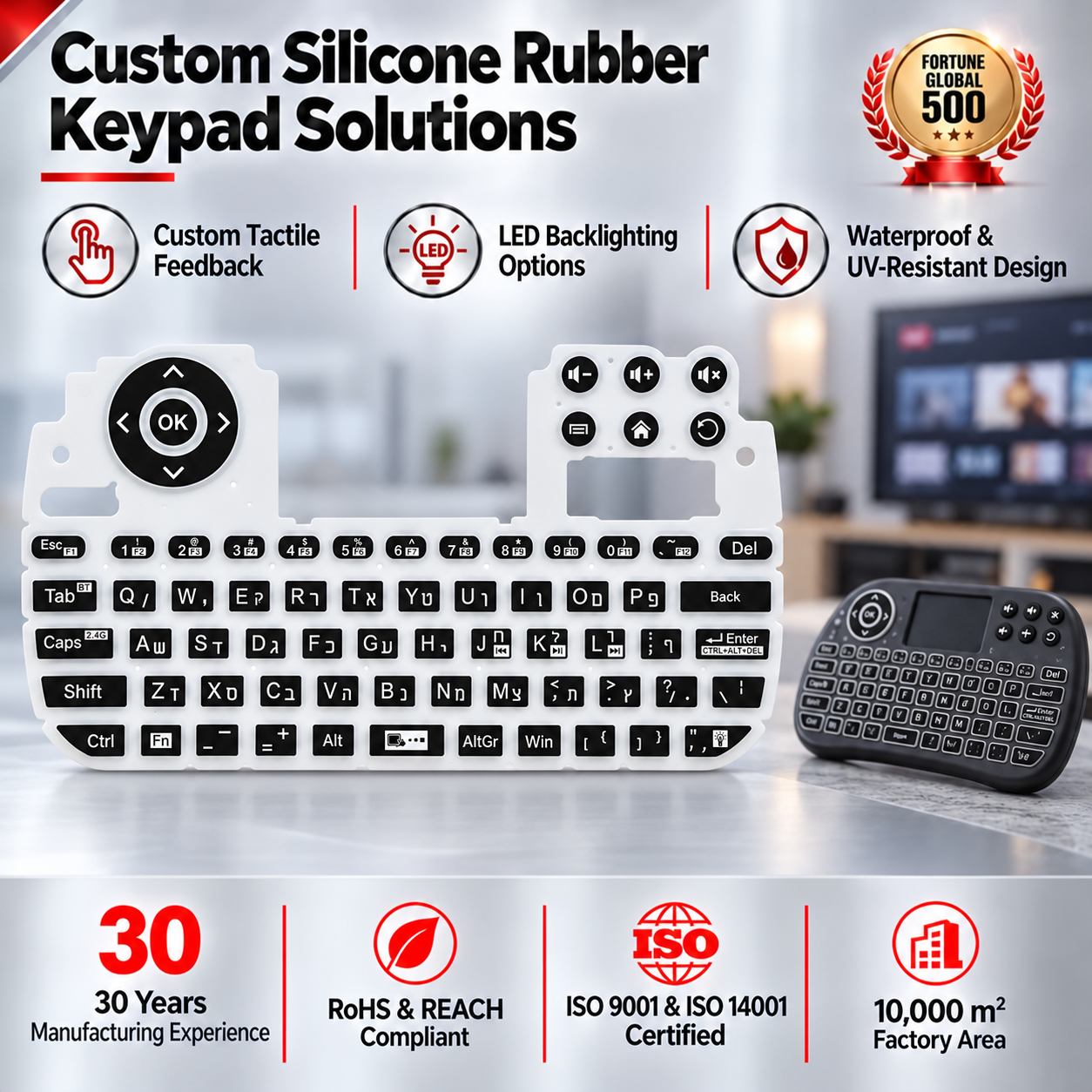
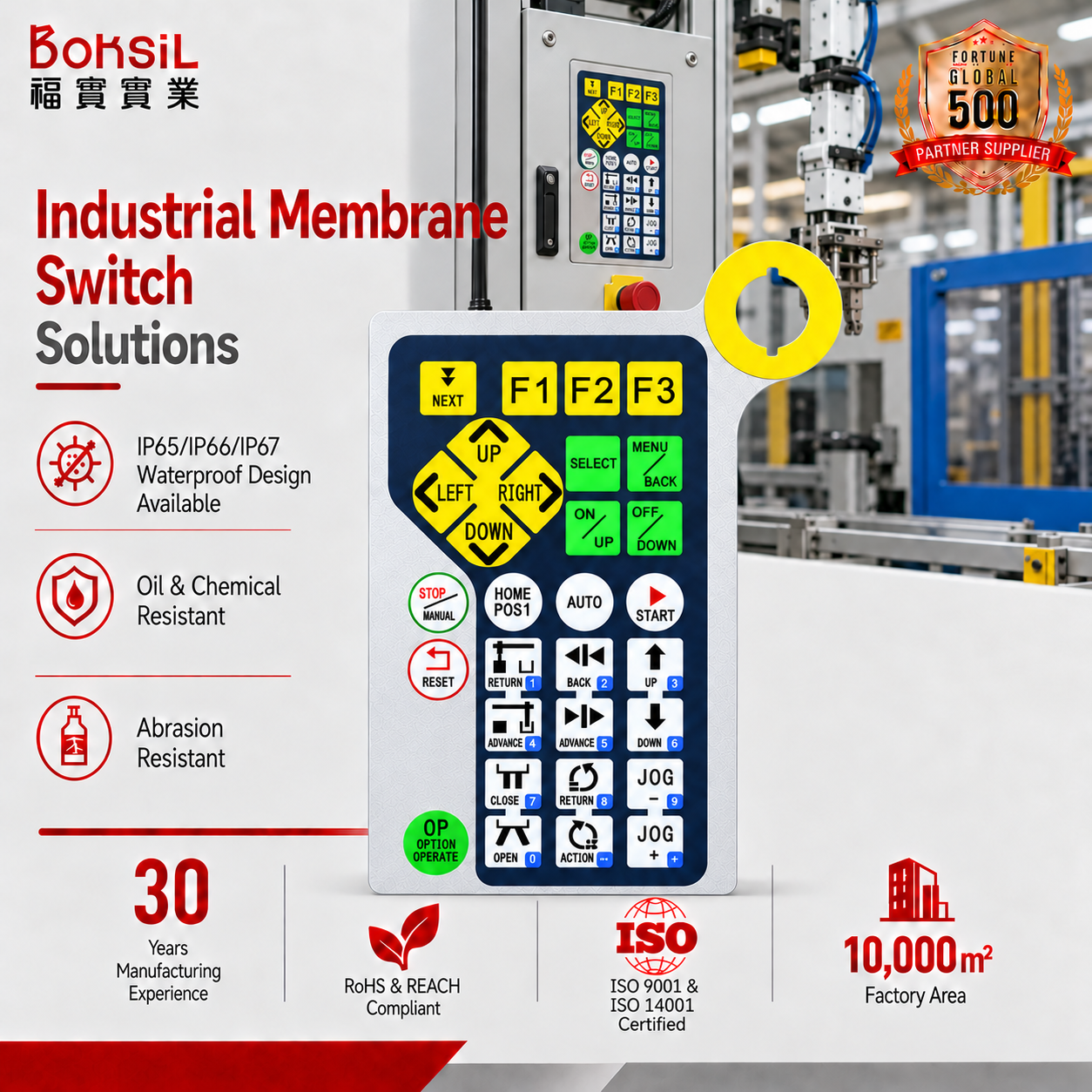
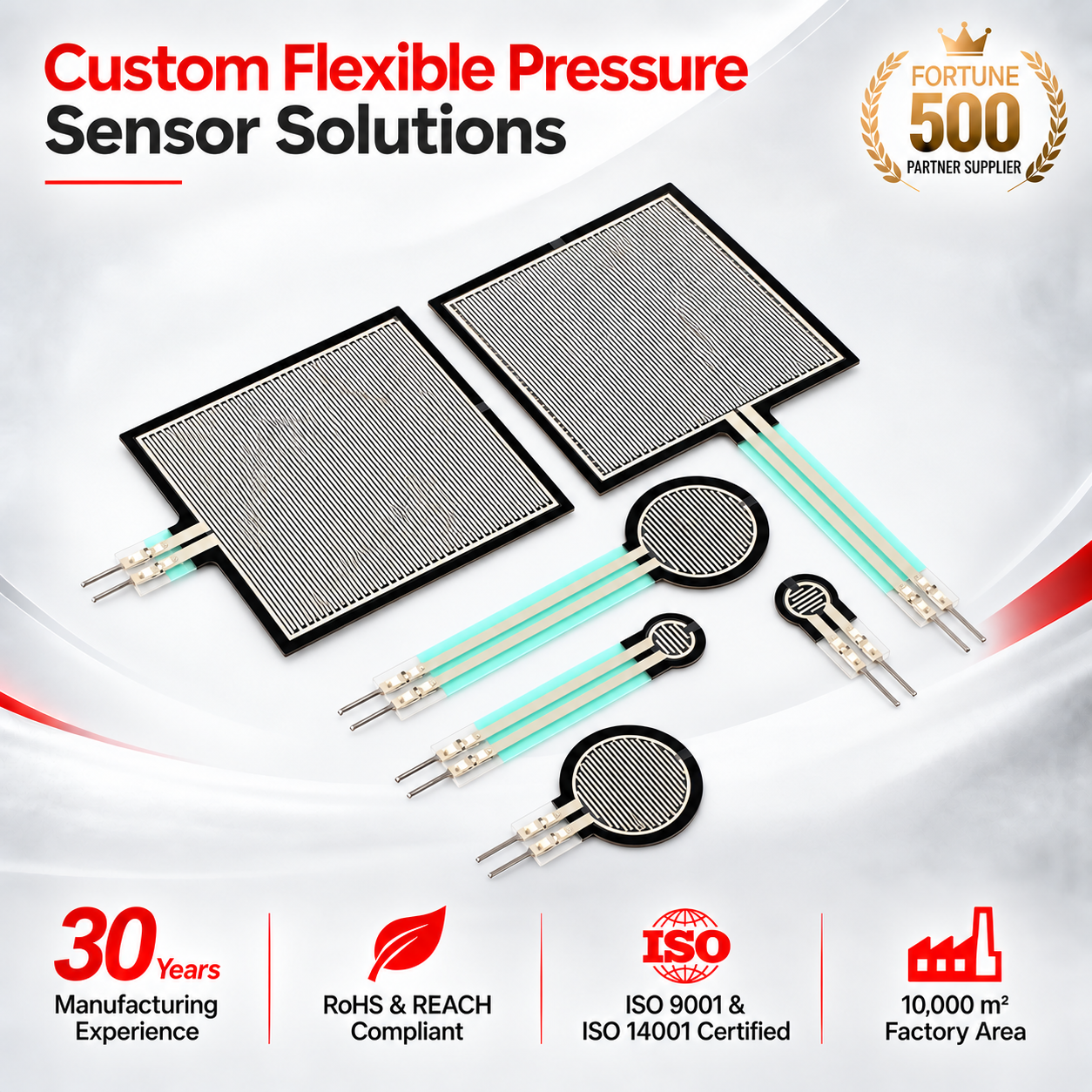
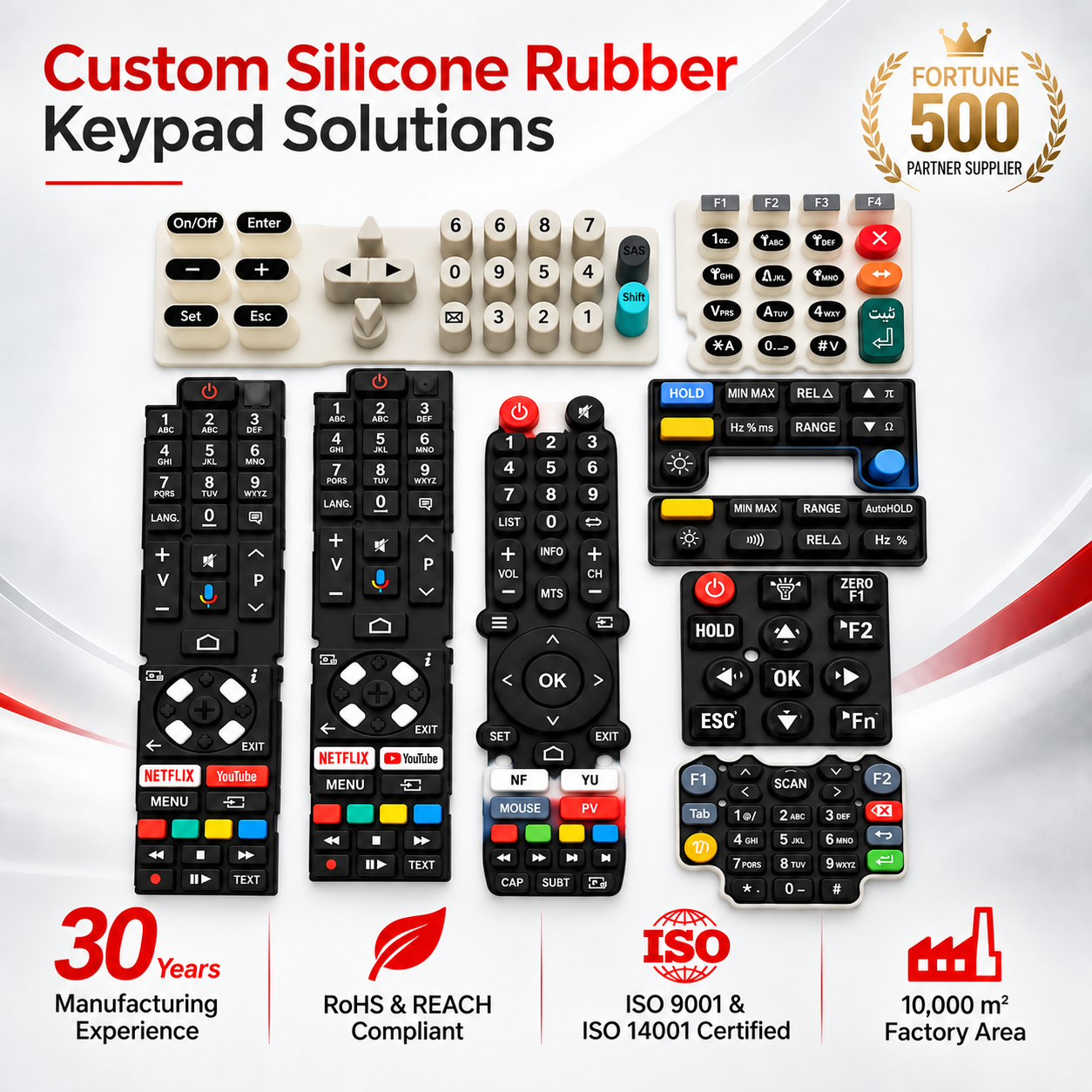
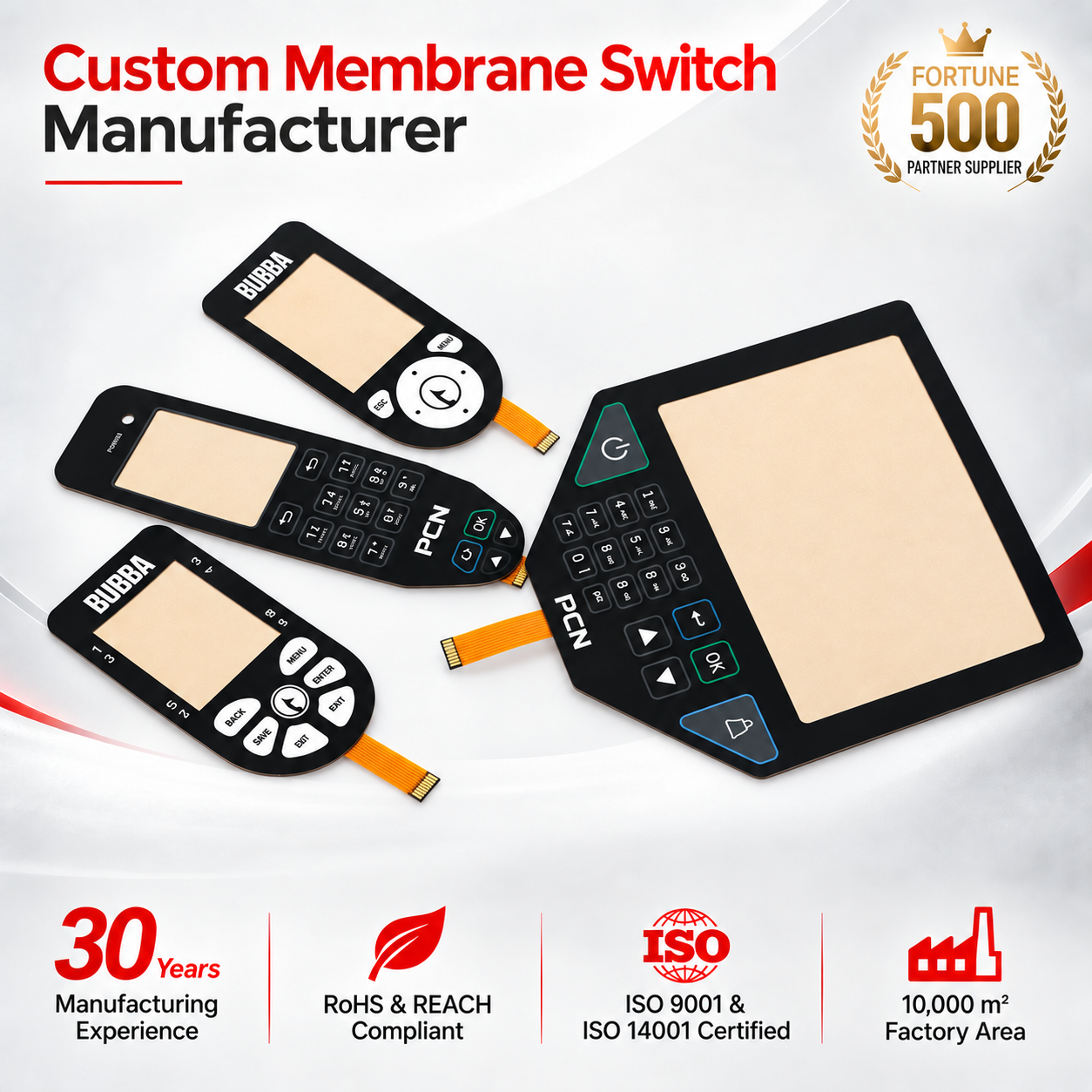
Debrecen has rapidly transitioned into one of Europe’s critical industrial and technical epicenters. Driven by monumental capital expenditures across the Southern Economic Zone (Déli Gazdasági Övezet) and northwest industrial cluster, the regional demand for tier-one grade electrical assemblies has evolved drastically. Where conventional rigid Printed Circuit Boards (PCBs) hit structural limits regarding weight, thickness, and volumetric housing restrictions, Flexible Printed Circuits (FPC) and high-density flexible membranes provide critical mechanical freedom and continuous dynamic integrity.
Modern automated hardware—spanning from high-voltage battery management telemetry in pure electric vehicles (EV) to hermetically sealed automation consoles deployed within automated logistics warehouses—demands flexible circuitry capable of handling steady signal routing through dynamic flex cycles without microscopic trace degradation. Dongguan AXRU Electronics Co., Ltd. serves tier-one and tier-two industrial hardware engineers across Debrecen and the broader Hajdú-Bihar county with complete vertically integrated manufacturing: polyimide substrate selection, fine-pitch copper etching, conductive silver screen printing on thermal stabilized PET, precision surface mount technology (SMT) for component placement, and comprehensive layer lamination under clean-room conditions.
With localized logistics lanes connecting Budapest and Debrecen International logistics nodes, global equipment manufacturers require partner factories capable of executing rapid engineering iterations (DFM analysis) followed by steady, scalable mass delivery validated by full environmental life simulation.
Rather than off-the-shelf consumer electronic keypads, procurement groups and design authorities operating in eastern Hungary require niche-tailored physical and electrical properties that perform predictably across thermal shocks, prolonged chemical exposure, and constant electromagnetic interference (EMI).
With Debrecen serving as a premier European hub for high-capacity gigafactories and premium electric drivetrain assembly, our ultra-thin copper-on-polyimide (PI) flexible circuits provide dense busbar monitoring lines, integrated NTC thermistor sensing networks, and space-saving cell-to-pack interconnections characterized by high dielectric isolation and flame retardancy (UL94-V0 rated).
Debrecen’s precision machinery plants rely on robust machine control panels. We manufacture 5*4 matrix waterproof FPC assemblies and sealed tactile metal-dome arrays capable of withstanding industrial oils, heavy washdown chemicals, and sustained tactile operation beyond 1,000,000 cycles without tactile drop-off or contact bounce anomalies.
Supporting biomedical equipment manufacturing across Debrecen's university research belts, our custom membrane switches feature antimicrobial polyester hard-coats, anti-glare display windows, and multi-touch thin-film capacitive sensors fully sealed against biological contaminants and sterilizing solvent wiping.
Procurement directors within Central and Eastern Europe are prioritizing resilient, verifiable component pipelines. Over the last four years, systemic volatility in sub-tier circuit boards has encouraged OEMs in Hungary to favor specialized manufacturers with end-to-end processing controls rather than subcontracted assembly brokers. The trends observed among Debrecen engineering teams point clearly toward three architectural expectations:
1. Convergence of Graphic Interface and Dynamic Sensing: Instead of separate switch panels, capacitive touch arrays, and graphic badges, systems are transitioning into monolithic In-Mold Decoration (IMD) front panels combined directly with Flexible Printed Circuitry. This hybrid integration delivers hermetic moisture barriers (IP67/IP68 rating), dramatic chassis thickness reduction, and fewer wire harnesses during final box-build integration.
2. Tight Trace Pitch and High Density Interconnect (HDI): With localized sensors becoming increasingly miniaturized, line width and spacing requirements frequently trend sub-100 microns. Maintaining strict impedance control and trace integrity across flexible substrates requires high-accuracy laser direct imaging and roll-to-roll continuous drying chambers to avoid micro-voiding or conductive migration under high humidity.
3. Comprehensive Verification Documentation (PPAP & FAI): Debrecen’s automotive-grade projects enforce strict Production Part Approval Processes (PPAP Level 3), raw material RoHS/REACH certificates, and full traceability. AXRU’s technical testing matrix—backed by our on-site Intertek-audited manufacturing operations—ensures zero ambiguity during customer quality audits.
10,000 square meters of precision manufacturing capabilities operated by 121 skilled technical specialists.
Dedicated sample routing benches allow initial design validation, stack-up prototyping, and tactile displacement adjustments within 5 to 7 business days, shortening validation timelines for European R&D teams.
Every single unit is checked on automated test beds for open circuits, high-voltage insulation resistance, short circuits, LED forward voltage, and snap-ratio precision using computerized force-displacement testers.
Intertek on-site verified production infrastructure with over a decade of export operations to demanding multinational hardware manufacturers across Central Europe, North America, and East Asia.
Direct answers to typical engineering, compliance, and commercial questions raised by engineering teams in Debrecen.
We supply thermal-stabilized Polyethylene Terephthalate (PET) for standard dynamic membrane circuits and high-performance Polyimide (PI / Kapton®) for high-temperature, fine-pitch copper FPC layouts. For surface visual overlays, we deploy Autotype hard-coated polyesters and scratch-resistant Lexan polycarbonates capable of resisting industrial cleaners, hydraulic fluids, and constant UV radiation.
We perform rigorous cyclic bend testing in our environmental testing lab to measure trace resistance deviation after thousands of dynamic flex actions. Flexible tails are engineered with tear-drop trace transitions, rounded conductor corners, and reinforced polyimide stiffeners at ZIF connector contact terminals to prevent micro-fracturing during field maintenance.
Yes. We integrate gold-plated or nickel-plated stainless steel metal domes (available in forces from 180g to 450g) to deliver crisp tactile snap. For illuminated environments, we utilize ultra-thin Surface Mount LEDs, fiber-optic weaves, or Light Guide Films (LGF) with precision dead-front printing that conceals icons until backlit.
Our standard production MOQ starts at 100 units, catering specifically to pilot manufacturing runs, functional prototypes, and specialty industrial systems common in European high-mix low-volume operations. Engineering pilot prototypes typically ship in 7 to 10 days, with scaled mass production delivered within 2 to 3 weeks via direct air cargo to Budapest/Debrecen.