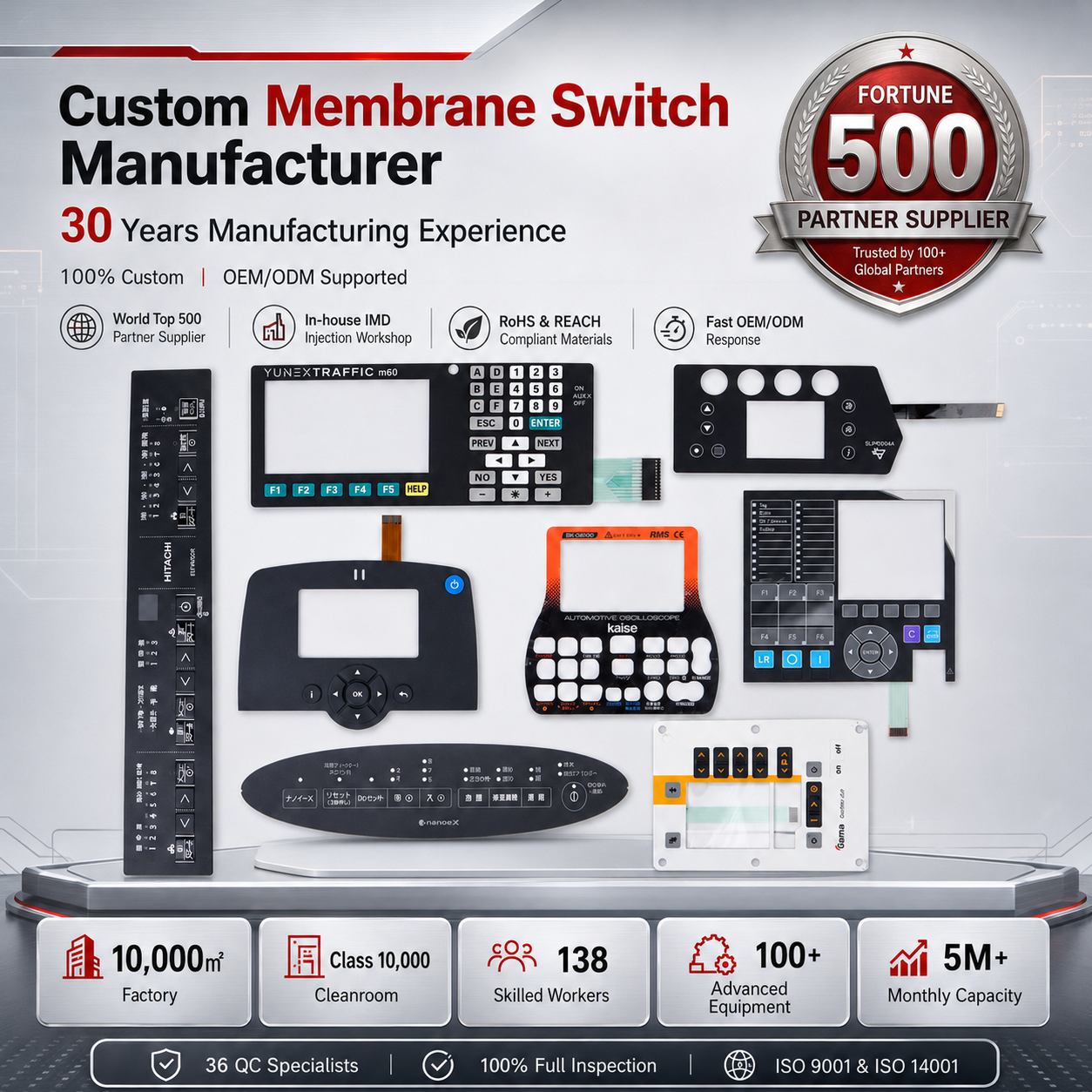
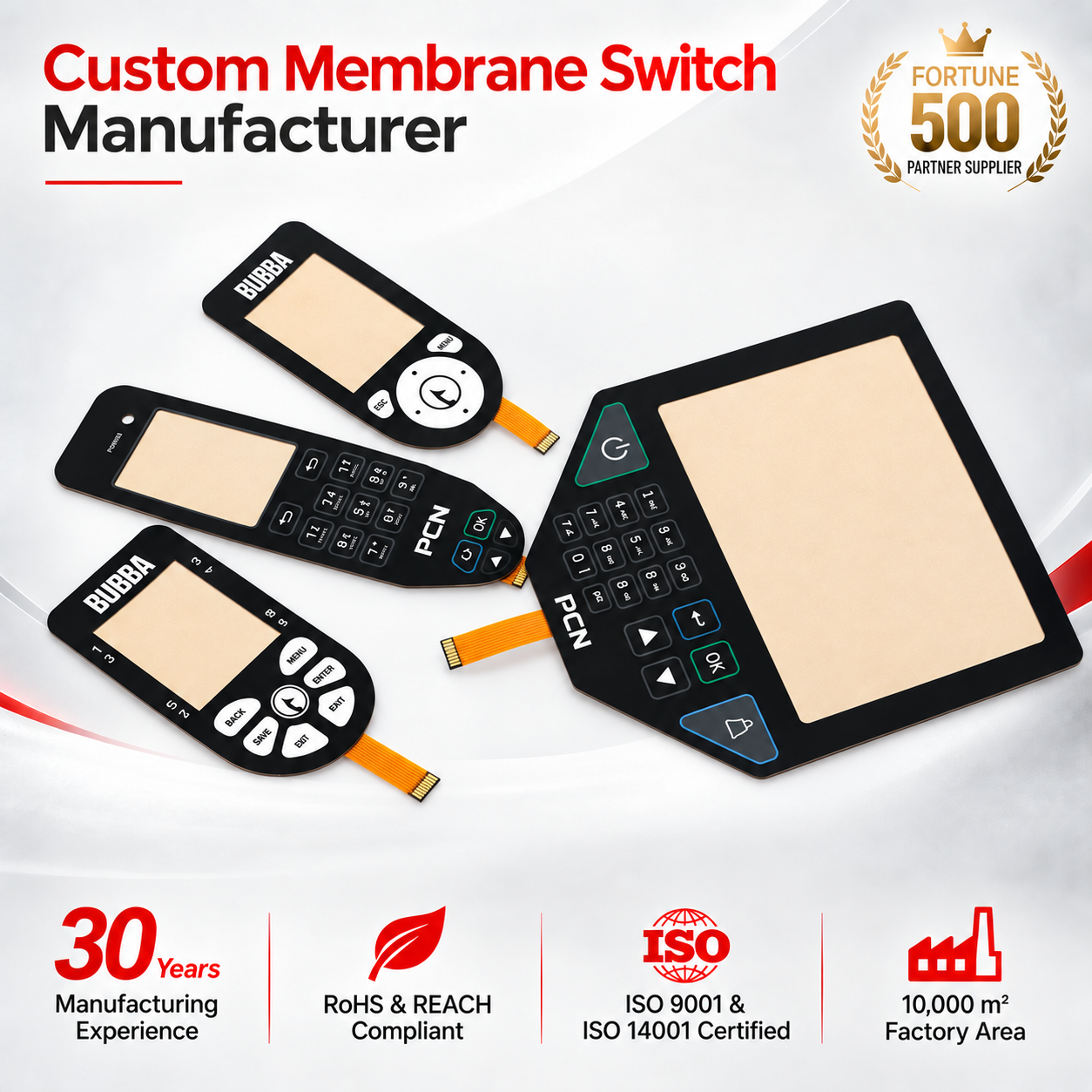
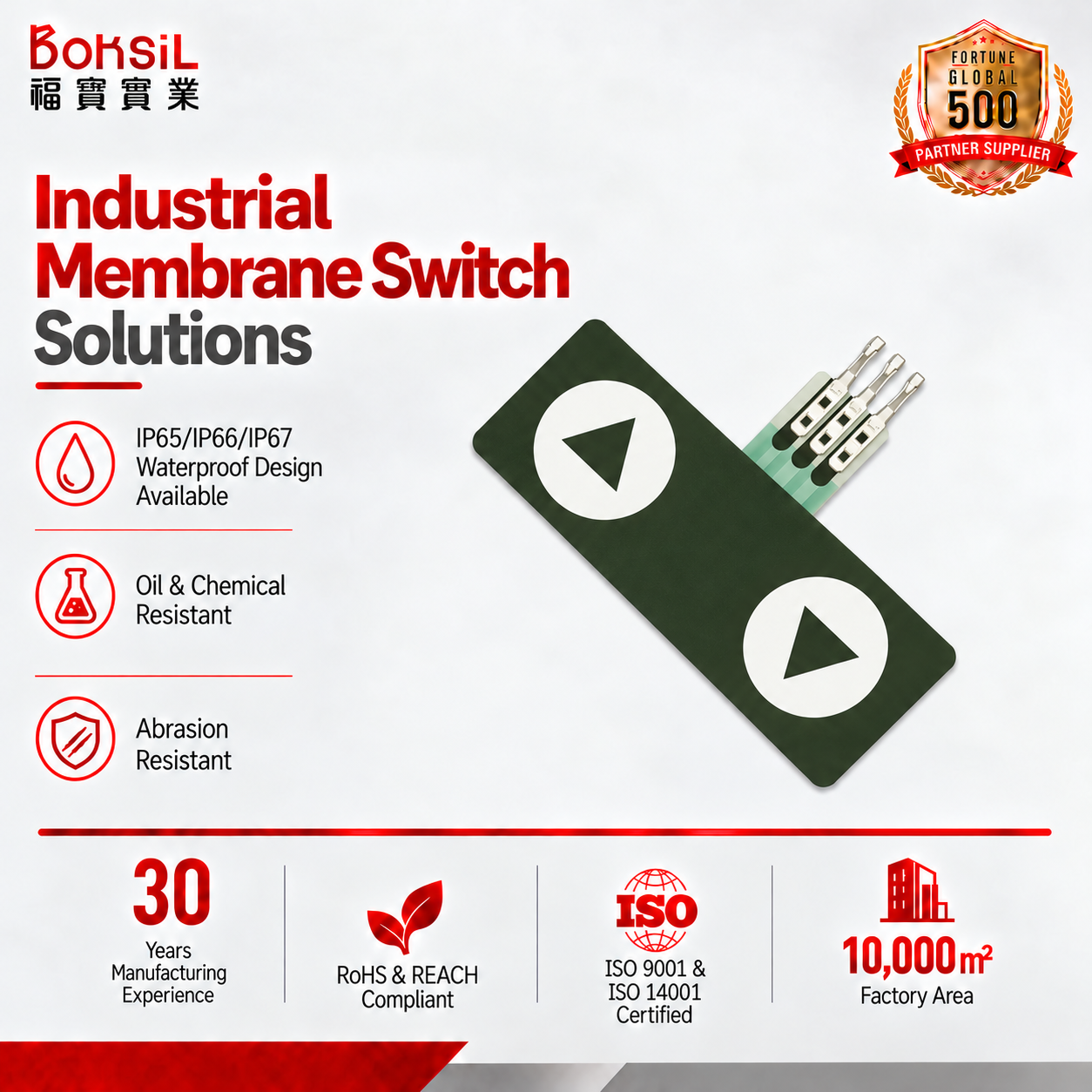
Custom Industrial Medical Appliance Membrane Switch Manufacture Graphic Overlay Waterproof FPC Circuit Power Button
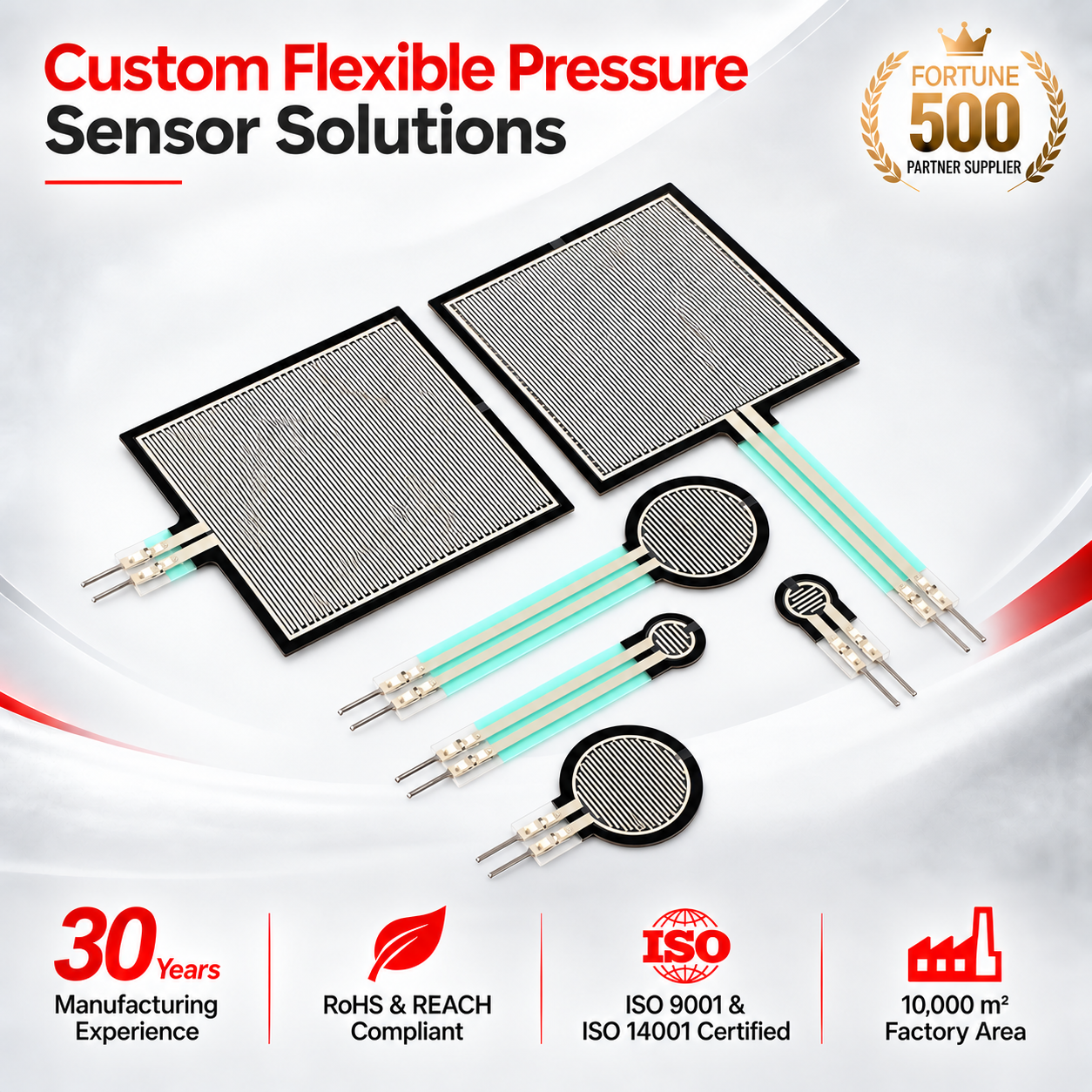
- Circuit Type: Copper FPC Flexible
- Ingress Rating: IP67 Perimeter Sealed
- Key Style: Tactile Rim Embossed
Factory-direct customized control interfaces engineered for heavy-cycle durability, high-humidity tolerance, and zero-fail operation under rigorous equatorial conditions.
How advanced embossed membrane switch architectures solve the twin vulnerabilities of airborne sodium chloride corrosion and intense equatorial thermal-humidity cycling.
Operating industrial electronics, electrical distribution gear, and electro-mechanical machinery on the island of Betio (Tarawa Atoll, Kiribati) presents one of the most chemically aggressive operational profiles on earth. Positioned virtually on the Equator (1°21′N latitude), Betio is characterized by continuous relative humidity averaging between 78% and 88%, direct sea-spray atomization across its slender landmass, and extreme solar ultraviolet radiation (UV Index frequently exceeding 11). Standard off-the-shelf mechanical switches with metal-to-metal housings suffer catastrophic oxidation, contact galling, salt-crusting, and moisture ingress within months of deployment. For system integrators, public utilities, naval operators, and equipment exporters catering to Betio, selecting an embossed membrane switch manufacturer with rigorous sealing capabilities is the single most important factor determining human-machine interface (HMI) operational lifespan.
Critical Engineering Insight: In Betio's maritime corridor, standard silver-paste circuitry on PET film without anti-migration barriers can suffer conductive silver dendrite migration when moisture breaches micro-crevices. Dongguan AXRU Electronics mitigates this by integrating encapsulated perimeter adhesive channels, specialized hydrophobic breathers, and optional Flexible Printed Circuit (FPC) copper sub-assemblies to guarantee 100% circuit insulation.
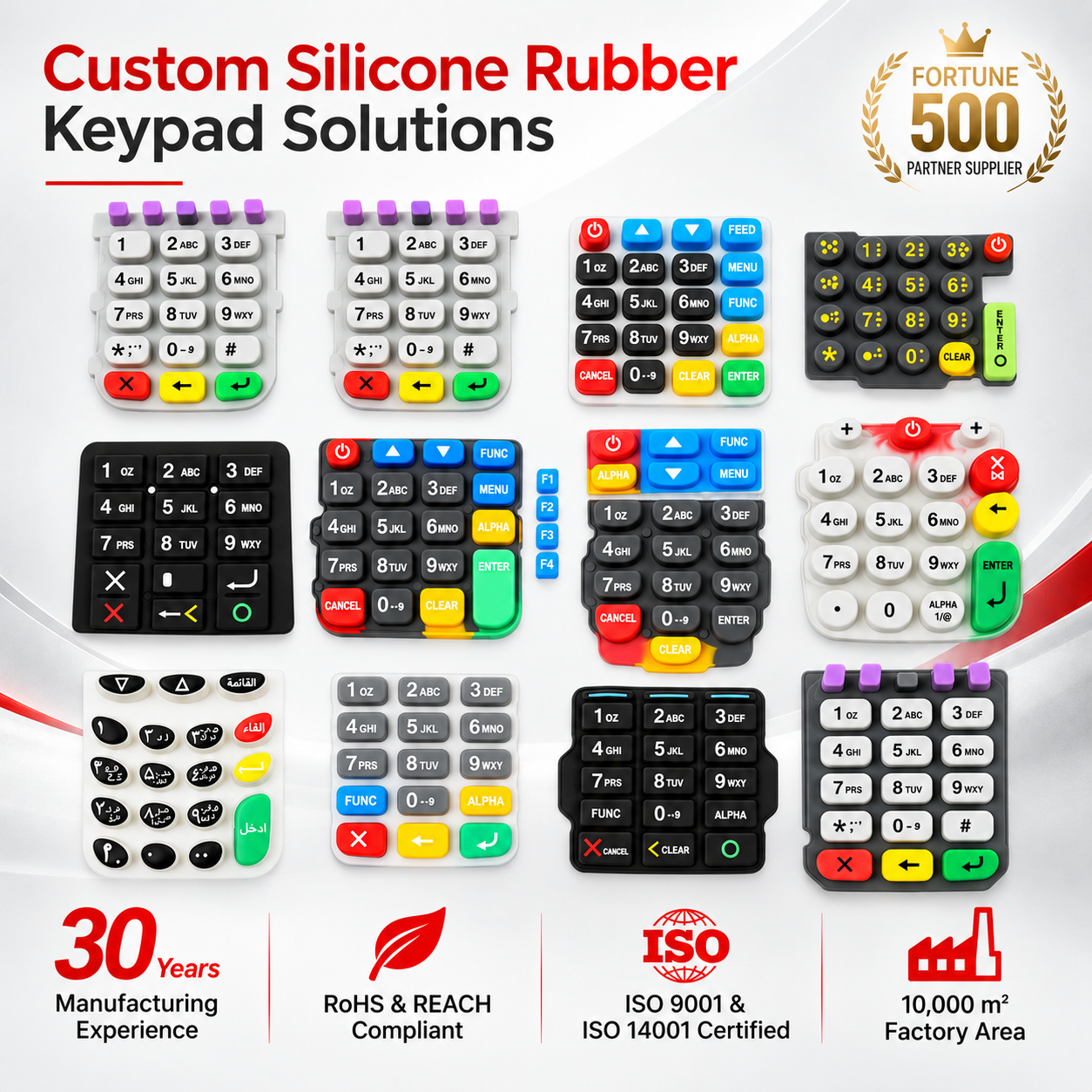
Embossed membrane switches supersede flat overlays by transforming planar control surfaces into distinct, haptically defined operator interfaces. In Betio's maritime port operations, cold chain facilities, and fishing fleet support centers, equipment operators frequently wear heavy protective gloves or operate with water-slicked fingers. Tactile embossing—utilizing either stainless steel domes (SUS301 with nickel or gold plating) or polyester polydomes—provides unmistakable crisp mechanical feedback (250g to 450g actuation force). This ensures definitive command execution while entirely preventing the ingress of liquid, brine mist, coral sand dust, and fungal spores into the contact core.
Using ultra-cohesive acrylic adhesive transfer films (such as 3M 467MP, 468MP, or 300LSE for low surface energy plastics), our switches create an impervious labyrinth barrier. Internal venting is routed into dry sub-enclosures or through water-repellent GORE-tex style membranes, preventing atmospheric condensation from collapsing domes under tropical pressure differentials.
Standard polycarbonate (PC) yellows, embrittles, and micro-cracks under Betio's unrelenting equatorial UV exposure. AXRU employs premium Autotex XE outdoor-grade biaxially oriented textured polyester (PET). These films feature proprietary hard-coat polymers providing over 10 years of resistance against photodegradation, bleaching, and chemical contact with cleaning alcohol, hydraulic fluids, and diesel exhaust.
Whether utilizing rim embossing, pillow embossing, or LED-locator hydro-forming, our tooling delivers precision stroke geometries. Paired with our 10,000,000-cycle tested stainless domes, operators receive definitive tactile confirmation without relying solely on visual feedback under high-glare tropical sunlight.
Tailoring rugged human-interface switchboards to the core industrial, maritime, and public infrastructure vectors of South Tarawa.
Betio Harbor is the main maritime gateway of Kiribati, processing international container vessels, inter-island cargo ferries, and specialized tugs. Stevedoring winches, gantry cranes, diesel genset controllers, and weighbridge terminals require heavy-duty embossed membrane panels that withstand persistent salt spray, diesel engine vibration, and aggressive washdowns with brackish water.
Freshwater scarcity in South Tarawa makes Reverse Osmosis (RO) desalination and solar-powered groundwater treatment plants existential assets. Membrane switches managing high-pressure RO pump skids, chlorination dosers, and conductivity analyzers operate in continuous 95%+ relative humidity where corrosive salt aerosols would dissolve non-sealed electro-mechanical switches within days.
Kiribati's clean energy transition relies on distributed atoll solar PV fields and lithium Battery Energy Storage Systems (BESS) managed by the Public Utilities Board (PUB). Inverter control boards, charge controller faceplates, and emergency disconnect consoles use our dead-front embossed panels with integrated daylight-visible LED indicators for rapid outdoor diagnosis.
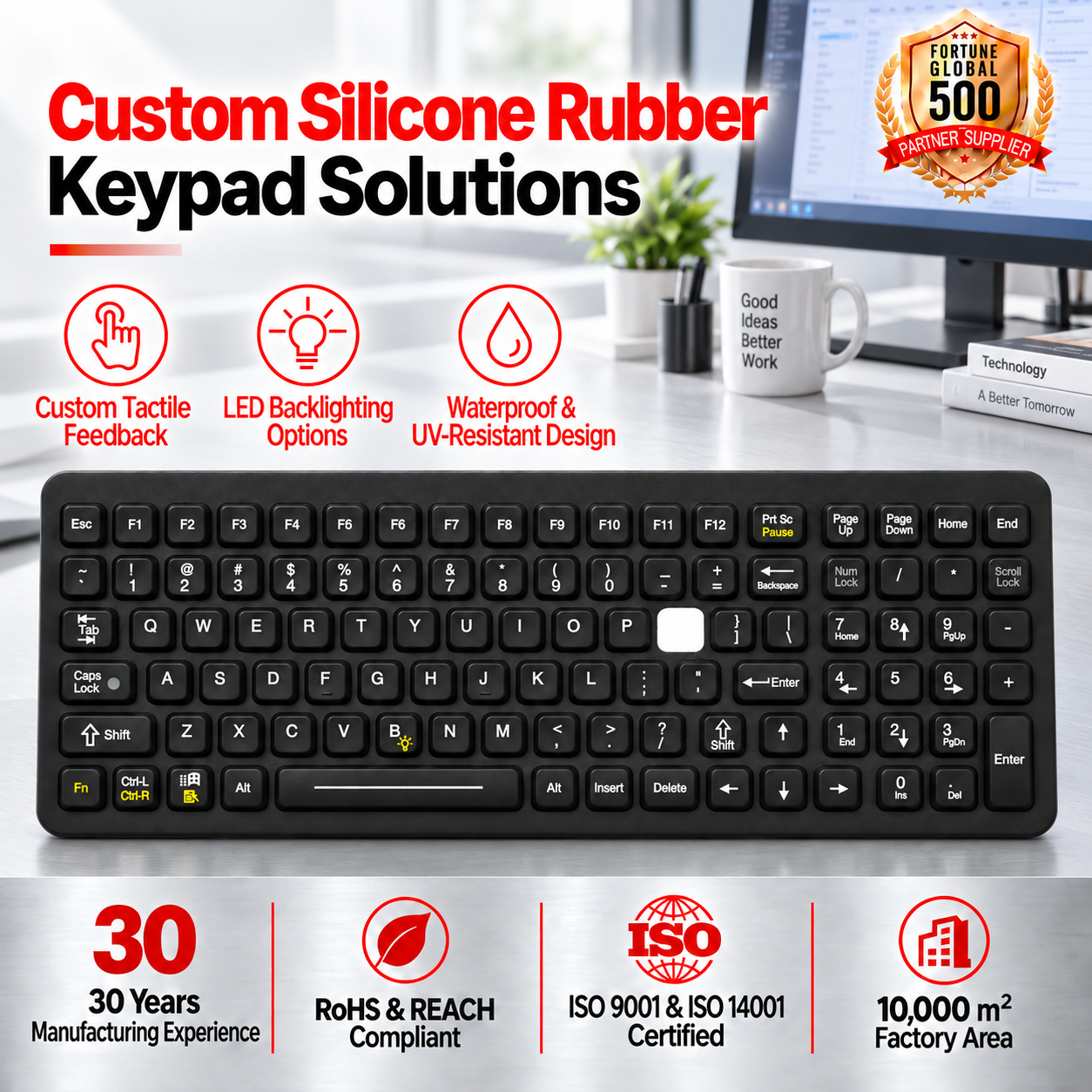
Commercial fisheries operating in Betio use blast freezing, sorting conveyors, and cold storage holding rooms. Our silicone rubber and membrane switch hybrid keyboards provide IP66/IP67 washdown performance capable of handling rapid temperature swings from -25°C inside freezer units to +34°C tropical outdoor loading docks without delaminating.
Local fishing craft, inter-island passenger catamarans, and patrol vessels depend on depth sounders, VHF transceivers, and GPS chartplotters mounted on open helm stations. Embossed tactile keypads ensure captains can navigate menu trees by feel during rough squalls and pitch-black nocturnal voyages across the Gilbert Islands.
Communications infrastructure linking Tarawa to outer islands and geostationary satellites relies on outdoor-rated transceivers and microwave links. Sealed, RF-shielded membrane switches with conductive aluminum foil or ITO layers prevent high-frequency electromagnetic interference from destabilizing telemetry equipment.
Detailed engineering evaluation of front-layer polymers, contact metallurgies, and circuit methods under salt fog and high UV testing.
| Evaluation Parameter | Autotex XE UV Polyester (PET) | Standard Polycarbonate (PC) | Compression Molded Silicone | Vandal-Resistant SUS304 |
|---|---|---|---|---|
| UV Yellowing Resistance | Excellent (>1,500 hrs QUV-A delta E < 2) | Poor (Cracks & clouds after 6 months) | Superior (Inherent UV inertness) | Immune to UV photodegradation |
| Salt Fog Tolerance (ASTM B117) | Exceeds 500 hrs sealed exposure | High chemical sensitivity | Impervious to salt & mild caustic | Requires Passivation or 316 grade |
| Tactile Cycle Longevity | > 1,000,000 to 5,000,000 actuations | 200,000 to 500,000 actuations | 1,000,000+ switch cycles | 3,000,000+ heavy stroke cycles |
| Moisture Absorption Rate | < 0.5% (Impermeable barrier) | 0.35% (Vulnerable to micro-swelling) | < 0.1% (Hydrophobic) | 0.0% (Zero moisture ingress) |
| Actuation Feel Options | Rim/Pillow Emboss + Metal Dome | Pillow Emboss / Non-tactile | 3D Molded Key with Carbon Pill | Rigid Long-Travel Contact Plate |
| Recommended Betio Usage | Primary choice for Port & Outdoor HMI | Restricted to indoor air-conditioned gear | Handheld terminals & marine remotes | Public kiosks & fuel dispensers |
How our end-to-end in-house fabrication, Intertek-verified quality system, and specialized environmental testing labs eliminate project risk for Pacific buyers.
Purchasing customized control interfaces across oceans requires absolute certainty in manufacturing consistency. As an audited supplier to Fortune 500 engineering brands and global OEMs, Dongguan AXRU Electronics Co., Ltd. operates a modern 10,000-square-meter production hub staffed by 121 human-machine interface specialists. Unlike brokerages that outsource printing, circuit punching, and dome arrays to fragmented vendors, AXRU consolidates graphic design review, precision screen-printing, automated pick-and-place metal dome integration, lamination, flatbed die-cutting, and computerized electrical verification under one single accountable roof in Dongguan.
To assure uninterrupted service on remote Pacific islands like Betio—where replacement components take weeks to ship—every production batch is subjected to comprehensive stress simulation in our on-site Reliability Laboratory before containerization.
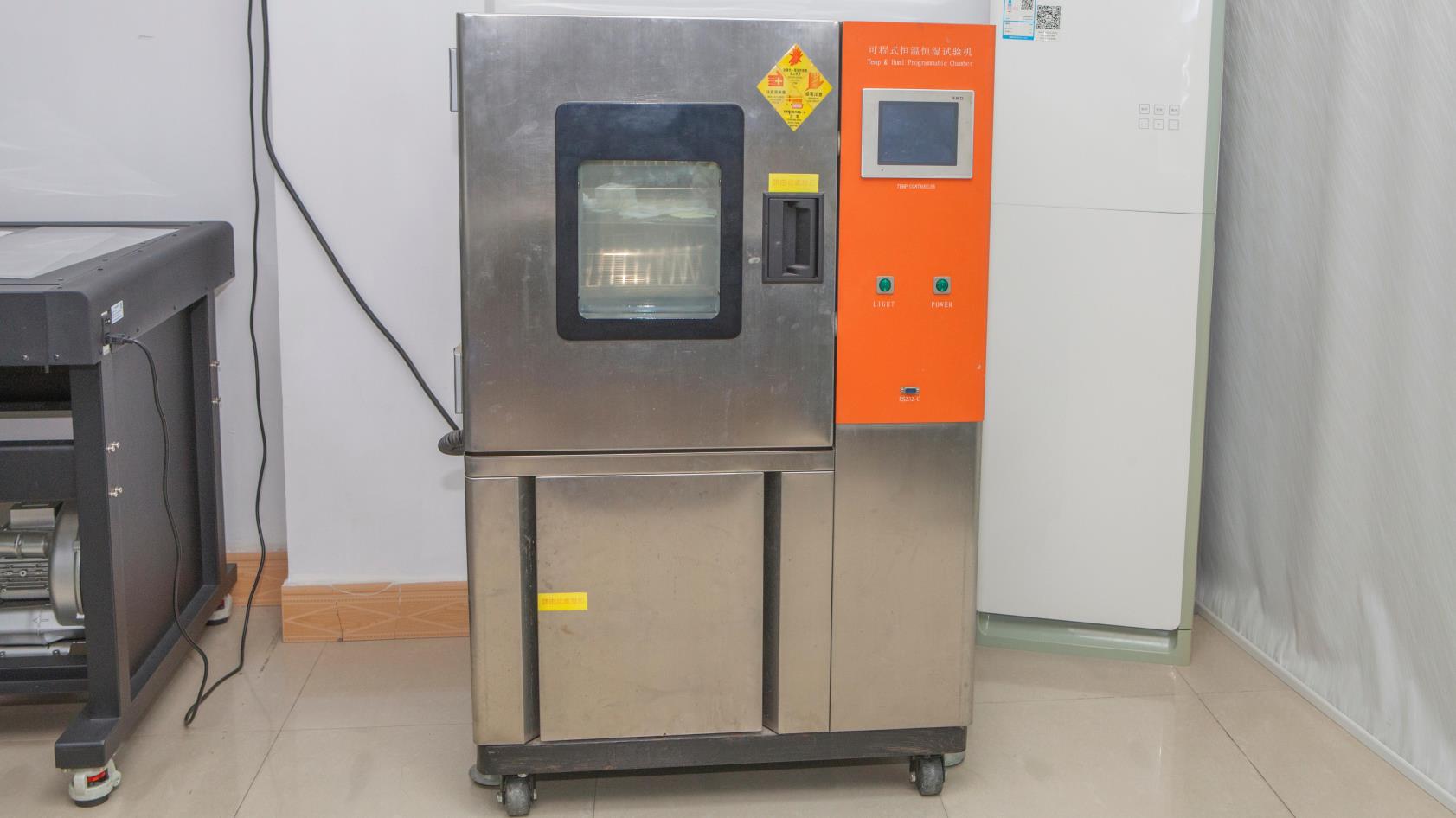
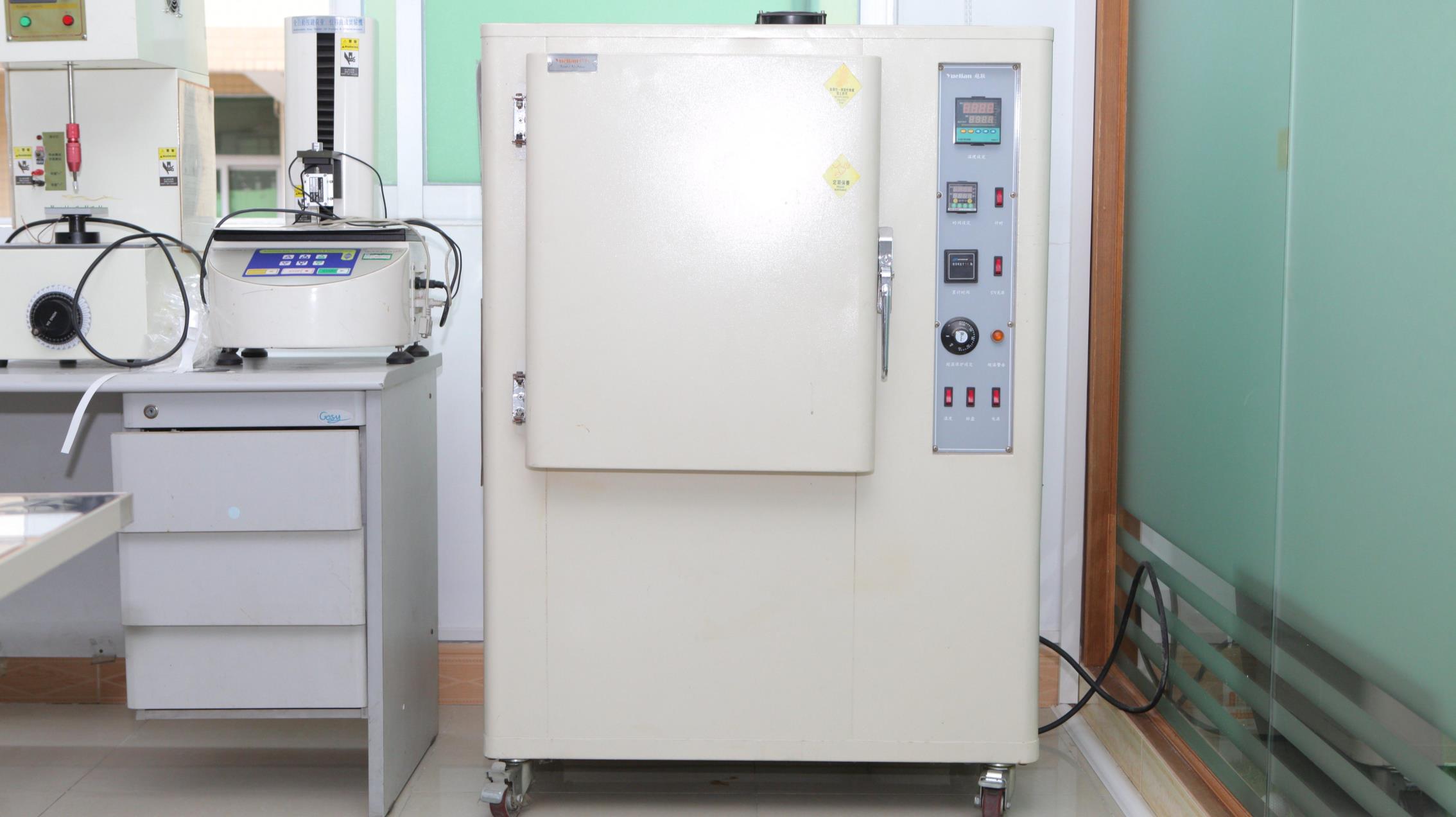
Cycles assemblies between -40°C and +85°C at 95% relative humidity to confirm adhesive integrity, tail seal permanence, and trace resistance without delamination.
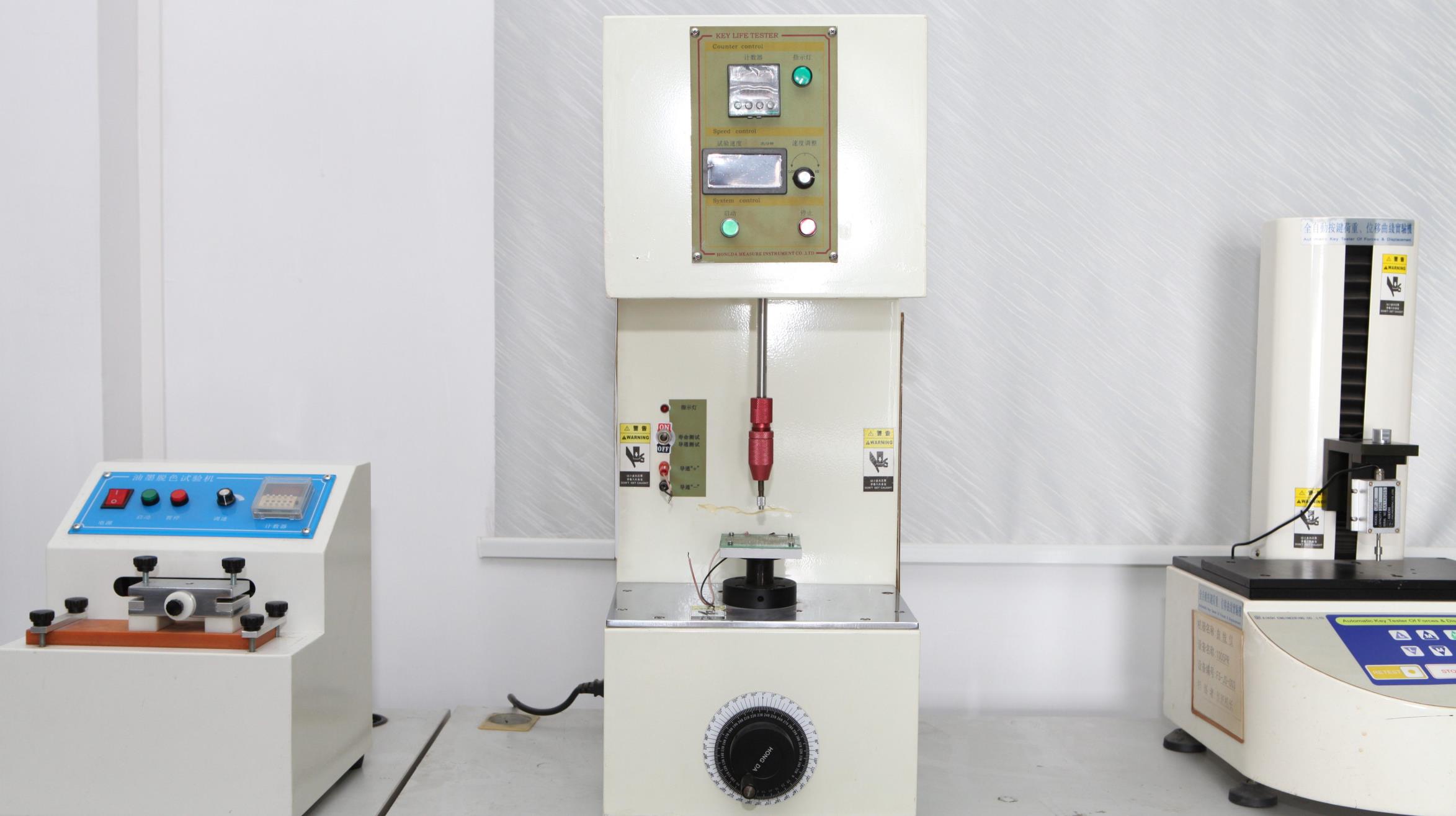
Subjecting embossed switches and metal domes to automated continuous cycling at 3-5 Hz up to several million actuations to guarantee snap-ratio stability.
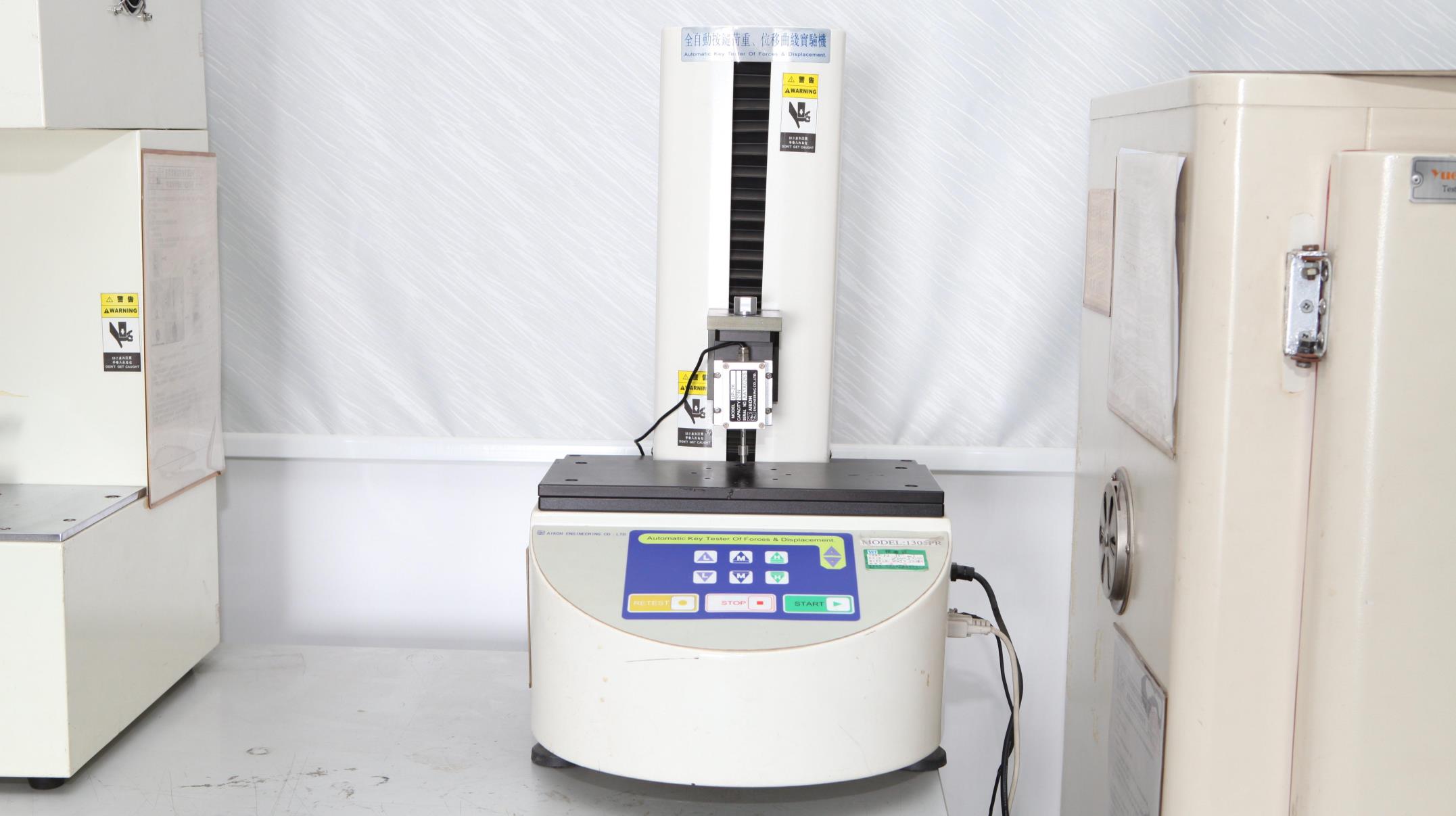
Plots actuation travel, switch resistance, and tactile force curves to assure every key across a multi-button panel provides identical haptic resistance.
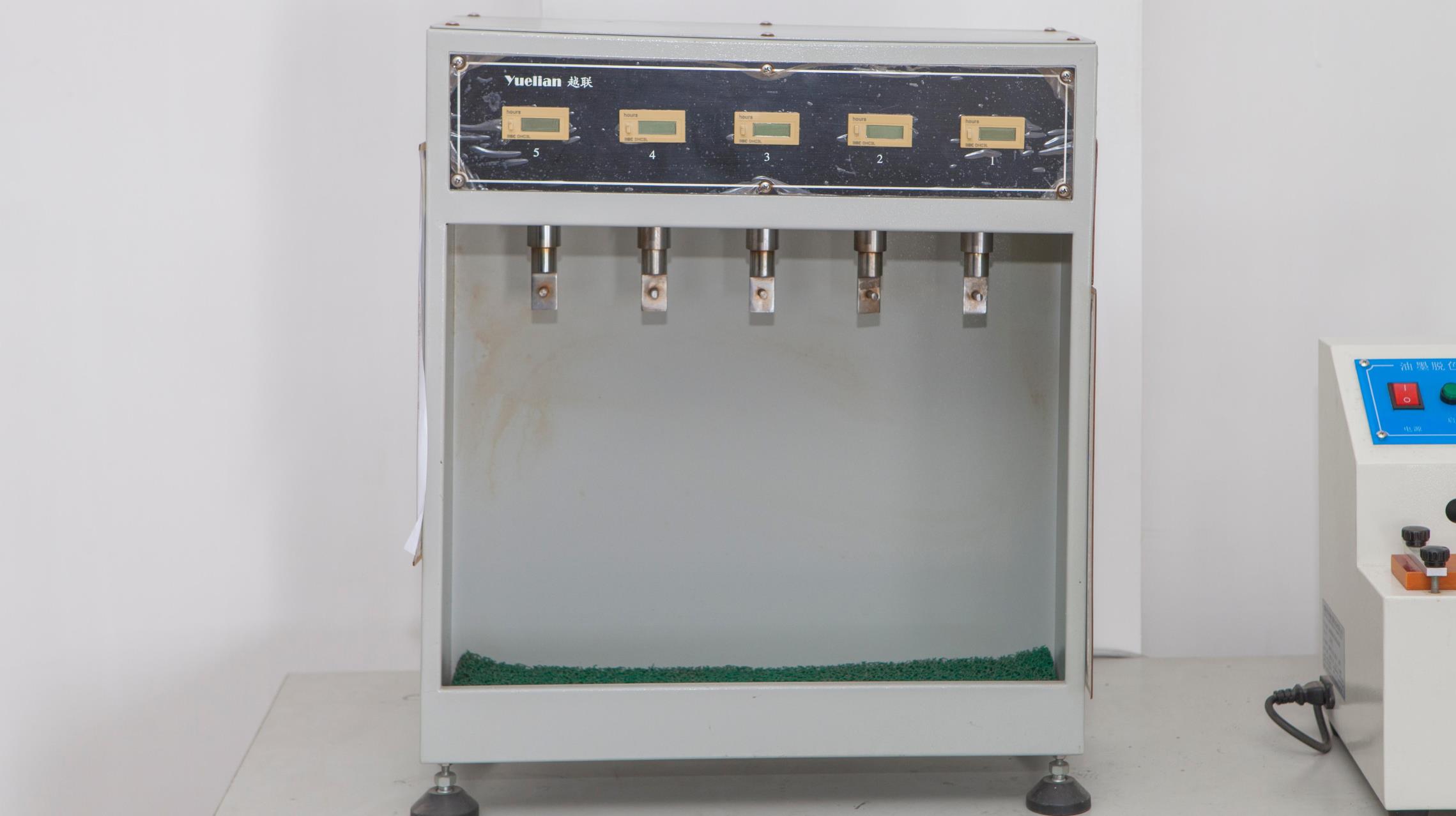
Measures adhesive peel adhesion (N/25mm) and flexible circuit tail bonding strength to prevent interface separation under extreme thermal expansion.
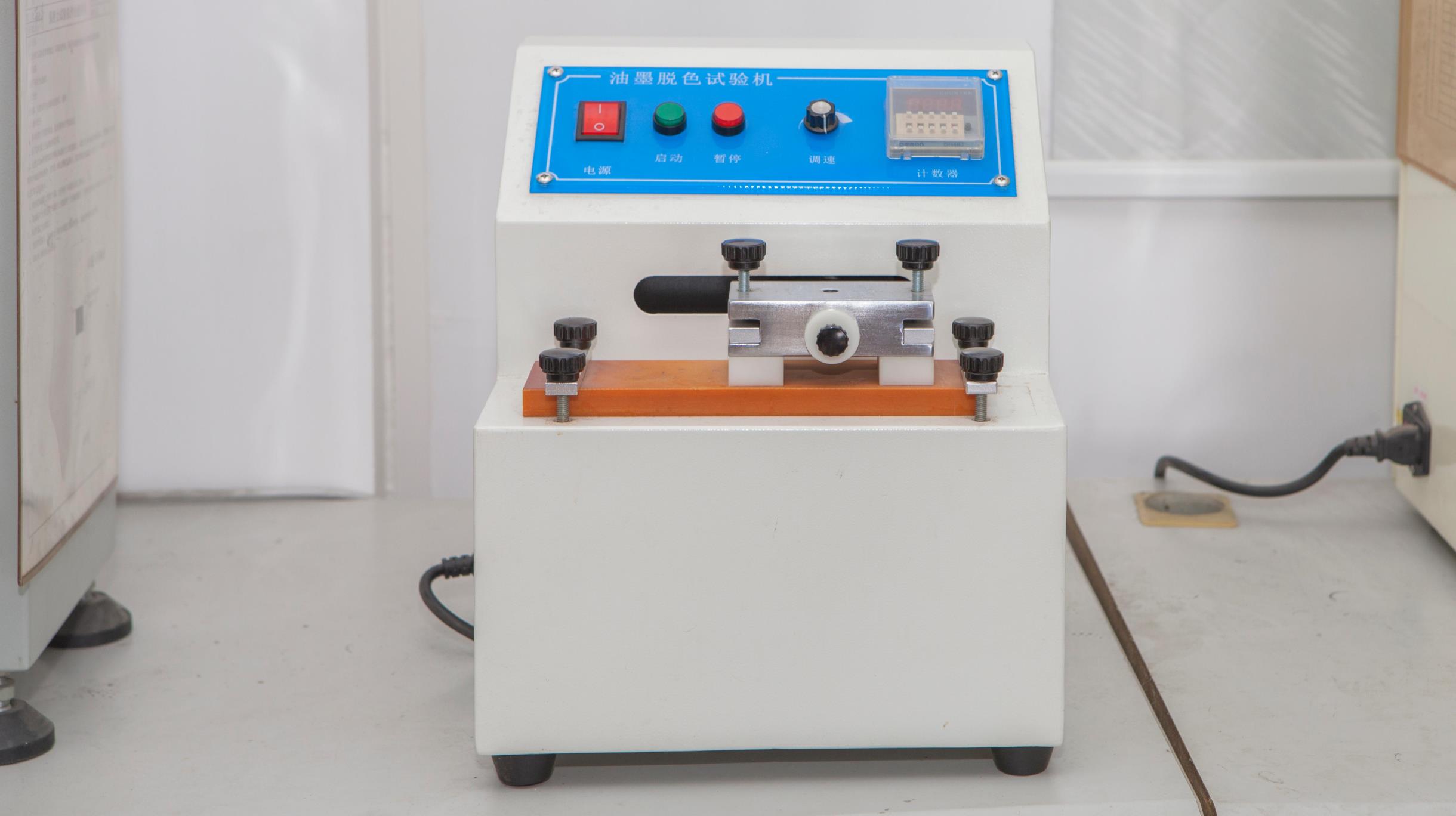
Evaluates sub-surface screen-printed inks against continuous mechanical rub cycles, synthetic sweat, saltwater washes, and industrial cleaning solvents.
Simulates continuous equatorial UV light irradiance to confirm graphic overlays and clear LCD display windows maintain pristine optical clarity over years.
Addressing common engineering, environmental, and international supply chain inquiries for Kiribati interface applications.
Technological shifts shaping the adoption of smart, antimicrobial, and low-power control panels across Oceania.
Across the Pacific Island Countries and Territories (PICTs), development initiatives funded by international bodies and national utilities are mandating higher standards for hardware lifecycle sustainability. In the past, discarded electronic controllers accumulated in atoll landfills because corrosion rendered them non-repairable. Today, four major technical trends are shaping procurement specifications for Betio:
1. Transition from Mechanical Contact Blocks to Solid-State Capacitive and Sealed Tactile Interfaces: Traditional pushbuttons with physical microswitches allow salt aerosols to enter contact gaps, causing arcing and pitting. Modern industrial equipment shipped to Betio increasingly employs sealed, single-sheet embossed membrane front panels that present an unbroken front surface to the environment, eliminating mechanical joints.
2. Antimicrobial and Antifungal Surface Treatments: South Tarawa's combination of continuous warm temperatures and excessive humidity provides an ideal incubator for bacterial and fungal mold colonization, particularly in hospital clinics, testing laboratories, and seafood preparation facilities. We incorporate microbicidal additives into our polyester hard-coats that inhibit 99.9% of microbial growth while resisting harsh bleach and sodium hypochlorite sterilization agents.
3. Integrated Capacitive Touch Sensors on Acrylic/Glass Front Plates: Where vandal resistance and sleek aesthetic presentation are essential—such as public ATM enclosures, telecommunications pay-stations, or automated solar water kiosks—hybrid capacitive touch switches laminated directly behind 3mm chemically strengthened tempered glass or scratch-resistant optical PMMA provide a permanent wear-free barrier against external weathering.
4. Rapid DFM Prototyping for Remote Operations: Because supply chains to Betio are geographically extended, trial-and-error hardware sourcing is prohibitively expensive. AXRU’s Design for Manufacturability (DFM) engineering reviews verify mechanical stack-up thickness, tactile force ratings, flex-tail bend radiuses, and connector pin configurations prior to tooling cut, ensuring that every batch lands ready for immediate, flawless enclosure assembly.