Export-Grade FPC Switches & Integrated HMI Assemblies
Engineered to overcome copper migration, environmental micro-humidity, and thermal fatigue. Review our primary production lines customized for medical instrumentation, marine logistics, and industrial control arrays in the Lisbon District.
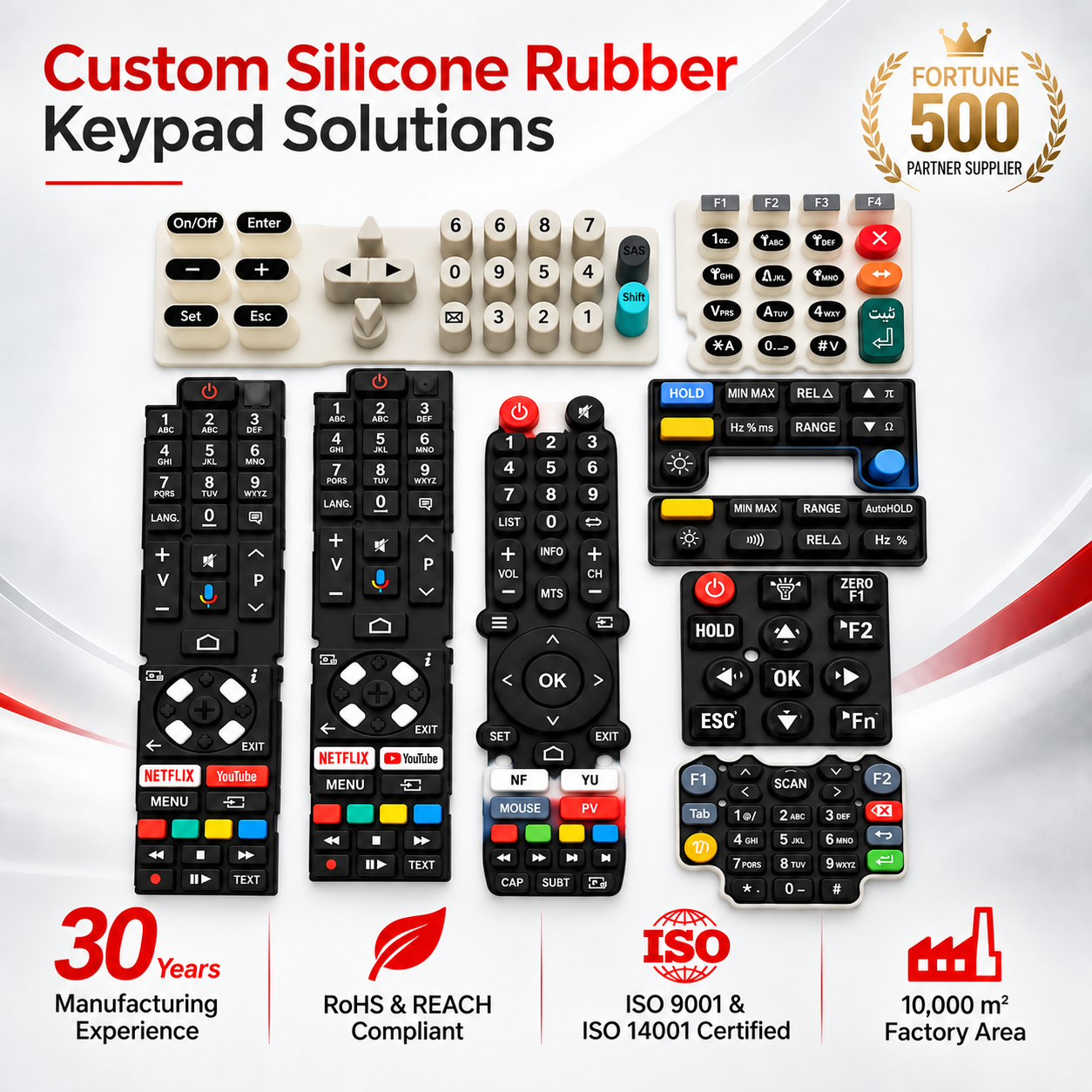
OEM/ODM Custom Special Color Silicone Rubber Keypad Membrane Switch
- Contact Type: Conductive Pill / FPC
- Durometer: 40–70 Shore A
- Actuation: 1.2M Cycles
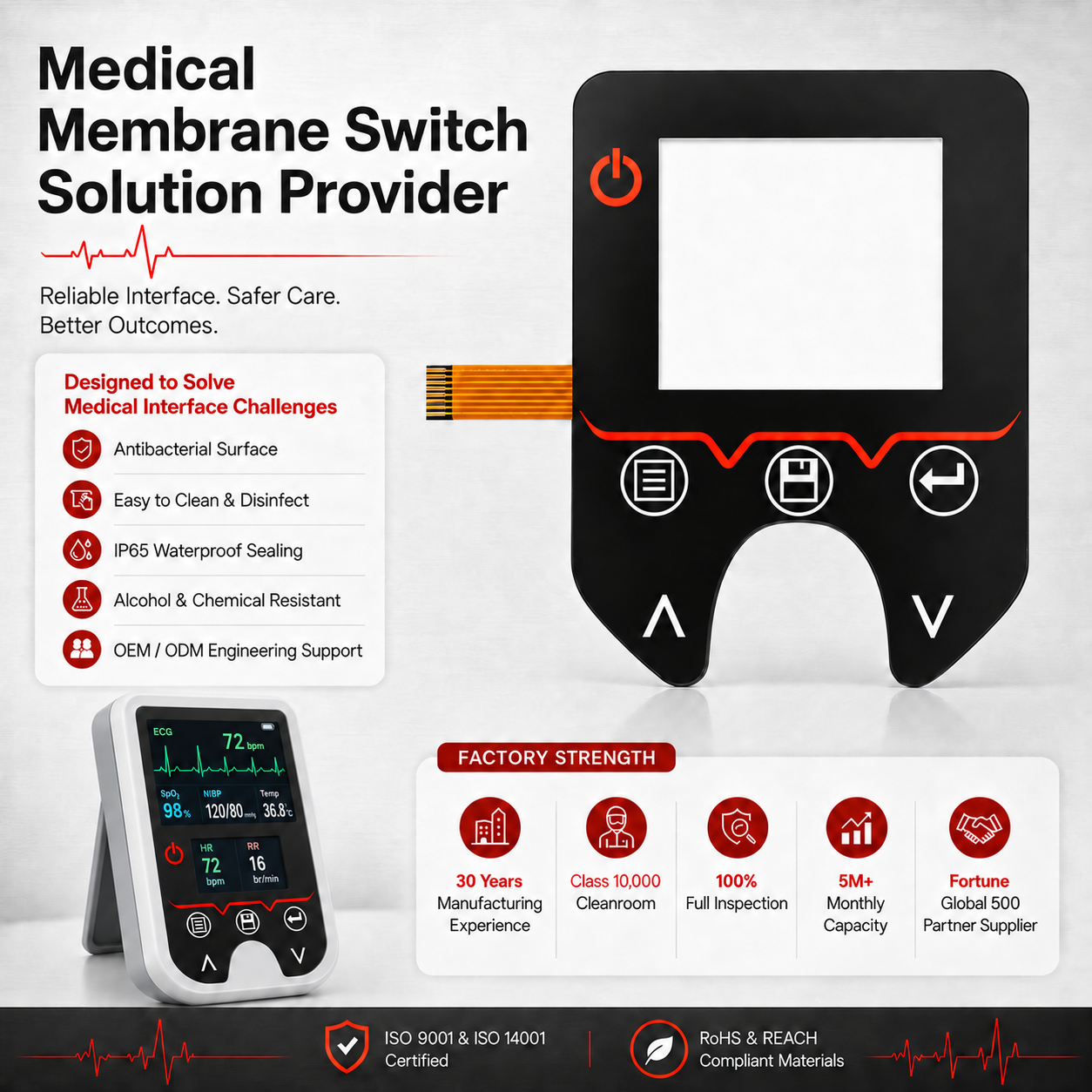
IP65 Waterproof Medical Graphic Overlay Membrane Switch Panel
- Rating: IP65 / NEMA 4X
- Base Layer: Autotype Antimicrobial
- Standard: IEC 60601-1 Verified
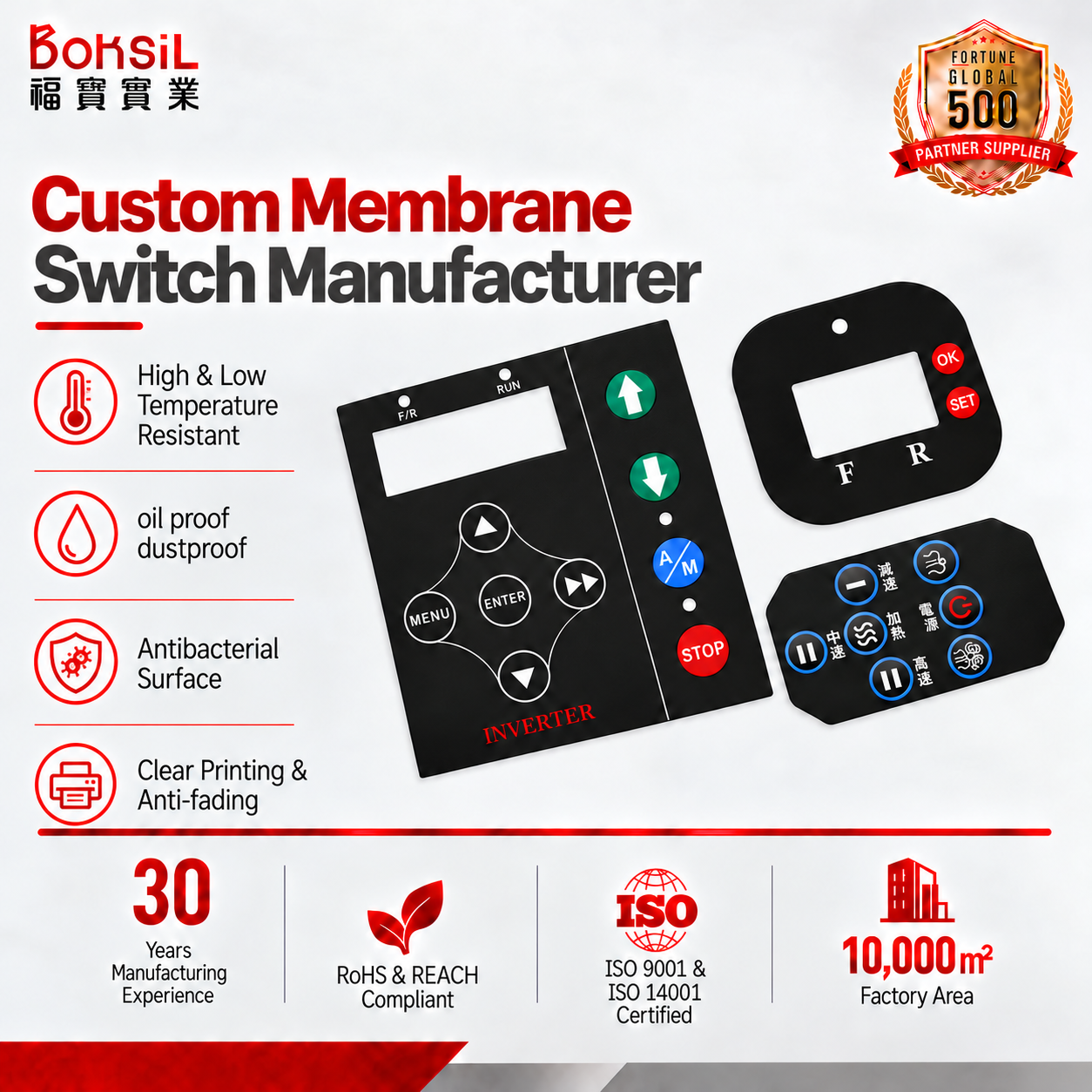
Front Control Electronic Polycarbonate Membrane Switch Overlay
- Substrate: Lexan Polycarbonate
- Adhesive: 3M 467MP / 468MP
- Tolerances: ±0.05 mm Punching
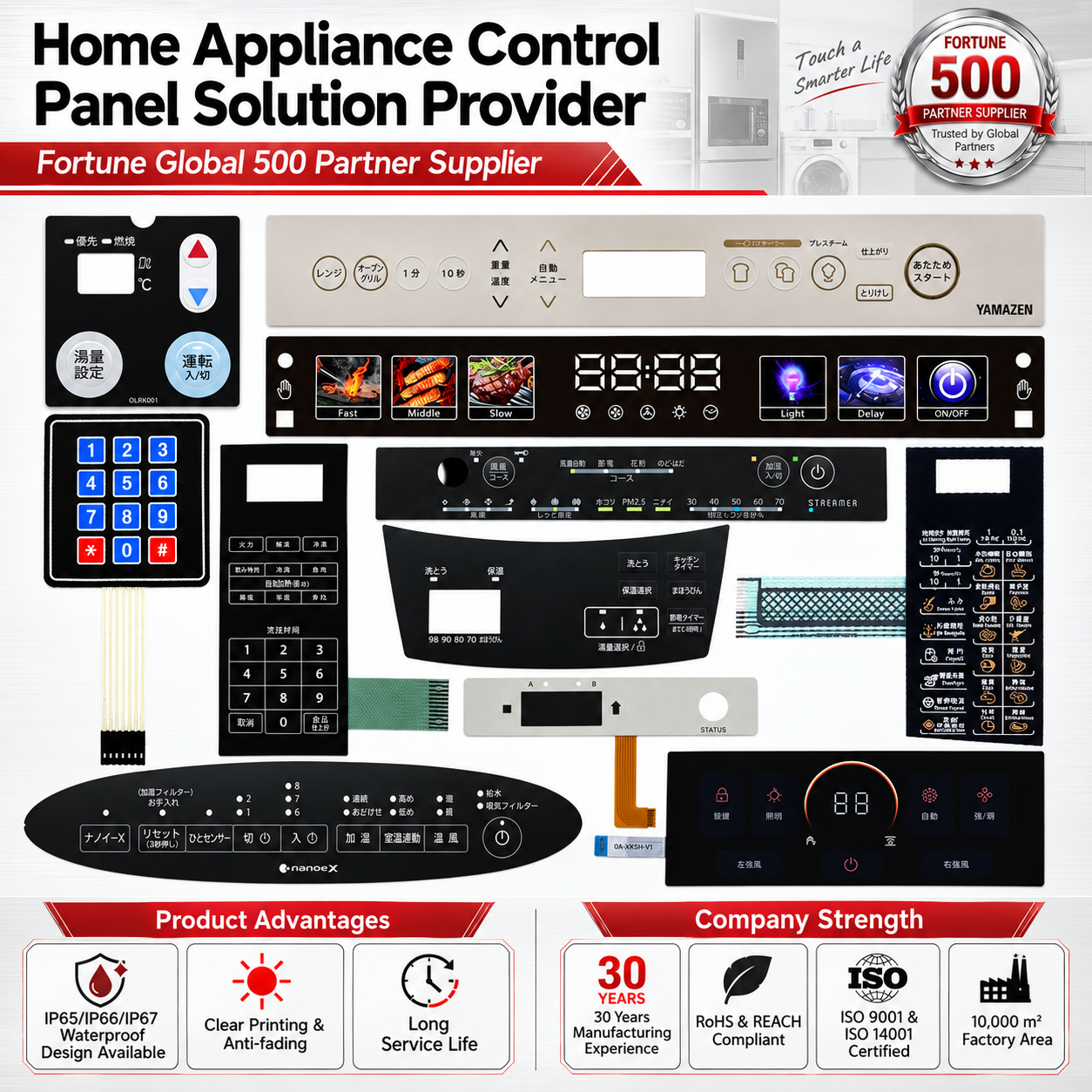
IP65 Waterproof Single-Key Graphic Overlay Keypad Touchpad
- Perimeter: Laser Gasket Barrier
- Dome Alloy: Gold-Plated Stainless
- Life-span: 3 Million Clicks
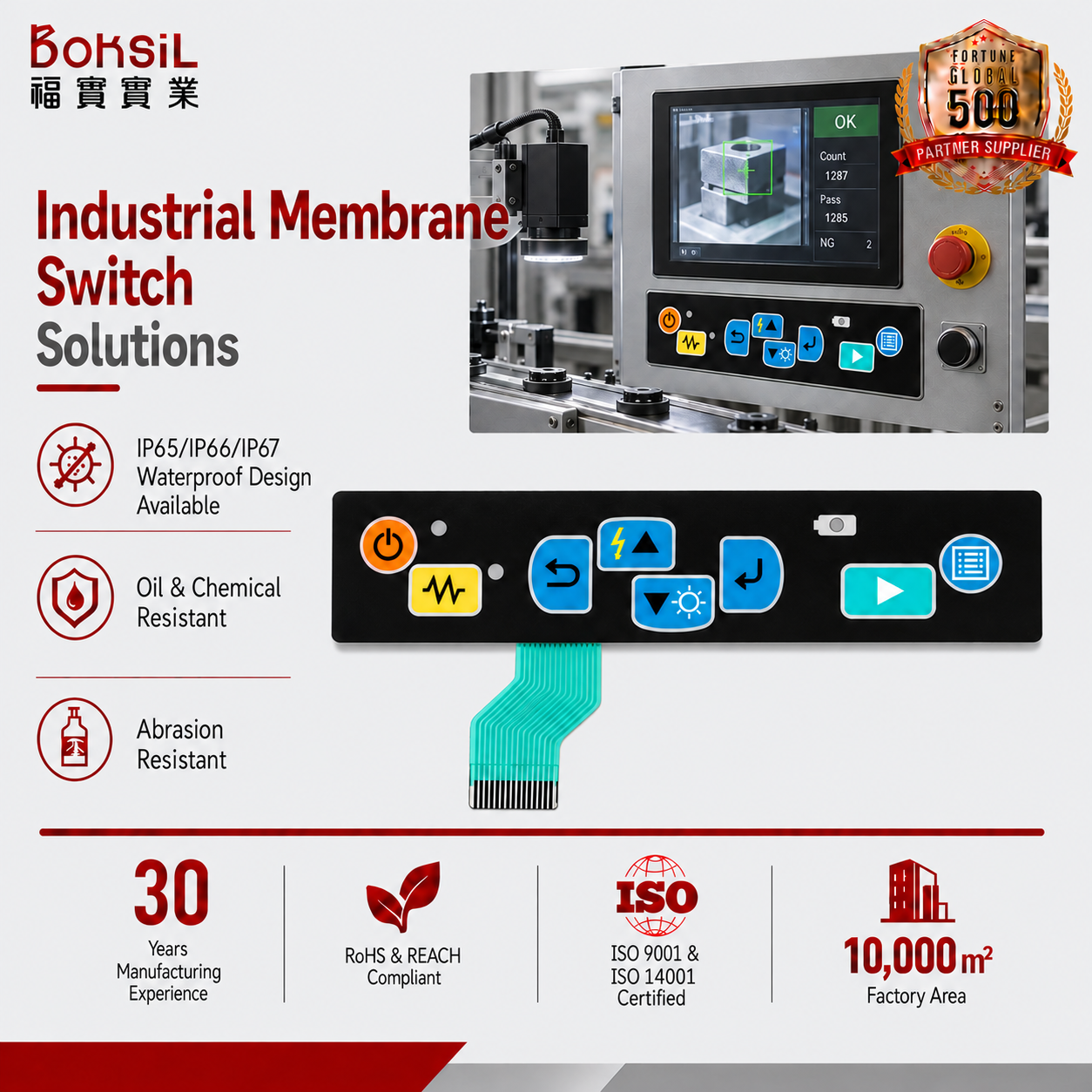
Capacitive Touch Screen Screen-Printing Graphic Membrane Switch
- Circuitry: Copper Polyimide FPC
- Sensing: Solid-State Proximity
- Wear Factor: Zero Mechanical Drift
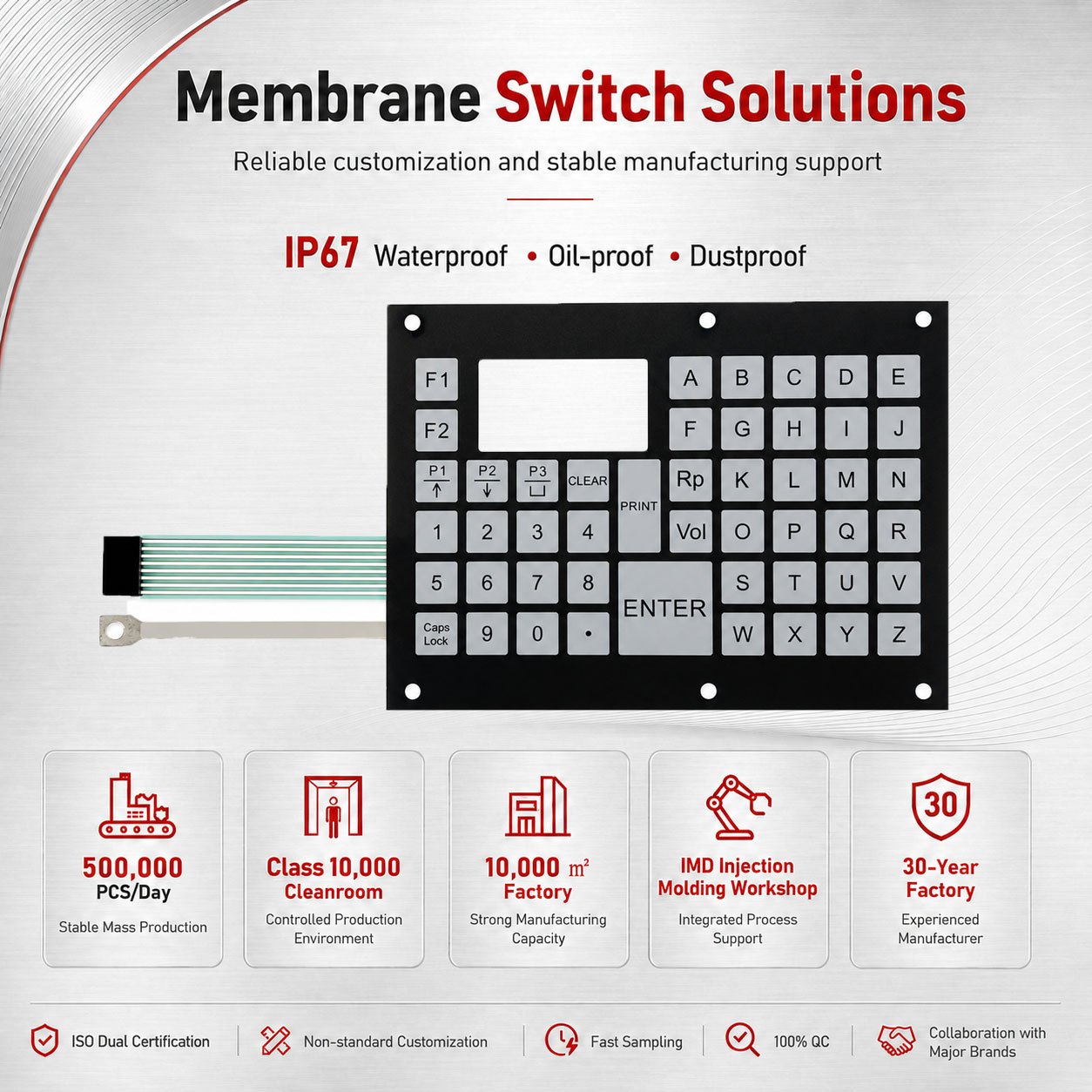
Waterproof Fuel Dispenser Tactile Keypad Button Circuit Board
- Resistance: Petrochemical & UV
- Feedback: Crisp 450g Tactile Snap
- Output: Matrix / Standard Tail
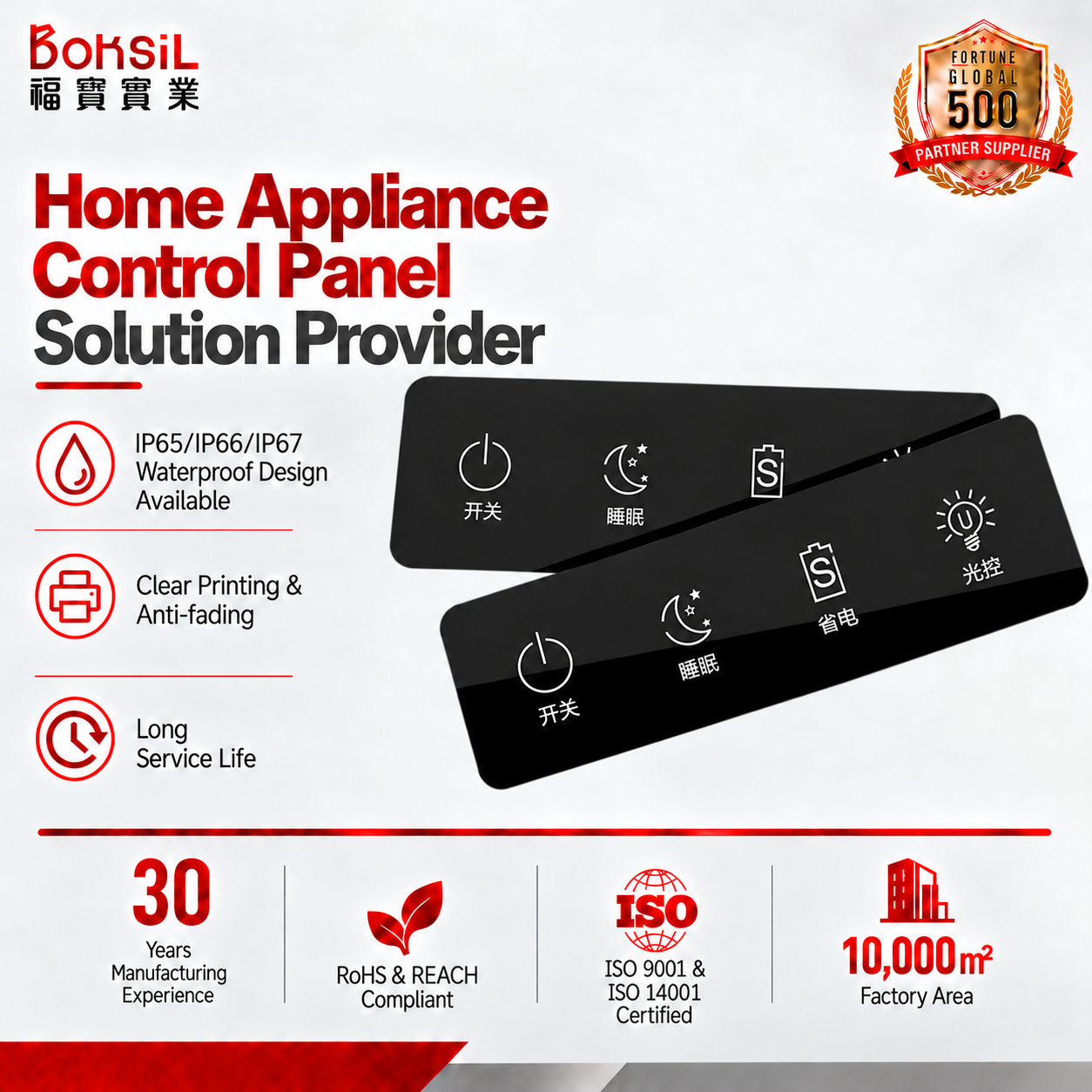
PMMA Silk-Screen Acrylic Electronic Control LCD Front Panel
- Hardness: 4H–6H Anti-Scratch
- Clarity: >92% Light Transmittance
- Bevel: CNC Polished Edges
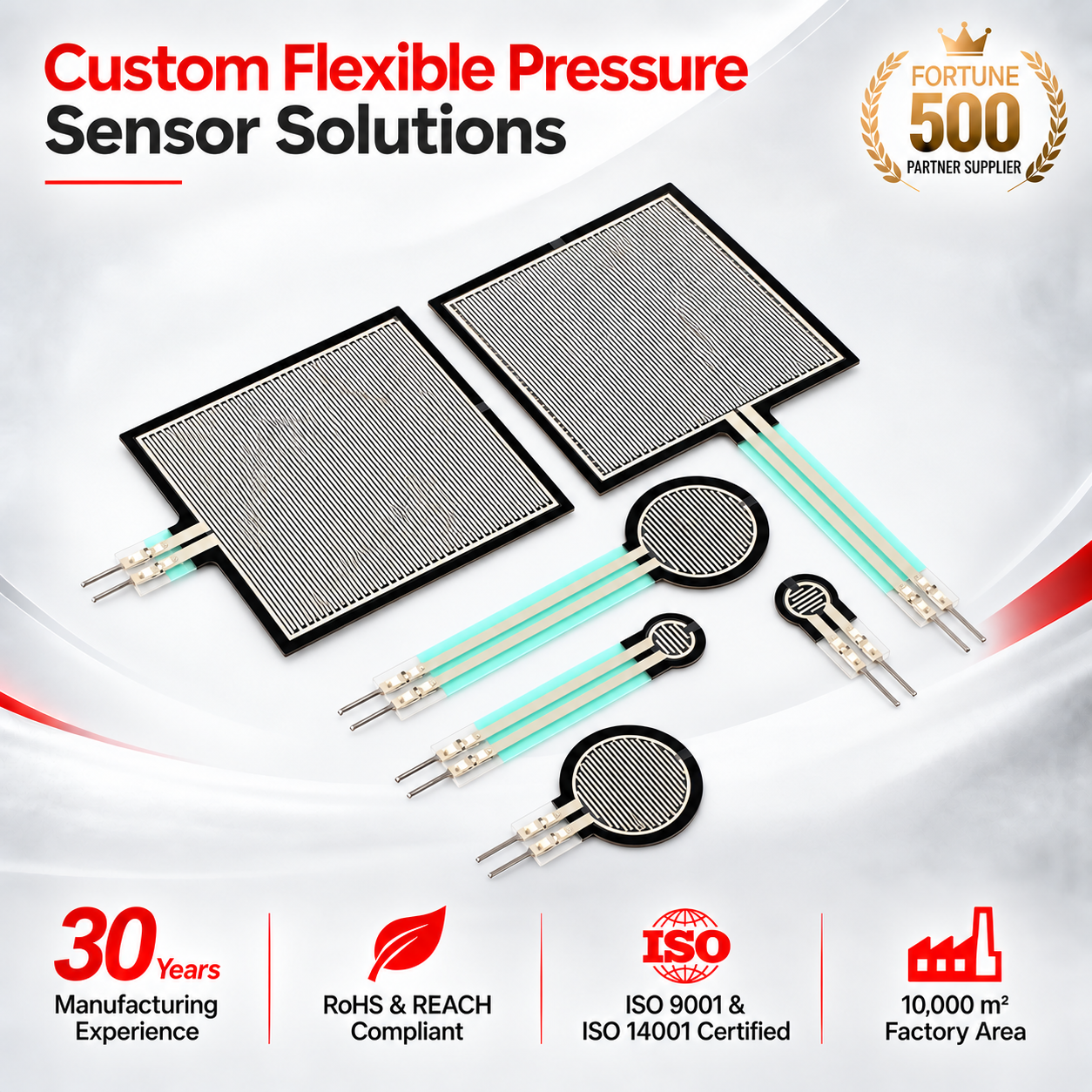
Ultra-Soft Thin Film Capacitive FSR Pressure Sensor Membrane
- Dynamic Range: 20g to 10kg Continuous
- Profile: <0.25mm Ultra-Thin
- Response: <10 Microseconds
Mission-Critical Applications Across the Lisbon Tech Axis
From the automated logistic terminals of the Port of Lisbon (Porto de Lisboa) to the biomedical cleanrooms in Oeiras and smart mobility laboratories in Parque das Nações, human-machine interface components must withstand salt air, rigorous sanitation, and high duty-cycles.
Biomedical & Healthcare (Oeiras Valley Hub)
Medical research devices and hospital bedside monitors deployed across Lisbon’s clinical centers demand IP65-sealed, non-porous antimicrobial front panels. Our copper FPC switches integrate seamless polyester surfaces compatible with harsh hospital disinfectants (isopropanol, sodium hypochlorite), preventing internal fluid penetration and micro-shorts during sterilization routines.
Maritime Logistics & Port Infrastructure
Marine cranes, container gantry controls, and telemetry terminals operating along the Tagus estuary contend with Atlantic marine salt fog, constant solar UV, and damp operating environments. We deploy copper Polyimide (PI) circuits with perimeter silicone barrier gaskets and UV-stabilized Lexan overlays, eliminating silver migration risk entirely.
Smart Mobility & EV Charging (Taguspark)
Portugal’s early leadership in nationwide EV networks (MOBI.E) requires ultra-reliable exterior HMI systems. Our vandal-resistant metal dome membrane switches combined with capacitive touch sensor circuits deliver dependable performance under extreme daily thermal swings across urban Lisbon and suburban motorway hubs.
The Architecture of High-Reliability FPC Switching: Addressing European Engineering Challenges
A technical examination of copper flexible circuits versus silver-paste screen printing under Southern European coastal climates.
Overcoming Silver Migration in Coastal Atlantic Climates
For industrial systems installed across Greater Lisbon and the Setúbal industrial basin, the convergence of high relative humidity (frequently exceeding 80% during marine winters) and localized DC voltage potentials introduces severe reliability risks for conventional membrane switches. Standard printed silver conductive traces undergo electrochemical migration (silver whiskering) when microscopic water molecules permeate through edge adhesives. The ionic silver relocates across insulating spacing gaps, resulting in catastrophic phantom actuations or permanent dead shorts.
To eliminate this failure mode entirely for Portuguese OEM projects, Dongguan AXRU Electronics utilizes rolled annealed (RA) or electro-deposited (ED) copper foil bonded to Kapton polyimide (PI) substrates. Unlike silver ink, copper circuits are photo-chemically etched, coated with protective polyimide coverlays, and chemically gold- or immersion-tin plated. This structure creates an impervious metallurgical barrier against ambient humidity and galvanic breakdown, extending device operating lifetimes past 10 years without electrical degradation.
Micro-Pitch Integration and Component Density
As Lisbon’s hardware incubators and electronics developers transition toward compact IIoT devices, spatial real estate inside enclosures is restricted. Conventional silver flex circuits are physically constrained to conductor pitches of approximately 1.0mm to 1.27mm to mitigate short circuits. Our custom FPC routing capabilities achieve line widths and spaces of ≤0.1mm (4 mil) and ZIF tail connection pitches down to 0.5mm.
This allows Portuguese system designers to integrate multi-chip components directly onto the switch layer—including surface-mounted ultra-bright bi-color LEDs, current-limiting resistors, ESD shielding matrices, and capacitive proximity sensors—eliminating redundant daughterboards and dramatically lowering enclosure depths.
Material Pairing: Polycarbonate vs. Hardcoated Autotype Polyester
Material selection for graphic overlays defines both tactile feedback longevity and environmental survivability. While Polycarbonate (PC) provides excellent cost-efficiency, optical clarity, and ease of high-relief dome forming, it is susceptible to micro-fissuring when subjected to organic solvents or repetitive UV-A/UV-B irradiation. For medical sterilization in Amadora healthcare clinics or outdoor automated ticketing in Lisbon transit stations, we recommend biaxially oriented textured polyester (PET) treated with UV hardcoats. PET delivers flexing fatigue thresholds over 5,000,000 actuations without hinge wrinkling, safeguarding OEM product equity against tactile failure.
Why Tier-1 Brands & OEM Exporters Choose AXRU Electronics
A vertically integrated 10,000㎡ manufacturing campus in Dongguan, certified on-site by Intertek. We eliminate middleman markup and guarantee engineering transparency from 2D artwork approval to container loading.
100% Electrically Tested
Every single membrane switch and FPC keypad undergoes automated continuity testing, contact resistance profiling, dielectric breakdown evaluation, and functional validation for integrated surface-mount LEDs before packaging.
Dedicated In-House Reliability Lab
Our quality verification suite includes automated key life cyclers, tensile bond peel testers, ink decolorization abrasion rigs, programmable thermal/humidity simulation chambers, and UV yellowing testers to ensure CE and RoHS compliance.
Flexible MOQs from 100 Pieces
We empower early-stage pilot production and customized batch runs for specialized instrumentation builders. Fast sample generation rigs turn CAD designs into precision functional prototypes in days, reducing product time-to-market.
Frequently Asked Questions: Ordering FPC Switches in Lisbon, Portugal
Detailed technical, compliance, and logistics responses structured for Portuguese hardware purchasing managers and supply chain directors.
What are the lead times and shipping logistics from your Dongguan plant to Lisbon?
Are your FPC switches fully compliant with EU RoHS, REACH, and CE regulations?
Can we request bilingual Portuguese-English graphic overlay typography and custom backlighting?
What exact design documentation is needed to receive a formal DFM review and quotation?
How does AXRU ensure batch-to-batch tactile consistency across repeat production runs?
Initiate Your Lisbon OEM FPC Switch Project Today
Connect directly with our senior HMI project engineers. Submit your layer stack-up drawings or sample requests for comprehensive DFM evaluation within 24 hours.
Contact Us