Custom OEM Capacitive Button Manufacturers & Factory for Basel
Precision Solid-State HMI Interfaces, Cleanroom-Grade Capacitive Sensing Arrays, and Tactile Elastomer Systems Engineered for Life Sciences and Advanced Swiss Industry.
Capacitive Button Engineering in Basel's High-Regulated Life Science & Precision Sectors
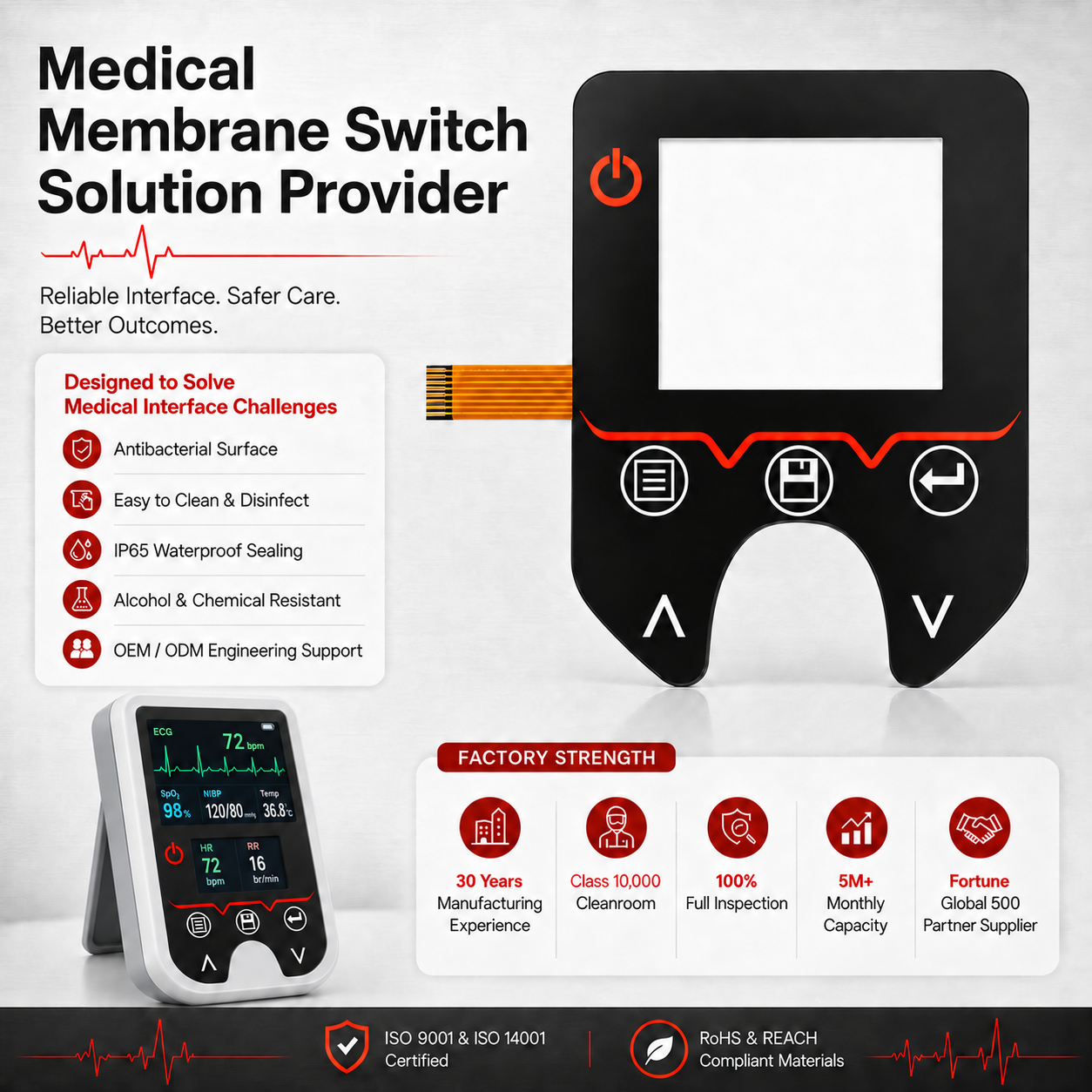
The tri-national industrial hub of Basel-Stadt and Basel-Landschaft stands as Europe’s epicenter for biomedical innovation, pharmaceutical synthesis, analytical chemistry, and precision mechanics. Engineering Human-Machine Interfaces (HMIs) for equipment deployed across Novartis Campus, Roche towers, Lonza bioprocessing sites, and specialized medtech firms along the Rhine demands an uncompromising departure from standard commercial membrane switches. In these operational environments, tactile buttons are subject to rigorous sterile cleaning, aggressive oxidizing disinfectants (Vaporized Hydrogen Peroxide - VHP, isopropyl alcohol, and sodium hypochlorite), and electromagnetic noise generated by high-frequency laboratory homogenizers and centrifuge motors.
Solid-state capacitive buttons engineered by Dongguan AXRU Electronics provide the definitive answer to these demanding operational constraints. Unlike legacy mechanical push-buttons or standard metal domes with moving parts that induce micro-fissures and entrap microbial contaminants, our capacitive switch assemblies operate across completely sealed, non-porous front substrates including chemically toughened Corning Gorilla Glass, antimicrobial hard-coated PET (Autotex XE), and optical-grade polymethyl methacrylate (PMMA). The absence of mechanical stroke eliminates mechanical fatigue, ensuring frictionless operational longevity far exceeding 50 million actuation cycles without physical wear.
Comparative Technology Architecture: Solid-State Capacitive vs. Mechanical HMI
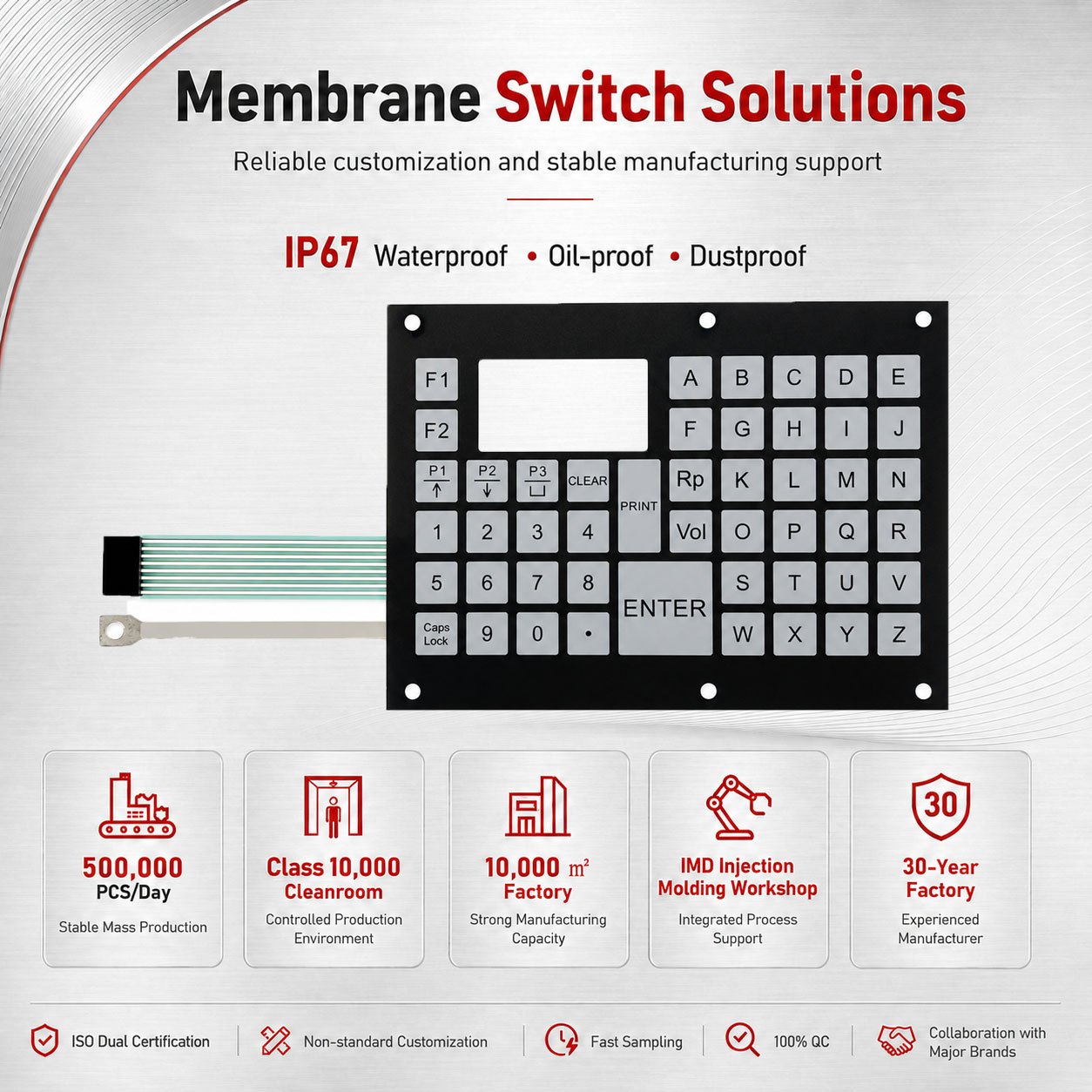
To assist procurement engineers and systems architects across Basel's machinery and device OEM sectors, the matrix below details the fundamental performance divergence between solid-state capacitive button panels and traditional tactile assemblies:
Engineering Parameter
Solid-State Capacitive Array (AXRU)
Tactile Metal Dome Membrane Switch
Electromechanical Push Button
Physical Contact / Wear
Zero moving contacts; non-mechanical solid-state
Stainless dome deflection; physical deformation
Spring-loaded mechanical sliders and contact arms
Sterilization & Chemical Defense
Flush continuous front (IP68/IP69K); VHP & IPA immune
Perimeter sealed; prone to overlay fatigue over time
Gaps collect liquid residues; impossible to sanitize
Actuation Lifespan
> 50 Million touches (circuitry dependent)
1 to 5 Million cycles (limited by metal snap)
100,000 to 500,000 operations
Overlay Substrate Options
Chemically strengthened glass, PMMA, PC, PET
Flexible films only (PET, PC, PVC under 0.25mm)
Molded rigid thermoplastic (ABS/Polycarbonate)
Glove & Water Rejection
Adaptive self-capacitance firmware calibration
Physical force required; naturally glove-safe
Physical stroke required; immune to false moisture
Cleanroom Compatibility
ISO Class 5 / GMP Grade A cleanroom certified
ISO Class 7 / GMP Grade C typical suitability
Unsuitable for cleanrooms (particulate shed)
Capacitive Touch Stack-Up Engineering for Sterile Environments
The core vulnerability of generic capacitive sensors in laboratory instrumentation is accidental triggering caused by washdown fluids or fluid pooling on the front lens. AXRU solves this challenge at the stack-up and PCB layout level. By pairing mutual-capacitance sensing geometry with driven shield rings on our flexible printed circuits (copper FPC or fine-line silver conductive ink on optical PET), we isolate human finger permittivity from standing liquid dielectrics.
When combined with our proprietary micro-textured hard-coated front graphic overlays, our capacitive switches achieve reliable operation even when operators wear double-layer nitrile cleanroom gloves (up to 0.8mm total rubber thickness). Furthermore, integrated backlighting utilizes ultra-thin Light Guide Film (LGF) or high-efficiency side-firing SMD LEDs, maintaining uniform dead-front legends that remain invisible until activated, streamlining user workflow on busy clinical diagnostic displays.
Basel Industry Applications
Tailored HMI Implementations Across Northern Switzerland
Targeted manufacturing adaptations engineered specifically for Basel's high-tech manufacturing ecosystems, from Muttenz to Allschwil and the Dreiländereck industrial zone.
Pharmaceutical & Bioprocess Isolators
Fitted inside GMP Grade A/B isolator cabinets and fermentation skids. Continuous glass or hard-coated polyester front facings withstand repeated VHP (gaseous H2O2) biodecontamination cycles without edge peeling, yellowing, or sensor drift.
In-Vitro Diagnostic (IVD) Analyzers
For blood gas analyzers, microplate readers, and PCR instruments engineered in Basel's biotech corridor. Features flush capacitive power switches with dead-front backlighting and optical bonding to prevent dust condensation under high humidity.
Precision Automation & Micro-Tooling
Integrated into Swiss-style CNC multi-axis milling, watch movement inspection rigs, and automated dispensing robotics. Employs integrated EMI/ESD shielding grids to reject electrical interference from servo drives and spindle converters.
Direct Factory Infrastructure
Why Basel Device Creators Source Direct from AXRU
10,000㎡ vertically integrated production floor, 121 skilled technical specialists, and Intertek on-site verified cleanroom assembly in Dongguan, China.
10,000㎡
Dedicated Production Floor
121
In-House Technical Staff
100%
Automated Electrical Testing
Intertek
On-Site Verified Facility
Force-Displacement & Life Testing
Our programmable key life testers and automatic force-displacement rigs record mechanical snap ratios and actuation consistency across millions of strokes, ensuring compliance with precision Swiss tactile benchmarks.
Tensile Bond & Tail Adhesion Tester
Measures adhesive peel resistance between carrier foils, spacers, and 3M medical-grade adhesives (e.g., 3M 467MP, 468MP, 300LSE) to ensure assemblies never delaminate under hot-water washdowns.
Climate Chamber & Yellowing Tests
Thermal cycling (-40°C to +85°C) and intense UV accelerated aging chambers guarantee that transparent display windows, capacitive sensor electrodes, and graphic overlay inks resist yellowing and embrittlement.
Checkpoint 01
DFM Review & Stack-Up
Gerber, DXF, or 3D STEP analysis with dielectric layer calculations, trace capacitance estimation, and connector pitch selection.
Checkpoint 02
Cleanroom Screen Print
Automated multi-color screen printing with micro-meter visual registration for conductive silver traces and optical ink windows.
Checkpoint 03
SMD Placement & Bond
High-speed surface-mount placement of micro-LEDs, discrete resistors, and flex interconnects within static-controlled cells.
Checkpoint 04
Laser Die-Cut & 100% QC
High-precision laser and flatbed die-cutting with 100% automated electrical continuity, resistance, and optical surface verification.
Regulatory Compliance & Sourcing Trends
Regulatory Insights: Navigating EU MDR, Swissdamed & Supply Chain Resilience
Procurement teams based in Canton Basel-Stadt and Canton Basel-Landschaft face stringent regulatory scrutiny following the updates in Switzerland's Medical Devices Ordinance (MedDO/ODem) and alignment with EU MDR (Regulation 2017/745). For components serving in Class I, IIa, or IIb medical platforms, an OEM button is never merely a cosmetic switch—it is a critical user input interface subjected to risk analysis under ISO 14971 and electrical safety verification under IEC 60601-1 / IEC 60601-1-2 (4th Edition EMC).
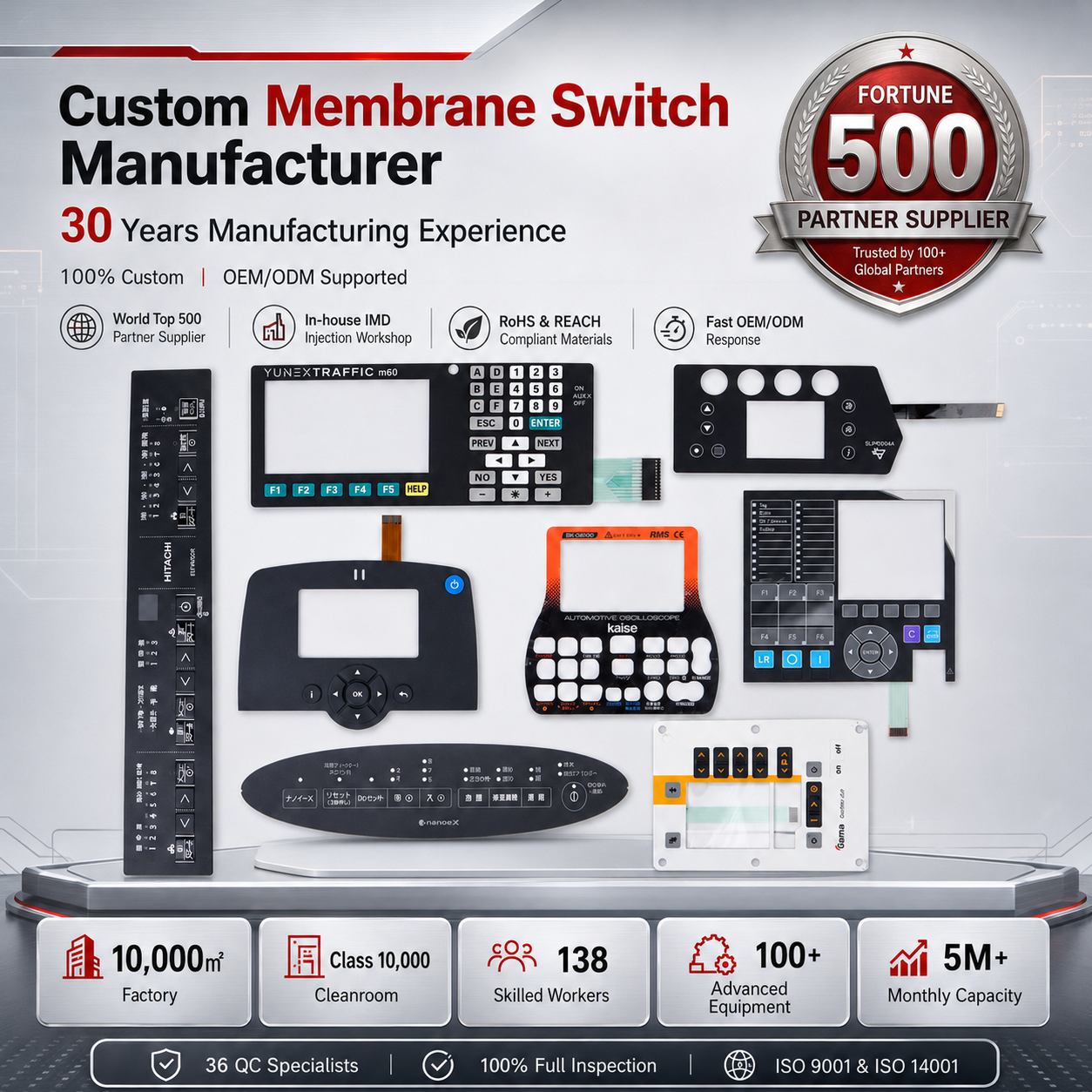
To support our Swiss partners, AXRU Electronics supplies comprehensive First Article Inspection (FAI) documentation, PPAP Level 3 documentation upon request, RoHS 3 (EU 2015/863), and REACH (SVHC) compliance declarations. By consolidating screen printing, circuit fabrication, capacitive sensor etching, laser cutting, and environmental validation inside our Intertek-verified factory, we provide Basel engineering directors with verifiable traceability down to raw film roll lot numbers and conductive ink batches.
Key HMI Development Trends in the Basel Bio-Valley Ecosystem
Transition from Mechanical Tactile to Hermetic Capacitive Glass: With automated cleaning validation becoming an audit focal point by Swissmedic and the FDA, legacy push buttons with physical crevices are being phased out in favor of completely flat, chemically toughened display facings with capacitive touch zones.
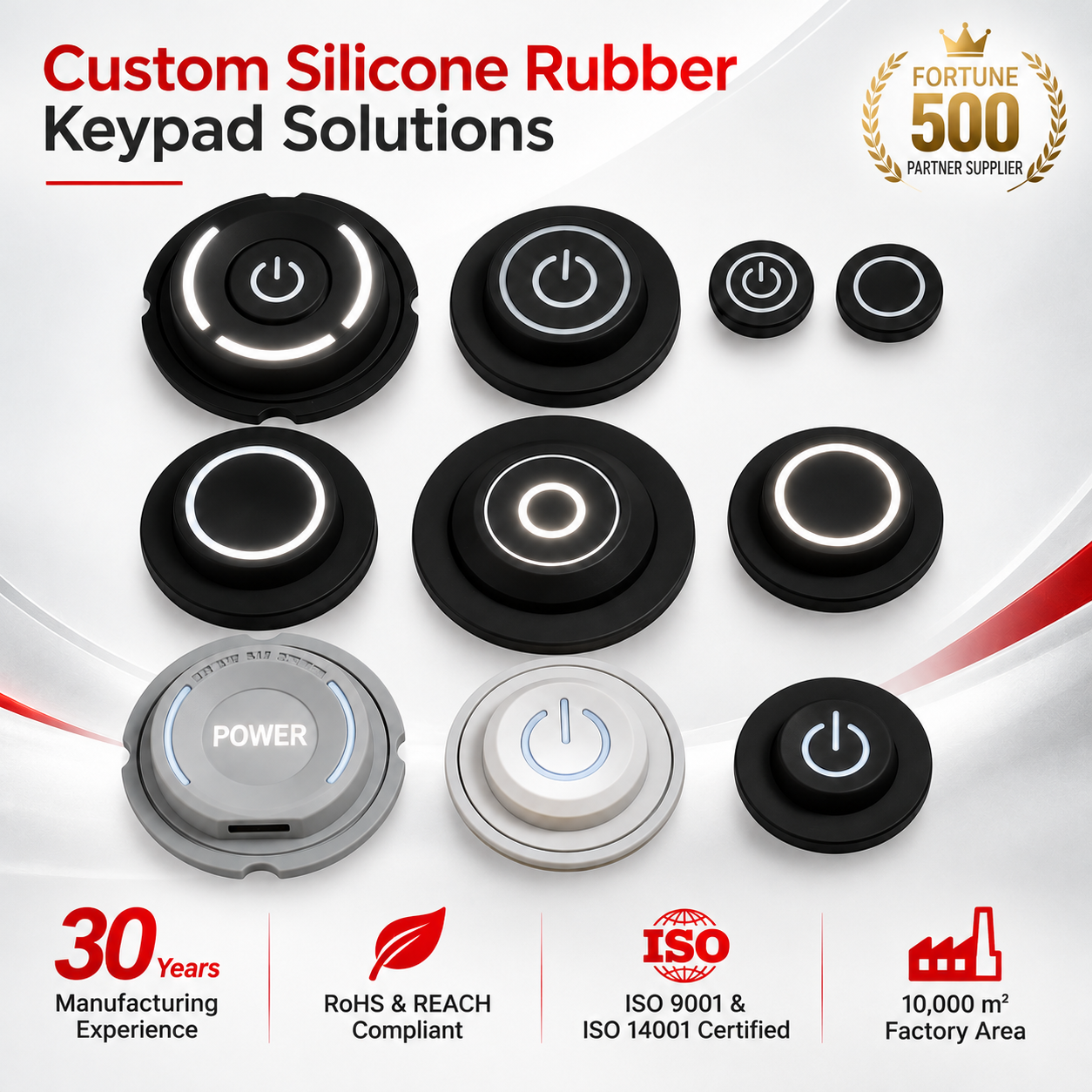
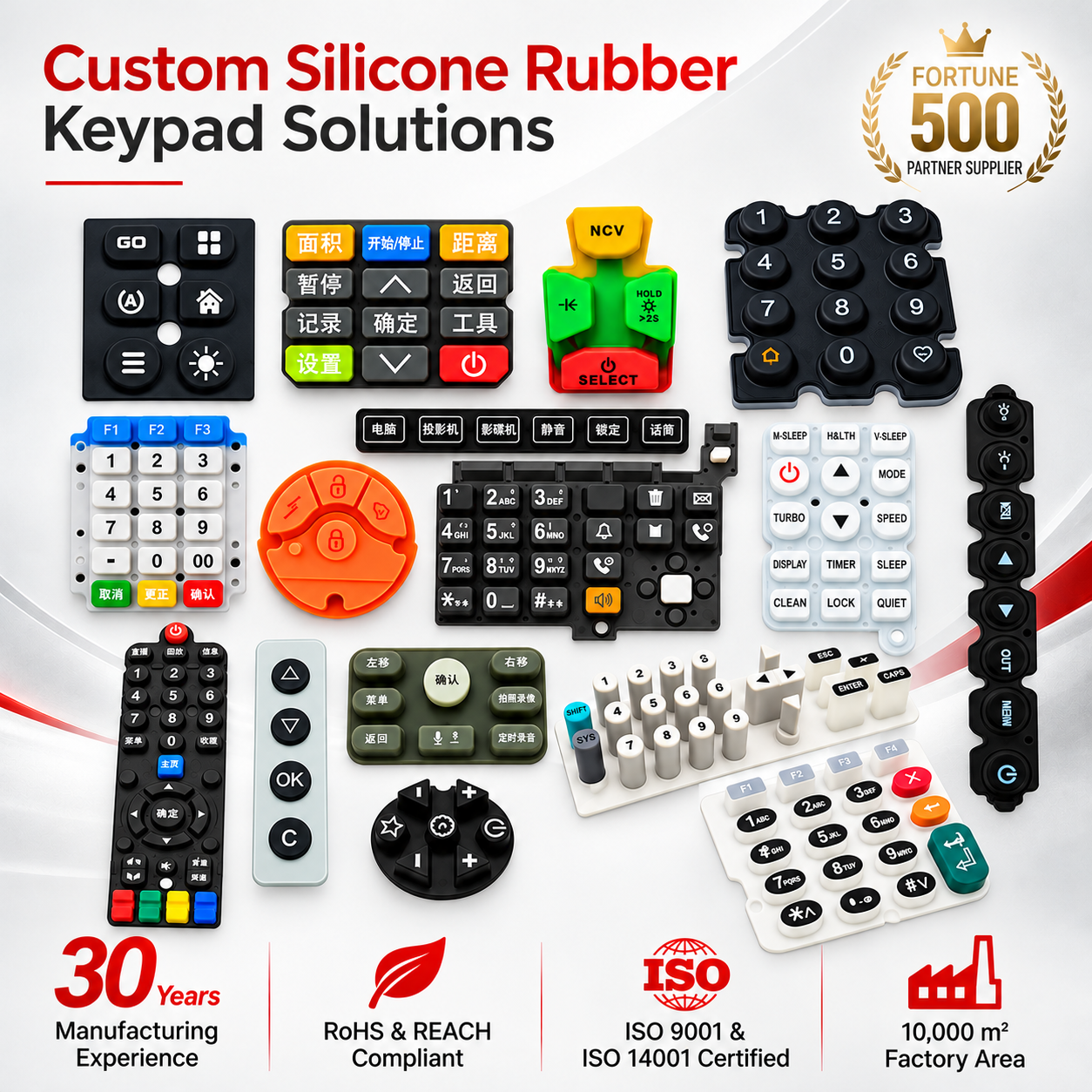
Hybrid HMI Combinations: Integrating capacitive buttons alongside silicone rubber perimeter gaskets or subtle localized vibration feedback (haptic drivers) enables operators to experience unambiguous tactile confirmation without compromising the smooth IP67 fluid-tight wipe-down surface.
High-Speed Express Prototyping: Basel's R&D acceleration hubs require functioning engineering prototypes within 7 to 10 working days. AXRU’s dedicated sample-making laboratory allows CAD-to-prototype realization without hard tooling, slashing validation cycle times for clinical trial prototypes.
Procurement Intelligence
Frequently Asked Questions by Basel Engineers & Buyers
Essential answers regarding material certifications, DFM engineering, minimum order sizes, and international logistics to Switzerland.
How does AXRU support custom capacitive sensor tuning for thick glass or thick glove operation?
Our engineering team adjusts trace geometry, electrode pitch, and dielectric constant stack-ups during the initial DFM phase. We accommodate front cover lenses up to 6mm thick (chemically strengthened glass or acrylic) and provide recommendations on controller IC registers (such as Microchip, Cypress/Infineon, or Azoteq) to tune sensitivity threshold registers, enabling reliable detection even when operators wear thick cleanroom latex or chemical-resistant nitrile gloves.
What is the typical Minimum Order Quantity (MOQ) and lead time for shipments to Switzerland?
To support pilot runs, clinical validation batches, and high-mix low-volume Swiss machinery, our standard custom capacitive switch MOQ starts at just 100 pieces. Rapid engineering prototypes are typically delivered in 7 to 10 working days, with mass production runs completing in 3 to 4 weeks. We ship directly to Basel-Mulhouse Airport (BSL) or Zurich Airport (ZRH) via express courier (DHL, FedEx) with full customs documentation for Swiss customs clearance.
Can AXRU provide chemical resistance data for hospital-grade detergents and laboratory solvents?
Yes. We routinely fabricate front facings using Autotex XE, textured hard-coated polyester films, and chemically toughened display glass. These materials undergo standardized in-house rub and immersion tests against 70% Isopropyl Alcohol (IPA), accelerated hydrogen peroxide, Betadine, sodium hypochlorite bleach, and mild acids without legend fading, clouding, or adhesive delamination. Test reports can be included with your FAI package.
What engineering design files are required to generate a formal DFM review and quotation?
To provide an accurate technical assessment, please share your 2D mechanical outlines (DXF, DWG, or PDF), graphic artwork with Pantone/RAL color codes, schematic or netlist for the flex circuit (Gerber files if available), preferred connector pitch (e.g., 0.5mm, 1.0mm, or 2.54mm pitch), and specific environmental requirements such as target IP sealing ratings and operating temperatures.
Ready to Engineer Your Next-Gen HMI with AXRU?
Consult directly with our interface specialists. Receive complete DFM feedback, stack-up optimization, and factory-direct quotation within 24 hours.