Featured Capacitive Touch & Industrial HMI Switches
Explore our standard and fully customizable interface modules engineered for seamless enclosure integration, high dielectric stability, and zero-contact mechanical fatigue.
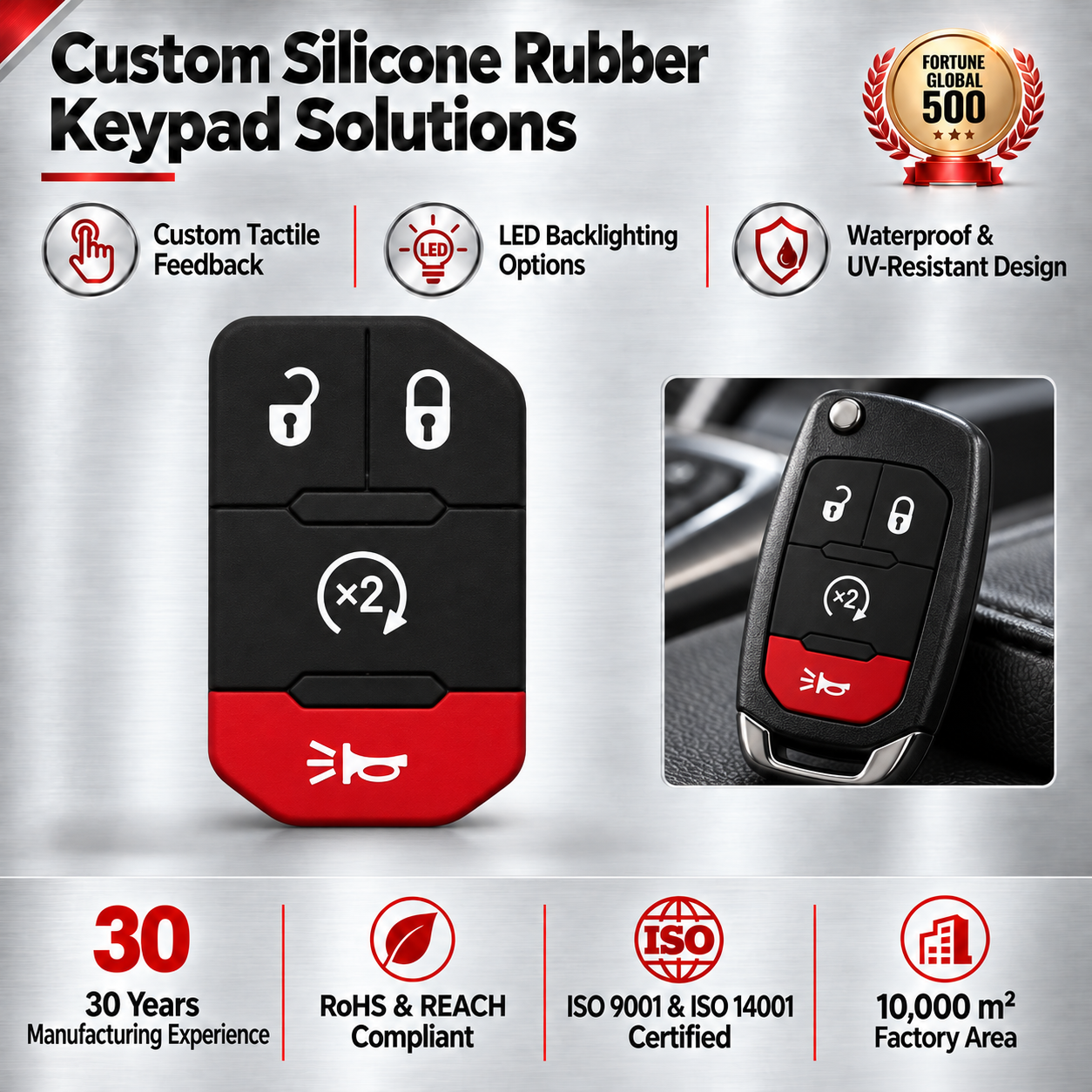
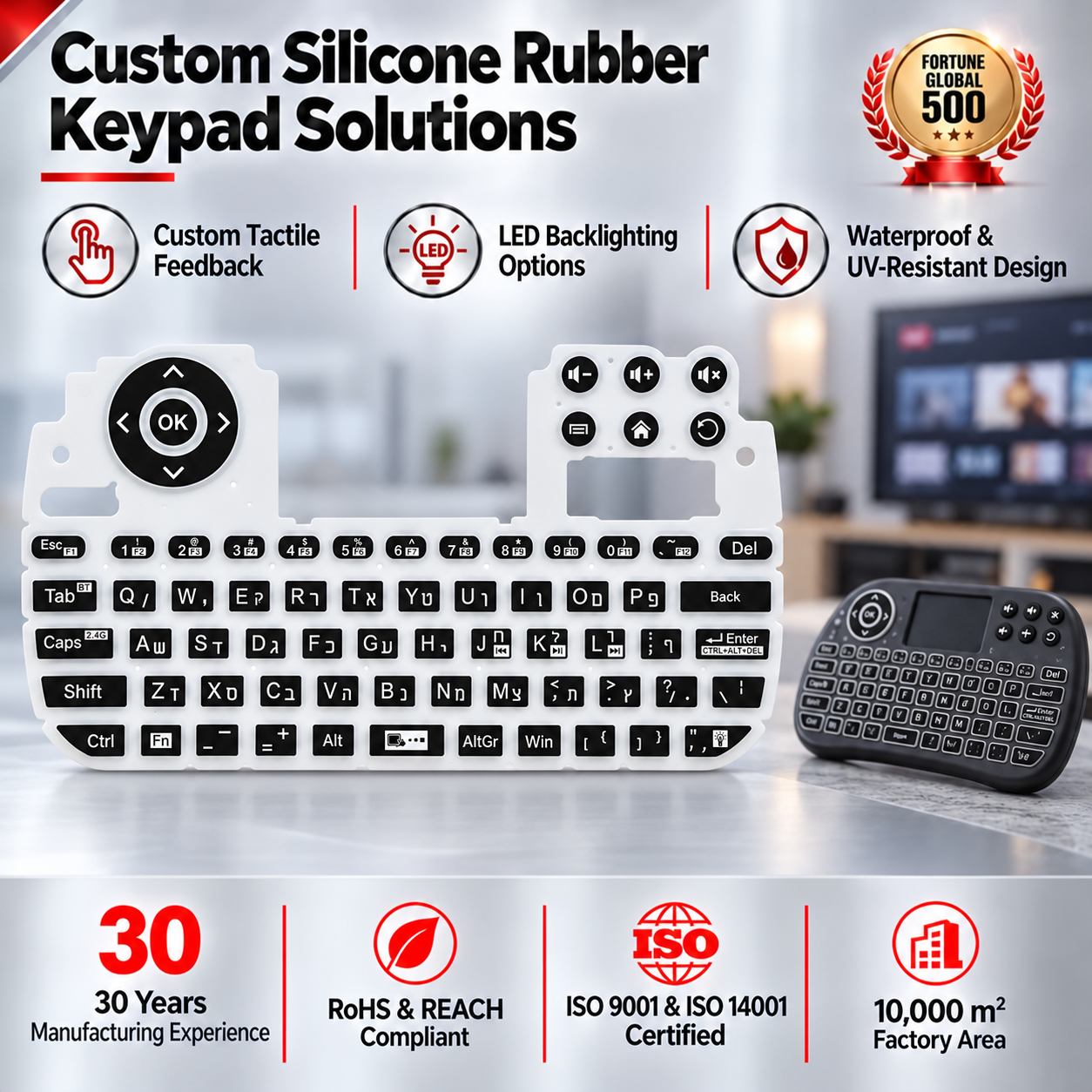
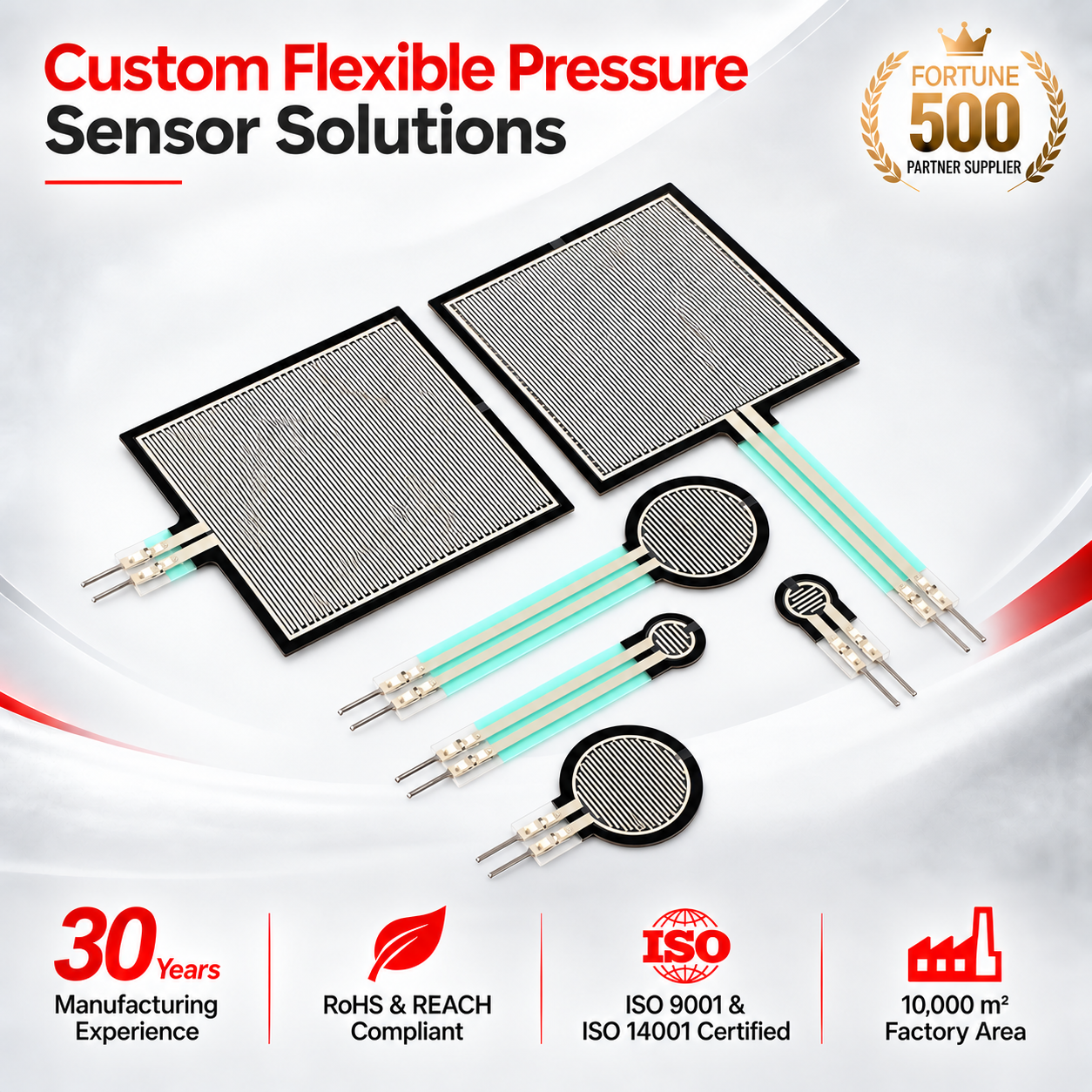
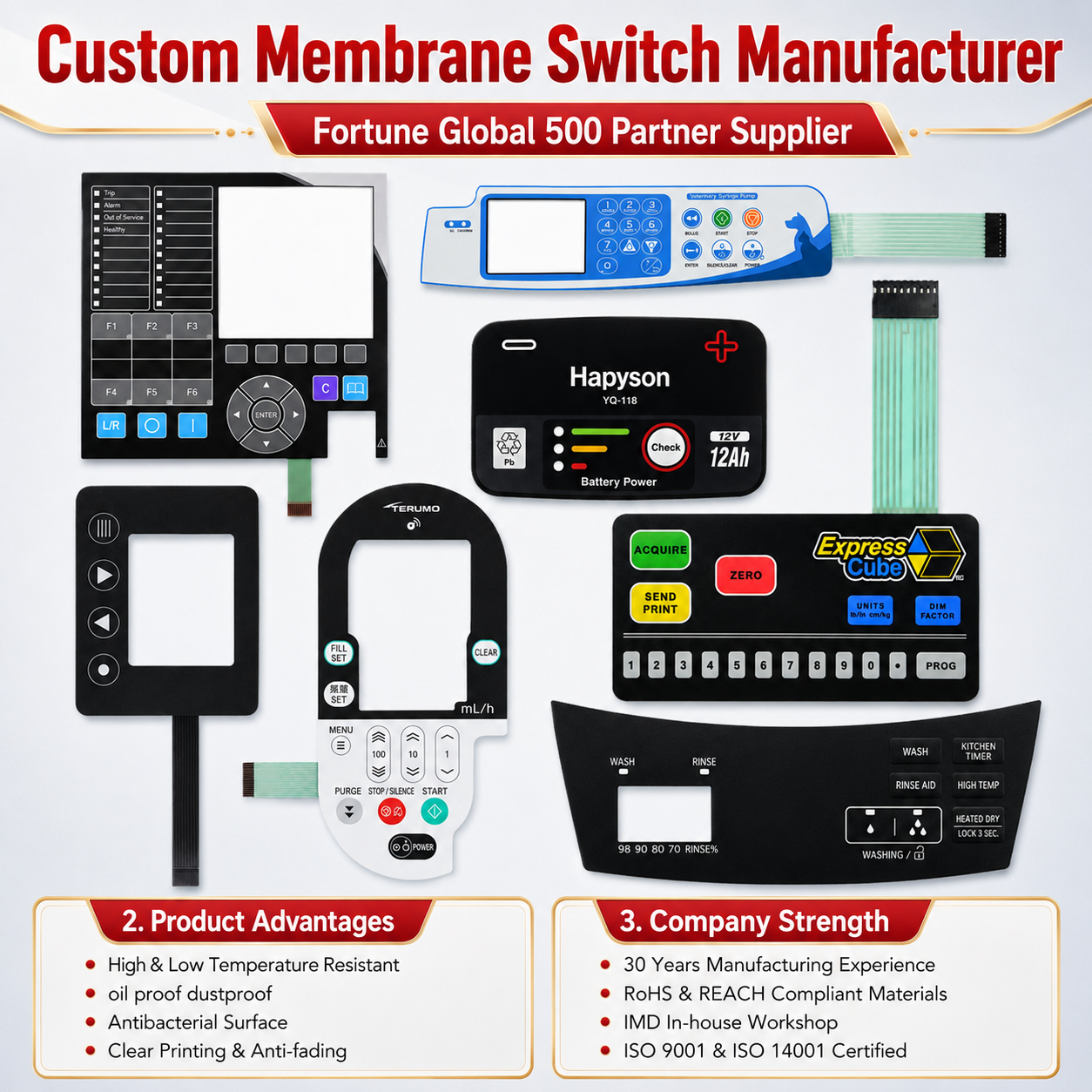
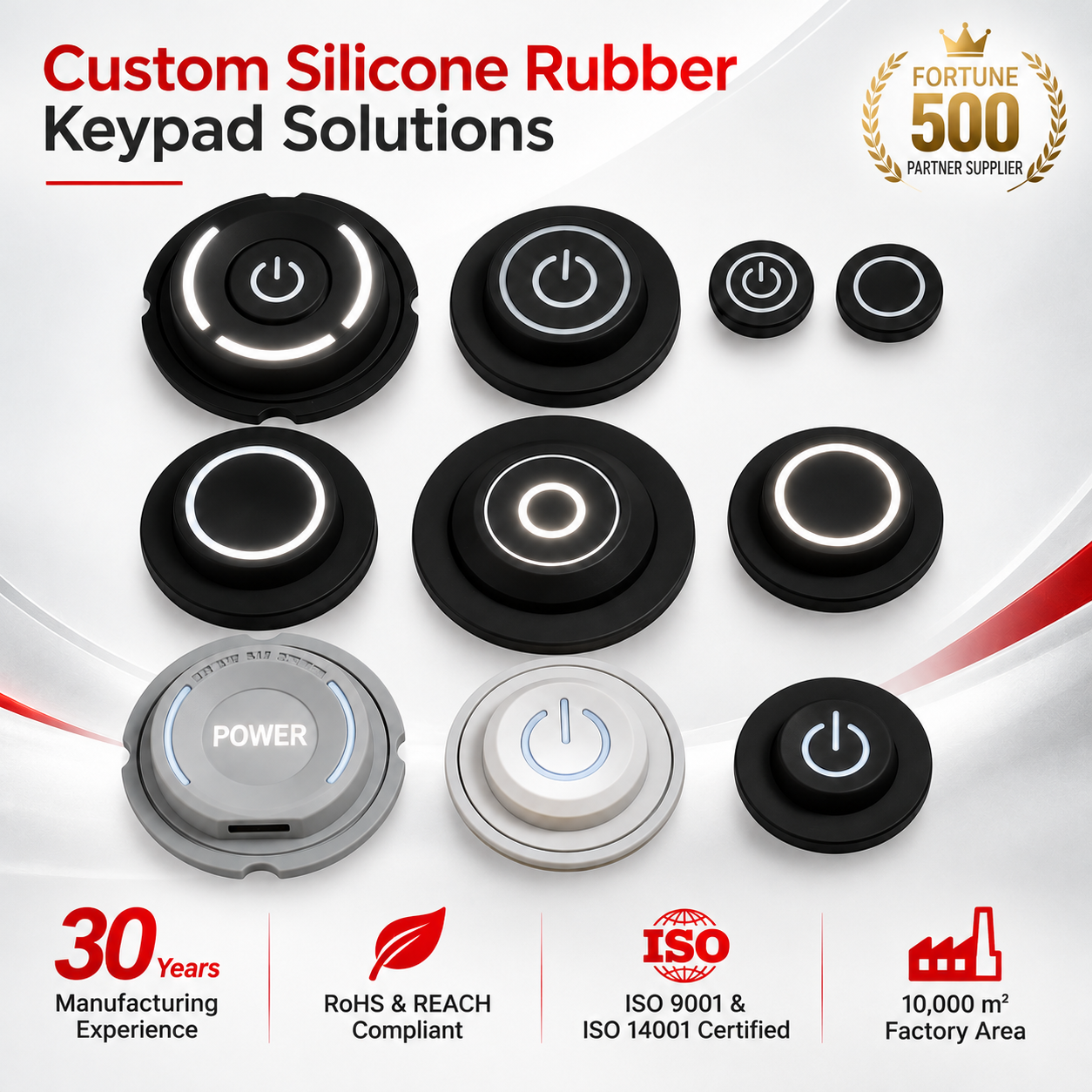
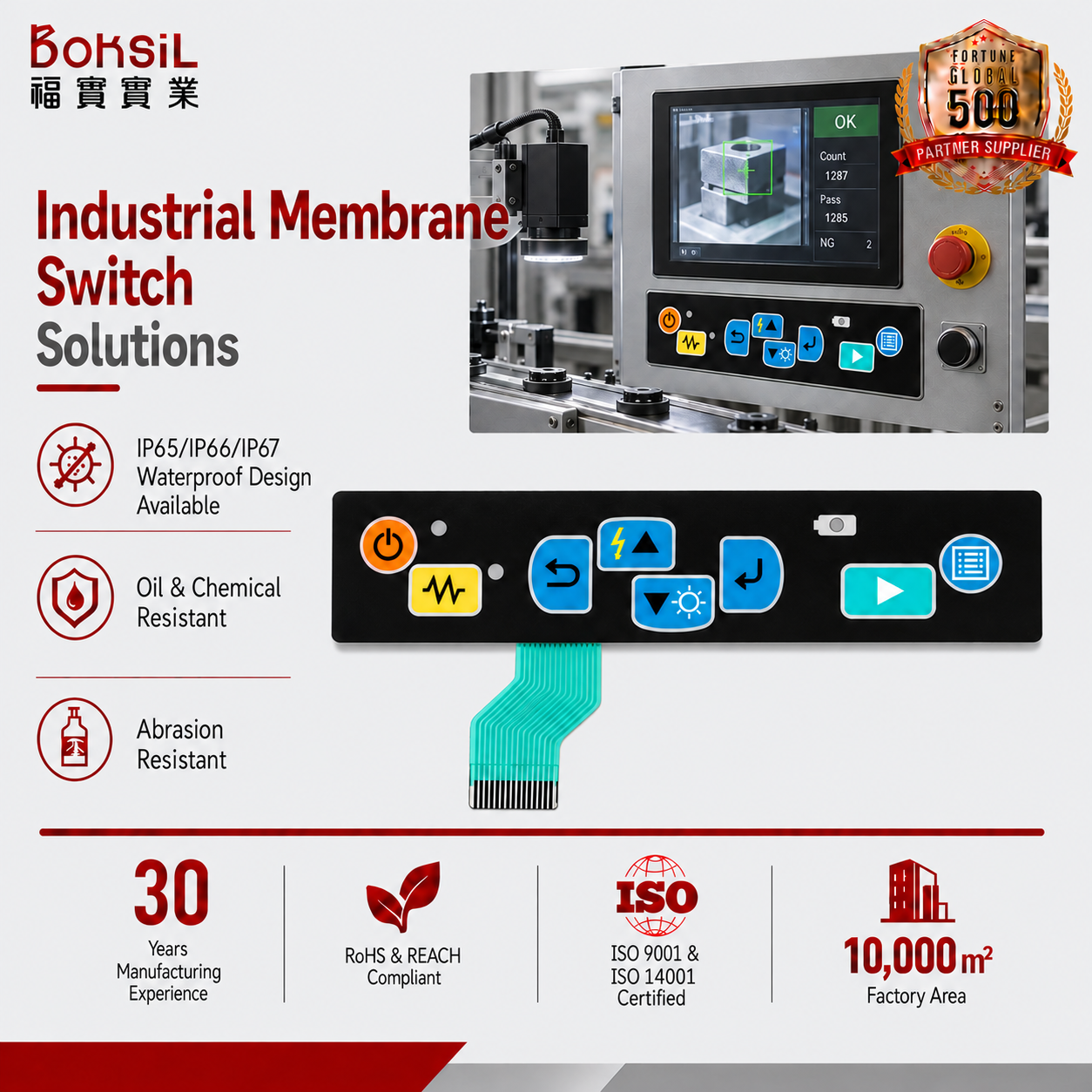
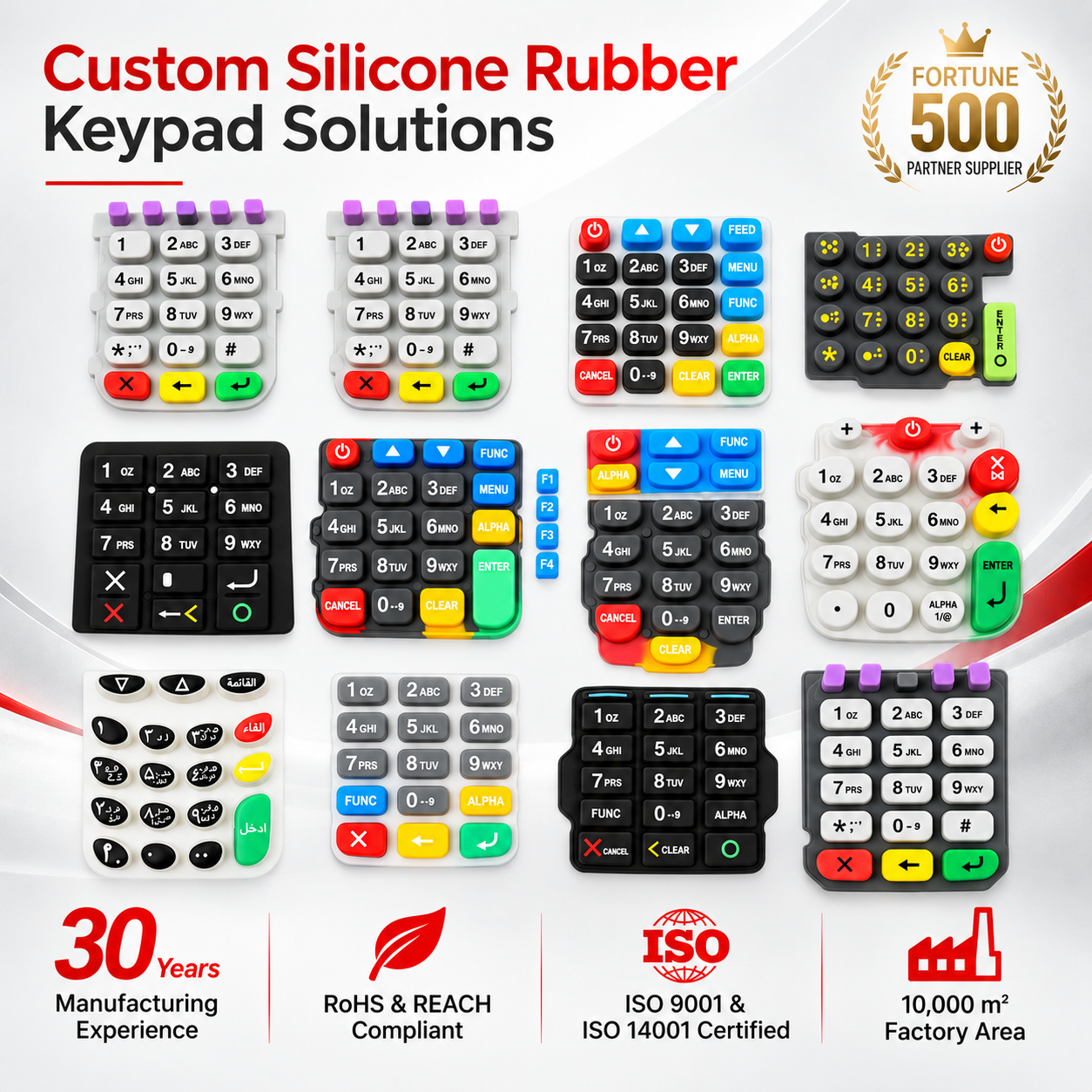
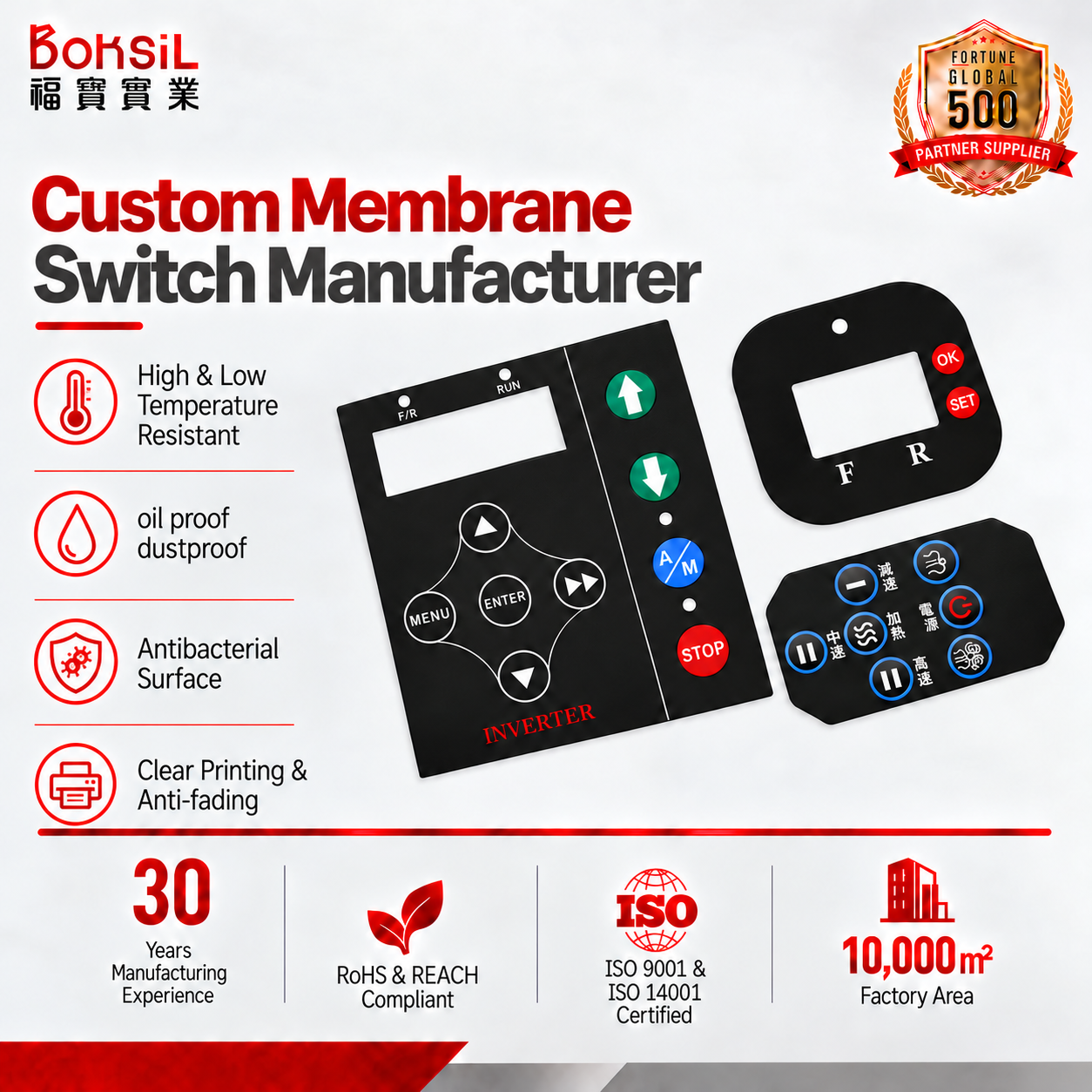
Whitepaper: Engineering Robust Capacitive Touch Keypads for the Mediterranean & Algarve Climate
Modern capacitive touch switches represent a tectonic shift in Human-Machine Interface (HMI) engineering. By eliminating electromechanical snap domes, moving parts, and mechanical contact gaps, capacitive human interface devices achieve virtually limitless functional duty cycles. However, deploying capacitive solid-state sensors in maritime-adjacent zones—such as Faro and the wider Algarve district of Portugal—imposes severe physical constraints that standard off-the-shelf consumer electronic panels cannot endure.
1. Charge Transfer Principles & Dielectric Cover Geometries
Capacitive touch technology operates on the change of electrical capacitance detected when an electrically conductive object—such as human tissue—approaches or touches an electrode array. At AXRU Electronics, we fabricate multi-layer printed PET (polyethylene terephthalate) and flexible printed circuits (FPC) with conductive silver ink or etched rolled-annealed (RA) copper tracks. These sensors project an electrostatic fringe field through an overlay cover lens made of chemically tempered glass (Aluminosilicate), optical polymethyl methacrylate (PMMA/Acrylic), or high-tensile Polycarbonate (Lexan).
The mathematical capacitance model governs this behavior: \( C = (\varepsilon_0 \cdot \varepsilon_r \cdot A) / d \), where \(\varepsilon_r\) represents the relative permittivity of the front substrate, \(A\) is the key electrode area, and \(d\) is the distance (material thickness) between the finger and the copper/silver electrode. When designing custom solutions for Portuguese industrial clients, AXRU's engineering team optimizes sensor pad dimensioning and auto-tuning IC firmware thresholds. This ensures prompt actuation even through 4mm tempered glass or through users wearing heavy industrial or nautical nitrile gloves.
2. Environmental Hardening: Overcoming Saline Condensation & UV Degradation
One of the primary failure modes for lower-tier wholesale touch panels in maritime zones like Faro Harbor, Olhão, and Portimão is false capacitance triggering caused by conductive saltwater puddling or moisture film. Standard mutual-capacitance matrices can misinterpret a water droplet as a permanent finger press.
To eliminate this phenomenon, AXRU integrates intelligent water-rejection firmware coupled with a driven shield (guard channel) layout. Our design employs specialized hydrophobic surface textures, perimeter environmental seals rated up to IP68, and marine-grade 3M adhesives (such as 3M 300LSE or 9472LE) that resist plasticizer migration, saltwater immersion, and shear stress under elevated ambient temperatures up to +85°C.
| HMI Interface Topology | Dielectric / Actuator Material | Actuation Fatigue Limit | Saline / Water Ingress Protection | Typical Southern European Applications |
|---|---|---|---|---|
| Capacitive Solid-State Touch | Tempered Glass (2-6mm) / PMMA / PET | Unlimited (No Mechanical Wear) | IP68 Hermetically Sealed Face | Luxury Yacht Consoles, Smart Hotel Guest Panels, Water Desalination |
| Tactile Metal Dome Switch | Embossed Autotex PET / Stainless Domes | 1,000,000 to 5,000,000 Cycles | IP65 Perimeter Closed-Cell Gasket | Outdoor Solar Inverters, Citrus Sorting Machinery, EV Chargers |
| Silicone Elastomer Matrix | Compression-Molded Silicone + Carbon Pill | 500,000 to 1,500,000 Cycles | IP66 with Integrated Wrap Bezel | Handheld Port Logistics Terminals, Fish Processing Automation |
| Hybrid In-Mold Decoration (IMD) | Formed Polycarbonate & Injected Resin | Product Life Equivalent | IP67 Monolithic Outer Shell | Automotive Dashboards, Premium Domestic IoT Appliances |
3. Strategic Localization: Faro & Algarve Market Application Scenarios
The District of Faro represents a distinct economic ecosystem within Portugal and the European Union. Procurement officers and hardware design engineers in Faro demand hardware tuned to very explicit regional sectors:
- Nautical Equipment & Marine Electronics: The Ria Formosa and coastal marinas host extensive recreational boating, charter fleets, and commercial aquaculture. Touch panels for navigational chartplotters, bilge controls, and deck-wash systems require saltwater-resistant capacitive interfaces with optical bonding to stop internal condensation fogging.
- Luxury Hospitality & Smart Building Infrastructure: The high-end resorts of the Golden Triangle (Vilamoura, Quinta do Lago, Vale do Lobo) prioritize sleek architectural aesthetics. Custom capacitive glass lighting controls, HVAC thermostat faceplates with concealed-until-lit (dead-front) icons, and capacitive card-key readers provide hygienic, wipe-clean reliability.
- Agri-Tech & Water Resource Management: The Algarve's intense citrus production, greenhouse hydroponics, and expanding water reuse facilities rely on robust telemetry units. AXRU builds high-contrast, UV-stabilized polycarbonate membrane keyboards with wide thermal ranges (-30°C to +80°C) tailored for field control consoles.
By bypassing European distributor markups and partnering directly with Dongguan AXRU Electronics, Faro manufacturing houses gain factory-direct engineering access, certified PPAP level 3 quality documentation, and agile prototyping lead times of just 7 to 10 working days.
Specialized Touch Interfaces for Faro's Primary Industries
Precision HMI configurations tailored specifically to endure the climate, aesthetics, and operational standards of Southern Portugal.
Marine & Nautical Electronics
Hermetically sealed capacitive touch control consoles for yacht helms, marine VHF transmitters, and harbor logistics. Features sunlight-readable anti-reflective glass and firmware programmed to disregard splashing sea spray.
Hospitality & Luxury IoT
Architectural capacitive glass switches with laser-etched RGB status backlighting. Clean, minimalist dead-front finishes custom printed with Portuguese and multilingual icons for automated room controls and hotel door stations.
Agri-Tech & Renewable Energy
Heavy-duty, IP67 membrane control panels and capacitive keyboards for Algarve solar tracking stations, drip irrigation controllers, and industrial cold-storage units exposed to wide daily temperature shifts.
Factory-Direct Capabilities: 10,000㎡ In-House Plant
Unlike trading companies, Dongguan AXRU Electronics manages every phase under one roof—from cleanroom screen printing to FPC bonding and rigorous environmental stress screening.
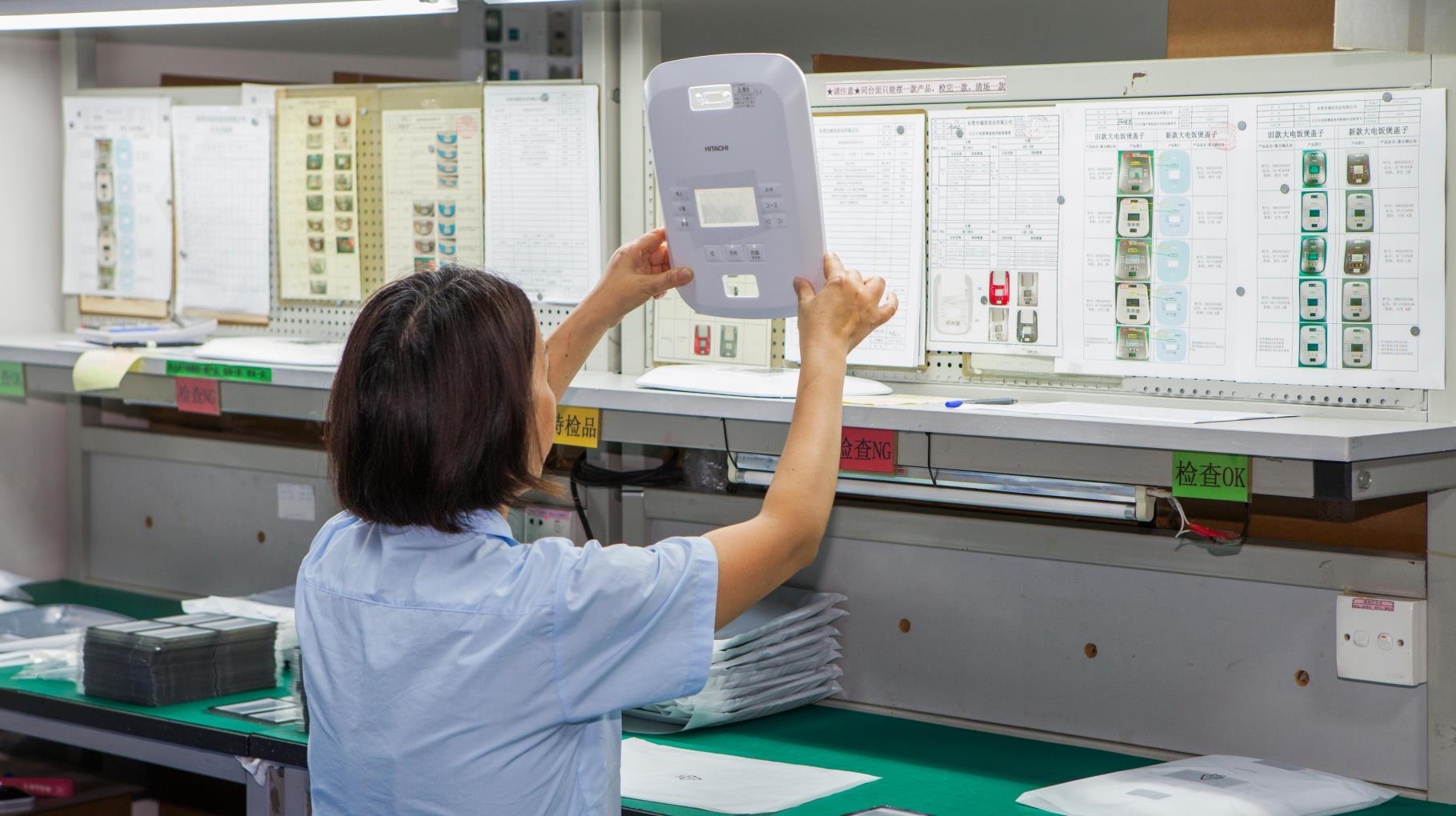
100% Electrical Inspection
Every single capacitive channel and membrane trace undergoes complete continuity, trace resistance, and pin-to-pin open/short circuit testing before shipment.
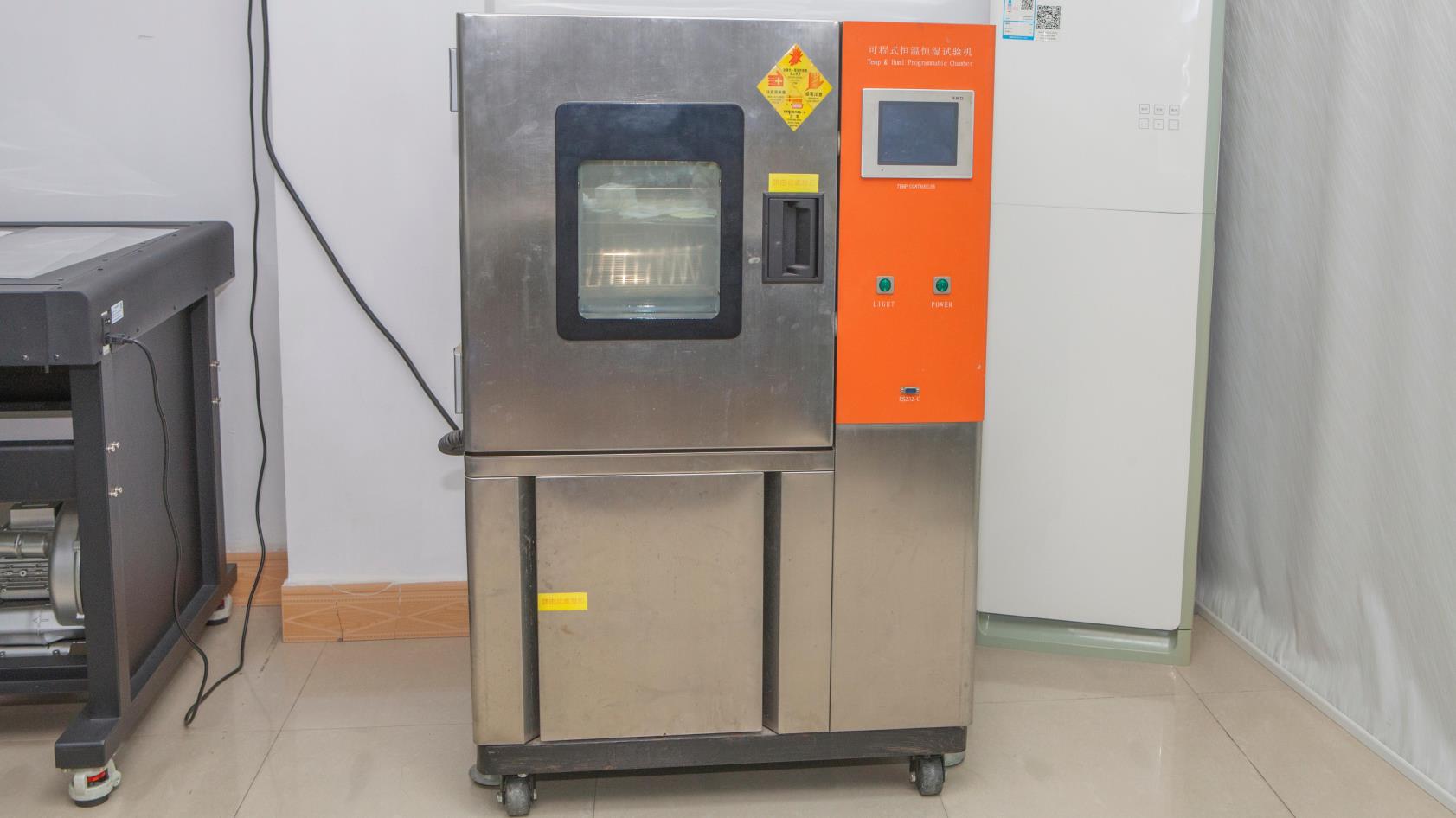
Thermal & Humidity Cycling
Programmable environmental chambers stress-test adhesive bonding and trace integrity from -40°C to +105°C and up to 98% relative humidity to match harsh marine environments.
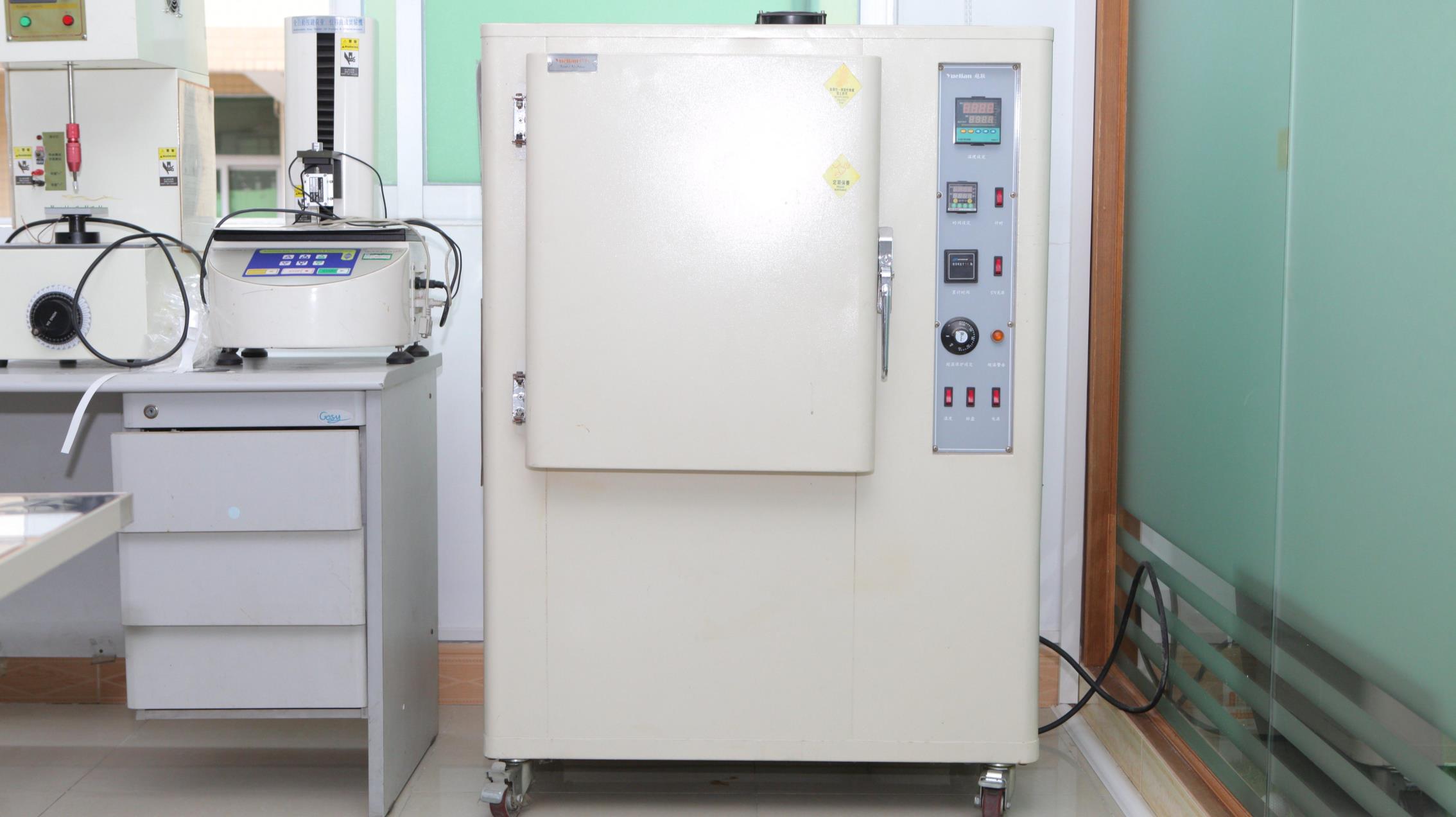
UV & Yellowing Resistance
Accelerated solar radiation chambers ensure that graphic overlay inks, PMMA front plates, and silicone elastomeric caps resist yellowing and embrittlement under intense Mediterranean UV.
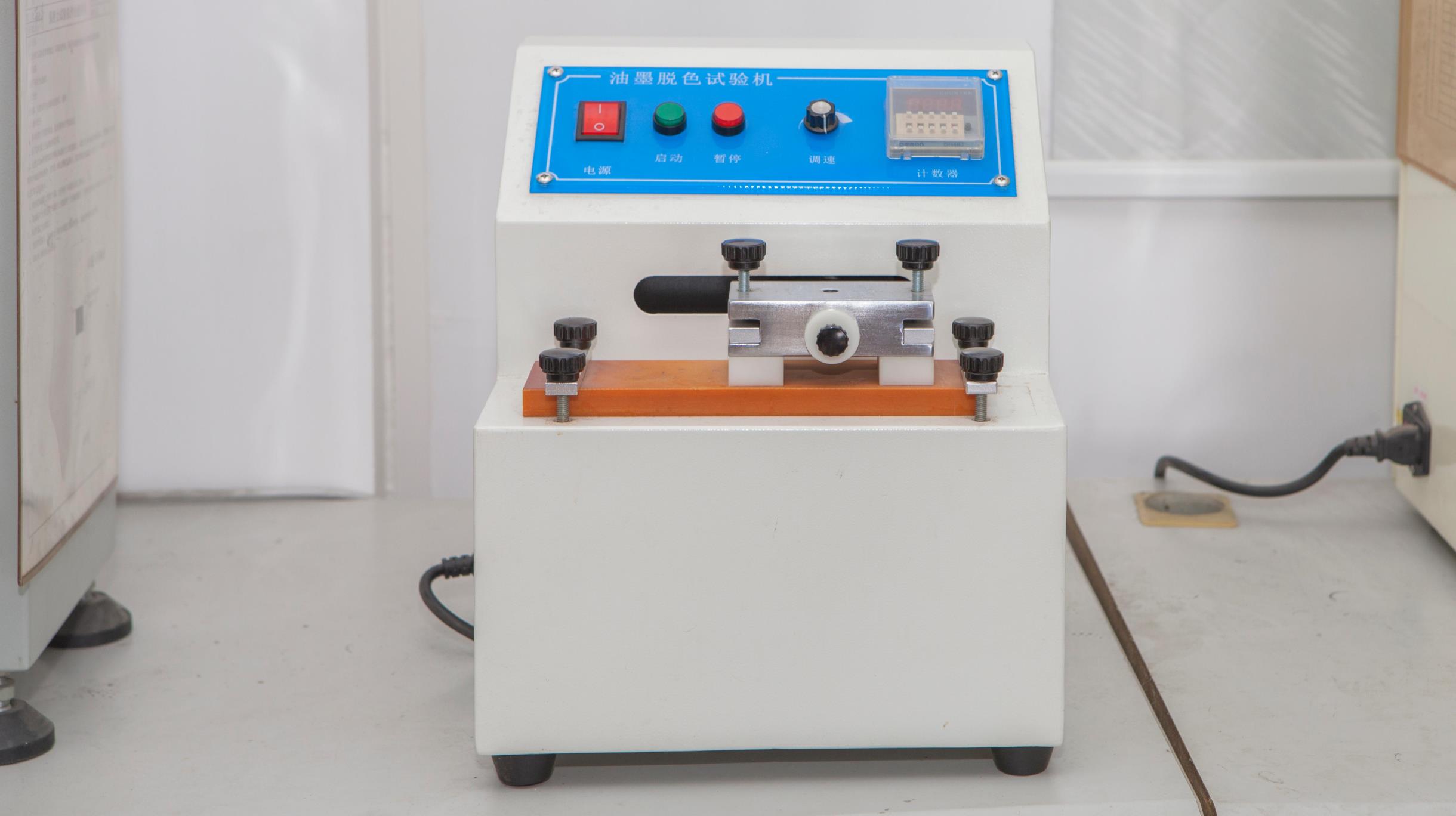
Ink Abrasion Resistance
RCA abrasion testing validates chemical and mechanical scratch resistance against industrial sanitizers, ethanol, petroleum solvents, and repetitive touch cycles.
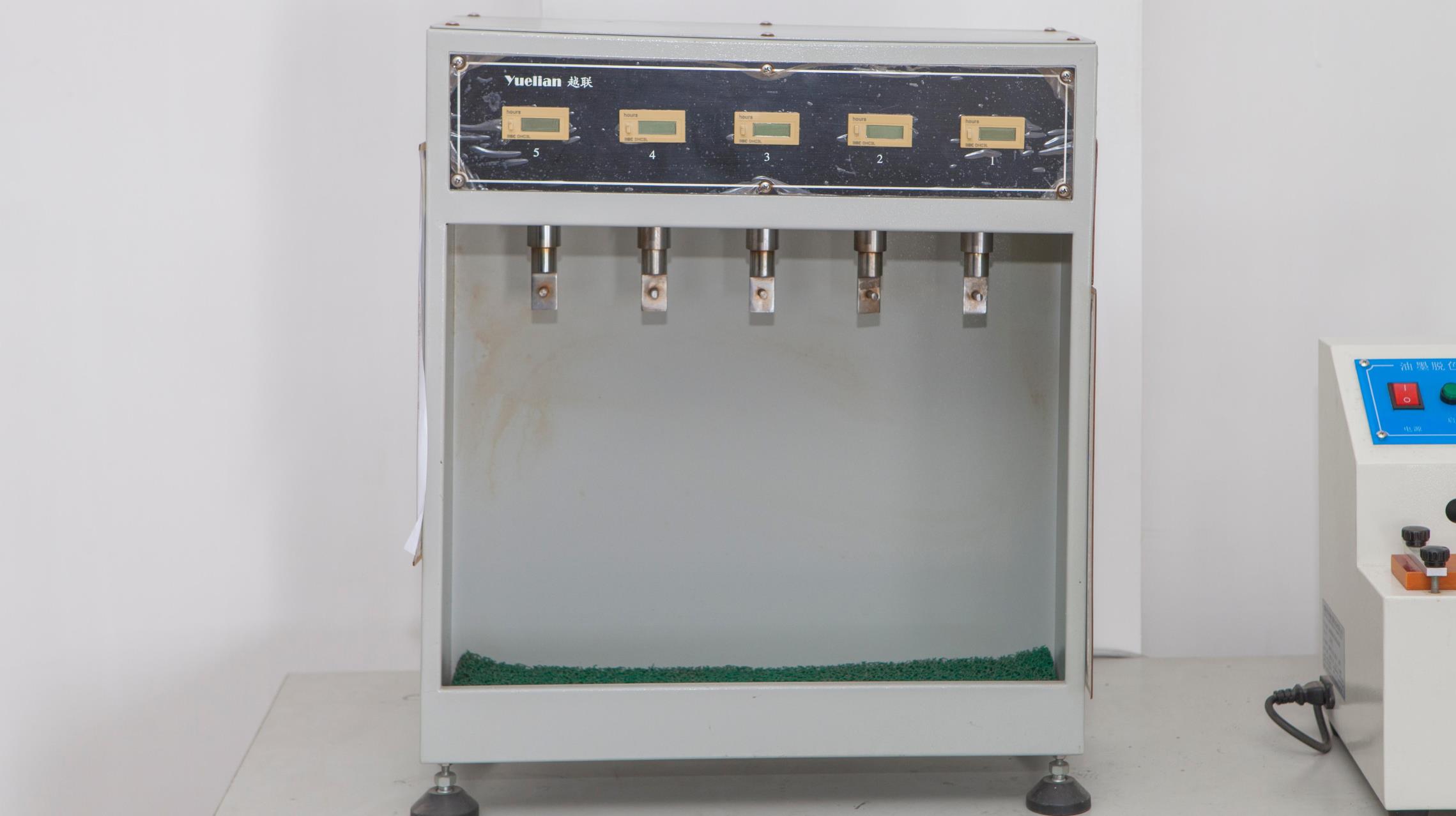
Adhesion Peel Tester
Precision load cells quantify lamination bond strength across PET, FPC, glass, and aluminum chassis to ensure zero delamination over years of field exposure.
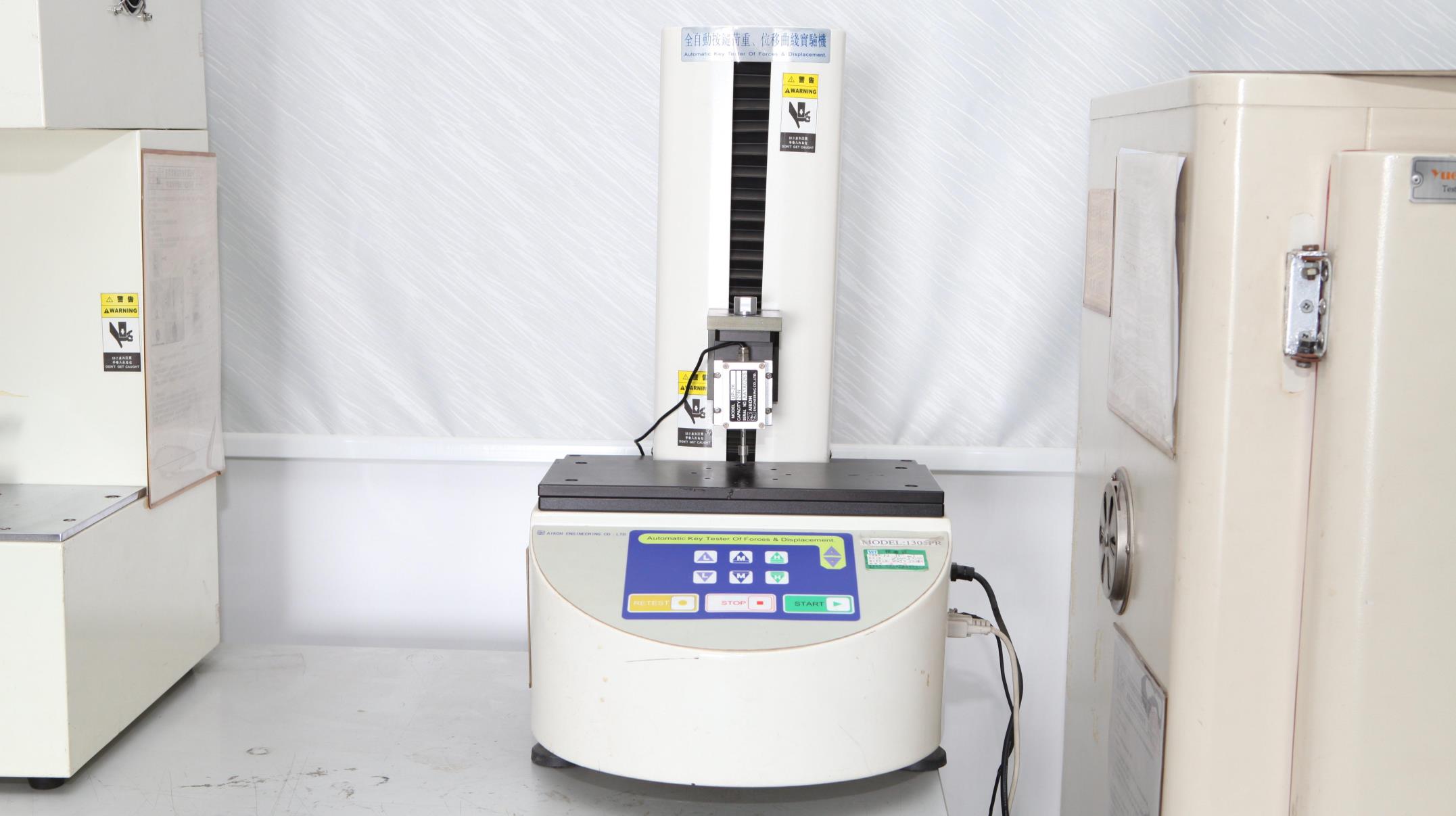
Force & Displacement Profiling
Computerized curve profiling for hybrid tactile domes and silicone keys to calibrate actuation snap ratio, tactile travel distance, and spring-back return force.
Frequently Asked Questions for Faro & European Importers
Clear, direct answers regarding custom tooling, logistics to Portugal, compliance certifications, and technical deliverables.
Q1: How does AXRU ensure capacitive keypads do not false-trigger when exposed to rain or salt mist in Faro?
We deploy mutual-capacitance sensor grid architectures combined with an active guard shield ring around key pads. Furthermore, we calibrate the microcontroller's auto-drift software algorithm to detect the low impedance signature of ambient water films versus the localized capacitive shift of a true finger press. IP67 perimeter gasket barriers prevent moisture intrusion behind the front glass/PET substrate.
Q2: What are your minimum order quantities (MOQ) and sample lead times for Portuguese OEM projects?
We support European engineering teams with a low barrier to entry: sample runs can be produced from just 100 pieces. Standard prototype turnaround is 7 to 10 working days after engineering artwork sign-off, utilizing our digital plotters and laser cutters before cutting permanent steel stamping dies for mass runs.
Q3: Can AXRU handle complete customs clearance, VAT, and logistics directly to our Faro address?
Yes. We offer complete DDP (Delivered Duty Paid) air freight through DHL, FedEx, or dedicated air forwarders directly to your facility in Faro, Lisbon, or Porto. All EU customs declarations, TARIC code classifications, and Portuguese IVA compliance can be coordinated smoothly to minimize administrative delays.
Q4: Which computer-aided design (CAD) files are required to initiate a quote and DFM review?
Our engineering team works directly with vector files (.DXF, .DWG, .STP, .STEP, or .IGS) for mechanical housings, and Adobe Illustrator (.AI) or PDF formats for graphic overlays with Pantone (PMS) or RAL color standards. If you are replacing an obsolete keypad, our lab can perform complete reverse-engineering from physical samples.
Q5: Are all materials compliant with European Union environmental standards?
Every component sourced and processed at our Dongguan factory—including base polyester films, conductive silver paste, adhesives, LEDs, and connectors—strictly adheres to EU RoHS 2.0 (Directive 2011/65/EU) and REACH (EC 1907/2006) regulations. Full material safety documentation is provided with your First Article Inspection (FAI) report.
Q6: Can capacitive touch sensors be integrated behind client-supplied housings or curved bezels?
Absolutely. We produce ultra-thin Flexible Printed Circuits (FPC) and PET sensor films as thin as 0.125mm with optically clear adhesives (OCA). These adhere seamlessly to compound curved plastic injection parts, wooden architectural trims, or pre-machined acrylic display windows.
Why Global Tier-1 Brands and Faro Innovators Trust Dongguan AXRU
With more than 12 years of dedicated manufacturing evolution, Dongguan AXRU Electronics Co., Ltd. operates a high-capacity 10,000㎡ industrial campus certified on-site by Intertek. Operating with 121 skilled technicians and an advanced HMI testing laboratory, we have supplied mission-critical interface modules to Fortune 500 corporations, medical instrument manufacturers, and precision device builders globally.
Our manufacturing philosophy eliminates sub-tier contractor variance. By consolidating prepress silkscreen graphic application, optical die-cutting, cleanroom FPC mounting, environmental baking, and automated pin validation within our Dongguan facility, we offer our partners in the Faro market end-to-end accountability, transparent factory-gate pricing, and engineering support that bridges concept sketches directly into high-yield mass production.