Silicone Keypad
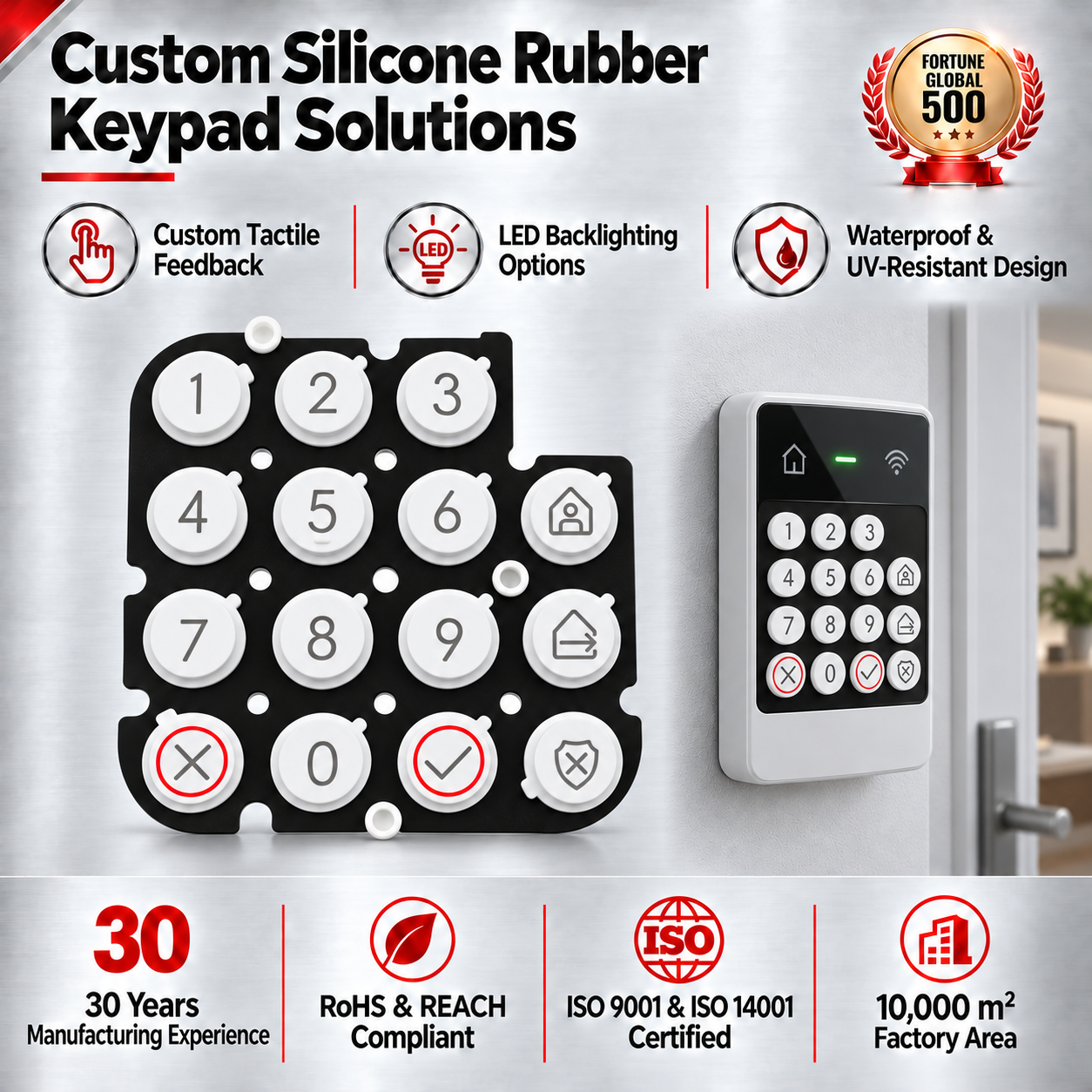
From maritime navigation consoles on the North Sea to sub-zero industrial automation in Oslo and Bergen, Dongguan AXRU Electronics Co., Ltd. bridges high-precision Chinese screen printing, laser machining, and FPC fabrication with strict Nordic compliance protocols.
Precision tactile buttons, conductive elastomer arrays, and sensitive multi-touch interfaces ready for customized graphic finishes and adhesive backings.
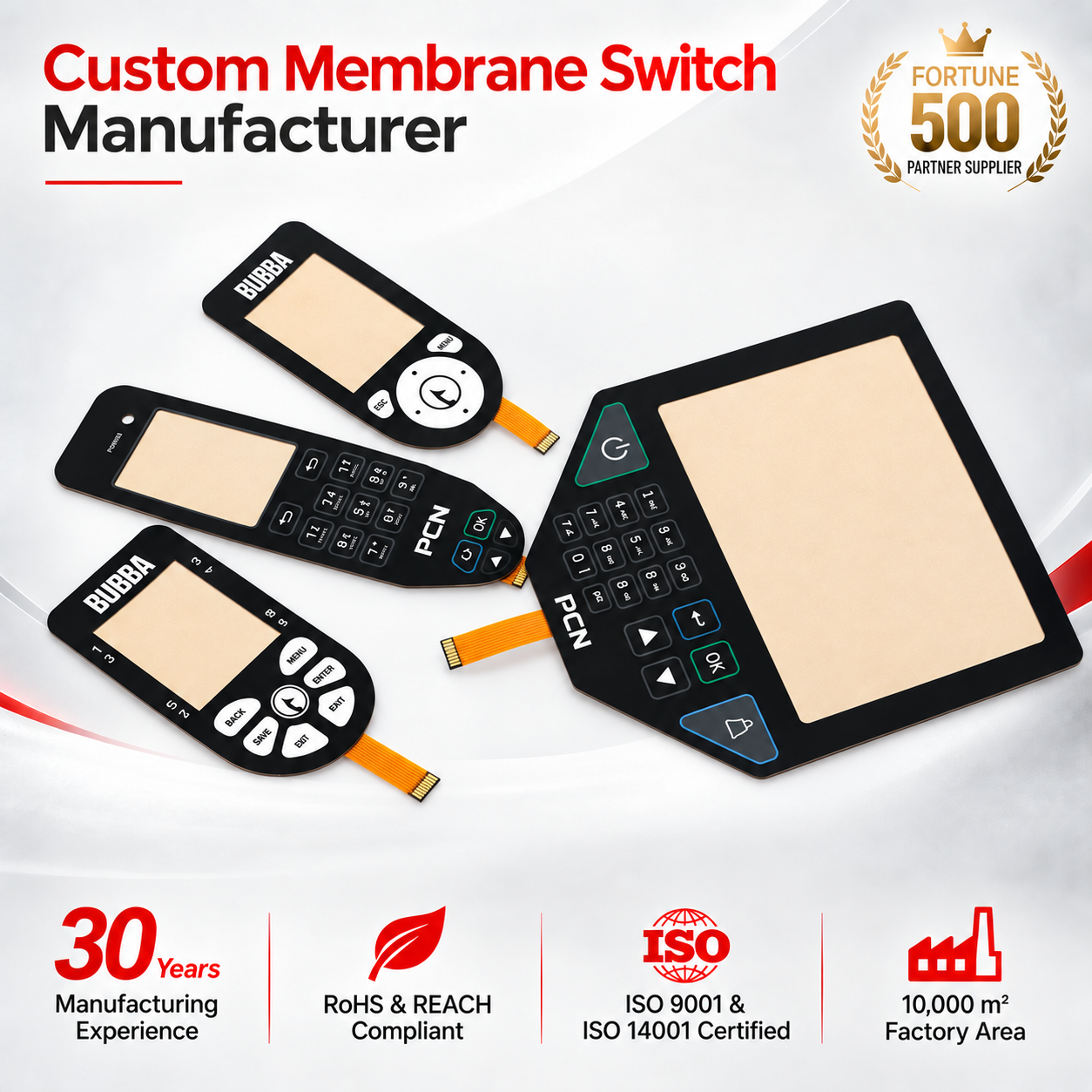
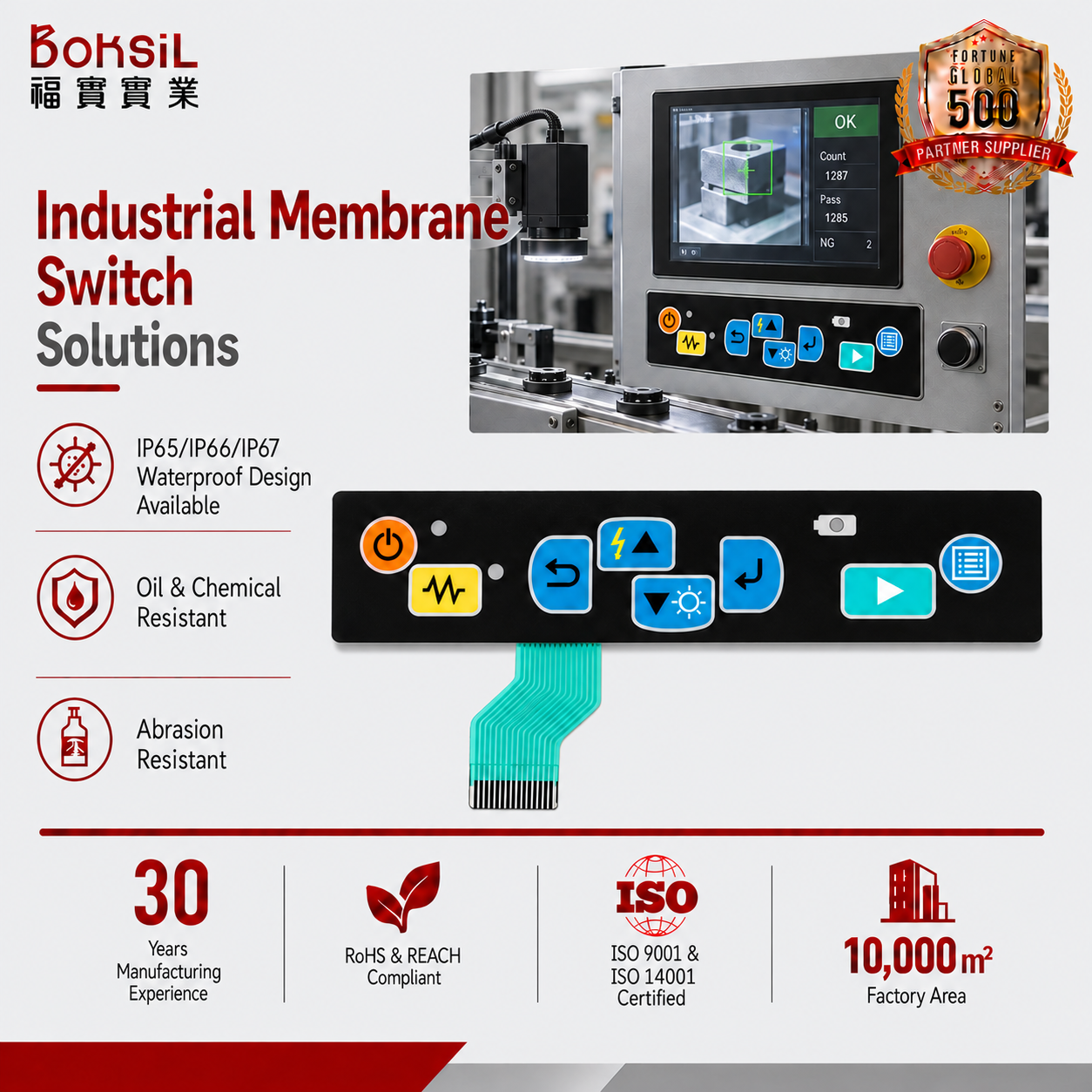
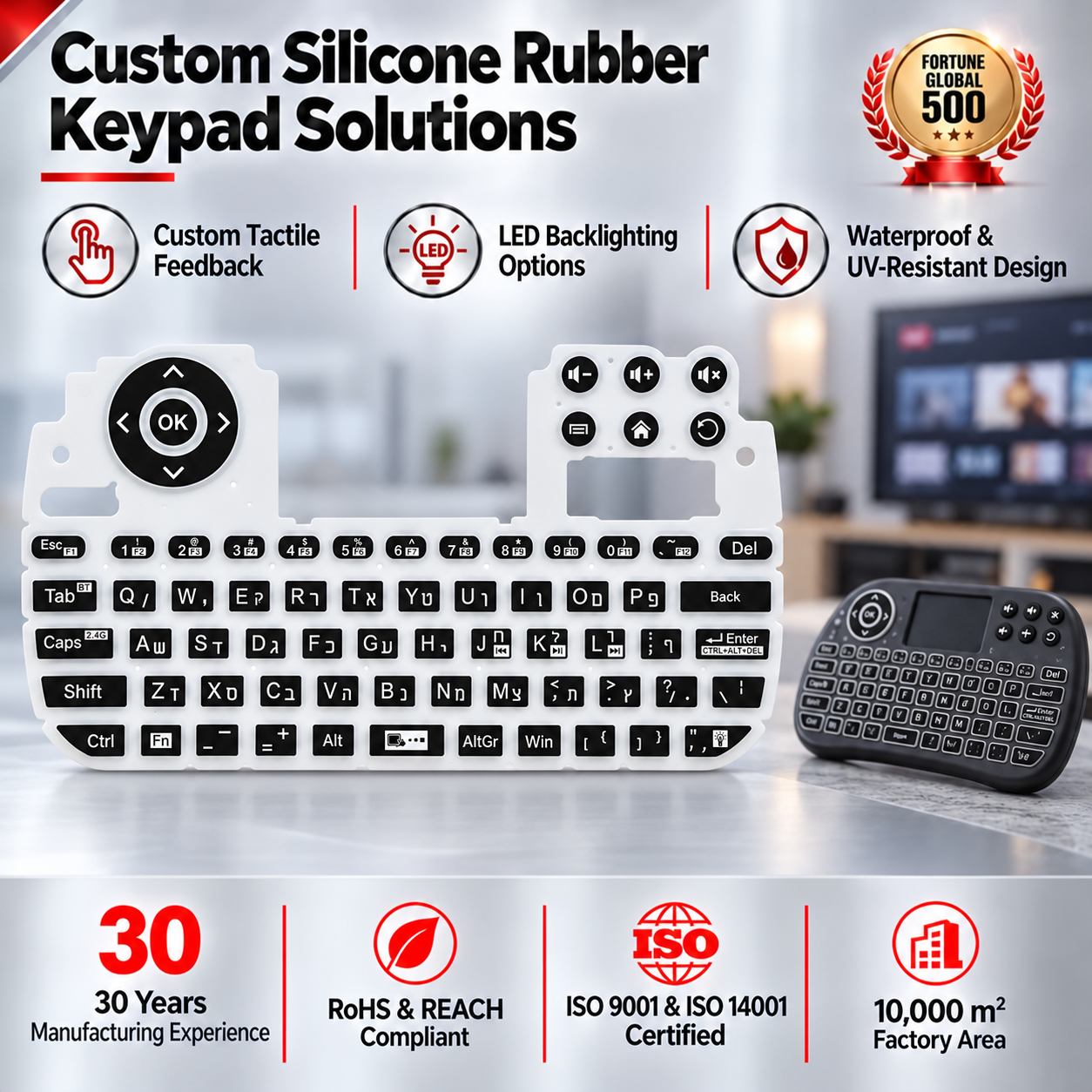
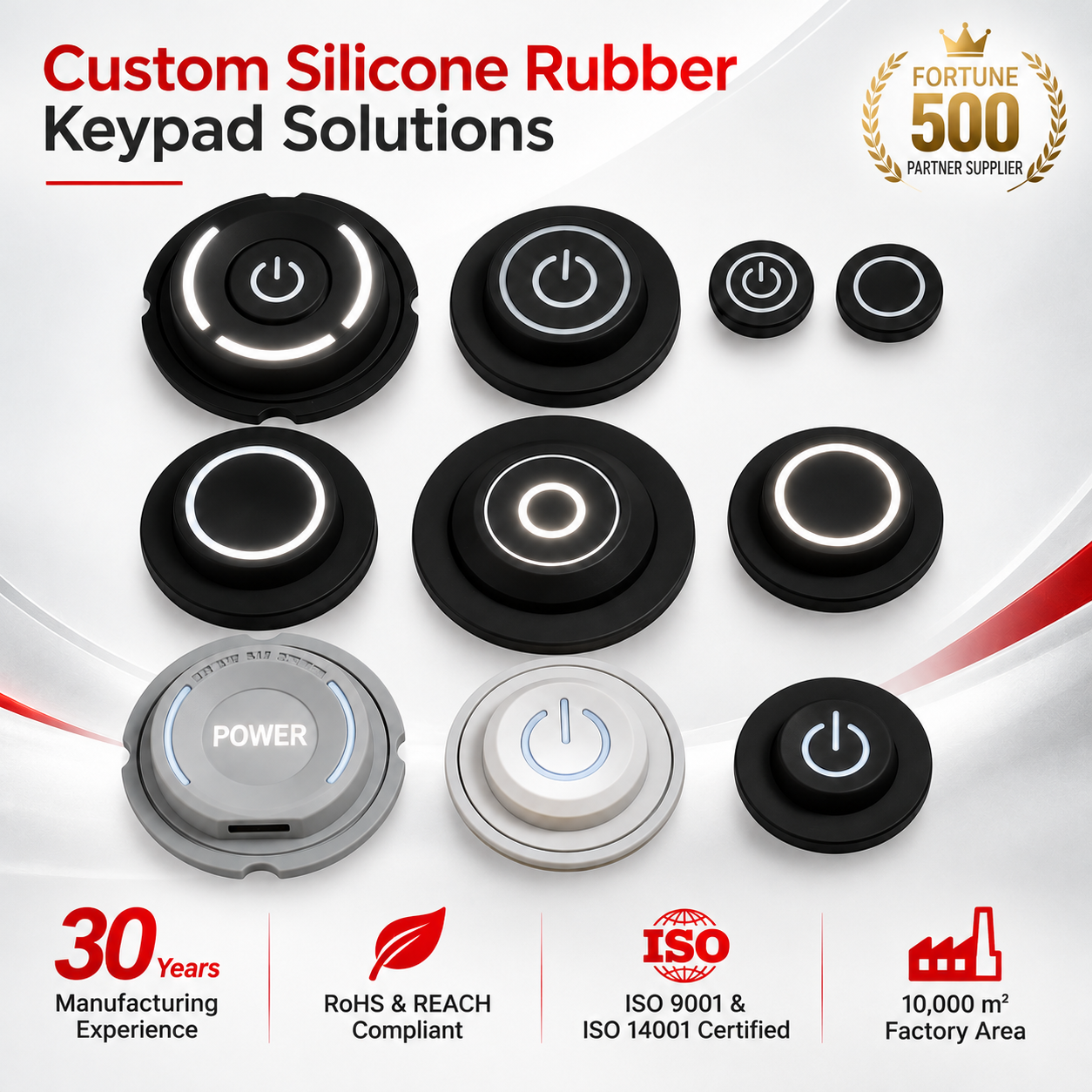
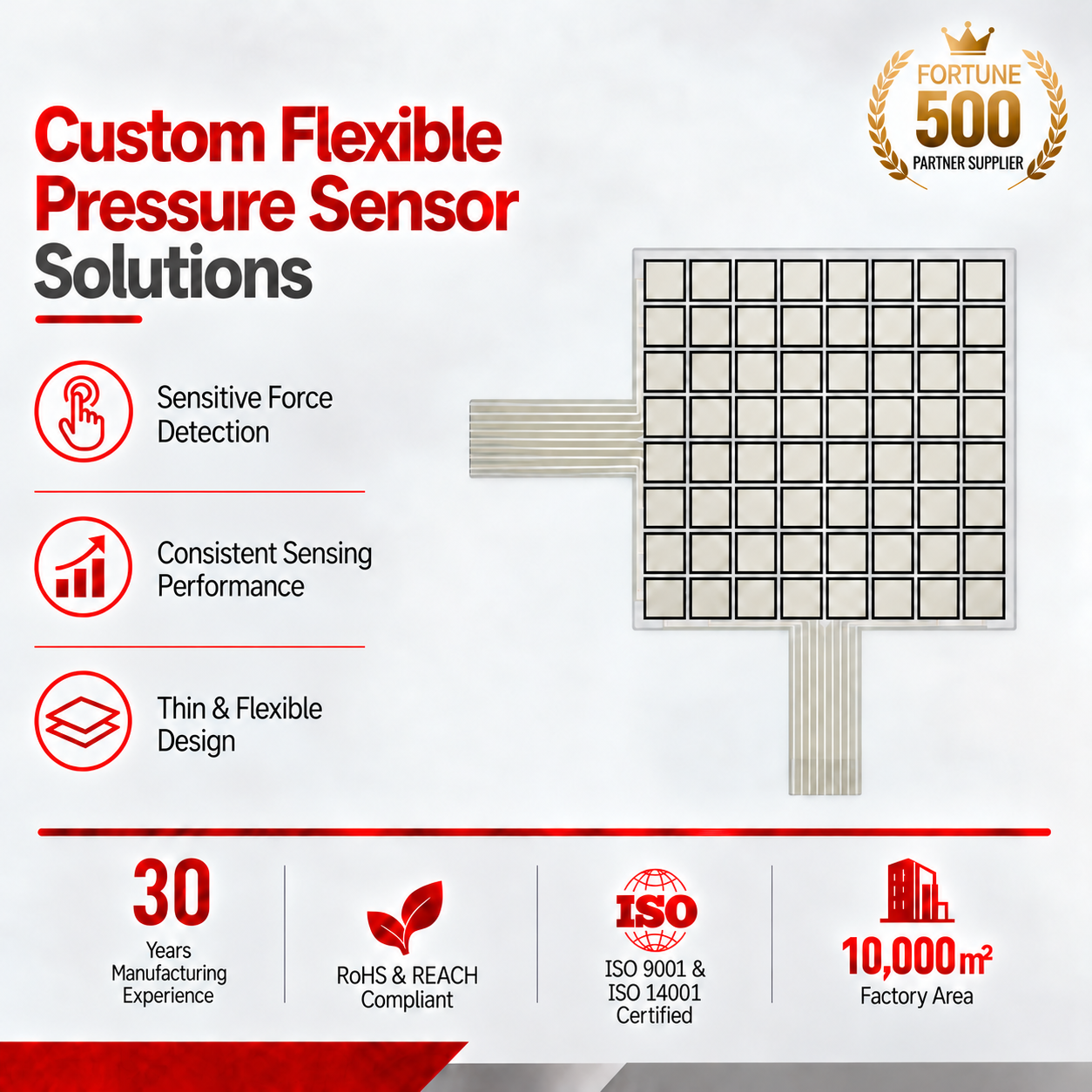
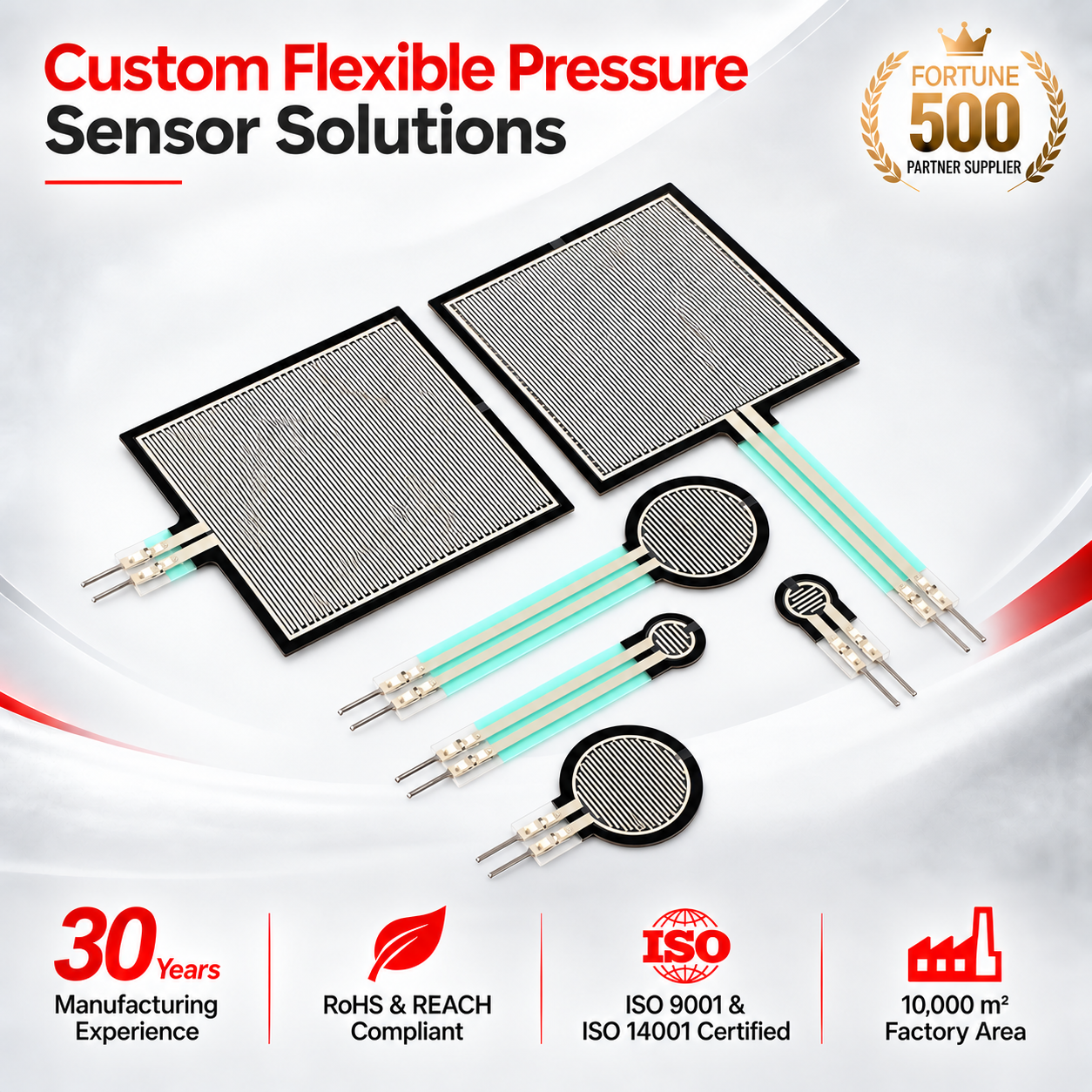
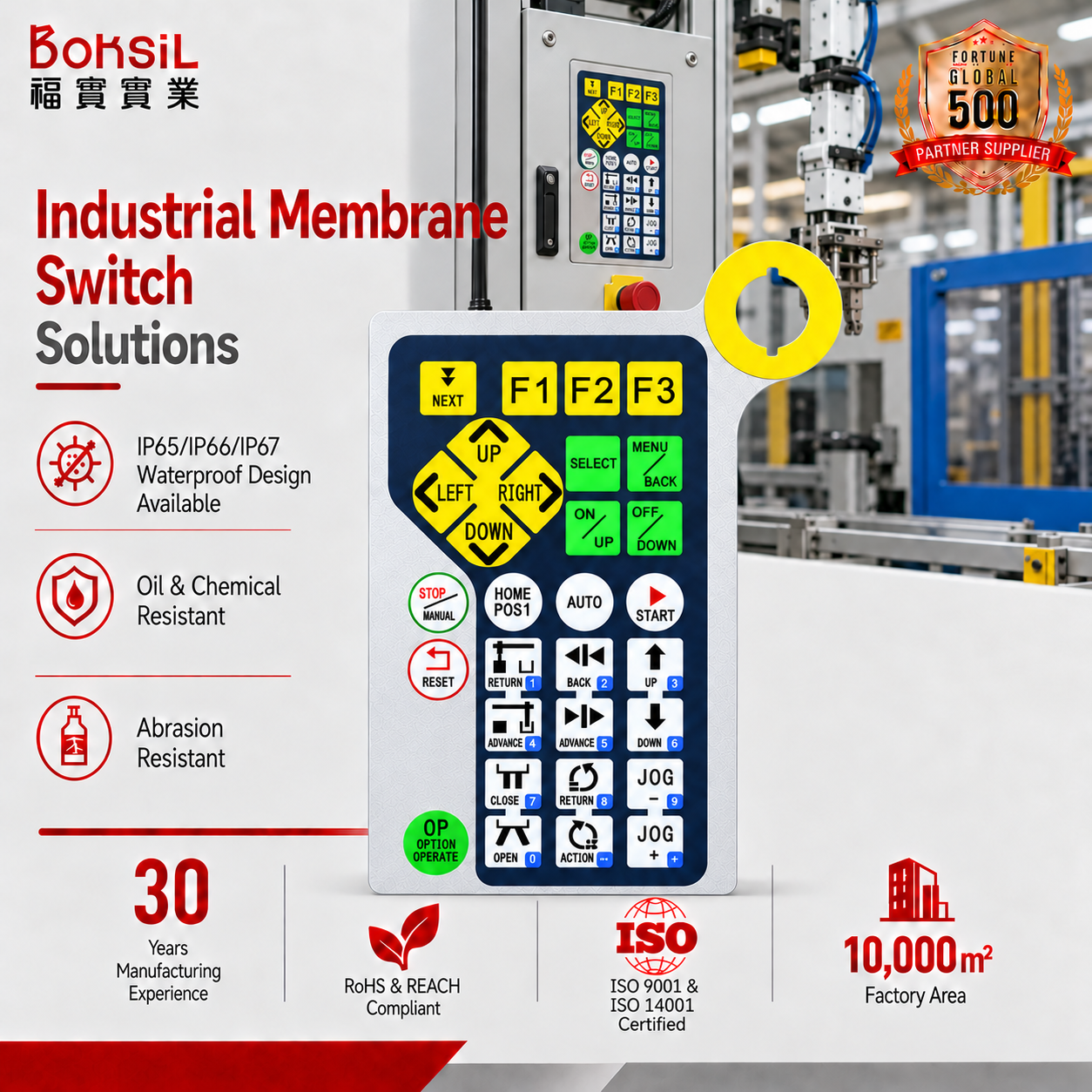
Sourcing keypad overlays for the Norwegian hardware ecosystem requires strict adherence to cold-climate durability, marine salinity resistance, and automated offshore operating standards.
Vessels traversing the Norwegian and Barents Seas demand bridge equipment and deck-mount HMIs compliant with salt-mist corrosion resistance. AXRU provides sealed IP67/IP68 perimeter gaskets paired with 3M 300LSE adhesive and hydrophobic membrane breathers that prevent internal fogging and condensation across sudden thermal transitions.
Norway's modern salmon aquaculture installations along Trøndelag and Vestland utilize automated feeding systems and heavy washdown processing facilities. Graphic overlays engineered with Autotex XE UV-resistant textured polyester resist daily high-pressure chemical washdowns (CIP) containing harsh enzymatic detergents, sodium hypochlorite, and ammonia.
Leading global EV adoption rates, Norwegian high-power DC fast-charging networks (Enova supported) require rugged vandal-resistant user interfaces. We engineer IK08-rated polycarbonate and glass front overlays with specialized UV-stabilizer inks that resist yellowing, brittle thermal fracturing, and mechanical impact down to -40°C.
Thermal stability and chemical resilience dictate overlay lifespan in Nordic conditions. The table below outlines empirical testing performed in our Dongguan reliability laboratory.
| Technical Characteristic | Biaxially-Oriented Polyester (PET) | Polycarbonate Film (Lexan PC) | Toughened Acrylic Glass (PMMA) |
|---|---|---|---|
| Flexural Actuation Fatigue Life | > 5,000,000 cycles (Superior for dome switches) | ~ 500,000 cycles (Risk of micro-crazing) | Rigid substrate (Capacitive sensing only) |
| Sub-Zero Brittleness Point | Operable to -40°C without plasticizer loss | Becomes brittle below -20°C under load | Stable down to -30°C; brittle on shock impact |
| Chemical Resistance (Solvents/Wash) | Impervious to alcohols, diesel, saline, and cleaners | Vulnerable to aromatic hydrocarbons and esters | High resistance to mild acids; scratched by grit |
| Optical Clarity & Backlit Windows | Textured surface; clear window requires UV lacquer | Extremely clear; optimal for dead-front LED gauges | Crystal clarity 92% light transmission |
| Recommended Norwegian Application | Offshore deck consoles, sub-zero marine monitors | Indoor medical analyzers, cleanroom controllers | Smart commercial building interfaces, kiosk displays |
Norwegian system integrators are shifting from traditional standalone pushbuttons to integrated human-machine interfaces that blend glove-friendly tactile feedback with smart IoT capabilities.
Operating personnel in Arctic fisheries and oil platforms routinely wear heavy insulated gloves. Standard flat touchscreens fail in these settings. The demand in Norway is surging for extra-high tactile ratio snap domes (350g – 500g force) with embossed rim ridges, ensuring affirmative snap sensation through 5mm neoprene gloves.
Norwegian maritime safety legislation requires night-vision goggle (NVG) compatible bridge control panels. Using ultra-thin Light Guide Films (LGF), AXRU achieves uniform backlighting across expansive key clusters with zero hot spots, driving power consumption down to a fraction of conventional diffuse LEDs while shielding night vision.
Traditional silver-ink printed circuits can suffer micro-fracturing under intense thermal cycling from -30°C winter to +35°C equipment operating internal temperatures. Norwegian tier-one OEMs are converting to flexible polyimide copper circuitry (FPC) combined with integrated thin-film force sensors for precise variable-speed motor handling.
AXRU operates fully integrated cleanrooms and an internal physical testing laboratory, verifying every design against rigorous peel, force, environmental, and abrasion parameters.
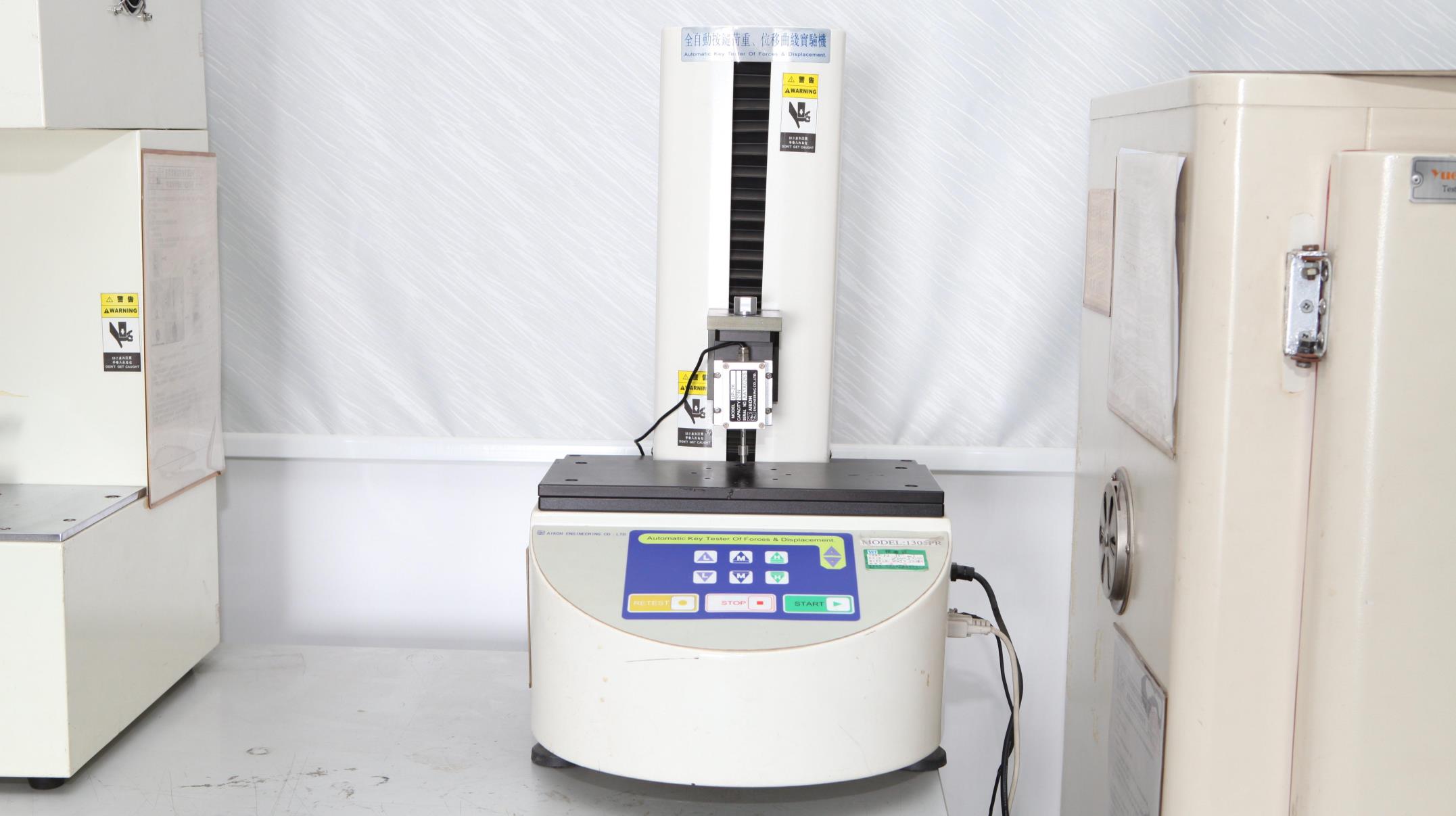
Validates key snap ratio, tactile travel curve, and actuation force tolerance (±15g) to ensure uniform key sensation across entire keyboard arrays.
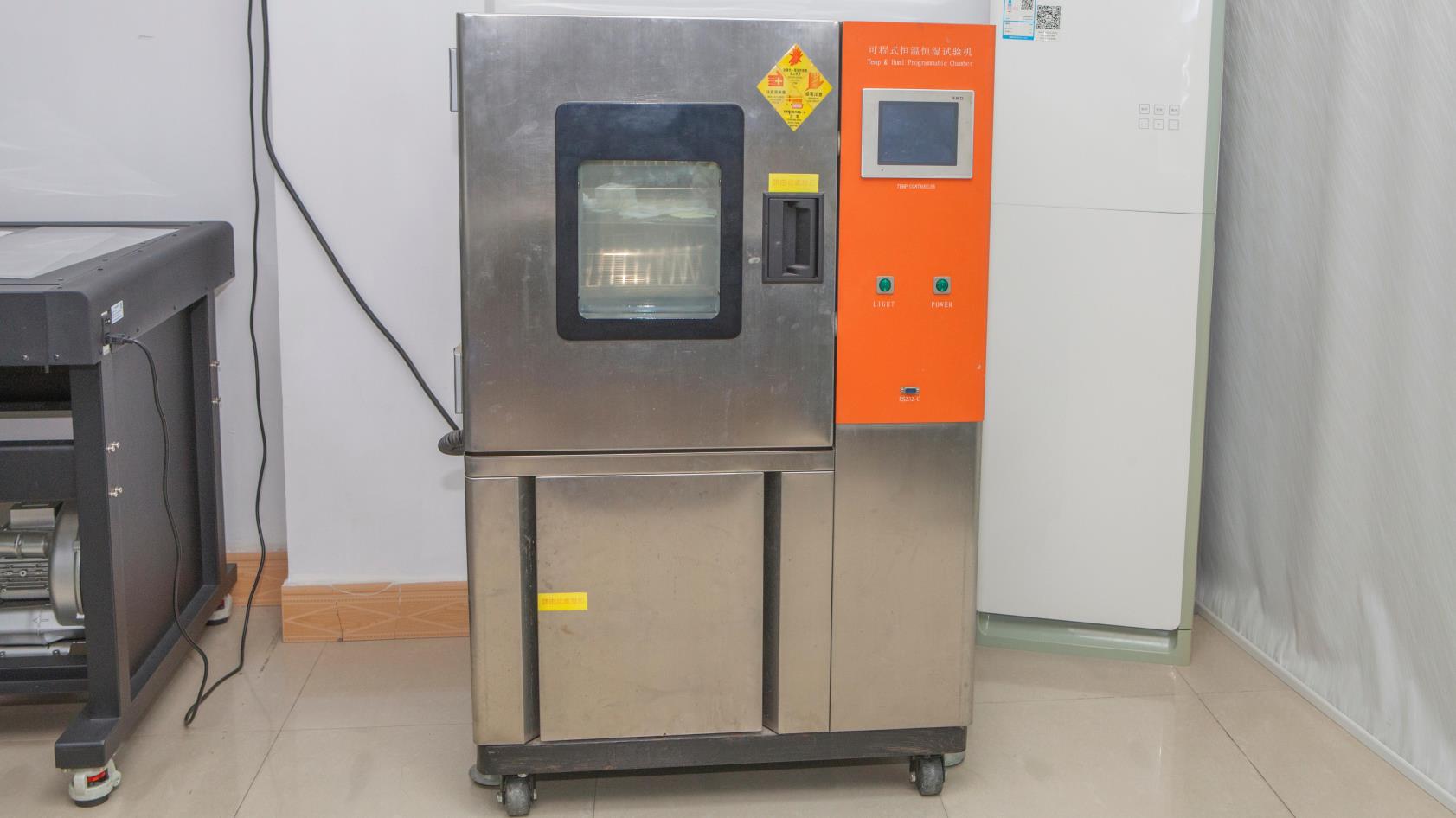
Cycles overlays from -45°C to +85°C with 95% relative humidity to verify zero adhesive creeping, delamination, or circuit oxidation.
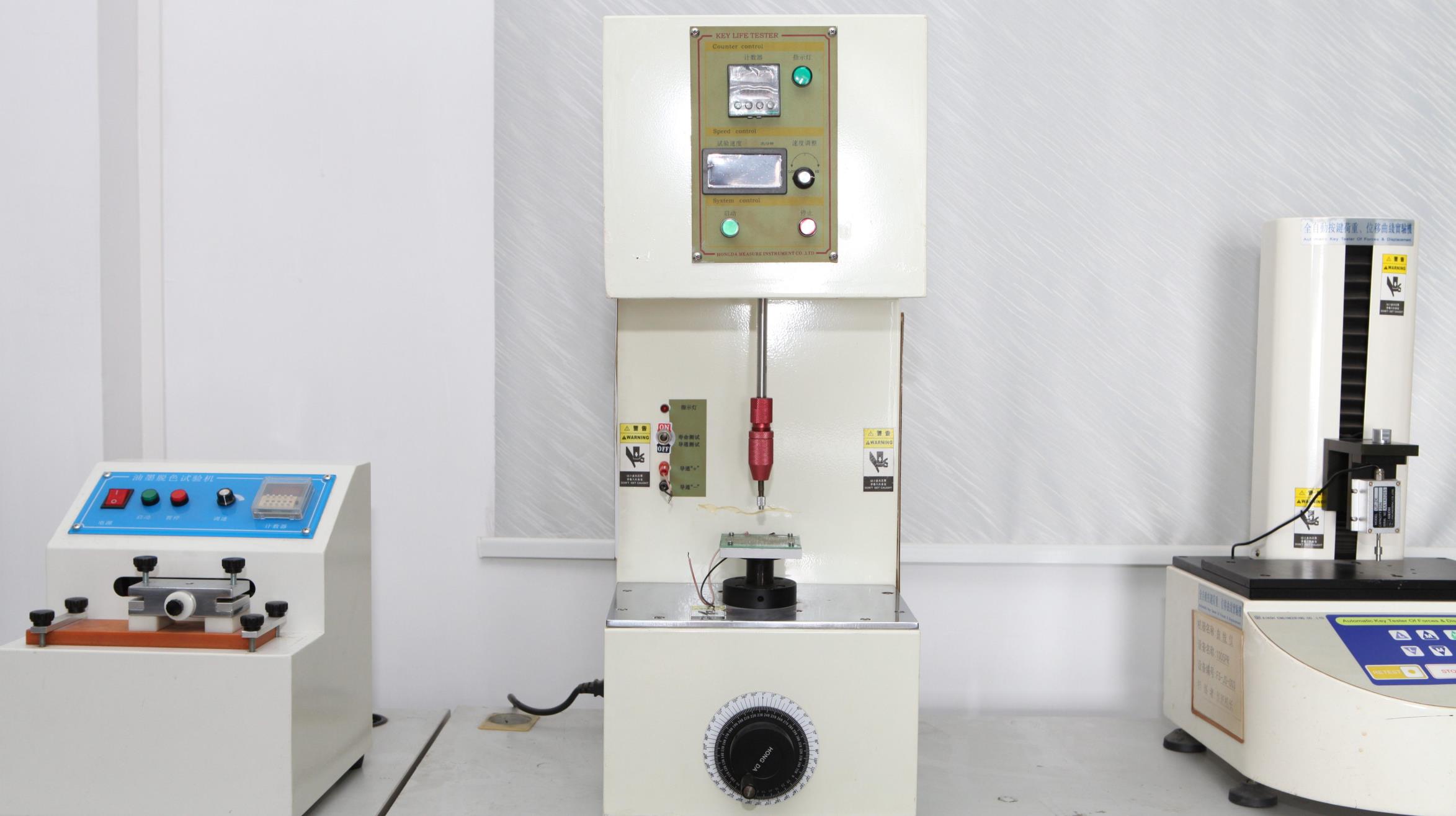
Performs millions of continuous high-speed actuations using silicone and steel tips, validating switch bounce time and electrical continuity life.
Direct answers addressing logistics, customs documentation, low-temperature testing, and quality control from our engineering desk.
Send your 2D drawings (DXF, DWG, AI) or functional stack-up requirements directly to our engineering desk. Receive technical feedback, material suggestions, and prototype quotation within 24 hours.