Industrial
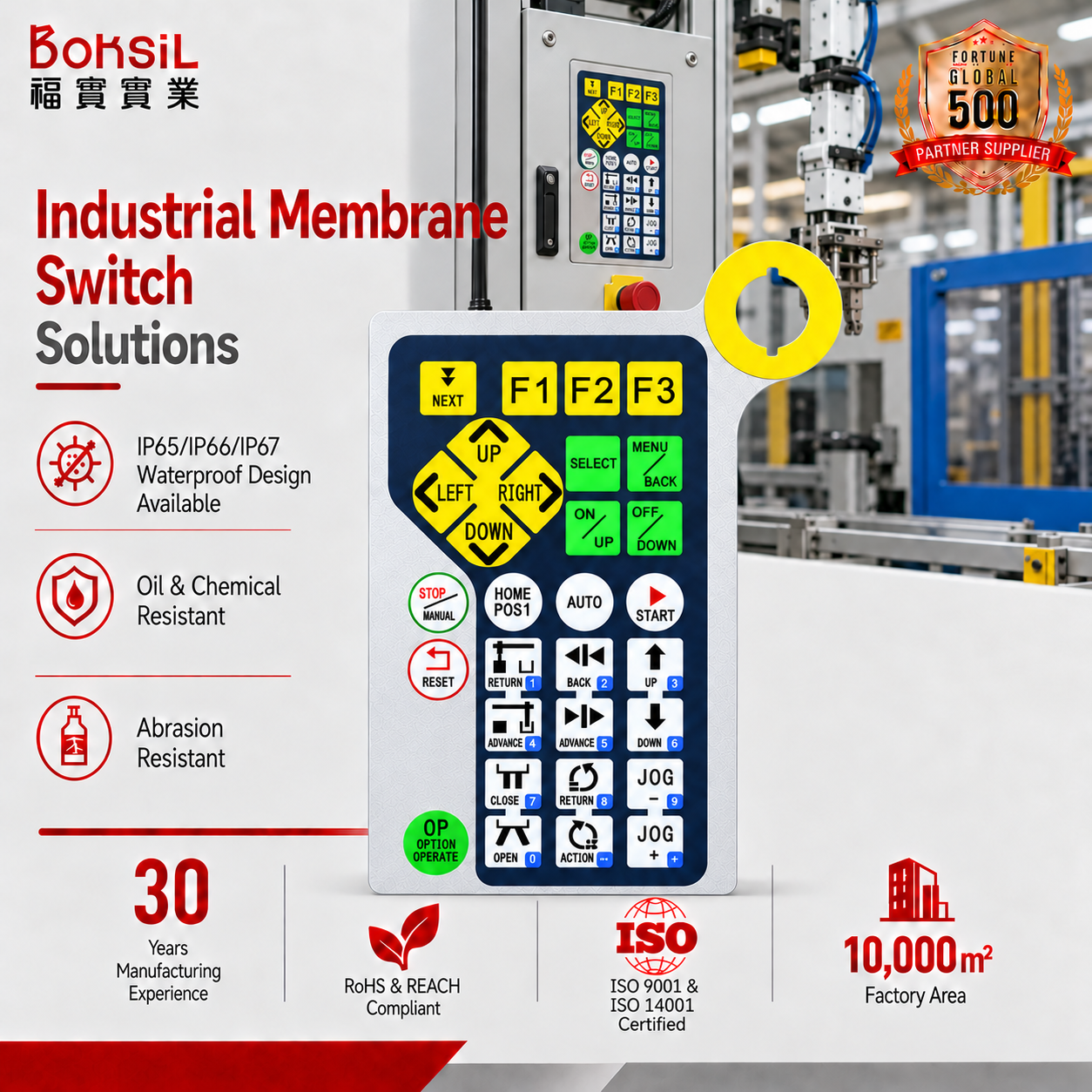
Custom Industrial Membrane Switch Graphic Overlay Touch Keyboard
- SubstrateAutoflex PET / PC
- CircuitConductive Silver / FPC
- Actuation Life>1,000,000 Cycles
Explore our CE-compliant human-machine interface components built with autoclave-grade films, UV-cured dielectric inks, and tactile tactile metal dome configurations tailored for high-durability operational environments.
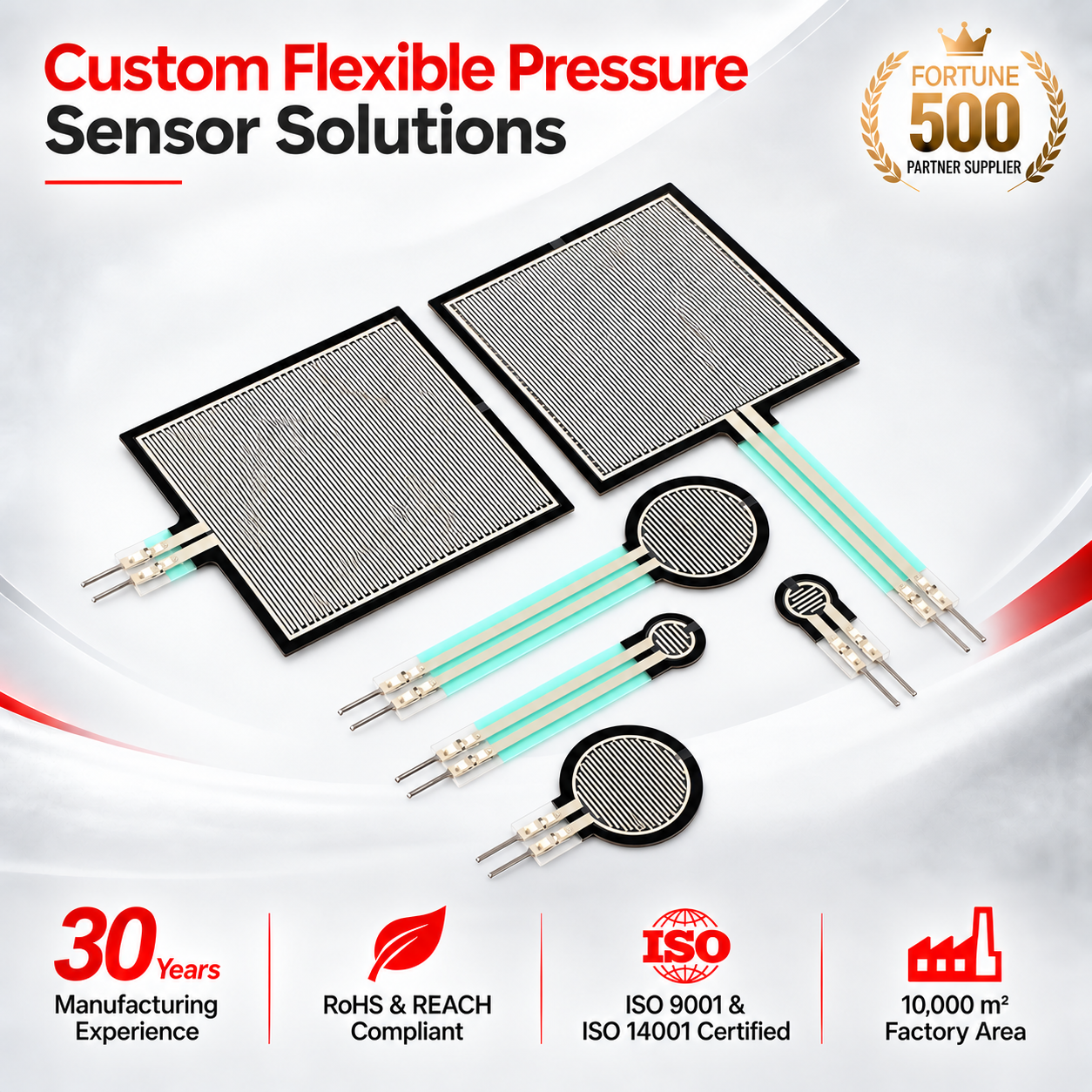
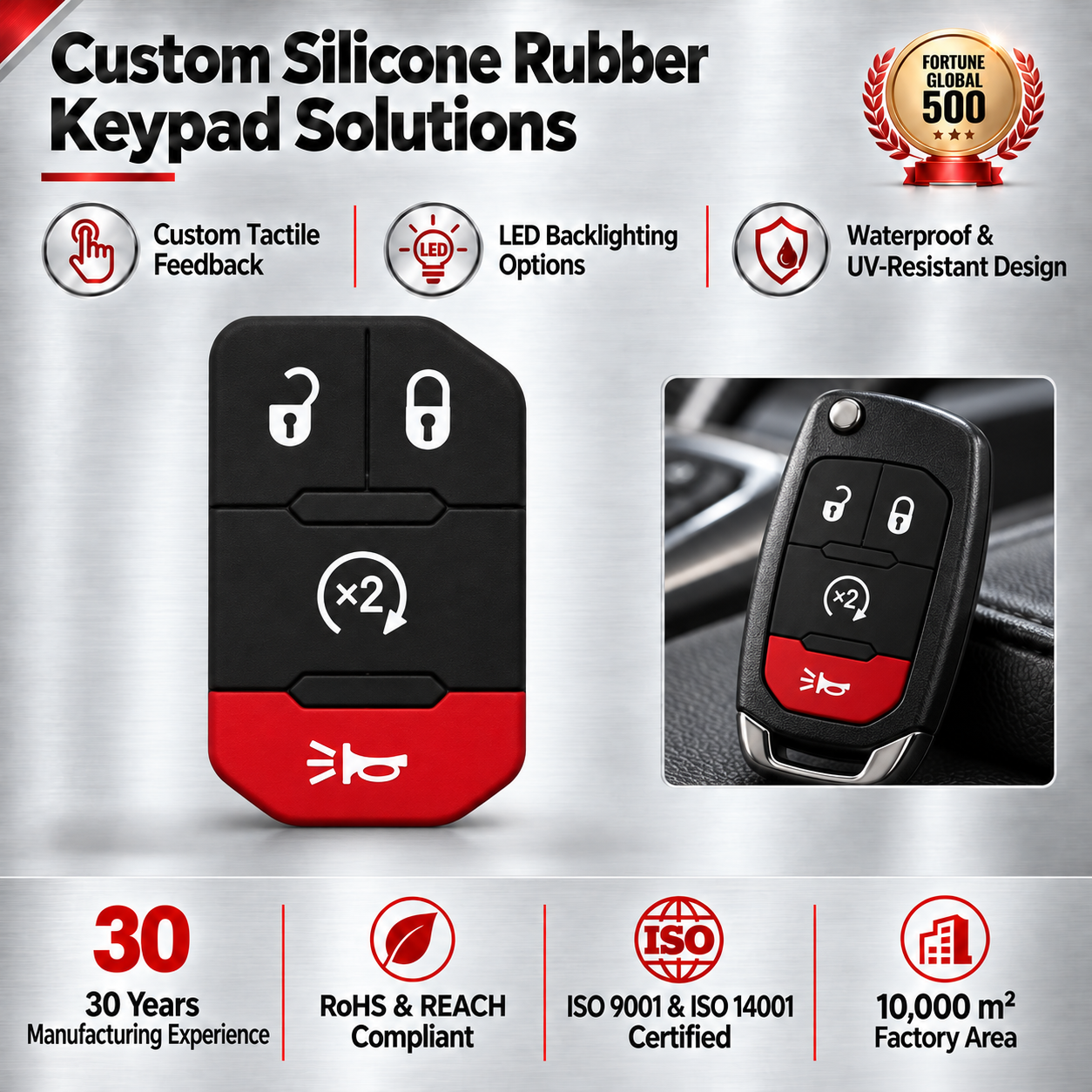
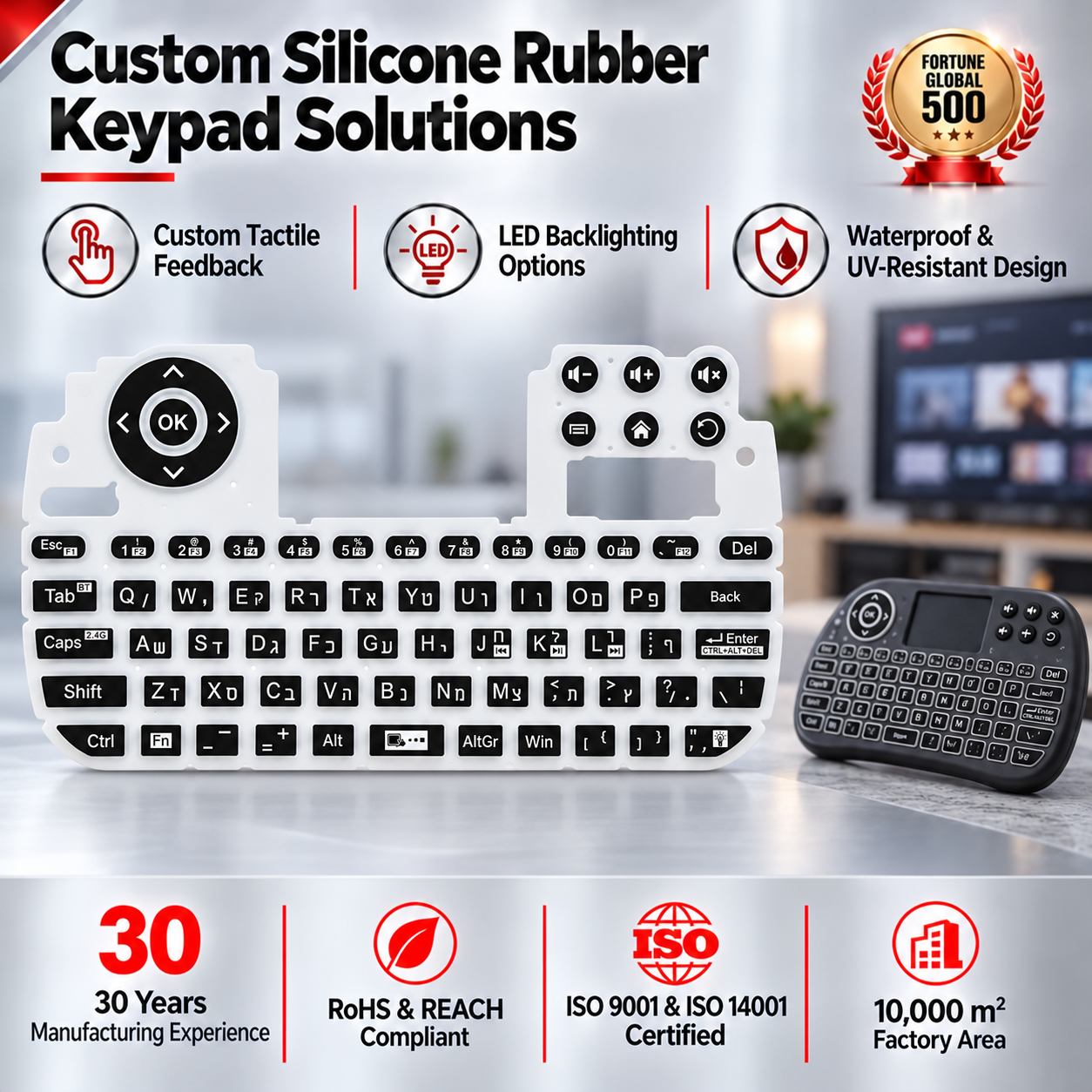
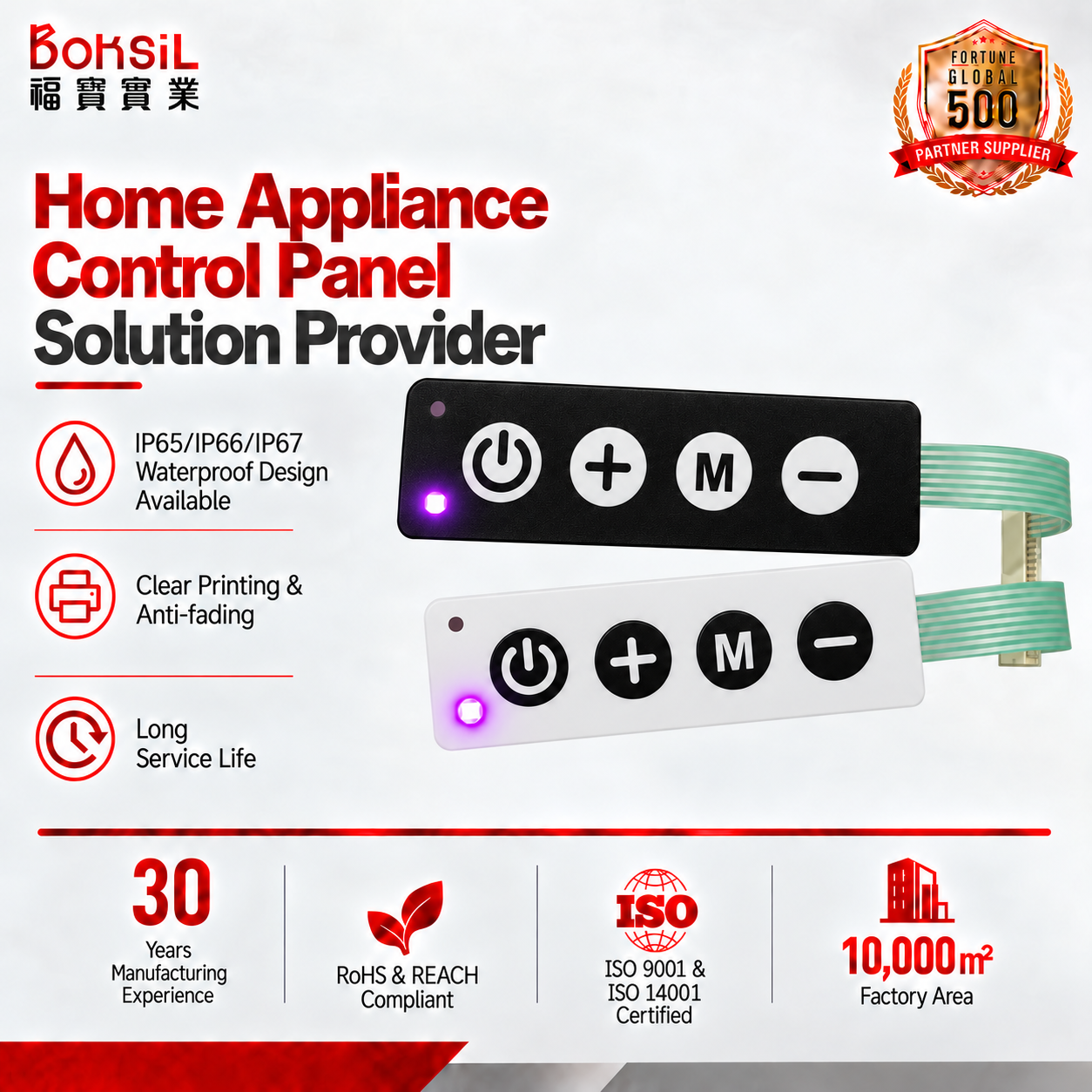
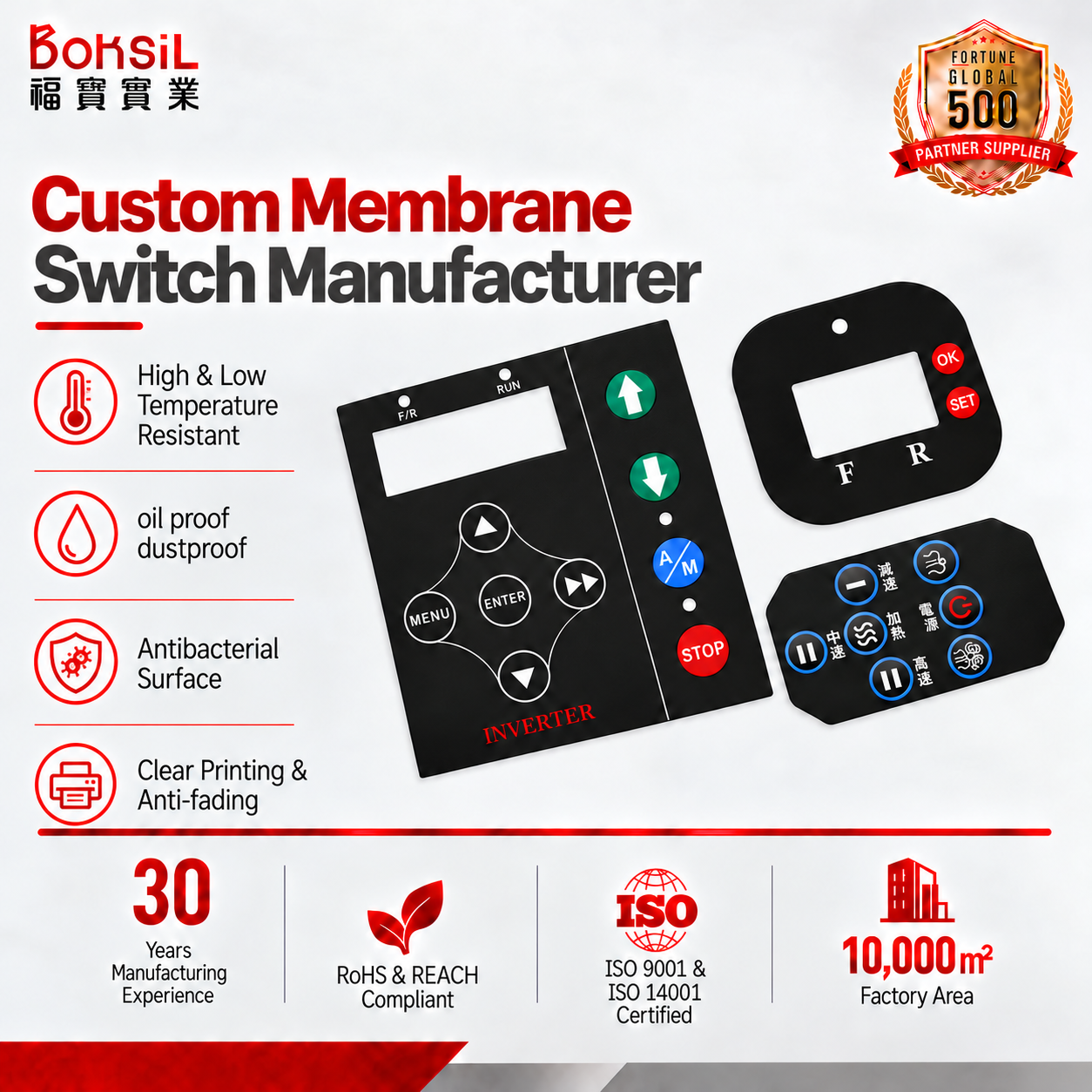
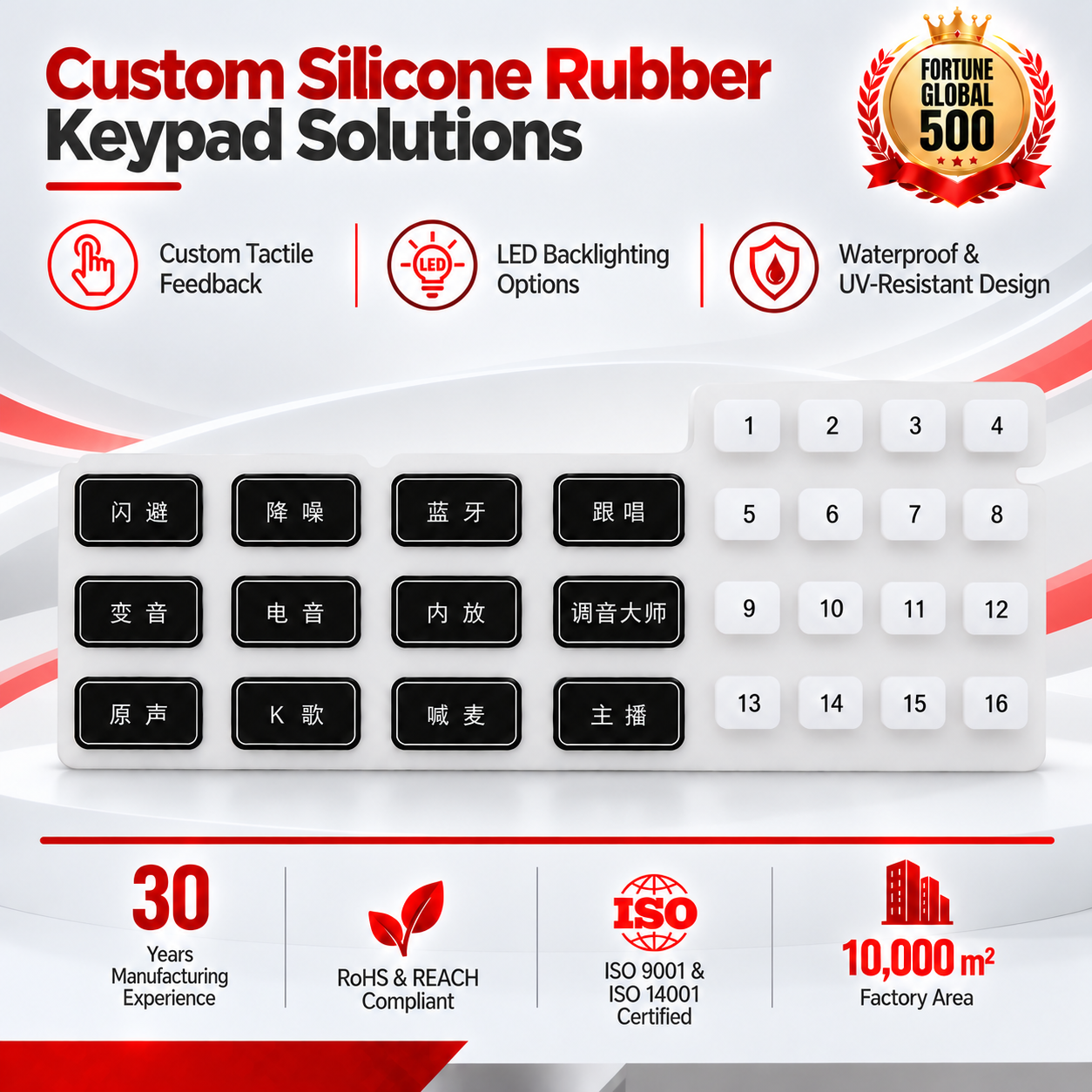
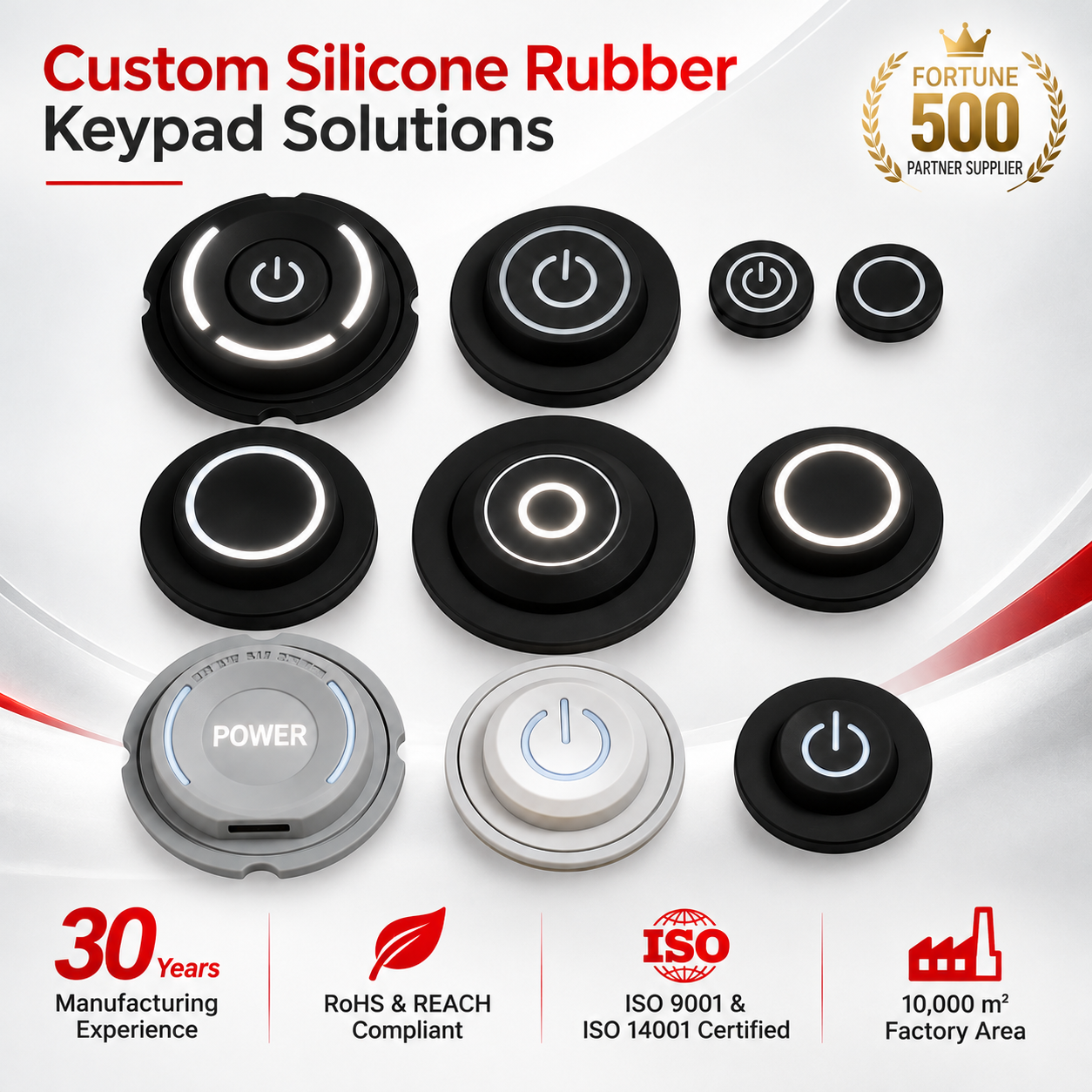
As the epicentre of North American automotive innovation, electric vehicle (EV) battery engineering, and robotic automation, Metro Detroit requires switch assemblies built to withstand environmental rigors that exceed commercial baselines.
With Detroit's pivot toward electrified mobility, direct current fast charging (DCFC) stations and battery management interface consoles mandate IP67 UV-stable, vandal-resistant graphic overlays. Our reverse-screen printed Autotype polyester finishes resist solar fading (yellowing resistance verified) and thermal contraction during Michigan sub-zero winters.
Factory floors across Auburn Hills, Warren, and Dearborn depend on teach pendants and programmable logic controller (PLC) front fascias that resist continuous exposure to synthetic cutting fluids, lubricants, and metal particulates. Our chemically bonded perimeter gaskets prevent chemical ingress and delamination over multi-million switch duty cycles.
Heavy duty logistics vehicles, agricultural haulers, and public transit cabs require tactile switches that can be operated through thick worker gloves. By engineering metal dome snap parameters with tactile forces between 350g to 500g and combining them with embossed key perimeters, machine operators receive unambiguous actuation confirmation without visual monitoring.
Comparing structural stack-up options to ensure compliance with North American automotive standards, CE industrial machinery safety directives, and environmental ingress criteria.
| Architecture Type | Material Stack-Up Layering | Operating Temperature Range | Chemical Resistance & Sealing | Recommended Detroit Market Use Case |
|---|---|---|---|---|
| Tactile Metal Dome Membrane | Autotype MacDermid PET Overlay + 3M 467/468 Adhesive + Stainless Steel Domes (Gold/Nickel Plated) + Silver Printed Polyester Flexible Circuit | -40°C to +85°C (-40°F to 185°F) | IP65 to IP67 Perimeter Gasket Sealing; Impervious to hydraulic fluid, diesel, and acetone. | Stamping press control panels, robotic welding teach consoles, and dynamometer diagnostic test equipment. |
| Copper Flexible Printed Circuit (FPC) | Textured Polycarbonate / Autotex PET + Polyimide (Kapton) Base + Rolled Annealed Copper Foil + SMT Soldered Chip LEDs | -40°C to +105°C continuous | IP68 capability with potting tail exit; immune to high-frequency micro-vibration. | In-cabin automotive dashboards, under-the-hood diagnostic ports, and EV battery module test benches. |
| Capacitive Solid-State Touch Interface | Optically Clear Chemically Strengthened Acrylic Glass or PMMA + Sputtered ITO Sensor Grid / Carbon Electrode + Backlit Masking | -20°C to +75°C | Hermetically sealed solid surface; zero mechanical ingress pathways; withstands rigorous chemical sterilizers. | Autonomous transit infotainment panels, cleanroom inspection pods, and luxury vehicle secondary control pods. |
| Silicone Rubber + Membrane Hybrid | Custom Compression Molded Silicone Keypad with Carbon Pill Conductors resting on Silver Flexible Membrane Circuit or FR4 PCB | -50°C to +150°C | IP66 with molded drip-lip enclosure channels; high abrasion wear resistance via polyurethane clear coat. | Ruggedized fleet logistics handheld scanners, municipal snow plow cabin interfaces, and heavy earthmoving controls. |
Procurement teams and electrical systems architects across Michigan are transitioning away from disparate sub-tier suppliers toward fully integrated, single-source factory partners.
Tier-1 systems integrators in the Motor City are eliminating multi-vendor fragility. Sourcing overlays from a print shop, switch circuits from a separate converter, and keycaps from an injection molder results in tolerance stack-up failures. AXRU’s vertically integrated 10,000㎡ factory controls graphic screen printing, laser cutting, SMT LED integration, dome placement, and cleanroom lamination in one facility.
Automotive interiors and industrial charging housings demand 3D curved surfaces that flat membrane switches cannot accommodate. Detroit OEMs are adopting In-Mold Decoration where pre-printed, high-optical-density films are thermoformed and back-molded with engineering resins, creating unified curved interfaces where the graphics cannot be scraped off or chemically worn away.
Equipment engineered in Detroit is deployed across both domestic plants and exported to the European Union. Our CE-compliant manufacturing processes adhere strictly to Low Voltage Directive (LVD) and Electromagnetic Compatibility (EMC) requirements. We integrate customized copper, graphite, or aluminum shield layers to prevent ESD (Electrostatic Discharge) up to 15kV from causing system resets.
On-site audited by Intertek, our Dongguan plant operates 9 specialized engineering laboratories and assembly workshops to eliminate product variation before components reach American shores.
Every individual assembly is checked through automated test jigs for contact loop resistance, insulation continuity, open circuits, and LED luminous forward voltage before shipment.
Pneumatic key life testers actuate metal dome keys through millions of continuous strike cycles to document snap-ratio degradation and tactile retention over lifetime expectations.
Programmable environmental chambers subject finished overlays to thermal shocks (-40°C to +105°C) and 95% relative humidity to prove adhesion against delamination and trace oxidation.
RCA wear testers and accelerated QUV xenon yellowing chambers certify that surface inks, legends, and dead-front coatings withstand sustained solvent cleaning without rub-off.
Clear, direct answers regarding prototypes, PPAP documentation, tooling timelines, and export tariffs for North American clients.
Connect directly with our senior HMI application engineers. Submit your CAD vector files, schematic pinouts, or dimensional specifications to receive a comprehensive Design for Manufacturability (DFM) assessment within 24 hours.
Send an Inquiry