Conductive
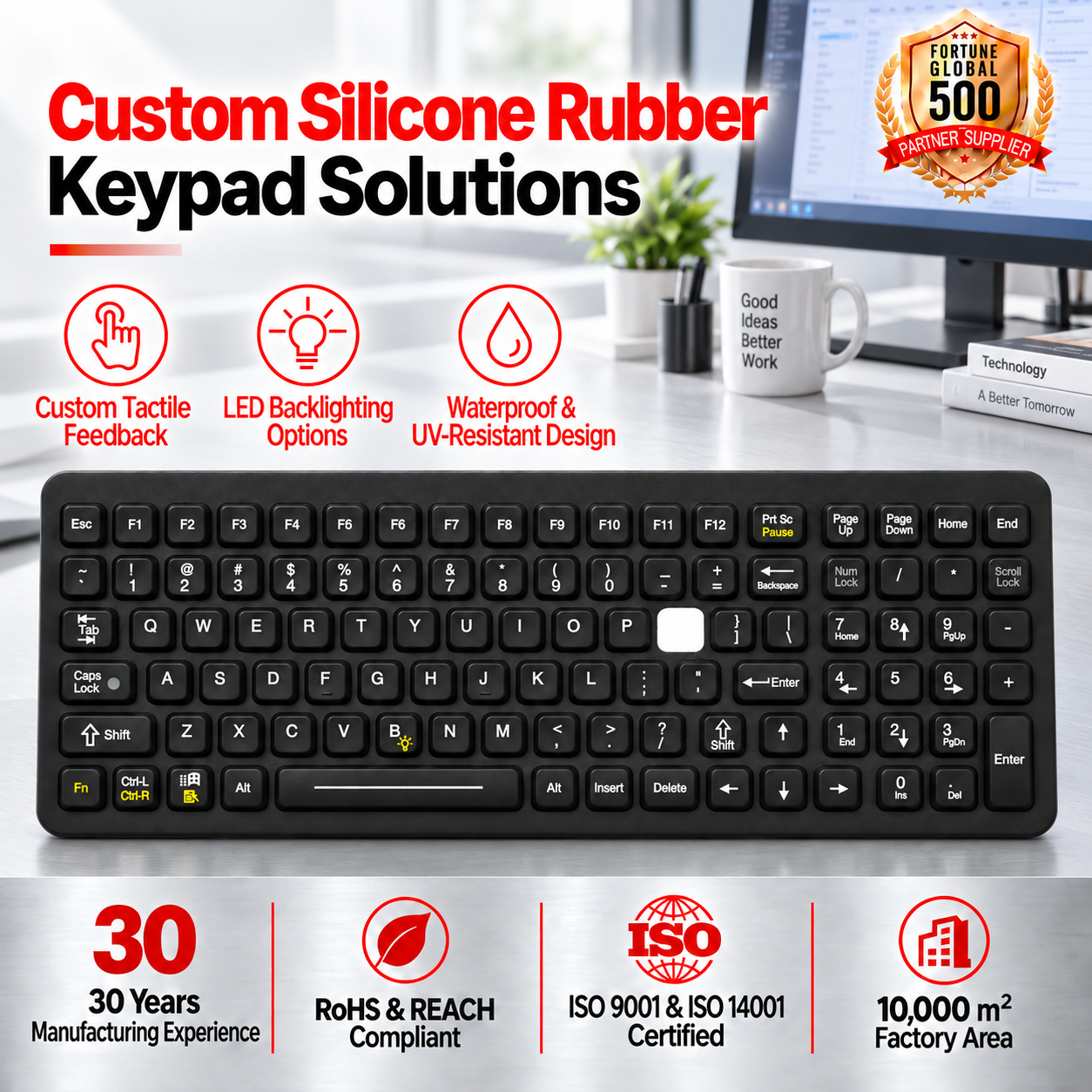
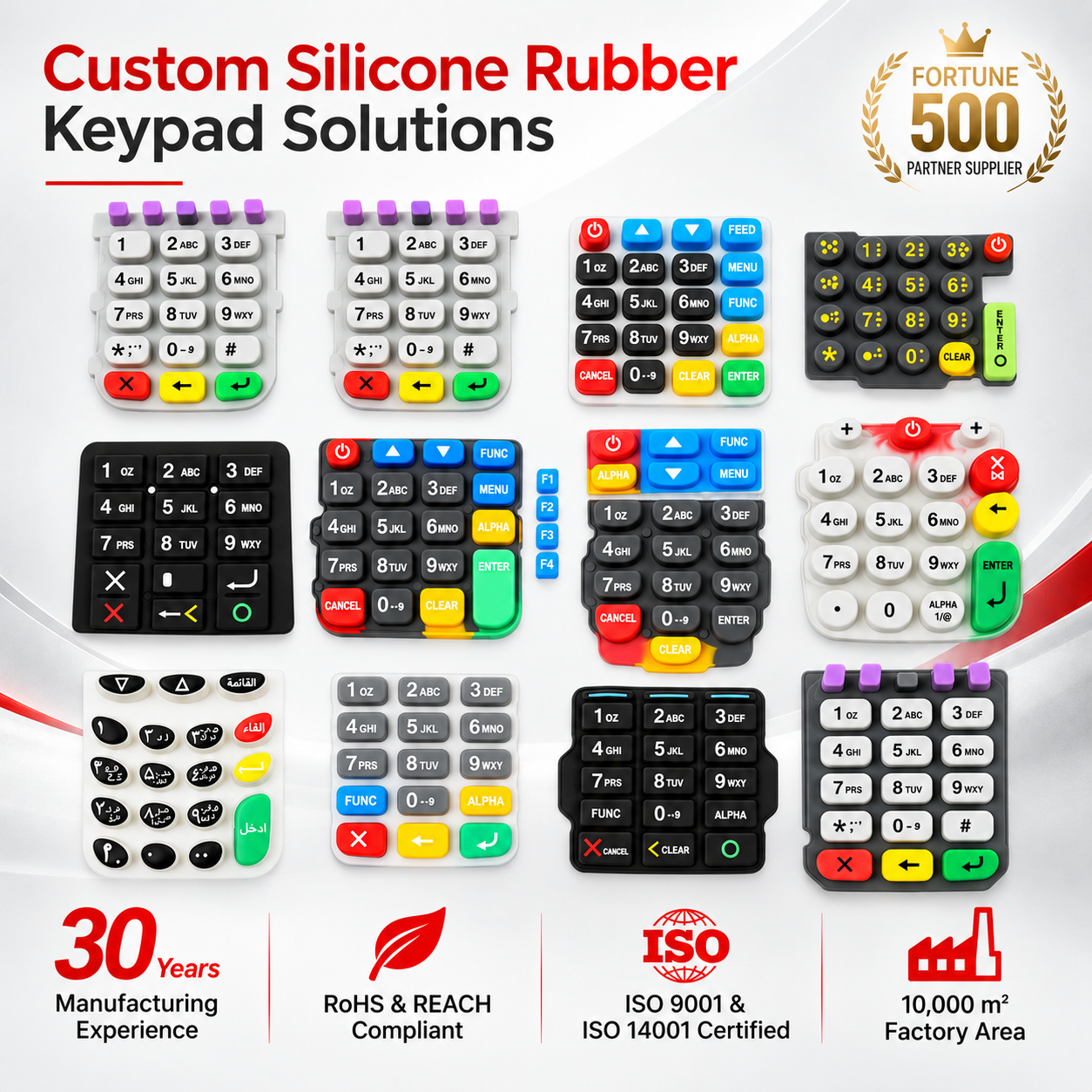
Industrial Silicone Keypad Rubber Button for Computer
- Material: Conductive Silicone
- Standard: Non-Toxic / RoHS
- Tactile Life: >1,000,000 cycles
Explore our certified catalog of high-durability speedometer gauge face overlays, membrane switches, and elastomer interfaces built for rugged operational lifespan.
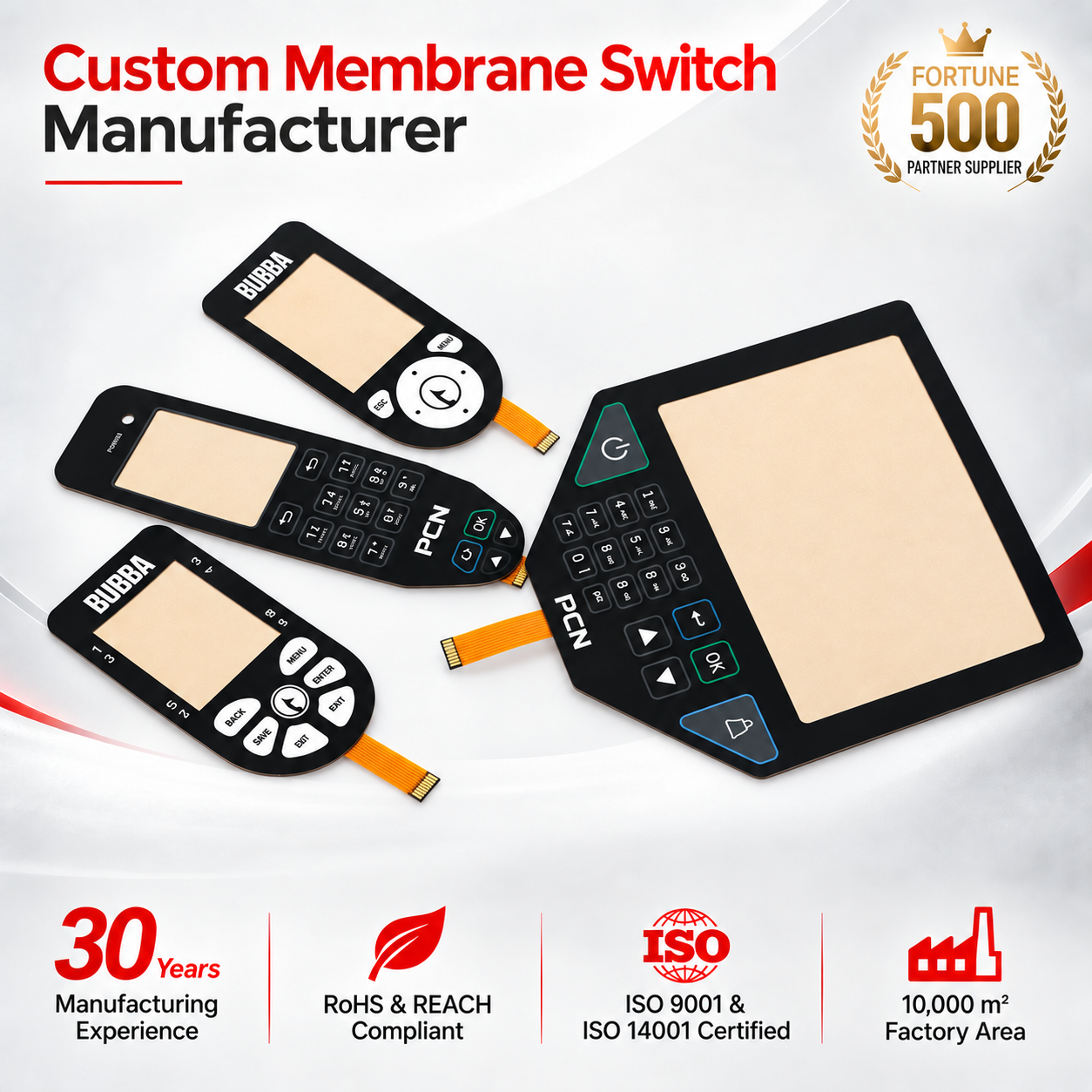
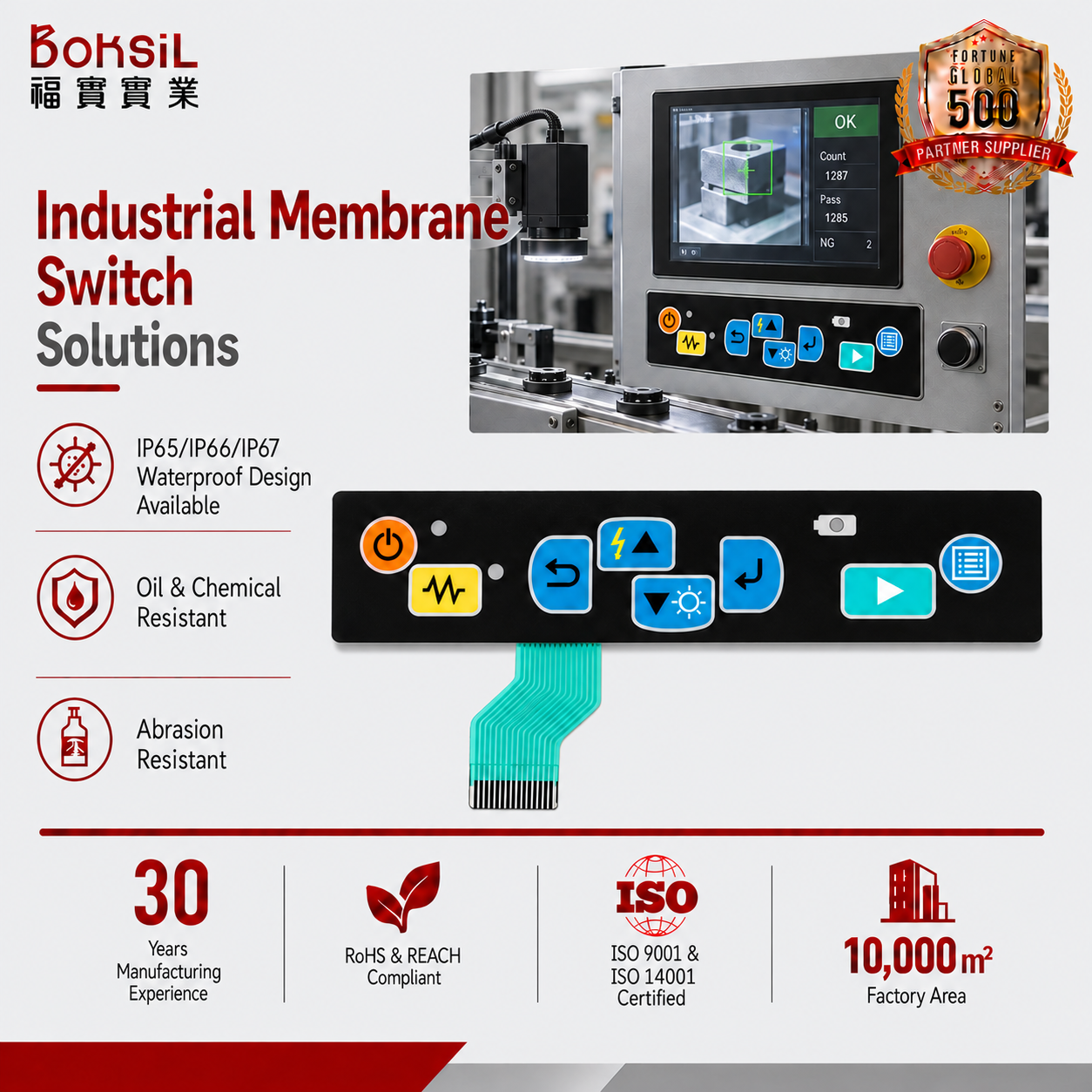
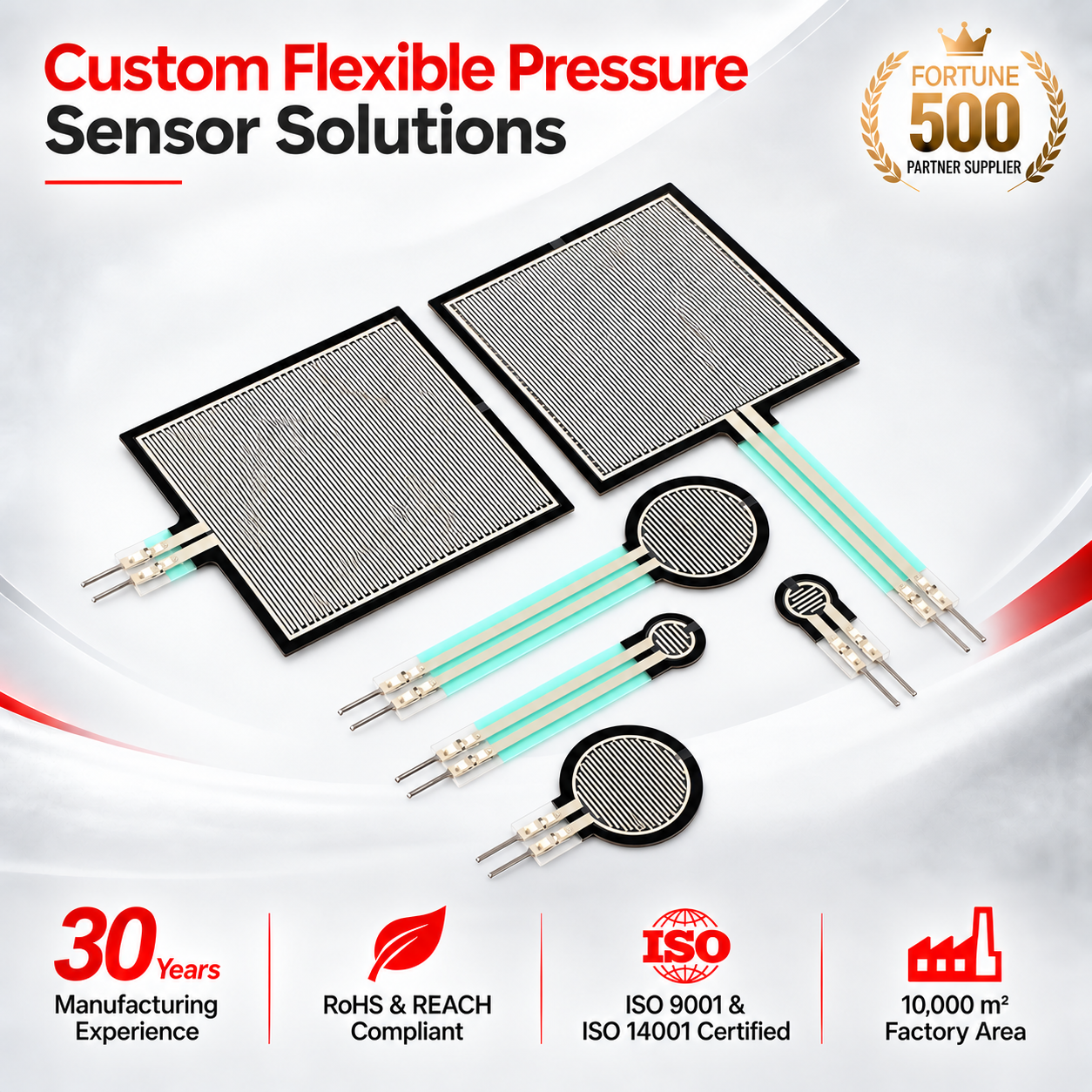
Papua New Guinea presents one of the most punishing environments for instrumentation clusters in the Southern Hemisphere. From saturated equatorial humidity in coastal ports to red volcanic dust along the Highlands Highway, instrumentation must survive without delaminating, yellowing, or losing backlight transparency.
The 800-kilometer Highlands Highway connecting Lae to Mount Hagen, Goroka, and Tari demands extreme vibration tolerance. Heavy transport prime-movers and distribution 4WDs run continuously through corrugated dirt, mud, and river washouts. Our speedometer overlays incorporate premium 3M 468MP acrylic adhesives paired with 0.25mm-0.375mm high-grade Lexan Polycarbonate that prevent dial-face curling, edge lifting, and mechanical fatigue caused by unrelenting cabin vibration.
Mining operations across Porgera, Ok Tedi, and Lihir deploy heavy haul trucks, excavators, and drilling rigs under constant exposure to abrasive rock dust, slurry mist, and wide thermal fluctuations. Instrument gauge faces must possess scratch-resistant hard coats (1H to 3H pencil hardness) and anti-glare textured finishes, ensuring equipment operators maintain instant, parallax-free visual readings of speed, engine RPM, oil pressure, and transmission temp under glaring equatorial daylight.
Commercial fleets operating in Port Moresby, Lae, Alotau, and Madang battle extreme relative humidity (>90% RH) coupled with airborne marine salt aerosols. Standard printed speedometer faces degrade rapidly: translucent indicators bleed, adhesives turn milky, and internal layers delaminate. Dongguan AXRU utilizes reverse sub-surface multi-color screen printing and hermetic perimeter bonding to seal graphic pigments completely away from corrosive salt-laden atmosphere.
In rugged timber leases across West New Britain and Gulf Province, heavy skidders and forestry prime movers endure aggressive organic solvents, diesel fuel wash-downs, hydraulic fluids, and severe fungal bloom conditions. Our automotive dials utilize chemically stabilized PET (polyethylene terephthalate) with cross-linked polymer topcoats, resisting aggressive oil spills, mold spores, and fuel splatter during field repairs.
Public Motor Vehicles are the economic backbone of Papua New Guinea's urban and inter-provincial passenger transit. Toyota Coaster buses, Land Cruiser Troopy conversions, and light trucks accumulate massive mileage under direct sun-soak conditions with internal dashboard temperatures routinely topping 65°C. AXRU’s gauge faces integrate non-yellowing UV stabilizers rated for >1,000 continuous hours of intense QUV weatherometer testing.
Automotive repair clusters and instrument rebuilders in Boroko, Gordons Industrial Area, and Lae face prolonged supply delays for OEM instrument clusters. AXRU supplies custom direct-replacement dial overlays, metric-to-imperial conversions, and custom bilingual/pictographic warning dials that allow local repair centers to rebuild water-damaged and sun-baked clusters at a fraction of replacement assembly cost.
Strategic analysis of fleet modernizations, resource development investments, and localized instrumentation demands reshaping the automotive supply chain in Papua New Guinea.
Mega infrastructure projects including Papua LNG and mining expansions are driving substantial imports of modernized utility trucks, generator skids, and support vehicles. Fleet operations are shifting from standard stock panels to customized dashboard gauge faces featuring reinforced dead-front LED warning symbols, dual-scale calibrations (km/h and mph), and telemetry status windows designed for standardized operator safety.
Navigating unlit highway stretches between Highlands transit depots requires fatigue-free cockpit lighting. Outdated incandescent bulbs with uneven hot spots are rapidly being replaced by Light Guide Film (LGF) and surface-mount LED backlighting integrated directly underneath translucent graphic overlays. Our selective ink density printing controls light transmission to ±3%, preventing eye strain during nocturnal convoy transit.
Volatile international shipping lanes and currency exchange pressures have incentivized fleet engineering hubs in Port Moresby to pivot heavily toward local cluster remanufacturing. By partnering directly with an OEM-grade factory capable of producing high-precision polycarbonate gauge face overlays from sample scans or drawings, repair centers eliminate lengthy logistics bottlenecks and reduce inventory holding costs by up to 60%.
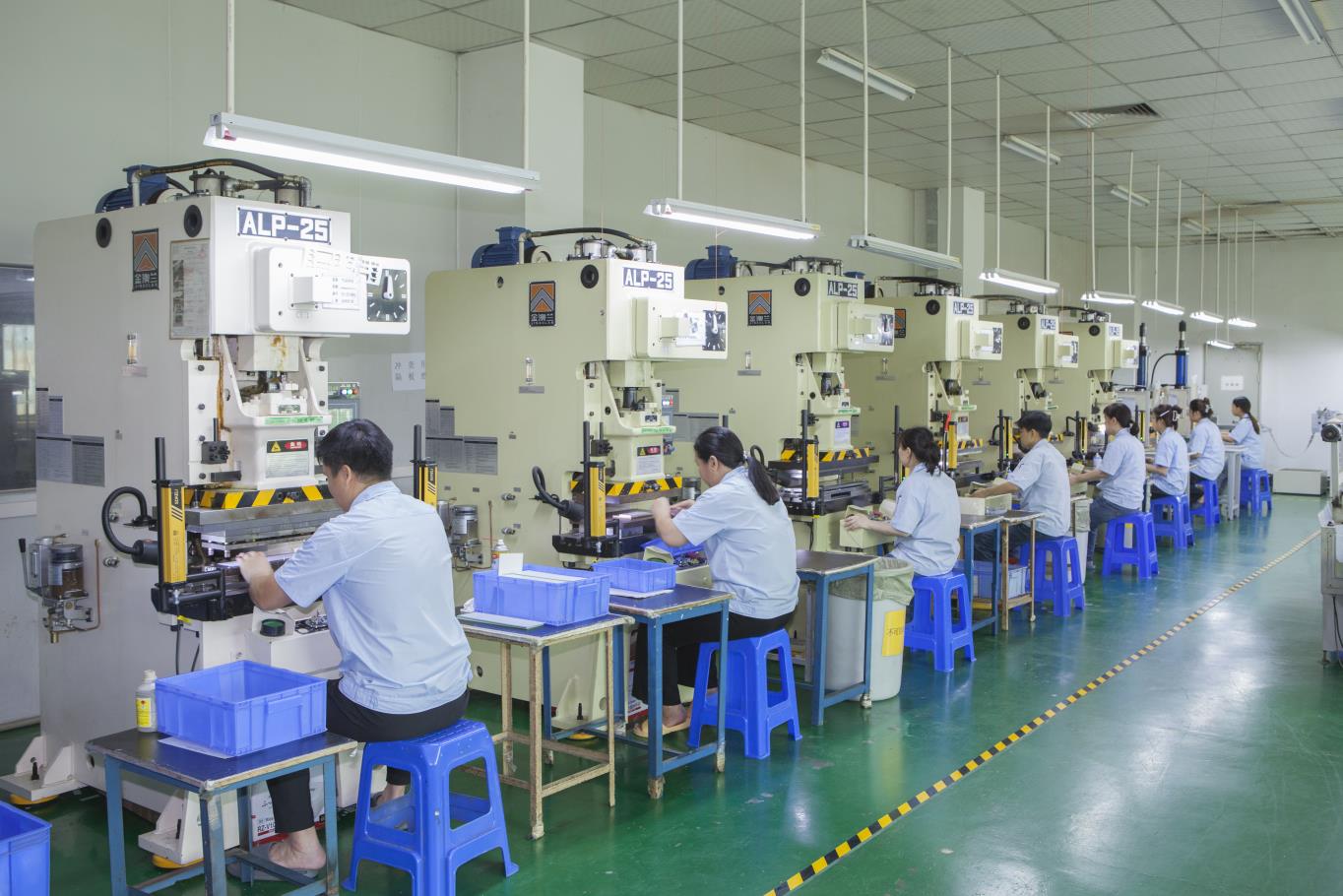
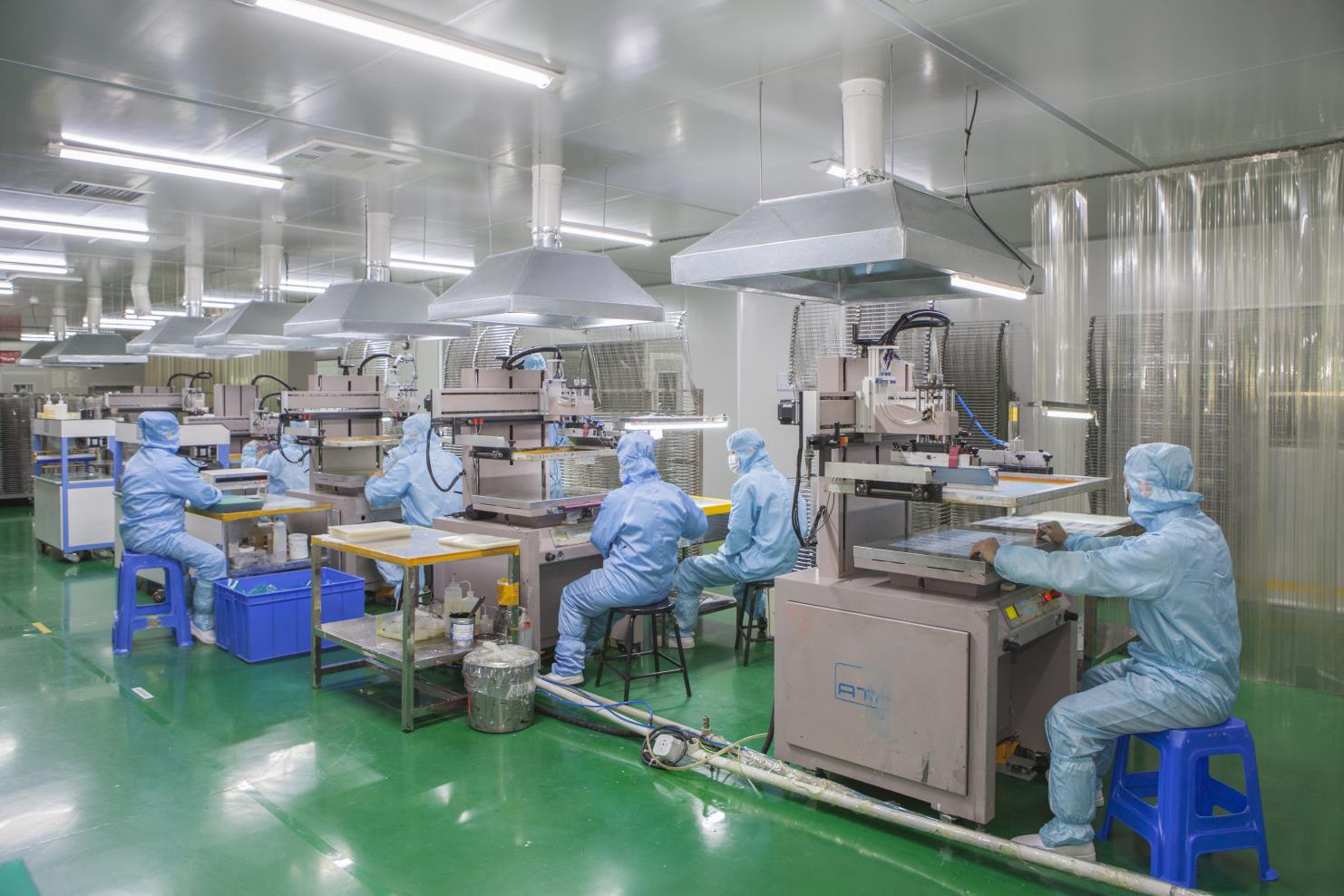
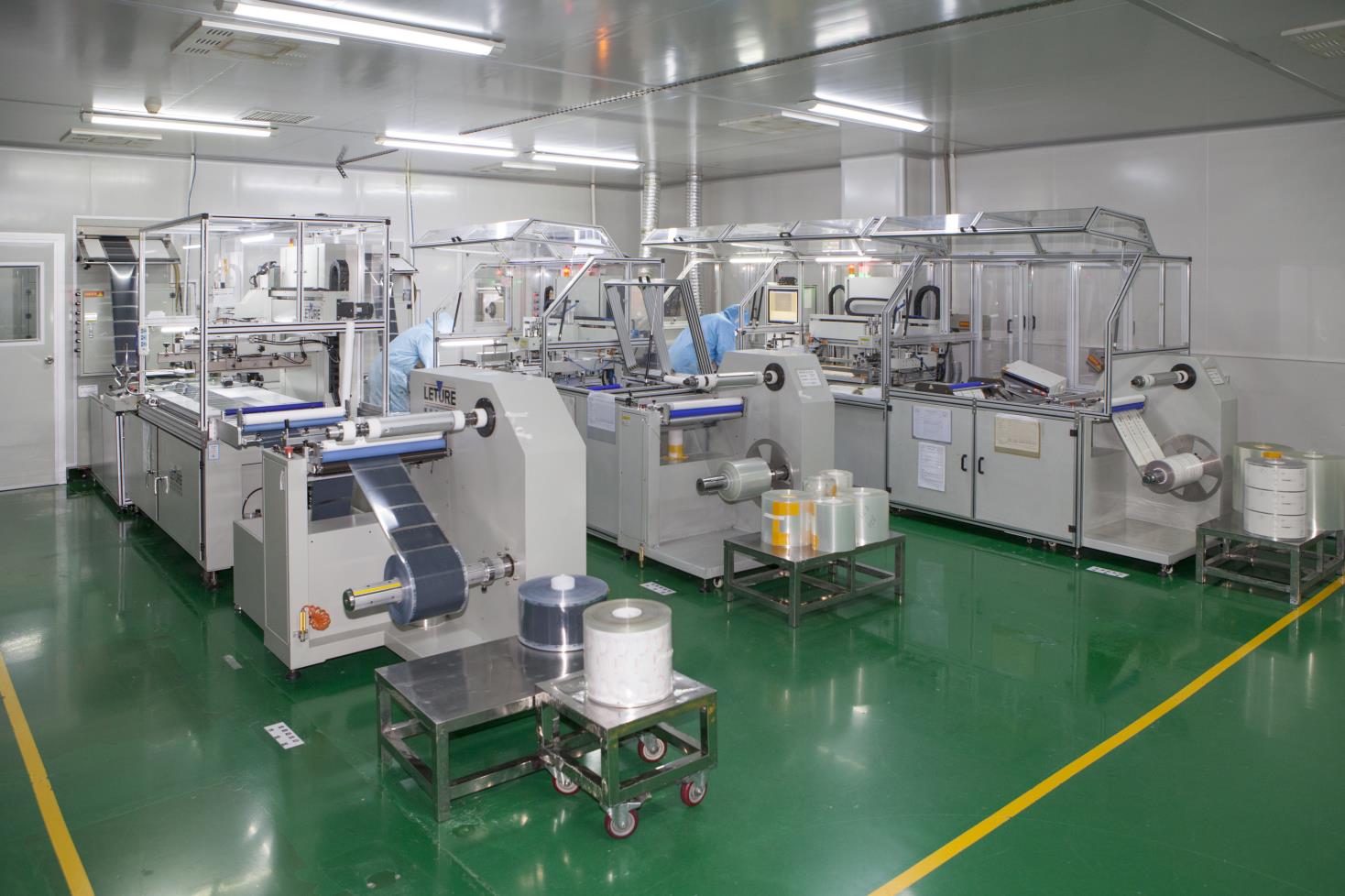
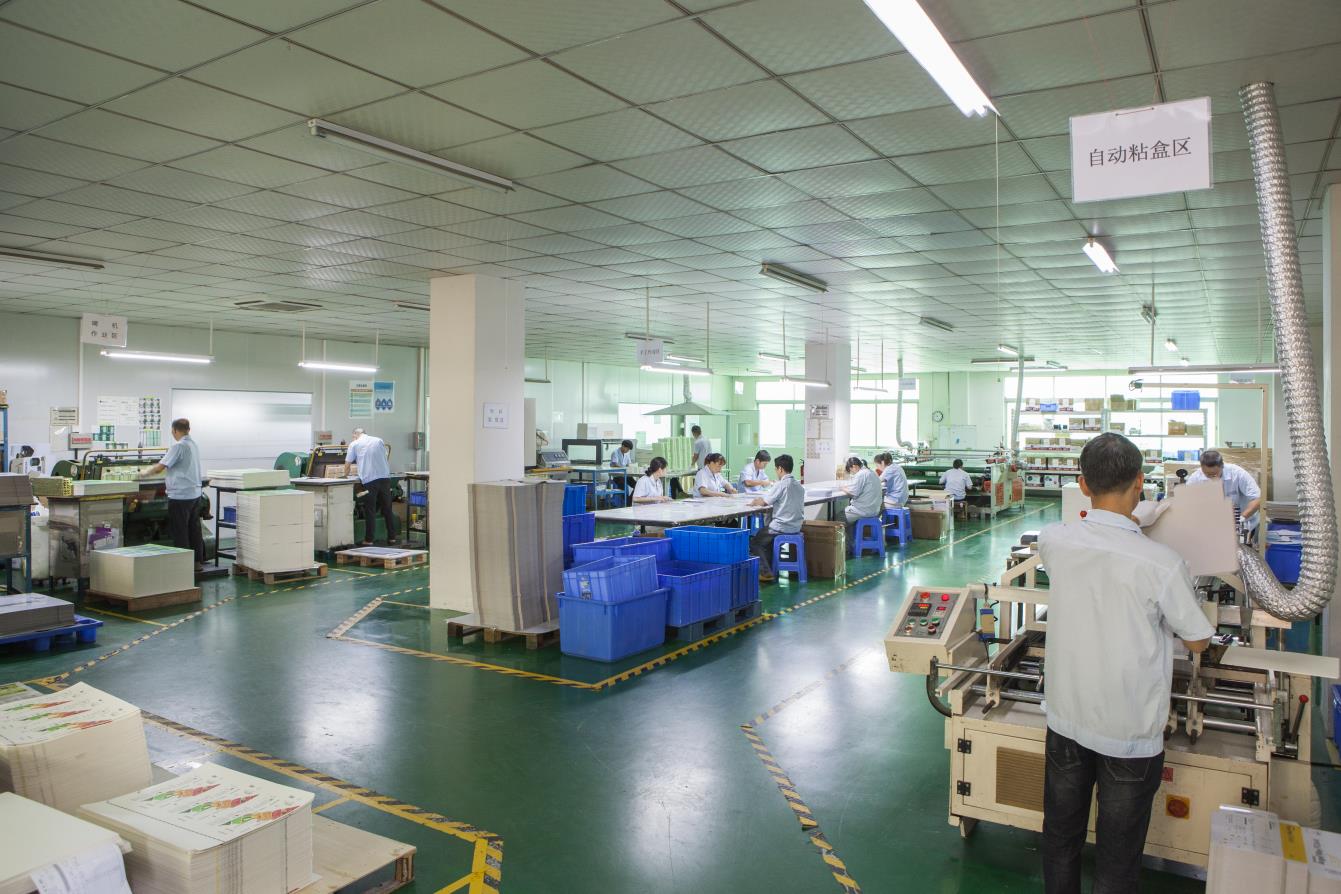
All screen printing, optical dead-front coating, adhesive lamination, and laser/punch profiling occur under one roof in Dongguan, ensuring authentic traceability and factory-direct pricing.
Over 12 years of international delivery experience supplying precision HMI assemblies, graphic overlays, and silicone keypads to tier-one global manufacturers.
Every automotive dial face and membrane switch undergoes comprehensive optical densitometer inspection, registration tolerance verification (±0.05mm), and environmental chamber validation.
Equipped with digital plotting and specialized sample-making equipment, enabling fast engineering evaluation samples in 3-5 days before committing to full die tooling.
Automotive gauge faces destined for high-UV, hyper-humid tropical markets undergo strict testing protocols using our dedicated testing rigs to verify material longevity.
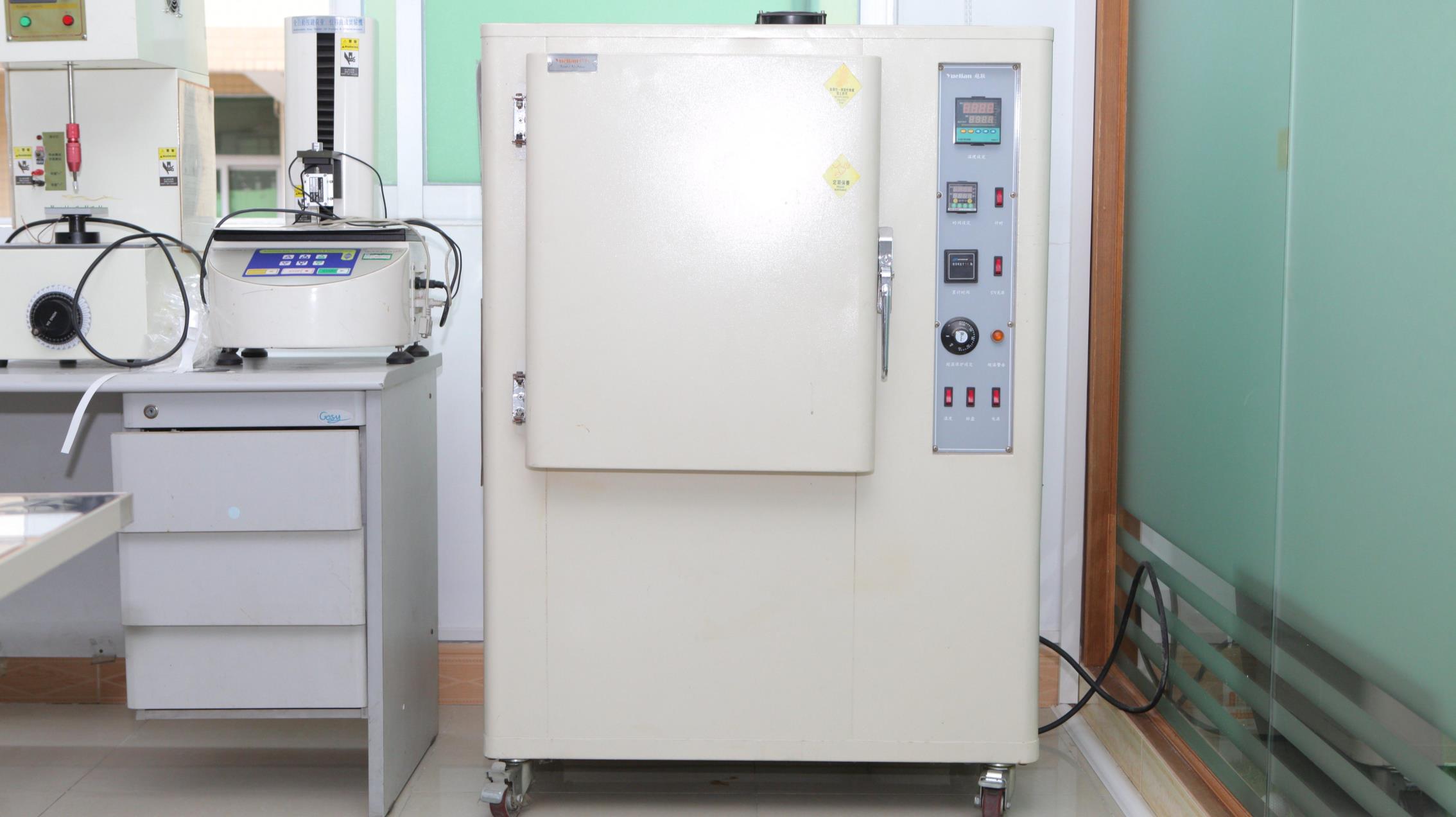
Simulates continuous intense sunlight exposure to verify that transparent indicator windows and white dial graphics remain crystal-clear without yellowing.
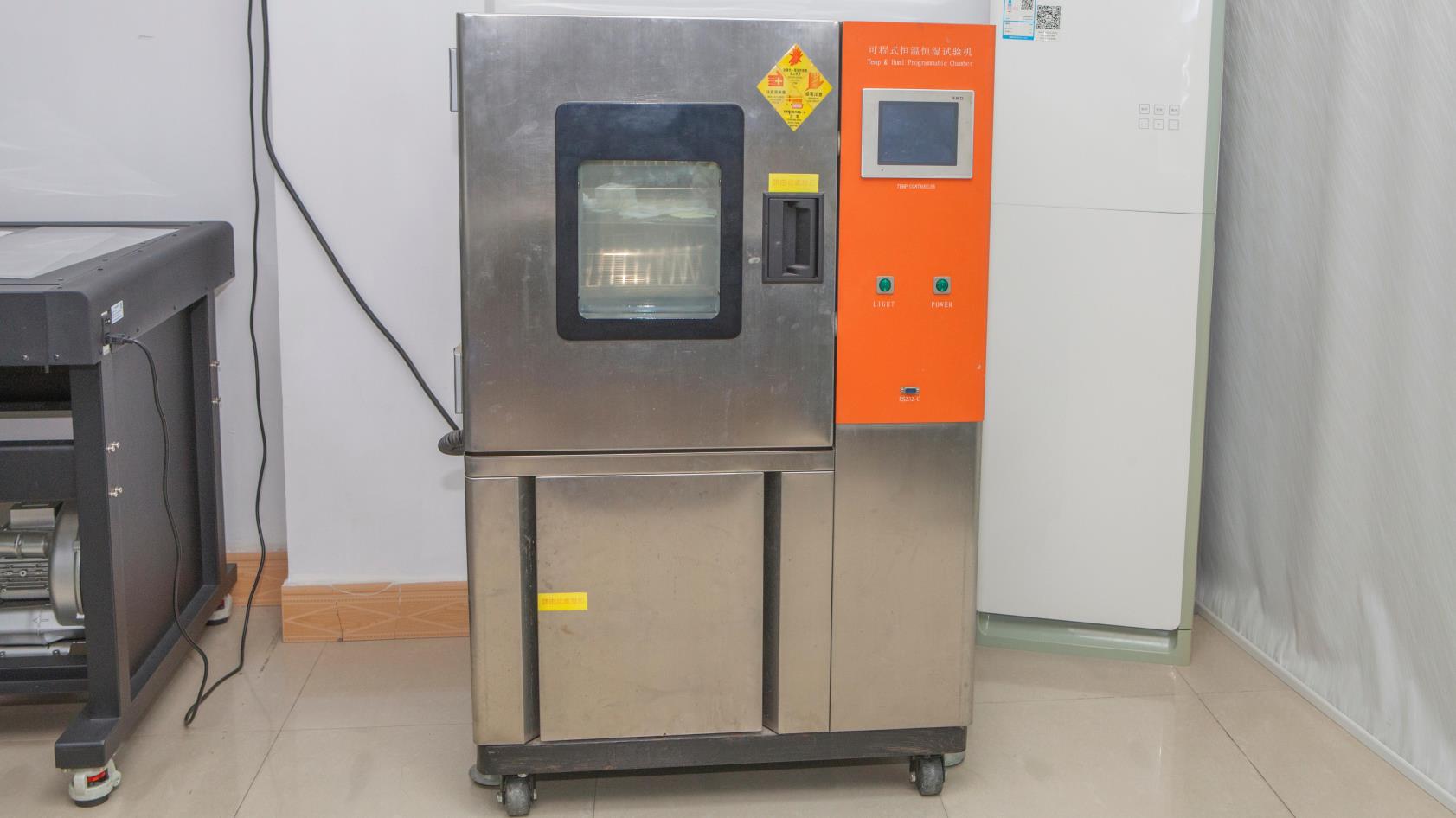
Cycles overlays from -40°C to +85°C at 95% relative humidity to confirm adhesive bond shear strength and eliminate delamination risks.
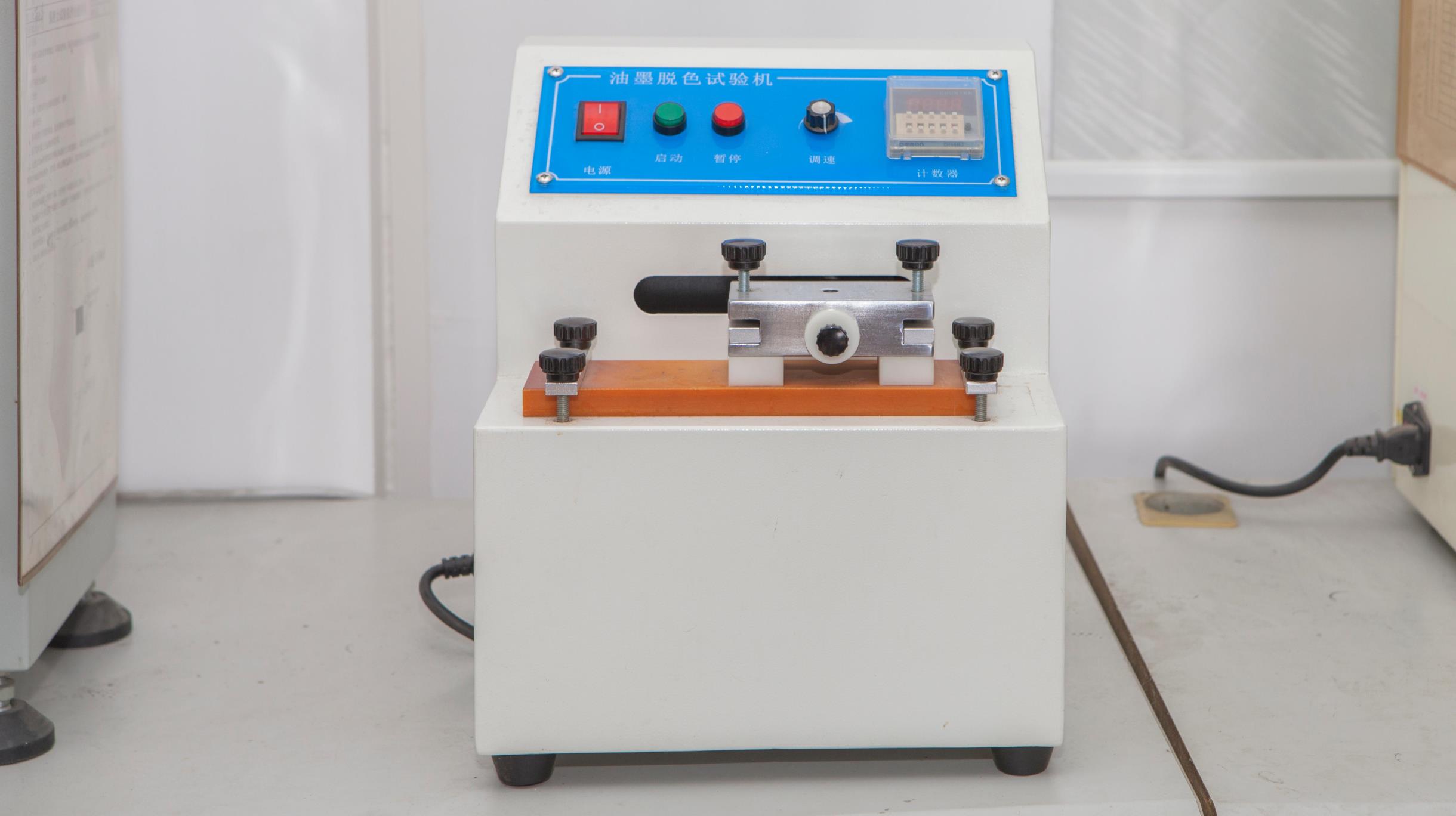
Measures surface print rub resistance against solvents, alcohol, and mechanical abrasion to ensure indelible instrumentation markings.
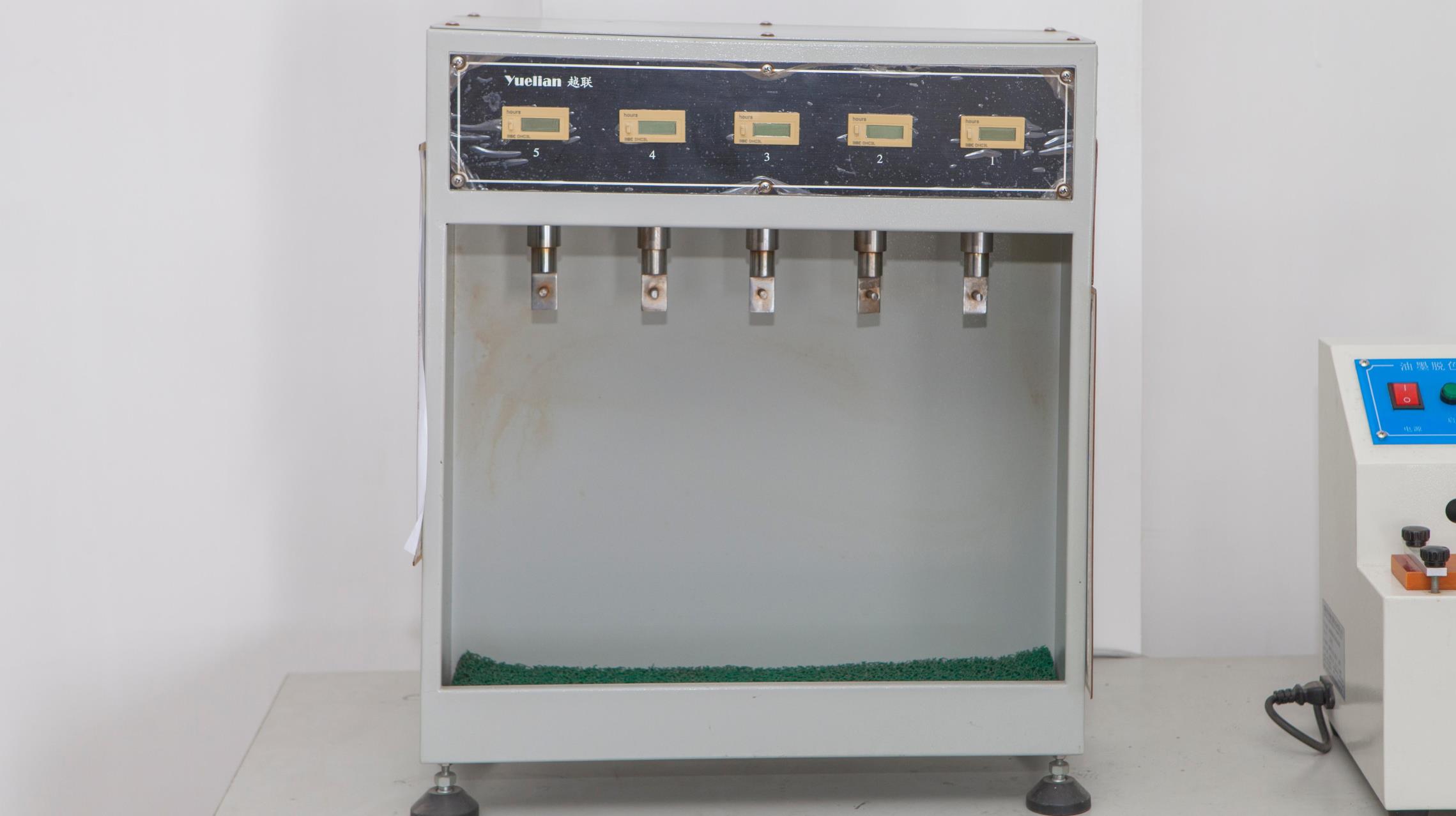
Quantifies bonding integrity between polycarbonate substrate, transfer adhesives, and cluster casing backplates.
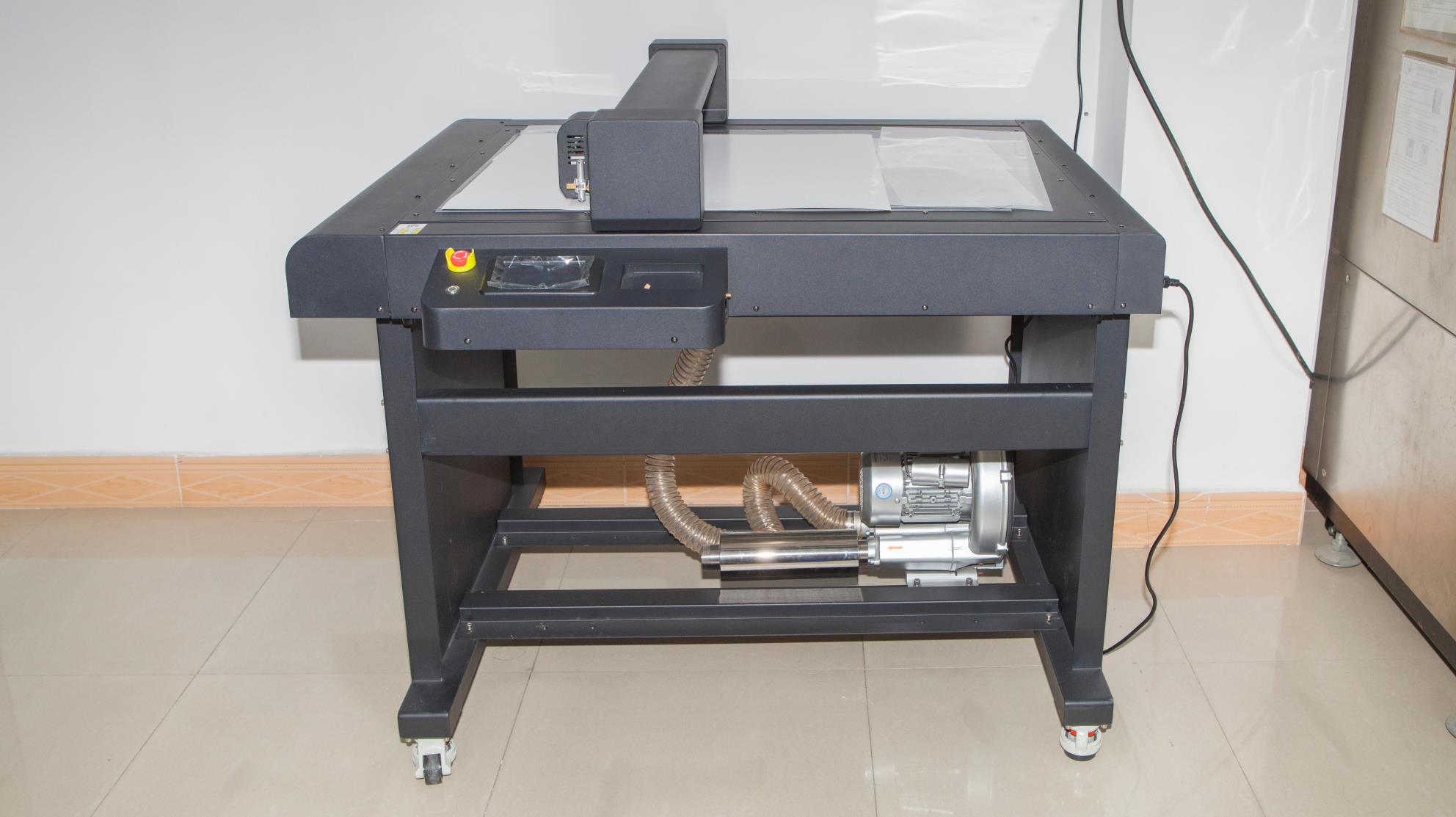
Maintains ultra-tight dimensional tolerances (±0.05mm) for pointer shaft cutouts, LCD apertures, and perimeter locating pins.
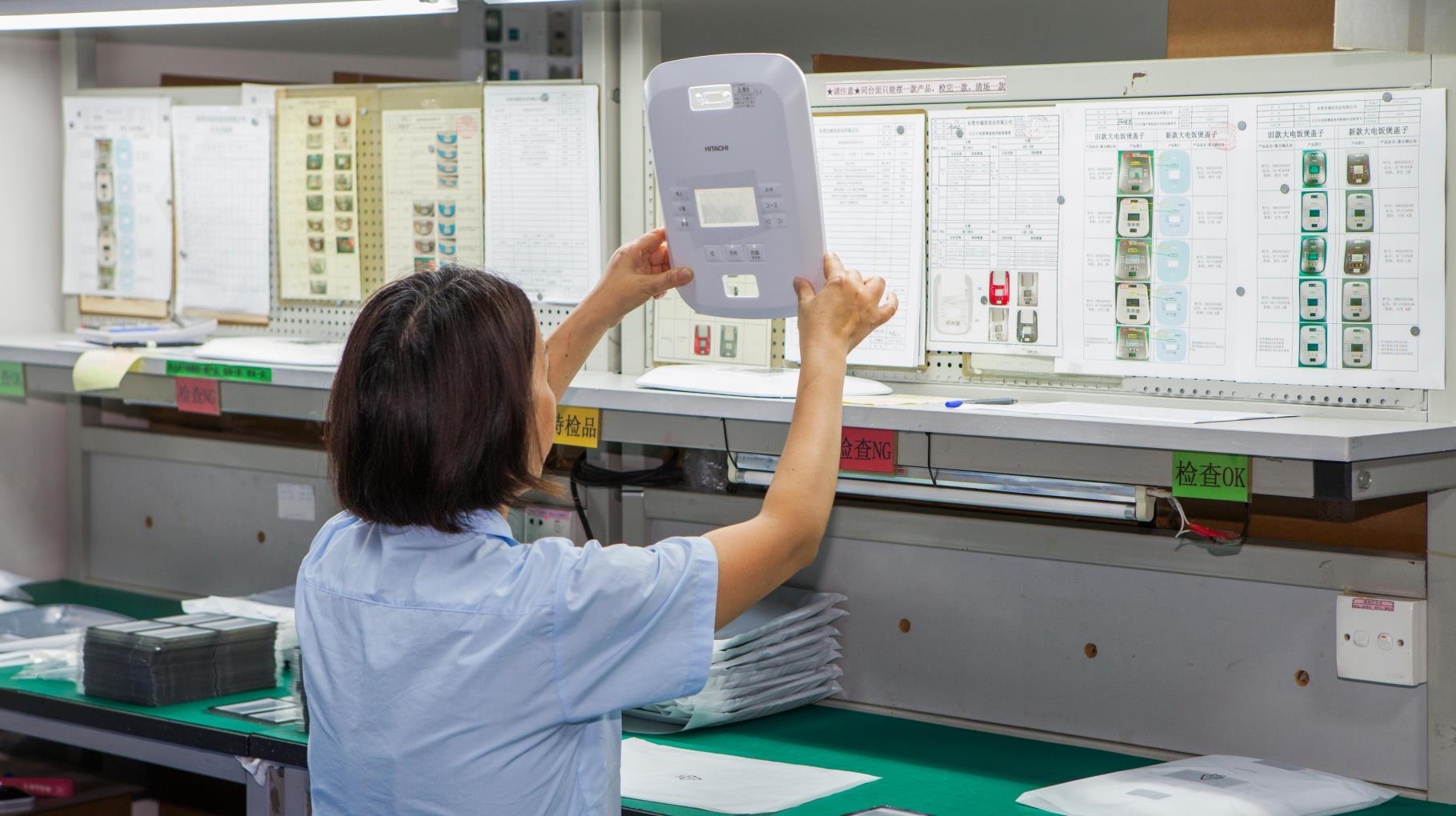
Full-scale optical check ensuring zero pinholes, light leaks, dust inclusions, or chromatic color deviations across every batch.
Practical procurement insights, shipping logistics, and technical specifications for fleet managers, auto rebuilders, and purchasing directors in Papua New Guinea.
Papua New Guinea experiences extreme UV radiation (UV Index 11+) and continuous relative humidity exceeding 85-90%. Standard low-grade vinyl or front-printed PVC dials curl, yellow, and lose graphic cohesion within months. We engineer our overlays using optical-grade automotive polycarbonate (Lexan/Makrofol) or stabilized PET with sub-surface printing.
This means graphics are printed in reverse on the underside of the clear substrate. The physical polycarbonate film acts as an impenetrable shield against UV radiation, physical abrasion, and ambient atmospheric moisture. Furthermore, our formulations integrate non-yellowing UV absorbers and heat-stabilized acrylic adhesive backings (such as 3M 467MP or 468MP) rated from -40°C to +105°C continuous service temperature.
Yes. Many fleet rebuilders, mining contractors, and equipment operators in Port Moresby and Lae manage machinery with obsolete or out-of-production clusters. If you do not have original 2D CAD drawings (DXF/DWG/AI), you can simply ship an original physical sample—even if cracked or faded—to our Dongguan engineering center.
Our DFM engineering team utilizes high-resolution optical flatbed scanners, coordinate measuring machines (CMM), and spectrophotometers to digitize the dimensional profile, pointer shaft locations, indicator window geometry, and exact Pantone/RAL color codes. We then generate a complete engineering proof for approval prior to sample die cutting.
We provide two optimized shipping channels for Papua New Guinea clients:
1. Air Express (DHL / FedEx / TNT): Best suited for urgent repair batches, prototype validations, or production runs under 500 pcs. Typical transit time from our Dongguan facility to Jacksons International Airport (POM) in Port Moresby or Nadzab Airport (LAE) is 4 to 7 business days.
2. Consolidated Ocean Freight (FCL / LCL): Ideal for regular bulk restocking of overlay blanks, silicone keypads, and membrane panels. Departures sail weekly from Shenzhen or Guangzhou ports directly servicing Port Moresby Wharf and Lae Tidal Basin with port-to-port voyage times typically ranging between 18 to 26 days.
Dead-front printing is essential for modern vehicle instrumentation. When the cluster is unpowered, warning symbols (such as check engine, oil pressure, 4WD lock, or high water temp) remain completely invisible and blend seamlessly with the matte black cluster background. Upon activation, specific SMD LEDs illuminate the icons with vibrant, high-contrast clarity.
AXRU achieves this through multi-pass selective transmission printing using semi-opaque smoked inks. We calibrate optical density (OD) to exact light transmittance targets (typically 5% to 15%) so that backlighting shines clearly without wash-out, light bleed, or internal LED pinpoint hotspots.
Unlike massive automotive Tier-1 factories demanding 10,000+ units, AXRU is engineered for high-mix, custom manufacturing flexibility. Our standard minimum order quantity starts at just 100 pieces per design. For cluster refurbishment centers servicing mixed commercial fleets (such as Toyota Hilux, Land Cruiser 70-series, Isuzu Forward, and Hino 300/500 trucks), we offer consolidated tooling solutions and mixed-model batch runs to keep your initial cash outlay minimal.
Every single dispatch from our factory is accompanied by an official Certificate of Conformance (CoC), full-dimension First Article Inspection (FAI) reports, adhesive peel validation records, and spectral color matching proofs. We maintain strict batch traceability for every roll of polycarbonate film and adhesive lot for a minimum of five years.