Technical Whitepaper & Global Sourcing Benchmark

Top 10 Industrial Graphic Overlay Manufacturer & Suppliers

An authoritative engineering assessment of human-machine interface (HMI) front panel fabrication, substrate chemistry, IP-rated environmental sealing, and precision tier-1 manufacturing capabilities.

Factory Direct Engineering Portfolio

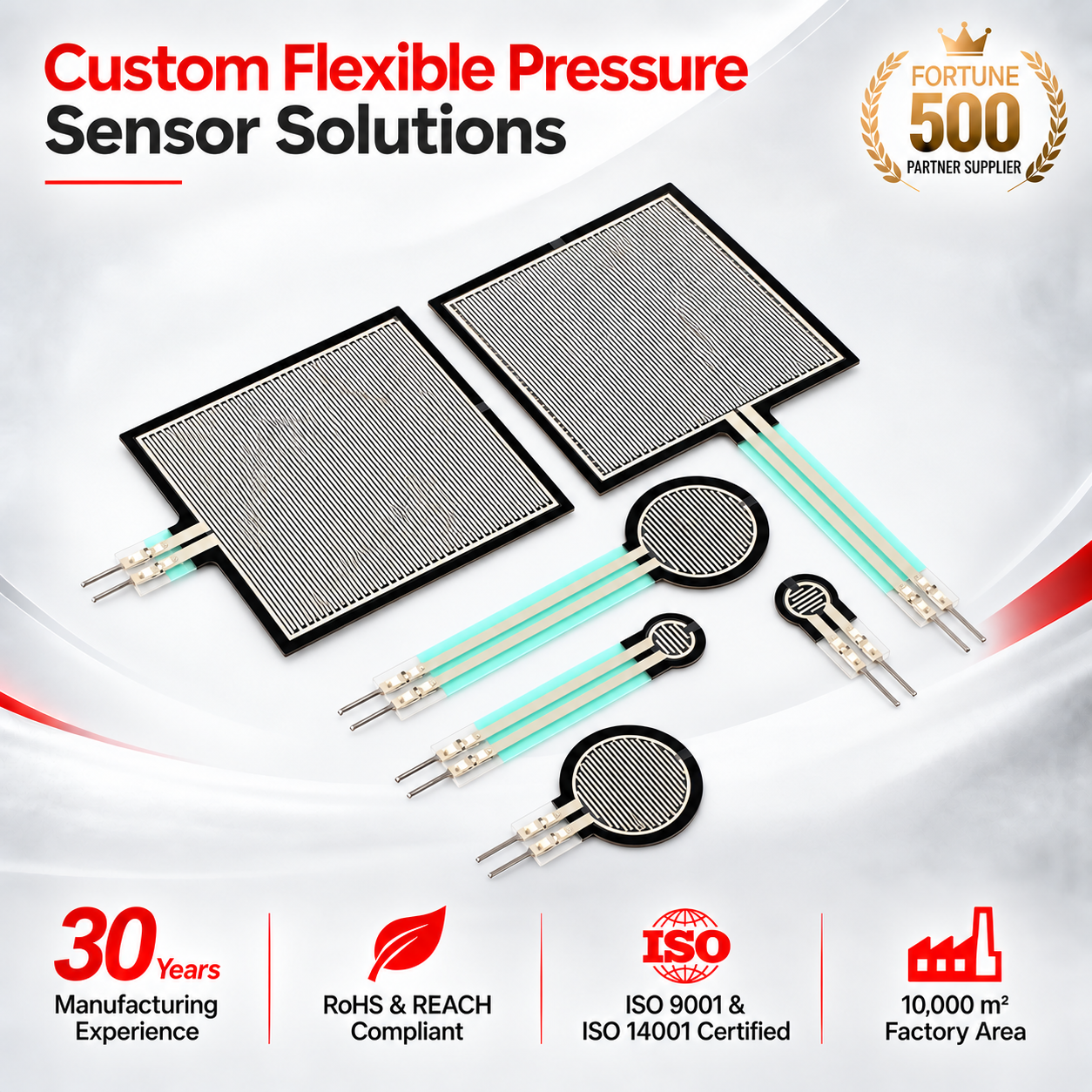
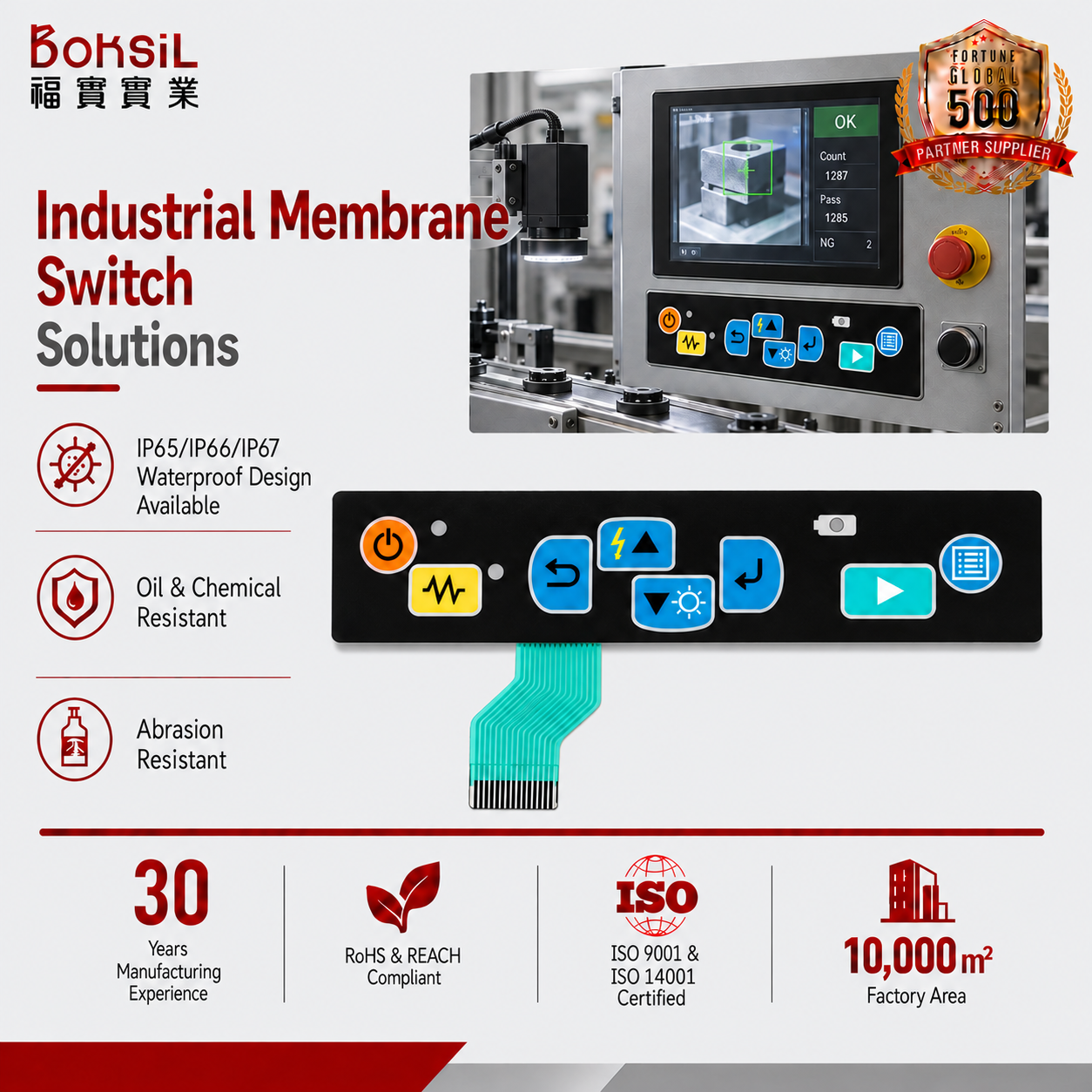
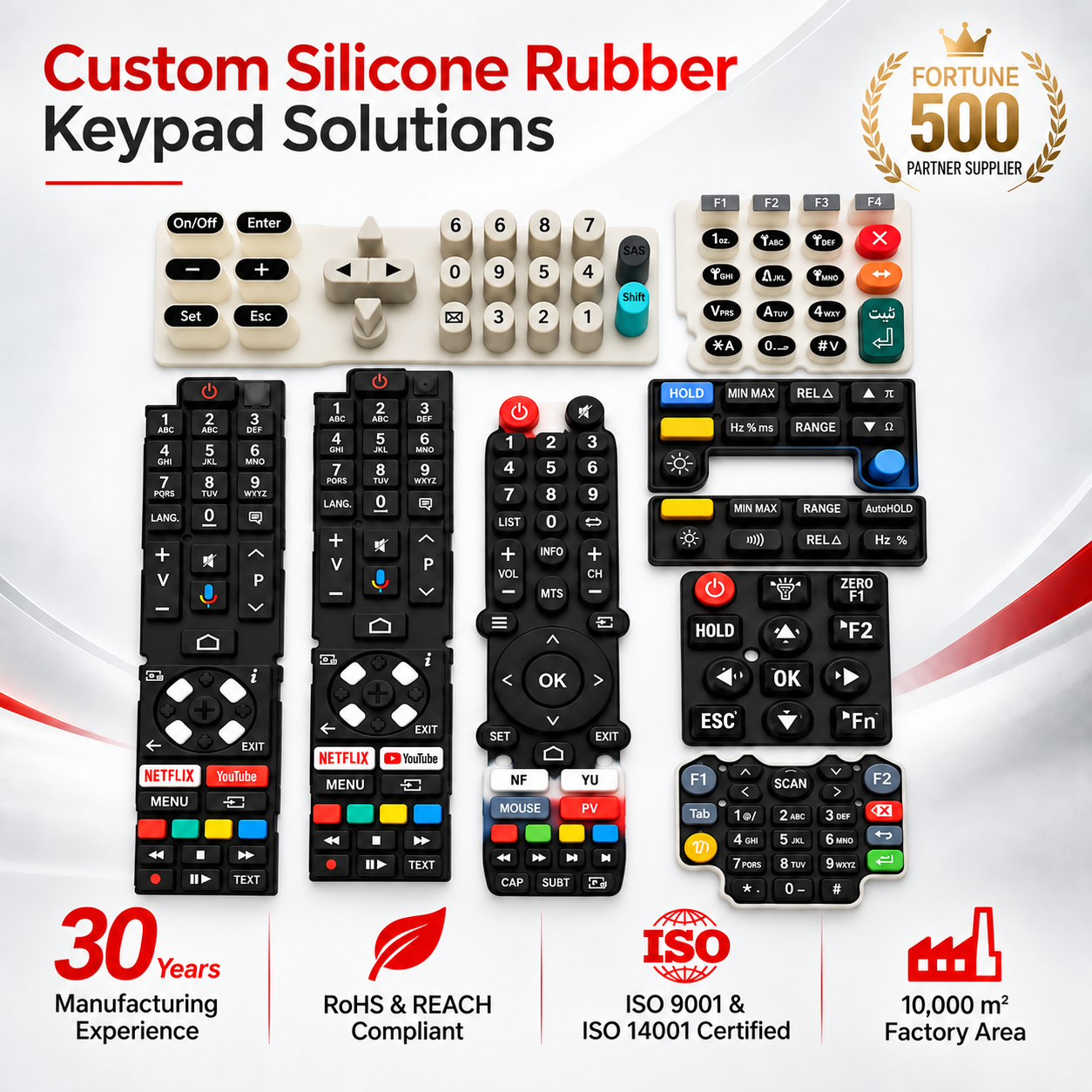
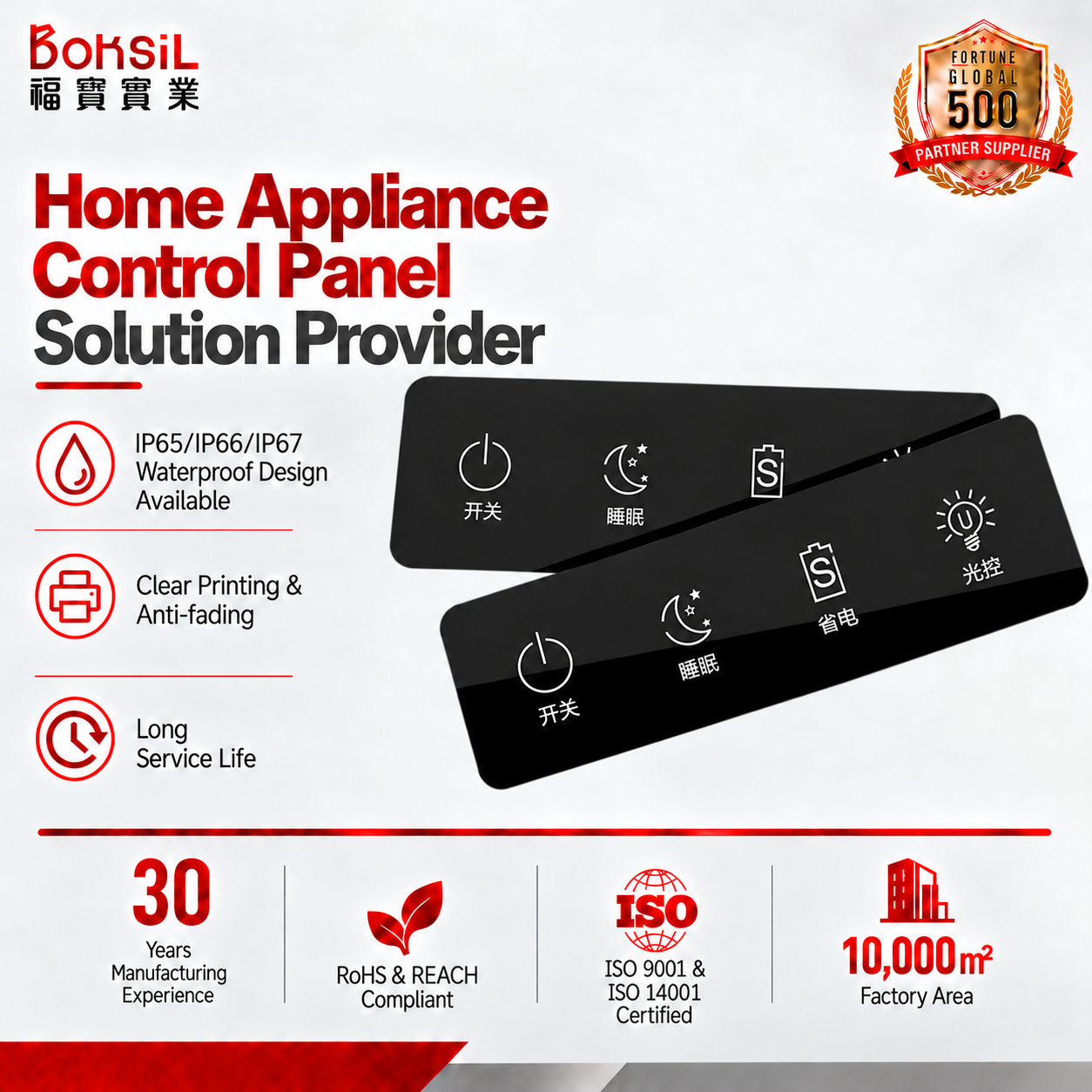
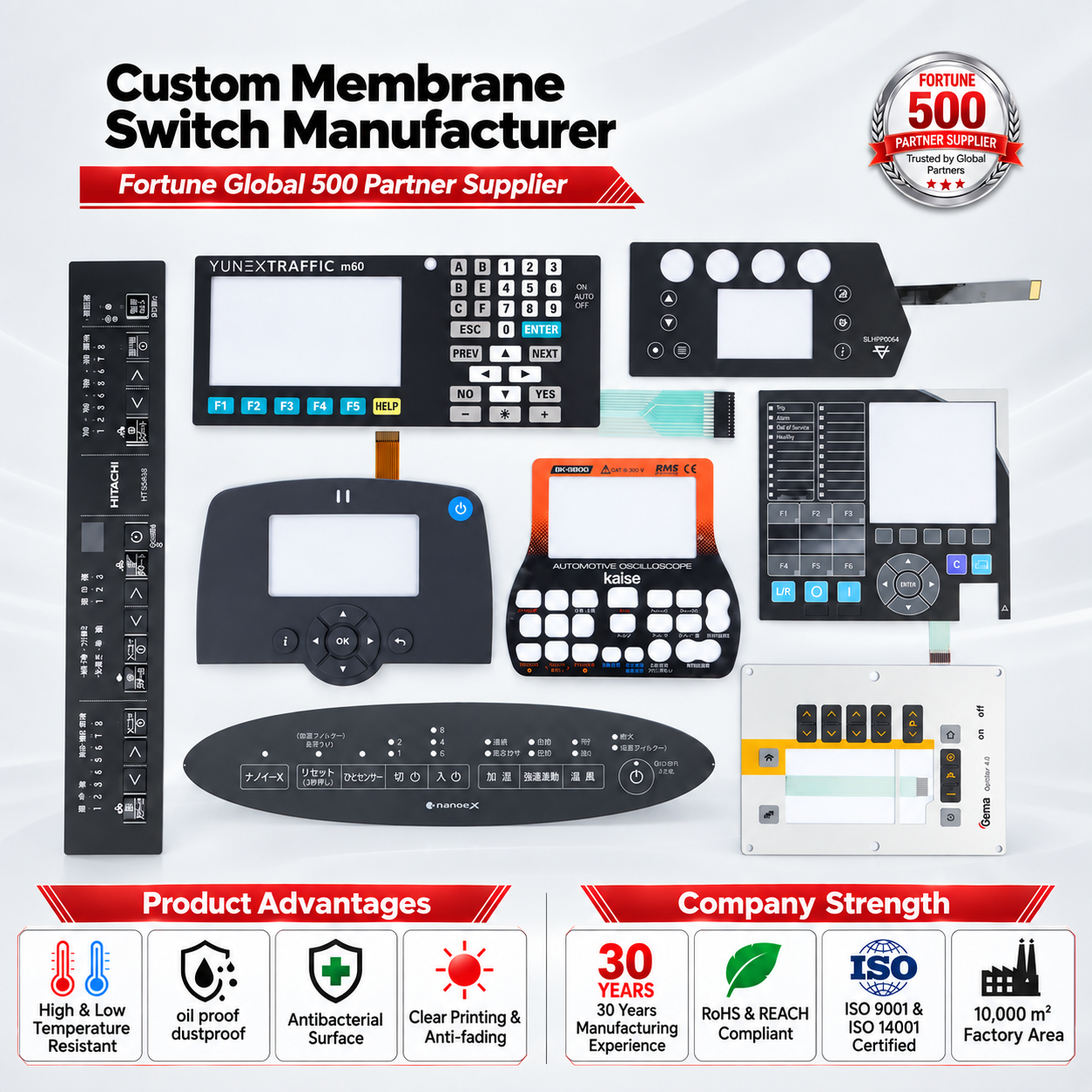
Precision-Engineered Industrial Overlays & HMI Assemblies

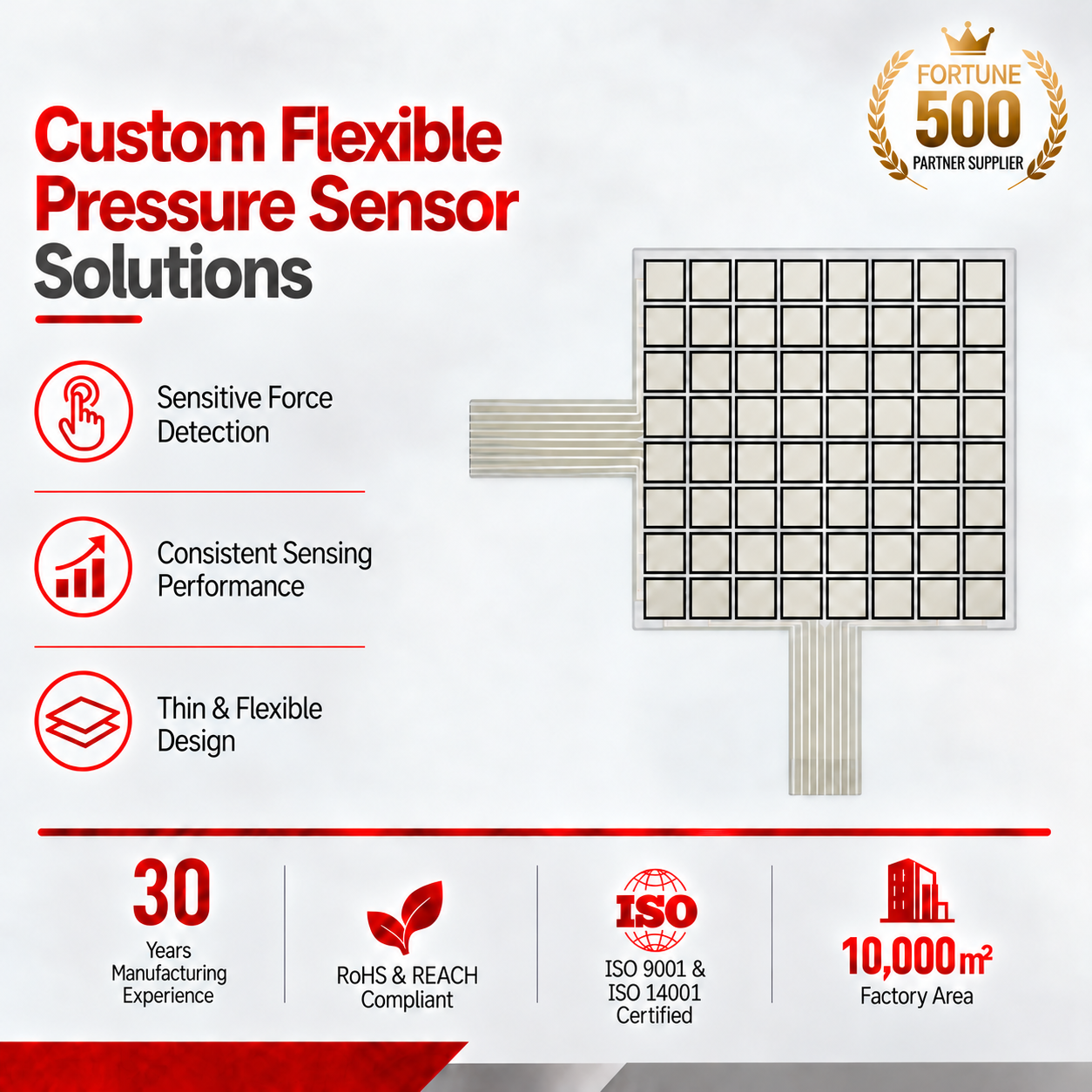
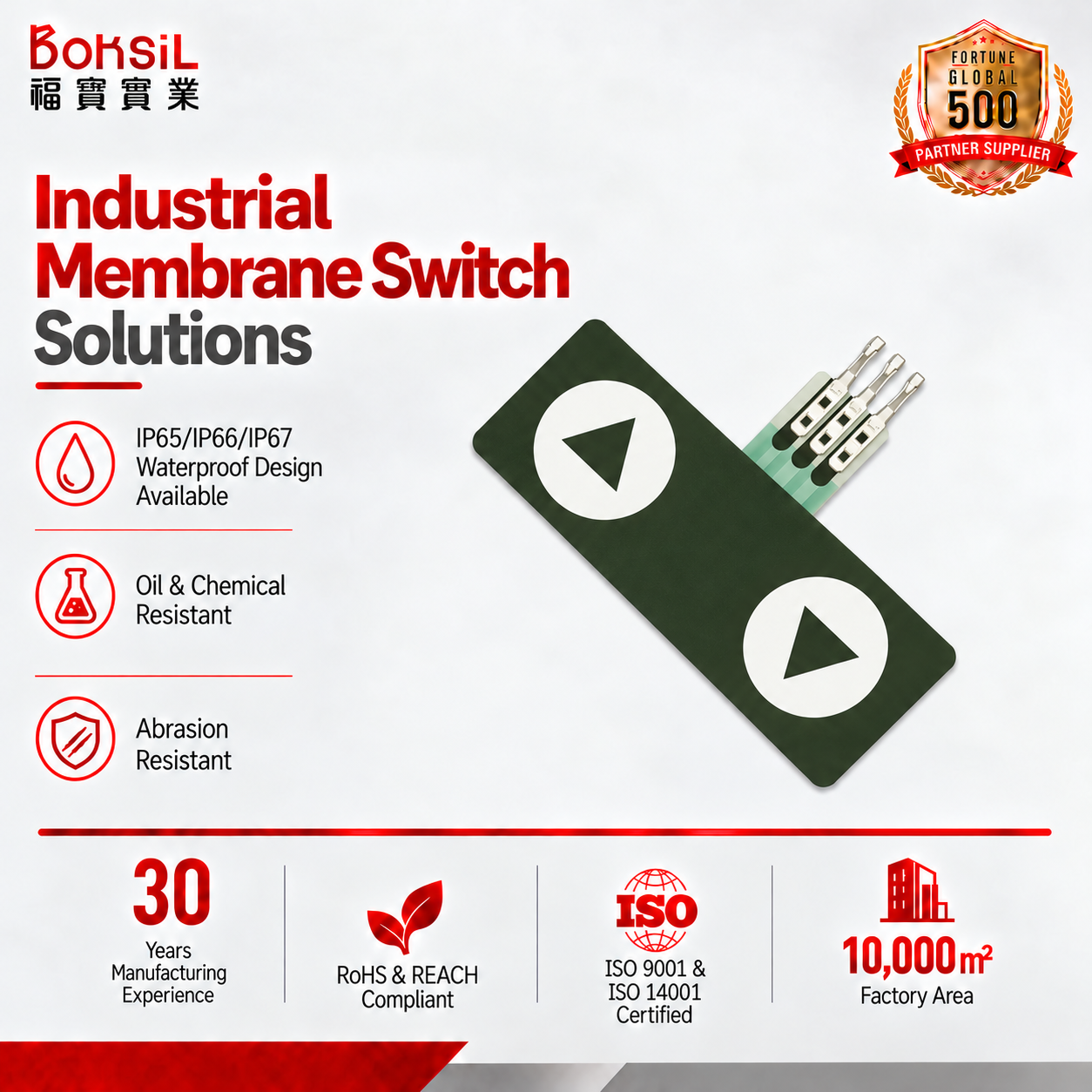
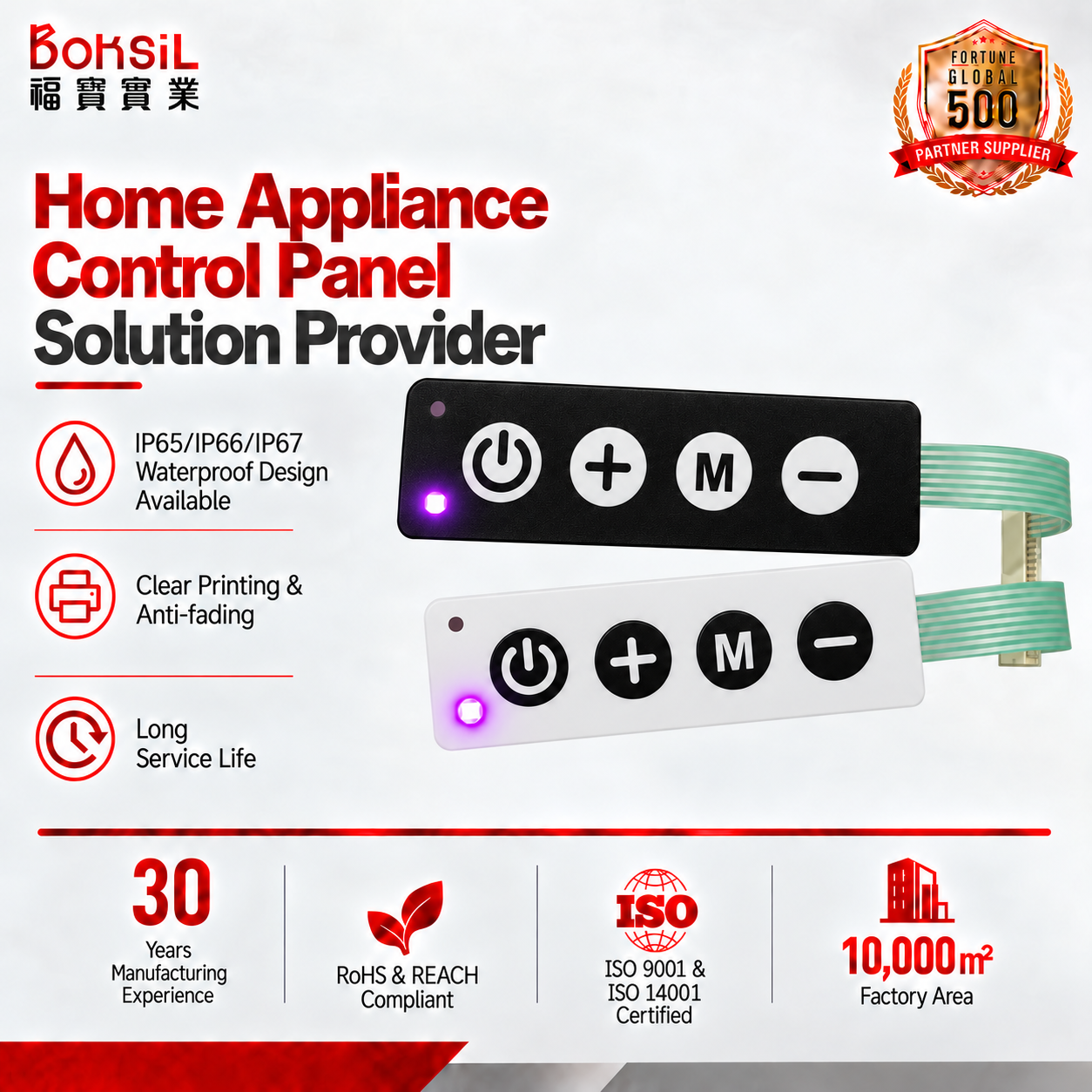
Custom-fabricated to exact mechanical CAD tolerances. Explore our proven input assemblies engineered for medical diagnostics, ruggedized PLCs, automotive clusters, and home appliance controls.

Engineering Whitepaper Analysis

The Critical Architecture of Modern Industrial Graphic Overlays

Beyond cosmetic branding, the industrial graphic overlay serves as the frontline barrier protecting sensitive control electronics from moisture, chemical washdowns, UV exposure, and abrasive mechanical wear.

Hermetic Environmental Sealing

Industrial controls in food processing, oil and gas, and wastewater facilities face aggressive CIP (Clean-in-Place) washdowns. Utilizing custom continuous perimeter gaskets and engineered acrylic transfer tapes (e.g., 3M 467MP, 468MP, or 300LSE for LSE plastics), overlays achieve IP65, IP67, or NEMA 4X hermetic seals preventing moisture and vapor egress into inner circuits.

  • Eliminates internal condensation and silver migration
  • Withstands high-pressure jet washdowns up to 100 bar
  • Resistance to ketones, alcohols, bleach, and industrial greases

Dynamic Flexural Fatigue Resistance

Overlays operating with tactile stainless steel snap domes require substrates that endure repetitive localized deflection without stress whitening, micro-cracking, or permanent elongation. Biaxially oriented Polyethylene Terephthalate (PET) films (e.g., MacDermid Autotex) provide flex lives exceeding 5 million switch actuations without cosmetic or physical breakdown.

  • Maintains tactile crispness across high switch cycles
  • Resists mechanical embrittlement down to -40°C
  • Prevents key travel damping and tactile snap degradation

Sub-Surface Printing & Optical Clarity

Unlike surface-printed faceplates prone to abrasion wear, industrial graphic overlays utilize reverse-screen (sub-surface) printing. The inks and legend graphics reside on the second surface, separated from external friction by the transparent substrate layer. This ensures that symbols, icons, and branding never rub off or degrade during the machine lifecycle.

  • Integrated dead-front windows that vanish until backlit
  • Controlled light transmission filters for LED / OLED screens
  • Textured matte finishes reducing glare and fingerprint smudging
10,000㎡
Integrated Clean Facility
Dongguan, China manufacturing hub
5,000,000+
Actuation Cycle Life
Validated on automatic key life rigs
100%
Automated Inspection
Pin-to-pin electrical & cosmetic testing
12+ Yrs
Global OEM Trust
Audited tier-1 supplier to Fortune 500
2025 Global Industry Benchmark

Top 10 Industrial Graphic Overlay Manufacturers & Suppliers

A rigorous comparative evaluation based on vertical manufacturing capabilities, cleanroom printing standards, mechanical tooling precision, compliance certifications, and OEM production scalability.

Manufacturer & Base Classification Core Technical Competencies Substrates & Bonding Options Key Sourcing Advantage
Dongguan AXRU Electronics Co., Ltd.
China (Intertek Verified Plant)
Global OEM / Tier 1 Full in-house vertical fabrication: Cleanroom silkscreen & digital printing, laser micro-die cutting, copper FPC / silver circuit assembly, FSR tactile integration, dead-front optics. Autotex PET, Sabic Lexan PC, Cast PMMA, 3M 467/468MP, 300LSE, VHB, optical clear silicone adhesives. Direct-from-factory pricing, low MOQ (100 pcs), rapid DFM engineering turnaround, 100% QA lab testing.
GGI Solutions
Canada / North America
Regional Specialist Specialized in human-machine interface assemblies, printed electronics, military and aerospace avionics overlays. High-grade polyester, flame-retardant polycarbonates, silicone backplates. Strong defense and avionics compliance (AS9100), ideal for North American defense programs.
Nelson-Miller, Inc.
United States
Full HMI Provider Extensive engineering portfolio spanning membrane switches, capacitive sensors, metal nameplates, and rubber keypads. Polycarbonate, embossed polyester, aluminum backplates, customized gaskets. Comprehensive local US engineering support; established presence in medical device manufacturing.
Douglas Corporation
United States
Automotive / Trim High-volume decorative trim, chrome electroplated emblems, optical overlays, and injection molded graphic panels. Cast acrylic, coated PC films, automotive-grade pressure sensitive adhesives. Automotive decorative overlay aesthetics and high-volume injection molding synergy.
XYMOX Technologies, Inc.
United States
Printed Electronics Known for roll-to-roll printed electronics, capacitive touch sensor manufacturing, and transparent conductive films. Optical PET, clear conductor substrates, specialized lamination adhesives. Pioneering capacitive touch integration for modern smart appliances.
Butler Technologies, Inc.
United States
Wearables / HMI Focus on precision printed functional graphics, flexible biometric sensors, and specialized medical user interfaces. Medical-grade TPU, thermoplastic polyurethane, PET, UV-cured hardcoats. Strong R&D focus on flexible wearable circuits and printed biosensors.
Lustre-Cal Corporation
United States
Industrial Labeling Precision fabrication of anodized aluminum faceplates, durable film overlays, and UL-certified equipment labels. Sub-surface printed Lexan PC, aluminum foil, heavy-duty industrial adhesives. Deep expertise in UL/CSA compliance labeling and heavy-duty mechanical equipment.
Dyna-Graphics Corporation
United States
Switch Assembly Longstanding fabricator of rubber keypads, membrane switches, and touch screen front panels for industrial automation. Textured polyesters, EMI/RFI shielding foils, custom perimeter spacers. Robust rapid prototyping services for rugged industrial machinery switchgear.
Epec Engineered Technologies
United States
Electronics Tier 1 Custom electronic manufacturing services covering rigid-flex PCBs, battery packs, and complete HMI front assemblies. Hardcoat PET, FR-4 backplates, capacitive sensor glass stacks. Turnkey system builds combining PCB assembly with finished overlay fascias.
Pannier Corporation
United States
Severe Environment Specialized in extreme-temperature tagging, metal nameplates, and ruggedized control panel marking for metallurgy. Stainless steel, photo-anodized aluminum, specialized heat-shield polymers. Exceptional performance in ultra-high temperature steel and foundry environments.

Procurement Strategic Analysis: Western Engineering vs. Direct Asian Manufacturing

While North American fabricators offer rapid domestic communication, OEM procurement teams face severe margin compression due to domestic labor overhead and long lead times for custom tooling. By partnering directly with an ISO-certified, Intertek-verified facility like AXRU Electronics, engineering procurement managers capture 35% to 55% Bill of Materials (BOM) savings, achieve 7-day rapid tooling turnaround, and access unified in-house cleanroom printing, FPC circuit bonding, and 100% automated electrical testing under one traceable roof.

Materials Science Guide

Engineering Substrate Selection for Extreme Industrial Environments

A wrong substrate selection leads to premature yellowing, stress cracking, chemical fogging, or catastrophic adhesive failure. Compare the mechanical and optical characteristics of core front-layer polymers.

Polyester (PET)
e.g., MacDermid Autotex / Melinex

The Gold Standard for Tactile Switches. Unmatched flexural endurance against repetitive dome deformation. Immune to common industrial solvents and cleaning agents.

  • Actuation Life: > 5,000,000 cycles
  • Chemical Resistance: Exceptional (Alcohols, Oils)
  • Embossing Retention: Superior permanent set
  • UV Stability: Good (UV-grade required outdoors)
Polycarbonate (PC)
e.g., Sabic Lexan 8010 / HP92W

High Impact Toughness & Optical Clarity. Economical substrate ideal for display windows, flat non-tactile fascia panels, and deep 3D hydroforming.

  • Actuation Life: < 50,000 cycles (Prone to fatigue)
  • Impact Resistance: Virtually Unbreakable
  • Optical Transmission: 89% - 91%
  • Solvent Resistance: Moderate (Attacked by Acetone)
Cast Acrylic (PMMA)
e.g., Plexiglas / Optical PMMA

High-End Glass-Like Aesthetics. Rigid front faceplates requiring superior scratch resistance (≥ 4H) and maximum light transmittance for embedded LCD / OLED screens.

  • Surface Hardness: 4H to 6H Pencil Hardness
  • Optical Transmission: > 92% (Glass Clarity)
  • Form Factor: Rigid (0.8mm to 4.0mm)
  • Weathering: Natural 10-Year UV Stability
Tempered Glass
e.g., Chemically Strengthened Glass

The Premium Touch Front Surface. Used in mission-critical medical diagnostics and high-wear outdoor kiosks demanding diamond-level scratch resistance (≥ 7H).

  • Surface Hardness: ≥ 7H Mohs / Hardcoat
  • Tactile Feel: Ultra-smooth oleophobic coat
  • Chemical Resistance: Total inertness to acid/base
  • Integration: Optical bonding to PCAP touch
Industry Evolution 2025–2030

Future Procurement & Technological Trends in Industrial HMI

How the convergence of printed electronics, solid-state capacitive sensing, dead-front backlighting, and eco-certified resins is reshaping global OEM procurement strategies.

Dead-Front Displays & Micro-LGF Backlighting

Modern industrial equipment is transitioning away from cluttered static dials toward clean, contextual "dead-front" designs. Icons remain completely invisible until backlit by underlying LEDs. Coupled with ultra-thin Light Guide Film (LGF) measuring just 0.125mm, entire front panels achieve razor-thin uniform illumination across multiple colors with zero hotspot leakage and minimal power consumption.

  • Specialized translucent neutral-density blocking inks
  • Reduces operator cognitive fatigue in dark industrial cabins
  • Selective edge-lit illumination with zero mechanical profile

FSR Force Sensing + Capacitive Hybridization

Pure capacitive touch screens suffer from false activations caused by liquid spills, chemical spray, or heavy industrial work gloves. The next-generation procurement standard combines capacitive touch detection with sub-surface Force Sensing Resistors (FSR). The HMI requires both capacitive proximity AND an intentional threshold of tactile force (e.g., 50g–150g) before triggering mission-critical operations.

  • Prevents accidental triggers in safety-critical surgical and CNC HMIs
  • Full tactile functionality while completely submerged or soaked in oil
  • Variable pressure control for multi-speed industrial motor actuation

Consolidated In-Mold Decoration (IMD / IML)

Rather than assembling multi-layer adhesive stacks by hand, high-volume automotive and smart appliance makers are procuring In-Mold Labeled (IML) components. Pre-printed and thermoformed graphic films are placed directly into the injection mold cavity, permanently bonding with the resin. The resulting component is a single monocoque structural shell with zero delamination risk and seamless curved 3D contours.

  • Zero air gaps or internal adhesive failure under thermal cycling
  • Complex 3D organic geometries impossible with flat lamination
  • Drastically reduced assembly line cycle time for end-device OEMs

Antimicrobial & Self-Healing Nanocoatings

Hospital acquired infections (HAIs) and outdoor abrasive sand exposure have accelerated the procurement of specialized functional top-coats. Silver-ion embedded antimicrobial films permanently disrupt microbial cell walls, inhibiting bacterial growth by 99.9% over 24-hour periods. Simultaneously, elastomeric polyurethane nano-coatings enable microscopic scratches from keys or tools to self-heal under room temperature.

  • Tested against MRSA, E. Coli, and common healthcare disinfectants
  • Maintains optical transmission without hazing over time
  • Meets ISO 22196 and JIS Z 2801 bio-compatibility standards

Digital Inkjet & Short-Run Agile Sourcing

Traditional screen printing requires expensive physical stencils and high setup costs, forcing OEMs into high Minimum Order Quantities (MOQs). High-precision industrial UV digital flatbed printing now allows full CMYK+White gradient reproduction with zero tooling expenses for short pilot runs. Forward-thinking procurement teams utilize digital printing for prototype sign-off before committing to mass screen tooling.

  • Reduces prototyping lead times from 3 weeks to 48 hours
  • Zero color-shift calibration across localized product variants
  • Enables variable-data serializing and custom barcode/QR printing

Sustainable Chemistry & Halogen-Free Mandates

Global regulatory bodies (RoHS 3, REACH, Prop 65) are tightening scrutiny on chlorinated and brominated flame retardants. Sourcing managers must ensure graphic overlay suppliers utilize solventless UV-curable inks, halogen-free adhesive transfer systems, and post-consumer recycled (PCR) optical PET films that minimize scope-3 supply chain carbon emissions while maintaining stringent UL94 VTM-0 flammability ratings.

  • Complete material traceability and IMDS chemical reporting
  • Zero volatile organic compound (VOC) emissions during production
  • Compatibility with closed-loop industrial electronics recycling
Why Sourcing Directors Choose AXRU

Integrated Manufacturing Prowess & In-House Reliability Testing

Operating from a 10,000㎡ plant in Dongguan, China with 121 dedicated technicians, Dongguan AXRU Electronics Co., Ltd. eliminates outsourcing risk by managing all printing, lamination, die-cutting, and reliability testing under one roof.

Intertek On-Site Verified

Our facility, production lines, and quality management systems have undergone comprehensive on-site audit and certification by Intertek, ensuring full regulatory and trade transparency.

Fortune 500 Qualified

Proven track record as an audited OEM/ODM partner supplying human-machine interface components to global consumer appliance and industrial automation giants.

Rapid 48-Hr DFM Support

Direct communication with veteran switch engineers. We audit your 2D/3D CAD drawings, pinout pitch, tail exit geometry, and ingress sealing before cutting single-cavity tooling.

100% Final Inspection

Every single manufactured switch and overlay assembly undergoes automatic electrical testing (continuity, resistance, insulation) and optical inspection prior to hermetic packaging.

Dedicated In-House Reliability & Stress Testing Laboratory

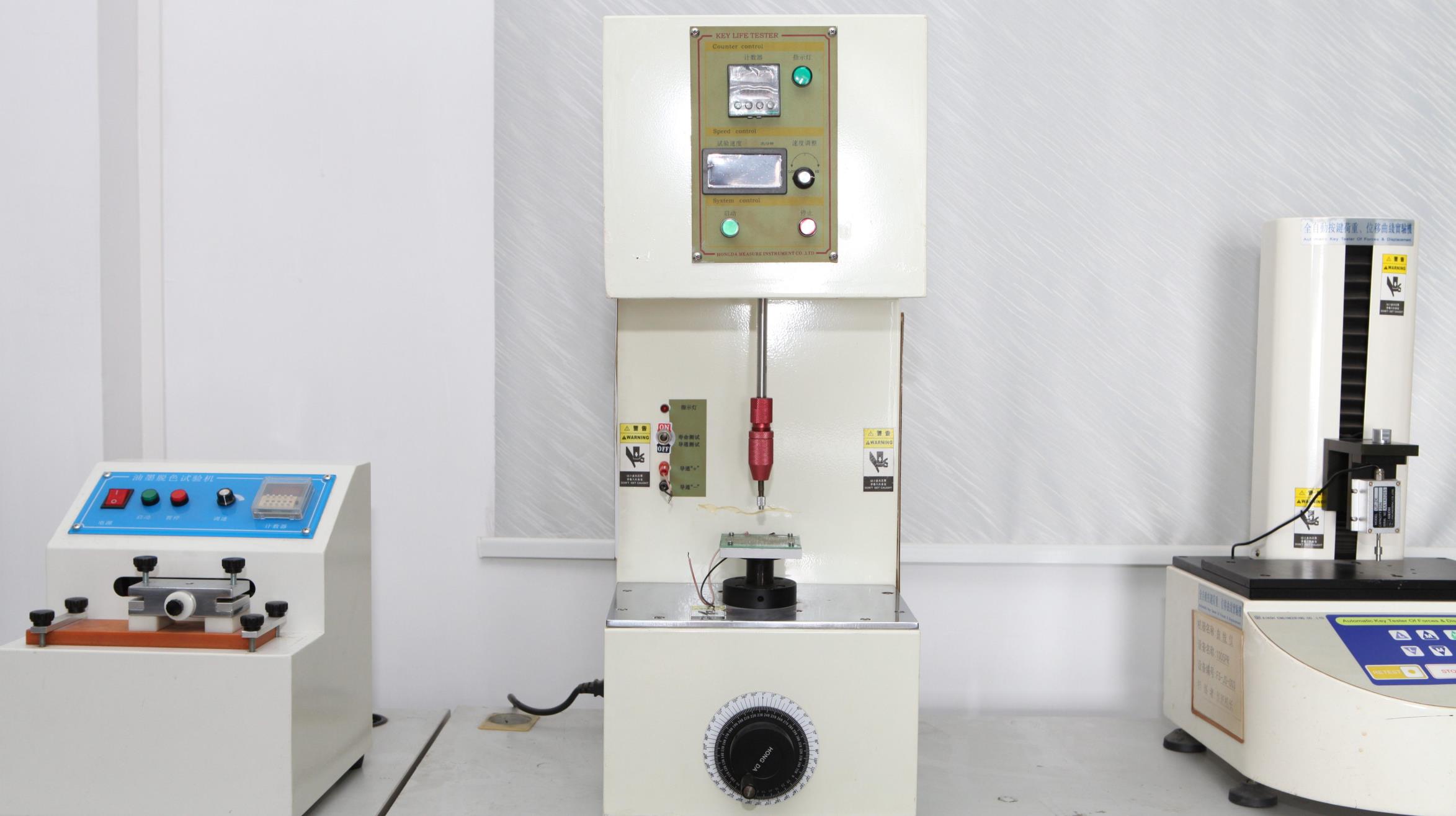
Key Life Tester for Membrane Keypads

Key Actuation Life Tester

Simulates continuous finger depressions at 2–5 Hz to validate metal dome snap resilience and substrate fatigue up to 5,000,000 cycles.

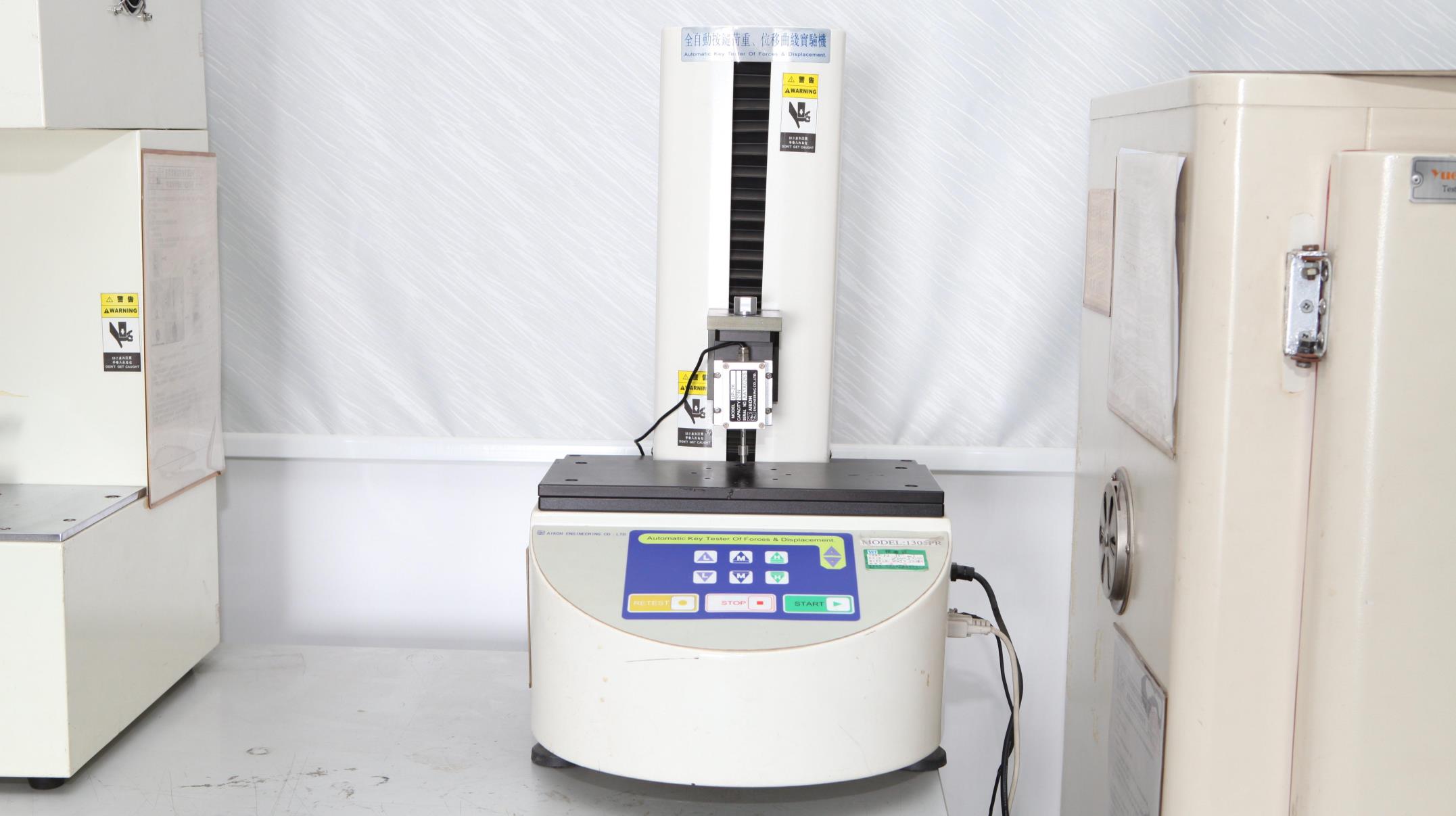
Automatic Key Tester of Forces and Displacement

Force & Displacement Tester

Generates high-precision force-travel deflection curves to guarantee uniform click ratio, actuation gram force, and tactile feedback across all keys.

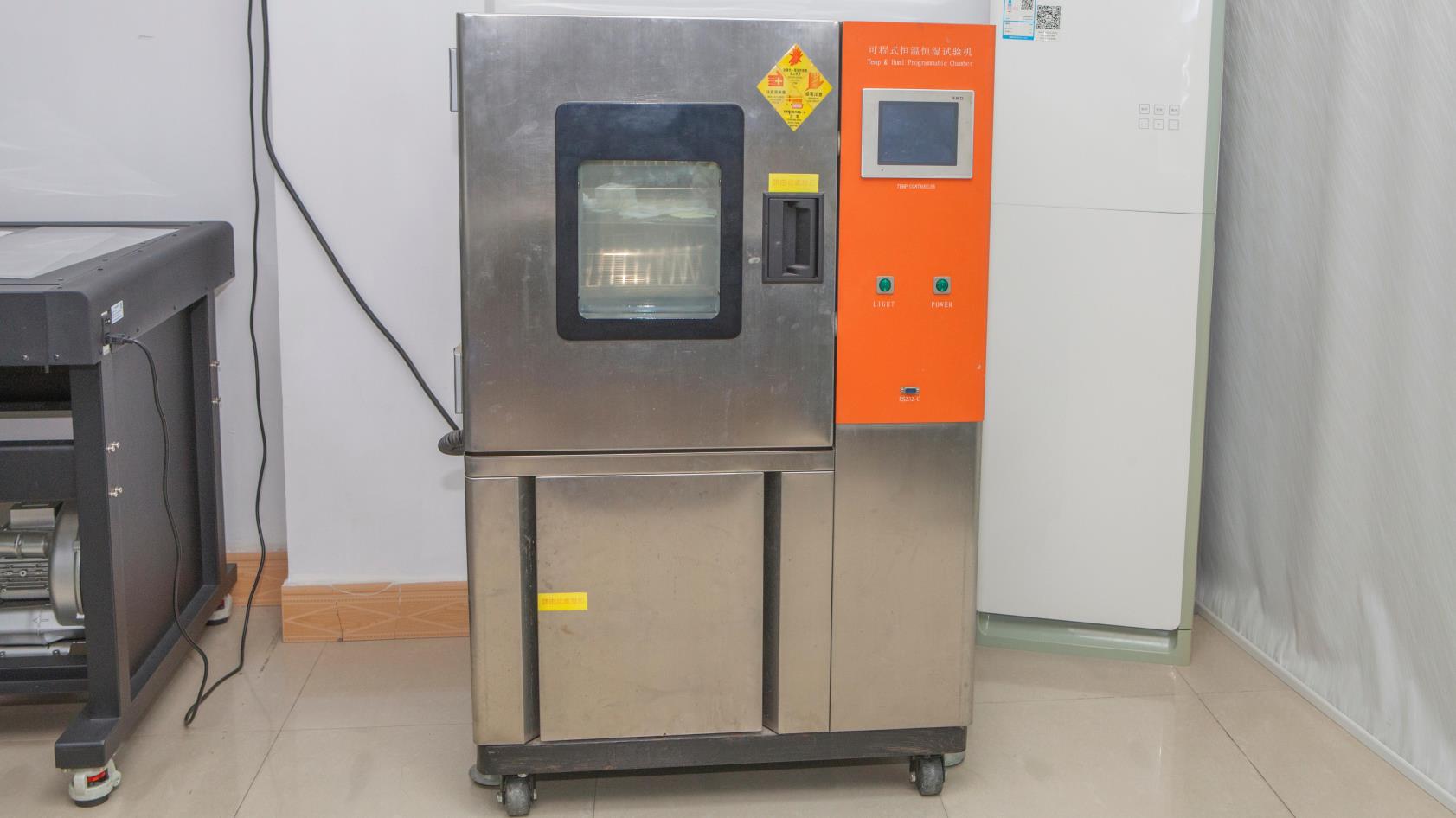
Temperature and Humidity Programmable Chamber

Programmable Climatic Chamber

Subjecting overlays to thermal shock (-40°C to +105°C) and 95% relative humidity to prove zero adhesive delamination or silver migration.

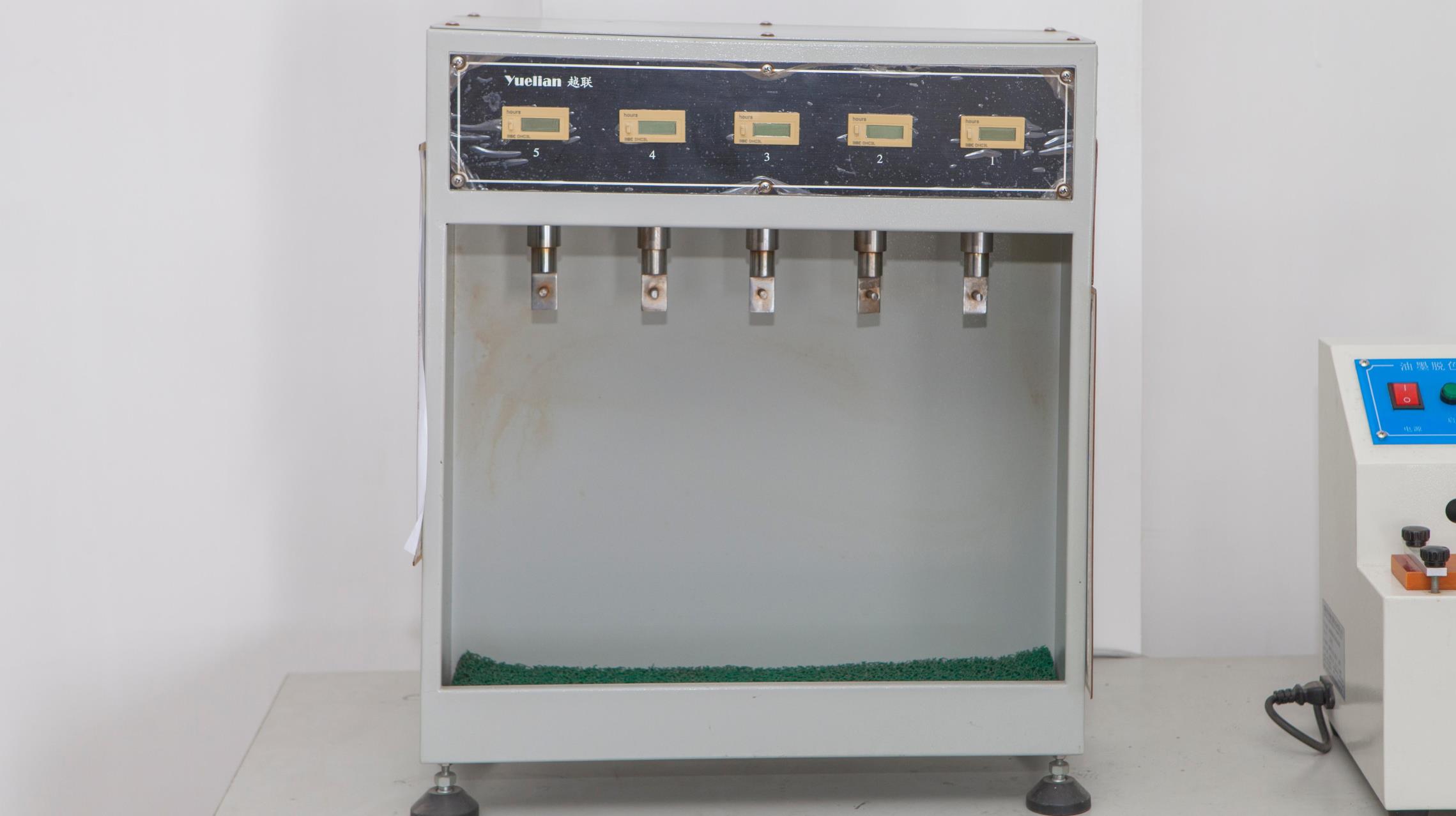
Tensile Testing Machine for Adhesion Peel Strength

Precision Tensile Testing Machine

Quantifies adhesive 90° and 180° peel adhesion strength on diverse metal and plastic enclosures to eliminate interface delamination.

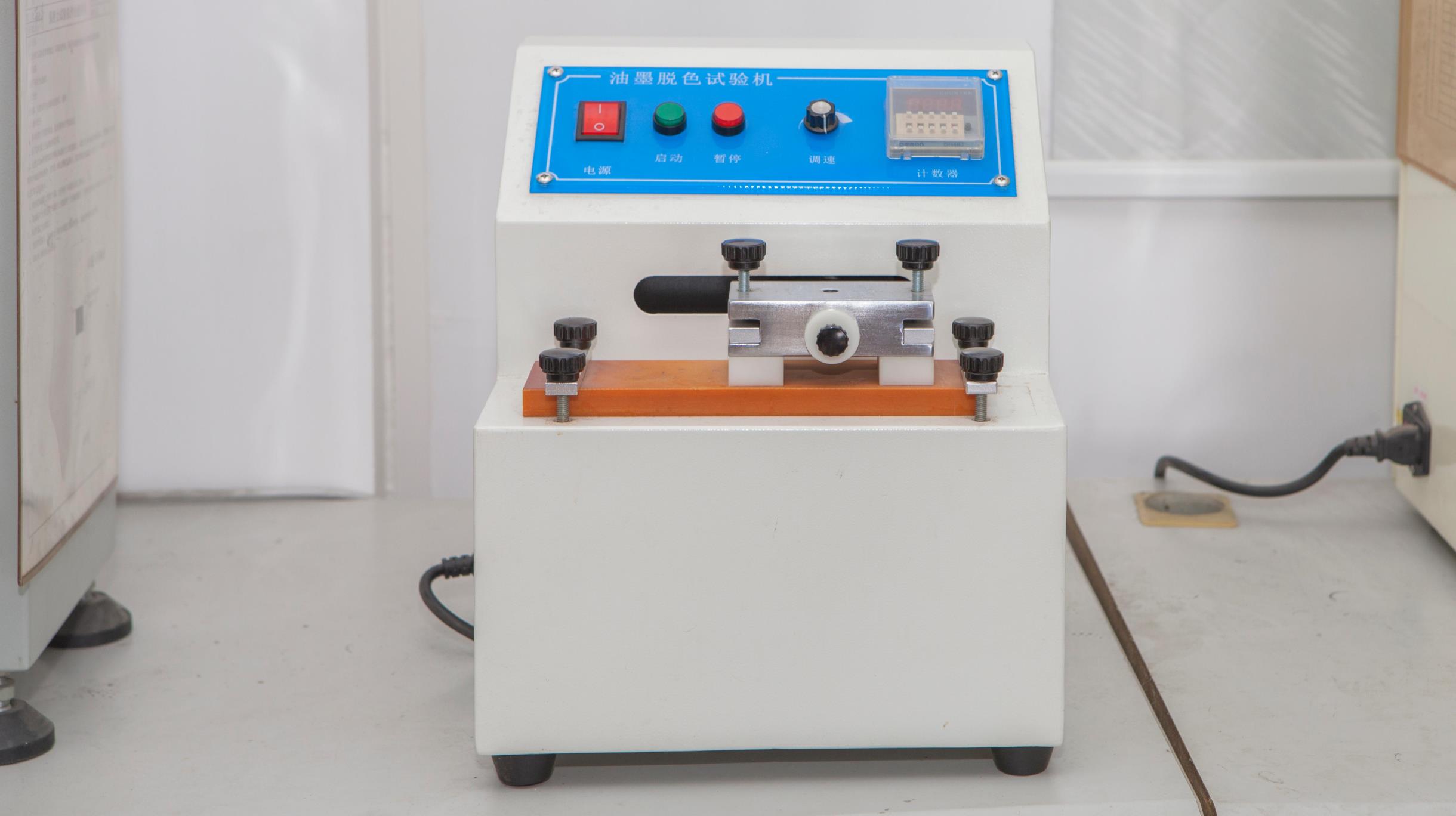
Ink Decolorization Testing Machine

Ink Decolorization & Abrasion Rig

Evaluates sub-surface ink bond and surface hardcoat resistance under weighted rubbing with MEK, isopropyl alcohol, and abrasives.

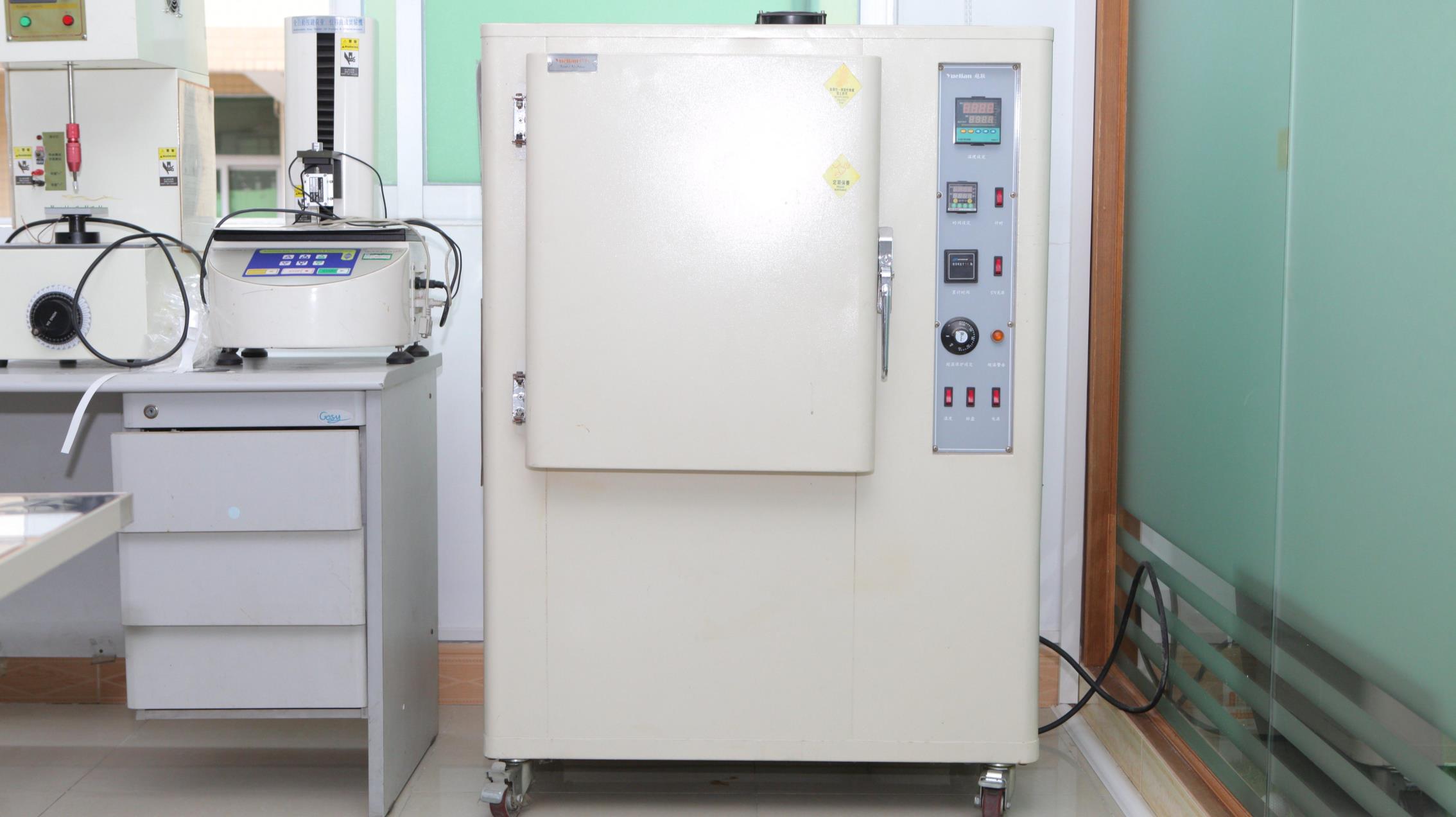
Yellowing Resistance Testing Machine for UV Exposure

Accelerated UV Yellowing Chamber

Simulates multiple years of intense solar UV radiation to verify color stability, transparency, and mechanical elasticity of outdoor resins.

Sourcing Intelligence

Industrial Graphic Overlay Procurement: Engineering FAQ

Direct technical answers to the most common engineering and procurement hurdles encountered during custom HMI panel development.

What is the standard Minimum Order Quantity (MOQ) for custom graphic overlays?

Unlike rigid brokers requiring thousands of units, our factory standard MOQ starts at 100 pieces for custom overlays and membrane switches. We offer dedicated rapid prototype engineering runs (5–25 pieces) allowing your team to test tactile feel, backlighting uniformity, and enclosure fit before releasing mass tooling.

Which adhesive should we specify for low surface energy (LSE) plastic enclosures?

For smooth metals (aluminum, stainless steel), 3M 467MP (2 mil) or 468MP (5 mil) provides exceptional high-temperature shear strength. However, for LSE powder-coated metals or molded plastics like polypropylene, ABS, and polycarbonate, we recommend 3M 300LSE high-tack acrylic adhesive to ensure permanent bonding without corner lift.

How do you achieve IP65 / IP67 waterproof ingress sealing around the tail exit?

A common failure point in membrane switches is capillary moisture penetration along the circuit tail. We engineer an uninterrupted continuous adhesive perimeter gasket around the switch cavity, combined with a sealed internal breathing channel and a silicone potting or top-exit tail design that isolates circuit traces from external humidity.

What engineering files are required to obtain a firm quotation and DFM review?

To initiate a comprehensive Design for Manufacturability review, please share: 1) Graphic vector art in Adobe Illustrator (.AI) or PDF with specified Pantone (PMS) / RAL color codes; 2) Mechanical CAD drawings (.DXF, .DWG, or .STEP) indicating tolerances, cutouts, and embossing profiles; 3) Layer stack-up specs or environmental targets.

When should an engineer specify copper FPC circuitry over printed silver ink?

Printed conductive silver paste on PET is highly cost-effective for standard matrix keypads. However, when your interface requires high-density SMT micro-LEDs, active IC driver chips, ultra-low trace resistance (< 1Ω), severe vibration resistance, or micro-pitch ZIF connectors (0.5mm or 1.0mm), a Polyimide Copper Flexible Printed Circuit (FPC) is the superior engineering choice.

How do you prevent Electrostatic Discharge (ESD) from damaging internal electronics?

In dry industrial environments, operator static discharge can exceed 15kV. We incorporate a dedicated full-coverage ESD shielding layer—utilizing either solid printed silver grid mesh or laminated aluminum foil—positioned directly below the graphic overlay and tied to chassis earth ground, shunting high-voltage transients safely away from logic circuits.

Ready to Optimize Your Industrial HMI Stack-Up?

Consult directly with our Dongguan engineering team. Receive a complimentary DFM analysis, stack-up recommendation, and guaranteed factory-direct quotation within 24 business hours.