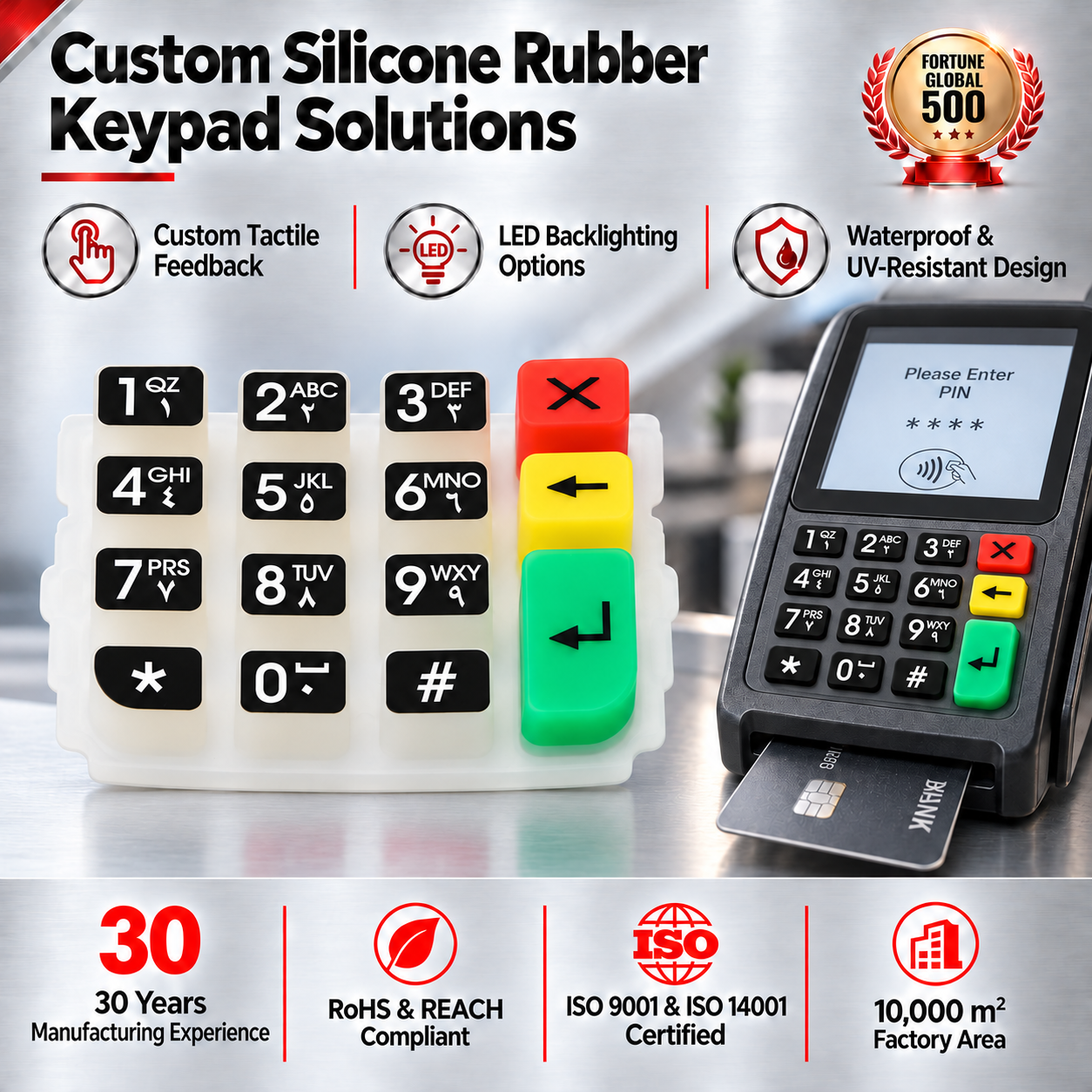
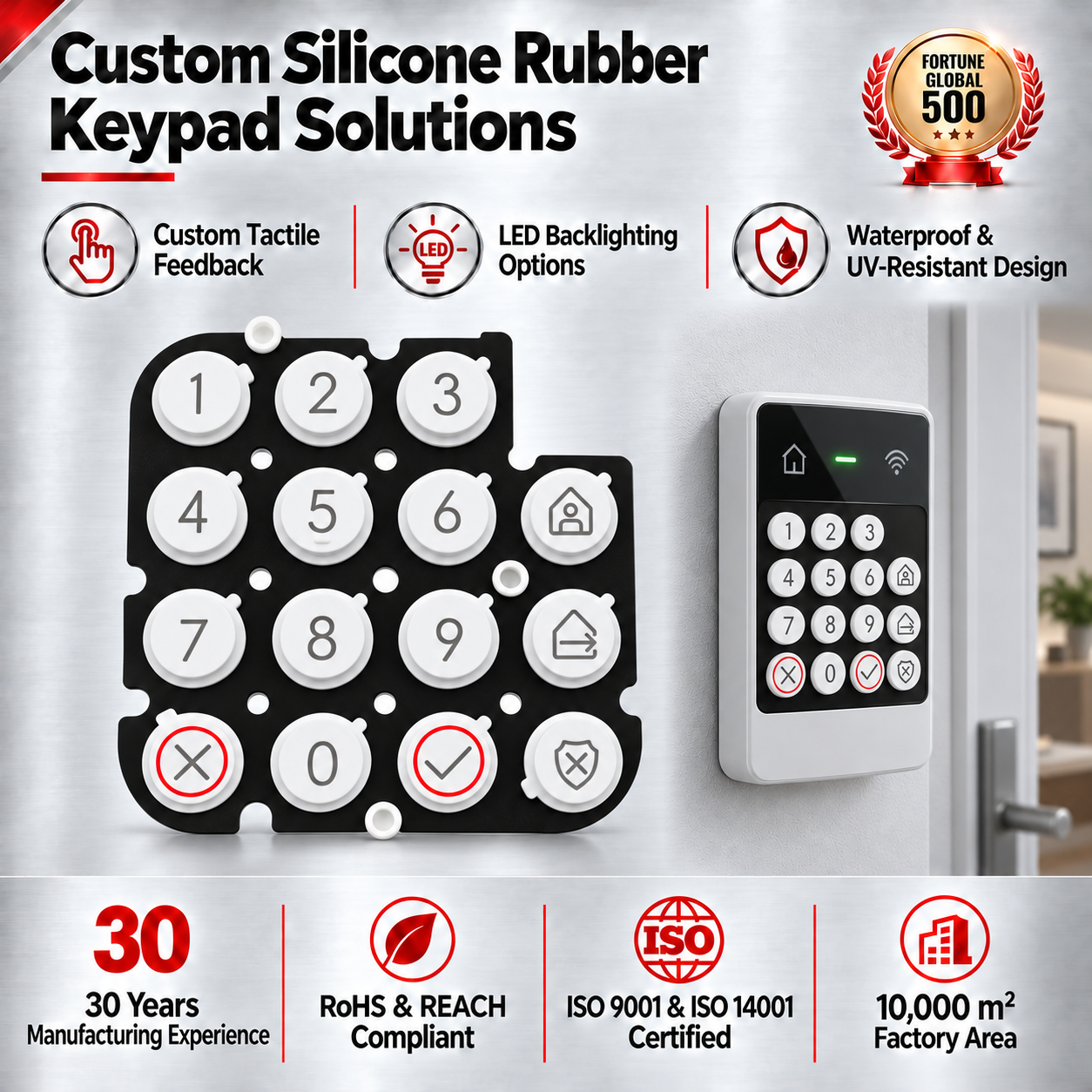
Electronic Soft Tactile Switch Plastic Silicone Button Elastomer Keypad
- SubstrateSilicone / Carbon Pill
- Actuation Force150g - 350g
- Typical MOQ100 pcs
Explore custom metal dome membrane keypads, flexible printed circuits, and integrated silicone tactile sub-assemblies built strictly to international OEM/ODM mechanical and electrical blueprints.
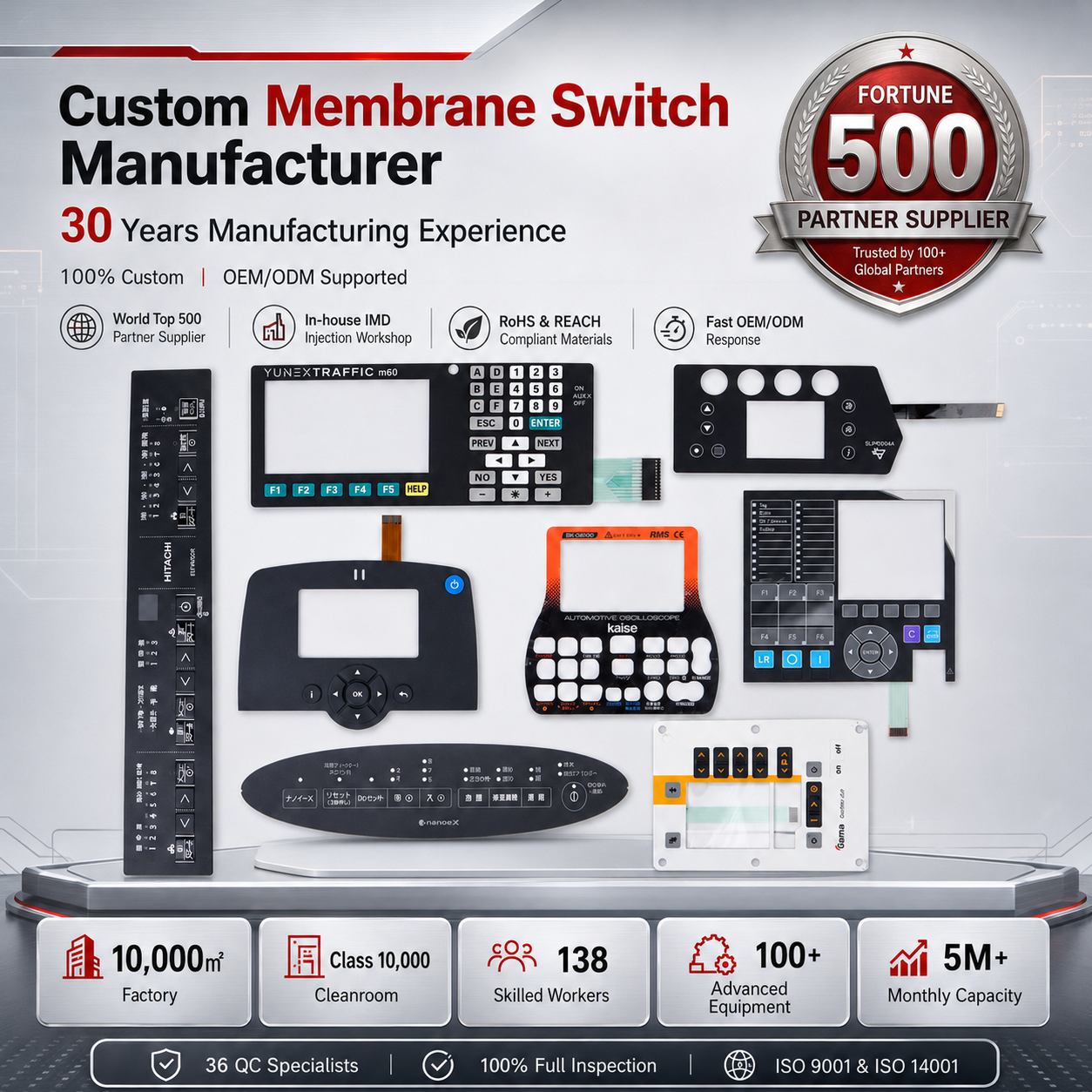
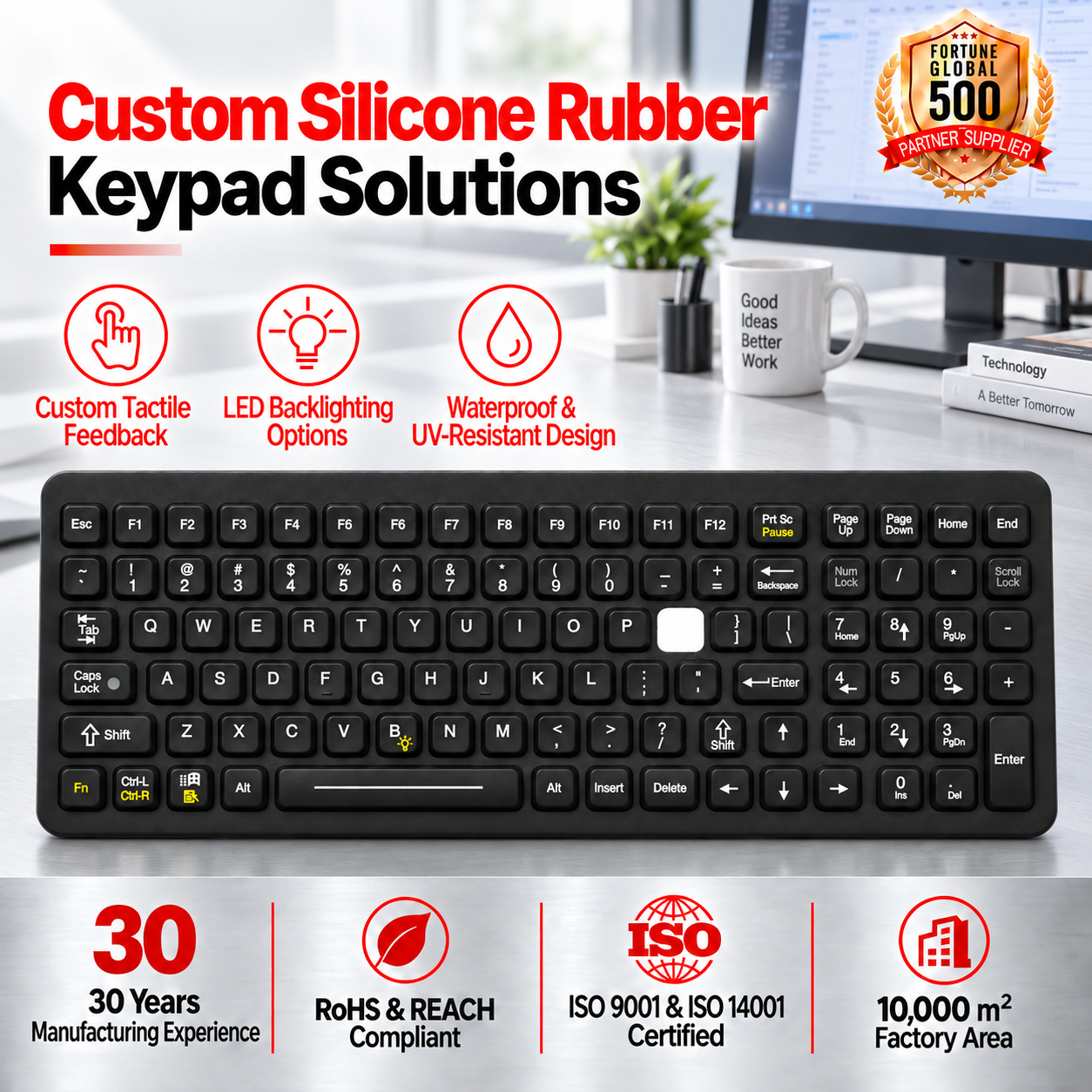
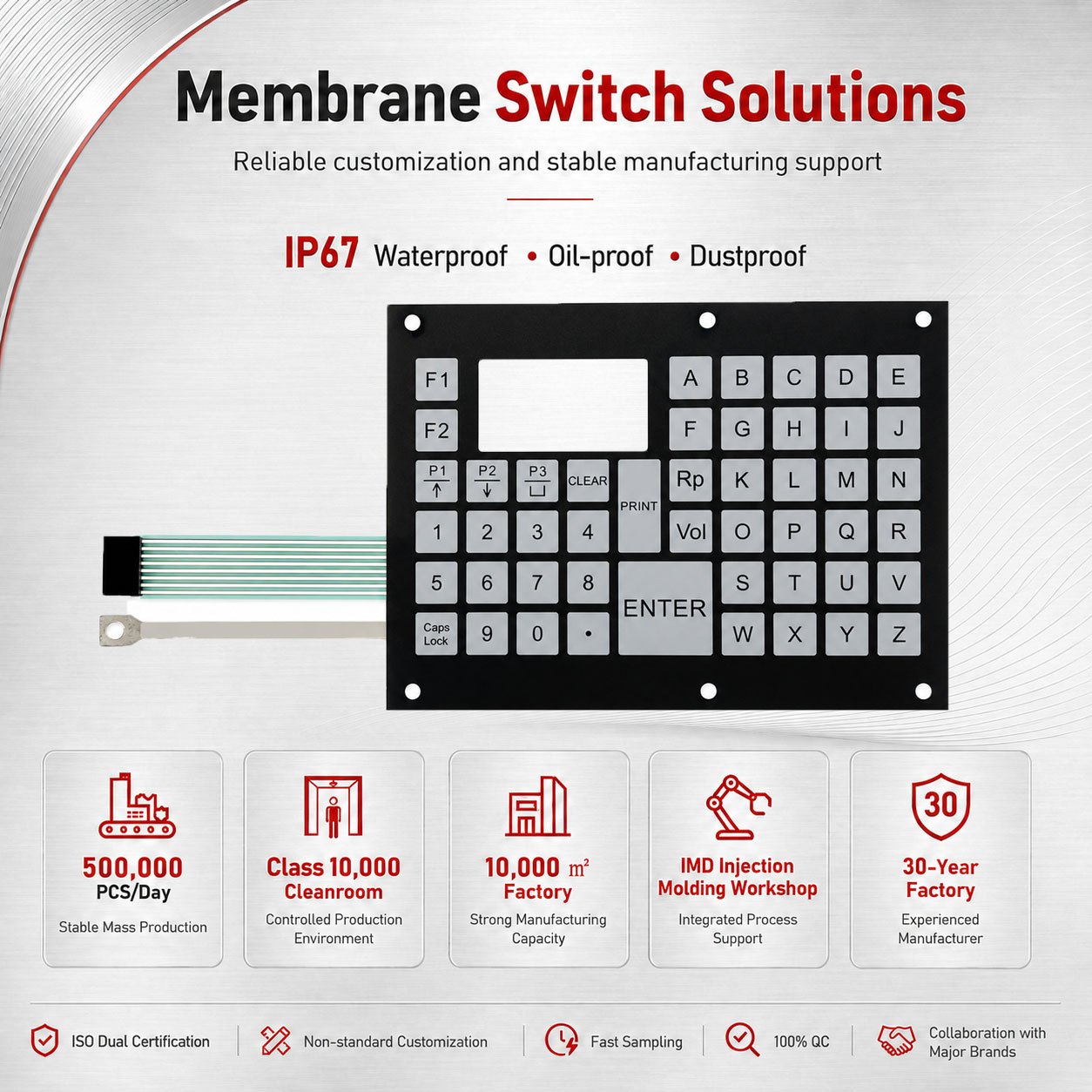
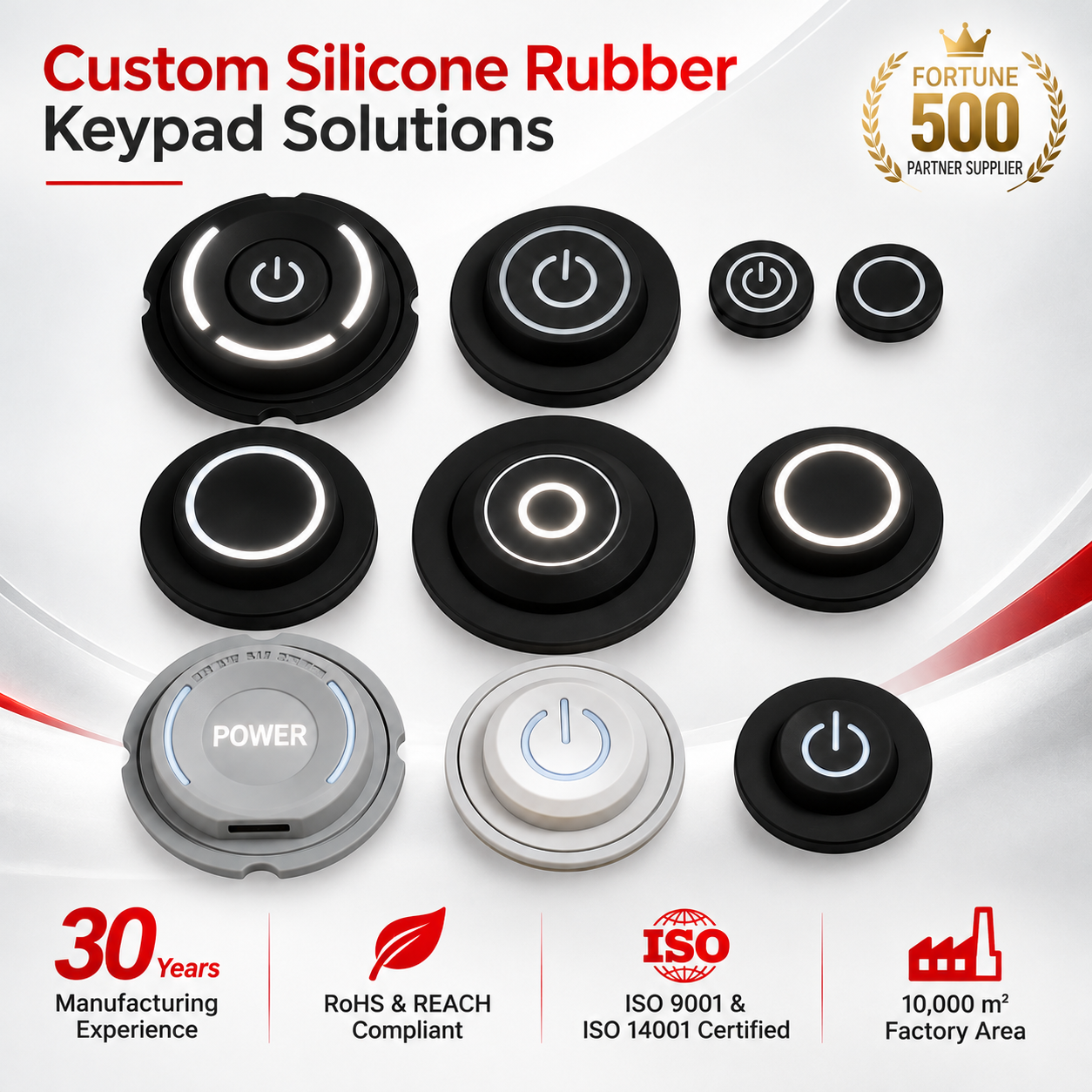
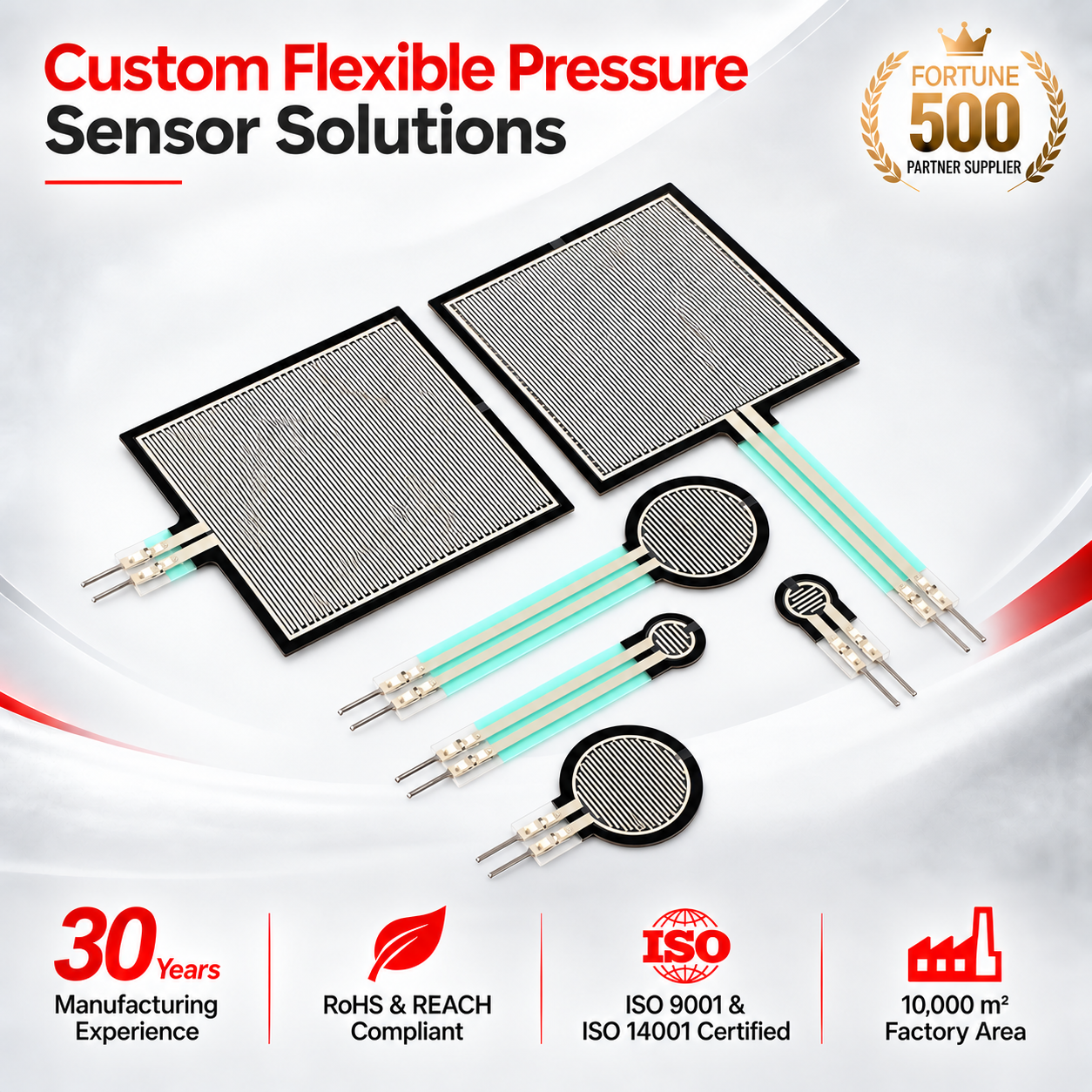
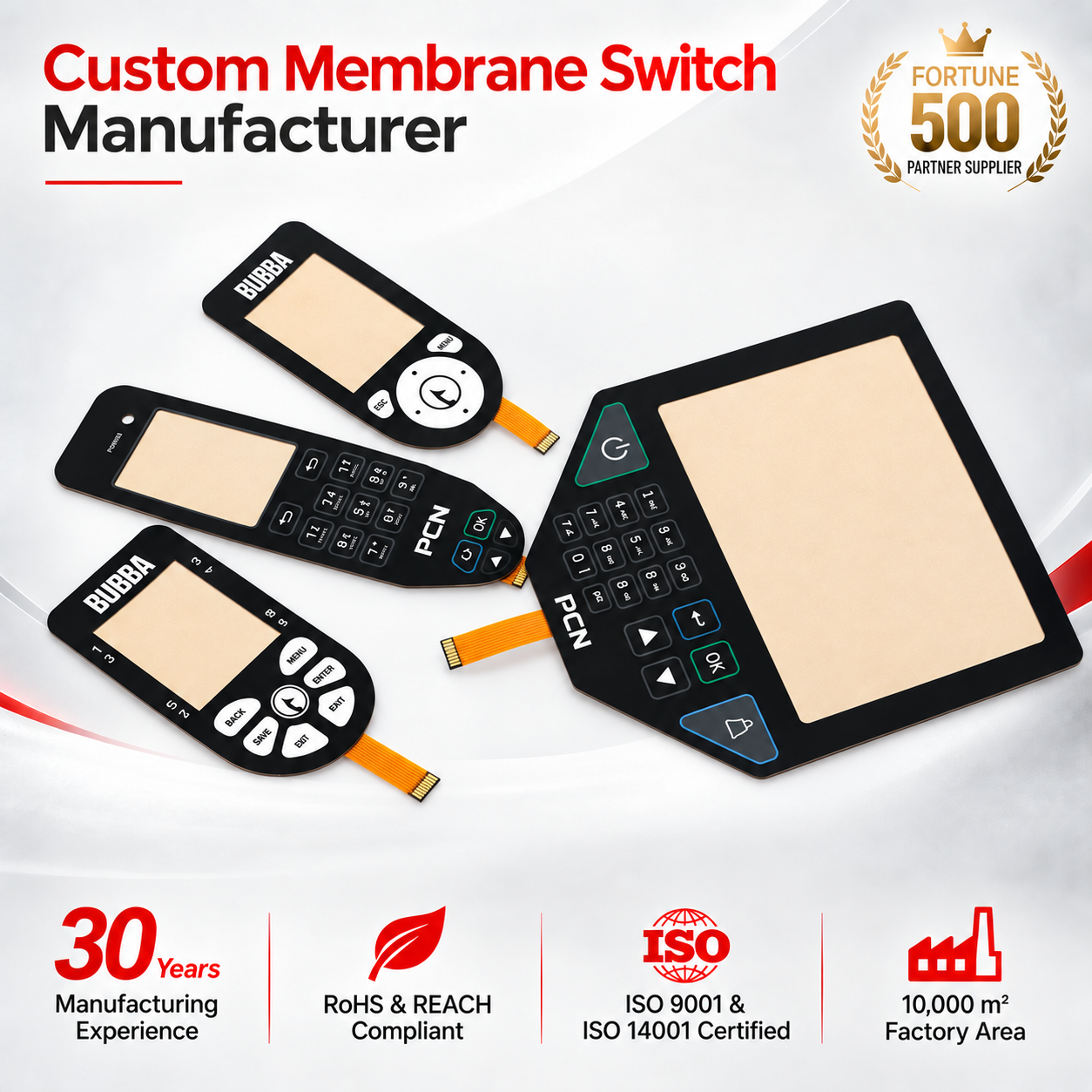
A metal dome switch couples physical tactile feedback with multilayer printed electronics. Understanding the mechanical, chemical, and electrical layer stack-up is crucial for designing interfaces that endure multi-million actuations in severe operational conditions.
The primary barrier is typically constructed from sub-surface printed biaxially oriented polyethylene terephthalate (PET) or high-impact polycarbonate (PC). PET substrates like Autotex provide exceptional flexural resistance, chemical inertness against harsh washdown fluids, and robust resistance to UV yellowing.
Metal domes provide tactile trip force and act as durable electrical contact bridges. Fabricated from precision stainless steel (SUS301/SUS304) with optional gold or nickel plating, dome diameters vary from 6mm to 20mm with trip forces engineered from 180g to 500g, supporting snap ratios between 40% and 60%.
Conductive traces are formulated via screen-printed low-resistance conductive silver ink on heat-stabilized polyester, or etched copper on polyimide (FPC). Copper FPC delivers ultra-low loop resistance (< 1 Ω), tight trace density for miniaturized pinouts, and robust mounting for surface-mount LEDs and active sensor ICs.
Compare standard silver-printed PET architecture against high-density copper FPC configurations to optimize loop resistance, ingress protection, and component density.
| Performance Specification | Silver Conductive Print on PET | Copper Etched Polyimide (FPC) | Hybrid Silicone + Metal Dome |
|---|---|---|---|
| Operating Voltage / Current | < 35V DC, < 100mA | < 50V DC, < 500mA | < 35V DC, < 150mA |
| Circuit Loop Resistance | 10 Ω – 100 Ω (length dependent) | < 1 Ω (ideal for complex matrix) | < 50 Ω (via carbon/dome bridge) |
| Tactile Actuation Life | 1,000,000 to 3,000,000 Cycles | Up to 5,000,000 Cycles | 1,000,000 to 2,000,000 Cycles |
| Operating Temperature | -20°C to +70°C | -40°C to +105°C | -30°C to +85°C |
| Component Density (SMD LED / Resistors) | Bonded via conductive epoxy (moderate) | Reflow / SMT soldered (high density) | Integrated within cavity / FPC sub-layer |
| Waterproof / Dustproof Ingress Rating | IP65 with perimeter adhesive barrier | IP67 / IP68 with sealed tail exits | IP65 – IP67 via elastomeric sealing lip |
As global hardware design evolves toward smarter, cleaner, and more resilient interfaces, procurement managers and lead systems architects are shifting their bill-of-materials criteria.
OEM buyers are migrating away from fragmented vendor sourcing. Instead of buying rubber buttons, graphic overlays, and PCBs separately, engineers demand single-source hybrid sub-assemblies integrating silicone elastomeric tactile covers, embedded backlighting film (LGF), and factory-laminated structural aluminum backplates.
Post-pandemic healthcare standards and harsh industrial plant environments mandate overlays engineered with permanent microbicidal silver-ion textures. Medical equipment procurers prioritize stack-ups resistant to repeated sterilization with quaternary ammonium compounds, bleach, and isopropyl alcohols without clouding transparent LCD windows.
Tier-1 automotive and global medical brands increasingly bypass trading agents. Buyers require direct factory verification (such as Intertek audit certification), comprehensive material compliance (RoHS, REACH, UL94 flammability ratings), and lot-specific test documentation detailing force-displacement curves and contact bounce times.
The convergence of printed electronics, capacitive touch architectures, and functional illumination is driving significant innovation across custom membrane switch production lines.
Modern HMI consoles increasingly blend flat capacitive touch sensing surfaces with safety-critical tactile metal domes. This dual-action design provides low-wear capacitive slider operation for settings adjustments alongside physical snap-action confirmation for high-stakes triggers like system starts, e-stops, and valve overrides.
By screen-printing circuits and mounting micro-LEDs directly onto flat plastic films prior to thermoforming and injection molding, In-Mold Electronics combines functional circuitry directly inside 3D decorative structural housings, eliminating multiple internal mechanical brackets and reducing switch package thickness by up to 60%.
Traditional discrete LEDs often suffer from localized "hot-spotting" and uneven light diffusion. Modern developments utilize side-firing 0603 or 0805 micro-LEDs focused into micro-etched 0.125mm Light Guide Films (LGF), delivering perfectly uniform backlighting across keys and dead-front graphic icons while preserving crisp tactile feedback.
Operating a modernized 10,000㎡ manufacturing facility in Dongguan, China, AXRU Electronics brings 12+ years of production expertise, verified on-site by Intertek.
From cleanroom screen printing and precision circuit sintering to automated metal dome placement, laser die-cutting, and final assembly—we keep 100% of core processes under our roof to maintain strict quality control.
Every batch undergoes testing with key actuation testers, tensile peel analyzers, ink rub decolorization machines, programmable temperature-humidity chambers, and UV yellowing testers to ensure consistent field reliability.
Each switch assembly undergoes automated electrical testing to verify open circuit resistance, short circuits, switch bounce, LED forward voltage polarity, and insulation resistance prior to export packaging.
We source certified engineering polymers and performance adhesives directly from trusted global brands like 3M, Nitto, MacDermid Autotype, and Toray, providing full compliance with RoHS and REACH requirements.
Our 121-person workforce includes seasoned structural and electronic engineers who review CAD drawings, recommend optimized tail routing, evaluate snap ratios, and refine ingress sealing before cutting steel tooling.
With an agile sample preparation workshop, we deliver prototype samples in as fast as 5 to 7 days, scaling smoothly to multi-hundred-thousand-piece runs with a competitive initial MOQ starting at just 100 units.
Clear, practical answers addressing common design hurdles, material tradeoffs, testing procedures, and ordering logistics encountered during custom HMI development.
Silver-printed polyester uses screen-printed conductive polymer silver inks on PET film. It is cost-effective and ideal for standard keypads with moderate circuit complexity and loop resistances between 10 to 100 ohms. Flexible Printed Circuits (FPC) use chemically etched copper on polyimide, offering loop resistances under 1 ohm, support for dense micro-pitch connector tails, reliable surface-mount soldering of fine-pitch components, and extended flex life in dynamic installations.
We utilize continuous perimeter adhesive gaskets (typically 3M 200MP or 300LSE series) that create an unbroken seal around the switch perimeter, isolating interior contact traces and metal domes. For harsh environments, we seal the flex tail exit using molded silicone gaskets or potting resins to prevent moisture ingress. Overlay materials like Autotex polyester provide chemical resistance against oils, acids, and industrial sanitizers.
To provide a detailed quote and DFM feedback, we recommend submitting 2D mechanical drawings (in DXF, DWG, or PDF format) showing dimensions, tail lengths, and cutout locations; 1:1 vector graphic artwork (in AI, EPS, or vector PDF) with specified Pantone (PMS) or RAL color codes; circuit schematics with connector pinout definitions; and details regarding target dome force, operating temperatures, and backlighting requirements.
Tactile feel is determined by the relationship between actuation force and return force, known as the snap ratio: [(Actuation Force - Return Force) / Actuation Force] * 100%. By selecting appropriate dome shapes (four-leg, circular, oblong), diameters (6mm to 20mm), and trip forces (180g to 500g), alongside precision embossed overlay geometry (pillow or rim style), we adjust the switch response from a soft, quiet feel to a distinct, high-feedback snap.
Yes. Ultra-thin surface-mount (SMD) LEDs can be integrated directly onto the circuit layer. In silver-printed circuits, diodes are bonded using conductive silver epoxy and encapsulated with UV-curable structural polymer. For high reliability and dense arrays, copper FPC circuits support direct reflow soldering. For uniform backlighting, Light Guide Film (LGF) can be layered over the keys with side-firing LEDs.
Every switch undergoes 100% functional electrical testing checking contact resistance, insulation resistance at 100V DC, circuit continuity, and LED polarity. Production batches undergo mechanical sampling on force-displacement testers, key cycling life testers, cross-hatch ink adhesion checks, tensile tail peel strength testing, and programmable temperature and humidity environmental exposure.
Our standard prototype turnaround time is 5 to 7 business days from final CAD artwork approval, supported by our dedicated rapid-sample workshop. To assist engineering development, our minimum order quantity starts at just 100 pieces for custom membrane switch assemblies, with scalable capacity across our 10,000㎡ factory floor to support high-volume mass production runs.
To protect sensitive downstream microcontrollers from static discharges up to 15kV, we can incorporate a dedicated electrostatic discharge (ESD) shield layer. This layer consists of a solid or grid-printed conductive silver, aluminum foil, or ITO film placed directly beneath the graphic overlay, which safely redirects static surges to earth ground through an integrated grounding tail.
Connect directly with our engineering team for a comprehensive DFM assessment, material recommendations, and a project quote within 24 business hours.