Industrial HMI
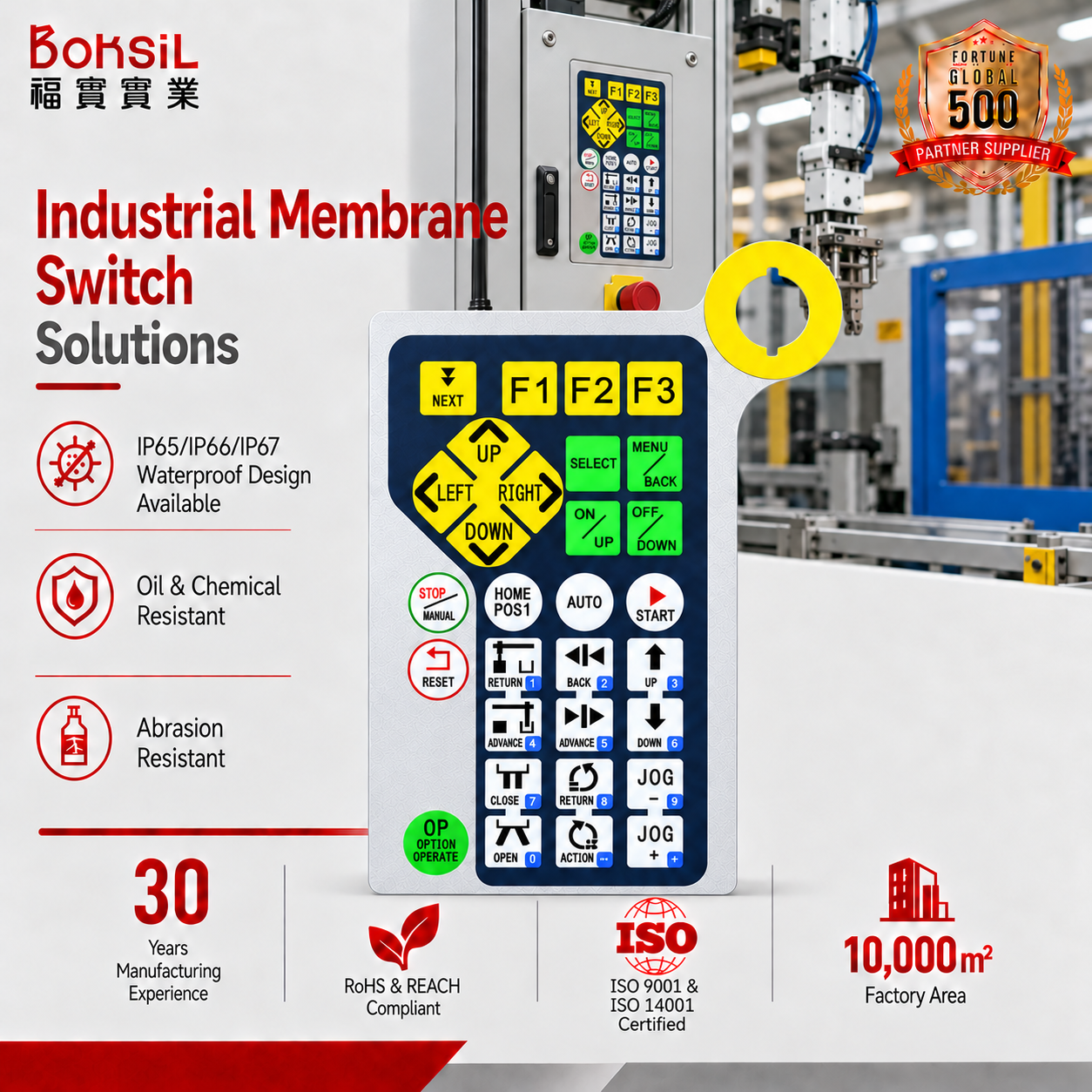
Explore 8 core series manufactured in our Intertek-audited cleanroom plant. Every unit is tailored to your physical CAD drawings, layer stack-up schemas, and rigorous CE/EMC specifications.
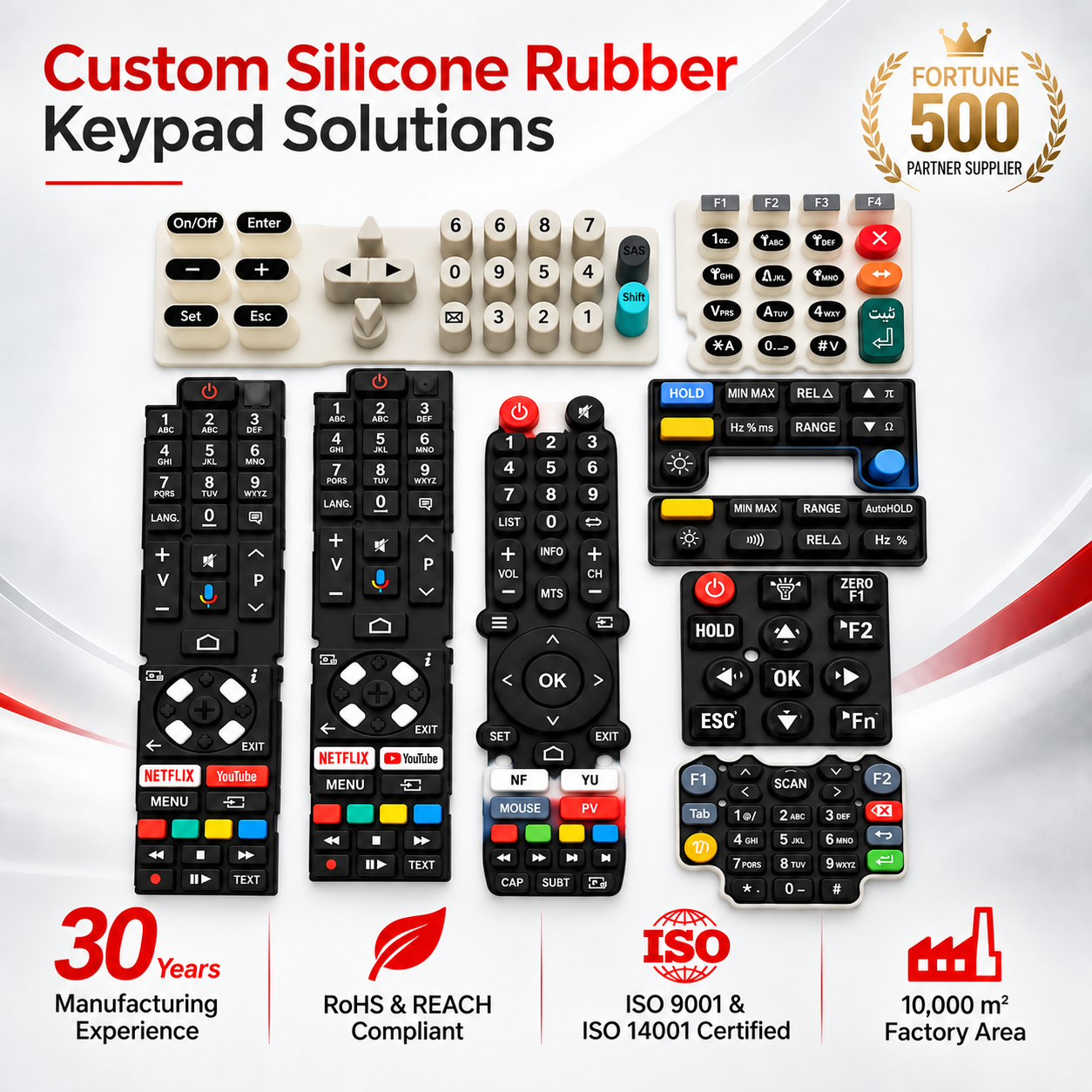
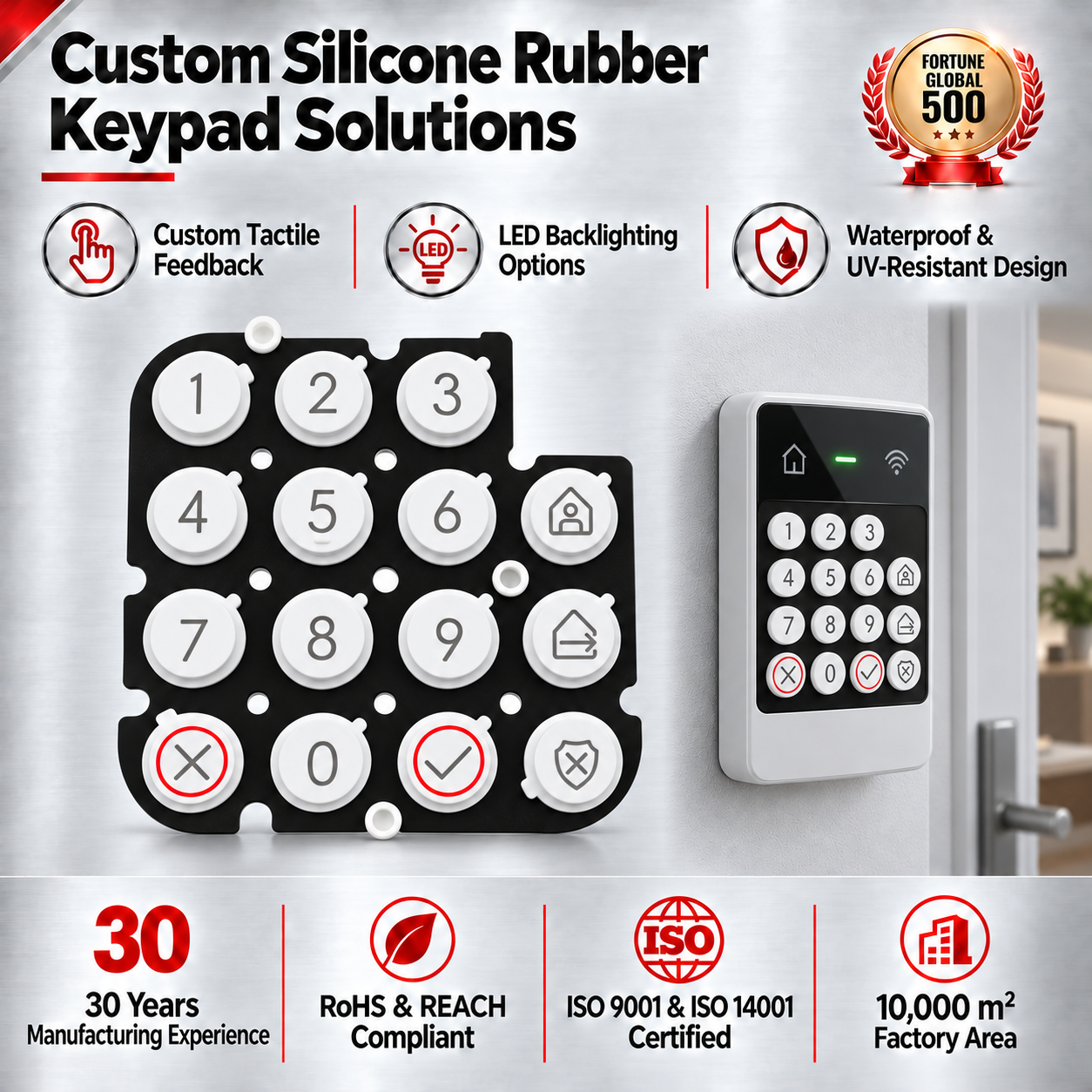
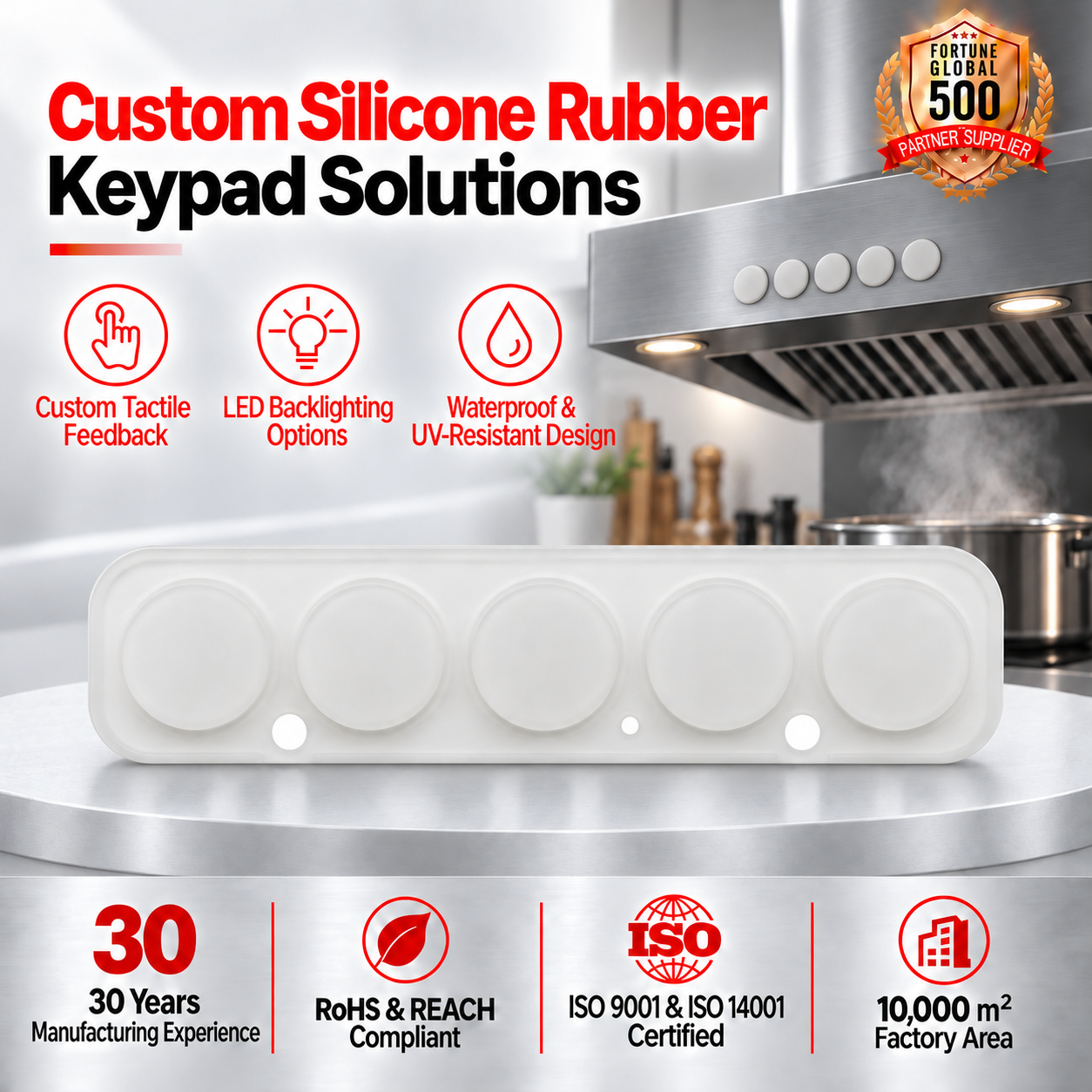
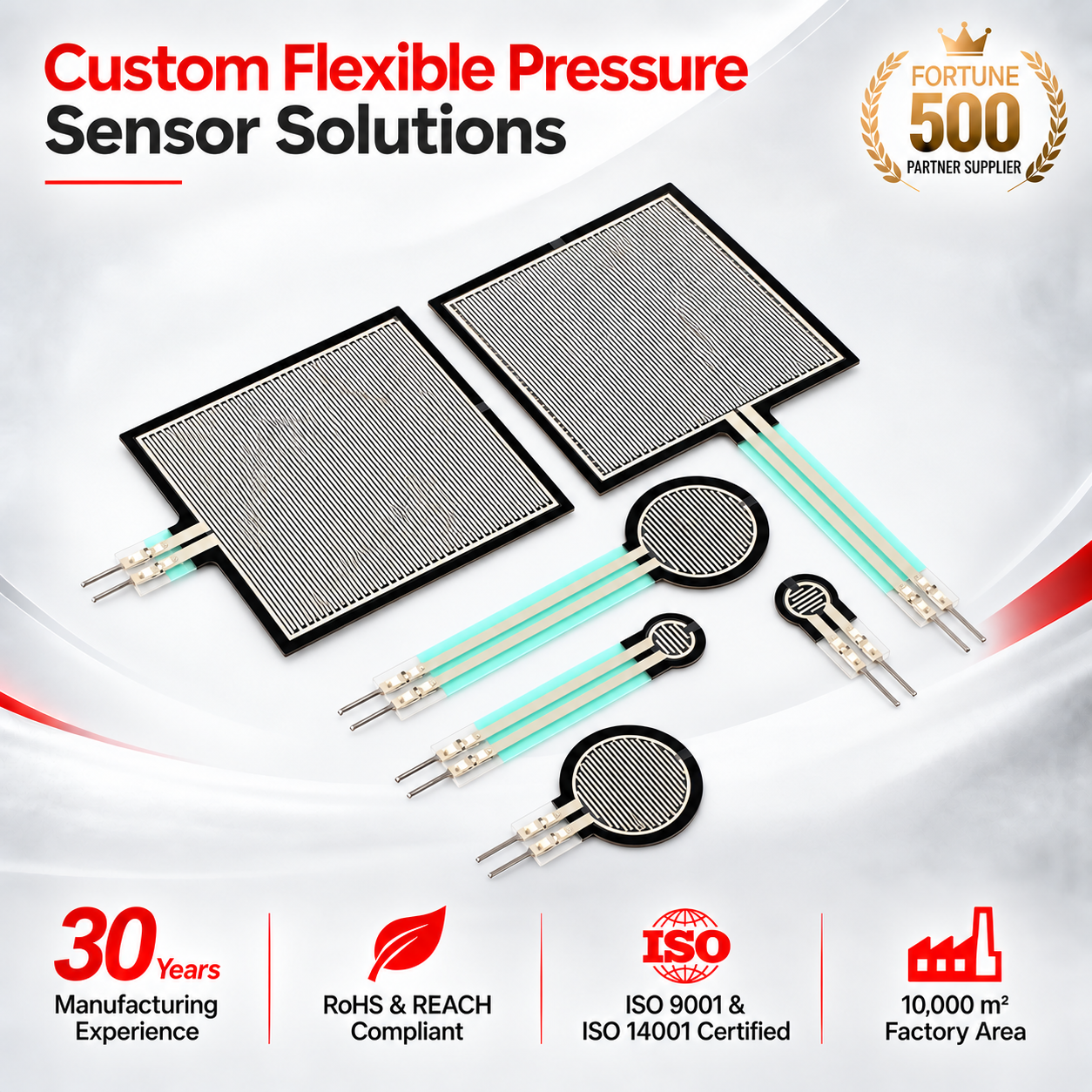
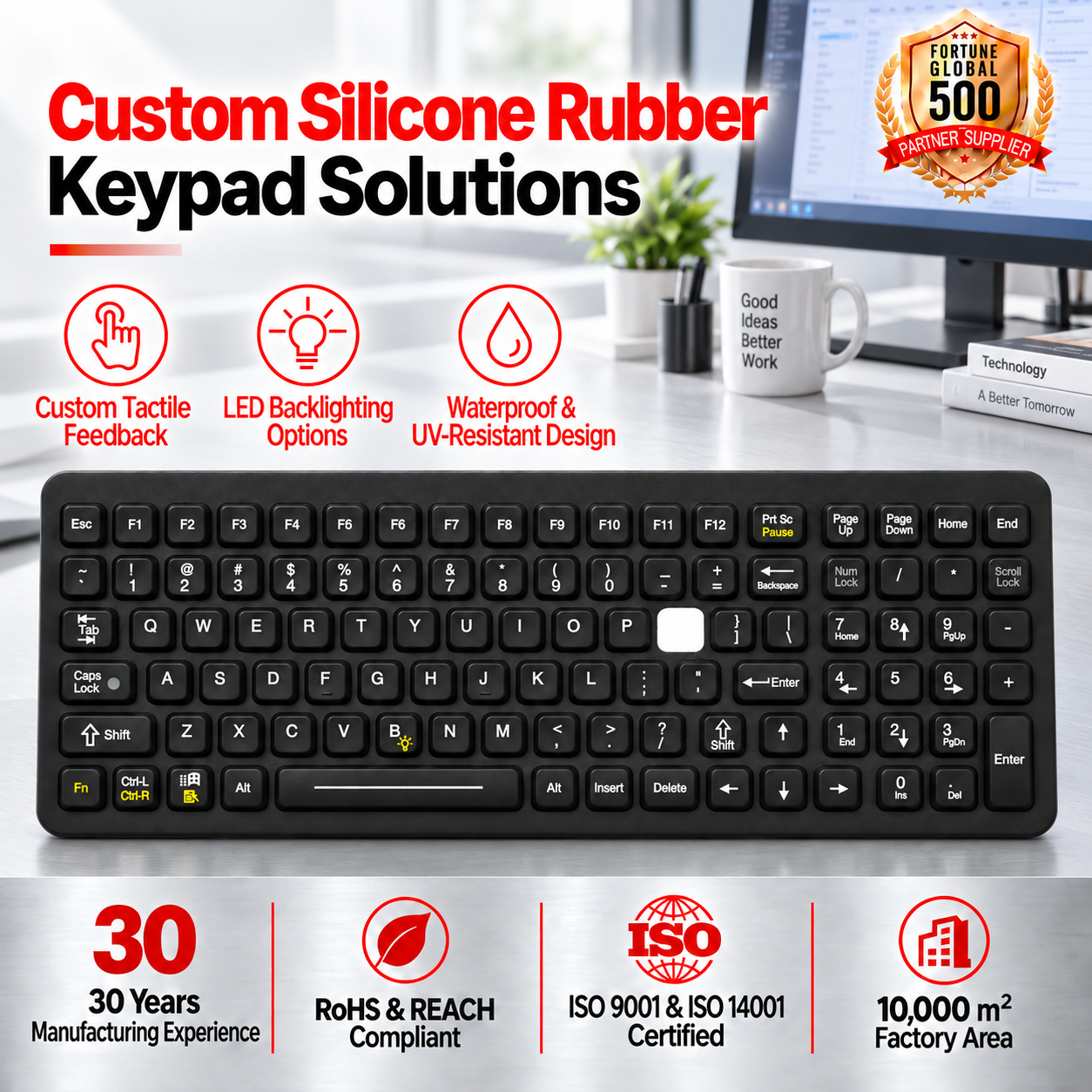
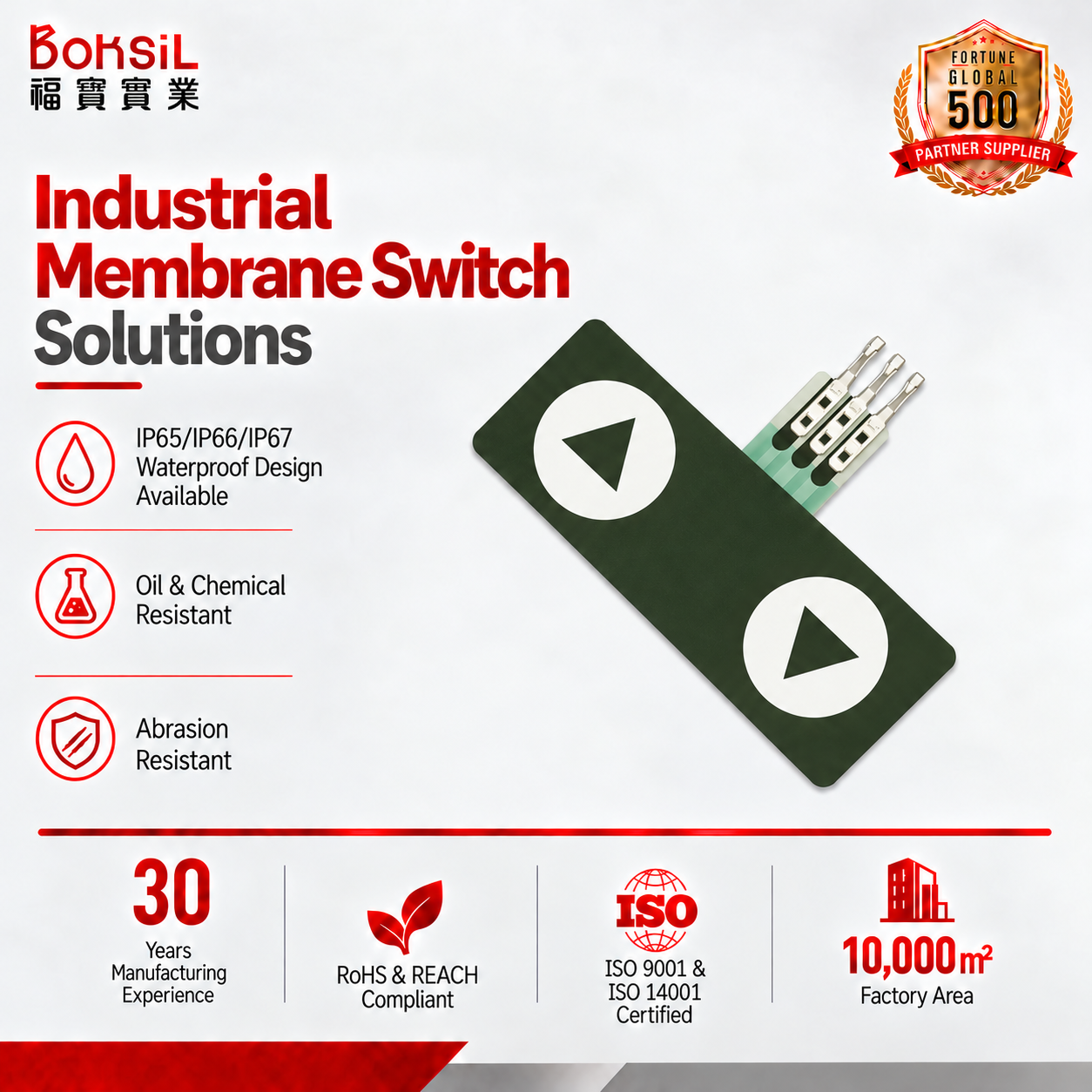
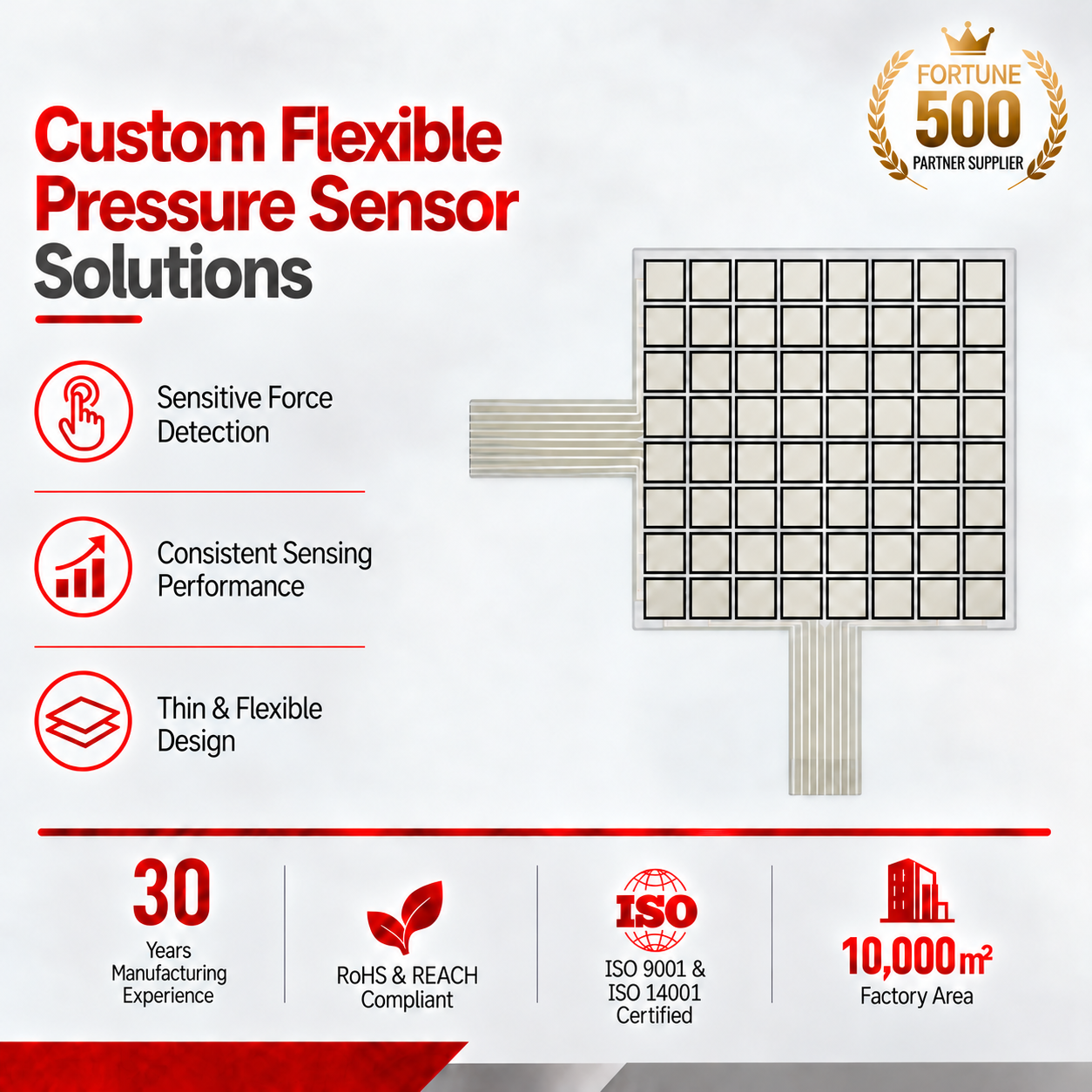
A deep dive into layer stack-up physics, electromagnetic compatibility (EMC) compliance under CE standards, and illumination balance for mission-critical interfaces.
Human-Machine Interface (HMI) design in harsh operational environments—such as diagnostic medical instrumentation, military communication units, aerospace flight decks, and hazardous industrial monitoring—demands human touch validation coupled with absolute visual legibility in zero-ambient-light scenarios. While conventional Light Emitting Diode (LED) point sources relying on Light Guide Films (LGF) or fiber-optic strands have captured market share, the integration of solid-state Electroluminescent (EL) backlighting directly into flexible membrane circuits remains the gold standard for perfectly uniform, wafer-thin, and vibration-proof panel illumination.
As a specialized CE-certified manufacturer in Dongguan, China, AXRU Electronics Co., Ltd. architects EL membrane switches to bridge mechanical reliability with solid-state photonics. Achieving CE compliance (Low Voltage Directive 2014/35/EU and EMC Directive 2014/30/EU) requires exacting engineering protocols across high-voltage AC inverter coupling, dielectric layer insulation, and micro-gap capacitance control.
We formulate micro-encapsulated copper-doped zinc sulfide (ZnS:Cu) phosphors deposited between parallel conductive planes, creating homogenous photon excitation without hotspot blooming or localized thermal dissipation.
For high-density interconnects, we engineer roll-to-roll copper-clad Polyimide FPC substrates boasting <1.0 Ω trace impedance, avoiding silver migration risks common in high-humidity medical and offshore environments.
To eliminate high-frequency acoustic hum and EMI radiation from 60V–110V AC / 400Hz inverter drivers, integrated ground planes and specialized ITO conductive shielding layers are screen-printed to achieve EN 61000-6-3 radiated emission compliance.
A high-performance CE-compliant EL membrane switch is an engineered laminate comprising 7 to 9 bonded functional layers, typically maintaining a total thickness of less than 1.5mm to 2.0mm:
When selecting the optoelectronic architecture for HMI front panels, procurement managers and hardware design engineers must evaluate photometrics, envelope constraints, acoustic signatures, and tooling costs:
| Optoelectronic Parameter | Electroluminescent (EL) Lamp | LED + Light Guide Film (LGF) | Fiber-Optic Mesh | Discrete Surface SMD LEDs |
|---|---|---|---|---|
| Illumination Uniformity | 99.5% Absolute Uniformity | 80% – 90% (Dependent on LGF microdots) | 85% – 92% (Slight edge falloff) | Poor (High point-source hot spots) |
| Subsystem Profile | 0.25mm – 0.35mm (Ultra-thin) | 0.80mm – 1.40mm | 0.70mm – 1.10mm | 1.50mm – 3.00mm (Requires dome clearance) |
| Operating Power Requirement | 60–110V AC @ 400–800Hz (Requires Inverter) | 2.0–3.4V DC @ 15–20mA per LED | 2.0–3.4V DC (LED injection source) | Low DC Voltage (Direct MCU driving) |
| Vibration & G-Shock Resistance | Immune (Solid-state chemical lamp) | Moderate (Solder joint fatigue risk) | High (Fiber bundle robustness) | Vulnerable to micro-fissuring |
| Half-Life Luminance Decay | 3,000 – 8,000 Hours (Duty-cycle reliant) | 30,000 – 50,000 Hours | 30,000 – 50,000 Hours | 50,000+ Hours |
| CE EMC Radiation Risk | Requires tuned layout & shielding | Zero high-frequency radiation | Zero EMI generation | Negligible EMI |
Strategic insights for global supply chain directors, procurement leads, and product managers navigating supply chain resilience, printed electronics, and smart surface evolution.
OEM hardware is transitioning from purely mechanical metal domes toward hybrid interfaces combining capacitive slider surfaces with printed piezoresistive FSR layers. This gives users wipe-clean monolithic front panels while preventing phantom triggers from water spray or grease.
With stringent updates to the EU RoHS directive and global corporate ESG mandates, tier-1 industrial brands are requiring bio-based recycled PET films, water-washable screen printing emulsifiers, and completely halogen-free flame-retardant silicone formulations (UL94-V0 compliant).
The fusion of functional conductive silver ink circuitry directly onto thermoformed 3D plastic housings. This completely eliminates separate internal sub-PCBs and wire harnesses, slashing enclosure depth by 60% and trimming assembly labor in automotive cockpits and premium appliances.
Global procurement executives are systematically shifting away from fragmented sub-assembly vendor models. Sourcing the graphic overlay from a local printer, the membrane circuit from a domestic flexible board shop, and the silicone rubber boot from a third party introduces stack-up tolerance stacking issues and ambiguous warranty claims during field failures.
The established best practice for 2025 and beyond is consolidated turnkey manufacturing within specialized, vertically integrated facilities. By concentrating precision tool die-making, multi-color registration screen printing, SMT pick-and-place component placement, cleanroom lamination, and 100% automated electrical continuity verification under one roof (as maintained at AXRU's 10,000㎡ Dongguan facility), global buyers compress lead times from 10 weeks to 3 weeks while securing end-to-end CE, REACH, and ISO-documented quality assurance.
Headquartered in Dongguan, China, our 10,000㎡ manufacturing hub integrates complete in-house tooling, ISO-compliant cleanrooms, and Intertek on-site audited capabilities.
Our plant, workforce credentials, environmental protocols, and business standing have been verified and assessed on-site by Intertek Group plc.
Every switch is subjected to open/short tests, trace loop resistance profiling, contact bounce verification, and LED forward-voltage validation before packaging.
Trusted tier-1 and tier-2 vendor to global conglomerates across medical technology, industrial automation, and consumer white-goods.
Rapid CNC knife cutting and high-definition digital prototype printing allow us to deliver functional engineering review samples in as few as 3–5 working days.
Specialists across membrane switches, capacitive touch sensors, silicone keypads, IMD panels, and optically bonded acrylic/glass front windows.
Our 121-person workforce includes dedicated electrical, mechanical, and colorimetric specialists conducting complete Design For Manufacturing reviews on every RFQ.
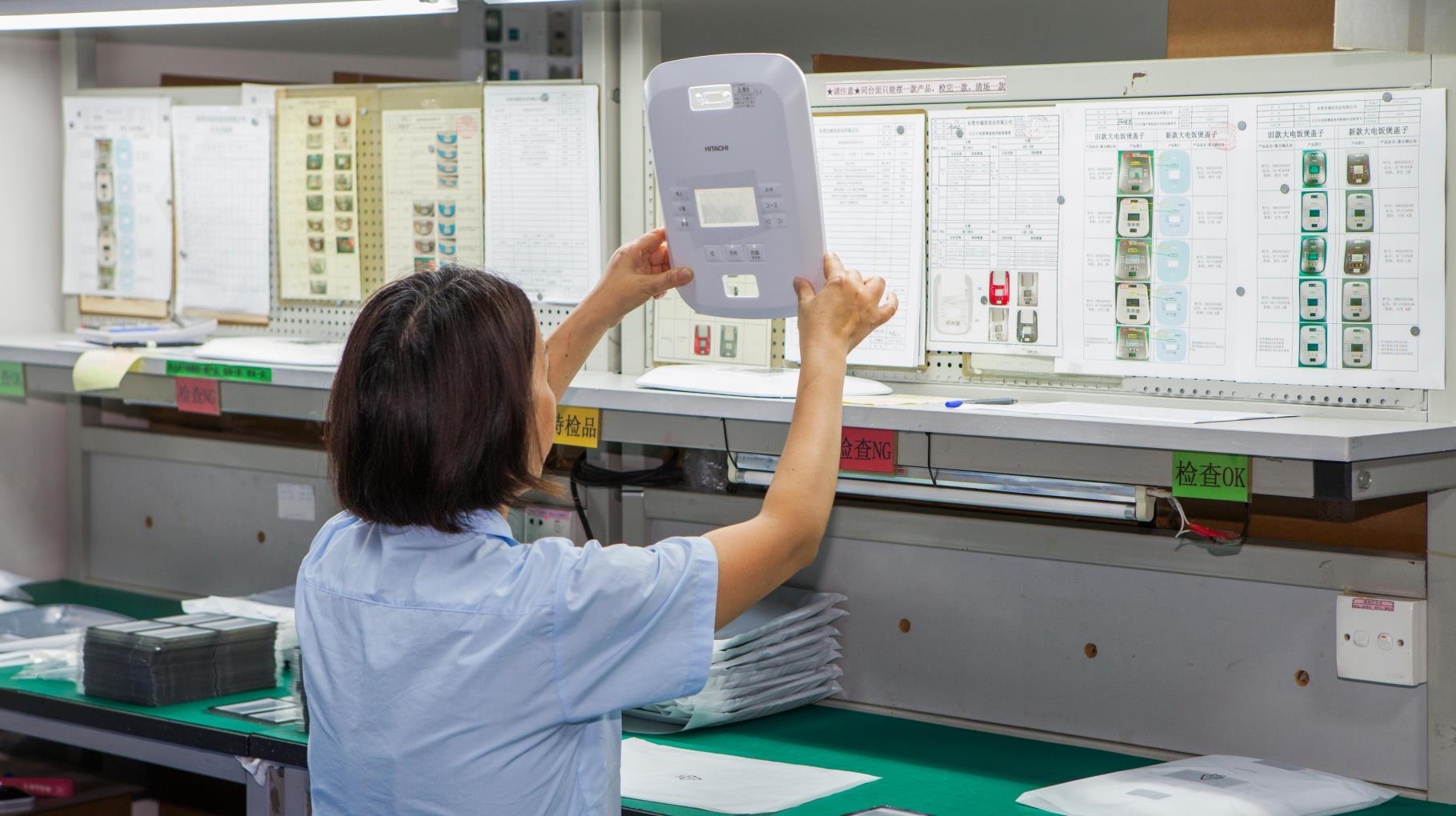
Verifies pinout traces, continuity thresholds, and LED integrity for zero-defect outgoing lots.
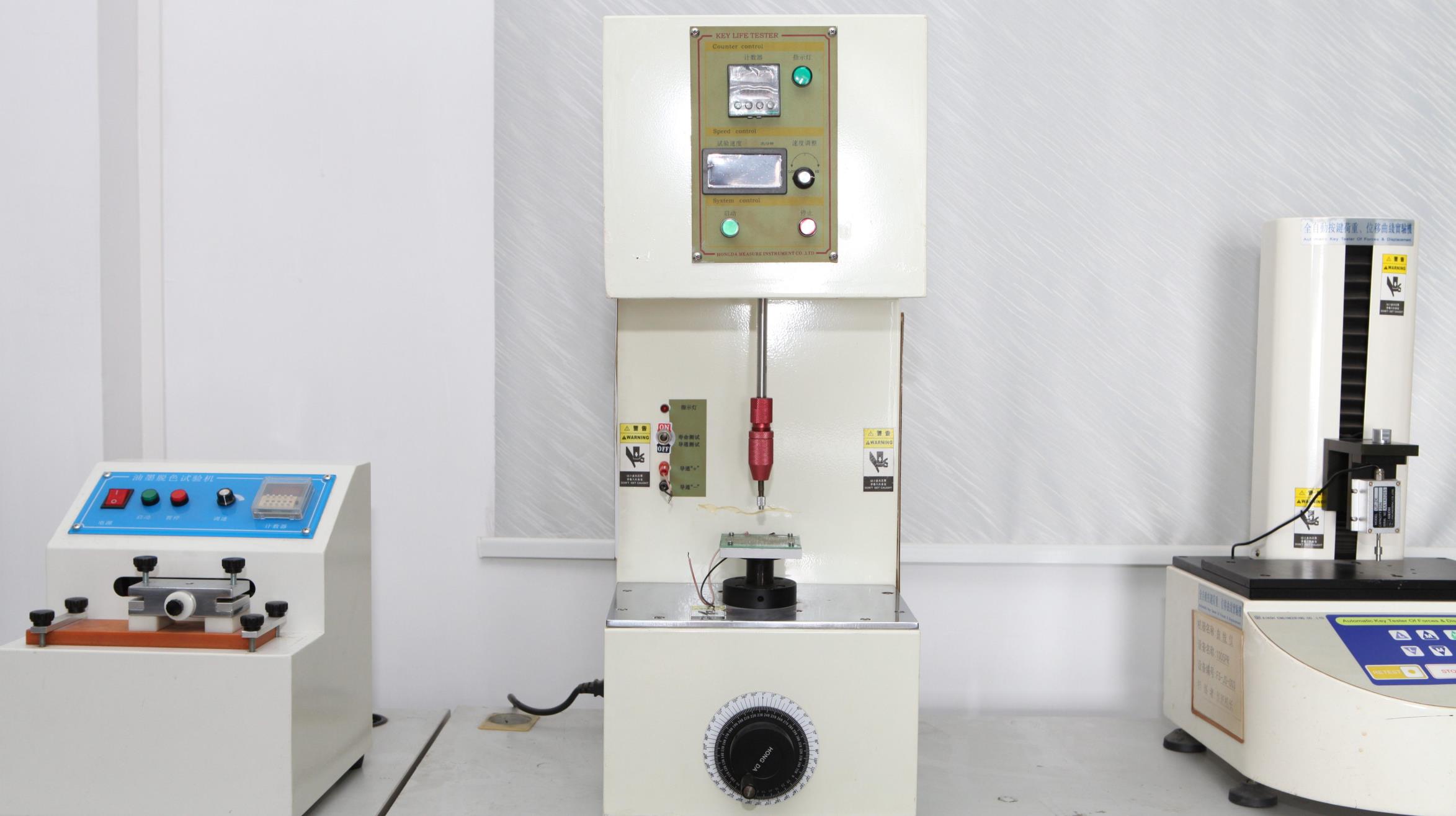
Fatigue cycles metal domes and silicone keys up to 5,000,000 actuations under calibrated load.
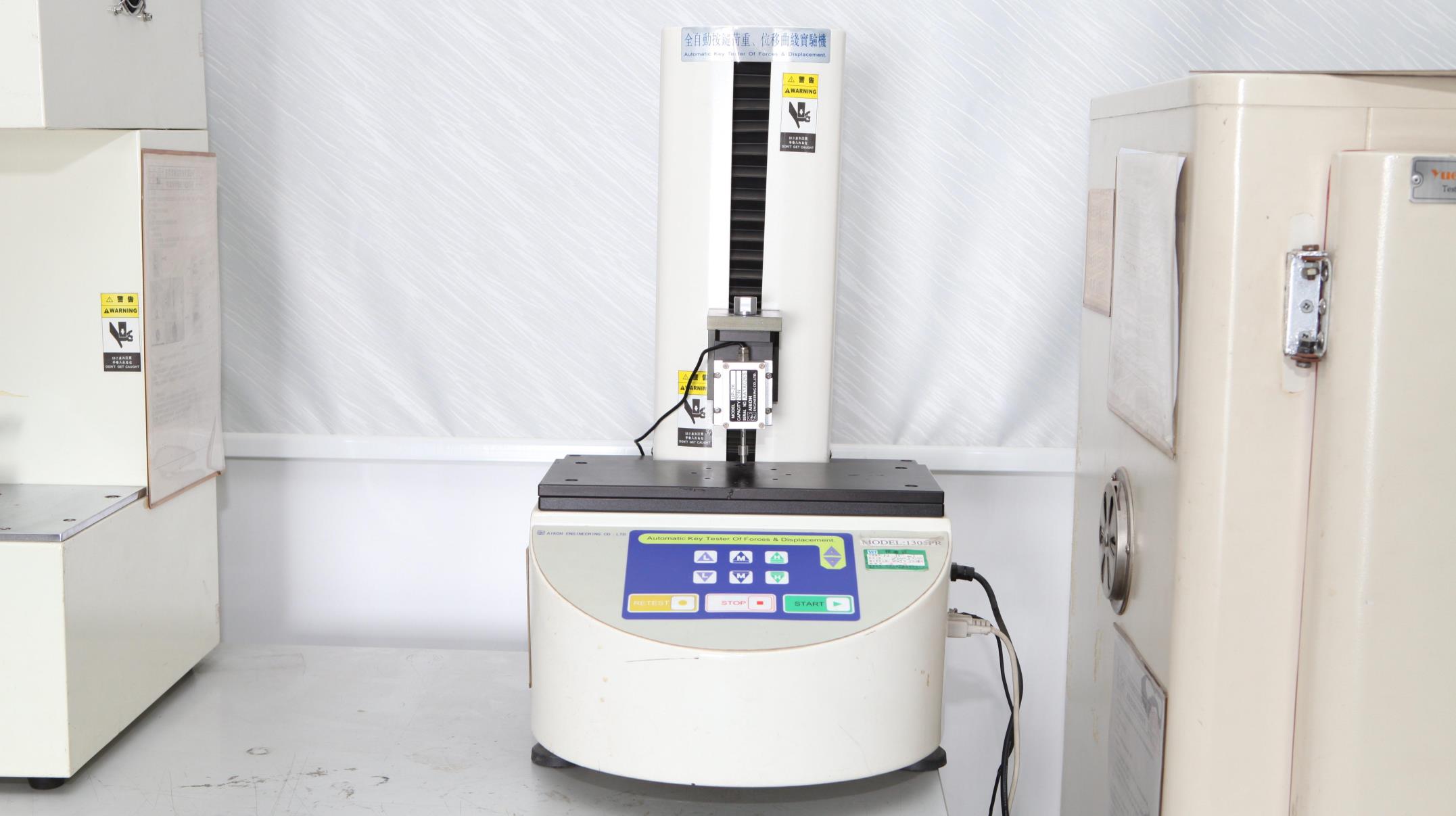
Precision plots tactile snap ratios, actuation travel, and rebound resistance curves.
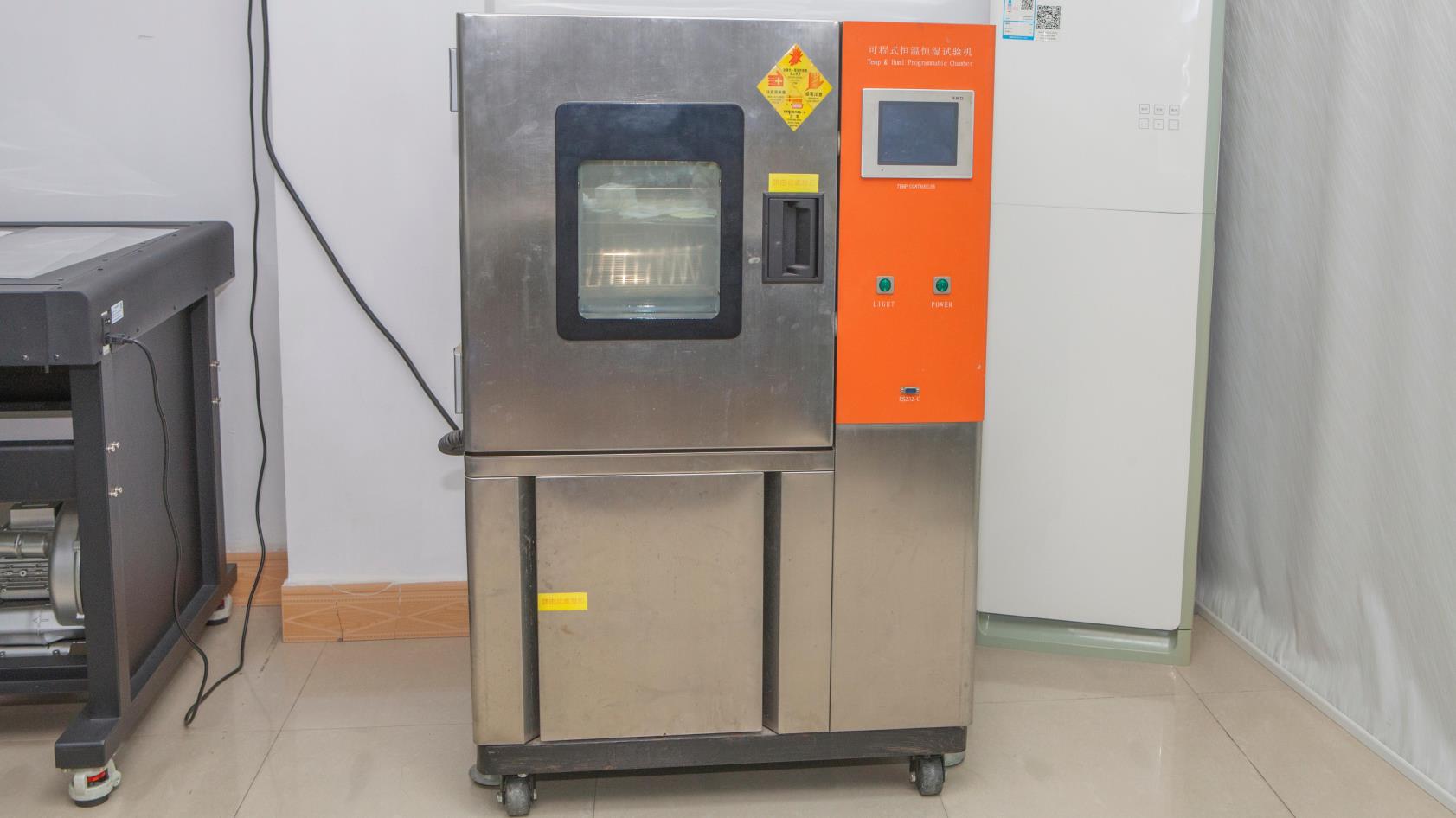
Simulates thermal shock (-40°C to +85°C) and 95% RH environments to validate adhesive shear.
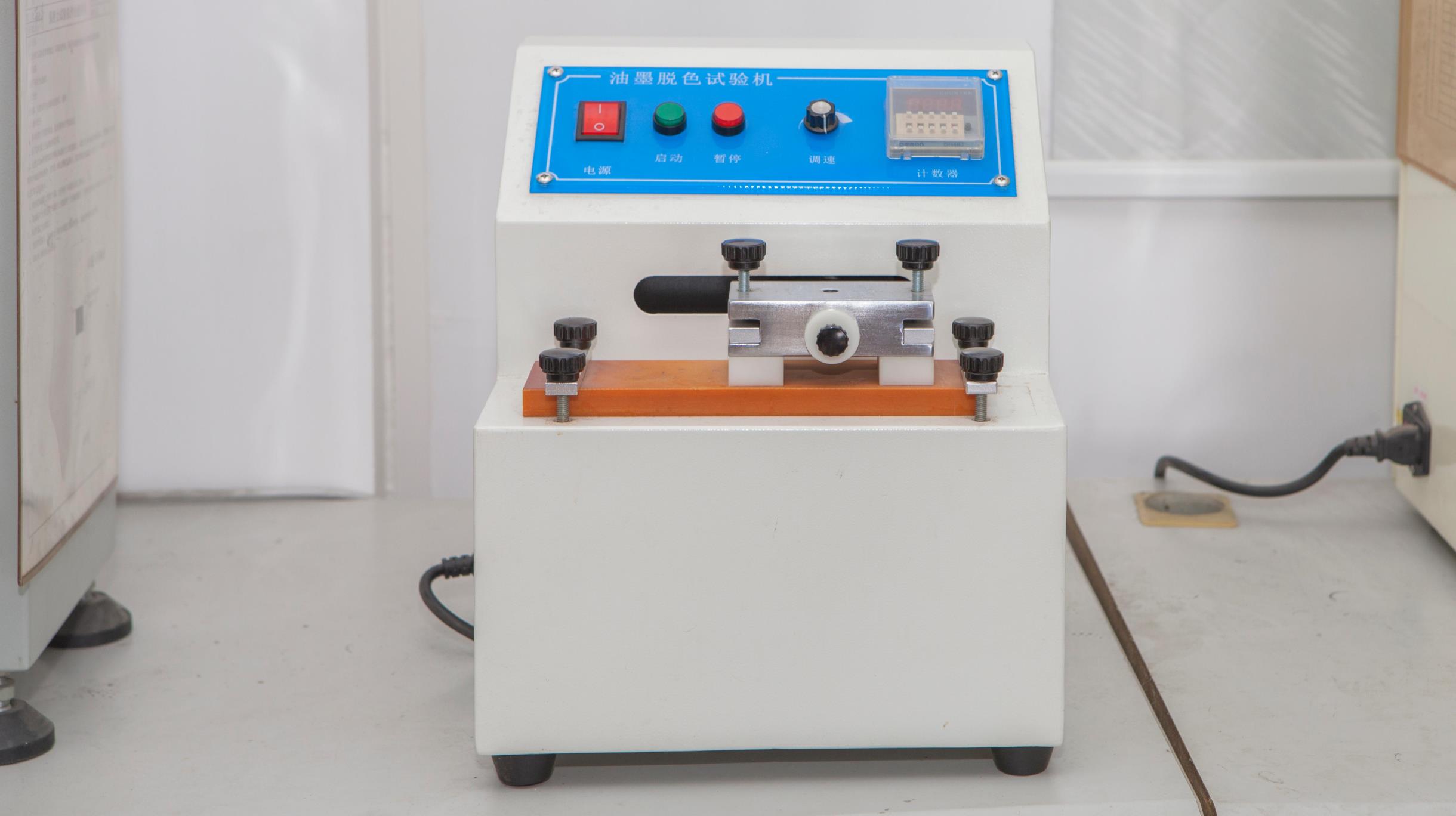
RCA rub and chemical wipe testing (IPA, MEK, bleach) confirming legend durability.
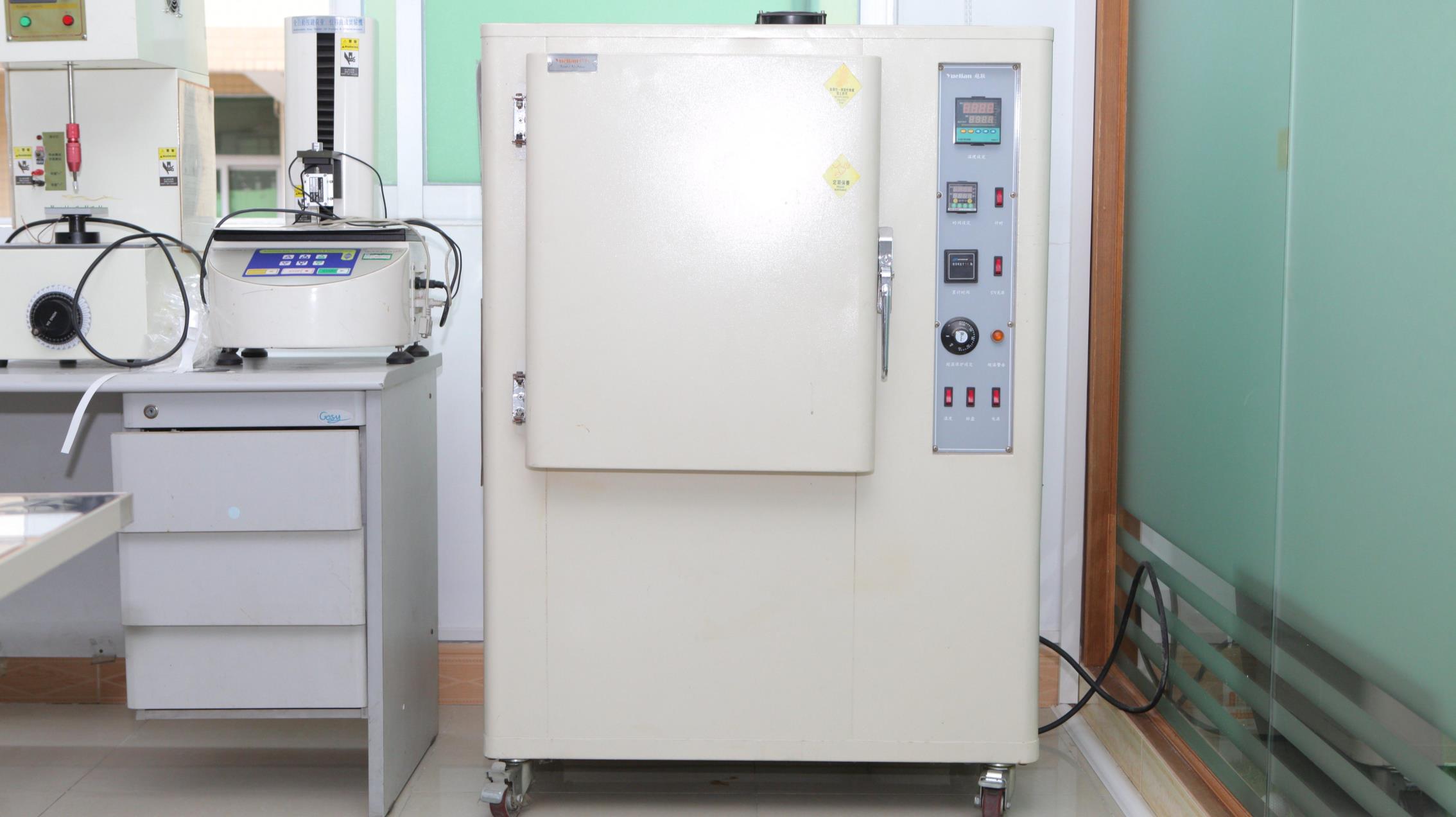
Accelerated solar UV exposure chamber guaranteeing long-term outdoor visual clarity.
Clear, definitive answers to questions on minimum order quantities, lead times, CE certification criteria, sealing ratings, and custom tooling.
Whether you require a rapid DFM review for an EL membrane switch, custom silicone keypad, or thin-film tactile pressure sensor, our technical engineering team in Dongguan delivers comprehensive reviews and cost estimates within 24 hours.