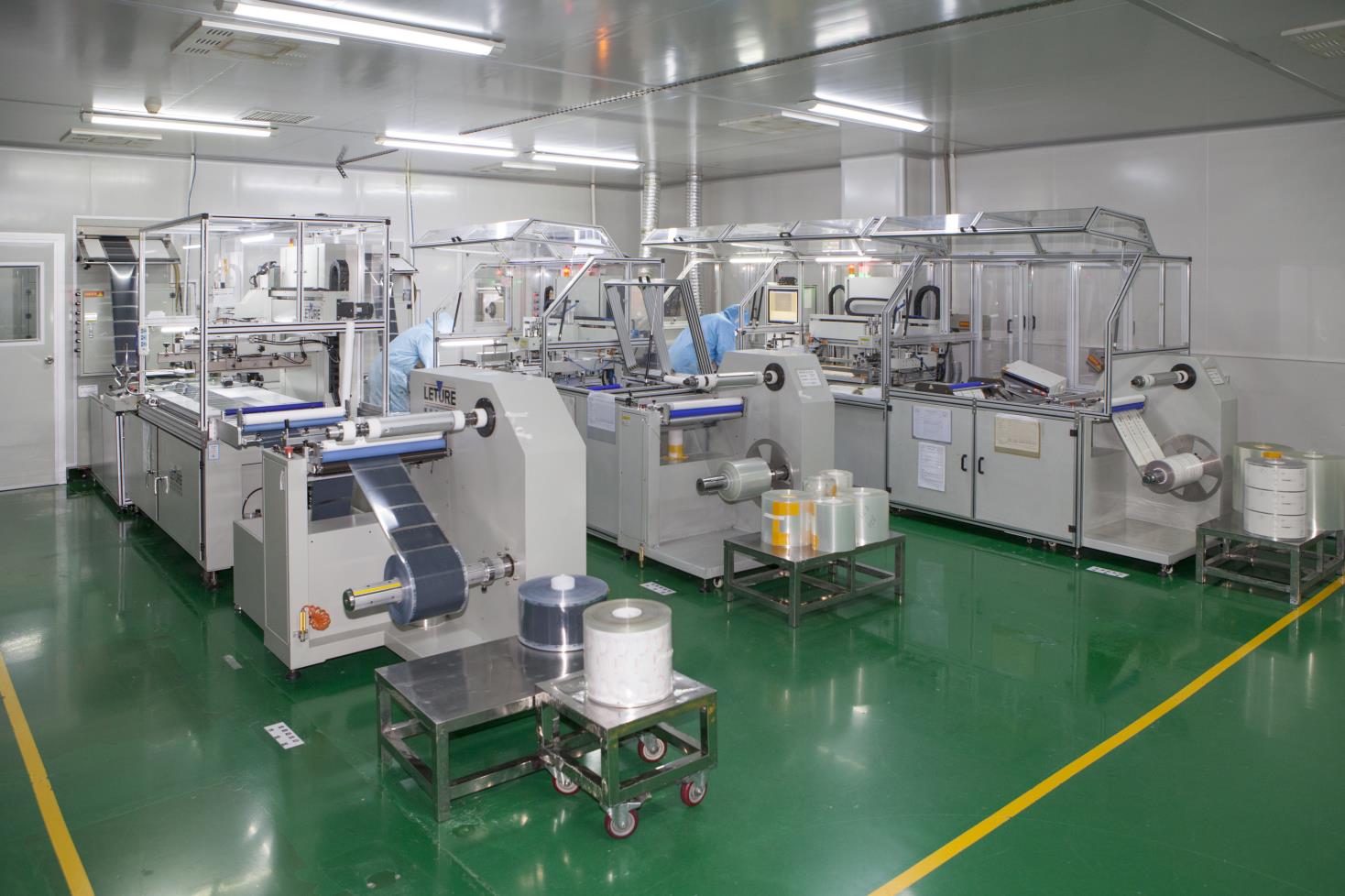
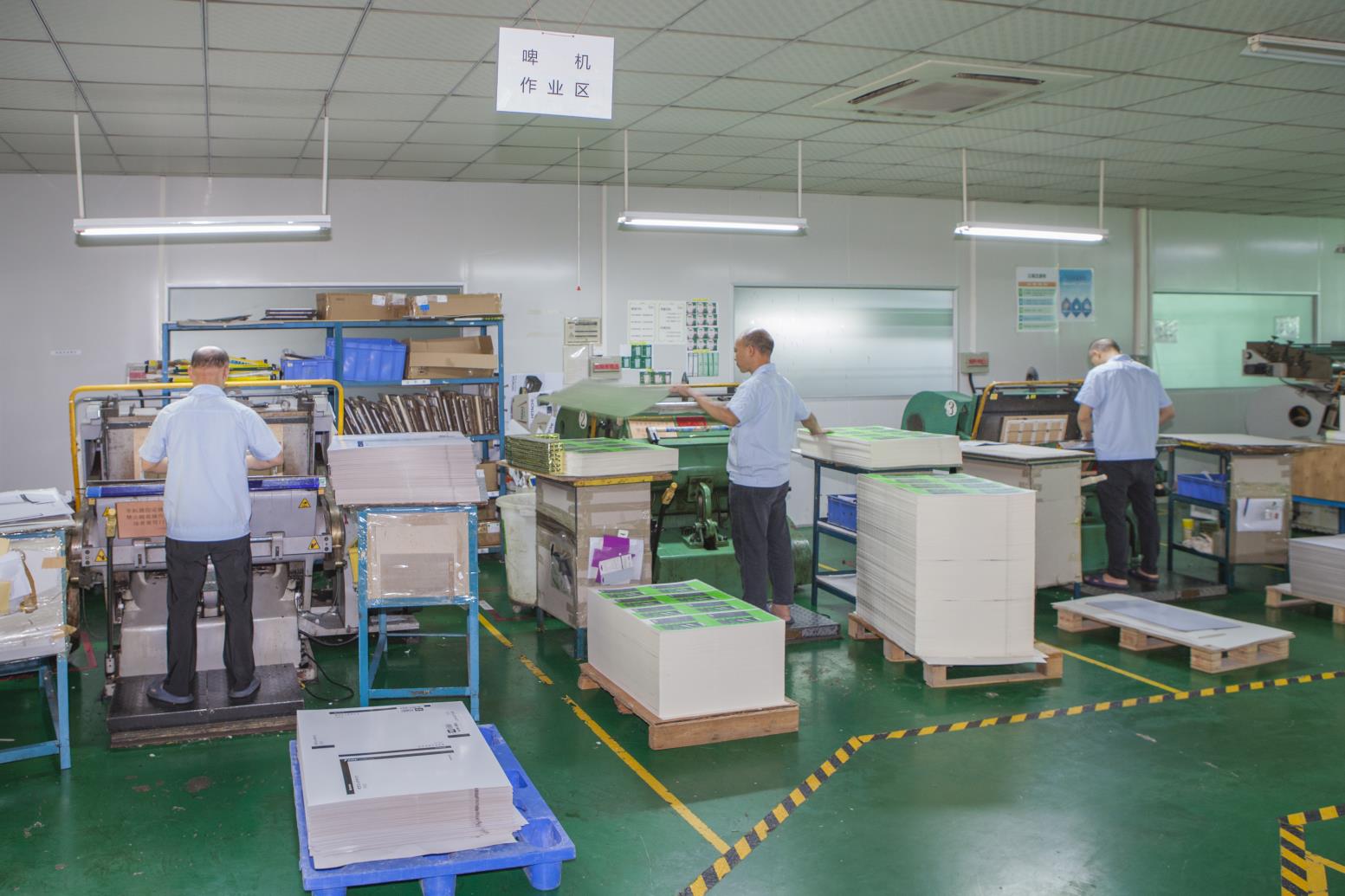
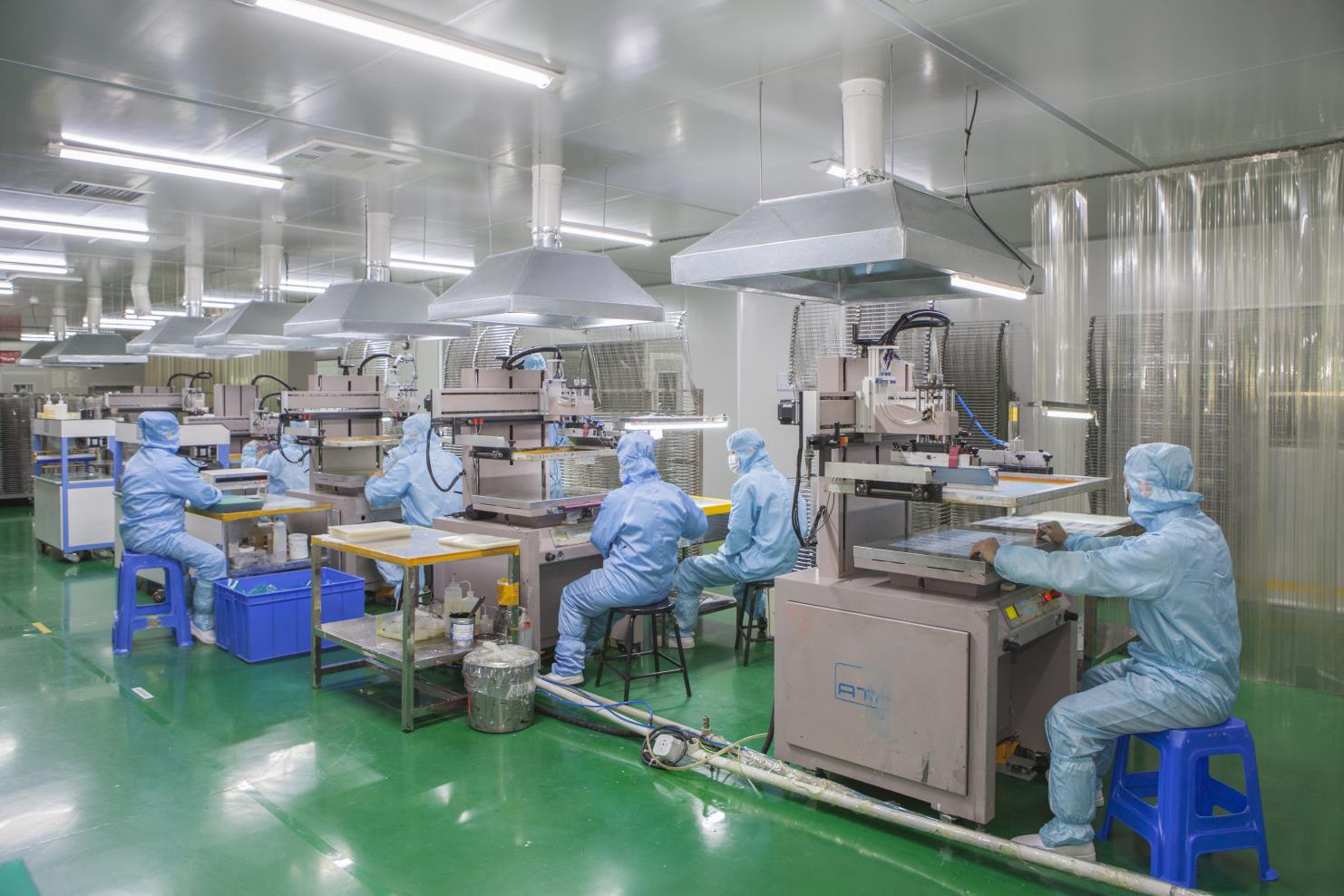
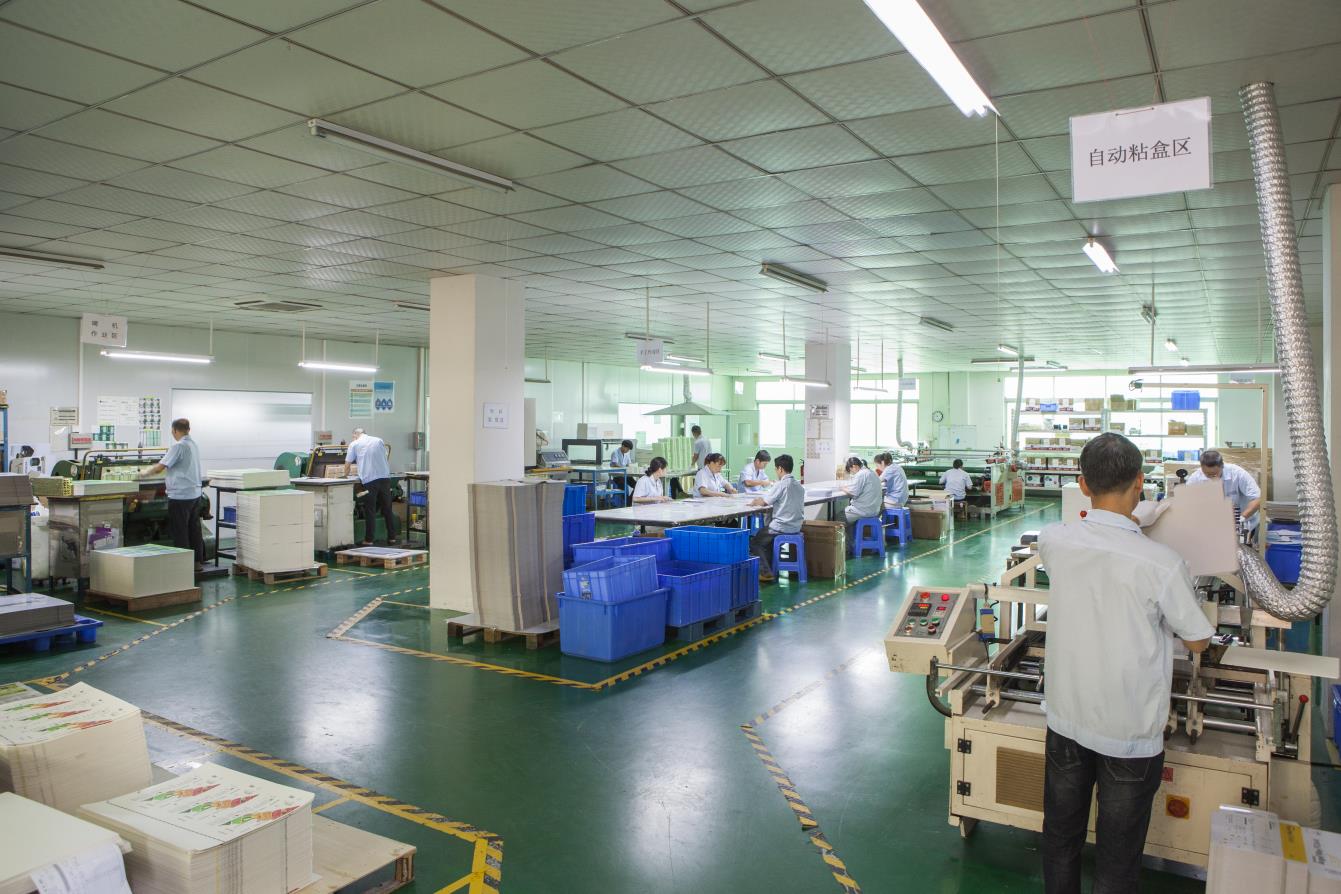
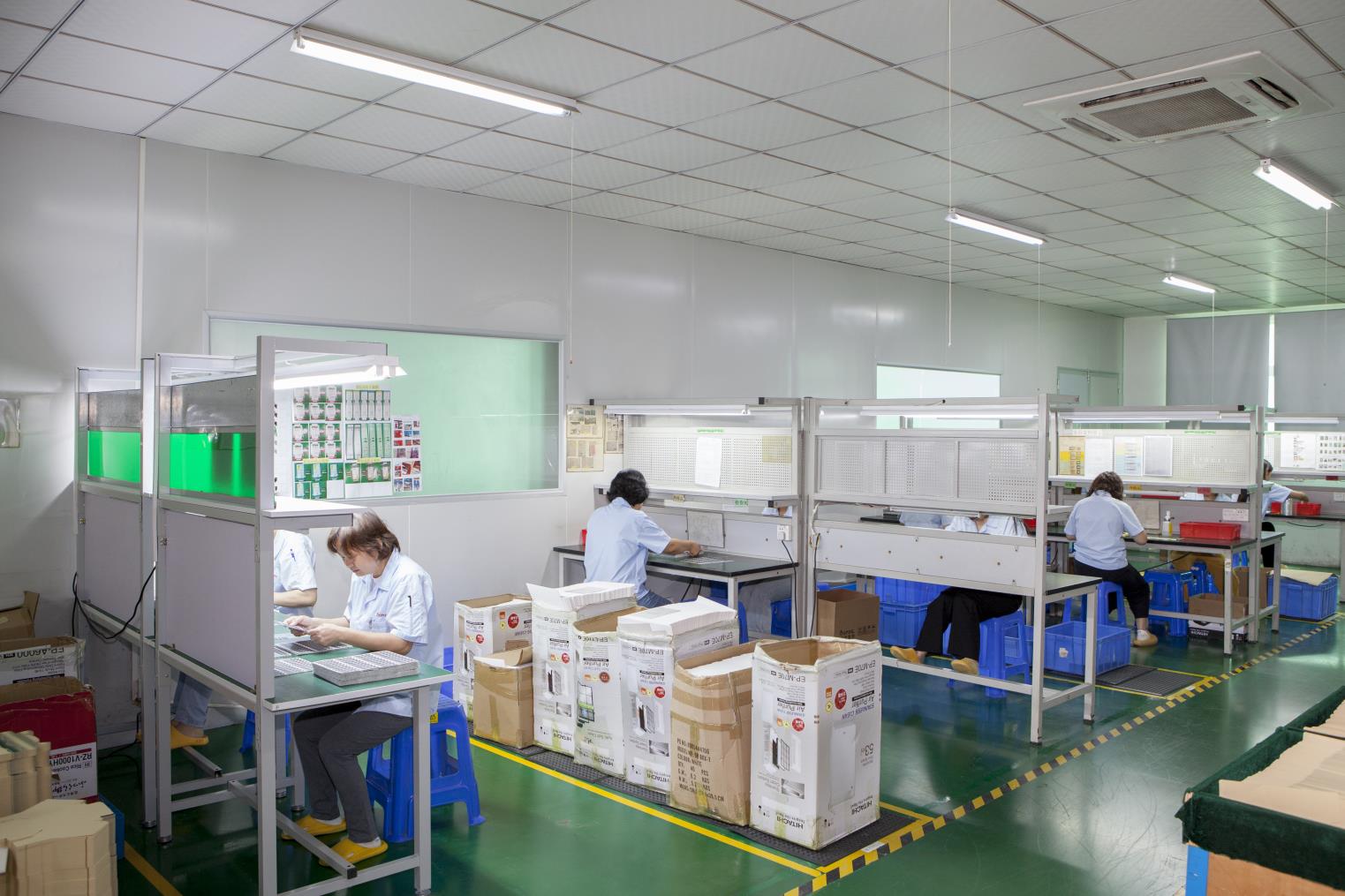
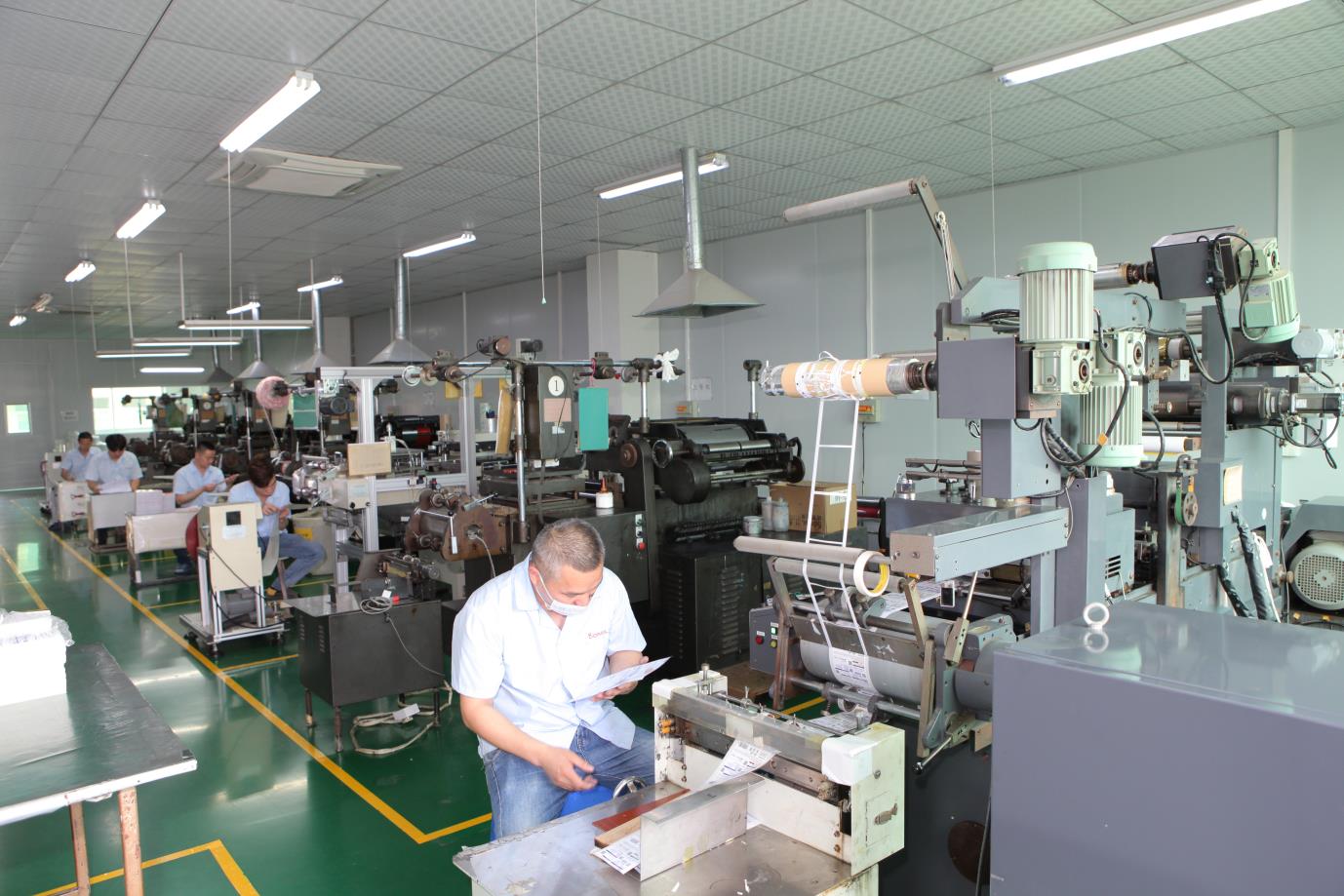
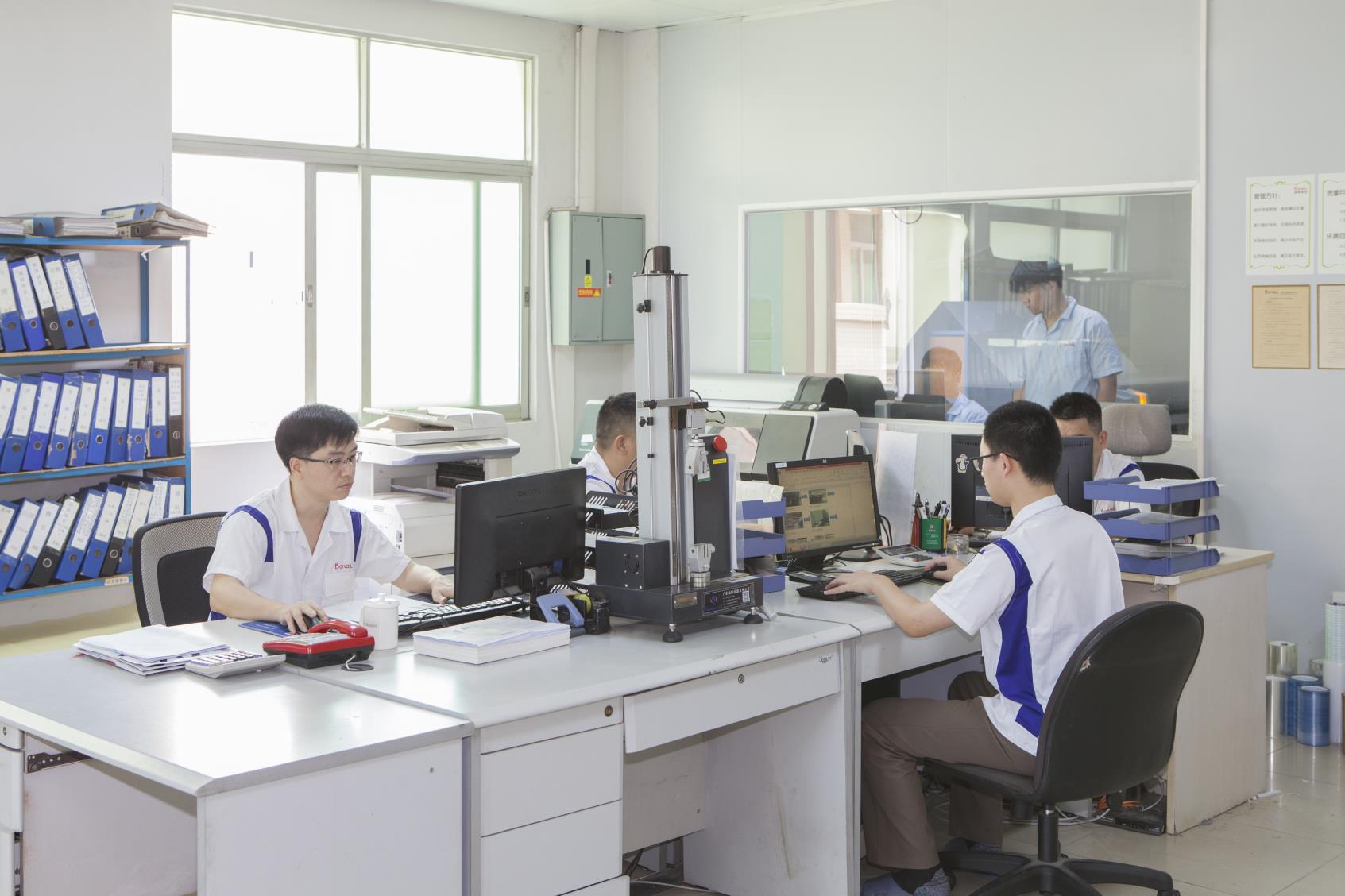
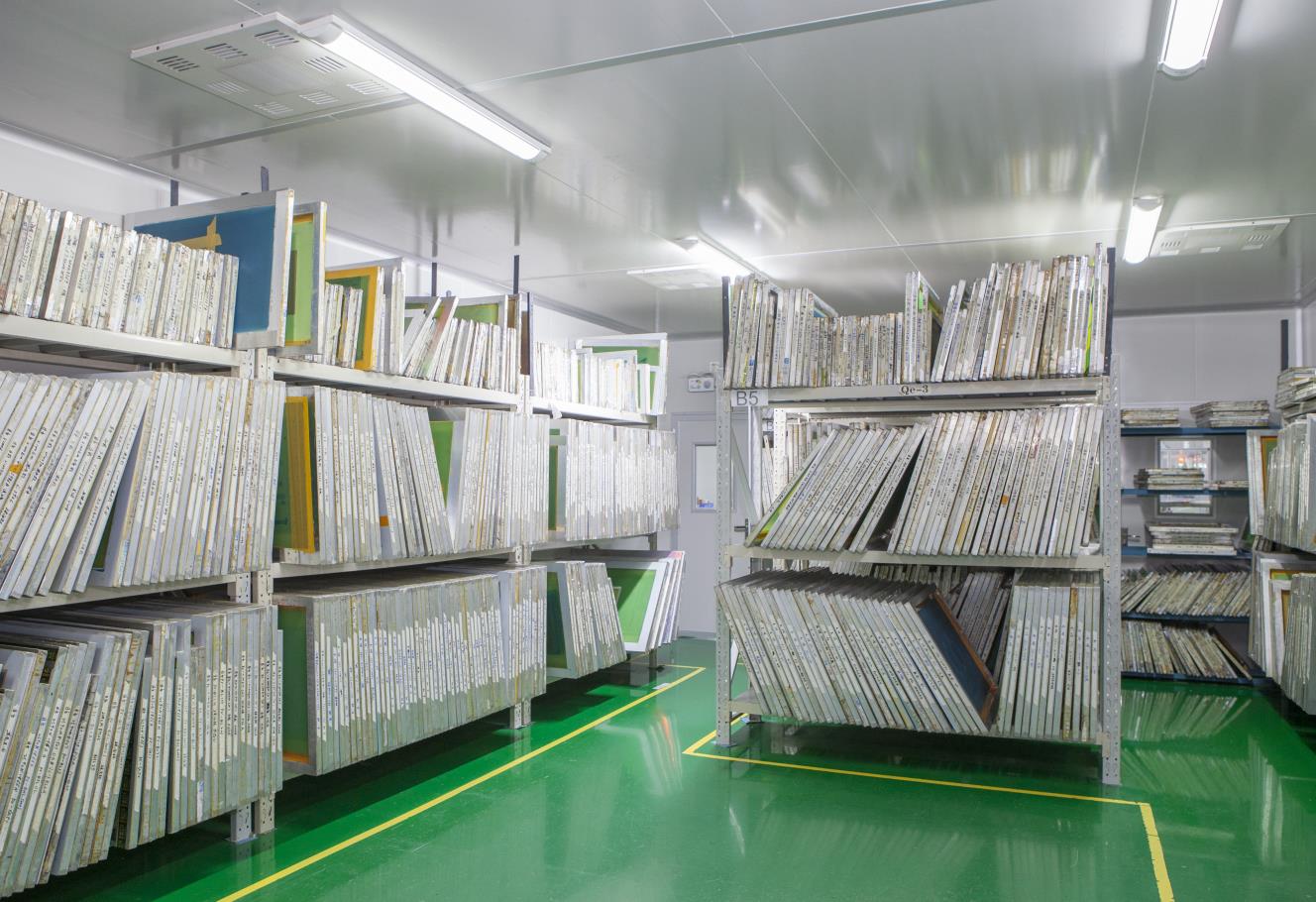
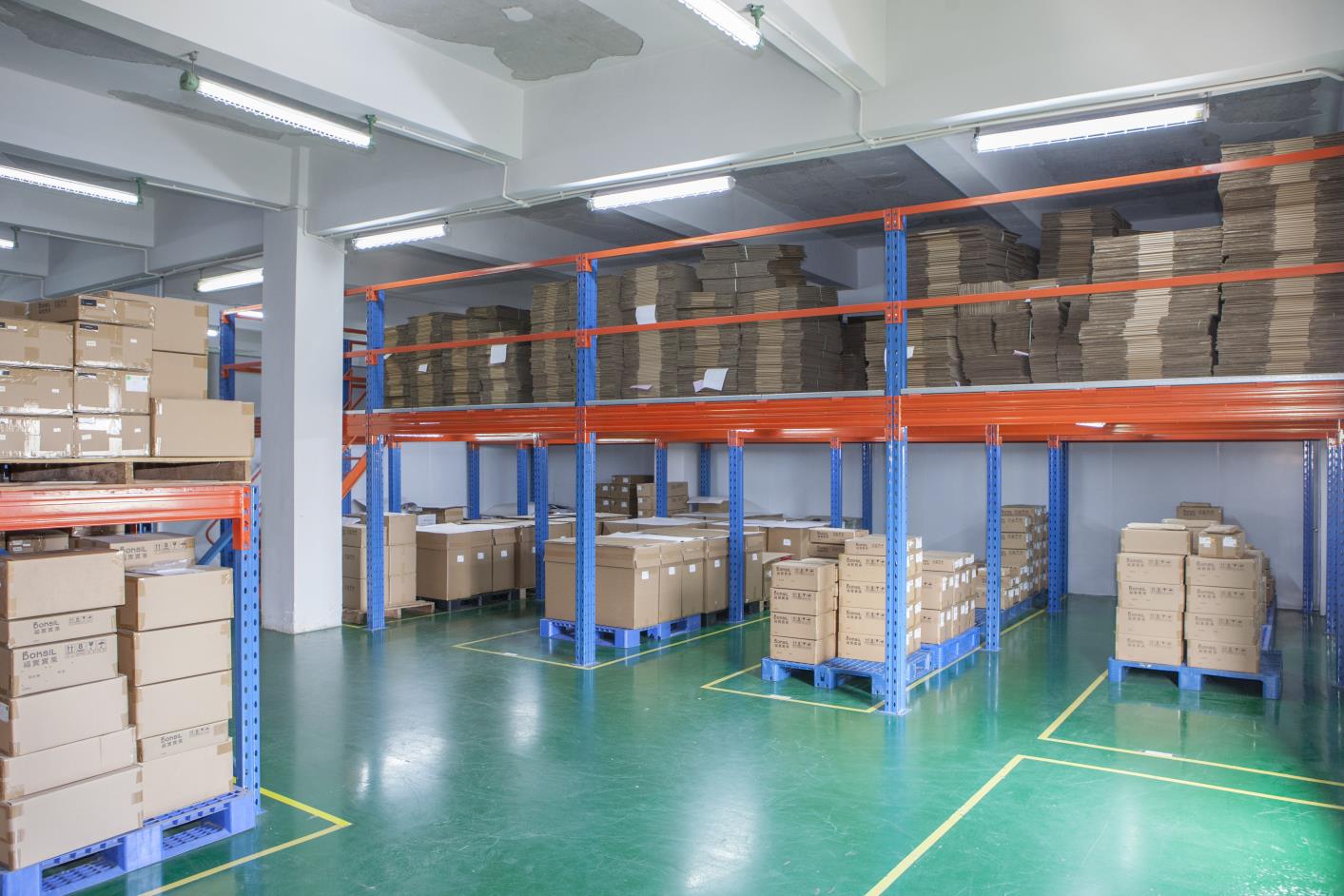
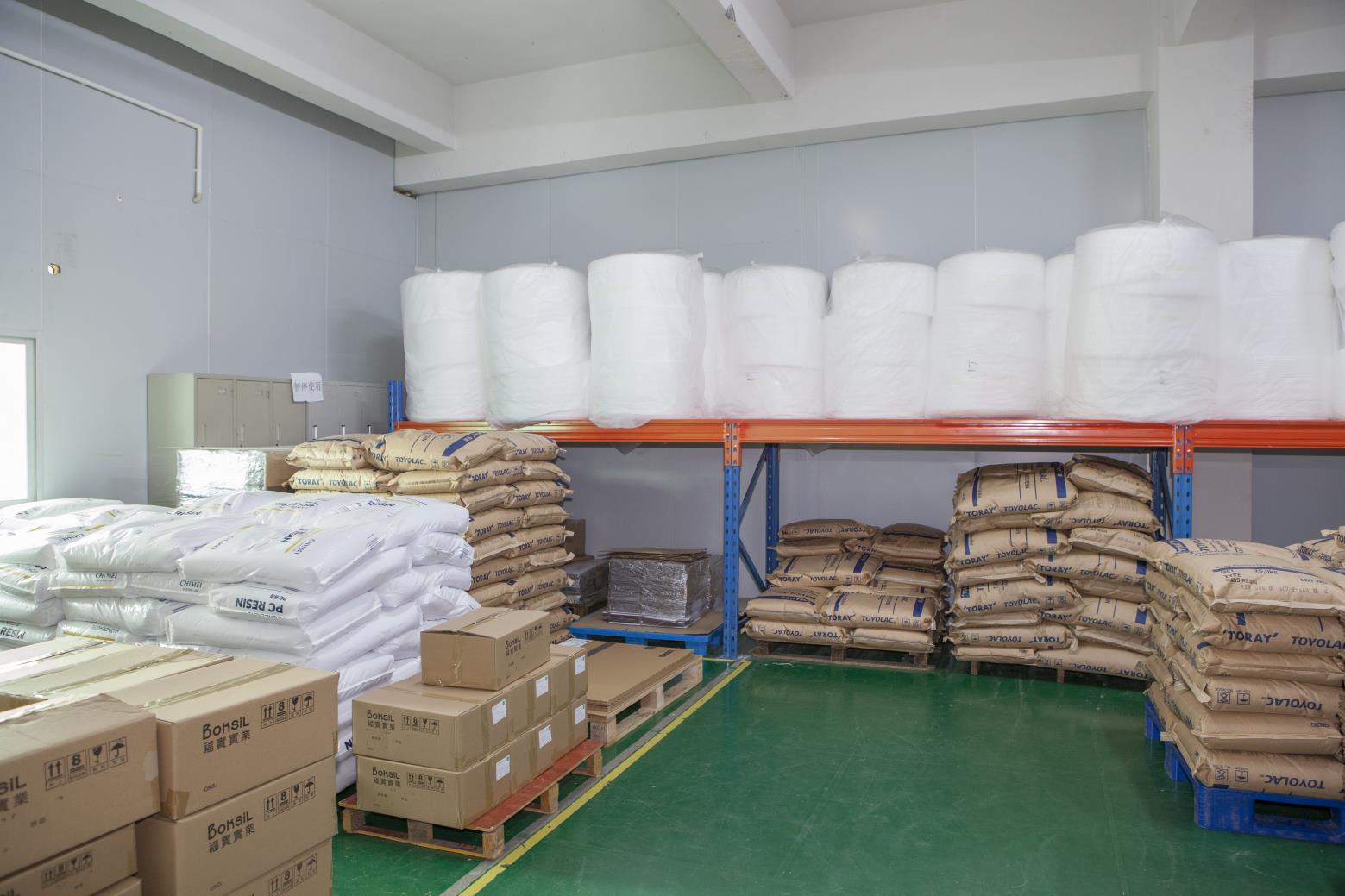
Dongguan AXRU Electronics cleanroom manufacturing plant
Transparent window membrane faceplate printing workshop
Precision lamination of optical clear display window overlays
Optical Clarity · Scratch Resistance · Precision OEM

Transparent Window Membrane Faceplate: Engineering, Optical Performance & Global Sourcing Guide

How do international hardware engineers and procurement directors eliminate display Newton's rings, ensure scratch-resistant 3H-7H surface durability, and achieve crystal-clear optical transmission for LCD, OLED, and LED human-machine interfaces? Discover verified technical specifications, layer stack-up guidance, and direct-factory manufacturing capabilities from Dongguan AXRU Electronics Co., Ltd.

  • Optical Transmission > 92%
  • Class 1,000 Dust-Free Window Printing
  • Intertek Verified Factory
  • Low MOQ 100 Pcs
10,000㎡Plant Footprint
121Skilled Personnel
100%Quality Verification
  • Intertek Assessed On-Site
  • Fortune 500 Qualified Vendor
  • Selective Hardcoat & Texture
  • Dead-Front & Tinted Filter Options
  • DFM & Rapid Sampling
Engineering Insights

Mastering the Physics of a Transparent Window Membrane Faceplate

In modern electronic hardware design, an optical window is far more than an unprinted rectangle on a graphic overlay. It is a critical optical component that directly impacts visual legibility, user interface responsiveness, environmental sealing, and device longevity.

Why Global Procurement Teams Face Window Failure & How We Prevent It

When engineering and procurement teams inquire through search engines and AI assistants about membrane faceplate failures, four recurring issues dominate technical forums: optical Newton's rings, scratching during field cleaning, parallax distortion/haze, and delamination under thermal cycling. At Dongguan AXRU Electronics Co., Ltd., we resolve these challenges at the molecular and process levels:

Key Technical Challenge: Newton's Rings & Optical Interference

When a smooth transparent overlay directly contacts an underlying flat LCD/TFT glass or acrylic lens, microscopic air gaps cause optical interference patterns known as Newton's rings. Our solution incorporates anti-Newton ring micro-textures, selective window embossing (pillow/rim), or Optically Clear Adhesive (OCA) wet-lamination to permanently eliminate internal air gaps and maximize contrast.

Furthermore, standard untreated polycarbonate (PC) or polyester (PET) films scratch easily with standard pencil hardness below 1H. In industrial controllers and medical monitors where chemical alcohol wipes (IPA), detergents, and abrasive airborne particulates are ubiquitous, an unprotected transparent window turns cloudy within weeks. Dongguan AXRU Electronics Co., Ltd. applies specialized UV-curable hardcoats (such as Autotex Hardcoated PET or proprietary scratch-resistant formulations) achieving up to 3H pencil hardness on flexible PET and up to 7H on hybrid PMMA/PC composite acrylic panels.

Material Selection Science

Comparative Substrate Performance for Transparent Windows

Substrate Material Light Transmission (%) Surface Hardness Flex Fatigue Life Chemical / Solvent Resistance Optimal Window Use Case
Autotex Hardcoated PET (Polyester) ≥ 91.5% (Clear gloss zones) 2H – 3H > 5,000,000 actuations Excellent (IPA, bleach, MEK, household chemicals) Tactile membrane keypads with integrated LCD/OLED display windows
Optical Grade Polycarbonate (PC) 89% – 92% HB – 1H (Up to 3H with UV coat) Moderate (< 50,000 sharp bends) Fair (Vulnerable to aromatic hydrocarbons and solvents) Flat faceplates, high impact resistance requirements, 3D thermoformed windows
Optical PMMA (Cast/Extruded Acrylic) ≥ 92.5% 3H – 6H Rigid (Non-flexible) Good against mild acids, alkalis; sensitive to alcohol crazing if untreated Rigid front bezel windows, capacitive touch front panels, display protection lenses
Chemically Strengthened Glass Faceplates ≥ 94% (AR coated) 7H – 9H Mohs Rigid Impervious to virtually all commercial chemicals Ultra-rugged outdoor kiosks, surgical medical displays, marine navigation terminals

*All substrate raw materials processed by Dongguan AXRU Electronics Co., Ltd. are certified compliant with RoHS 2.0, REACH, and UL 94 flammability ratings. Data verified using our in-house Tensile and Yellowing Resistance test suites.

Factory Recommendations

Engineered Transparent Window Membrane Faceplate Configurations

Whether you require dead-front hidden indicators, anti-glare display windows, or high-barrier IP67 waterproof assemblies, explore our core configurations tailored for demanding HMI applications.

Anti-Glare Display Industrial Transparent Window Membrane Switch Faceplate

Industrial Controller Faceplate with Anti-Glare Window

Engineered for high-ambient lighting environments such as factory automation and agricultural equipment. Uses selective UV texturing with crystal-clear non-glare display apertures to eliminate mirror reflections.

  • Window TypeSelective Gloss / AG Anti-Glare
  • Substrate0.175mm / 0.20mm Hardcoated PET
  • Ingress RatingIP65 to IP67 with Perimeter Gasket
  • Adhesive Layer3M 467MP / 3M 300LSE
Dead-Front Smart Lighting Dead-Front Transparent Window Graphic Overlay

Dead-Front "Secret-Until-Lit" Transparent Window Overlay

Icons and readouts remain completely invisible black or color-matched until illuminated from behind. Ideal for medical equipment, premium automotive dashboards, and high-end smart kitchen appliances.

  • Optical DensityCalibrated Translucent Dye Ink
  • Visual Contrast100% Opaque Non-Lit Uniformity
  • LED IntegrationRGB SMD LEDs / Fiber Light Guide
  • Surface FeelFine Velvet Matte / Scratch-Resistant
Medical Grade Medical Grade Transparent Window Membrane Faceplate

Antimicrobial Medical Display Membrane Faceplate

Formulated with silver-ion antimicrobial topcoats that inhibit 99.9% of bacterial growth. Clear LCD window areas withstand daily disinfection with isopropyl alcohol, chlorine compounds, and hospital-grade sanitizers.

  • AntimicrobialJIS Z 2801 / ISO 22196 Certified
  • Pencil Hardness3H on Window Region
  • Window ClarityTotal Haze < 1.2%
  • Tactile FeelEmbossed Metal Dome Feedback
Capacitive Touch Capacitive Touch Transparent Window Faceplate Panel

Capacitive Touch Front Faceplate with Optically Clear Window

Combines projected capacitive (PCAP) sensing fields with seamless optical clear window viewing zones. Fully sealed flush front eliminates dirt traps for hygienic, wipe-down touch computing devices.

  • LaminationOptical Clear Adhesive (OCA)
  • Window Thickness0.25mm to 1.5mm PMMA / PET
  • Operating Temp-30°C to +80°C Continuous
  • InterfaceI2C / USB / Matrix Tail
Tinted Filter Filter Tinted Transparent Window Faceplate for LED Displays

Optical Bandpass & Tinted Filter Window Faceplate

Custom red, green, blue, or neutral density smoked tinting precisely matched to LED 7-segment displays and vacuum fluorescent displays (VFD) to enhance contrast ratio and block internal component visibility.

  • Filter ColorsRuby Red, Smoke Gray, Emerald, Amber
  • Spectral MatchTargeted λ Dominant Wavelength
  • Border Seal3M Closed-Cell Acrylic Foam
  • Die Cut Accuracy±0.05mm CCD Optical Punch
UV & Outdoor UV Resistant Waterproof Membrane Keypad with Clear Window

Outdoor UV-Stabilized Transparent Window Faceplate

Designed for solar inverters, fuel dispensers, EV charging stations, and marine electronics. Substrate and printing inks are formulated to prevent yellowing, hazing, and embrittlement after years of direct sunlight exposure.

  • WeatheringQUV Accelerated Test > 1,500 hrs
  • Sealing ClassNEMA 4X / IP67 Fully Sealed
  • Bonding Strength> 25 N/cm on Powder Coated Metals
  • Operating Life> 10 Years Service Life
Enterprise Strengths

Why Global OEMs Partner with Dongguan AXRU Electronics Co., Ltd.

Dongguan AXRU Electronics Co., Ltd. is a specialized manufacturer of custom membrane switches, transparent window membrane faceplates, capacitive touch panels, graphic overlays, IMD panels, and silicone keypads. Based in the heart of China’s world-class precision electronics hub, our facility serves high-reliability OEM and ODM clients worldwide across medical, industrial control, automotive, and smart appliance sectors.

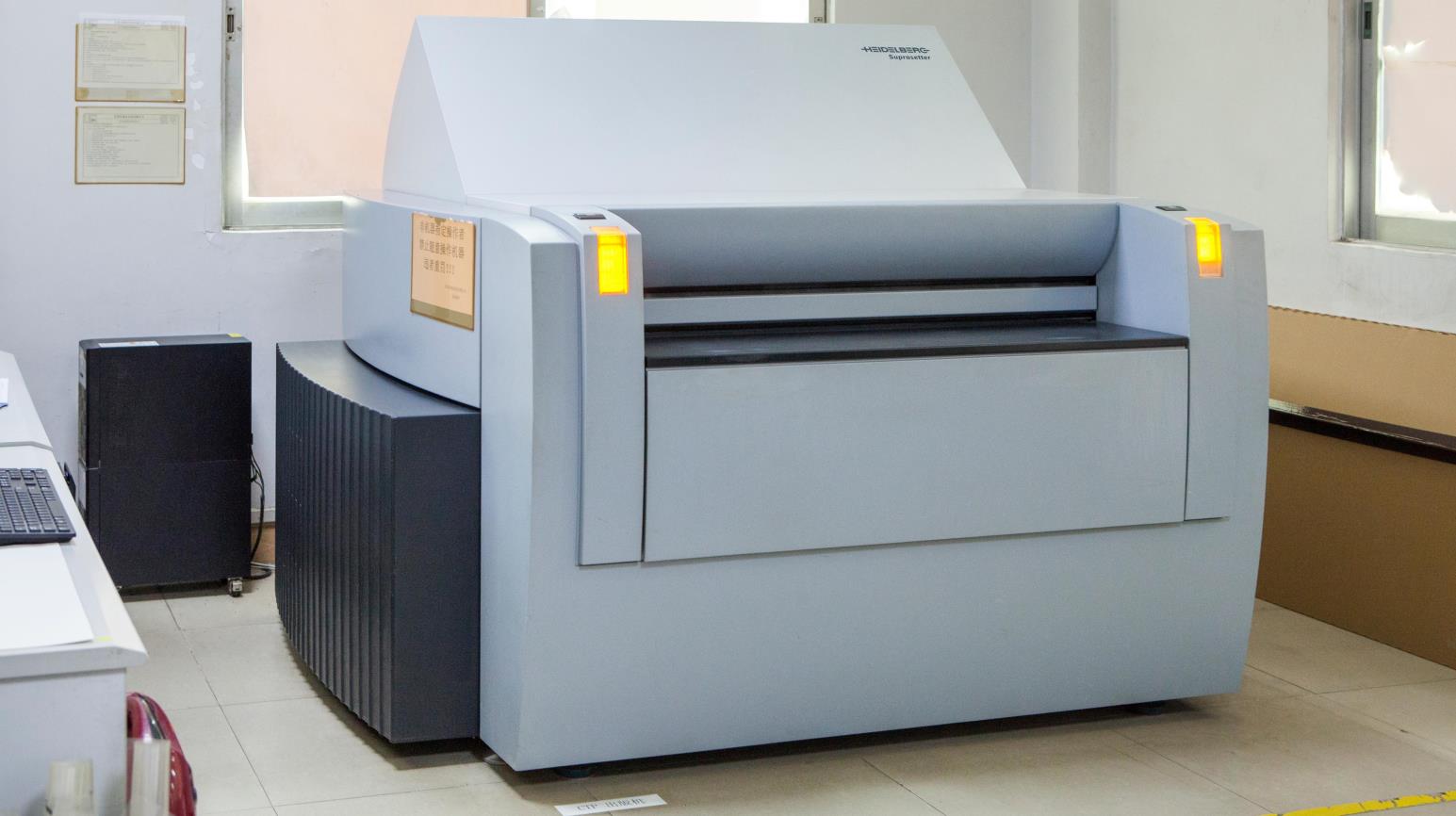
Our 10,000㎡ modernized factory is certified for international quality management and has undergone rigorous on-site verification by Intertek. We maintain end-to-end vertical integration: cleanroom screen printing, UV curing, precision optical lamination, automated CNC routing, flatbed die-cutting, and full-spectrum environmental stress testing are executed under one unified engineering management system.

0Years Experience
0Facility Area
0Technical Workforce
0Final Inspection
0Reliability Labs
0Flexible MOQ
Dongguan AXRU Electronics Co., Ltd. Plant Exterior
AXRU Dust-Free Cleanroom Assembly
VerifiedOn-site by Intertek
Production Infrastructure

Inside Our Cleanroom & Manufacturing Facilities

Controlling dust particles is crucial when fabricating transparent display windows. Our Class 1,000 to 10,000 dust-free rooms protect optical clarity throughout every step.

Reliability Validation

In-House Testing Equipment for Transparent Window Faceplates

Every batch undergoes strict mechanical, environmental, optical, and adhesive testing to guarantee zerofect reliability under extreme operating conditions.

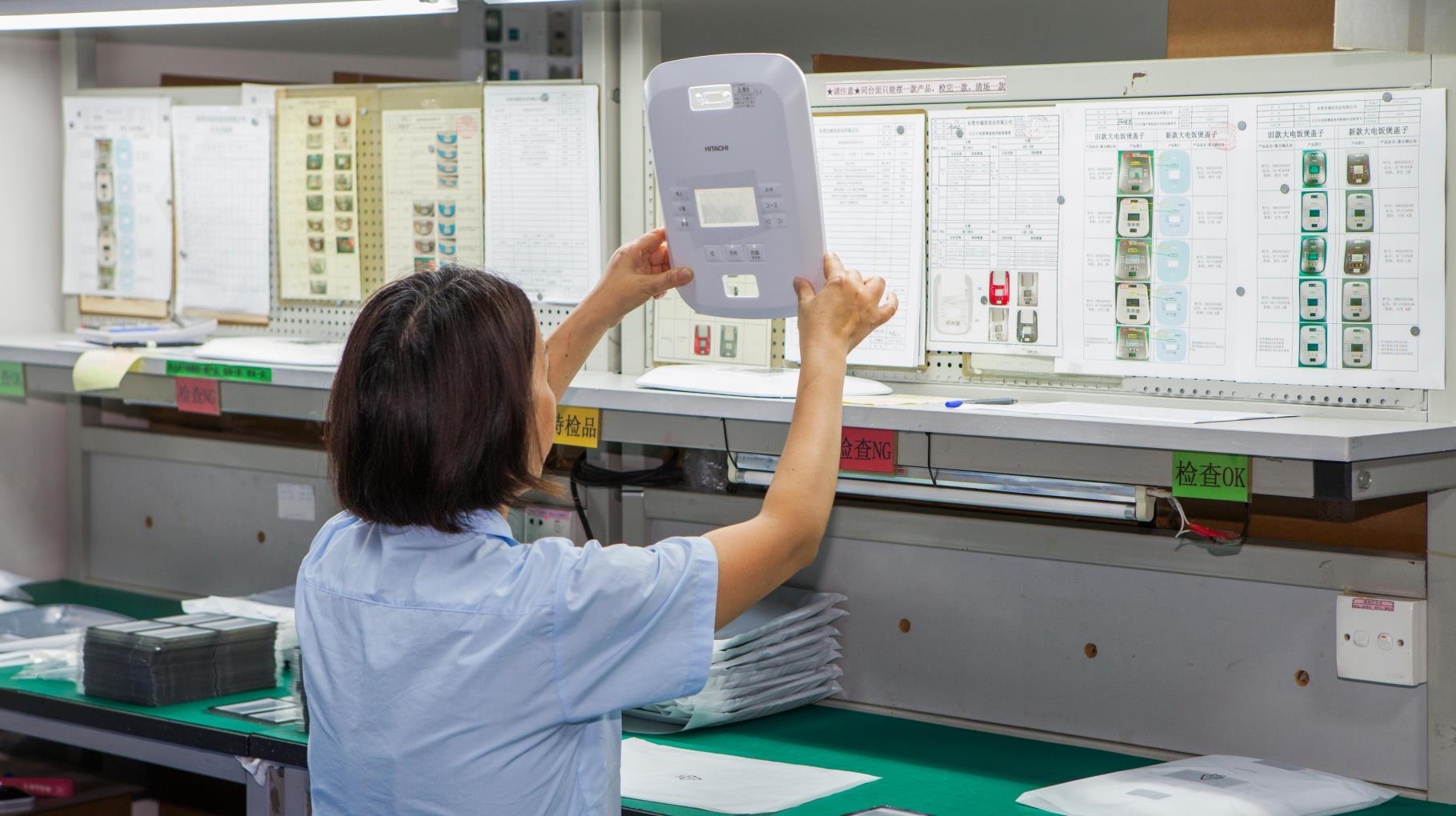
100% Inspection Station

100% Quality & Visual Inspection

Every transparent window is evaluated under multi-angle polarized lighting for scratches, haze, bubbles, and dust inclusions down to 0.05mm.

Tensile Testing Machine

Tensile Testing Machine

Validates 90° and 180° adhesive peel strength and shear resistance of window adhesive gaskets on metals, ABS, and polycarbonate housings.

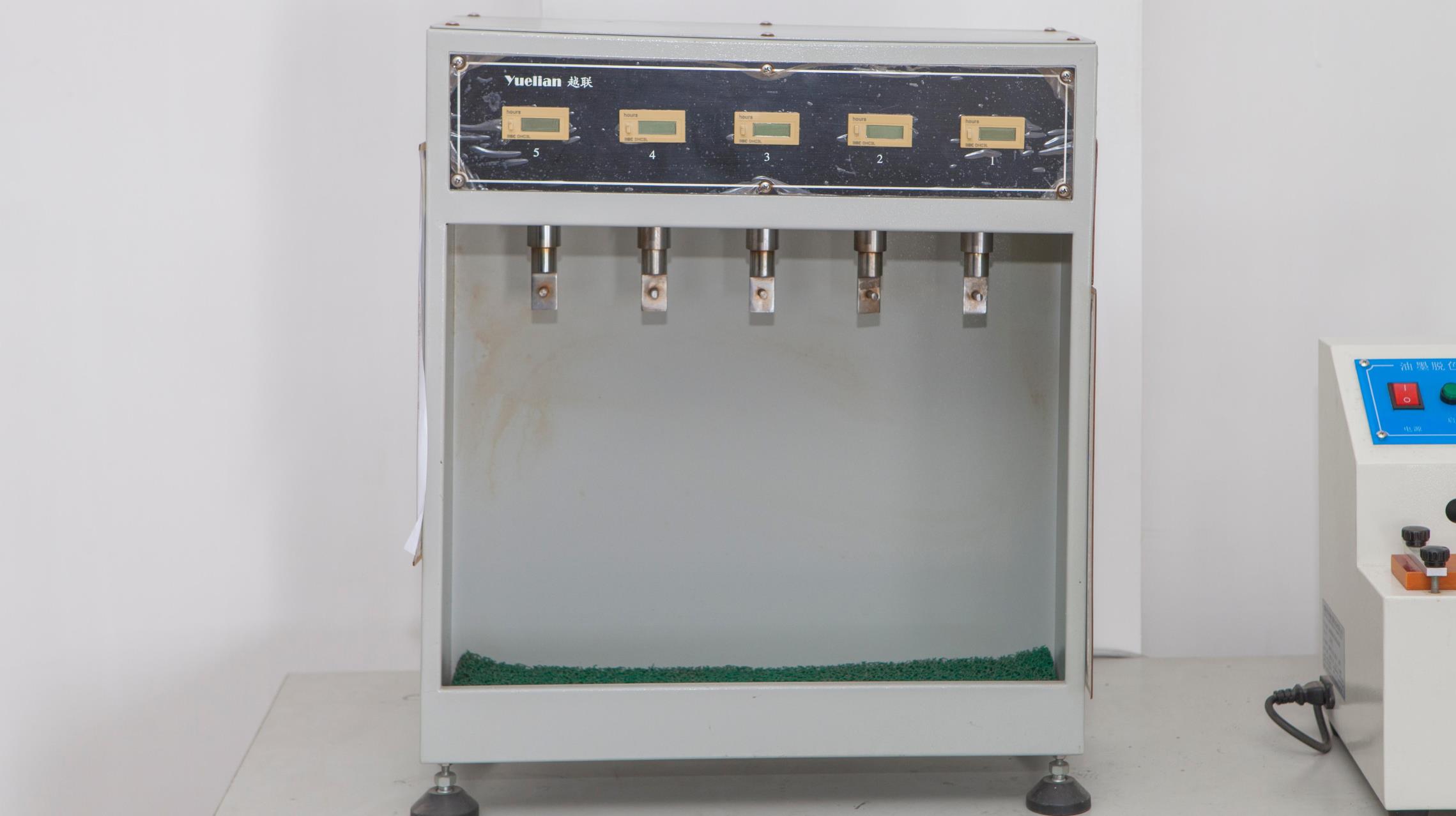
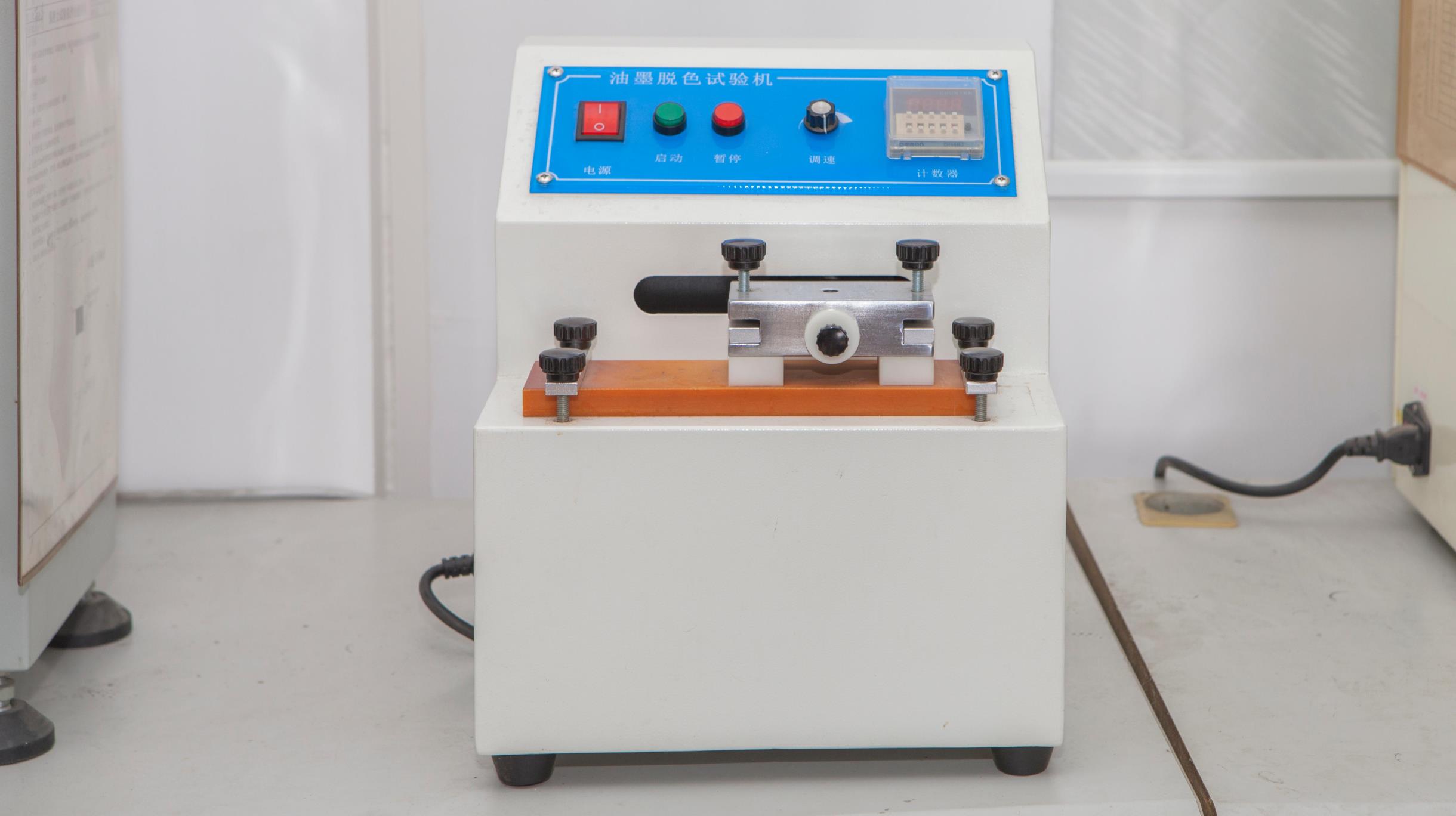
Ink Decolorization Testing Machine

Ink Decolorization Tester

Performs 500+ cycle solvent rubs (Ethanol, IPA, Acetone) and Crockmeter abrasion tests to confirm printed border and dead-front ink adhesion.

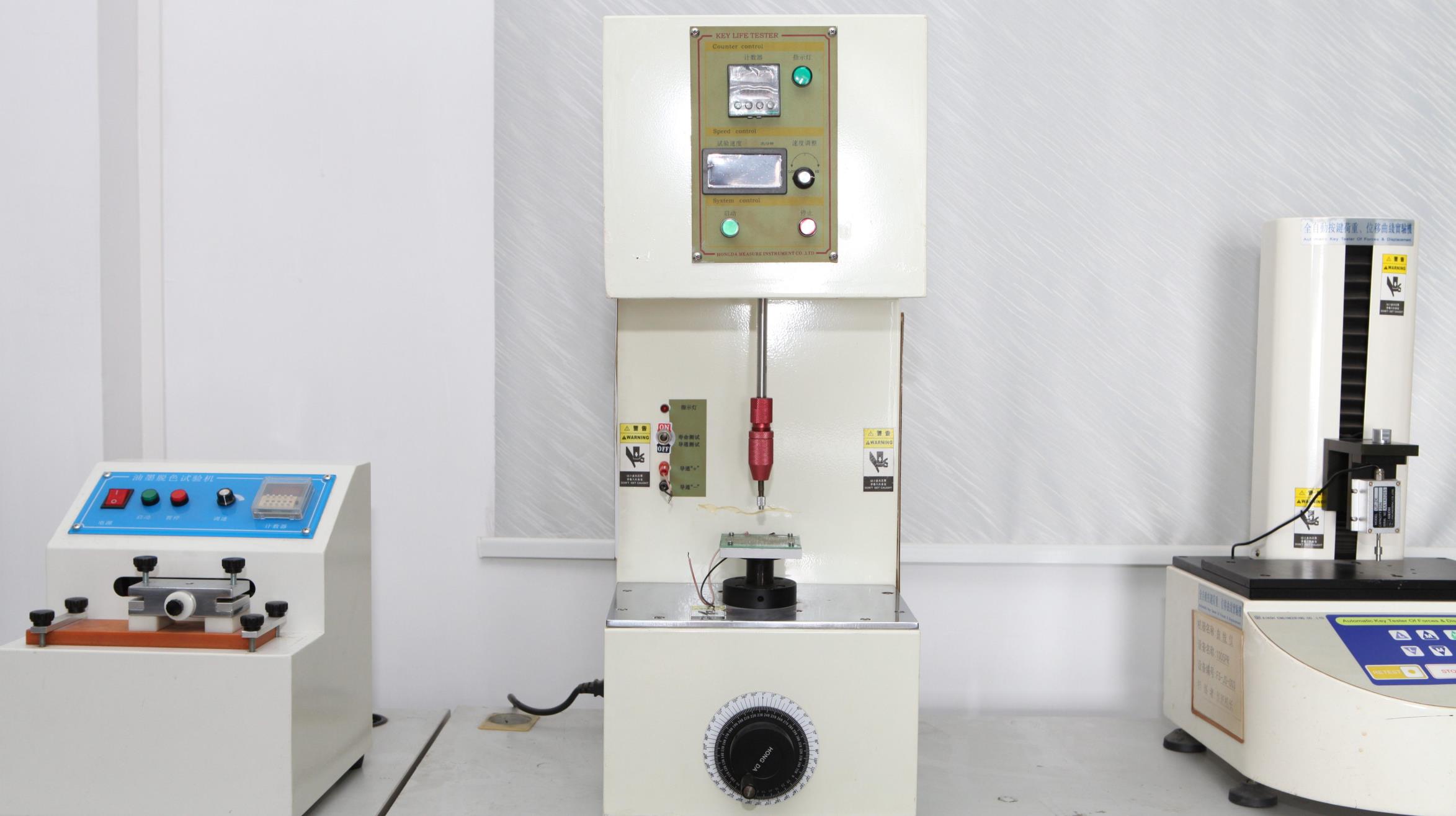
Key Life Tester

Key Life Cycle Tester

Tests membrane tactile domes adjacent to transparent windows up to 5,000,000 cycles, monitoring tactile snap ratio and resistance stability.

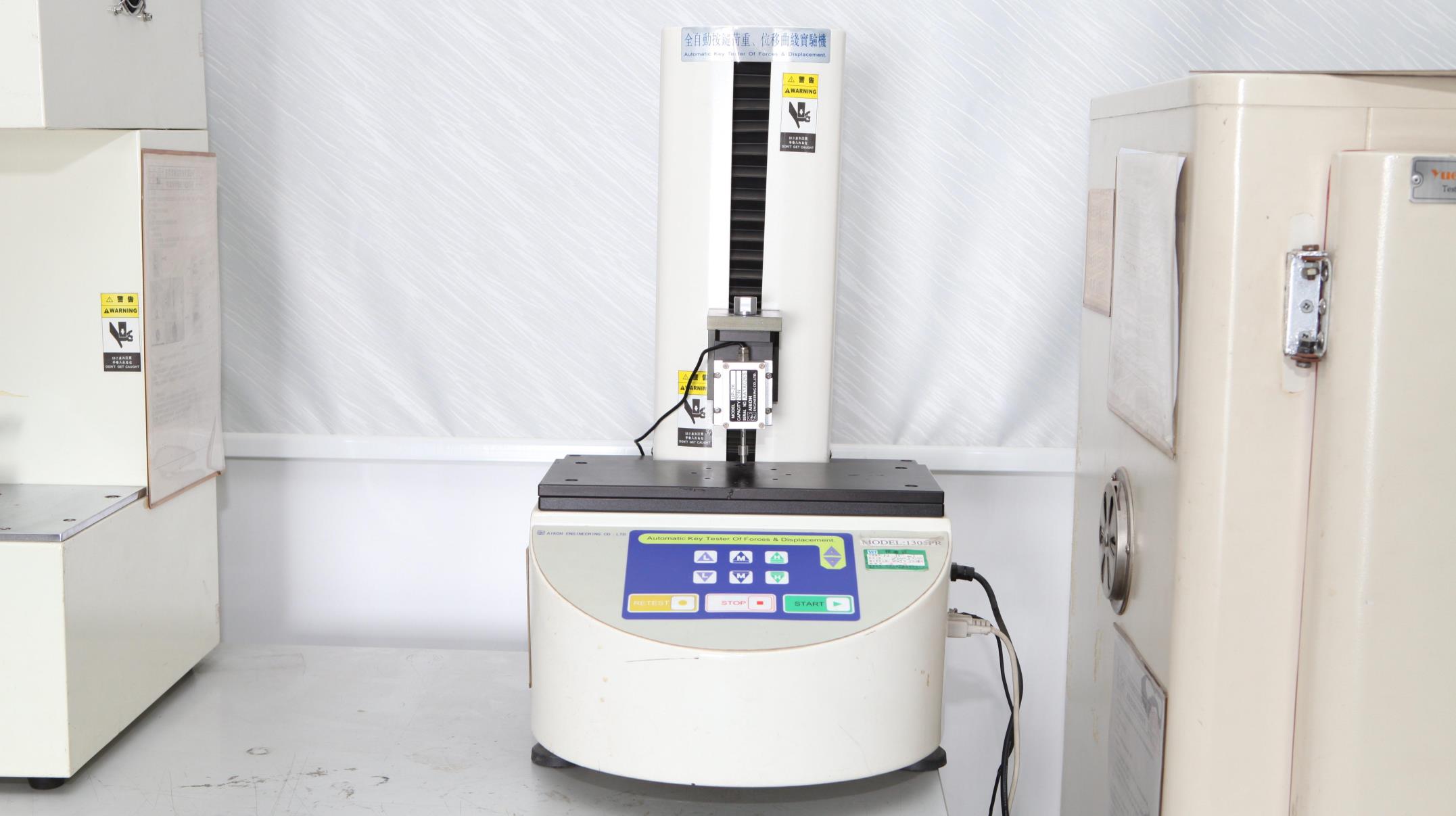
Automatic Key Tester of Forces & Displacement

Force & Displacement Tester

Generates high-precision curve plots of actuation force (F1/F2) and travel displacement to maintain uniform touch feel across all buttons.

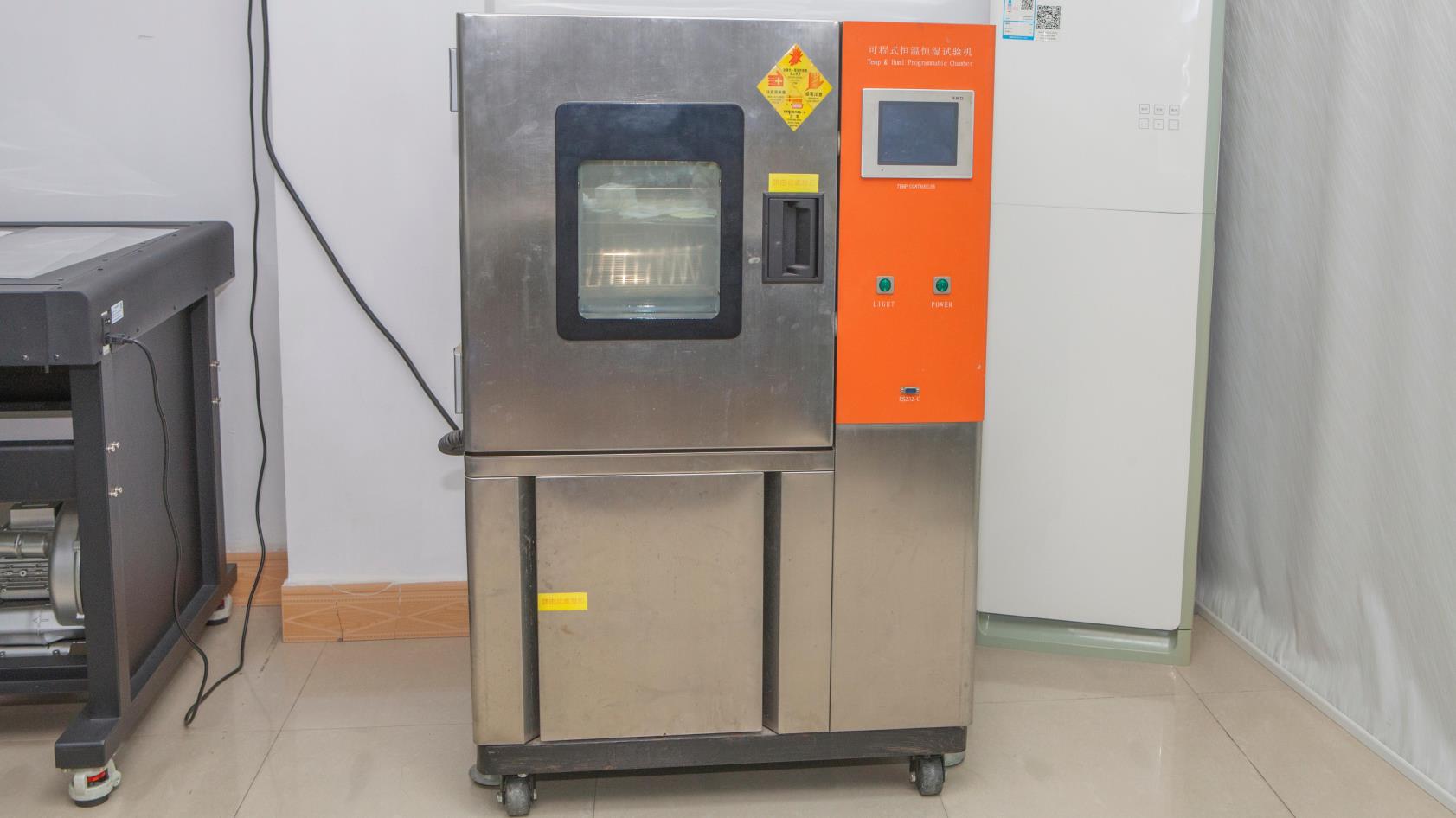
Temperature And Humidity Programmable Chamber

Temp & Humidity Chamber

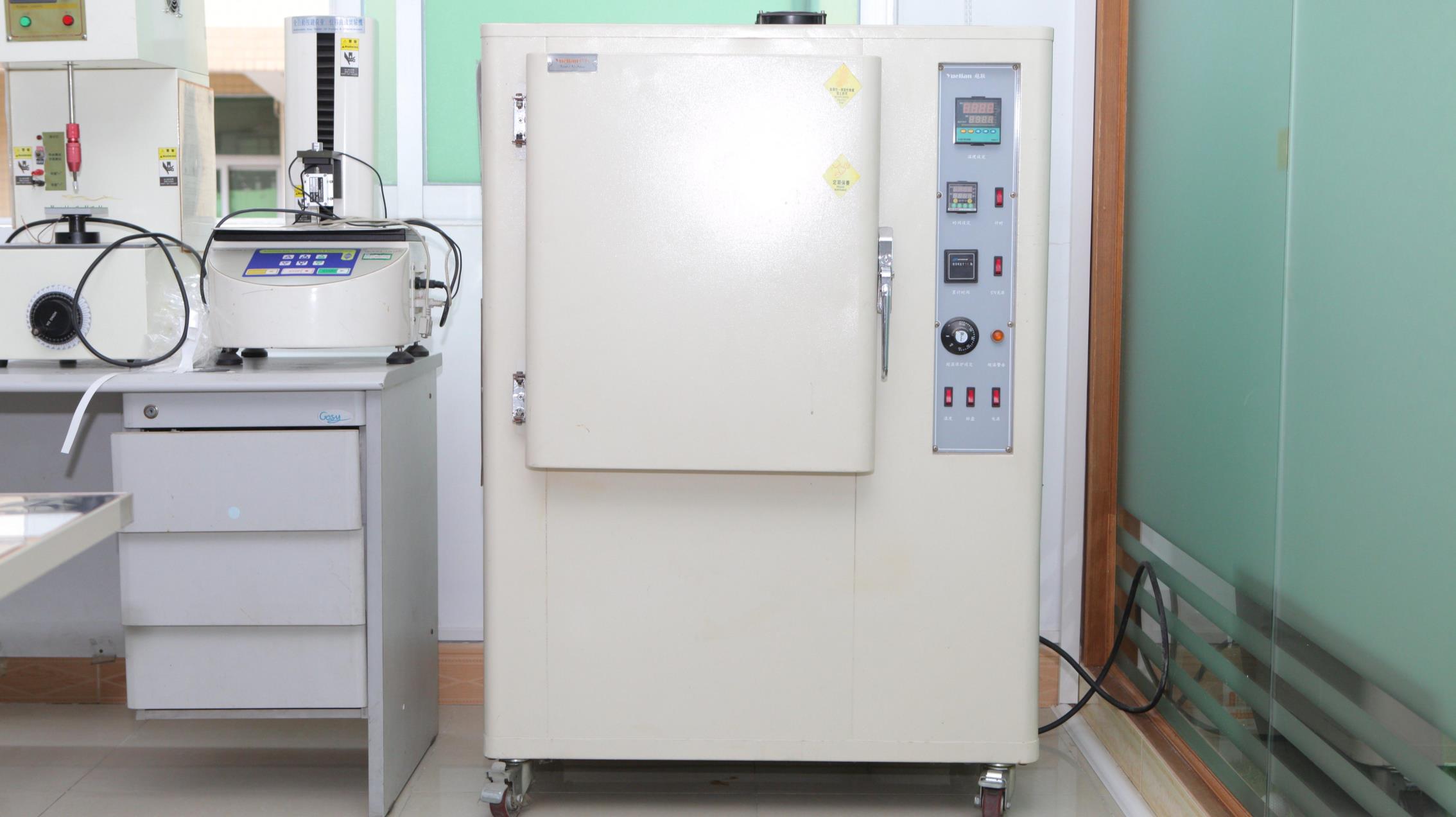
Thermal shock cycling (-40°C to +85°C) and 95% relative humidity testing ensures zero window delamination, clouding, or adhesive creep.

Yellowing Resistance Testing Machine

Yellowing Resistance Chamber

UV accelerated aging machine verifies that transparent window materials maintain ΔE < 1.5 color stability and clarity over years of sunlight.

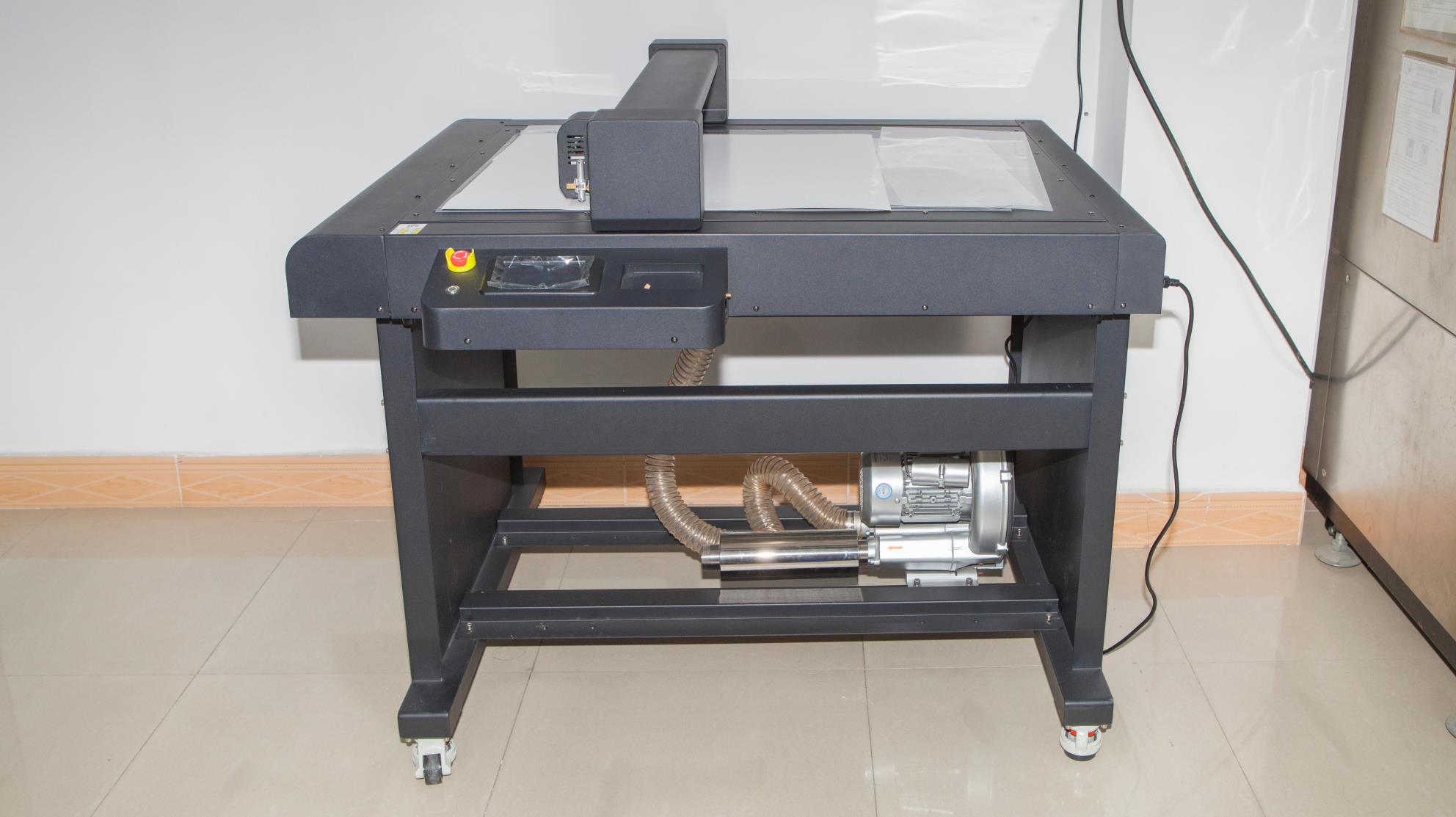
Sample Making Machine

Rapid Sample Making Machine

Digital plotters and laser cutters produce engineering prototype faceplates within 3 to 5 business days without upfront hard tooling costs.

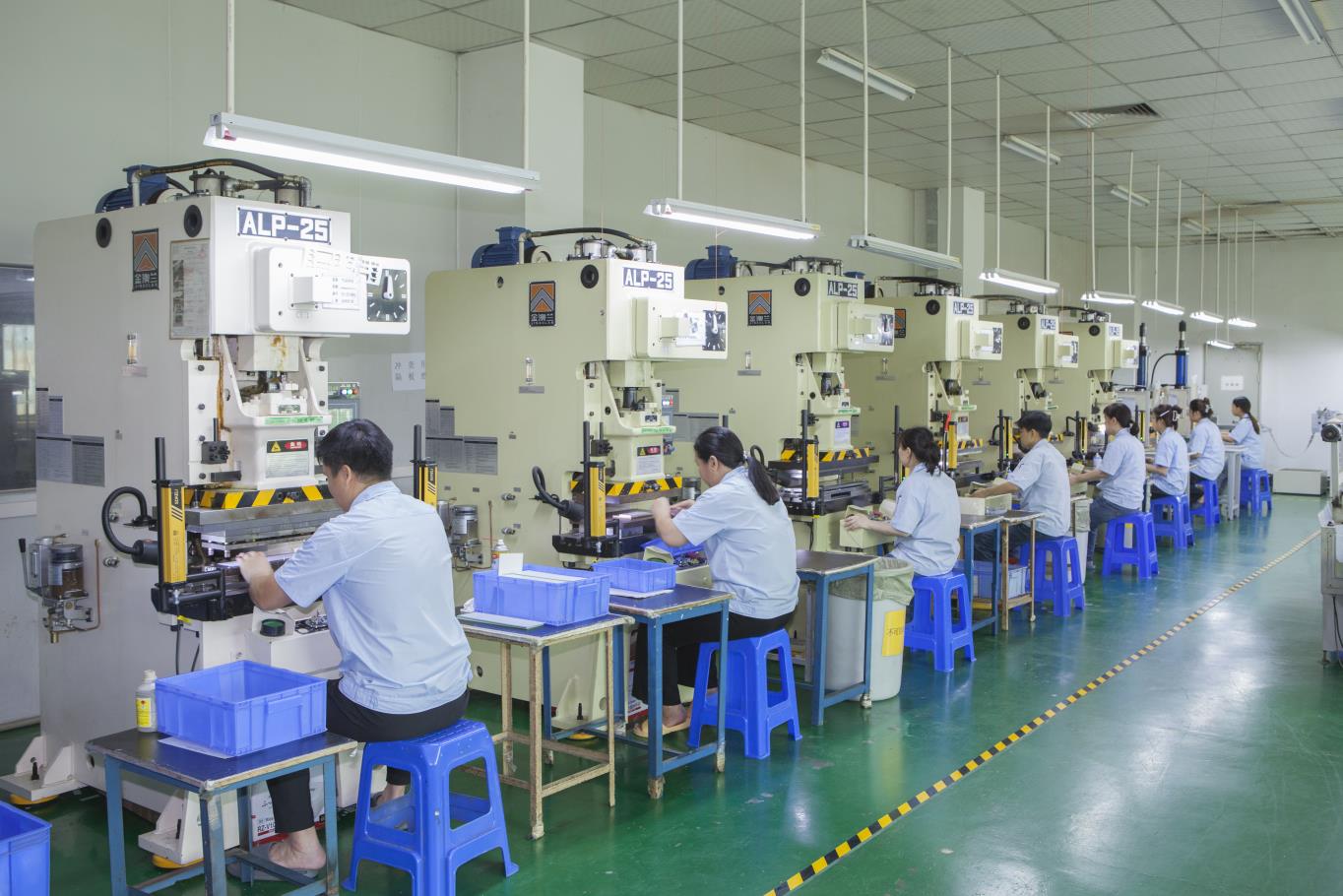
Flatbed Die Cutting Machine

Flatbed Die Cutting Machine

High-tonnage precision die cutting delivers clean, burr-free window borders and perimeter contours within tight ±0.05mm dimensional tolerances.

Procurement Q&A

Frequently Asked Questions on Transparent Window Membrane Faceplates

Comprehensive answers to the most common technical questions posed by global procurement managers, component engineers, and hardware architects.

What is the difference between an optical clear window and a selective textured window?

A selective textured window starts with an optically clear film substrate (such as Autotex Gloss or Lexan 8010). The graphic background is reverse-printed with a textured matte lacquer, leaving the display aperture area completely uncoated. This achieves a rugged, scratch-resistant matte finish on the front bezel while maintaining crystal-clear gloss transparency (>91.5% transmission) directly over the LCD or OLED screen without introducing visual haze or graininess.

How can our design prevent "Newton's Rings" between the faceplate window and the display?

Newton's rings occur when two ultra-flat smooth surfaces (the inside of the membrane faceplate and the display glass) contact each other, creating light interference. Dongguan AXRU Electronics Co., Ltd. solves this through three proven engineering methods:

  • Anti-Newton Ring (ANR) Texture: Printing an imperceptible micro-dot matrix texture or specialized optical ANR varnish on the rear surface of the window.
  • Window Embossing / Spacers: Creating a slight pillow emboss or using a die-cut spacer adhesive (such as 0.125mm 3M 467MP) around the perimeter to ensure a permanent 0.05mm–0.15mm air buffer.
  • Optical Clear Adhesive (OCA) Bonding: Applying full-surface optical adhesive that matches the refractive index of the glass (n ≈ 1.49), fully eliminating internal reflection and air gaps.
What is a "Dead-Front" transparent window, and how is it manufactured?

A dead-front window appears completely opaque, blending invisibly into the surrounding graphic panel (usually black, dark gray, or customized corporate colors) until backlit by an underlying LED. We achieve this by reverse screen-printing precisely calibrated translucent dye inks with controlled optical density. When the LED illuminates, the legend, symbol, or segment shines through brightly and sharply, hiding all internal PCB traces when turned off.

Which base substrate should we choose: Polycarbonate (PC) or Polyester (PET)?

The choice depends strictly on your mechanical and environmental specifications:

  • Choose PET (Polyester): If your faceplate includes tactile membrane push buttons (flex life > 5,000,000 switch cycles), requires high chemical resistance against alcohol or industrial solvents, or demands high pencil hardness (up to 3H with Autotex hardcoating).
  • Choose PC (Polycarbonate): If the product requires high impact resistance, deep 3D thermoforming, self-extinguishing flame retardancy (UL 94 V-0 or V-2), or is a flat display protection lens without tactile flexing keys.
How does Dongguan AXRU Electronics Co., Ltd. ensure environmental sealing (IP65 / IP67 / NEMA 4X)?

Sealing integrity depends on the rear mounting adhesive gasket. We specify genuine 3M high-performance adhesives (3M 467MP, 468MP, or 3M 300LSE for low surface energy plastics). We design a continuous perimeter adhesive ring that surrounds both the external boundary of the faceplate and the internal perimeter of the display window cutouts, verified through our programmable temperature and humidity immersion chambers.

What are your prototyping lead times and Minimum Order Quantity (MOQ)?

We support engineering R&D with a flexible MOQ of 100 pieces. Rapid engineering prototypes fabricated with our dedicated digital sample-making and laser cutting machinery are typically delivered within 3 to 5 business days. Standard mass production lead times range between 10 and 15 business days depending on order quantity and connector specifications.

What engineering files are needed for quotation and DFM evaluation?

Please submit your 2D graphic artwork in vector formats (Adobe Illustrator .AI, PDF, or EPS with text outlined and Pantone color codes specified) along with 2D/3D mechanical drawings (.DXF, .DWG, or .STEP) indicating overall dimensions, display window coordinates, embossing profiles, and adhesive cutouts. If you have an existing physical unit, our engineering lab can reverse-engineer the stack-up.

Need an Engineering Review or Sample for Your Transparent Window Membrane Faceplate?

Send your CAD drawings and graphic artwork directly to our engineering team at [email protected]. We provide complete DFM feedback, stack-up optimization, and quotation within 24 hours.

Get a Quote