Precision-Engineered Membrane Switches & Silicone Assemblies
Direct factory manufacturing for equipment designers, system integrators, and OEM procurement managers in Nukuʻalofa and the Pacific Rim. Fully customizable layouts, tactile forces, backlighting, and environmental sealing.
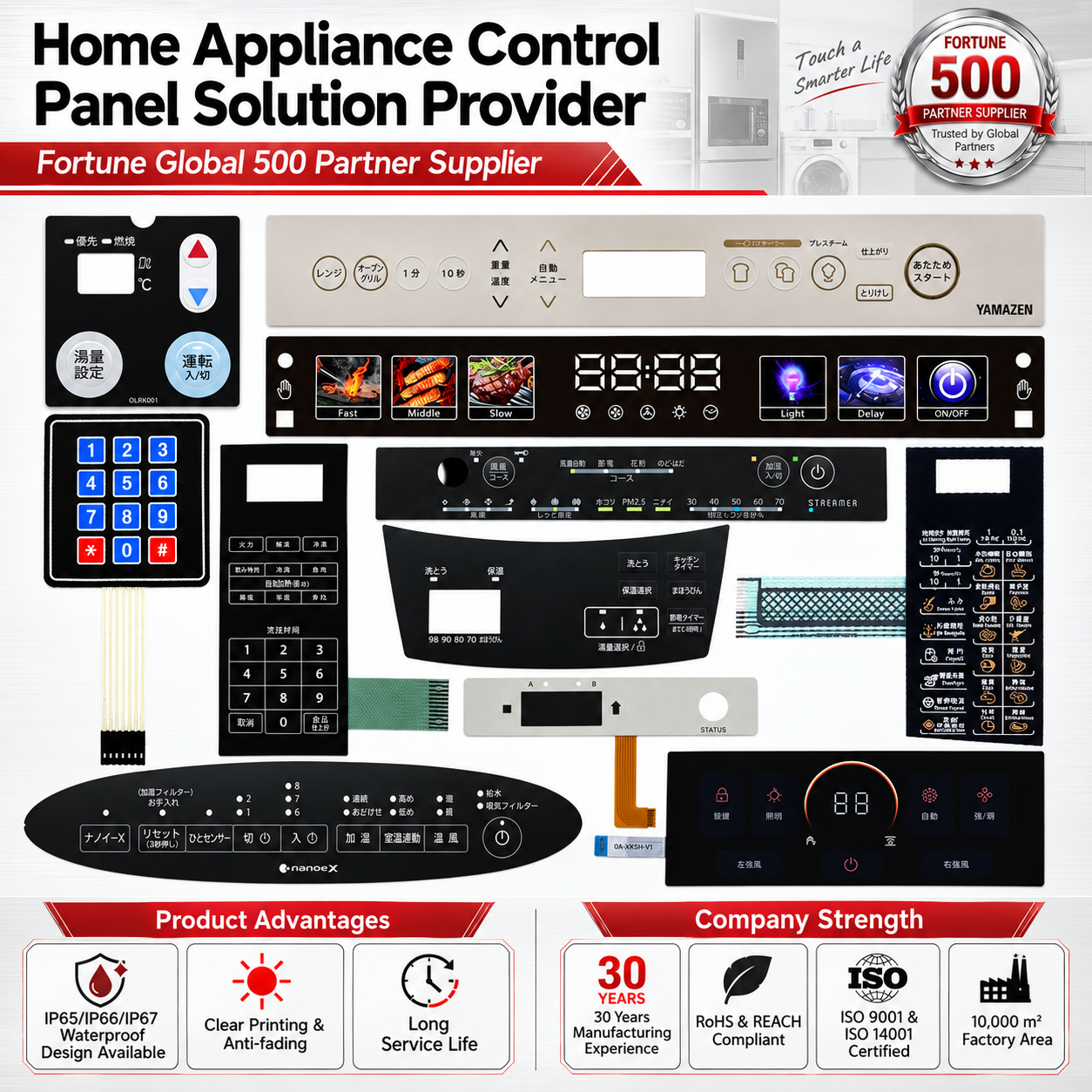
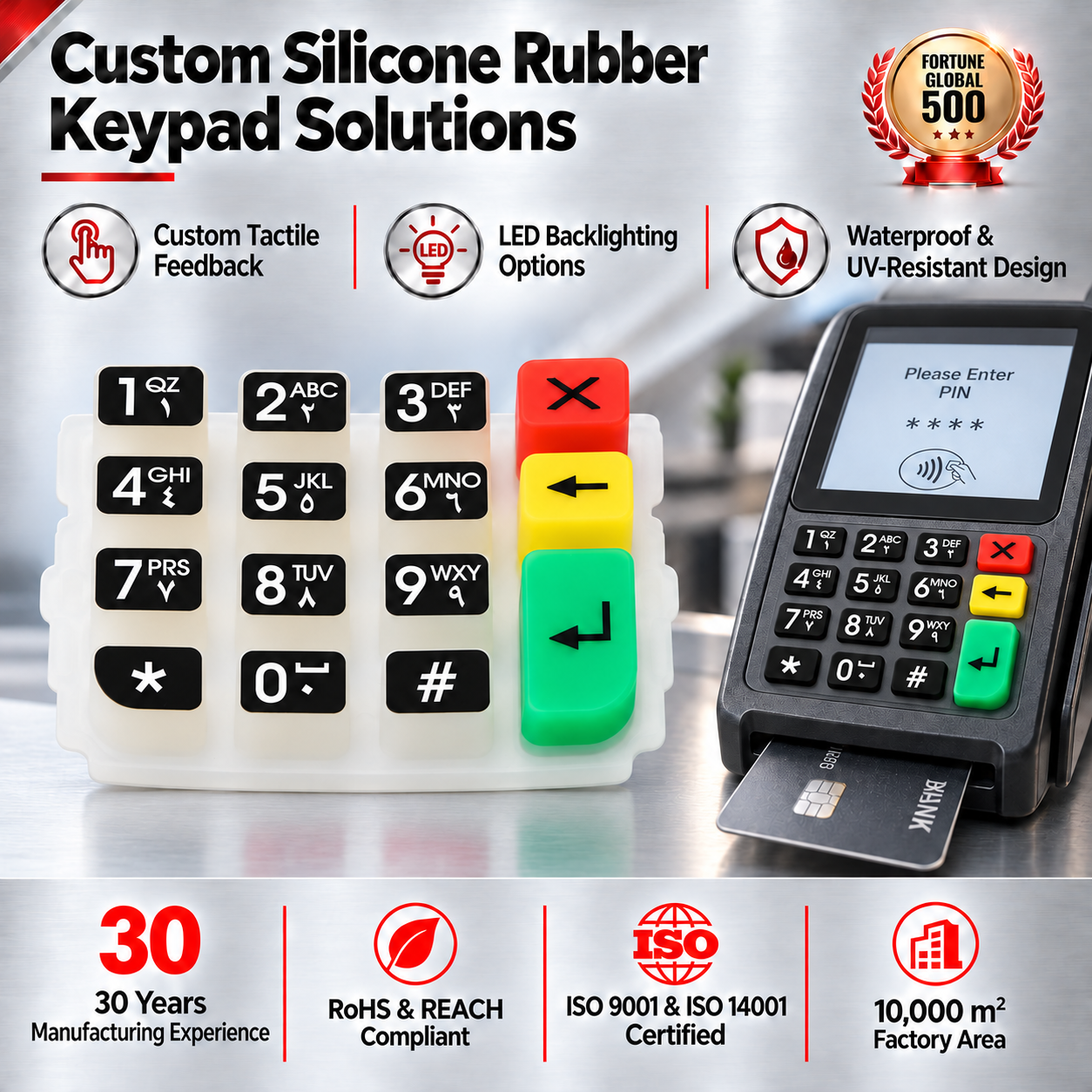
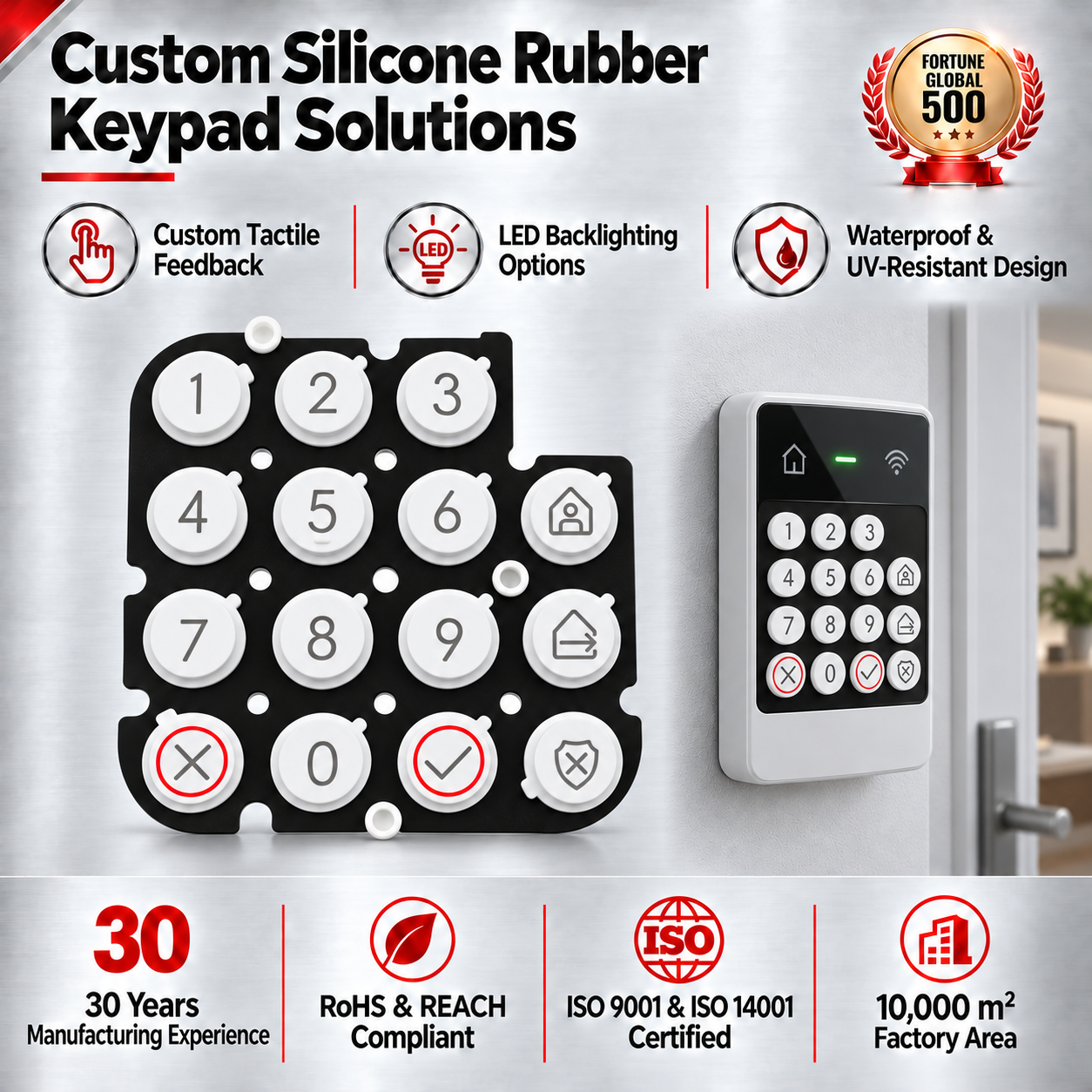
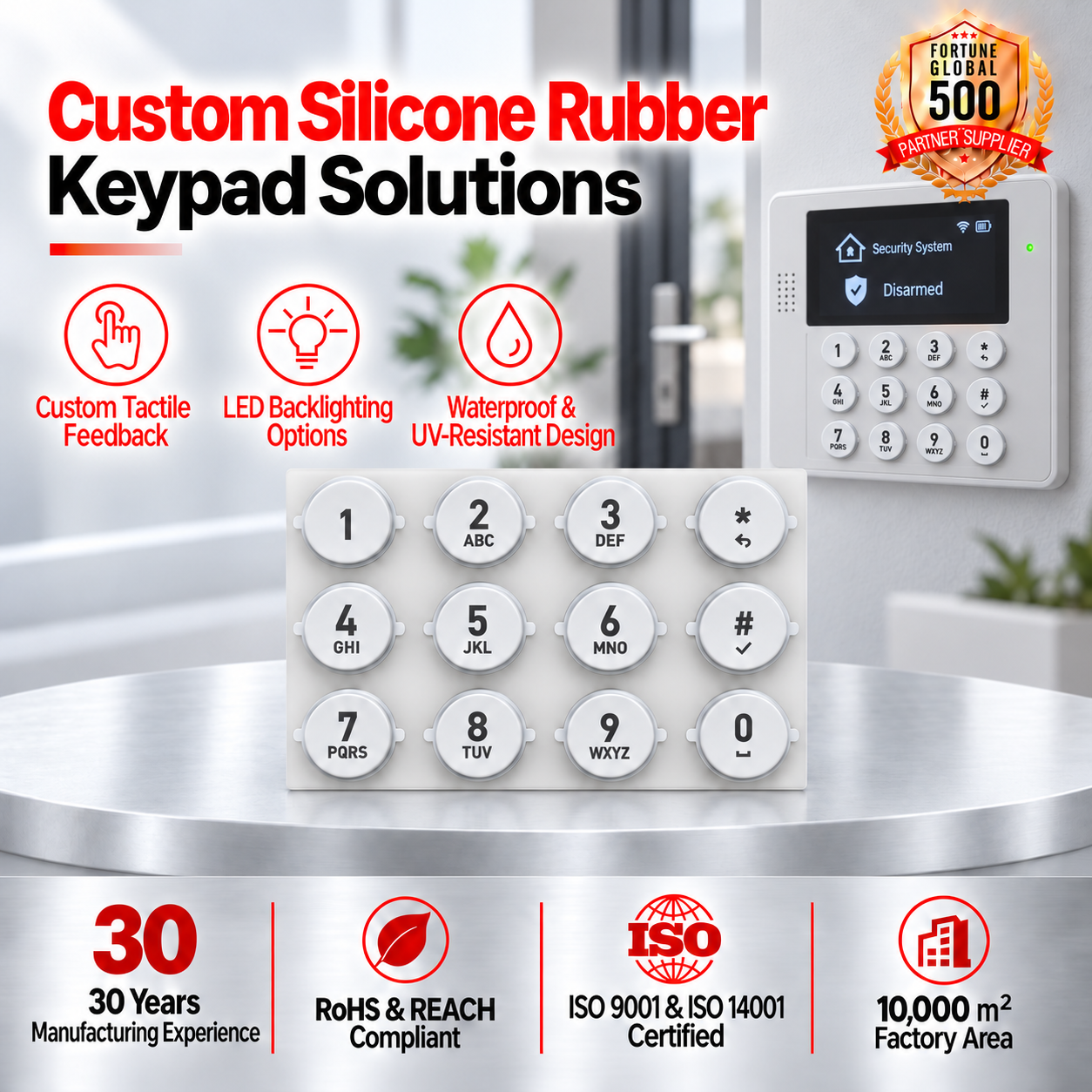
High-Reliability Membrane Switch Architecture for Pacific Island Climates
Addressing the challenges of salt aerosol corrosion, high thermal cyclicity, and elevated relative humidity in Nukuʻalofa's industrial and municipal sectors.
Procuring human-machine interfaces (HMIs) for operation in tropical island environments like Nukuʻalofa, Tonga requires stringent engineering practices that far exceed standard commercial consumer specifications. Operating equipment in the South Pacific presents unique stressors: year-round relative humidity frequently exceeding 85%, continuous airborne sodium chloride particles (salt fog), solar ultraviolet index ratings reaching peak levels of 11+, and cyclic thermal variations between equatorial midday heat and coastal evening rains.
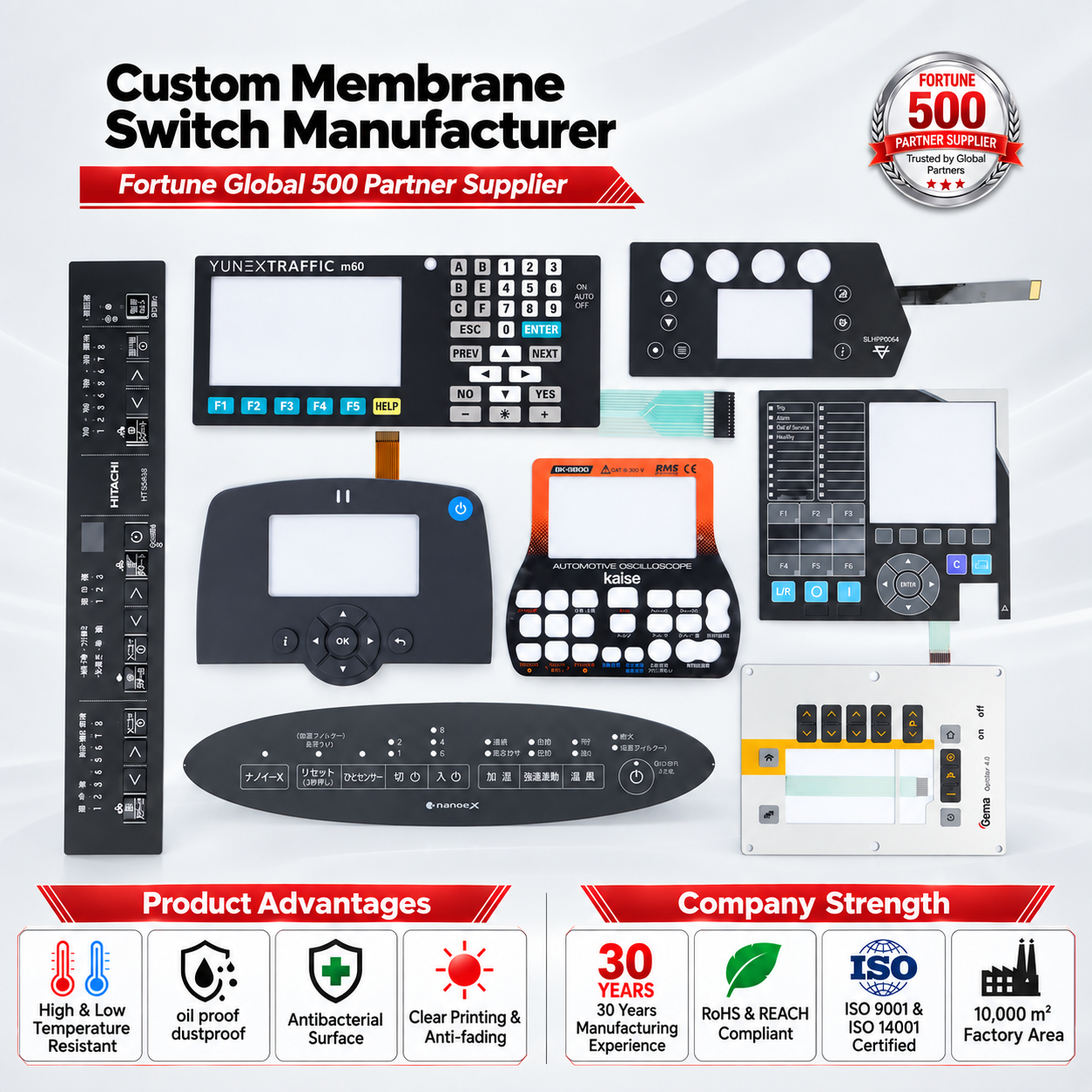
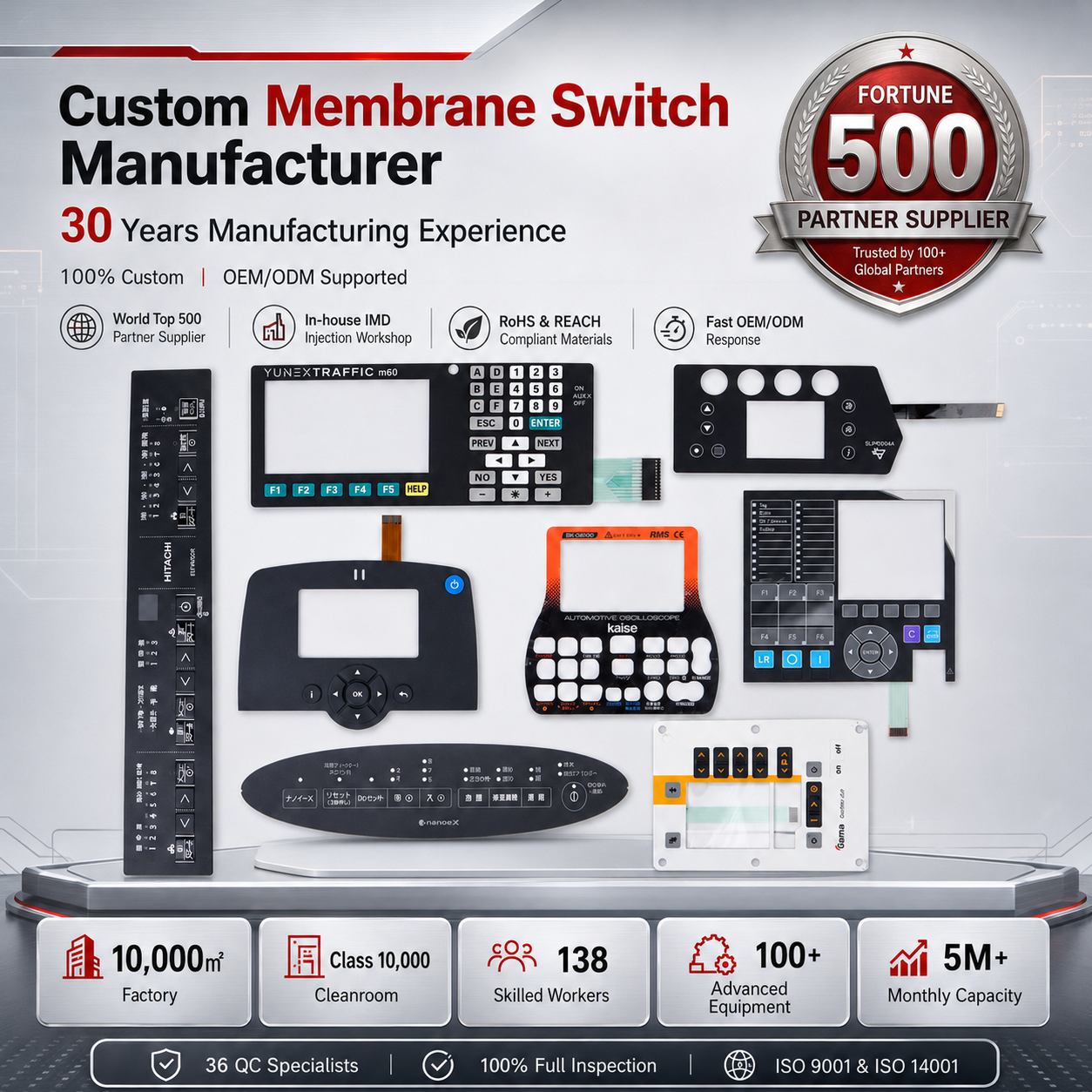
At Dongguan AXRU Electronics Co., Ltd., our engineering department designs multi-layered membrane switches and silicone assemblies specifically formulated to mitigate capillary moisture ingress, copper track electrochemical migration, and graphic overlay embrittlement. Through our 10,000㎡ manufacturing hub, we control all critical phases—from film heat-stabilization to cleanroom lamination—providing OEM buyers and system integrators with certified, traceable front-panel solutions.
Hermetic Ingress Sealing (IP67/IP68)
Standard commercial membrane switches rely on basic perimeter acrylic adhesives that fail when exposed to micro-condensation and atmospheric pressure swings. Our Nukuʻalofa-ready panels deploy full closed-loop border gaskets with specialized channel venting.
- 3M 300LSE / 467MP / VHB high-tack acrylic adhesives resistant to plasticizers and moisture absorption.
- Hydrophobic micro-porous membrane breathers that equalize internal air volume during sudden pressure shifts without admitting water vapor.
- Continuous perimeter adhesive rings minimum 3.0mm width around tactile dome pockets and display cutouts.
FPC vs. Silver-Printed Traces
In high-humidity, salt-laden atmospheres, conventional silver-printed traces (silver flake ink on PET) can develop dendritic silver migration across adjacent conductors under DC bias. We offer custom Flexible Printed Circuits (FPC) as the premier choice.
- Rolled Annealed Copper Foil (1oz / 0.5oz) polyimide laminate offering zero risk of conductive filament dendritic growth.
- Polyimide coverlay thermal bonding protecting traces up to 105°C continuous operating temperatures.
- Direct soldering of ultra-bright surface mount LEDs, optical sensors, and micro-pitch ZIF tail connectors without conductive epoxy decay.
UV-Stabilized & Chemical-Resistant Overlays
Unprotected polycarbonate films yellow and crack within 18 months under Polynesian solar irradiance. We engineer graphic skins using biaxially oriented, UV-resistant polyester materials designed for outdoor field instruments.
- Autotype Autotex XE / MacDermid F200 UV-stabilized textured films verified for >5,000 hours accelerated Xenon arc exposure.
- Reverse screen-printing in class-1,000 cleanrooms using solvent-based, automotive-grade cross-linking inks that cannot be scratched or abraded.
- Resistance to diesel fuel, hydraulic oil, saline spray, and concentrated chemical sanitizing detergents.
Technical Comparison: Substrate & Architectural Selections for Maritime/Equatorial Deployment
| Engineering Parameter | Standard Silver on PET | Copper Flex Circuit (FPC) | Elastomeric Silicone Membrane Hybrid | Capacitive Glass / Acrylic Front Panel |
|---|---|---|---|---|
| Primary Substrate | Optical PET (125μm - 188μm) | Polyimide (PI) Copper Clad | Medical-Grade Molded Silicone | Chemically Strengthened Glass / PMMA |
| Ingress Protection Capability | IP65 (IP67 with perimeter gasket) | IP67 / IP68 (Hermetic) | IP67 / IP68 (Wrap-Around Bezel) | IP68 / IP69K (Flush Bonded Face) |
| Salt-Fog Resistance (ASTM B117) | 96 Hours (requires edge seal) | >500 Hours (Corrosion-free) | >1000 Hours (Inherent inertness) | >1500 Hours (Inorganic front) |
| Tactile Actuation Life | 1,000,000 cycles (Stainless Dome) | 3,000,000+ cycles | 1,000,000 - 5,000,000 cycles | Infinite (Solid-state capacitive) |
| Contact Resistance | 10Ω – 100Ω (Length dependent) | <0.5Ω (Ideal for analog/ADC) | <150Ω (Carbon) / <1Ω (Gold Pill) | N/A (I2C / SPI digital bus controller) |
| Recommended Pacific Use-Case | Indoor industrial instrumentation | Outdoor solar inverters, marine telemetry | Handheld marine radios, rugged telecom | Clean-room medical, tourist kiosk displays |
Field-Proven Application Scenarios in Nukuʻalofa
Custom control interfaces engineered to solve real environmental and operational bottlenecks across Tongatapu and outer island projects.
Fisheries, Port & Commercial Marine Craft
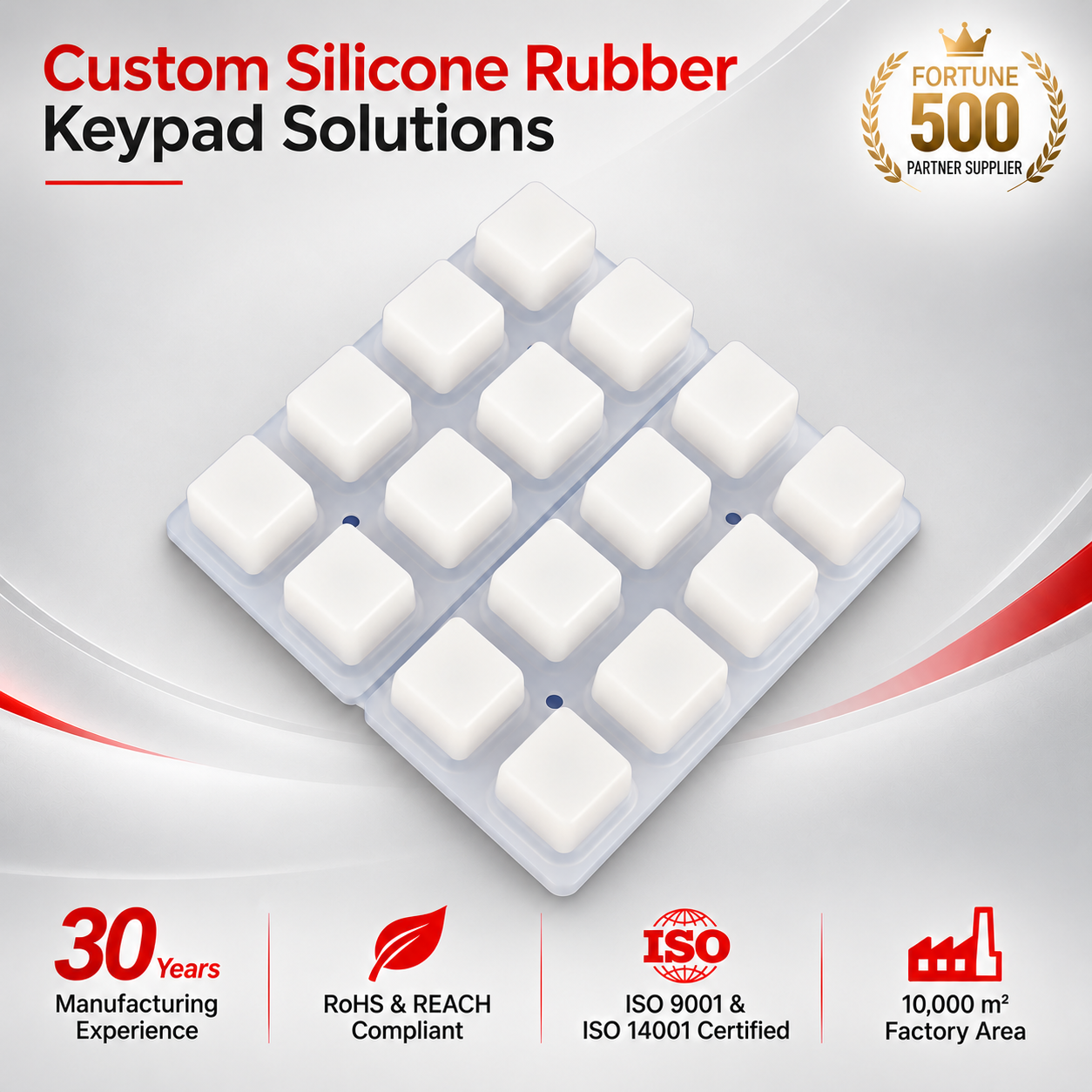
Vessels operating from Queen Salote Wharf require HMIs that tolerate green-water sea spray, diesel engine fumes, and salt crusting. Our IP67-rated silicone rubber keypads and embossed tactile membrane switches are utilized on navigation GPS units, radar transceivers, echo sounders, and bilge pumping panels, ensuring dependable operation even when navigated by crew wearing heavy wet gloves.
Off-Grid Solar Microgrids & BESS Systems
Under the Tonga Renewable Energy Project (TREP) targeting 70%+ clean energy across Tongatapu, Vavaʻu, and Haʻapai, off-grid battery energy storage systems (BESS) and containerized solar inverters face severe thermal load and ocean windblown salt. Our UV-stabilized FPC membrane panels with dead-front backlighting provide rugged operator controls for charge controllers and power conversion cabinets.
Healthcare & Clinical Diagnostics
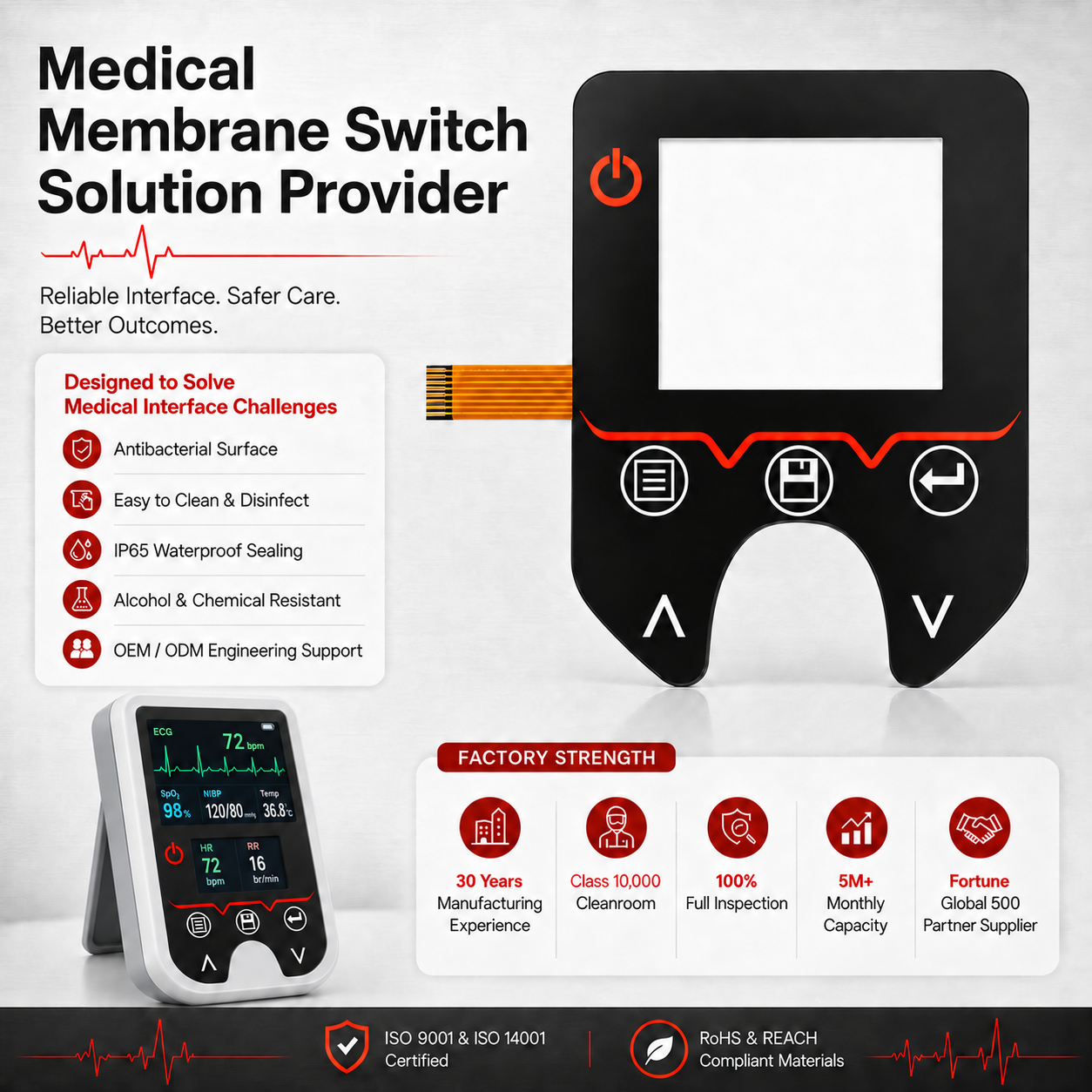
Healthcare facilities such as Vaiola Hospital in Nukuʻalofa require interface front panels that prevent bacterial harborage and endure daily wipedowns with hospital-grade chlorhexidine, isopropyl alcohol, and sodium hypochlorite bleach. Our polyester graphic overlays feature proprietary antimicrobial hard-coats that inhibit microbial growth while remaining impervious to harsh disinfectants.
Telecommunication & Remote Telemetry Hubs
Following historical underwater cable interruptions and severe cyclone events, Tonga's critical infrastructure demands resilient satellite earth stations, microwave repeaters, and cellular base stations. Our backlit 4x4 matrix silicone keypads and tactile membrane switches guarantee tactile command-line inputs on emergency broadcast radios and telemetry units.
Seawater Desalination (SWRO), Municipal Water & Food Cold Storage Plants
Reverse osmosis desalination facilities and commercial fishing cold storage warehouses across Nukuʻalofa operate in continuous high-humidity, chlorinated, or ammoniated atmospheres. Standard mechanical switches rapidly corrode and fail. AXRU’s completely hermetic membrane panels with closed-cell neoprene perimeter cushioning and stainless steel tactile domes deliver over 3,000,000 actuation cycles without risk of switch oxidation, short circuits, or contact chatter.
Emerging Technology & Industrial Trends Shaping Nukuʻalofa
Strategic transitions impacting procurement managers and design engineers in the Pacific island economies.
As the Kingdom of Tonga rapidly modernizes its civil infrastructure, the procurement landscape for Human-Machine Interfaces is undergoing three fundamental shifts:
1. Transition from Mechanical Relays to Solid-State HMIs
Traditional toggle, rocker, and push-button switches possess mechanical gaps where ocean air condenses, forming green copper patina and internal arcing. Industrial operators across Nukuʻalofa are universally upgrading legacy machinery to smooth-surface, continuous-membrane overlays and sealed capacitive touch panels that completely isolate delicate circuit conductors from ambient air.
2. Solar-Resilient Dead-Front Optical Illumination
Under blinding South Pacific sunlight, standard indicator lamps bleed and wash out, while dim status LEDs are impossible to read. Modern marine and agricultural control panels specify dual-stage dead-front graphics—invisible until backlit by high-lumen SMD LEDs integrated directly onto copper FPC layers—coupled with anti-glare matte texturing to maximize outdoor sunlight readability.
3. Climate-Hardened IoT Telemetry Enclosures
Pacific disaster-preparedness initiatives, early-warning tsunami sirens, and remote meteorological stations require compact enclosures left unattended in salt marshes and atolls for years. These designs demand low-power, zero-standby-drain contact switches, low contact resistance (<1Ω), and elastomeric seals that maintain flexibility under continuous high heat without outgassing or drying out.
Frequently Asked Questions by Nukuʻalofa & Pacific Buyers
Authoritative technical answers to common queries regarding ordering, materials, logistics, and quality assurance.
We eliminate salt aerosol degradation via three core measures: First, we utilize non-hygroscopic 3M 300LSE adhesive transfer tapes along a minimum 3.0mm closed-loop perimeter. Second, our graphic overlays (Autotype Autotex XE polyester) completely wrap around the circuit core, leaving no conductive silver or copper exposed to ambient air. Third, for marine deployments, we encapsulate tail exit zones with high-durometer epoxy potting to block capillary wick penetration.
We accept CAD mechanical outlines in DWG, DXF, or STEP format, alongside graphic artwork in Adobe Illustrator (.AI), vector PDF, or CorelDraw with Pantone matching system (PMS) references. If you only possess a damaged legacy panel or conceptual sketch, our engineering team can reverse-engineer your sample, draft a formal stack-up drawing, and define electrical schematic pinouts within 24–48 hours.
Yes. Unlike standard mass manufacturers who impose thousands of units as minimums, our MOQ starts from just 100 pieces for custom production runs. We also support pre-production prototype verification batches (10 to 25 units) utilizing laser cutting and digital UV prototyping, allowing engineering teams in Tonga to evaluate tactile feel and functional integration prior to committing to hard steel cutting dies.
Engineering prototypes are typically completed within 7 to 10 working days after drawing approval. Standard mass production orders ship in 15 to 20 working days. For deliveries to Nukuʻalofa, air express freight (DHL, FedEx, UPS) requires approximately 5 to 8 transit days to Fuaʻamotu International Airport (TBU). Sea freight consolidated through Pacific shipping lanes to Queen Salote Wharf takes approximately 22 to 30 days depending on transshipment routing.
Polycarbonate provides optical clarity and flame resistance at a lower raw material cost, with an actuation life of approximately 100,000 cycles before hinge fatigue occurs. In contrast, biaxially oriented Polyester (PET) withstands over 5,000,000 tactile switch flex cycles without micro-cracking, offers superior chemical resistance to aggressive solvents, and does not degrade under ultraviolet radiation, making PET our clear recommendation for outdoor Pacific applications.
Our metal snap domes are stamped from high-grade SUS301 or SUS304 stainless steel and electro-plated with nickel or selective 24K hard gold. When married with gold-plated FPC circuit pads or silver printed contact traces shielded by carbon coatings, the contact interface remains completely isolated from oxygen and moisture, guaranteeing contact resistance under 1Ω across millions of cycles.
Why Global OEMs & Pacific Buyers Choose AXRU
A specialized 10,000㎡ manufacturing plant in Dongguan, verified on-site by Intertek and accredited for mission-critical electronic components.
Fortune 500 Credibility
Qualified supplier tier to international industrial brands, maintaining ISO 9001:2015 quality standards and strict batch traceability for every serialized delivery.
In-House Process Control
No subcontracting. Silk screen printing, laser die-cutting, automated SMT dome placement, and cleanroom lamination are managed entirely under our single roof.
Comprehensive Testing Lab
Our facility houses an in-house reliability laboratory equipped with programmable climatic chambers, keystroke endurance rigs, and force-displacement analyzers.
Direct Engineering Support
Collaborate one-on-one with seasoned HMI stack-up engineers who provide comprehensive Design for Manufacturability (DFM) reviews to prevent costly redesigns.
On-Site Quality Verification & Laboratory Testing Equipment
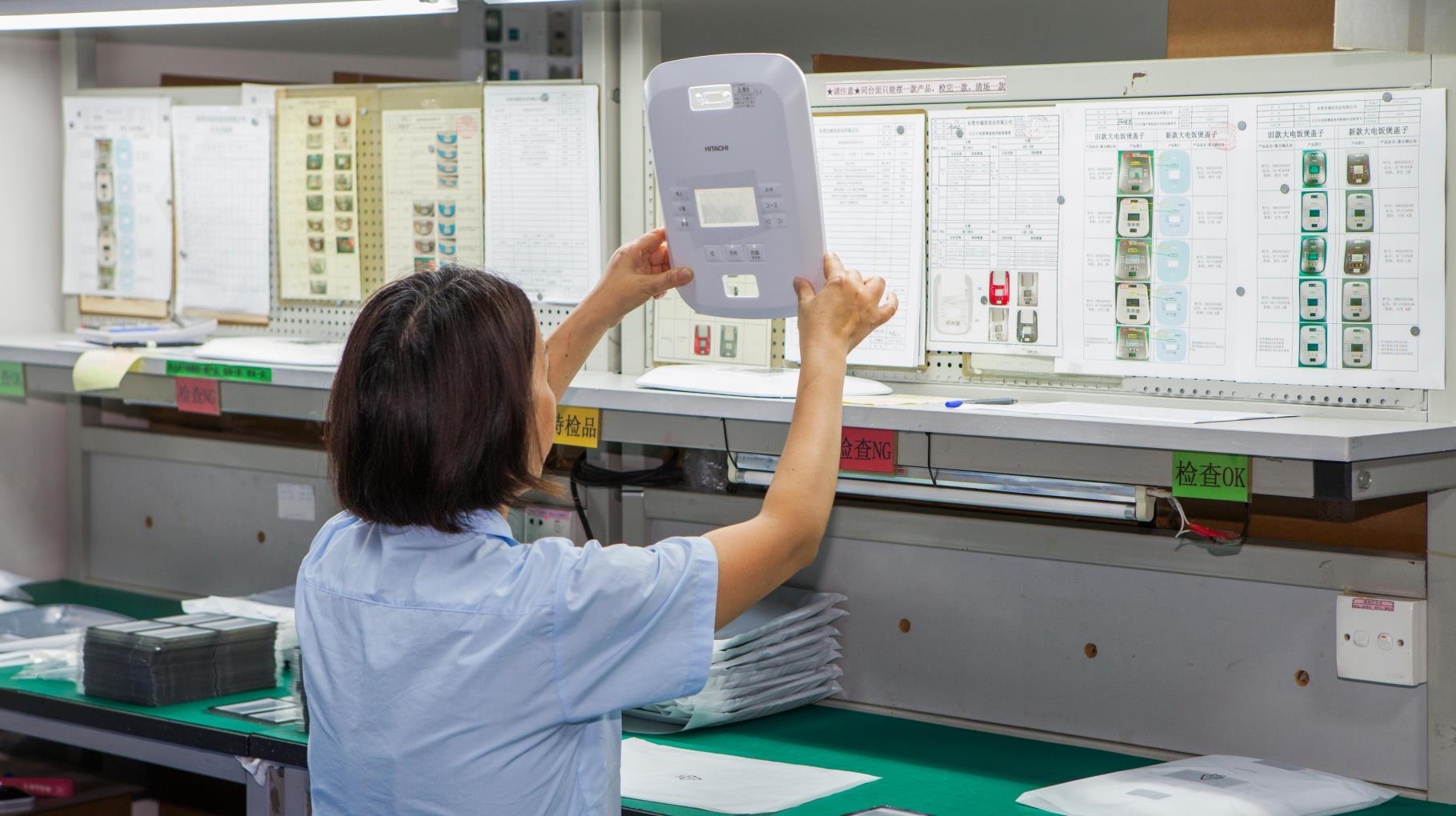 100% Electrical Inspection
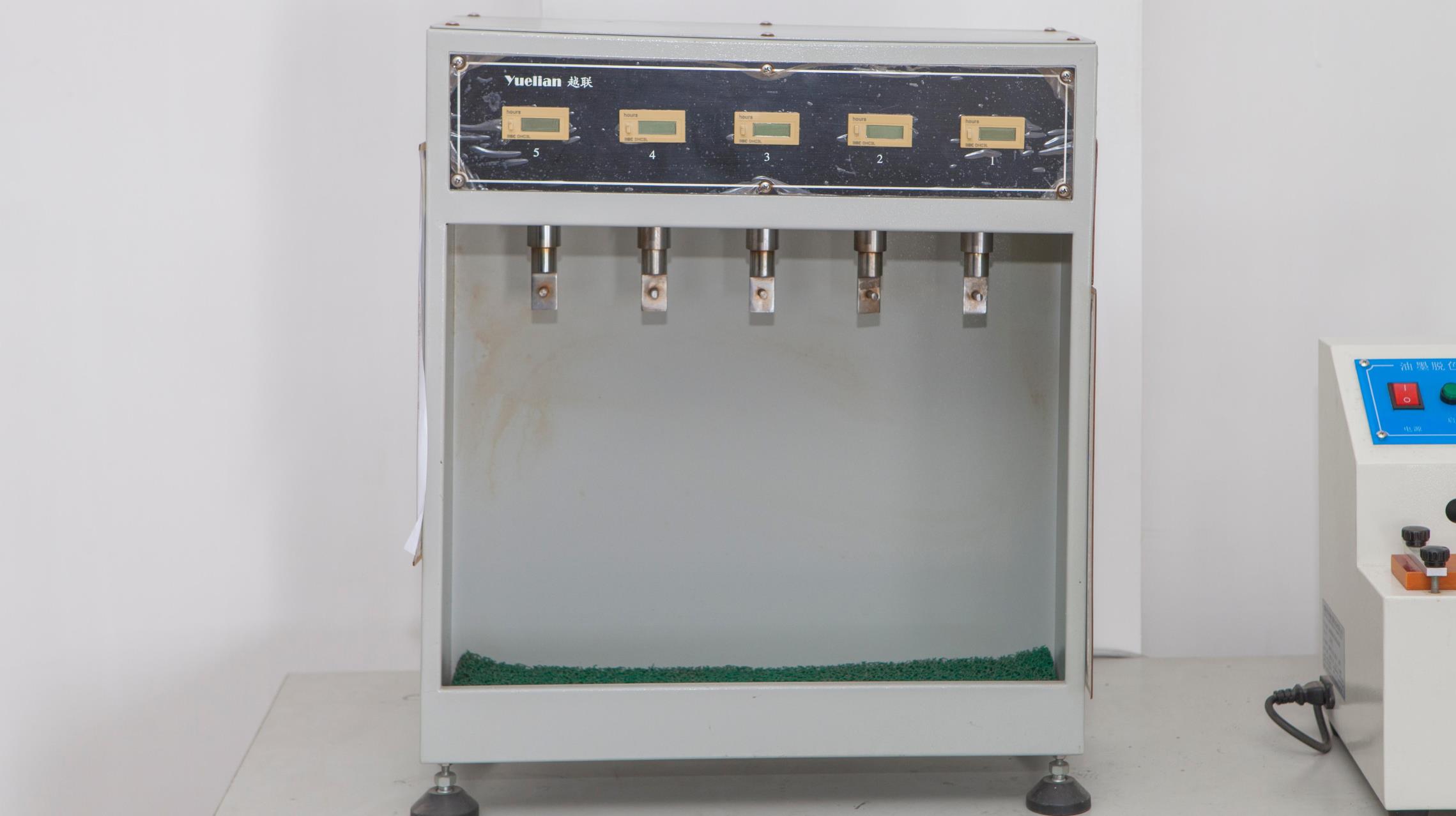 Tensile Adhesion Tester
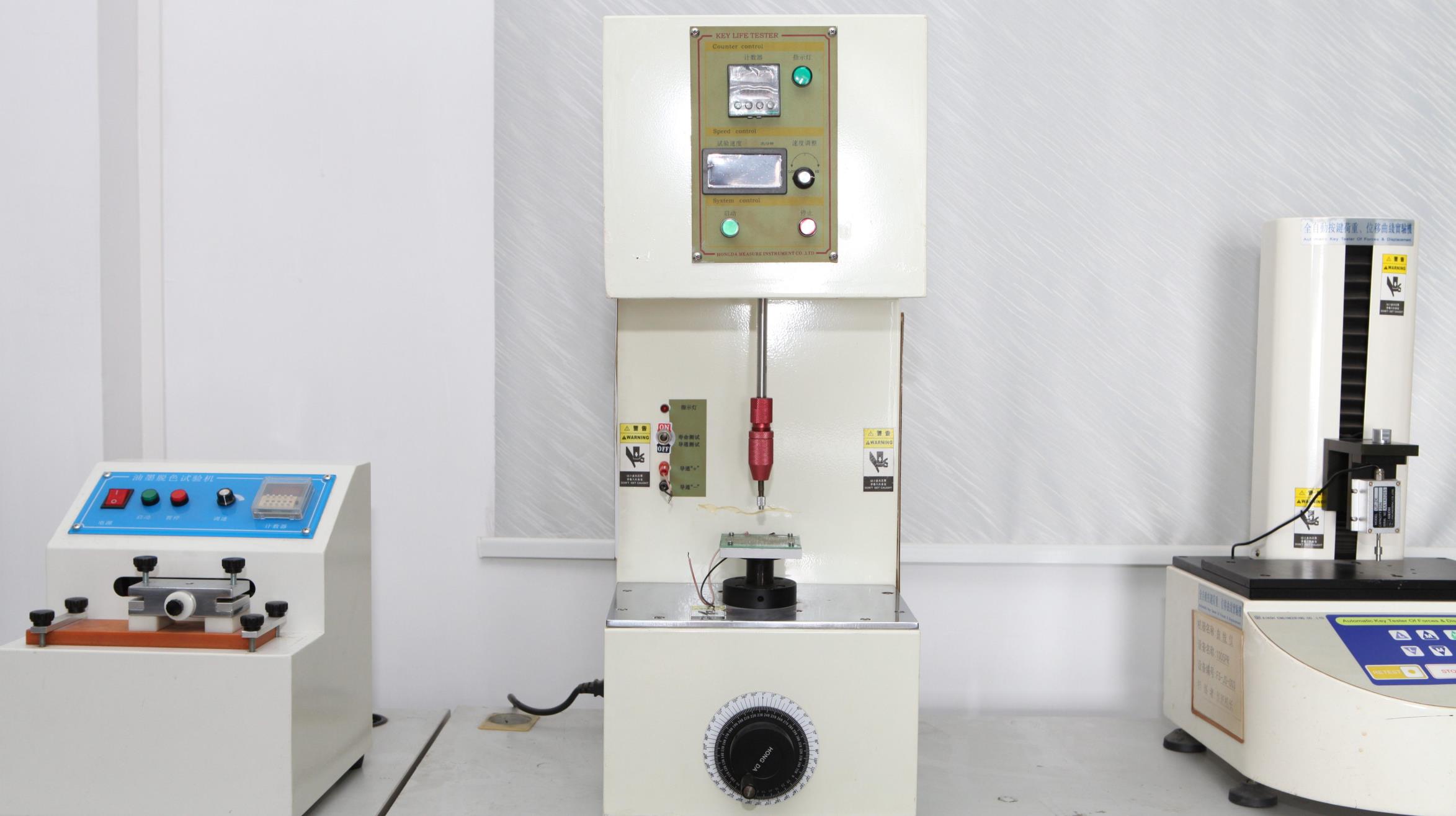 Key Life Endurance Tester
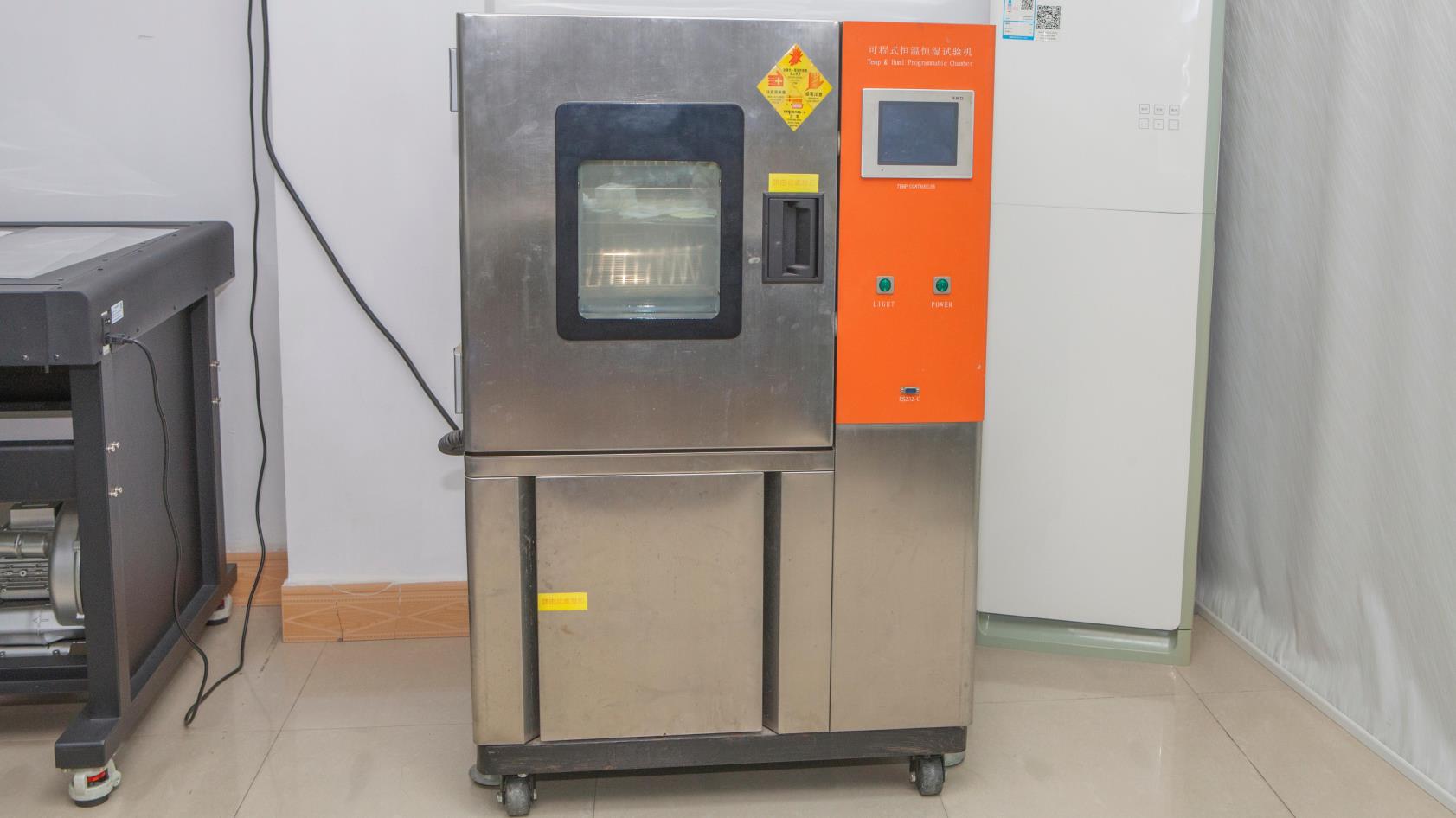 Temp & Humidity Chamber
Deploy Reliable, Tropical-Grade HMIs for Your Nukuʻalofa Projects
Send your 2D/3D CAD drawings, sample overlays, or electrical schematics today. Our senior engineering staff provides a complete DFM report, layer stack-up recommendation, and competitive factory quotation within 24 hours.