Resilient Human-Machine Interface Solutions for Coastal & Maritime Traffic Systems
The operational environment across Marsh Harbour, the commercial nexus of the Abaco Islands, presents an aggressive convergence of atmospheric stressors: airborne sodium chloride aerosols, persistent 85%+ relative humidity, seasonal cyclonic pressure deltas, and intense ultraviolet solar radiation exceeding 6.5 kWh/m²/day. Standard commercial-grade membrane keyboards deployed in municipal traffic intersection cabinets, port logistics terminals, and airfield ground signal units rapidly suffer from copper trace corrosion, silver migration shorts, graphic yellowing, and adhesive debonding. Dongguan AXRU Electronics Co., Ltd. architects and exports military-grade, hermetically sealed traffic controller membrane switches engineered explicitly to endure subtropical marine climates while ensuring zero-downtime switching precision.
Recommended Traffic & Infrastructure Membrane Controllers
Fully custom-engineered tactile control assemblies, thin-film sensors, and rugged silicone interfaces ready for fast export to the Bahamas and Caribbean infrastructure contractors.
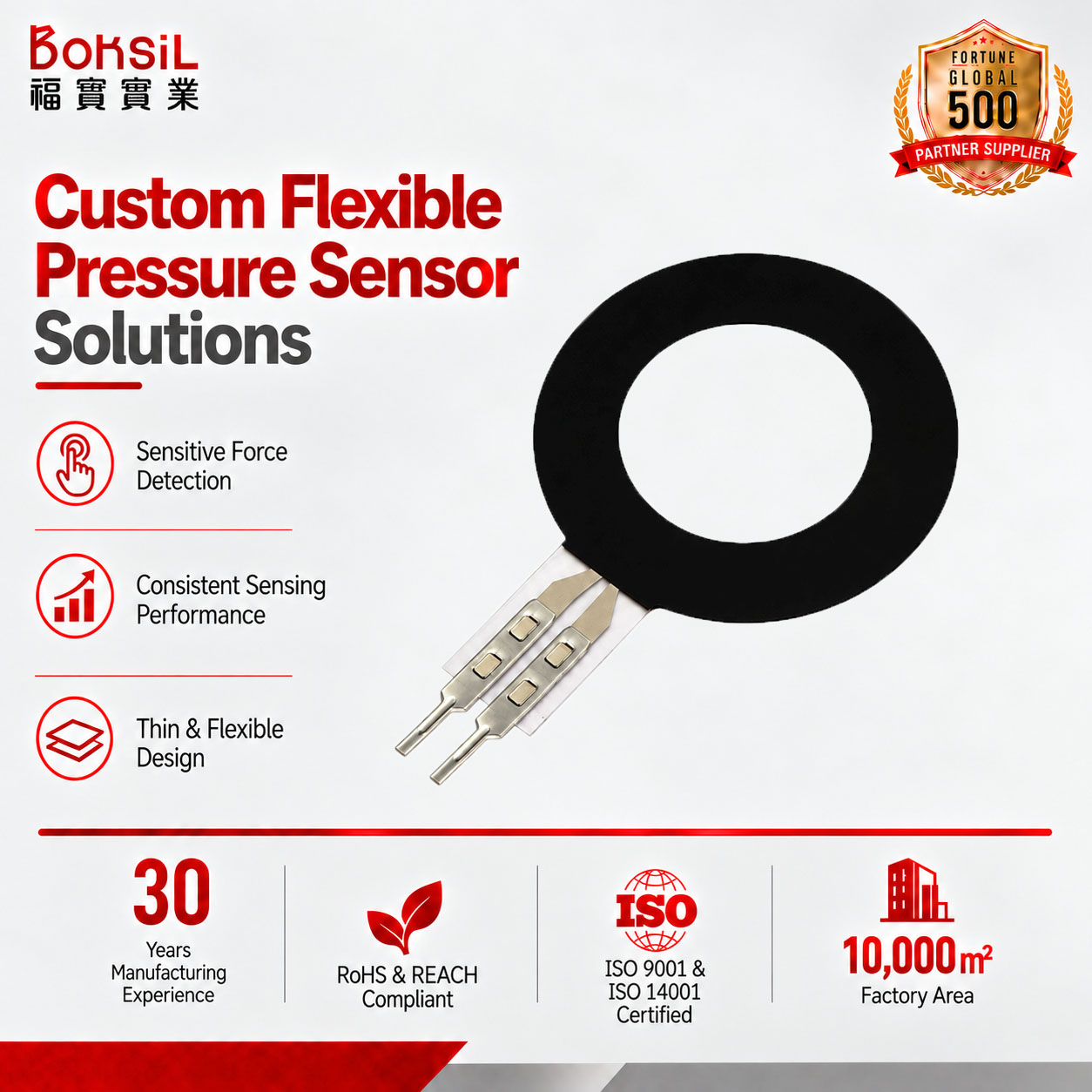
High Quality Universal FSR Flexibility Force Sensitive Sensor Capacitive Touch Keypad Thin Film Pressure Sensitive Resistor
- SubstrateFlex Polymer PET
- Sensing TechThick-Film Variable Force
- Corrosion ProofFully Encapsulated
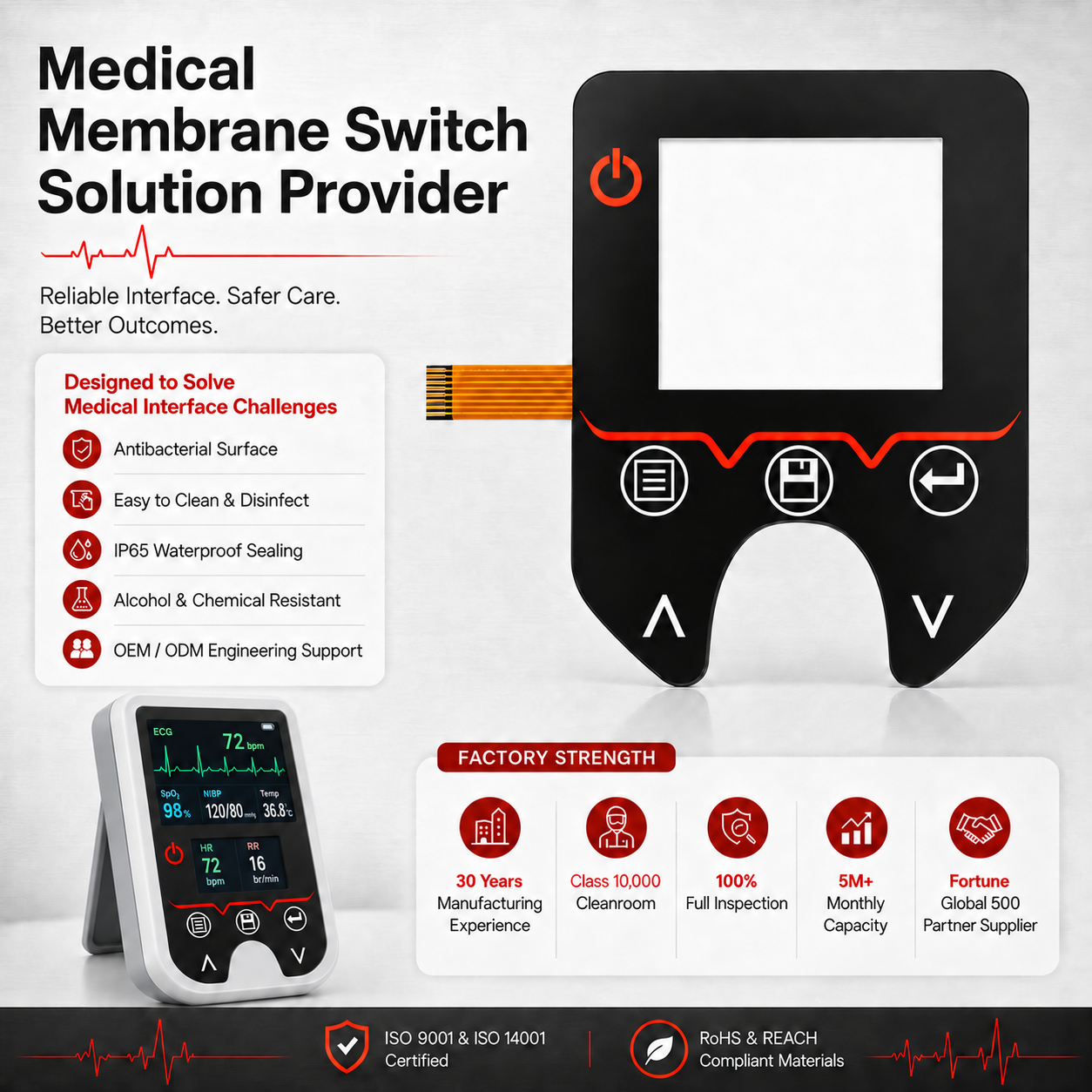
Factory Custom Medical Equipment ip65 Waterproof PC Graphic Overlay Membrane Switch Control Front Panel Button
- Ingress RatingIP65 / IP67 Hermetic
- MaterialAutotex Polyester / PC
- Tactile FeelGold-Plated Stainless Dome
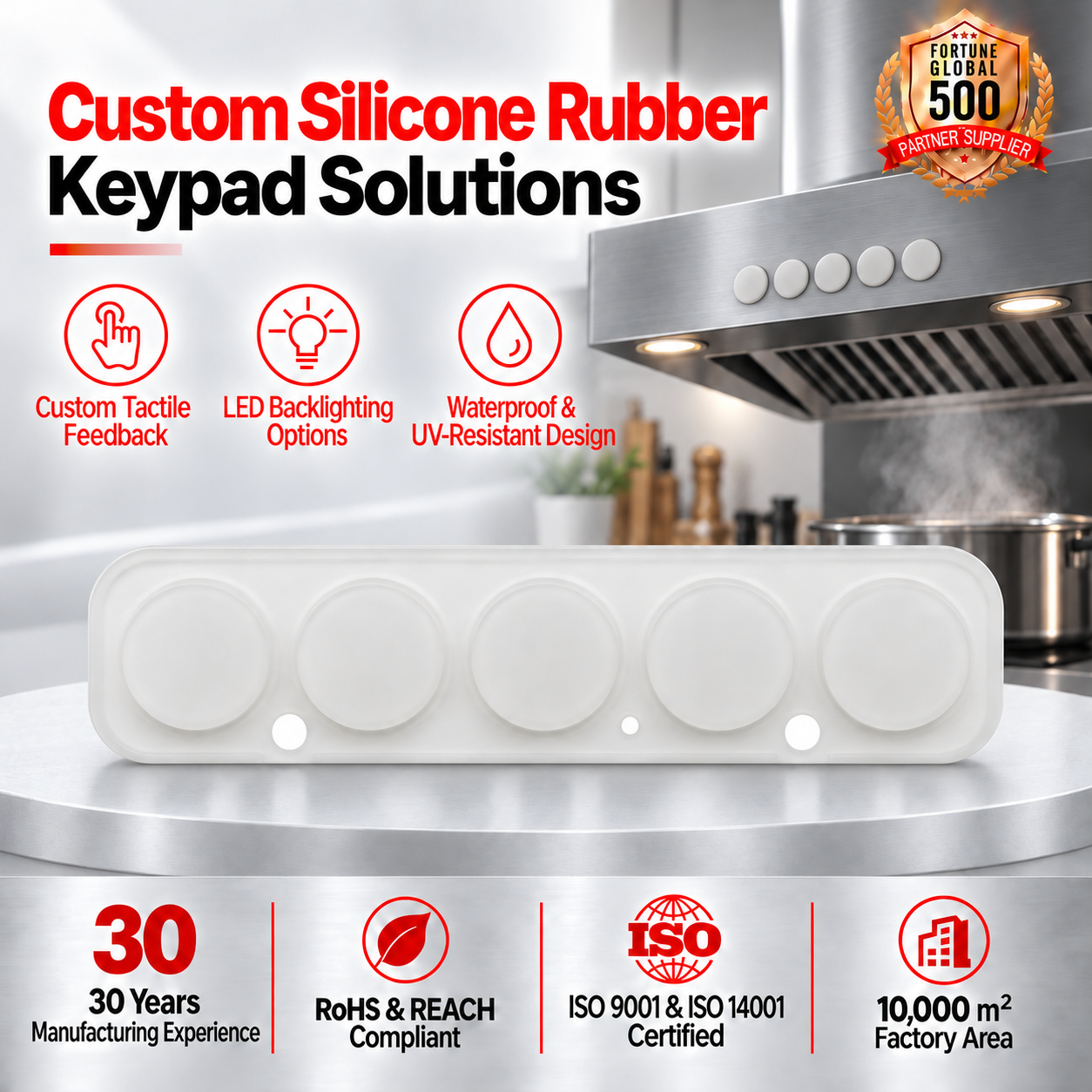
Home Appliance 5 Circular Soft Silicone Rubber Keypad Front Panel Button Unit Momentary Customized Manufacturer
- ElastomerHigh-Tear Food/Medical Silicone
- Travel1.2mm High Tactile Snap
- Thermal Range-40°C to +125°C
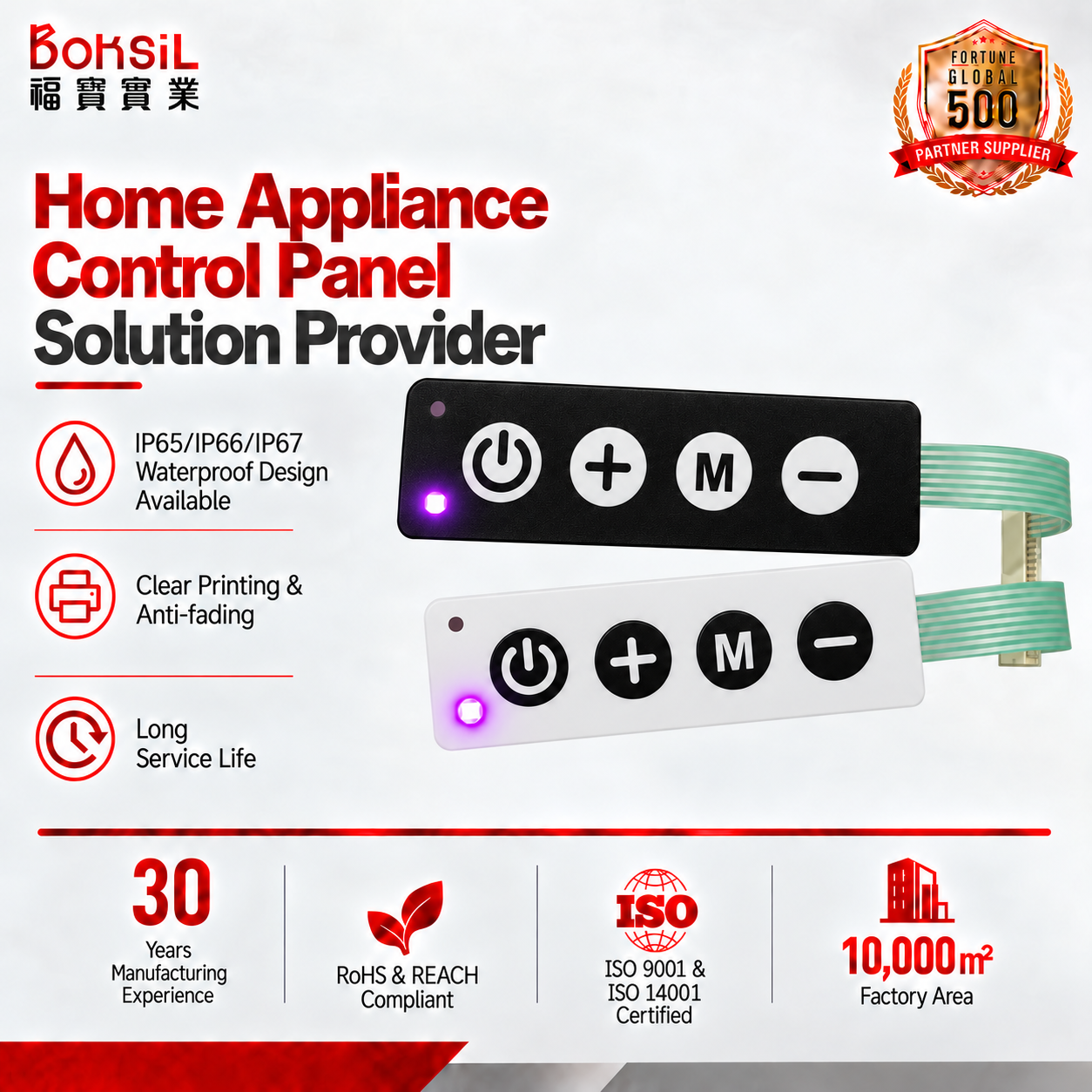
4 Button led Lights Metal Domes Tactile Button Membrane Switch for Home Appliance
- IndicationUltra-Bright SMD LEDs
- Switching Life>1,000,000 Operations
- CircuitConductive Silver Polymer
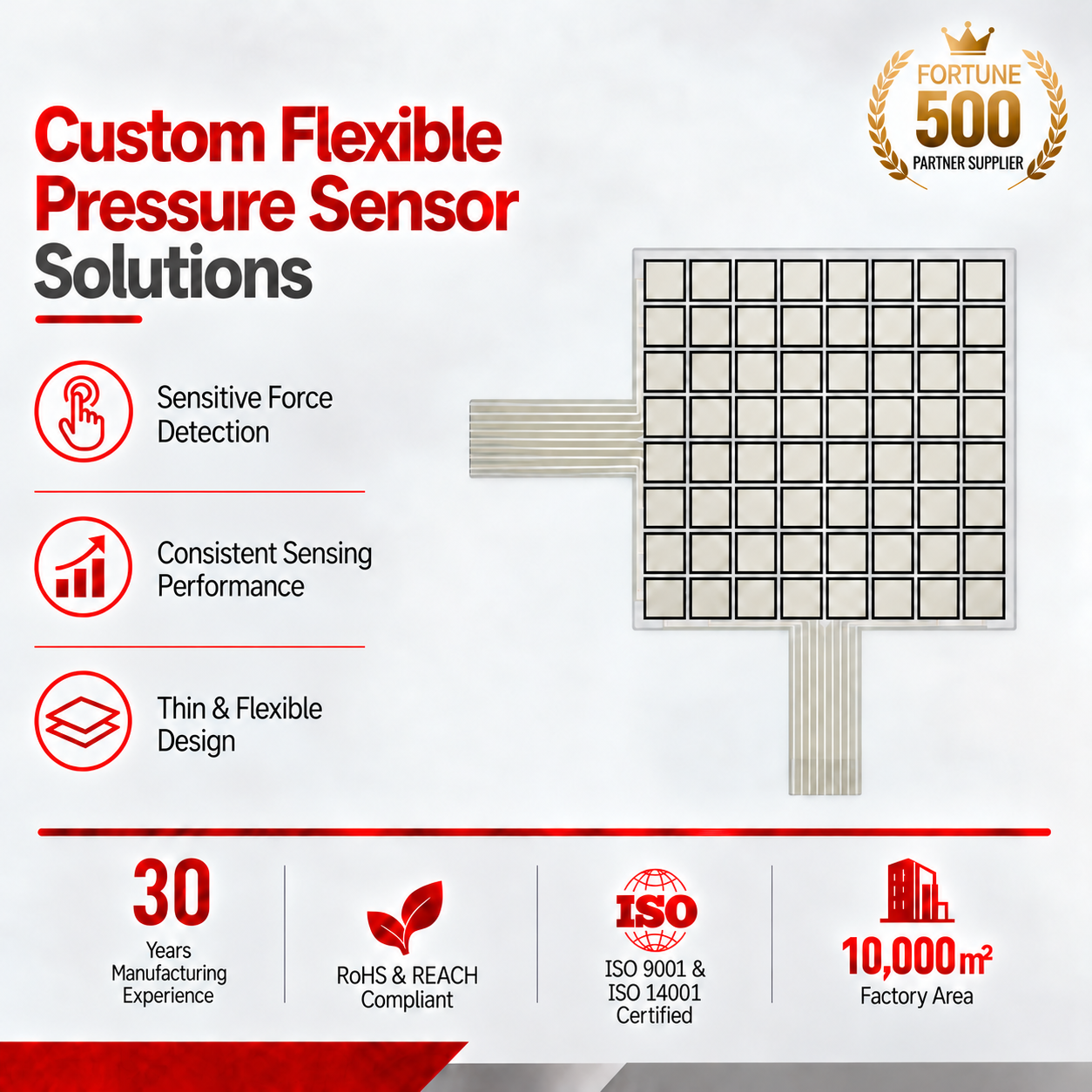
Customized Flexible Thin Film Tactile Intelligent Sensing Tactile Mirror Pressure Sensors High Sensitivity Bend Pressure Sensors
- FunctionDynamic Dynamic Weight/Load
- Response<5 Microseconds
- DurabilitySuperior Elastic Hysteresis
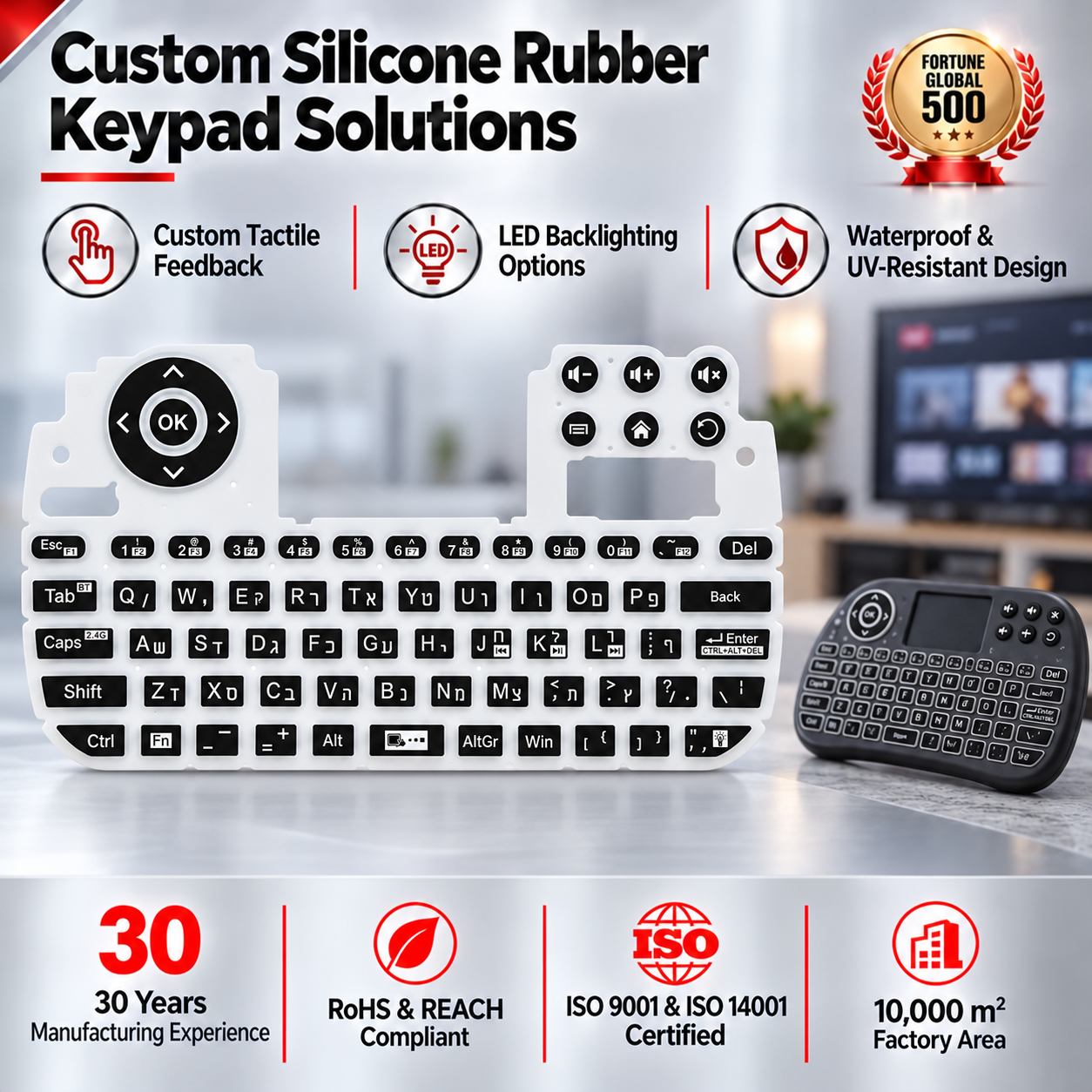
Mini Wireless QWERTY Silicone Rubber Keypad Customizable Soft Touch Elastomer Premium Feel Hotkey Button Matrix OEM
- CoatingAbrasion Polyurethane Matte
- ContactLow-Resistance Carbon Pills
- LayoutDense Alphanumeric Matrix
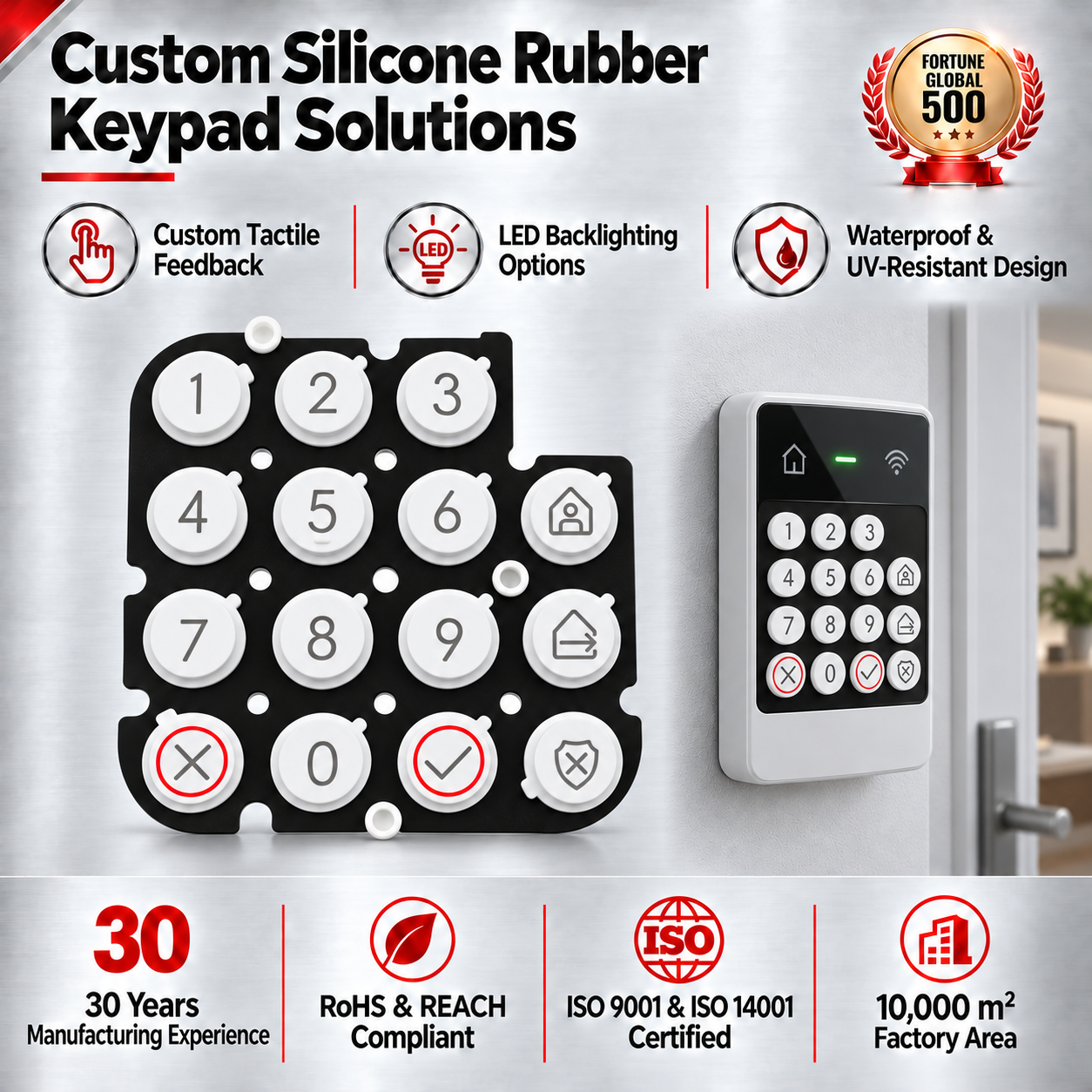
Factory Wholesale Numeric Conductive Silicone Rubber Keypad Panel Embossed Buttons for Home Appliances
- Pill Resistance<100 Ohms Stable
- Tactile Ratio45% Crisp Operator Feedback
- Custom KeysPerimeter Embossed Relief
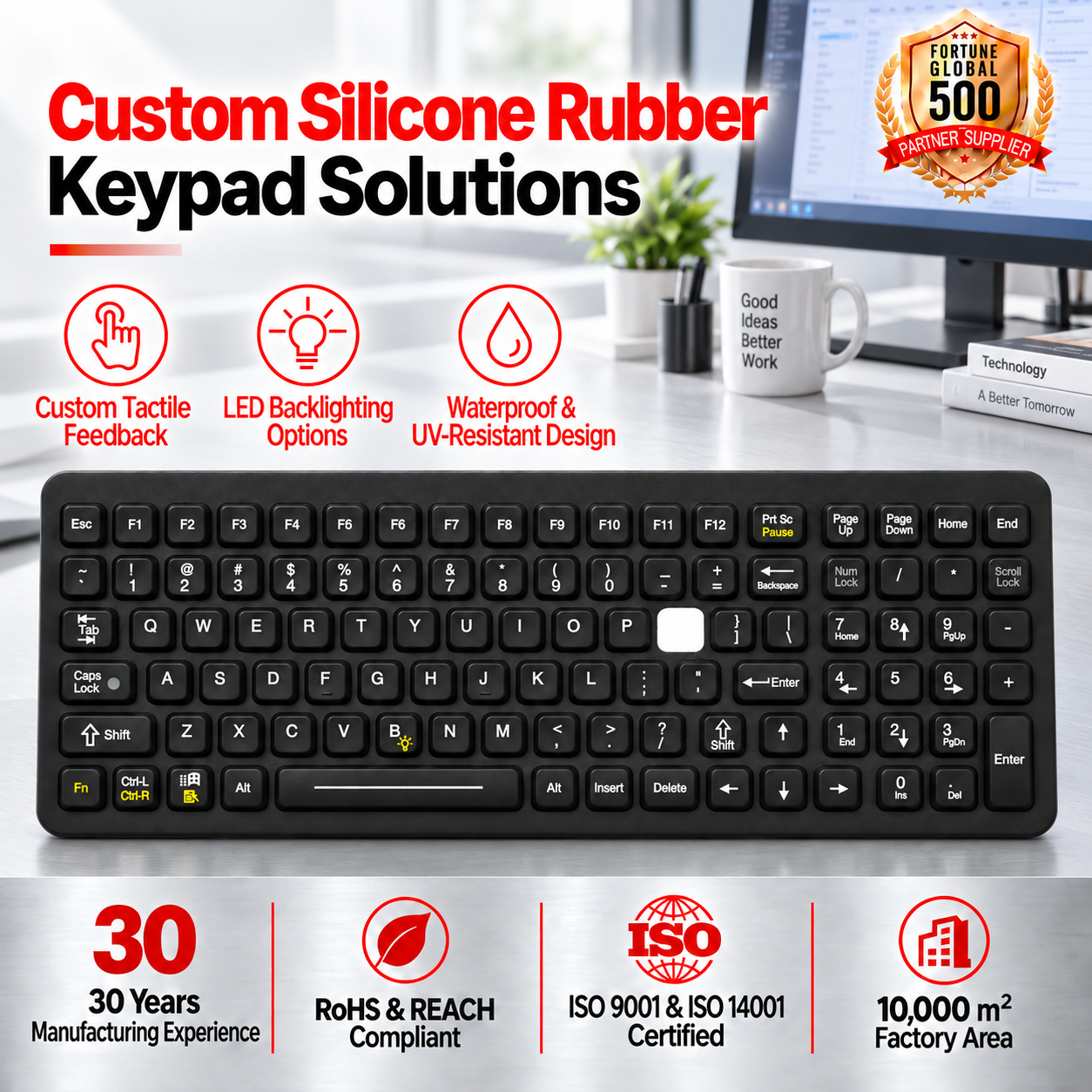
Industrial Custom Manufacturer Silicone Keypad Rubber Button Conductive Non-Toxic for Computer
- StandardsRoHS, REACH Non-Toxic
- Backlight ReadyLaser Etched Legends
- EnvironmentalOil & Solvent Resistant
Eliminating Interface Degradation in Coastal Bahamian Infrastructure
In municipal centers like Marsh Harbour—which serves as the primary port-of-entry, cargo transfer terminal, and governmental distribution center for the Abaco archipelago—traffic signals, bridge controls, and harbor transit systems do not enjoy the luxury of climate-controlled environments. Enclosures are continually exposed to airborne salt fog, heavy rainstorms, and cyclic thermal expansion from tropical noon sun down to evening maritime humidity spikes.
The standard failure mechanism observed in cheap membrane keypads in Marsh Harbour stems from capillary condensation. When moisture breaches microscopic vents or low-grade pressure-sensitive adhesives (PSAs), moisture laden with sodium and chlorine ions deposits across the conductive circuit layer. Under standard logic voltages (3.3V to 12V DC), an electrochemical potential is formed, driving silver dendritic growth across adjacent circuit traces. This creates catastrophic intermittent shorts or ghost-keying in traffic controller firmware.
Furthermore, ultraviolet radiation degradation in the Caribbean rapidly induces brittle fracture in typical extruded polycarbonate overlays. AXRU’s traffic controller membrane assemblies leverage bi-axially oriented polyester films treated with an engineered UV-inhibiting chemical hardcoat (such as MacDermid Autotex XE). This prevents yellowing, hazing, and graphic legend fading under decades of direct equatorial sunlight.
Hermetic IP67 Enclosure Sealing
Continuous closed-loop perimeter sealing channels eliminate liquid penetration even under high-pressure spray-downs, tropical downpours, or storm-surge spray common along coastal transit corridors.
Corrosion-Immune Gold/Nickel Domes
Tactile metal domes stamped from surgical-grade stainless steel with specialized 4-prong legs and optional 0.2µm gold or nickel plating to eliminate oxidation resistance spikes over millions of actuations.
UV & Salt-Spray Passivated Overlays
Reverse-printed graphical legends behind specialized UV-barrier PET films safeguard critical municipal intersection designations against abrasive blowing coral sand and chemical vehicle emissions.
Subtropical Traffic System Interface Comparison
A comparative evaluation of HMI technologies designed for municipal traffic control cabinets, marine port loading stations, and regional transit hubs.
| Performance Criteria | Standard Commercial Membrane | AXRU Maritime-Sealed FPC Membrane | Silicone Elastomer + Membrane Hybrid |
|---|---|---|---|
| Operating Ingress Rating | IP40 - IP54 (Basic dust proof) | IP67 True Hermetic | IP66 Waterproof Gasket |
| Salt Spray Resistance (ASTM B117) | <48 Hours before trace oxidation | >1,000 Hours (Zero Delamination) | >800 Hours (Inert Silicone Surface) |
| Circuit Conductor Substrate | Screen-printed Silver Ink on PET | Copper FPC + Nickel/Gold Plating | Screened Carbon / Silver or Copper FPC |
| Sunlight UV Degradation (QUV Test) | Yellows & cracks within 6–12 mos | 5+ Years Autotex XE UV-Stabilized | Inherently UV-Resistant Silicone Matrix |
| Tactile Actuation Life Expectancy | 500,000 actuations | >3,000,000 actuations | >1,000,000 actuations |
| Thermal Expansion Operating Window | -10°C to +55°C | -30°C to +85°C (Tropical Grade) | -40°C to +125°C |
Critical Local Infrastructure Implementations across Abaco
Engineering purpose-built human-machine interfaces specifically mapped to Marsh Harbour's logistics, municipal safety, and maritime gateways.
Municipal Traffic Intersection Cabinets
Providing direct technician override keypads inside traffic controller logic cabinets (NEMA TS2 & 170/2070 style) at high-density roadway junctures along Don MacKay Boulevard and Queen Elizabeth Drive.
Marsh Harbour Port & Cargo Freight Docks
Glove-actuated, water-shedding tactile interfaces on diesel fuel dispensers, automated gantry winches, and roll-on/roll-off (RoRo) ferry signal control boards subjected to direct saltwater spray.
Leonard M. Thompson International Airfield
Ground support lighting control consoles, runway perimeter signal interfaces, and fuel farm management panels requiring high-visibility backlit keypads and dead-front graphic readouts.
Hurricane Emergency Power Systems
Vibration-damped, chemical-resistant front panels for utility-scale standby diesel generator units and municipal water pumping stations safeguarding emergency operations during cyclonic events.
Marsh Harbour's Modernization & Infrastructure Trajectory
Following historical redevelopment initiatives across Great Abaco, the modernization of public works has pivoted toward resilient, decentralized smart infrastructure. Key regional municipal and private investments are shaping hardware requirements for electronic control panels:
1. Transition to Solar-Powered Decentralized Signalling: Due to volatile island energy costs and grid vulnerability during hurricane seasons, traffic controllers and warning signals across Marsh Harbour are increasingly coupled with stand-alone photovoltaic-battery arrays. Keypad inputs must therefore draw near-zero standby current. AXRU’s ultra-high resistance open-circuit membrane matrices and passive capacitive touch arrays ensure negligible parasitic load, maximizing battery autonomy during extended cloudy periods.
2. Integration of Smart Telematics and Dynamic Feedback: Contemporary traffic control enclosures in the Family Islands are being upgraded with IoT remote reporting telemetry. Front panel interfaces increasingly demand hybrid integrations: transparent cutouts for OLED/TFT system status screens, integrated Light Guide Films (LGF) for uniform night illumination, and high-contrast color coding that complies with international roadway safety protocols while remaining glare-free under blinding tropical sunlight.
3. Stringent Mandates for Vandal & Hurricane Impact Protection: Infrastructure components must withstand flying debris and high winds. AXRU supports mechanical engineers with robust acrylic or polycarbonate sub-panels laminated directly behind the membrane overlay, imparting substantial IK08 to IK10 mechanical impact ratings to the entire operator interface.
Rigorous Validation Inside Our 10,000㎡ Production Facility
Every shipment destined for export to Marsh Harbour undergoes stringent validation on state-of-the-art testing machinery verified on-site by Intertek.
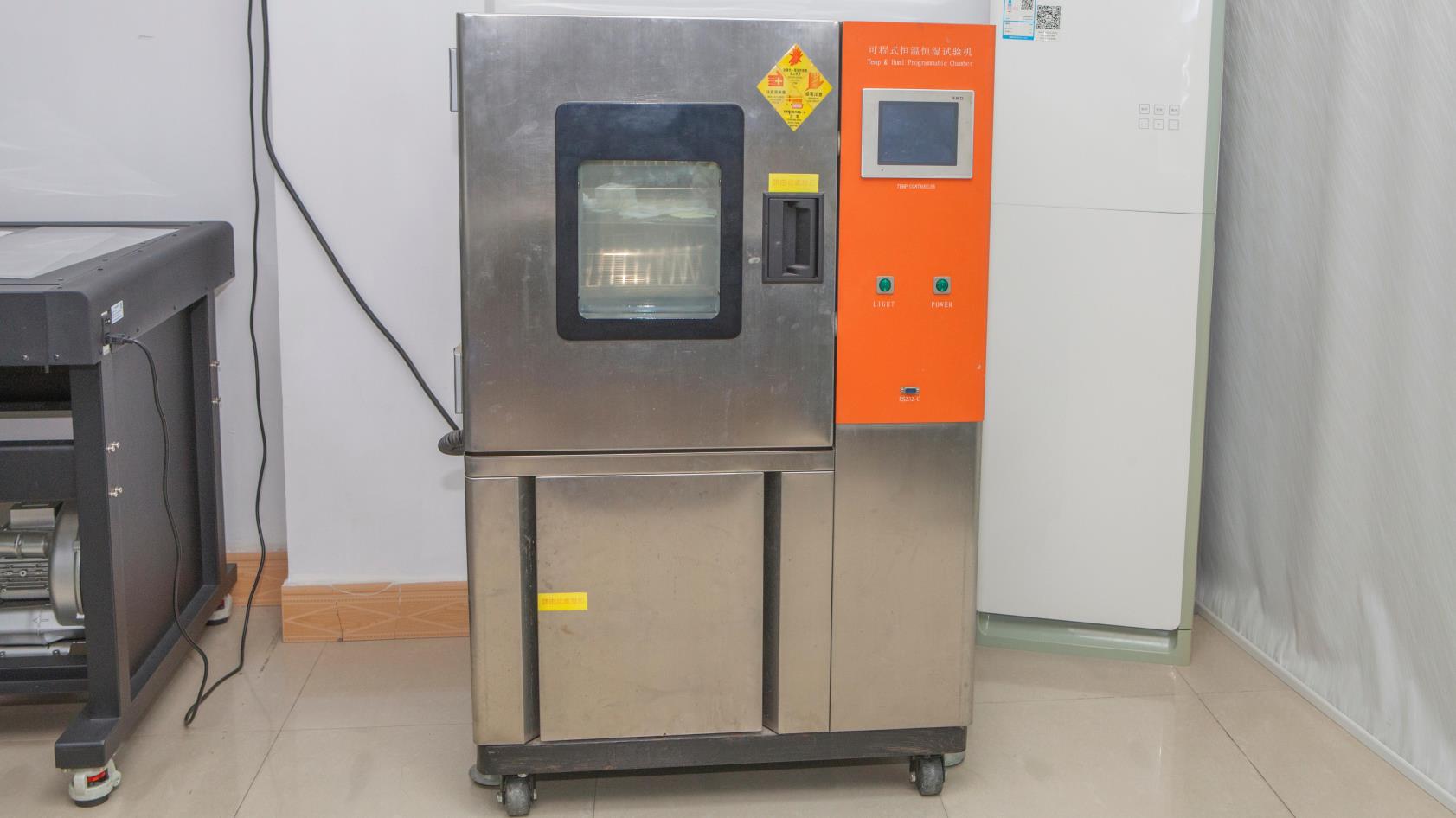
Programmable Environmental Chamber
Simulates continuous 95% relative humidity and severe thermal cycling from -40°C to +105°C to guarantee zero adhesive creep and trace stability in the Bahamas.
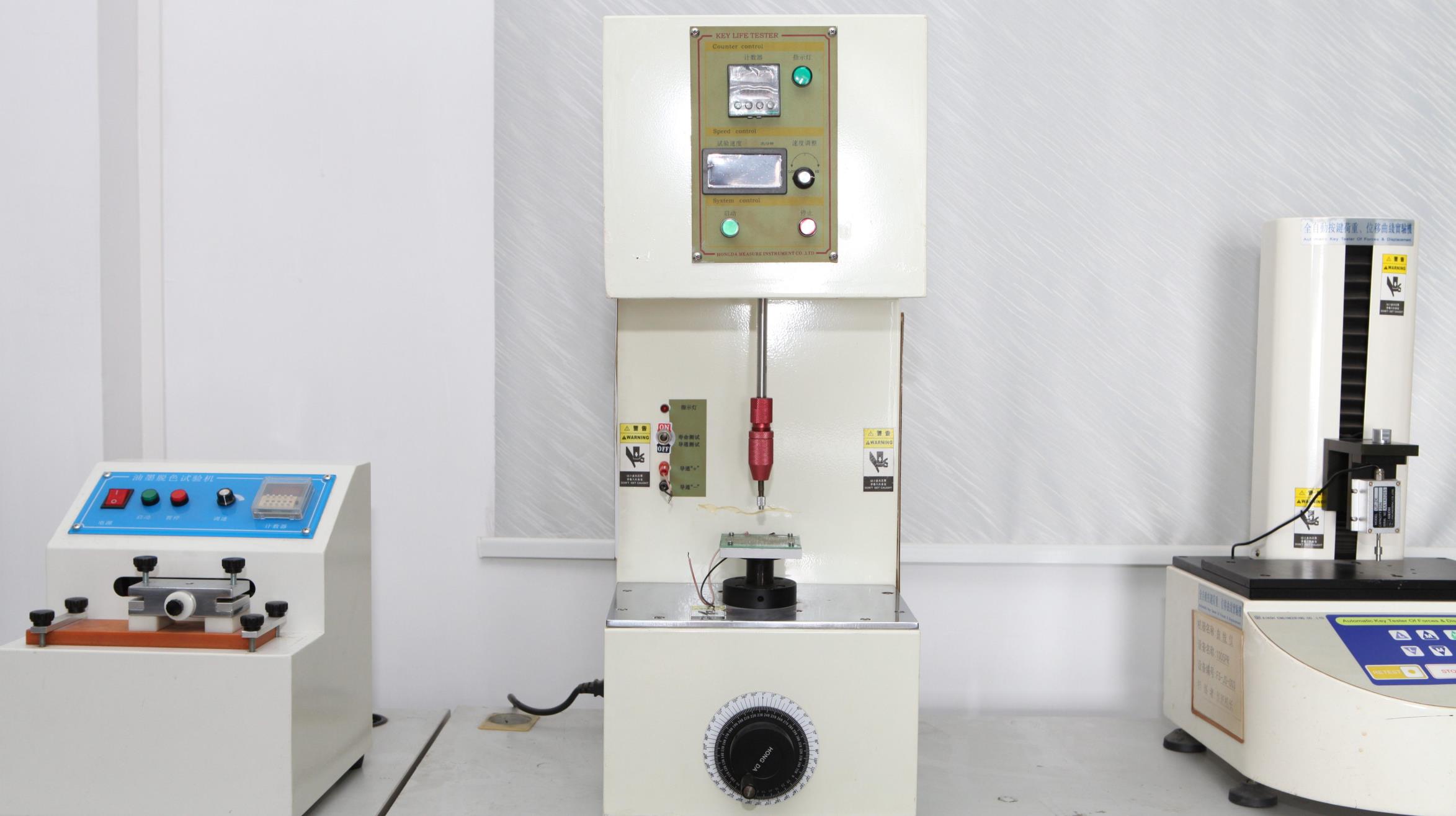
Automated Key Actuation Life Tester
Cycles metal domes and elastomeric actuators up to 5,000,000 times under controlled pneumatic force profiles to verify mechanical snap ratios.
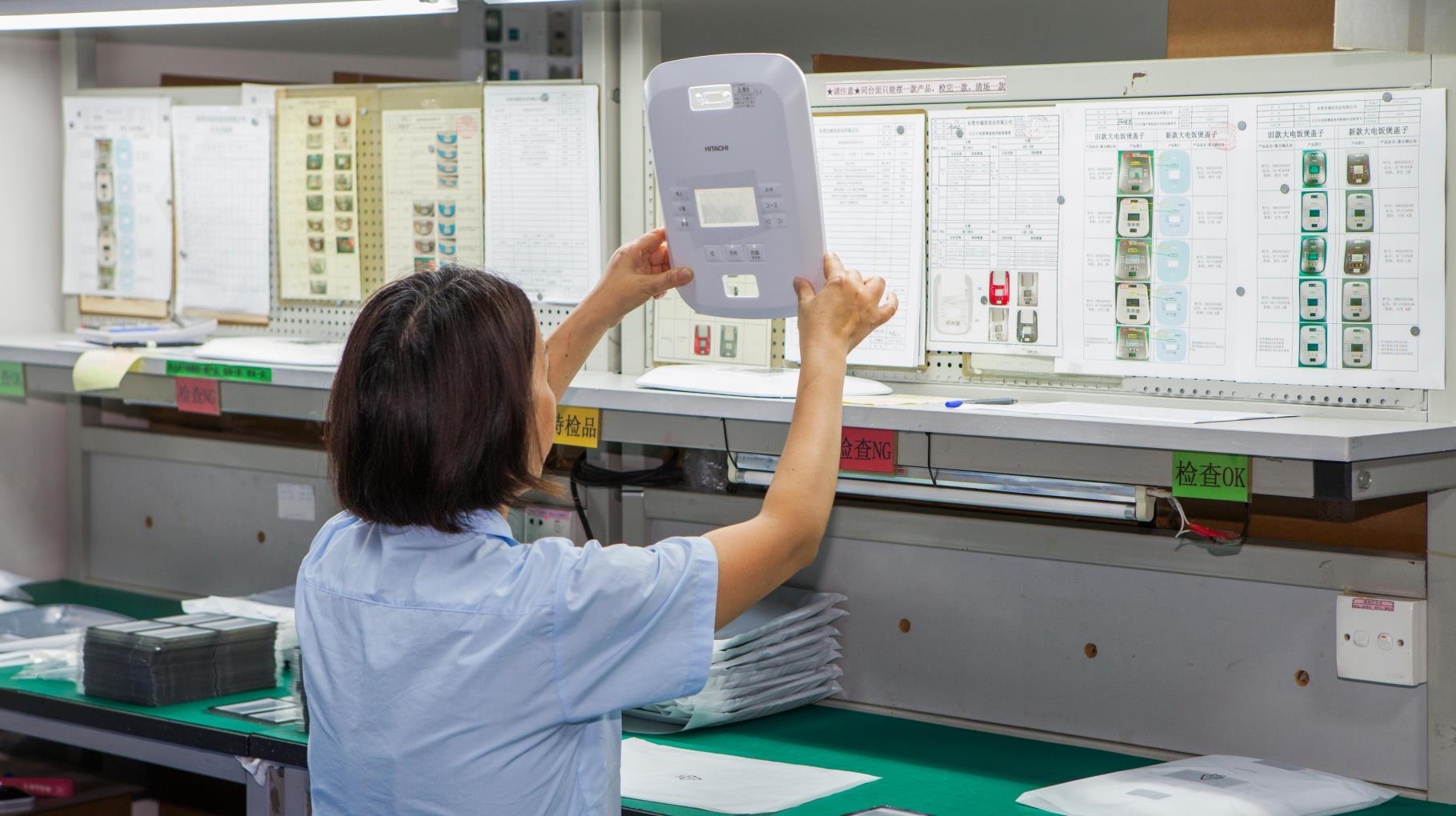
100% Automated Electrical Inspection
Tests every production unit for loop contact resistance, insulation resistance (>100MΩ at 100V DC), crossover continuity, and embedded LED luminous flux.
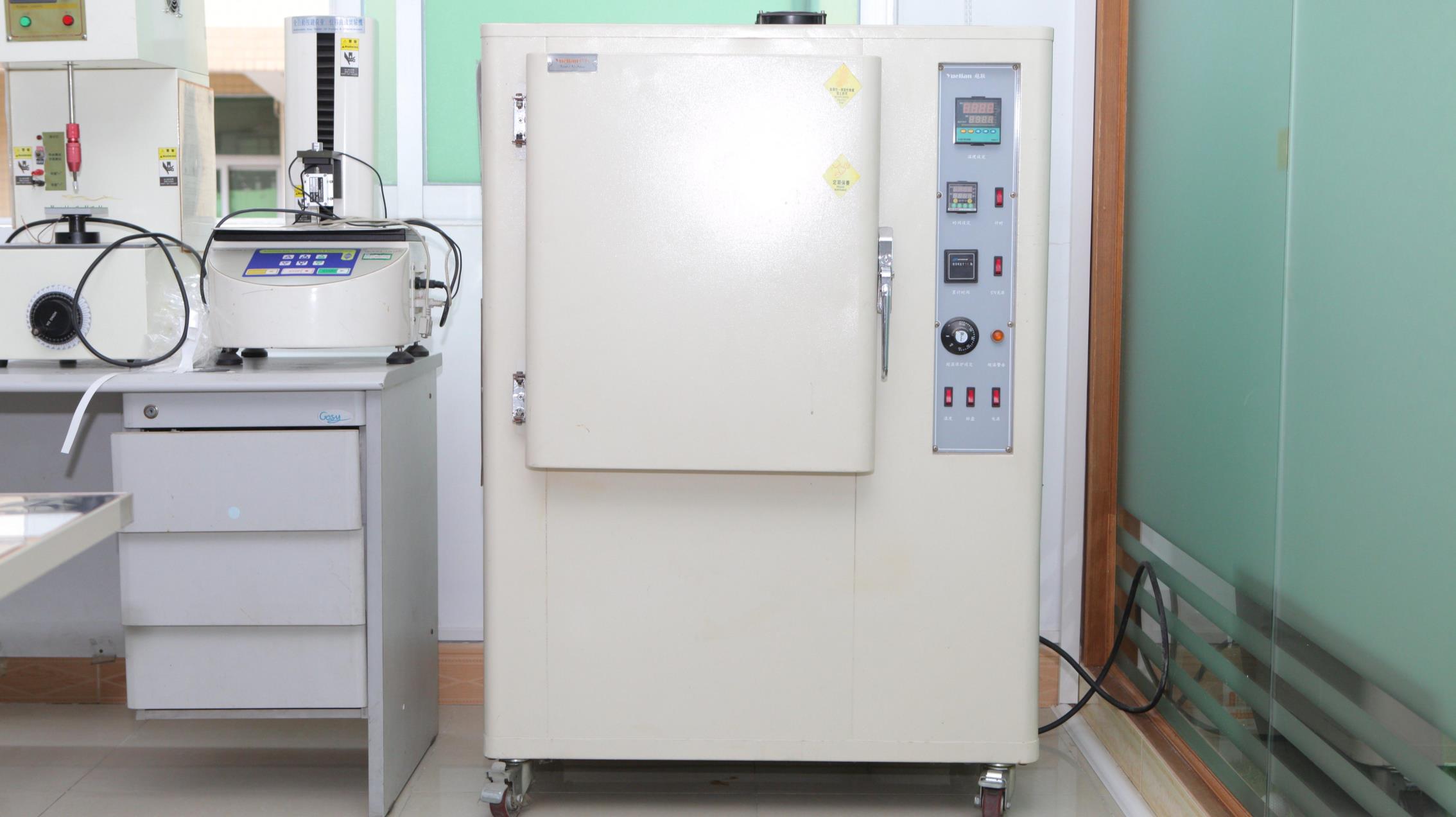
UV & Yellowing Resistance Tester
Accelerated solar spectrum exposure proving overlay polymer stability and legend color retention under continuous Caribbean maritime sunlight.
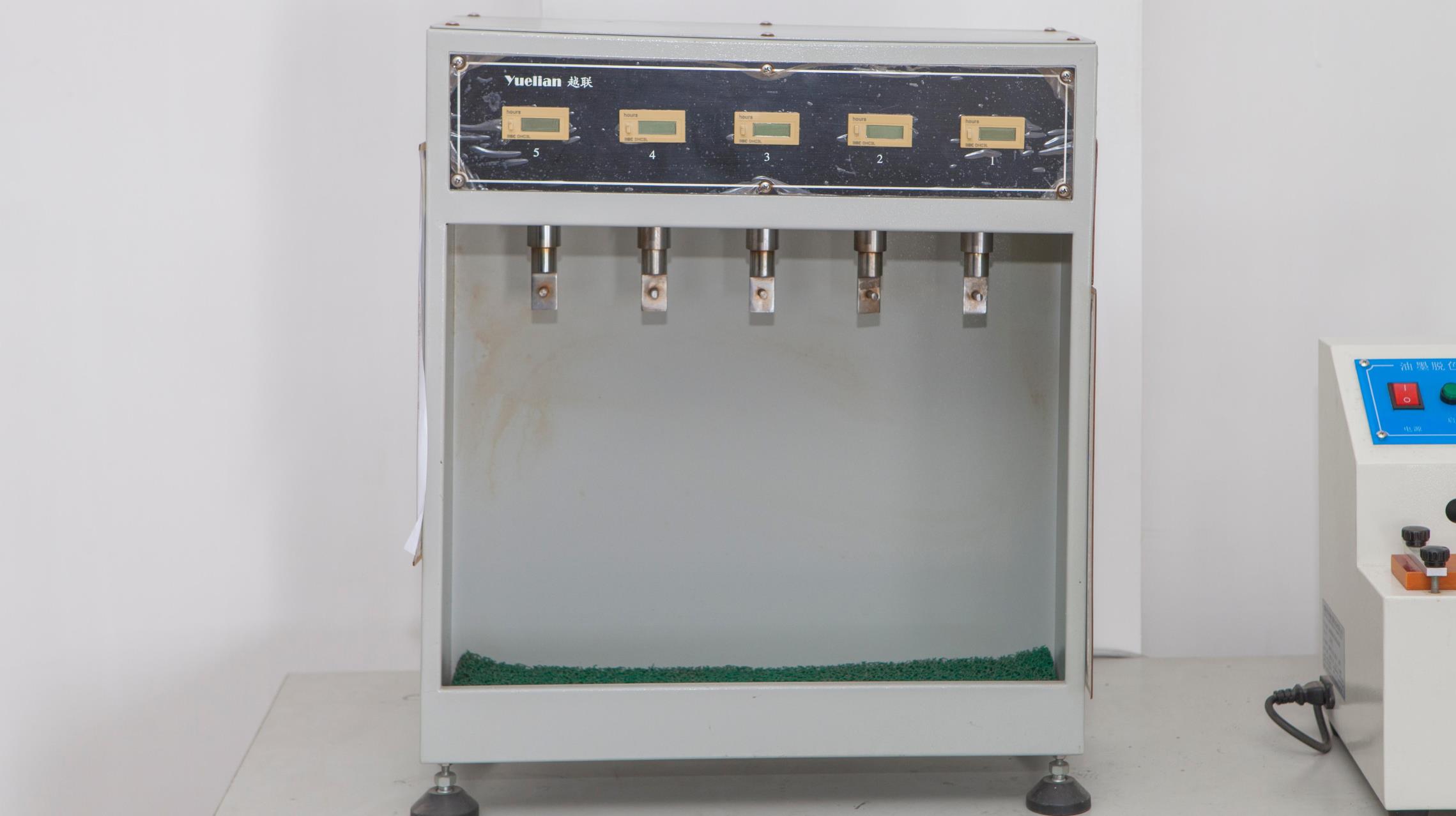
Tensile & 180° Peel Strength Tester
Measures adhesive bonding energy to aluminum, stainless steel, and powder-coated cabinet housings to prevent delamination during high winds.
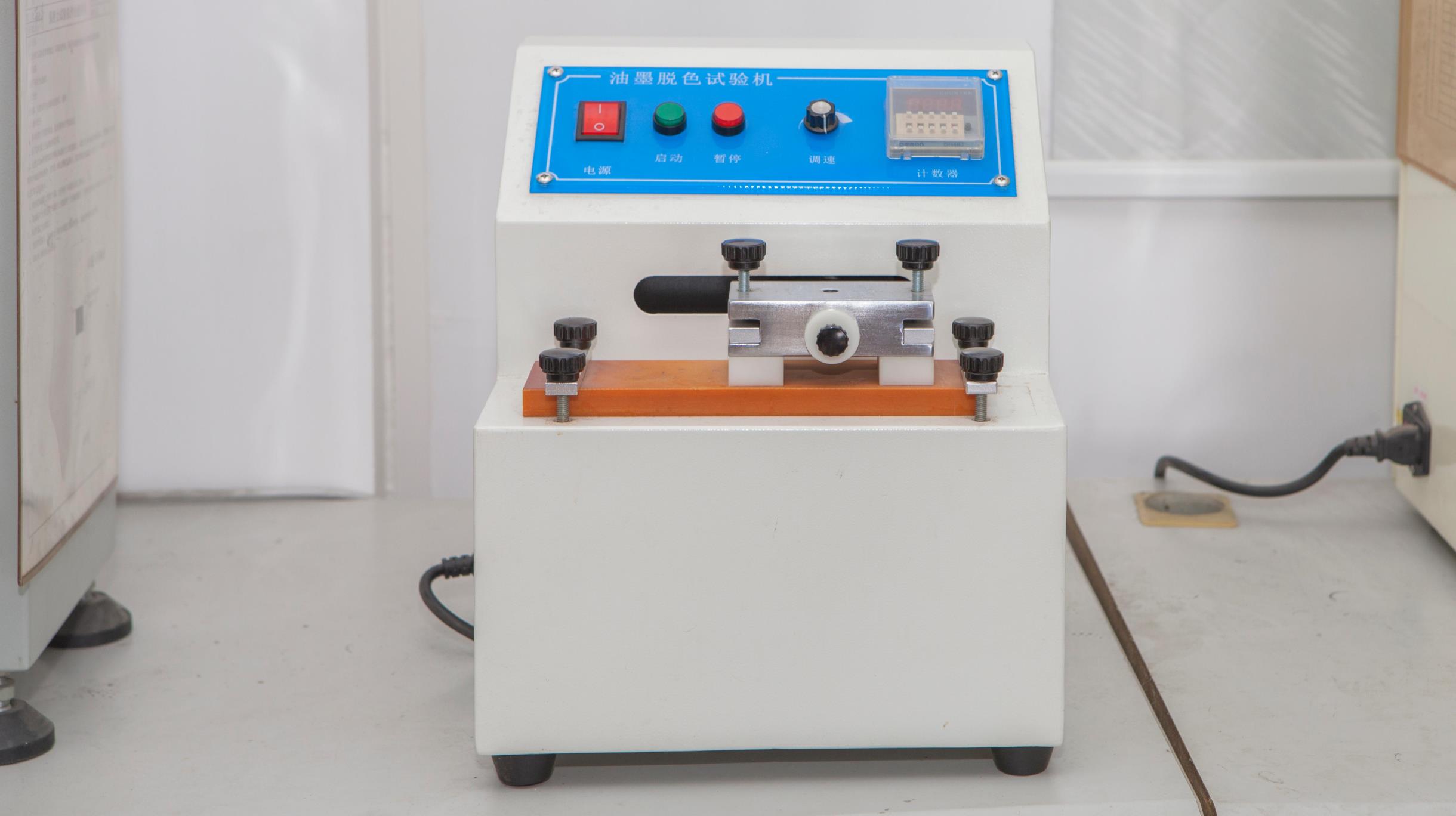
Chemical & Abrasion Rub Tester
Validates surface resistance against petrochemicals, cleaning alcohols, grease, and salty sand abrasion using weighted mechanical rub cycles.
Why Global Infrastructure OEMs Partner with Dongguan AXRU
Dongguan AXRU Electronics Co., Ltd. is a dedicated custom manufacturer with a 10,000㎡ industrial complex in the world's electronics hardware core, Dongguan, China. Having served top-tier international brands and Fortune 500 equipment manufacturers for more than 12 years, we combine full-cycle internal manufacturing with agile international logistics support.
Unlike trading entities or brokers who outsource critical steps, AXRU keeps 100% of core fabrication in-house: high-precision automated screen printing, CNC circuit milling, cleanroom metal dome pick-and-place, adhesive vacuum lamination, flatbed laser/die cutting, and end-of-line electrical qualification. This unified workflow guarantees rapid engineering iterations, airtight document revision control, and comprehensive lot traceability for procurement teams servicing Marsh Harbour and regional Caribbean projects.
Intertek On-Site Verified
Our operations, workplace health standards, and manufacturing pipelines have undergone rigorous on-site audit and certification by Intertek testing authorities.
Low 100-Piece MOQ
Ideal for regional infrastructure pilots, specialized equipment replacement runs, or large-scale municipal rollouts without burdensome inventory lockup.
Full DFM Technical Review
Every drawing undergoes thorough Design for Manufacturability analysis by our senior engineers to optimize stack-up, trace routing, and tactile response.
Rapid International Export
Comprehensive export crating, humidity-sealed anti-static packaging, and reliable express air-freight direct to the Bahamas and regional hubs.
Frequently Asked Questions for Marsh Harbour Buyers
Practical engineering and purchasing guidance for sourcing traffic control membrane keypads from China.
How do you prevent salt-air corrosion from destroying the membrane switch circuit in Marsh Harbour?
Can you manufacture replacement membrane keypads for legacy traffic controllers without original CAD drawings?
What is the typical prototype lead time and minimum order quantity (MOQ) for custom units?
What backlighting technology is best suited for nighttime operations and high glare daylight?
How are products packaged to survive international sea or air freight to the Caribbean?
Ready to Build Resilient Traffic Control Interfaces?
Consult directly with our Dongguan engineering department to receive a comprehensive DFM review, stack-up recommendation, and factory-direct quotation within 24 hours.
Inquire Now