Engineered HMI Solutions for Industrial New Zealand
Explore our verified high-reliability control switches, force-sensing resistors, and ruggedized silicone assemblies precision-built for rapid delivery across Auckland and greater Australasia.
The Auckland Industrial Landscape: Why Specialized Membrane Interfaces Matter
Auckland represents the economic and manufacturing heart of New Zealand, serving as the nucleus for high-value technology incubators, advanced dairy and agricultural mechanization builders, luxury marine shipyards in the Waitematā basin, and cutting-edge medical diagnostic devices. Unlike standard consumer electronics, industrial human-machine interfaces (HMIs) deployed throughout Auckland and the greater North Island must endure distinct environmental stressors: intense Southern Hemisphere ultraviolet (UV) radiation, severe maritime salt-fog corrosion, high relative humidity, and aggressive chemical washdowns mandated by the Ministry for Primary Industries (MPI).
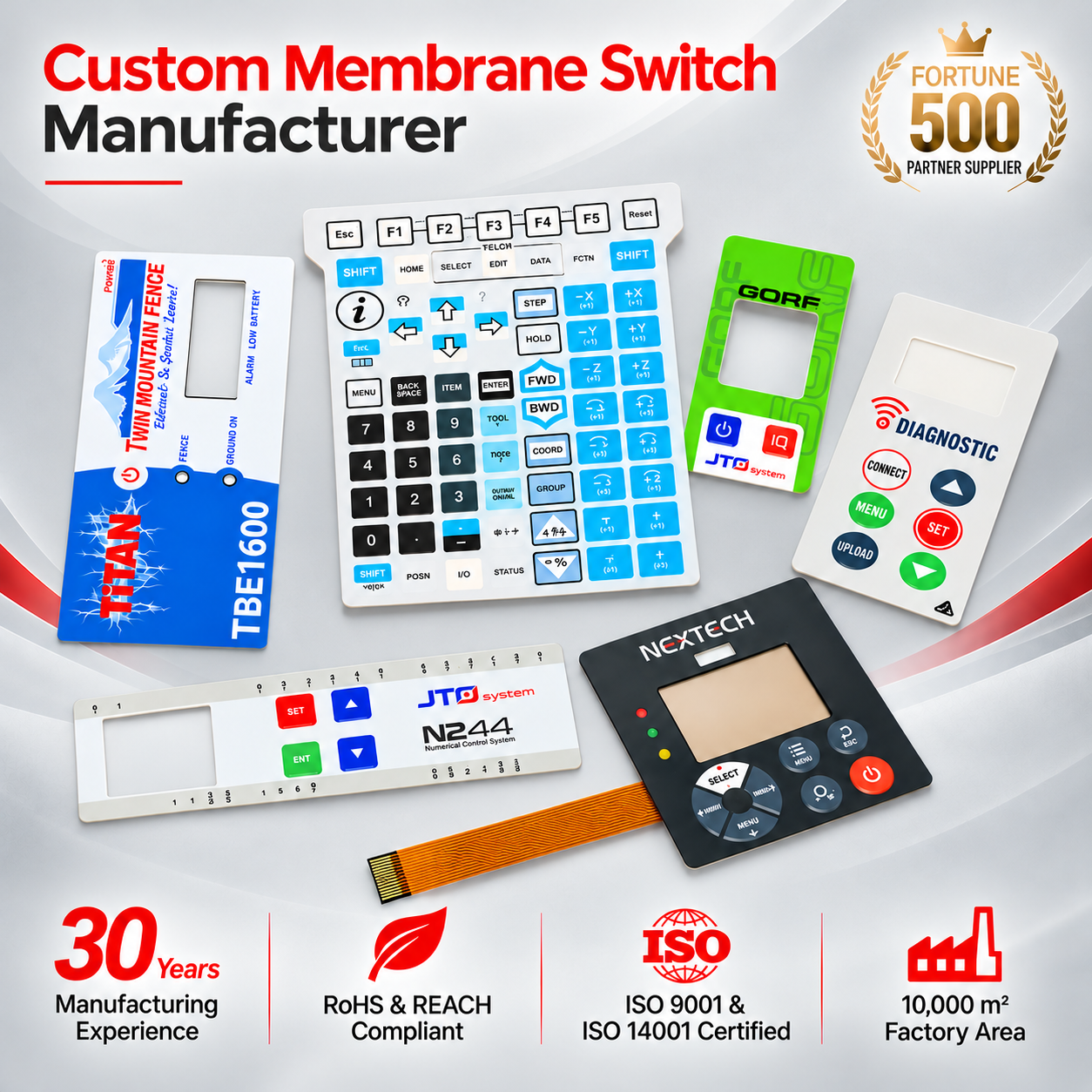
For product designers, procurement leads, and systems integrators operating out of hubs like Penrose, East Tāmaki, Albany, and Highbrook, sourcing membrane keypads and capacitive control interfaces requires a supplier that bridges the gap between precision custom prototyping and ISO-compliant mass manufacturing. A standard off-the-shelf switch fails when exposed to sub-tropical UV indexes exceeding 12 or when subjected to cyclic pressurized steam cleaning. Dongguan AXRU Electronics Co., Ltd. addresses this technical divergence directly by supplying engineered, multi-layer HMI systems custom-built from the substrate up.
Engineering Whitepaper Insight: Membrane keyboards destined for Australasian deployments demand specialized Autotex® XE outdoor polyester films with fluoropolymer cross-linking, paired with 3M 200MP / 300LSE modified acrylic perimeter gaskets to prevent capillary fluid ingress under fluctuating coastal thermal cycles.
Material Science: Mitigating UV Degradation and Coastal Hydrolysis
The primary point of failure for standard polycarbonate (Lexan) graphic overlays in Auckland is photodegradation caused by high solar radiation combined with ocean moisture. Ultraviolet exposure splits polymer chains, inducing surface yellowing, brittleness, micro-fracturing along key dome perimeters, and catastrophic tail seal loss. At AXRU Electronics, our engineering team mandates the use of biaxially oriented textured PET (polyethylene terephthalate) with second-surface screen printing using non-fading automotive-grade solvent inks. Because the printing resides on the underneath side of the overlay, mechanical abrasion and chemical cleaning agents cannot erase legend markings.
Beneath the overlay, our stack-up incorporates precision nickel or gold-plated stainless steel metal domes (tested up to 5,000,000 actuation cycles), backed by polyimide (PI) flexible printed circuits (FPC) or screen-printed conductive silver traces with carbon overcoat protection. This prevents silver migration—a classic failure mode in humid maritime settings where electrochemical potential causes dendritic tree growth across trace clearances.
Core Technical Stack-Up Architecture
Every custom interface manufactured for New Zealand hardware developers follows a validated layer stack-up configured for zero-leakage and long-stroke mechanical feedback.
Keypad Technology Selection for New Zealand Applications
Compare substrate architectures against key environmental metrics critical to Auckland hardware OEM engineering projects.
| Interface Technology | Actuation Life | Ingress Rating | Chemical / UV Resistance | Typical Auckland Market Fit |
|---|---|---|---|---|
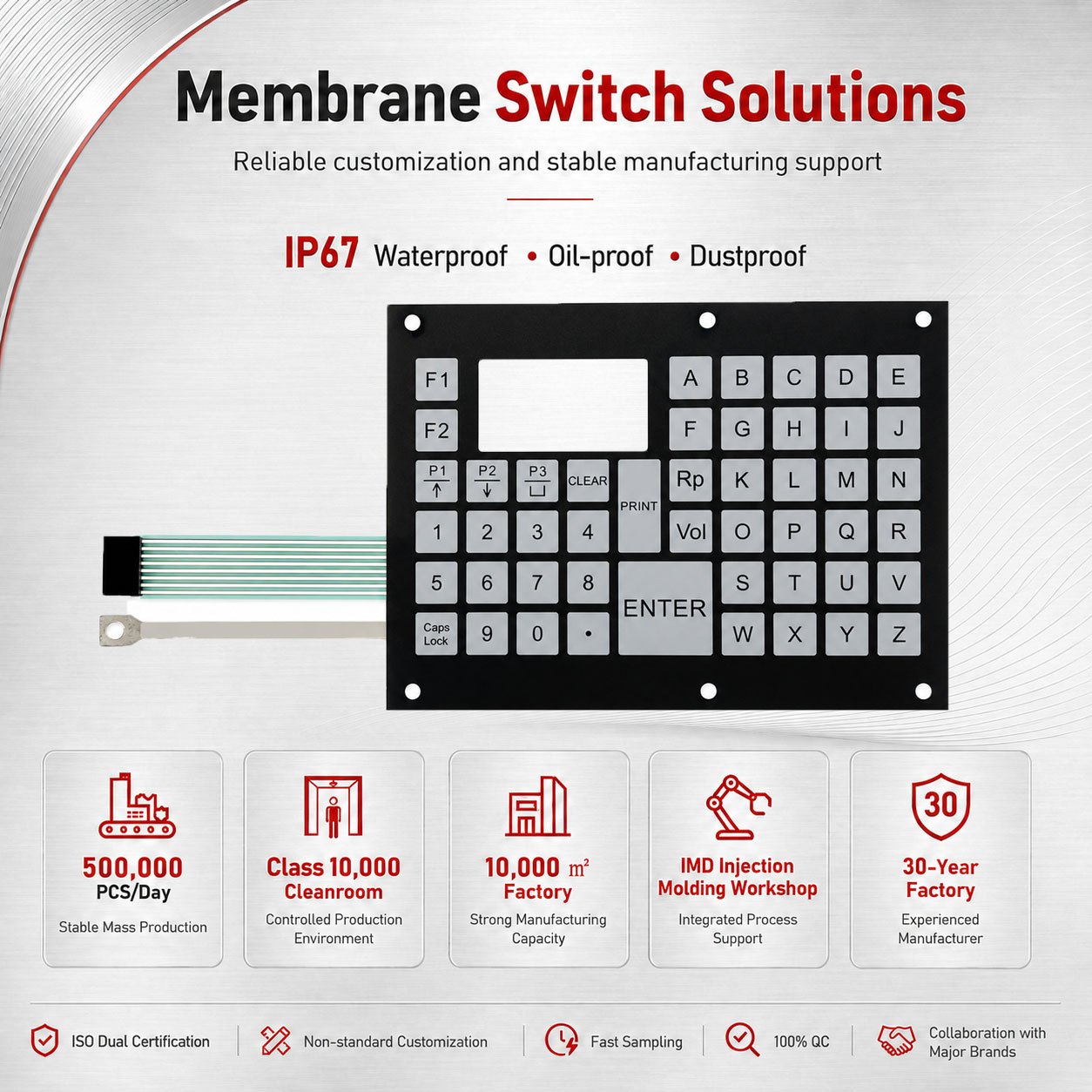
| Tactile Metal Dome Membrane | 1,000,000 - 5,000,000 cycles | IP65 - IP67 Sealed | High (Autotex PET) | Agritech telemetry, outdoor meters, medical controllers |
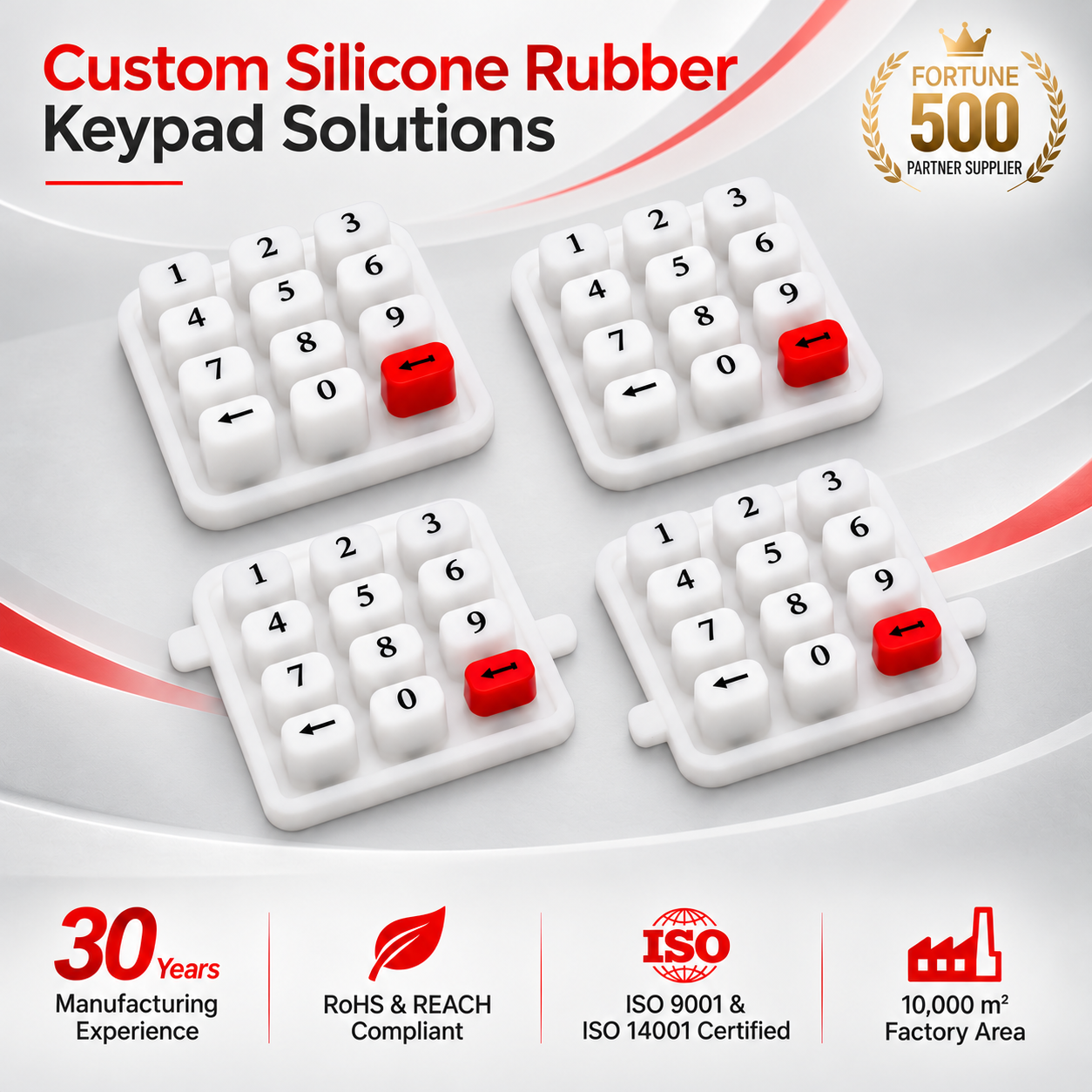
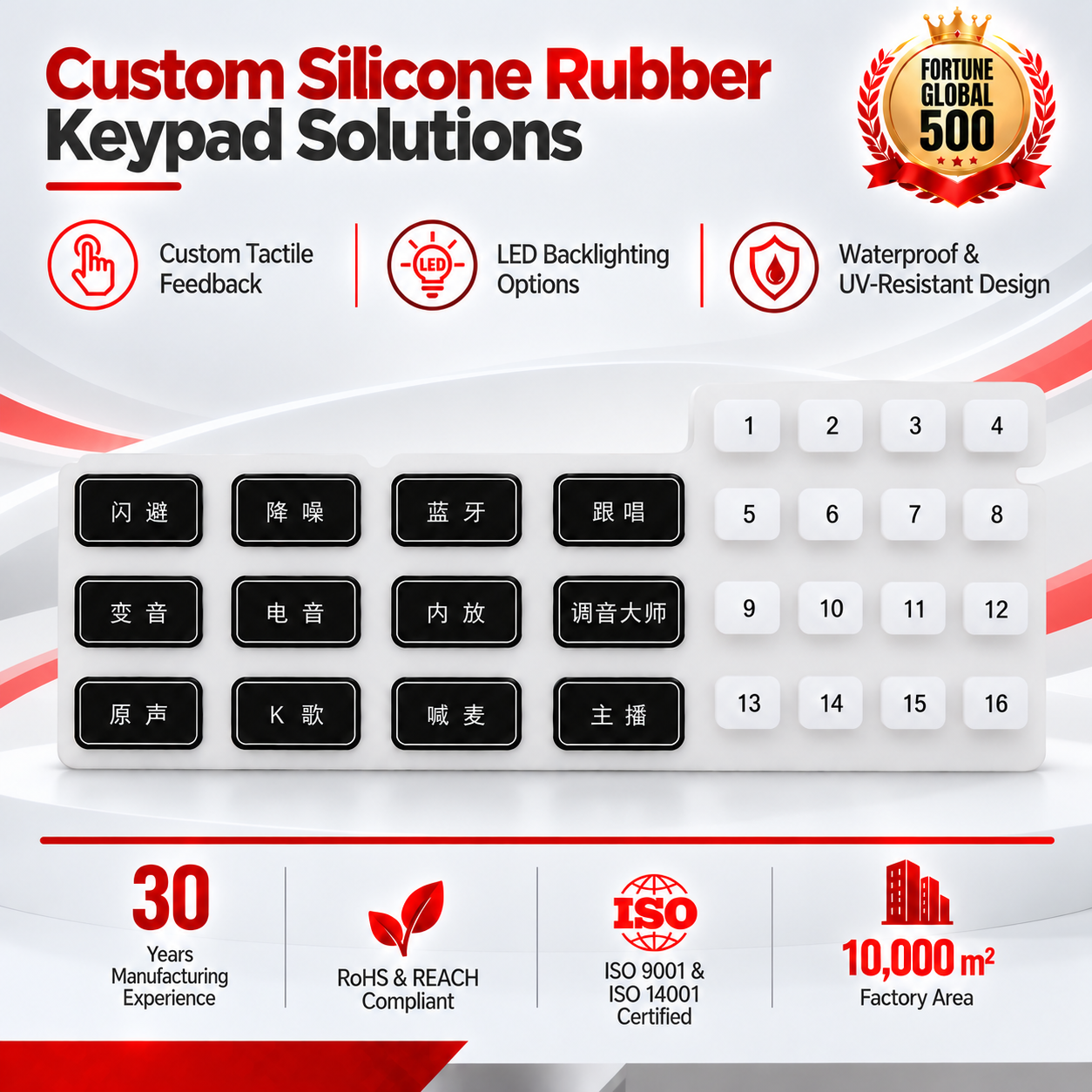
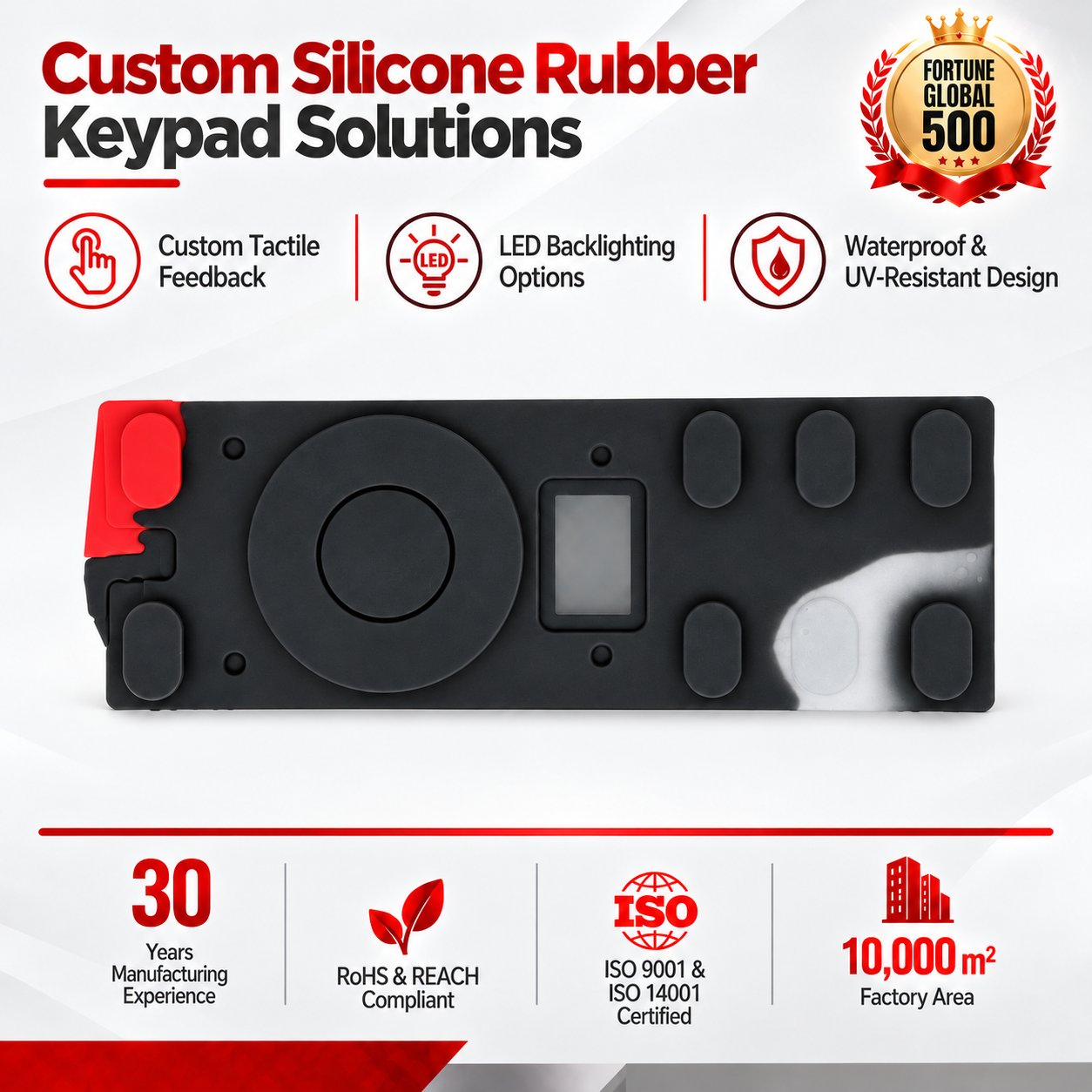
| Molded Silicone Rubber Keypad | 500,000 - 2,000,000 cycles | IP67 - IP68 Complete Enclosure | Superior (Hydrophobic) | Marine VHF radios, boat winch controls, handheld barcode scanners |
| Capacitive Touch Under PMMA / Glass | Solid-State (No wear) | IP69K Flush Washdown | Immune to Solvents | Dairy processing plants, automated packaging lines, high-end HVAC |
| Vandal-Resistant Stainless Steel Keypad | > 2,000,000 cycles | IP65 / IK09 Impact Rated | Corrosion Proof 304/316 | Auckland fuel bowsers, unattended transport kiosks, marine access |
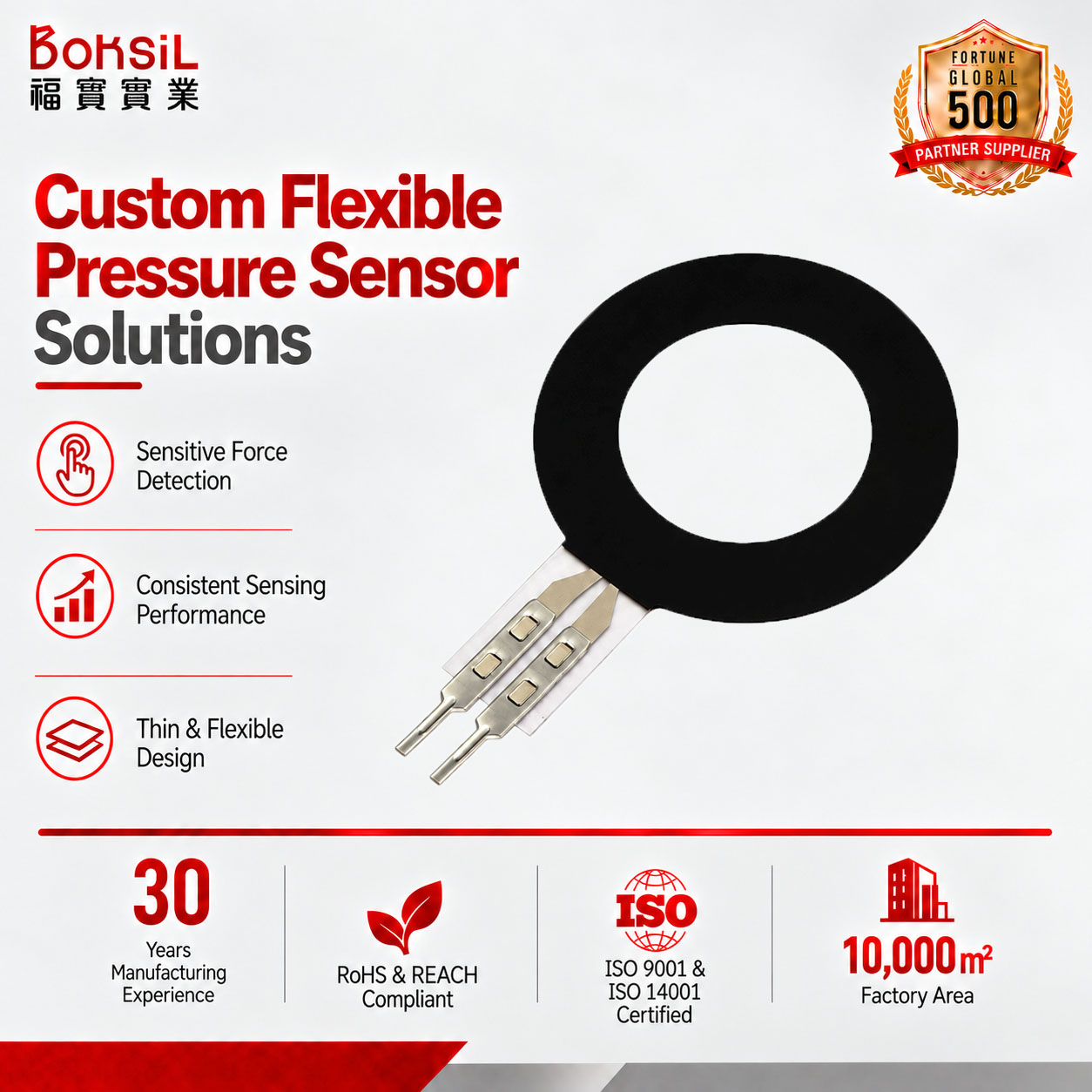
| FSR Force-Sensitive Resistor Arrays | Variable Dynamic Force | IP64 Interior / Gasketed | Standard Industrial | Biomechanics diagnostics, agricultural automated weighing scales |
Specialized Applications Across Auckland & Greater NZ
Direct factory fabrication designed to satisfy specific New Zealand sector regulatory, hygienic, and durability standards.
Agritech & Livestock Automation
Smart fencing controllers, automated herd draft gates, and rotary milk parlor consoles engineered to resist caustic ammonia vapours, direct paddock sunlight, and mud saturation.
Marine Electronics & Superyachts
Waterproof silicone and embossed tactile keypads designed to survive heavy salt aerosol, high ocean wave impact, and cyclic humidity within the Hauraki Gulf maritime zone.
Dairy & Food Processing Equipment
Seamless, zero-crevice PMMA acrylic front panels and antimicrobial polyester overlays designed to withstand Clean-In-Place (CIP) pressurized thermal sanitization cycles.
State-of-the-Art In-House Reliability Testing
We do not outsource core production or quality inspection. Every membrane switch is subjected to multi-stage stress validation in our Dongguan facility prior to shipping to New Zealand.
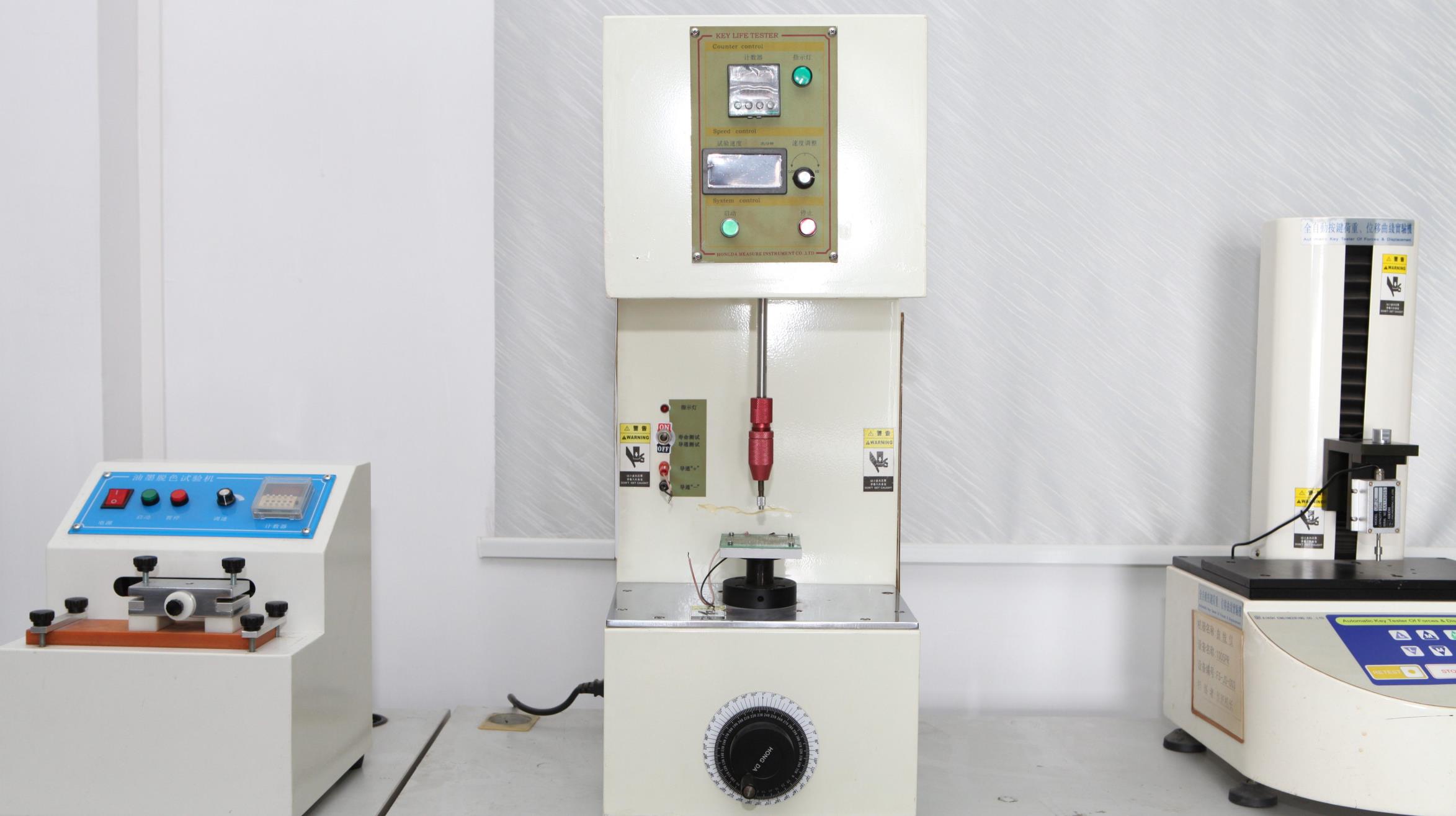
Actuation Key Life Tester
Pneumatic continuous cyclic testing validating metal snap domes up to 5,000,000 operations without mechanical deformation.
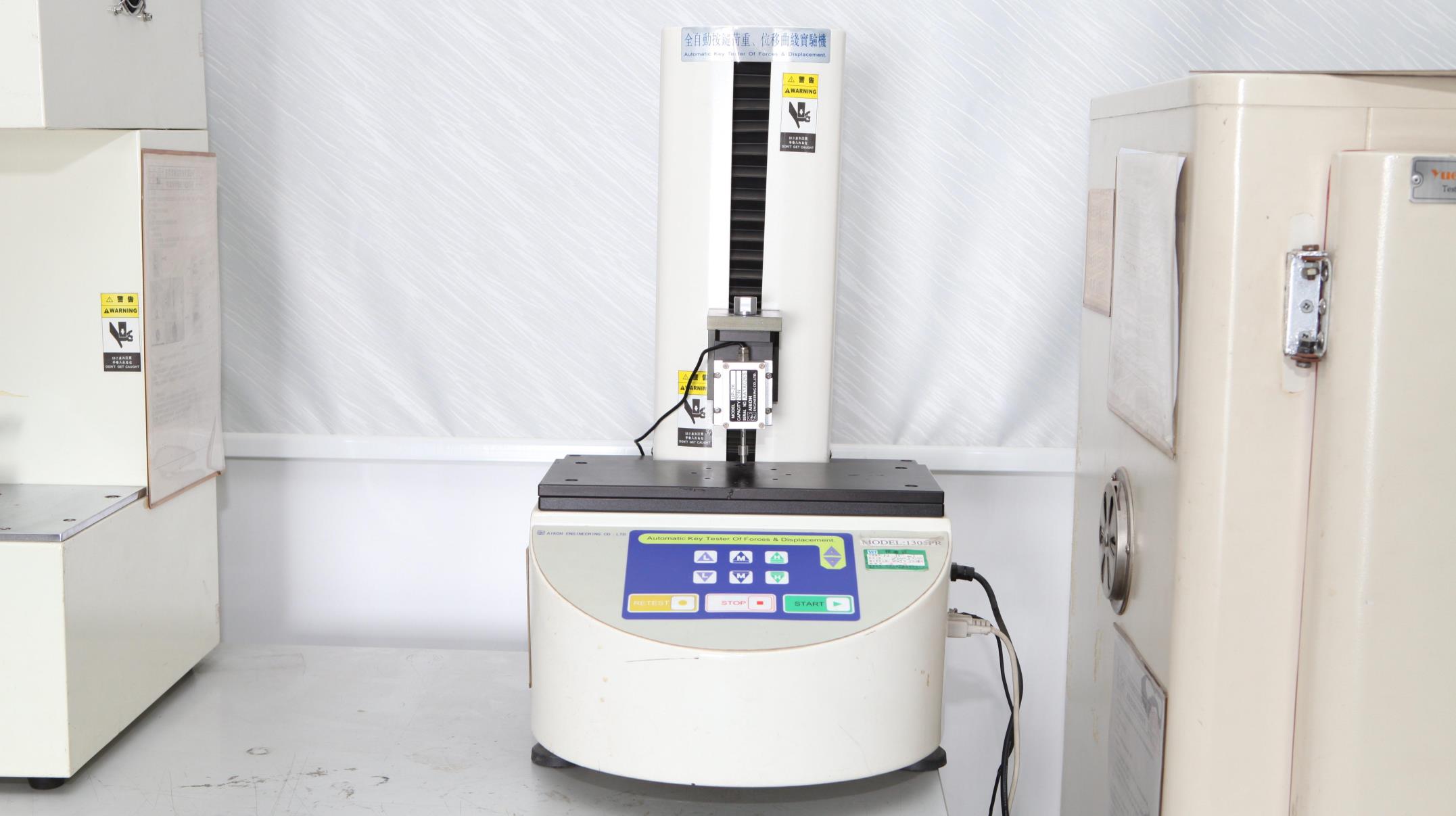
Force-Displacement Profiling
Precision graph recording of peak actuation force, snap ratio, and tactile travel distance to guarantee uniform button feel.
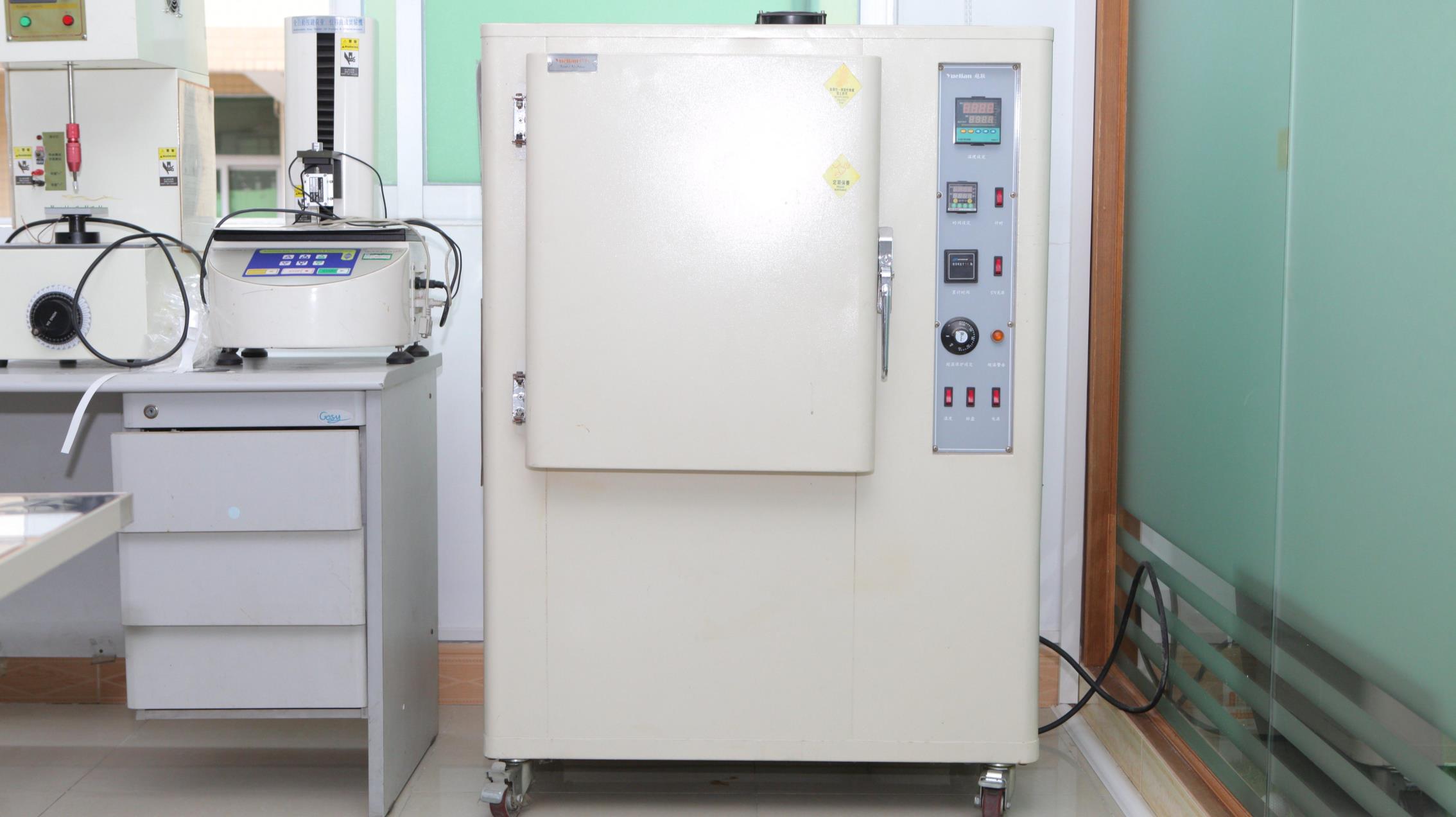
UV Accelerated Aging Rig
Simulated extreme UV chamber ensuring overlay graphics, optical windows, and materials resist solar degradation in NZ conditions.
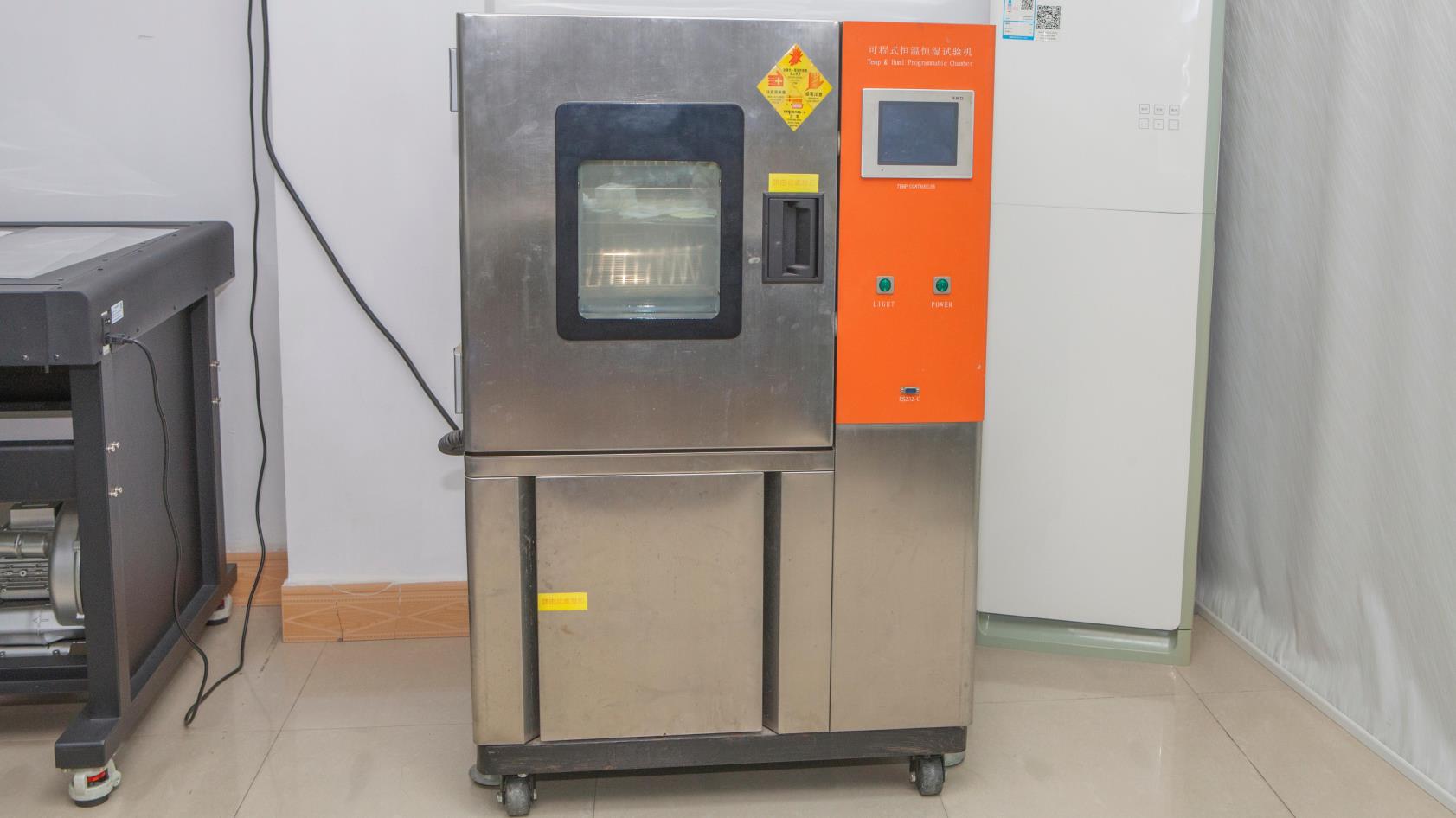
Thermal Shock & Moisture Box
Programmable -40°C to +85°C chamber testing to prevent delamination, silver dendrite growth, and adhesive failure.
Evolving HMI Hardware Trends Across Auckland
Strategic directions observed among New Zealand engineering teams transitioning toward next-generation user interfaces.
Transition from Discrete Switches to Integrated Flat-Panels
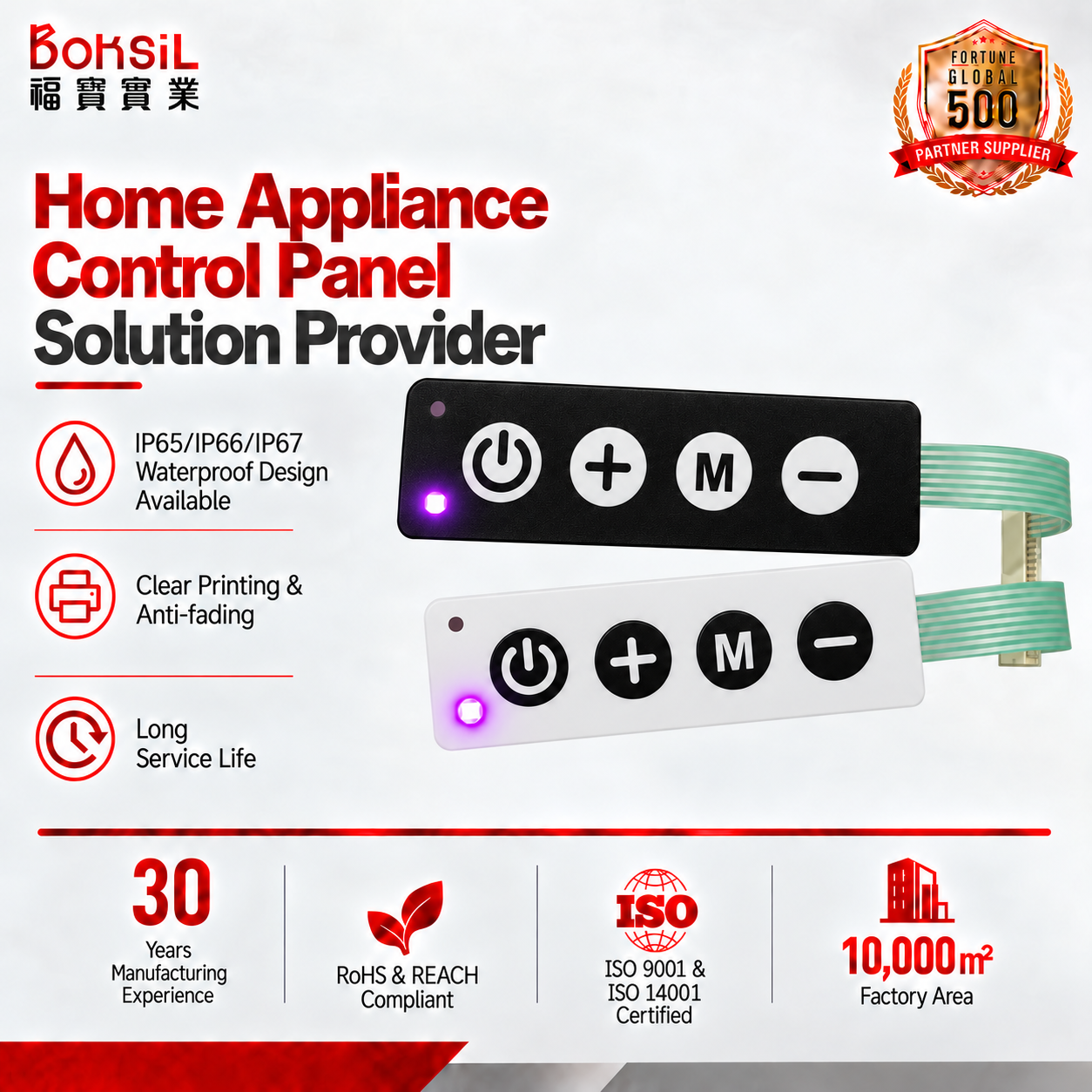
To combat ingress from frequent rainfall and sanitizing solutions, Auckland hardware makers are replacing mechanical rocker switches and potentiometers with unified, completely sealed membrane keypads featuring embedded surface-mount LEDs and display windows.
Adoption of Light Guide Film (LGF) Uniform Backlighting
Rather than bulky LED arrays that consume excessive power and create uneven hotspots, modern marine navigation and industrial handheld consoles increasingly specify side-lit 0.125mm Light Guide Films for ultra-slim, battery-efficient illumination in low-light environments.
Hybrid Silicone Keycaps Bonded to Rigid PCB/FPC
Designers in medical robotics and outdoor field diagnostic equipment are leveraging hybrid plastic-plus-rubber (P+R) keypads—combining the pleasant tactile cushioning of silicone with the firm, positive mechanical actuation of rigid top caps and gold-contact FPC switches.
Frequently Asked Questions by Auckland OEM Buyers
Direct answers to the most common technical, logistics, and prototyping inquiries from New Zealand engineering departments.
For urgent prototypes and low-volume production batches, express air courier (DHL/FedEx) typically reaches Auckland Airport (AKL) within 3 to 5 business days from final QA sign-off. For recurring mass production runs, scheduled consolidated air freight or sea freight to Ports of Auckland is seamlessly coordinated under FCA, FOB, or DDP Incoterms.
We prefer 1:1 scale vector artwork in Adobe Illustrator (.AI), CorelDraw (.CDR), or Vector PDF format with explicit Pantone (PMS) or RAL color callouts. For mechanical cutouts, spacer layers, and tail egress dimensions, please provide AutoCAD (.DXF/.DWG) or STEP files. If you only have a legacy sample, our reverse-engineering team can digitize the entire stack-up.
Unlike inflexible state-run factories, our minimum production run starts at just 100 pieces for fully customized membrane keyboards, graphic overlays, and silicone keypads. We also maintain a specialized rapid-prototyping sample cell that fabricates 5 to 10 engineering functional prototypes using laser-cut tooling before you invest in hard tooling.
We design continuous, closed-loop perimeter adhesive gaskets utilizing high-shear 3M 300LSE or VHB foam tape. The internal venting channels are routed specifically along the internal tail channel rather than the exterior perimeter, completely blocking water, oils, and chemical sprays from accessing the switch cavities.
Yes. We regularly mount ultra-thin 0603 or 0805 SMD LEDs directly onto the silver or copper FPC circuit with conductive epoxy and UV encapsulation. For display bezels, we produce tinted or dead-front smoke windows that conceal internal LCD/OLED screens until backlighting is activated.
All raw materials—including polyester substrates, silicone elastomers, conductive silver pastes, and acrylic adhesives—are certified 100% compliant with EU RoHS 3 and REACH regulations. Certificates of Conformity (CoC) and complete third-party material test reports are provided with initial production shipments.
The AXRU Electronics Advantage for Auckland Industry
A single accountable engineering and manufacturing partner located in Dongguan, China—streamlined for international OEM/ODM clients.
Direct Factory Engagement
Work directly with the source. Eliminating trading middlemen guarantees that your design-for-manufacturing (DFM) requirements are reviewed directly by our 121 factory technicians on our 10,000㎡ plant floor.
100% Final Inspection
Every membrane switch undergoes automated electrical continuity verification, short-circuit testing, resistance checking, and strict cosmetic inspection. Zero defective units reach your assembly facility in Auckland.
Audited Quality Systems
Our facility is rigorously assessed on-site by Intertek. We operate under stringent ISO quality management protocols, serving leading tier-1 brands and Fortune 500 equipment makers globally.
Accelerate Your HMI Development Cycle Today
Whether you have a completed Gerber and CAD drawing ready for quoting, or an existing membrane keypad requiring cost-reduction and reliability optimization, our engineering team is ready to assist.