Engineered Human-Machine Interface Solutions
High-Durability Front Panel Overlays & Custom Keypad Assemblies
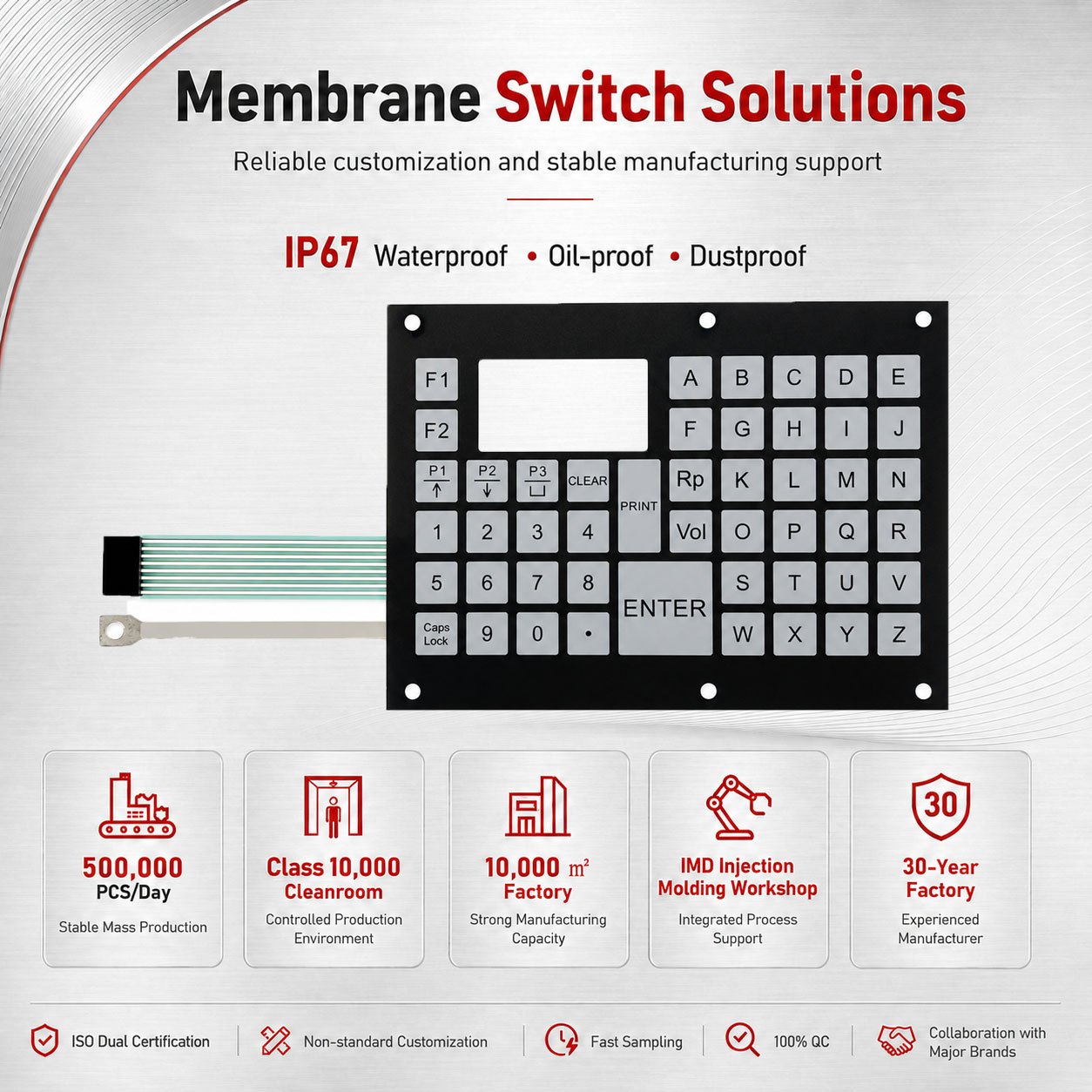
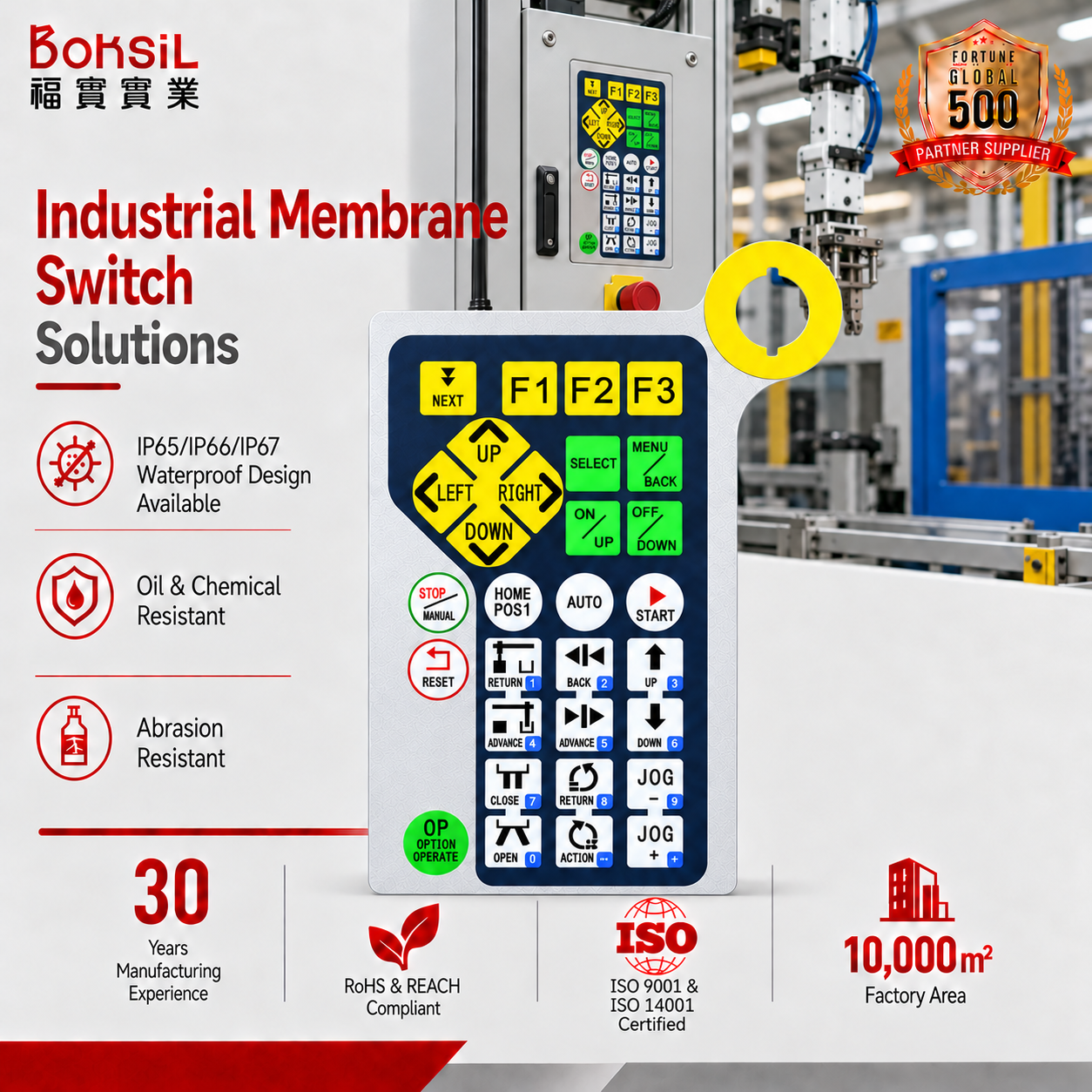
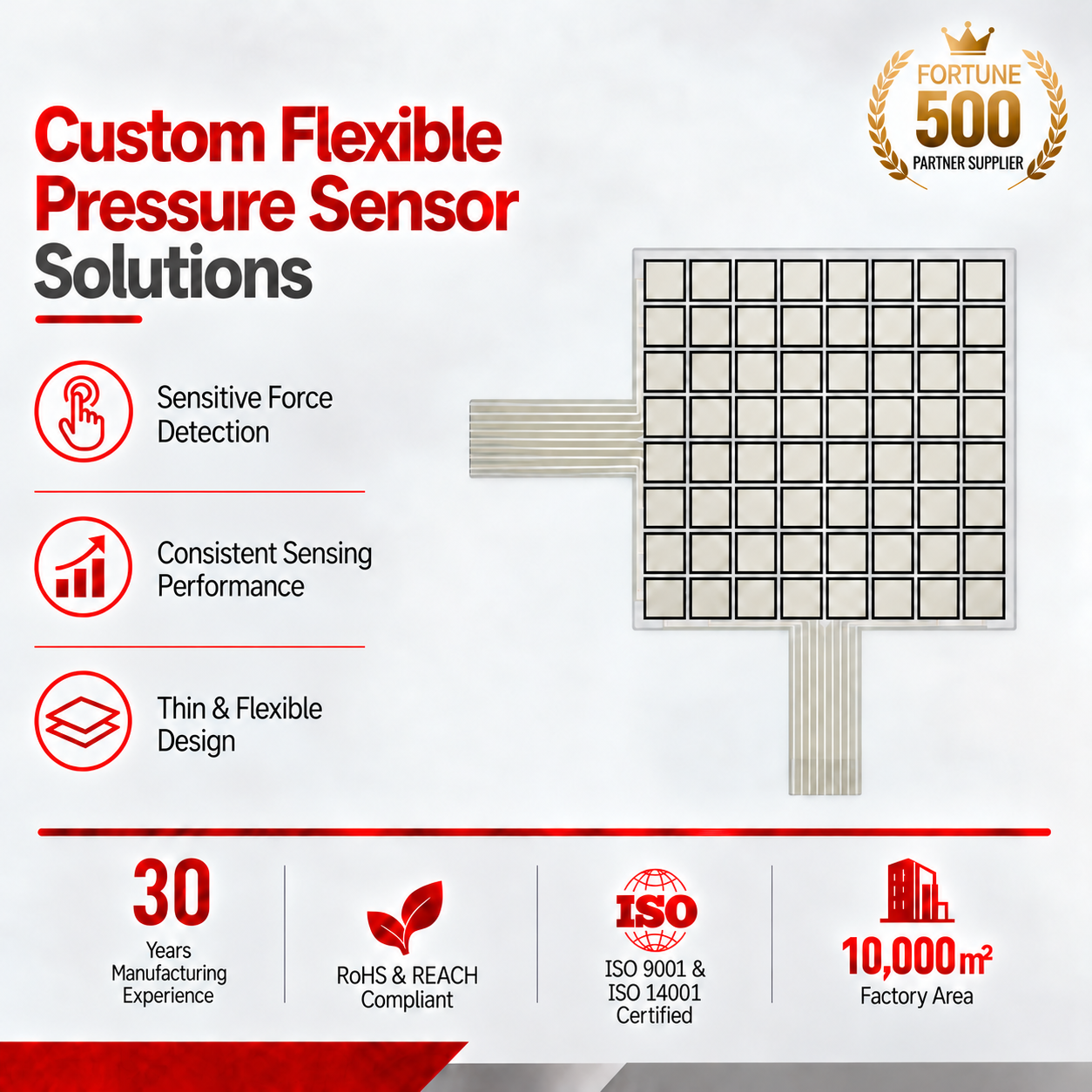
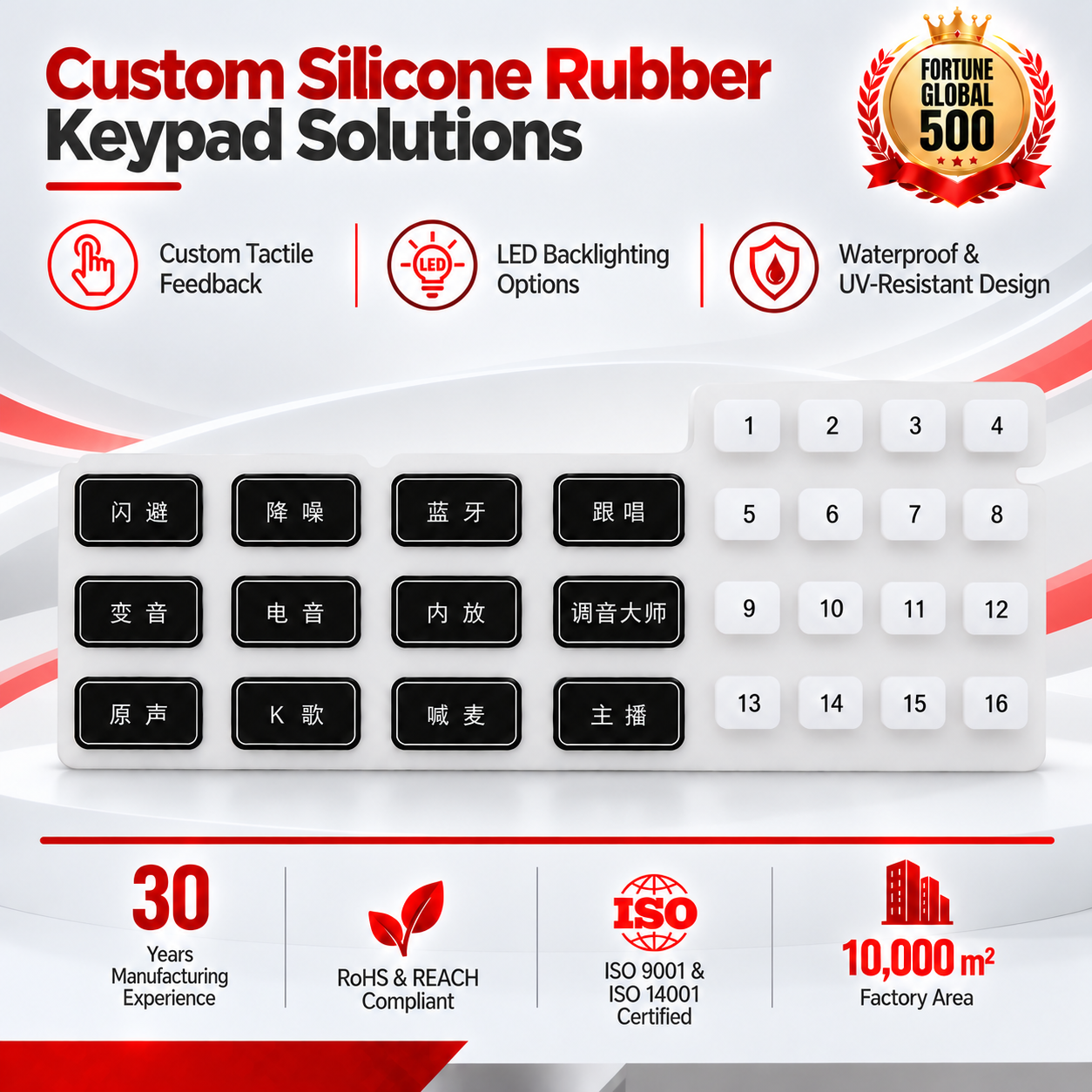
Custom-engineered tactile membranes, elastomer keypads, and PMMA display panels tailored to combat harsh operating conditions, aggressive UV degradation, and chemical exposure in industrial environments.
10,000㎡
Certified Factory Footprint
12+ Yrs
Engineering Precision
100%
Electrical & Optical Tested
5,000,000
Actuations Metal Dome Life
Technical Engineering Whitepaper
Engineering Human-Machine Interfaces for Central America: Environmental Stress & Material Selection
In modern industrial electronics, human-machine interface (HMI) front panels serve as the primary defensive barrier protecting sophisticated internal circuitry from rigorous ambient conditions. For original equipment manufacturers (OEMs), control system retrofitters, and instrumentation engineers operating in Managua and across Nicaragua's Pacific industrial corridor, material selection is dictated by aggressive environmental variables. Tropical climate conditions characterized by sustained relative humidity (often exceeding 80%), intense UV indexes ranging from 10 to 12, volcanic airborne particulate matter, and fluctuating industrial electrical grids impose extreme physical demands on interface substrates.
"Standard commercial-grade overlay adhesives and monomeric vinyl graphics experience catastrophic failure in tropical operating environments within 6 to 18 months, typically presenting as adhesive creeping, silver trace oxidation, dielectric breakdown, and micro-cracking across embossed switch perimeters."
At Dongguan AXRU Electronics Co., Ltd., our engineering protocol tackles these geographical and operational realities head-on. By leveraging advanced sub-surface screen printing onto biaxially oriented polyethylene terephthalate (Autotype Autotex PET) and optical-grade polycarbonate (Lexan PC), our front panel overlays ensure complete chemical inertness and resistance to common industrial solvents, aggressive washdown agents, and persistent friction. Sub-surface printing guarantees that inks, legends, and dead-front indicators remain entirely impervious to mechanical abrasion, while high-tack acrylic adhesives engineered by 3M (such as 3M 467MP, 468MP, and 3M 300LSE for low surface energy substrates) eliminate border peeling and moisture egress.
Substrate Engineering Matrix: Choosing the Right Front Panel Layer
| Substrate Material | Tensile Strength & Flex Life | Chemical & Solvent Resistance | UV & Thermal Threshold | Target Deployment Scenario |
|---|---|---|---|---|
| Textured Hardcoat PET (Autotex XE / F-Series) | >5,000,000 switch actuations without micro-fracture | Exceptional resistance to alcohols, sanitizers, and hydrocarbons | -40°C to +85°C continuous; specialized UV inhibitors prevent yellowing | Medical monitors, agro-processing controls, outdoor fuel dispensing consoles |
| Optically Clear Polycarbonate (Lexan 8010 / HP92W) | Moderate flexural endurance; superior impact resistance (IK08+) | Susceptible to prolonged aromatic ester and alkaline exposure | -40°C to +125°C; requires specialized hardcoat for outdoor UV survival | Heavy machinery fascias, LCD protection windows, industrial metering display bezels |
| Cast PMMA Acrylic (Plexiglas / Optical Grade) | Rigid plate structural backing; high flexural modulus | High resistance to diluted acids, cleaning detergents; vulnerable to acetone | Continuous stability up to 80°C; inherently UV stable with zero yellowing | Commercial automation terminals, instrumentation faceplates, TV LCD control panels |
| Elastomeric Medical-Grade Silicone | Extreme cycle life (>1,000,000 cycles); tactile 3D travel ergonomics | Impervious to moisture, steam autoclaving, ozone, and grease | -55°C to +200°C; impervious to extreme thermal shock and cycling | Handheld diagnostic terminals, rugged telecom transmitters, maritime keypad matrices |
Regional Industrial Focus
Mission-Critical Applications Across Managua's Productive Sectors
From the industrial free trade zones of Tipitapa and Ciudad Sandino to regional power generation and agricultural refinement plants, AXRU front panel overlays provide resilient human-interface control.
Agro-Industrial & Sugar Refineries
Processing plants across the Chichigalpa and Managua belt rely on hermetically sealed IP67 membrane switches with stainless steel metal domes. These panels resist fine sucrose dust, airborne chemical sprays, and pressurized washdowns without trace delamination.
Petroleum & Fuel Retail Distribution
Nicaragua's expanding fuel transport routes and retail stations demand ruggedized, vandal-resistant keypads. Our fuel dispenser button boards incorporate custom ESD shield layers, UV-blocking graphic layers, and sealed resistive pads capable of non-sparking continuous actuation.
Healthcare & Clinical Diagnostics
Public and private hospital systems in Managua demand clinical-grade user interfaces. We incorporate antimicrobial polyester overlays and continuous non-porous flat surfaces that withstand daily sterilization using glutaraldehyde, isopropyl alcohol, and sodium hypochlorite solutions.
Renewable Energy & Grid Infrastructure
With Nicaragua's high reliance on geothermal and solar energy generation, inverter control fascias require extreme UV-stabilized polycarbonate overlays and PMMA filter windows that resist yellowing, condensation haze, and thermal cracking under continuous solar irradiation.
Industry Growth & Technology Trends
Emerging HMI Engineering Paradigms in the Managua Industrial Market
The manufacturing ecosystem in Managua is undergoing a rapid modernization shift driven by nearshoring dynamics and digital transformation initiatives. Historically, regional manufacturing operators and systems integrators relied on imported generic push-button enclosures and mechanical switches that suffered frequent contact pitting and moisture corrosion. Today, three definitive trends dominate front panel overlay procurement across Central America:
1. Shift Toward Embedded Intelligence and Capacitive Touch: Mechanical switches are increasingly replaced by seamless capacitive touch sensor arrays laminated directly beneath glass, PMMA, or hardcoated PET surfaces. These non-mechanical interfaces completely eliminate physical apertures where particulate matter and moisture could enter, providing an inherently IP68/IP69K sealing envelope suitable for sanitized food packaging and pharmaceutical processing facilities.
2. Integration of Flexible Printed Circuits (FPC) with Dense SMD Components: Industrial device makers are transitioning from legacy printed silver ink circuitry on PET to flexible printed circuits (copper-clad polyimide FPC). FPC construction allows for pitch densities down to 0.5mm, supporting on-board surface-mount LEDs, optical light guides (LGF), embedded microcontrollers, and ultra-reliable ZIF locking connectors that survive severe mechanical vibration.
3. Dead-Front Aesthetics Combined with Light Guide Film (LGF) Illumination: Modern electronic control consoles require clean, minimalist aesthetics. Through precision optical screen printing with semi-translucent translucent smoke inks, functional icons remain hidden until backlit by integrated SMD LEDs. Coupled with thin Light Guide Films (0.125mm to 0.25mm thickness), illumination is distributed uniformly across the entire switch active zone without hotspots or excessive battery drain.
Accelerate Your Engineering Cycle with DFM Support
Supply your DXF/DWG vector graphics, layer stack-up specifications, or legacy physical samples. Our engineering team delivers comprehensive Design for Manufacturability (DFM) verification and quotation within 24 hours.
Verified Manufacturing Prowess
End-to-End Vertical Integration Under One Roof
Operating from our modern 10,000㎡ production complex in Dongguan, China, AXRU Electronics bypasses outsourcing middlemen to guarantee uncompromising quality, stringent IP rating compliance, and rapid turnaround times.
Intertek-Verified Facility
Our 121-person operation undergoes rigorous third-party auditing by Intertek. Complete mechanical, electrical, and optical production phases occur in-house, supported by Class 1,000 to Class 10,000 cleanroom printing and lamination suites.
100% Electrical & Tactile Testing
Every single membrane switch and HMI panel undergoes automated 100% electrical continuity, short-circuit, and open-loop testing. Our automated force-displacement rigs plot travel depth and tactile snap ratio to guarantee tactile consistency.
Advanced Reliability Laboratory
Equipped with programmable temperature and humidity cycling chambers, UV yellowing testers, RCA print abrasion machines, and peel adhesion tensile instruments to ensure full compatibility with Central American climate conditions.
Purchasing & Engineering Clarifications
Frequently Asked Questions for Central American Sourcing Teams
Key technical, commercial, and logistics considerations for importing custom membrane switch panels and front overlays into Managua.
What are the minimum order quantities (MOQ) and lead times for custom overlay prototypes?
Our flexible OEM manufacturing structure allows prototyping and pilot batch validation starting at just 100 pieces for custom membrane switches and graphic overlays. Prototyping typically takes 5 to 8 business days following graphic artwork and DFM stack-up approval. Full mass-production runs of 1,000 to 50,000 units are fulfilled in 12 to 18 business days.
How do you guarantee that adhesives will not peel under Managua's high humidity and heat?
Adhesion failure is prevented through precise substrate pairing and high-performance adhesives. We specify authentic 3M 467MP, 468MP, or 3M 300LSE adhesive transfer tapes depending on whether your enclosure is cast aluminum, stainless steel, ABS, or powder-coated metal. Furthermore, our perimeter-sealed gasket designs completely isolate internal adhesive layers and circuits from external moisture ingression.
What CAD files and engineering specifications are required to initiate tooling and quotation?
For rapid quotation and DFM assessment, we recommend providing vector artwork files in AI, PDF, or DXF/DWG format, indicating key dimensions, Pantone/RAL color codes, cutout locations, and LED display windows. If an existing circuit schematic or pinout mapping is available, include connector type and tail pitch (e.g., 1.0mm, 2.54mm pitch). If you only have a worn physical sample, our reverse-engineering team can fully reproduce design files for you.
Can AXRU provide UV-stabilized materials for outdoor equipment to avoid clouding and yellowing?
Yes. For exterior deployments subject to intense equatorial solar radiation, we use specialized UV-resistant polyester films (such as MacDermid Autotype Autotex XE) or UV-stabilized optical polycarbonates. These films are accelerated-tested in our on-site UV yellowing chambers to ensure they do not become brittle, haze, or discolor over years of outdoor solar exposure.
How do you handle shipping logistics, customs documentation, and delivery to Nicaragua?
We routinely handle global export logistics with door-to-door or airport-to-airport freight forwarding. Consignments destined for Managua are shipped via express air freight (DHL, FedEx, UPS) with transit times typically between 4 to 7 business days, complete with Certificate of Origin, RoHS/REACH compliance documentation, commercial invoices, and packing lists optimized for seamless customs clearance.