10,000㎡
Integrated Factory Floor
Intertek On-Site Verified
12+ Yrs
HMI Manufacturing Tenure
Exporting to 40+ Global Markets
100%
Electrical & Force Testing
Continuity & Tactile Validation
100 pcs
Low Minimum Order Quantity
Rapid Prototyping & Pilot Runs
Precision HMI Portfolio
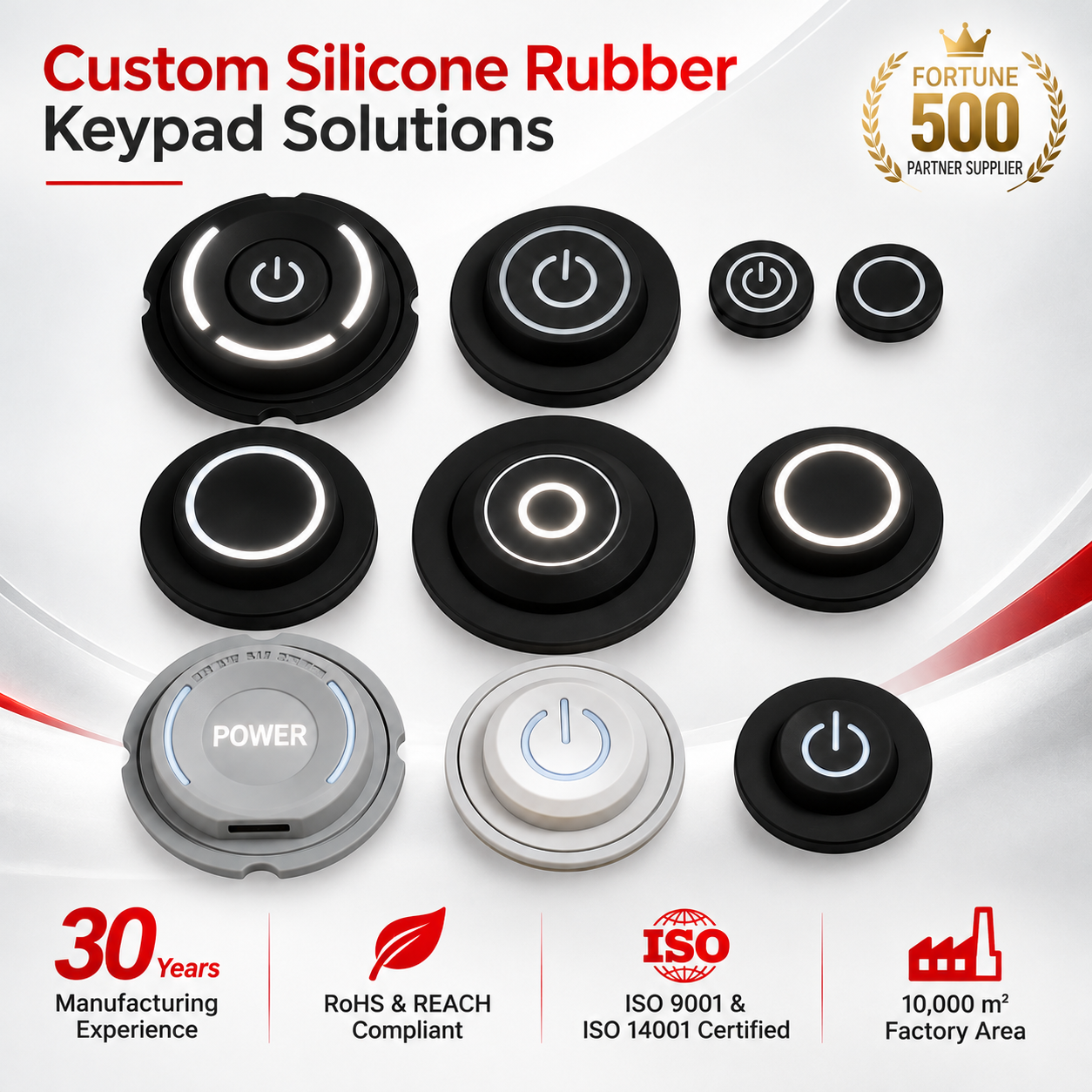
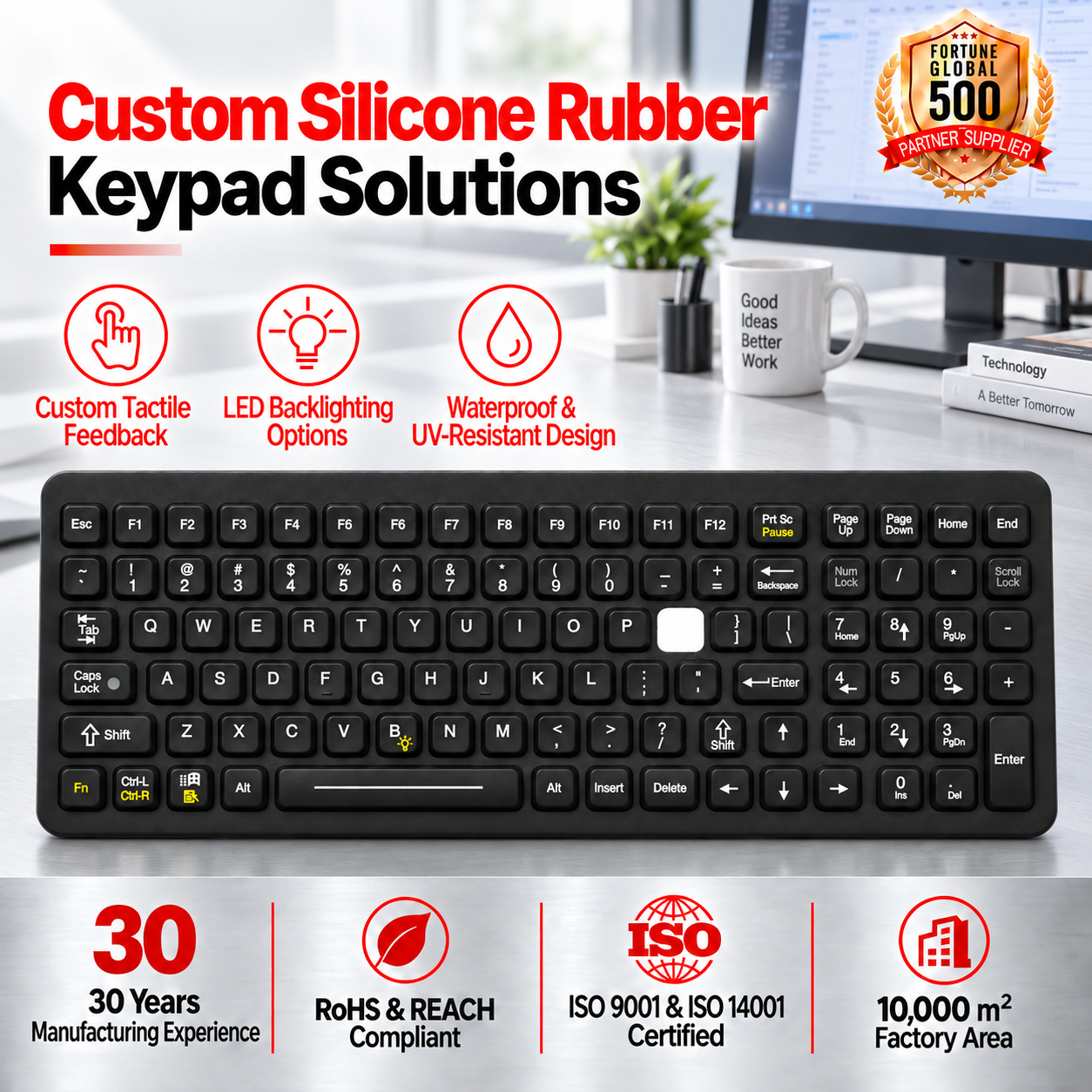
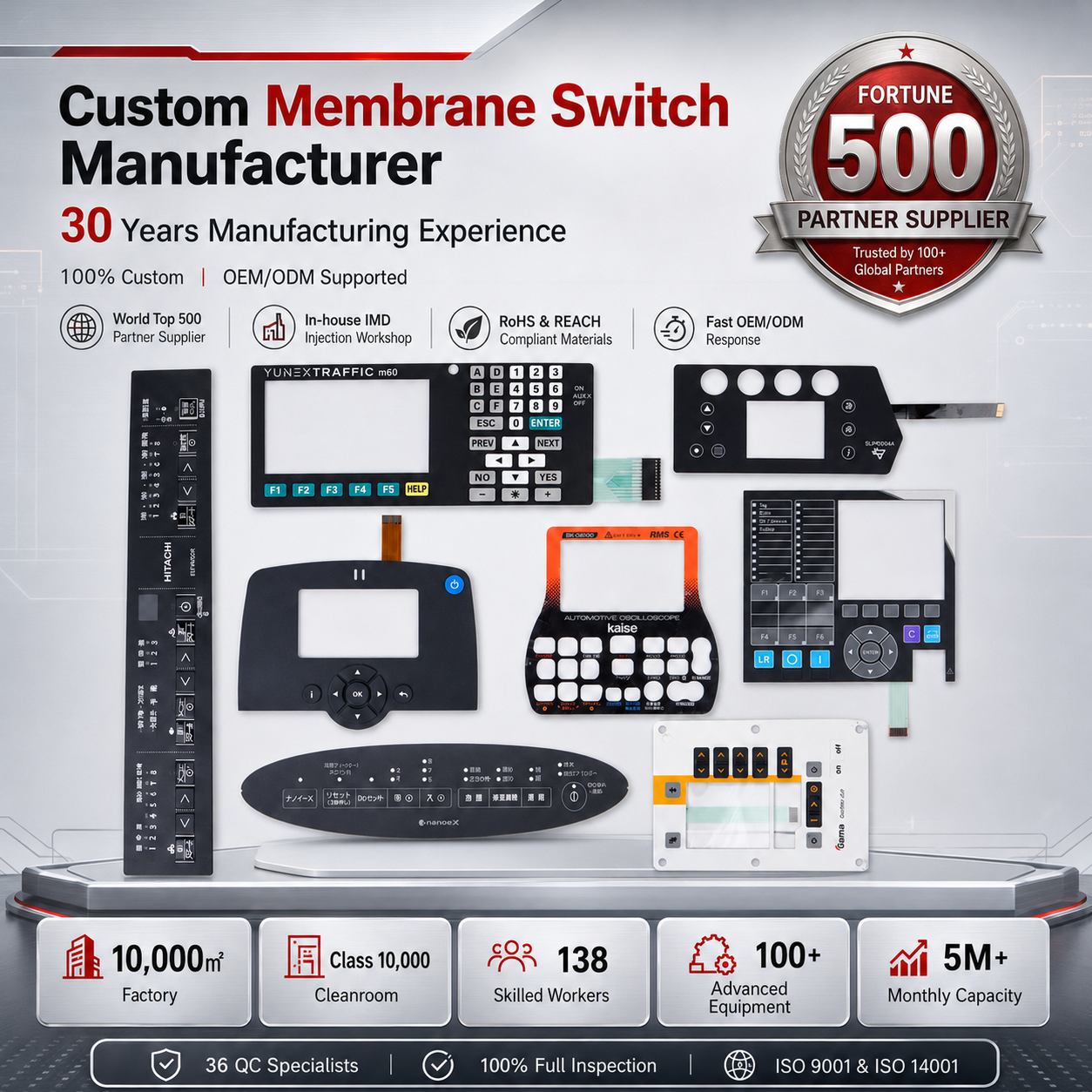
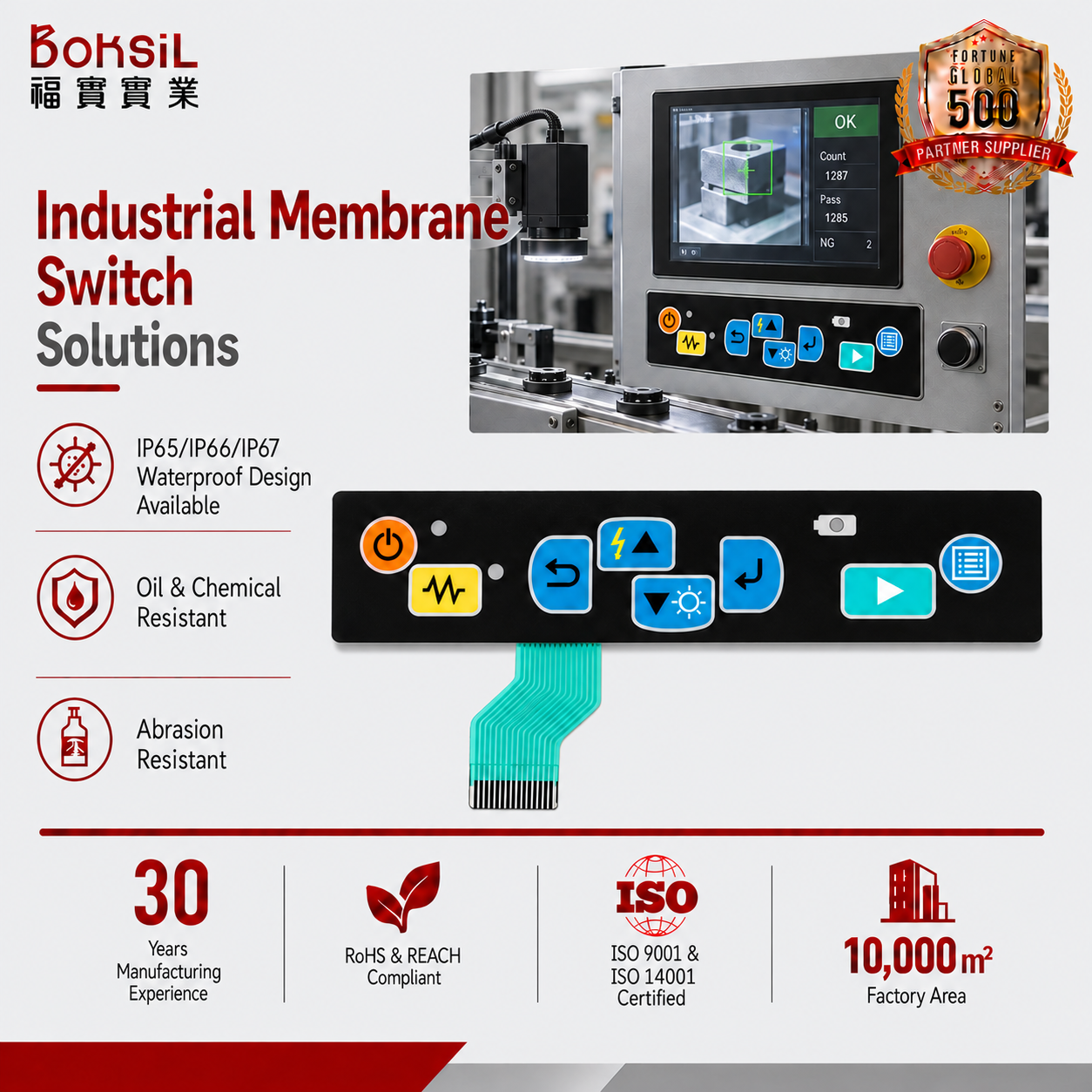
High-Performance Silicone Rubber Keypads & Integrated Control Interfaces
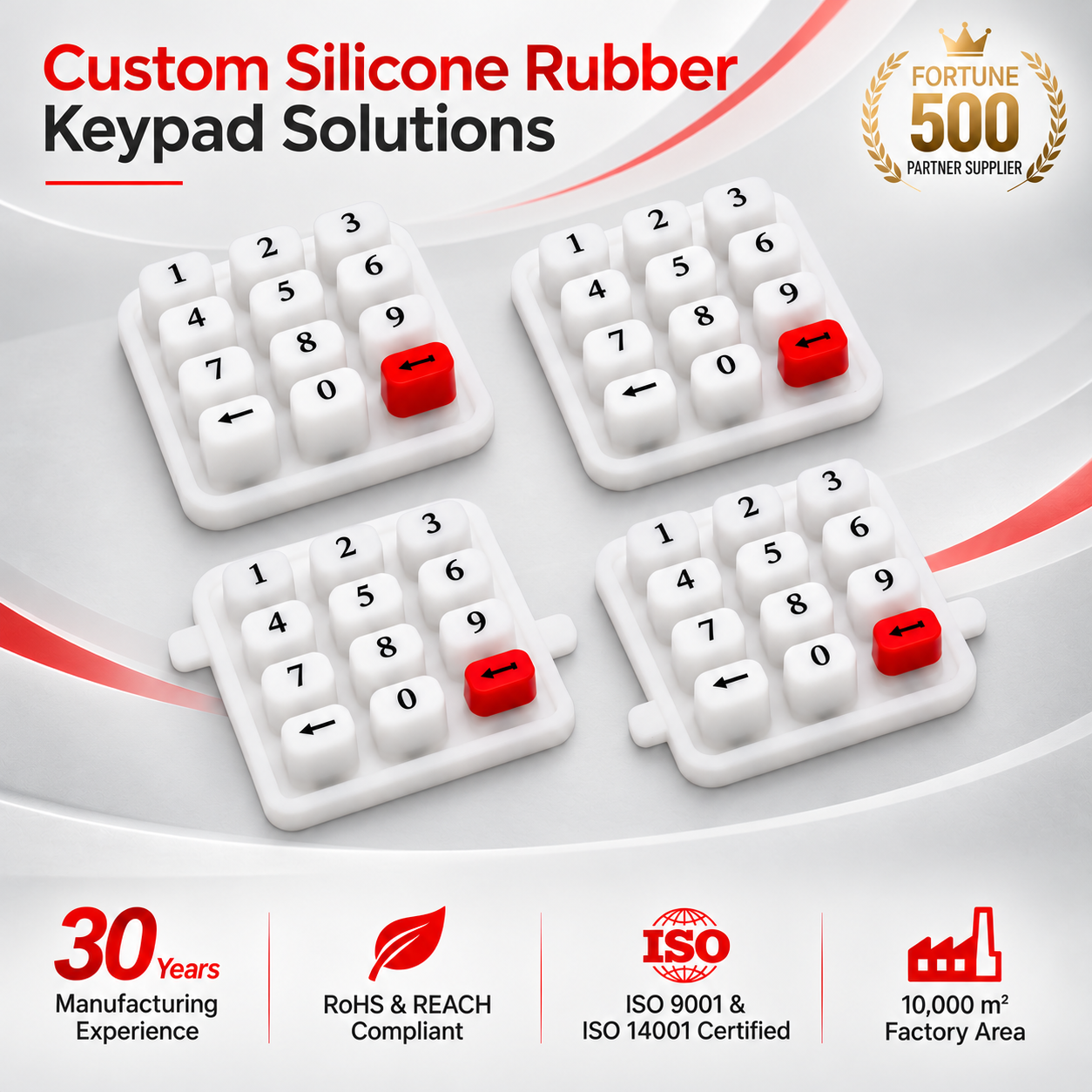
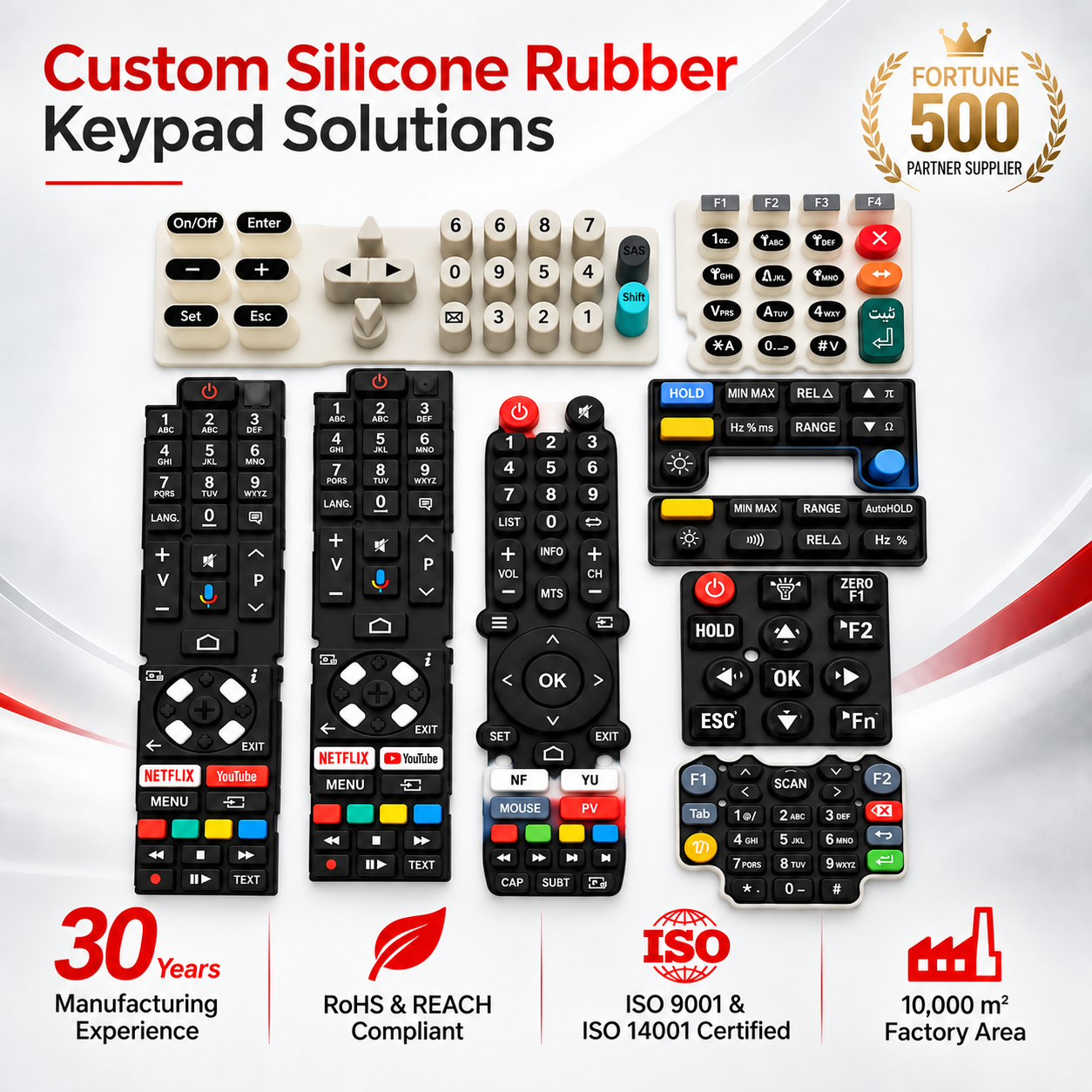
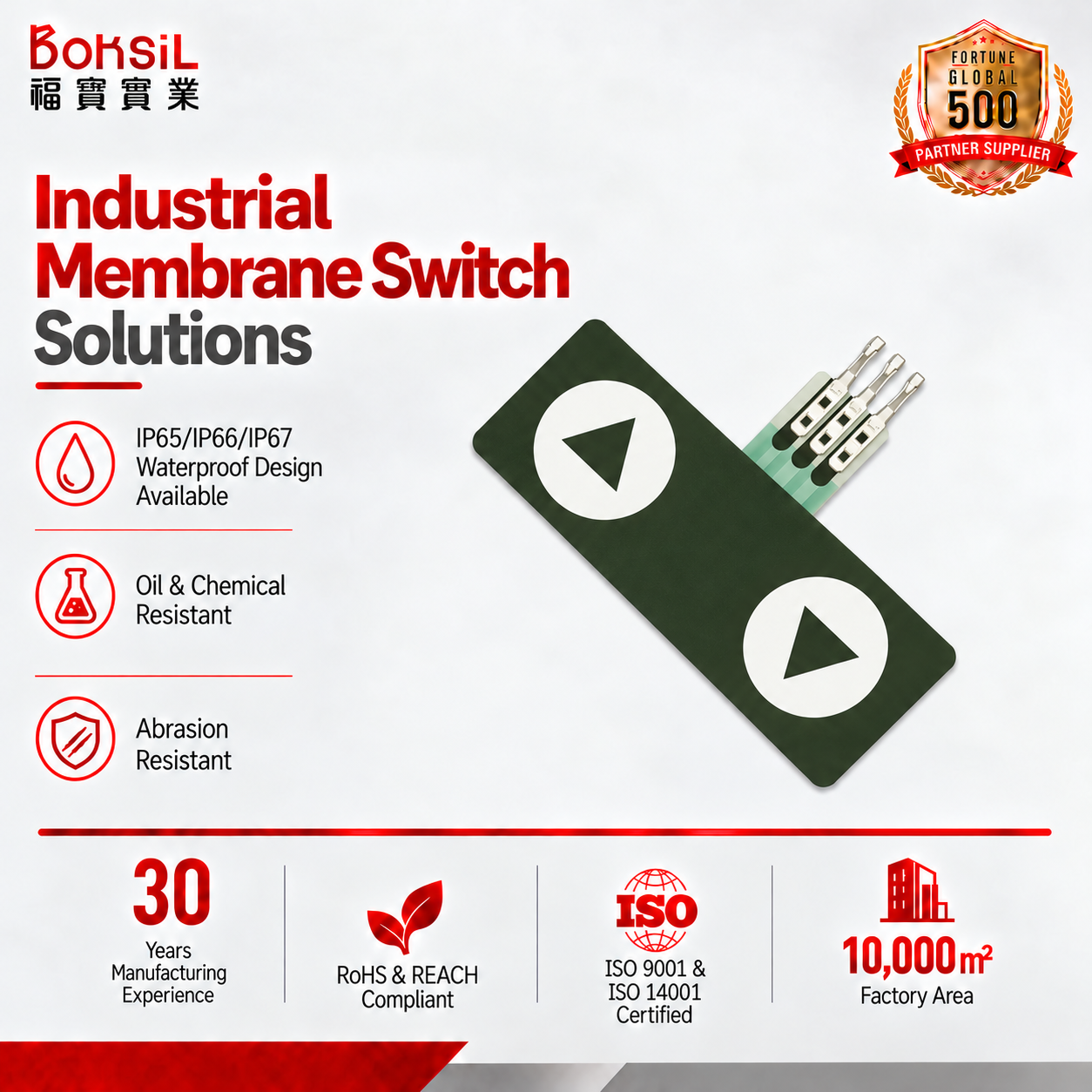
Engineered for continuous duty in extreme environments, our silicone elastomer switches, PC graphic overlays, and hybrid membrane solutions meet rigorous Class I Div 2, IP65, and NEMA 4X industrial standards.
Regional Market Alignment
Tailored HMI Engineering for Oklahoma City’s Industrial Ecosystem
From the harsh environmental demands of the Mid-Continent oilfield to flight-line GSE near Tinker AFB, Oklahoma City equipment builders require human-machine interfaces that never compromise on mechanical resilience.
The Oklahoma City metropolitan area—stretching through Canadian, Cleveland, and Oklahoma counties—is home to a uniquely demanding industrial sector. Original Equipment Manufacturers (OEMs) here do not build consumer toys; they develop ruggedized SCADA automation, petroleum production equipment, aerospace ground support units, advanced agritech monitors, and clinical medical instrumentation. For these mission-critical applications, generic off-the-shelf plastic pushbuttons fail under Central Oklahoma's severe operational stress: 100°F+ summer heat waves, sub-zero winter blizzards, persistent red-dirt dust storms, and atmospheric hydrocarbon vapors.
Direct collaboration with an export-grade Chinese silicone compression molding and membrane switch manufacturer like AXRU Electronics empowers OKC engineers to design bespoke human-machine interfaces. By utilizing high-durometer VMQ silicone elastomer, laser-etched translucent legends, light-guide film (LGF) arrays, and chemical-resistant polyurethane or parylene coatings, our assemblies deliver uncompromised tactile feedback and environmental isolation.
Oil & Gas / SCADA Systems
Wellhead flow computers, pump-jack telemetry panels, and natural gas pipeline monitors throughout the Anadarko Basin demand Class I Div 2 intrinsically safe keyboards. Our silicone keypads feature conductive carbon contact pills with sealed elastomer webbings that lock out sour gas (H2S), brine, drilling fluids, and heavy crude residue.
Aerospace & Defense (MRO Support)
Positioned near Tinker Air Force Base and the Oklahoma City Air Logistics Complex, aerospace tier-contractors build Ground Support Equipment (GSE), flight line calibration tools, and rugged field diagnostics. Our fluorosilicone formulations offer synthetic jet fuel resistance and strict actuation force profiling matching MIL-STD-810H environmental thresholds.
Medical & Biomedical Diagnostics
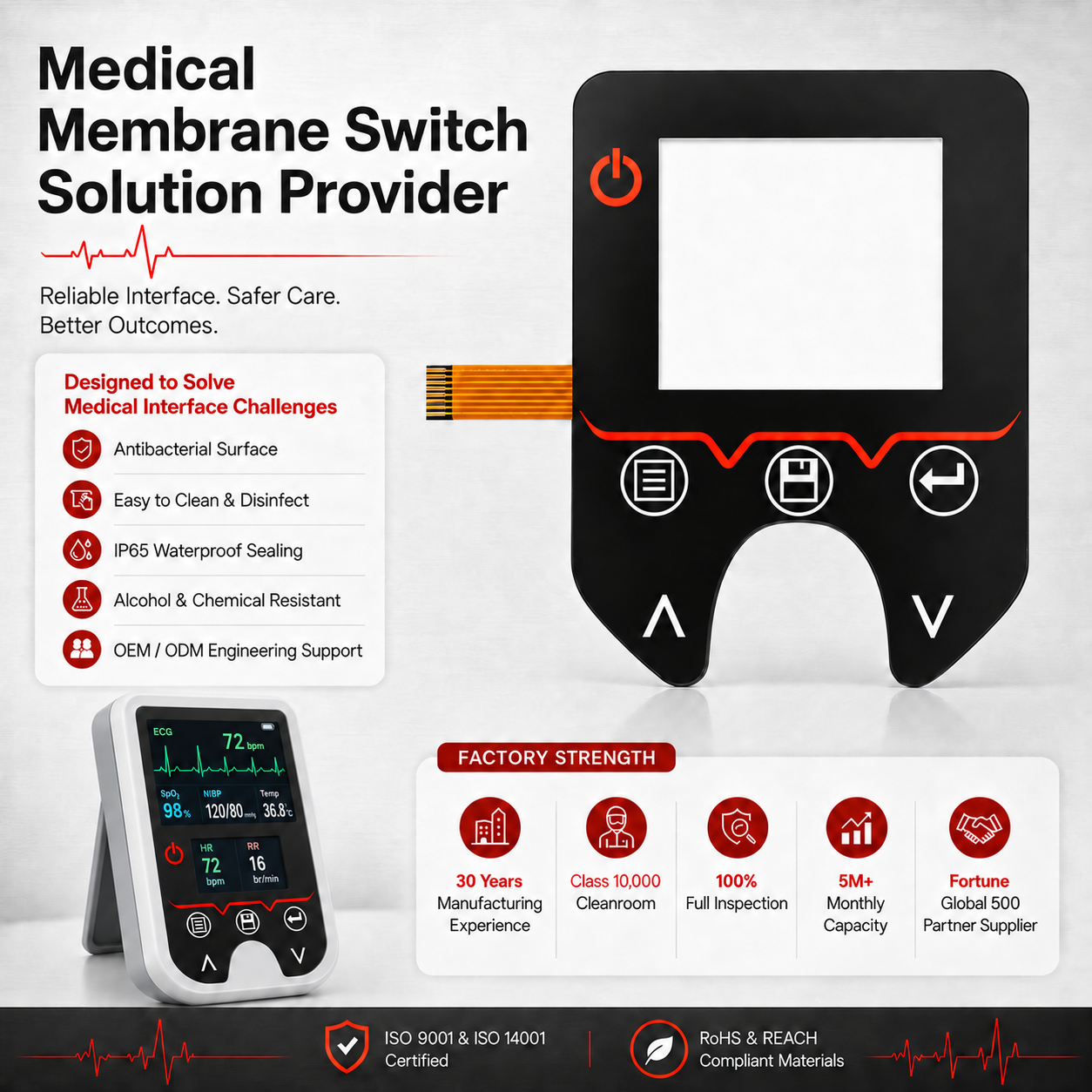
Engineered for the growing Oklahoma City Innovation District and medical research labs, our silicone keypads and graphic overlays combine antimicrobial hardcoats with wipe-clean seamless construction. Compatible with aggressive hospital disinfectants such as bleach, isopropyl alcohol, and quaternary ammonium compounds.
Severe Weather & Field Monitoring
Central Oklahoma experiences the nation’s most severe tornadic storms and high UV irradiance. Our outdoor-grade keypads use UV-stabilized silicone compounds that resist yellowing, cracking, and embrittlement across continuous -40°C to +150°C thermal shock cycles.
Agritech & Precision Irrigation
Autonomous spray rigs, center-pivot irrigation controllers, and grain elevator control boxes require mechanical switches immune to tractor washdowns and fertilizer exposure. We deploy perimeter gaskets and molded silicone boots integrated with high-stroke tactile keys.
Smart Industrial Automation & Kiosks
Outdoor unattended payment terminals, compressed natural gas (CNG) dispensing consoles, and automated gate controllers across Oklahoma benefit from our vandal-resistant silicone keypads featuring heavy-duty carbon pills and optional metal faceplates.
Engineering Whitepaper
Silicone Rubber Elastomer Selection Matrix for Hardware Engineers
A comparative structural analysis between silicone compression molding, liquid silicone rubber (LSR), and hybrid membrane assemblies for commercial product design.
When developing a custom human-machine interface, mechanical engineers must balance tactile feedback, actuation travel, cosmetic lifespan, and atmospheric sealing. Unlike standard membrane switches that rely exclusively on PET domes or stainless steel snap domes, silicone rubber keypads utilize an engineered elastomer actuation web. When depressed, this web collapses at a precise mechanical inflection point, providing distinct tactile confirmation before the conductive pill bridges the interdigitated circuit traces below.
| Property / Specification | Compression Molded Silicone | Liquid Silicone Rubber (LSR) | Plastic + Rubber (P+R) Hybrid | Thin-Film Membrane Hybrid |
|---|---|---|---|---|
| Typical Durometer Range | 30° to 70° Shore A | 20° to 60° Shore A | 70° Shore A + Rigid ABS Cap | 50° to 60° Shore A + PET Overlay |
| Actuation Force (g) | 80g – 500g (±20g) | 50g – 350g (±15g) | 150g – 400g (±20g) | 180g – 350g (Metal Dome) |
| Rated Actuation Lifespan | 1.0M – 5.0M cycles | 5.0M – 10.0M cycles | 1.5M – 3.0M cycles | 1.0M – 3.0M cycles |
| Contact Resistance | <100 Ω (Carbon Pill) / <1 Ω (Gold) | <100 Ω (Carbon) | <100 Ω (Carbon Pill) | <1 Ω (Nickel/Silver on FPC) |
| Surface Protection Finishes | PU Coating / Silicone Oil Spray | Parylene Coating / UV Clear | UV Hardcoat / Electroplating | Textured Polyester Hardcoat |
| Solvent & Fuel Resistance | Moderate (Upgrade to Fluorosilicone) | Good chemical stability | High abrasion & solvent defense | Exceptional (Resists fuels/ketones) |
| Primary Target Applications | Oilfield telemetry, field meters, remotes | Sterile medical tools, micro-valves | POS terminals, luxury HMI consoles | Industrial control boxes, CNC HMIs |
Critical Tactile Geometry: Actuation Web Design & Snap Ratio
The perceived quality of an Oklahoma-manufactured device often hinges on switch feel. In silicone elastomer molding, tactile feedback is defined by the Snap Ratio (F1 - F2) / F1 × 100%, where F1 is the peak actuation force and F2 is the contact force post-breakaway. For heavy-gloved field operators in the oil patch or aircraft maintenance hangars, AXRU recommends a snap ratio between 45% and 60% with an actuation force of 250g to 350g. This deliberate resistance prevents accidental switch closures from wind buffeting or heavy vibration while giving the operator unmistakable tactile confirmation even through heavy thermal gloves.
Factory Advantage
Dongguan AXRU Electronics Co., Ltd. — Your Direct Manufacturing Partner
Eliminate broker markups and communication delays. Partner directly with an audited 10,000㎡ precision manufacturing plant equipped with in-house tooling, cleanroom screen printing, and fully traceable testing rigs.
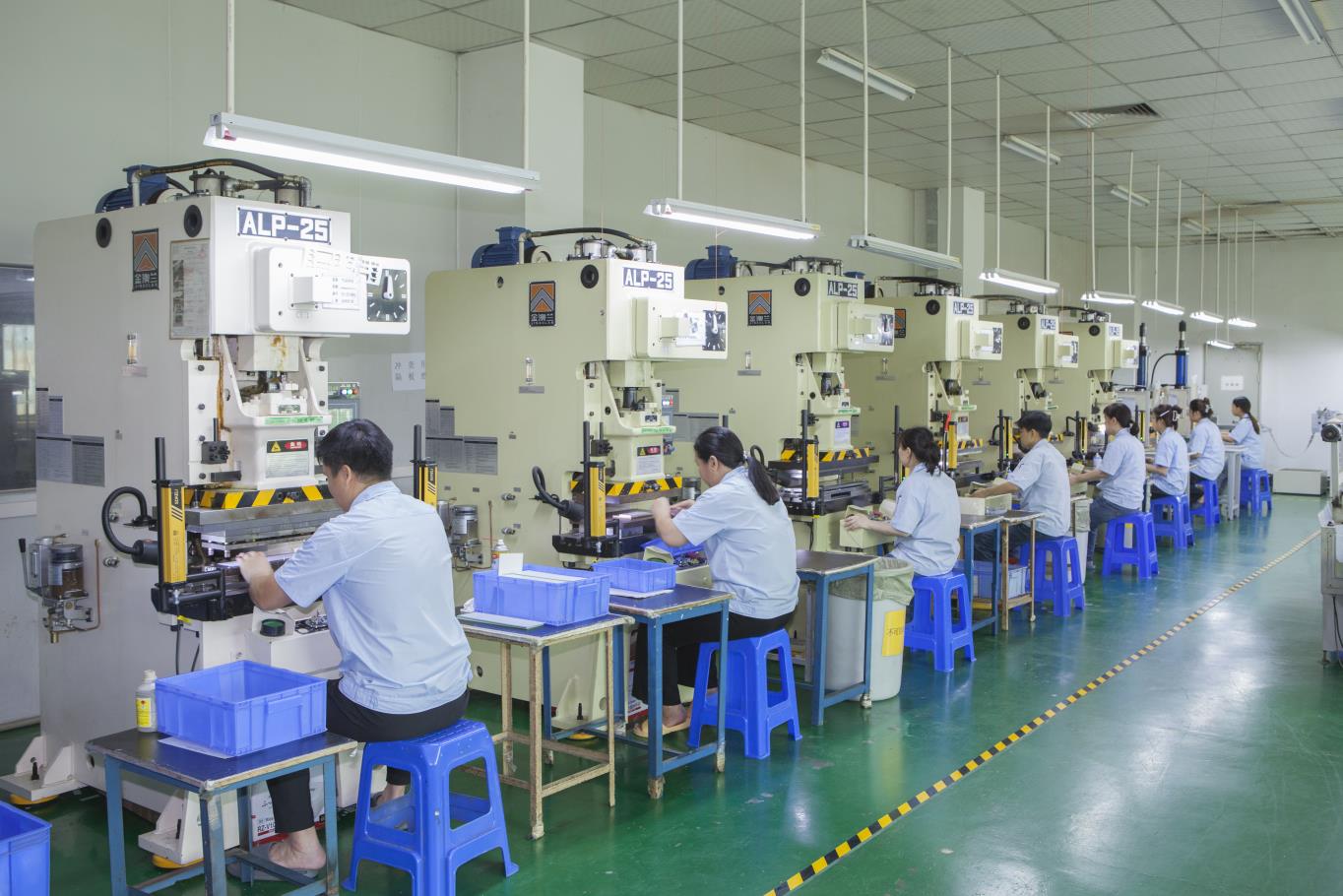
Intertek On-Site Verified
10,000㎡ Floor Space | 121 Technical Personnel
-
Complete In-House Tooling & Mold Workshop: We design, CNC mill, and EDM spark our own hardened steel compression molds. This internal tooling control enables rapid prototype turnarounds within 7 to 10 working days, eliminating third-party machine shop markups.
-
Raw Polymer Traceability: We formulate custom compounds using high-purity virgin silicone polymers from Dow Corning, Shin-Etsu, and Wacker. Every compound batch undergoes rheological cure checks to guarantee consistent durometer, elongation, and tear strength.
-
Cleanroom Screen Printing & Laser Etching: Our positive-pressure Class 10,000 cleanrooms ensure zero dust entrapment during translucent ink deposition, conductive carbon printing, and automated laser ablation of backlit characters.
-
100% Automated Optical & Electrical Inspection: Every single keypad shipped to North America passes automated electrical continuity, short-circuit, and contact resistance testing. Batch samples undergo destructive key-life actuation up to 5,000,000 cycles.
-
Fortune 500 OEM Qualified: Our factory management and quality assurance protocols are verified by Intertek. We regularly pass stringent supplier quality audits for Tier-1 automotive and global medical instrumentation manufacturers.
Market Intelligence
Emerging Supply Chain & Design Trends in Central Oklahoma
How forward-thinking engineering and procurement leaders in OKC are optimizing landed costs, overcoming Section 301 tariffs, and upgrading legacy control hardware.
1. The Transition from Discrete Pushbuttons to Integrated Elastomer Monobloks
Historically, industrial machinery manufactured in Oklahoma utilized arrays of 22mm or 30mm discrete panel pushbuttons wired back to terminal blocks. While rugged, this approach incurs substantial assembly labor costs and leaves multiple points of ingress for rain, dust, and hydraulic fluids. Modern OKC engineering teams are transitioning toward integrated, single-piece compression molded silicone keypads sealed directly against the housing with molded-in peripheral O-ring beads. This eliminates hours of manual wiring, guarantees IP67 dust/water immersion ratings, and reduces overall assembly bill-of-materials (BOM) costs by up to 42%.
2. Navigating Section 301 Tariffs Through Sub-Assembly Integration
Procurement managers throughout Oklahoma City are acutely conscious of US Section 301 customs duties on Chinese manufactured rubber and electronics (HTS Code 8537 / 8538 / 4016). Rather than importing loose silicone keypads, bare printed circuit boards, and stamped brackets separately—incurring multiple compounding customs clearance handling fees—smart buyers partner with AXRU for box-build sub-assemblies. By delivering the complete tactile switch matrix integrated with flexible printed circuits (FPC), surface-mounted status LEDs, metal backplates, and precision automotive adhesives, buyers streamline customs entry, reduce landed per-unit freight tariffs, and eliminate local secondary production steps.
3. Light Guide Film (LGF) and Night-Vision / High-Sunlight Readability
With Oklahoma’s intense ambient sunshine, standard low-output backlighting washes out completely. Conversely, nocturnal operations across rural oil fields and flight ramps require uniform, dimmable illumination without hot spots. AXRU’s integration of ultra-thin Light Guide Film (LGF) layers—utilizing side-firing surface-mount LEDs redirected via precision micro-prism embossing—achieves razor-sharp graphic illumination across entire keypad arrays with 70% lower power draw than traditional electroluminescent (EL) panels.
Procurement Knowledge Base
Frequently Asked Questions from Oklahoma City OEM Purchasing Teams
Practical answers on engineering file transfer, tooling lead times, customs logistics, and environmental durability validation.
What is the standard lead time for custom tooling and prototype samples shipped to OKC?
Our in-house CNC toolroom typically machines steel compression molds within 10 to 14 calendar days. Once molded, first-article samples (FAI) undergo full dimensional and electrical CMM verification before being dispatched via priority air express (DHL/FedEx) directly to your Oklahoma facility, arriving within 3 to 5 business days. Mass production typically requires 15 to 20 days post-sample approval.
Can AXRU support low minimum order quantities (MOQ) for specialized industrial devices?
Yes. Unlike massive consumer-grade molders who mandate 50,000-piece production minimums, our standard MOQ starts at just 100 pieces. This allows Oklahoma City manufacturers of high-mix, low-volume equipment (such as specialized oilfield flow meters, aircraft test gear, and clinical lab equipment) to obtain custom tooling without tying up operational cash flow.
What CAD engineering files do your toolmakers require for a complete DFM review?
We prefer native 3D CAD files in STEP (.stp), IGES (.igs), or SolidWorks formats, paired with a 2D PDF drawing detailing critical tolerances, Pantone/RAL color codes, durometer (Shore A), actuation force targets (g), and contact pill specifications. If you only possess an existing sample from a legacy product or retired supplier, our metrology lab can 3D optical scan and reverse-engineer the complete assembly.
How do your silicone keypads withstand contact with crude hydrocarbons and industrial solvents?
Standard VMQ silicone resists water, alcohols, and dilute acids, but swells when continuously exposed to non-polar hydrocarbons (such as diesel, gasoline, or mineral oils). For Anadarko Basin petroleum installations, we mold using specialized Fluorosilicone (FVMQ) polymers or apply protective multi-pass polyurethane (PU) and parylene barrier coatings that prevent hydrocarbon swelling and legendary ink wear.
What DDP / door-to-door shipping terms are available to Oklahoma City facilities?
We provide full Incoterms flexibility including FOB Shenzhen, CIF, and seamless DDP (Delivered Duty Paid) directly to your loading dock in Oklahoma City, Moore, Norman, or Edmond. Under DDP terms, our freight logistics partners manage all ocean or air shipping, US Customs clearance, Section 301 tariff filings, and final ground delivery via freight carrier, eliminating administrative overhead for your staff.
How is mechanical tactile life validated before batch shipment?
Our in-house reliability laboratory utilizes computerized force-displacement testers to plot force-travel curves for every key position. Production batch coupons are tested on pneumatic cycle rigs running up to 1,000,000 to 5,000,000 cycles. We also execute climate-chamber thermal cycling (-40°C to +120°C), RCA ink abrasion tests, and 24-hour salt-fog corrosion exposure before approving export sign-off.