Direct Factory Production: Custom Transparent Window Membrane Overlays
Designed for mission-critical instruments, commercial kiosks, and automated machinery across Tegucigalpa, San Pedro Sula, and the greater Central American economic corridor.
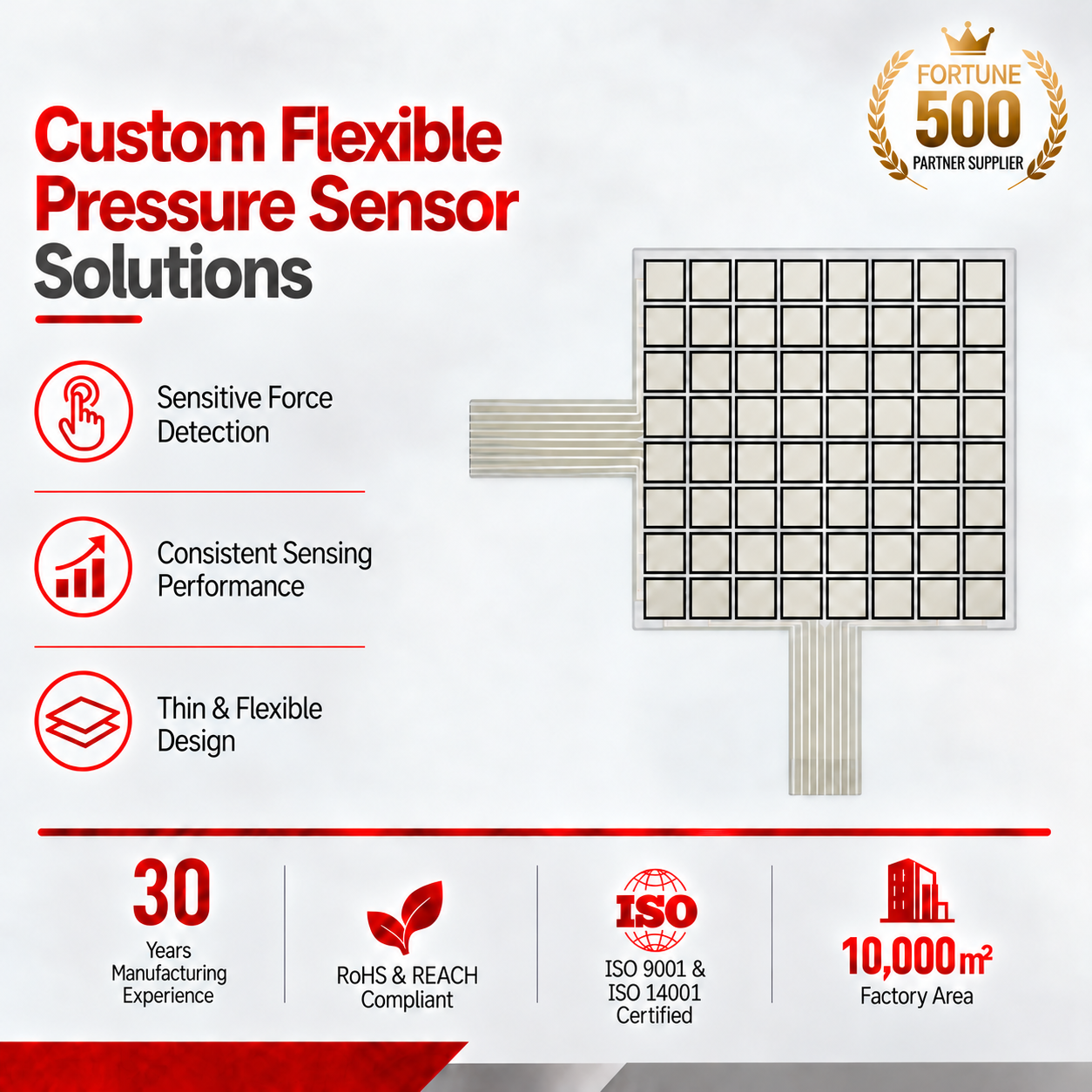
Customized Flexible Thin Film Tactile Intelligent Sensing Tactile Mirror Pressure Sensors
- Substrate: Optical Polyimide / PET
- Response Time: < 5 ms
- Tactile Travel: 0.3mm – 0.6mm
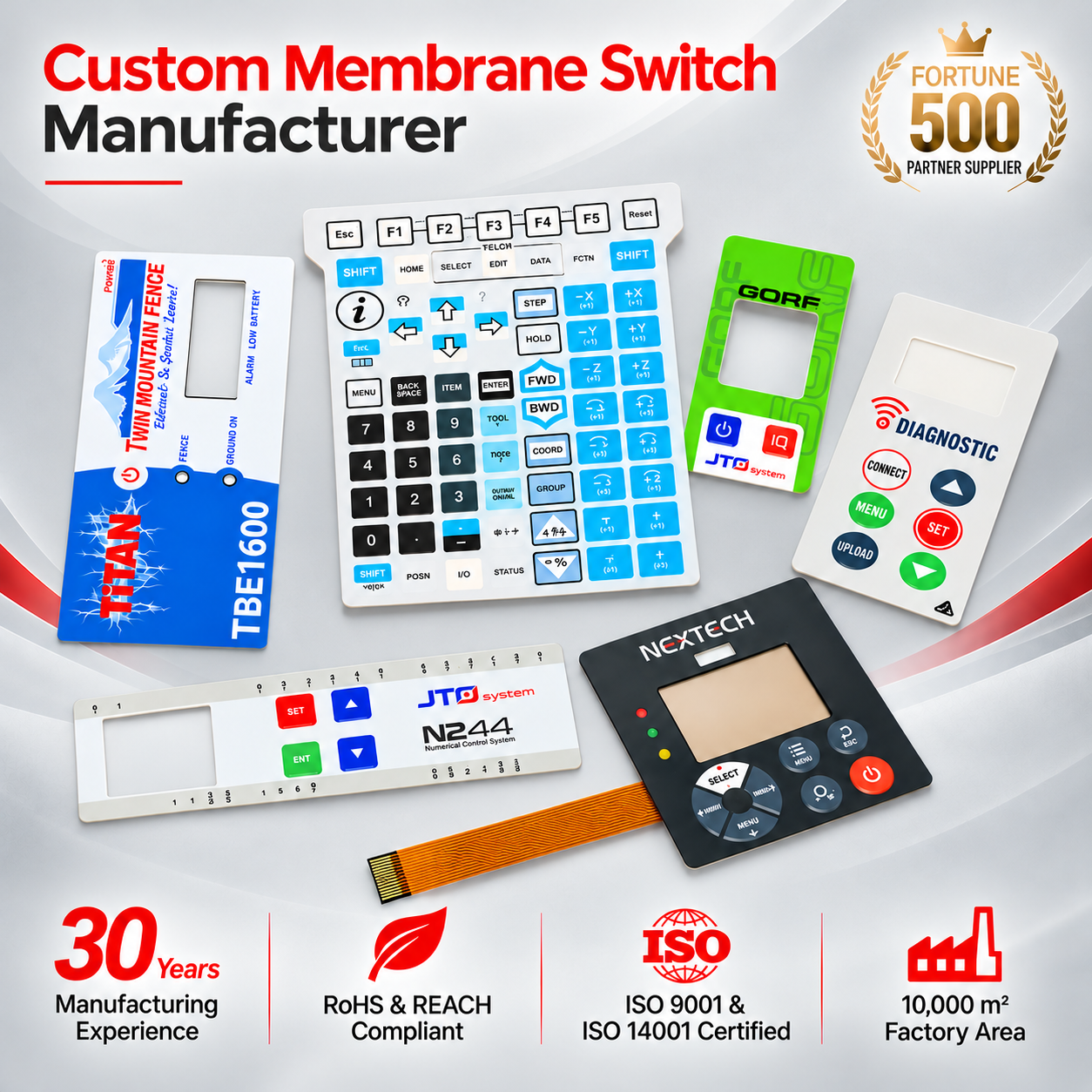
High Quality Industrial Membrane Switch Graphic Overlay Embossed Button Flat Panel
- Actuation Force: 280g – 450g Domes
- Sealing Rating: IP65 Ingress Proof
- Display Window: Clear / Dead-Front
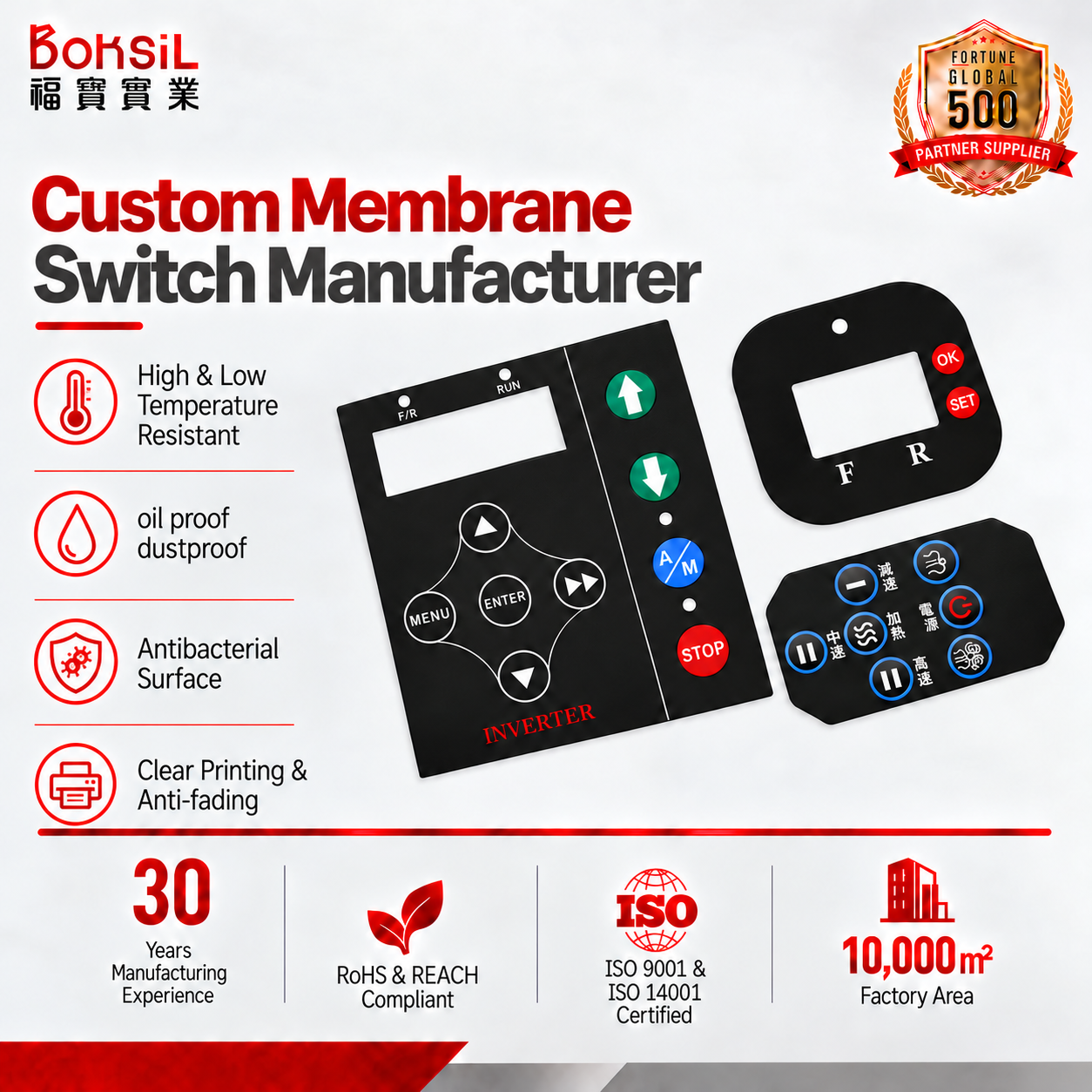
OEM/ODM Front Control Electronic Panel Polycarbonate Membrane Switch Graphic Overlay
- Material: Hard-Coated Lexan PC
- Window Clarity: > 92% Light Transmittance
- Adhesive Base: 3M 467MP / 468MP
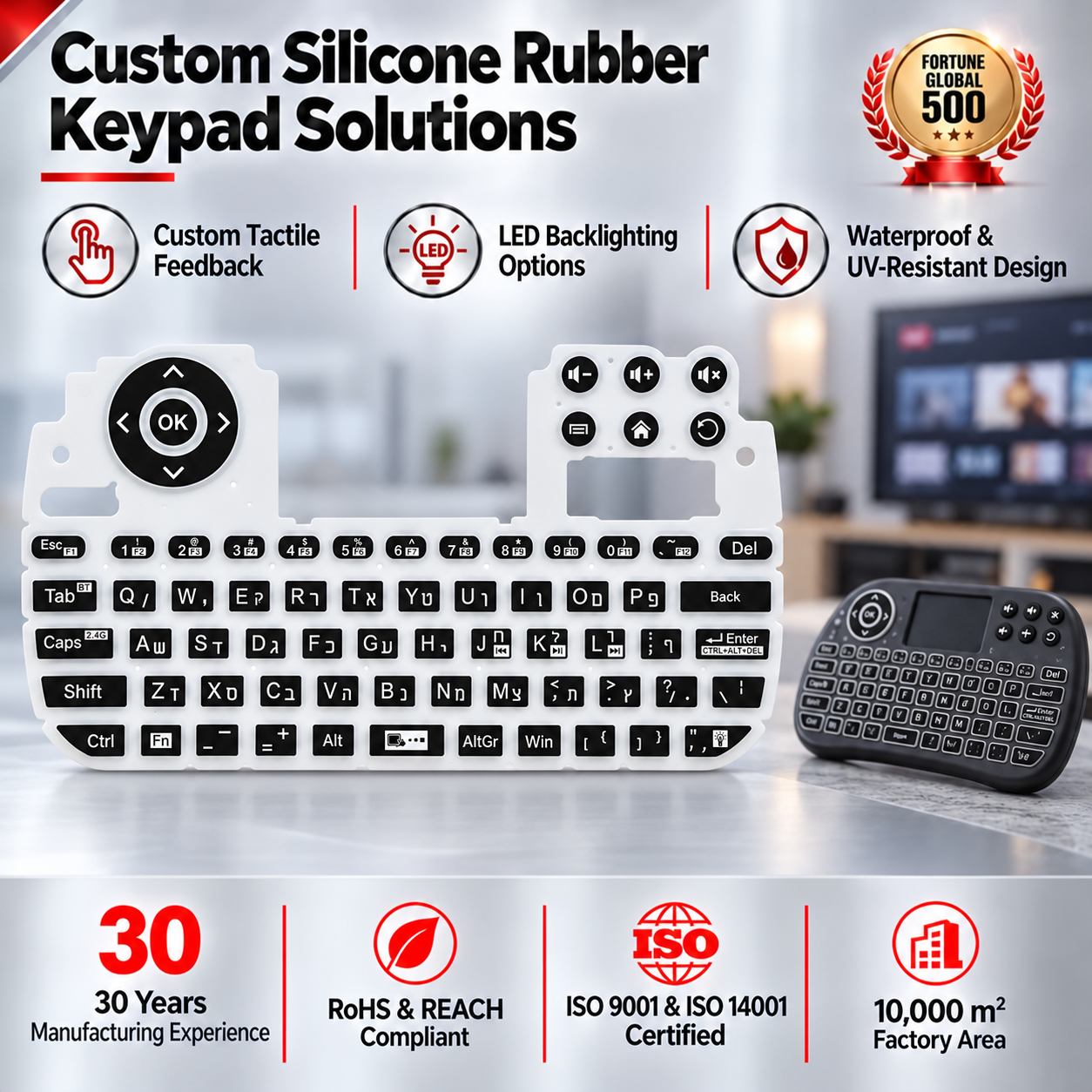
Mini Wireless QWERTY Silicone Rubber Keypad Customizable Elastomer Hotkey Matrix
- Surface: PU / Epoxy Coating
- Pill Contact: Conductive Carbon Pills
- Ergonomics: Scalloped Keys
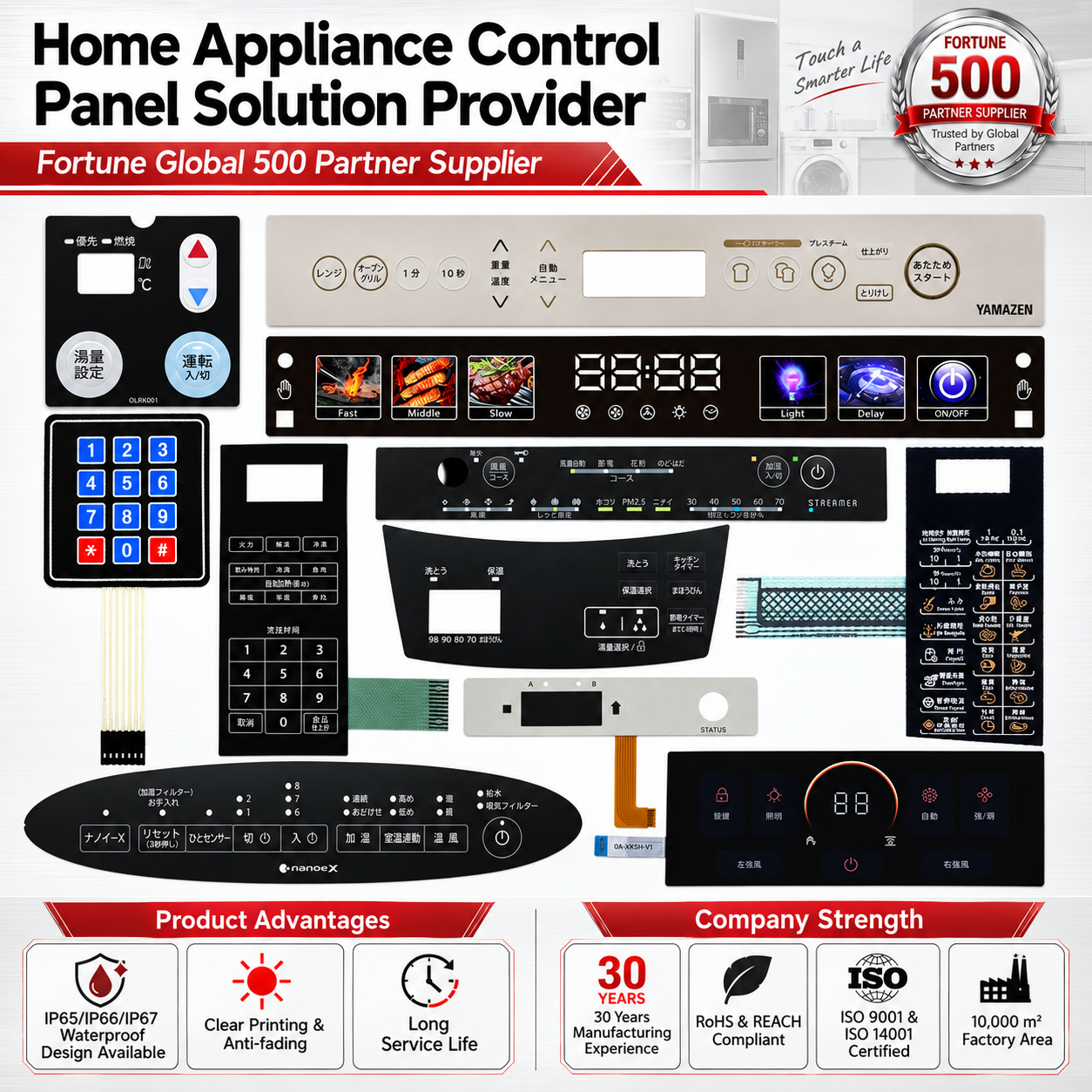
Factory Custom Membrane Switch Graphic Overlay IP65 Waterproof Touchpad Panel
- Protection: Perimeter Gasket Seal
- Circuit Layer: Silver Conductive Paste
- Connector: 2.54mm Pitch FCI / Nicomatic
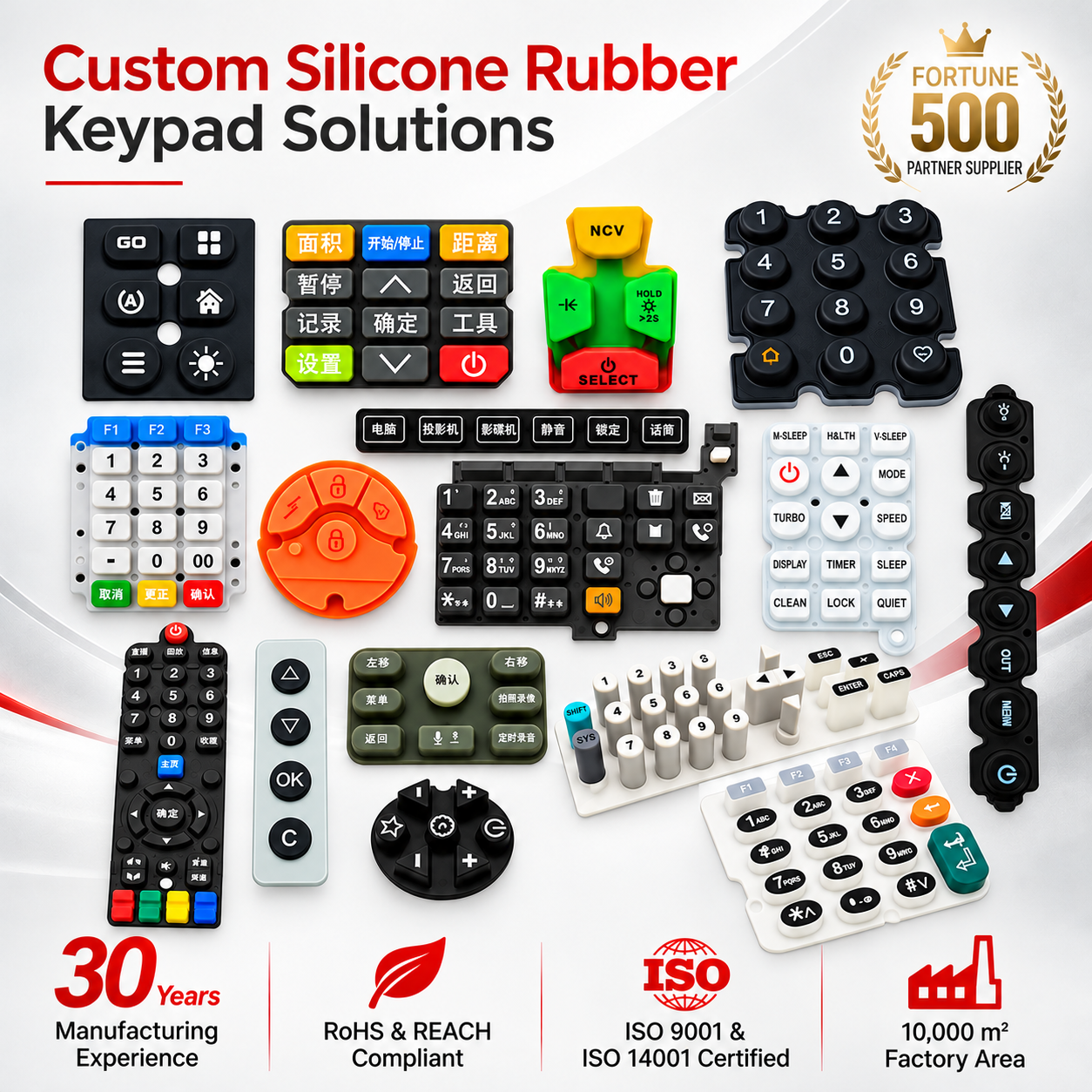
China Custom Size Durable Multi-Color Conductive Rubber Keypads PTT Push Button
- Hardness: 40° – 70° Shore A
- Cycle Rating: > 1,000,000 Operations
- Lettering: Laser Etched Backlit
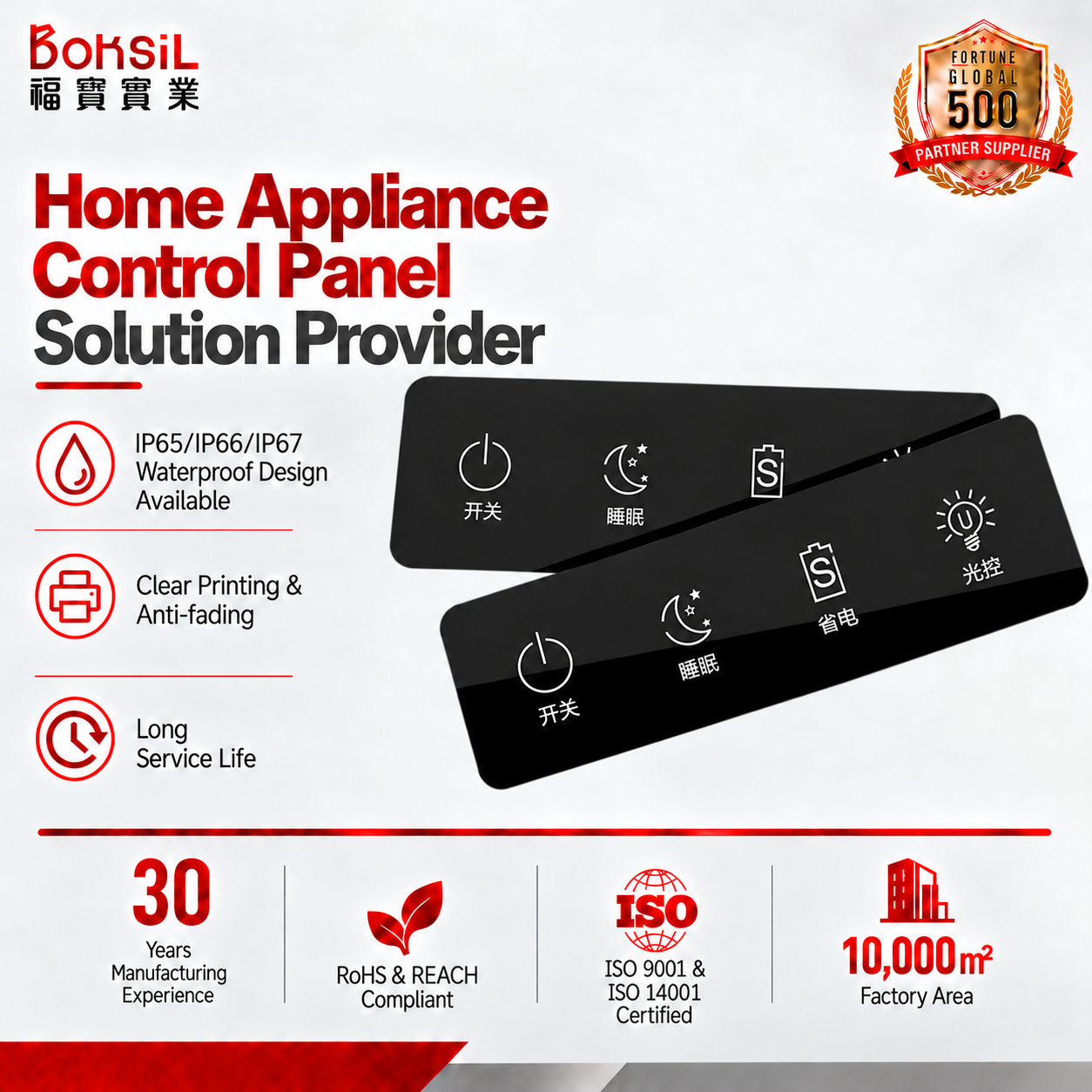
Factory Direct Custom Silk Screen Printing PMMA Graphic Overlay LCD Front Panel
- Material: Optical PMMA (Acrylic)
- Surface Hardness: Up to 3H – 4H Pencil
- Bevel: CNC Precision Chamfering
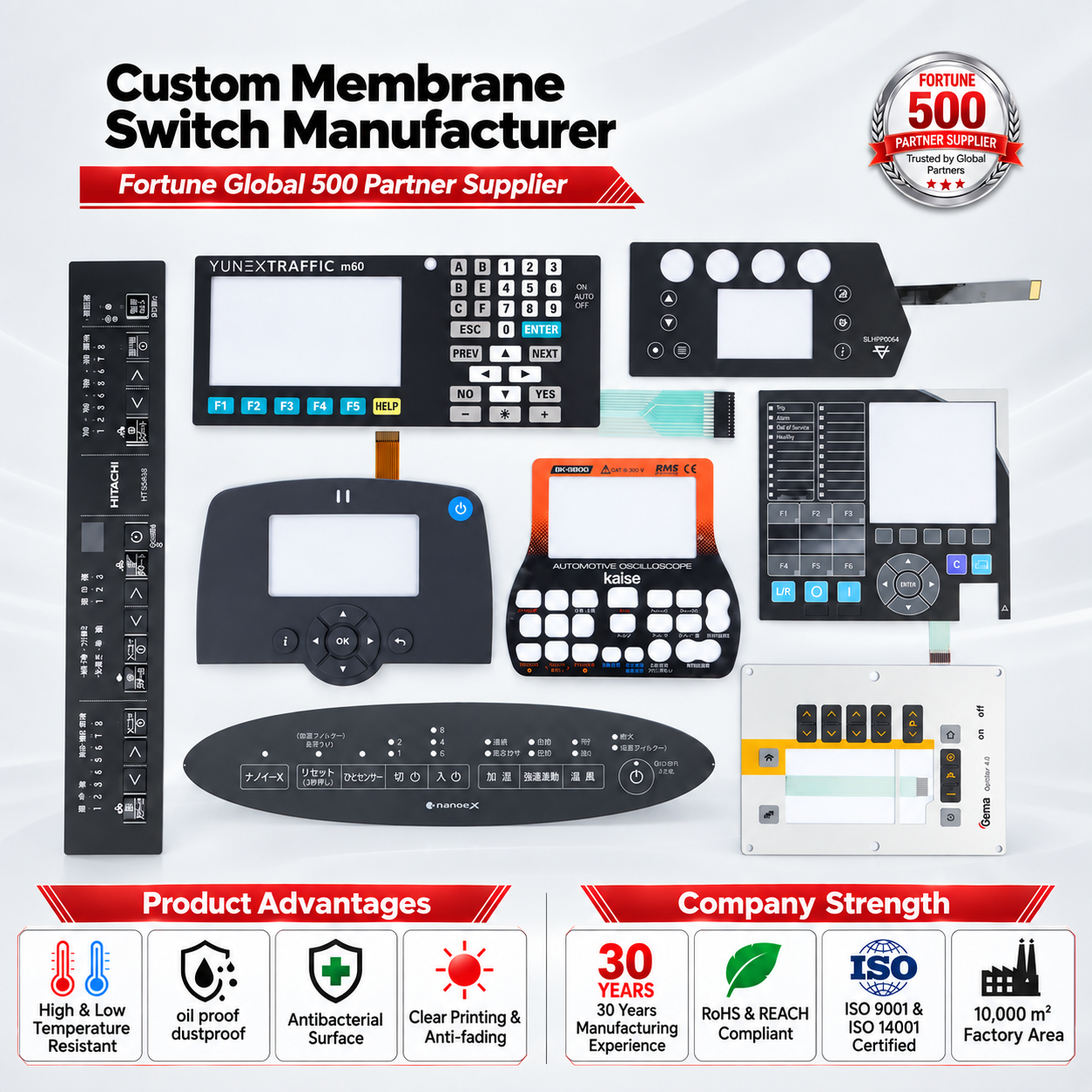
Custom Medical & Automotive Waterproof FPC Circuit Graphic Overlay Touch Panel
- Circuit Architecture: Copper-Clad Polyimide FPC
- Window Options: Smoked, Tinted, Anti-Glare
- Certifications: RoHS, REACH, Intertek Verified
Industrial HMI Procurement in Tegucigalpa: Navigating Optical & Climatic Demands
Strategic guidelines for Honduran equipment manufacturers, system integrators, and plant engineers specifying front panel interfaces.
In the evolving industrial landscape of Tegucigalpa and the Francisco Morazán department, manufacturing and instrumentation sectors are rapidly upgrading to automated, digital-first control interfaces. From medical diagnostic kiosks deployed in central hospitals to automated sorting equipment in agro-processing and textile processing maquilas, the interface front panel is no longer a cosmetic decal—it is the frontline protective barrier for expensive embedded electronics. A critical mechanical component within this shift is the transparent window membrane faceplate, which must deliver absolute visual clarity for underlying TFT LCDs, OLEDs, and seven-segment vacuum fluorescent displays while resisting frequent tactile actuation, caustic clean-downs, and aggressive environmental fluctuations.
Sourcing these precision components presents specific challenges for Tegucigalpa-based engineering procurement teams. Tegucigalpa’s elevation (approx. 1,000 meters above sea level) combines high ultraviolet radiation indexes with significant tropical humidity shifts between rainy and dry cycles. Substandard graphic overlays manufactured with standard PVC or inferior grade calendered polycarbonate rapidly experience UV yellowing, micro-cracking across embossed switch perimeters, and catastrophic delamination around the transparent window seams. Leading international factories and qualified exporters serving the Honduran market have consequently engineered advanced composite stack-ups: incorporating autotype hard-coated biaxially oriented polyester (PET), selective optical clear adhesives (OCA), dead-front printed mask layers, and hermetic perimeter environmental barriers rated up to IP67.
| Substrate Material | Optical Transparency | UV & Yellowing Resistance | Chemical / Solvent Resistance | Actuation Flex Life | Best Fit Application in Honduras |
|---|---|---|---|---|---|
| Autotype Hard-Coated PET | 91% – 93% (Anti-glare or Gloss) | Exceptional (UV-stabilized outdoor) | Impervious to alcohols, bleach, fuels | > 5,000,000 switch cycles | Medical instruments, agro-industrial PLCs, fuel dispensing |
| Optical Polycarbonate (Lexan) | 88% – 90% (Water-clear clarity) | Moderate (Prone to haze over 3+ yrs UV) | Vulnerable to aggressive aromatic solvents | < 50,000 cycles (Best for flat panels) | Indoor industrial control fascias, lab analyzers, display lenses |
| PMMA (Optical Cast Acrylic) | 92% – 94% (Highest light flux) | High intrinsic UV resistance | Moderate resistance; scratch-coat required | Rigid / Non-tactile (Lensing application) | Heavy-duty rugged display windows, outdoor vending kiosks |
| In-Mold Decoration (IMD / IML) | Integrated with molded chassis | High (Polycarbonate/ABS blend) | Resistant; encapsulated ink structure | Long-term wear resistance | Commercial appliances, automotive dashboards, smart metering |
Localized Application Scenarios across Honduras Industry Sectors
How transparent window membrane faceplates are implemented across specialized manufacturing clusters.
Coffee & Agro-Industrial Processing
Processing plants in El Paraíso, Comayagua, and surrounding Tegucigalpa rely on electronic color sorters, grain moisture testers, and automated drying kilns. The faceplates require anti-glare transparent display windows that prevent optical distortion under high-dust environments while shielding underlying microcontrollers from particulate contamination.
Clinical & Hospital Diagnostic Equipment
Healthcare facilities across Tegucigalpa (such as Hospital Escuela and private diagnostic clinics) deploy infusion pumps, patient monitors, and centrifuges. These interfaces feature smooth, antimicrobial polyester graphic overlays with flush, optically transparent windows that withstand non-stop wipe-downs with isopropyl alcohol and quaternary ammonium disinfectants.
Financial Kiosks & Commercial Ticketing
The urban center of Tegucigalpa features an expanding infrastructure of public transit ticket validators, automated utility payment terminals, and bank drive-thru systems. These require vandal-resistant, hard-coated window faceplates that resist surface scratching from coins, keys, and extreme sunlight glare.
Emerging Technology Trends in Honduran HMI Integration
The convergence of capacitive sensing, optical bonding, and smart illumination in Central America.
Dead-Front Printing with Integrated Secret-Until-Lit Legends
Modern machine builders in Tegucigalpa are moving away from busy, multi-colored button panels. By using precision halftone screen-printing and translucent smoke-gray inks over transparent window zones, icons and indicators remain completely invisible until illuminated by underlying SMD LEDs, creating an ultra-clean, automotive-grade aesthetic.
Transition to Copper FPC Circuits for High-Density Layouts
While traditional silver-screened ink circuits suffice for standard button arrays, projects requiring narrow trace pitches, miniature SMT LEDs, and tight connector footprints are converting to Flexible Printed Circuits (FPC). Copper-clad polyimide circuits provide zero migration risk under humid Central American weather, dramatically extending machine uptime.
Optical Bonding & Anti-Reflective Window Enhancements
Direct sunlight reading remains a core design challenge in the high-elevation ambient light of Tegucigalpa. Modern transparent faceplates now incorporate anti-reflective (AR) and anti-fingerprint (AF) nanocoatings on PMMA and PET windows, cutting surface reflections from 8% down to under 0.8% for crystal-clear readability.
Enterprise-Grade Membrane Switch & Graphic Overlay Manufacturing
Why Tier-1 OEM buyers and global distributors partner with Dongguan AXRU Electronics Co., Ltd. for turnkey interface assemblies.
Operating from our modern 10,000㎡ industrial facility in Dongguan, China, Dongguan AXRU Electronics Co., Ltd. maintains full vertically integrated control over every step of membrane faceplate fabrication. Evaluated and audited on-site by Intertek, our 121-person precision engineering team eliminates third-party outsourcing risks. Every step—from automated optical screen printing in dust-free Class 1,000 cleanrooms to high-speed laser cutting, CNC acrylic routing, and robot-assisted dome placement—is managed under strict ISO-certified quality management protocols.
Intertek On-Site Verified Quality Rigor
Our manufacturing plant and production lines hold full on-site verification. We operate an in-house reliability laboratory equipped with automated force-displacement testers, key life cyclers, programmable temperature/humidity chambers, ink rub testers, and UV yellowing accelerated chambers.
Precision Tooling & Rapid DFM Prototyping
We bridge the communication gap between Tegucigalpa design teams and our production floor. Our senior engineers deliver exhaustive Design For Manufacturability (DFM) reviews within 24 hours, evaluating overlay thickness, dome tactile response, spacer venting channels, and tail escape routing before cutting steel tooling.
Comprehensive Export Documentation & Logistics
With more than 10 years of worldwide export experience, we manage all international shipping requirements. From custom anti-static vacuum packaging and moisture barrier boxing to streamlined air/sea freight routing into Puerto Cortés and Toncontín / Palmerola gateways, our supply chain ensures unbroken product integrity.
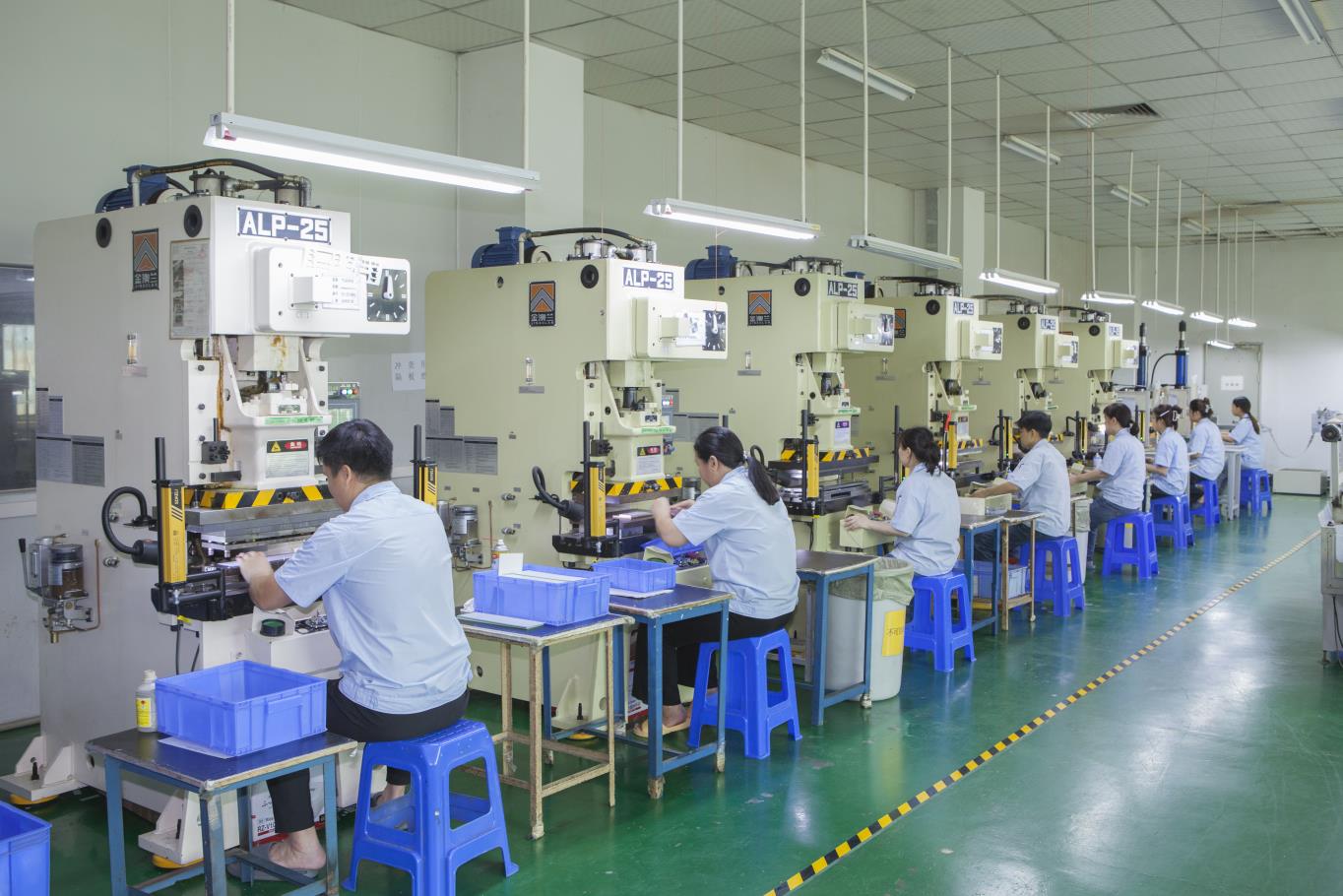 10,000㎡ Modern Production Plant
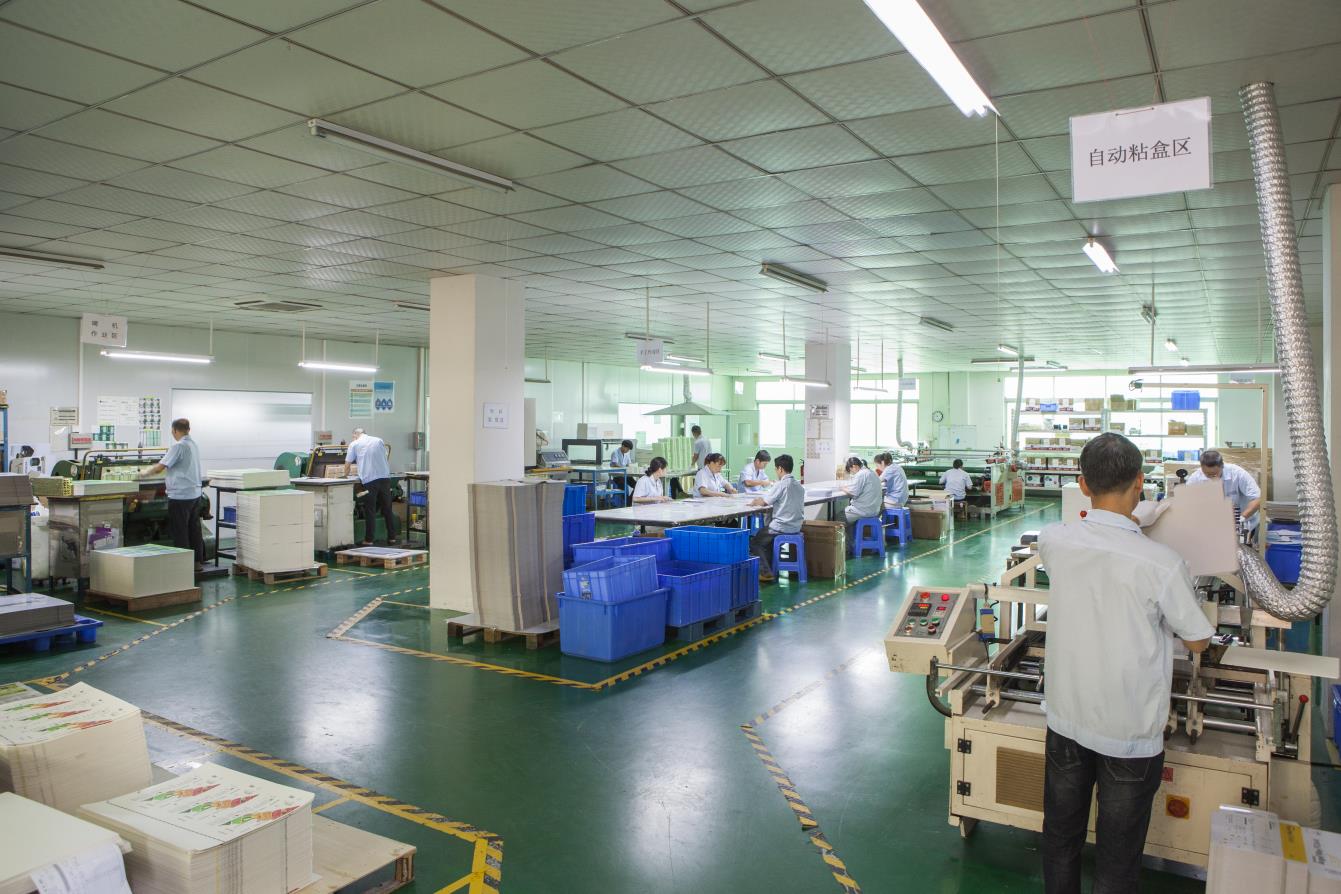 Dust-Free Optical Screen Printing
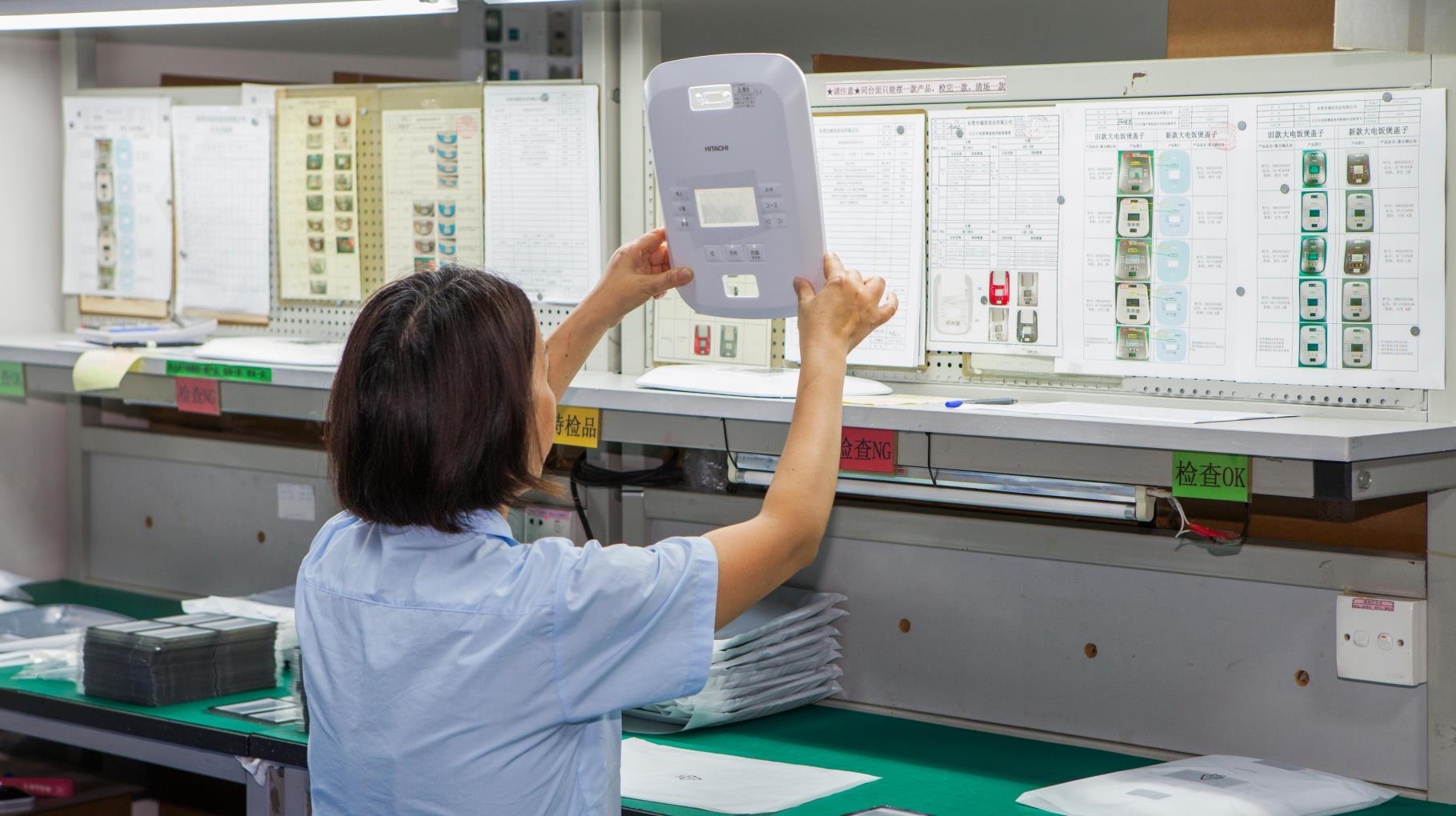 100% Pre-Shipment Testing
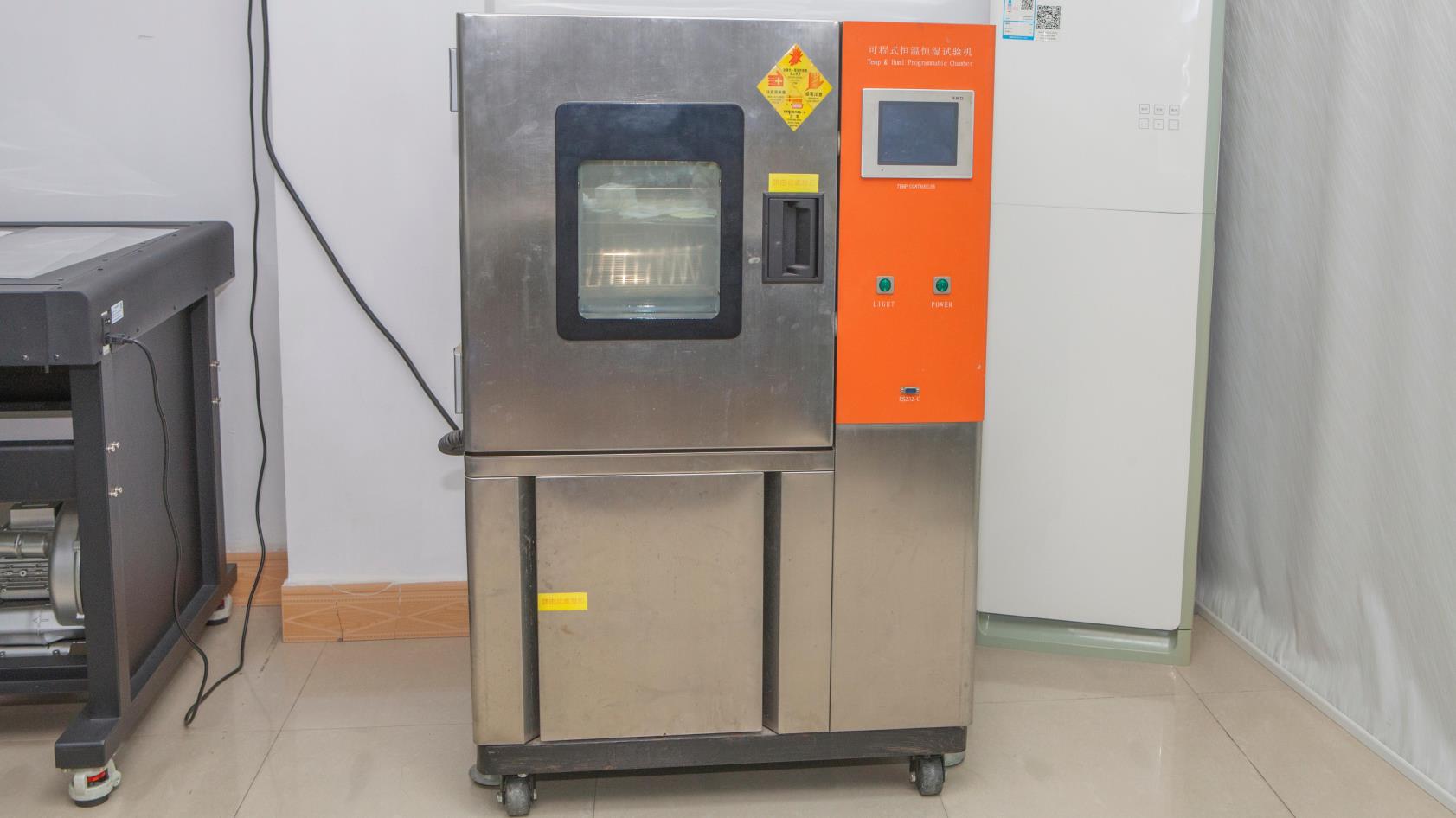 Environmental Reliability Lab
Frequently Asked Questions: Sourcing Membrane Faceplates in Tegucigalpa
Essential guidance on minimum order sizes, technical drawings, adhesive selection, and shipping logistics.
What is the standard Minimum Order Quantity (MOQ) for custom faceplates?
Unlike rigid mass-producers, AXRU supports engineering development and replacement runs with a flexible low MOQ starting at only 100 pieces for custom membrane switches and graphic overlays. Full pre-production first-article samples are supplied for engineering verification before releasing volume tooling.
How do you achieve crystal-clear window transparency without Newton rings?
When an overlay window sits directly against an LCD or touch glass, moisture and surface contact can generate rainbow-like Newton rings. We prevent this by applying specialized anti-glare micro-textures or printing an invisible perimeter optical spacer matrix that maintains a uniform 0.05mm air gap across the visual zone.
What industrial adhesive tape is recommended for humid Tegucigalpa facilities?
For smooth metal or powder-coated aluminum chassis, genuine 3M 467MP high-performance acrylic adhesive is standard. For rough, low-surface-energy (LSE) molded plastics such as textured ABS or polypropylene, we specify 3M 468MP or 3M 300LSE to guarantee total peel resistance under fluctuating humidity.
What file formats are required to receive a fast engineering quotation?
To provide an accurate DFM analysis and unit price, our team requires a 2D mechanical vector drawing (AutoCAD DXF/DWG or Adobe Illustrator AI/PDF) defining overall dimensions, cutout locations, embossing profiles, circuit pinouts, and graphic artwork with explicit Pantone (PMS) or RAL color codes.
Can you provide antimicrobial coatings for clinical instruments?
Yes. For hospital and medical electronics destined for Honduran healthcare providers, we apply specialized textured antimicrobial hard-coat polyester films (such as Autotex AM). The silver-ion technology integrated into the film matrix actively inhibits microbial and fungal proliferation for the working life of the device.
What are typical manufacturing lead times and freight options to Honduras?
Tooling and rapid prototyping are typically completed in 7 to 10 working days. Following engineering sign-off, standard batch production takes 12 to 18 days. We ship regular consignments via express couriers (DHL, FedEx, UPS) directly to Tegucigalpa within 4–6 transit days, or via consolidated sea containers into Puerto Cortés.