Automotive Grade
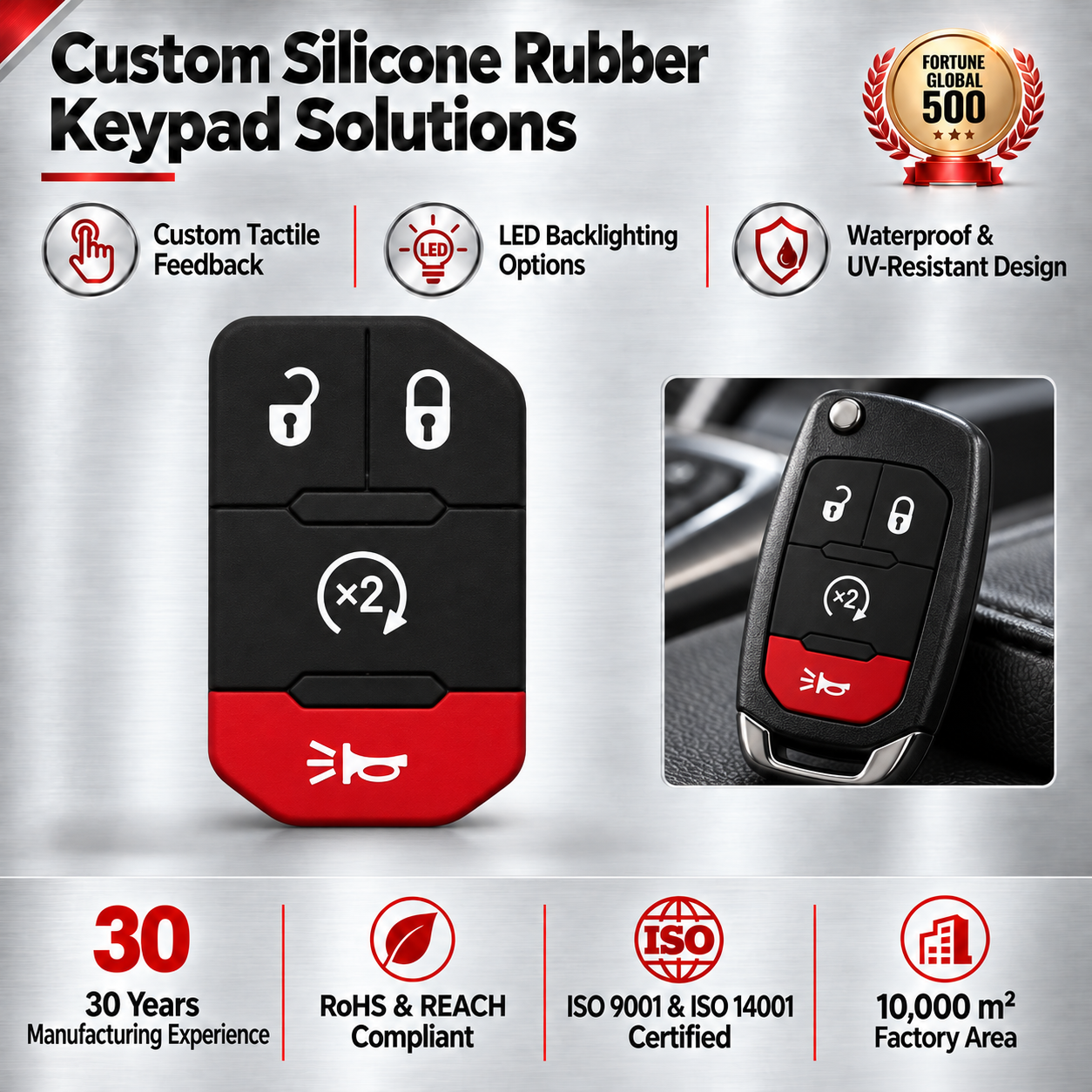
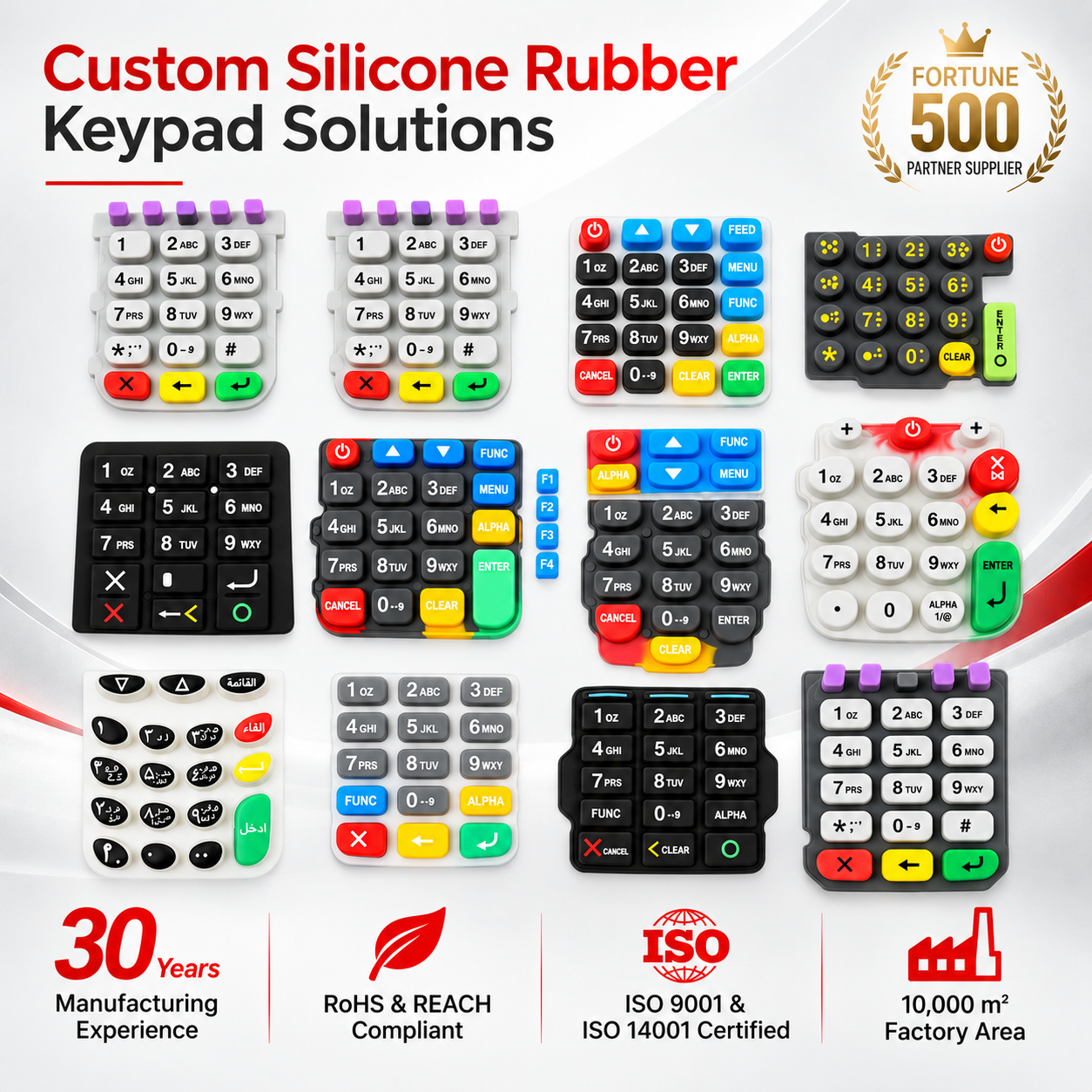
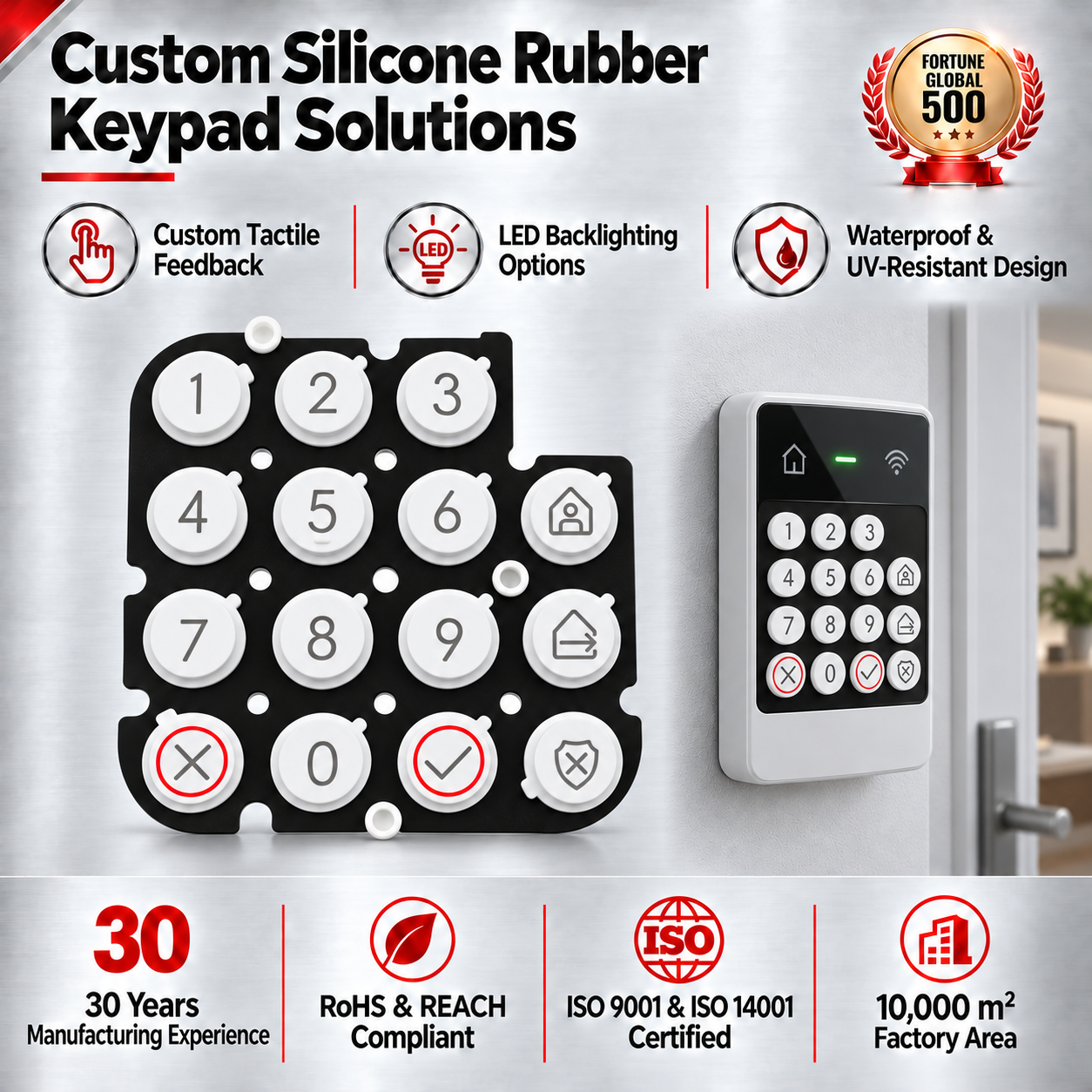
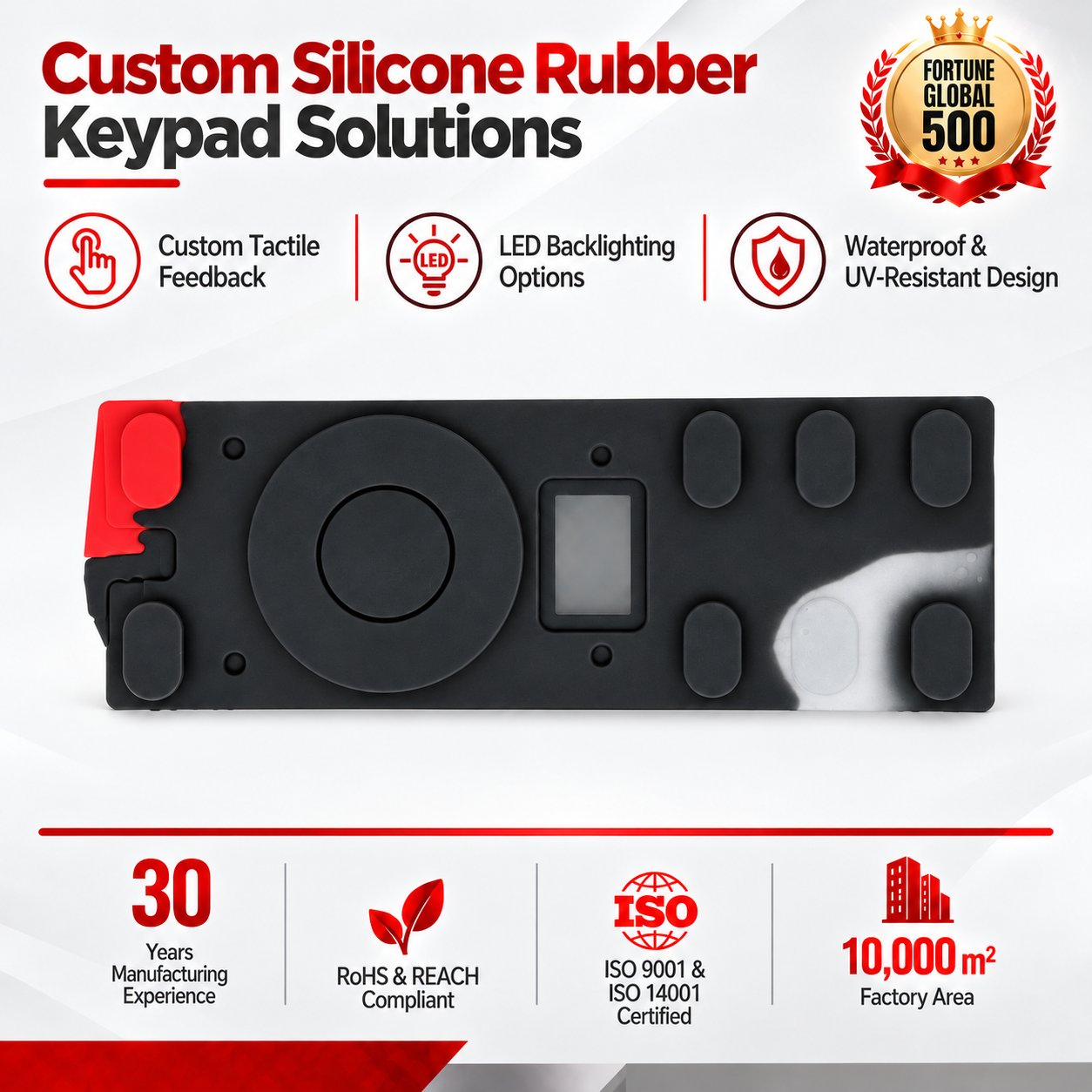
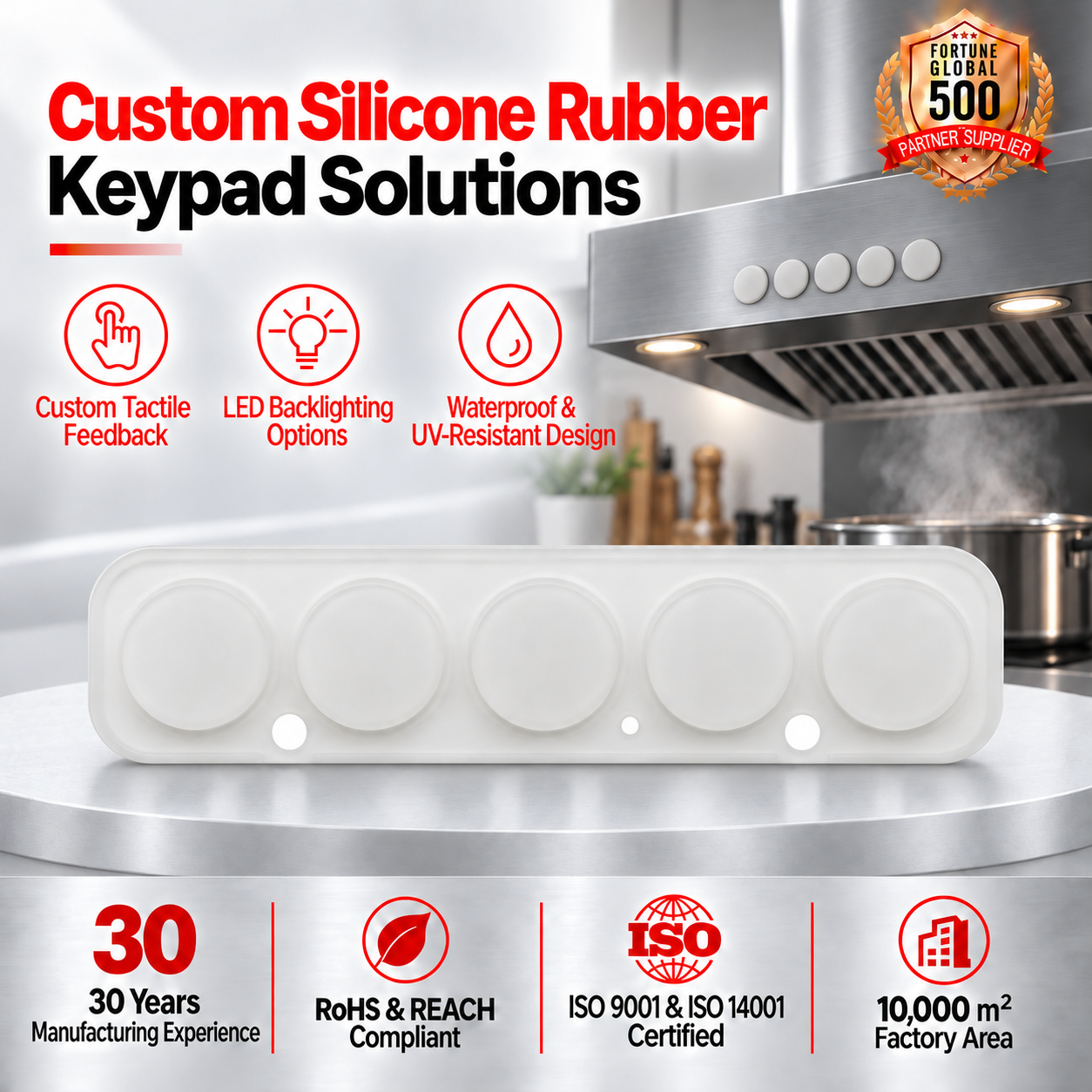
Waterproof Silicone Car Key Cover Press Button Rubber Keypad
- Material: High-Elongation Silicone
- Ingress Rating: Hermetic IP67
- Lifecycle: > 1,000,000 Actuations
High-specification membrane switch assemblies, tactile silicone elastomer panels, and sub-surface printed polycarbonate interfaces configured to IEC/EN sealing and functional longevity standards.
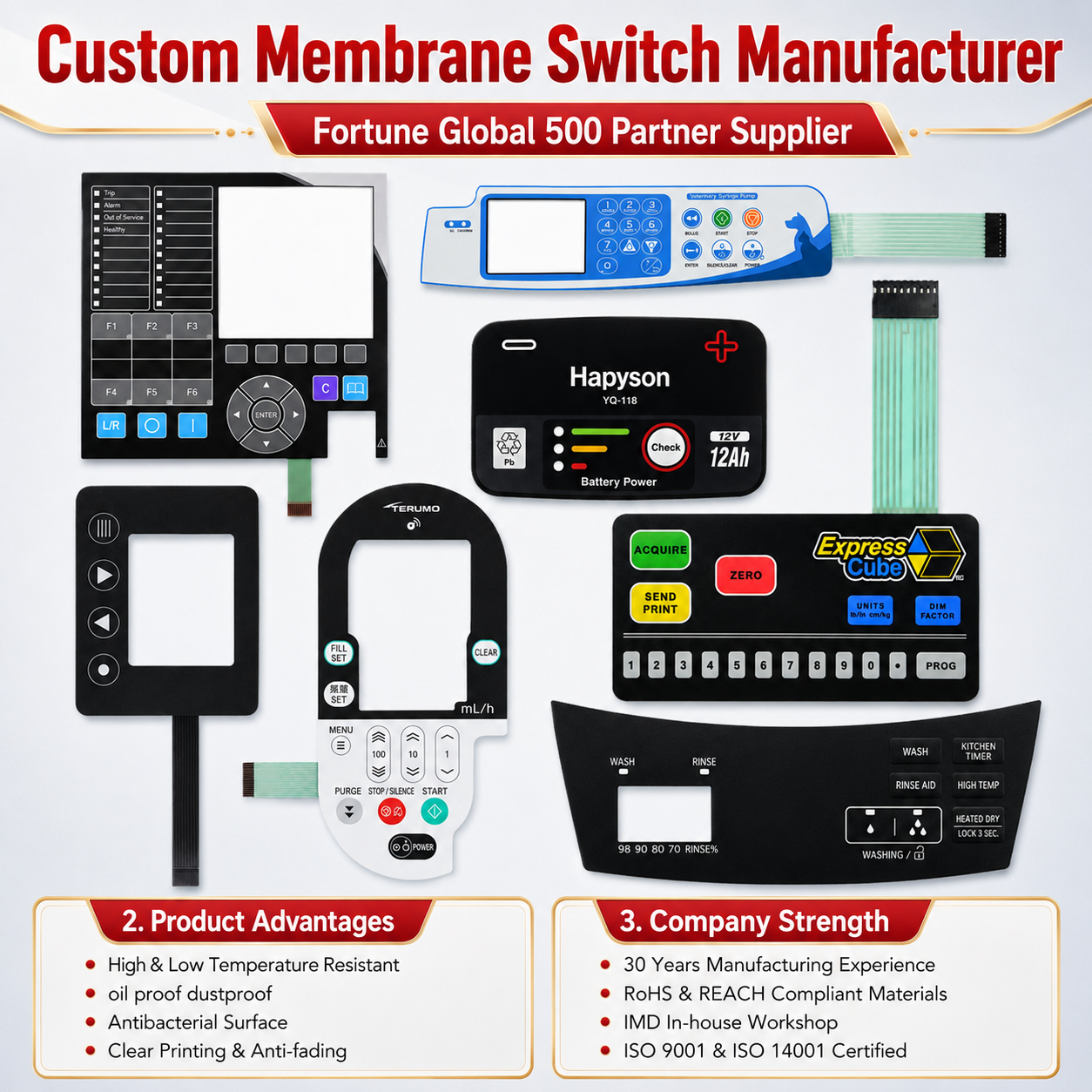
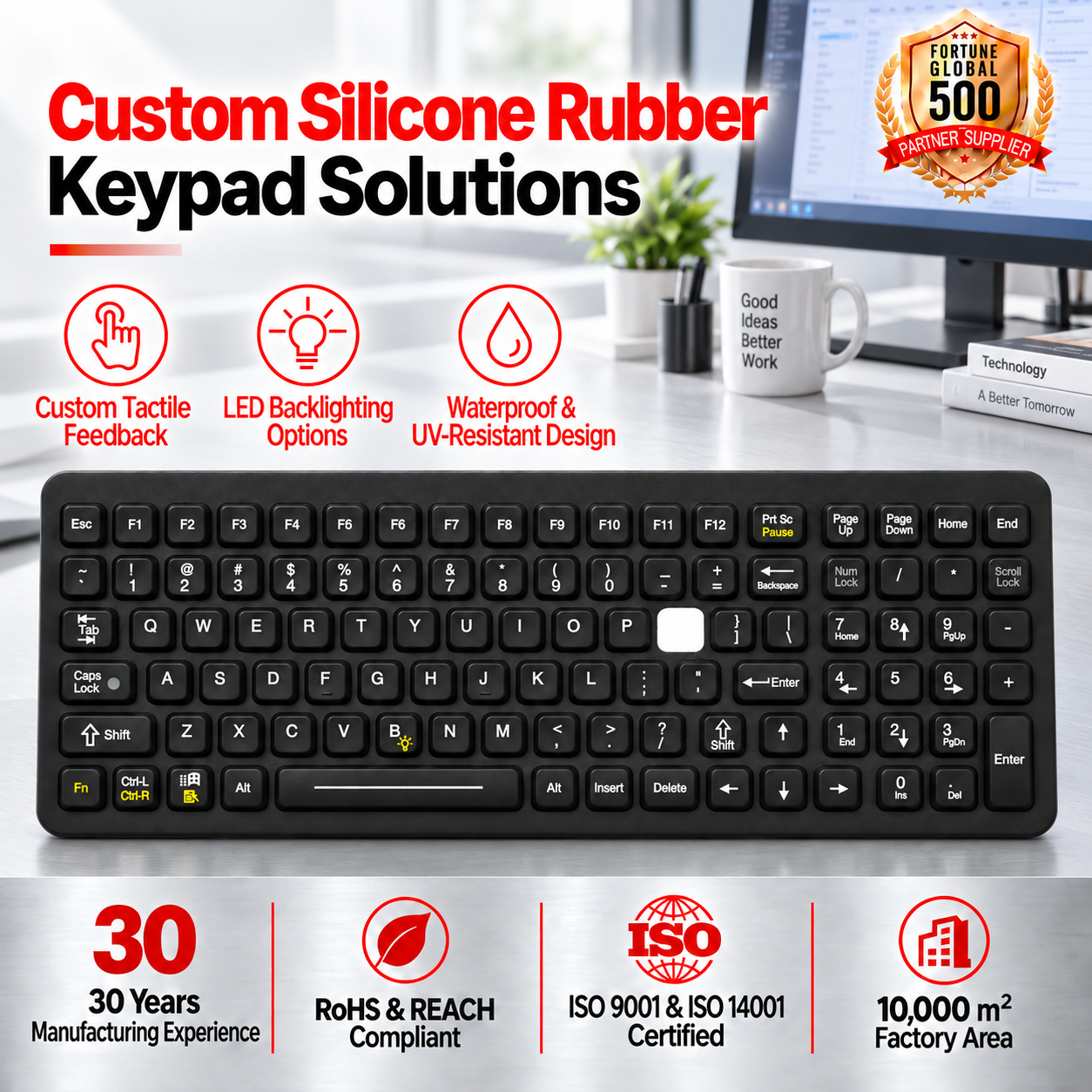
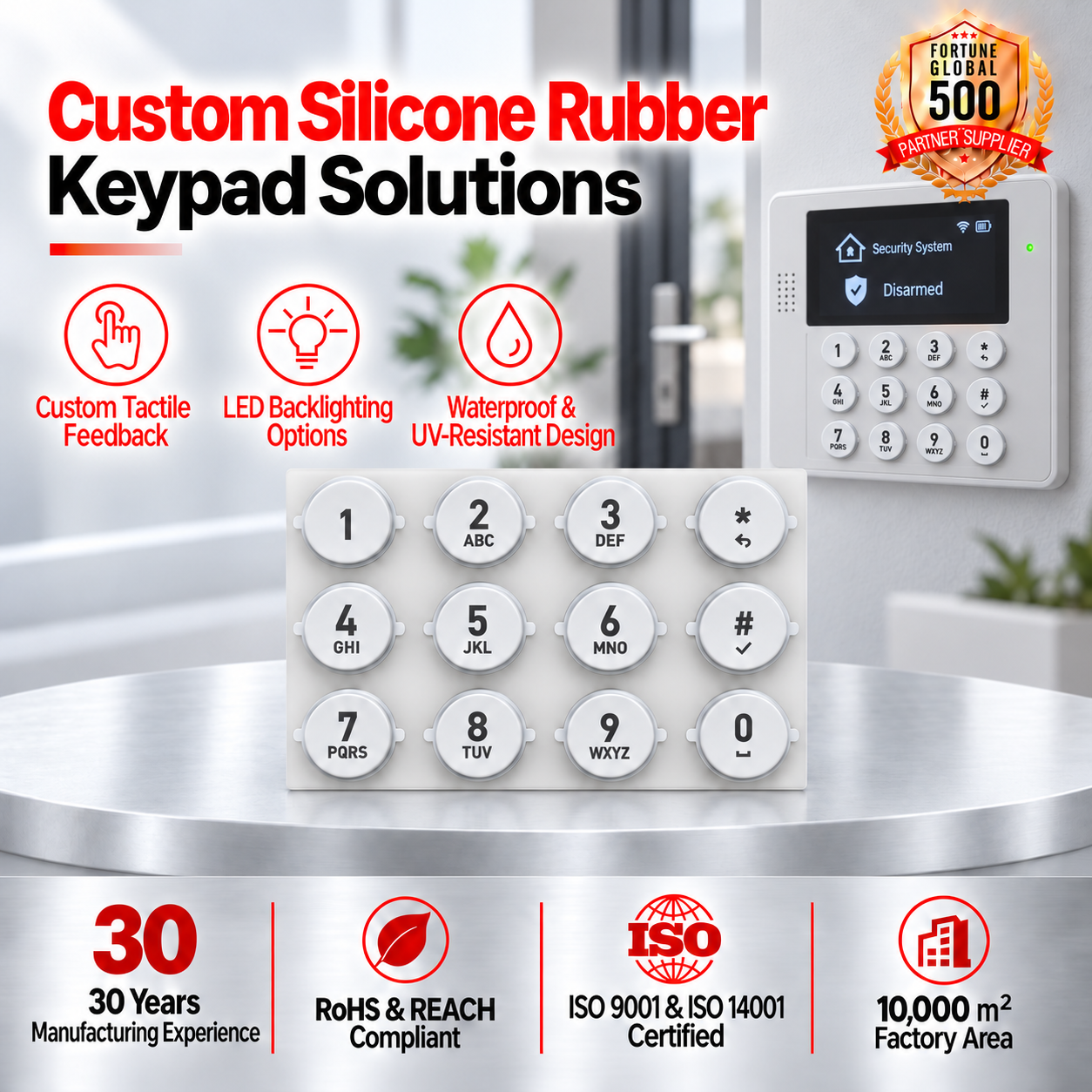
The industrial district of Braga, encompassing major industrial hubs from Guimarães to Famalicão within the dynamic Minho region of northern Portugal, has evolved into a strategic European spearhead for automotive tier manufacturing, precision electronics, specialized medical diagnostics, and robotic assembly. In these rigorous operational environments, the human-machine interface (HMI) serves as the primary barrier and operative conduit between physical shop-floor personnel and digital control logic. Selecting an appropriate polycarbonate (PC) membrane switch manufacturer requires deep technical scrutiny of material physics, surface treatments, adhesive rheology, and printed trace metallurgy.
Polycarbonate (typically sourced via Lexan™ or Makrofol™ optical formulations) offers superior optical clarity (transmittance up to 88-91%), extraordinary impact resistance, and unmatched ease of thermoforming and 3D selective embossing. It allows crisp graphic reproduction via secondary subsurface screen or digital UV printing, shielding metallic inks from tactile abrasion.
However, polycarbonate possesses lower fatigue life when subjected to millions of deep-travel key actuations compared to biaxially oriented polyethylene terephthalate (PET). Therefore, expert HMI manufacturers serving the Minho technology corridor implement a composite stack-up: utilizing textured, hard-coated polycarbonate for visual faceplates and window lens displays, coupled with metal-dome tactile actuators or hybrid silicone membranes to alleviate local flex stress on the polymer substrate.
Standard silver conductive inks printed on polymer substrates face silver migration risks under high ambient humidity—a frequent condition in coastal and sub-Atlantic Portugal. High-reliability suppliers counteract this via micro-gap carbon overcoats or by transitioning from screen-printed silver-on-PET to etched flexible printed circuits (FPC) using rolled-annealed (RA) copper foil bonded to polyimide bases.
Furthermore, achieving robust IP65, IP67, or chemical-washdown IP69K ratings necessitates precision boundary venting channels and high-cohesion acrylic adhesives (such as 3M™ 200MP, 467MP, or 300LSE low-surface-energy bonding agents). Sealing systems must withstand cleaning solvents, industrial lubricants, and localized pressure differentials without pneumatic air-lock failure.
A comparative evaluation of leading domestic Portuguese fabricators, European high-mix converters, and certified global direct-manufacturing plants supplying the northern Portuguese industrial zone.
Intertek-inspected 10,000㎡ vertically integrated plant running 100% optical and electrical testing. AXRU combines screen-printed polycarbonate graphic overlays, precision metal dome arrays, etched copper FPC circuits, and custom silicone rubber molding under one roof, providing tier-1 European engineering teams with low tooling costs, fast DFM turnaround, and MOQ from 100 pieces.
A venerable Portuguese industrial printing and screen conversion operation offering localized front-panel printing, labels, and classic membrane keypads. Serves industrial clients across Minho, Porto, and Aveiro with short shipping lead times and direct local engineering communication.
Pioneers in high-end human-machine interfaces, aluminum capacitive front plates, and tactile membrane buttons. Algra is frequently specified by high-budget medical and analytical equipment OEMs across Europe that require strict compliance with aerospace and clinical hygiene protocols.
Renowned for high-reliability input devices, potentiometers, and ruggedized membrane switches. Hoffmann + Krippner designs specialized interface panels featuring hybrid tactile switches that meet extreme automotive and defense mechanical endurance requirements across Western Europe.
A global leader in electronic components and complete input system integration. Schurter supplies customized membrane switches, resistive and PCAP touch units, and illuminated front panels to European medical device designers and mission-critical automation systems.
Specializes in custom industrial control panels, graphic identification plates, and membrane switches for machinery manufacturers in Portugal and Spain. Emphasizes swift design adaptation for low-to-medium volume machinery runs common in Minho’s textile and footwear manufacturing base.
An established international brand in printed electronics, transparent conductive sensor circuits, and custom membrane overlays. Supplies tier-1 automotive sub-suppliers delivering cockpit console interfaces across international automotive networks.
Focuses on vandal-resistant industrial control systems, hybrid metal-membrane panels, and outdoor public terminal interfaces. Frequently sourced by Portuguese engineers designing public ticketing kiosks, charging stations, and harsh-chemical agricultural processors.
A world-class manufacturer of mechanical switches, joysticks, indicators, and high-performance custom membrane keypads. APEM’s membrane units are engineered for agricultural vehicle cabins, heavy handling machinery, and industrial automation equipment operating across Iberia.
Supplies the broader Northern Portuguese and Galician manufacturing corridors with localized polyester/polycarbonate overlays, tactile dome matrices, and customized controller front sheets for mid-tier machinery fabricators.
| Technology Parameter | Polycarbonate (PC) Overlay | Polyester (PET) Overlay | FPC / Membrane Hybrid |
|---|---|---|---|
| Optical Transmission | 88% – 91% (Water-clear, non-yellowing) | 85% – 88% (Slight haze in thick gauges) | Subsurface display windows up to 92% |
| Flexural Endurance | ~100,000 to 300,000 cycles (Requires proper dome actuation) | > 5,000,000 cycles (Superior elastic recovery) | Determined by metal dome spring fatigue life |
| Chemical Resistance | Moderate (Sensitive to strong ketones/esters unless hardcoated) | High (Resistant to alcohols, oils, weak acids, cleaning fluids) | Dependent on front layer treatment; impervious back-carrier |
| Embossability / 3D Shaping | Outstanding (Clean rim, pillow, and custom hydro-formed shapes) | Moderate (Requires heat-stabilized grades to retain geometry) | High dimensional stability across -40°C to +85°C |
| Best Fit Application in Minho | Diagnostic displays, automotive bezels, appliance consoles | Repetitive cycle industrial automation, textile control units | Precision medical, mission-critical PLCs, high-density matrix IO |
Braga has transformed from a historic commercial center into a powerhouse of Portuguese Industry 4.0. Driven by major research clusters (including the International Iberian Nanotechnology Laboratory - INL and the University of Minho), the surrounding manufacturing ecosystem demands HMI solutions tailored to distinct regional competencies:
The industrial belt extending toward Famalicão and Guimarães supplies critical interior consoles, speedometers, and climate modules. Sub-surface printed polycarbonate ensures high scratch resistance and crisp backlighting for night-driving readability.
Innovators emerging from regional university spin-offs develop blood analyzers, clinical incubators, and surgical controls requiring antimicrobial-coated, completely flush front surfaces compatible with IPA cleaning agents.
Minho's legacy textile sector relies on cutting-edge automated embroidery, weaving, and robotic leather-stitching systems. Keypads require heavy-duty ingress protection (IP65) against micro-lint, airborne lubricants, and constant multi-shift operator use.
Historically, Portuguese procurement departments relied solely on local screen-printers for rapid turnaround, or on high-cost Central European boutique converters for complex electronics. Today, modern supply-chain directors in Braga employ a sophisticated bifurcated model: prototyping and short-run industrial engineering align directly with global manufacturing partners capable of providing rapid Design for Manufacturability (DFM), scalable cleanroom production, and cost structures that maximize competitiveness across European export programs.
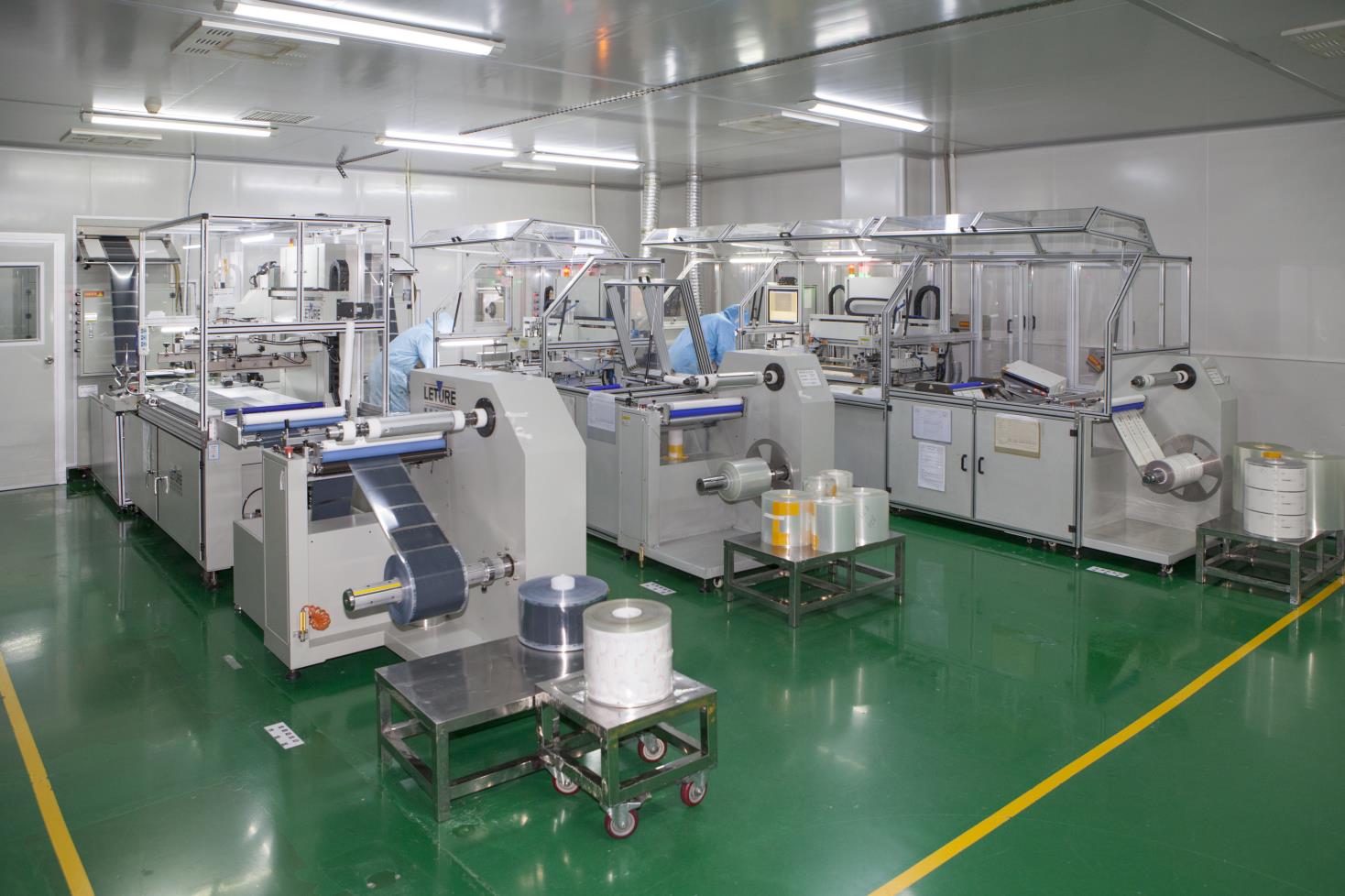
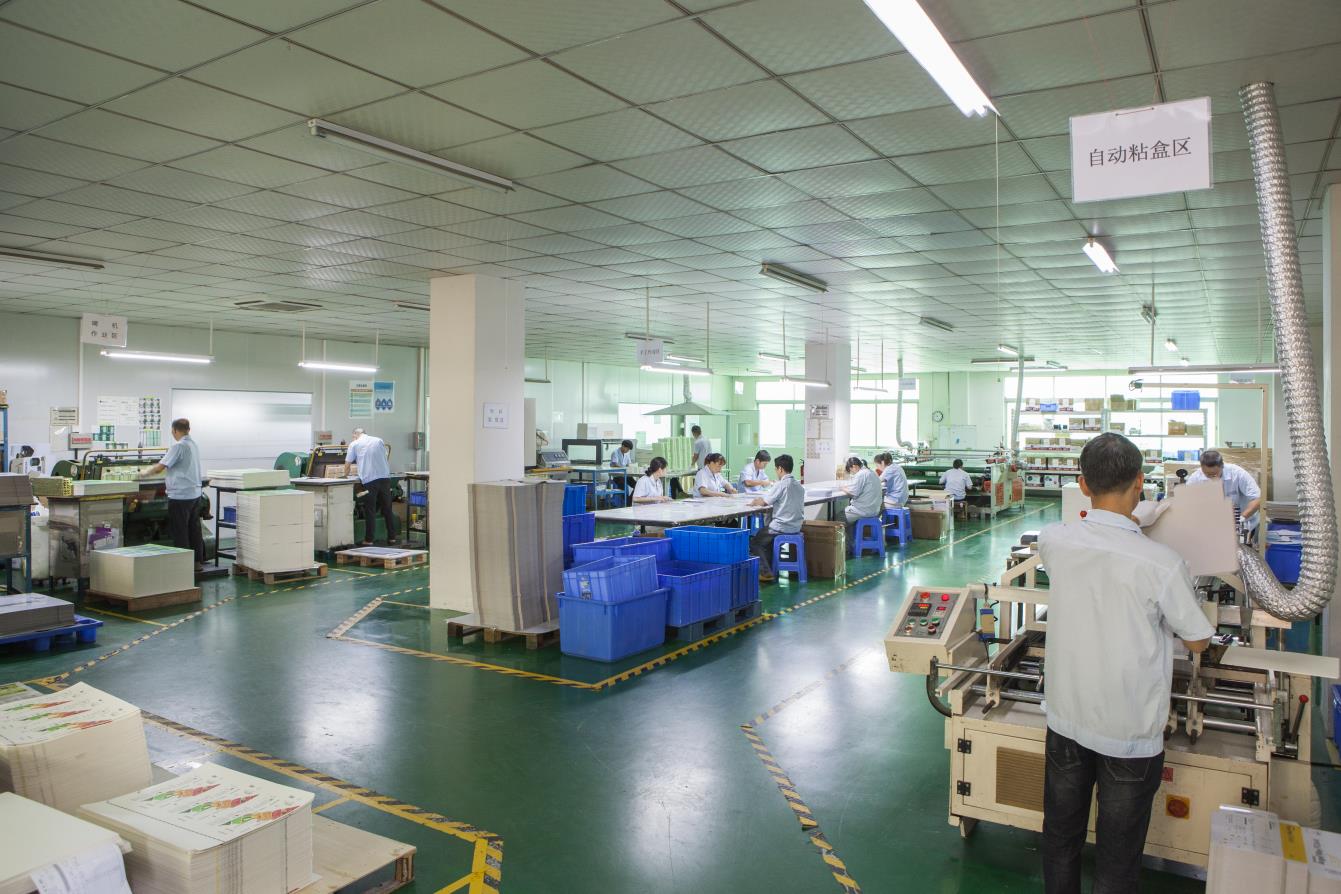
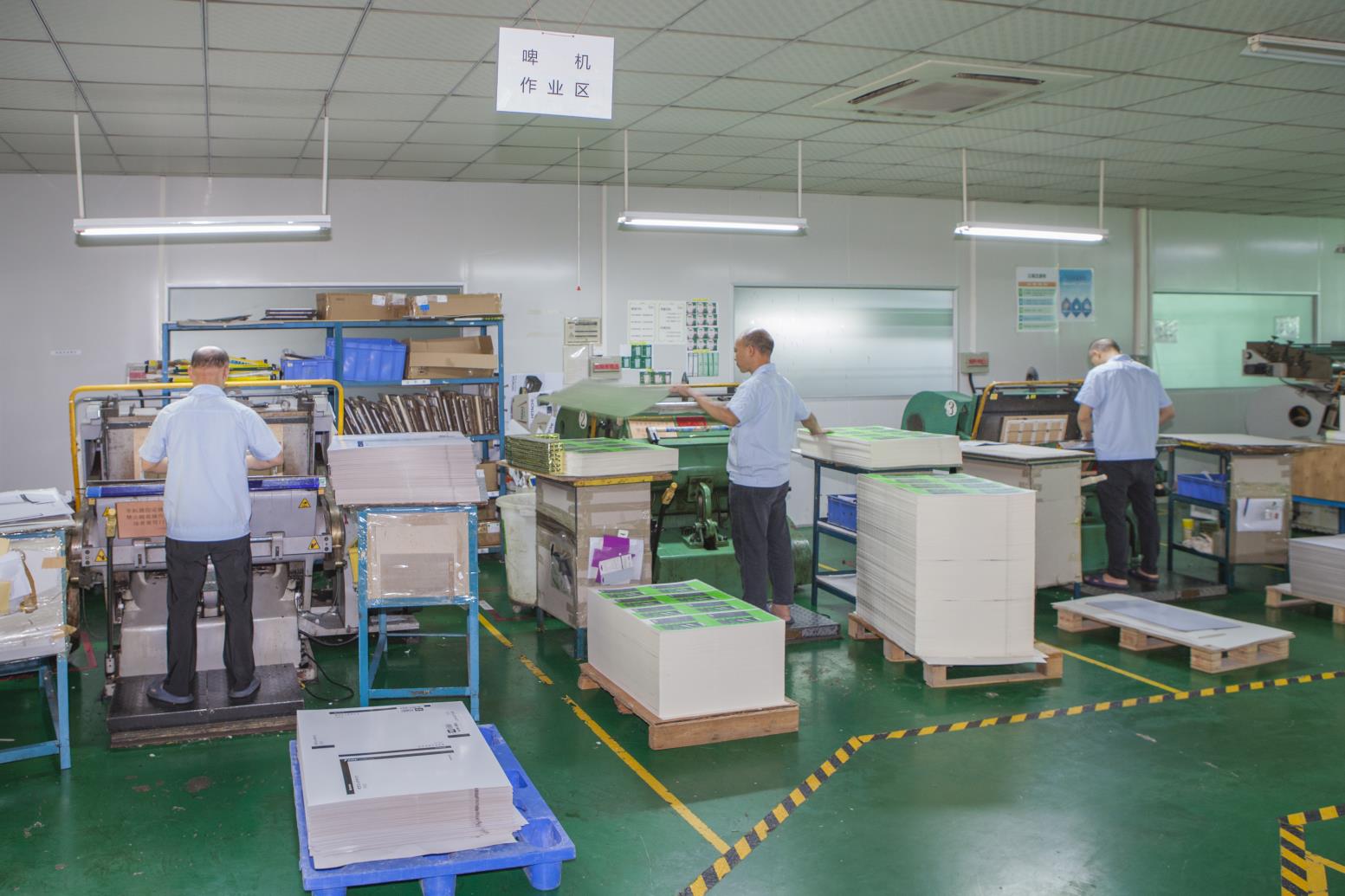
Full internal control from raw sheet extrusion and precision silk-screening to multi-layer bonding and 100% automated electrical verification.
AXRU enforces cleanroom printing parameters that eliminate particulate contamination beneath transparent window displays. Screen deposition thicknesses are tightly metered to maintain precise LED dead-front light opacity and strict color tolerances within ΔE < 0.8.
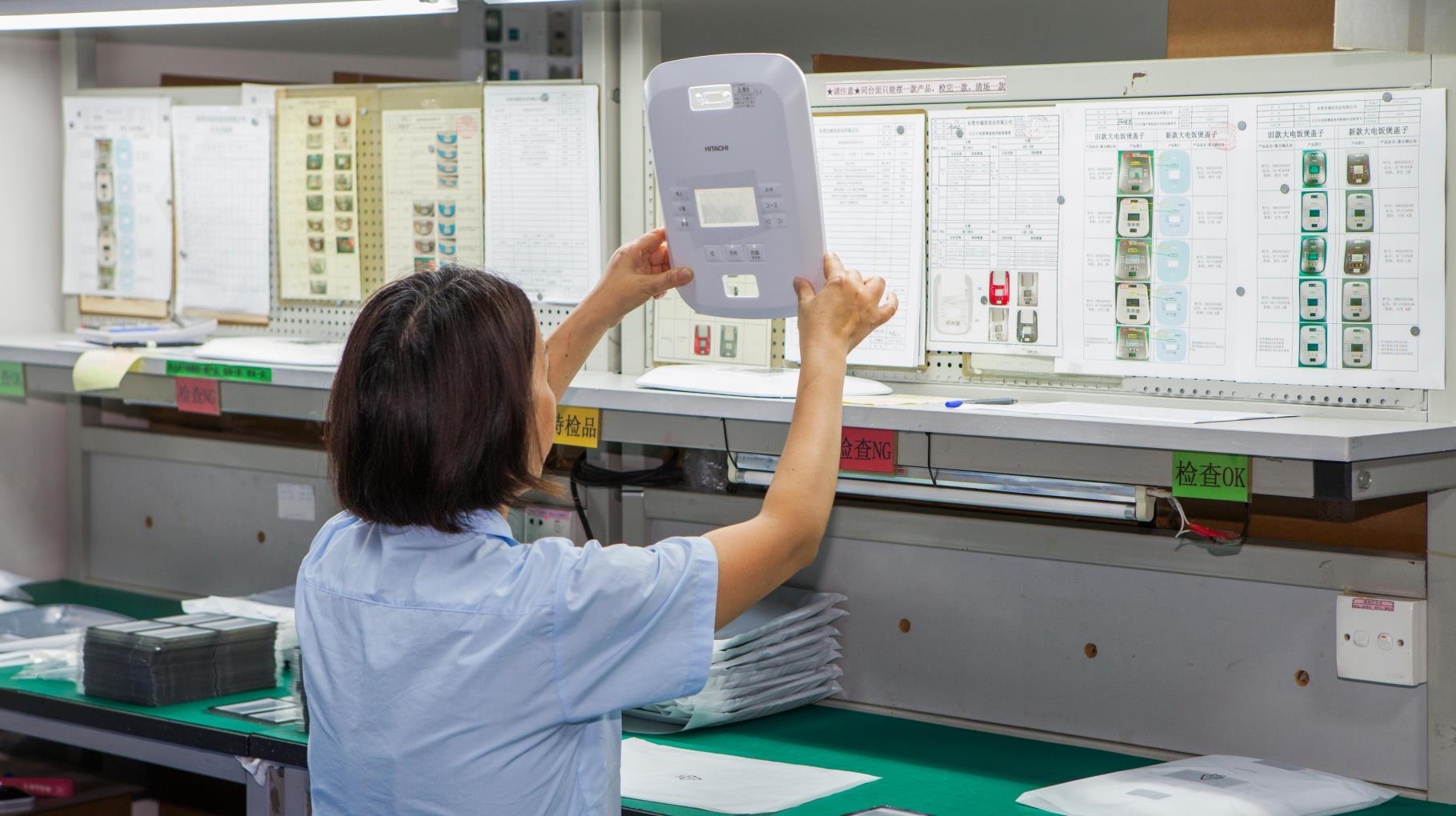
Batch validation on automated force-displacement testers, tensile testers, key cycle actuators (>1,000,000 hits), programmable temperature-humidity chambers, and UV weathering instruments ensures that shipments to Portugal arrive fully compliant with all client engineering specifications.
Beyond standard membrane keypads, AXRU seamlessly integrates In-Mold Decoration (IMD), optical bonding with chemically strengthened cover glass, tactile silicone rubber molding with carbon/gold pills, and surface-mount LEDs or micro-connectors on flexible FPC circuitry.
Equipped with 10+ years of direct international export capability, AXRU provides engineering documentation (FAI, PPAP level 3, RoHs/REACH compliance declarations) and rapid air-freight door-to-door transit to Francisco Sá Carneiro Airport (Porto), serving the Minho industrial district in 3 to 5 business days.
Direct answers to the most common engineering and logistical queries submitted by Portuguese purchasing managers and R&D engineers.
Standard uncoated polycarbonate can suffer crazing or micro-cracking if wiped with aggressive chemical solvents like acetone, concentrated toluene, or esters. For medical and industrial equipment in Braga, we apply selective or flood-coated UV-cured textured hardcoats (chemical-resistant acrylic/silica blends) on the top surface. This allows constant wipe-downs with isopropyl alcohol, mild bleach, and commercial disinfectants without degrading optical clarity or graphic integrity.
To provide a definitive DFM review and quotation within 24 hours, our engineering office requires: 1) Vector artwork for graphics (Adobe Illustrator .AI, .EPS, or .PDF) with explicit Pantone PMS / RAL color codes; 2) 2D mechanical mechanical outline drawings (AutoCAD .DWG or .DXF) showing cutouts, LED windows, and tail dimensions; 3) Electrical schematic defining the circuit matrix or common-bus pinout, connector pitch (e.g., 2.54mm or 1.0mm ZIF), and target contact resistance.
Yes. IP67 ingress protection is attained by engineering a continuous closed-loop adhesive border surrounding the key cavities and graphic periphery, using high-performance acrylic transfer film (such as 3M 300LSE for low-surface-energy plastics). The tail exit utilizes an integral "swan-neck" rear-seal or encapsulated perimeter design to ensure moisture cannot migrate between layers under ambient temperature shifts and water jetting.
AXRU operates with standardized international incoterms (FOB, CIF, and DDP via DHL/FedEx/UPS Express). Shipments transit directly into Porto (OPO) or Lisbon (LIS) with full customs documentation, HS code alignment (typically 8537.10 / 8538.90), and certificate of origin. Air express orders reach industrial facilities in Braga, Guimarães, and Vila Nova de Famalicão within 3 to 5 business days after factory release.