Industrial HMI
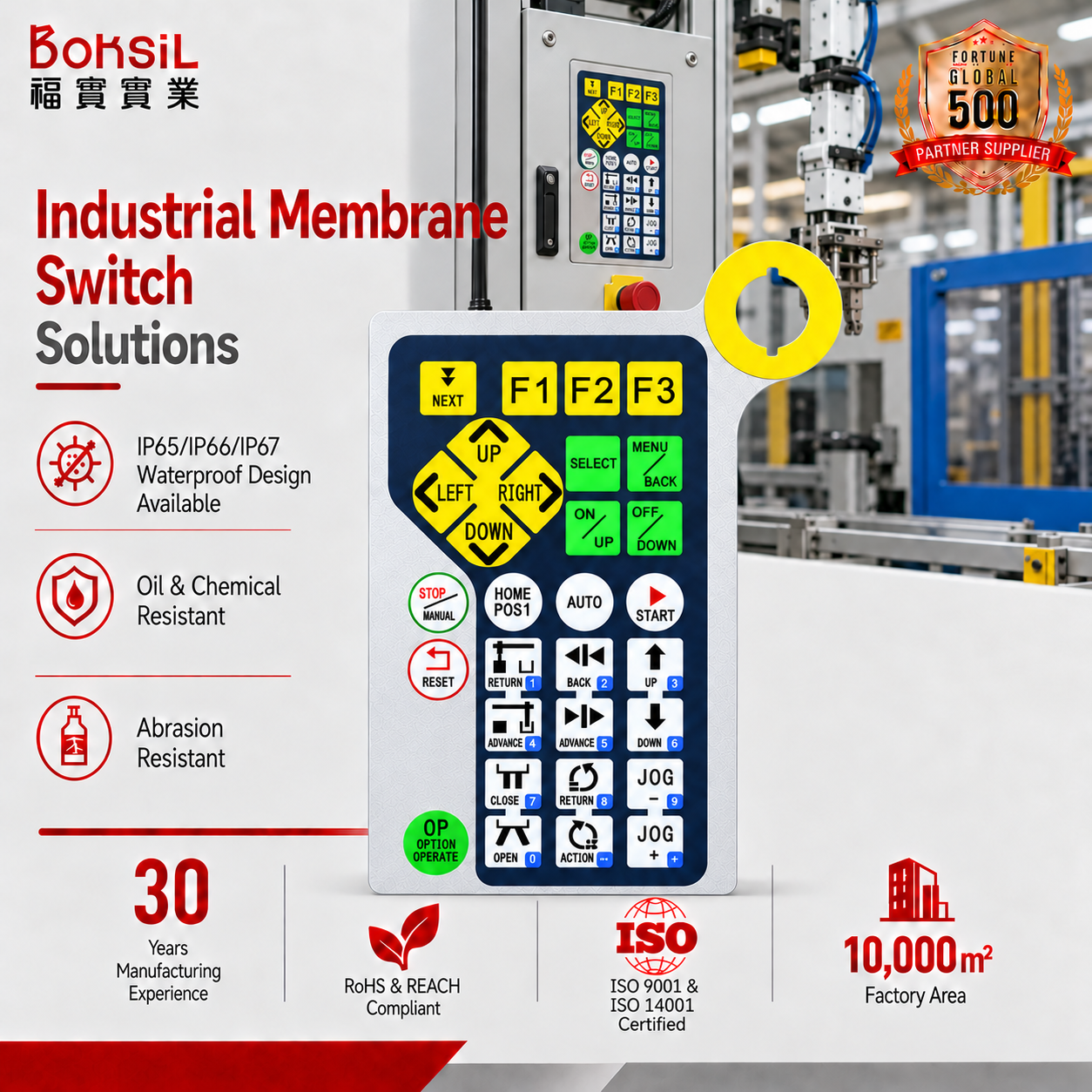
Custom Industrial Membrane Switch Graphic Overlay for Touch Keyboards
Polyethylene & PET front layers, textured anti-glare finish with integrated metal dome arrays.
Galway stands as one of the world's premier medical technology hubs and a primary engine for Irish industrial automation. From Parkmore to the IDA Ballybrit Business Park, original equipment manufacturers (OEMs) demand high-reliability Human-Machine Interfaces (HMIs). Electroluminescent (EL) membrane switches and capacitive tactile control assemblies represent a critical link between complex internal processing boards and operator execution. This procurement evaluation assesses manufacturing capabilities, cleanroom printing benchmarks, dielectric reliability, and global direct supply channels configured specifically for Galway engineering standards.
Tested for Class II/III medical equipment interfaces, industrial automation racks, and harsh marine testing consoles.
Polyethylene & PET front layers, textured anti-glare finish with integrated metal dome arrays.
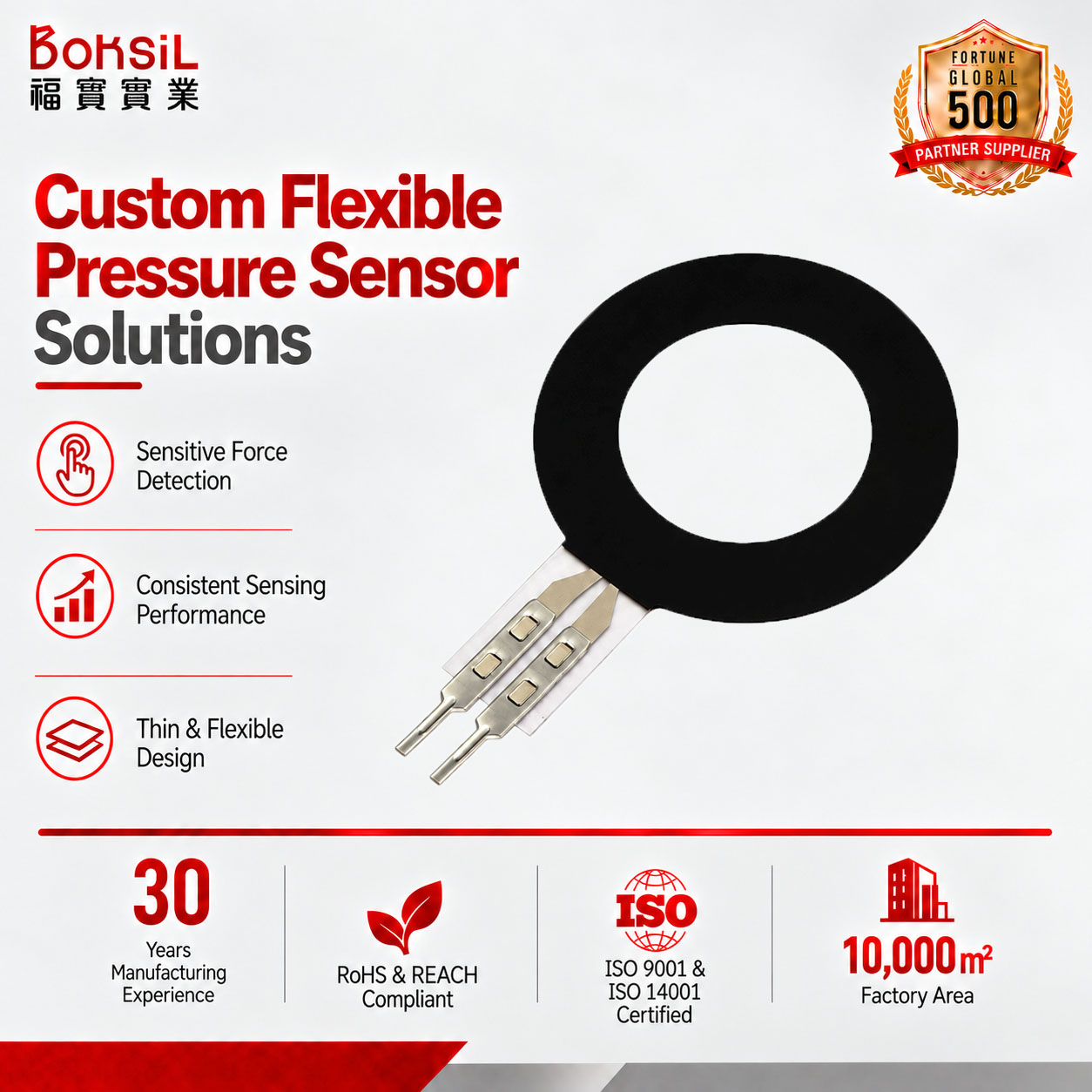
Calibrated dynamic force actuation designed for precision diagnostic and laboratory instrumentation.
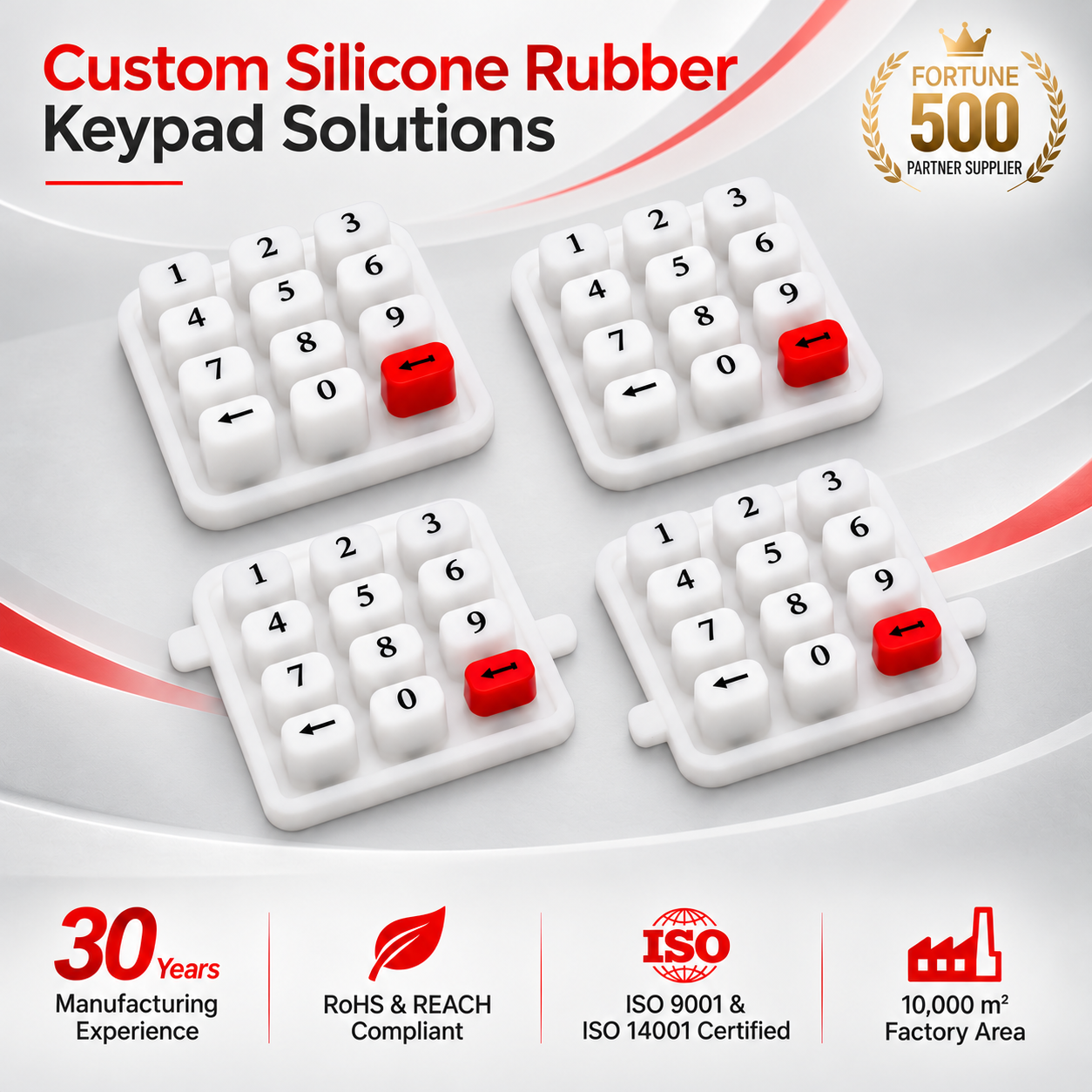
High-grade chemical splash resistance, wear-resistant polyurethane coating for sterilization cycles.
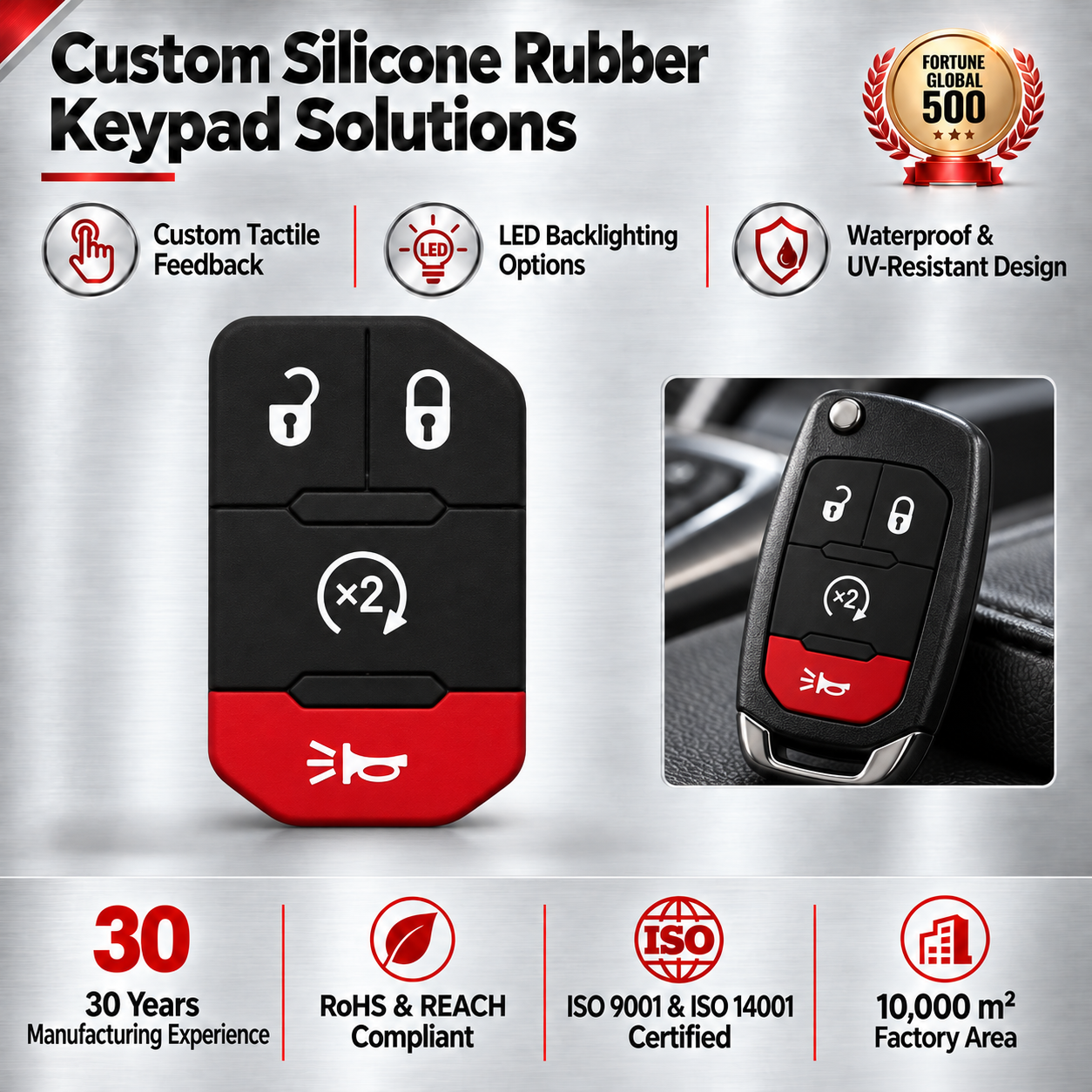
Conductive carbon pills, weather-proof tactile feedback suitable for harsh transport deployment.
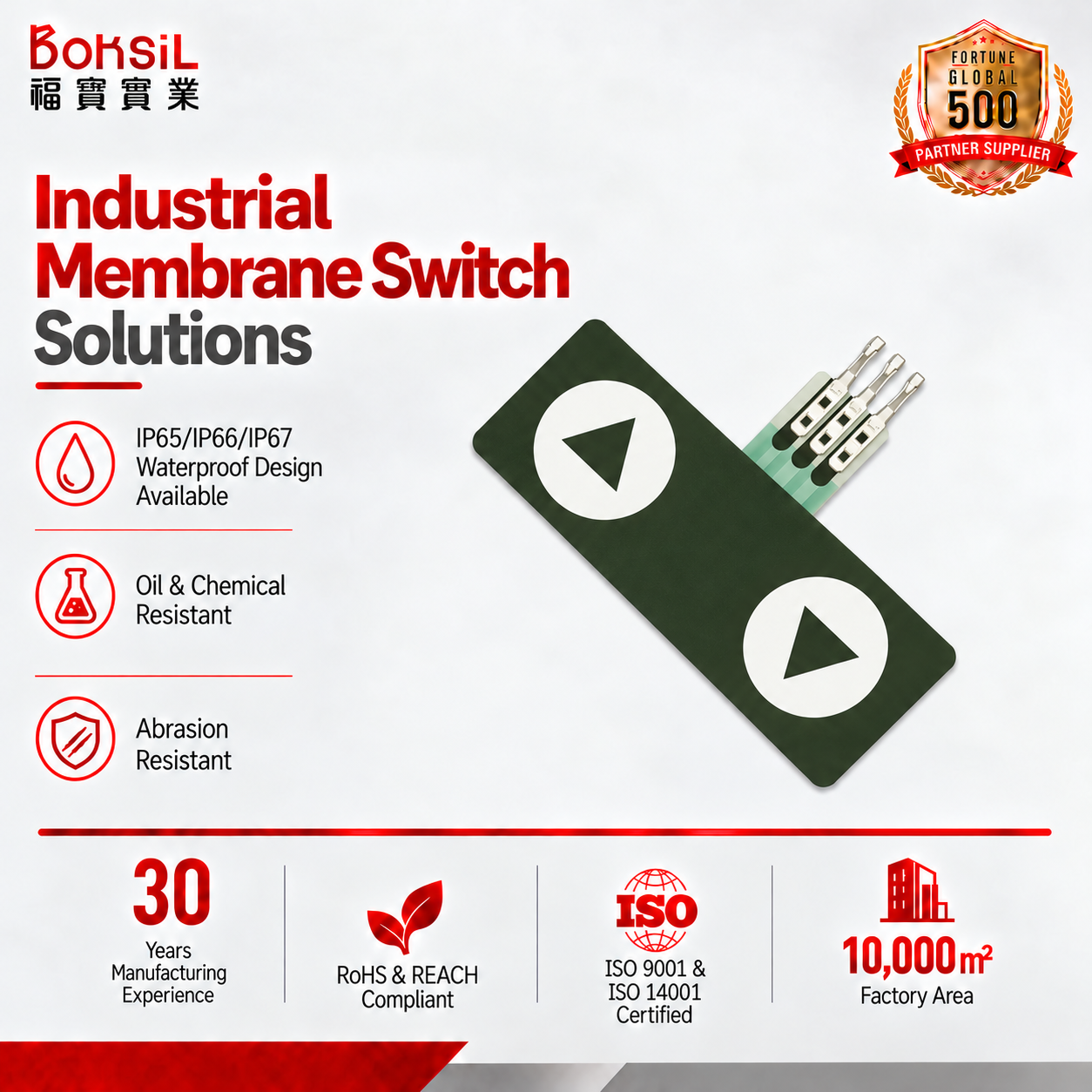
High pitch accuracy, gold-plated tail terminals minimizing contact impedance in cleanrooms.
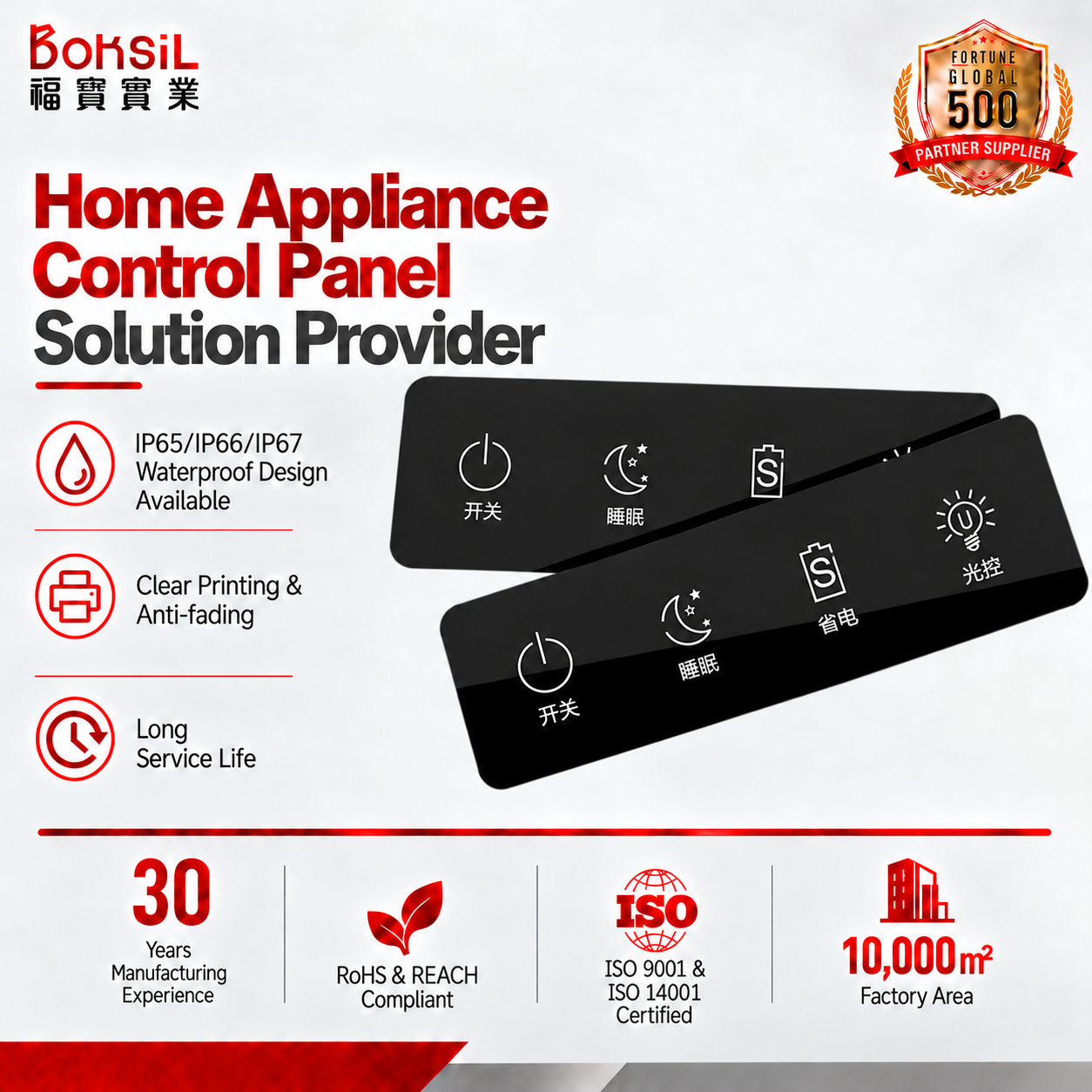
Dead-front indicator graphics, optically transparent viewing windows, 3H/4H hard-coated substrate.
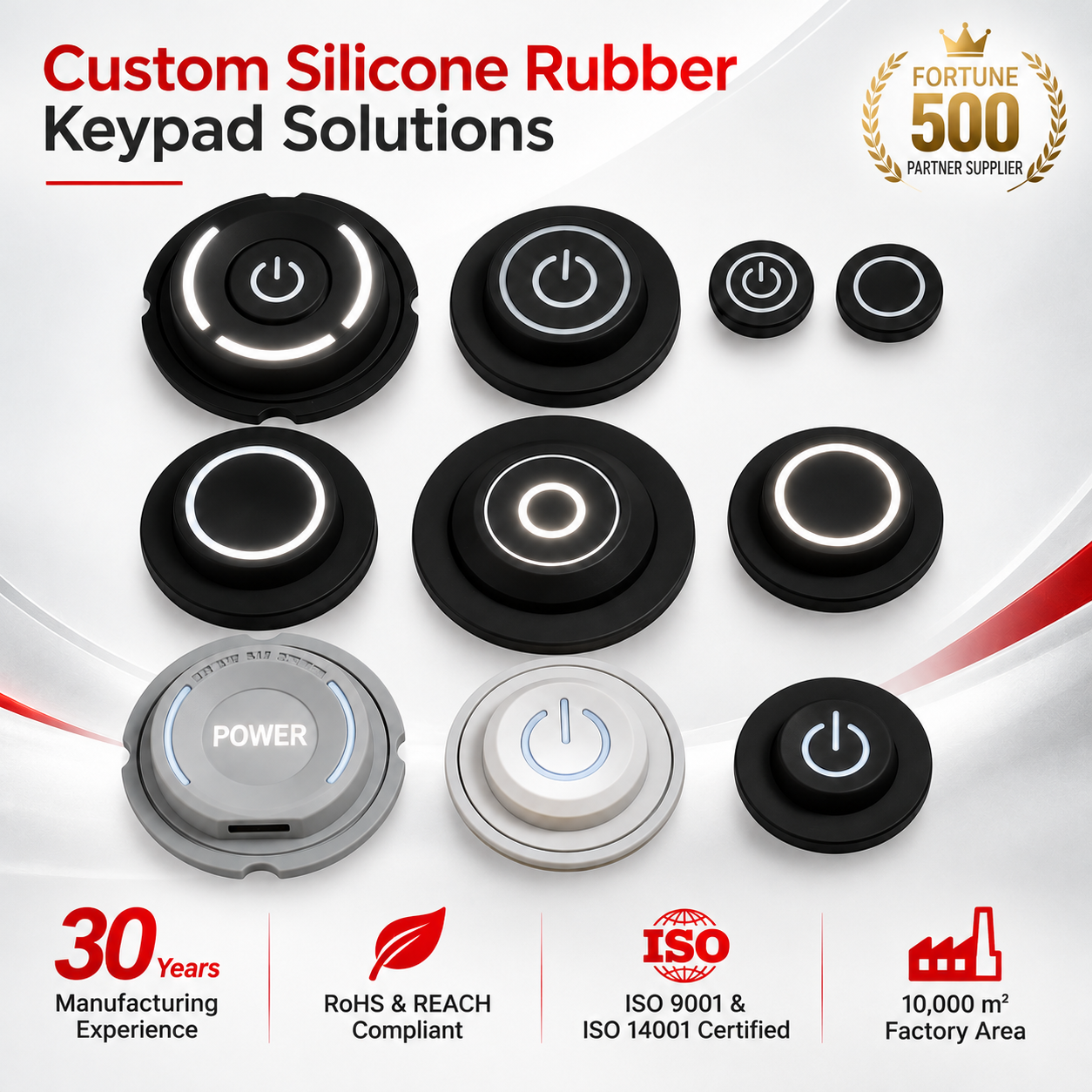
Laser-etched light legends integrated with electroluminescent (EL) or Light Guide Film (LGF) backings.
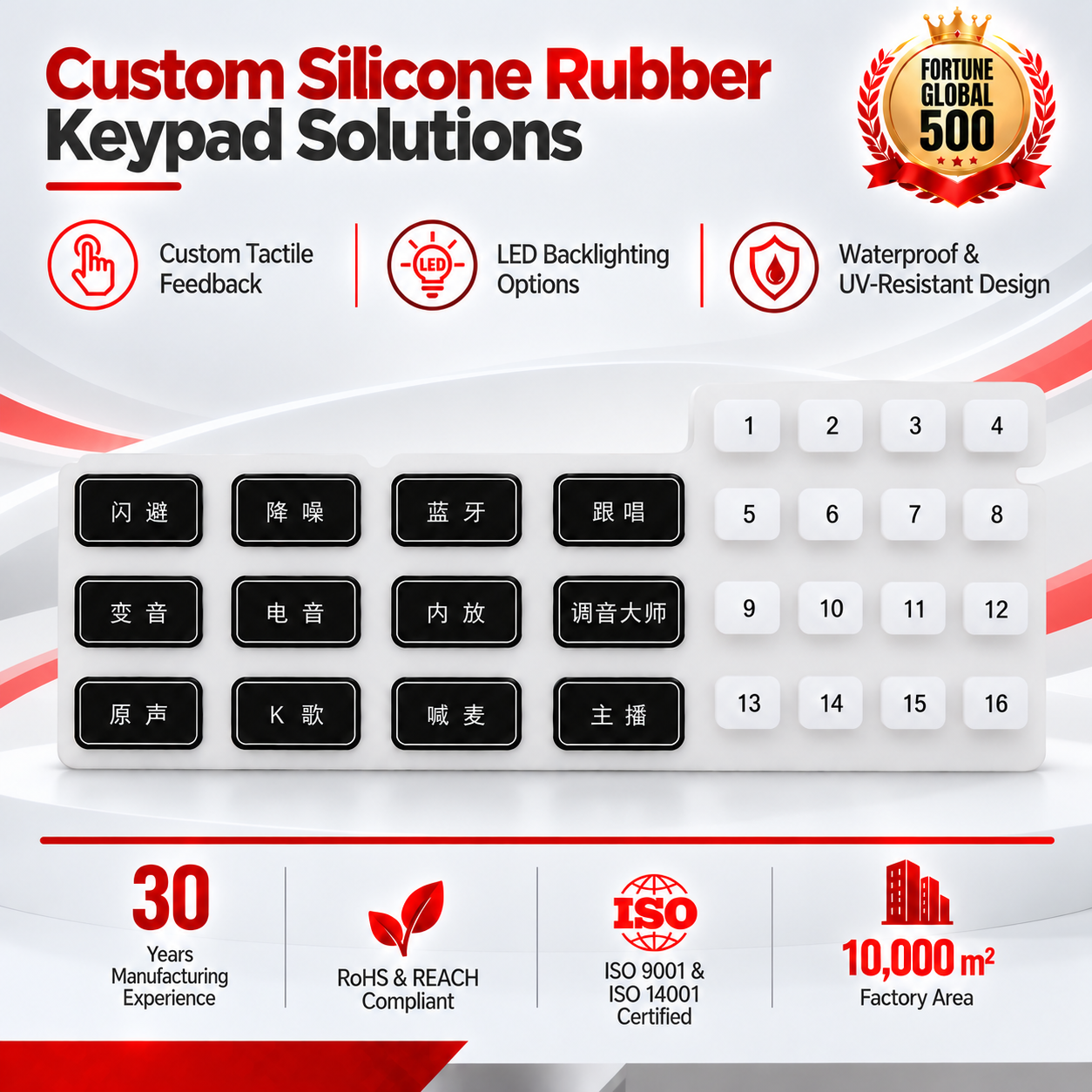
Extreme operating spectrum (-40°C to +125°C), engineered for heavy industrial and marine instrumentation.
Demystifying why EL cold-light technology remains standard-essential for Western Ireland's most critical operational devices.
Unlike point-source LEDs that create undesirable "hot spots" and demand complex acrylic light-guide plates (increasing stack-up thickness by 1.2mm to 2.5mm), Electroluminescent (EL) panels emit an ultra-flat, homogeneous field of light. At an added thickness of only 0.12mm to 0.2mm, EL technology fits strictly constrained handheld medical consoles common in Galway's bio-instrument designs.
EL lamps operate via phosphor excitation powered by AC inverters (typically 80V–110V AC at 400Hz–1000Hz). Because virtually zero heat is generated through this luminescent process, temperature-sensitive reagents in diagnostic analyzers or clinical fluid warmers remain unaffected by continuous backlit keypad activity.
Operating AC-driven EL panels in tight proximities with sensitive biosensors requires meticulous grounding. AXRU integrates comprehensive grid-printed silver conductors, carbon backing layers, or indium tin oxide (ITO) shielding directly across the circuit tail, suppressing capacitive noise and ensuring CE/EMC standard compliance for European hospital deployments.
Analyze how EL Membrane Switches benchmark against Light Guide Films (LGF) and Discrete Surface-Mount LEDs.
| Parameter / Criteria | Electroluminescent (EL) Lamps | Light Guide Film (LGF) with LEDs | Discrete SMT LEDs |
|---|---|---|---|
| Luminance Uniformity | Exceptional (100% flat surface balance) | High (Requires optical micro-dot layout) | Low to Moderate (Prone to halo hot spots) |
| Stack-up Thickness Added | Ultra-Thin (0.12mm – 0.20mm) | Moderate (0.35mm – 0.60mm) | Thick (0.80mm – 1.60mm spacer required) |
| Drive Circuitry | Requires dedicated DC-to-AC Inverter IC | Direct DC Low Voltage (3.0V – 5.0V) | Direct DC Low Voltage (Resistor limited) |
| Half-Life Luminance | 3,000 – 8,000 Hours (Optimized for alert triggers) | 30,000 – 50,000 Hours (Continuous life) | 50,000+ Hours |
| Power Consumption | Very Low Current (High efficiency) | Low to Moderate (Dependent on LED count) | High relative to illuminated footprint |
| Tactile Actuation Feel | No dampening on metal snap-domes | Minimal dampening if precision die-cut | Embossing needed to clear SMT LED chips |
Understanding regional application environments ensures proper substrate specification and IP ingress ratings.
Galway is home to key clusters designing peristaltic dialysis pumps, intraoperative imaging consoles, and cardiac telemetry stations. In clinical emergency suites or darkened operating rooms, EL membrane switches provide non-dazzling night illumination while supporting chemically inert front overlays (such as Autotex PET) resistant to isopropyl alcohol, bleach, and hospital-grade germicides.
Operating along the harsh Atlantic seaboard requires oceanographic monitoring gear, sonar consoles, and seafood processing electronics capable of withstanding salt mist and saturated humidity. By combining IP67 perimeter silicone potting, hydrophobic gore vents, and EL switches, interfaces retain distinct tactile snap even when navigated by personnel wearing heavy protective gloves.
Across high-throughput clean manufacturing spaces in Oranmore and Ballybrit, flat capacitive and tactile membrane panels prevent microscopic particulate accumulation. Dead-front graphic windows conceal status panels until illuminated via EL excitation, creating seamless glass or polyester exterior fascias that streamline decontamination wash-downs.
Strategic changes shaping high-reliability human-machine interfaces across the European Union.
While screen-printed conductive silver ink on polyester remains the baseline for non-critical keyboards, Irish engineering authorities increasingly specify polyimide (PI) Flexible Printed Circuits (FPC) with copper traces. FPC facilitates tight pitch (down to 0.5mm), facilitates surface-mounting of ultra-fine pitch microcontrollers directly onto the tail, and prevents micro-fissure fractures under chronic vibration conditions.
Biomedical equipment integrators in Galway now prioritize graphic overlays treated with proprietary silver-ion antimicrobial technologies. These coatings inhibit 99.9% of bacterial colonization (including MRSA and E. coli), maintaining physical clarity and chemical resilience across multi-year active deployment in clinical intensive care units.
To reduce risk from geopolitical dislocations, European OEMs require Asian manufacturing partners that offer verified testing documentation, rapid prototype response (3 to 5 business days for laser-cut samples), and flexible low-volume MOQ structures (down to 100 pcs) supporting initial clinical trial batches before scaling to automated production runs.
As a dedicated interface manufacturing plant operating a 10,000㎡ precision facility with 121 skilled technical personnel, AXRU Electronics delivers an integrated one-roof engineering framework. We bridge design conceptualization directly with certified mass execution, eliminating the overhead and inconsistencies of subcontracted assembly.
Our manufacturing core integrates cleanroom class 1,000 printing environments, automatic screen print beds, optical CCD alignment punching machines, and comprehensive SMT assembly for surface components. Every stage is audited and verified on-site by Intertek, ensuring total transparency across material certifications (RoHS, REACH) and ISO manufacturing standards.
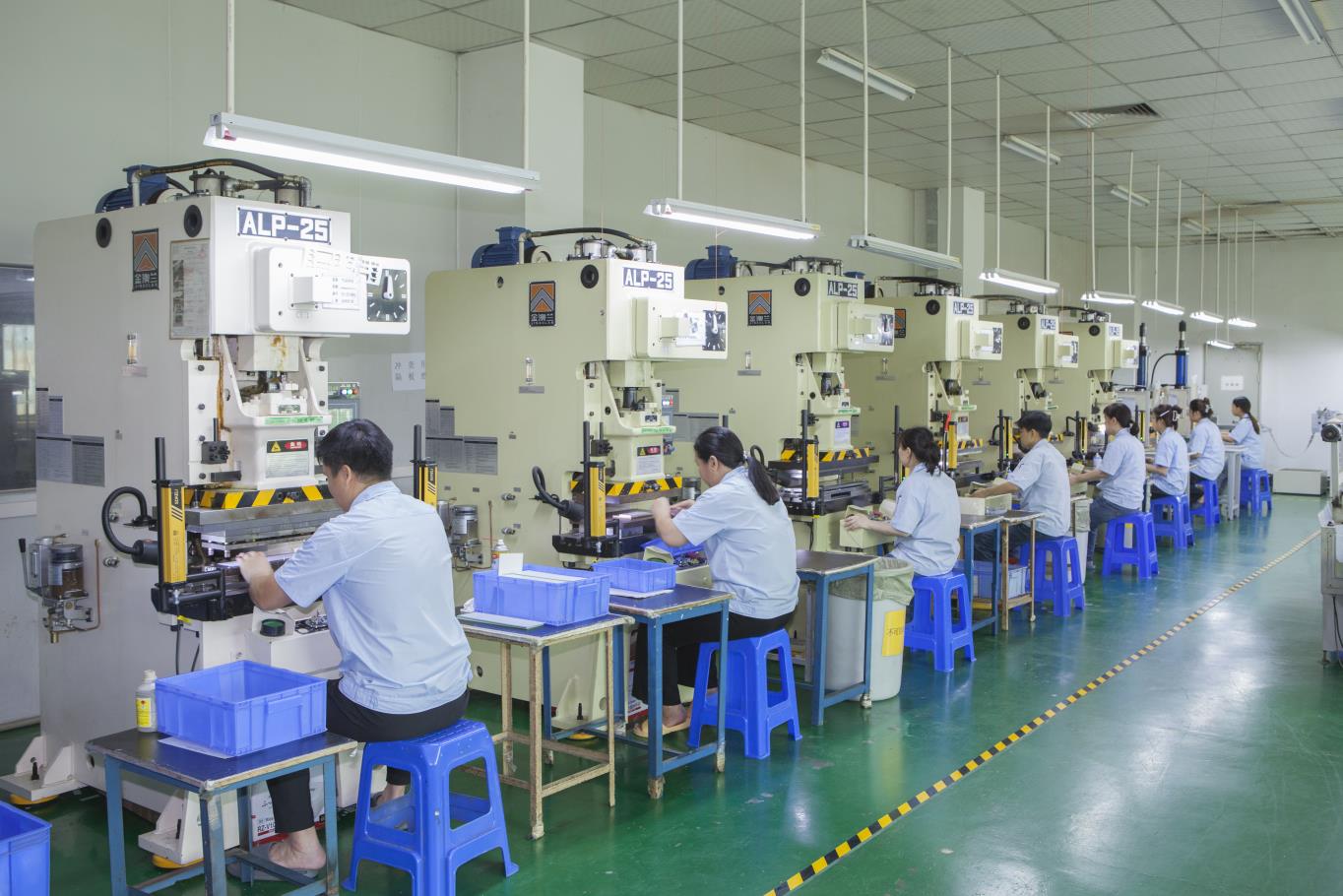
AXRU operates nine specialized testing rigs to guarantee zero-defect field reliability prior to international shipping.
Every batch of stainless-steel snap domes undergoes precise load-vs-displacement curve recording. We guarantee uniform tactile crispness with tactile ratios between 40% and 60% and actuation forces customized from 180g to 450g.
Our programmable thermal and humidity chambers subject prototypes to severe thermal cycling (-40°C to +85°C at 95% RH for up to 500 continuous hours), ensuring zero perimeter adhesive failure or conductive silver trace migration.
Subsurface silk-screen and digitally printed graphics undergo 200+ double-rub tests utilizing 99% isopropyl alcohol, acetone, and clinical disinfectant wipes to verify zero legend flaking or ink discoloration over extended device lifespans.
Clear, direct technical answers addressing logistics, compliance, and custom design handoffs.
Consult with our senior interface engineering team. Receive comprehensive stack-up recommendations, tactile force samples, and a competitive manufacturing quotation within 24 hours.