Industrial HMI Whitepaper & OEM Sourcing Guide

Thin Film Membrane Switch Manufacturers & Factories serving the Linz Market

High-reliability tactile keypads, IP67+ flexible printed circuits, and optical graphic overlays custom-engineered for Upper Austria’s automation machinery, chemical engineering, and mechatronic systems.

Precision HMI Catalog

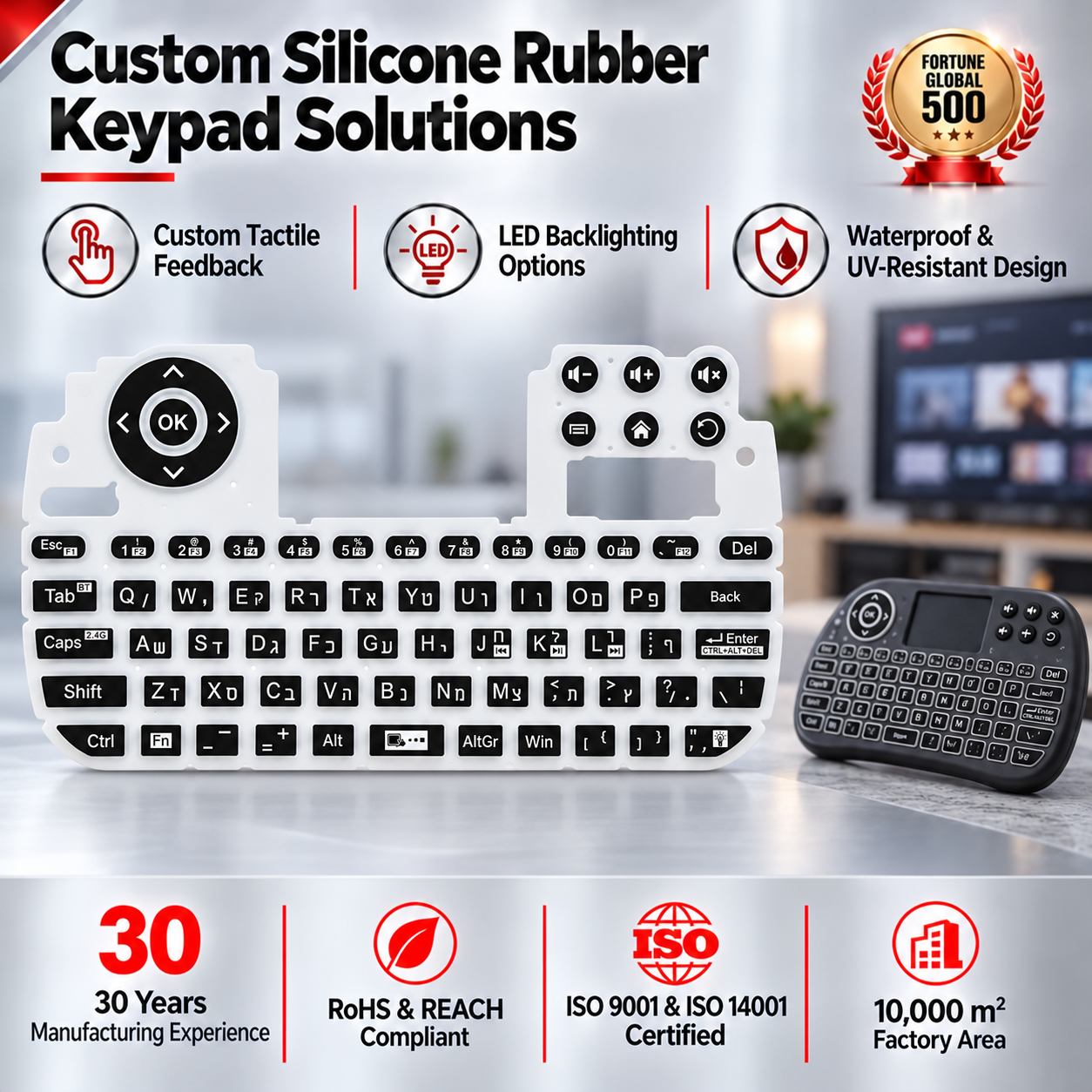
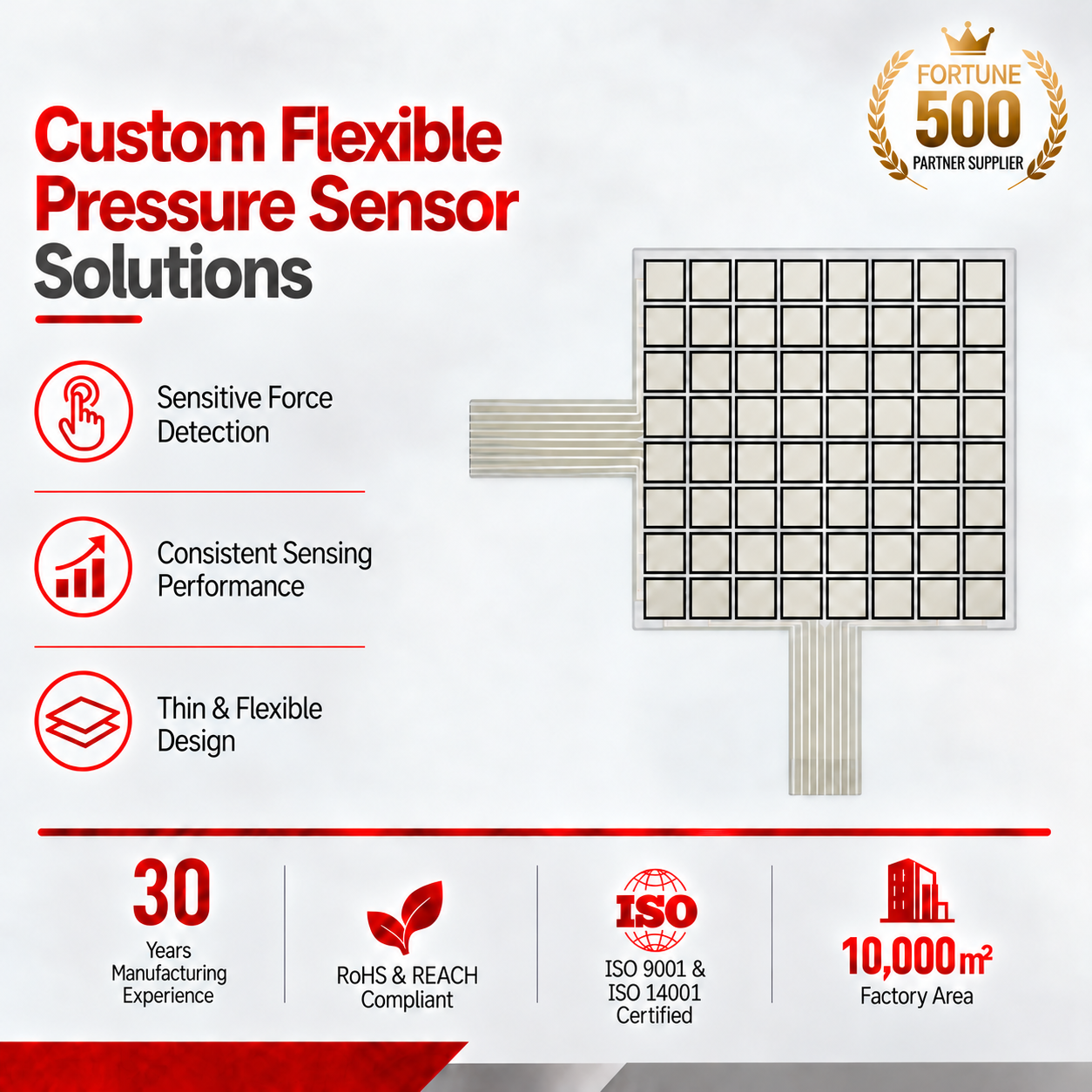
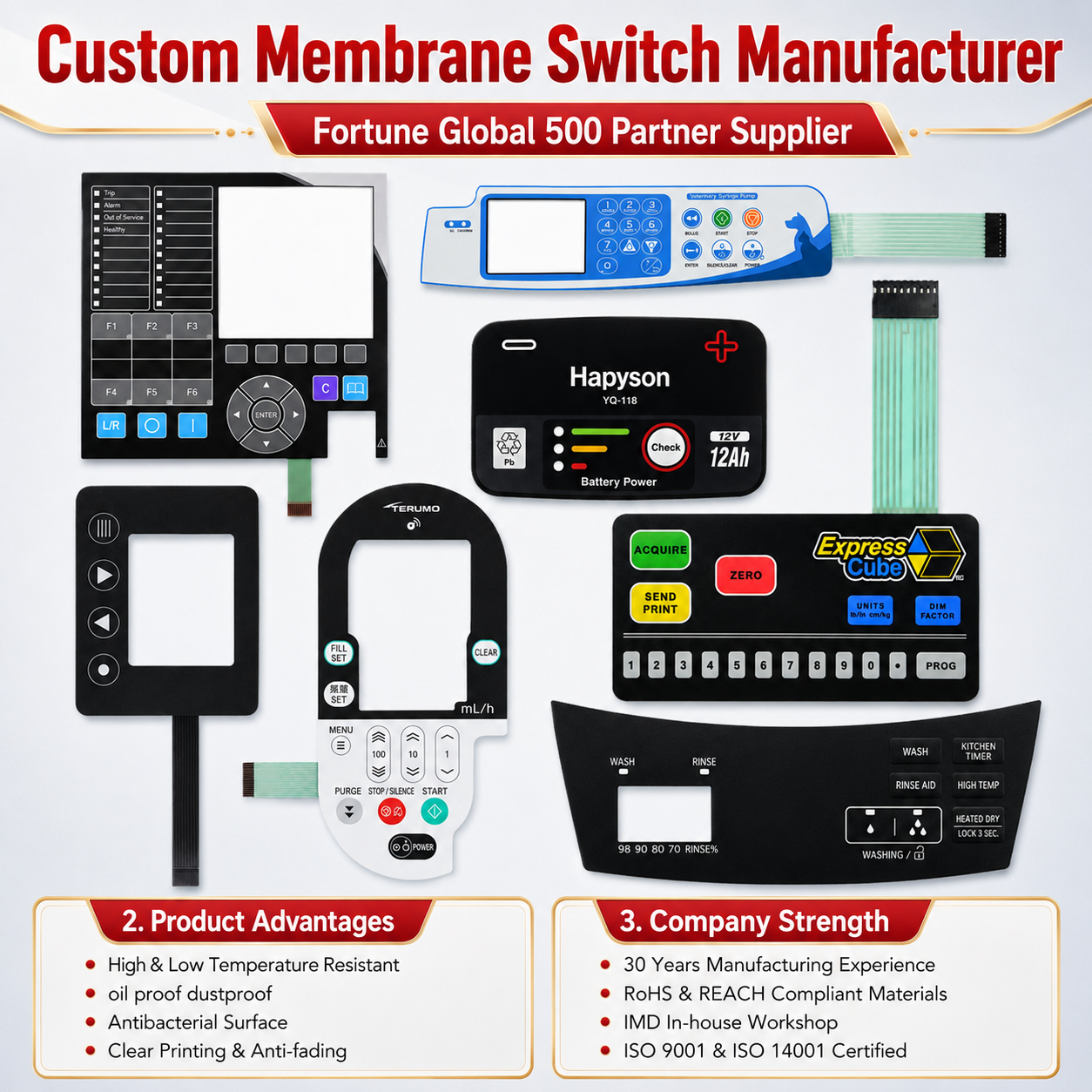
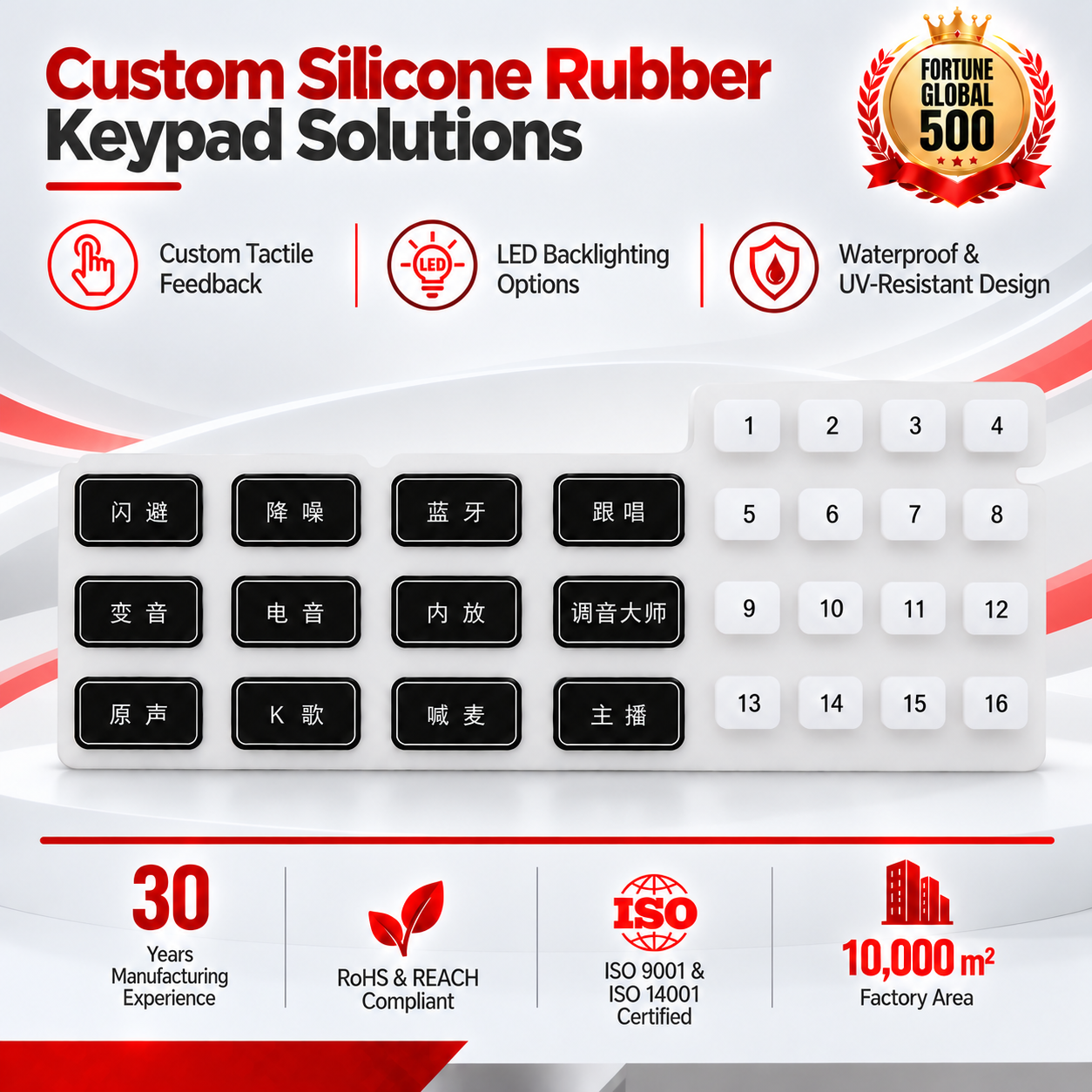
Featured Membrane Switches, Sensors & Elastomer Keypads

Factory-direct engineering models designed for heavy industrial cycles, chemical resistance, and high-precision tactile feedback in demanding Austrian manufacturing environments.

10,000㎡ Production Floor
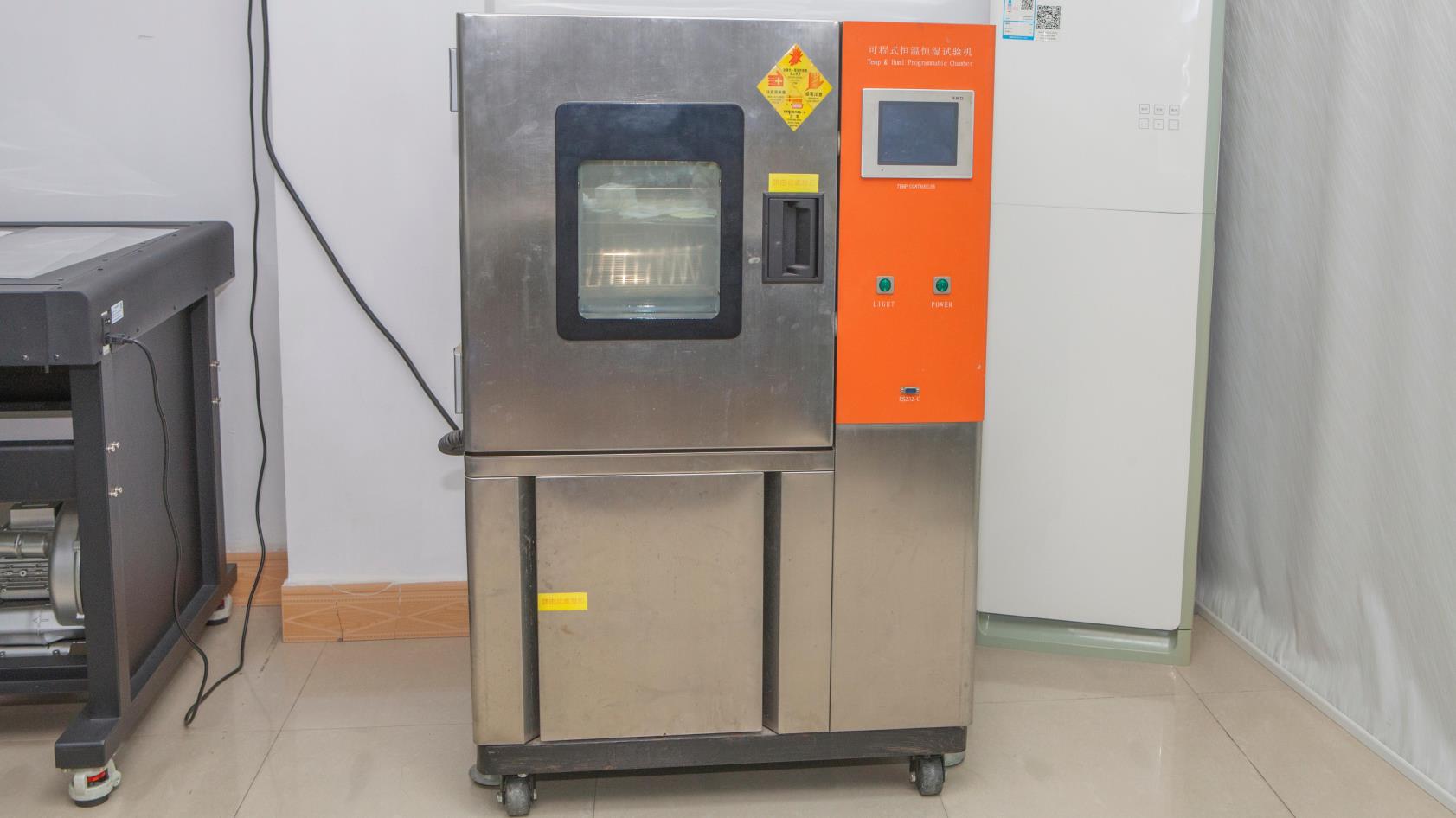
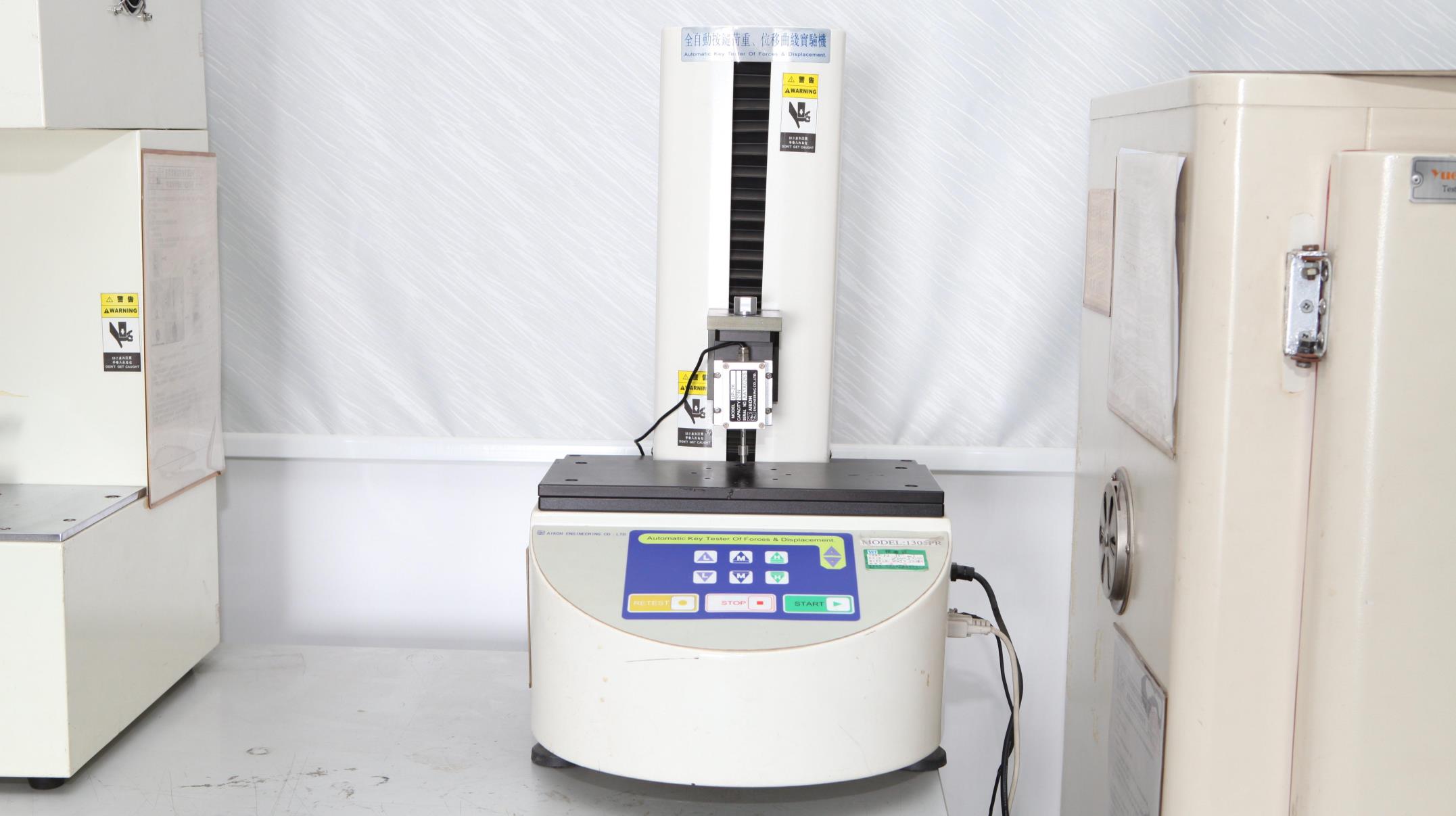
100% Electrical & Optical QC
5,000,000 Actuation Dome Cycles
100 pcs Low Prototyping MOQ
Regional Application Analysis

HMI Human-Machine Interface Solutions Engineered for the Linz Industrial Corridor

Upper Austria represents the powerhouse of Austrian industrial engineering. From metallurgy and continuous steel casting to chemical processing along the Danube and automated mechatronics in Linz-Land, equipment interfaces must withstand punishing mechanical, thermal, and chemical stress.

Demanding Environmental Realities of Linz Manufacturing Operations

As a global capital of advanced steel production led by giants such as voestalpine, alongside world-class machine tool builders and automation system integrators across Linz, Steyr, and Wels, the local operating environment imposes extreme conditions on physical controls. Equipment operating in Linz heavy fabrication halls and blast furnace auxiliary systems encounters airborne iron particulate, lubricants, elevated ambient heat, and intense mechanical vibration. Standard commercial touchscreen panels often suffer catastrophic capacitive misfires under conductive metal dust deposits or when operators wear heavy DIN-compliant thermal gloves.

Thin film membrane switches manufactured by Dongguan AXRU Electronics Co., Ltd. address these precise failure modes. By deploying sub-surface reverse-printed polyester (Autotype MacDermid Autotex PET), hermetically sealed perimeter perimeter gaskets, and high-force gold/nickel-plated stainless steel domes (providing crisp tactile feedback exceeding 350 grams of snap force), our HMI systems guarantee positive mechanical confirmation. Even when immersed in fine metallurgical dust, grease, or high moisture, our IP65 to IP68 sealed assemblies maintain electrical continuity across millions of cycles without degradation.

Heavy Metallurgy & Steel Processing

Resistant to airborne conductive iron oxides, sulphur-containing fumes, and high temperatures. Built using multi-layer metal dome arrays integrated with heat-stabilized polyester circuits to avoid trace migration in harsh blast environment controls.

Chemiepark Linz & Process Technology

Graphic overlays tested against aggressive chemical washdowns, solvents, ammonia vapor, and hydraulic oils. Micro-textured front films prevent glare under factory halogen lighting while providing anti-microbial clean-in-place (CIP) washdown durability.

Upper Austrian Robotics & AGVs

Compact, lightweight, and vibration-proof front control assemblies for autonomous mobile robots (AMRs) and automated logistics handling around the Danube inland port. Low-profile FPC tails resist bending fatigue during continuous mobile vibration.

Technical Specification Deep Dive

Substrate Selection & Conductor Technology Comparison

Choosing the right stack-up architecture directly dictates reliability, field lifespan, and electromagnetic shielding efficiency for industrial equipment shipped across Austria and greater Europe.

In traditional low-cost electronics, screen-printed conductive silver ink deposited on Polyethylene Terephthalate (PET) film serves as the standard trace medium. However, when Linz hardware engineers specify control panels for CE-marked heavy machinery exposed to condensation, cold-start temperatures (-25°C in alpine winters), or continuous DC bias, silver ion electromigration poses a serious field hazard. Under high relative humidity and voltage gradients, silver ions can bridge microscopic trace gaps, resulting in catastrophic phantom actuations or micro-shorts.

To prevent this, AXRU provides two advanced engineering routes: carbon-overcoated printed silver traces with dielectric passivation barriers, or premium Flexible Printed Circuit (FPC) copper-clad polyimide substrates. Below is an engineering comparison matrix designed to guide procurement and mechatronics teams across Upper Austria:

Technical Characteristic Standard Silver-on-PET Switch Carbon-Overcoated Silver Switch Copper-Clad Polyimide (FPC) Switch
Trace Resistance <1.0 Ω/cm (Dependent on run length) <1.5 Ω/cm <0.05 Ω/cm (Ultra-Low)
Silver Migration Immunity Moderate (Requires dry sealing) High (Carbon encapsulation) Absolute (No Silver Present)
Component SMT Capability Conductive epoxy bonding only Conductive epoxy bonding Reflow Solderable SMD LEDs / ICs
Minimum Pitch / Trace Spacing 1.0 mm (0.040 in) 0.8 mm (0.031 in) 0.15 mm (Ultra-Dense Pitch)
Connector Retention Strength Clinched female housing (Crimp-Flex) Crimp-Flex / ZIF tail Direct ZIF Socket / Solder Pin
Vibration & Flex Life Up to 100,000 tail cycles Up to 100,000 tail cycles >1,000,000 Dynamic Flex Cycles
Ideal Linz Application Indoor packaging, HVAC, test benches General workshop automation, PLCs Continuous blast furnace HMIs, medical diagnostics

Electromagnetic Shielding (EMC) for High-Power Industrial Automation

In manufacturing facilities across the Voestalpine industrial zone and the automotive supply belt of Steyr, high-frequency variable frequency drives (VFDs), arc furnaces, and induction heating coils flood the ambient airspace with severe electromagnetic interference (EMI) and radio frequency interference (RFI). An unshielded membrane circuit can act as an antenna, transmitting voltage spikes into sensitive microcontroller I/O ports.

AXRU integrates comprehensive shielding strategies within custom membrane stacks:

  • Full Surface Aluminum Foil Shields: Laminated between the graphic overlay and upper circuit layer, connected to earth ground via a dedicated tail trace, achieving attenuation levels up to 60 dB across the 30 MHz to 1 GHz band.
  • Selective Printed Carbon/Silver Grid Meshes: Provides targeted electrostatic discharge (ESD) protection capable of dissipating up to 15 kV air discharge and 8 kV contact discharge in accordance with IEC 61000-4-2.
  • Optical ITO (Indium Tin Oxide) Coating: Used on transparent display windows to shield sensitive LCD and OLED panels without reducing light transmission below 82%.
Enterprise Core Competencies

Why Austrian OEM Engineers & Procurement Choose AXRU

Direct factory manufacturing from a 10,000㎡ Intertek-audited production center in Dongguan, China, delivering Swiss-grade precision with turnkey responsiveness.

01

Intertek On-Site Verified

Complete factory transparency. Our 10,000㎡ facility, ISO 9001 quality infrastructure, and labor standards have undergone rigorous on-site audit and verification by Intertek.

02

100% Electrical Verification

Zero cold joints, zero trace bridging. Every finished panel undergoes 100% automated electrical testing for contact resistance, insulation resistance, and LED continuity prior to export.

03

Fortune 500 Approved Tier

Over 12 years of validated contract manufacturing for global leaders across medical diagnostic devices, automotive dashboards, and industrial robotic HMIs.

04

Engineered DFM Support

Work directly with senior HMI mechanical engineers. We review your CAD (.dxf, .step) and artwork files within 24 hours, proposing stack-up optimization and tactile force curves.

Quality Assurance Workflow

Six-Stage Controlled Manufacturing from Drawing to Linz Delivery

Every production lot is documented through clear stage gates, giving procurement directors and QA managers full traceability from raw polymer verification to air freight arrival at Linz Blue Danube Airport (LNZ).

Phase 1: DFM & Material Qualification

Engineering review of graphic overlays, dome travel, LED routing, and pinout compatibility. Substrates (Autotex PET, Sabic Lexan PC) and adhesives (3M 467MP, 468MP, 200MP series) are selected for thermal and chemical compliance.

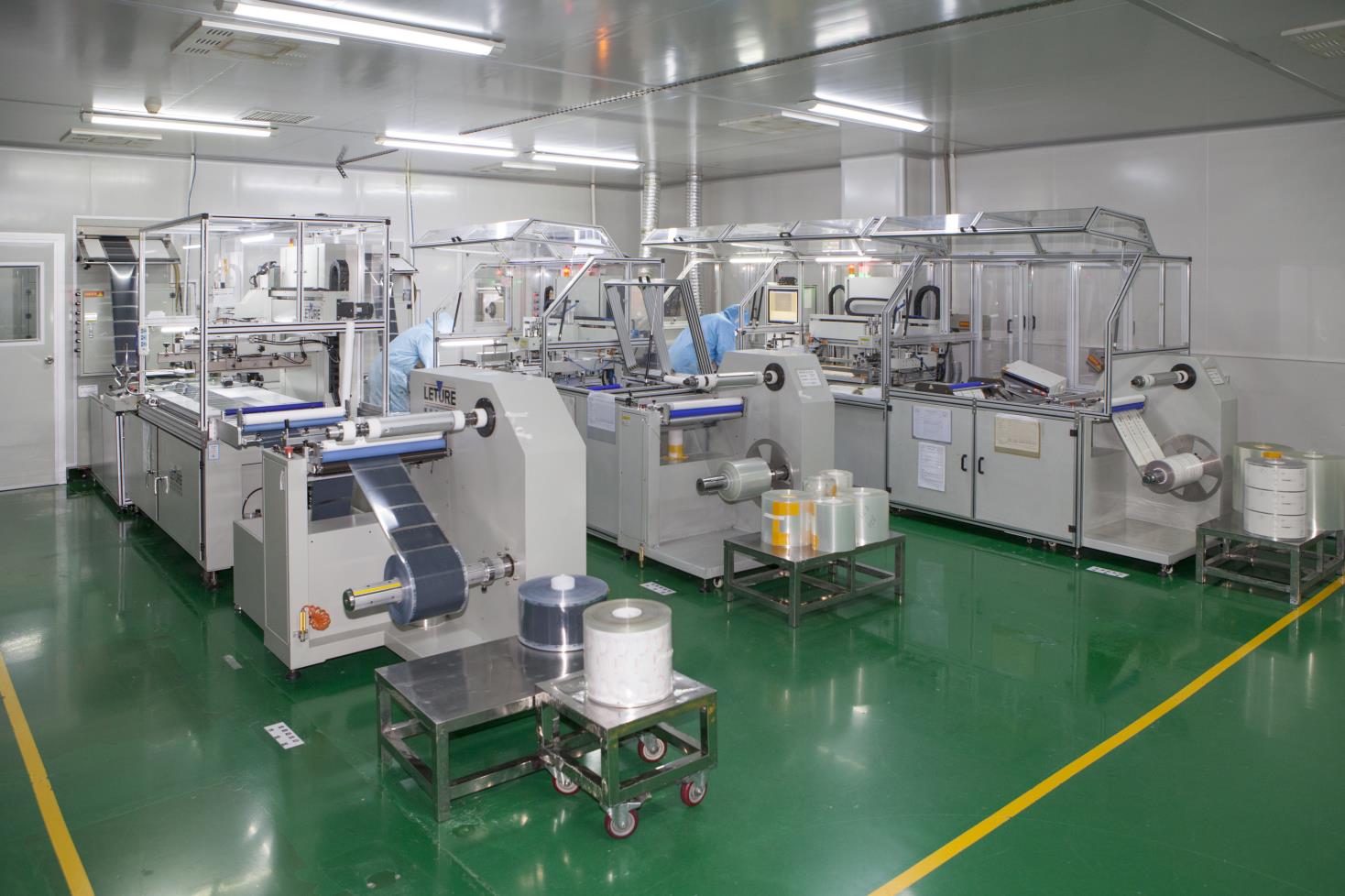
Phase 2: Class 1000 Screen Printing

Color-critical ink deposition in positive-pressure clean rooms with optical colorimeters (matching RAL, Pantone, and custom CIELAB values). Inks are tunnel-cured to ensure zero residual solvent and high abrasion resistance.

Phase 3: Automated Dome & SMT Assembly

High-speed pick-and-place equipment positions stainless steel metal domes with guaranteed 4-point contact. Surface mount bi-color LEDs and passive sensors are bonded using precision isotropic conductive adhesive.

Phase 4: Multi-Layer Registration Lamination

Optical alignment pins align overlay, spacer, circuit, and rear adhesive layers within ±0.05 mm tolerance. High-tonnage hydraulic roller laminators eliminate trapped air pockets and ensure complete bubble-free hermetic seals.

Phase 5: CNC Die-Cutting & Laser Trimming

Steel rule dies and digital CNC cutting systems trim final contours, mounting studs, connector tail escapes, and display windows. Edge seal dimensions are kept strictly within Austrian mechanical tolerances.

Phase 6: 100% Final Inspection & Air Logistics

Automated tester checks for continuity, contact resistance (<100 Ω), insulation resistance (>100 MΩ at 100V DC), and tactile snap ratio. Packed in ESD shielding bags and shipped door-to-door to Linz via DHL Express or direct air cargo.

Technical Knowledge Base

Frequently Asked Questions for Austrian Hardware Buyers

Common engineering, certification, logistical, and commercial inquiries answered by our senior technical team for companies operating in Linz and across Upper Austria.

1. How does AXRU satisfy European Union CE, RoHS, and REACH material compliance regulations?
Every raw material incorporated into our membrane switches—from base PET films (MacDermid Autotype, Sabic) and conductive inks (Acheson, Henkel) to 3M transfer adhesives and silicone elastomer compounds—is rigorously vetted against the latest EU SVHC (Substances of Very High Concern) lists under REACH and meets the 10 hazardous substance limits of EU Directive 2011/65/EU (RoHS 3). Full material declarations, third-party SGS/TÜV test reports, and declarations of conformity are provided with sample shipments for seamless integration into your CE technical construction files.
2. What is the typical turnaround time for prototypes and production delivery to Linz, Austria?
Upon receipt of final approved mechanical drawings (.dxf / .dwg) and graphic artwork (.ai / .pdf), physical engineering prototypes are typically fabricated, tested, and dispatched within 7 to 10 business days using our dedicated rapid sample line. For regular series production, lead times range between 15 and 20 business days depending on complexity. Goods are shipped direct via express couriers (DHL Express, FedEx) arriving at your facility in Linz, Wels, or Steyr in 3 to 5 transit days, complete with automated Austrian customs clearance documentation.
3. How do you guarantee reliable tactile feel when machinery operators wear thick industrial gloves?
In heavy machinery environments like steel rolling mills or metal stamping facilities, standard light-touch keypads (150g - 200g force) provide insufficient haptic feedback through thick safety gloves. We resolve this by designing high-actuation assemblies utilizing large-diameter (12mm to 20mm) stainless steel domes with trip forces calibrated between 350g and 500g, coupled with prominent perimeter or rim embossing on the overlay (up to 0.5mm height). This delivers a pronounced tactile snap and distinct audible click, confirming key activation without requiring operators to look away from machinery safety zones.
4. Can your membrane switches resist aggressive cleaning chemicals used in chemical and food plants?
Yes. For equipment installed in facilities such as Chemiepark Linz or beverage bottling facilities, we utilize textured biaxially-oriented polyester films treated with specialized hard coats (such as Autotex Steel or Autotex XE). These front films are chemically inert against industrial alcohols, isopropyl alcohol (IPA), household cleaners, dilute alkalis, and caustic washdown detergents. Because our graphic legends are reverse-printed on the underside of the film, no amount of aggressive surface scrubbing can wear away legends, warning labels, or branding.
5. What ingress protection (IP) ratings can be certified for outdoor or washdown installations?
We routinely build membrane panels that meet IP65, IP67, and IP68 standards according to IEC 60529. True water-tightness is achieved using continuous, unbroken perimeter adhesive gaskets (utilizing high-tack 3M 300LSE or 200MP series adhesives) that encapsulate all switch vents internally within the spacer layers, preventing water or vapor ingress. For outdoor equipment subject to alpine precipitation and freezing melt cycles, we integrate breathable Gore-Tex micro-vent membranes into the tail exit channel to equalize atmospheric pressure without compromising liquid tightness.
6. What is your Minimum Order Quantity (MOQ) for custom-engineered designs?
Unlike many commodity manufacturers requiring orders of several thousand units, AXRU supports European industrial OEM dynamics with a flexible MOQ starting at just 100 pieces for custom production runs. For pilot verification, clinical trials, or design validation testing (DVT), we offer small engineering sample batches (10 to 25 units) to help your engineering team validate mechanical fit and electrical compatibility before authorizing series tooling.
7. What backlighting and illumination technologies can be integrated directly into the membrane panel?
We offer multiple integrated illumination methods depending on enclosure depth and power budgets: (1) Discrete, ultra-thin Surface Mount (SMD) LEDs (down to 0603 package size) embedded within spacer cutouts; (2) Light Guide Film (LGF) technology, where edge-firing side-view LEDs inject light across an ultra-thin micro-etched optical film, distributing uniform backlight across legends and logos with minimal power consumption; and (3) Electroluminescent (EL) lamps or fiber-optic weaves for thin, low-heat cockpit and dark-room industrial control desks.
8. How do you prevent connector tail fatigue and delamination in high-vibration applications?
Tail transitions are the most vulnerable stress points in any flexible assembly. We engineer tear-stop fillets at all 90-degree transition corners to prevent notch propagation, back the flex tail with a rigid Polyimide (Kapton) or FR-4 strain relief stiffener, and seal the junction with UV-cured potting resin. Furthermore, where assemblies must connect directly into industrial PLCs subjected to machinery harmonics, we terminate flex tails with polarized, locking Amphenol/FCI Clincher or Nicomatic latching connectors that lock firmly onto header pins.
9. What CAD and artwork design files are required to generate an official manufacturing quotation?
To provide a comprehensive DFM review and quotation within 24 hours, our engineering department needs: (1) A 2D mechanical drawing in DXF, DWG, or PDF format detailing perimeter boundaries, cutout locations, tail length, and pinout schematics; (2) Graphic artwork in vector format (Adobe Illustrator .AI, EPS, or vector PDF) with color specifications in PMS (Pantone Matching System) or RAL; and (3) Target electrical specifications (operating voltage, current rating, dome trip force, LED forward voltage, and environmental requirements).
10. Can AXRU supply complete turnkey front assemblies with aluminum backer plates and display glass?
Yes. Many Austrian OEMs prefer ready-to-mount turnkey sub-assemblies to streamline cleanroom line assembly. We supply membrane switches pre-laminated to CNC-machined, anodized, or powder-coated aluminum or stainless steel backing plates, complete with press-fit PEM mounting studs, welded ground lugs, and optically clear OCA-bonded anti-reflective tempered glass front windows for touchscreens or LCD displays.

Accelerate Your Next HMI Project for the Linz Market

Submit your 2D CAD drawings, schematic layouts, or reverse-engineering sample photos today. Our senior HMI engineering team will provide a comprehensive DFM stack-up analysis, material verification, and factory-direct quotation within 24 business hours.