Central European Industrial Sourcing Hub

Silicone Rubber Keypad Factories & Suppliers for Budapest

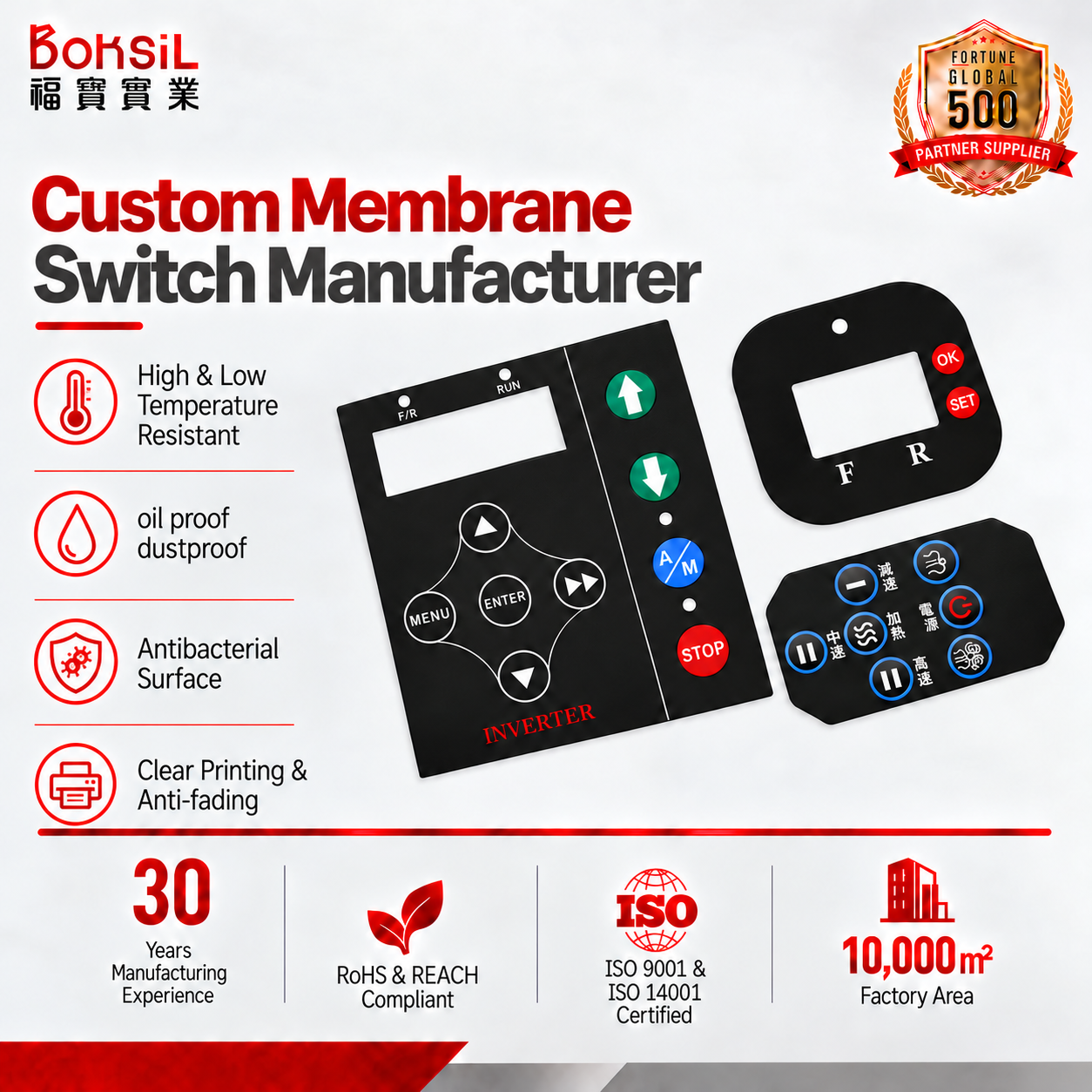
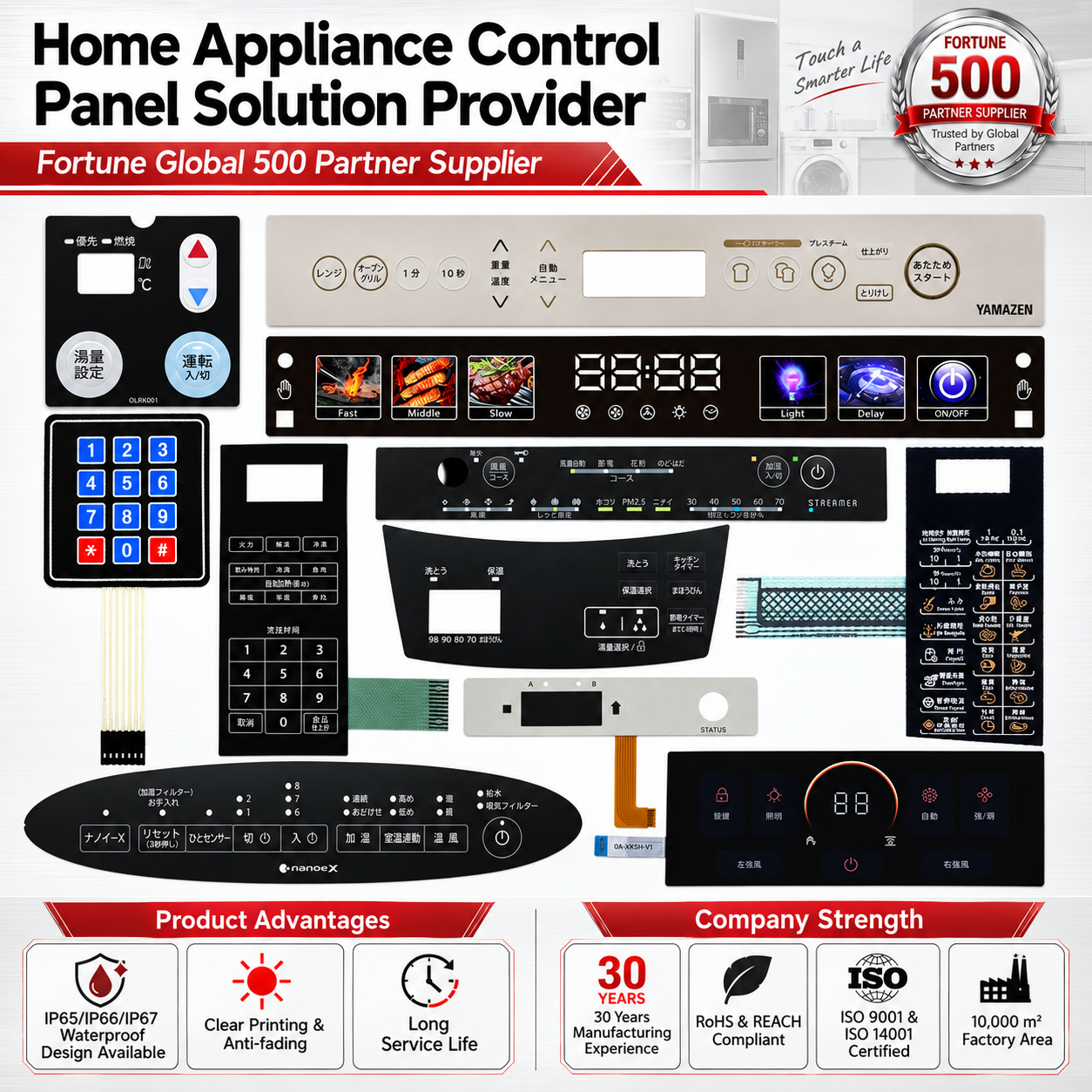
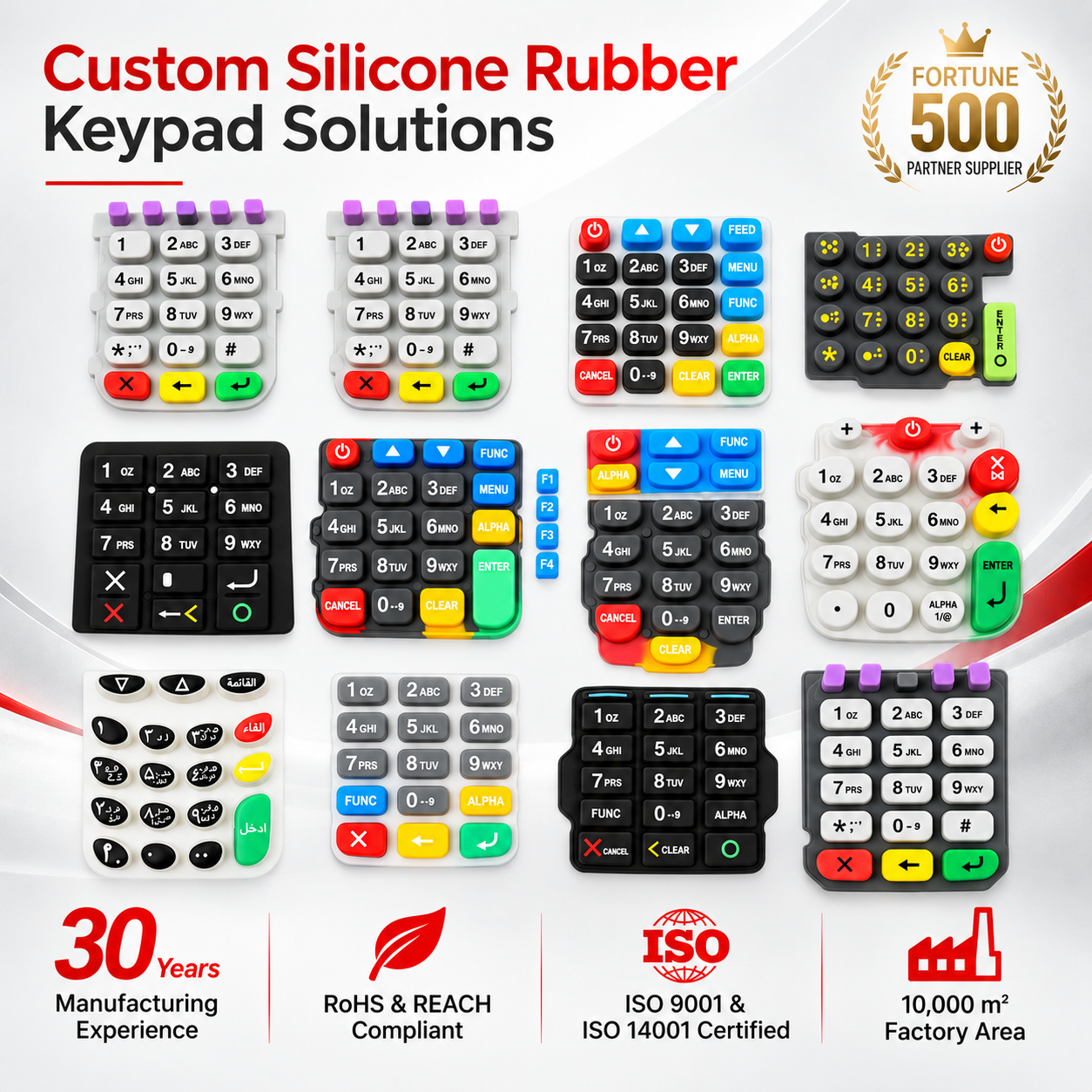
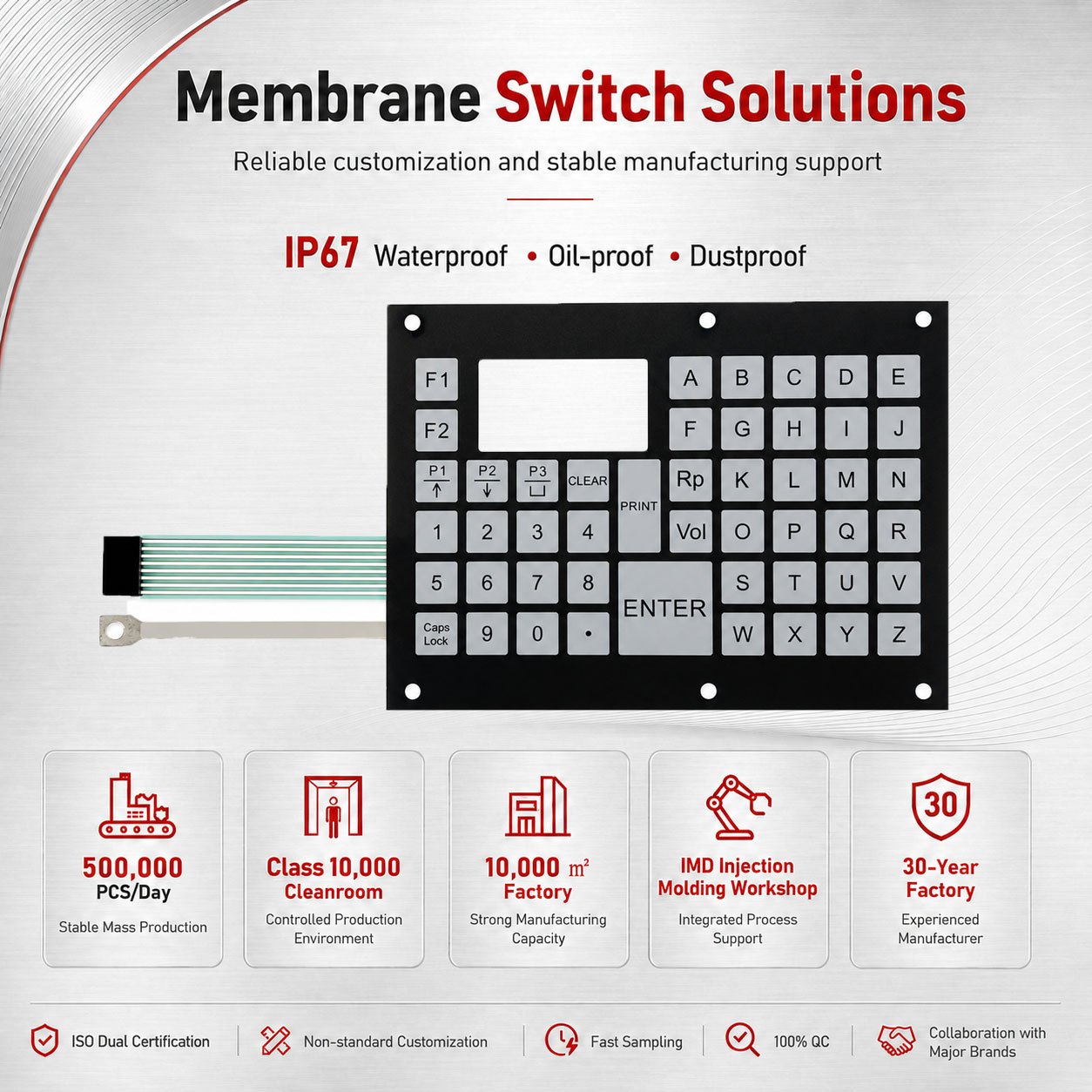
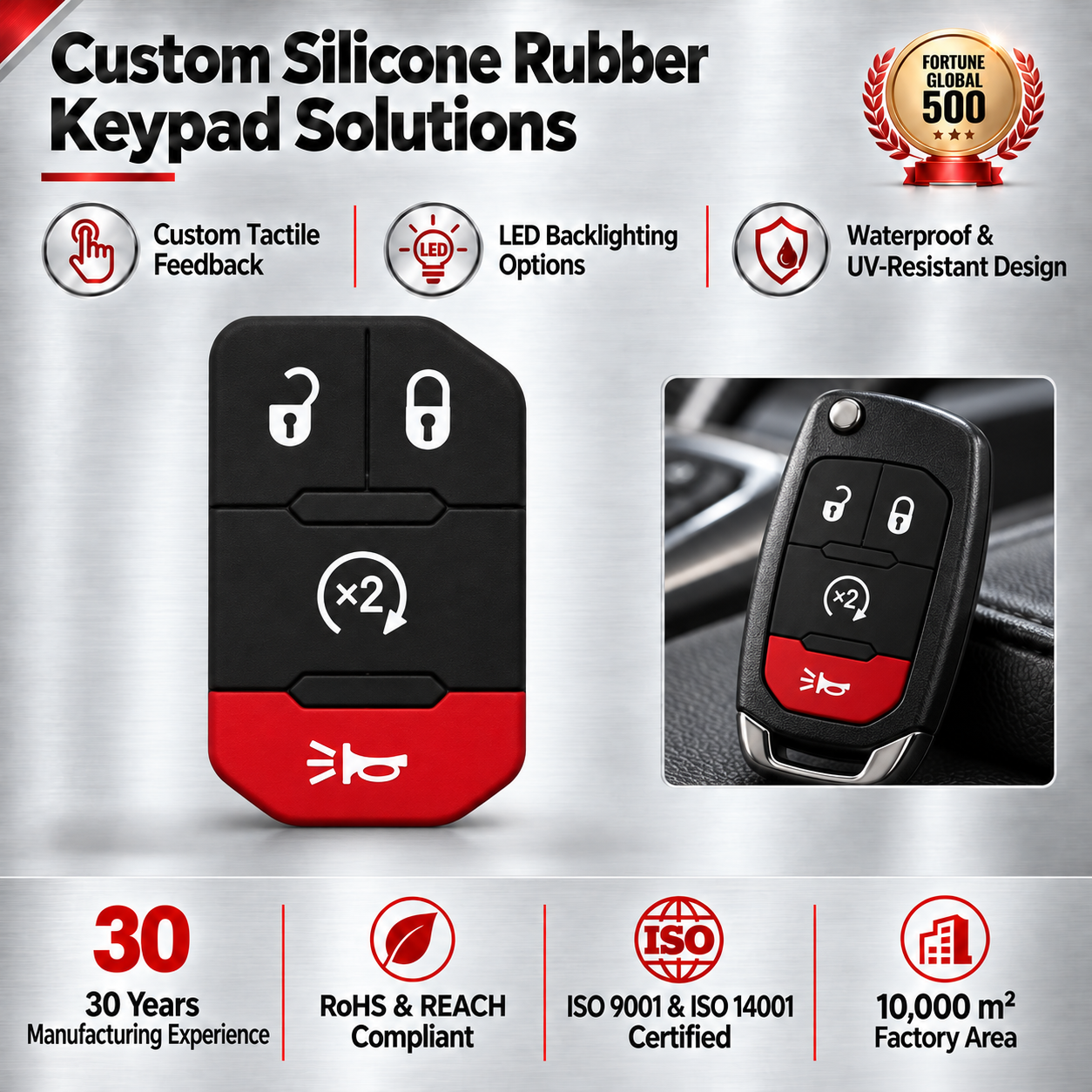
Custom HMI tactile engineering, compression-molded elastomeric keypads, and membrane integrations tailored for Hungary's high-precision medical, automotive, and industrial instrumentation sectors.

10,000㎡ Class 1,000 & 10,000 Facility
100% Automated Electrical Testing
12+ Yrs OEM / ODM Global Reliability
Intertek On-Site Verified Audit
Strategic Sourcing Analysis

Engineering Human-Machine Interfaces for the Greater Budapest Industrial Basin

Hungary has cemented its standing as the innovation and manufacturing linchpin of Central and Eastern Europe (CEE). Within the Budapest Metropolitan Area, Pest County, and the adjacent Székesfehérvár-Győr corridor, high-tech manufacturing demands extreme component reliability. Global procurement managers and electromechanical design engineers face stringent European Union regulatory guidelines, requiring components that satisfy rigorous CE marking, RoHS III (Directive 2015/863/EU), and REACH (EC 1907/2006) mandates.

As Tier-1 automotive integrators, advanced medical technology innovators, and industrial robotic designers scale production across Hungary, elastomeric keypads have evolved far beyond simple molded components. In modern industrial applications, a silicone rubber keypad serves as a multi-functional sealing gasket, electromagnetic boundary, and ergonomic interface. Integrating our Dongguan engineering and manufacturing operations directly with Budapest-based development cycles bridges the gap between cost-effective tooling economics and strict European precision engineering tolerances (DIN ISO 2768-mK / ISO 3302-1 Class M2).

  • Thermal Elasticity Range: Resilient from -40°C in Central European winter conditions to +180°C under industrial control thermal envelopes.
  • Sealing Efficiency: Inherent continuous perimeter ribbing achieves ingress ratings up to IP67 without auxiliary die-cut gaskets.
  • Superior Actuation Consistency: Force tolerance calibrated within ±15 grams for critical medical and precision laboratory applications.
  • Integrated Multi-Technology HMI: Seamless combination with flexible printed circuits (FPC), silver PET circuits, and surface mount diodes.

Laser Etching & Day/Night Backlighting

Multi-shot silicone molding with high-opacity translucent negative masking and automated precision fiber-laser etching. Matches European automotive cabin lighting criteria (white, amber, or ice-blue) with uniform light diffusion via light guide films (LGF).

Conductive Contact Topologies

Custom-formulated low-resistance carbon pill vulcanization (<100 Ω), gold-plated alloy contacts (<0.5 Ω), and nickel pill arrays. Designed to prevent contact chatter and contact-bounce artifacts on low-voltage logic microcontrollers commonly deployed in IoT electronics.

Surface Chemistry & Tribology

Medical-grade antimicrobial coatings, Parylene vacuum deposition, and ultra-durable PU/Epoxy protective caps. Validated against aggressive hospital disinfectant fluids (isopropanol, quaternary ammonium, hydrogen peroxide vapor) to eliminate mechanical wear and sticky residues.

Localized Applications

Meeting Sector-Specific HMI Requirements in the Hungarian Market

Our custom elastomeric input systems directly support Hungary's leading technological export pillars, delivering certified reliability where standard off-the-shelf components fail.

Medical Instrumentation & Patient Care

Budapest is home to prominent medical device manufacturers focusing on hemodialysis systems, intensive care monitoring, infusion pumps, and portable diagnostic analyzers. Our silicone keypads feature seamless continuous webs that provide an impermeable barrier against fluids, blood, and sanitizing reagents. The soft-touch actuation eliminates loud acoustic clicks in clinical wards while preserving crisp tactile feedback for operators wearing surgical latex or nitrile gloves.

Automotive Subsystems & Heavy Transport

Leveraging Hungary’s automotive ecosystem (from EV battery plants in Komárom and Göd to vehicle assembly hubs), our compression-molded silicone assemblies are built to meet demanding interior durability standards. Our keypads resist extreme thermal cycling (-40°C to +85°C cabin soak), continuous UV exposure, and cabin cleaning chemicals. They are ideal for commercial steering wheel controls, HVAC interfaces, and dashboard control clusters.

Industrial Automation & Smart Metering

For factory automation systems in Pest County, rugged telemetry, and smart utility meters (electricity, gas, and water distribution networks across Central Europe), our silicone rubber keypads provide cost-effective durability. Sealed to IP67 standards, they withstand oil mist, mechanical vibrations, atmospheric moisture, and industrial dust without material fatigue or signal degradation over years of service.

Technical Selection Guide

Engineering Matrix: Silicone Keypads vs. Alternative HMI Technologies

A reference guide to help hardware engineers and sourcing professionals evaluate switch technologies for upcoming European device revisions.

Evaluation Parameter Compression Molded Silicone PET/PC Membrane Switch Capacitive Touch (Glass/PMMA) Mechanical Discrete Switches
Tactile Travel & Ergonomics 0.8 – 2.5 mm; customizable snap ratio (40% - 65%) 0.2 – 0.5 mm (Metal dome snap feel) 0.0 mm (Haptic motor dependent) 2.0 – 4.0 mm (Long stroke spring return)
Environmental Sealing (Ingress) IP66 – IP68 via integrated continuous bezel gasket IP65 – IP67 with full perimeter adhesive sealing IP67 – IP69K (Hermetically sealed flat face) Typically IP40; requires custom O-rings for IP65
Operating Temperature -40°C to +180°C (Silicone elastomer base) -20°C to +70°C (Adhesive & PET limited) -10°C to +60°C (Controller IC limited) -25°C to +85°C (Plastic stem & spring)
Chemical & Disinfectant Resistance Outstanding (PU / Parylene coated variants) High (Hardcoated Autotype / Lexan foils) Immune to solvents on toughened cover glass Poor; chemicals penetrate actuator clearances
Life Expectancy (Actuations) 1,000,000 to 5,000,000 cycles 1,000,000 to 3,000,000 cycles Infinite (Solid-state sensing, no wear) 5,000,000 to 50,000,000 cycles
Tooling Cost & Prototyping Lead Time Low to Moderate; 10-15 business days Low; 7-10 business days Moderate to High (Firmware tuning needed) Very High for custom keycaps & tooling
Enterprise Credentials

Verified In-House Production & Metrology Infrastructure

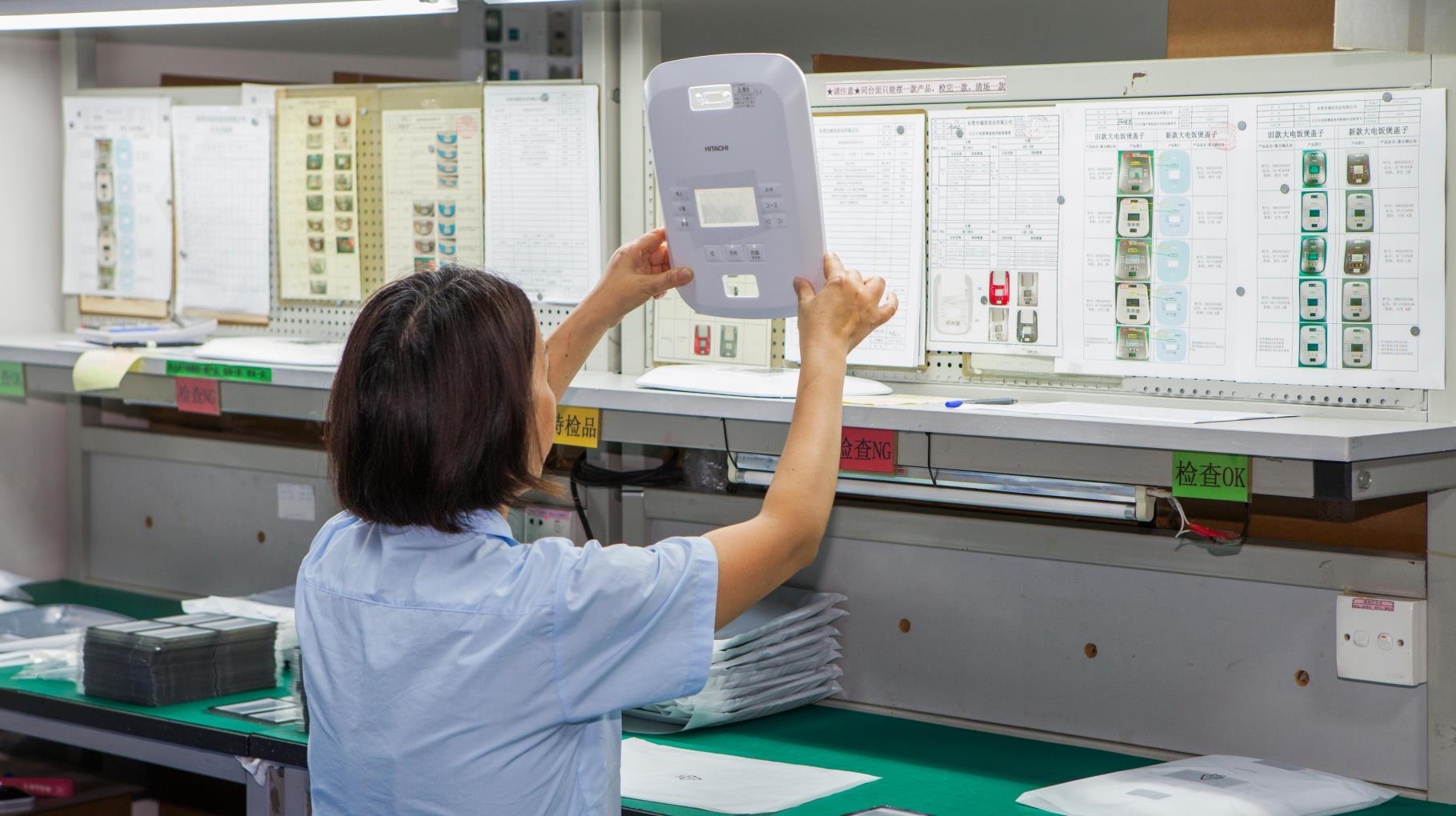
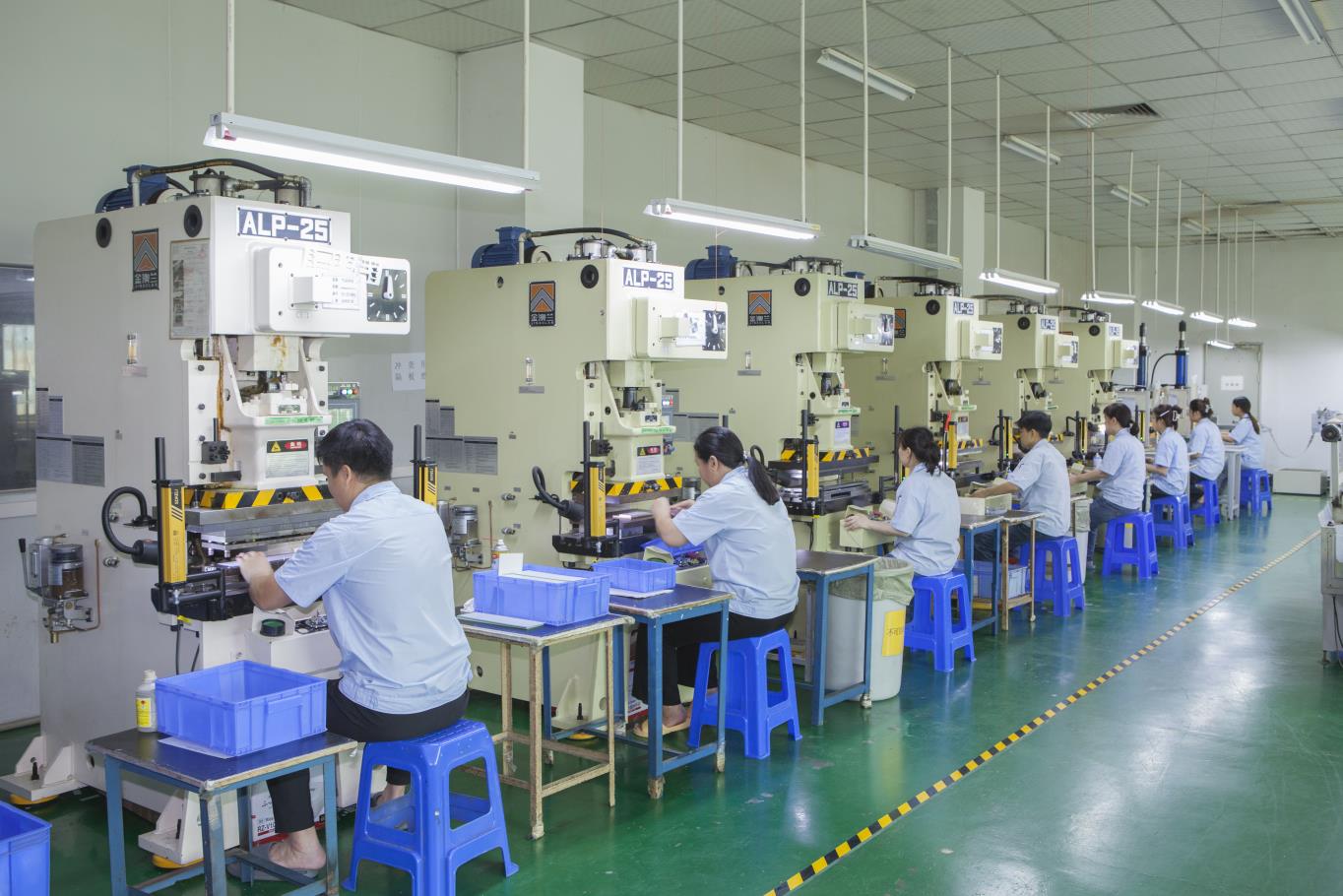
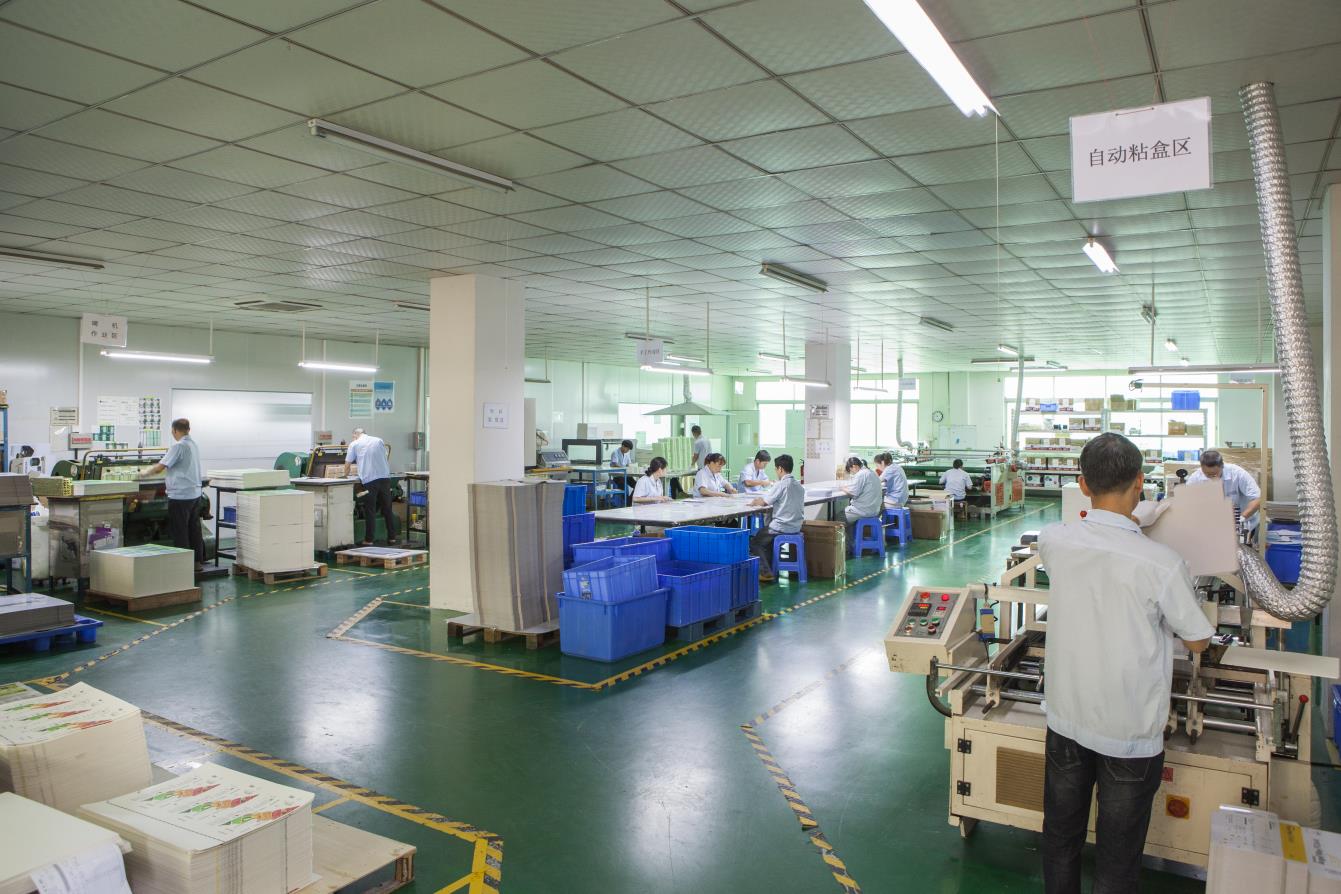
We eliminate quality risks by managing tooling, compounding, molding, silk-screen printing, and testing within our Intertek-verified Dongguan production complex.
AXRU 10,000sqm Electronics Manufacturing Facility Exterior
10,000㎡ Factory Facility
Cleanroom Precision Screen Printing for Keypad Legend Inks
Precision Screen Printing
100% Automated Electrical Inspection Station for Custom Keypads
100% Automated Electrical Check
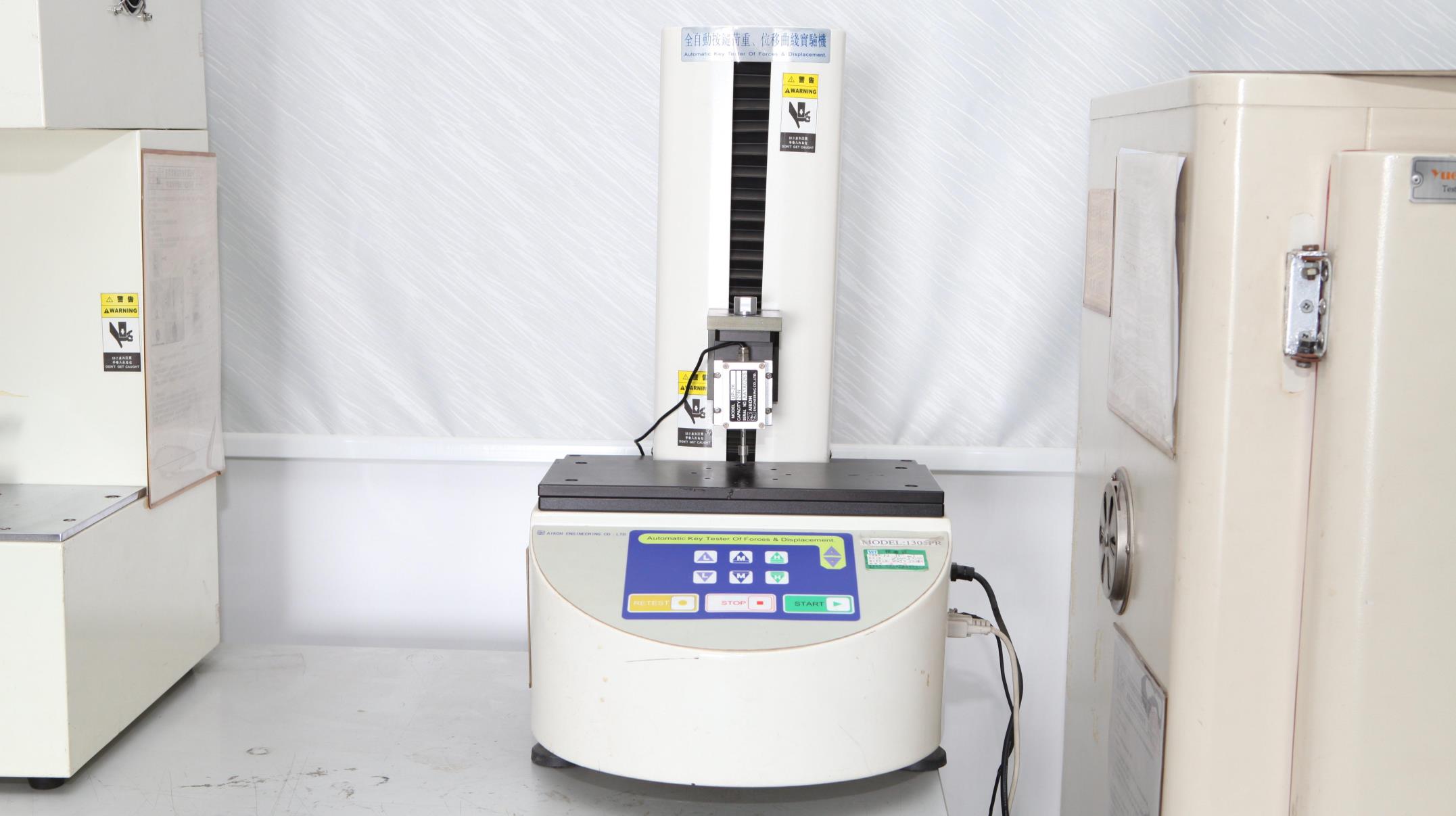
Automatic Key Tester of Actuation Forces and Key Travel Displacement
Force & Displacement Testing
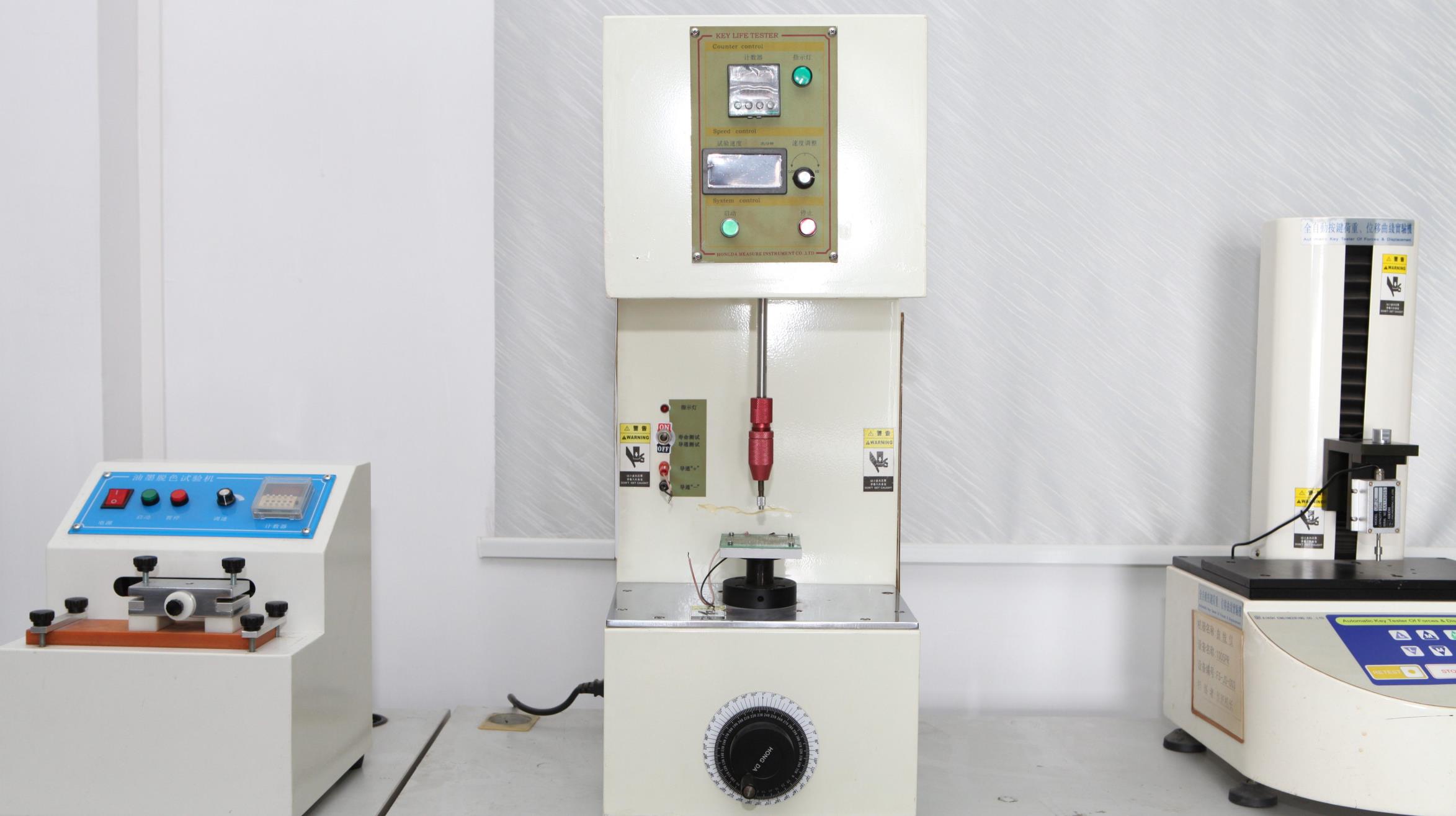
Keypad Mechanical Life Tester Simulating Millions of Actuations
Multi-Million Cycle Life Lab
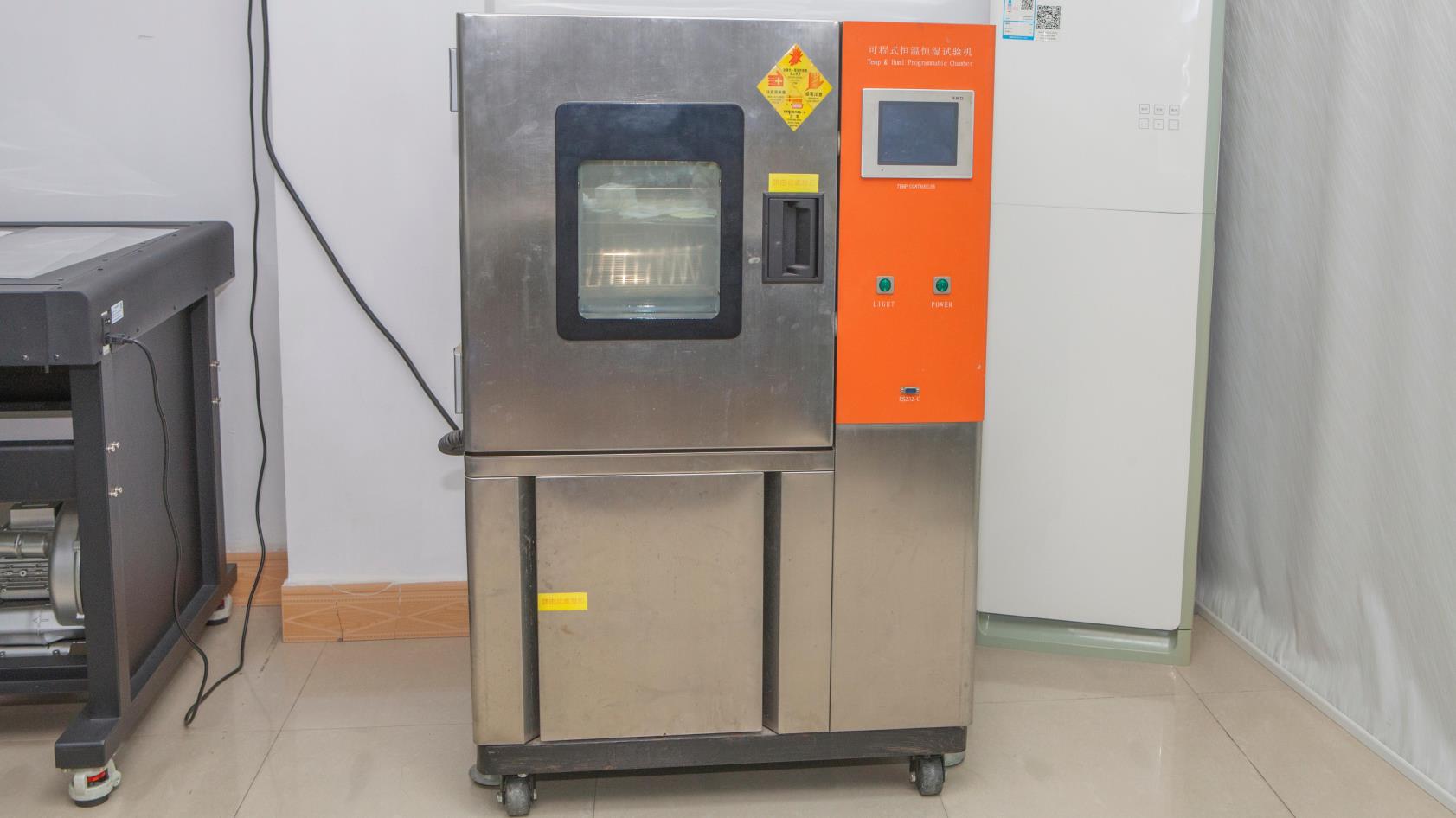
Programmable Environmental Temperature and Humidity Chamber
Temp & Humidity Cycling
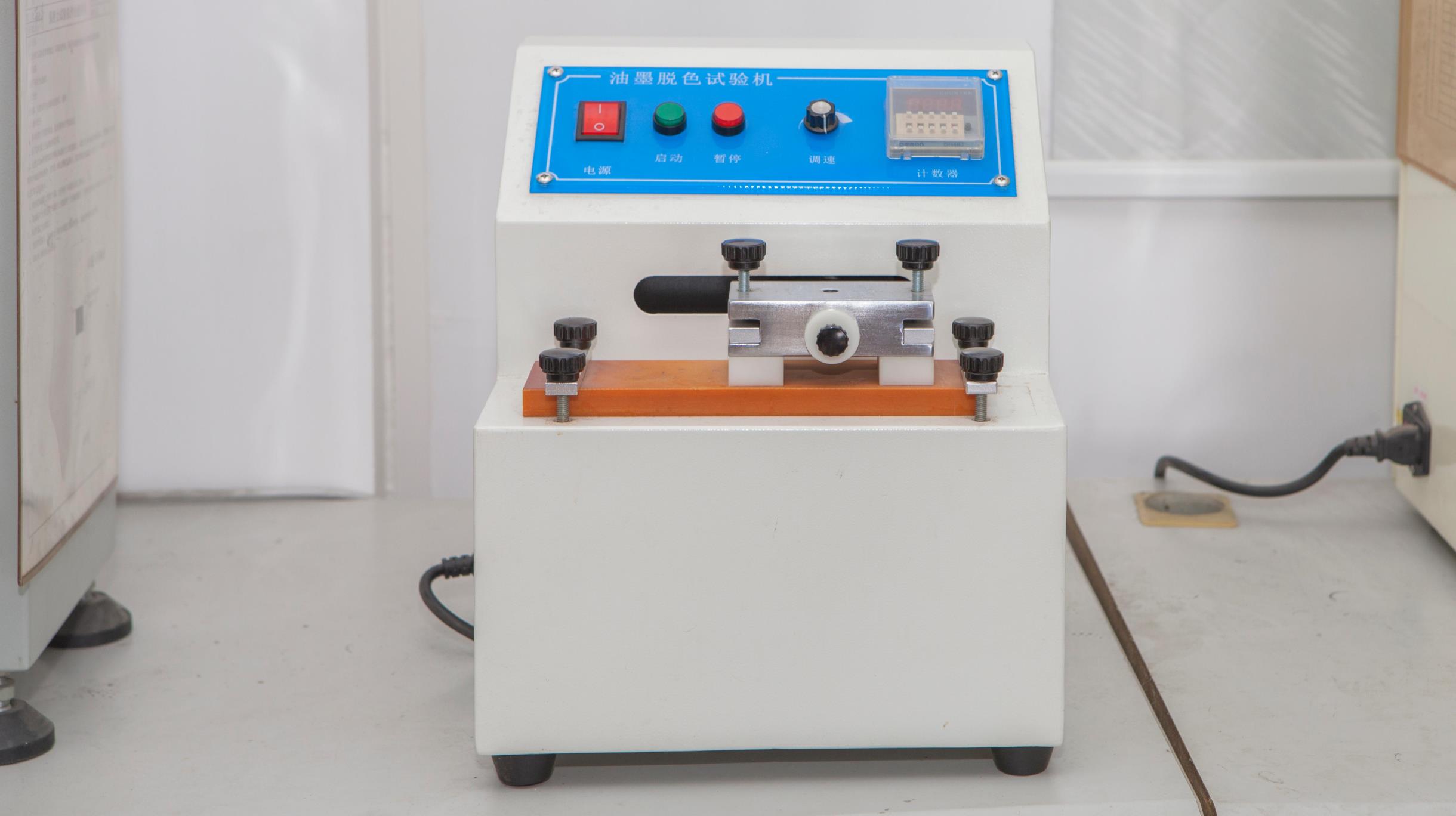
Ink Decolorization and Abrasion Testing Machine for Surface Graphics
Ink Rub & Solvent Tester
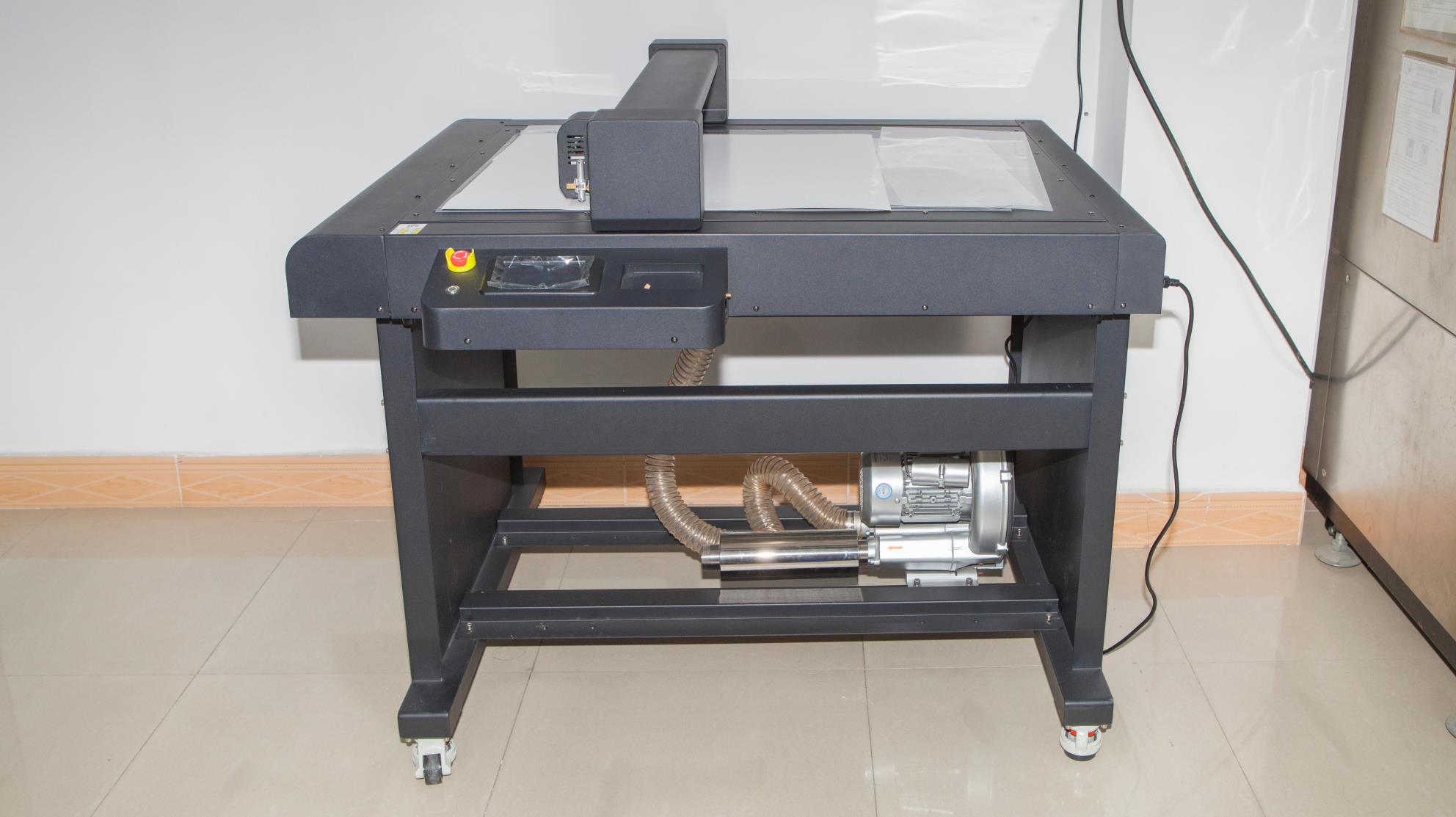
High Precision CNC and Flatbed Die Cutting Machine for Keypads
Flatbed Precision Die-Cutting
Procurement Knowledgebase

Frequently Asked Questions: Sourcing Keypads from China to Budapest

Clear, direct answers regarding European certifications, production timelines, international shipping, and design engineering support.

What is the typical production timeline for custom tooling and delivery to Budapest?
Our standard tooling and first-article prototyping cycle is 12 to 16 calendar days from DFM design approval. Once engineering samples are validated by your quality team in Hungary, mass production typically takes 15 to 20 working days. For urgent programs, we ship via express air courier directly to Budapest Liszt Ferenc International Airport (BUD), achieving door-to-door transit in 4 to 6 business days. For planned volume schedules, consolidated sea-rail shipments via the Piraeus-Budapest rail corridor or major European sea ports offer cost-effective logistics.
Do your silicone rubber compounds and printing inks comply with EU RoHS and REACH regulations?
Yes. All raw materials—including medical-grade liquid silicone rubber (LSR), solid high-consistency silicone rubber (HCR), carbon conductive pills, internal pigments, and surface protective polyurethane coatings—fully comply with the latest EU RoHS III (Directive 2015/863/EU) and REACH (EC 1907/2006) regulations. Full material declaration sheets, third-party SGS test reports, and conflict mineral reporting templates (CMRT) are provided alongside FAI (First Article Inspection) documentation packages.
Can your engineering team assist with DFM optimization for custom tactile web profiles?
Absolutely. Our human-machine interface design specialists review your 3D CAD files (STEP, IGES, or SolidWorks) to optimize key actuation dynamics. We simulate web angles, baseline thickness, stroke length, and snap ratios to achieve your target feel—whether you require a crisp, clicky snap for industrial equipment (50% to 65% snap ratio) or a smoother, quiet stroke for clinical medical instruments. We provide full 2D stack-up drawings and force-displacement curve simulations before initiating steel mold manufacturing.
What is the Minimum Order Quantity (MOQ) for custom-molded keypads and prototypes?
To support pilot runs, engineering evaluations, and high-mix low-volume (HMLV) specialized equipment manufacturers across Hungary, our minimum order quantity starts at just 100 pieces for custom silicone keypads, graphic overlays, and membrane switches. We also offer fast-turn prototype sample builds during the NPI (New Product Introduction) phase to allow physical validation prior to high-volume production tooling.
How do you guarantee batch-to-batch tactile consistency across repeat production runs?
Tactile consistency relies on strict material controls and precision process repeatability. We use vacuum compression molds with multi-zone heating controls to avoid incomplete vulcanization or thermal variation. Each production lot is sampled using our computerized Force-Displacement and Snap-Ratio testing systems to verify that actuation force stays within ±15% of the approved golden sample. Tool wear is tracked closely, and vulcanization times are kept strictly uniform.
Can silicone keypads be integrated with backlighting, PCB assemblies, and graphic overlays?
Yes. We design and deliver complete integrated front-panel sub-assemblies. This includes combining laser-etched silicone keypads with Light Guide Film (LGF) or fiber optics for uniform LED backlighting, bonding them onto flexible printed circuits (FPC) or rigid FR4 PCBs, and integrating display windows with anti-glare, hard-coated PMMA or glass lenses. Budapest clients receive complete plug-and-play front-panel assemblies ready for direct integration into system enclosures.
Direct Engineering Collaboration

Accelerate Your HMI Project for the Budapest Market

Send us your 2D drawings, 3D STEP models, or target actuation specifications. Our applications engineering team will deliver a comprehensive DFM review, stack-up recommendation, and itemized quotation within 24 hours.

Inquire Now