Featured Printed Membrane Switches & Keypad Assemblies
Explore our precision-fabricated membrane keypads, conductive elastomer controls, and sealed graphic overlays designed to deliver millions of reliable actuations across demanding tropical, high-humidity, and industrial operating environments.
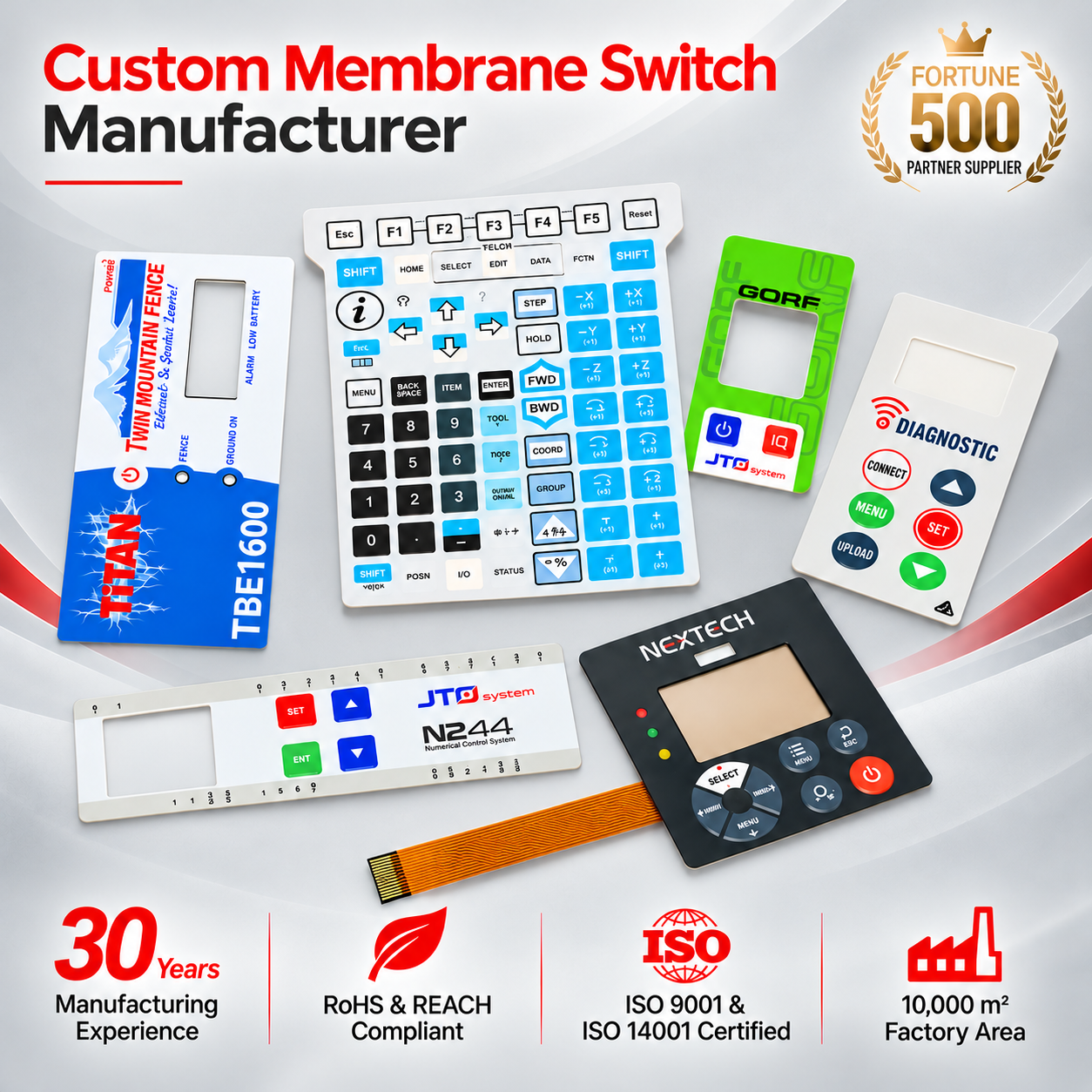
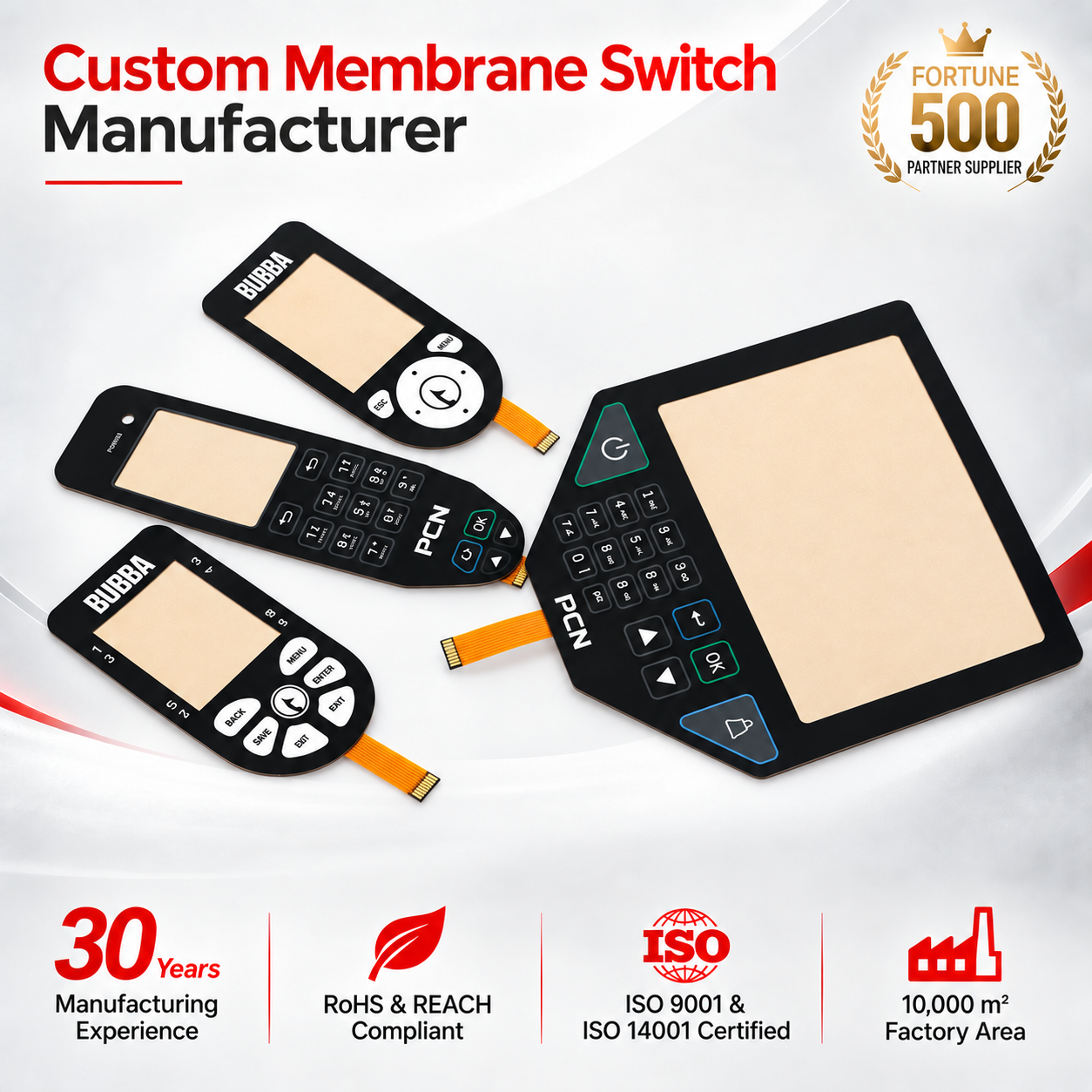
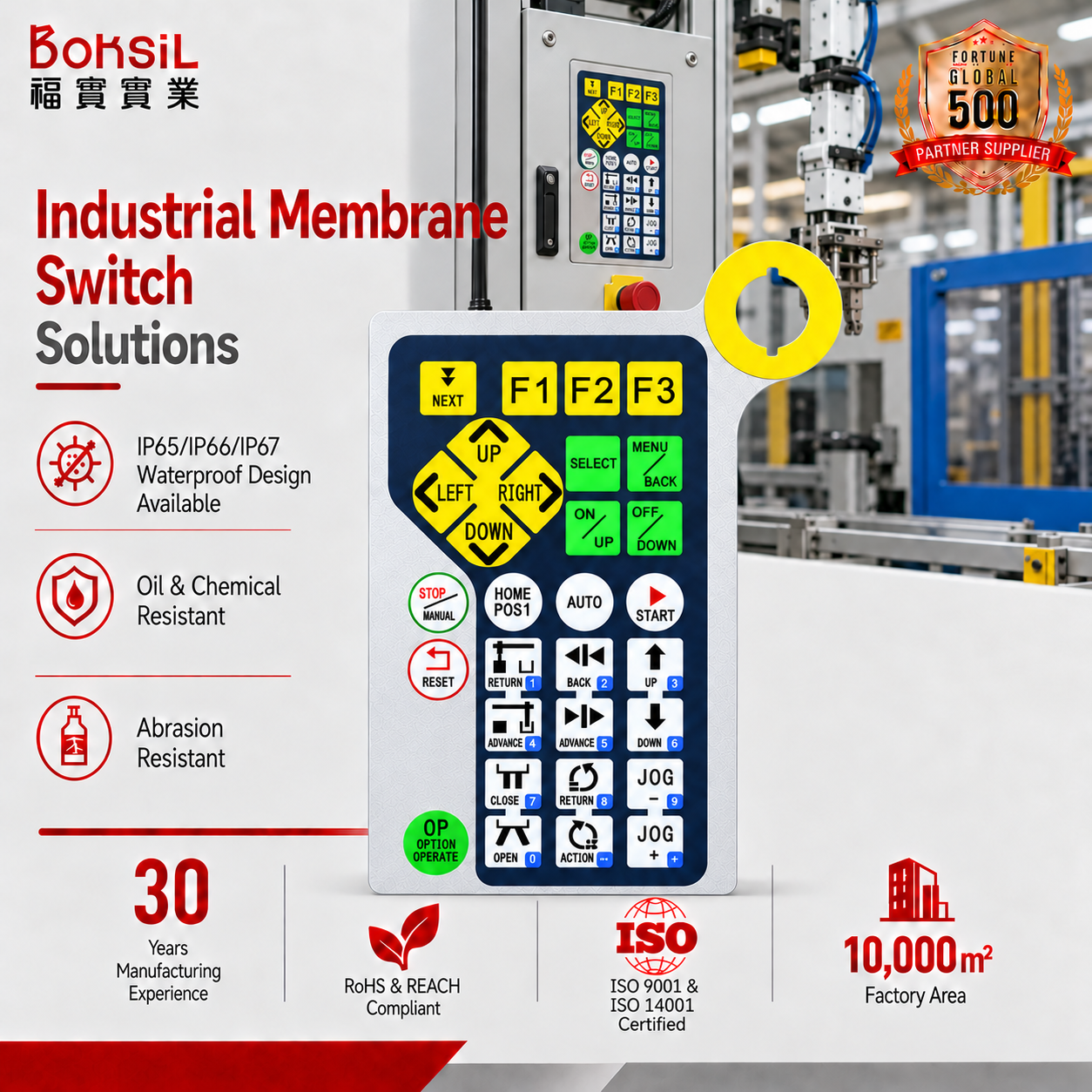
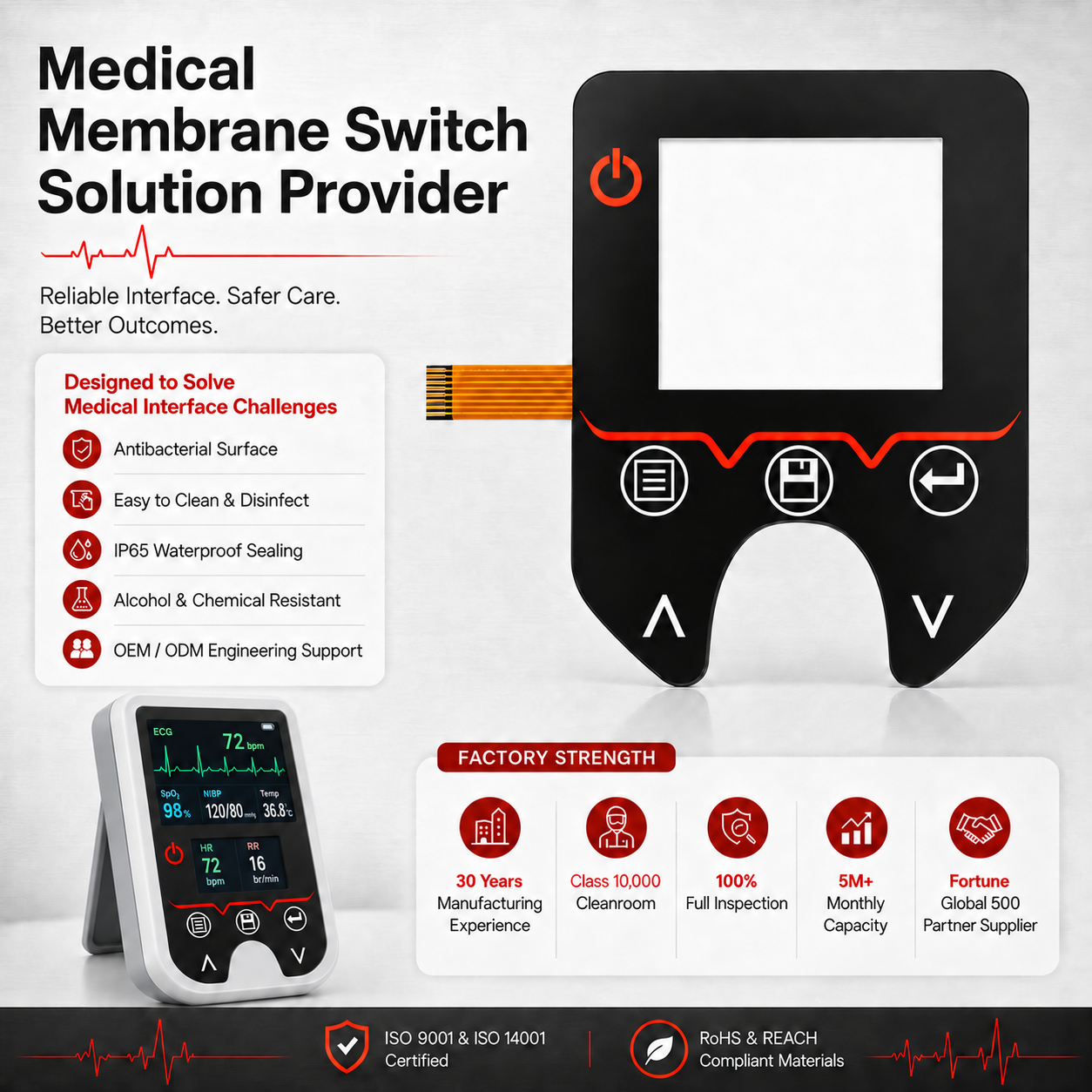
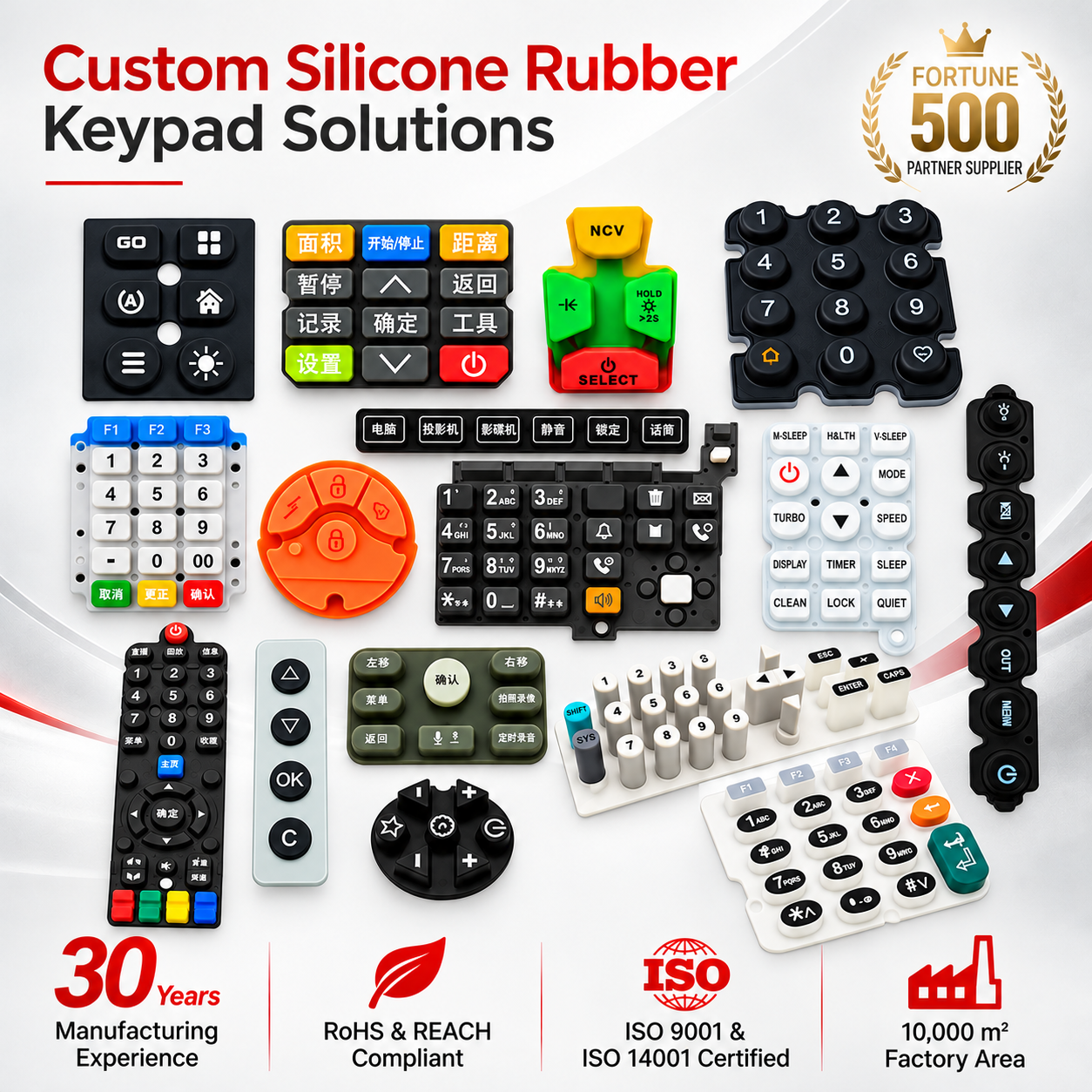
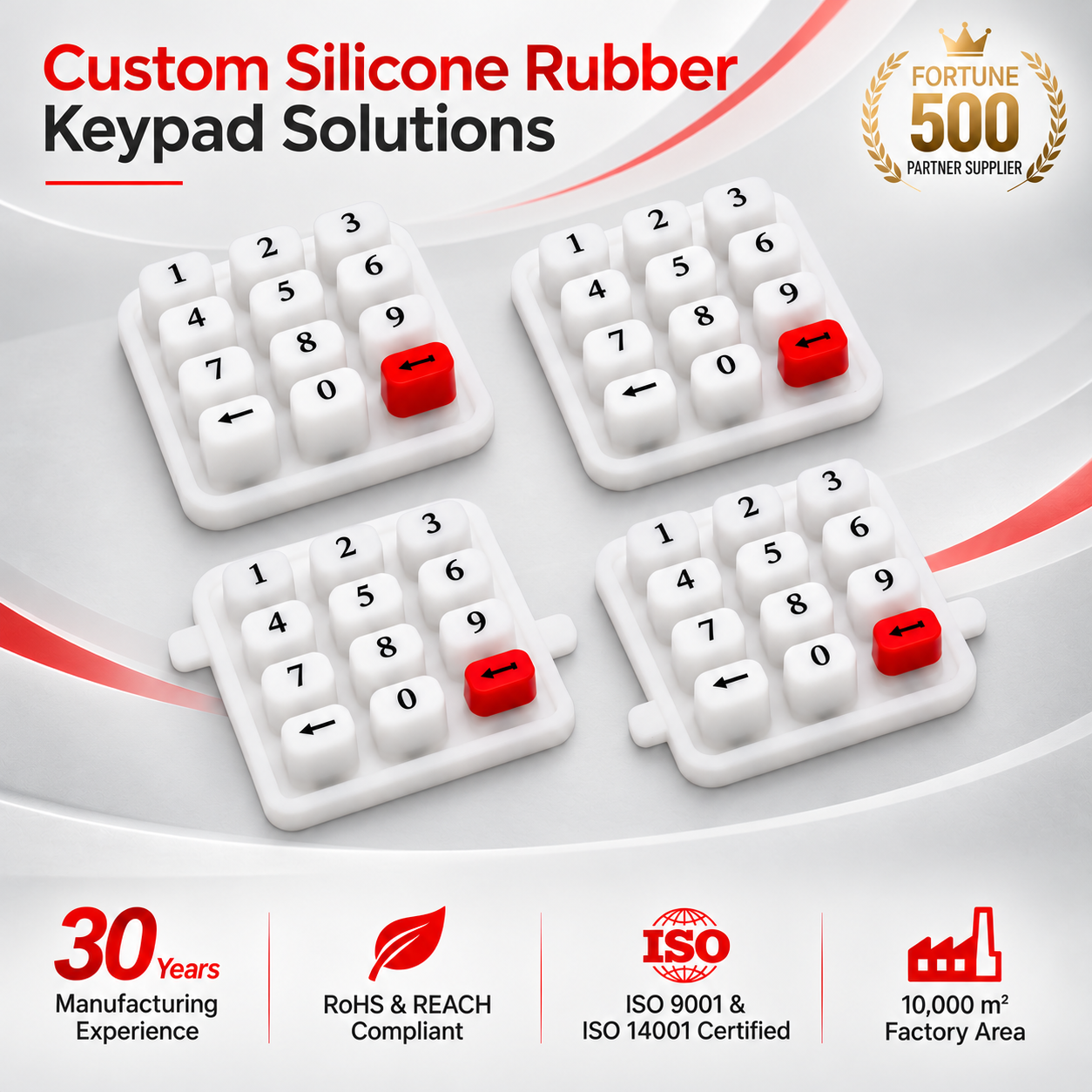
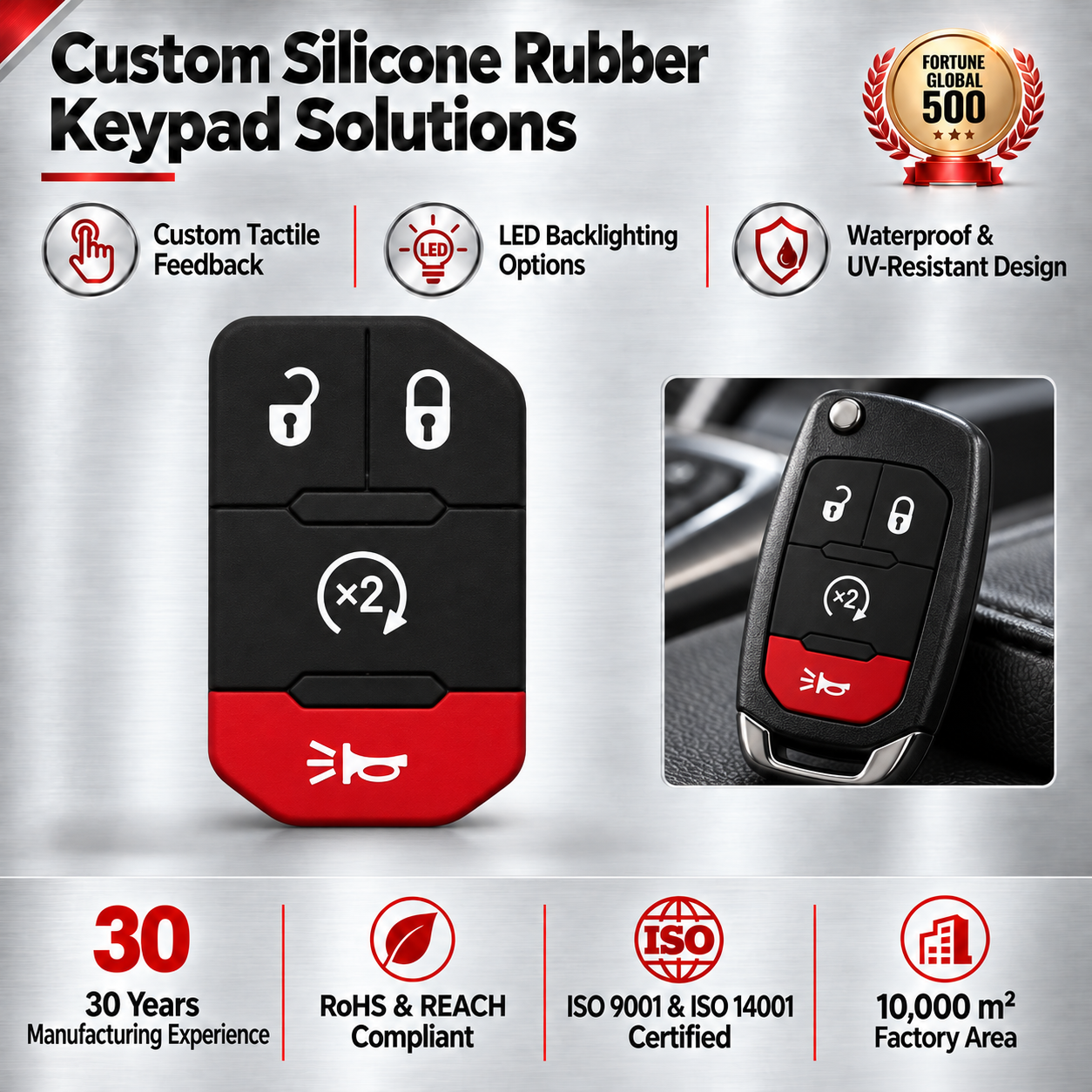
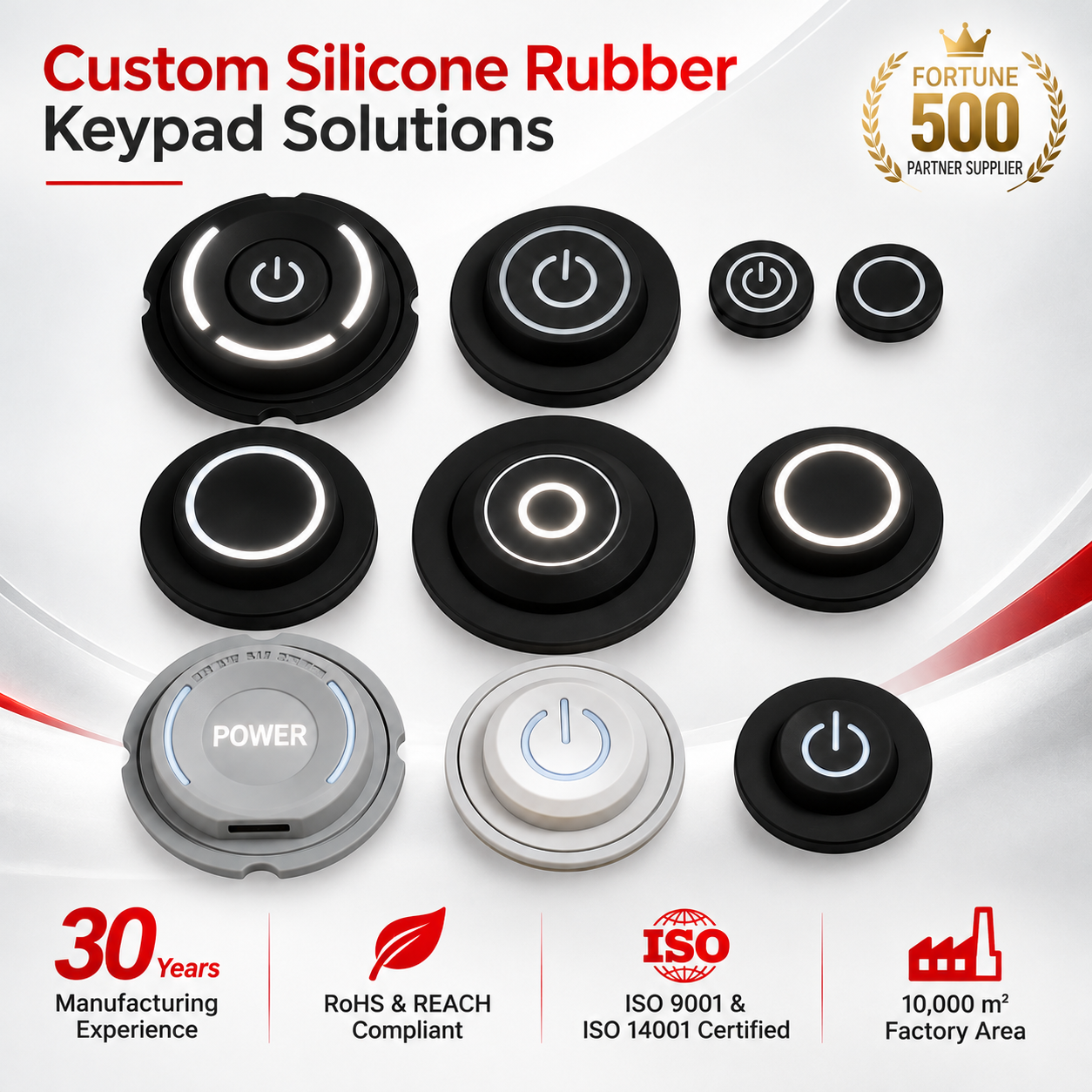
Precision Printed Membrane Switch Engineering for the All Saints Market
As the central industrial, distribution, and logistical crossroads of Antigua and the broader Leeward Islands, the All Saints market presents a uniquely demanding set of operational challenges for Human-Machine Interface (HMI) devices. Electronic equipment operating within All Saints and its adjacent service zones—ranging from commercial utility installations, diesel generator automation systems, and reverse osmosis desalination plants to marine support bases, agricultural cold-chain facilities, and telecommunications towers—is consistently exposed to extreme environmental stressors.
The relentless combination of high ambient temperatures, chronic relative humidity frequently exceeding 85%, airborne saline particulates carried by North Atlantic trade winds, and high UV radiation flux causes standard mechanical switches and generic membrane assemblies to fail prematurely. Typical failure modes include dielectric breakdown caused by silver migration, contact bounce deterioration from oxidized carbon traces, adhesive degradation under thermal cycling, and catastrophic graphic overlay embrittlement.
The Engineering Reality in All Saints: Conventional commercial switchgear lacking perimeter vapor barriers and UV-stabilized polymer matrix substrates fails within 12 to 18 months in tropical marine microclimates. By contrast, Dongguan AXRU Electronics Co., Ltd. specifies high-grade biaxially-oriented polyethylene terephthalate (PET) like Autotype XE, combined with cross-linked polymer thick-film (PTF) conductive silver or etched flexible copper circuitry (FPC) and high-tack 3M acrylic adhesive systems (3M 200MP / 300LSE / 467MP). This architecture guarantees an operating life exceeding 1,000,000 to 5,000,000 mechanical actuations while maintaining continuous IP65, IP67, or NEMA 4X hermetic seals.
Multilayer Stack-Up Architecture for Extreme Environment Survivability
A membrane switch is not simply an aesthetic cover plate; it is a multi-tier, electro-mechanical sandwich engineered down to micrometer tolerances. Our Dongguan factory manufactures membrane switches and interactive keypads through a tightly controlled six-tier monolithic construction designed specifically to counter the failure modes prevalent in the All Saints market:
1. Graphic Overlay & Surface Shield
Utilizes reverse screen-printed Autotype XE textured PET or hard-coated Lexan Polycarbonate (0.125mm–0.25mm). Reverse subsurface printing protects graphic legends, branding, and status icons from caustic cleaners, diesel fuel spillage, seawater washdown, and direct solar UV degradation.
2. Adhesive Overlay Seal & Gasket
Employs industrial-grade acrylic adhesives (such as 3M 467MP or 3M 300LSE for low surface energy plastics). Features engineered breathing channels routed toward internally sealed dessicant cavities or full perimeter seals to prevent saline vapor ingress into the tactile switch pocket.
3. Retainer & Metal Dome Layer
Precision-aligned nickel-plated or gold-plated stainless steel metal domes (four-leg or round tactile domes) ranging from 6mm to 20mm with trip forces tuned between 220g and 450g. Offers crisp tactile feedback discernible through heavy-duty industrial work gloves.
4. Circuit Layer (FPC / Silver PTF)
Engineered using low-resistance screen-printed polymer thick film silver traces capped with protective carbon or dielectric overcoats to inhibit electrochemical dendritic growth (silver migration), or rolled annealed copper etched onto flexible polyimide (FPC) for ultimate electrical stability.
5. ESD & RFI Shielding Tier
Integrates a fully grounded solid aluminum foil, printed carbon lattice, or continuous silver mesh layer designed to attenuate electrostatic discharges (ESD) up to 15kV, safeguarding sensitive microcontrollers against stray electrical spikes common in island power grids.
6. Rear Mounting Adhesive & Enclosure Seal
High shear strength 3M transfer adhesives (0.13mm–0.25mm) engineered to form an airtight bond against cast aluminum, powder-coated steel, polycarbonate, or ABS chassis enclosures, blocking thermal pump ingress during dramatic day-to-night temperature cycles.
Localized Applications Across the All Saints Industrial & Commercial Landscape
The town of All Saints is geographically positioned as a vital inland logistical corridor connecting St. John's harbor facilities to the southern maritime anchorages, industrial processing zones, and agricultural estates. OEM engineers, maintenance managers, and equipment builders sourcing membrane switches for this territory operate across several specialized application sectors:
Utility & Desalination Controls
Reverse osmosis filtration skids, chlorine dosing controllers, and municipal pump stations require completely sealed IP67 membrane front panels capable of withstanding constant chemical fumes, high humidity, and caustic cleaning agents.
Standby Power & Solar Inverters
Island electrical systems rely heavily on commercial diesel genset synchronizers, ATS switchboards, and solar microgrid controllers that operate in outdoor enclosures subject to scorching midday heat and rapid condensation.
Marine Fleet & Port Logistics
Cargo handling winches, boatyard hoist remote pendants, VHF radios, and fuel dock dispensing terminals demand tactile stainless steel dome arrays that reject salt-fog corrosion and permit unmistakable tactile feedback.
Cold Storage & Food Processing
Agricultural distribution nodes in All Saints utilize blast chillers, commercial walk-in refrigeration units, and grading scales requiring wash-down compliant front panels that will not crack or de-laminate at sub-zero temperatures.
Procurement Trends & Sourcing Realities in the All Saints Market
Over the past five years, procurement professionals and engineering teams in All Saints and the Eastern Caribbean have transitioned away from low-durability mechanical pushbuttons and standard non-tactile panels in favor of hybrid, highly integrated HMI assemblies. Five notable trends define the local marketplace:
- Transition to Copper Flexible Circuitry (FPC): While silver printed ink on PET remains cost-effective for benign indoor environments, equipment builders targeting high-reliability field units increasingly specify polyimide copper etched circuits (FPC). In tropical island environments, humidity-induced silver electromigration can cause short circuits between closely spaced trace lines. FPC eliminates this hazard entirely.
- Hybrid Silicone Rubber Keypads over Membrane Cores: Operators in industrial yards and maintenance depots frequently handle controllers while wearing protective gloves. Integrating a three-dimensional compression-molded silicone keypad with laser-etched backlit legends over a tactile membrane core delivers superior ergonomic travel (1.0mm to 2.5mm) alongside hermetic seal protection.
- Integrated Light Guide Film (LGF) & Dead-Front Annunciators: For controllers deployed in harsh sunlight and night-time unlit pump houses alike, uniform LED backlighting via ultra-thin (0.125mm) light guide films ensures high-contrast visibility without thermal hotspots or excessive power draw.
- Anti-Microbial & UV Hard-Coat Treatments: Surface coatings conforming to ASTM G21 (fungal resistance) and Xenon-arc weathering standards ensure graphic overlays maintain color fidelity, legend legibility, and dimensional stability over a 10-year operational lifecycle.
- Consolidation to Factory-Direct OEM Partnerships: Middlemen and general component distributors often lack the technical rigor to conduct Design for Manufacturability (DFM) reviews. Engineering firms in All Saints now partner directly with comprehensive manufacturers like Dongguan AXRU Electronics Co., Ltd. to secure direct engineering review, trace level testing, and reliable factory pricing.
Comprehensive Technology Matrix: Selecting the Right HMI Architecture
To assist procurement directors and mechanical design engineers evaluating options for upcoming deployments in the All Saints market, the following technical comparison provides empirical benchmarks across our core product families:
| Performance Criterion | Silver-PET Tactile Switch | Copper FPC Membrane Switch | Silicone + Membrane Hybrid | Capacitive Touch Glass / PMMA |
|---|---|---|---|---|
| Typical Actuation Life | 1,000,000 to 3,000,000 Cycles | 5,000,000+ Cycles | 1,000,000 to 2,000,000 Cycles | Solid-State (No Mechanical Wear) |
| Contact Resistance | < 50 Ω (trace length dependent) | < 1 Ω (ultra-low resistance) | < 100 Ω (carbon pill / metal dome) | N/A (I2C / SPI / UART Output) |
| Environmental Sealing | IP65 Perimeter Seal | IP67 / NEMA 4X Hermetic | IP66 with Gasket Channel | IP68 Complete Surface Seal |
| Resistance to Tropical Moisture | Moderate (requires carbon overcoat) | Maximum (zero silver migration) | High (inherent silicone barrier) | Maximum (impervious front substrate) |
| Tactile Travel & Feedback | 0.3mm–0.6mm (Crisp snap) | 0.3mm–0.6mm (Crisp snap) | 1.0mm–2.5mm (Plunger stroke) | Zero stroke (audio / haptic buzzer) |
| Operating Temp. Range | -20°C to +70°C | -40°C to +85°C | -40°C to +125°C | -20°C to +70°C |
| Optimal All Saints Use-Case | Cost-effective indoor instrumentation | High-reliability outdoor/marine systems | Handheld pendants & heavy machinery | High-end hospitality & medical panels |
Dongguan AXRU Electronics Co., Ltd. – Advanced Manufacturing & Quality Rigor
Headquartered in the global electronics manufacturing heartland of Dongguan, China, Dongguan AXRU Electronics Co., Ltd. operates a modern, 10,000-square-meter integrated facility staffed by 121 highly skilled engineers, screen printing technicians, and quality assurance specialists. We maintain full on-site ownership of the critical process chain: precision CAD/CAM tooling, automatic screen printing, Class 10,000 cleanroom assembly, automated pick-and-place metal dome positioning, flatbed die-cutting, and 100% electrical computer testing.
Unlike export trading firms, our facility has been audited and on-site verified by Intertek. As an established OEM/ODM supplier to Fortune 500 corporations and global industrial giants across North America, Europe, and the Caribbean basin, we maintain an uncompromising standard of component traceability and process control.
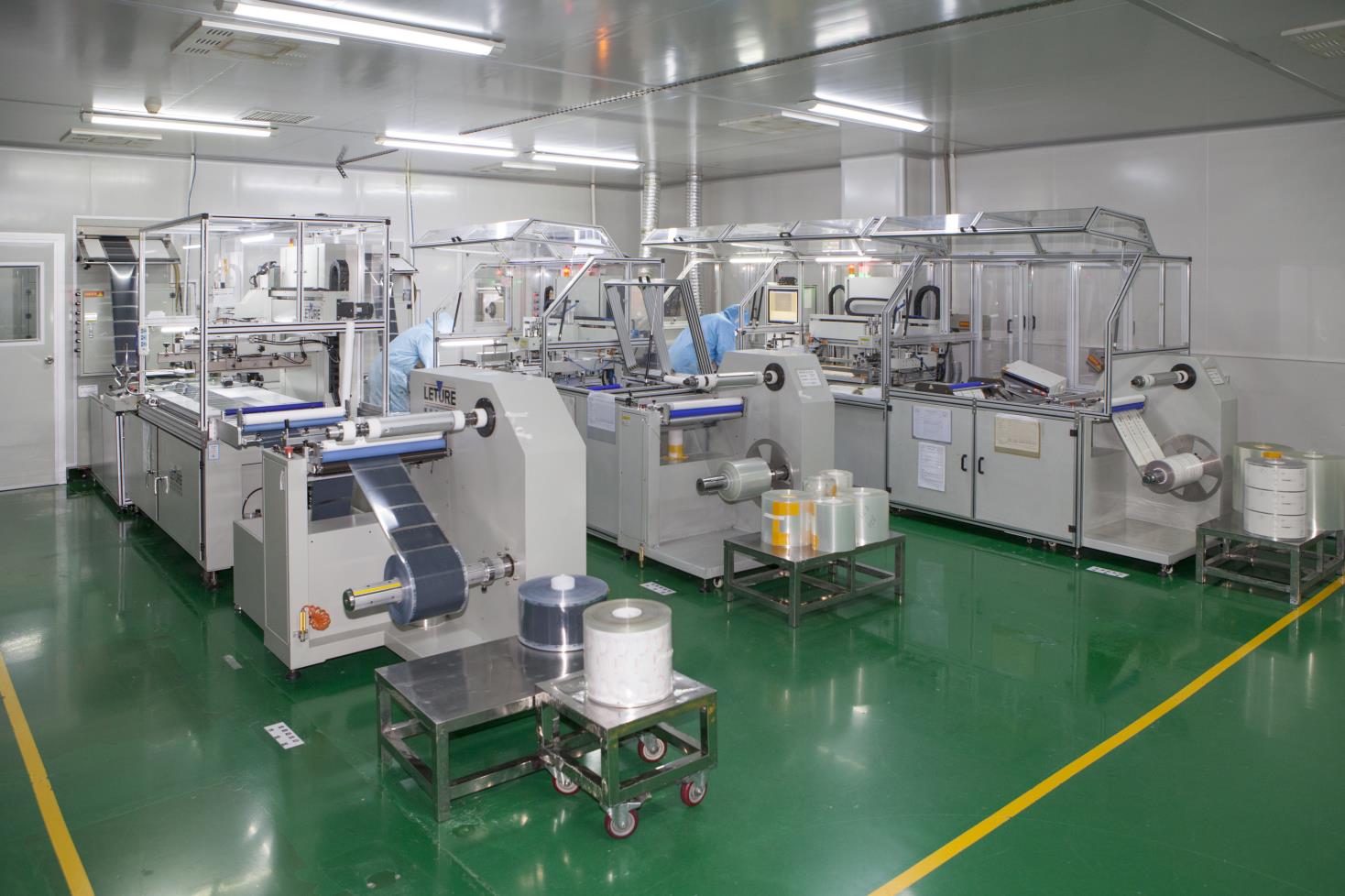
Class 10,000 Cleanroom Assembly
Environmentally controlled lamination rooms eliminating microscopic airborne dust particles to guarantee pinhole-free dielectric layers and flawless optical windows.
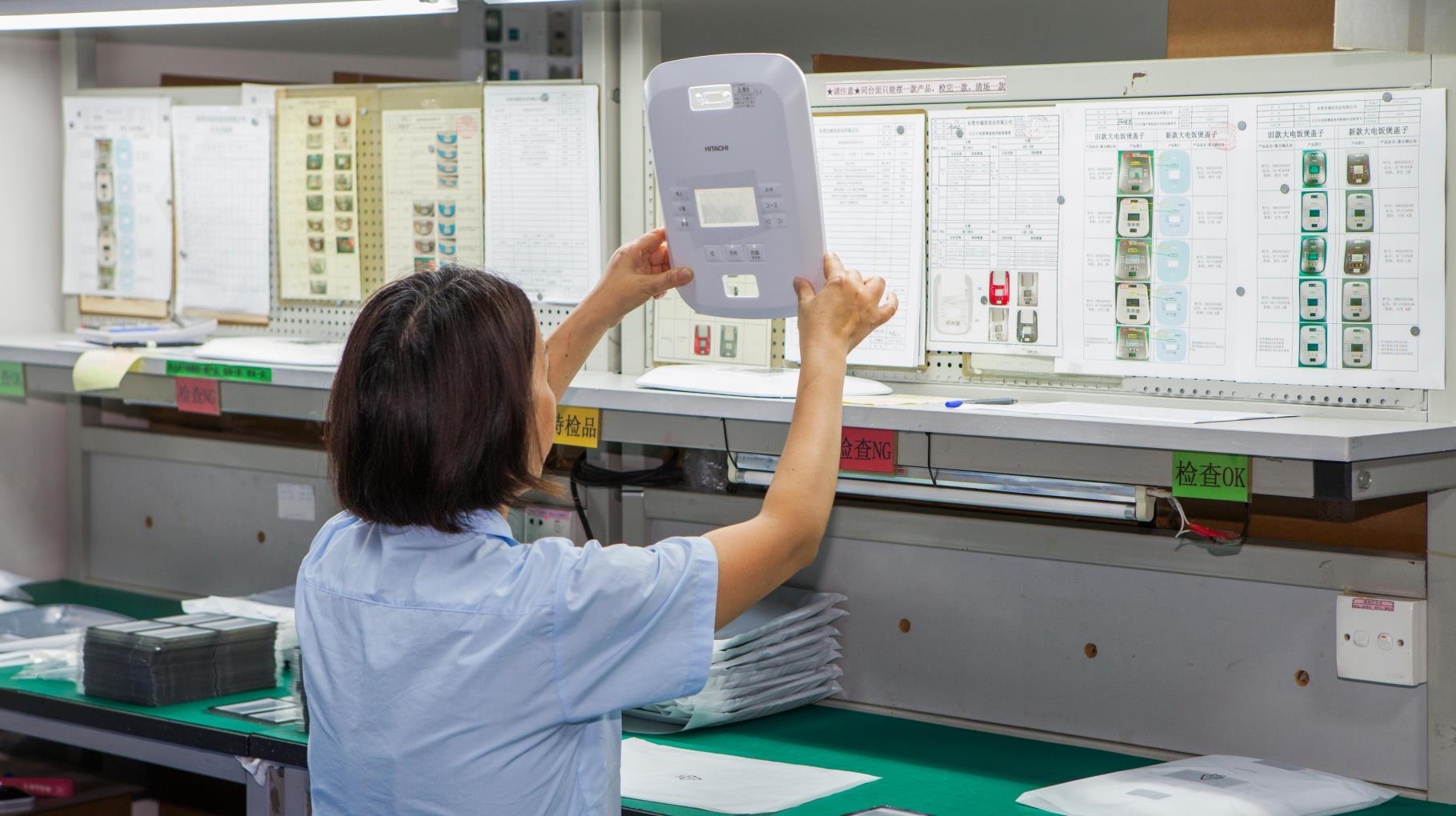
100% Automated Electrical Inspection
Every switch is subjected to dedicated automated continuity tests, open/short circuit verification, insulation resistance measurements, and forward LED voltage checks.
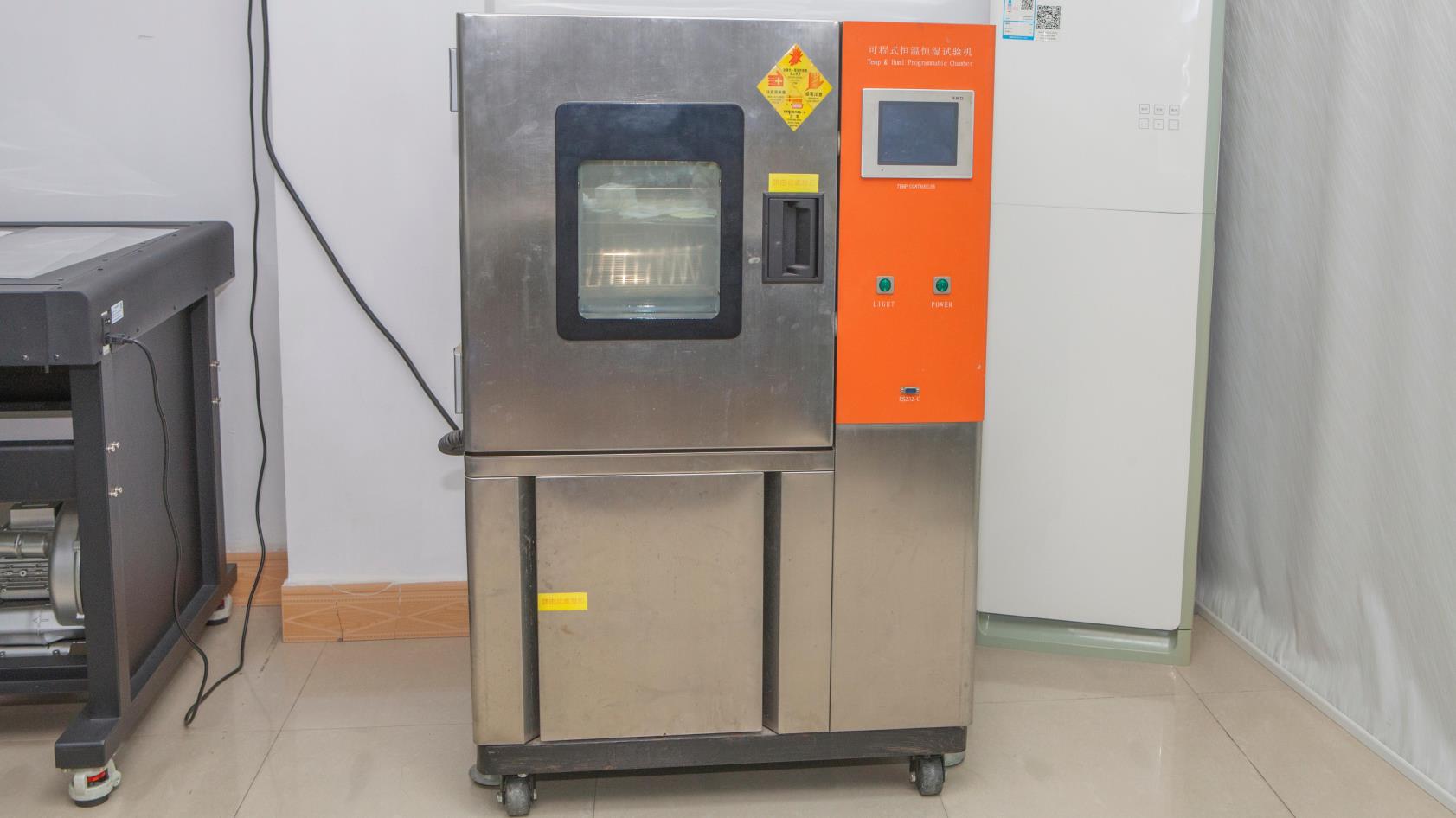
Environmental Climate Simulation Lab
Programmable thermal cycling (-40°C to +120°C) and accelerated relative humidity testing up to 98% to simulate decade-long tropical marine deployment conditions.
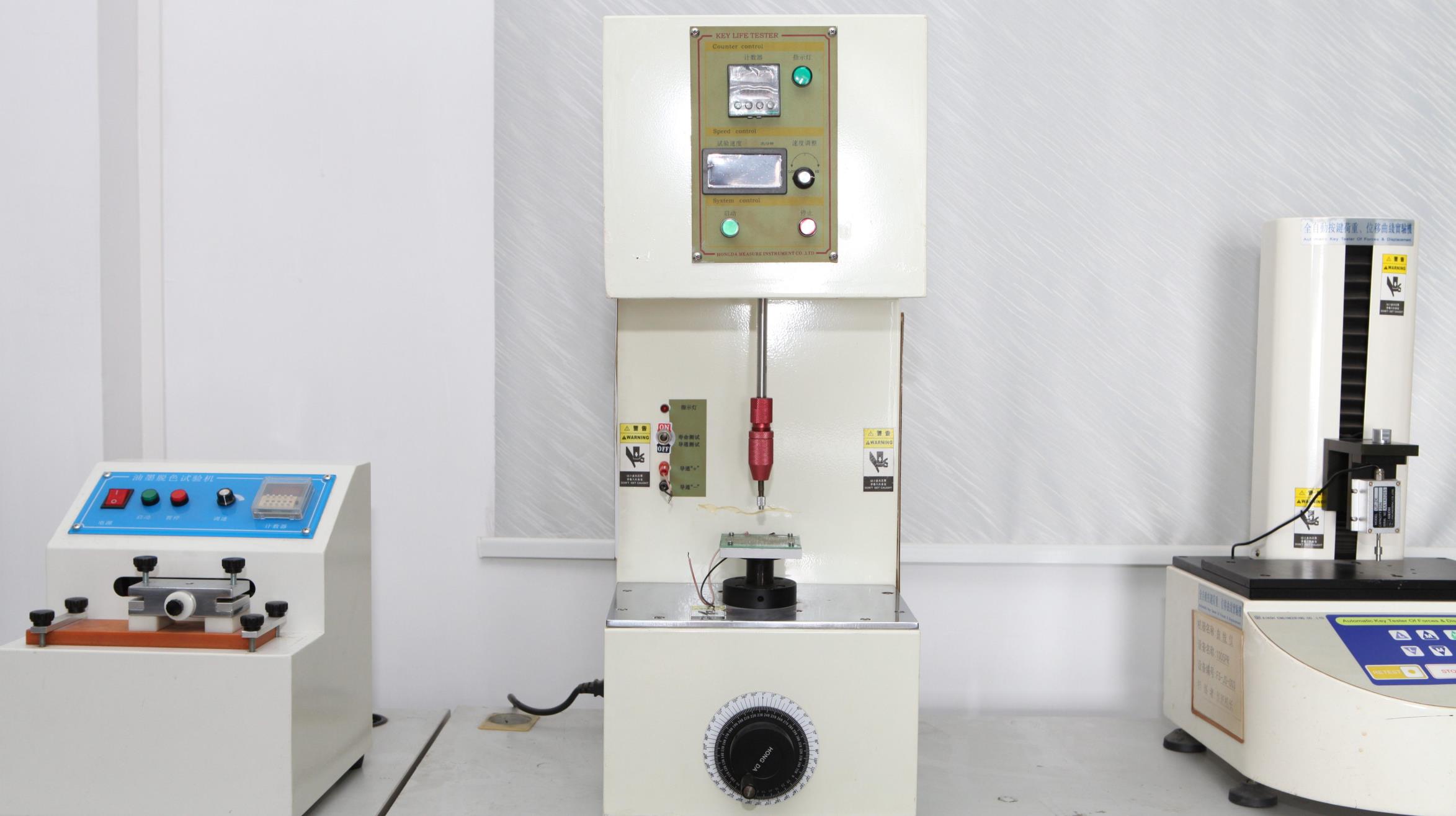
Tactile Switch Life Tester
Pneumatic cycling actuators cycle switch contacts through millions of continuous strikes to validate dome elasticity, snap ratio retention, and fatigue limits.
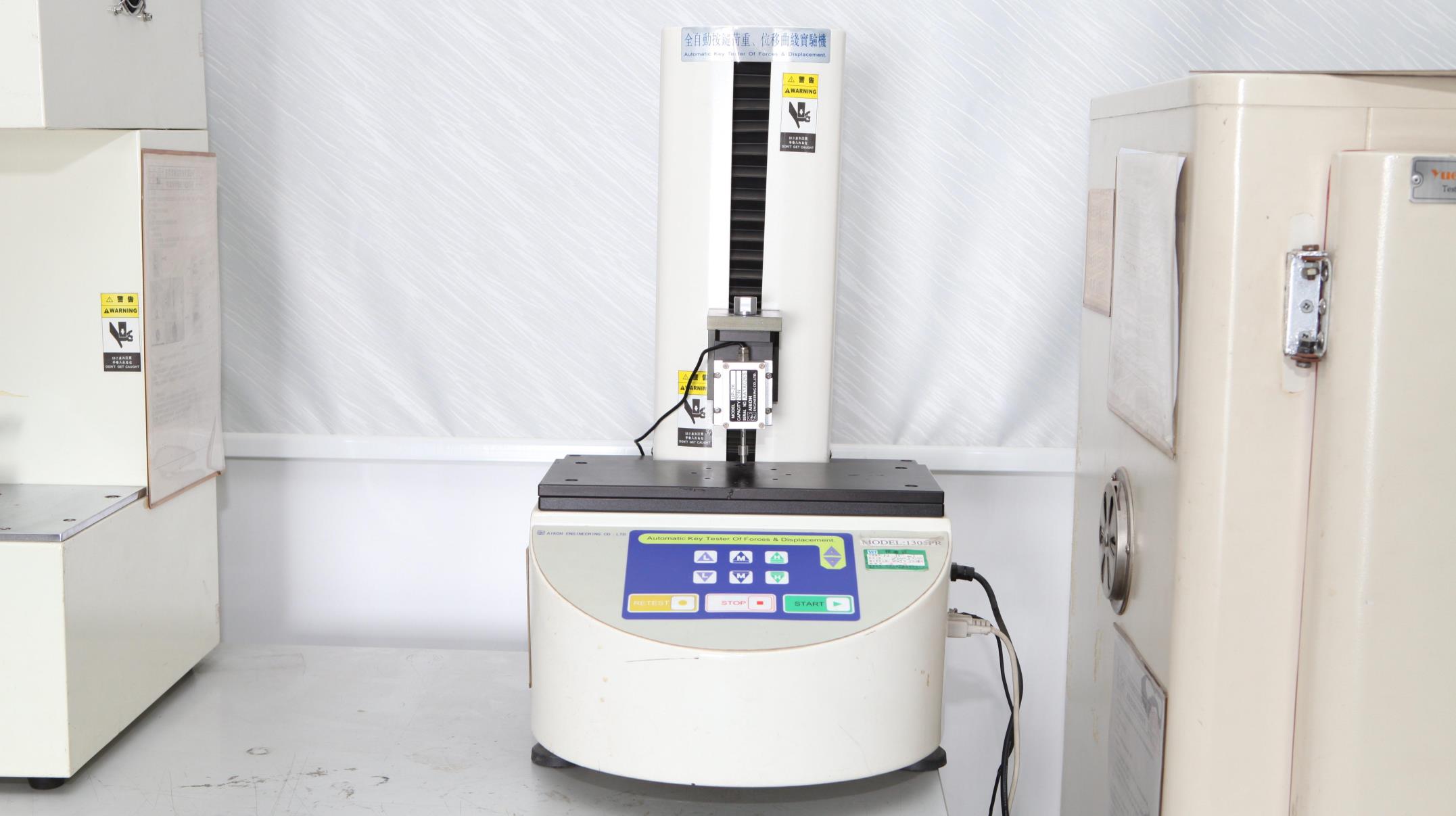
Force vs. Displacement Dynamic Profiling
High-precision strain gauge sensors generate mechanical tactile curve graphs to guarantee consistent switch actuation force and tactile feedback across every keypad key.
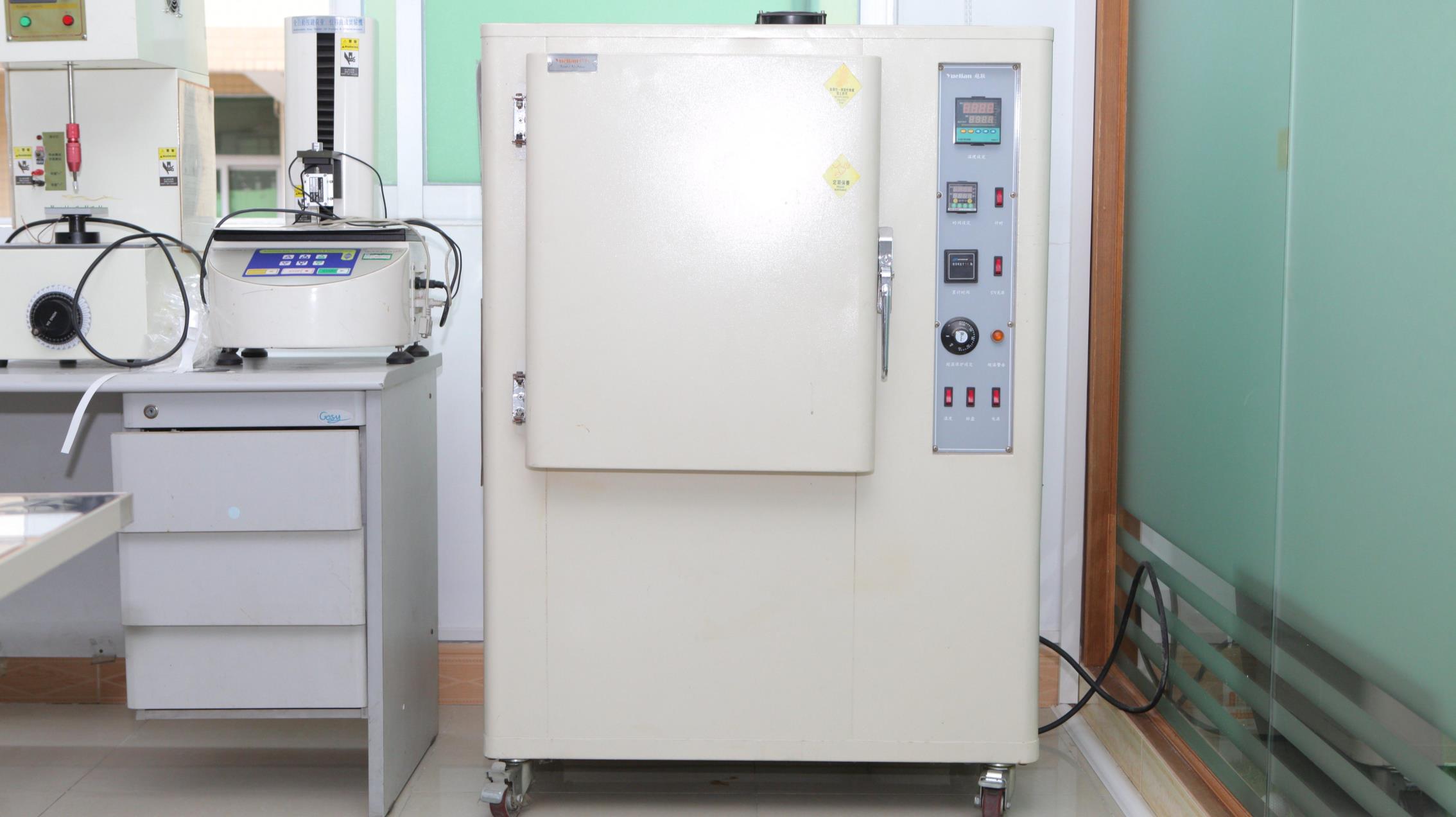
UV Weathering & Yellowing Chamber
Accelerated solar spectrum exposure validates the chemical integrity of hard coats and ensures graphic inks do not fade, peel, or discolor in intense tropical sunlight.
Frequently Asked Questions (FAQ) for All Saints Procurement Teams
What specific measures prevent silver migration in the high-humidity, coastal environment of All Saints?
+
What is the minimum order quantity (MOQ) and sample lead time for custom engineering projects?
+
How does AXRU handle international freight, customs documentation, and logistics to Antigua?
+
Can membrane switches be designed to achieve true IP67 or NEMA 4X waterproof sealing?
+
What engineering design files are required to receive a comprehensive DFM quotation?
+
What adhesive formulations are specified for outdoor UV exposure and high-temperature cycling?
+
Why Leading Global OEMs and Regional Engineers Partner with AXRU
Building mission-critical HMIs requires institutional manufacturing discipline. Dongguan AXRU Electronics Co., Ltd. combines high-throughput industrial scalability with the agile engineering responsiveness required by custom instrumentation builders:
End-to-End In-House Fabrication
We do not outsource critical operations. From automatic screen printing, ink curing, laser cutting, and embossing to cleanroom lamination and electronic testing, every step is governed under our audited ISO 9001 quality system.
Detailed DFM & Engineering Reports
Every submitted CAD drawing receives a dedicated Design for Manufacturability (DFM) review by our senior engineers within 24 hours. We evaluate tactile snap ratios, pinout efficiency, tail bend radii, and material compatibility before cutting any production tooling.
Fortune 500 Proven Track Record
Having served as an audited Tier-1 and Tier-2 supplier for global multinational equipment brands, our documentation meets rigorous international procurement standards including RoHS, REACH, UL flame ratings, and PPAP Level 3 upon request.