High-Reliability Switch Assemblies Engineered for Industrial Deployment
Direct factory manufacturing of customized PET front panels, silicone elastomeric keypads, and flexible printed circuit (FPC) arrays verified to ISO 9001 and RoHS/REACH compliance.
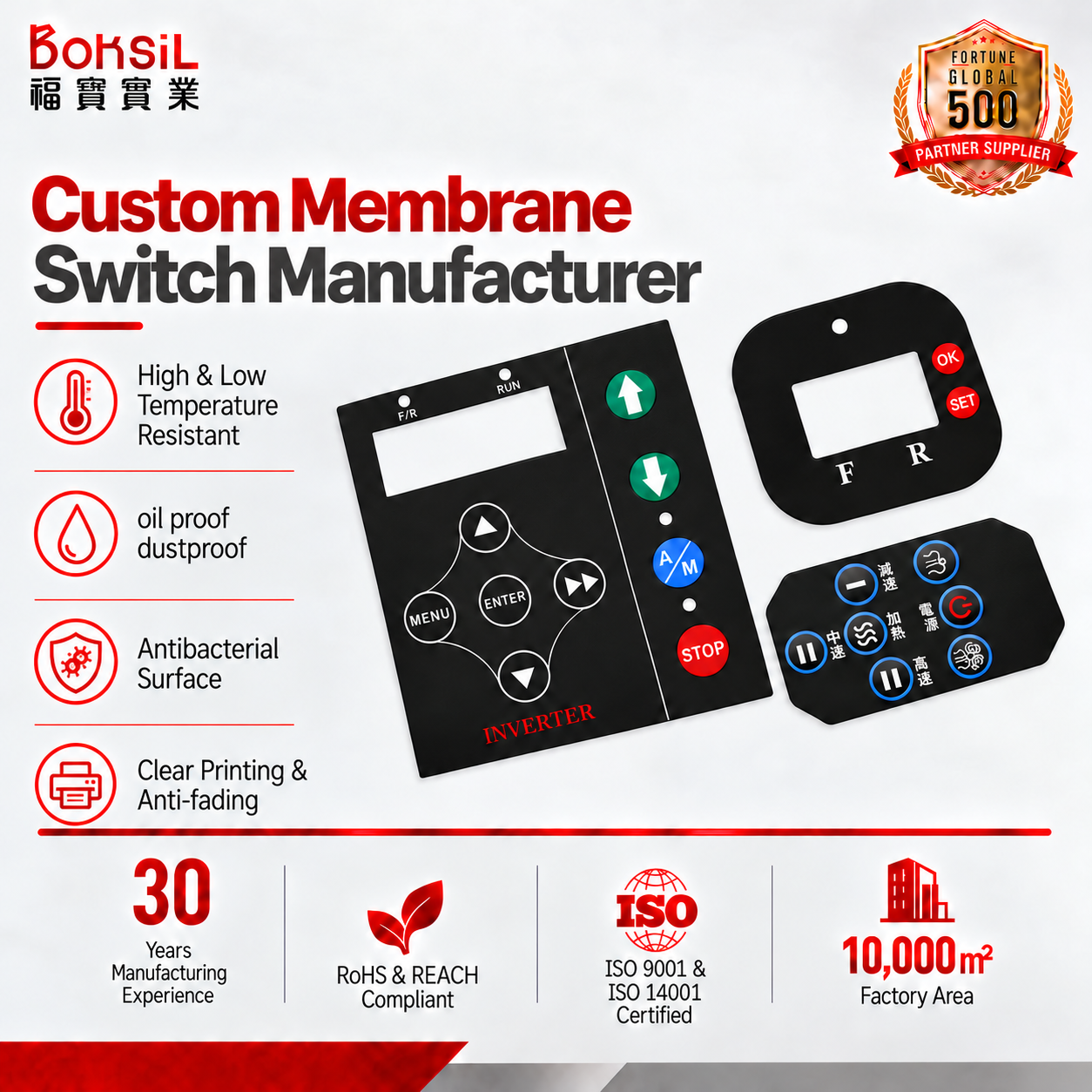
OEM/ODM Factory Front Control Electronic Panel Polycarbonate Membrane Switch Graphic Overlay
- Substrate Layer: Autotex PET / Lexan PC
- Circuit Inks: Conductive Silver / Carbon
- Sealing Grade: NEMA 4 / IP65 Perimeter
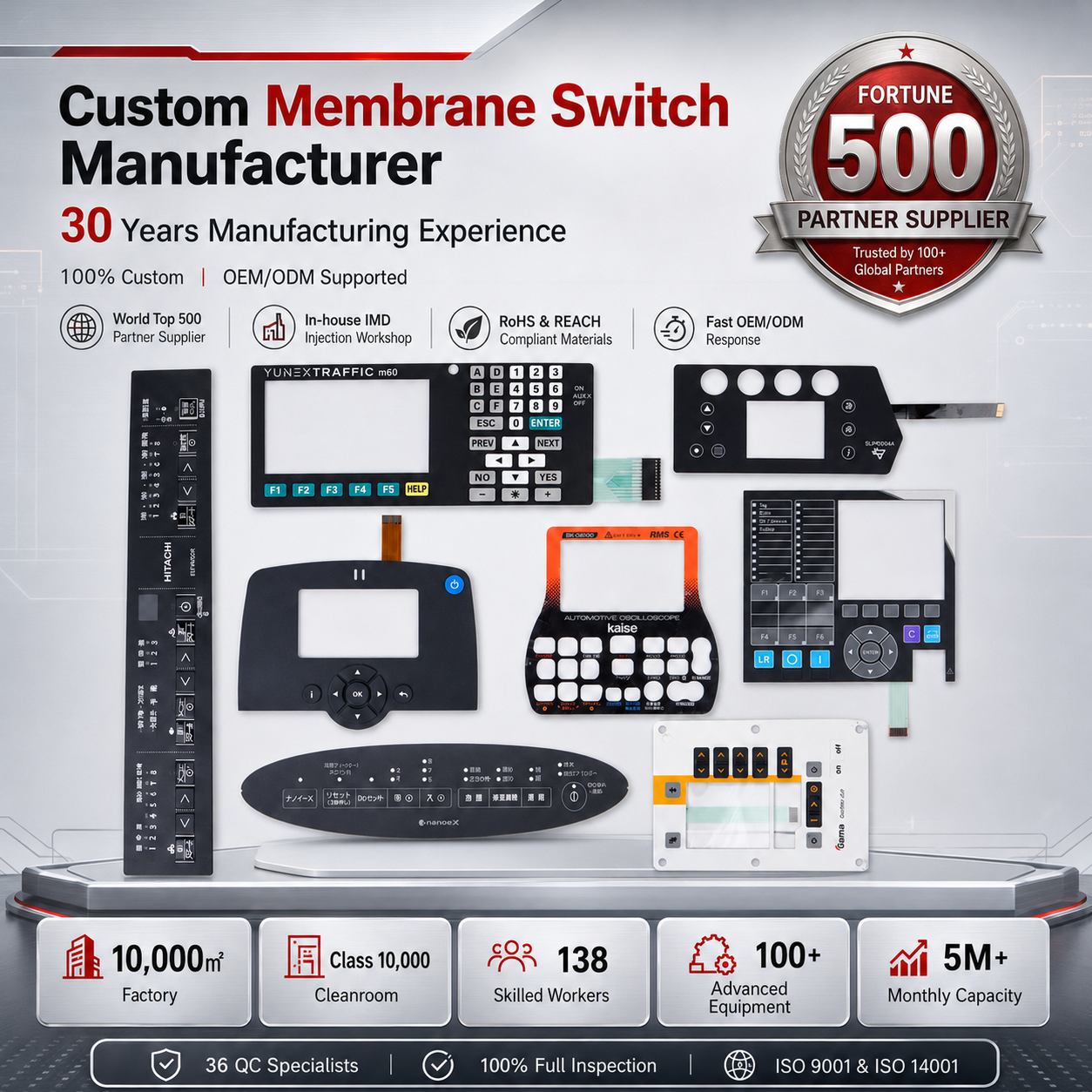
Custom Industrial Medical Appliance Membrane Switch Manufacture Graphic Overlay Waterproof FPC Circuit Power Button
- Core Architecture: Flexible Polyimide FPC
- Antimicrobial: Microban® Hardcoat Ready
- Tactile Response: Gold-Plated Stainless Dome
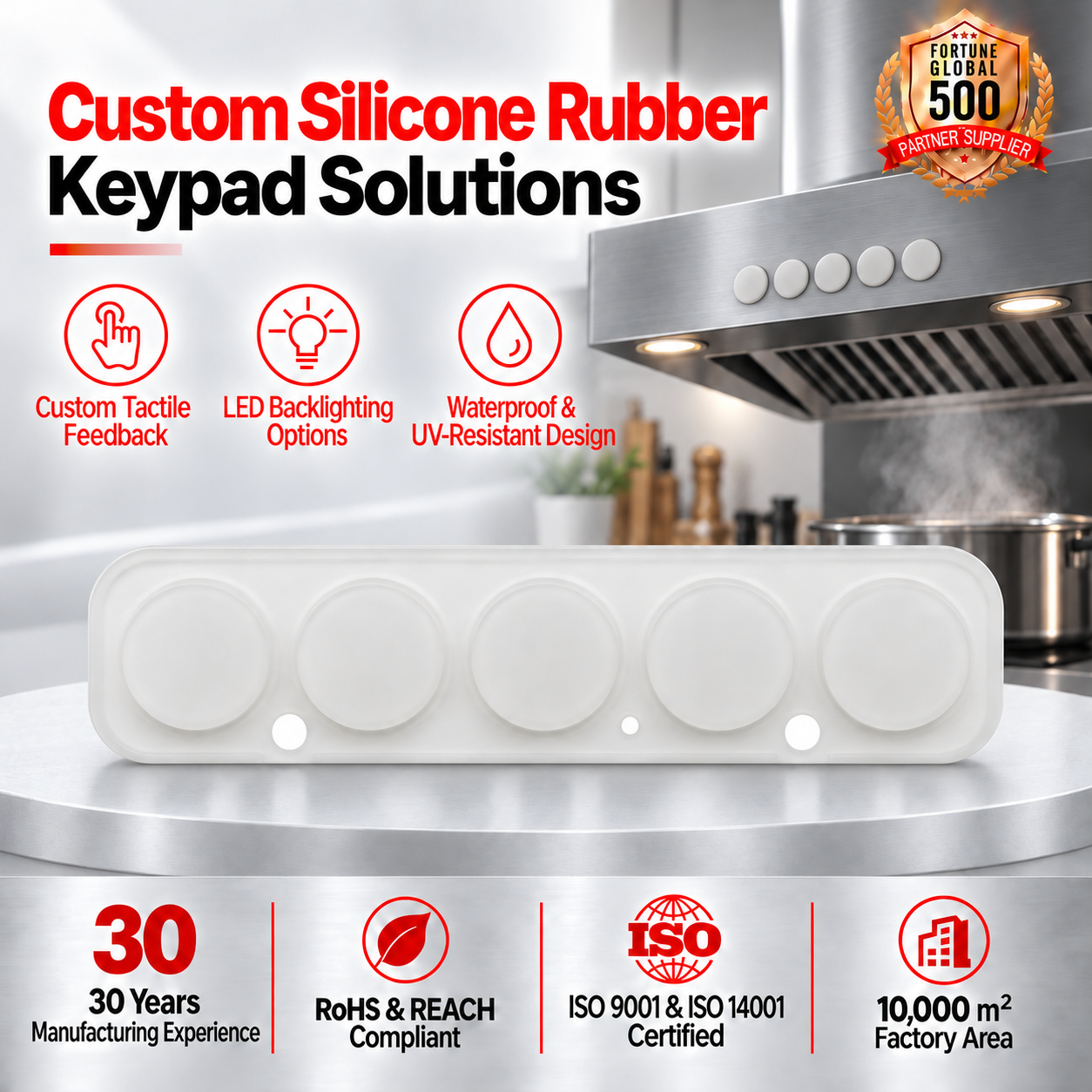
Home Appliance 5 Circular Soft Silicone Rubber Keypad Front Panel Button Unit Momentary Customized Manufacturer
- Material: 50°–70° Shore A Elastomer
- Contact Pill: Low-Resistance Carbon Pill
- Operating Temp: -40°C to +180°C Rated
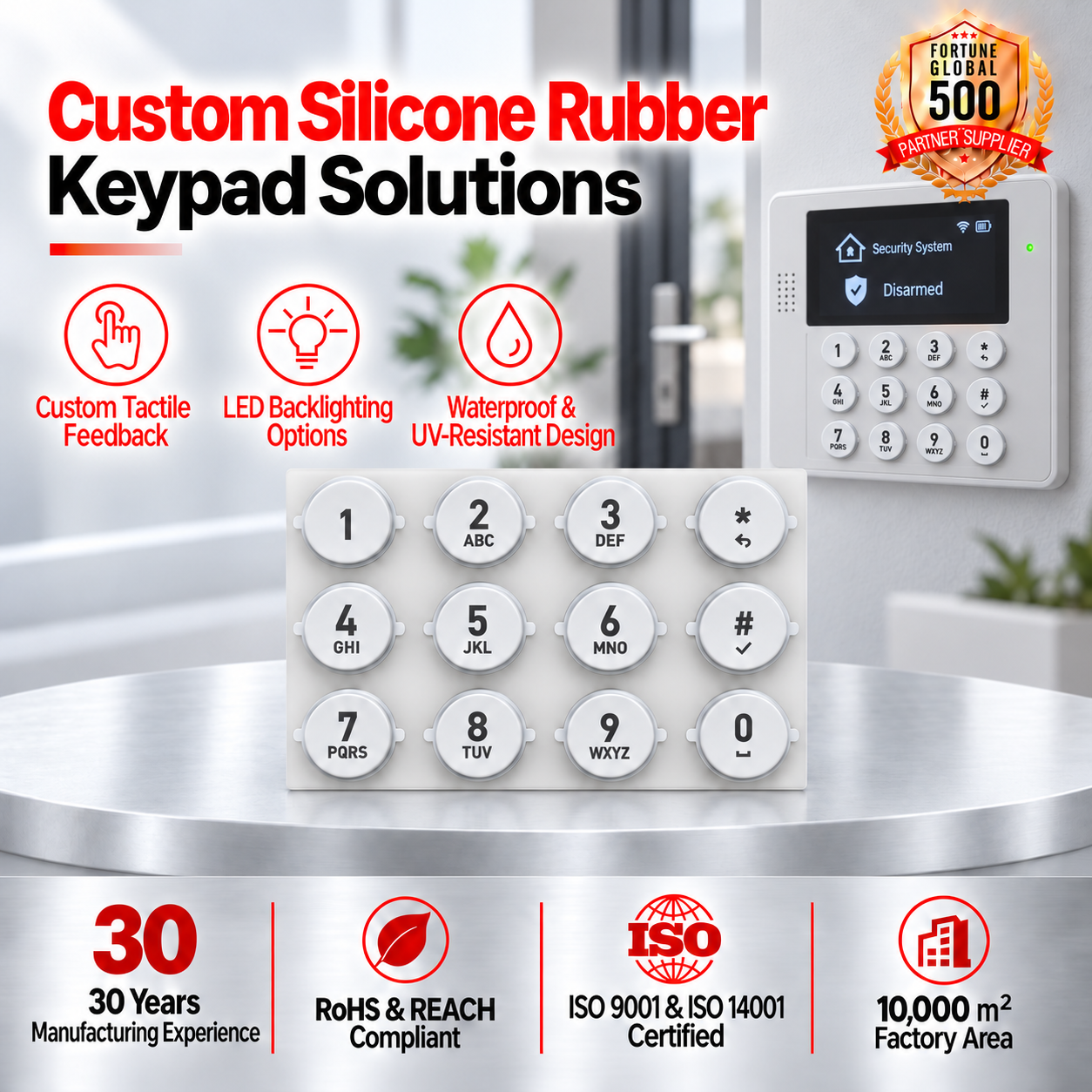
Custom OEM Silicone Rubber Keypad 3x4 Numeric 12 Keys Round Plastic Button p+r keypad Waterproof Durable
- Matrix: 3x4 Standard Numeric
- Finish: PU Spray & Laser Etching
- Durability: >1,000,000 Cycles
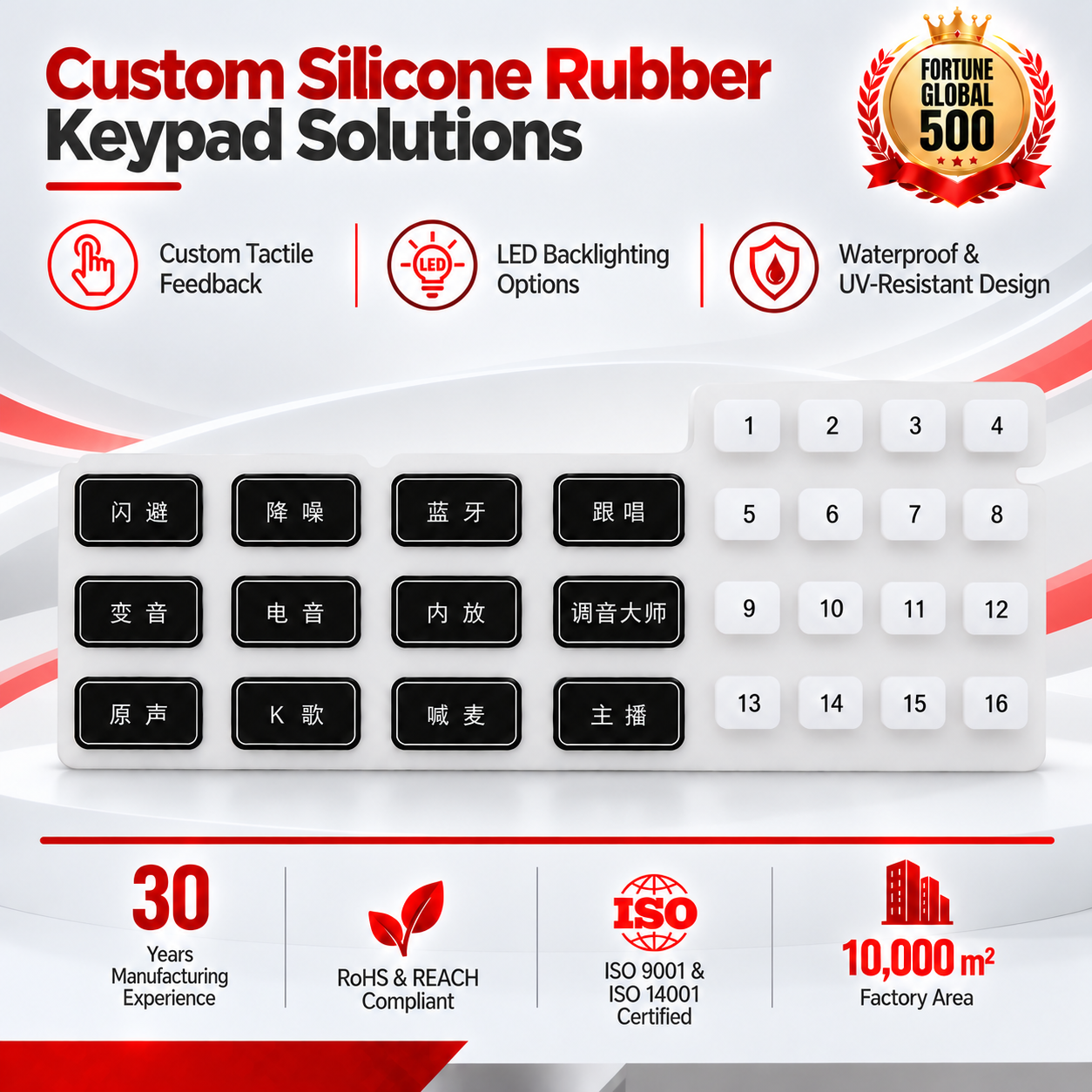
Rugged Waterproofing Custom Silicone Rubber Keypad Numpad Soft Touch Wear-Resistant High Temp Elastomer Keypad
- Waterproofing: IP67 Submersible Design
- Surface Coating: Anti-Abrasion UV Cure
- Tactile Feel: Ergonomic Snap Ratio >45%
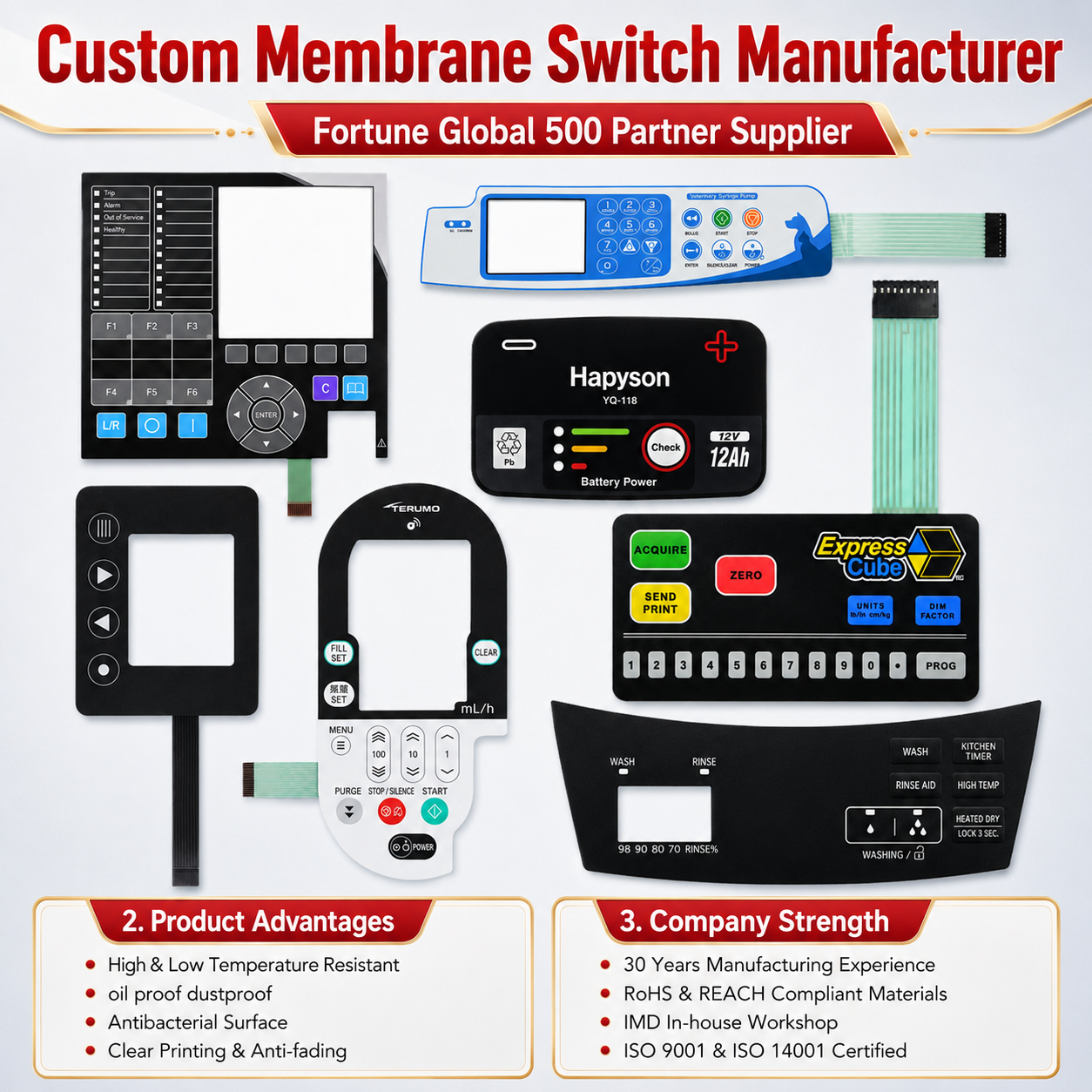
China Manufacturer Key Pad Graphic Overlay Button Control Panel Membrane Switch 5*4 Matrix Water-proof FPC Flexible Circuit
- Circuit Type: Double-Sided Rolled Copper FPC
- Pitch Connector: 1.0mm / 2.54mm Standard
- Window Clarity: Optically Clear Display Port
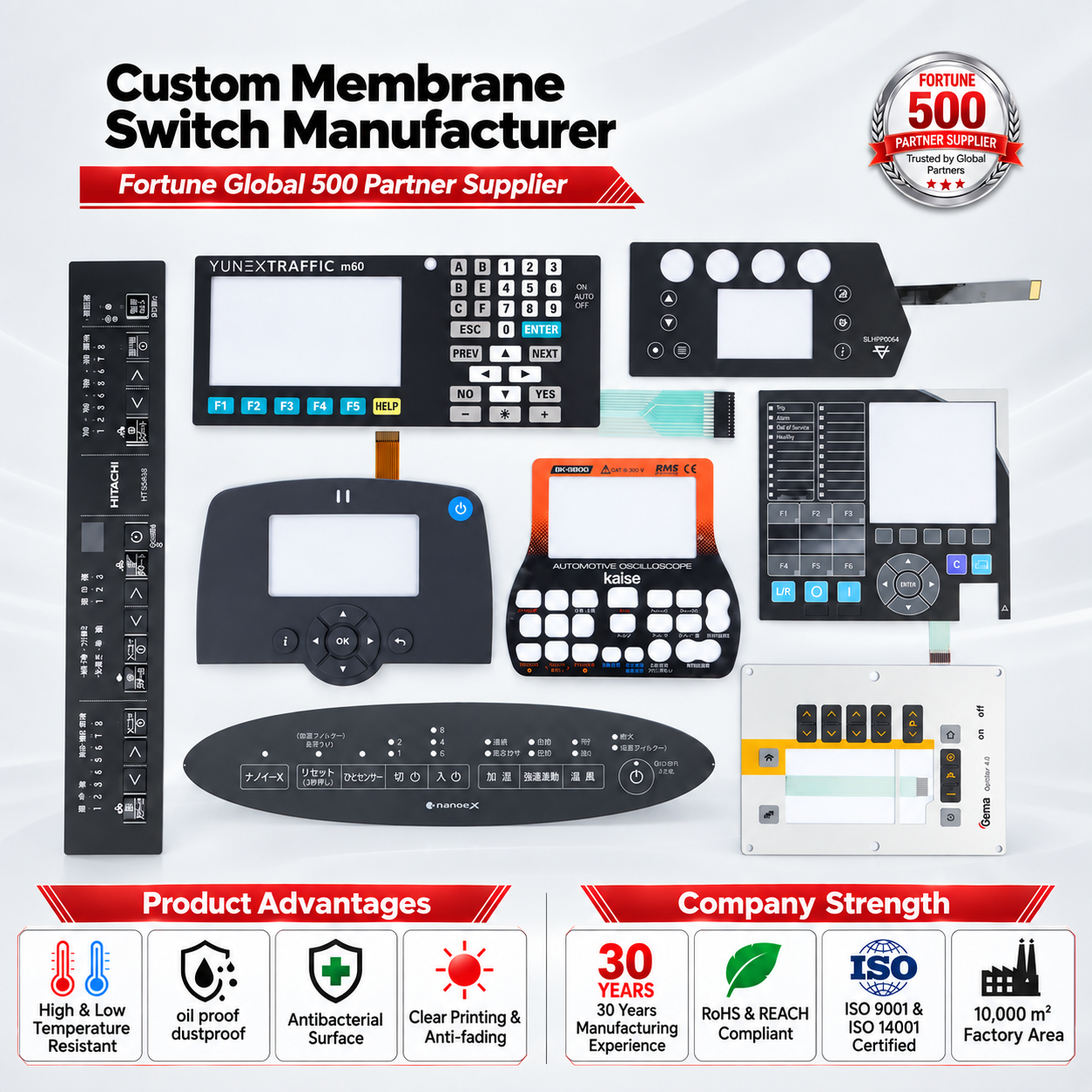
Custom Industrial Medical Automotive Appliance Membrane Switch Graphic Overlay Waterproof FPC Circuit Touch Panel
- Overlay Film: Biaxially Oriented PET (BOPET)
- Integrated Comps: SMD LEDs & Resistors Embedded
- Static Shield: Full Aluminum/Carbon Ground
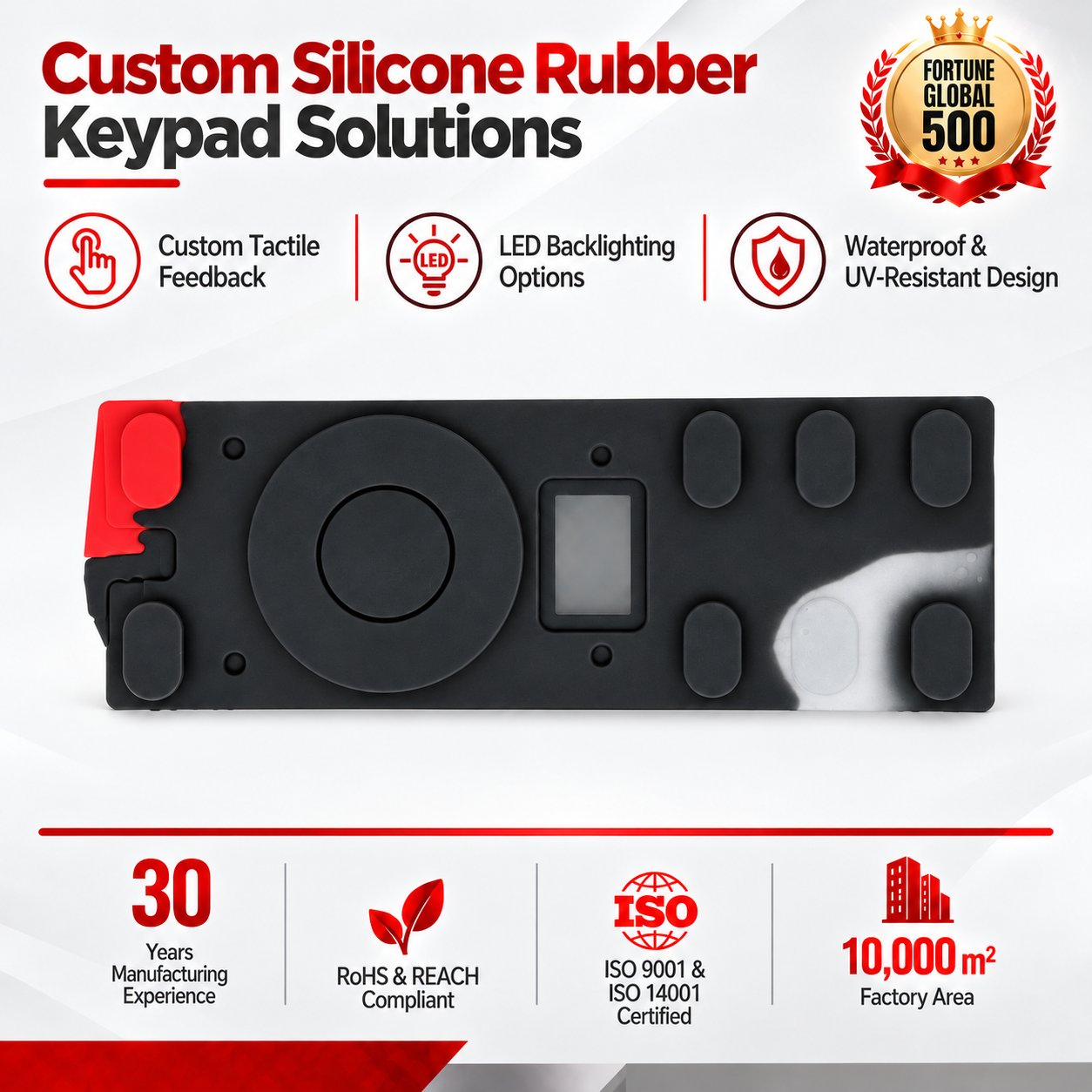
Customizable Design Black Embossed Circular Buttons Red Silicone Rubber Keypad Panel Switch for Industrial Control
- Embossing Style: Rim / Pillow Tactile Forming
- Adhesive Layer: 3M 467MP / 300LSE Lamination
- Chemical Resistance: Acids, Alkalis, IPA Cleaners
Tailored PET Membrane Switch Applications across Lithuanian High-Tech Sectors
Lithuania is internationally recognized for its photonics, laser engineering, smart logistics, and medical tech sectors. We design membrane interface stacks specifically tailored to these critical industries.
Vilnius Laser Systems & Optical Instrumentation
Lithuania's global laser powerhouses demand Human-Machine Interfaces with absolute optical clarity, anti-glare matte finishes, and zero outgassing. Our PET front panels utilize high-spec polyester (Autotex® XE) that resists short-pulse laser lab cleaning reagents, offering integrated dead-front status LED windows and zero electromagnetic interference (EMI) via grid-printed aluminum foil shielding.
Medical Diagnostics & Santara Valley Biotech
Lithuania's rapid expansion in clinical diagnostics, IVD equipment, and automated biochemical testing relies on wipe-clean, antimicrobial-treated front membranes. Our PET overlays withstand continuous exposure to hospital-grade disinfection agents such as Isopropyl Alcohol (IPA 70%), hydrogen peroxide, and sodium hypochlorite without legend yellowing or edge delamination.
Kaunas Industrial Automation & Smart Metering
The manufacturing and mechatronics hub in Kaunas FEZ incorporates our FPC copper circuits and tactile metal domes into motor drives, remote terminal units (RTUs), and smart electrical distribution cabinets. Designed for mechanical duty cycles exceeding 3,000,000 actuations with consistent tactile feedback even in dusty industrial environments.
EV Charging Stations & Baltic Telematics Hubs
Lithuania's rapid infrastructure transition features smart EV chargers and IoT connectivity modules deployed outdoors. Our membrane switches combine 3M™ 300LSE adhesive gaskets with hydrophobic breather vents, preventing vapor condensation from -30°C winter mornings to +35°C high-humidity coastal summers around Klaipėda.
Commercial Food Processing & Dairy Electronics
Lithuanian agricultural processing plants in Panevėžys and Šiauliai operate under intensive CIP (Clean-In-Place) washdown protocols. Our continuous surface PET membrane keypads offer seamless IP67-rated perimeter bonds that eliminate bacteria-trapping crevices and withstand alkaline detergents up to 60°C.
Marine Navigation & Klaipėda Port Terminals
Shipbuilding and cargo terminal controllers require salt-spray mist resistance (ASTM B117 standards) and backlighting for 24/7 Baltic Sea operations. We integrate Light Guide Film (LGF) with ultra-thin side-firing LEDs behind UV-stabilized polyester overlays, delivering crystal-clear luminance with minimal power consumption.
Technical Architecture of Biaxially-Oriented PET vs. Alternative Substrates
A materials science comparison to aid Baltic systems designers in selecting the optimal layer stack-up for sub-zero operating environments and long-term chemical resilience.
Why High-Grade Polyester (PET) is the Gold Standard for Northern European HMIs
Unlike standard Polycarbonate (PC) films which suffer from embrittlement, micro-cracking, and solvent stress cracking when exposed to sub-zero temperatures (below -15°C common in Lithuanian winters), biaxially oriented polyethylene terephthalate (PET) exhibits exceptional flexural fatigue strength. When embossed with tactile domes, PET retains mechanical memory for over 5 million actuations, whereas standard PC films typically experience switch collapse or hinge degradation after 50,000 to 100,000 cycles under cyclical freezing and thawing.
| Engineering Property | Biaxially Oriented PET (Autotex®) | Standard Polycarbonate (Lexan®) | Flexible Printed Circuit (Cu FPC) |
|---|---|---|---|
| Switch Flex Life (Actuations) | >5,000,000 cycles | <100,000 cycles (Embossed) | >10,000,000 cycles |
| Low-Temp Brittleness Point | -40°C (maintains elasticity) | -15°C (susceptible to cracking) | -55°C (aerospace rated) |
| Chemical & Solvent Resistance | Immune to MEK, IPA, Esters, Cleaners | Poor; prone to craze & solvent haze | Full chemical encapsulation |
| Tactile Dome Integration | Superior retention of snap force | Fast tactile decay over time | Used as contact circuit pad |
| Circuit Resistance (Ohms/sq) | 10–50 Ω (Screen-printed silver) | Not applicable (Overlay only) | <0.05 Ω (Rolled copper foil) |
Our Dongguan factory integrates multi-tier stack-up engineering. Graphic legends are sub-surface screen-printed using fine-mesh Swiss Sefar mesh, ensuring that legends cannot be scratched off by tools, fingernails, or abrasive wash routines. Adhesive packages are custom-selected from 3M™ 467MP, 468MP, or 300LSE adhesive transfer tapes depending on whether the enclosure is injection-molded ABS, powder-coated aluminum, or cold-rolled stainless steel.
Emerging HMI Hardware Trends Across Lithuania & the Baltic Corridor
Strategic purchasing managers and lead hardware developers in Vilnius and Kaunas are redefining interface requirements in response to Industry 4.0 digitalization, ESG standards, and supply chain security.
Convergence of Hybrid Silicone-Over-PET Controls
Lithuanian industrial designers are increasingly pairing tactile silicone molded keycaps over sealed PET membrane circuits. This architecture offers the tactile authority and glove-friendly depression of mechanical rubber keys alongside the ultra-slim, dustproof, and watertight perimeter integrity of a flat membrane switch.
Direct-to-Tier-1 Asian Foundry Collaboration
To remain competitive against Western European contract manufacturing rates, Lithuanian OEMs are moving away from regional third-party trading intermediaries. Engaging directly with verified factories like AXRU enables Baltic electronics companies to trim NRE tooling overheads by 40% while accelerating iterative prototyping from 8 weeks to under 12 days.
Strict EU CE, RoHS-3, and REACH Traceability
With Lithuania fully integrated into EU single-market regulatory enforcement, compliance documentation is non-negotiable. Every membrane switch export batch is fully certified for RoHS 3 (Directive 2015/863) and REACH (EC 1907/2006 SVHC), accompanied by comprehensive Certificates of Conformance (CoC) and material safety datasheets.
Why Baltic Equipment Manufacturers Partner with Dongguan AXRU Electronics
Direct factory manufacturing backed by third-party verification, certified clean-room facilities, and a complete in-house reliability laboratory.
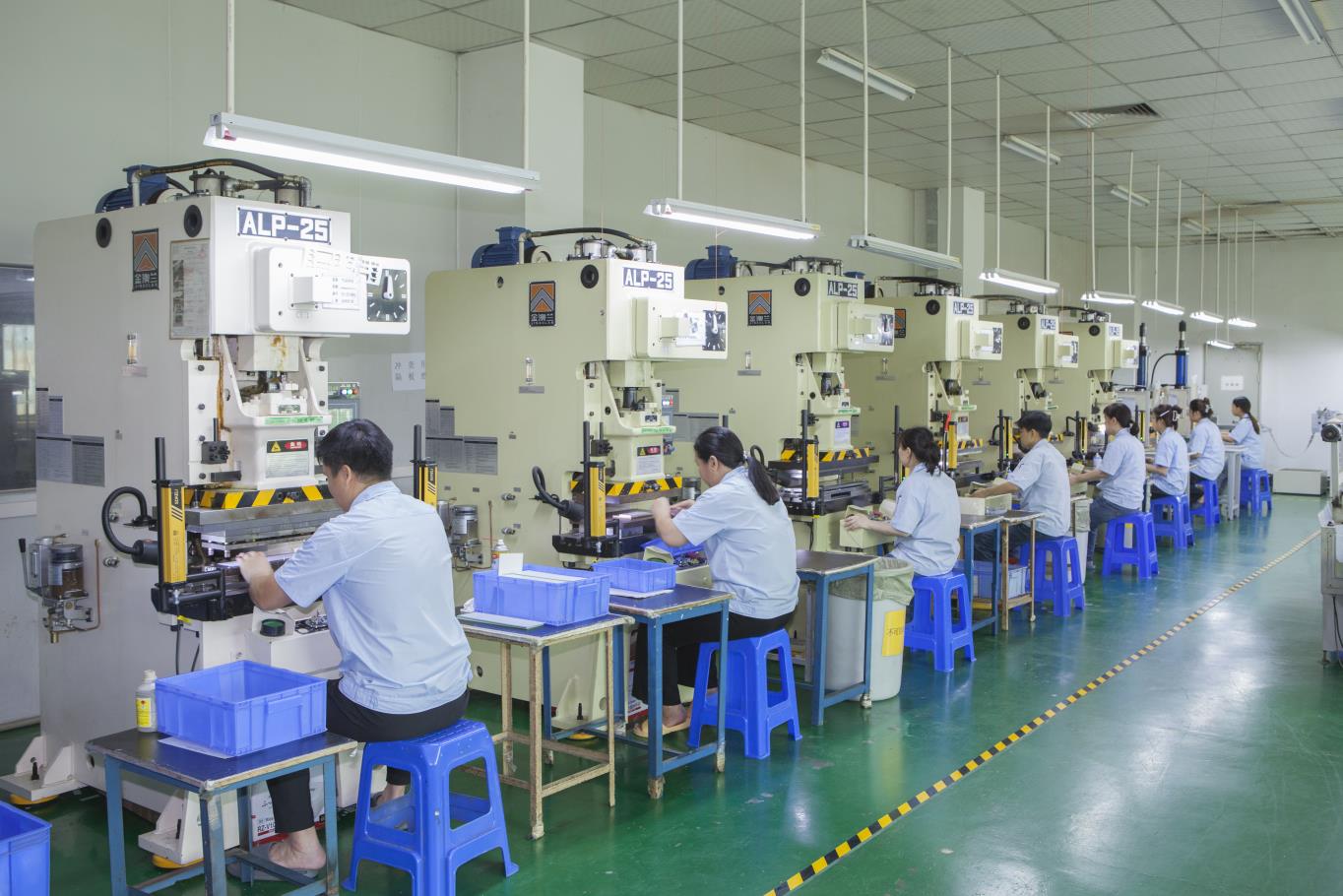
Intertek Verified Manufacturing
Our 10,000㎡ factory footprint in Dongguan, China has undergone stringent on-site inspection and verification by Intertek. From raw polyester storage to automated die-cutting, we guarantee continuous process control and full lot traceability.
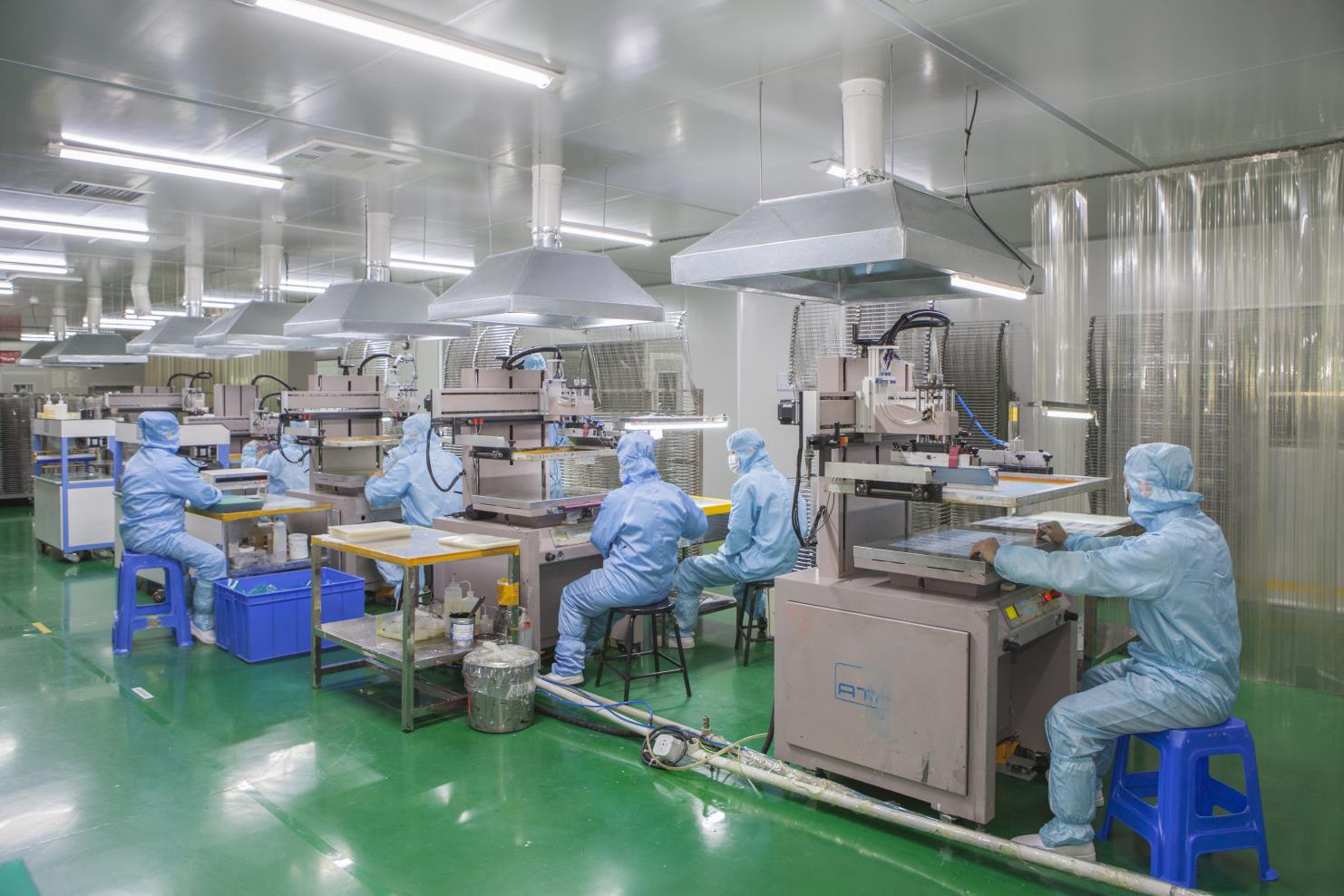
Class 1,000 Cleanroom Printing
Optical window clarity demands zero particle contamination. Our automated screen printing lines operate within positive-pressure, climate-stabilized cleanrooms, preventing pinholes, dust occlusions, and ink adhesion faults.
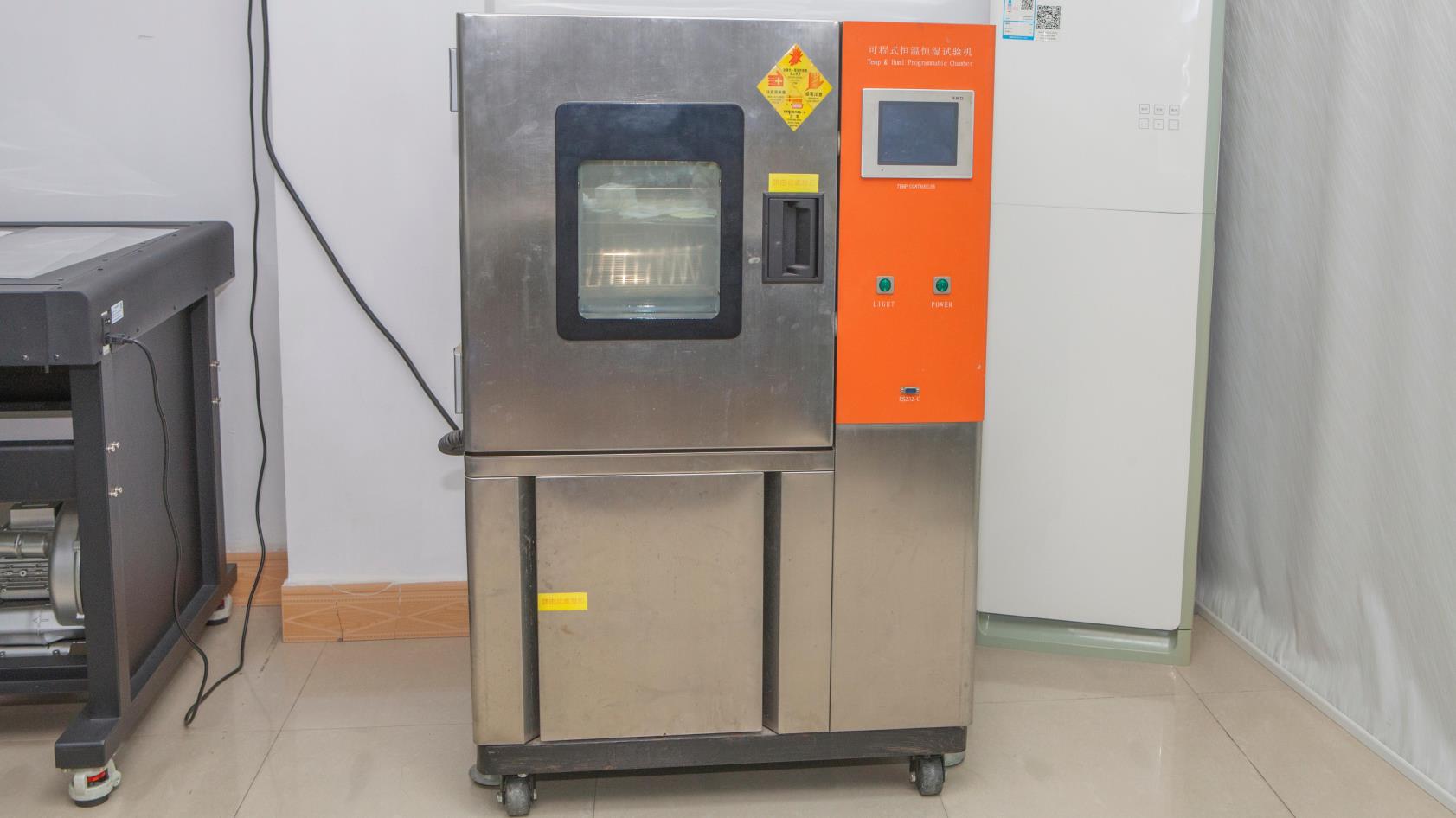
In-House Environmental Lab
We stress-test our switches against severe climatic variations. Our lab houses programmable temperature and humidity chambers (-40°C to +150°C), automated force-displacement testers, key life cyclers, and ink abrasion testers.
Frequently Asked Questions by Lithuanian Hardware Engineers & Buyers
Essential guidance on lead times, import customs, prototyping workflows, and engineering design verification for orders destined for Vilnius, Kaunas, or Klaipėda.
For rapid engineering prototypes and time-sensitive production batches, we utilize direct express air freight (DHL Express, FedEx International Priority, or UPS) providing customs clearance into Vilnius Airport (VNO) within 4 to 6 business days. For volume series production, consolidated air freight or sea shipping directly through the Port of Klaipėda delivers optimal cost efficiency. DDP (Delivered Duty Paid) terms are available.
We understand the iterative nature of Lithuanian high-tech and laser R&D projects. Our minimum order quantity (MOQ) begins at just 100 units for fully customized membrane switches. We offer rapid digital-plotter prototyping and dedicated sample-line fabrication, allowing hardware developers to validate ergonomics and electrical pinouts before committing to mass production tooling.
To provide an official quote and comprehensive DFM report within 24 hours, our engineering office requires your graphic artwork file (Vector PDF, Adobe Illustrator .AI, or CorelDraw with Pantone matching system references) and your 2D mechanical enclosure drawing (AutoCAD .DXF or .DWG). Circuit schematic matrices or tail pinout configurations should be detailed alongside specific tail pitch requirements (e.g., 1.0mm, 1.27mm, or 2.54mm pitch).
Standard commercial membrane switches can fail in Baltic climates due to adhesive crystallization and film hardening. We solve this by specifying low-temperature biaxially oriented PET (BOPET) overlays combined with high-tack, cold-resilient acrylic adhesives (such as 3M™ 300LSE or 468MP) rated down to -40°C. Stainless steel metal domes with nickel or gold plating prevent oxidation and retain tactile snap ratio in extreme cold.
Yes. Every component in our stack-up—polyester films, conductive silver and carbon inks, spacer adhesives, dielectric coatings, and connector housings—fully complies with Directive 2011/65/EU as amended by Directive (EU) 2015/863 (RoHS 3) and the latest SVHC candidate list under Regulation (EC) No 1907/2006 (REACH). Formal laboratory test reports are provided with every production shipment.
Absolutely. We frequently engineer hybrid assemblies containing surface-mount ultra-thin 0603 or 0805 SMD LEDs bonded directly onto the flexible circuit using conductive silver epoxy. To safeguard sensitive internal microcontrollers against electrostatic discharge (vital in dry, cold environments), we laminate an unbroken aluminum foil or solid carbon-grid ESD barrier layer grounded directly to the tail chassis pin.