Tactile Sealed
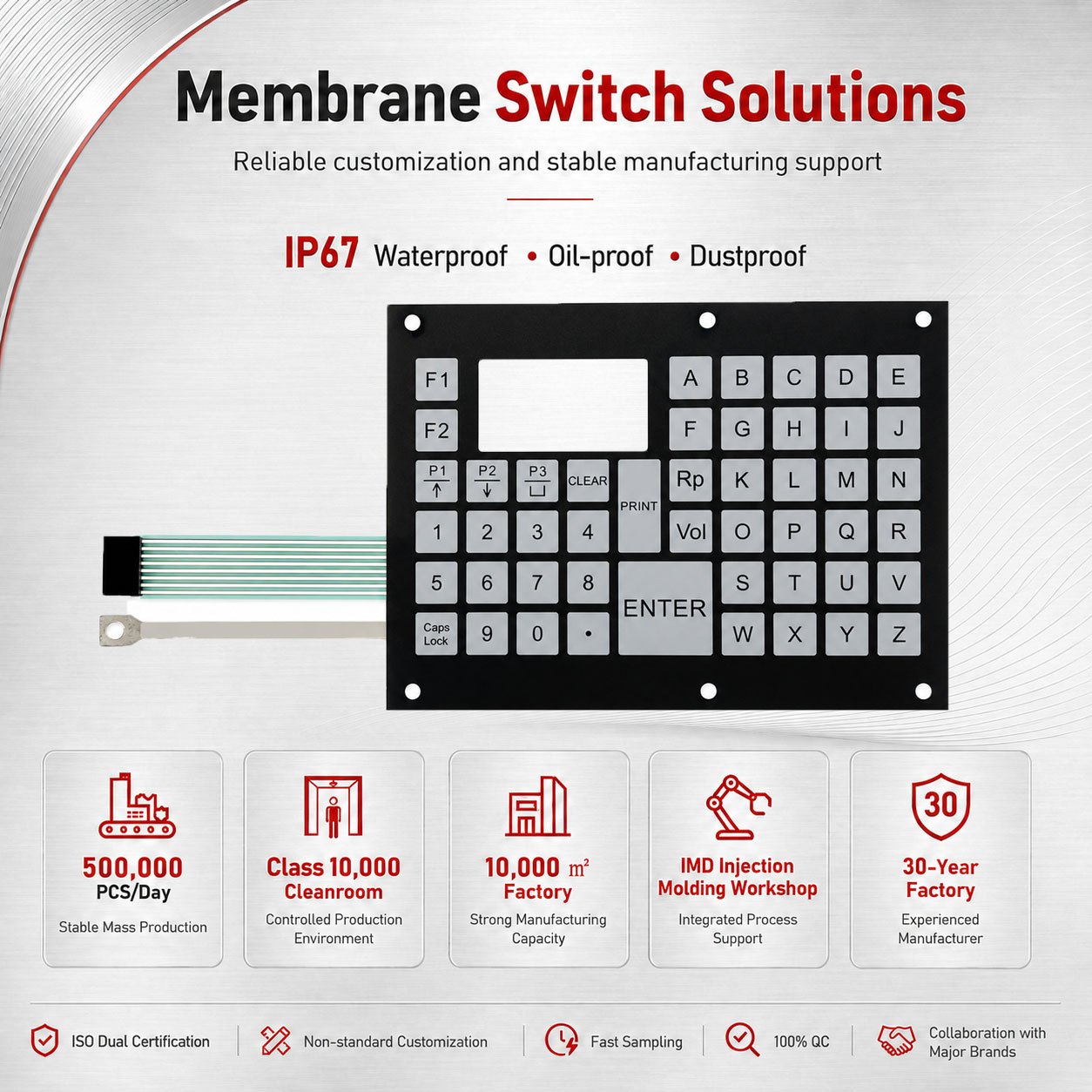
Engineered for high duty-cycle industrial controllers, clinical systems, and outdoor marine interfaces across Central Denmark.
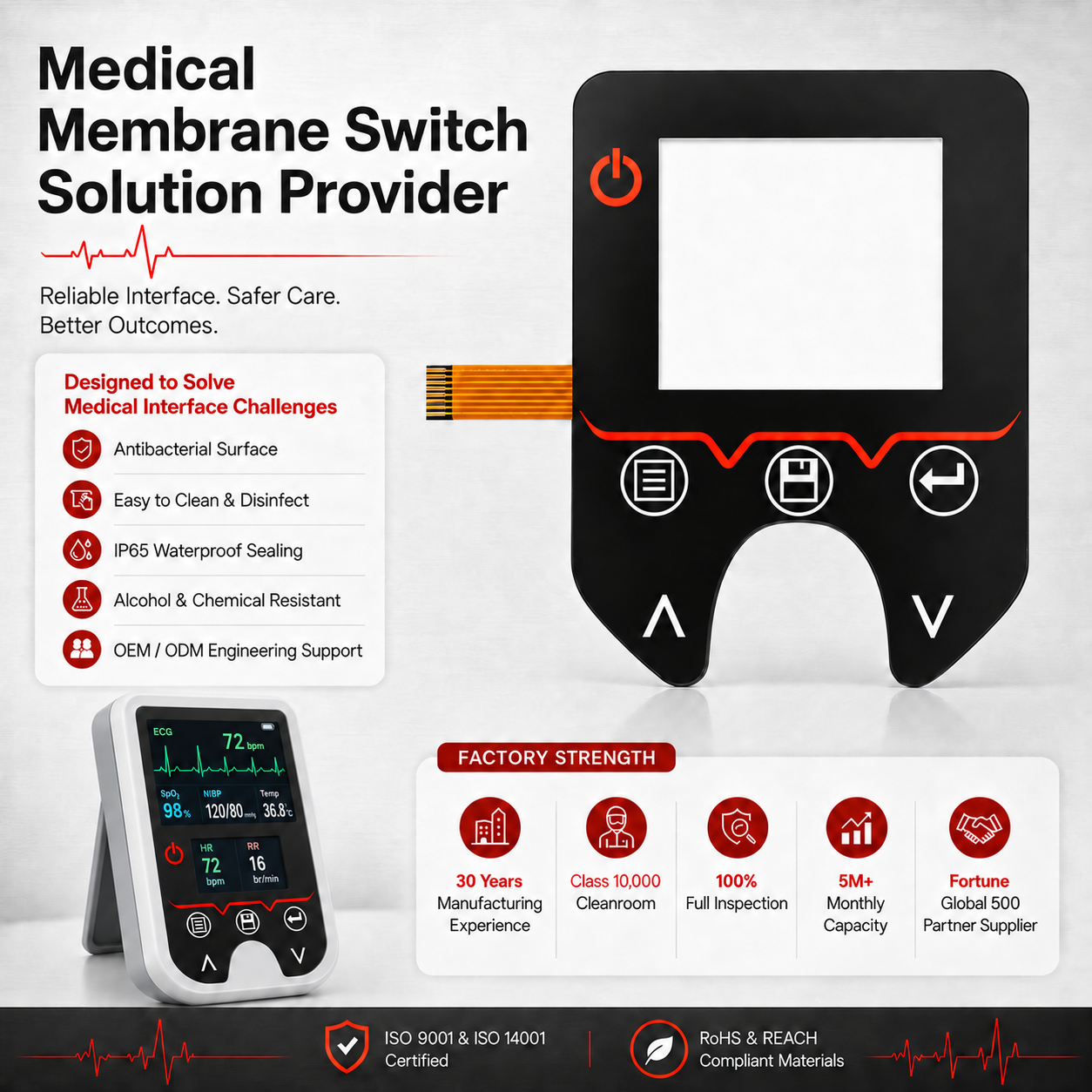
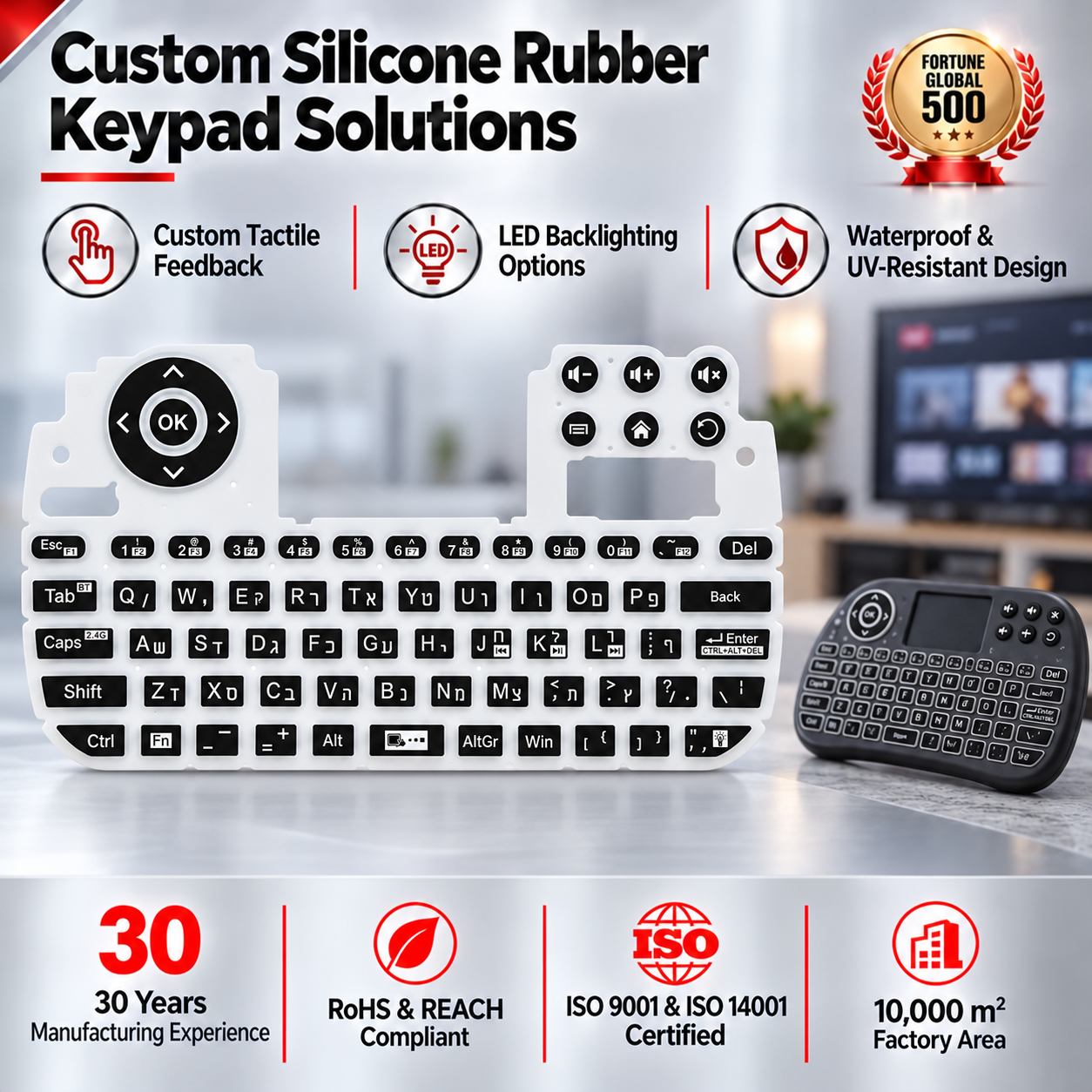
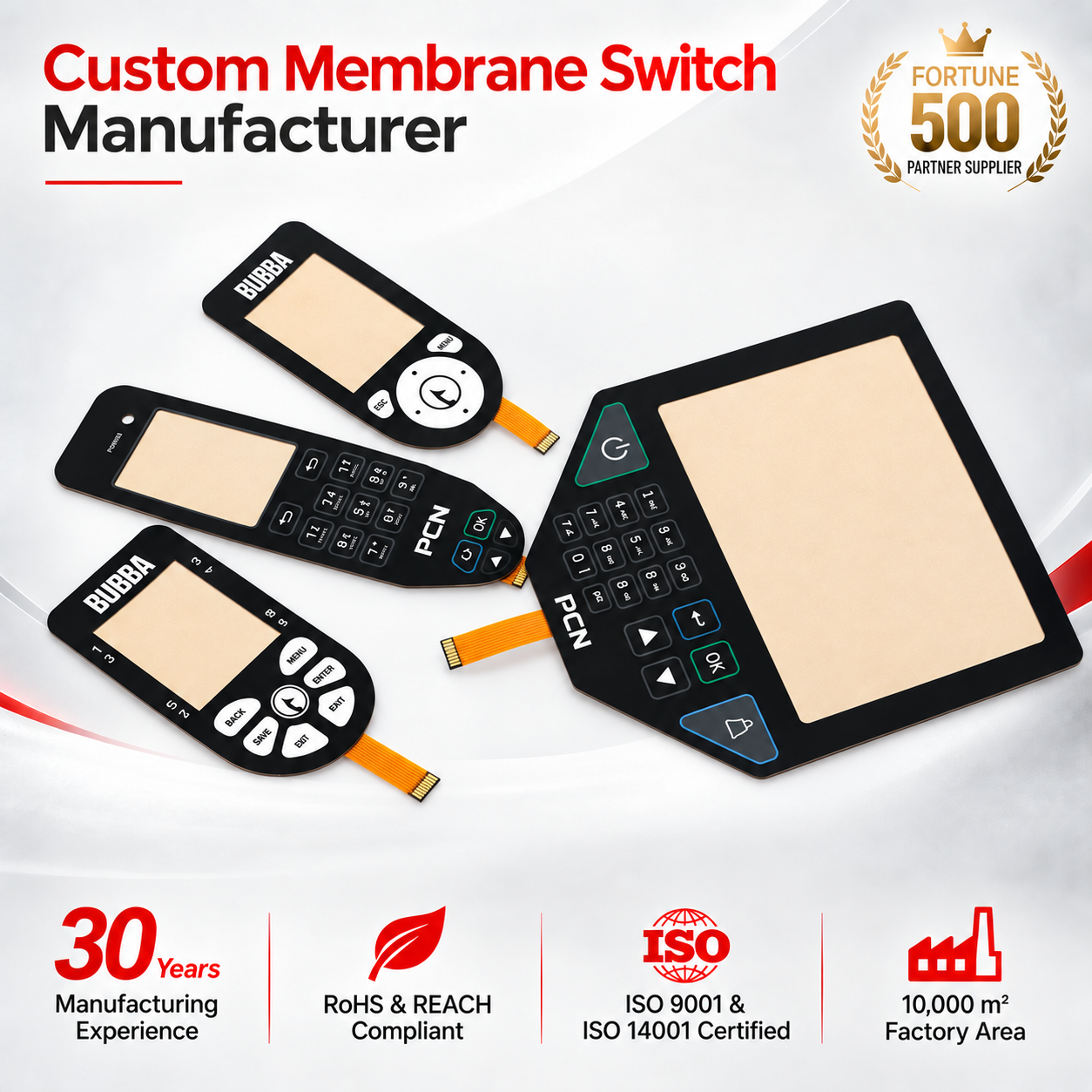
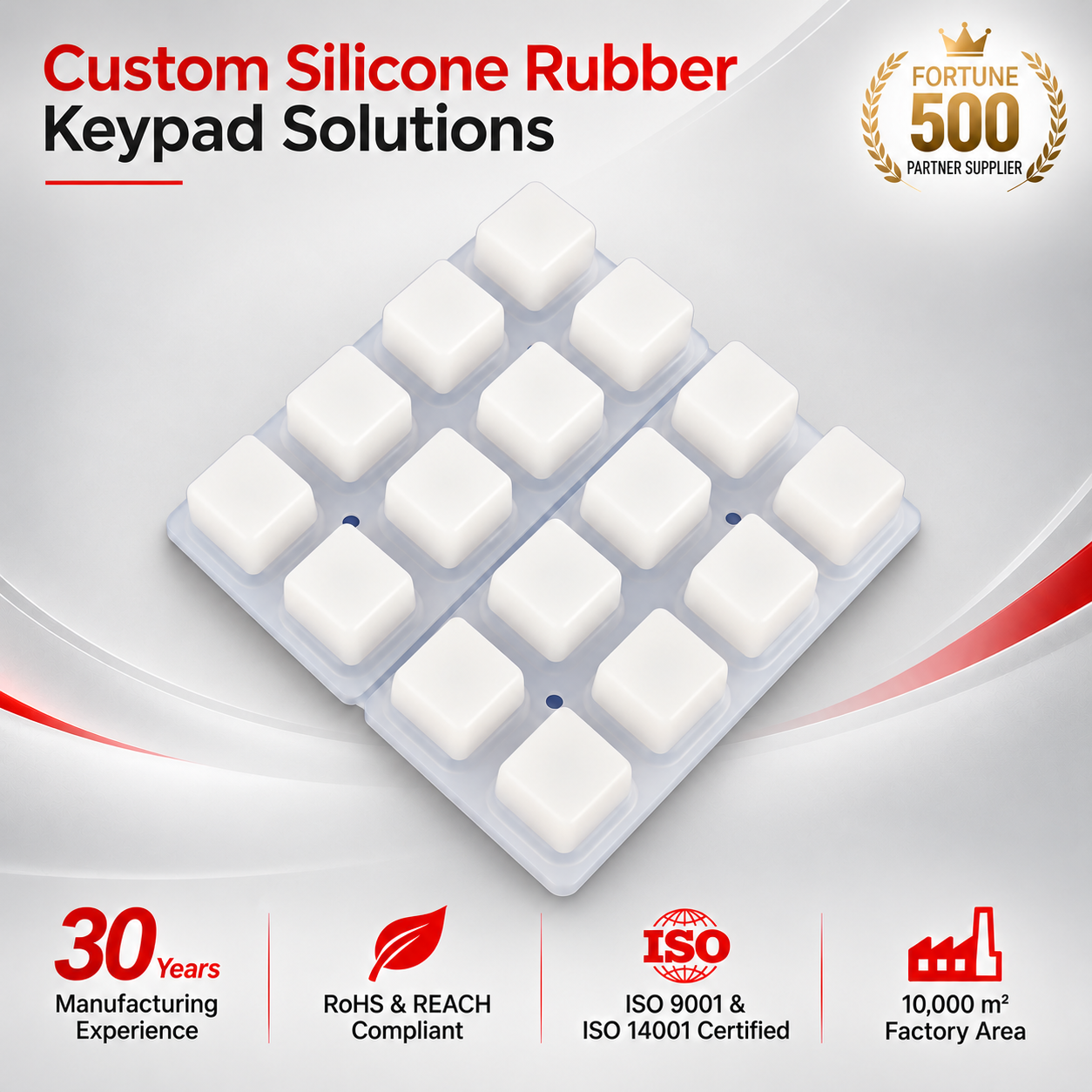
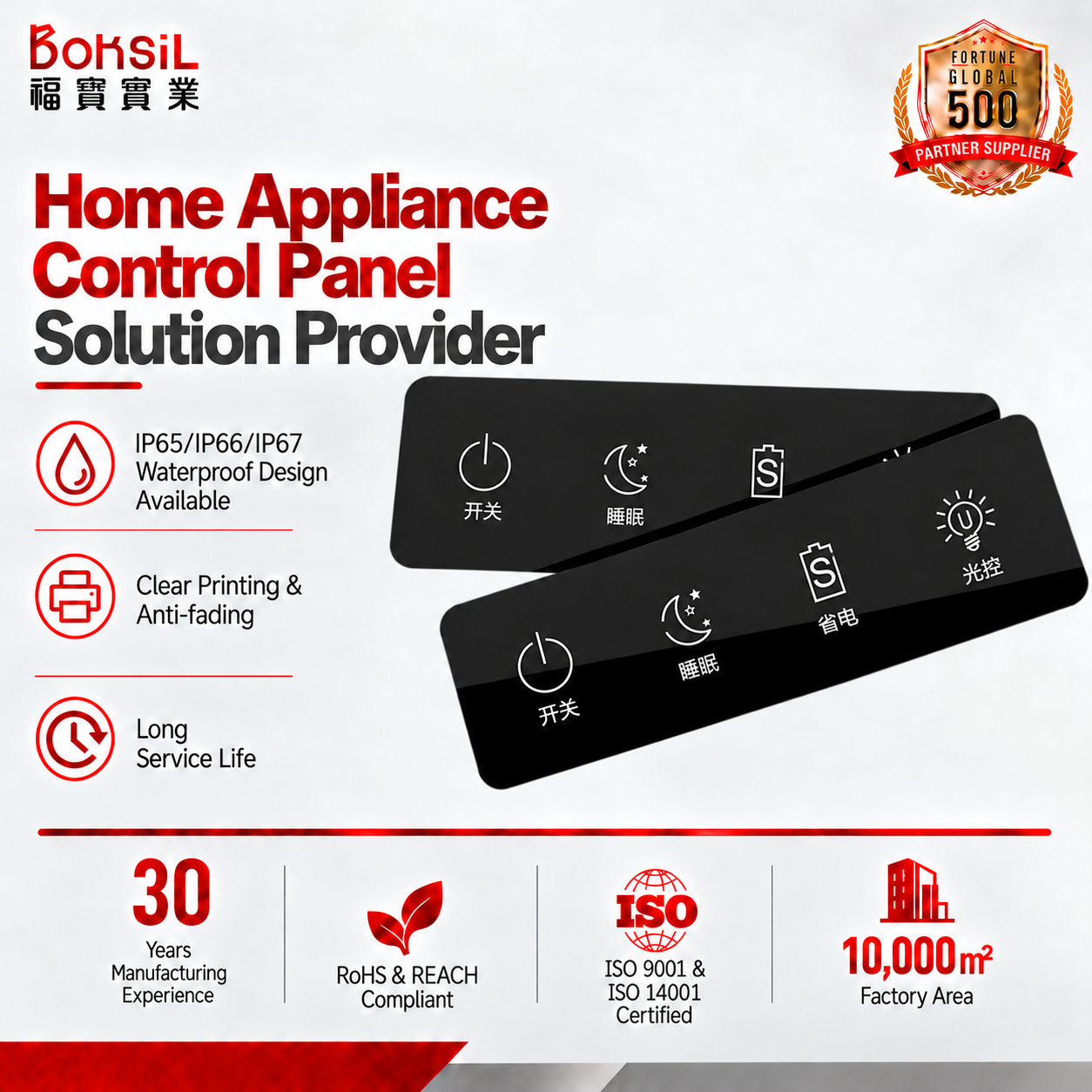
As Denmark’s second-largest metropolitan center and an economic powerhouse anchoring the Central Denmark Region (Region Midtjylland), Aarhus has established itself as an innovative hub for cleantech, industrial manufacturing, water treatment automation, food processing robotics, and advanced hospital healthcare technologies. Engineering directors, technical procurement specialists, and product development managers operating within the Aarhus jurisdiction face unique technical constraints when sourcing human-machine interface (HMI) control elements. Unlike consumer electronics intended for benign environments, industrial and municipal hardware deployed across coastal Jutland requires resilience against aggressive environmental variables: airborne saline moisture from Kattegat, intensive high-pressure chemical washdowns (Clean-in-Place systems), electromagnetic interference from high-voltage wind generation switchgear, and stringent European sustainability directives.
This technical whitepaper outlines the structural parameters, materials science, reliability standards, and manufacturing protocols necessary to deliver mission-critical membrane switch control panels, capacitive touch frontplates, and silicone keypad matrices tailored directly to the Aarhus engineering market.
Technical Design Advisory: For marine and food-grade machinery manufactured in Aarhus, specifying Autotex® XE (UV-resistant textured polyester) combined with 3M 300LSE/468MP acrylic adhesives eliminates edge delamination risks and optical degradation caused by constant UV exposure and chemical sterilizing washdowns.
The operational lifecycle of a membrane switch panel depends fundamentally on the substrate chosen for its top graphic overlay. Engineering specifications for Danish OEM accounts often weigh Polycarbonate (Lexan™) against Biaxially Oriented Polyethylene Terephthalate (BOPET, e.g., MacDermid Autotype). While polycarbonate offers exceptional initial optical clarity, lower raw material expenditure, and straightforward die-cutting compliance (UL 94 V-0 flame ratings), its chemical cross-linking suffers under repeated contact with industrial solvents, caustic sodas, and lactic acids standard in Aarhus dairy and food processing plants.
Conversely, premium high-grade biaxially oriented PET provides an actuation lifespan exceeding 5,000,000 cycles without plastic flexure fatigue or switch doming failure. Furthermore, PET displays near-complete inertness to aggressive cleaning chemicals (such as isopropyl alcohol, hydrogen peroxide, and sodium hypochlorite). For applications subjected to cyclic outdoor thermal excursions—such as wind turbine nacelle diagnostics in the Port of Aarhus or agro-industrial telemetry across Jutland—we integrate Autotex XE films engineered specifically to inhibit ultraviolet yellowing and embrittlement, validated up to 1,200 hours in accelerated QUV weathering test chambers.
| Performance Parameter | Polyester (PET - Autotex/Melinex) | Polycarbonate (PC - Lexan) | Silicone Elastomer Overlay | Optically Bonded PMMA / Glass |
|---|---|---|---|---|
| Mechanical Switch Life | > 5,000,000 cycles | ~ 100,000 to 500,000 cycles | > 1,000,000 cycles | Solid-state (Zero mechanical wear) |
| Chemical & Solvent Resistance | Outstanding (Alcohols, acids, CIP salts) | Moderate (Vulnerable to aromatic esters) | Excellent (Hydrophobic, thermal inertness) | Superior (Scratch, acid, and alkaline proof) |
| Tactile Response Types | Polyester dome, metal dome snap | Embossed flat dome, metal dome | Elastomeric snap stroke (0.8–2.0mm) | Capacitive proximity / Haptic piezo feedback |
| Operating Thermal Window | -40°C to +85°C continuous | -30°C to +105°C | -50°C to +200°C | -20°C to +70°C |
| IP Ingress Protection Ceiling | IP67 / IP68 with gasket channel | IP65 (perimeter boundary seal) | IP68 hermetic compression-fit wrap | IP69K washdown compliant |
Deploying HMI hardware across Midtjylland necessitates an acute awareness of sector-specific standards. Dongguan AXRU Electronics Co., Ltd. collaborates directly with European project engineers to realize designs that comply with CE markings, RoHS 3 (EU 2015/863), REACH compliance, and EN 60601-1 medical device standards:
Substation telemetry and wind turbine nacelle pitch controllers operating near the Port of Aarhus demand RFI/EMI copper-grid shielded flexible circuitry, gold-plated metal domes for anti-oxidation, and IP67 perimeter-vented breathing gaskets that balance barometric pressure without moisture intake.
Servicing institutions like Aarhus University Hospital (Skejby), our medical-grade membrane assemblies incorporate silver-ion antimicrobial top coatings, smooth embossed contours eliminating microbial harbor zones, and non-permeable backings compatible with hospital sterilisers.
Danish agricultural and dairy systems mandate IP66 to IP69K sealing thresholds. We utilize continuous perimeter polyurethane gaskets, 3M 300LSE adhesive matrices rated for low-surface-energy polypropylene consoles, and dead-front backlighting preventing operational ambiguity.
The Scandinavian approach to industrial design places heavy emphasis on functional minimalism, longevity, and sustainability. In the Aarhus market, standard tactile switches are rapidly converging with modern touch-screen aesthetics. We observe three accelerating trends among OEM development teams:
1. Solid-State Capacitive Sensing with Dead-Front Illumination: Equipment designers are shifting away from mechanical contacts toward capacitive sensing printed beneath PMMA or tempered acrylic front fascias. Buttons remain invisible until the system awakens, upon which ultra-thin Light Guide Films (LGF) channel light from edge-mounted micro-SMD LEDs to display crisp, high-contrast control iconography.
2. Eco-Conscious Disassembly & Repairability: In accordance with Danish circular economy initiatives, our technical department supports Design-for-Disassembly (DfD). By utilizing differential adhesives and modular tail disconnectors (such as 1.0mm or 2.54mm pitch Amphenol FCI or Nicomatic connectors), control panels can be decoupled from aluminum chassis and cast enclosures at end-of-life without chemical solvent baths.
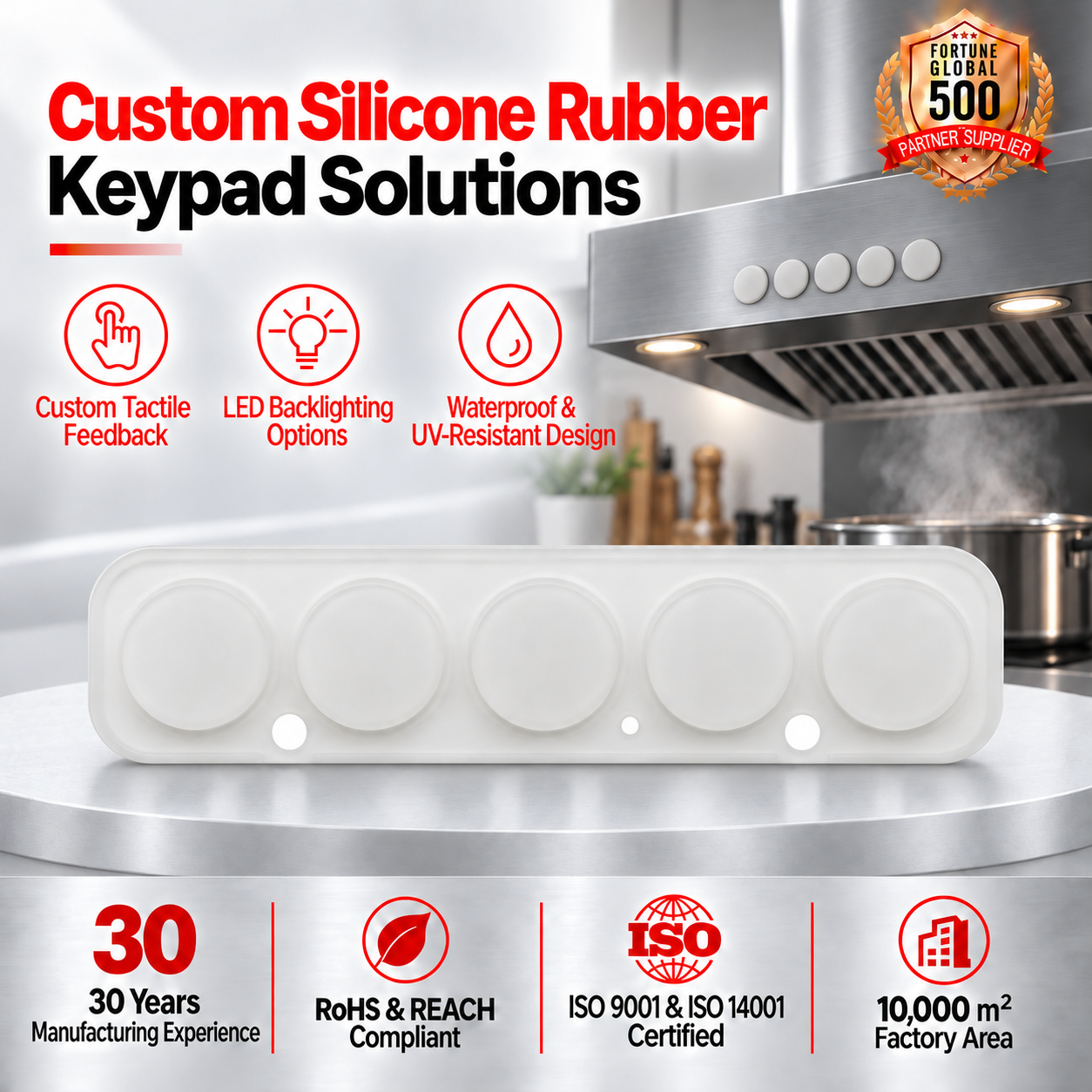
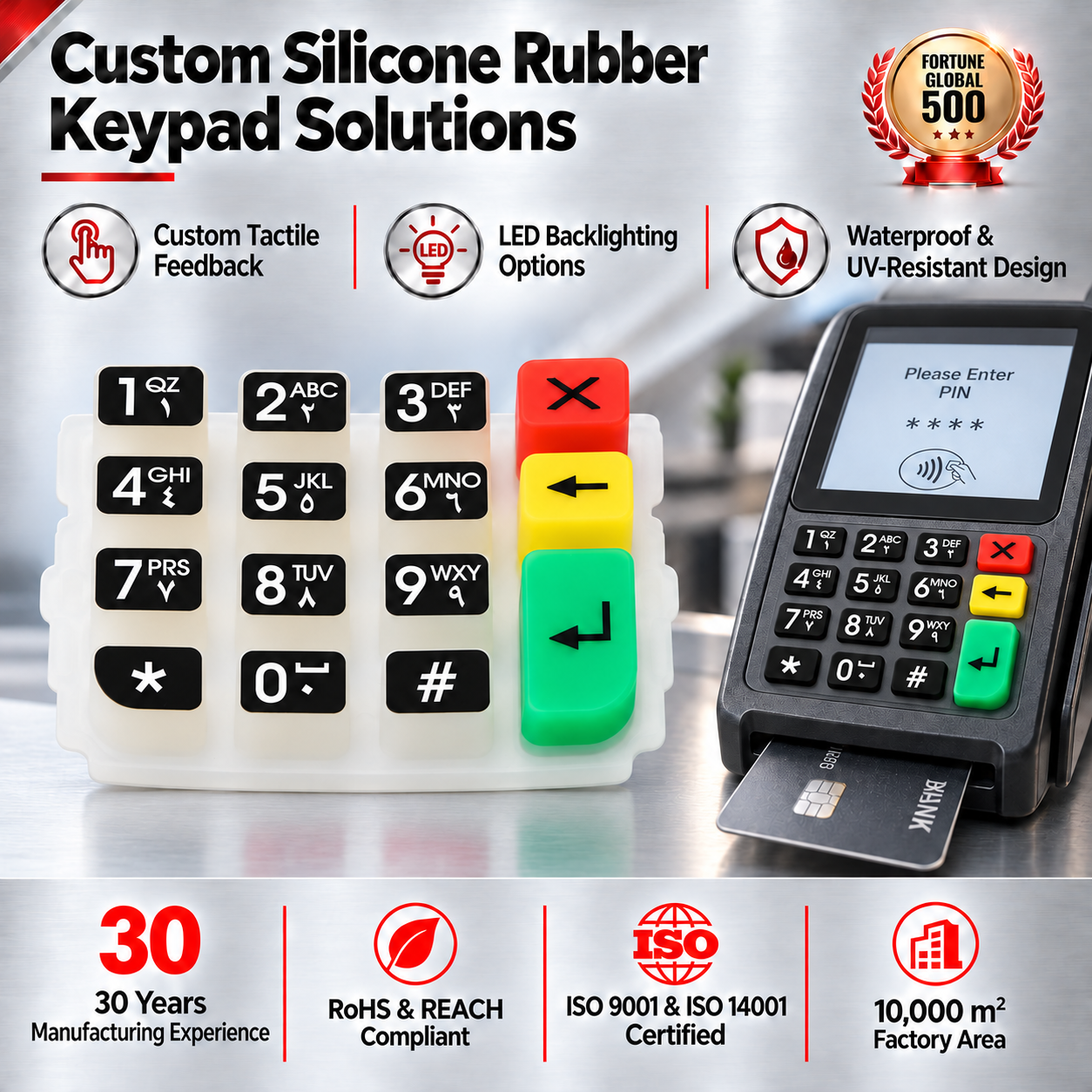
3. Vandal-Proof and High-Impact Hybrids: For automated ticket kiosks, port access gates, and municipal equipment exposed to freezing rain and heavy public usage in Scandinavian climates, combining 0.8mm stainless steel faceplates with sealed internal silicone keypads provides vandal-proof impact protection (IK08-IK10) paired with an impervious ingress seal.
Eliminate intermediary trading margins. Access an accredited 10,000㎡ industrial cleanroom facility certified by Intertek.
From graphic prepress screen calibration and automated conductive ink drying tunnels to surface-mount pick-and-place LED lines and automated CNC flatbed kiss-cutting, all critical assembly stages are kept 100% in-house in our Dongguan facility, ensuring total batch traceability.
Every Aarhus custom project undergoes pre-shipment validation on automated force-displacement testers (snap ratio evaluation), key cycle endurance machines (cycled past 3,000,000 strikes), peel strength tensile benches, and programmable environmental thermal-humidity test chambers.
Our multidisciplinary engineering desk acts as your direct prototyping partner. We accept Gerber files, DXF, DWG, and vector schematics, delivering full Design For Manufacturing (DFM) reviews, layer stack-up diagrams, and functional pre-series prototypes within 7 to 10 working days.
Direct answers for Danish procurement managers, system integrators, and electronic hardware developers.
Air-express shipments (via DHL, FedEx, or UPS Priority) typically clear customs and reach commercial facilities in Aarhus, Horsens, Randers, or Silkeborg within 4 to 6 business days. For scaled volume production runs, consolidated ocean freight routed directly into Aarhus Havn (Port of Aarhus) or via Hamburg provides an economical logistics solution with full DDP (Delivered Duty Paid) documentation, including all EU customs and VAT paperwork managed seamlessly.
Yes. 100% of our base raw materials—including PET films, conductive silver and carbon pastes, UV-cured dielectric inks, and 3M transfer tapes—comply strictly with EU RoHS Directive 2015/863 and REACH Regulation (EC) No 1907/2006. Full material compliance certificates, safety data sheets (MSDS), and comprehensive initial sample inspection reports (ISIR/PPAP Level 3) are provided with prototype submittals.
Absolutely. AXRU Electronics maintains a dedicated prototyping cell utilizing CNC digital film cutters and flatbed digital UV inkjet printers. This infrastructure eliminates the need for expensive hard tooling and steel rule dies during the trial phase. We readily support pilot series of 50 to 100 units, enabling Danish engineering teams to validate ergonomics, tactile dome resistance, optical clarity, and enclosure fit before mass tooling.
Tactile feel is dictated by metal dome geometry, actuation displacement, and overlay embossing profiles. We employ precision-stamped nickel-plated or gold-plated stainless steel domes (standard trip forces from 180g to 450g) mounted under computerized automated placement heads. Every batch undergoes force-deflection curve testing on our automated tester to ensure the tactile snap ratio remains within a strict ±10% tolerance band across all switch nodes.
For assemblies overlaying LCD, OLED, or TFT displays, we utilize optical-grade anti-glare (AG) or anti-reflective (AR) textured polyester finishes. When bonding the graphic overlay to an underlying sub-panel, acrylic display filter, or capacitive touch sensor, we apply optically clear adhesives (OCA) in a vacuum laminating chamber to eliminate microscopic air gaps, completely removing the optical interference refraction known as Newton rings.
Receive an actionable Design for Manufacturability (DFM) review and comprehensive price structure within 24 hours. Send us your CAD drawings (DXF/DWG/AI), circuit schematics, or sample benchmark requirements.