Precision HMI & Membrane Product Recommendations
Engineered for mission-critical deployments across Canberra, Mitchell, Fyshwick, and Black Mountain scientific facilities. These custom human-machine interface assemblies balance ingress sealing, cleanability, mechanical resilience, and tactile calibration.
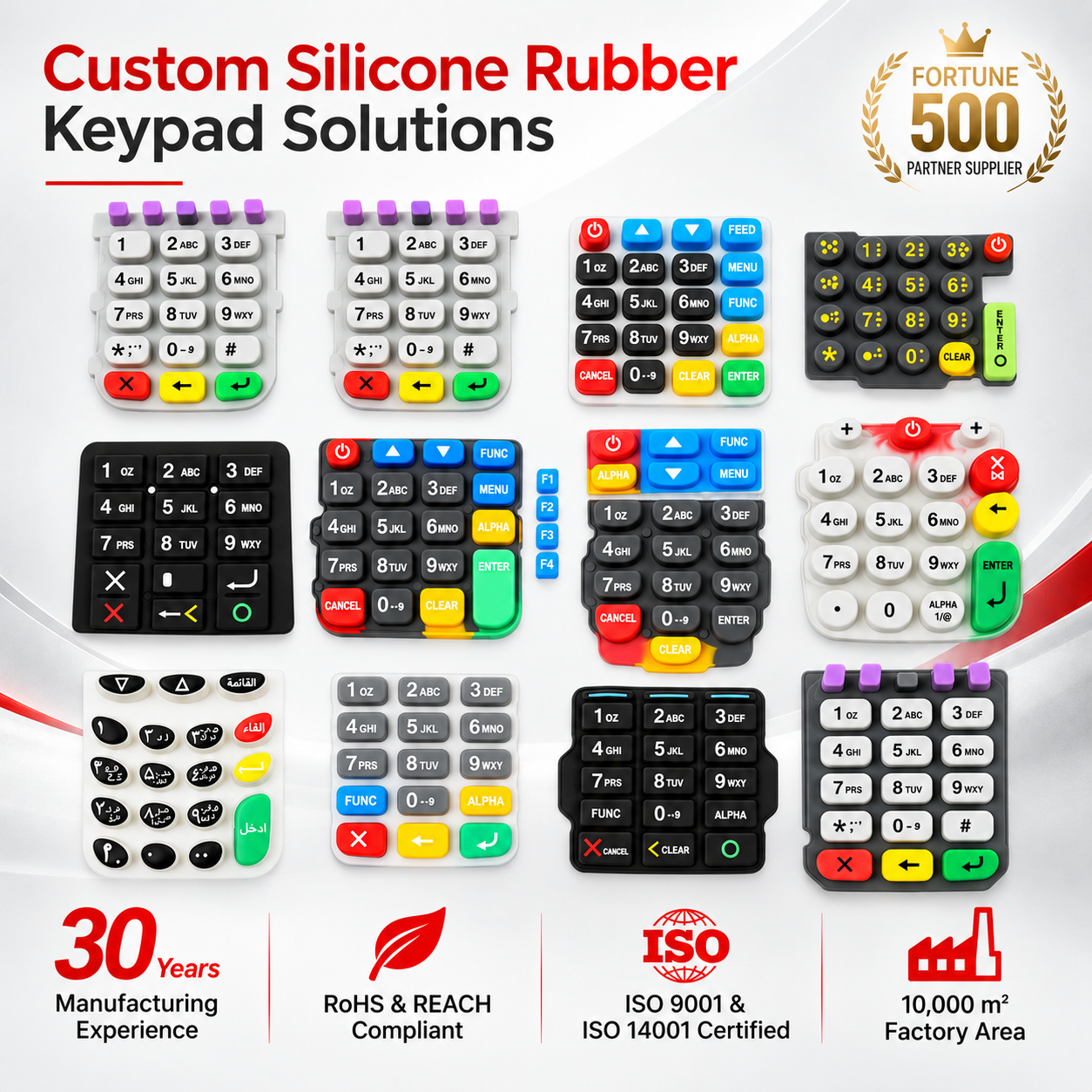
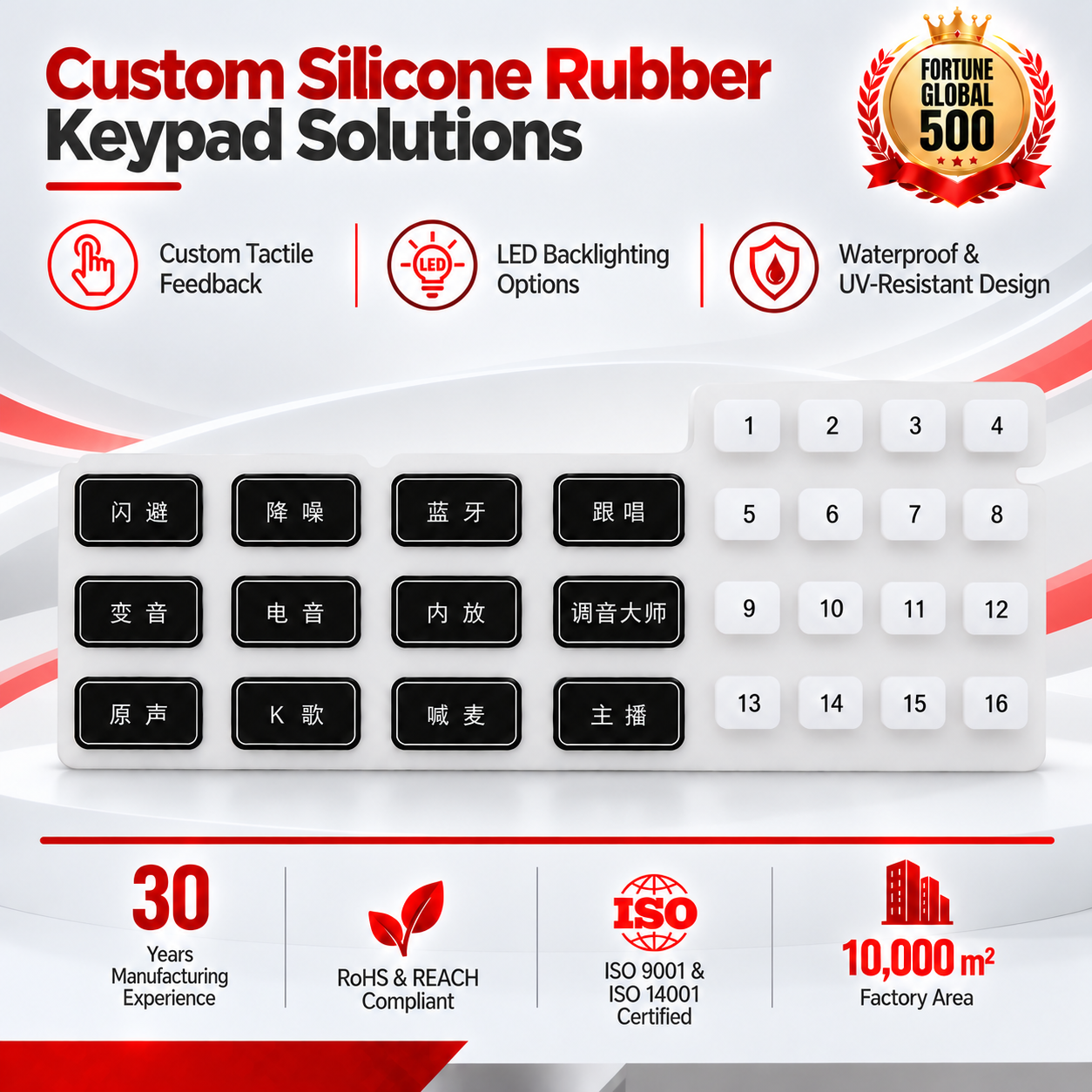
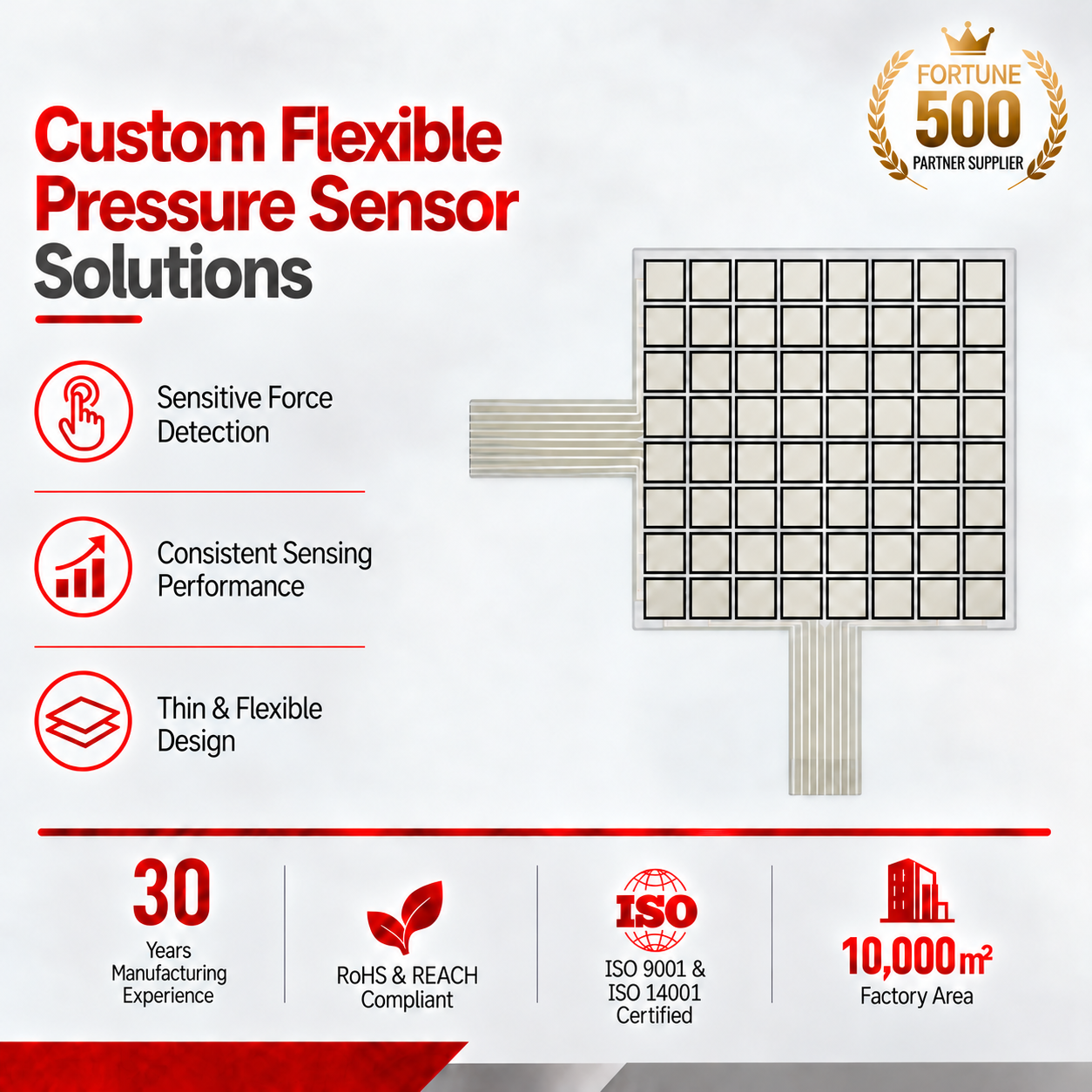
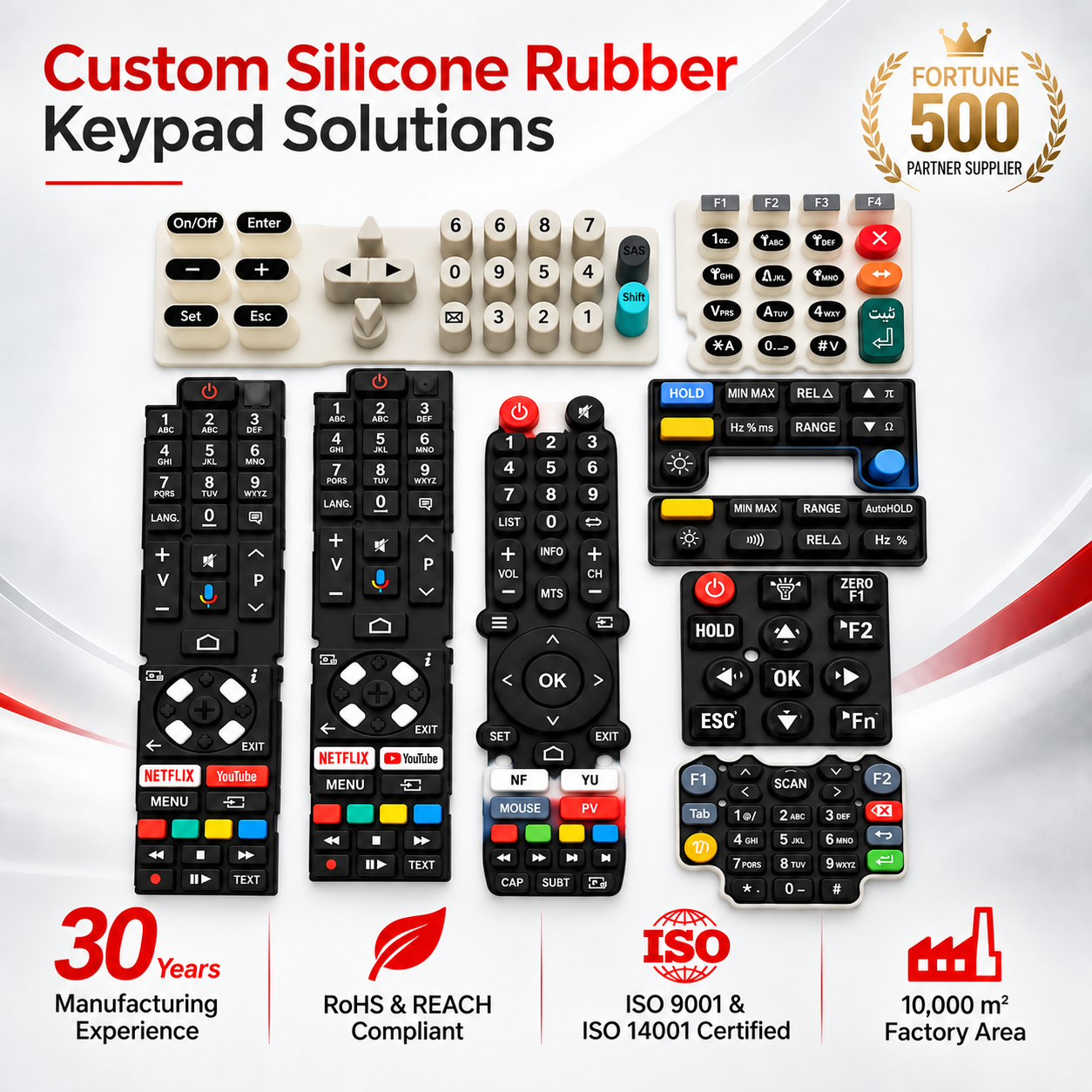
Engineering Architecture of Non-Tactile Membrane Switches
A rigorous evaluation of actuation thermodynamics, multi-layer physical stack-ups, conductive polymers, and environmental survivability for Canberra procurement engineers.
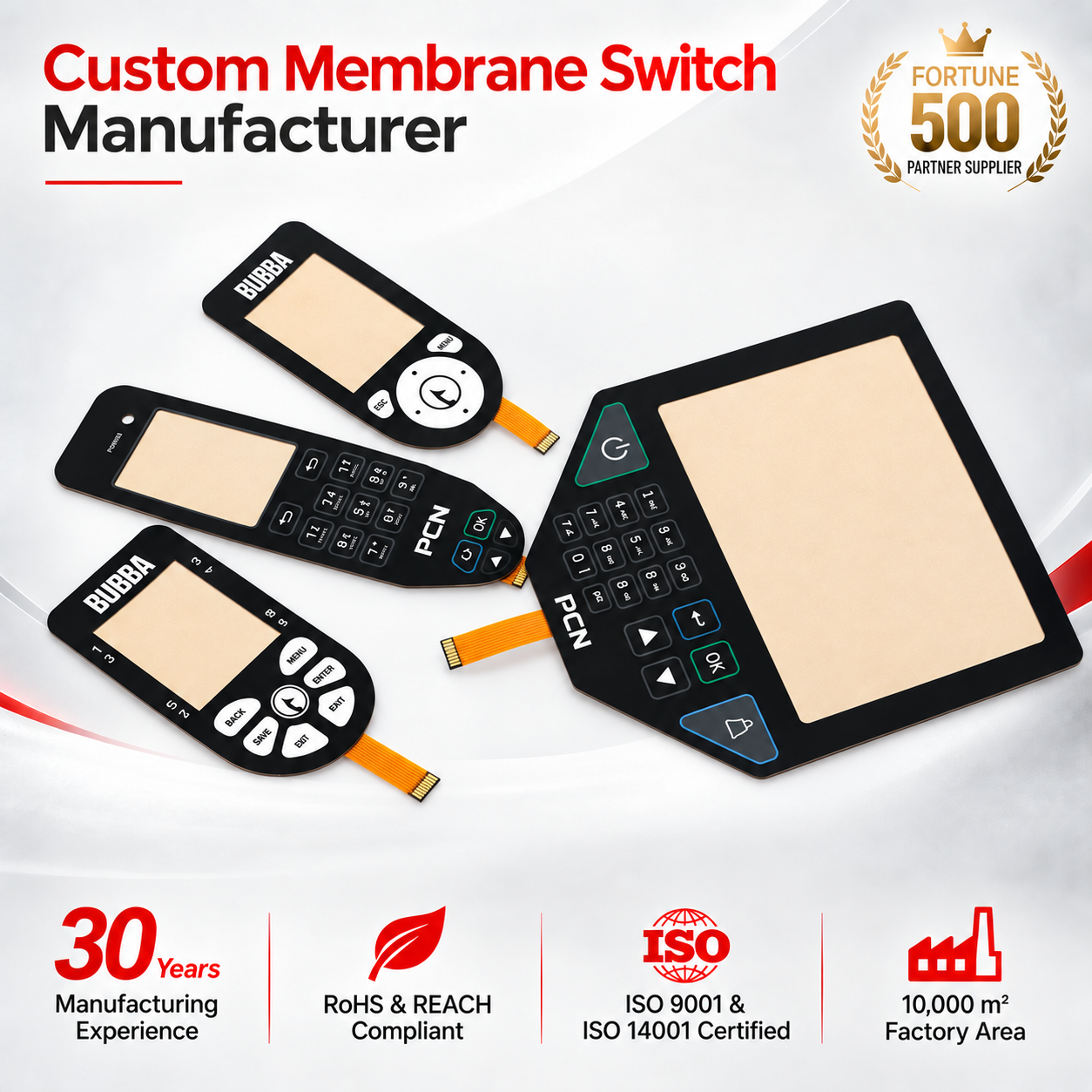
In high-reliability electronic system design, selecting the human-machine interface (HMI) fundamentally defines operational longevity, operator error rates, and enclosure IP sealing. While tactile membrane switches utilize stainless-steel metal domes or formed polyester domes to provide physical snap feedback, non-tactile membrane switches operate on flat, direct-contact planar mechanics without metallic snap elements. This architecture eliminates physical metal fatigue, offering unmatched mechanical life cycles exceeding five to ten million actuations, near-zero panel profiles, and completely smooth outer surfaces ideal for aseptic wiping.
Technical Definition: Non-Tactile Contact Mechanism
A non-tactile switch relies on two parallel conductive circuit traces separated by an inert dielectric spacer layer with precision-machined cutouts. Minimal perpendicular finger deflection (typically 0.1mm to 0.4mm with an actuation force between 0.5N and 2.5N) bridges the upper conductive graphic or shorting pad directly against the lower trace, completing the electrical loop. Because no mechanical snap occurs, operator feedback is commonly resolved through audio annunciators (beeps), haptic vibration motors on the mainboard, or surface-mount LED verification.
Comprehensive 6-Layer Stack-Up Engineering Breakdown
To withstand chemical exposure, thermal shock across the Australian Capital Territory's continental climate (-5°C to 42°C), and continuous laboratory washdowns, AXRU constructs non-tactile interfaces with tightly controlled polymer laminations:
| Layer Level | Material & Chemistry | Standard Thickness | Primary Function & Electrical Attributes |
|---|---|---|---|
| 1. Graphic Overlay | Autotype MacDermid Autoflex EBG/EHB Polyester (PET) or Lexan 8010 Polycarbonate (PC) | 0.125mm – 0.200mm | Sub-surface screen or digital printing. Resistant to IPA, bleach, sanitizers, and UV degradation. Textured, anti-glare, or optical clear display windows. |
| 2. Graphic Adhesive | 3M 467MP / 3M 200MP High-Performance Acrylic Adhesive Transfer Tape | 0.050mm (2.0 mil) | Continuous bonding of graphic overlay to upper circuit plane. Bubble-free optical lamination, peel strength >25 N/100mm. |
| 3. Upper Circuit Layer | Mylar biaxially-oriented PET with DuPont / Acheson conductive silver or carbon ink | 0.075mm – 0.125mm | Deposited upper switch contacts and cross-over traces. Surface resistivity <0.05 Ω/sq/mil. Optional carbon overcoat prevents silver electromigration. |
| 4. Dielectric Spacer | DuPont Mylar A or 3M 7957MP double-linered polyester film | 0.075mm – 0.175mm | Defines exact switch travel and prevents unintentional actuation under mechanical flexure. Dielectric breakdown strength >15 kV/mm. |
| 5. Lower Circuit Layer | Silver-printed PET film or Polyimide Flexible Printed Circuit (FPC) with gold/tin plating | 0.100mm – 0.188mm | Houses complete matrix wiring (X-Y coordinate grid or common-bus lines) and routes traces seamlessly to the tail exit. |
| 6. Rear Mounting Adhesive | 3M 468MP, 3M 300LSE (for low surface energy plastics), or 3M VHB Foam Tape | 0.130mm – 0.500mm | Hermetically bonds the finished HMI assembly to aluminum sub-plates, powder-coated steel chassis, or ABS/polycarbonate molded housings. |
Mitigating Harsh Atmospheric Factors: Electrostatic & Environmental Protection
Canberra's dry winter air exacerbates electrostatic discharge (ESD) hazards. Standard human-body discharges can reach upwards of 15kV to 25kV when an operator approaches an exposed electronic console. In non-tactile architectures manufactured by AXRU, an integrated continuous aluminum foil shield, conductive carbon grid, or printed indium tin oxide (ITO) layer is incorporated directly beneath the graphic overlay. This perimeter-grounded ESD barrier shunts high-voltage transients safely to enclosure earth ground before arc discharges reach sensitive controller microprocessors or circuit traces.
Furthermore, Canberra's altitude and seasonal humidity variations demand robust ingress barrier engineering. Non-tactile switches excel here: because they lack breathing vents required by buckling tactile metal domes, our engineers execute a continuous, unbroken perimeter gasket adhesive seal. The tail exit can be channeled through a labyrinth seal or IP67 potting canal, preventing moisture condensation, atmospheric sulfur ingress, and dust intrusion compliant with AS 60529 / IEC 60529 standards.
Localized Application Scenarios across the ACT
Canberra is not simply Australia’s administrative capital; it is the nation's premier epicenter for defence materiel, scientific research institutions, biomedical technology, and space instrumentation.
Defence & Mil-Spec Tactical Systems
Defence procurement clusters in Russell, Fyshwick, and Majura require HMI panels adhering to stringent environmental profiles. Non-tactile membrane switches provide completely flush surfaces for communications consoles, vehicular telemetry units, and field control boxes. With dead-front NVG (Night Vision Goggle) compatible filtered backlighting and zero acoustic click signature, these switches meet covert operational criteria while resisting blast overpressure and heavy vibration.
CSIRO & Scientific Cleanroom Enclosures
From Black Mountain research labs to the Australian National University (ANU) physics precincts, analytical instruments demand ultra-clean interfaces. Flat non-tactile membranes eliminate crevices where bacterial cultures, pathogens, or dust particulates can accumulate. Their polyester overlays endure continuous surface sterilisation with aggressive reagents like isopropyl alcohol, Spor-Klenz, and quaternary ammonium compounds without delamination or graphic yellowing.
ACT Health & Clinical Diagnostics
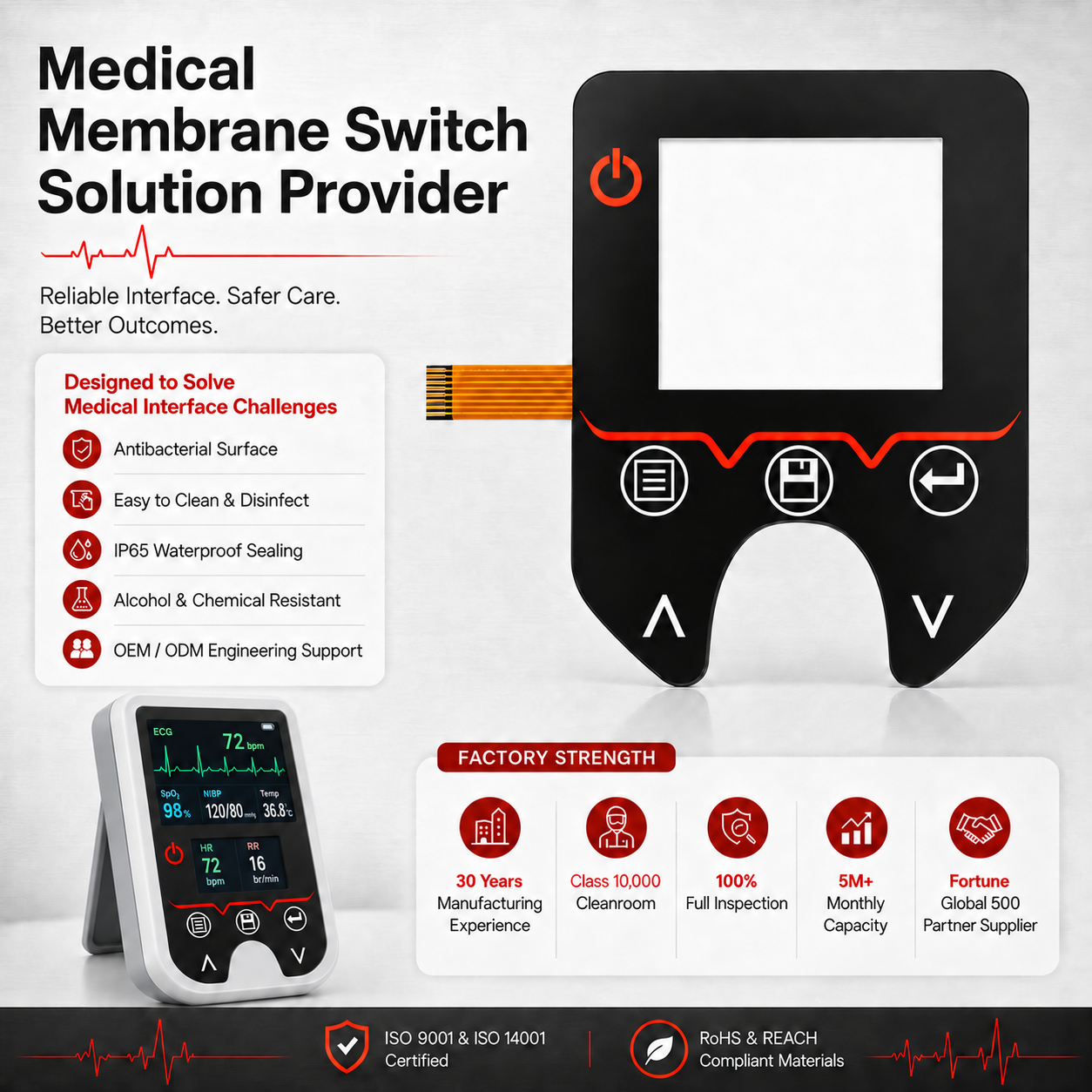
Medical infrastructure throughout the Canberra Hospital and Calvary Public Hospital modernizations relies on touch interfaces that avoid contamination vectors. Flush non-tactile panels integrated into infusion pumps, sterilizer autoclaves, patient monitoring stations, and surgical laser controls enable seamless wipe-clean sterilization, IP65 water-jet compliance, and long-term switch stability without mechanical sticking.
Space, Satellite & Geospatial Instruments
Canberra's growing commercial space and earth-observation hub at Mt Stromlo and Fairbairn utilizes custom thin-film switches for satellite ground support equipment (GSE), atmospheric LIDAR arrays, and telemetry antennas. Low outgassing acrylic adhesives (tested to ASTM E595) combined with copper FPC circuits guarantee integrity under low-pressure conditions and extreme thermal swings.
Environmental & Bushfire Monitoring Telemetry
Deployed throughout the Brindabella ranges and ACT catchment zones, automated weather stations, hydrological flow loggers, and bushfire early-warning repeaters must operate unattended for years. Non-tactile switches with UV-resistant Autotex XE polyester resist prolonged solar irradiance, temperature cycling, and dew condensation, ensuring maintenance-free user interaction during field calibrations.
Mitchell & Fyshwick Advanced Prototyping
Canberra's light-industrial precision sectors house specialized electronic design houses building bespoke mining control units, automated test benches, and municipal utility monitors. Non-tactile switch architecture gives these OEMs maximum graphic freedom, allowing custom backlit indicator legends, multi-color branding, and thin enclosure profiles without expensive mechanical punch tooling.
Emerging HMI Procurement Trends in the Canberra Market
Strategic evolution in government procurement specifications, Sovereign Capability initiatives, and advanced materials engineering influencing ACT electronics tenders.
The procurement landscape in the Australian Capital Territory operates under distinctive institutional dynamics. As the seat of the Australian Federal Government, the Department of Defence (CASG), and national science programs, electronics procurement is increasingly governed by strict supply chain integrity, ESG verification, and rapid qualification cycles. Three central technological and structural shifts define current HMI specifications in Canberra:
1. Shift Toward Hybrid Capacitive and Non-Tactile Combinations
Canberra OEMs are transitioning away from high-travel mechanical switches toward sleek, unified glass and polymer front fascias. However, purely capacitive touch systems frequently suffer from false triggering when exposed to rain, saline spray, or heavy electromagnetic interference (EMI). To overcome this, design teams at Canberra technology incubators increasingly deploy hybrid non-tactile membrane architectures: safety-critical functions (Emergency Stops, System Power, Valve Release) remain momentary non-tactile physical membrane traces, while menu navigation employs capacitive sensing or digital touch zones beneath a monolithic printed graphic faceplate.
2. Accelerated Low-Volume Prototyping to High-Volume Production Bridges
Unlike massive consumer electronics assembly hubs, the Canberra tech sector frequently specializes in high-mix, low-to-medium volume, highly complex production (100 to 5,000 units annually). Historically, prototype tooling fees and multi-month turnaround times from legacy vendors stalled project milestones. AXRU’s digital direct-to-plate screen imaging, flatbed digital UV printing, and CNC laser plotting provide Canberra engineering teams with fully functional engineering verification test (EVT) samples within 5 to 7 days, transitioning directly into verified mass production without tooling discrepancies.
3. Compliance with AS/NZS and Defence Standards (DEF-STAN & MIL-STD)
Tenders managed under Commonwealth guidelines require rigorous documentation trails. Procured assemblies must comply with RoHS Directive 2011/65/EU, REACH regulations, and meet flammability ratings according to UL94-V0 or UL94-VTM2. AXRU provides Canberra prime contractors with comprehensive material certificates of analysis (COA), full first-article inspection reports (FAIR), and traceable batch test data for electrical loop resistance, dielectric isolation, and adhesive tensile adhesion.
Why Australian OEM Leaders Partner with AXRU Electronics
Direct manufacturing excellence from our 10,000㎡ Intertek-verified plant in Dongguan, delivering uncompromising quality, transparent engineering support, and rapid Pacific logistics.
10,000㎡ Modern Facility
121 skilled technicians, Class 1000 cleanrooms for graphic printing, automated circuit screen printers, and high-precision flatbed die cutters operating under one unified roof.
On-Site Intertek Verified
Independently audited and certified by Intertek. Strict adherence to ISO 9001 quality management protocols ensures zero supply chain ambiguity and total process repeatability.
In-House Reliability Lab
Equipped with computerized key actuation life testers, peel force tensile machines, ink solvent scrub testers, UV yellowing chambers, and programmable thermal/humidity simulation rigs.
100% Final Inspection
Every single switch unit undergoes automated electrical continuity, short-circuit, and open-loop testing alongside 100% cosmetic visual inspection before export packaging.
Frequently Asked Questions from Canberra Procurement Teams
Clear, unhedged answers to technical, logistical, and design questions common among Australian Capital Territory hardware engineers and supply managers.
What is the primary operational difference between non-tactile and tactile membrane switches?
Can AXRU provide IP65, IP66, or IP67 sealing for outdoor ACT weather station deployments?
What engineering files are needed to receive a formal quotation and DFM review?
What is the typical turnaround time for prototypes and production delivery to Canberra?
Can you integrate embedded backlighting and display windows into flat non-tactile switches?
What is the minimum order quantity (MOQ) for custom assemblies?
Ready to Engineer Your Custom Membrane Interface?
Consult directly with AXRU Electronics’ senior HMI engineering team. Get a complimentary DFM stack-up analysis, material suitability review, and formal quotation tailored for the Canberra & ACT market within 24 hours.