Precision Non-Tactile, Tactile & Hybrid Interface Solutions
Built under strict ISO 9001 quality frameworks in our 10,000㎡ manufacturing facility, our switches are customized to withstand chemical disinfectants, harsh thermal fluctuations, and heavy industrial duty cycles across the European Union.
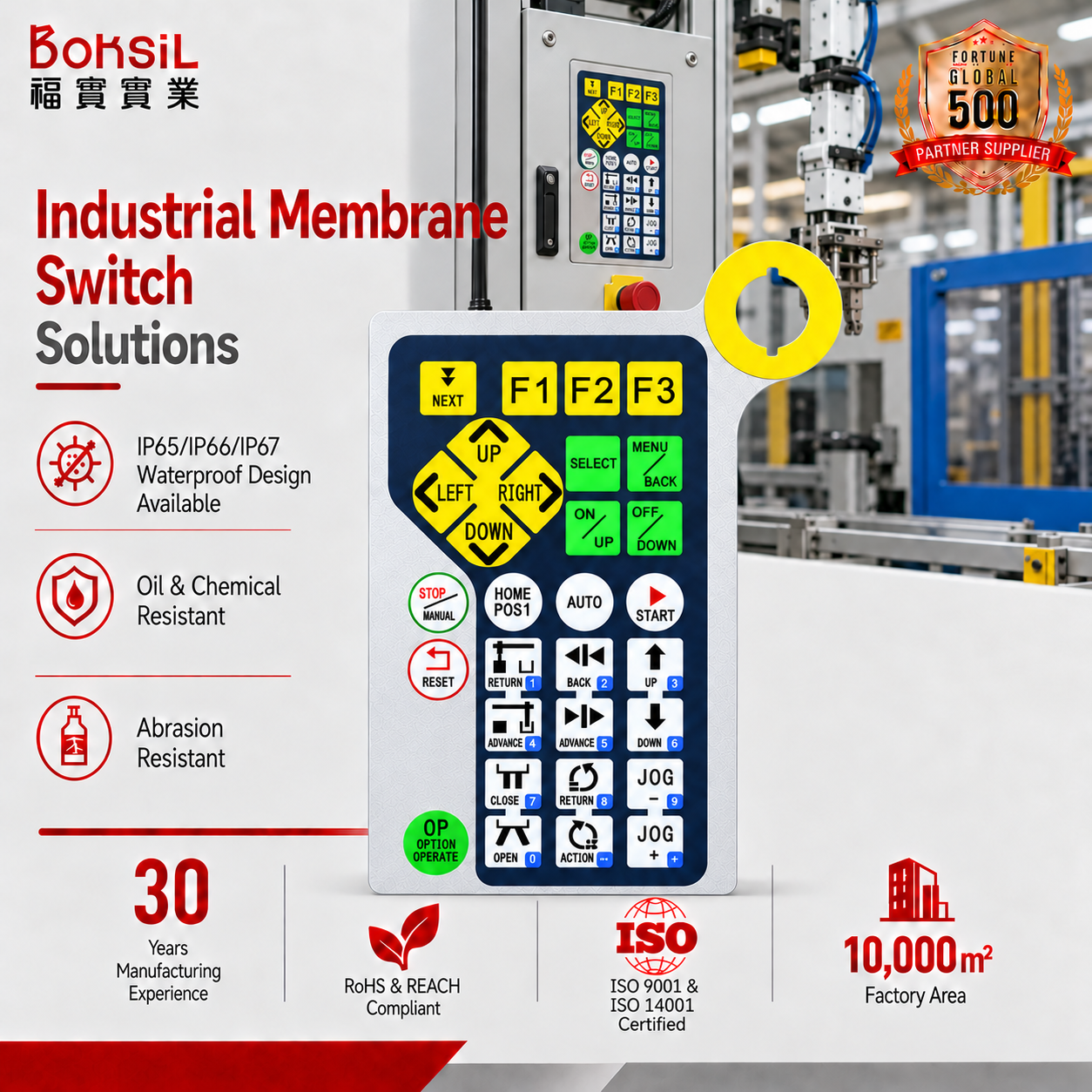
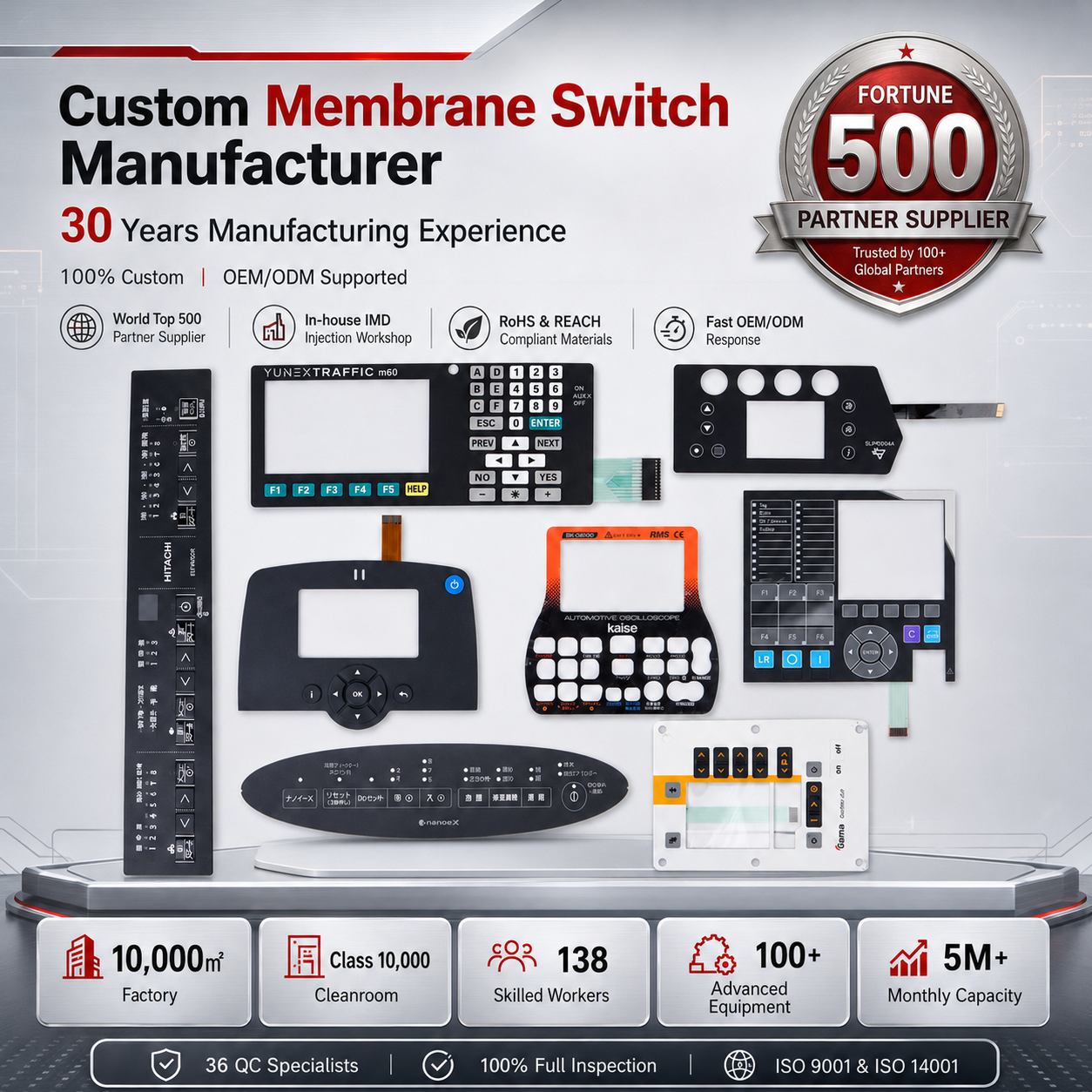
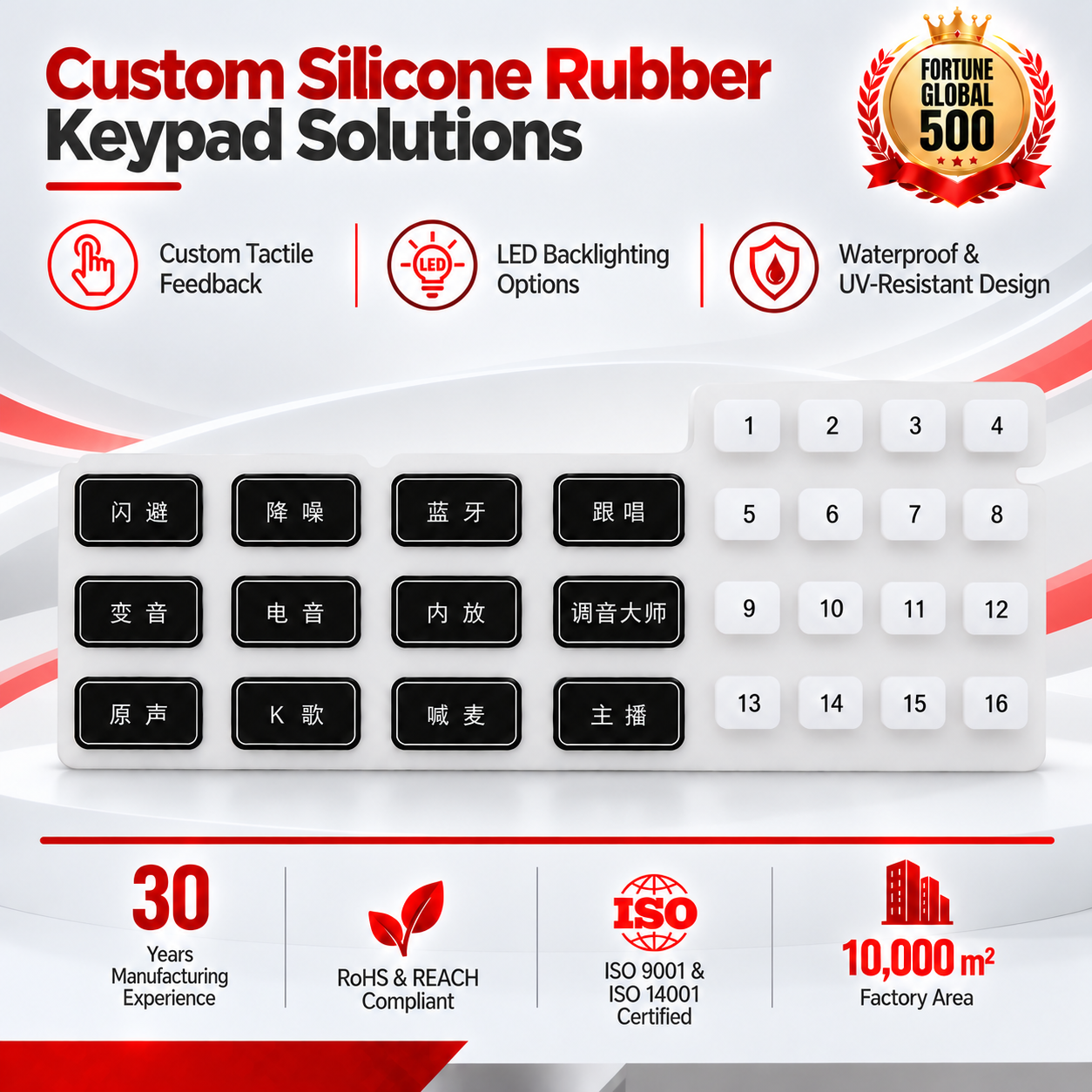
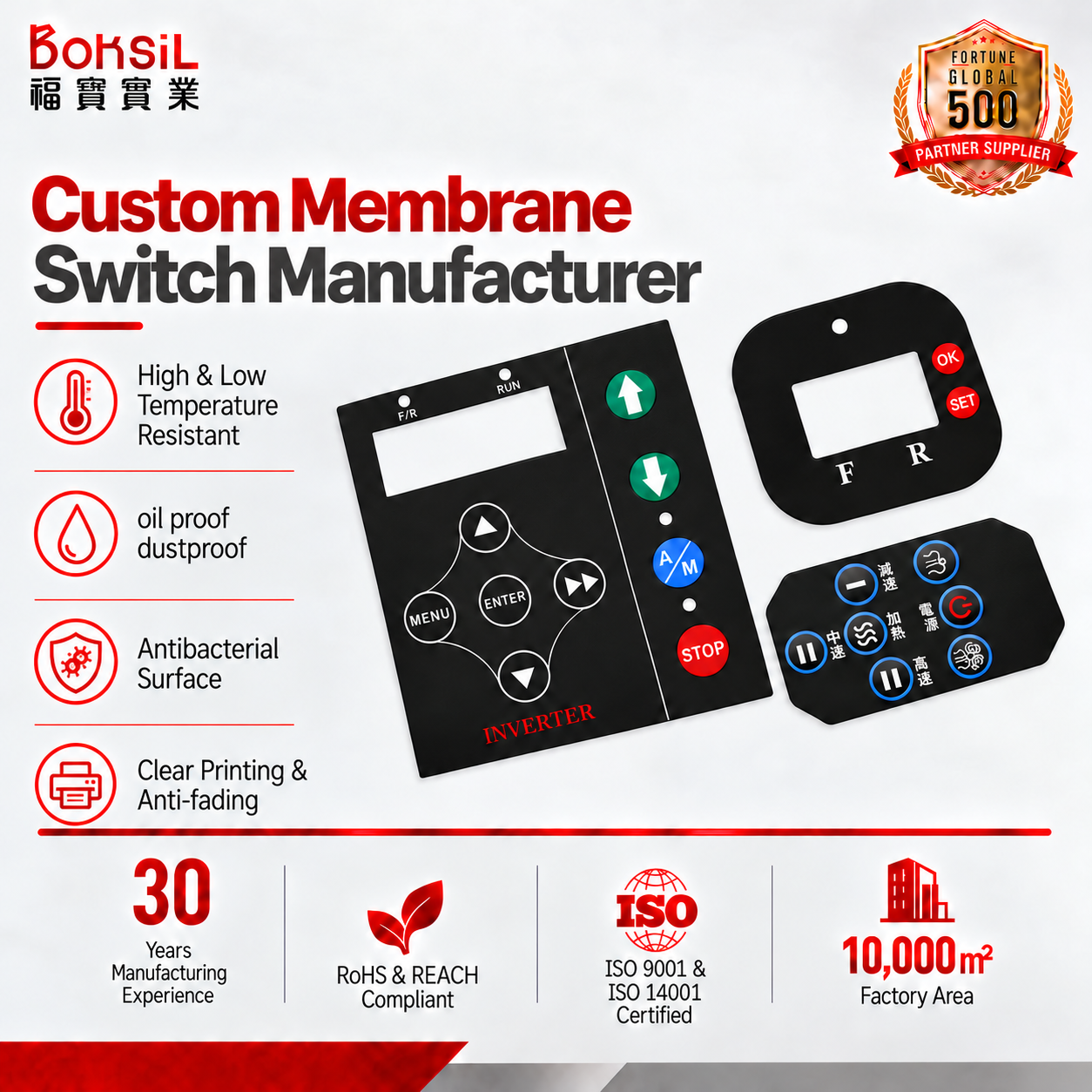
Non-Tactile Membrane Switches: Structural Physics & Mechanical Integrity
A rigorous examination of why flat, non-tactile switch architectures deliver unmatched cycle lives, superior fluid barriers, and zero mechanical fatigue in demanding European industrial and diagnostic equipment.
Zero-Stress Mechanical Stack-Up
Unlike tactile configurations that incorporate snap-action stainless steel metal domes (subject to metal work-hardening and fatigue limits), a non-tactile membrane switch operates via direct planar contact. Actuation is achieved when gentle finger pressure (typically 1.0 to 3.0 N) deflects the flexible upper conductive trace through a laser-cut spacer cutout down onto the lower conductive pad.
Because there is no metal dome undergoing localized buckling, internal stress concentrations are virtually eradicated. This fundamental physical advantage yields mechanical actuation life expectancies easily exceeding 5,000,000 to 10,000,000 cycles, making it the benchmark design for medical infusion monitors, laboratory pipettes, and heavy-use cleanroom automation.
Hermetic Perimeter & Hygienic Profiling
In modern Slovenian medical centers, biotechnology labs, and food-processing facilities, flat panel hygiene is non-negotiable. Traditional pushbuttons, mechanical rocker switches, and embossed tactile keys create microscopic crevices where bio-contaminants, moisture, cleaning alcohols, and particulate matter gather.
A non-tactile switch profile can remain 100% dead-flat and seamless. Combined with our solid-perimeter adhesive barriers (formulated with genuine 3M 467MP/468MP laminates) and Autotex anti-microbial hardcoated polyesters, the front interface withstands aggressive wipe-down cycles using quaternary ammonium, isopropyl alcohol (IPA), and diluted sodium hypochlorite without edge-lifting or graphic degradation.
Feedback Decoupling & Audible Cues
A frequent challenge raised by electronic design engineers is the lack of intrinsic tactile snap in non-tactile interfaces. We solve this by decoupling user feedback from mechanical deflection, pairing ultra-flat switches with optical and acoustic feedback mechanisms.
By engineering transparent colored windows, dead-front printed LED status indicators, or routing the signal to an on-board buzzer/haptic piezo driver, the system provides instantaneous confirmation without mechanical fatigue. Furthermore, capacitive touch sensing overlays can be seamlessly combined with non-tactile backings to achieve multi-layer failsafe dual-input architectures.
Comprehensive Electrical, Environmental & Physical Specifications
Validated in our Dongguan reliability laboratory using programmable temperature chambers, force-displacement dynamometers, and electrical continuity scanners.
| Performance Characteristic | Standard Silver-on-PET Substrate | High-Precision Copper FPC Substrate | Test Standard / Validation Method |
|---|---|---|---|
| Actuation Force Range | 100g to 300g (0.98 N to 2.94 N) | 80g to 250g (0.78 N to 2.45 N) | ASTM F1597 Automated Force Tester |
| Switch Travel Distance | 0.10 mm to 0.25 mm (Ultra-short throw) | 0.08 mm to 0.20 mm (Micro-planar) | Displacement Laser Micrometer |
| Contact Bounce Time | < 5 ms (Typically 1 to 3 ms) | < 1 ms (High-speed digital scanning) | Oscilloscope Waveform Capture |
| Loop Circuit Resistance | < 100 Ω (Trace length dependent) | < 10 Ω (Ideal for dense micro-controllers) | Four-Wire Kelvin Digital Ohmmeter |
| Insulation Resistance | > 100 MΩ at 100V DC | > 500 MΩ at 100V DC | ASTM F1689 Dielectric Breakdown |
| Operating Temperature Limits | -20°C to +70°C | -40°C to +85°C (Extended Automotive) | MIL-STD-202 Thermal Shock Chamber |
| Storage Temperature Range | -40°C to +85°C | -45°C to +105°C | Programmable Environmental Chamber |
| ESD / RFI Shielding Options | Printed Silver / Carbon Grid (10-20 kV) | Solid Copper Plane or Aluminum Foil (>25 kV) | IEC 61000-4-2 Electrostatic Discharge |
| Ingress Protection Ceiling | IP65 to IP67 (Front Seal & Gasket) | Up to IP68 / IP69K (Hermetic Encapsulation) | DIN EN 60529 Water Spray & Submersion |
Localized Applications Across Slovenia's Industrial Clusters
Slovenia stands as one of Central Europe's most technologically sophisticated manufacturing hubs, with advanced industrial output concentrated along the Sava valley, Central Slovenia, the Podravska region, and Primorska. Our non-tactile switches are tailored to the strict quality demands of Slovenian OEMs.
Ljubljana & Central Slovenia: Smart Automation & Laboratory Devices
In the innovation corridor surrounding Ljubljana, biotechnology firms, diagnostic instrument developers, and R&D institutions require ultra-clean human interfaces. Non-tactile membrane switches eliminate contamination reservoirs on clinical chemistry analyzers, PCR cycling hardware, and laboratory centrifuge control interfaces.
By engineering high-density polyester overlays with sub-surface reverse screen-printing, legends remain immune to daily ethanol sterilizations while fitting into low-profile desktop diagnostic enclosures.
Maribor & Podravska: Advanced Robotics & Production Machinery
The manufacturing basin in Northeastern Slovenia is distinguished by heavy machine tool production, robotics integration, and automated assembly cells. Non-tactile switches are chosen for secondary operator teach pendants, CNC auxiliary boards, and conveyor programming pads.
These units offer absolute immunity to airborne metal shavings, cutting oil mists (coolants), and hydraulic lubricants that typically jam open-contact electromechanical switches.
Celje & Savinjska: Smart HVAC, Heat Pumps & Renewable Energy
Savinjska and central Slovenia host internationally recognized heat pump manufacturers and green heating solutions. Outdoor and cellar-mounted thermal control interfaces face high relative humidity and rapid condensation shifts.
Our non-tactile switches utilize hydrophobic venting membranes and perimeter IP67 siliconized adhesives that prevent internal dewpoint bridging, guaranteeing flawless operation in seasonal temperatures ranging from sub-zero Alpine winters to humid summers.
Koper & Primorska: Maritime Logistics & Port Infrastructure
Serving the Northern Adriatic gateway at the Port of Koper, maritime logistics equipment, shore power hookup stations, and marine refrigeration containers require extreme salt-mist tolerance.
Our UV-resistant, non-yellowing polycarbonate and PET front overlays, tested under ASTM G154 accelerated weathering cycles, preserve legibility and tactile seal integrity against coastal saline air and solar radiation exposure.
Gorenjska & Krško: Specialized Electrical Hardware & Energy
High-voltage sub-stations, transformer telemetry units, and energy distribution cabinets across Gorenjska and Lower Posavje demand electrical shielding that protects sensitive logic boards against voltage surges.
We integrate full-coverage printed conductive silver and carbon grounding planes, dissipating electrostatic charges up to 25 kV before transient surges can reach downstream microprocessors.
Food & Beverage Processing: Hygienic CIP Washdown Systems
Slovenian dairy, beverage bottling, and meat processing facilities operate under rigorous Hazard Analysis Critical Control Point (HACCP) rules. Processing machinery undergoes high-pressure steam cleaning (CIP).
Non-tactile membrane switches provide completely flush surfaces with no bevels, preventing bacterial harborage while enduring hot pressurized water washdowns up to IP69K standards.
Emerging HMI Engineering Trends in the Slovenian & European Markets
As Slovenia deepens its Industry 4.0 integration and advances its green-transition manufacturing protocols, industrial interface architectures are shifting rapidly from bulky electromechanical hardware to integrated smart surfaces.
1. Convergence of Capacitive & Non-Tactile Layers
Modern European user interface designers are migrating toward hybrid panels. In high-safety machinery, capacitive sensors manage everyday rapid touch navigation, while a discrete non-tactile switch channel provides a physical, intentional redundant press for confirmation, satisfying CE machine safety directives.
2. Energy Efficiency & Thin-Profile Weight Reduction
With Slovenian export machinery focusing heavily on transport efficiency and streamlined enclosure footprints, non-tactile membrane panels offer overall stack-up thicknesses under 0.8 mm. This delivers exceptional space savings behind the fascia, allowing more room for computing modules and thermal dissipation sinks.
3. Ultra-Uniform Light Guide Film (LGF) Illumination
Industrial darkroom and nighttime operations (such as agricultural machinery and logistics cabs) demand glare-free, uniform backlighting. By pairing non-tactile keys with ultra-thin Light Guide Films and side-firing white or RGB SMDs, we eliminate hot spots while consuming up to 60% less current than traditional EL lamps.
4. Strict EU Environmental & Material Compliance
Slovenian enterprises exporting across the single market operate under stringent EU REACH (EC 1907/2006) and RoHS 3 (EU 2015/863) directives. Our raw material supply chain guarantees full traceability: halogen-free inks, lead-free conductive formulations, and conflict-free silver/copper sourcing verified via Intertek audits.
Why Slovenian OEMs Partner with Dongguan AXRU Electronics Co., Ltd.
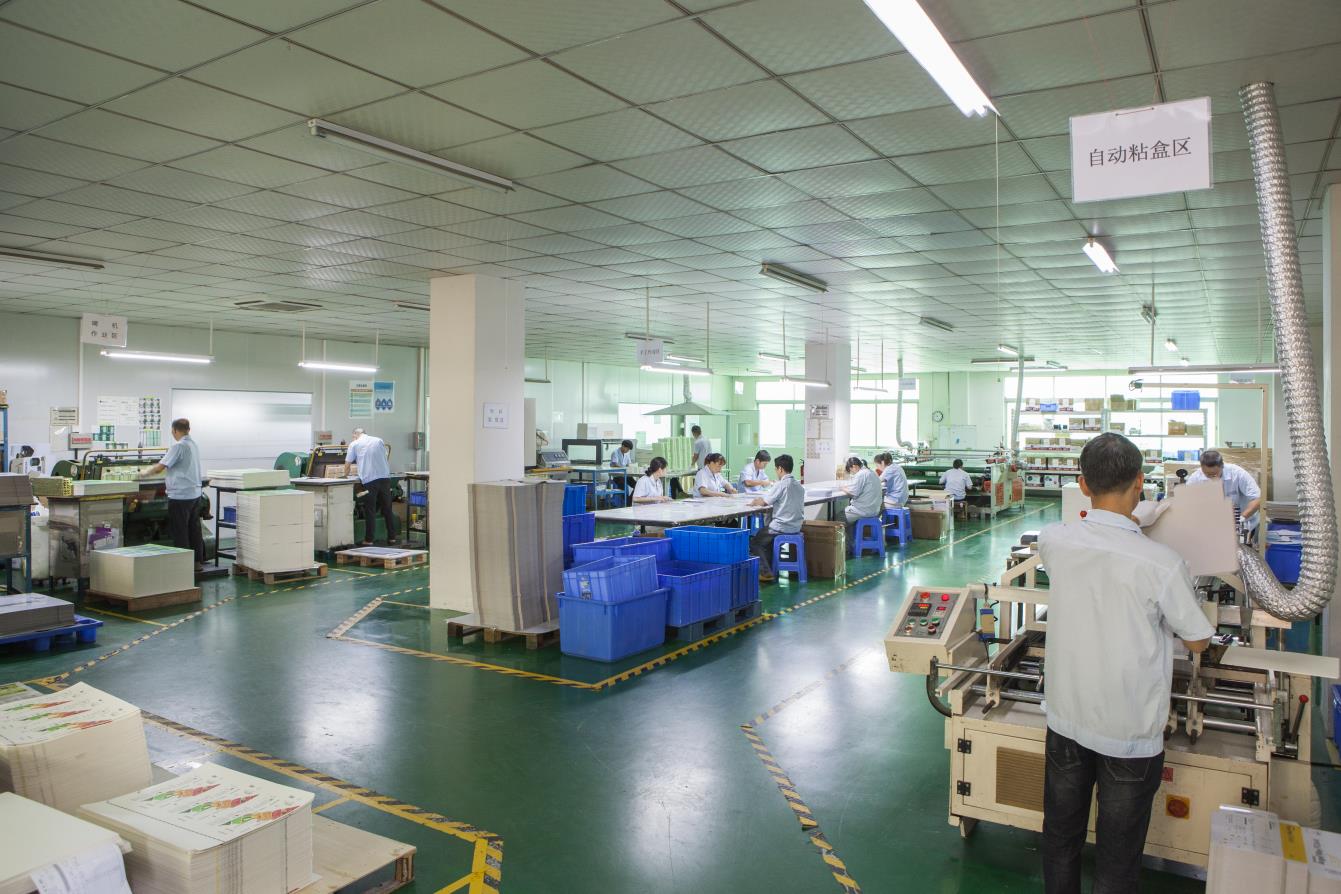
From one-off prototype validation to multi-thousand mass production batches, we operate a vertically integrated, Intertek-verified production facility in Dongguan, China, delivering true factory-direct precision to European buyers.
10,000㎡ Fully Equipped Facility
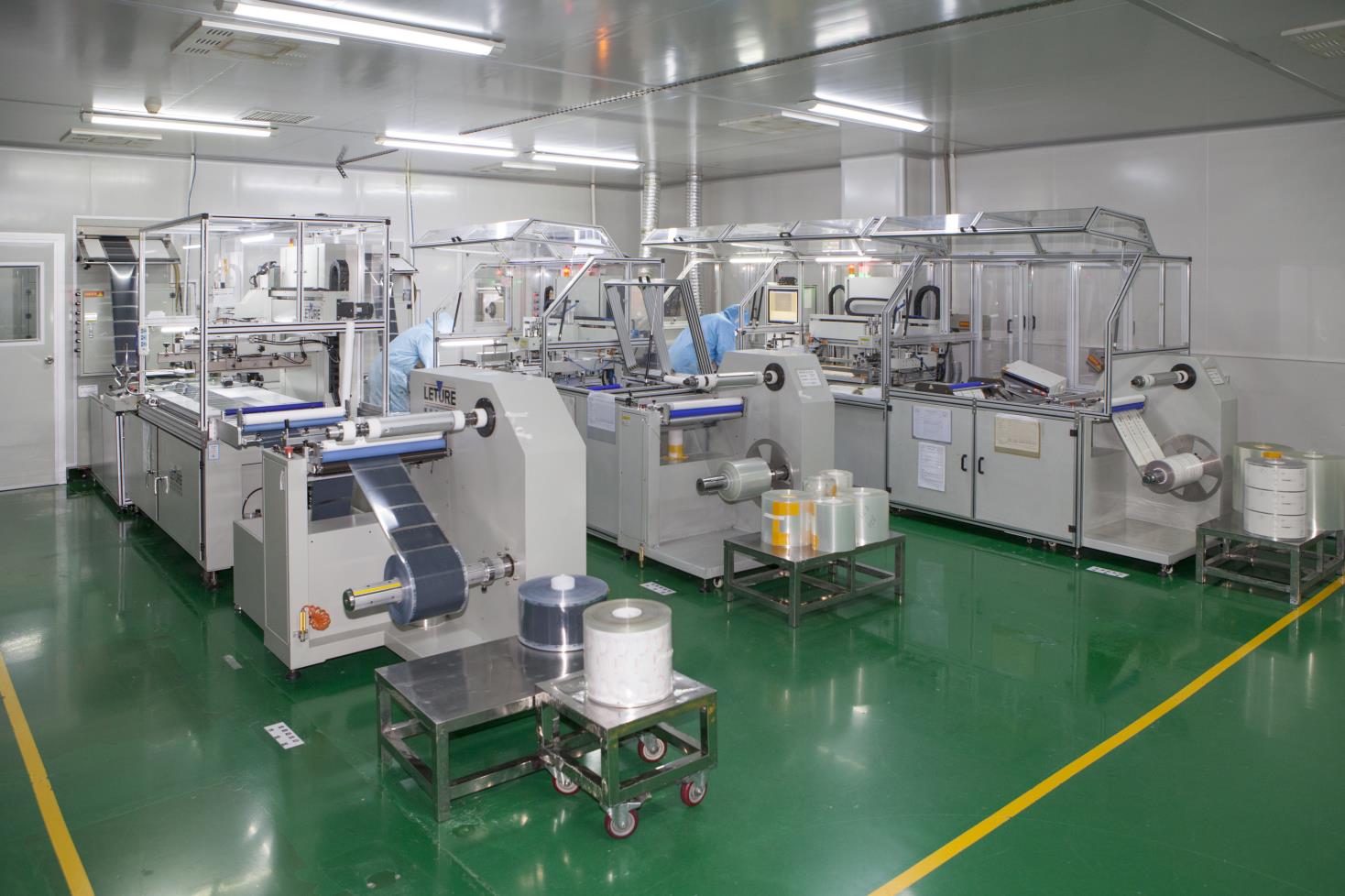
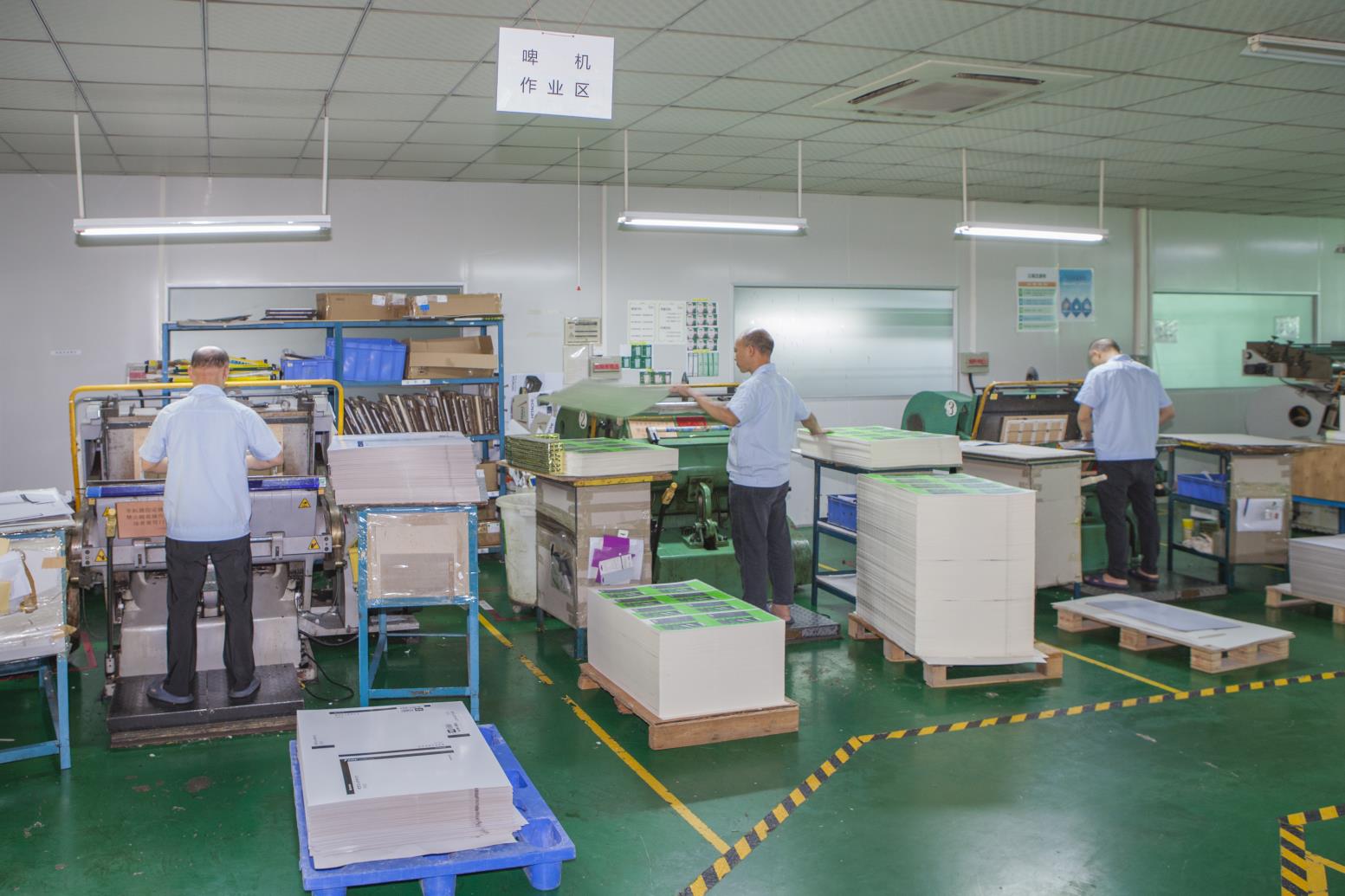
Every core stage of your membrane switch production—including high-precision cleanroom screen printing, automatic circuit curing, automated adhesive lamination, and computerized CNC flatbed die-cutting—is performed in-house. No subcontracting means strict process traceability, consistent colorimetry, and reliable lead-times.
121 Highly Trained Specialists & DFM Support
Our engineering division partners directly with your development team. We review DXF, DWG, Step, and Gerber files, recommending optimal circuit layouts, pin-out pitch spacing (1.0mm, 1.27mm, 2.54mm FCI/Nicomatic), trace geometry, and ESD grounding schemes to eliminate tooling bottlenecks before stamping.
100% Comprehensive Electrical Testing
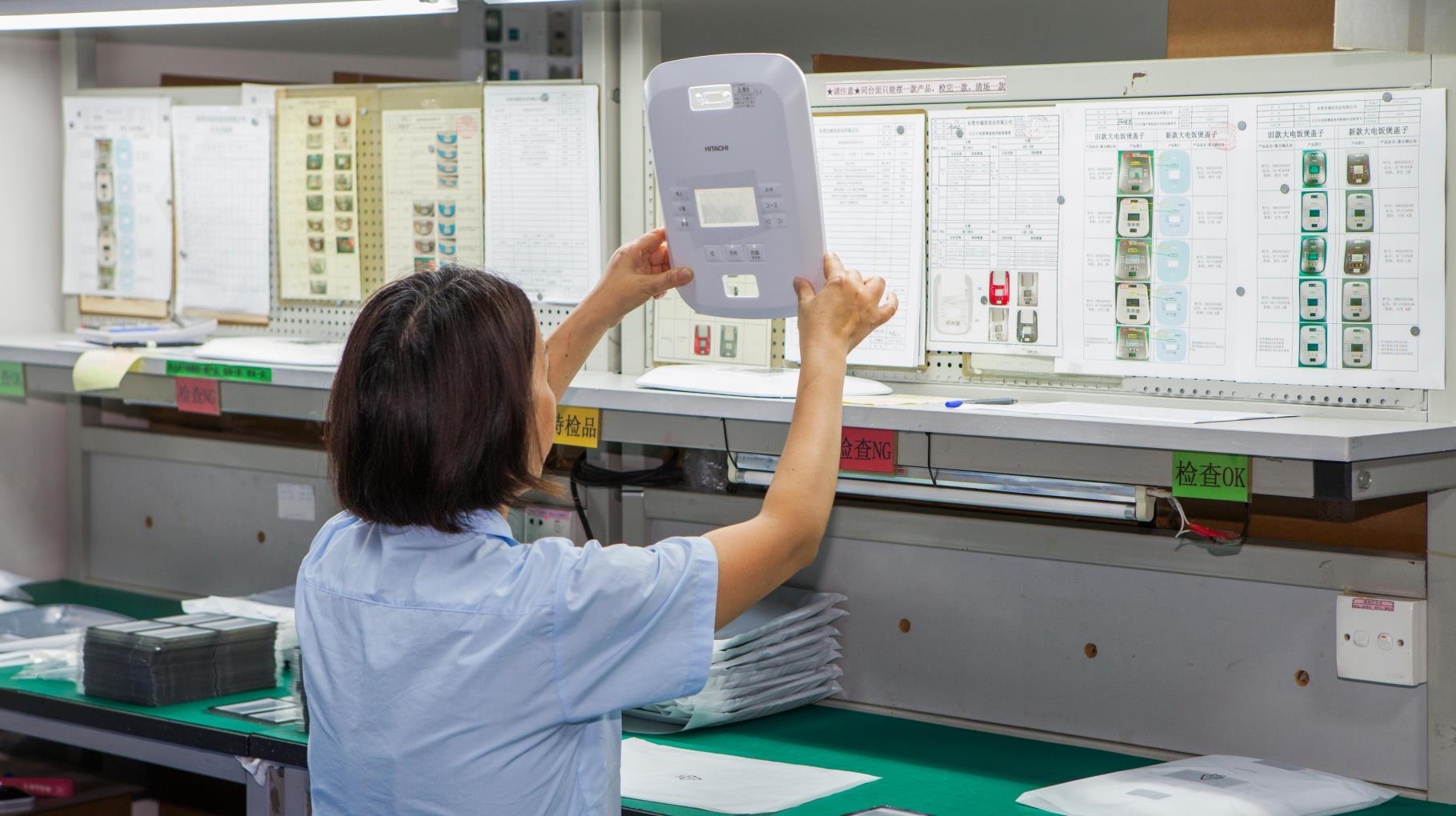
Before shipment, 100% of finished switches undergo automated continuity testing, short-circuit validation, contact resistance verification, and LED polarity checks. We back mass production runs with first article inspection (FAI) and PPAP documentation whenever required by automotive or medical Tier-1 clients.
Inside Our Production Workshop & Reliability Laboratory
Frequently Asked Questions by Slovenian Procurement & R&D Teams
Practical answers covering international freight logistics into Slovenia, tooling costs, design specifications, and European regulatory compliance.
Q1: How does AXRU handle logistics, customs, and air delivery into Slovenia?
We routinely ship to industrial hubs across Slovenia—including Ljubljana (Brnik Airport LJLJ), Maribor, Kranj, Koper, and Novo Mesto. Rapid prototype batches and medium-volume production are dispatched via express door-to-door carriers (DHL Express, FedEx, UPS) with typical transit times of 3 to 5 business days. For bulk production orders, air cargo via Frankfurt or Vienna, or maritime freight via the Port of Koper is available, accompanied by full Commercial Invoices, Packing Lists, CE Certificates of Conformity, and HS Code classifications (typically 8537.10 or 8536.50) for fast Slovenian customs processing.
Q2: What is the typical Minimum Order Quantity (MOQ) and prototype policy?
We support agile European hardware engineering cycles. Our minimum production run starts at just 100 pieces for custom membrane switches. For development teams in prototype stages, we offer dedicated rapid sample batches (typically 5 to 10 fully functioning samples) so you can validate mechanical fit, connector mating, actuation feel, and color accuracy prior to releasing hard-tooling capital.
Q3: Can you match exact corporate brand colors and RAL/Pantone standards?
Yes. Our cleanroom color-matching laboratory utilizes computerized spectrophotometers to match specified Pantone Matching System (PMS) formulas or RAL Classic / Design palettes. We print on the sub-surface of transparent PET or PC substrates, ensuring the exterior surface retains your chosen anti-glare, fine velvet, or selective gloss texture without exposing pigments to abrasion.
Q4: How do non-tactile switches perform in cold Alpine outdoor environments?
Non-tactile switches excel in freezing conditions down to -40°C because there is no metal dome subject to brittle micro-cracking or liquid condensation freezing under the dome cavity. By utilizing high-tack acrylic adhesives (such as 3M 200MP/300LSE series) and closed-cell spacer laminates, our panels maintain aggressive substrate adhesion and continuous flexible electrical conductivity even during drastic sub-zero thermal cycling.
Q5: What file formats are required to provide a preliminary DFM review and quotation?
To provide a formal quotation within 24 hours, our engineering department typically requires: 1) Vector artwork or mechanical enclosure prints (DXF, DWG, AI, or PDF); 2) Circuit schematic or pin-out matrix diagram; 3) Preferred connector termination (e.g., female Berg/DuPont 2.54mm, ZIF 1.0mm/1.27mm pitch); and 4) Specific environmental criteria (IP rating target, chemical exposures, or operating temperature range). If no formal drawing exists, our engineers can work directly from your physical sample or STEP 3D CAD assembly.
Q6: Do your membrane switches comply with European RoHS, REACH, and CE regulations?
Absolutely. Every raw material incorporated into our membrane switches—from the base polyesters (MacDermid Autotype, Toray) to conductive pastes (Henkel, Acheson), bonding adhesives (3M), and lead-free solder pastes—strictly satisfies EU RoHS 3 Directive (EU 2015/863) and REACH Regulation (EC 1907/2006) SVHC thresholds. Full laboratory material test reports are available upon request.