Specialized Interface Solutions for Glasgow OEMs
Precision-screened, optically matched, and environmentally sealed thin-film sensor switches and rugged tactile elastomer controllers designed to meet rigorous Scottish and UK manufacturing standards.
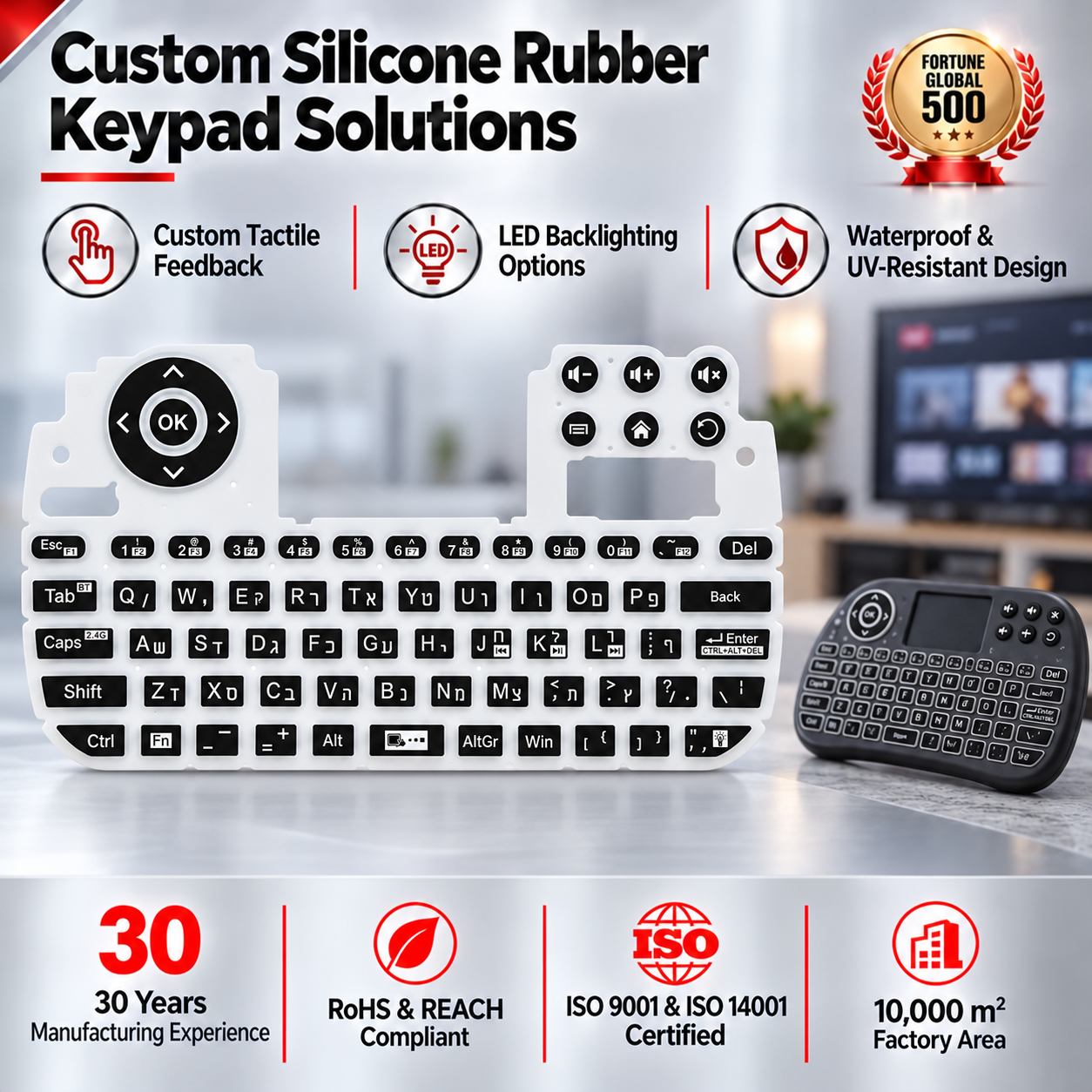
Mini Wireless QWERTY Silicone Rubber Keypad Customizable Soft Touch Elastomer Premium Feel Hotkey Button Matrix OEM
Technical Specifications →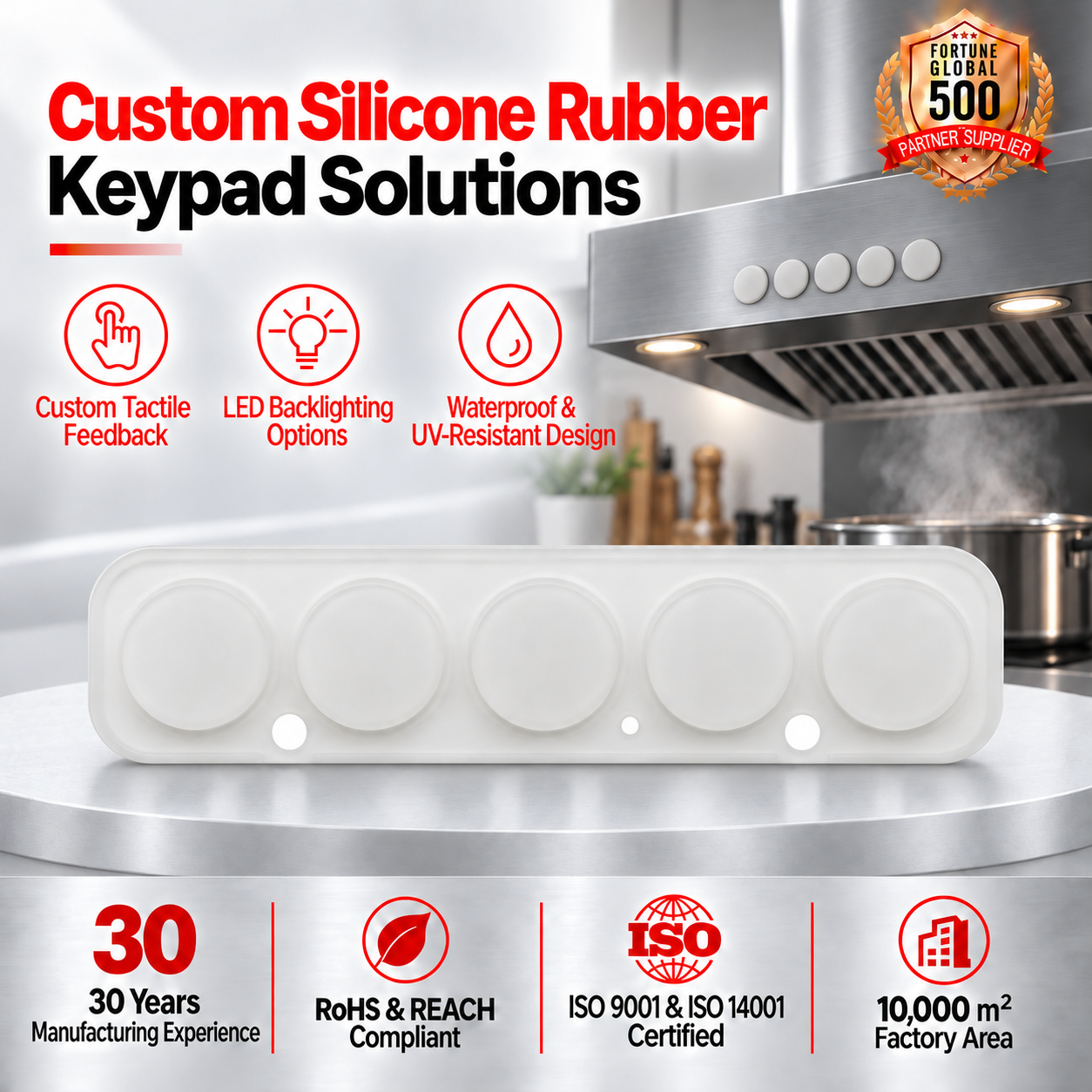
Home Appliance 5 Circular Soft Silicone Rubber Keypad Front Panel Button Unit Momentary Customized Manufacturer
Technical Specifications →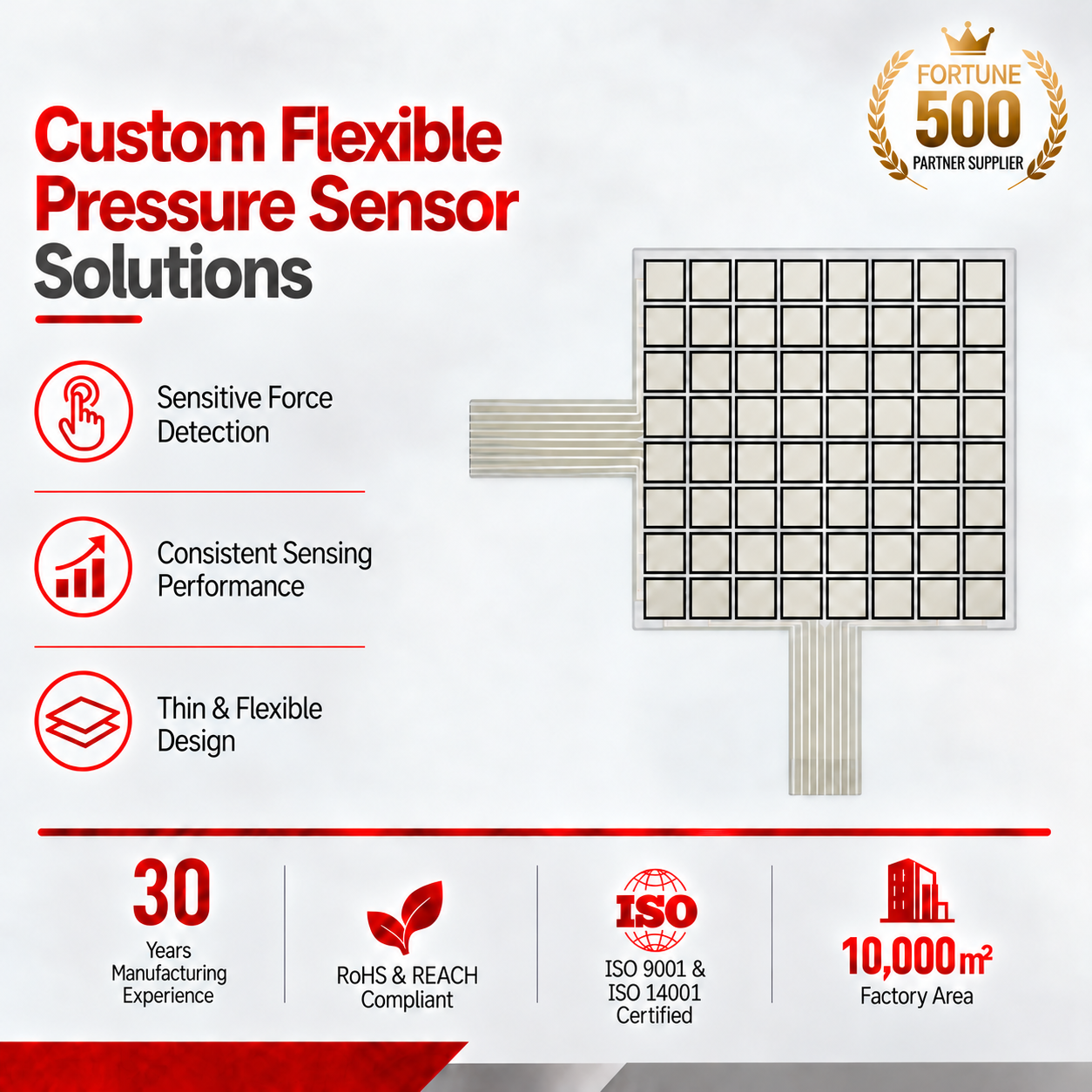
Customized Flexible Thin Film Tactile Intelligent Sensing Tactile Mirror Pressure Sensors High Sensitivity Bend Pressure Sensors
Technical Specifications →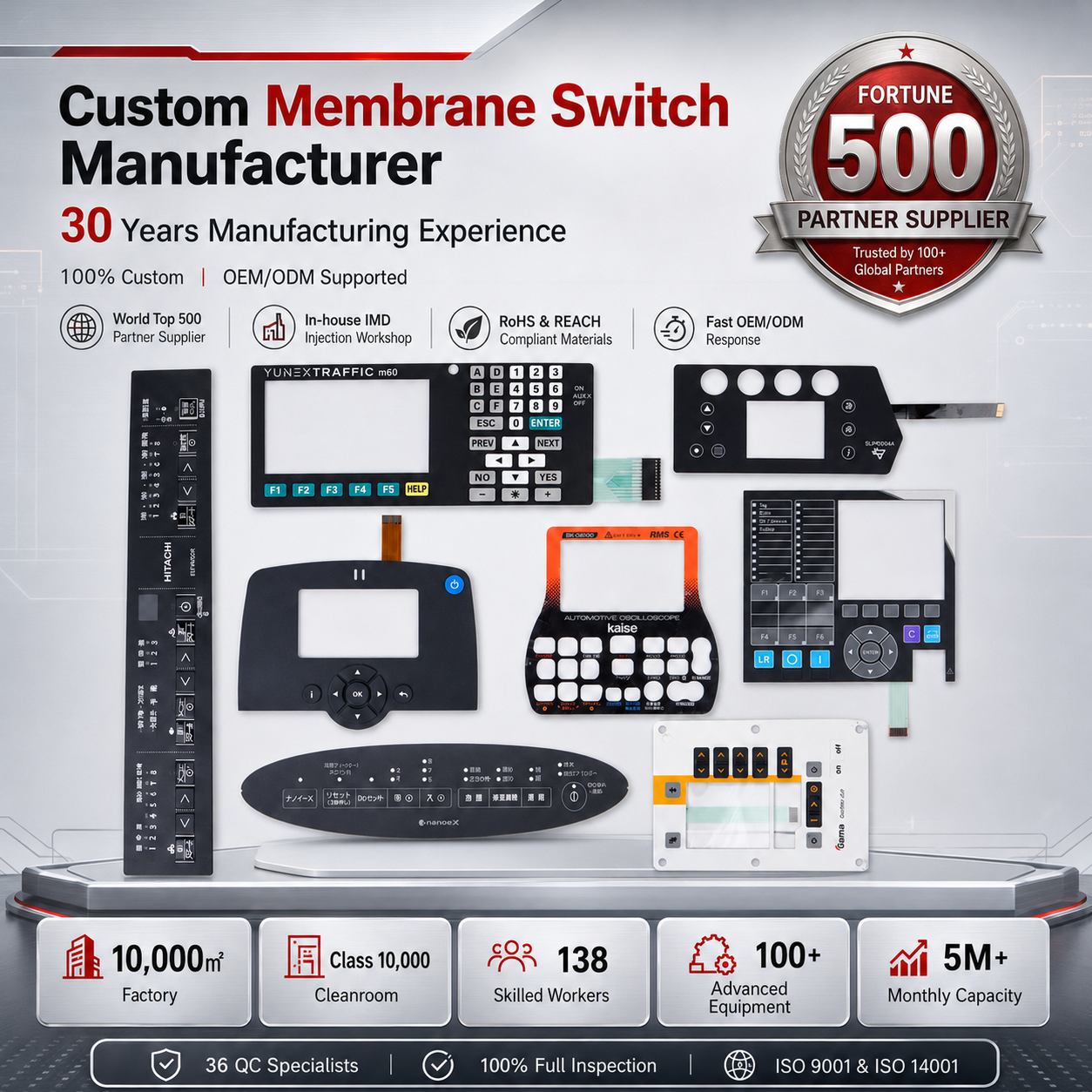
Custom Industrial Medical Appliance Membrane Switch Manufacture Graphic Overlay Waterproof FPC Circuit Power Button
Technical Specifications →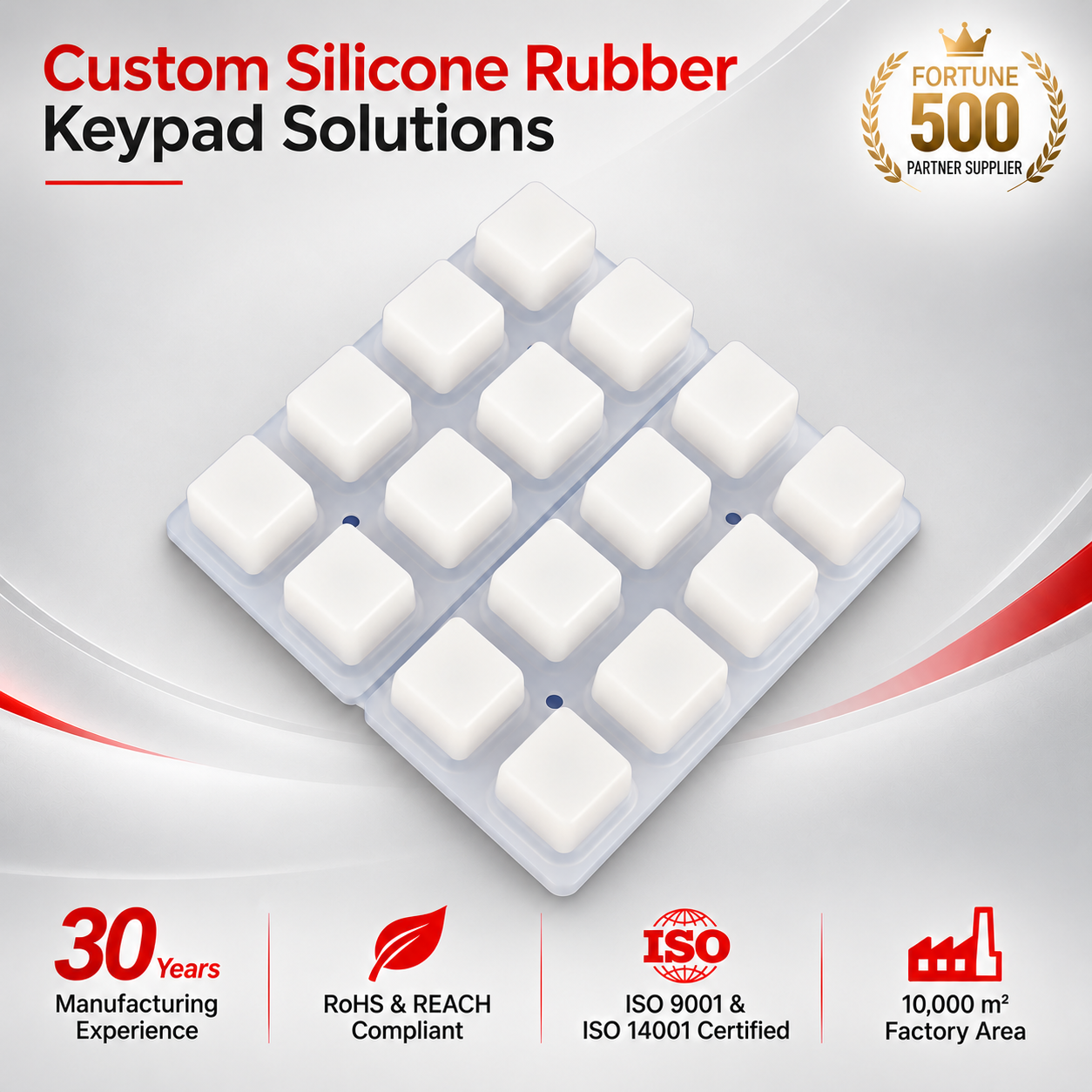
Wholesale Oval Dome OEM/ODM Custom Backlit White Silicone Rubber Keypad 4x4 Control Panel for Communication Equipment
Technical Specifications →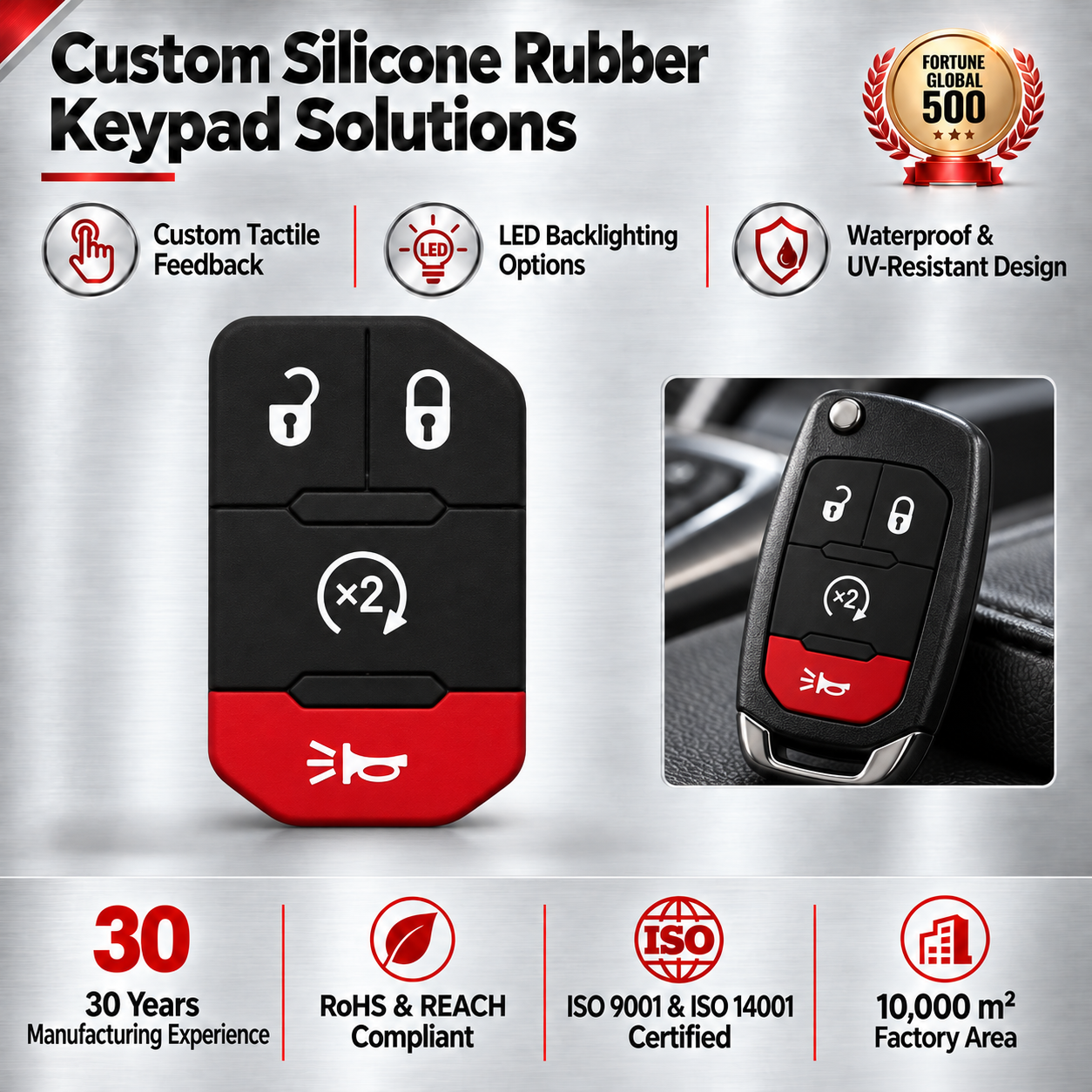
Waterproof Silicone car key Cover Press Button Rubber Keypad 4 Buttons with Printing Vehicle Wholesale Exporter
Technical Specifications →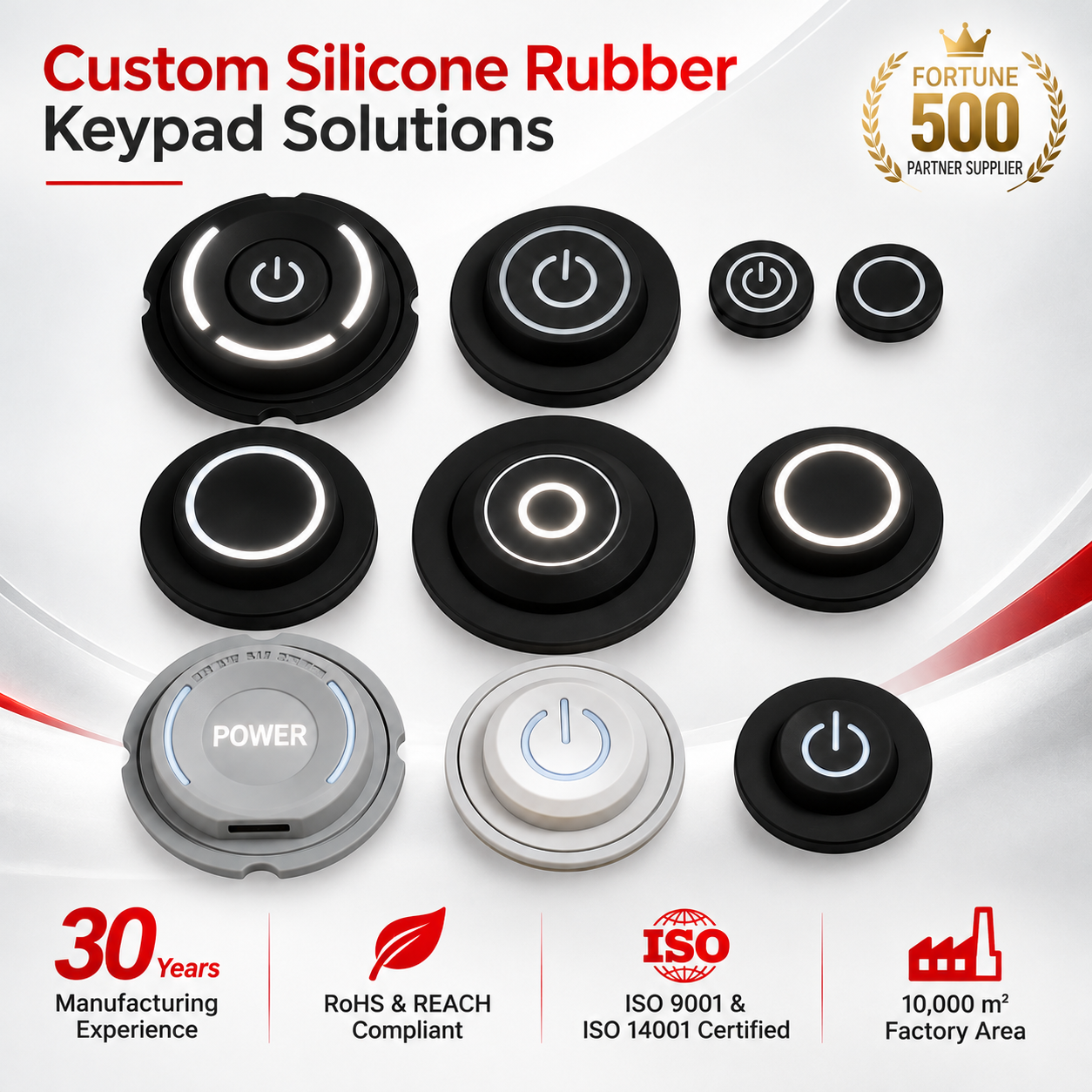
Single Tactile Cap Power Custom Silicone Rubber Button Keypad Multicolor Backlit Controller Replacement Membrane Switch
Technical Specifications →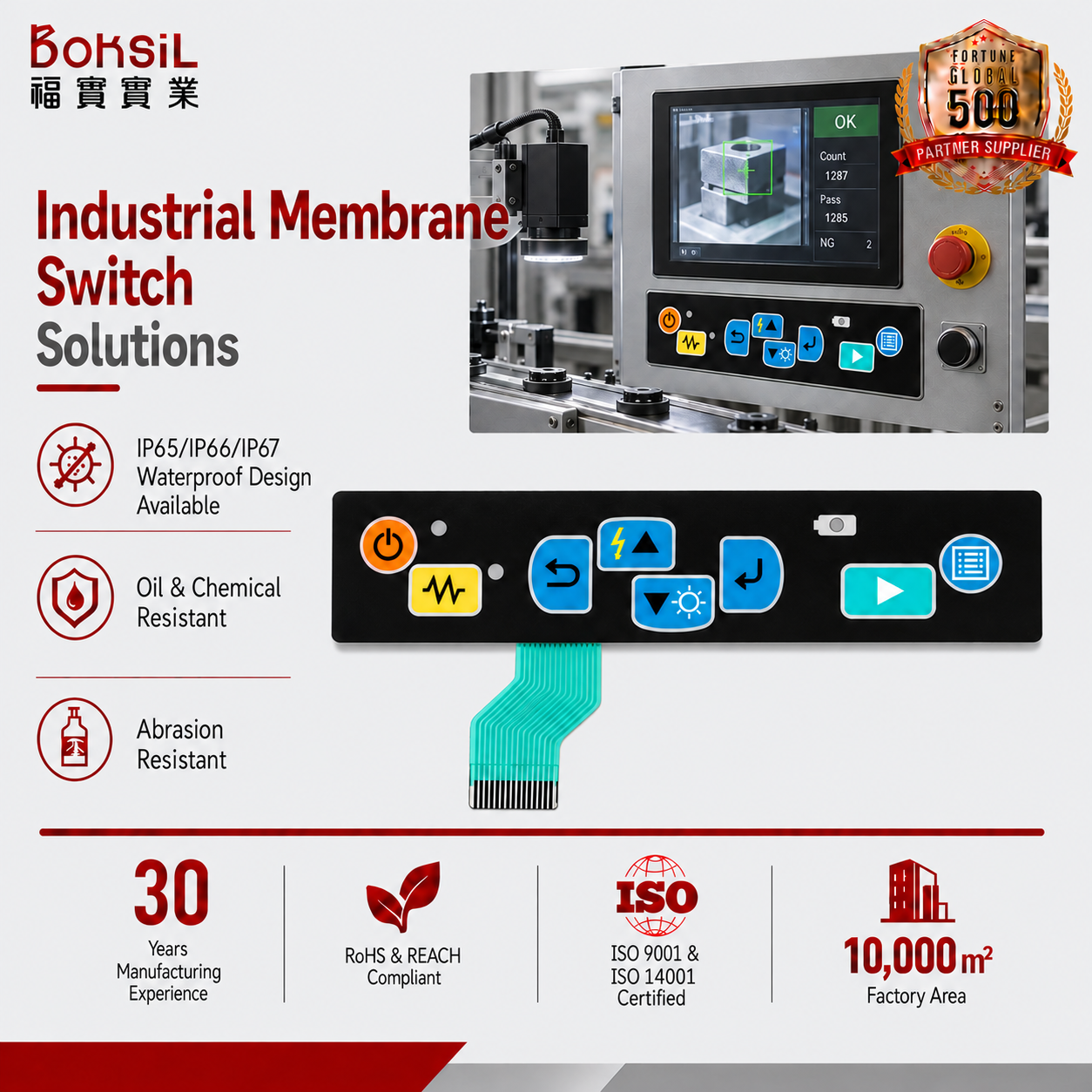
Custom Capacitive Touch Screen Panel Screen Printing Graphic Overlay Membrane Switch for Home Appliance
Technical Specifications →Engineering Resilient HMI Assemblies for Glasgow's Industrial Sectors
The Greater Glasgow manufacturing basin—spanning historic Clyde-side marine installations, dynamic medical life sciences hubs across North Lanarkshire, and high-tech subsea and offshore wind service clusters—operates under demanding environmental, operational, and regulatory conditions. Operating equipment in the West of Scotland demands uncompromising resistance to high ambient humidity, airborne saline mist, hydraulic greases, and aggressive chemical sterilisers. As a dedicated OEM/ODM manufacturer, we export custom polycarbonate and polyester (Autotex PET) membrane switches, capacitive touch units, and integrated silicone tactile keypads explicitly engineered to address these operational constraints.
Standard commercial control interfaces quickly succumb to silver migration, adhesive delamination, and graphic clouding when subjected to the Atlantic-influenced climate of Glasgow and its surrounding industrial estates. Our engineering strategy relies on selective raw material selection: sub-surface screen-printed Autotype polyester overlays that resist micro-cracking across millions of actuations, hydrophobic breathable vent membranes that equalize internal pneumatic pressure without allowing moisture ingression, and chemically inert 3M 467MP/468MP acrylic adhesive transfer tapes that create continuous moisture barriers rated up to IP67 and NEMA 4X.
Subsea, Maritime, and Clean Energy Localization Demands
From marine engine monitoring units deployed down the River Clyde to telemetry terminals positioned at high-altitude wind generation facilities in the Campsie Fells, mechanical human-machine interfaces must ensure uninterrupted switching fidelity. We deploy precision-engineered stainless steel metal domes (nickel-plated or gold-plated) housed within isolated spacer cavities. This provides positive snap-action tactile feedback easily registered through thick protective offshore gloves, ensuring crisp operator response while mitigating false trigger inputs.
For applications where electromagnetic compliance (EMC) is non-negotiable—such as telemetry apparatus operating near marine radar transmitters or subsea variable-frequency drives—our layer stack-ups incorporate complete aluminum foil, copper mesh, or conductive silver-carbon printed shielding grids. These specialized grounding layers ensure reliable suppression of Electrostatic Discharge (ESD) up to 15kV, shielding sensitive onboard microcontrollers from transients and signal degradation.
Maritime Marine Protection
Continuous perimeter sealing beads combined with specialized 3M structural silicone gaskets completely shield conductive traces from marine atmospheric salt and continuous condensate formation.
Clean-Wipe Medical Sterilisation
Integrated anti-microbial textured films allow Glasgow healthcare device builders to perform routine IPA, glutaraldehyde, and hospital-grade sanitization cycles without graphic degradation.
Sub-Surface Screen Inks
Back-printed graphic layers guarantee that operational notations, safety legends, and corporate branding remain 100% immune to external mechanical friction, scratches, and petroleum fuels.
Engineering Selection Matrix for Glasgow OEM Procurement Teams
Selecting the optimal front panel technology balances tactile ergonomics, total cycle life, chemical exposure limits, and unit tooling budgets. Our Dongguan production facility directly manufactures all core architectures under one roof, providing an unbiased engineering framework to match the specific operating parameters of your equipment:
| Interface Technology | Actuation Life | Environmental Rating | Tactile Response | Primary Industrial Use-Case |
|---|---|---|---|---|
| Metal Dome Tactile Membrane | 1,000,000 to 5,000,000 Cycles | IP65 to IP67 Sealed | Crisp Snap (250g - 450g) | Medical diagnostic devices, marine automation panels, test equipment. |
| Capacitive Touch Front Sensor | Virtually Infinite (Solid State) | IP68 Completely Hermetic | Acoustic/Haptic Feedback Required | Food processing lines, laboratory centrifuges, sterile cleanrooms. |
| Integrated Silicone Elastomer Keypad | 500,000 to 2,000,000 Cycles | IP66 with Integrated Bezel Bead | Soft Dampened Travel (1.0 - 2.5mm) | Rugged handheld data loggers, industrial radio control transmitters. |
| Rigid Acrylic / Toughened Glass Panel | Solid State Mechanical Substrate | IP67 Surface Bonded | Zero Deflection (Capacitive) | Interactive commercial kiosks, public vending, aesthetic HVAC controls. |
| Flexible Thin-Film Pressure Sensor | 10,000,000+ Dynamic Deflections | IP64 Flexible Array | Proportional Resistance Output | Intelligent force mapping, automotive safety, dynamic clamping monitoring. |
Macro Trends Across Central Scotland's Electronic Design Community
The manufacturing ecosystem in Glasgow, Renfrewshire, and South Lanarkshire is undergoing an accelerated transition from mechanical electromechanical switchboards toward intelligent, edge-connected HMI units. Through regular collaboration with engineering teams across Scotland, our technical advisory group has identified three major localized trends driving human-machine interface specifications:
1. The Shift to Copper FPC Circuits to Prevent Silver Migration
While screen-printed silver flake ink on flexible polyester remains the most cost-effective solution for benign indoor environments, Glasgow engineering teams designing for extreme subsea enclosures, humid wastewater treatment facilities, and outdoor renewable hubs are increasingly standardizing on Flexible Printed Circuit (FPC) polyimide copper substrates. Copper circuits eliminate dendrite silver growth and electromigration under sustained DC voltage bias in high-humidity atmospheres. FPC architectures also support micro-pitch ZIF termination and facilitate surface-mount pick-and-place soldering of ultra-miniature LEDs, phototransistors, and onboard passive components directly onto the keypad tail.
2. Light Guide Film (LGF) Uniform Surface Illumination
Legacy designs relying on scattered point-source discrete LEDs frequently suffer from hot spots and uneven legend illumination. Scottish design consultancies are specifying micro-etched Light Guide Film (LGF) layers situated immediately beneath the graphic overlay. Side-firing miniature surface-mount LEDs inject high-flux light into optical-grade polycarbonate film, distributing uniform, glare-free luminescence across complex QWERTY keys, border rings, and dead-front alert icons while maintaining an ultra-thin overall profile of less than 1.2 millimeters.
3. Rapid Iterative Prototyping for Accelerated UKCA/CE Audits
With hardware startup incubators thriving near Strathclyde University and the Glasgow Advanced Manufacturing Innovation District (AMID), speed-to-market is a critical operational metric. OEM development squads cannot afford 8-week tooling delays for minor graphic or dimensional changes. Our internal rapid sample line produces laser-cut, digital-printed, pilot-run functional assemblies within 5 to 7 working days, enabling rapid verification of physical housing fit, switch actuations, and electromagnetic compliance prior to full production tooling release.
Factory-Direct Capabilities & Intertek-Verified Engineering
Headquartered in Dongguan with dedicated logistics channels serving the United Kingdom, our manufacturing plant operates across 10,000 square meters of precision fabrication facilities. Unlike trading intermediaries or print brokers, every critical manufacturing phase is managed by our 121-person workforce under a single roof, ensuring complete process traceability and rigorous accountability.
10,000㎡ Modern Infrastructure
Equipped with class-10,000 cleanrooms, semi-automatic screen-printing machines, high-precision flatbed die-cutting tables, and automated surface-mount assembly equipment.
100% Electrical Inspection
Every single unit undergoes automated testing for circuit continuity, loop contact resistance, short circuit insulation threshold, and forward LED voltage drops before release.
In-House Reliability Lab
On-site key lifecycle actuators, dynamic force-displacement analyzers, accelerated UV aging testers, and programmable temperature-humidity chambers ensure compliance.
Procurement FAQ for Glasgow & UK Hardware Engineers
Direct answers to technical, commercial, and import questions frequently asked by Scottish hardware buyers, quality managers, and R&D teams:
What are the lead times and shipping routes for custom assemblies delivered into Glasgow?
Which CAD and graphic design files should our engineering department prepare?
Can your factory supply fully compliant raw materials under UK REACH and RoHS regulations?
How does your engineering team ensure waterproof integrity up to IP67?
What is the minimum order quantity (MOQ) for custom pilot runs?
Ready to Engineer Your Custom Membrane Interface?
Upload your design specifications, 2D drawings, or circuit netlists. Our engineering team will deliver a comprehensive Design for Manufacturability (DFM) assessment and commercial quote within 24 hours.
Get a Quote