Engineered Membrane Switch & Keypad Architectures
Precision human-machine interface assemblies engineered to withstand chemical washdowns, rigorous thermal cycling, and high-frequency actuation across industrial Bratislava and Trnava production lines.
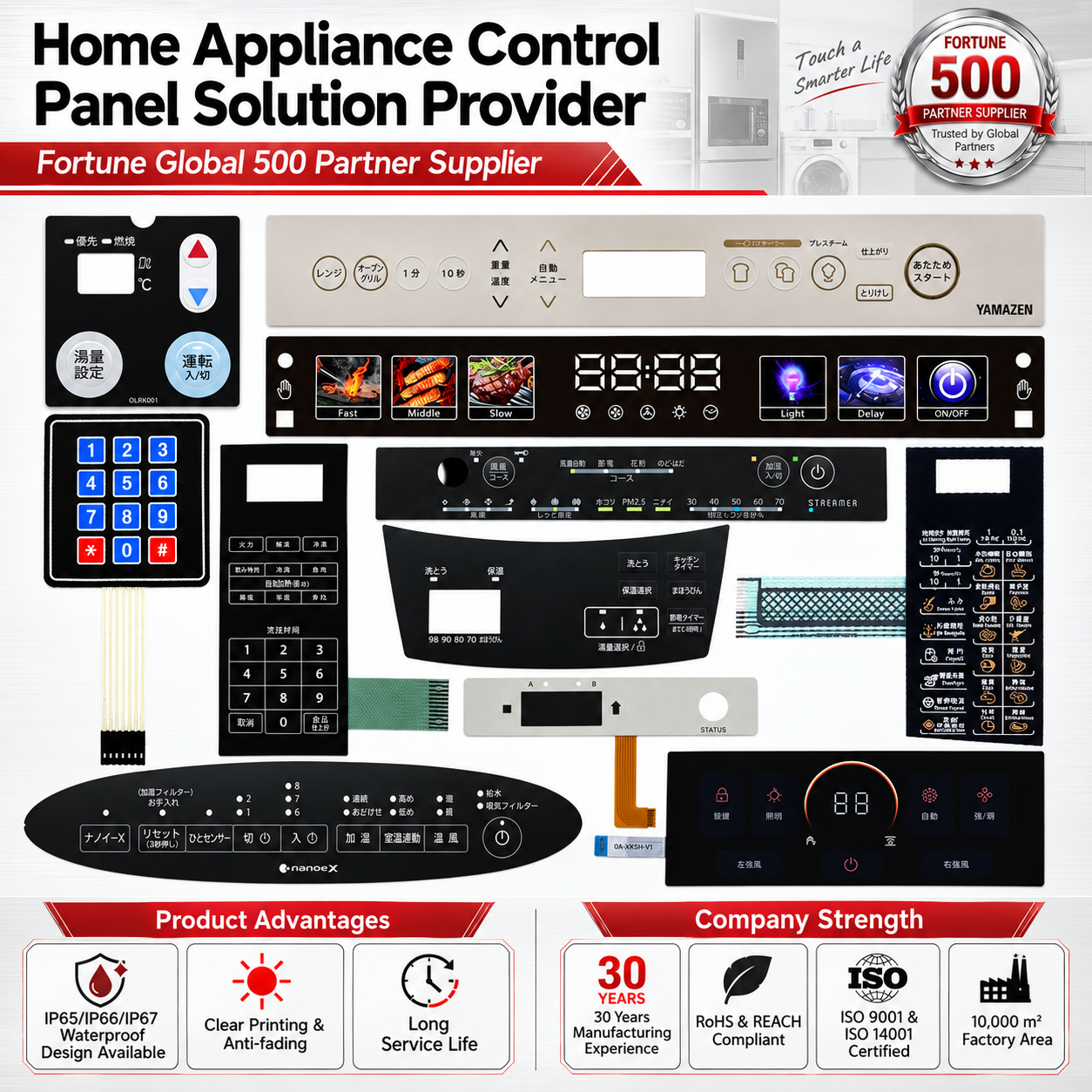
- Substrate: Autotex Hard-Coat PET
- Ingress: IP65 Perimeter Seal
- Actuation: Tactile Snap Action
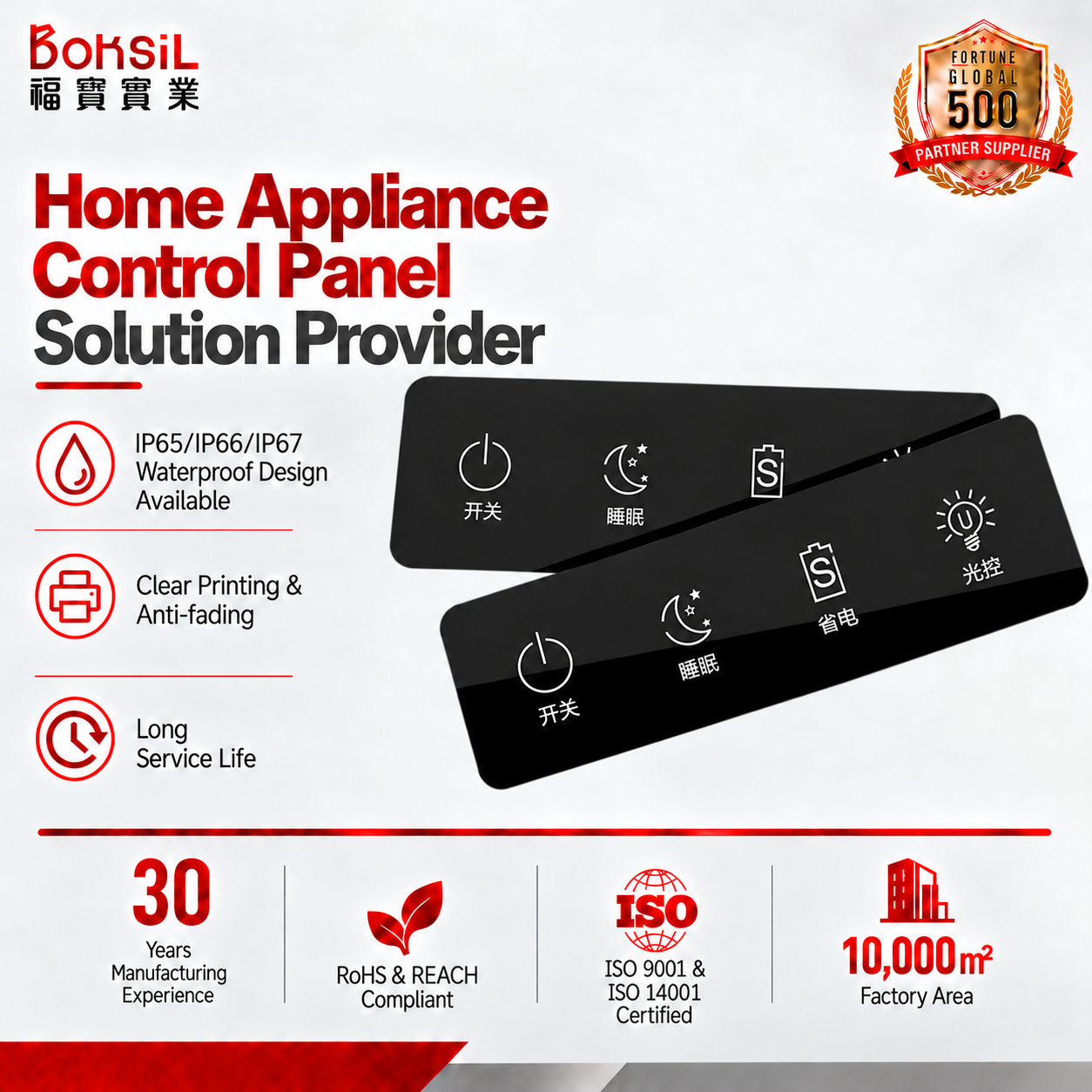
- Material: Optical Grade Acrylic (PMMA)
- Printing: Sub-Surface Screen Inks
- Window: Anti-Glare Smoked / Clear
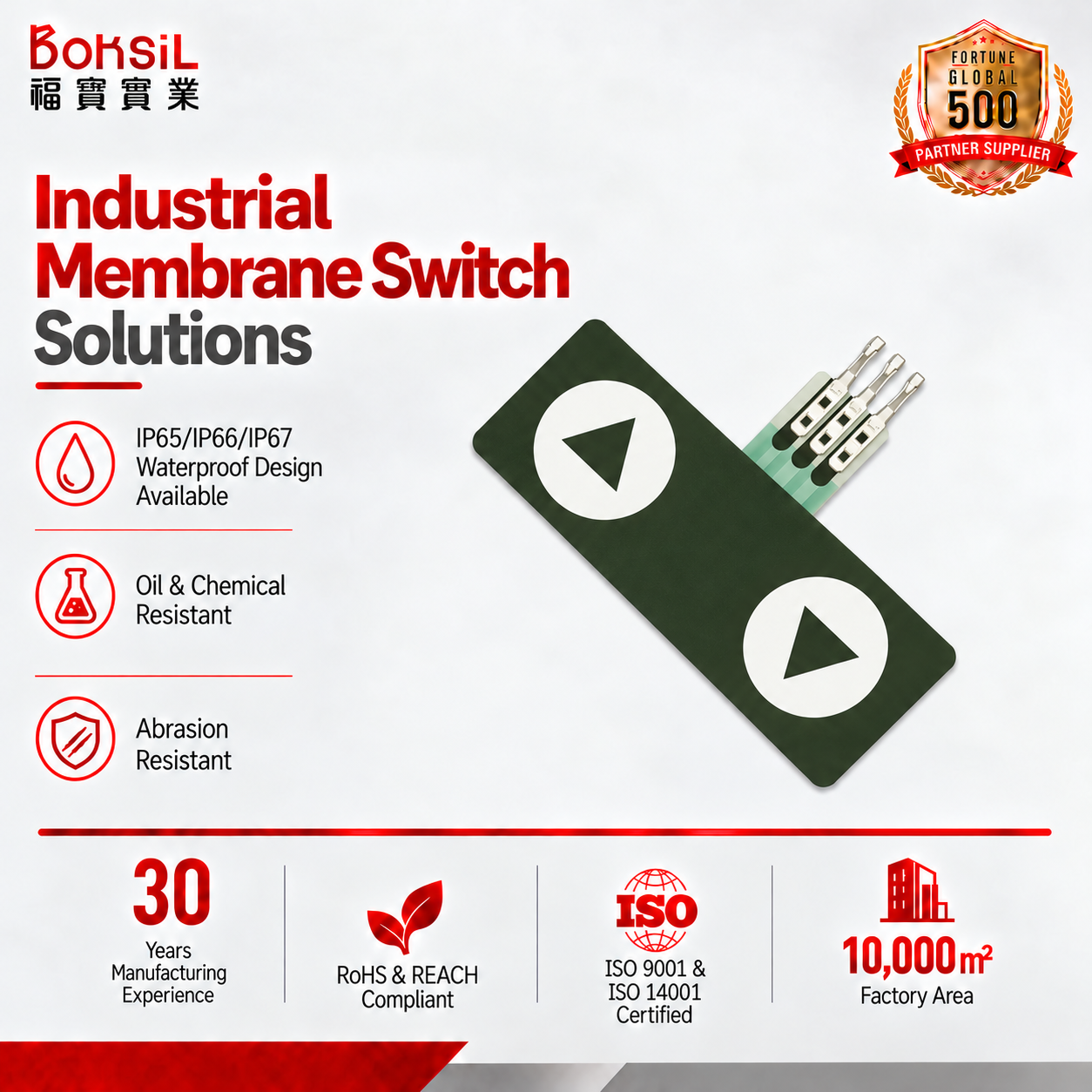
- Trace Type: Etched Copper Polyimide (FPC)
- Dome Size: 12.2mm Stainless Steel
- Durability: > 3,000,000 Operations
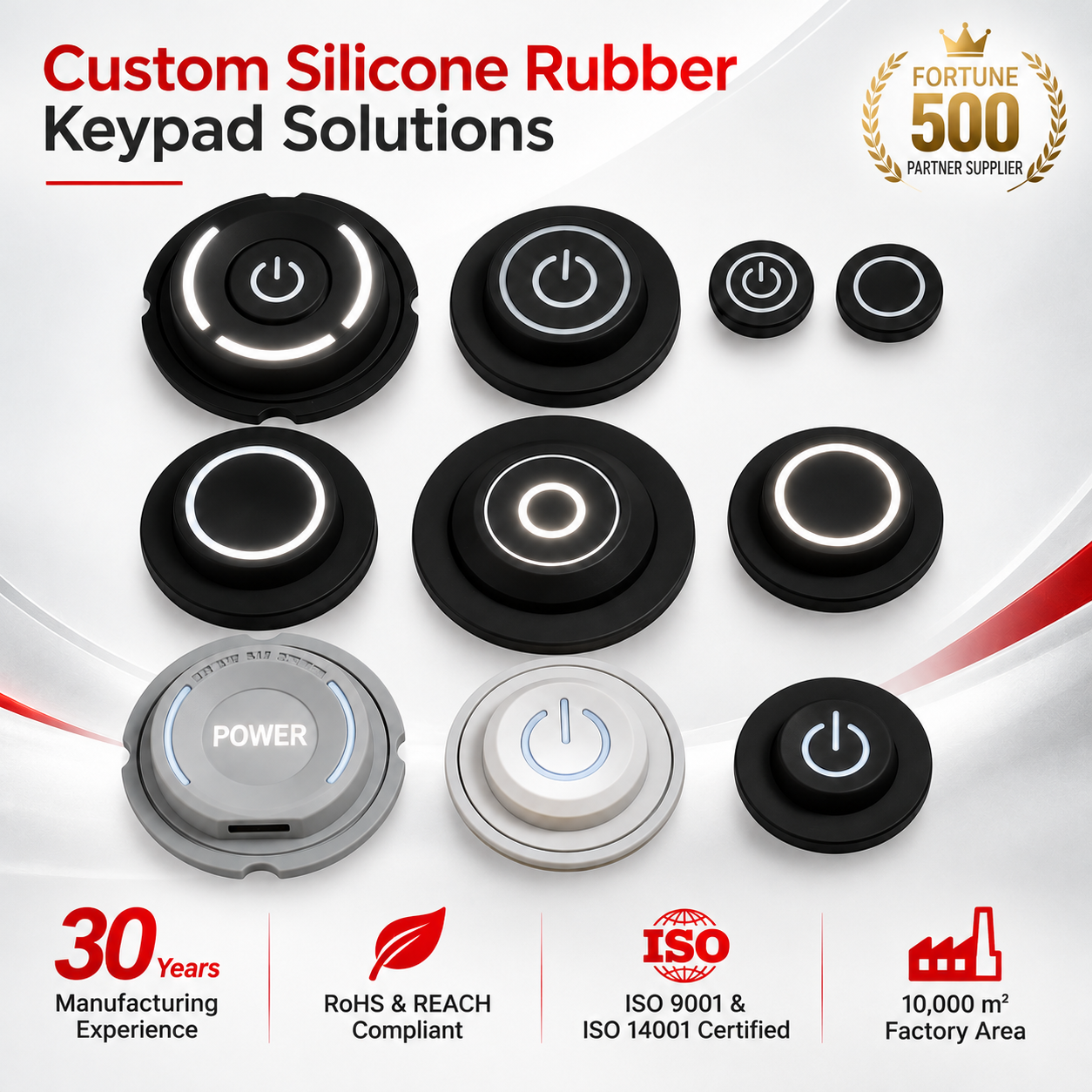
- Elastomer: Translucent Medical Silicone
- Legends: Laser-Etched Masking
- Feedback: Integrated Carbon Pill / Dome
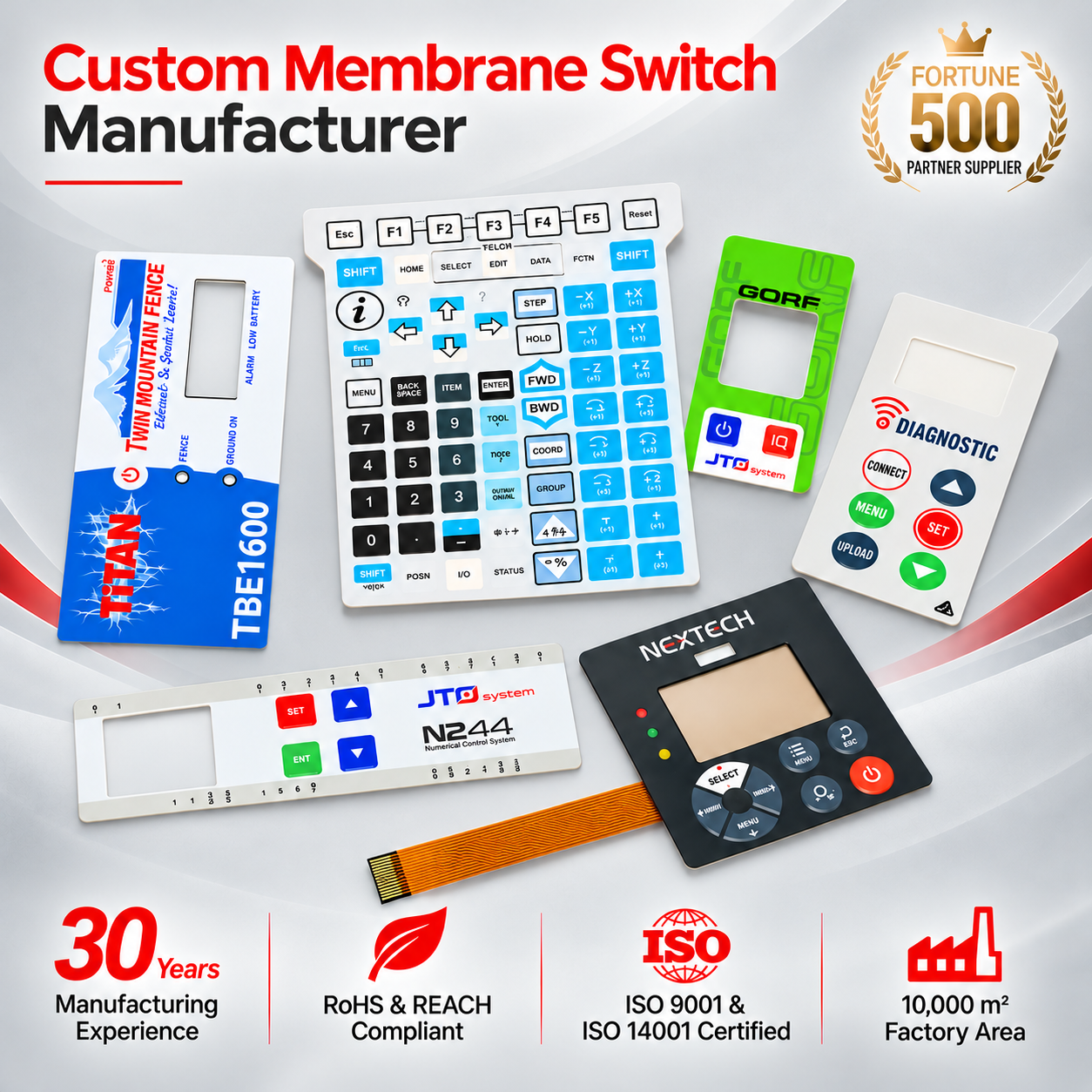
- Embossing: Rim / Pillow Poly-Dome
- Adhesive: 3M 467MP / 3M 468MP
- Connector: 2.54mm FCI / Nicomatic Female
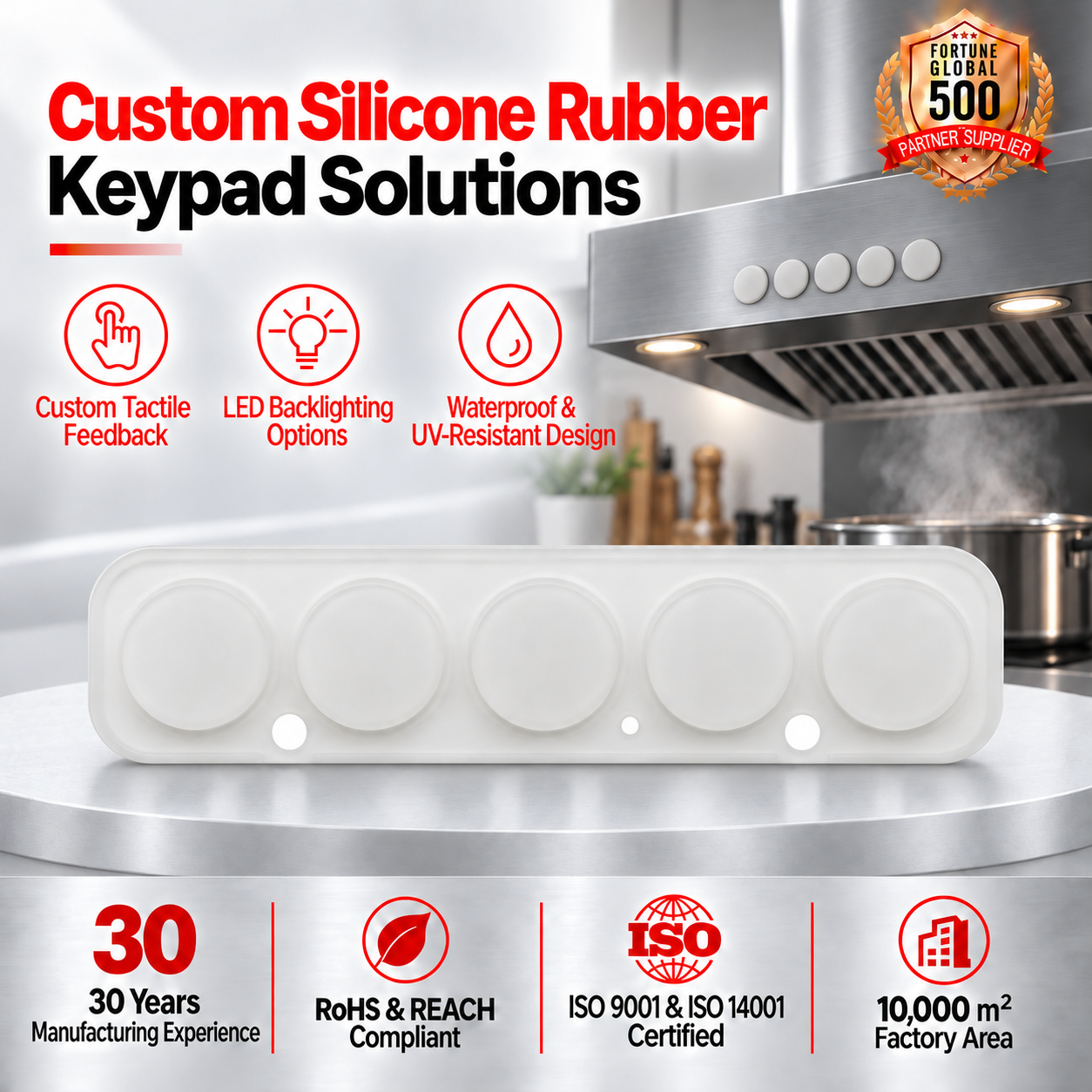
- Durometer: 50°~60° Shore A Soft Feel
- Coating: Silicone Spray UV Top-Coat
- Mounting: Front Bezel Snap-In
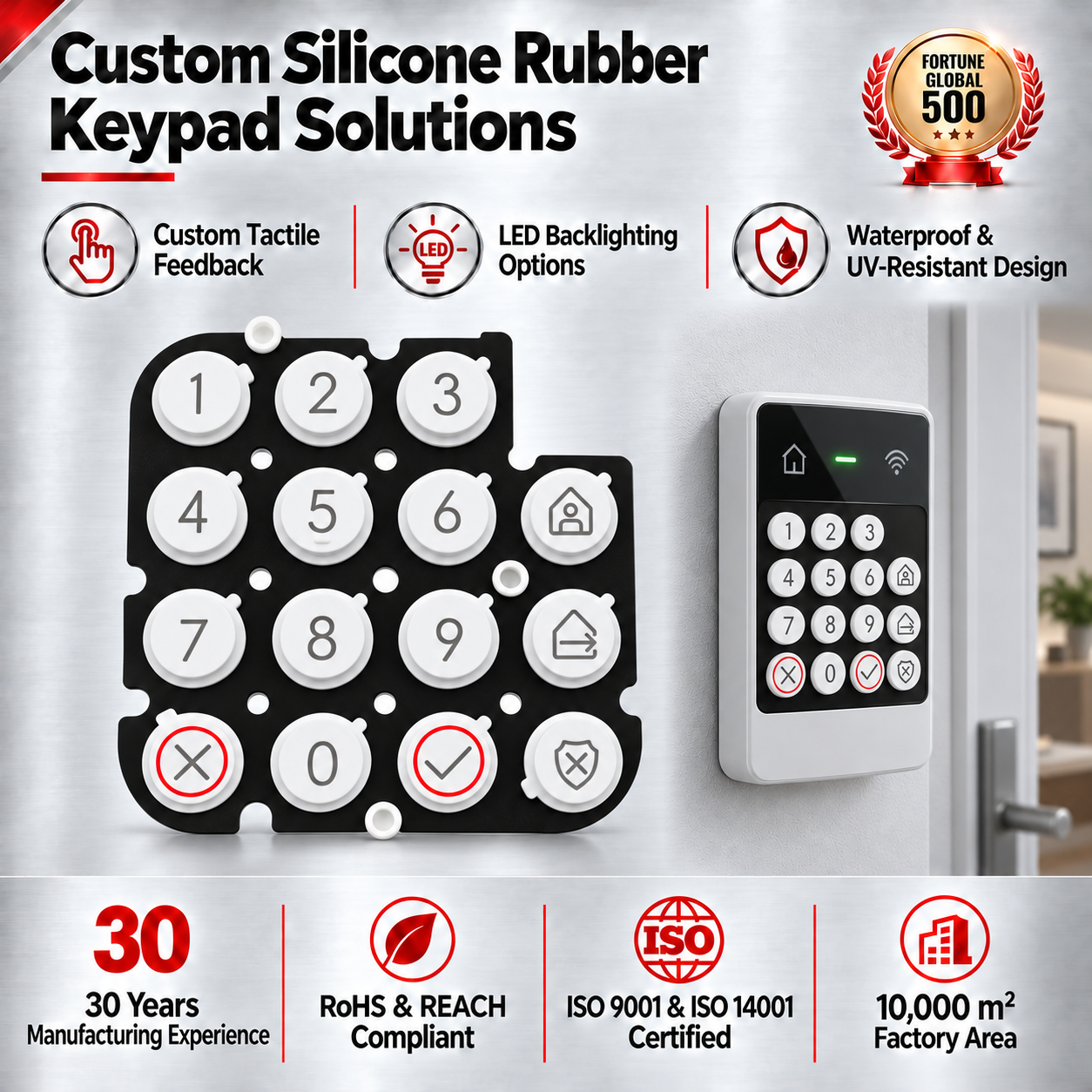
- Resistance: < 100 Ohms Contact Pill
- Layout: Matrix 3x4 / 4x4 Standard
- Life Rating: 1,000,000 Key Cycles
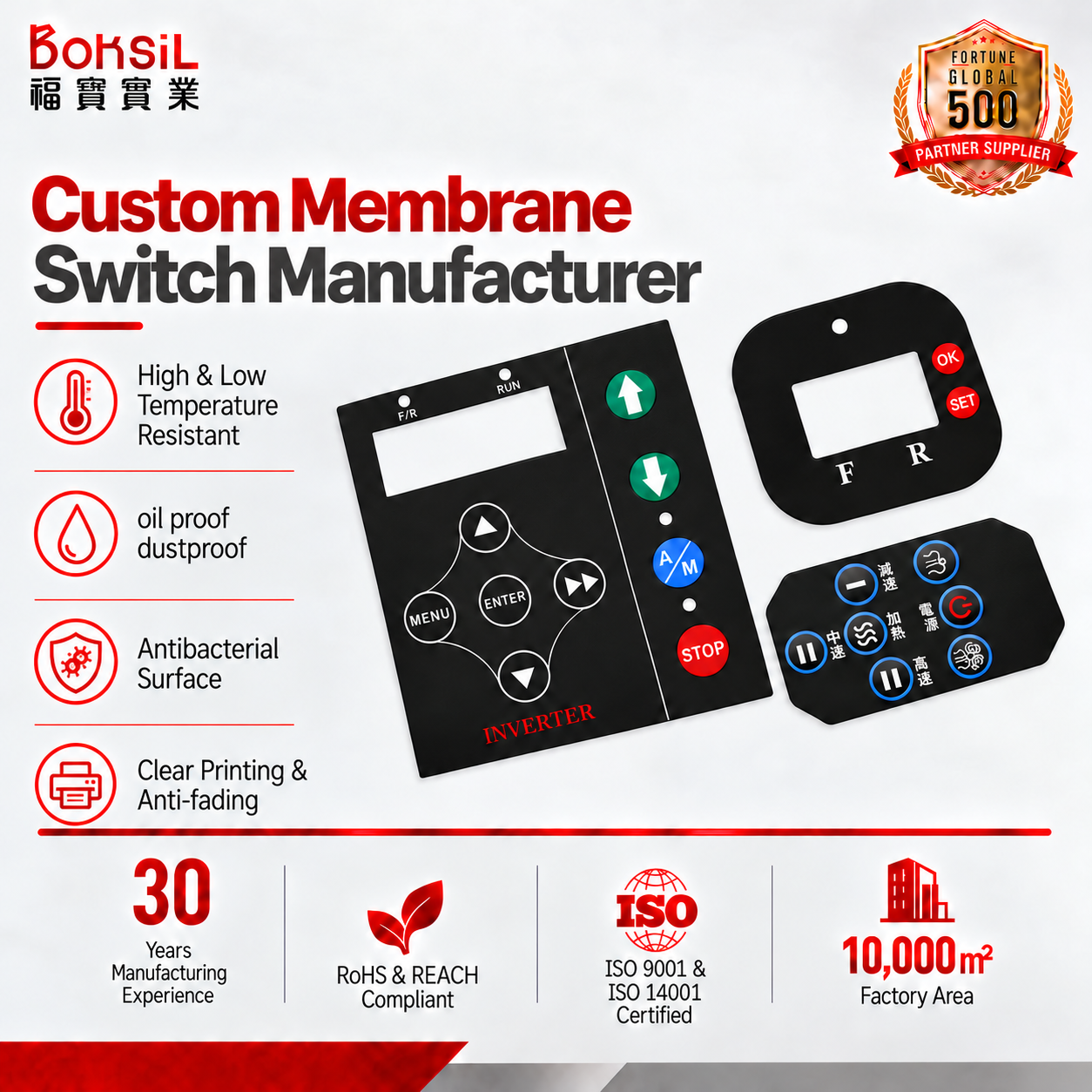
- Film Base: Lexan™ Polycarbonate 0.175mm
- Thermal Range: -40°C to +85°C Operating
- ESD Barrier: Printed Grid Shielding Layer
Strategic Engineering: Supplying Western Slovakia’s High-Precision Manufacturing Corridor
The greater Bratislava Region (Bratislavský kraj) together with Trnava, Nitra, and Žilina represents the highest per-capita automotive and electrotechnical industrial cluster globally. Supplying human-machine interface (HMI) controls to tier-one factories within this dense manufacturing corridor demands flawless precision, compliance with strict European REACH and RoHS standards, and verified mechanical reliability.
Automotive & Electric Vehicle Assembly
In facilities producing luxury SUVs, battery powertrains, and vehicle interior assemblies around Bratislava (Devínska Nová Ves), conventional switches are inadequate. Modern HMIs demand high-density surface-mount packaging, EMC/EMI shielding against electromagnetic noise from fast inverters, and Class A optical surfaces.
- Integrated Capacitive Touch Sensors behind PMMA / Tempered Glass
- Translucent backlighting with light guide films (LGF) without hot spots
- Sub-surface silk-screen graphics resistant to aggressive vehicle cleaning alcohols
Factory Automation, CNC & Robotics
Bratislava's smart factory integrators build rugged industrial robots, PLCs, automated guided vehicles (AGVs), and material handling consoles. These panels operate continuously inside heavy engineering settings where oil, chemical splatters, and metal dust represent severe hazards.
- IP65 and IP67 perimeter-gasket lamination isolating internals
- High-cycle stainless steel metal domes rated up to 5,000,000 switch operations
- Polyester (PET) base overlays offering outstanding chemical resistance to oils and solvents
Medical Instruments & Analytical Devices
Slovakia's expanding medtech clusters and clinical laboratory equipment OEMs require non-porous, perfectly sealed membrane keypads that endure relentless wipedown disinfection using hospital-grade isopropyl alcohol, sodium hypochlorite, and hydrogen peroxide.
- Antimicrobial textured hard-coat films mitigating bio-film adhesion
- Continuous membrane surfaces eliminating gaps where pathogens harbor
- Audible and tactile snap feedback ensuring error-free clinician operation
HMI Engineering Matrix: Selecting Substrates for Slovak Operating Conditions
A rigorous evaluation of graphic overlay substrates, circuit conductive mediums, and mechanical switch designs optimized for equipment deployed across Central Europe's variable thermal cycles.
| Technology Architecture | Primary Substrates | Operational Lifecycle | Sealing & Ingress Rating | Optimal Industrial Use Cases |
|---|---|---|---|---|
| Polyester (PET) Tactile Membrane Switch | Autotex F150 / F200 with Stainless Steel Domes & Silver Ink | > 3,000,000 cycles | IP65 to IP67 with full perimeter sealing | Bratislava automotive testing consoles, CNC controllers, packaging machinery |
| Flexible Printed Circuit (Copper FPC) Switch | Polyimide (PI) film, rolled etched copper traces, SMD components | > 5,000,000 cycles | Hermetically sealed tail transitions | High-reliability medical diagnostics, aerospace instrumentation, dense multi-LED panels |
| Capacitive Touch Front Glass / PMMA | Chemically strengthened glass or optical PMMA with ITO/PEDOT circuits | Solid-state (no mechanical wear) | IP68 / IP69K smooth wipe-clean front | Sterile laboratory equipment, architectural smart home devices, cleanroom interfaces |
| Silicone Rubber Keypad Integration | Compression-molded food/medical grade silicone with carbon pill contacts | > 1,000,000 cycles | Self-gasketing design when compressed | Ruggedized outdoor field hand-held terminals, defense communication gear, warehouse barcode scanners |
| Polycarbonate (PC) Overlay Panel | Lexan™ 8010 / 8A35 films with reverse printing | Sub-surface print (lifetime protection) | Standard IP54 up to IP65 with 3M adhesive | Low-wear consumer electronic panels, indoor boiler controls, non-abrasive appliances |
Emerging Technology Trends in Bratislava's Smart Manufacturing Sector
Key technological transformations steering human-machine interface procurement strategies among Slovakian system engineers and procurement leaders.
Nearshoring & Agile Supply Chain De-risking
Industrial managers across Slovakia, Austria, and Hungary have progressively re-evaluated their procurement matrices. While relying on high-capacity global manufacturing centers for cost-effectiveness, European buyers demand streamlined direct-to-factory communication, verified engineering DFM (Design for Manufacturability), rapid rapid-prototyping air-freighted within 5 to 7 days, and complete traceability documents (PPAP Level 3, FAI, and RoHS/REACH compliance files) that eliminate supply line stalls.
Transition to Hybrid Capacitive & Tactile Surfaces
In response to Industry 4.0 operator demands, pure flat glass surfaces are often supplemented by hybrid tactile controls. Bratislava's robotics engineers increasingly specify hybrid front interfaces featuring capacitive touch navigation zones for deep menus combined with physical embossed metal dome switches for critical emergency stop, cycle start, and reset commands. This prevents accidental triggering by operators wearing heavy work gloves.
In-Mold Decoration (IMD/IML) for Seamless Hygiene
With Slovakia's consumer appliance factories producing premium washing machines, coffee systems, and HVAC units, In-Mold Decoration (IMD) panels are replacing traditional adhesive-backed graphic films. IMD fuses reverse-printed foils directly with injection-molded resins, creating non-delaminating, curved 3D front bezels immune to steam, hot water, and deep mechanical scratching.
Rigorous ESD/EMI Shielding Standards (CE Mark)
Industrial machinery deployed across the European Single Market must satisfy strict electromagnetic compatibility (EMC) regulations. Modern custom membrane assemblies incorporate selective carbon grids, full-surface aluminum foils, or vapor-deposited ITO barrier layers tied directly to ground leads, withstanding electrostatic discharges (ESD) exceeding 15kV without triggering false signals.
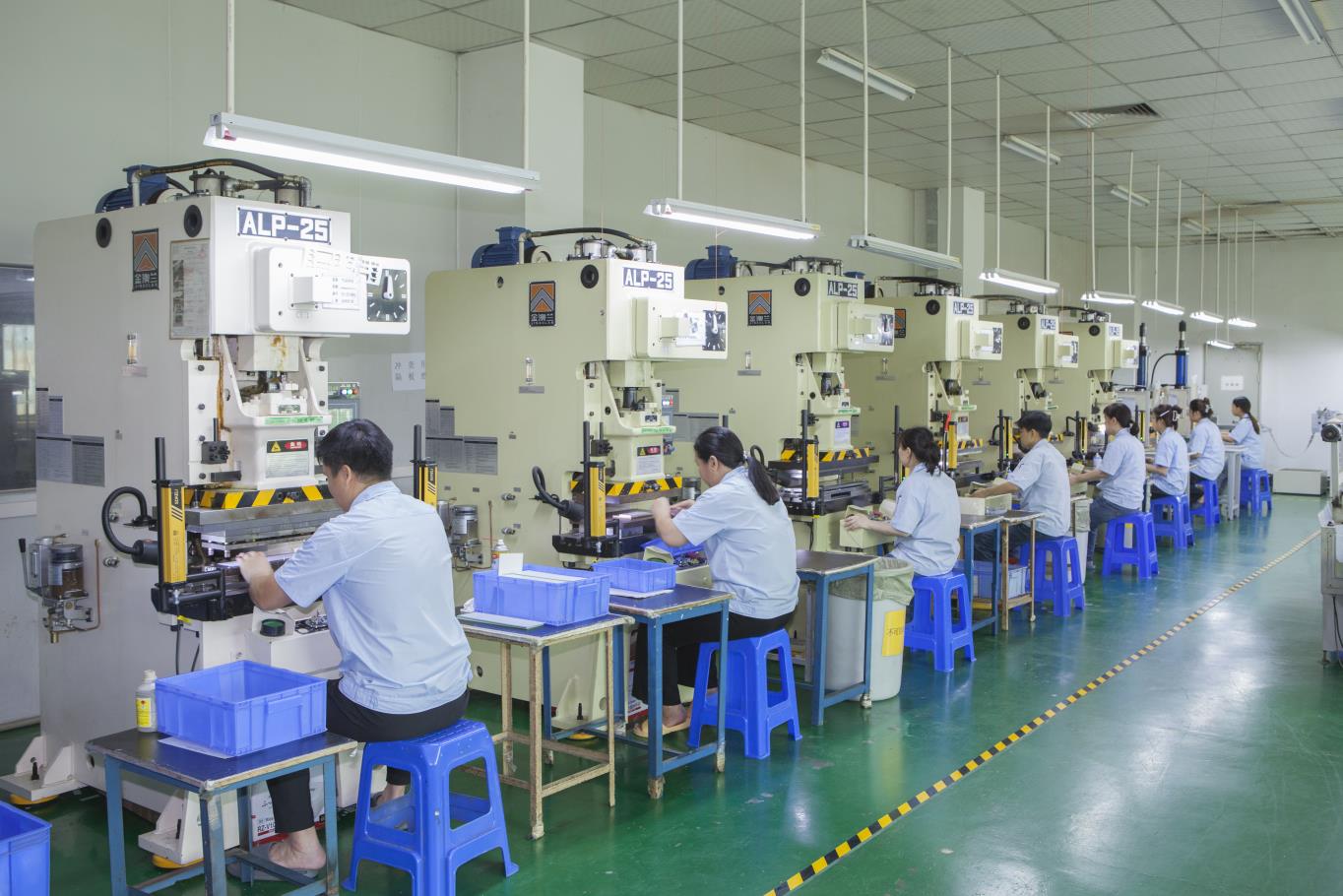
Dongguan AXRU Electronics Co., Ltd. — Your Direct Manufacturing Partner
Serving OEM equipment builders throughout Europe and North America, Dongguan AXRU Electronics Co., Ltd. operates an expansive 10,000㎡ production facility staffed by 121 seasoned technicians. Our physical premises and manufacturing processes have been inspected on-site by Intertek, verifying that our quality management systems adhere strictly to rigorous international protocols.
From initial Gerber/CAD file reviews and circuit screen printing down to automatic metal dome placement, precision vacuum lamination, flatbed laser die-cutting, and 100% final automated functional testing — every phase is maintained strictly in-house under controlled cleanroom conditions.
Internal Reliability Testing Equipment & Failure Prevention Protocols
Every membrane switch panel, graphic overlay, and silicone keypad shipped to European destinations is validated using dedicated testing instruments inside our reliability laboratory.
100% Automated Electrical Inspection
Prior to packaging, every individual membrane switch is connected to programmable circuit analyzers verifying continuity, trace loop resistance (<100Ω silver / <10Ω copper), dielectric insulation resistance (>100MΩ at 250V DC), contact bounce time (<5ms), and SMD LED polarity and forward voltage.
Key Actuation Life Cycling Testers
Pneumatic micro-actuators cycle metal domes and silicone buttons up to 5,000,000 continuous operations at pre-set actuation velocities (1 to 3 Hz) to verify spring resilience, metal fatigue resistance, and tactile retention curves.
Force-Displacement Curve Profilers
Automated force gauges map actuation pressure (grams) versus travel distance (mm), ensuring that the click ratio and switch snap feel remain precisely consistent across every button in a multi-key industrial array.
Programmable Climatic Test Chambers
Assemblies undergo severe environmental conditioning from -40°C to +85°C with relative humidity up to 95% RH to ensure that layered adhesives (such as 3M 467MP/468MP) experience zero bubble delamination or tail trace silver migration.
Ink Decolorization & Abrasion Testers
Overlay surfaces are evaluated under weighted linear abrasion arms using isopropyl alcohol, MEK solvent rubs, and pencil hardness testers (achieving 3H or higher) to verify that printed text and symbols cannot fade over years of industrial duty.
Yellowing & UV Resistance Testing
Simulated solar radiation and accelerated QUV exposure chambers test polycarbonate and polyester overlay films to ensure non-yellowing visual clarity over extended lifespans on European agricultural and outdoor terminal hardware.
Frequently Asked Questions from OEM Purchasing Managers & Engineers
Direct answers addressing technical trade criteria, custom tooling setups, delivery logistics to Central Europe, and certification parameters.
Our standard minimum order quantity starts from just 100 pieces for custom designs. This low barrier allows Slovak R&D teams and engineering firms in Bratislava, Trnava, and Košice to produce pilot batches, functional beta units, or small-batch industrial consoles without prohibitive capital overhead.
We recommend providing vector mechanical drawings in DXF, DWG, or 1:1 scale PDF formats, combined with artwork files in Adobe Illustrator (.AI) or CorelDraw with Pantone color callouts. If your switch integrates custom circuits, schematic netlists or Gerber files for FPC layers accelerate tooling generation.
We utilize perimeter gasket die-cutting featuring high-cohesion acrylic adhesives (such as 3M 300LSE for low surface energy plastics or 3M 467MP/468MP for metal enclosures). Furthermore, tail exits are routed through sealed internal perimeter chambers, preventing capillary ingress of moisture, oils, and cleaning vapors into the contact cavity.
Yes. Rapid prototyping runs typically ship within 5 to 7 working days using flatbed digital printing and precision laser cutter tables that eliminate the need for hard stamping tooling. Finished pre-production samples are dispatched directly to M. R. Štefánik Airport Bratislava (BTS) or Vienna International Airport (VIE) via DHL/FedEx within 3 to 4 business days.
Yes. All raw materials—including Autotex/Lexan films, 3M adhesive backings, conductive silver inks, carbon pills, and lead-free SMD LEDs—strictly meet EU RoHS directives and REACH SVHC regulations. Complete declaration certificates and material data sheets (MSDS) are provided with First Article Inspection (FAI) reports.
We offer three distinct backlighting approaches: miniature surface-mount (SMD) LEDs embedded directly into the circuit layer with embossed light diffusers; ultra-thin Light Guide Film (LGF) arrays distributing uniform LED glow across large graphic zones; and high-durability Electroluminescent (EL) lighting foils engineered for balanced, low-power luminance.