Recommended Industrial HMI & Switch Assemblies
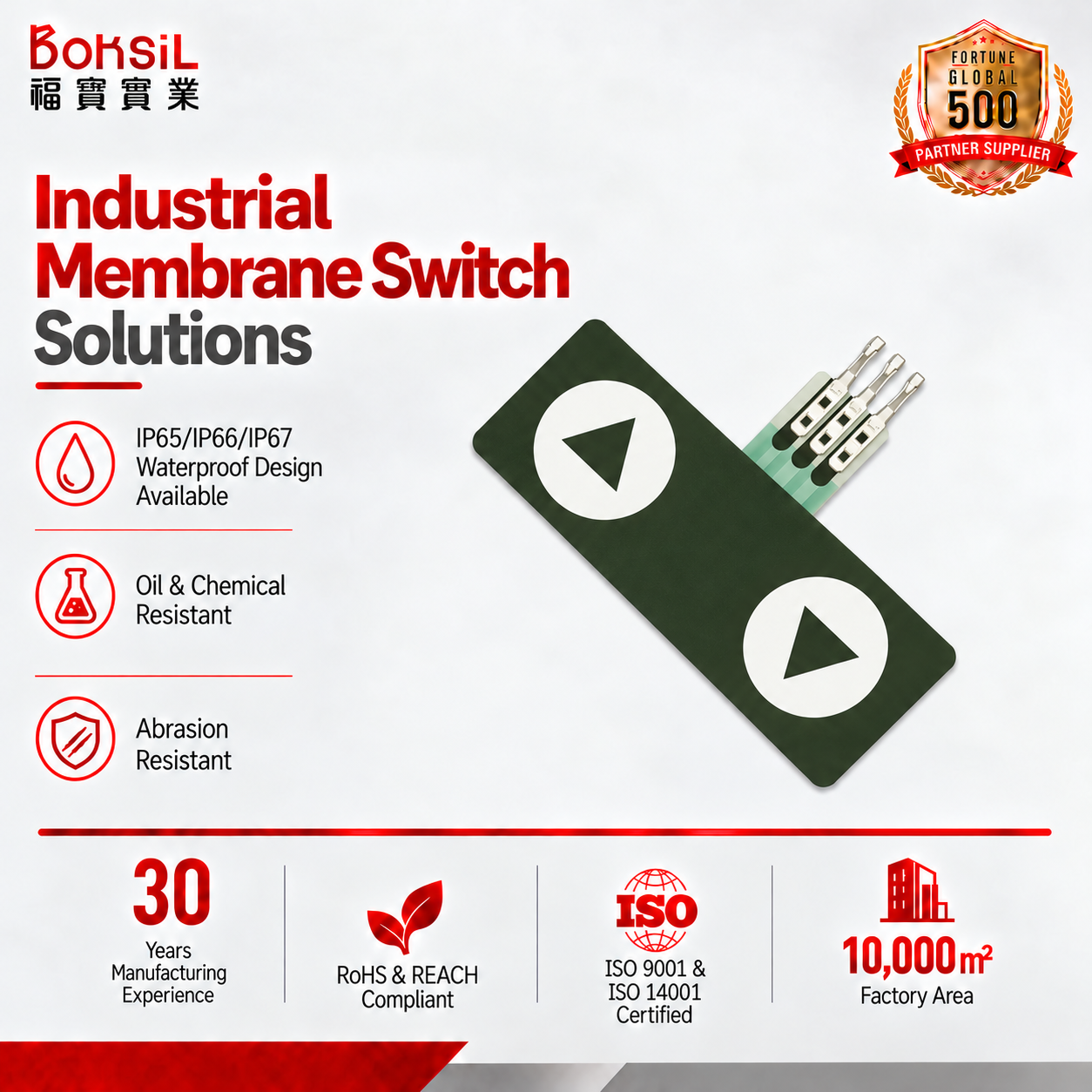
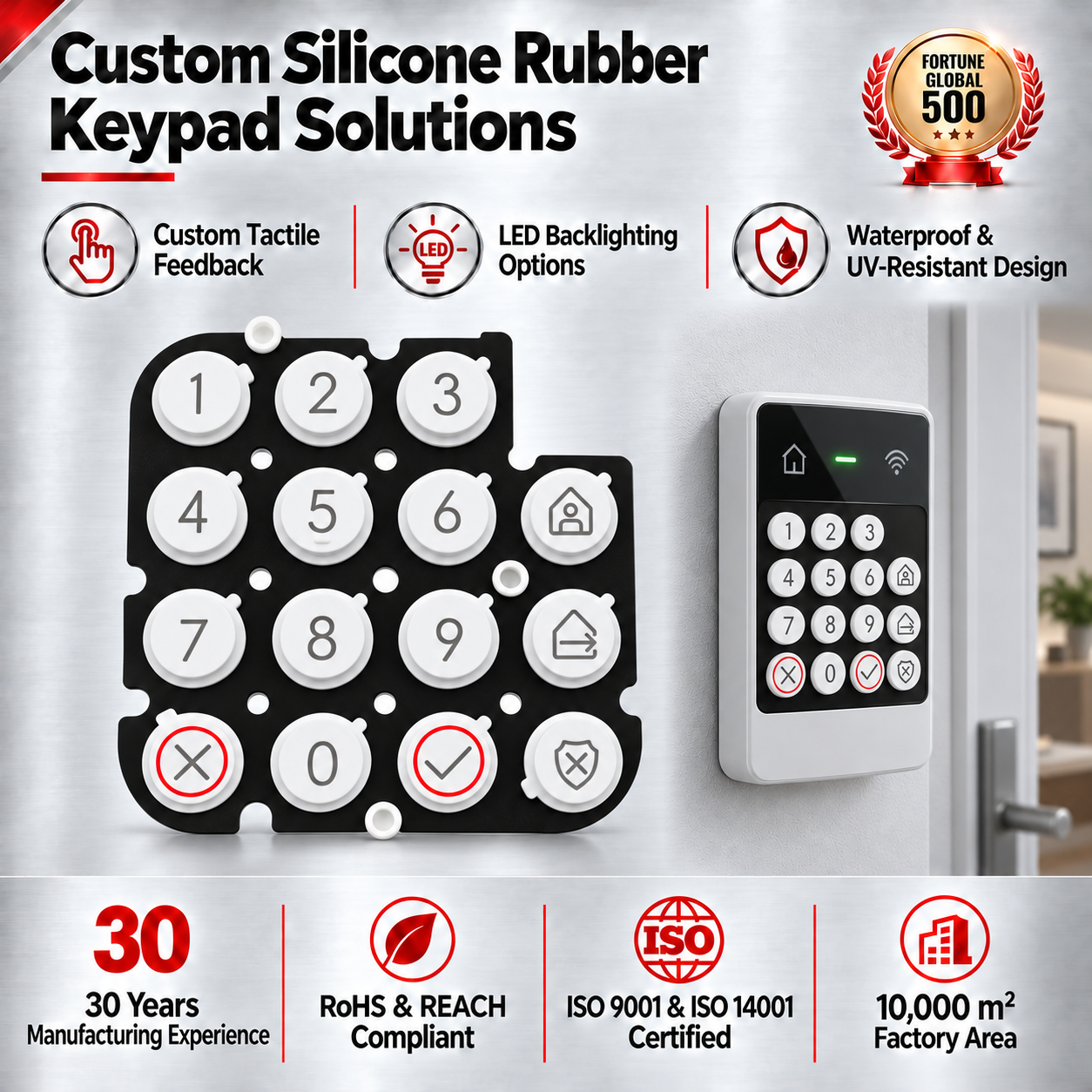
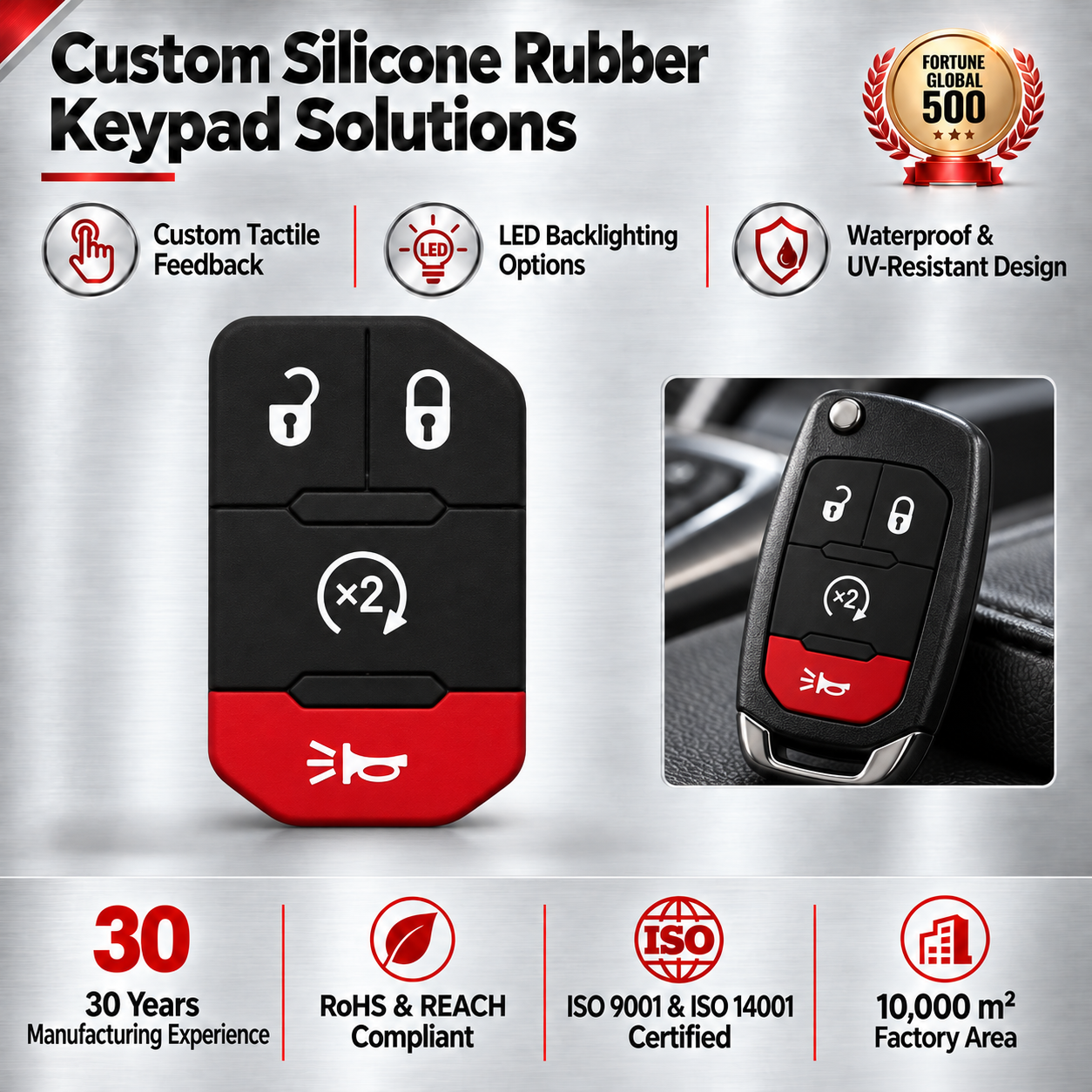
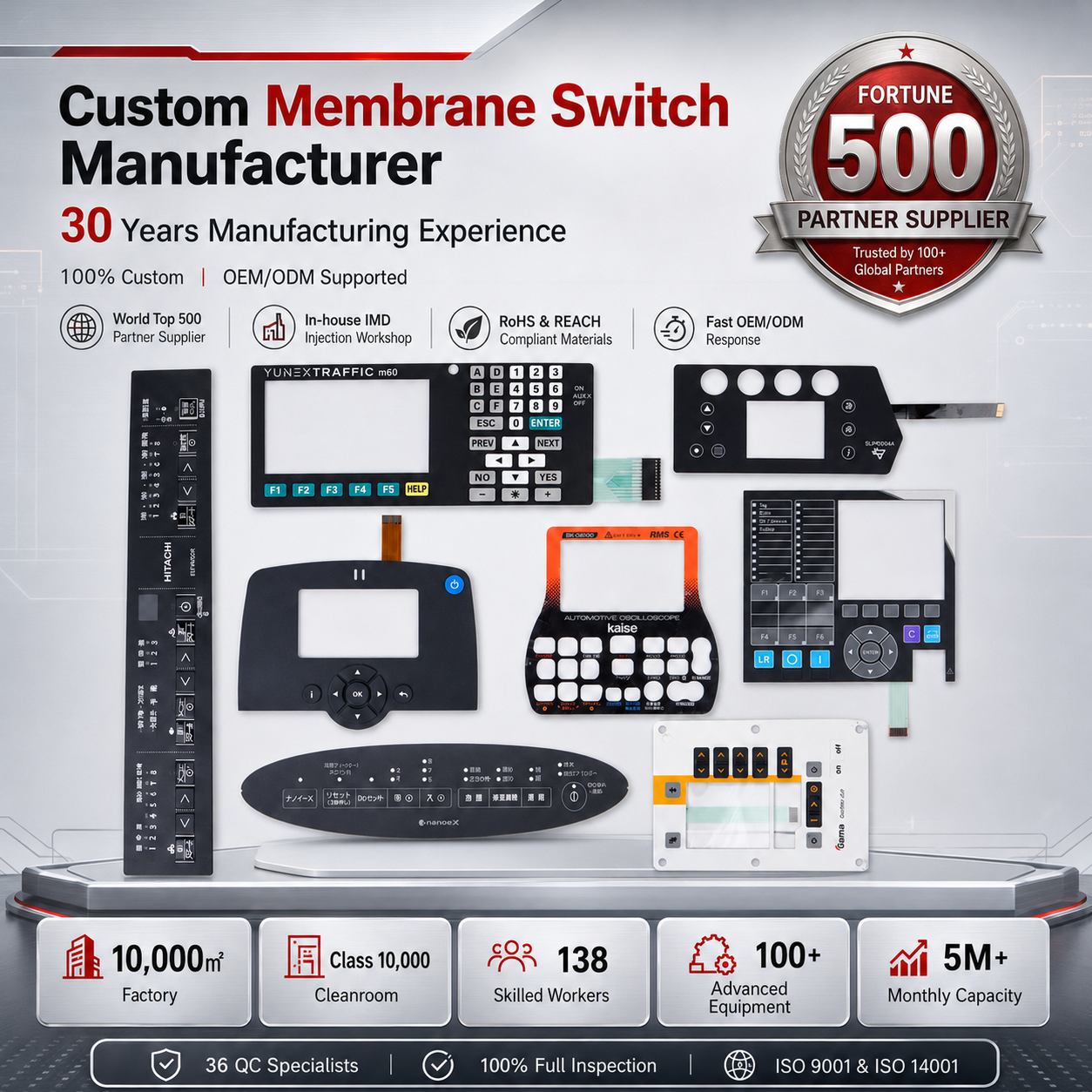
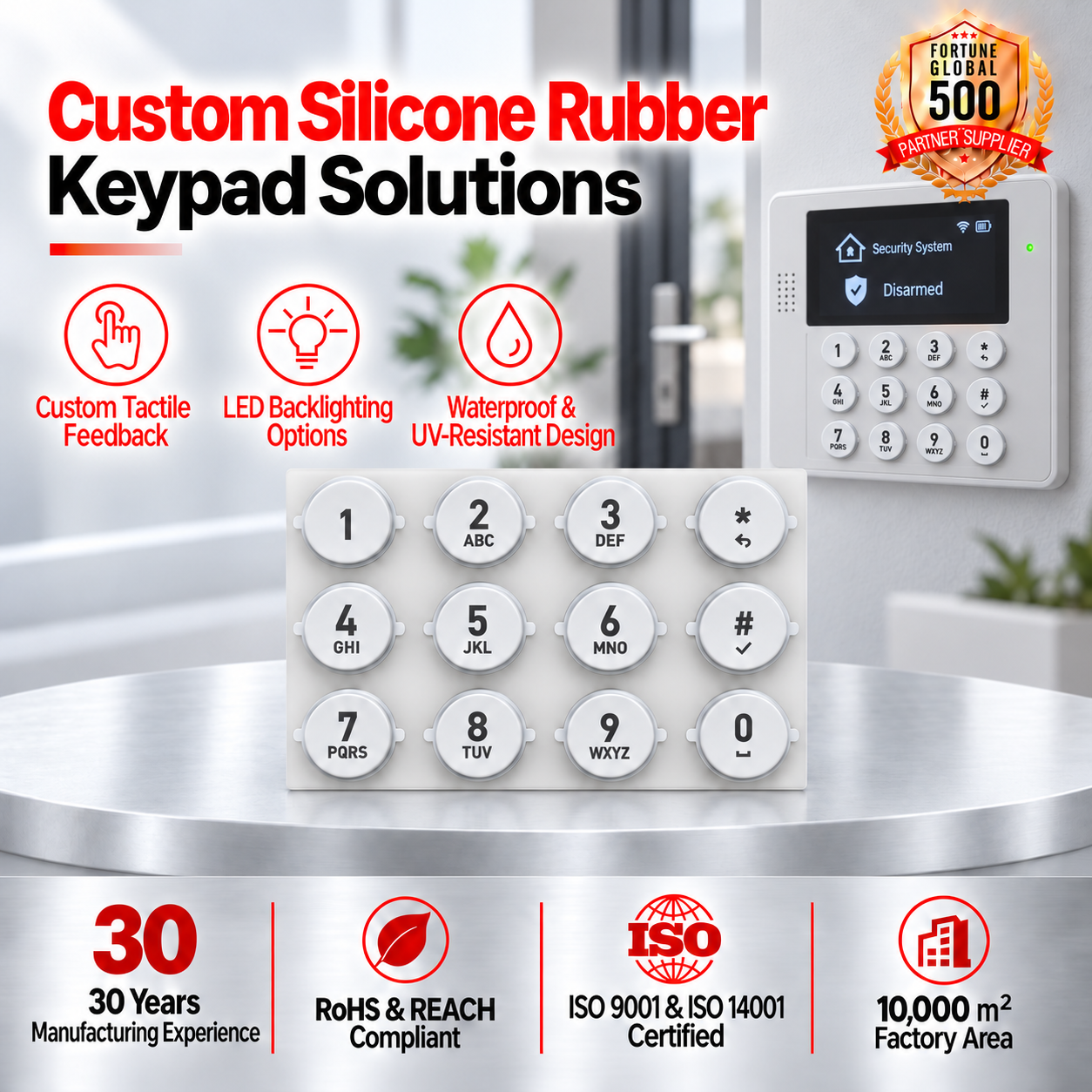
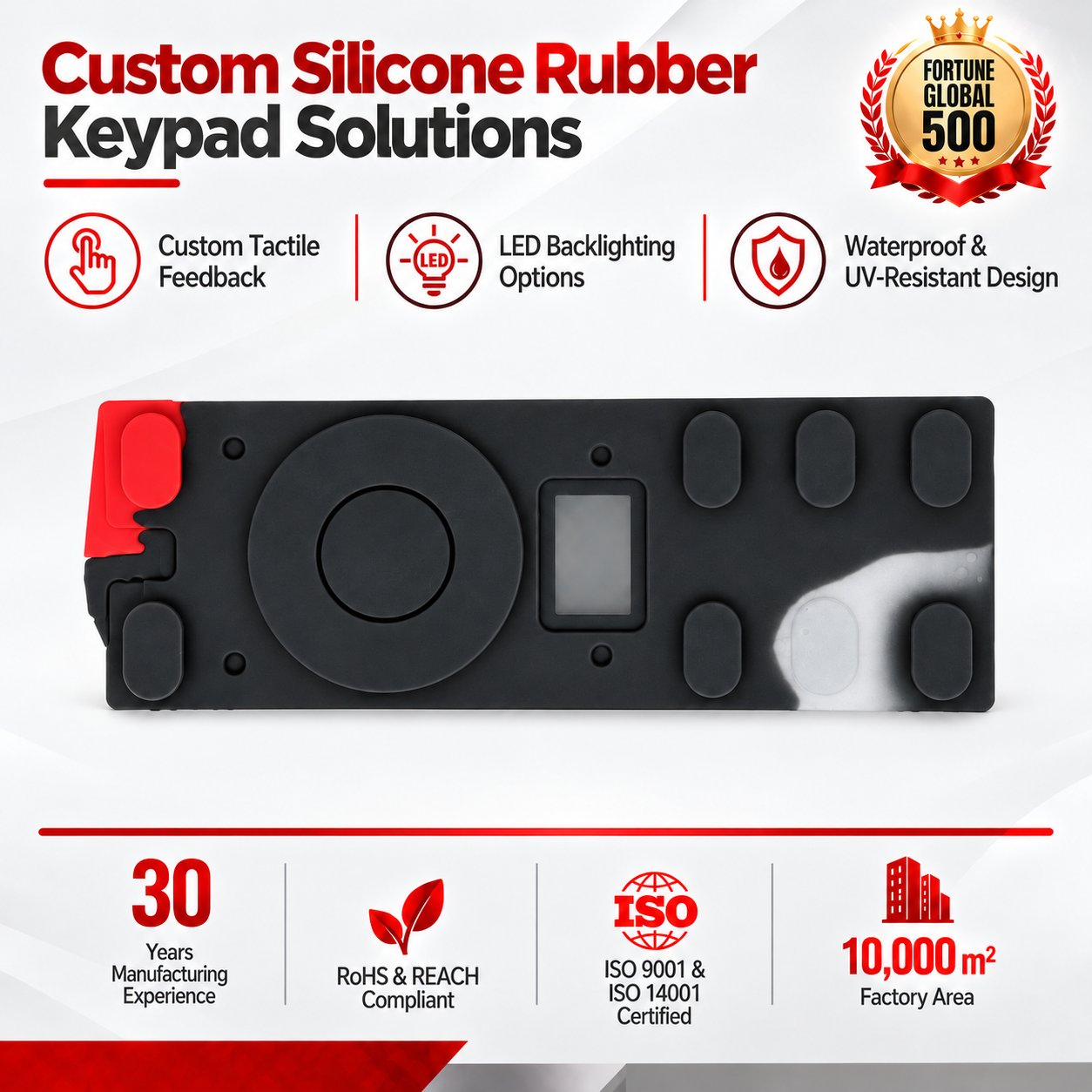
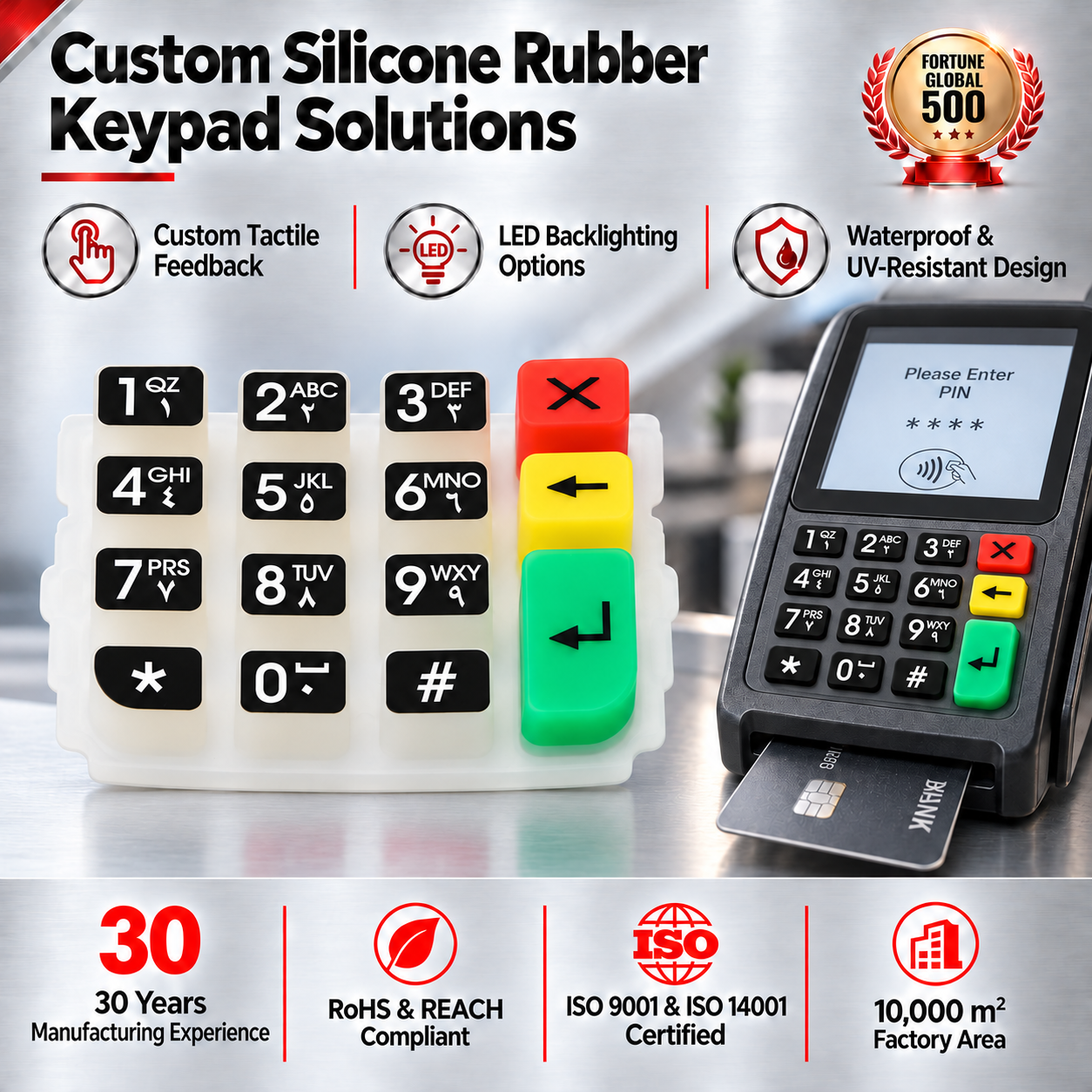
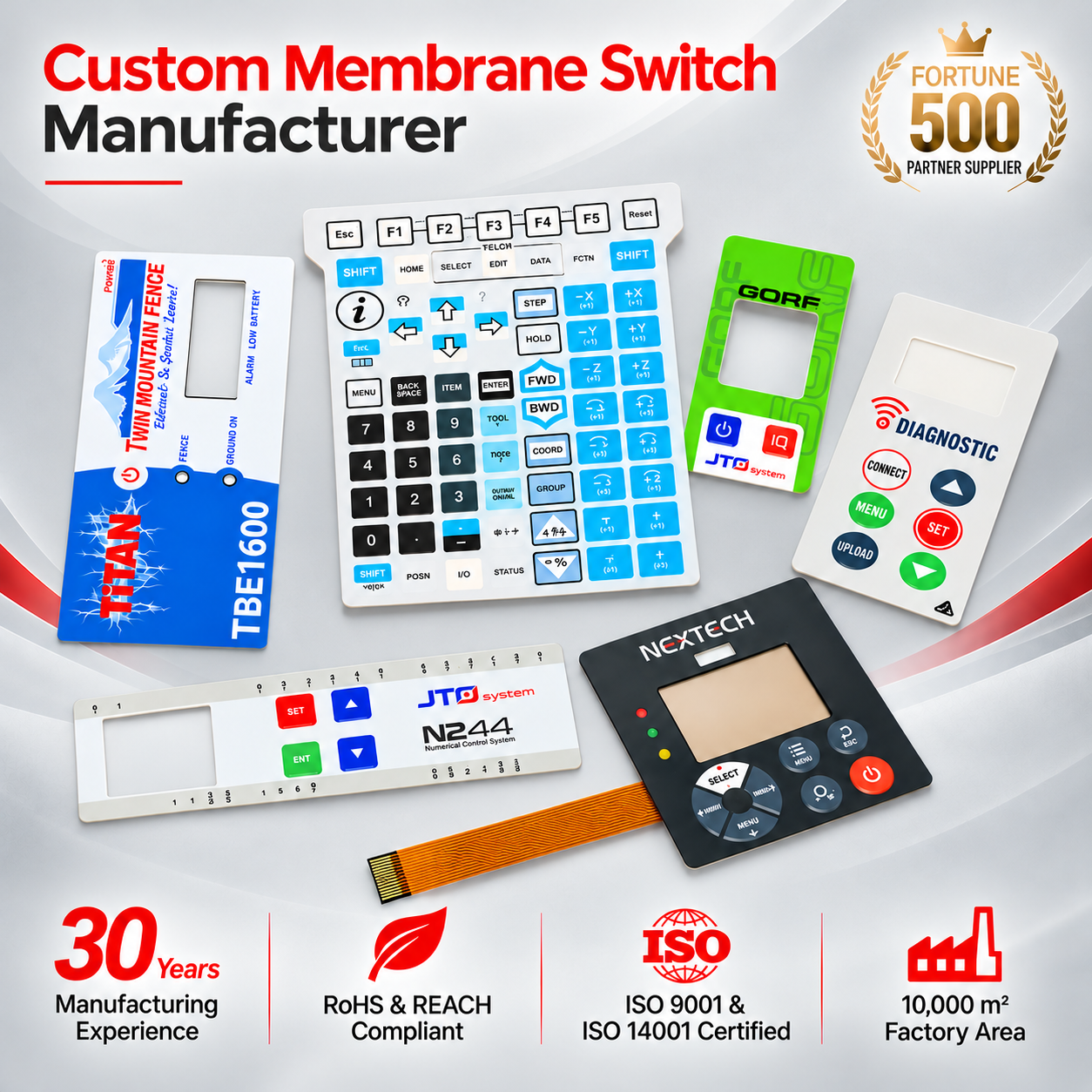
Direct-factory engineered solutions featuring moisture-resistant screen printed circuits, flexible copper traces, tactile metal domes, and molded conductive silicone interfaces designed for long duty-cycles.
Technical Deep-Dive: Sourcing & Engineering Membrane Switch Circuits for Dominican Industrial Ecosystems
The Dominican Republic has rapidly emerged as the premier manufacturing and medical device export powerhouse in the Caribbean basin. Propelled by the modern infrastructure of free-trade zones (Zonas Francas) such as PIISA (Parque Industrial Itabo), Parque Industrial Las Américas, and the bustling industrial parks surrounding Santiago de los Caballeros and San Cristóbal, original equipment manufacturers (OEMs) and contract electronics manufacturers (CEMs) face distinct environmental and operational challenges when designing electromechanical user interfaces.
Operating in the Greater Antilles introduces rigorous micro-climatic stressors that standard commercial-grade electronics fail to withstand over extended lifespans. Engineers and procurement directors seeking high-reliability switch assemblies must evaluate three decisive variables: elevated relative humidity (frequently exceeding 80–90% RH), continuous ambient heat with seasonal maritime salt-spray deposition, and frequent line-voltage fluctuations that mandate stringent electromagnetic shielding (ESD/EMI).
Material Selection: Overcoming Tropical Delamination & Silver Migration
In standard membrane switch fabrication, screen-printed conductive silver ink traces on thermal-stabilized Polyethylene Terephthalate (PET) film provide an economical and flexible interconnection matrix. However, within tropical Caribbean climates, the electrochemical phenomenon known as silver migration (dendritic growth) represents a prime failure mechanism. When microscopic moisture penetrates edge seals under an applied DC voltage gradient, silver ions mobilize across insulating gaps, inducing short circuits.
To eliminate this failure mode for high-reliability Dominican installations, our engineering team standardizes on advanced mitigation protocols:
FPC (Flexible Printed Circuit) Substrates
By substituting printed silver conductive ink with polyimide copper-clad laminates (Kapton FPC), we achieve zero ionic migration, allowing tight pitch conductors (down to 0.5mm), superior solder-joint shear strength for integrated surface-mount LEDs, and absolute resistance to humid air degradation.
Hydrophobic Perimeter Gasketing (IP67)
Our hermetic perimeter sealing incorporates continuous channel venting towards a desiccant reservoir or sealed rear breathers. Utilizing specialized high-cohesion acrylic adhesives (including 3M 200MP and 300LSE series), the switch stack resists moisture capillary action and harsh industrial wash-downs.
Carbon-Coated Protective Topographies
For cost-sensitive applications requiring silver-printed PET traces, our factory applies an overprinted conductive carbon graphite barrier across all inter-digital switch contacts and terminal fingers, eliminating exposed noble metals and sealing conductive paths from atmospheric oxidation.
Dominican Localization Trends & Application Vectors
Analyzing how industrial diversification and nearshoring under the US-DR-CAFTA framework are transforming user-interface specifications across the Dominican Republic.
1. Medical Device Assembly (Free Zone Nearshoring)
The Dominican Republic ranks among the top global exporters of single-use and electro-medical devices to the United States and EU. Diagnostic consoles, infusion pump monitors, and surgical sterilizers manufactured in Itabo or San Isidro demand Class 100,000 cleanroom-assembled membrane switches. These require antimicrobial polyester overlays (e.g., Autotex AM) that withstand aggressive surface sanitization with quaternary ammonium, isopropyl alcohol, and bleach compounds without clouding or legend erosion.
2. Agro-Industrial & Food Processing Automation
From modern rum distilleries in San Pedro de Macorís to sugar milling complexes in La Romana and high-speed fruit packaging hubs in the Cibao Valley, human-machine interfaces must endure steam cleaning, sticky syrup splashing, and direct washdowns. Here, fully embossed tactile keypads paired with sub-surface printed polycarbonate fascia prevent particulate entrapment and resist acidic cleaning agents.
3. Power Infrastructure & Commercial Automation
Due to grid stabilization efforts and expansive commercial solar deployments across Santo Domingo, industrial inverters, transfer switches, and municipal water pumping stations require UV-stabilized graphic panels. By utilizing UV-absorbent polyester base films tested up to 2,000 hours under xenon-arc radiation, our panels resist embrittlement, yellowing, and optical micro-cracking under fierce tropical sunlight.
Engineering Selection Matrix for Dominican Procurement Teams
Evaluate interface parameters before releasing CAD geometry and BOM documentation to ensure cost optimization, operational durability, and field repairability.
| Architecture Category | Conductor Material | Actuation Life | IP Rating Potential | Dominican Application Suitability |
|---|---|---|---|---|
| Silver-PET Membrane Switch | Screen-printed Conductive Silver Ink | 1,000,000 to 3,000,000 cycles | IP65 (with Perimeter Seal) | Commercial appliances, indoor ticketing kiosks, HVAC system interfaces across Santo Domingo. |
| FPC Membrane Circuit | Rolled Annealed / Electro-deposited Copper | >5,000,000 cycles | IP67 to IP68 Submersible | Medical diagnostic monitors, industrial marine instrumentation, outdoor solar power converters. |
| Conductive Silicone Keypad | Molded Carbon Pill or Conductive Ink | 500,000 to 2,000,000 cycles | IP66 (with Integrated Bezel Lip) | Rugged inventory barcode scanners, mining plant remote transmitters, agro-machinery consoles. |
| Plastic + Rubber (P+R) Hybrid | Thermoplastic Keytop + Silicone Spring-core | >1,500,000 cycles | IP65 Dependent on Housing | High-security POS transaction terminals, commercial access control keypads, telecommunications. |
| Stainless Steel / Vandal-Resistant | FR4 PCB with Gold-Plated Contact Matrix | >2,000,000 cycles | IP65 to IP67 Front Face | Fuel dispenser pump terminals, public transport ticketing kiosks, high-exposure outdoor portals. |
Our Manufacturing Scale & Intertek-Verified Standards
Direct from our 10,000㎡ vertically integrated production facility in Dongguan, China to your Dominican free zone operation—bypassing trading intermediaries for total cost and quality transparency.
Engineering Integrity from Prototyping to Mass Production
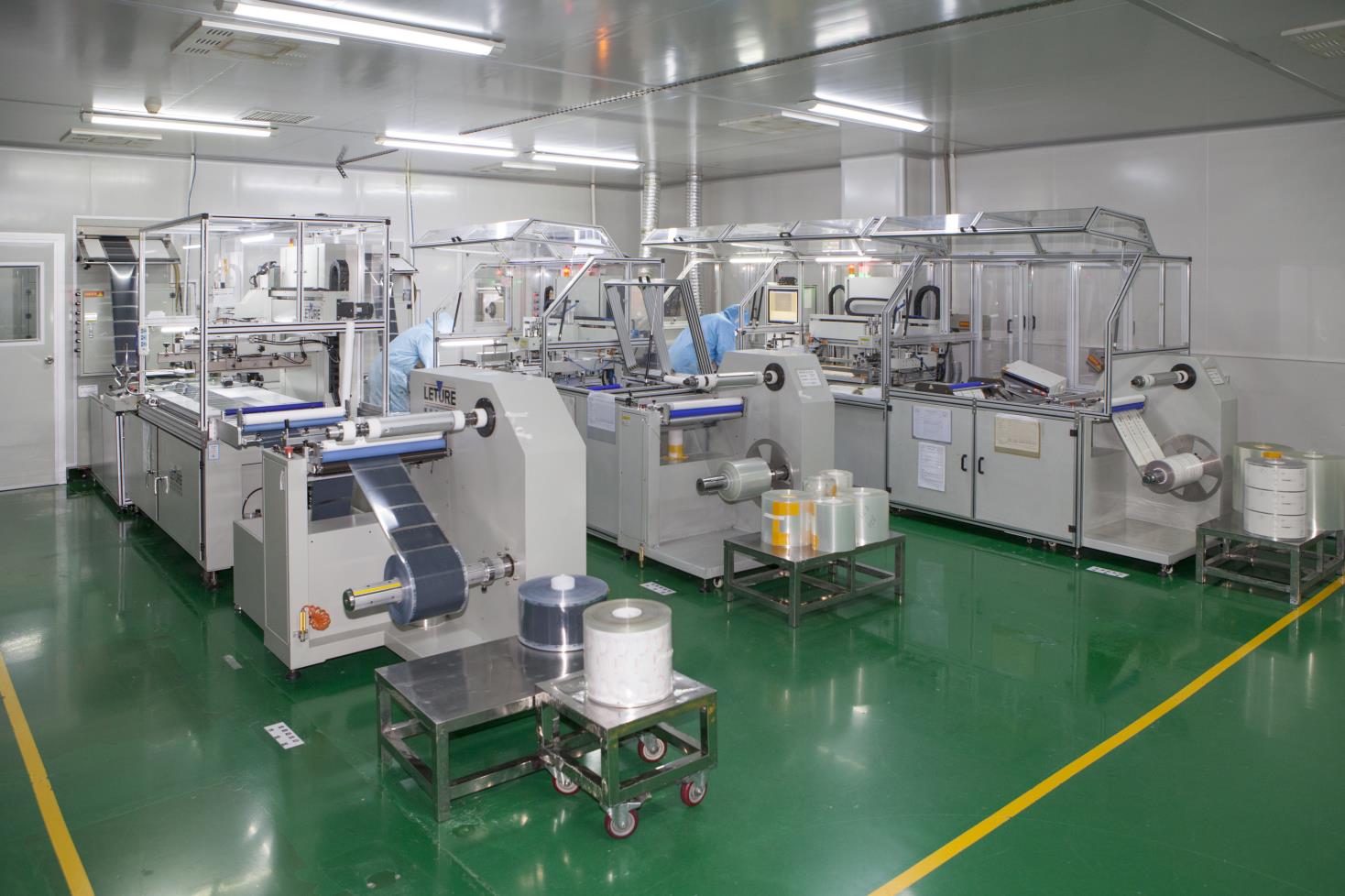
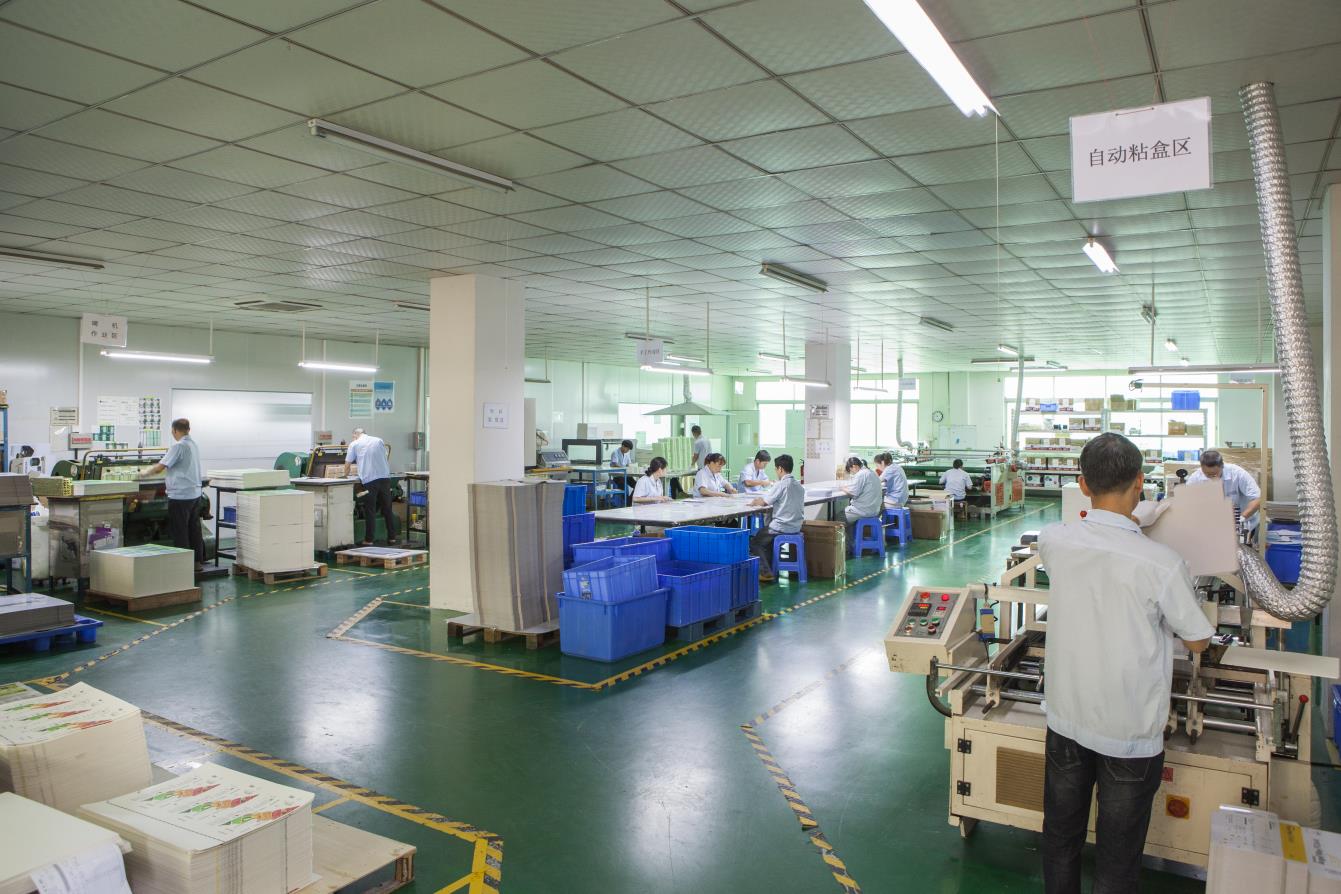
Dongguan AXRU Electronics Co., Ltd. operates a staff of 121 specialized technicians, engineers, and production craftsmen. Having earned on-site verification through Intertek, every batch produced strictly satisfies ISO 9001 quality management benchmarks, Fortune 500 supplier audit standards, and RoHS/REACH environmental compliance.
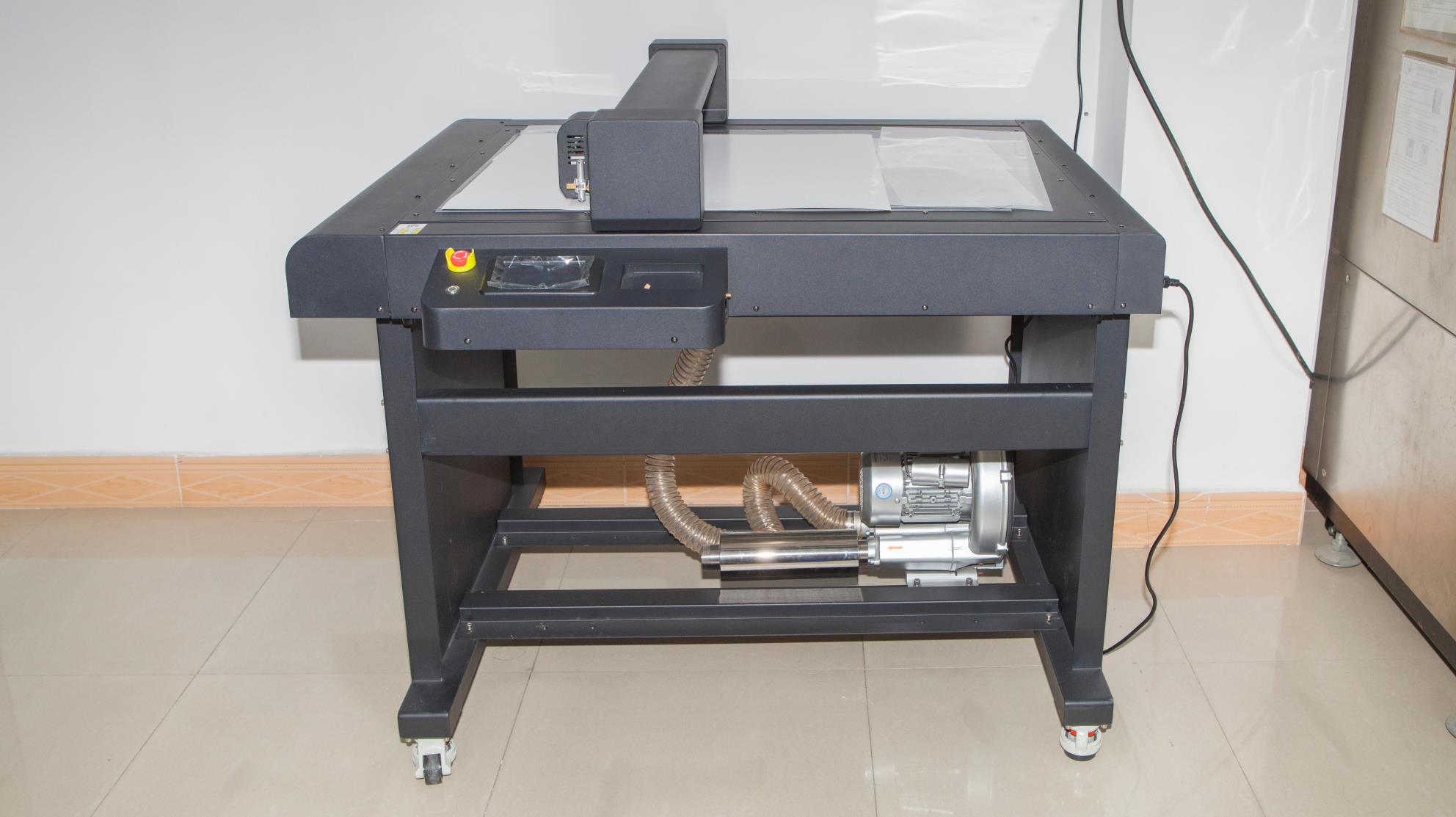
Unlike assembly brokers, all critical manufacturing processes—such as 10,000-class dust-free cleanroom screen printing, precision computer numeric die-cutting, metal dome automated pick-and-place, adhesive lamination, and automated optical inspection—are executed completely under one roof.
- 100% Comprehensive Electrical Testing: Open circuit, short circuit, and contact resistance verified for every completed part.
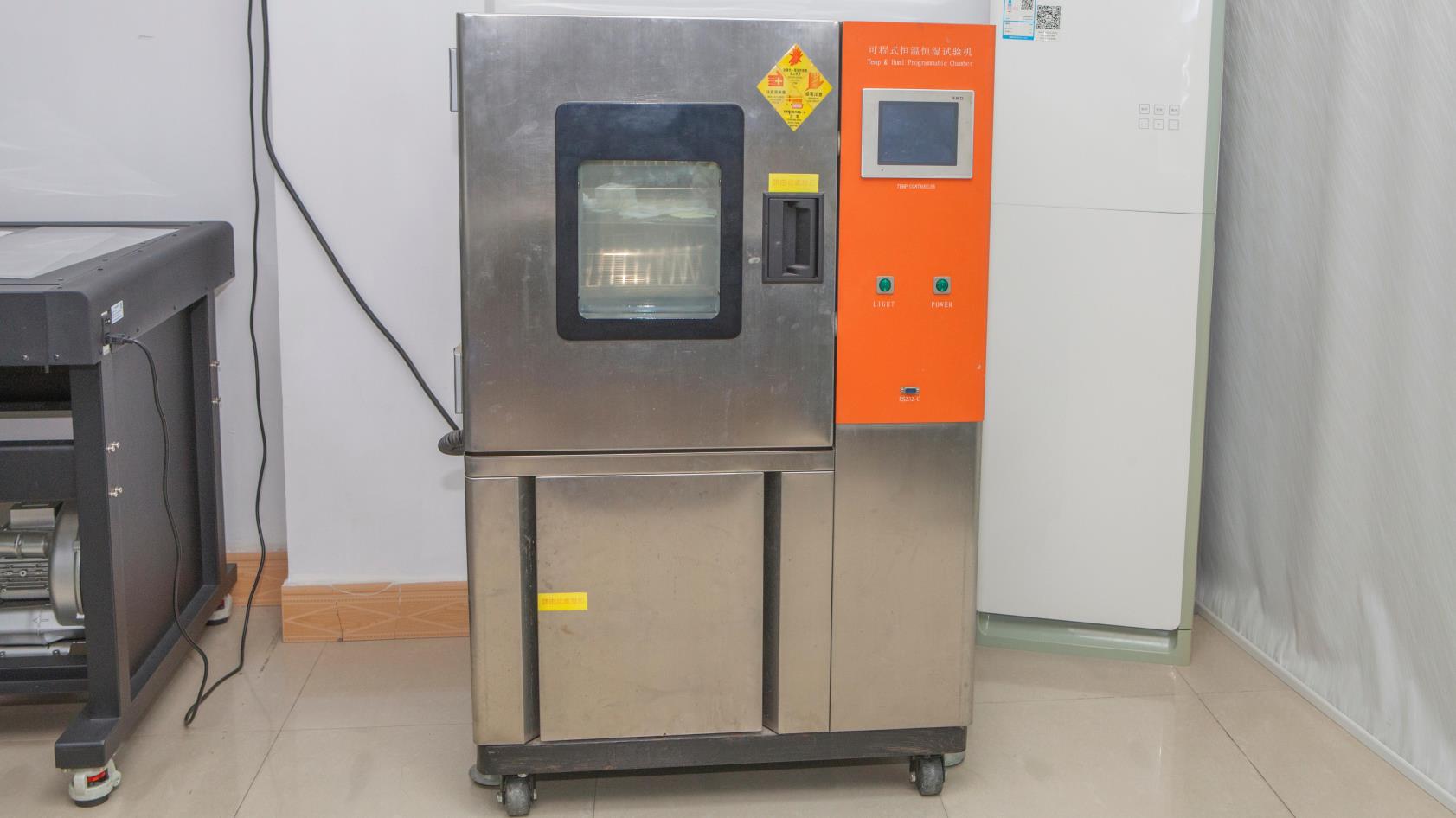
- Reliability Verification Lab: Programmable temperature and humidity cycling chambers simulating extreme Caribbean oceanic climates.
- Tactile Curve Consistency: Automatic force-displacement instrumentation validating actuation snap-ratio consistency across all switch keys.
Frequently Asked Questions: Sourcing Membrane Switches in the Dominican Republic
Direct technical and operational guidance for procurement directors, DFM engineers, and manufacturing supply-chain professionals operating in the Dominican Republic.
Q1: How does AXRU ensure shipment speed and customs clearance for Dominican Free Zones (Zonas Francas)?
We work regularly with international forwarders routing express air freight directly into Aeropuerto Internacional Las Américas (SDQ) and Aeropuerto del Cibao (STI), with transit times averaging 4 to 6 business days from our Shenzhen/Hong Kong logistics terminals. For high-volume mass production batches, sea freight containers land efficiently at Caucedo Port or Haina Occidental. We provide comprehensive export documentation, including certified packing lists, commercial invoices with specific HS codes (8537.10), and Certificates of Origin to streamline duty-free entry into Dominican free zone parks under Ley 8-90.
Q2: What design measures are critical for salt-fog and high-salinity coastal areas in the Dominican Republic?
For installations in coastal zones like Boca Chica, Puerto Plata, or Haina, airborne chlorides accelerate the corrosion of bare electrical contacts. We mandate three protective tiers: using hermetic boundary gasket sealing to prevent air ingestion; choosing nickel- or gold-plated stainless steel metal domes; and specifying an internal potting or silicon conformal coat over FPC tail exits to insulate exposed traces completely against saline ambient air.
Q3: Can you fabricate prototype engineering units prior to committing to hard tooling?
Yes. Utilizing digital flatbed UV printing and CNC laser cutting tables, we deliver functional prototype samples within 5 to 7 working days without incurring costly hard die tooling charges. This permits engineering teams to validate physical enclosure fit, connector pinout pitch, display window clarity, and tactile switch force prior to committing to steel die lamination molds.
Q4: What are the recommended overlay materials for medical and cleanroom environments in Dominican free zones?
For medical devices manufactured in parks like Las Américas or Itabo, we recommend textured biaxially-oriented polyester films, notably Autotex XE or MacDermid Autotex AM (incorporating silver-ion antimicrobial agents). Unlike standard polycarbonate (Lexan), high-performance PET withstands repeated wipe-downs using isopropyl alcohol, bleach, and cavicide without cracking, yellowing, or ink layer delamination.
Q5: What backlighting options perform best in high ambient sunlight conditions?
For outdoor industrial panels and ticketing kiosks exposed to direct Caribbean sun, we implement high-brightness surface-mount LEDs coupled with light guide film (LGF) or integrate dead-front printed displays with high-contrast neutral-density filtration. This setup preserves daytime legibility while preventing phantom light transmission across adjacent graphic sectors.
Q6: What is your typical Minimum Order Quantity (MOQ) and sample lead time?
Our baseline MOQ begins at only 100 pieces for custom membrane switches and graphic overlays, supporting low-volume, high-mix medical and specialized industrial machinery runs. Prototype engineering samples are typically completed within 5 to 7 working days, followed by 12 to 15 working days for full-scale mass production batches.
Ready to Build Custom Membrane Switches for Your Dominican Operation?
Consult with our senior HMI project engineers. Submit your CAD vector files (.DXF, .DWG, .AI, or Gerber), schematic pinouts, and project specifications for an in-depth Design for Manufacturability (DFM) review and factory-direct quotation within 24 hours.