High-Performance Membrane Keypads & Tactile Switch Panels
Configured to withstand high ambient humidity, saline atmospheric exposure, and rigorous operational duties across Mosta, the Mosta Technopark corridor, and European industrial automation plants.
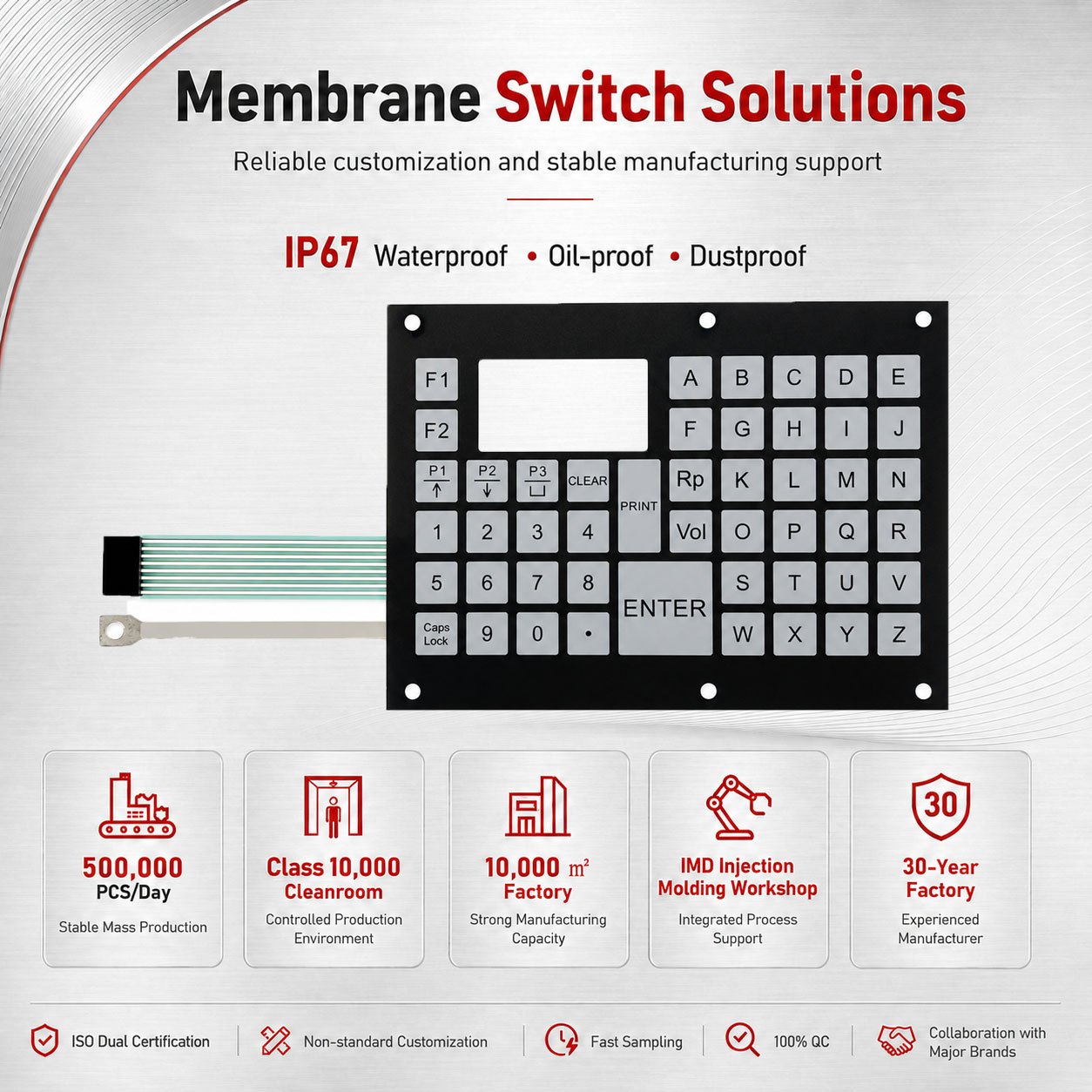
Custom Waterproof Wired Screen Wireless Tactile Switch Panel Fuel Dispenser Button Board Resistive Pad Keypad Circuit
- Circuit Base: Resistive Pad / FPC
- Protection: IP67 Waterproof
- Service Life: >1,000,000 Cycles
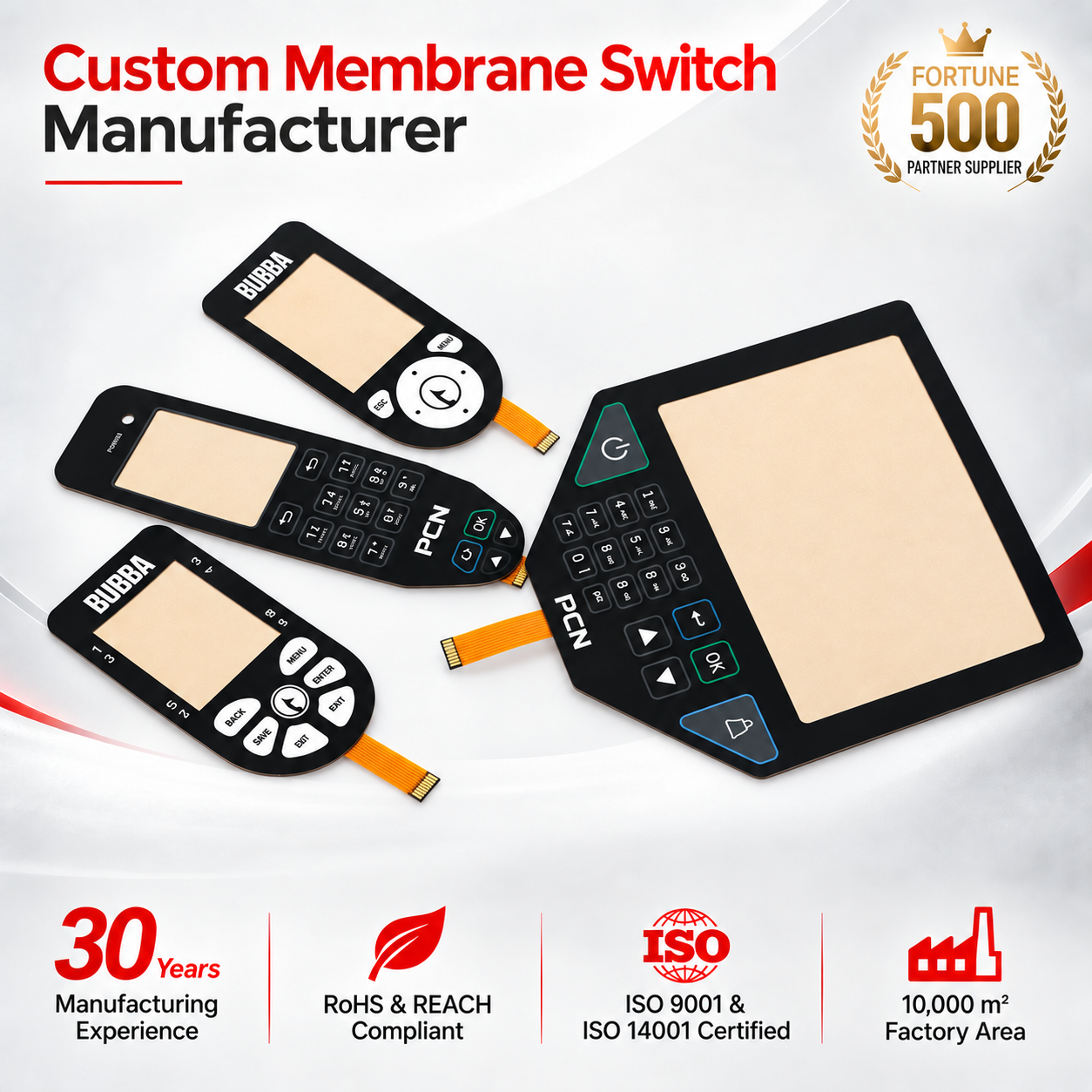
Custom 3m Adhesive Tactile Metal Dome Button Membrane Switch Graphic Overlay for Electronic Equipment
- Overlay Film: Autotype PET / PC
- Dome Snap: 280g–450g Tactile
- Adhesive: Genuine 3M 467/468MP
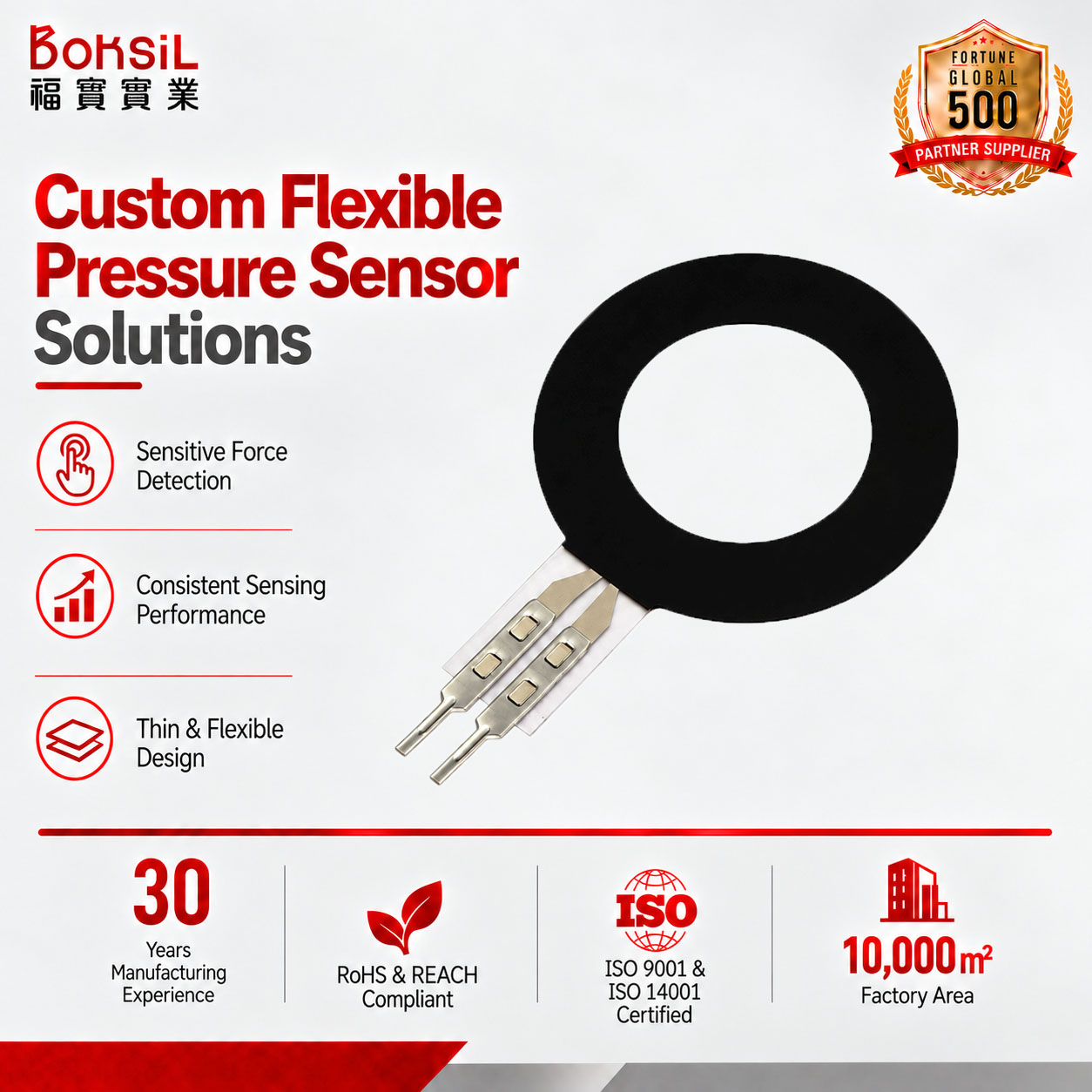
High Quality Universal FSR Flexibility Force Sensitive Sensor Capacitive Touch Keypad Thin Film Pressure Sensitive Resistor
- Technology: Piezoresistive FSR
- Thickness: <0.35mm Ultra-thin
- Response: <5 Microseconds
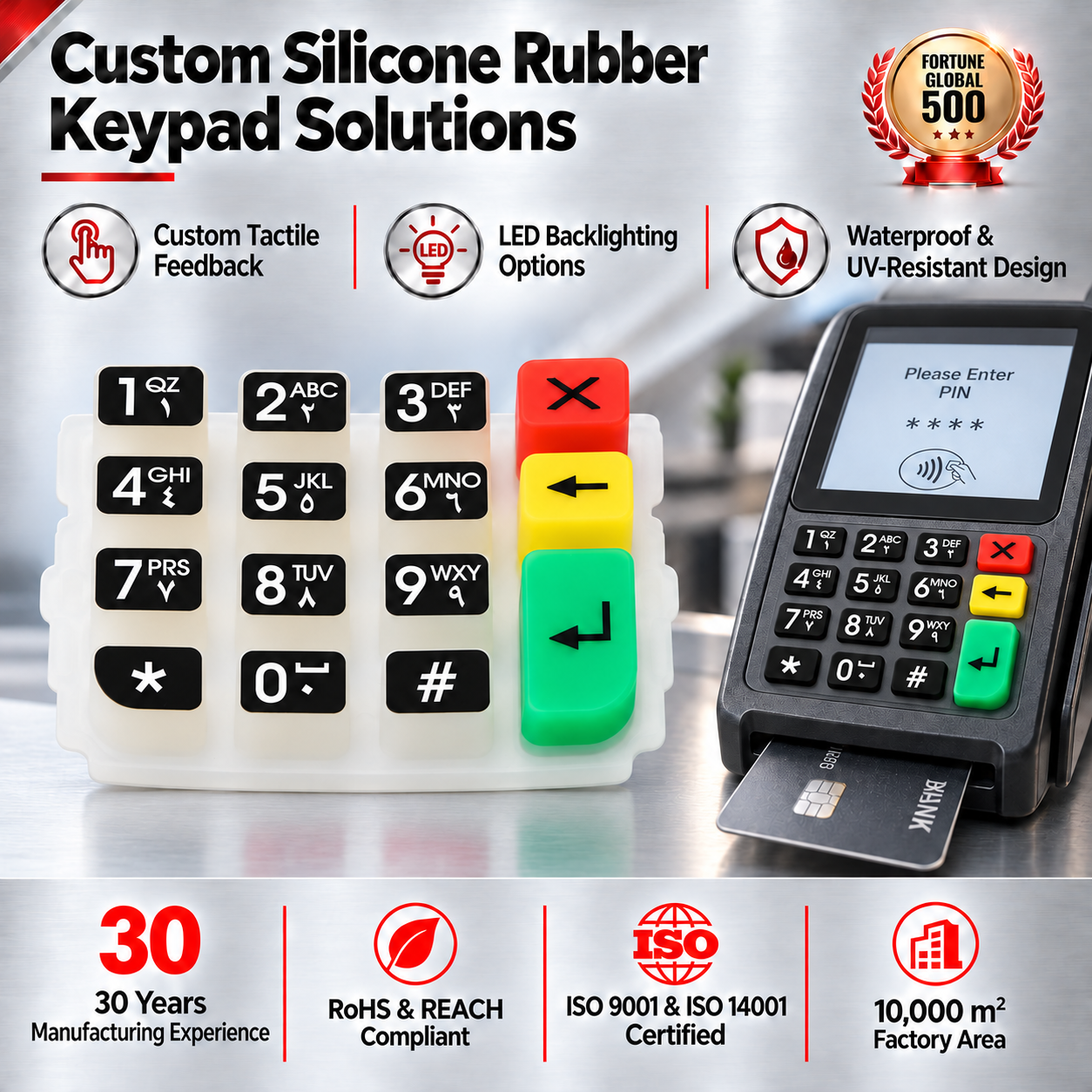
Electronic Soft Tactile Switch Plastic Silicone Button Elastomer Rubber Keypad Contact Strip for Home Appliance
- Material: Medical/RoHS Silicone
- Contact: Conductive Carbon Pill
- Durometer: 40°–70° Shore A
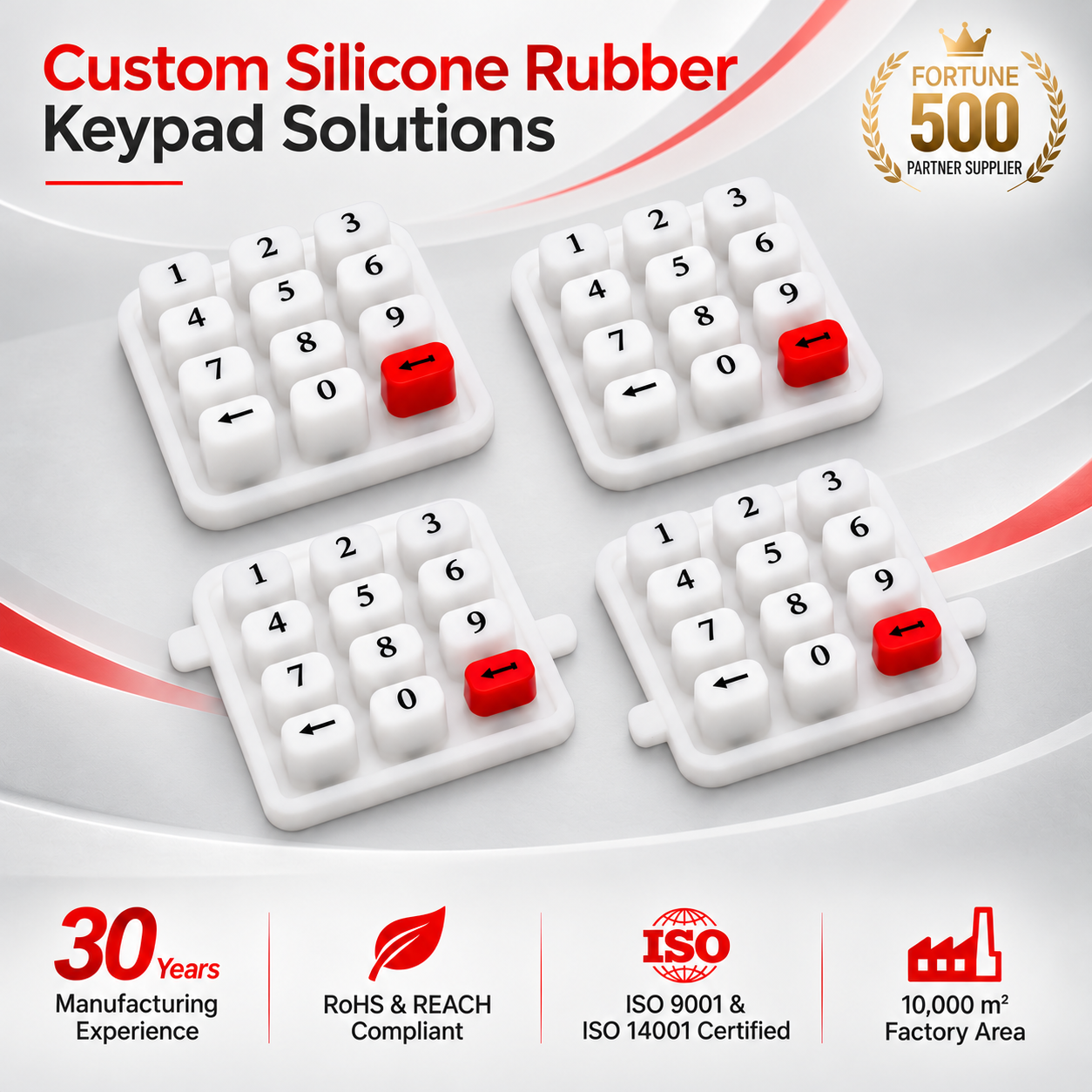
Custom Manufacturer Epoxy Silicone Rubber Keypad oem/odm with low Profile Design Durable and Waterproof
- Surface Finish: Clear Polyurethane/Epoxy
- Sealing: IP66 Hermetic Gasket
- Backlight: Laser-Etched Font
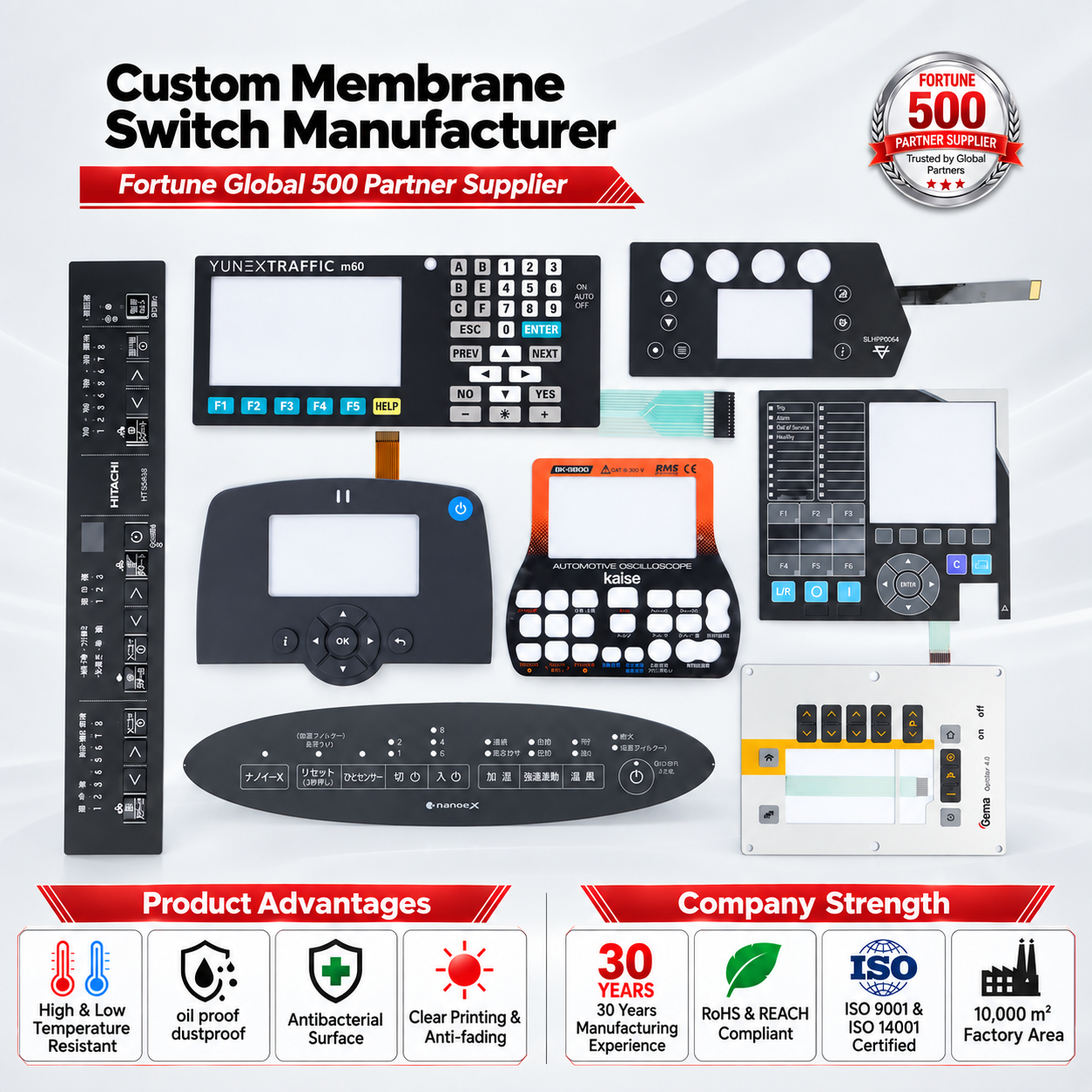
Custom Industrial Medical Automotive Appliance Membrane Switch Graphic Overlay Waterproof FPC Circuit Touch Panel
- Conductor: Polyimide Copper FPC
- Integration: Surface-Mount LEDs
- Trace Pitch: 0.5mm / 1.0mm Pitch
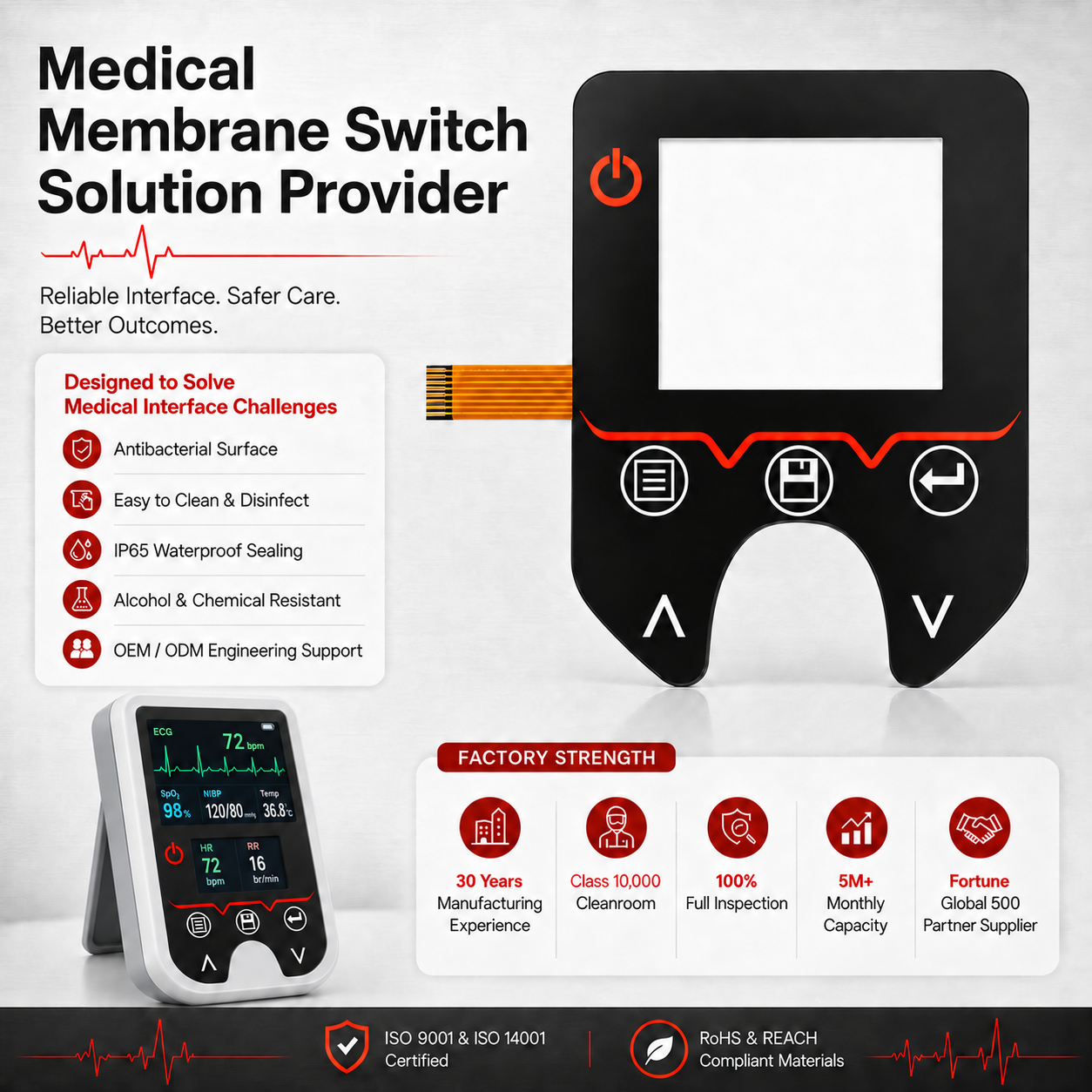
Factory Custom Medical Equipment ip65 Waterproof PC Graphic Overlay Membrane Switch Control Front Panel Button
- Substrate: Anti-Bacterial Polycarbonate
- Chemicals: Alcohol & Bleach Proof
- Tactile: Gold-Plated Metal Dome
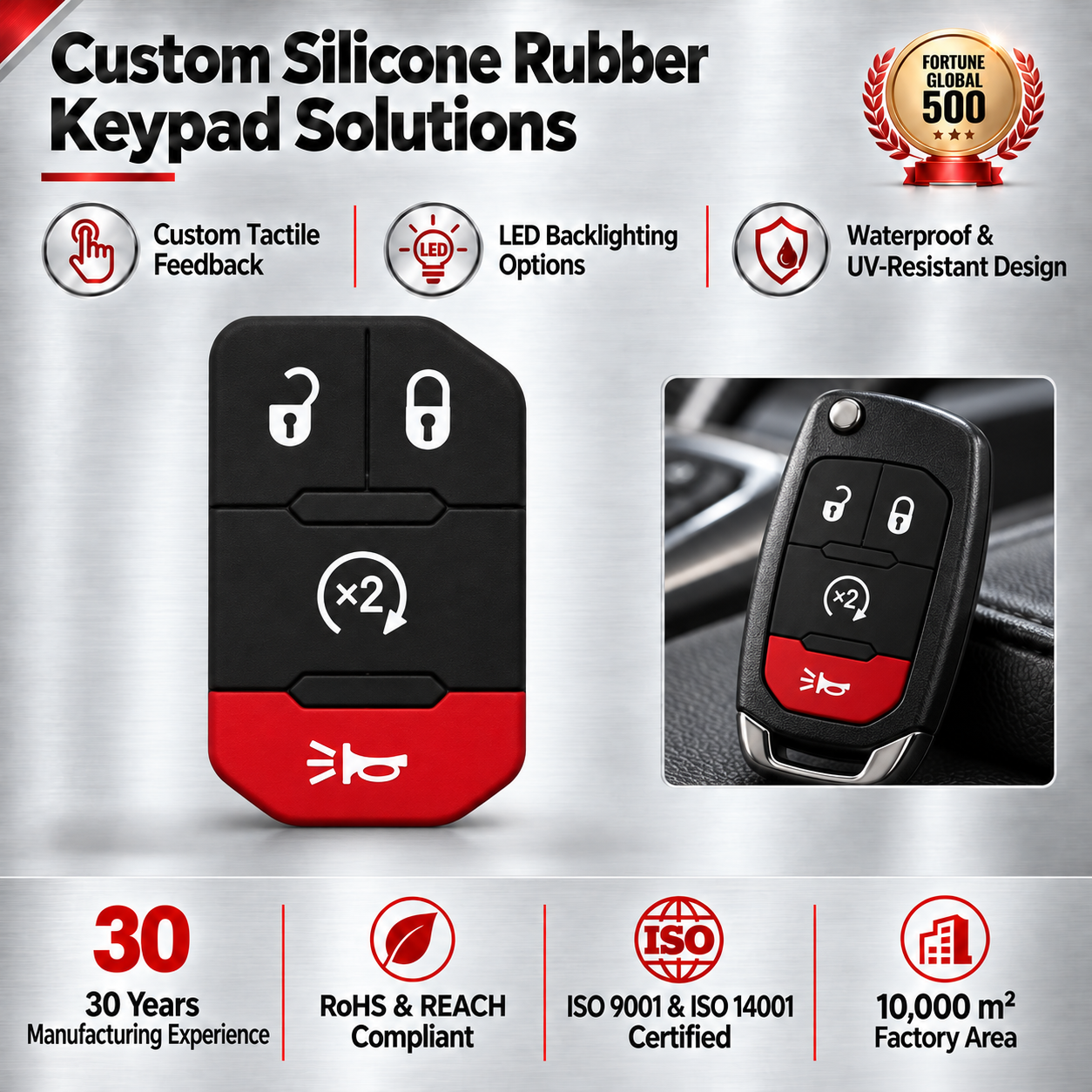
Waterproof Silicone car key Cover Press Button Rubber Keypad 4 Buttons with Printing Vehicle Wholesale Exporter
- Tooling: Precision Compression Mold
- Weathering: UV & Ozone Stabilized
- Colors: Pantone Matched Silk-screen
Engineering Human-Machine Interfaces for Mosta’s Advanced Technology Ecosystem
Bridging precision manufacturing with Mediterranean operational demands: How custom membrane switches and tactile interfaces solve complex thermal, chemical, and environmental challenges.
As one of the central commercial and light-manufacturing focal points in the Republic of Malta, Mosta—anchored by the thriving Mosta Technopark and adjoining engineering hubs across Attard, Birkirkara, and the Central Business District—has emerged as a specialized cradle for high-value contract electronics manufacturing (CEM), medical instrumentation assemblies, precision sensor systems, and marine telemetry hardware. Operating in the middle of the Mediterranean Basin presents distinct environmental stressors that standard commercial-off-the-shelf control buttons cannot withstand.
For hardware designers and procurement directors operating in and around Mosta, electronic enclosures must battle year-round atmospheric saline humidity, periodic desert dust infiltration (Sirocco events), sharp seasonal thermal fluctuations, and intensive chemical washdowns in cleanroom or diagnostic environments. Dongguan AXRU Electronics Co., Ltd. serves as a direct engineering partner and certified exporter to Maltese original equipment manufacturers (OEMs), providing fully certified, custom-layered membrane keyboards, flexible printed circuit (FPC) switch matrices, and silicone elastomer assemblies that address these exact operational constraints.
Diagnostic & Medical Devices
Utilizing Autotex AM antimicrobial textured polyester overlays, our panels withstand aggressive quaternary ammonium, isopropyl alcohol (70%+), and sodium hypochlorite sterilization agents without yellowing or legend degradation.
Marine & Coastal Telemetry
Harsh Mediterranean marine environments require IP67/IP68 boundary sealing. Perimeter hydrophobic breathers and 3M 300LSE adhesive gaskets prevent salt mist penetration and trace corrosion across maritime communication boxes.
Industrial Control & PLC Keypads
Stainless steel metal domes rated up to 5,000,000 actuations provide unmistakable crisp tactile feedback for machine operators wearing heavy work gloves within production cells across Mosta industrial estates.
Fuel Dispenser & Smart Vending
Combines vandal-resistant stainless steel front bezels with sealed FPC matrix traces and integrated backlighting, certified to operate reliably from -40°C to +85°C in unconditioned outdoor environments.
Architectural Layer Stack-up: Engineering for Extreme Reliability
A membrane keypad is not merely a cosmetic label; it is a multi-layer composite electromechanical assembly where each micrometer of material influences tactile actuation, environmental isolation, and long-term electrical conductivity. Below is the standard high-reliability stack-up configured by AXRU engineers for Mediterranean OEM applications:
| Layer Name | Material Specification | Thickness (Typical) | Engineering Function & Environmental Defense |
|---|---|---|---|
| Graphic Overlay | Autotype MacDermid XE/Fine/Velvet PET or Lexan PC | 0.13mm – 0.20mm | Sub-surface reverse screen-printing; resists abrasion, UV radiation, oil, and chemical sanitizers. |
| Overlay Adhesive | Genuine 3M 467MP / 3M 200MP High-Performance Acrylic | 0.05mm | Hermetically bonds graphic overlay to the upper circuit/dome retainer; eliminates air pockets. |
| Dome Retainer Layer | Optically Clear Polyester (PET) with Precision Venting | 0.075mm – 0.10mm | Holds stainless steel tactile domes in spatial registration; channels air displacement between key matrices. |
| Tactile Actuator Domes | SUS301 Stainless Steel (Nickel/Gold-Plated) | 0.30mm (Travel ~0.5mm) | Delivers tactile snap (220g to 450g trip force); closes electrical circuit upon downward deflection. |
| Circuit Spacer | DuPont Mylar PET with Double-Sided 3M Adhesive | 0.125mm – 0.25mm | Defines actuation stroke; isolates positive and negative conductor tracks to avoid parasitic capacitance. |
| Printed Circuit Layer | Silver Flake Ink on PET or Flexible Copper FPC (Polyimide) | 0.075mm – 0.12mm | Carries electrical signals, LED trace lines, and connector tail traces. Copper FPC chosen for high-vibration systems. |
| Rear Mounting Adhesive | 3M 468MP, 3M 300LSE, or 3M VHB Closed-Cell Foam | 0.13mm – 0.80mm | Anchors switch assembly to metal, ABS, polycarbonate, or powder-coated cast aluminum chassis. |
Emerging Technology Trends in Mosta’s Electronics Manufacturing Sector
Examining how IoT sensor integration, capacitive touch surfaces, and circular economy compliance under EU regulations are redefining interface procurement.
As Maltese manufacturers scale their export pipelines into the broader European Union, North Africa, and the United Kingdom, product design parameters are changing rapidly. Engineering teams in Mosta are transitioning from traditional discrete mechanical toggle switches toward sealed, low-profile human-machine interfaces that lower assembly bills of materials (BOM), reduce field failure warranty claims, and comply with rigorous EU environmental directives.
1. Migration from Pure Silver Inks to Polyimide Copper FPCs
While conductive silver paste screen-printed onto treated polyester remains the cost-effective benchmark for consumer appliances, industrial and marine hardware designed in Mosta is increasingly shifting to Flexible Printed Circuits (FPC) with rolled-annealed copper conductors. In coastal Mediterranean climates, prolonged exposure to high relative humidity combined with micro-voltage potentials can induce "silver electromigration"—a phenomenon where dendrites bridge adjacent traces causing intermittent short circuits. By deploying polyimide copper FPC backplanes with immersion gold (ENIG) plating, AXRU guarantees zero dendritic migration, enabling micro-pitch SMD LEDs (0603 and 0402 footprints) and integrated controller ICs to be soldered directly onto the flexible keypad tail.
2. The Surge of Hybrid Capacitive-Tactile Surfaces
Industrial designers in Mosta are increasingly demanding smooth, crevice-free front panels that offer modern capacitive touch styling while preserving mechanical confirmation for safety-critical inputs. AXRU’s hybrid engineering enables capacitive sliders and proximity wake-up sensors to live on the same front plane as tactile metal dome switches. When managing mission-critical power toggles, emergency cutoffs, or calibration menus, the operator feels the positive 350g tactile click of a stainless-steel dome, while secondary menu navigation utilizes capacitive sensing through a seamless 2mm tempered glass or acrylic cover panel.
3. Stricter Environmental and Circular Economy Directives (RoHS 3 & REACH)
Being an EU member state, Malta strictly enforces directives including RoHS Directive (EU) 2015/863, REACH (EC 1907/2006), and the Waste Electrical and Electronic Equipment (WEEE) directives. Purchasing agents in Mosta cannot risk supply chain impoundment caused by non-compliant adhesives, phthalate plasticizers, or banned halogen flame retardants. Dongguan AXRU Electronics maintains full raw material traceability; every shipment to Malta is accompanied by complete chemical testing declarations, certificate of conformity (CoC), and batch test reports verified against Intertek laboratory benchmarks.
4. Integrated Thin-Film Force Sensitive Resistors (FSR)
The rise of smart medical monitoring beds, robotic grippers, and industrial pressure feedback systems in Maltese research clusters has driven strong demand for force-sensing resistors. Unlike conventional binary (open/close) switches, FSR sensors modulate electrical resistance inverse to applied dynamic force. AXRU manufactures micro-calibrated force sensors directly printed onto thin film substrates, enabling Mosta engineering groups to capture variable force inputs without integrating bulky, expensive load cells.
Why Mosta OEMs and European Buyers Choose AXRU Electronics
Single-source accountability from Dongguan, China: 10,000㎡ factory scale, Fortune 500 qualification, and complete in-house quality control.
One Dedicated Facility, One Accountable Engineering Team
When outsourcing membrane keypad fabrication, European engineering buyers often face fractured supply chains where graphic printing, circuit stamping, and lamination are subcontracted across disparate small workshops. Dongguan AXRU Electronics Co., Ltd. eliminates supplier fragmentation.
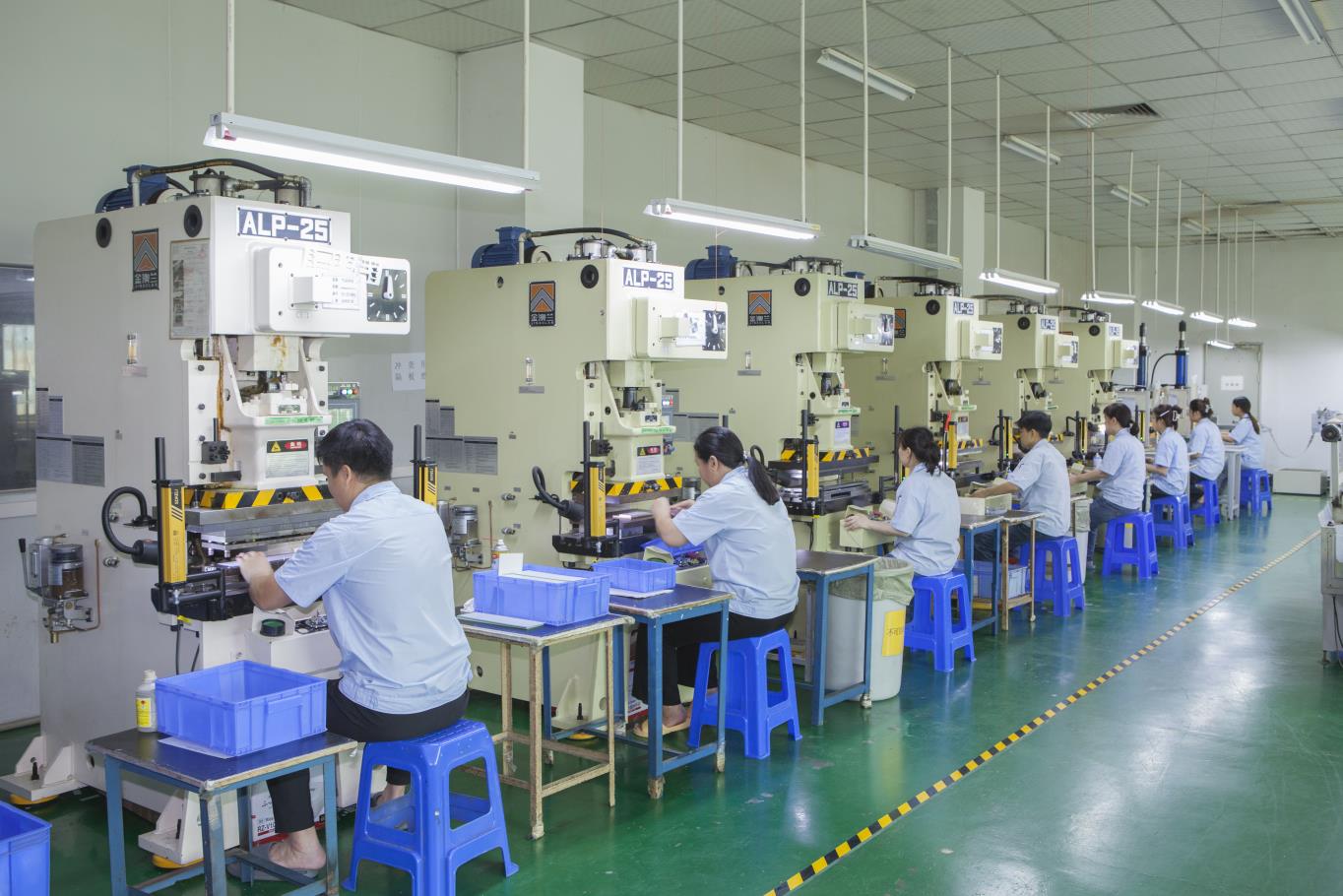
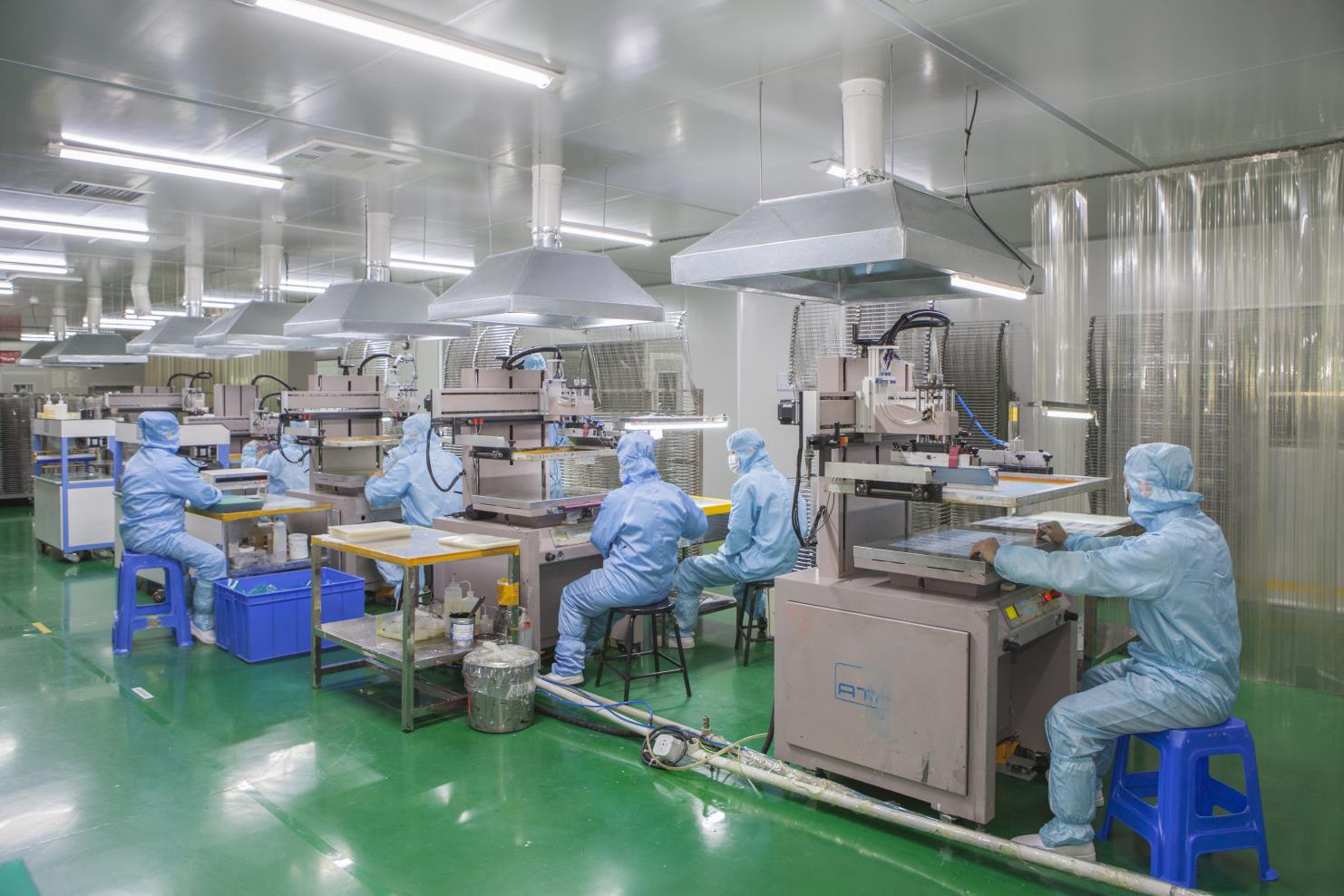
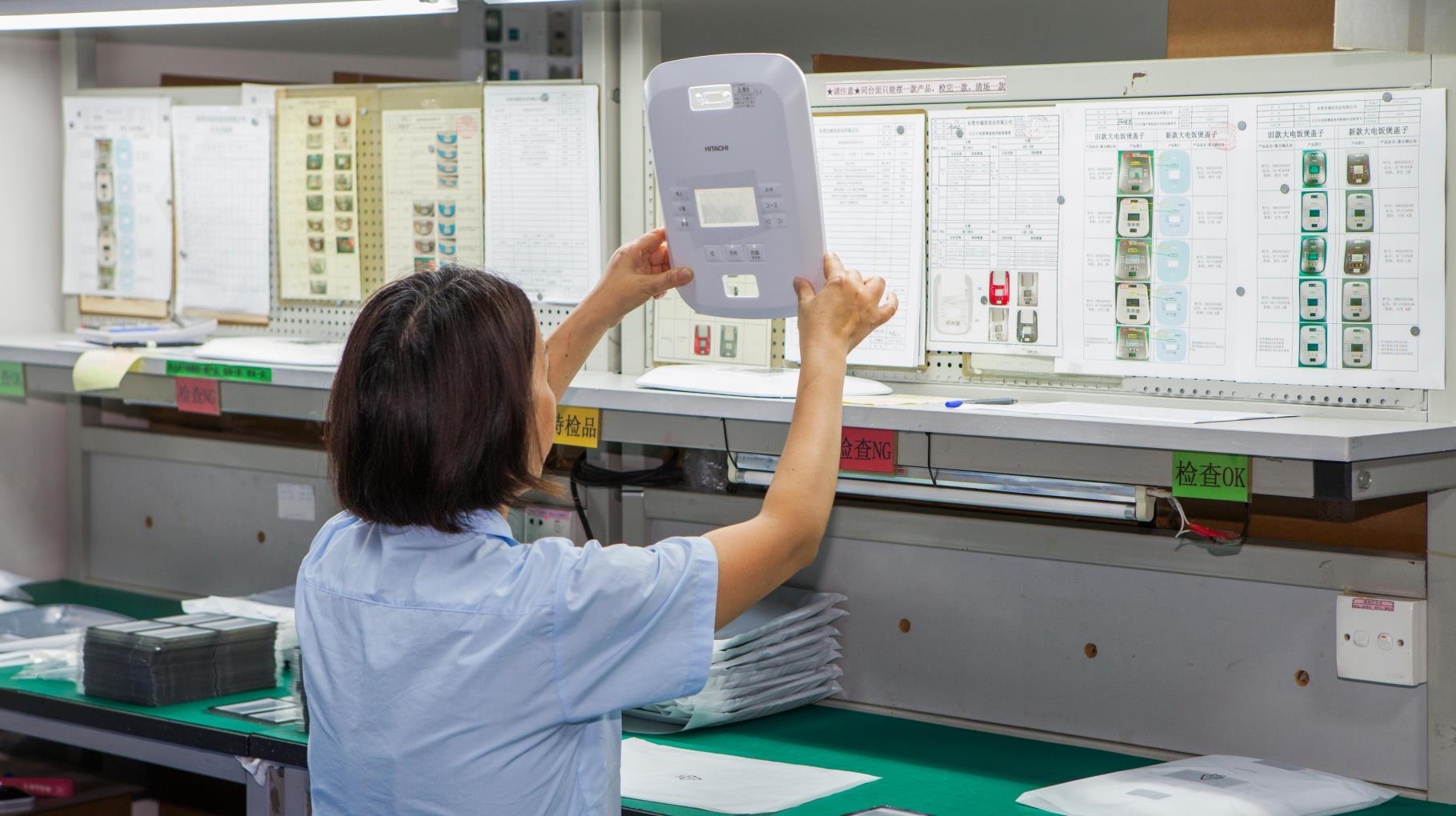
Operating out of a modern, 10,000㎡ manufacturing plant with 121 specialized technicians, our facility has been independently inspected and verified on-site by Intertek. We house cleanroom screen-printing lines, high-speed automated laser cutting, CNC flatbed die-cutting, automated metal dome placement machines, and an advanced electrical reliability laboratory entirely under one roof.
- Supplier to Fortune 500 Enterprises: Proven track record manufacturing mission-critical front panels and user interfaces for world-class industrial brands.
- Low Prototyping MOQ (from 100 pcs): Accelerating hardware startup innovation and engineering development trials across Mosta without exorbitant NRE tooling costs.
- Comprehensive Reliability Testing Lab: Key life cycling testers (tested up to 5M strokes), tensile peel strength testing, force-displacement curve plotting, UV weather resistance, and programmable temperature/humidity chambers.
- Direct Engineering-to-Engineer DFM: Receive complete Design for Manufacturability (DFM) feedback, stack-up schematic verification, and connector pinout validation within 24 hours.
Comparative Matrix: Evaluating Front Panel Input Technologies
Choosing the right interface technology requires balancing actuation lifecycle, ingress protection rating, cosmetic branding, and tooling investment. AXRU engineers recommend reviewing this comparison matrix during the initial CAD modeling phase:
| Interface Technology | Actuation Life | Ingress Rating | Tactile Perception | Best Fit Applications in Mosta |
|---|---|---|---|---|
| Tactile Metal Dome Membrane | 1,000,000 to 5,000,000 cycles | IP65 – IP67 perimeter sealed | Crisp, unmistakable snap (250g–450g) | Medical diagnostic instruments, industrial CNC consoles, commercial catering controllers. |
| Flexible Printed Circuit (FPC) | >5,000,000 cycles | IP67 – IP68 hermetic seal | High tactile response with low trace resistance | Vibration-intensive marine telemetry, outdoor petroleum equipment, defense electronics. |
| Molded Silicone Rubber Keypad | 500,000 to 2,000,000 cycles | IP66 with molded lip gasket | Soft ergonomic deflection (100g–250g) | Handheld terminals, rugged remote controls, vehicle diagnostic scanners, security keypads. |
| Capacitive Touch Surface Panel | Zero mechanical wear (>10M touches) | IP68 / IP69K solid surface | Non-tactile; software acoustic/haptic buzz | Cleanroom instrumentation, laboratory sterilizers, luxury architectural interfaces. |
| Vandal-Resistant Stainless Steel | >2,000,000 cycles | IP65 / IK09–IK10 impact proof | Firm metallic stroke (300g–500g) | Public fuel dispensers, unattended automated ticket dispensers, coastal intercom systems. |
Frequently Asked Questions: Membrane Keypad Sourcing for Mosta OEMs
Detailed answers addressing minimum order volumes, customs clearance in Malta, DFM file preparation, environmental sealing, and lead times.
What CAD and graphic file formats does AXRU require to initiate a DFM review and quotation?
How does AXRU ensure membrane keypads resist Malta’s coastal humidity and saline atmosphere?
What are the typical lead times for engineering prototypes and mass production delivery to Mosta?
Can AXRU support low minimum order quantities (MOQ) for high-mix or niche medical hardware?
What backlighting and display window integration options are available?
What electrical and mechanical quality inspection documentation accompanies each shipment?
Ready to Engineer a Superior Interface for Your Equipment?
Partner directly with an Intertek-verified Chinese factory trusted by global OEMs. Send us your CAD drawings or technical requirements today for an engineer-led DFM review and factory-direct quotation within 24 hours.